Ancient Metalworks

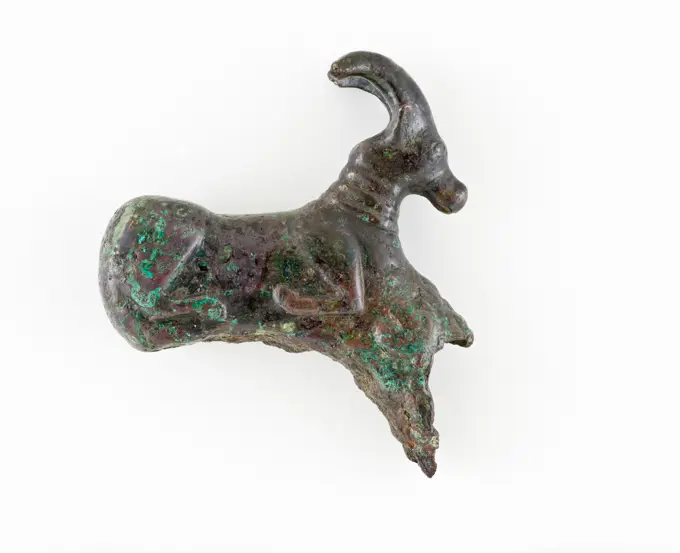
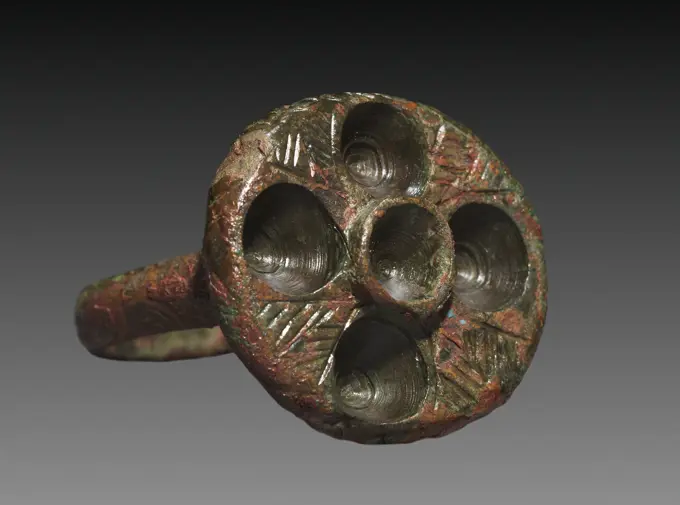
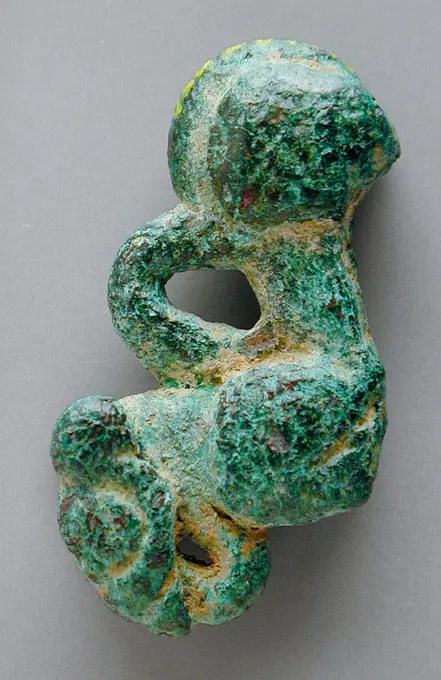
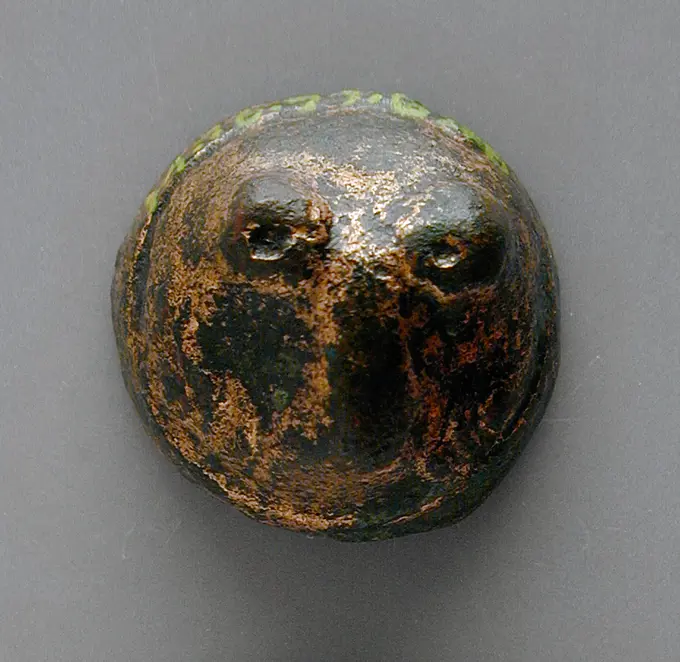
Collection of bronze and iron artifacts from ancient civilizations, including finials, brooches, and handles, showcasing intricate designs from various historical periods.
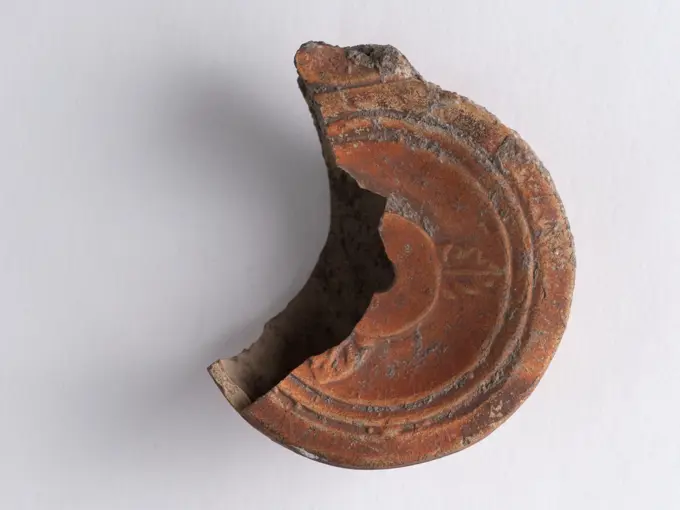
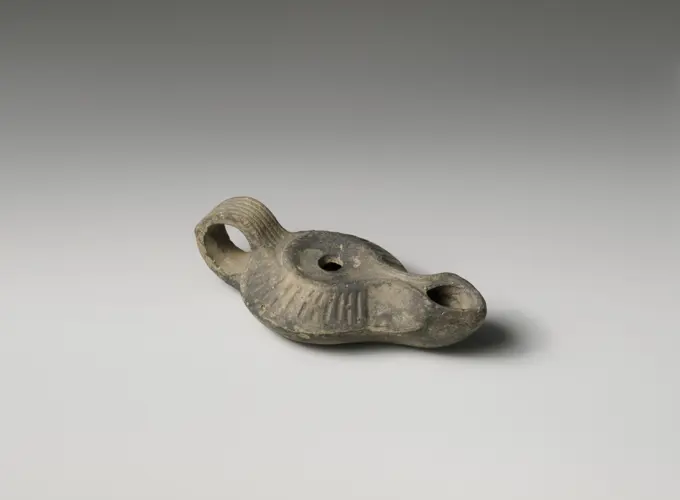
Oil lamp. Spout beak, leaves. Street Ste Catherine. Terracotta. Late Antiquity. Paris, Carnavalet museum. 50208-20 Late antique, oil lamp, terracotta, ancient
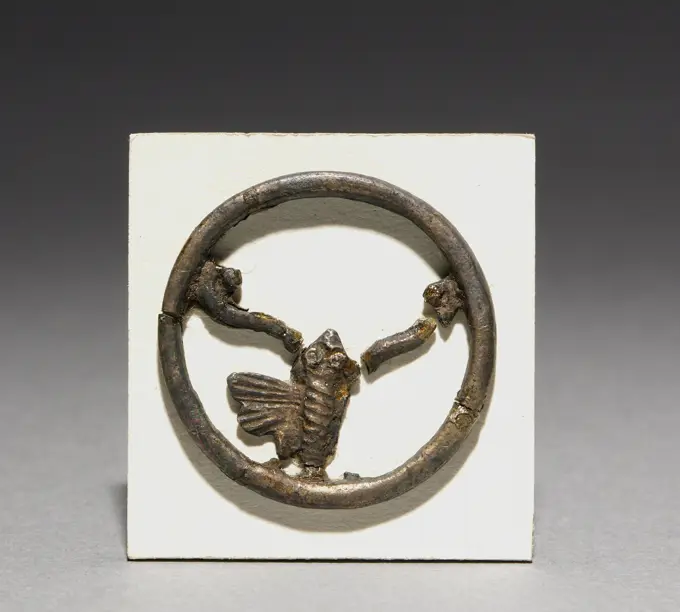
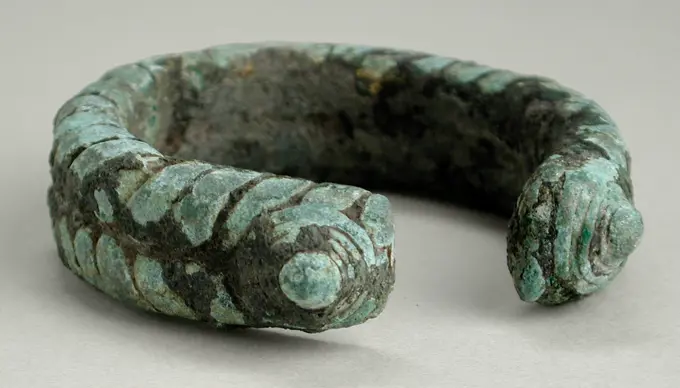
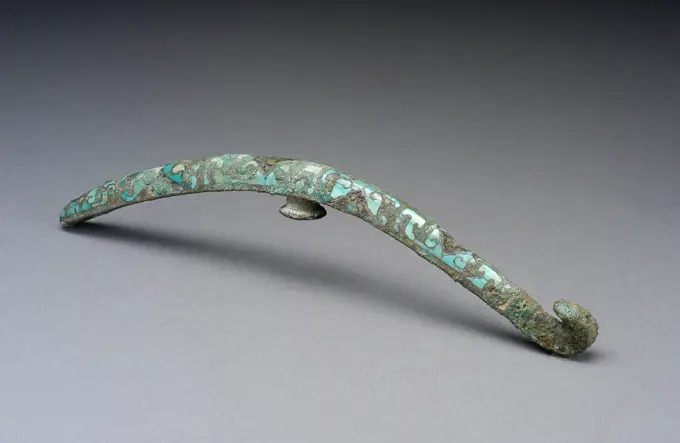
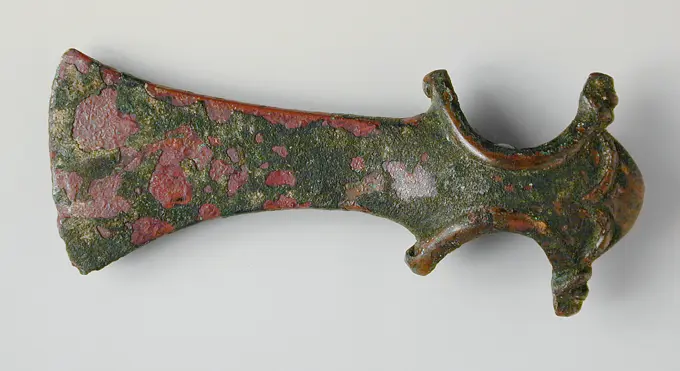
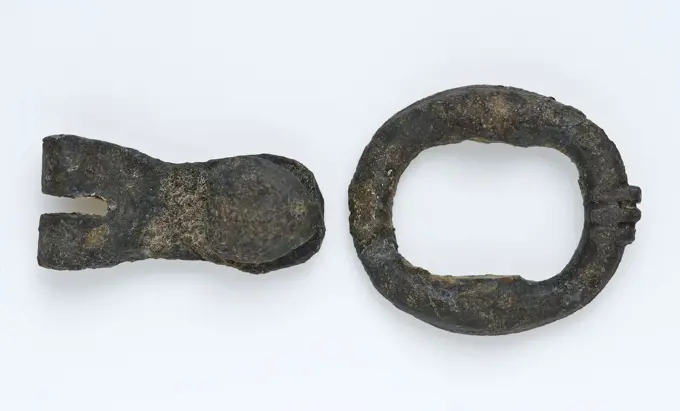
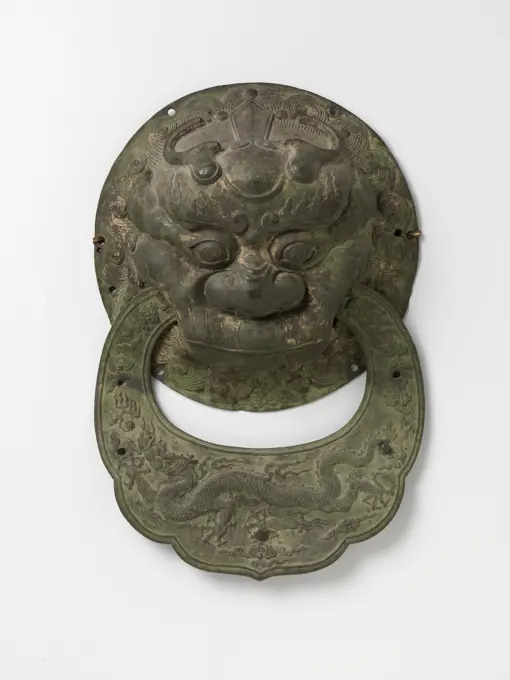
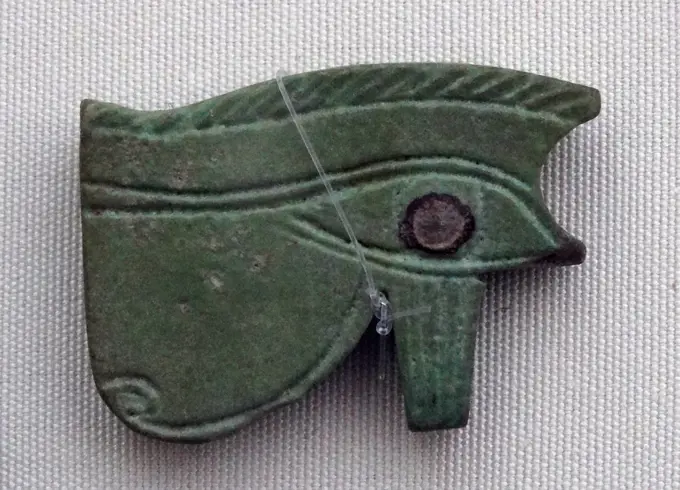
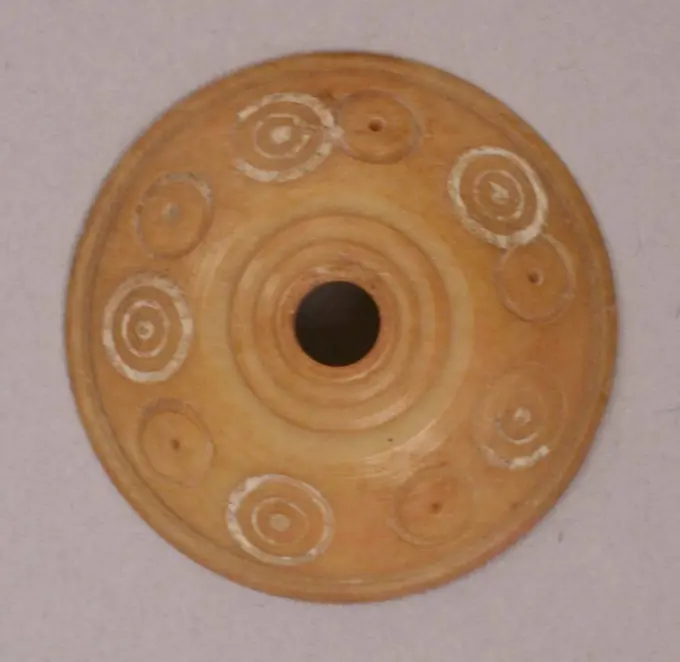
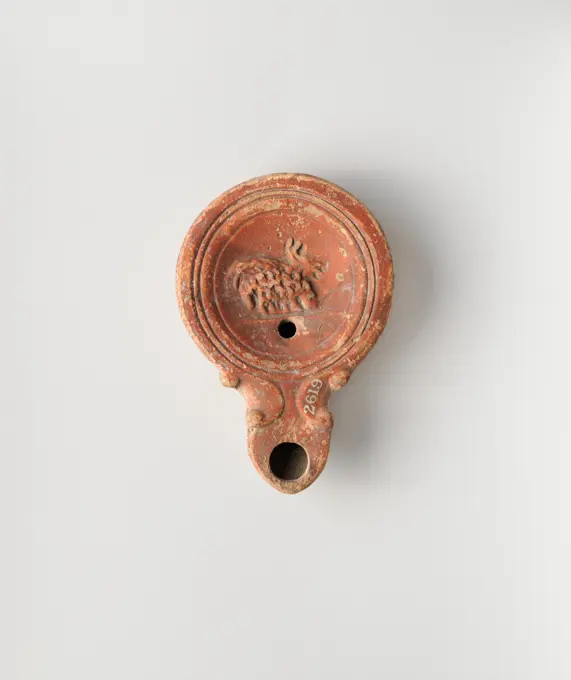
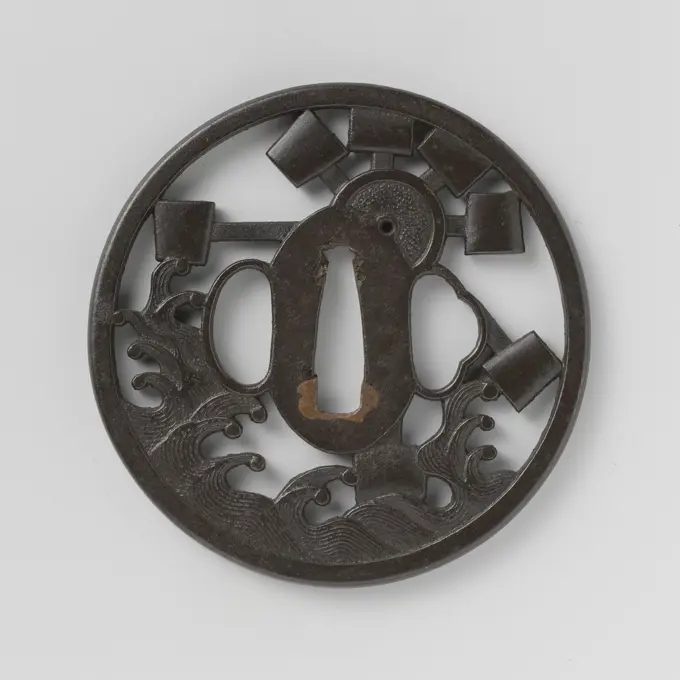
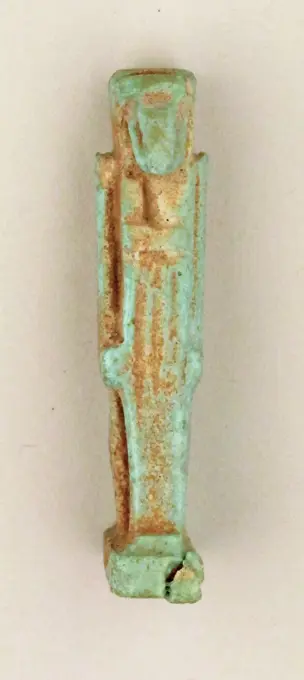
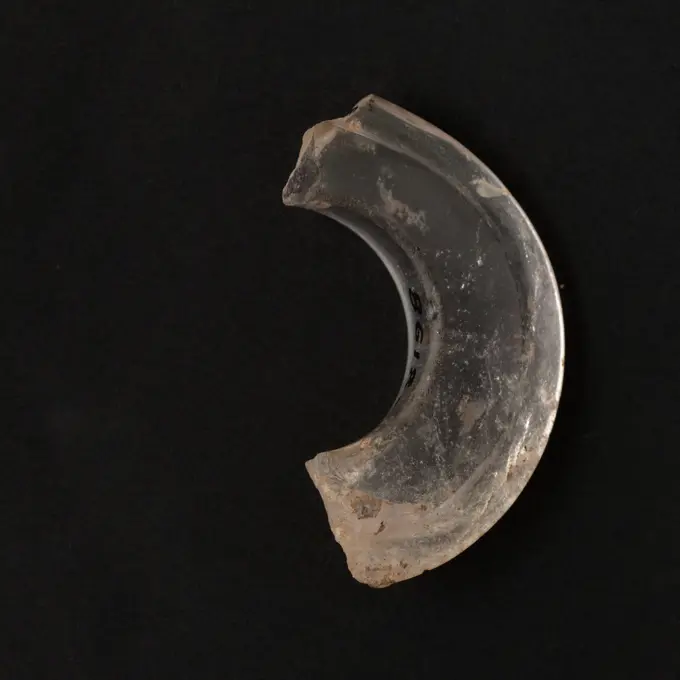
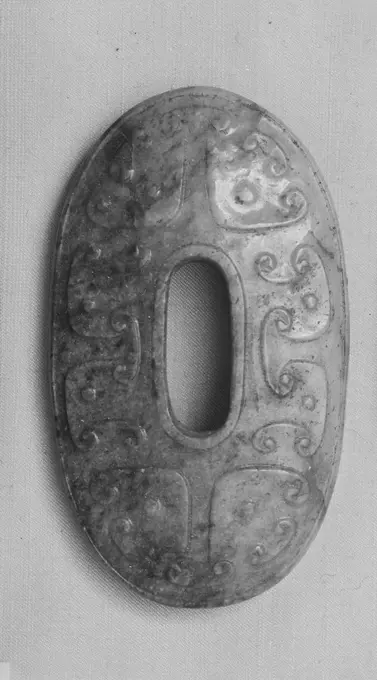
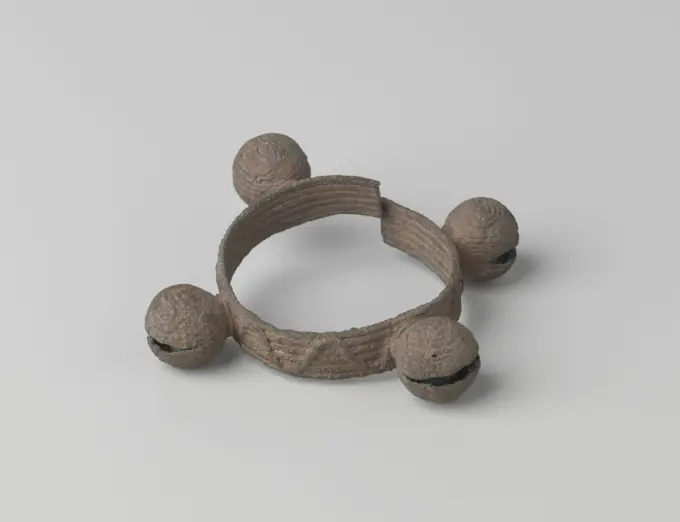
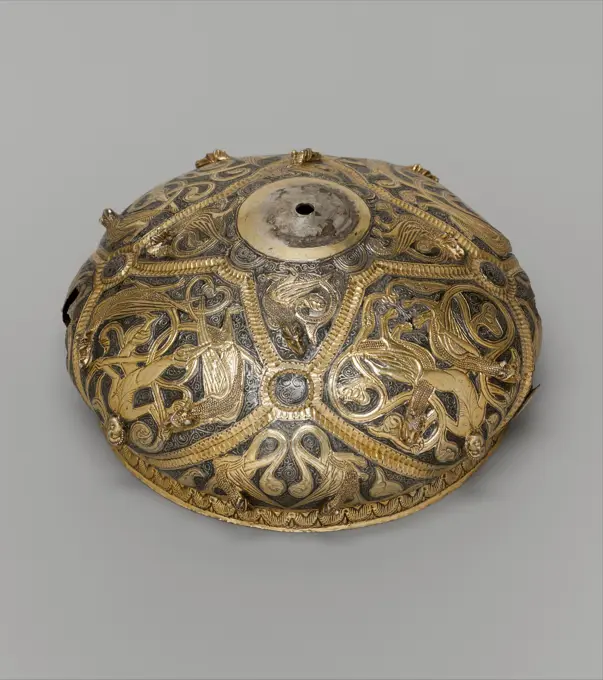
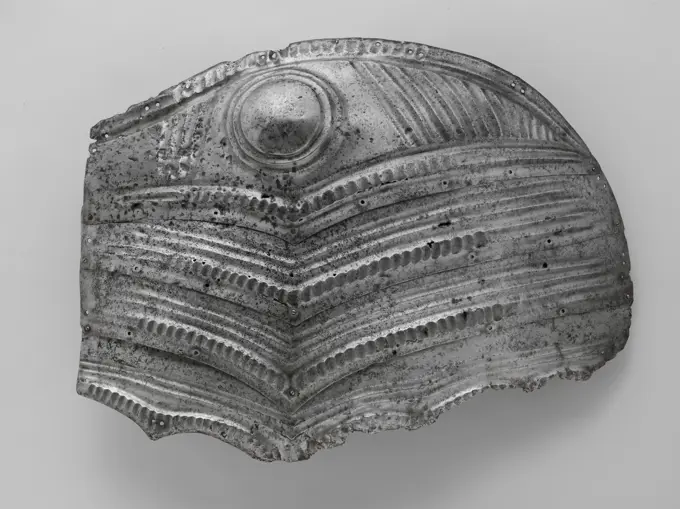
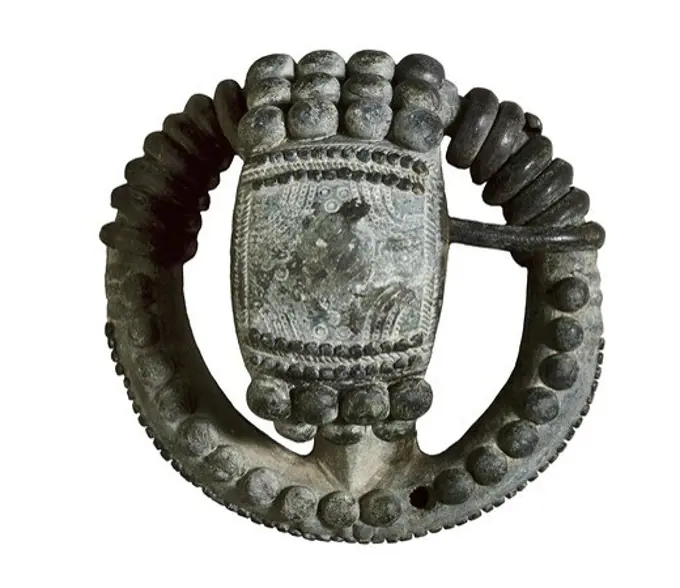
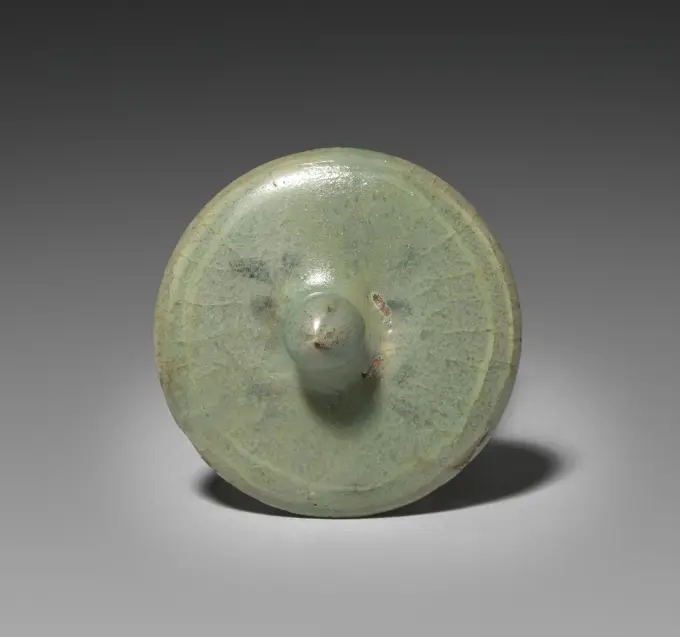
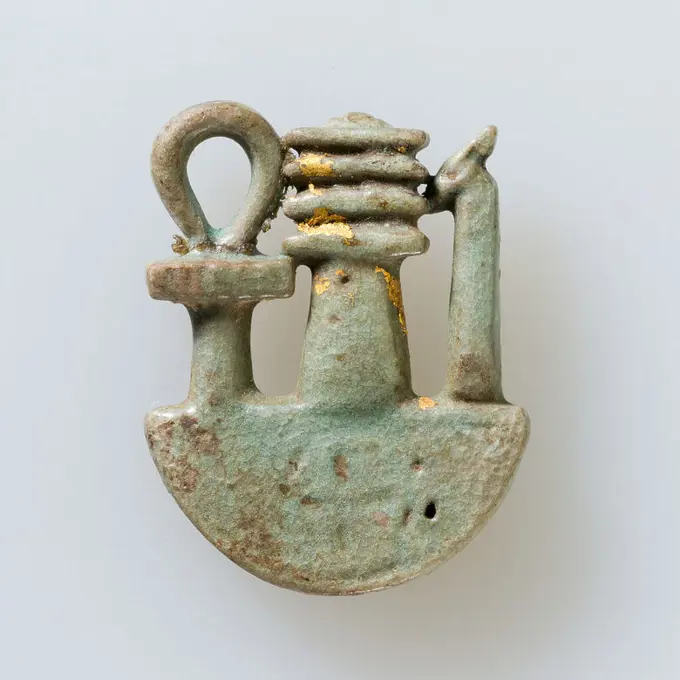
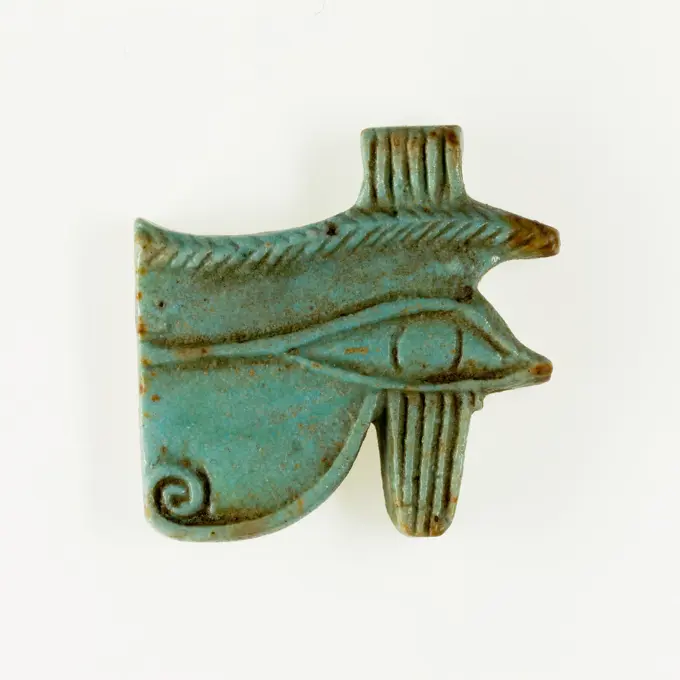
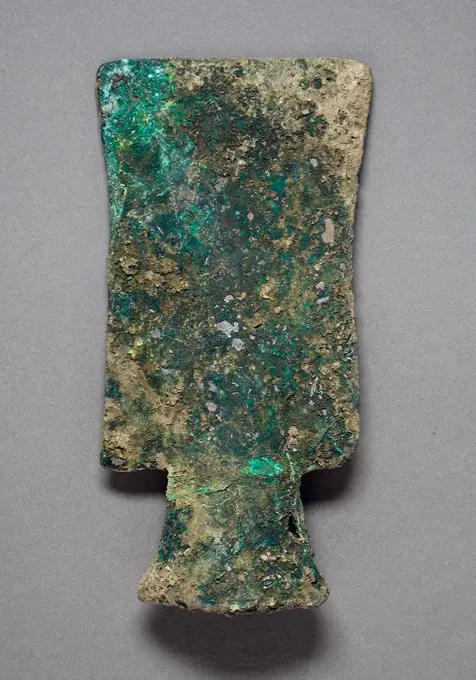
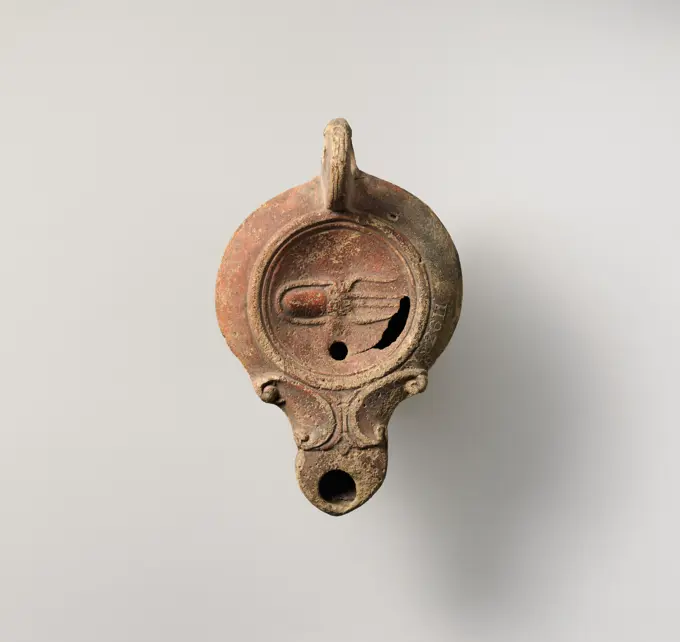
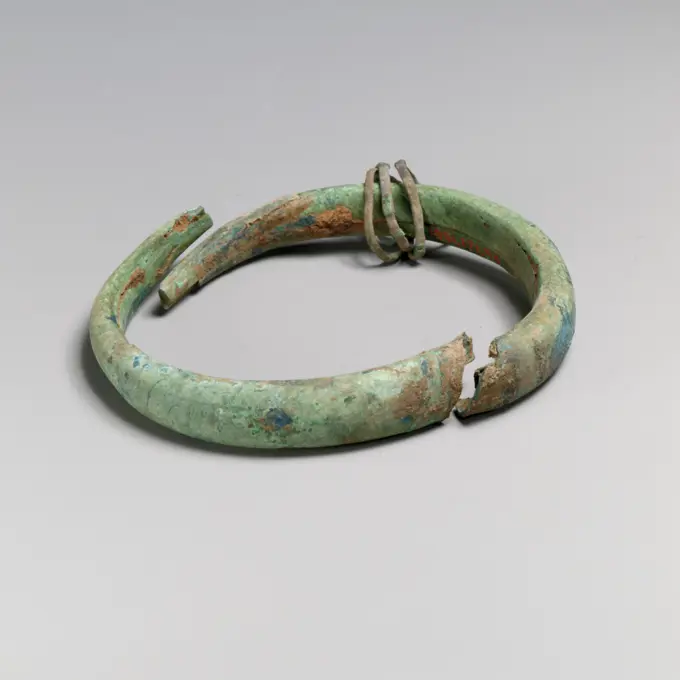
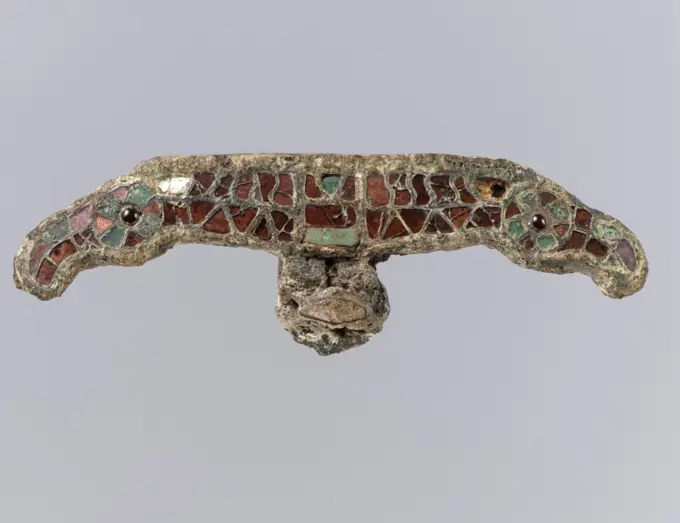
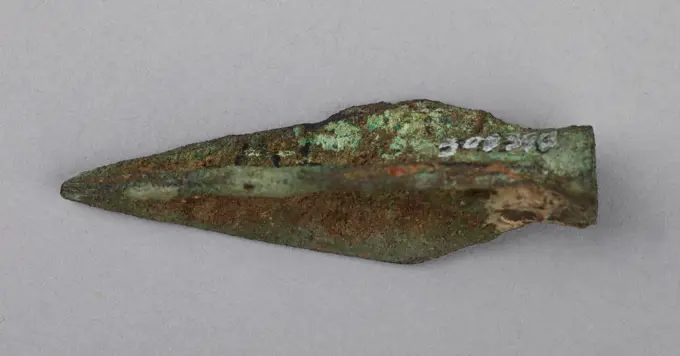
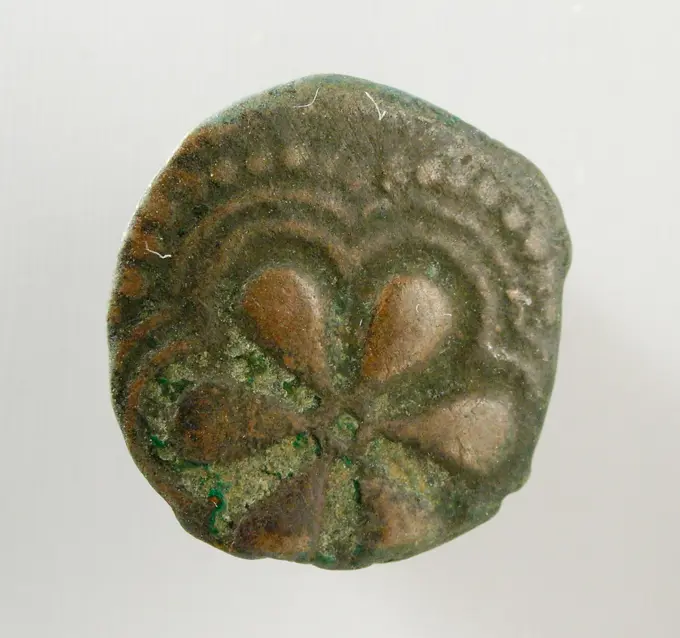
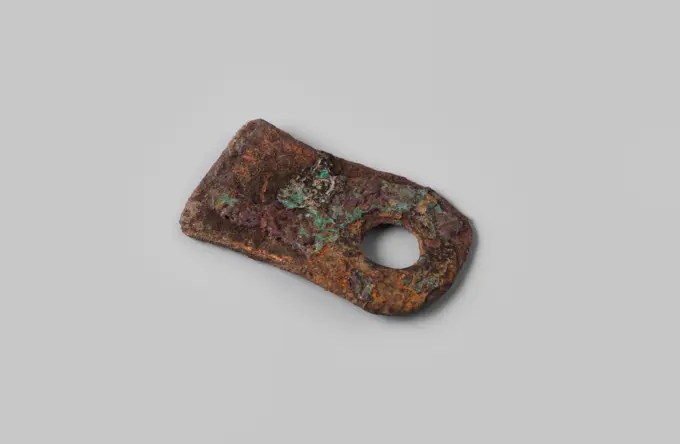
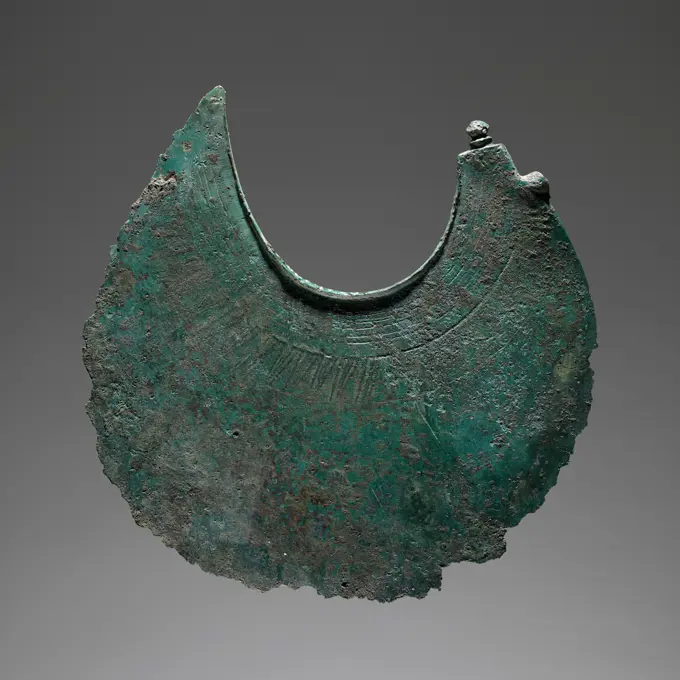
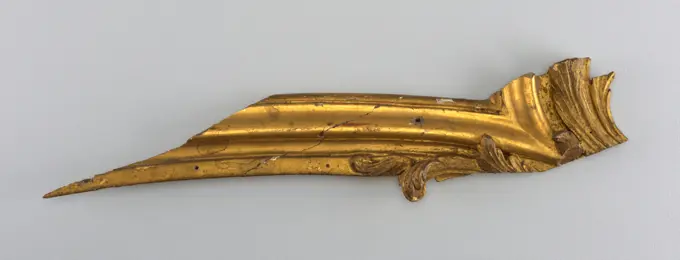
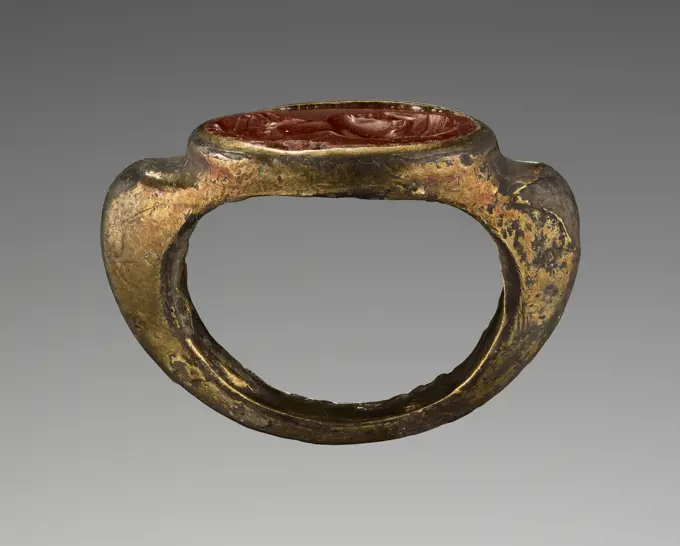
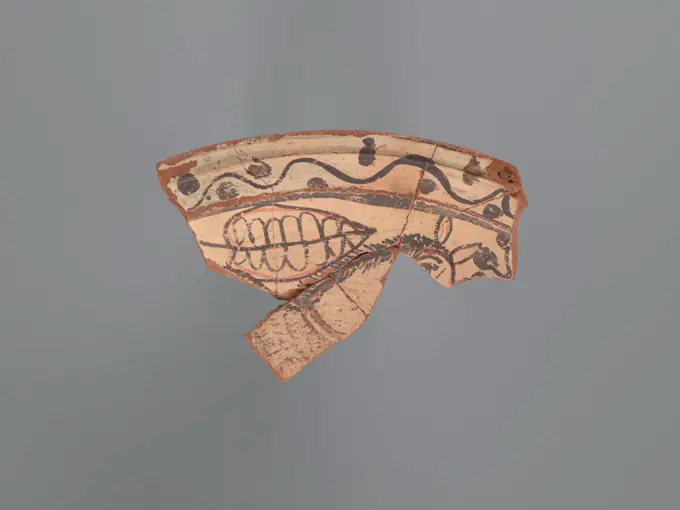
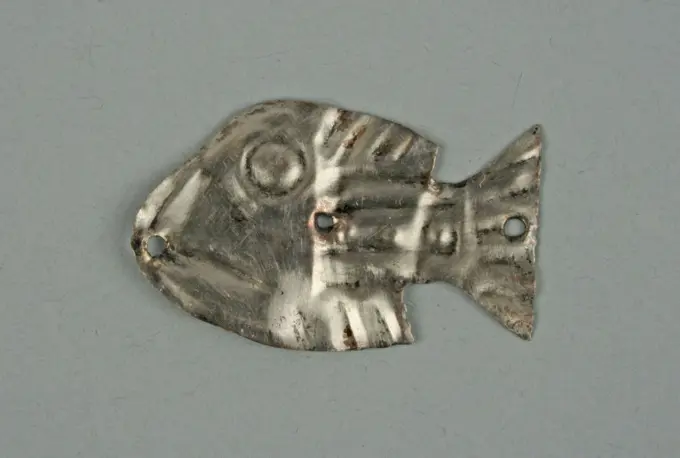
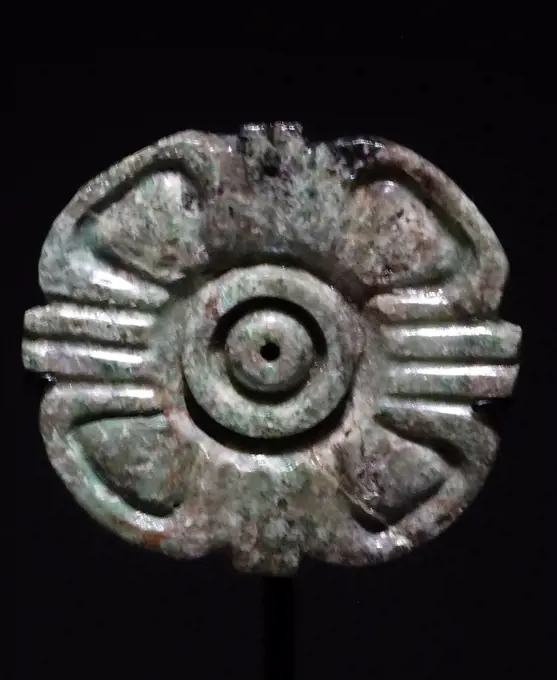
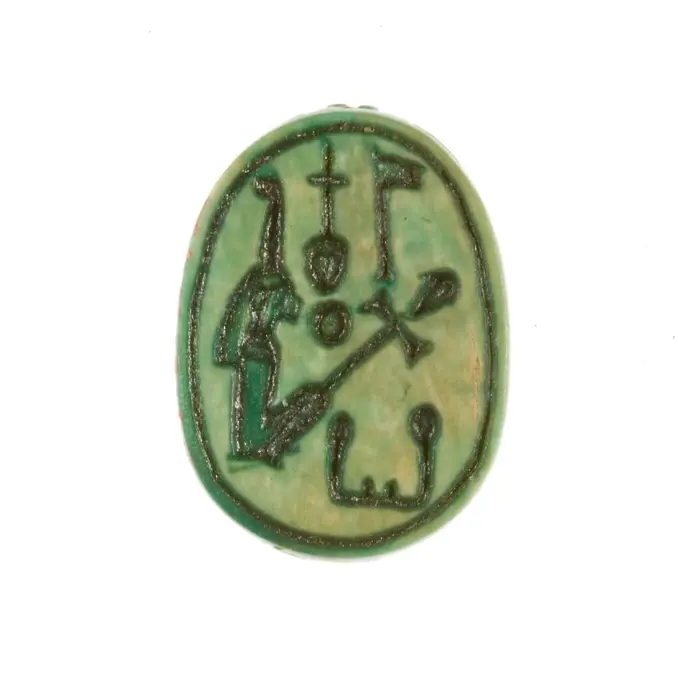
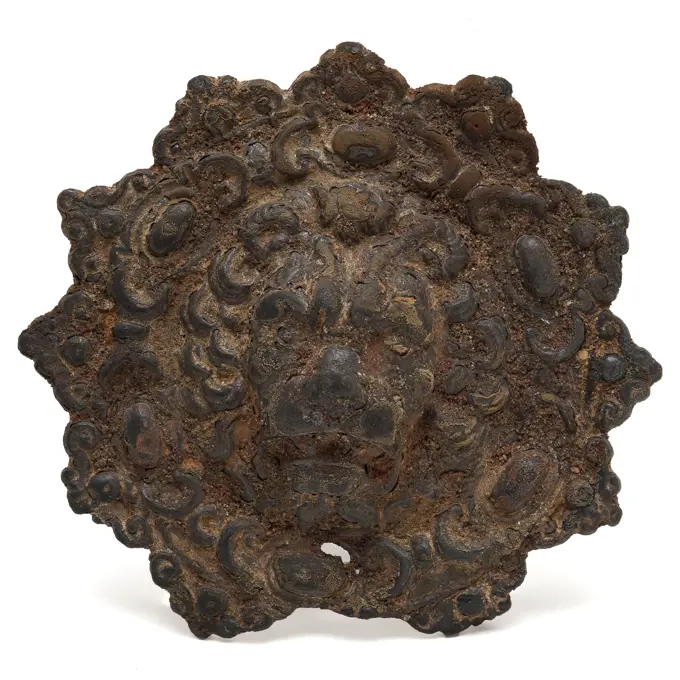
Edited star-shaped rosette with lion's head, fitting, fitting soil found iron metal d 2.0, cast Rosette with eleven points lion's head with open beak at the back two short anchorages archeology Valckensteyn Poortugaal Albrandswaard adornment Soil discovery of Poortugaal castle Valckensteyn.Miniaturowy czerpak. unknown, authorOrnament with Bat Design, 1200s. Korea, Goryeo period (918-1392). Bronze; diameter: 2.6 cm (1 in.).Bracelet. Northeastern Thailand, Ban Chiang culture, 300 B.C.-A.D. 150. Jewelry and Adornments; bracelets. Copper alloyGarment Hook (Daigou) with Linked Chevrons and Feline Head. China, Last Eastern Zhou dynasty, middle or late Warring States period, about 400-221 B.C.. Tools and Equipment; hooks. Cast bronze with gold, silver, and turquoise inlayShaft-hole Axehead. Iran, Luristan, circa 2100-1750 B.C.. Arms and Armor; axes. Bronze, castBuckle with oval ring and loose fittings with riveted nail, clasp fastener component soil find copper metal, pushed together) archeologySon of Horus Amulet, 664-525 BC. Egypt, Late Period, Dynasty 26. Bright turquoise faience; average: 9 x 1.6 x 0.4 cm (3 9/16 x 5/8 x 3/16 in.).Door handles, anonymous, c. 1600 - c. 1699 Door rod, decorated with five -clawy dragon. Note: see also AK-MAK-500-B. China bronze (metal) Door rod, decorated with five -clawy dragon. Note: see also AK-MAK-500-B. China bronze (metal)The Wedjat-Eye, the left eye of the god Horus, symbolising light and provides protection against the evil eye.Standard FinialHammerhead. Iran, Luristan, circa 2100-1750 B.C.. Tools and Equipment; hammers. Bronze, castButton or Bead 9th-10th century The dot-in-circle motif recalls designs presumed to be of magical significance, most likely an abstract eye to ward off the evil-eye, which serves an apotropaic function. Easily reproduced with a tool and visible in many cultures and times, this symbol may have lost its meaning, and become simply a decorative pattern, or may have one that we have not yet discovered.. Button or Bead 449273Fragment of a zoomorphic vessel;  VI-VII century A.D. (590-00-00-610-00-00);The collection of ancient EgyptRing, 1-200. Parthian, 1st-2nd Century. Bronze; diameter: 2.6 cm (1 in.).Object of bronze. Object of bronze in the shape of a roset with a (French) lily in the middle. Partially open.Terracotta oil lamp 1st century B.C.-1st century A.D. Roman Vessberg Type 10. Mold-made. Discus: two animals, with at front a sheep facing left, and behind a horned goat facing right; ground line below; a single filling hole at center below ground line; band of lines and grooves around edge; plain, narrow, horizontal shoulder. Volutes flanking large, slightly pointed nozzle, with large wick hole. Incised base ring, and slightly raised flat base.Intact.. Terracotta oil lamp. Roman. 1st century B.C.-1st century A.D.. Terracotta. Early Imperial. TerracottasStylized animal. Jade, China, IV-Iie s. av. Paris, Cernuschi museum. Asian art, Chinese art, Asian civilization, Chinese civilization, JadeHand guard, 1600 - 1800 Round, openwork Tsuba, in the form of a water wheel with waves within an edge. Fukui copper (metal). iron (metal) Round, openwork Tsuba, in the form of a water wheel with waves within an edge. Fukui copper (metal). iron (metal)Son of Horus Amulets, 664-525 BC. Egypt, Late Period, Dynasty 26. Bright turquoise faience; average: 9 x 1.6 x 0.4 cm (3 9/16 x 5/8 x 3/16 in.).Amulet, Khnum. Amulet, Khnum. Clay, glazed. Gold and SilverCopper Tweezers before 16th century Peruvian. Copper Tweezers. Peruvian. before 16th century. Copper (hammered). Peru. Metal-ImplementsFragment (from the altar cabinet); (possibly) belonging to the retable of Soest, c. 1475 - c. 1499   wood (plant material)   wood (plant material)Ring fragment. Rock crystal. Provenance: Vietnam. Paris, Cernuschi museum. 78816-23 Ring, fragment, piece, archeological objectGirdle ring China. Girdle ring 42870Spear Point. Western Iran, circa 1000-825 B.C.. Arms and Armor; spears. BronzeTerracotta oil lamp 1st century B.C Greek Mold-made, with ring handle. Plain, slightly concave discus, with central filling hole and raised edge, which also runs around the nozzle and large wick hole, forming a channel between the two. On the sloping shoulder, a pattern of radiating grooves, with irregular raised dots; parallel incised lines run along the handle; squat, carinated body. Raised, broad base ring, and flat base.On chip in underside of body at base of nozzle.. Terracotta oil lamp. Greek. 1st century B.C. Terracotta. Hellenistic. TerracottasFragment of the drink () - pendant;  IV-III century BC (-400-00-00--201-00-00);Antical art collection, Rupiński G., DarStamp 5th-6th century Atlantic Watershed. Stamp 313377Rattle, anonymous, -600 - -100 Bracelet with four bubbles. Ban Chiang bronze (metal) Bracelet with four bubbles. Ban Chiang bronze (metal)Anklet/BraceletBowl of a Drinking Cup late 12th century British or Scandinavian With its lively nude male figures and dragons entwined in foliage, this bowl was likely a part of a secular drinking cup rather than a ciborium (a vessel that holds the Host) or a chalice for use in the Mass, as was once thought. Between the principle compartments inhabited by the nude figures and dragons are smaller areas with basilisks. The heads of the men and beasts are in high relief, and the bands between the compartments and the palmette frieze below the rim are crisply rendered. The decoration of the bowl has parallels in twelfth-century English art, but similar pieces have also been found in Sweden. This example was discovered near the Ob' River in Siberia, an indication of how objects in Middle Ages sometimes circulated far from their place of manufacture.. Bowl of a Drinking Cup. British or Scandinavian. late 12th century. Silver, silver gilt, and niello. Made in England or Scandinavia. Metalwork-SilverLeft Side Panel of a Crupper ca. 1480-1500 Probably South German or Austrian This left side panel of a crupper is a rare survival of horse armor in the so-called Gothic style. Its four long, horizontal plates overlapping downward are characteristic of horse armor dating from the late fifteenth to the second or third quarter of the sixteenth century. The treatment of the surfaces, however, is unusually complex, with parallel grooves following the edges of the plates in a shallow chevron pattern and bands of short, straight notches highlighting the top and bottom edge of each plate. The top plate features a prominent boss, which would sit over the point of the horse's hip, flanked by diagonal grooves at either side. Construction and decoration give this elemenet an unusual horizontal emphasis instead of a stress on the vertical line, more commonly associated with both the ridges of "Gothic" armor and the fluting of so-called Maximilian-style armor. The combination of ridges with "notchedSpanish ring-shaped fibula of the Second Iron Age (6th-3rd c. BC). Iron Age. Decorative Arts. SPAIN. CASTILE AND LEON. Burgos. Burgos Museum. Proc: SPAIN. CASTILE AND LEON. BURGOS. Villanueva de Teba. Necropolis.Button or Bead 9th-10th century The dot-in-circle motif recalls designs presumed to be of magical significance, most likely an abstract eye to ward off the evil-eye, which serves an apotropaic function. Easily reproduced with a tool and visible in many cultures and times, this symbol may have lost its meaning, and become simply a decorative pattern, or may have one that we have not yet discovered.. Button or Bead 454688Pitcher with Cover (lid), 1100s. Korea, Goryeo period (918-1392). Celadon ware with inlaid white and black slip decoration; diameter of lid: 4.2 cm (1 5/8 in.); height of lid: 2.1 cm (13/16 in.). The chrysanthemum is the flower of autumn. In East Asia, its wine was believed to bring longevity if drunk during the Double Nine Festival (September 9). "Drinking Wine," a poem by Tao Yuanming (AD 365-427), combines the flower with the theme of the reclusive life: "From the eastern fence, I pluck chrysanthemum flowers, and idly look toward the southern hills." In Korea, the chrysanthemum was established as a popular motif for Goryeo inlaid celadon as early as the 1100s. The flower was used as the main motif for wine service vessels in particular. When Koreans drank wine from Goryeo celadon decorated with chrysanthemum designs, they believed that Taos faithful spirit transferred to their inner mind, as did the blessings of longevity.Spindle Whorl 9th-15th century Mexican. Spindle Whorl 315835InkpotSkarabeusz sercowy. unknown, authorAnkh, djed, was on neb basket. Dimensions: L. 3 × W. 2.4 × D. 0.5 cm (1 3/16 × 15/16 × 3/16 in.). Date: 664-30 B.C..The ankh (life), djed (stability), and was (dominion) symbols depicted here on the sign for a heb bowl constitute a powerful combination of wishes that was offered by the king to a god or a god to a king before the first millennium. Large complex inscribed examples of overlaid ankh, djed, and was elements from the time of the 25th and early 26th dynasty indicate the symbol is being associated with the Egyptian New Year, and one bears the name off Mentuemhat, the greatest official in the land.Combinations like this example are uninscribed, but some are elaborately carved faience and this one, though quite simple, was covered in gold. The date of these is uncertain, but they may belong to a continued life of the symbol as a New Year's offering perhaps presented to a god in a temple. The festival association is strengthened by the fact that the bowl beneath the tall signs Wedjat eye amulet 664-332 B.C. Late Period One of the most popular amulets in ancient Egypt, the wedjat eye represents the healed eye of the god Horus. It depicts a combination of a human and a falcon eye, since Horus was often associated with a falcon. Its ancient Egyptian name, wedjat, means "the one that is sound (again)." In Egyptian mythology Horus eye was injured or stolen by the god Seth and then restored by Thoth. The wedjat eye embodies healing power and symbolizes rebirth. An amulet in this shape was thought to protect its wearer and to transfer the power of regeneration onto him or her. It was used by the living as well as for the dead.. Wedjat eye amulet 558320Adze. Thailand, Ban Chiang culture, 300 B.C.-A.D. 150. Tools and Equipment; adzes. Copper alloyBronze attachment with warrior figure ca. 7th century B.C. Etruscan This solid-cast bronze figure of a warrior or hero once decorated a costly Etruscan object, epitomizing the technical sophistication of early Etruscan artisans and the material wealth of certain members of Etruscan society.. Bronze attachment with warrior figure 330031Terracotta oil lamp 2nd half of 1st century A.D. Roman Loeschcke Type 4. Mold-made, with ring handle. Discus: a large cuttlefish (squid or octopus), shown horizontally with tentacles to right; a single, small filling hole at center near front and with a band of two grooves and raised lines at edge of discus. Plain sloping shoulder. Volutes flanking nozzle, with a decorative element between volutes. Incised lines on front edge of handle, with uneven join towards back. Raised ring base, and a flat base; large planta pedis stamp at center.Large hole along right side of discus, but rest complete.. Terracotta oil lamp. Roman. 2nd half of 1st century A.D.. Terracotta. Early Imperial. TerracottasTorque, 10 1/4 x 11 1/2 x 2 1/2 in. (26.04 x 29.21 x 6.35 cm), Silver, ChinaBracelet 9th-8th century B.C. Italic, Villanovan. Bracelet. Italic, Villanovan. 9th-8th century B.C.. Bronze. Geometric. BronzesPurse Mount late 5th-early 6th century Frankish. Purse Mount 464856 Frankish, Purse Mount, late 5thearly 6th century, Silver with garnets, glass, cuttlefish bone, Overall: 4 x 1 5/16 x 3/8 in. (10.2 x 3.3 x 1 cm). The Metropolitan Museum of Art, New York. Gift of J. Pierpont Morgan, 1917 (17.191.162)Pin from the wreck of the East Indiesman Hollandia. Tools and Instruments, Sewing and Sailmaking, PIN; Fragm, Bow, ID. NG 1980-27H3265.Micaceous shist whetstone or polisher ca. 1600-1050 B.C. or earlier Cypriot Polisher.. Micaceous shist whetstone or polisher 243912Phiale (Shallow Bowl for Pouring Ritual Libations). Greek; Campania, Italy. Date: 300 BC-250 BC. Dimensions: 3.8 × 19.3 × 19.3 cm (1 1/2 × 7 5/8 × 7 5/8 in.). Terra-cotta, Calenian relief ware. Origin: Cales. Museum: The Chicago Art Institute, USA. Author: ANCIENT GREEK.Excavated horseshoeIt's lying. Jade vert. Provenance: Vietnam. Par musée musée malée. 78817-14 Ring, jade, archeological object, hard stone, fine stone, precious stoneTerracotta oil lamp. Culture: Roman. Dimensions: Overall: 7/8 x 3 1/2 in. (2.2 x 8.9 cm). Date: late 5th-6th century A.D.. Museum: Metropolitan Museum of Art, New York, USA.Printing Block (USA); wood, copper, brass; 1941-87-1-lBit Boss. Culture: French. Dimensions: Diam. 3 5/16 in. (8.4 cm); Wt. 2.4 oz. (68 g). Date: first half 18th century.The rim of this bit boss is decorated with four fleurs-de-lis. At its center are the two interlaced Ls of King Louis XIV (r. 1643-1715) or, more likely, King Louis XV (r. 1715-1774), crowned at the top. What looks like a letter V behind the monogram is actually a very simplified representation of the two crossed palms often seen on this kind of composition.This symbolism suggests that this boss decorated the side of a bit worn by a cavalry or a coach horse used by the French Royal Household. Museum: Metropolitan Museum of Art, New York, USA.Fitting 13th-11th century B.C. China. Fitting 49511Amulet in form of human face 304 B.C.-A.D. 364 Ptolemaic or Roman Period. Amulet in form of human face 561759Disc - headed Pin. Iran, Luristan, Luristan bronzes, circa 1000-650 B.C.. Jewelry and Adornments; pins. Bronze, hammeredArrowheadBird with Flat Legs 800 BCE-600 BCE Greece. This precious bronze object is a votive, or devotional gift, made as an offering to the gods. They come in many forms, such as animals, beads and brooches. Many seem once to have been attached to something else. Votives were hung from sacred trees or placed in sanctuaries around Greece. Once a shrine was full, the votives were ceremonially buried to make room for more offerings.. Bronze . Ancient GreekBronze Fals. Unknown, Bahri Mamluk, late 13th or 14th century. Tools and Equipment; coins. CoinBelt Hook in the Shape of a Warrior and a Leopard 3rd-1st century B.C. North China. Belt Hook in the Shape of a Warrior and a Leopard 59555Prehistory - Italy - Veneto - Iron Age - Axe of Hallstatt typeGirdle ornament China. Girdle ornament 42998Earring, crescent-shaped. Earring, crescent-shaped 243325Stamnos Handle. UnknownExcerpt copper sheet metal from the wreck of the East Indians Hollandia, 1700 - in Or Before 1743 fragment Varied parts or fragments, strips and strip-shaped fragments; fragm. Netherlands copper (metal)   SecondSpindle Whorl 10th-early 16th century Mexican. Spindle Whorl 307567Razor Fragment. UnknownCopper Pole Top Ornament 12th-15th century Chimú. Copper Pole Top Ornament 315275Fragment 14th-15th century. Fragment 445398bracteate denarius. Zakon krzyżacki (1190-), issuerFragment of a Bowl 10th-12th century. Fragment of a Bowl. 10th-12th century. Stonepaste; painted under transparent glaze. Attributed to Egypt. CeramicsPectoral Amulet of the Goddess Bastet 664 BCE-343 BCE Egypt. Faience . Ancient EgyptianFragment of a Bowl 14th-15th century. Fragment of a Bowl 446411Filiform torques with rounded section, open (attributed title). Bronze. Carnavalet museum, history of Paris.Eccentric Anthropomorph 1500-1000 B.C. India These anthropomorphic figures, harpoons, ax blades (celts), and antennae swords were cast and hammered from unalloyed copper. They may be dated to 1500 to 1000 B.C. Given that pure copper is a relatively soft metal and most of the objects show little or no signs of wear, it seems likely that their function was largely dedicatory. Hoards of such objects have been found across north India, the greatest concentration being in Uttar Pradesh. The findspots suggest they were ritually deposited in rivers or marshes, though several related antennae swords were recorded in late Indus Valley civilization (ca. 1500 B.C.) burials at Sanauli.. Eccentric Anthropomorph 50588Grape Shot (Projectile) for a Cannon Made 1600-1700 Austria. Wood, canvas, and iron .Amulet - Plakietka w kształcie filara dżed z dwiema podpierajęzymi go boginiami. unknown, authorSpindle Whorl, 700s - 900s. Iran, early Islamic period, 8th - 10th century. Bone, incised; overall: 0.4 x 2.4 x 2.4 cm (3/16 x 15/16 x 15/16 in.).Crayfish 6th-7th century Moche (Loma Negra). Crayfish. Moche (Loma Negra). 6th-7th century. Gilded copper, shell. Peru. Metal-OrnamentsFish Ornament. Culture: Peru; central coast (). Dimensions: L. 2 1/4 in. (5.7 cm). Date: 11th-12th century. Museum: Metropolitan Museum of Art, New York, USA.Bird Fragment 800 BCE-701 BCE Greece. This precious bronze object is a votive, or devotional gift, made as an offering to the gods. They come in many forms, such as animals, beads and brooches. Many seem once to have been attached to something else. Votives were hung from sacred trees or placed in sanctuaries around Greece. Once a shrine was full, the votives were ceremonially buried to make room for more offerings.. Bronze . Ancient GreekBracelet, 1900s. Equatorial Africa, Gabon, Fang. Copper alloy;Axe or mace head ca. 2300-2000 B.C. Hattian. Axe or mace head 324451Bucchero Plate Fragment. UnknownLoop .Fragment, Frame; wood, gildedPortion of Screen with Letters against a Vegetal Scroll and an Epigraphic Band probably 8th-12th century. Portion of Screen with Letters against a Vegetal Scroll and an Epigraphic Band 453601Engraved Gem with a Portrait of a Woman set into a Ring; about 200; Gem: red jasper; ring: gilded silver; 1.5 × 1.1 cm (9,16 × 7,16 in.)Vessel, fragment of the plate; Unknown Egyptian Night Workshop; VI-VII century (501-00-00-700-00-00);Oval DishTextile Ornament 14th-15th century Chimú. Textile Ornament 308750Axle Cap from Chariot Wheel, 11th century BCE, 7 5/16 × 2 3/16 × 2 1/4 in., 0.9 lb. (18.57 × 5.56 × 5.72 cm, 0.4 kg), Bronze, China, 11th century BCEMayan, jade ornament in the form of a flower. From Chichen Itza, Yucatan, Mexico. 600-900 AD.Scarab Inscribed for the Perfect God Maatkare (Hatshepsut). Dimensions: L. 1.6 cm (6/8 in.); W. 1.1 cm (7/16 in.). Dynasty: Dynasty 18, early. Reign: Joint reign of Hatshepsut and Thutmose III. Date: ca. 1479-1458 B.C..During the 1926-1927 excavation season, the Museum's Egyptian Expedition uncovered three foundation deposits along the eastern enclosure wall of Hatshepsut's funerary temple at Deir el-Bahri in Western Thebes. Among the contents were 299 scarabs and stamp-seals. Sixty-five of these are now in the Egyptian Museum, Cairo, and the rest were acquired by the Museum in the division of finds.Among the inscriptions on the bases of these scarabs and seals are examples of every title Hatshepsut held, from the time she was "king's daughter" during the reign of her father, Thutmose I; through the time she was queen of her half-brother, Thutmose II; and during her regency and co-reign with her nephew/step-son, Thutmose III.After the death of her husband, Hatshepsut became regent for Pendant. Iran, Luristan, circa 1000-650 B.C.. Jewelry and Adornments; pendants. Bronze, castLead figure of a warrior with a helmet and shield. Culture: Greek, Laconian. Dimensions: Height: 2 1/8 in. (5.4 cm). Date: 6th-5th century B.C..Small flat votive figurines of cast lead have been found in great quantities at the ancient sanctuaries of Laconia; over one hundred thousand, dating from the seventh century B.C. to the Classical period, were dedicated to the goddess Artemis Orthia in Sparta. Museum: Metropolitan Museum of Art, New York, USA.Fragment of a Bowl 14th-15th centuryButton. Northern China, 206 B.C.-A.D. 9. Jewelry and Adornments; buttons. Gilt bronze, cast