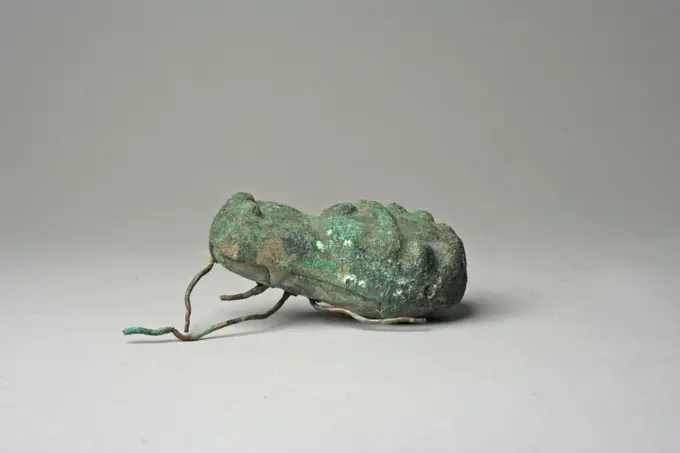
Ancient Metalworks

Collection of bronze and iron artifacts from ancient civilizations, including finials, brooches, and handles, showcasing intricate designs from various historical periods.
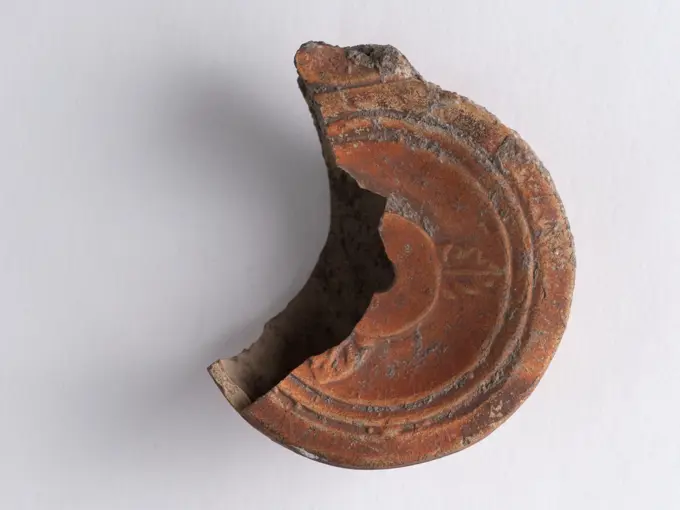
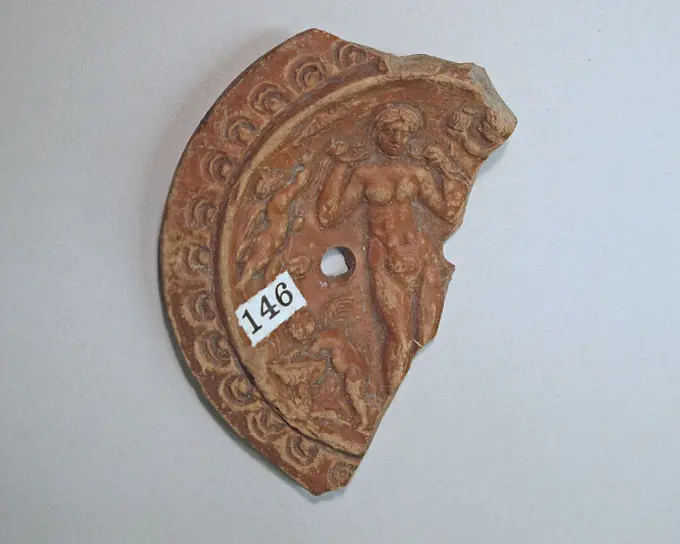
Oil lamp. Spout beak, leaves. Street Ste Catherine. Terracotta. Late Antiquity. Paris, Carnavalet museum. 50208-20 Late antique, oil lamp, terracotta, ancient
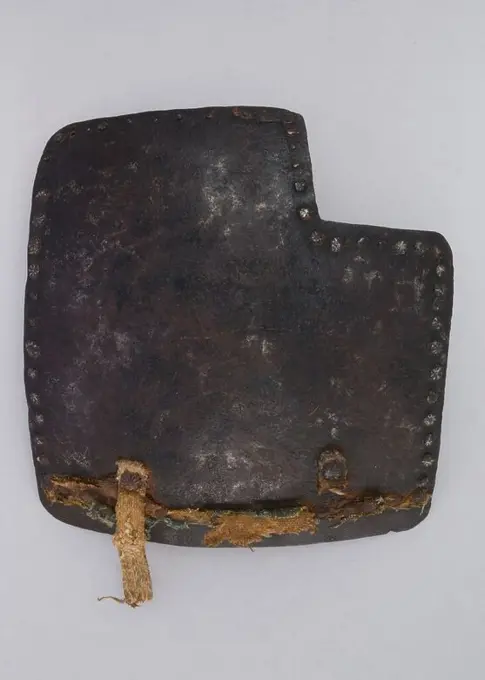
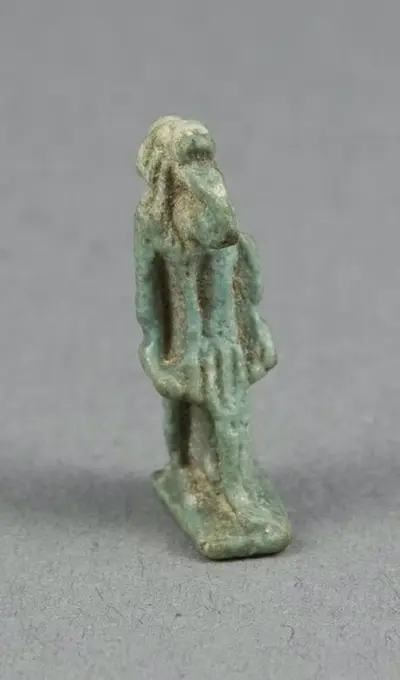
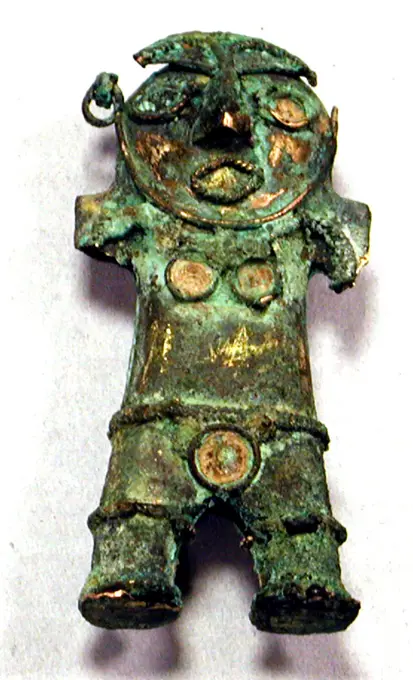
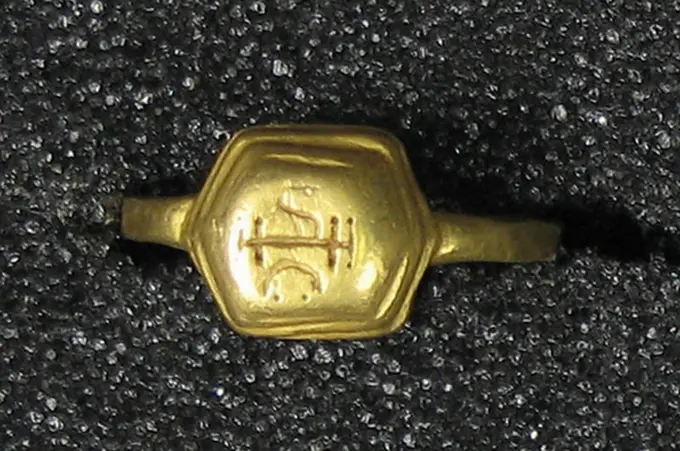
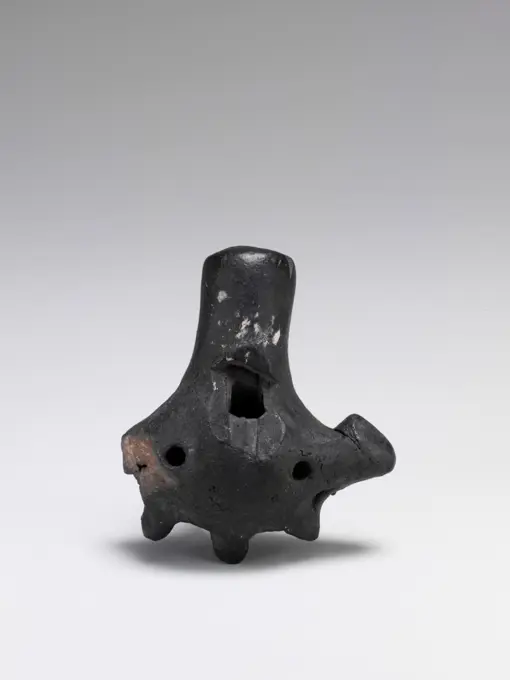
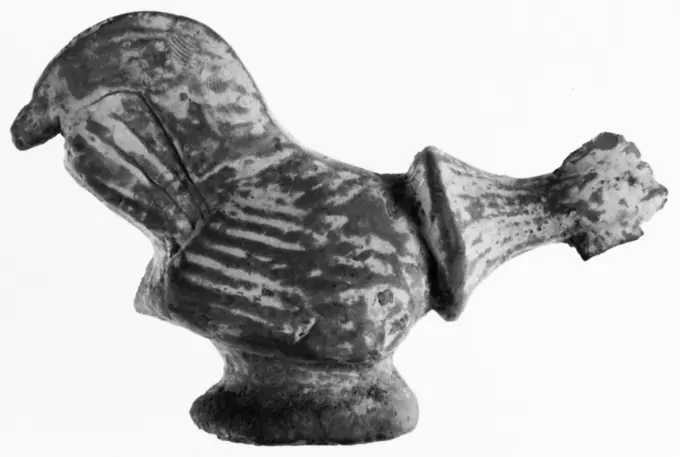
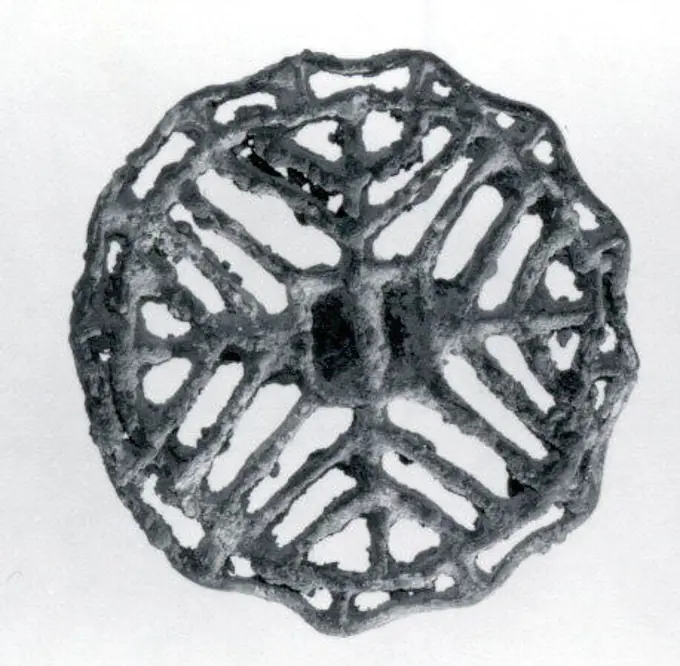
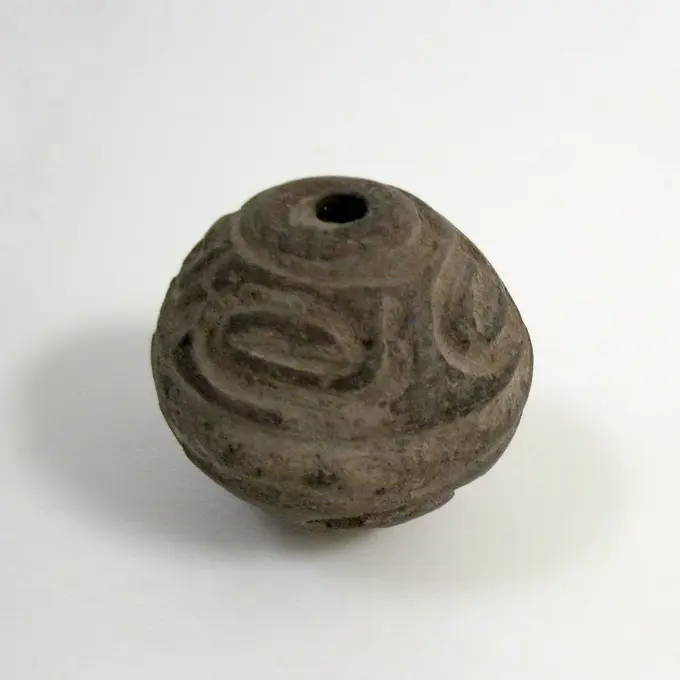
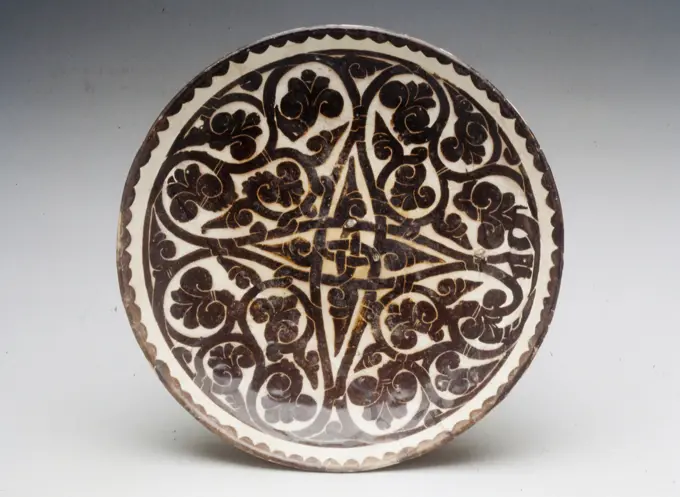
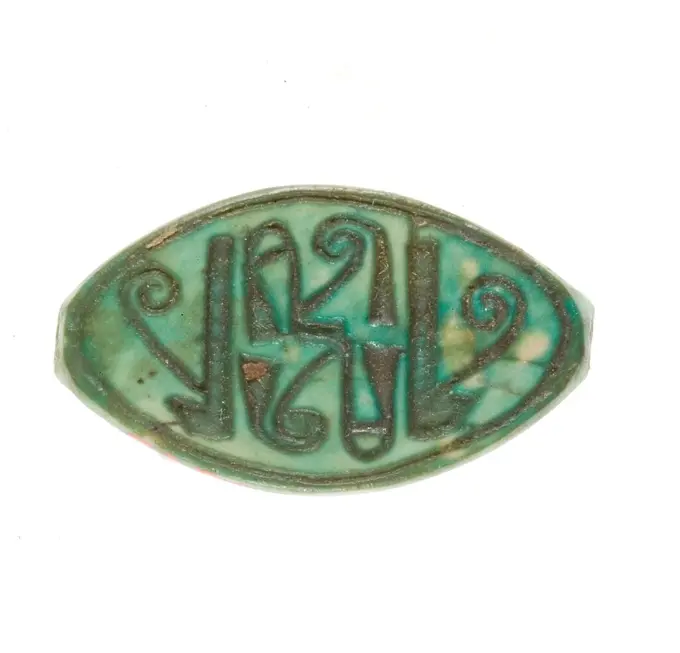
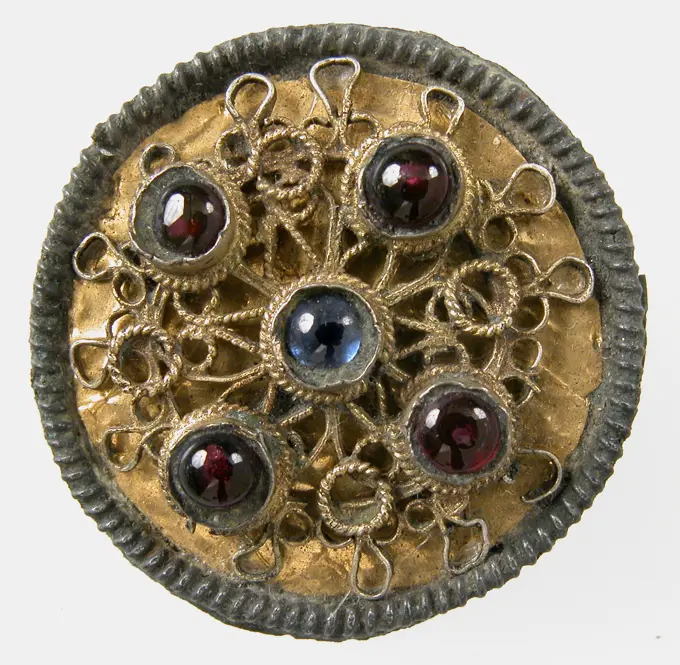
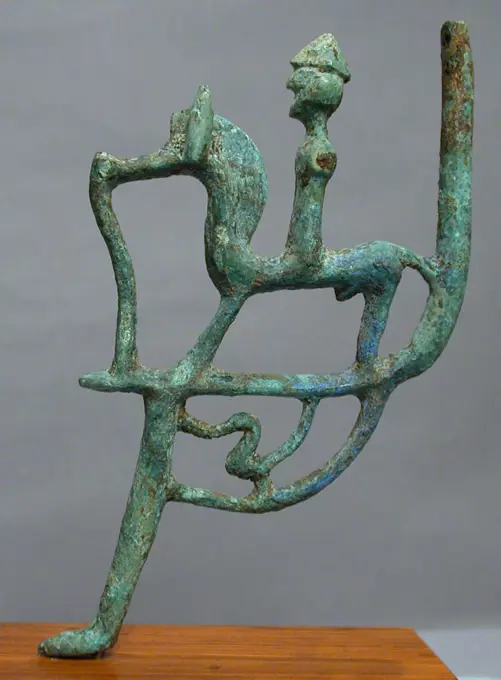
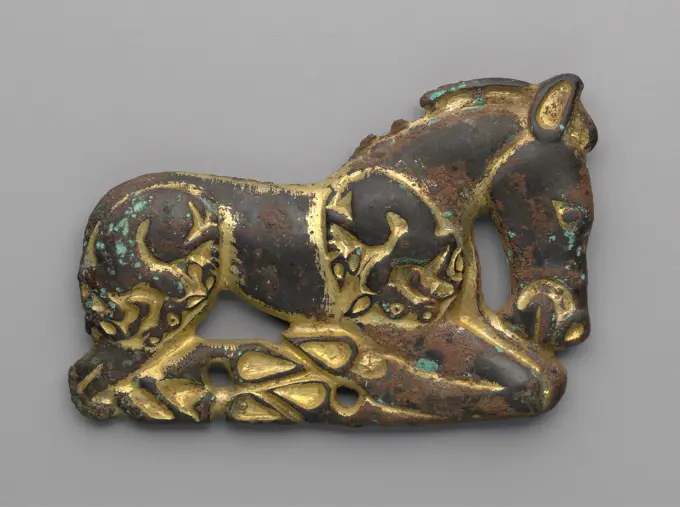
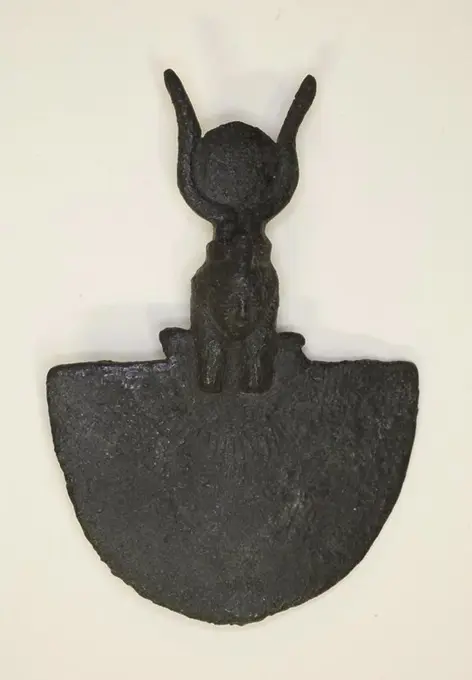
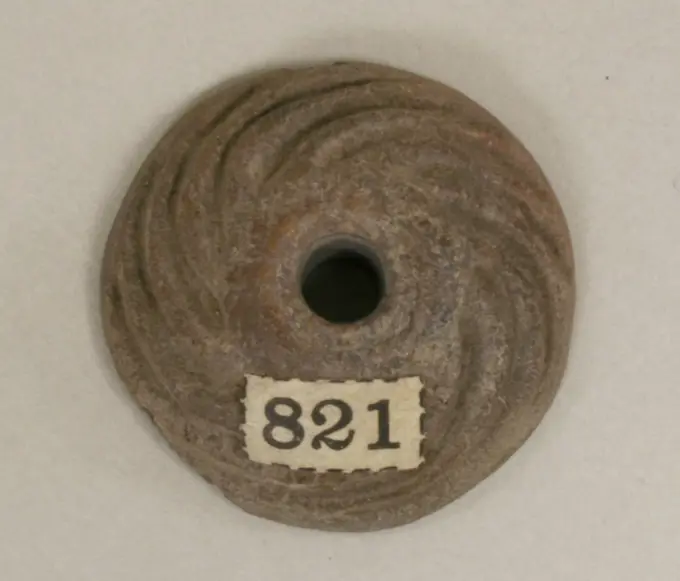
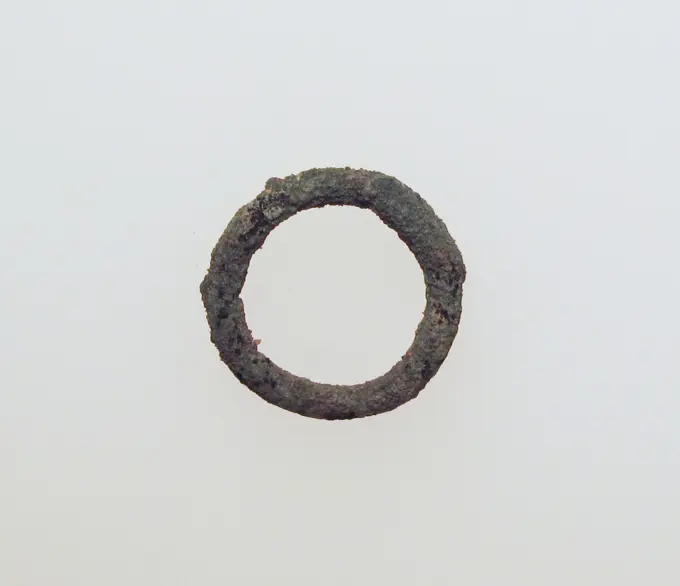
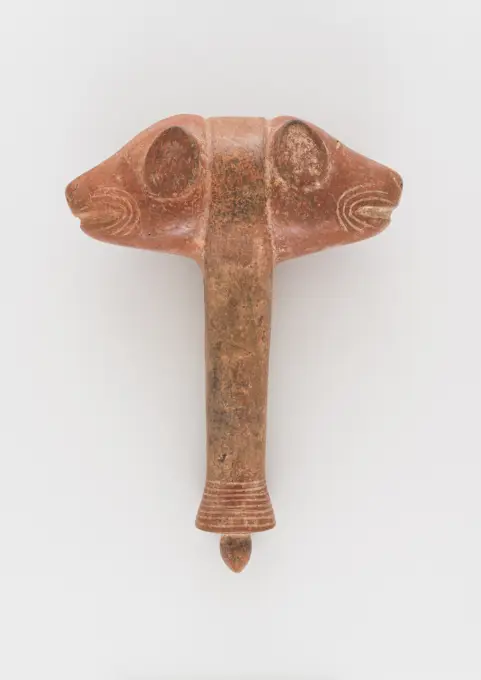
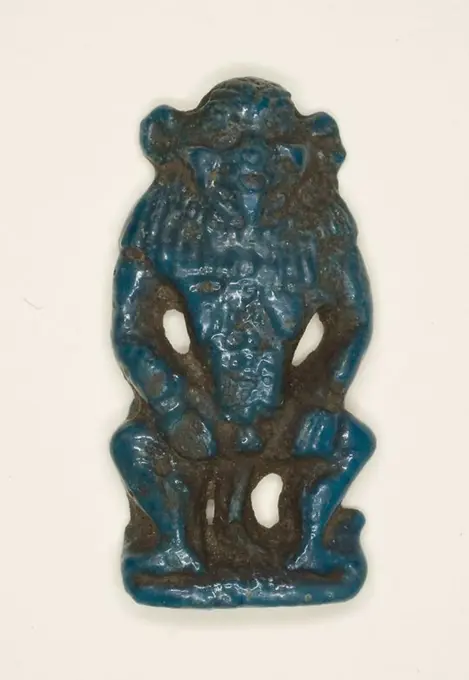
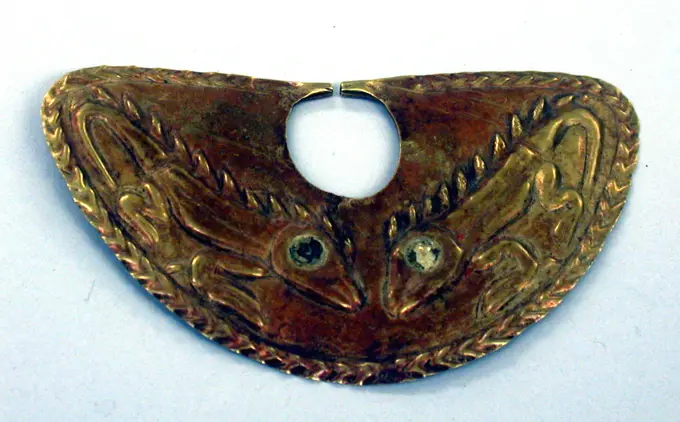
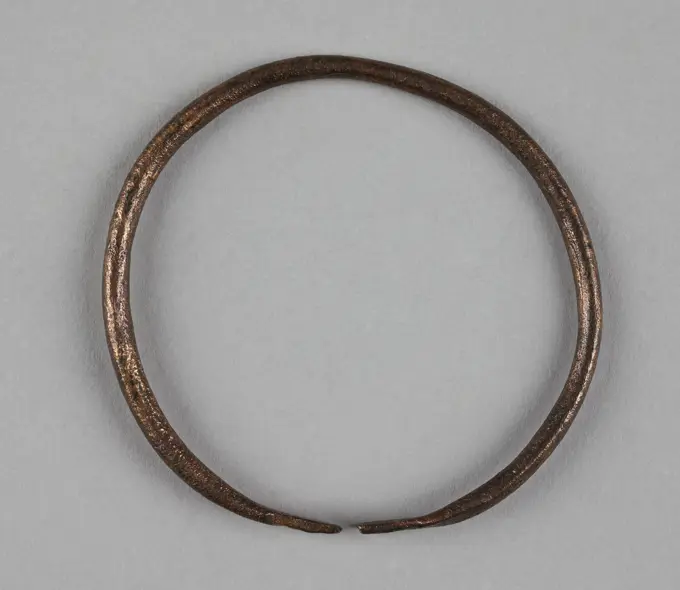
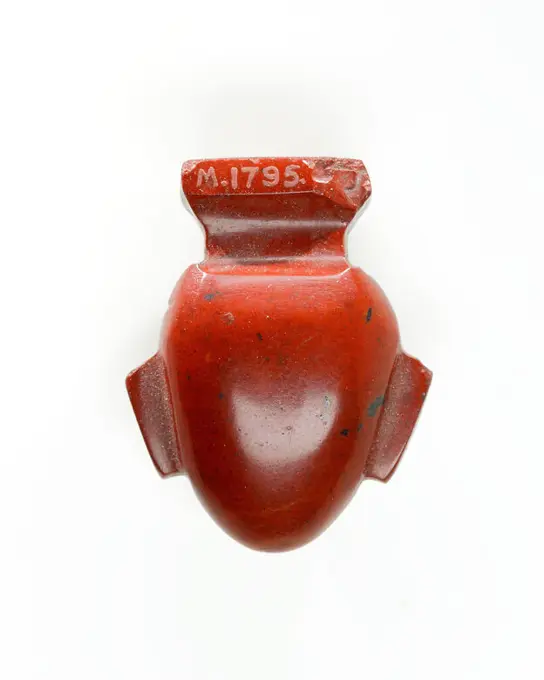
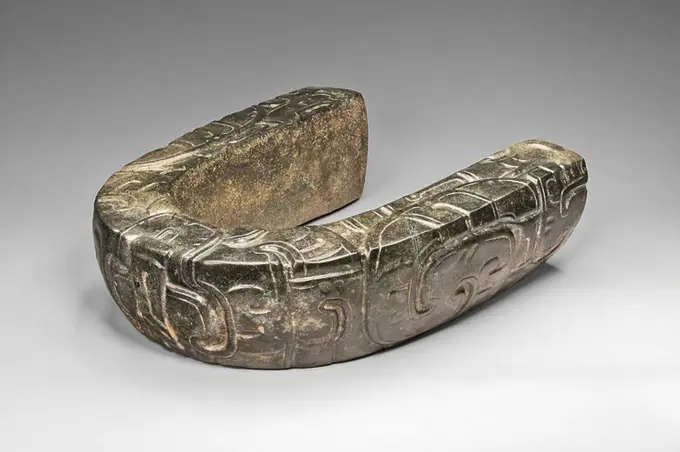
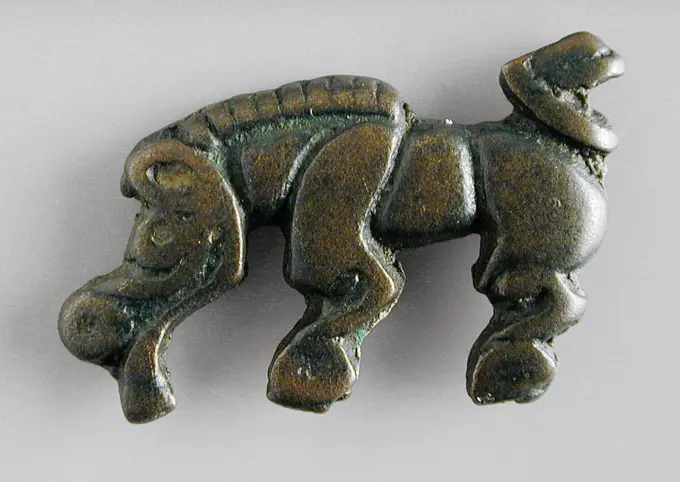
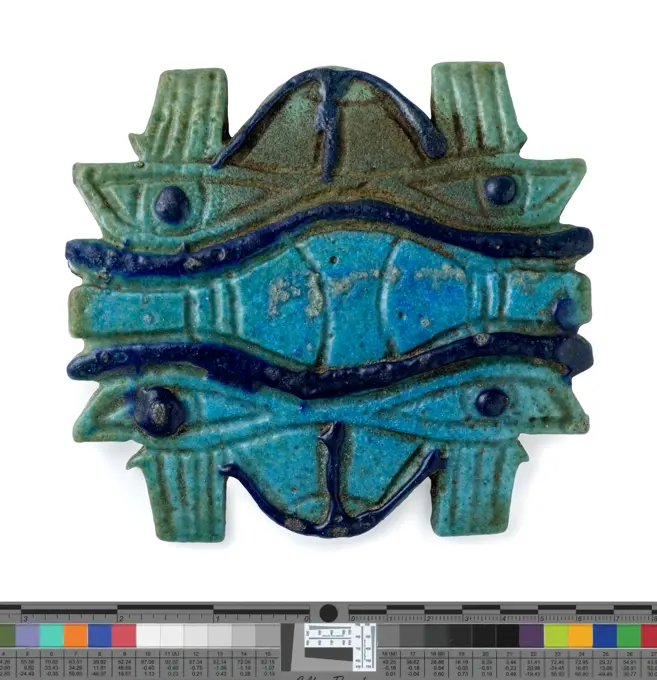
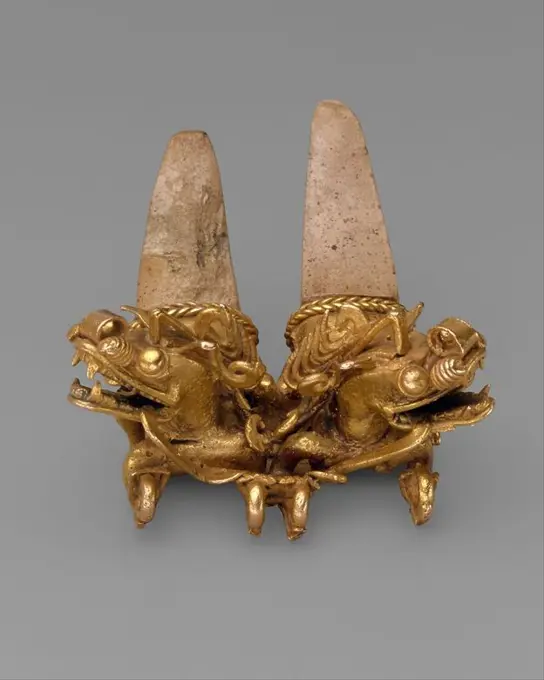
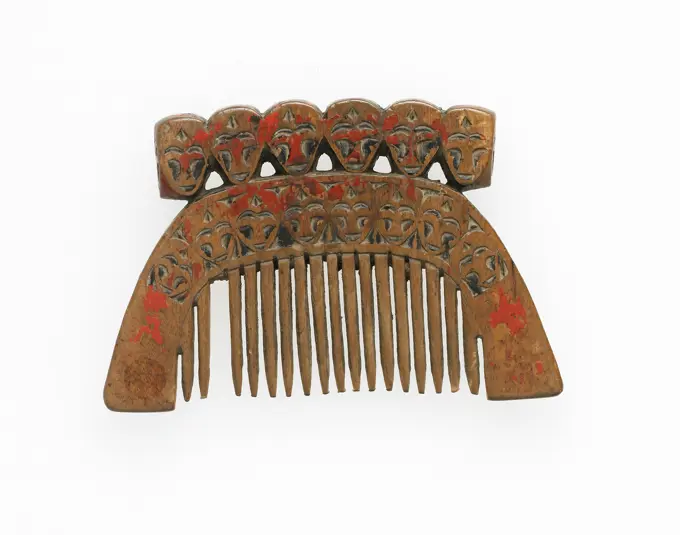
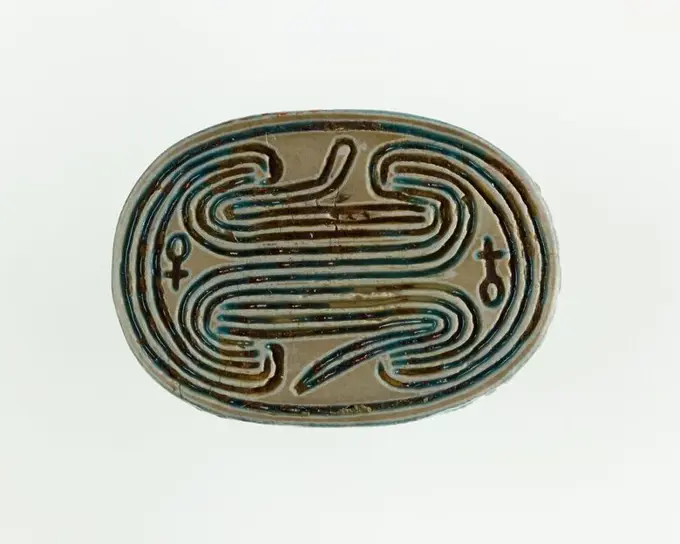
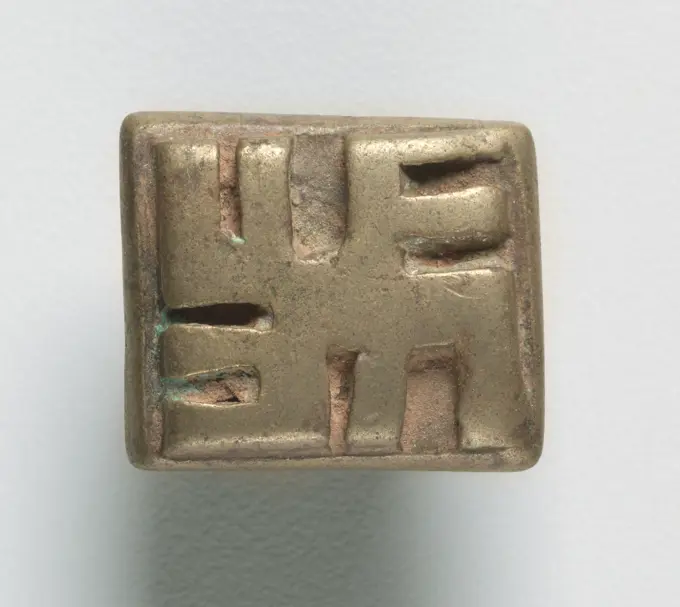
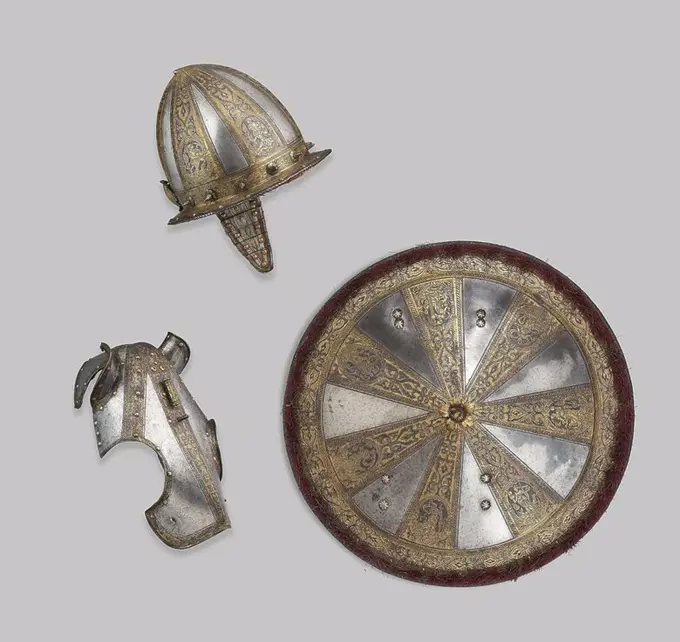
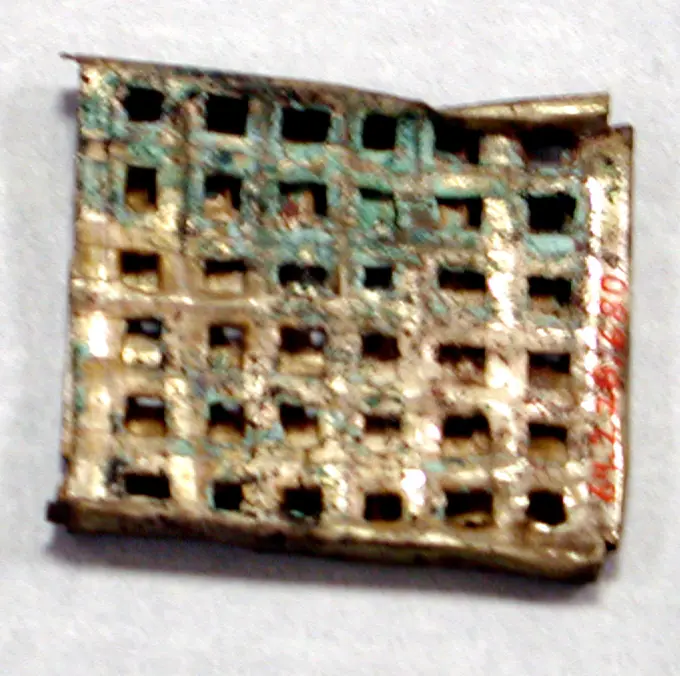
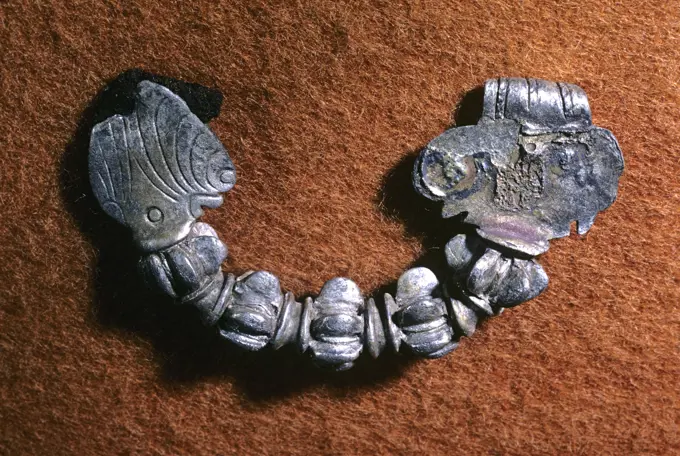
Europe, Former Yugoslavia. Silver Fibulae. Jewellery. Radoliste. 6 - 5thC. BCRight Half of Brigandine Breastplate. Culture: Italian. Dimensions: H. 7 1/2 in. (19.1 cm); W. 8 in. (20.3 cm); Wt. 1 lb. 15 oz. (878.8 g). Date: 1400-1450. Museum: Metropolitan Museum of Art, New York, USA.Amulet of the God Thoth. Egyptian. Date: 664 BC-332 BC. Dimensions: 2.25 × 1 × .5 cm (7/8 × 3/8 × 3/16 in.). Faience. Origin: Egypt. Museum: The Chicago Art Institute, Chicago, USA. Author: Ancient Egyptian.Belt Hook, late 500s-early 400s BC. China, Eastern Zhou dynasty (771-256 BC). Bronze inlaid with powdered azurite; overall: 6.2 cm (2 7/16 in.).Earring 8th-early 9th century or earlier Indonesia (Java). Earring. Indonesia (Java). 8th-early 9th century or earlier. Gold. Central Javanese period. JewelryGrain ProcessingWorkshopPlaque. Inner Mongolia, 7th-6th century B.C.. Sculpture; plaques. Bronze, castCopper Figure 2nd-7th century () Peruvian. Copper Figure 315631Silver loop.Ring with Rectangular Bezel 8th-12th century Indonesia (Central Java). Ring with Rectangular Bezel 64296Pottery Whistle 19th century Mexican. Pottery Whistle. Mexican. 19th century. Clay. Oaxaca, Mexico. Aerophone-Whistle Flute-whistlePendantStatuette of a Rooster. UnknownCompartmented stamp seal ca. late 3rd-early 2nd millennium B.C. Bactria-Margiana Archaeological Complex. Compartmented stamp seal 326511Cross 3rd-12th century. Cross 446059Spindle Whorl, one of sixteen, 15th century, 1 5/16 x 1 7/16 in. (3.33 x 3.65 cm), Stone, Mexico, 15th centuryLamp or InkstandTumi with Figure 2nd-7th century Moche. Tumi with Figure. Moche. 2nd-7th century. Copper (cast). Peru. Metal-ImplementsOpen round bracelet (title awarded). Bronze. Carnavalet museum, history of Paris.bronze blade of a shaving knife, personal grooming tweezers and razor, 2nd century BC Las Torrecillas, Marmolejo, Iberian Museum of Jaén, Andalusia, Spain.Door Boss 15th-16th century European. Door Boss 468502Spindle Whorl, 700s - 900s. Iran, early Islamic period, 8th - 10th century. Bone, incised; overall: 0.7 x 2 x 2 cm (1/4 x 13/16 x 13/16 in.).Boat;  around 1069-715 BC ; 3rd transition period, 21-23 dynasty (-1069-00-00--715-00-00);Plate with cruciform and floral decor, 9th century, 8 1/4 in. (20.96 cm), Earthenware with white slip ground under a clear glaze with brown-slip painted decor, Iran, Samanid dynasty (819-999 CE), Some of the most beautiful wares of the Samanid dynasty (819-1005) were painted in a black slip over a white background. The standard decorative vocabulary consists of interlaced motifs, scrollwork, geometric designs, and precisely arranged kufic calligraphy.Cowroid Seal Amulet Inscribed with a Decorative Pattern. Dimensions: L. 2.1 cm (13/16 in.); w. 1.3 cm (1/2 in.); h. 0.5 cm (3/16 in.). Dynasty: Dynasty 18, early. Reign: Joint reign of Hatshepsut and Thutmose III. Date: ca. 1479-1458 B.C..Most of the amulets found in the foundation deposits of Hatshepsut's funerary temple were scarabs, but a hand full were carved in the shape of a cowrie shell. Like this one, the backs of most of these cowroids have been incised with a decorative pattern that suggests the setting of a swivel ring bezel (see 36.3.46). Others (27.3.180) have also been inscribed with the image of a bolti fish (a tilapia), and two have been carved with the image of a falcon, with its wings outstretched and wearing an atef-crown (27.3.164, 27.3.396).The decoration on the base of this cowroid includes stylized represeentations of the red crown of Lower Egypt (the Delta region) at right and left. The curling plumes of the crowns are echoed in the geometric floral pattern in tDisk Brooch 7th century Frankish. Disk Brooch. Frankish. 7th century. Copper alloy, coated with gold, garnets, sapphires cabochons. Metalwork-Copper alloyBelt Buckle with Animal-Combat Scene 3rd-2nd century B.C. China. Belt Buckle with Animal-Combat Scene 65287Bronze leg of a cauldron with horseman and bird ca. 700-650 B.C. Italic, Villanovan Originally part of a set of three, this solid cast bronze leg in the form of a horse and rider would have supported a large bowl or basin used in lavish Etruscan gatherings. These vessels are common at Vetulonia, in Etruria, where this leg was likely manufactured, and continue a long tradition of bronze working in this metal-rich region. As symbols of wealth and status, the vessels were frequently buried with their owners, and perhaps allude to the funerary banquet.. Bronze leg of a cauldron with horseman and bird 330024Final plate of iron, 1600 - 1699   iron (metal)   iron (metal)Ornament from wig ca. 1850-1640 B.C. Middle Kingdom. Ornament from wig 557330Belt Plaque in the Shape of a KneelingHorseAmulet of an Aegis with the Head of Hathor. Egyptian. Date: 1069 BC-332 BC. Dimensions: 8.25 × 5.5 × 1.5 cm (3 1/4 × 2 3/16 × 9/16 in.). Bronze. Origin: Egypt. Museum: The Chicago Art Institute, Chicago, USA. Author: Ancient Egyptian.Fragments of earthenware fireproof plugs with appliqués and mud decorations, fire dome soil find ceramic earthenware glaze lead glaze pipe earth, hand molded ring glazed glazed fired Fragments of earthenware fireproof plugs. Decorated in sludge technology or decorated with colored appliqués archeology Rotterdam City center Stadsdriehoek Schielandshuis waste deaf heating fire fire prevention Soil discovery: Schielandshuis during the restoration.One from a Pair of Bracelets ca. 1000 B.C.- 400 A.D. Thailand. One from a Pair of Bracelets. Thailand. ca. 1000 B.C.- 400 A.D.. Bronze. Middle period-Late period. JewelryEtruscan filigree hair clip, from Cerveteri, Rome Province, 7th Century B.C.Spindle Whorl 10th-early 16th century Mexican. Spindle Whorl 307581Idol (usual name), -1150. Bronze. Cernuschi Museum, Asia Museum of Asia in the city of Paris.Pendant 9th-10th century. Pendant. 9th-10th century. Lead; cast. Excavated in Iran, Nishapur. JewelryPendant. Western Inner Mongolia, 4th-3rd century B.C.. Jewelry and Adornments; pendants. Bronze, castCopper Ring before 15th century Peruvian. Copper Ring. Peruvian. before 15th century. Copper. Peru. Metal-OrnamentsEarring Cypriot. Earring 242773Flat stamp with geometric flower 14th-early 16th century Aztec. Flat stamp with geometric flower 307749HeadbandOrnament Plaque with Fish Motif 12th-15th century Chimú. Ornament Plaque with Fish Motif 309065Terracotta oil lamp. Culture: Roman. Dimensions: Overall: 3/4 x 3 5/8 in. (1.9 x 9.2 cm). Date: late 5th-6th century A.D.. Museum: Metropolitan Museum of Art, New York, USA.Door Ornament 15th century German. Door Ornament 468861Zoomorphic Mace. Mexico, Colima, 200 BCE-500 CE. Ceramics. Slip-painted ceramicAmulet of the God Bes. Egyptian. Date: 1070 BC-656 BC. Dimensions: 3 × 1.6 × 0.6 cm (1 3/16 × 5/8 × 1/8 in.). Faience. Origin: Egypt. Museum: The Chicago Art Institute, Chicago, USA. Author: Ancient Egyptian.Ring -shaped fragment from the wreck of the East Indians Hollandia, Anonymous, 1700 - in Or Before 1743 fragment Varied parts or fragments, rings or ring-shaped fragments; squashed, id. 80H1. Netherlands copper (metal)   SecondTerracotta oil lamp. Culture: Roman. Dimensions: Overall: 1 3/16 x 3 1/2 in. (3 x 8.9 cm). Date: 5th-6th century A.D..Mold-made, with low, unpierced handle. Discus: radiating from a central filling hole, a degenerate rosette or fan, with each petal decorated with a hollow dot, surrounded by a raised band attached to handle at back and with an inverted V-shape at front, between it and the wick hole, a relief floral pattern; on shoulder, a band decorated with hollow dots between two grooves. Shallow raised base ring, and slightly concave base.Intact. Museum: Metropolitan Museum of Art, New York, USA.Mirror, 3rd-2nd century BCE, 10 3/8 x 5 1/8 in. (26.35 x 13.02 cm), Bronze, Italy, ancient Etruria, 3rd-2nd century BCENose Ornament 6th-7th century Moche (Loma Negra). Nose Ornament 313408Amulet Cartouche with Prenomen of Akhenaten 1352 BCE-1336 BCE Egypt. Faience . Ancient EgyptianLamp Shade 9th-10th century. Lamp Shade 450345Colombian gold work, circa 1100-1500 AD.Open round bracelet (title awarded). Bronze. Carnavalet museum, history of Paris.Belt Fittings 10th-11th century. Belt Fittings. 10th-11th century. Bronze; cast. Excavated in Iran, Nishapur. Metal. Round tsuba with a opened decoration of an eight-pointed star.Dilekyt. unknown, authorTerracotta lamp fragment. Culture: Roman, Gaulish. Dimensions: 3 1/2 × 2 3/4 × 1/2 in. (8.9 × 7 × 1.3 cm). Museum: Metropolitan Museum of Art, New York, USA.Copper molded thimble with counterclockwise spiral, thimble sewing kit soil find brass metal, cast Copper molded thimble with left-hand spiral on the top transverse without groove in the shaft with beaten holes with rather wide blank board archeology Rotterdam rail tunnel seamstress tailor sewing textile repairing clothes needle and thread repair Soil discovery: rail tunnel Rotterdam.Bowl. Culture: Olmec. Dimensions: Height 1-7/8 in.. Date: 12th-9th century B.C.. Museum: Metropolitan Museum of Art, New York, USA.Roller ca. 18th century B.C. Babylonian This bronze openwork piece comprises a roller on a pin and a square frame that takes the appearance of two outstretched arms with bracelets at the wrists. Although the exact function of this object is unknown, the rotating roller suggests that a cord, strap, or other piece of fabric would have been fed through the opening. Objects like this roller may have been used as horse trappings, belt buckles, furniture elements, and implements used in the production of textiles.. Roller. Babylonian. ca. 18th century B.C.. Bronze. Old Babylonian. MesopotamiaPillows, Celadon glaze; reticulated, modelled and incised decoration. From the time of Koryo (Goreyo) (Goreyo) dynasty (918 - 1392)Heart Amulet. Dimensions: H. 2.9 × W. 2.3 × D. 1.5 cm (1 1/8 × 7/8 × 9/16 in.). Date: ca. 1295-1070 B.C..For the ancient Egyptians, the heart (ib) was the source of intelligence, feelings, and actions. A person's memory was also housed in the heart and so at the judgment ceremony (Weighing of the Heart) in the afterlife, the heart was able to speak on behalf of the deceased, accounting to Osiris for a lifetime of deeds. Therefore, heart amulets were only used on the mummy to protect the owner's organ and to ensure that his heart gave a positive response at judgment. Museum: Metropolitan Museum of Art, New York, USA.Single lamp;  1st century (1-00-00-100-00-00);Sword Guard (Tsuba) ca. 3rd century-710 Japanese A tsuba is a sword guard and part of a sword mounting. It is mounted between the swords blade and grip to protect the users hands.. Sword Guard (Tsuba) 35123Ceremonial Ballgame Yoke. Totonac; El Tajín and vicinity, northern Veracruz, Mexico. Date: 700 AD-800 AD. Dimensions: 12.7 × 38.1 × 43.2 cm (5 × 15 × 17 in.). Serpentine. Origin: Veracruz. Museum: The Chicago Art Institute, Chicago, USA. Author: Classic Veracruz.Bead 3rd-12th century. Bead 446093Plaque. Western Inner Mongolia, 4th-3rd century B.C.. Sculpture; plaques. Bronze, castAsia, Israel. Gold pendants, 1600 BC, Israel.Eye of Horus Amulet. Egypt, Late Period-Ptolemaic Period, 724-31 B.C.. Jewelry and Adornments; amulets. FaienceIncised Shell PendantDouble Crocodile Pendant. Culture: Macaracas. Dimensions: H. 3 3/4 x W. 3 in. (9.5 x 7.6 cm). Date: 8th-12th century. Museum: Metropolitan Museum of Art, New York, USA.Bliżej Kultury unknownComb, 19th-20th century, 2 1/4 x 3 1/2 x 3/8 in. (5.72 x 8.89 x 0.95 cm), Wood, lacquer, Taiwan, 19th-20th centuryScarab of Hatnefer. Dimensions: L. 2.5 cm (1 in.); wW 1.8 cm (11/16 in.); H. 1.1 cm (7/16 in.). Dynasty: Dynasty 18, early. Reign: reign of Thutmose II-Early Joint reign. Date: ca. 1492-1473 B.C..This finely carved scarab was worn as a bracelet. It would have been fastened with a double loop of linen cord that ran lengthwise through amulet between the legs and body of the beetle. The scarab and cord were found pressed against Hatnefer's left forearm. The base of the scarab is incised with with the pattern of an elaborately coiled cobra and two "nefer" hieroglyphs (meaning "good" or "beautiful").Two rings (36.3.3, 36.3.4) and a second scarab (36.3.6) were also found on Hatnefer's mummy. Museum: Metropolitan Museum of Art, New York, USA.Gold Weight: Geometric, 1800s. Guinea Coast, Ghana, Asante, 19th century. Copper alloy;Socketed Ax 500 B.C.-A.D. 300 Thailand. Socketed Ax. Thailand. 500 B.C.-A.D. 300. Bronze. Bronze and Iron Age period. MetalworkInfantry Garniture of a Target (Shield) and Pointed Morion. North Italian; Milan. Date: 1570-1585. Dimensions: Rondache diameter: 55.9 cm (22 in.)Shaffron weight: 2 lb. 10 oz.Cabasset weight: 6 lb. Steel, brass, gilding, silk velvet, horse hair, silk, and silver-gilt fringe. Origin: Milan. Museum: The Chicago Art Institute, Chicago, USA. Author: POMPEO DELLA CESA.Anglo-Saxon fine gold buckle depicting an Early Christian symbol. Dated 7th CenturyPrehistory, Italy, Iron Age. Double-spiral bronze fibula.Hammered Silver Grid Ornament 8th-mid-16th century Peru; north or central coast (). Hammered Silver Grid Ornament. Peru; north or central coast (). 8th-mid-16th century. Silver, gilt. Peru. Metal-OrnamentsSuspension Bell (Bo). China. Date: 499 BC-450 BC. Dimensions: 62.2 × 43.6 × 36.8 cm (24 1/2 × 17 3/16 × 14 1/2 in.). Bronze. Origin: China. Museum: The Chicago Art Institute, Chicago, USA.Bracelet fragments Cypriot. Bracelet fragments 242708Prehistory, Italy, Bronze Age. Bone working tools.  From the Fimon Lake, province of Vicenza.Example of Ottoman style art patterns applied on metalsNose Ornament 13th-16th century Sonso Although some are of artful or inorganic design, ancient American nose ornaments often bear a strong resemblance to natural forms. Here, the long projections bristle and balance sedately outward, bringing to mind an exaggerated mustache or whiskers. Indigenous American men have relatively little facial hair, so it is unlikely that the ornament was thought of as mustache-like by its maker. It is more probable that the whiskers of a large cat are represented.. Nose Ornament. Sonso. 13th-16th century. Gold. Colombia. Metal-OrnamentsSilver spiral. Culture: Cypriot. Dimensions: Diam.: 15/16 in. (2.4 cm). Date: 9th-4th century B.C..Spirals of many coils, made in silver, gold, and bronze, had a very long history in Cyprus. Their form is so simple that they are virtually impossible to date. Their function is also unclear; they may have served to secure locks of hair or as finger rings. Museum: Metropolitan Museum of Art, New York, USA.Stone Mace Head before 16th century Mexican. Stone Mace Head 317644Clappers, Dynasty 18, Hippopotamus tusks, Metropolitan Museum of Art, Manhattan, New York City, USA, North AmericaBottle 9th century. Bottle. 9th century. Glass; cut. Probably from Iran, Nishapur. GlassOrders from Willem Drees, 1950 - 1988  Four orange-white-blue ribbons with safety pin to wear on a costume. The Hague (possibly) metal. textile materials   NetherlandsFragment, Medium: linen Technique: needle lace, Fragment with small tulip-like bud and stem. Central diamond diaper design., Venice, Italy, 17th century, lace, FragmentGlass Fragment 15th-16th century European. Glass Fragment. European. 15th-16th century. Colorless glass. Glass-StainedSpider Ornament 6th-7th century Moche (Loma Negra). Spider Ornament 315168Arc-shaped pendant (huang) 1000 BCE-800 BCE China. Jade .