Ancient Oil Lamps

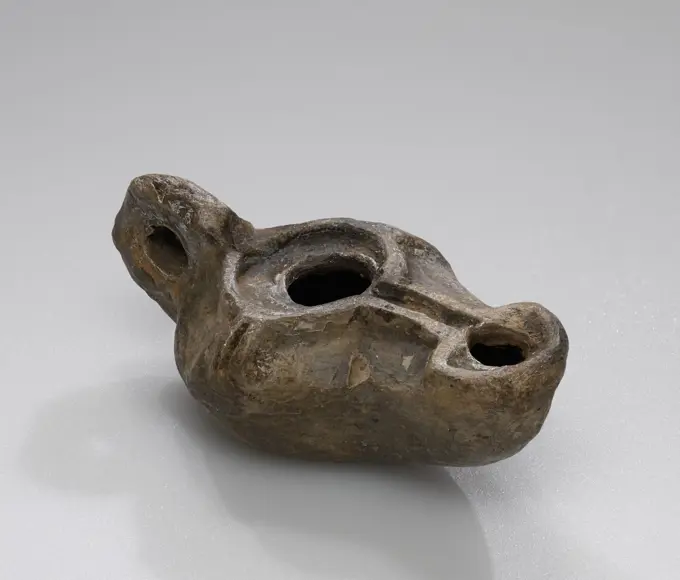
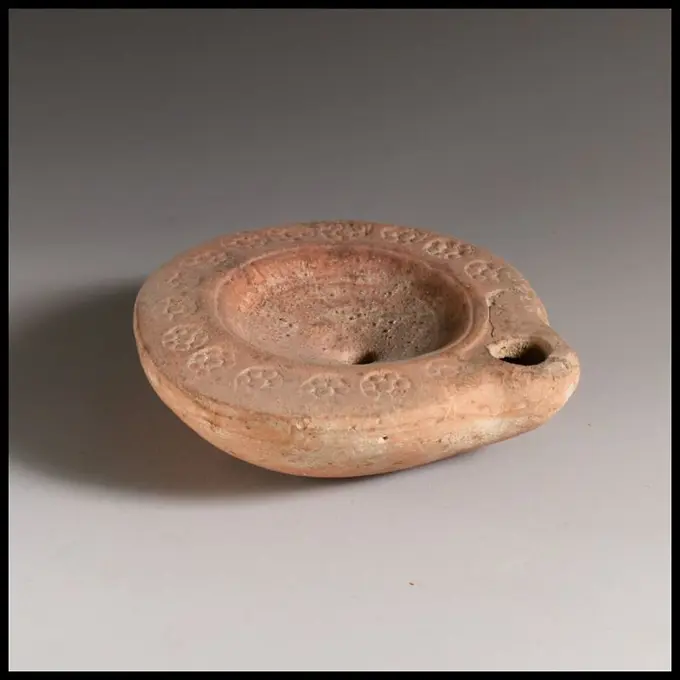
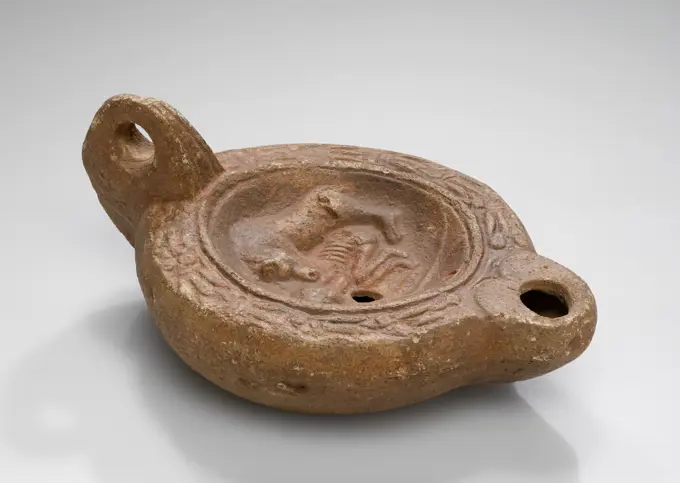
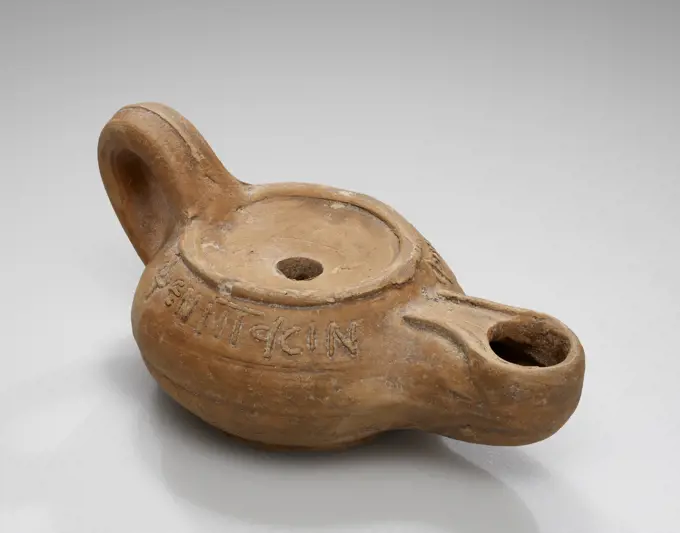
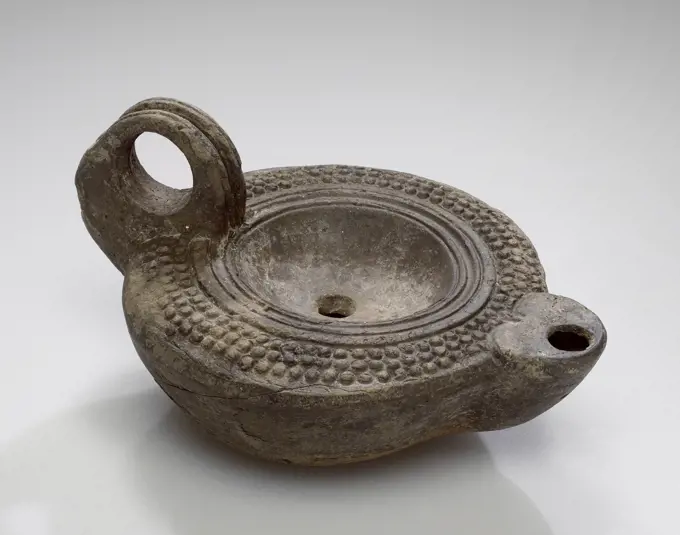
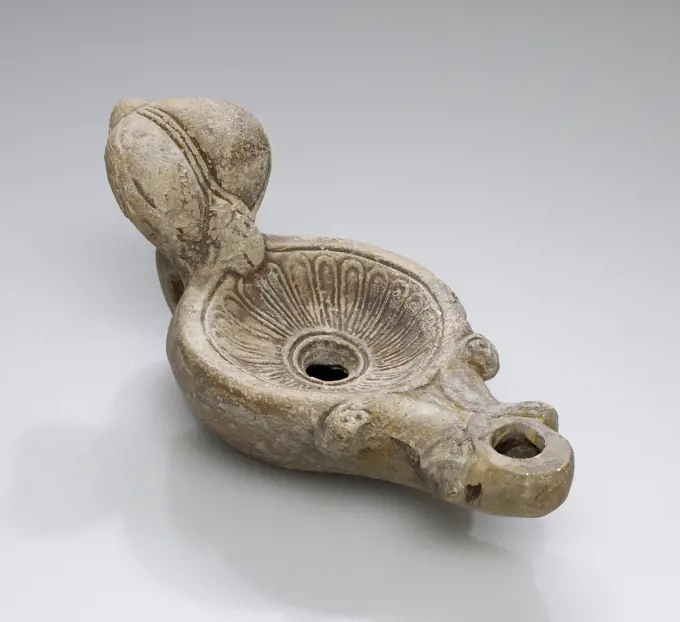
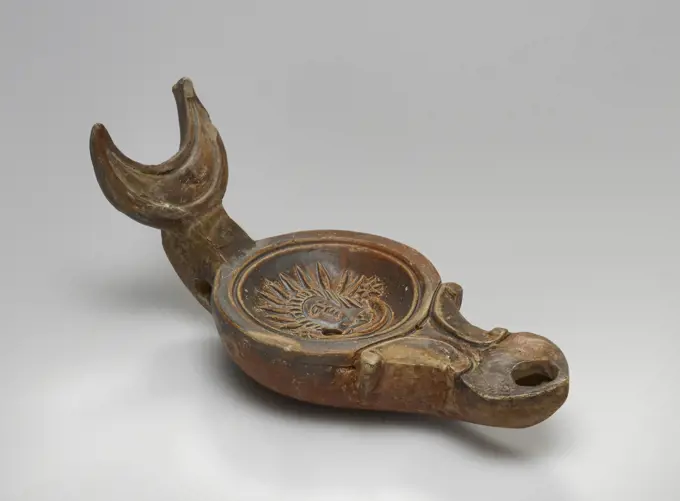
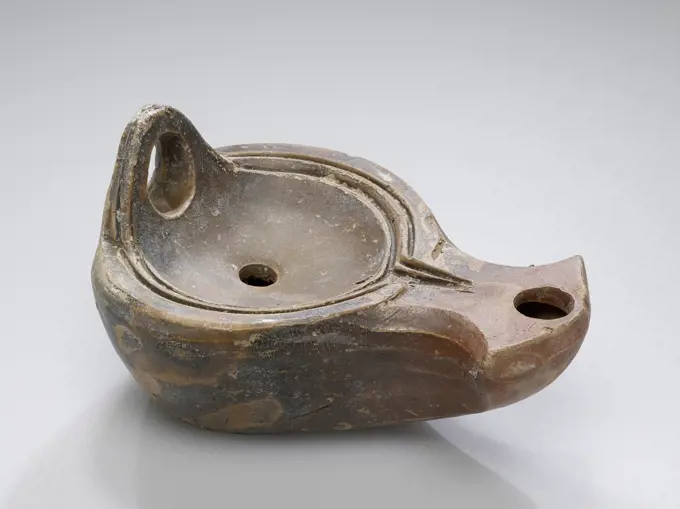
A collection of various ancient oil lamps showcasing different designs and materials, reflecting historical artistry and functionality.

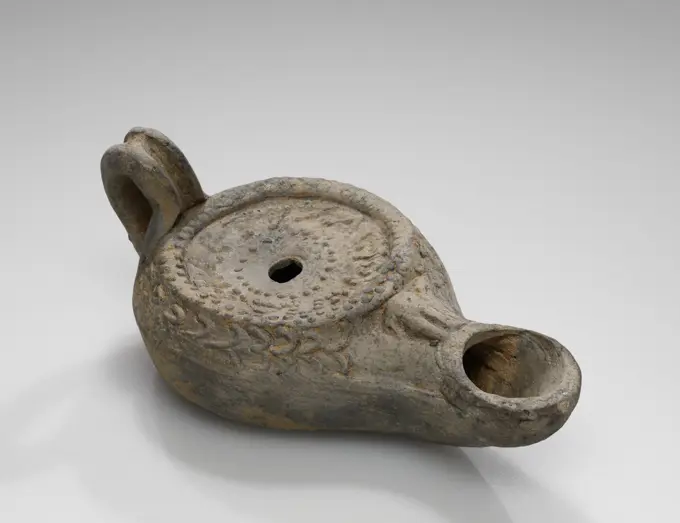
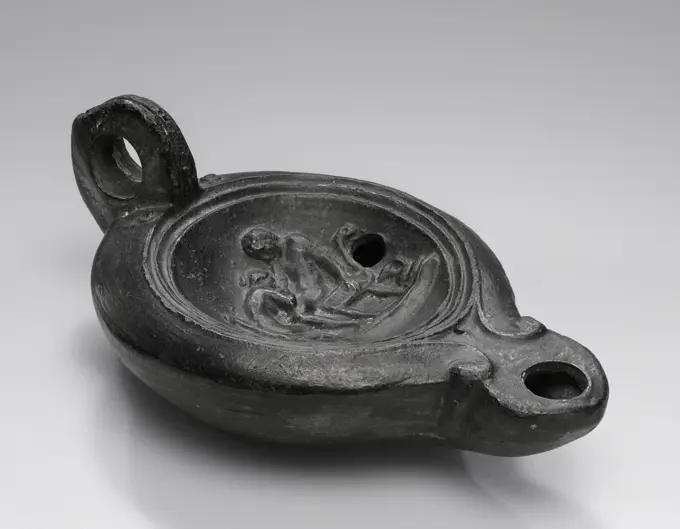
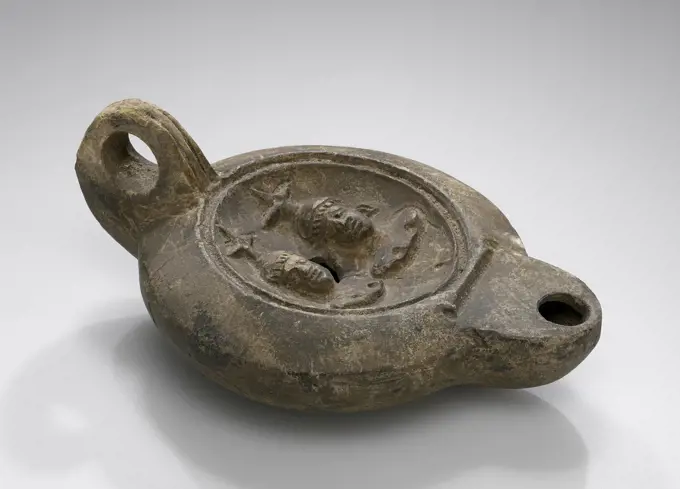
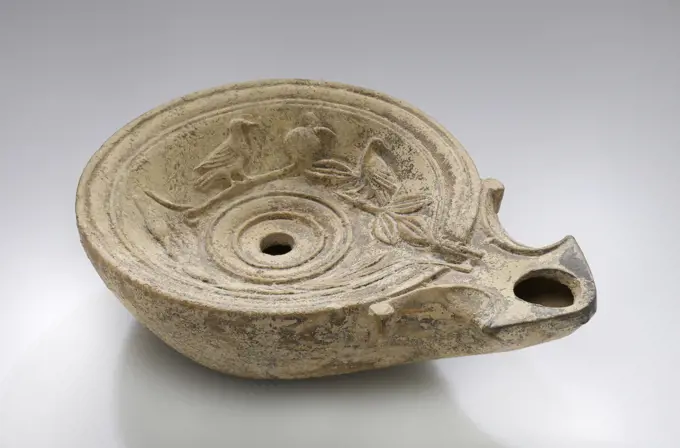
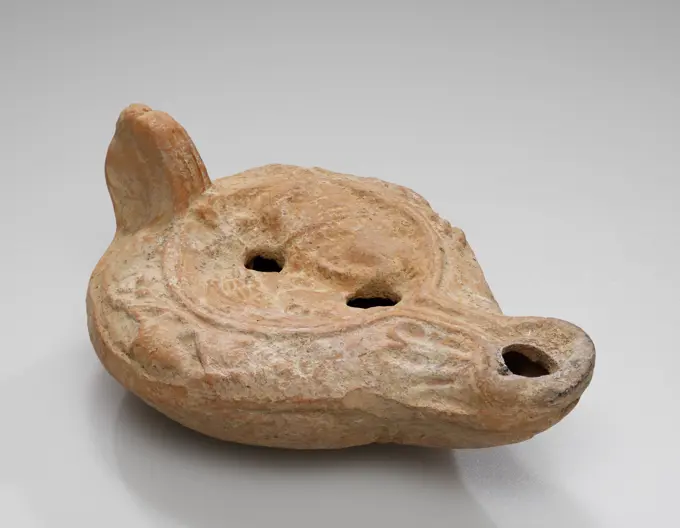
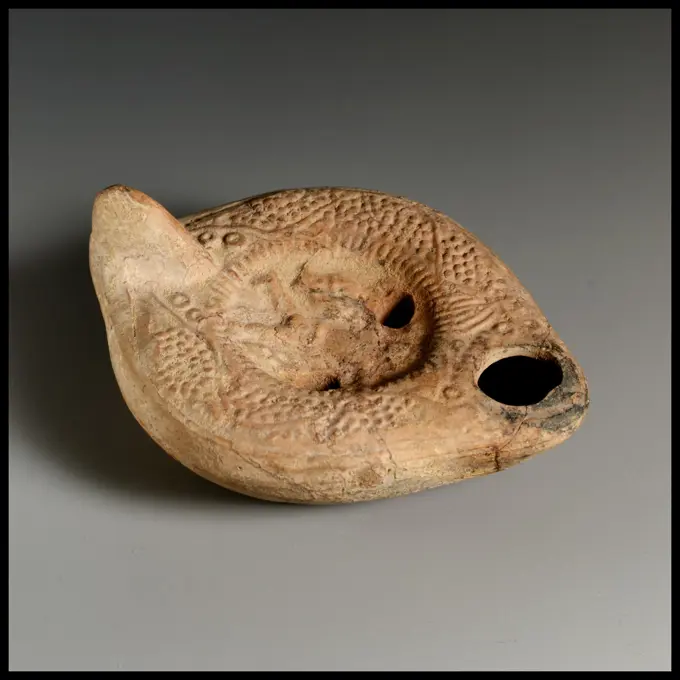
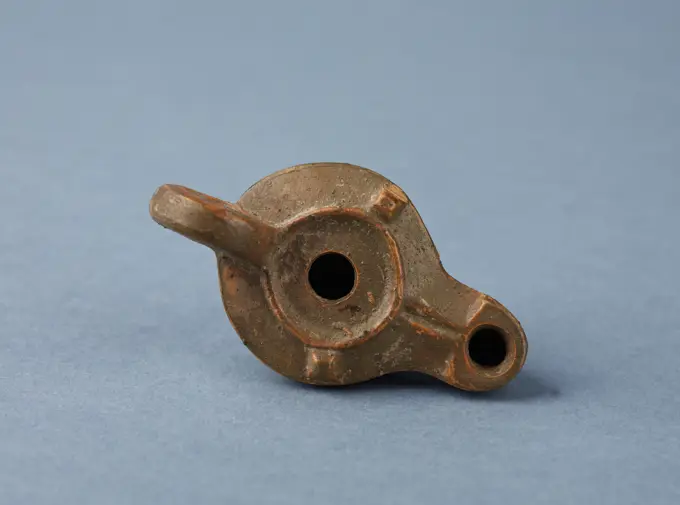
Lamp, Cologne, Germany, Europe; 1st century B.C. - 4th century A.D; Terracotta; 5.6 x 5 x 8 cm (2 3,16 x 1 15,16 x 3 1,8 in.)
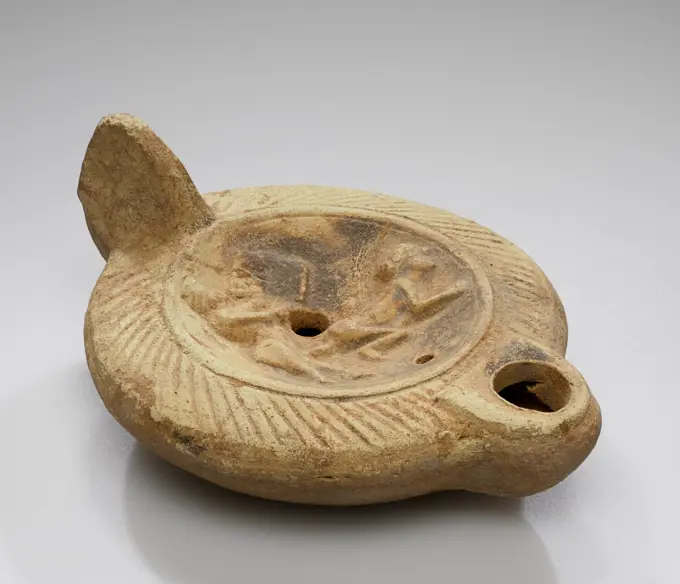
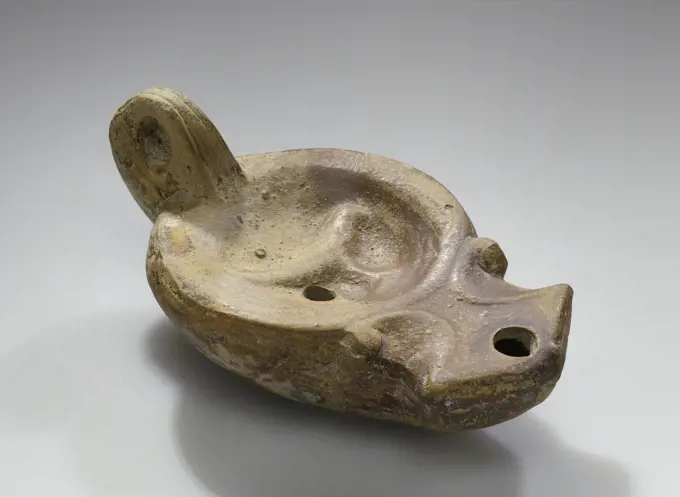
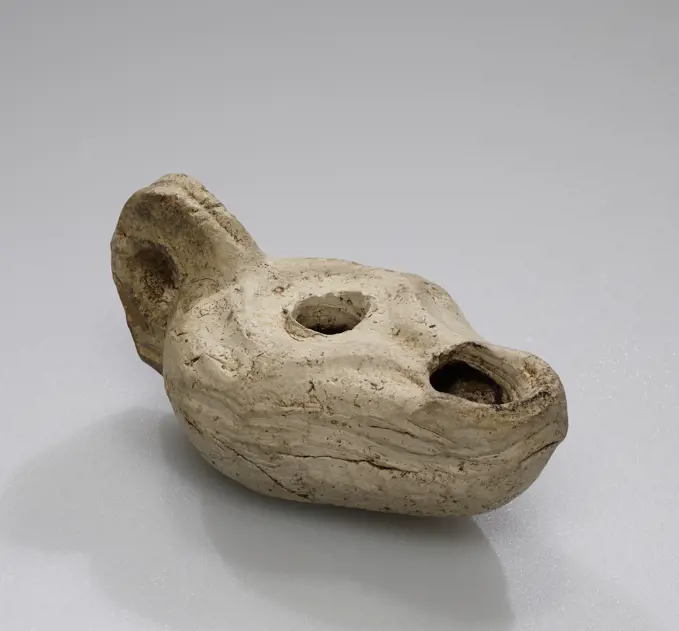
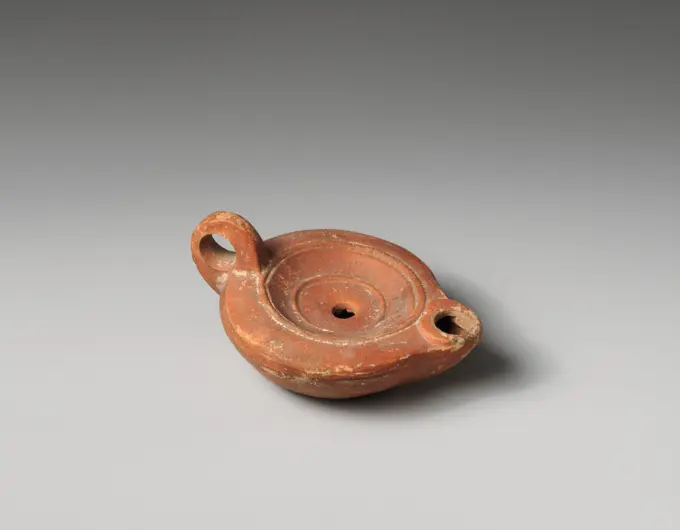
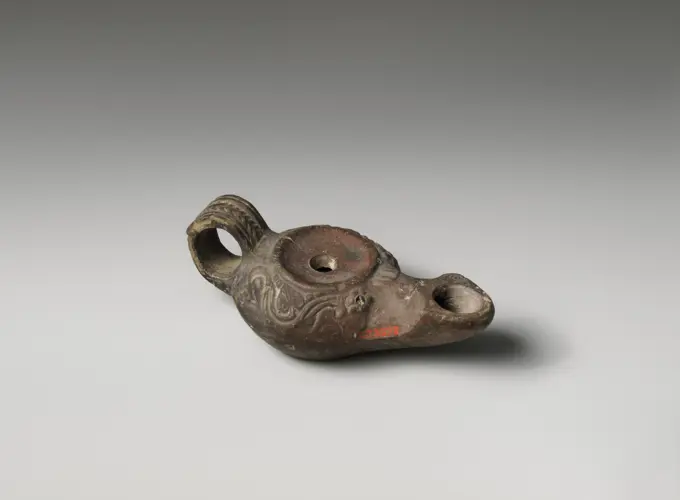
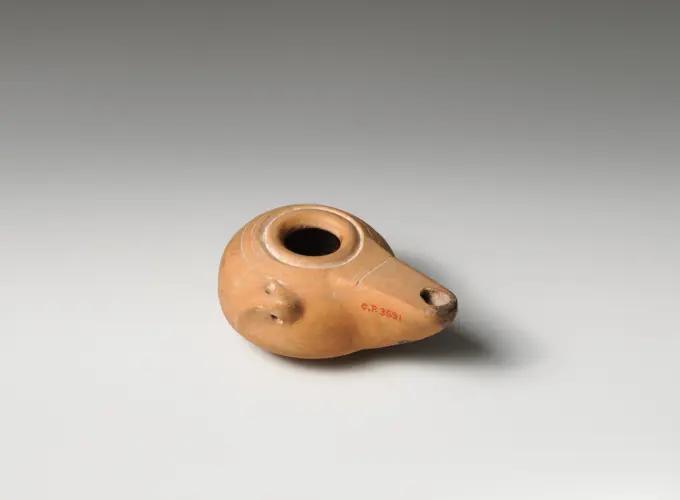
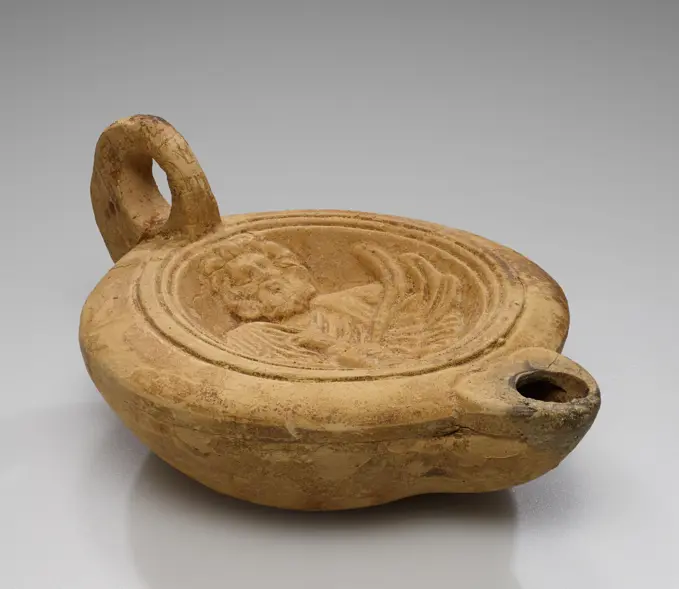
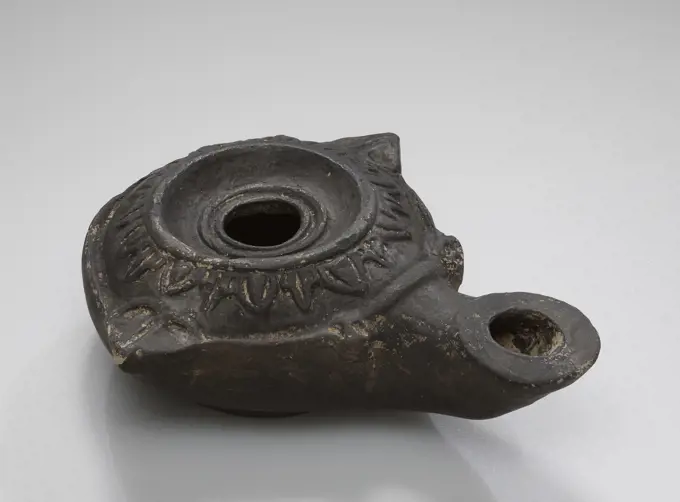
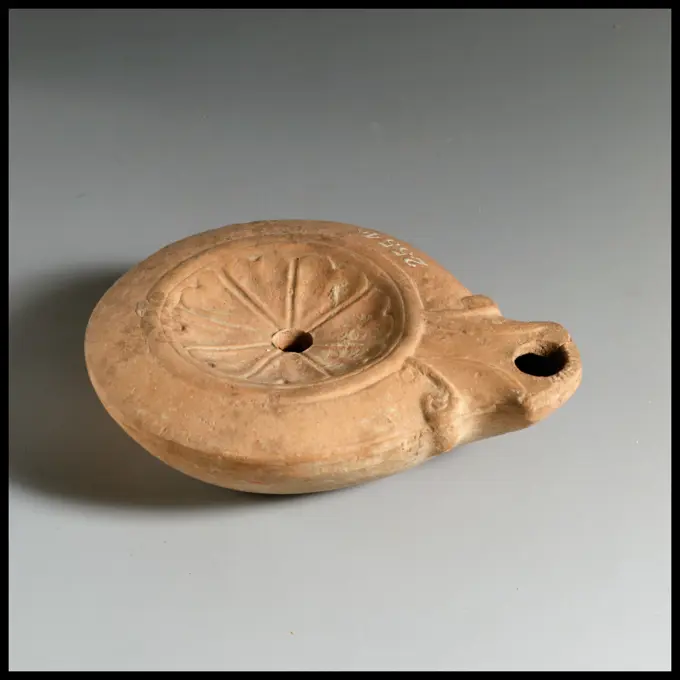
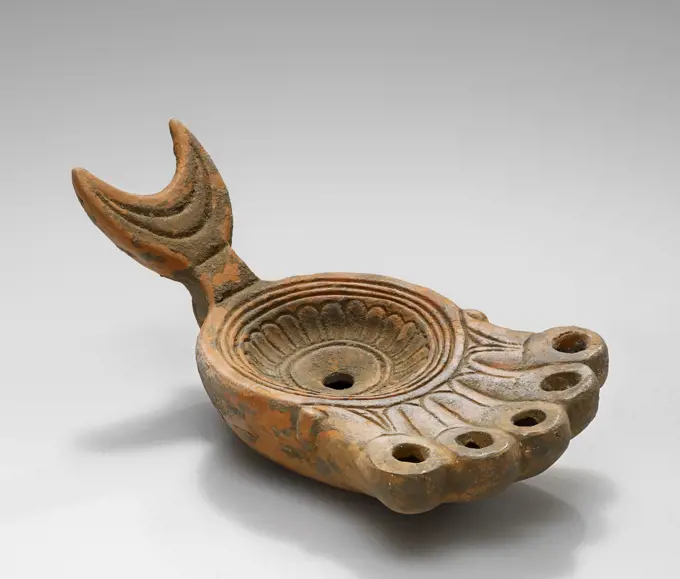
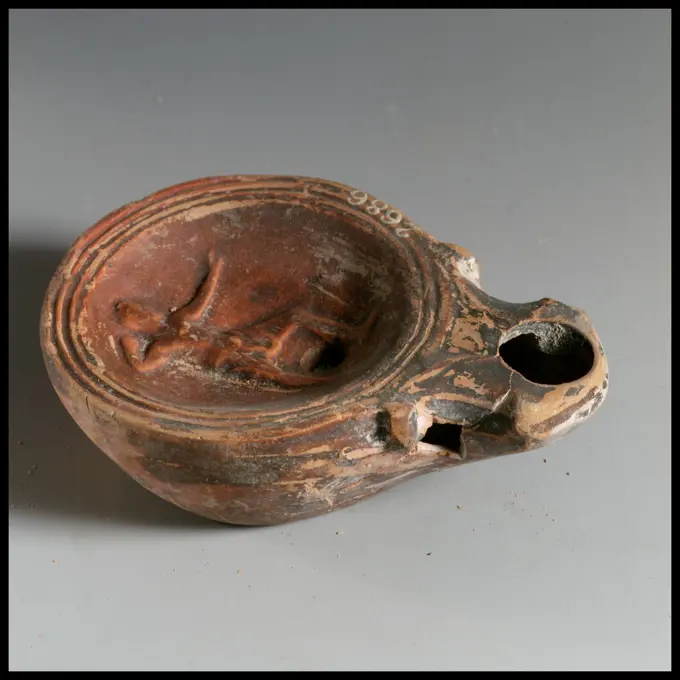
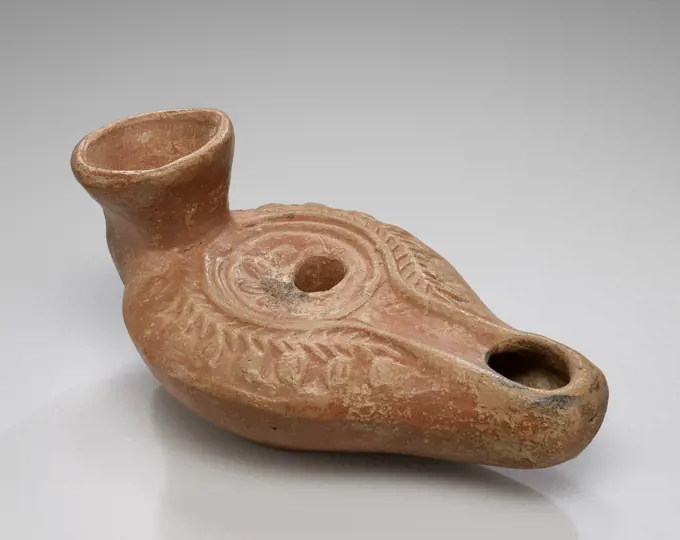
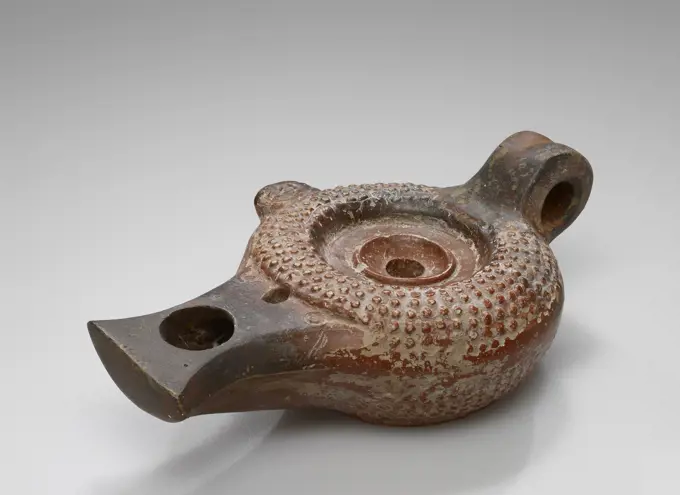
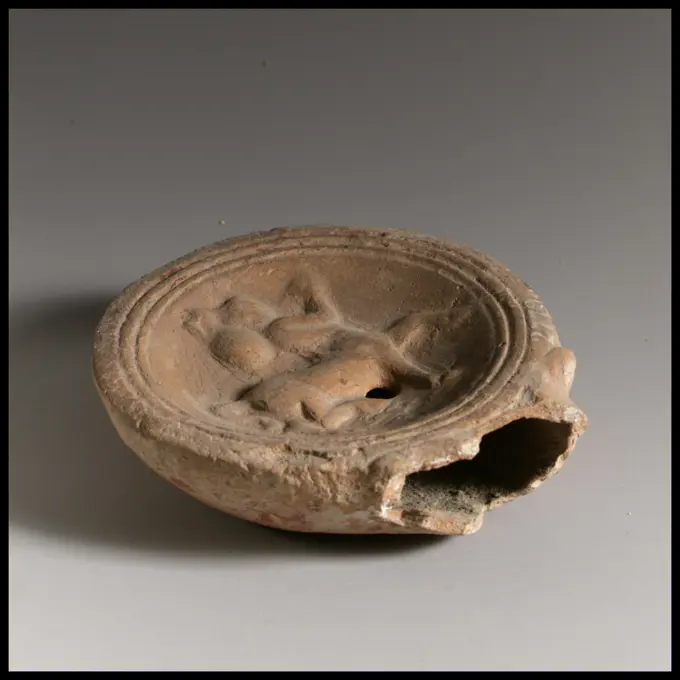
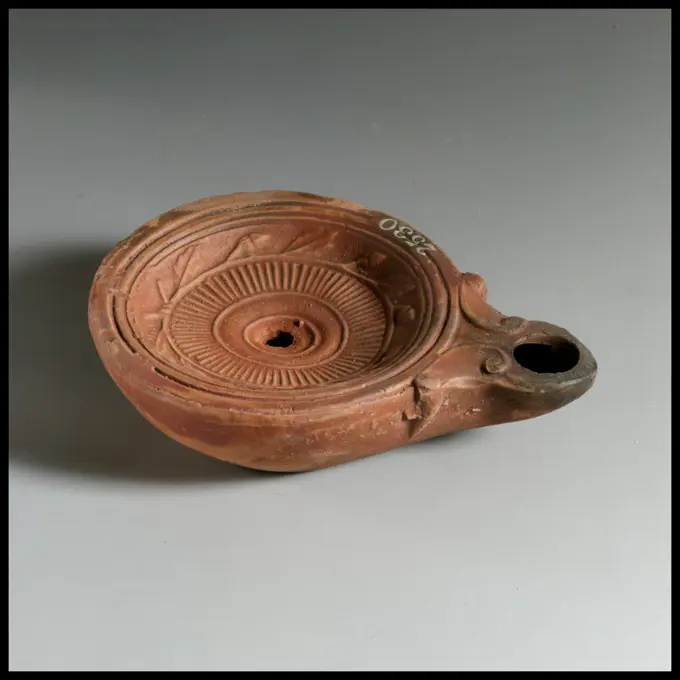
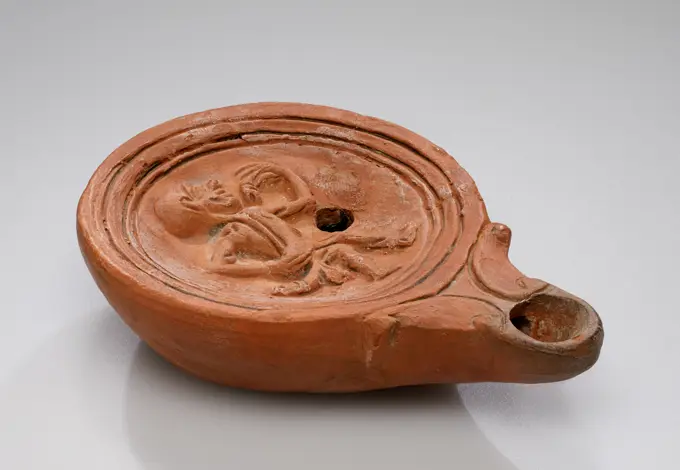
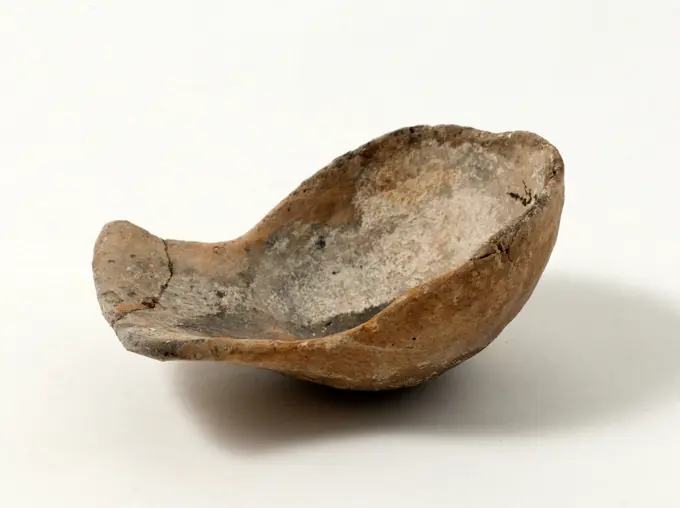
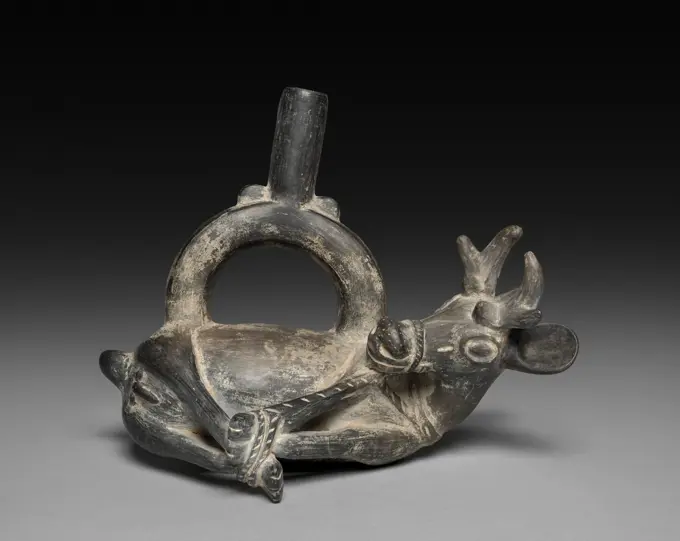
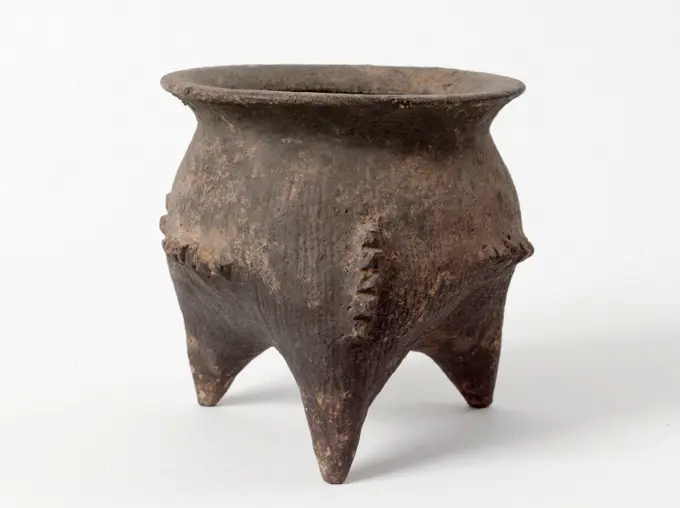
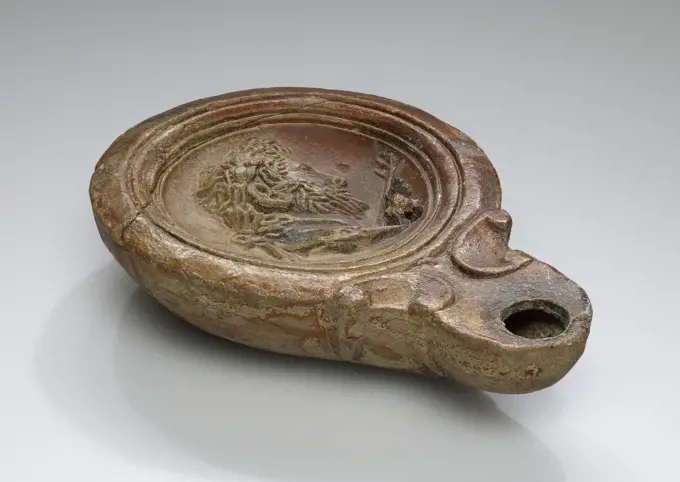
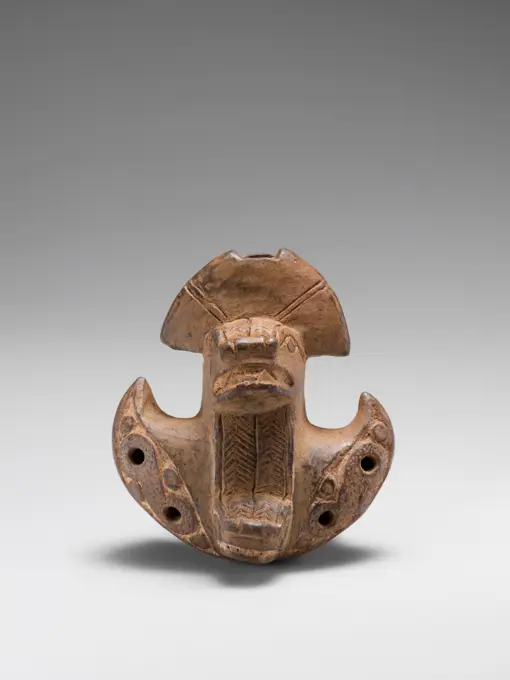
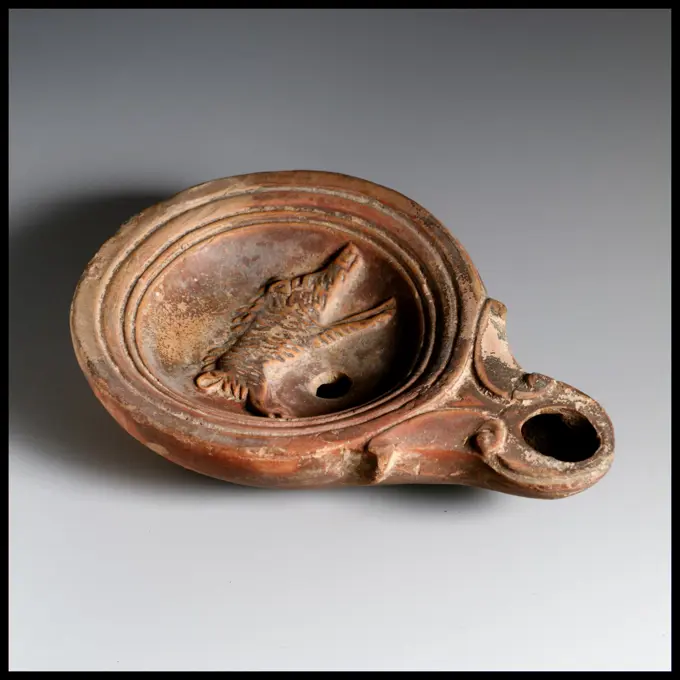
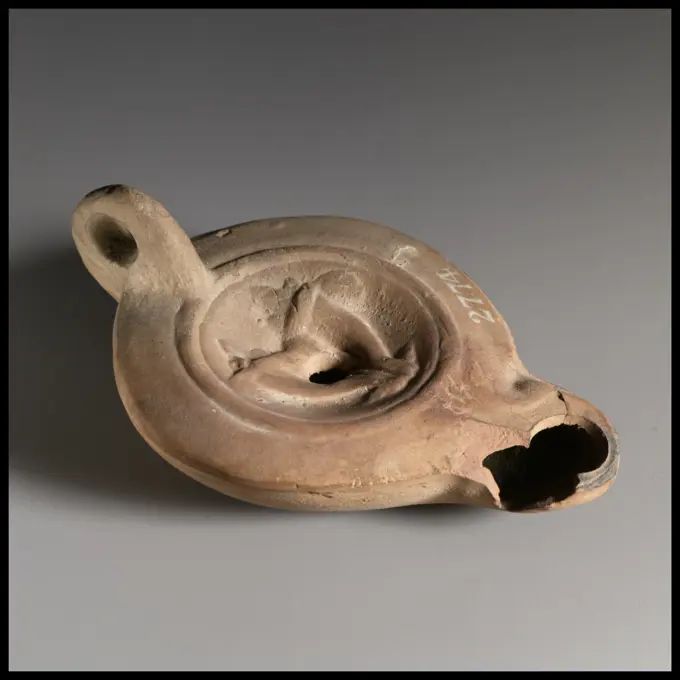
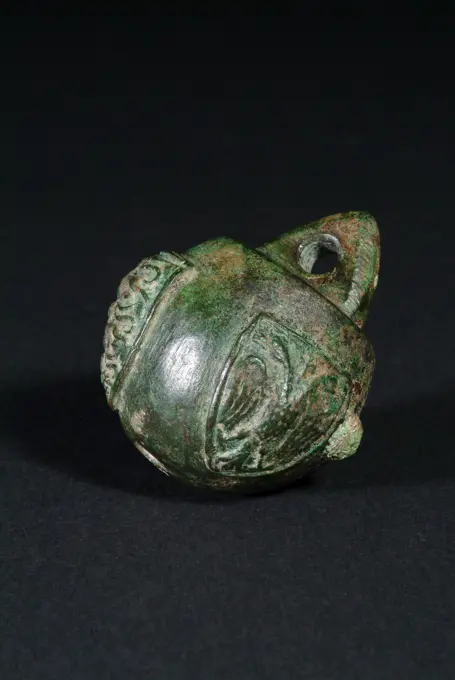
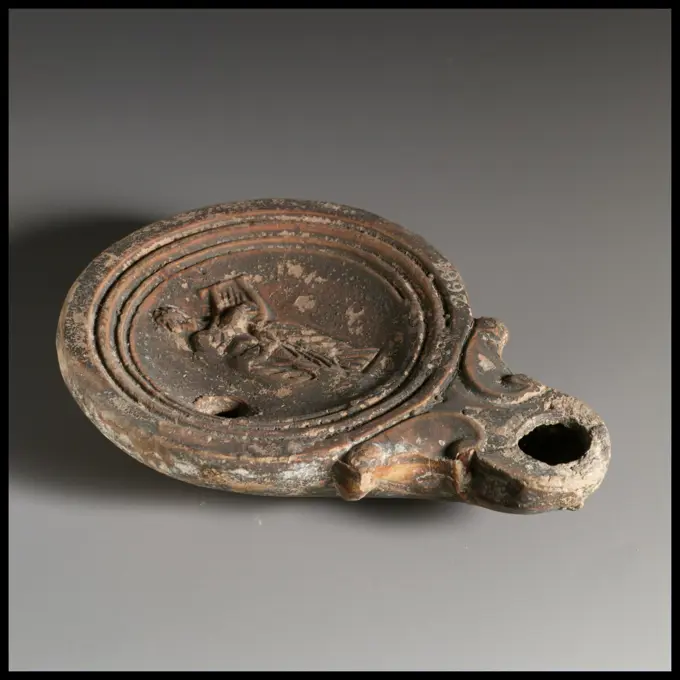
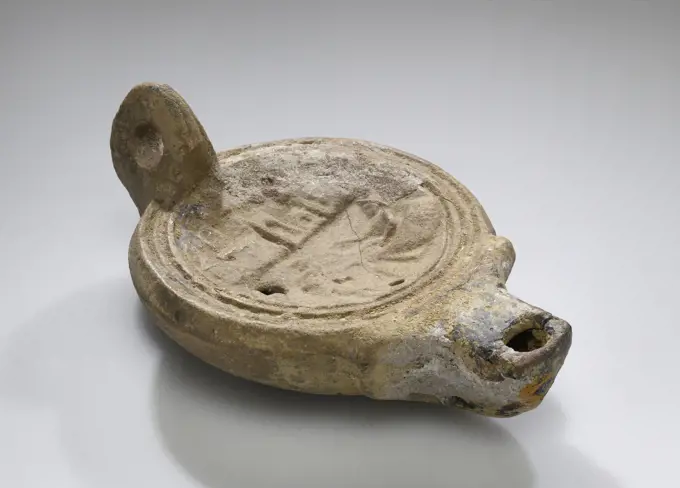
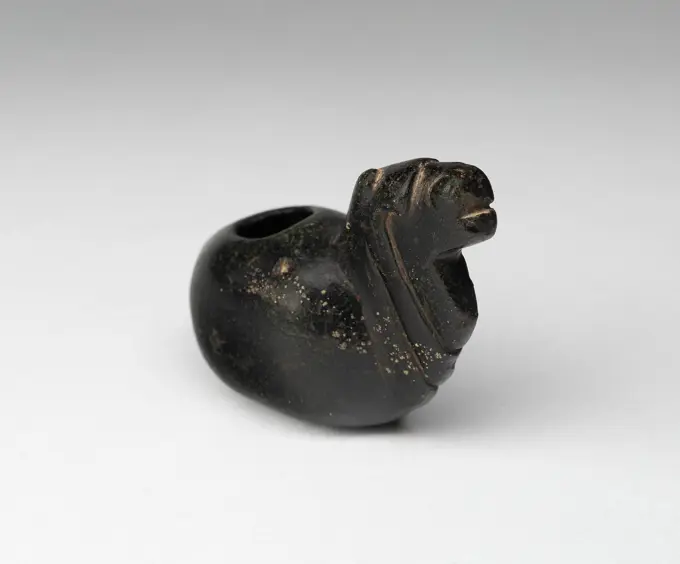
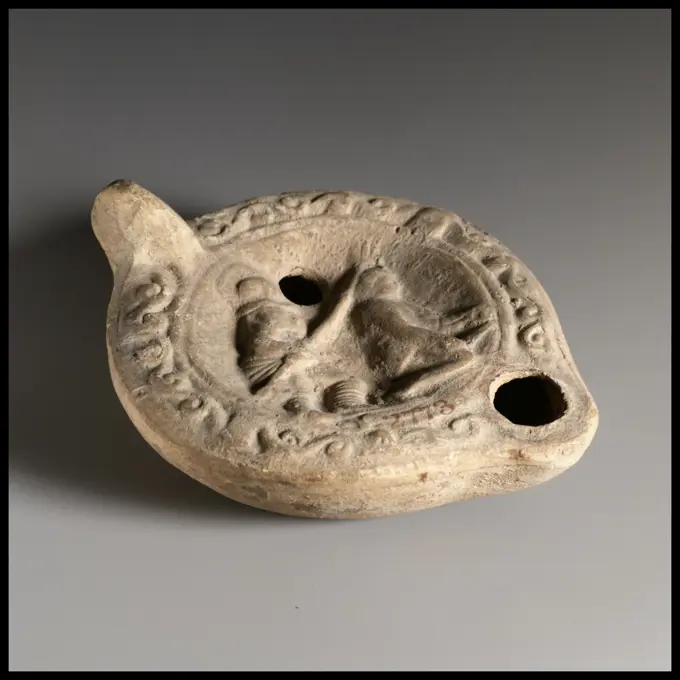
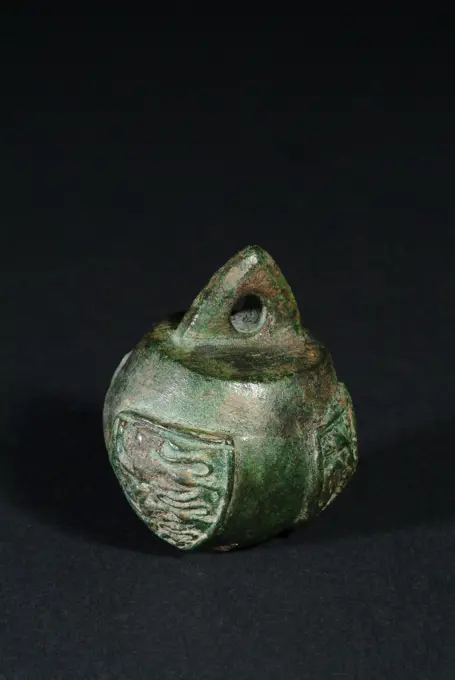
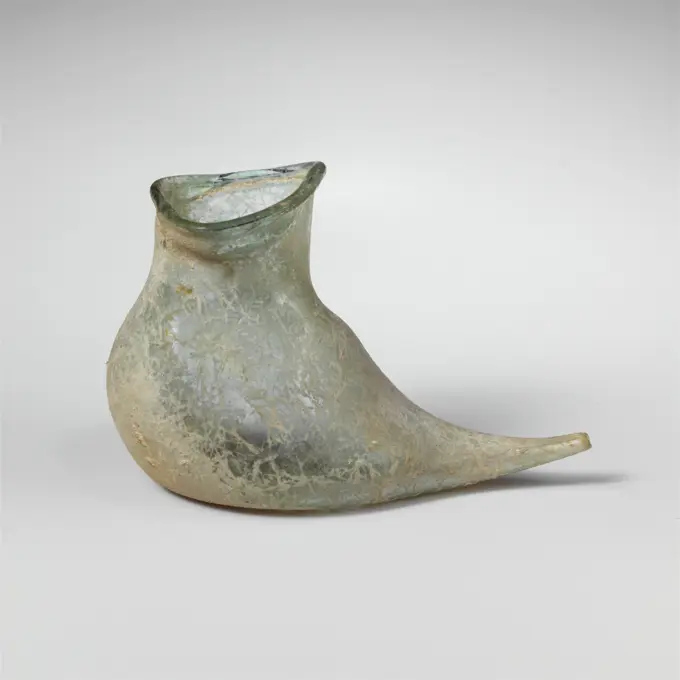
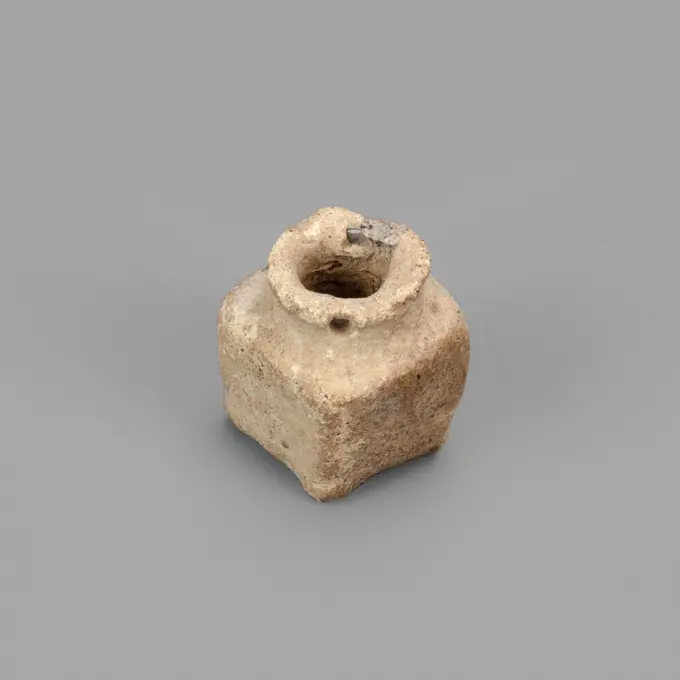
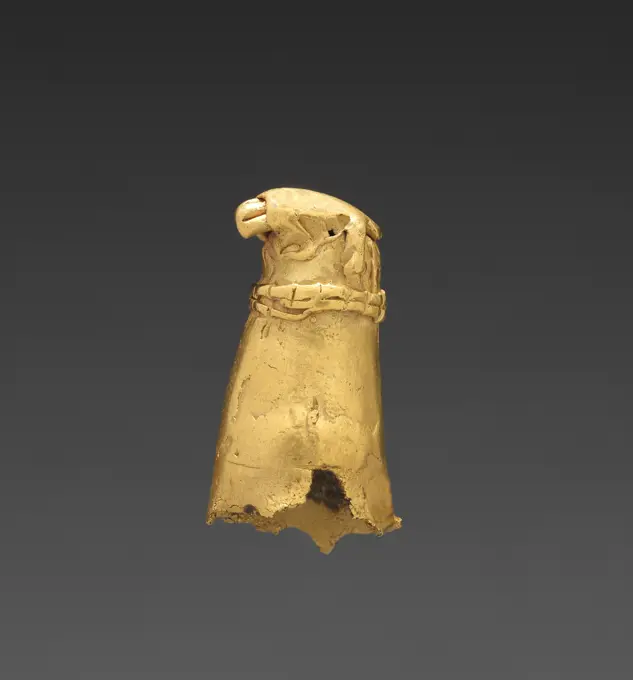
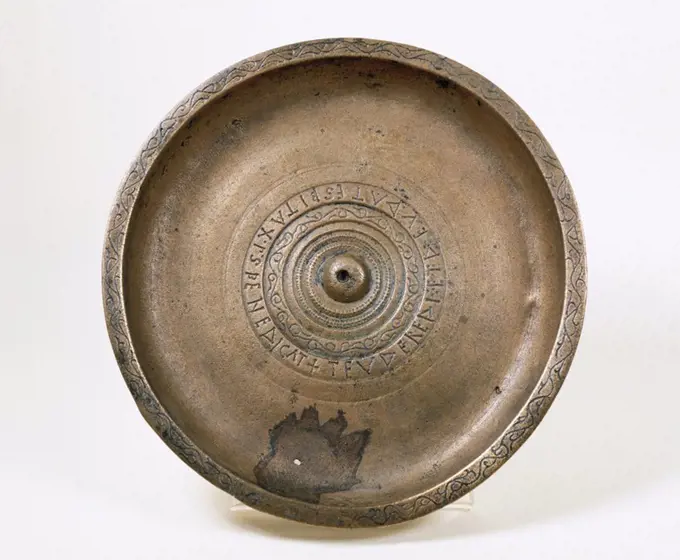
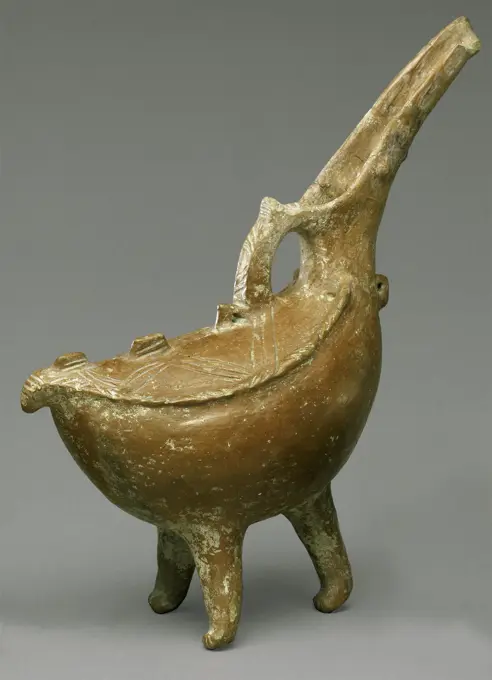
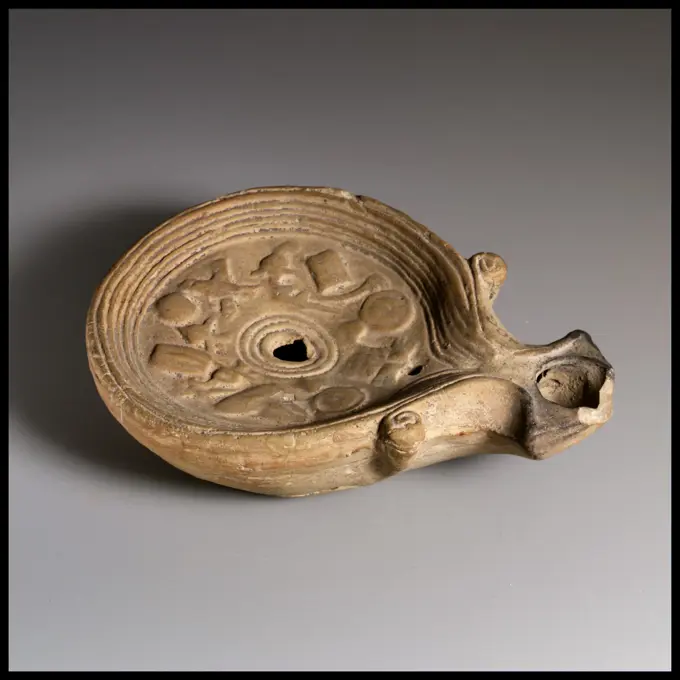
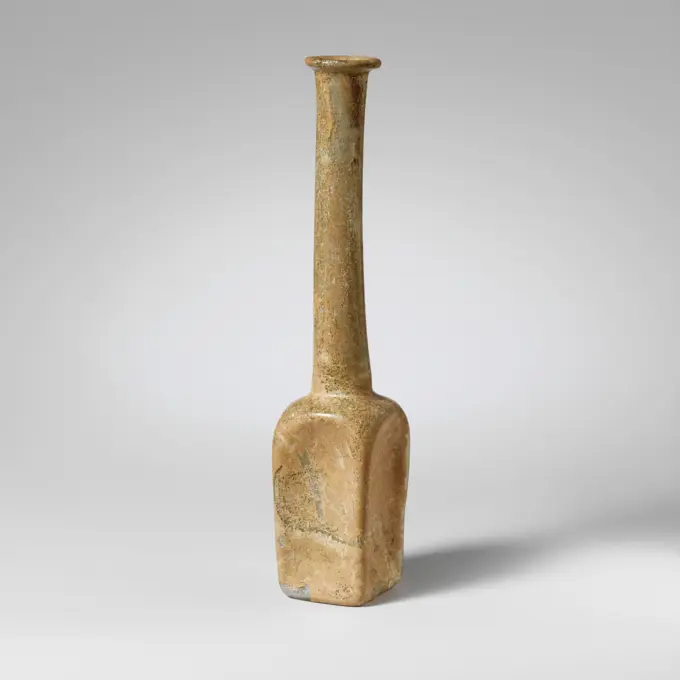
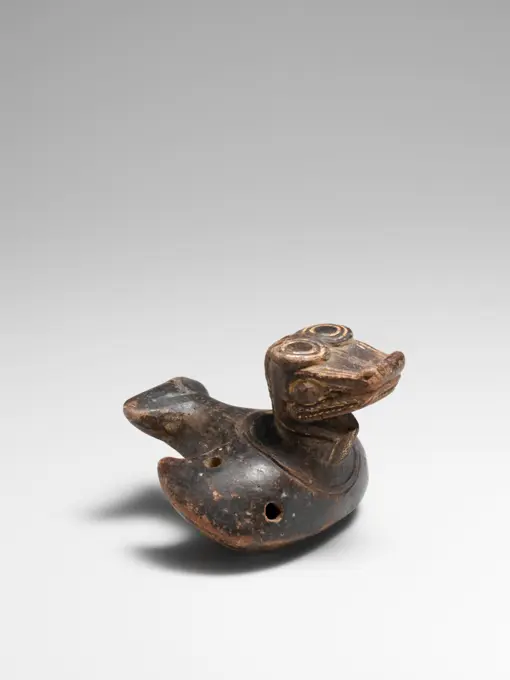
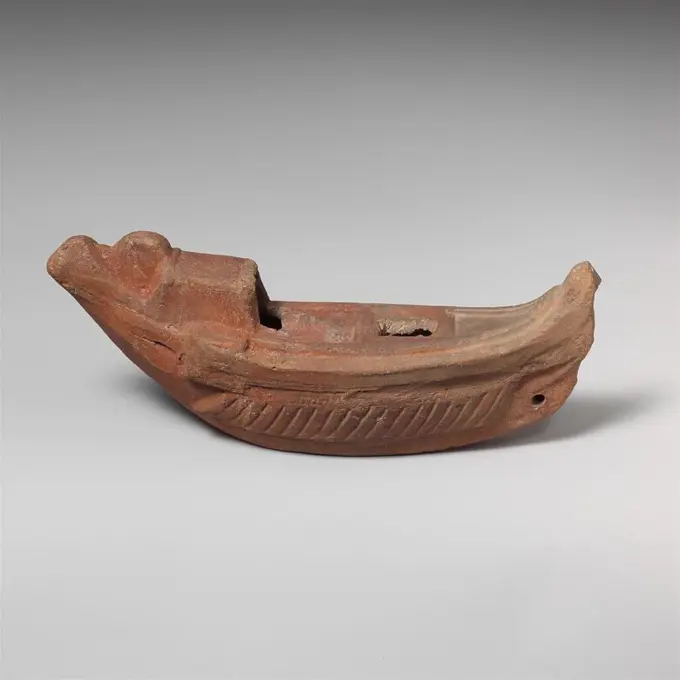
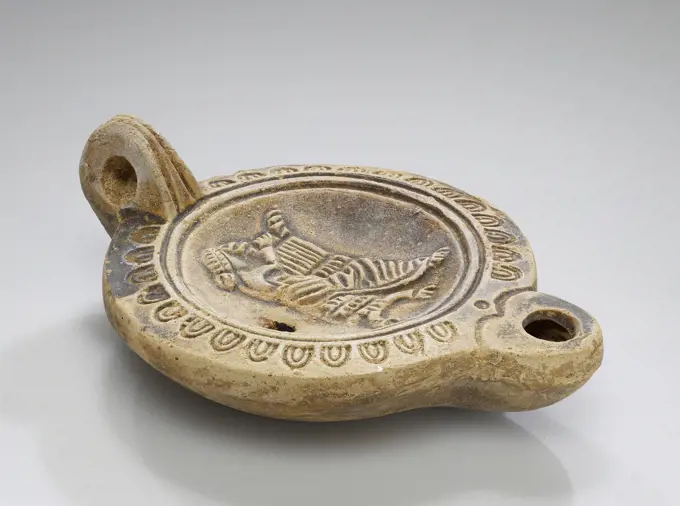
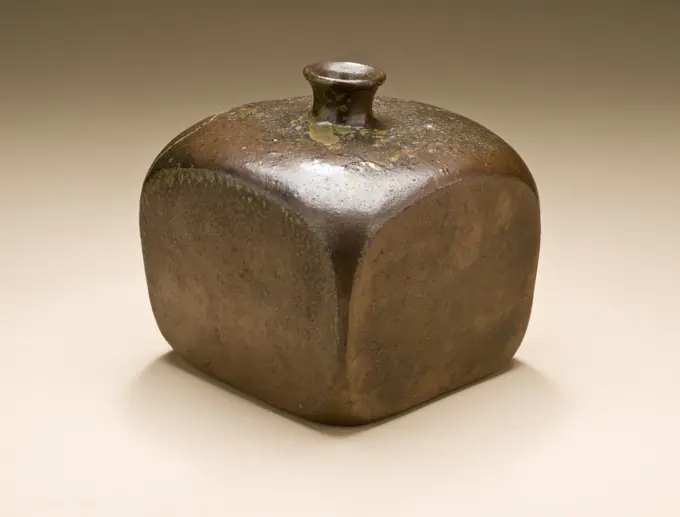
Lamp. UnknownLamp. UnknownLamp. UnknownLamp. Culture: Roman. Dimensions: Length: 2 7/8 in. (7.3 cm)Height: 15/16 in. (2.4 cm). Date: 2nd century A.D.. Museum: Metropolitan Museum of Art, New York, USA.Lamp. UnknownLamp, Asia Minor; 1st - 4th century; Terracotta; 3.2 x 6.6 x 11.5 cm (1 1,4 x 2 5,8 x 4 1,2 in.)Lamp, Cologne, Germany, Europe; 1st century B.C. - 4th century A.D; Terracotta; 5.6 x 5 x 8 cm (2 3,16 x 1 15,16 x 3 1,8 in.)Lamp. UnknownLamp. UnknownLamp. UnknownLamp; Campania, Italy; 2nd century; Terracotta; 4.5 x 6.6 x 10.9 cm (1 3,4 x 2 5,8 x 4 5,16 in.)Lamp, Cologne, Germany; 2nd - 3rd century; Terracotta; 3.1 x 1.8 x 6 cm (1 1,4 x 11,16 x 2 3,8 in.)Lamp, North Africa; 1st - 4th century; Terracotta; 2.8 x 7.6 x 10.8 cm (1 1,8 x 3 x 4 1,4 in.)Terracotta oil lamp. Culture: Roman. Dimensions: Overall: 1 3/8 x 3 5/8 in. (3.5 x 9.2 cm). Date: 2nd century A.D..Loeschcke Type 5. Mold-made, with ring handle. Discus: a horizontal branch with oak leaves above and below; a single, small filling hole near front and with a band of grooves and raised lines at edge of discus. On narrow, almost horizontal shoulder, a pattern of small ovules. Volutes flanking nozzle. Broad raised ring base, outlined by two incised circles, and a slightly concave base, with a vertical impression at center.Intact. Museum: Metropolitan Museum of Art, New York, USA.Terracotta oil lamp Roman, Cypriot Ring handle. Mold-made. Plain discus decorated with a single raised circle around slightly off-center filling hole, and groove and raised circle around edge. Undecorated shoulder. Incised base ring; flat base with impressed, foot-shaped () marker's mark at center. Red slip.. Terracotta oil lamp. Roman, Cypriot. Terracotta. TerracottasLamp. UnknownHandleless Oil LampTerracotta oil lamp 1st century B.C. Greek Mold-made, with ring handle. Plain, concave discus, with central filling hole and raised edge. On the convex-curving shoulder, a vine tendril with three large leaves and ending in a small bunch of grapes at front; a small frond decorates the base of the nozzle, which has pointed sides around the large wick hole; on handle, a broad, central cable pattern flanked by two parallel raised lines, with a cross bar at back; squat, carinated body. Raised, broad base ring, and flat base, decorated with a five-petalled rosette.Intact.. Terracotta oil lamp. Greek. 1st century B.C.. Terracotta. Hellenistic. TerracottasLamp. UnknownLamp. UnknownLamp. UnknownTerracotta oil lamp ca. 300-250 B.C. Greek Wheel-made body, with applied long nozzle. Large central filling hole, surrounded by a plain, rounded band and a deep groove; two concentric incised lines decorate the upper part of the convex-curving side to deep body, with a pierced projecting knob on left side; a single incised straight line across top of nozzle. Raised base ring and concave base.Intact, except for small chip in base ring.. Terracotta oil lamp. Greek. ca. 300-250 B.C.. Terracotta. Hellenistic. TerracottasLamp, Asia Minor; 1st - 4th century; Terracotta; 3 x 7.6 x 10.4 cm (1 3,16 x 3 x 4 1,8 in.)Lamp, Anatolia; 1st - 4th century; Terracotta; 1.9 x 4.1 x 9 cm (3,4 x 1 5,8 x 3 9,16 in.)Lamp, Asia Minor; 1st century B.C. - 4th century A.D; Terracotta; 3.1 x 6.9 x 16 cm (1 1,4 x 2 11,16 x 6 5,16 in.)Lamp. UnknownLamp, Asia Minor; 1st - 4th century; Terracotta; 3 x 6.5 x 8.6 cm (1 3,16 x 2 9,16 x 3 3,8 in.)Lamp, Anatolia; 1st - 4th century; Terracotta; 3 x 8.5 x 11.5 cm (1 3,16 x 3 3,8 x 4 1,2 in.)Lamp. UnknownOil LampLamp, Asia Minor; 3rd - 1st century B.C; Terracotta; 3.4 x 8.2 x 10 cm (1 5,16 x 3 1,4 x 3 15,16 in.)Terracotta oil lamp 1st century B.C.-1st century A.D. Roman, Cypriot Mold-made. Shallow discus: rosette with eight, elongated, heart-shaped petals; a single filling hole at center; raised circle around edge; plain, sloping shoulder. Simplified volutes flanking angular nozzle. Broad base ring, and uneven, pushed-in base.Intact.. Terracotta oil lamp. Roman, Cypriot. 1st century B.C.-1st century A.D.. Terracotta. Early Imperial. TerracottasLamp, South Anatolia, Anatolia; 1st century B.C. - 4th century A.D; Terracotta; 2.7 x 7.5 x 12.9 cm (1 1,16 x 2 15,16 x 5 1,16 in.)Terracotta oil lamp late 1st century B.C.-early 1st century A.D. Roman, Cypriot Loeschcke Type 1A. Mold-made. Deep, small body. Discus: man (athlete or boxer) standing and facing right, wearing short tunic (), with his right arm raised behind his head and his left arm outstretched in front of him a single filling hole at bottom center between his legs; band of fine lines and grooves at edge. Volutes flanking angular nozzle, with large wick hole. Undefined, flat base.Cracked around left front side of body, with two holes; weathered chip on right pointed edge of nozzle.. Terracotta oil lamp. Roman, Cypriot. late 1st century B.C.-early 1st century A.D.. Terracotta. Early Imperial. TerracottasLamp. UnknownLamp, Asia Minor; 4th - 5th century; Terracotta; 3.5 x 8.1 x 13.5 cm (1 3,8 x 3 3,16 x 5 5,16 in.)Lamp, Italy; 1st century B.C; Terracotta; 3.5 × 7.4 × 13 cm (1 3,8 × 2 15,16 × 5 1,8 in.)Lamp. UnknownTerracotta oil lamp 1st century A.D. Roman Loeschcke Type 4 (). Mold-made. Shallow discus: a centaur moving to right, carrying an amphora over his shoulder; a single filling hole at center below between his legs; with a band of lines and grooves around the edge. Volutes flanking nozzle. Broad base ring, and a flat base.Broken (with weathered edges), and most of nozzle and front of body missing.. Terracotta oil lamp 241526Terracotta oil lamp ca. A.D. 40-100 Roman, Cypriot Loeschcke Type 4. Mold-made. Discus: a myrtle wreath surrounding a band of close-set rays; a single central filling hole within a raised circle, with concentric grooves around edge. Voluted nozzle. Fine, incised base ring, and concave base.Intact.. Terracotta oil lamp. Roman, Cypriot. ca. A.D. 40-100. Terracotta; mold-made. Early Imperial. TerracottasLamp. UnknownSuspicious. Terracotta. Neolithic. Paris, Carnavalet museum. Ladle, neolithic, terracotta, dishes, archeological vestigeLamp. UnknownLamp. UnknownOil LampLamp. UnknownFragment of earthenware oil lamp, dish with hanging ear and pouring clip on part trunk, oil lamp lamp lighting medium soil find ceramic earthenware glaze lead glaze, hand turned molded glazed baked earthenware oil lamp. Upper half of the lamp with scale on trunk Lying hanging eye and opposite shank or sneb. Internally glazed. Red shard archeology Rotterdam IJsselmonde lighting indigenous pottery illuminate evening night oil Soil discovery: Castle IJsselmonde pit 1 Rotterdam 1972.Bound Deer Effigy Vessel, 1000-1460s. Andes, north coast, Chimú people. Ceramic; overall: 18.7 x 24 x 13 cm (7 3/8 x 9 7/16 x 5 1/8 in.). This vessel was made by an artist of the Chimú Empire of Perus north coast. In the art of the Moche, an earlier culture in the region, the deer had complex symbolism related to ritual combat and the capture of prisoners. A memory of that symbolism may survive here in the binding of the deers feet.Vase Tripode Li ". Terracotta. Neolithic period (around 8000 BC). Paris, Cernuschi museum. Chinese art, Chinese ceramic, container, neolithic period, container, li ripod, terracotta, three feet, vaseLamp, North Africa; 1st - 4th century; Terracotta; 2.2 x 7 x 10.2 cm (7,8 x 2 3,4 x 4 in.)Lamp ca. 500-460 B.C. Greek, Attic. Lamp. Greek, Attic. ca. 500-460 B.C.. Terracotta. Late Archaic-Early ClassicalHorn - shaped CupOcarina 1300-1500 Tairona People; La Aguja Style Although numerous types of instruments survive from pre-conquest South and Central America, little is known of how they were used. Whistles, trumpets, and rattles in animal or human form probably had ceremonial functions or served as playthings. Smaller whistles in animal shapes, perhaps worn suspended from the neck, frequently have fingerholes that allow variation of pitch.Flutes and bells are all that remain of many musical traditions of the Tairona people of the Sierra Nevada de Santa Marta region, Colombia. The importance of these metal, terracotta, and blackware instruments is evident in their carefully detailed incising and punctuation. The symbolic meanings of the effigies are obscure, and the relationship between the forms and their musical functions is unclear. It is believed that musical effigies served as talismans and were played to link the mortal and immortal realms.. Ocarina. Tairona People; La Aguja Style. 1300-1500. CeraLamp;  175 - 220 CE (175-00-00-175-00-00);Daszewski, Wiktor A. (1936-), Daszewski, Wiktor A. (1936-)-collection, gift (provenance)Lamp. UnknownTerracotta oil lamp 3rd-4th century A.D. Roman, Cypriot Vessberg Type 18. Unpierced handle. Mold-made. Discus: naked man facing front but moving to right, holding large bulbous jar in right hand and with an amphora below raised left hand; around edge of discus, short radiating lines. Two filling holes. On broad shoulder, stylized vines with many grapes. On slightly concave base, raised indistinct raised letters. Broken and repaired around underside of nozzle.. Terracotta oil lamp. Roman, Cypriot. 3rd-4th century A.D.. Terracotta. Late Imperial. TerracottasLamp, Turkey; 1st century B.C. - 1st century A.D; Bronze; 2.7 × 3.1 × 9.6 cm (1 1,16 × 1 1,4 × 3 3,4 in.)Terracotta oil lamp ca. A.D. 40-100 Roman, Cypriot Loeschcke Type 4. Mold-made. Discus: hirsute boar in relief running to right, with a band of concentric lines and grooves towards edge. Single filling hole towards nozzle. Volutes flanking nozzle. Within raised base ring, flat base, with the raised letter Y at edge.Intact.. Terracotta oil lamp. Roman, Cypriot. ca. A.D. 40-100. Terracotta. Early Imperial. TerracottasTerracotta oil lamp ca. A.D. 75-150 Roman Loeschcke Type 5. Ring handle. Mold-made. Discus: two cornucopias, with central filling hole; raised, circular band around edge of discus; plain, slightly slanting shoulder. Raised, flat base.Nozzle broken and repaired with left side missing.. Terracotta oil lamp 241589Tripod bowl with rattle-legs. Ceramics. Period VI (1000-1500 AD). Nicoya Region, Costa Rica. Museum of the Americas. Madrid, Spain. Steelyard Weight with heraldic decoration. Used on a steelyard balance - a counterweight for a straight-beam balance with arms of unequal length. The counterweight slides along the longer arm to counterbalance the load and indicate its weight. Also known as a Roman steelyard or Roman balance.. Found at Weoley Castle, Birmingham, a Birmingham Museums Trust Heritage site.Bake  stamp in the form of a duck;  4. thous. BC (-4000-00-00--3001-00-00);The collection of the ancient EastShawabty Jar with Lid (lid), 1295-1069 BC. Egypt, New Kingdom, Dynasty 19 (1295-1186 BC) - Dynasty 20 (1186-1069 BC). Nile silt ware; diameter: 23.4 cm (9 3/16 in.); diameter of mouth: 11.5 cm (4 1/2 in.); overall: 28.5 cm (11 1/4 in.).Terracotta oil lamp ca. A.D.40-100 Roman Loeschcke Type 4. Mold-made. Discus: in high relief, Apollo or Muse, heavily draped, facing forward, playing lyre; short ground line below; a single filling hole towards left edge; band of lines and grooves around edge. Volutes flanking nozzle. Incised base ring, and slightly convex base, with central raised stamp: the letter R in reverse.Broken and repaired around underside of nozzle, but complete.. Terracotta oil lamp. Roman. ca. A.D.40-100. Terracotta. Early Imperial. TerracottasTerracotta lamp withinscriptionTerracotta oil lamp. Culture: Roman, Cypriot. Dimensions: Overall: 1 1/4 x 3 1/8 in. (3.2 x 7.9 cm). Date: 4th-5th century A.D..Vessberg Type 18. Unpierced handle. Mold-made. Discus: bestiarius using large cochlea to shield him from a bear; letters in relief below cochlea. Shoulder: right side, herring-bone wreath; left side, wolf () running towards man with raised arms. On base, circle of raised Greek letters. Filling hole slightly damaged to right side. Museum: Metropolitan Museum of Art, New York, USA.Oil Lamp with a Representation of the Port of Alexandria; North Africa, Tunisia; 175 - 230; Terracotta; 12.2 × 8.2 cm (4 13,16 × 3 1,4 in.)Offering Vessel in the Form of an Alpaca 1450-1532 Cuzco. Stone . IncaTerracotta oil lamp. Culture: Greek. Dimensions: Overall: 1 x 3 3/8 in. (2.5 x 8.6 cm).Wheel-made body, with applied long nozzle. Large central filling hole, surrounded by a plain band and an incised circle; convex sloping shoulder decorated with radiating incised lines and with a single projecting knob at edge of left side; palmette in relief along top of nozzle; squat, carinated body. Raised, flat base.Intact. Museum: Metropolitan Museum of Art, New York, USA.Serpentine blossom bowl ca. 1750-1450 B.C. Minoan Hand-carved with lily petals in low relief.. Serpentine blossom bowl. Minoan. ca. 1750-1450 B.C.. Serpentine. Middle Minoan III-Late Minoan I. Miscellaneous-Stone VasesStamped Oil LampWeight, Earthenware, Mexico, 800-1200, ceramics, Decorative Arts, WeightClosure from the wreck of the East Indians Princesse Maria, Anonymous, 1682 - 1686 fastening Copper chalice, slightly damaged, cap that was put on something to close, with a button. Summy adaptation. Netherlands copper (metal)Lamp. UnknownLidded Jar with Four Horn Lugs (lid), AD 200s-400s. Korea, Kaya period (AD 42-562). Earthenware; diameter of mouth: 11.4 cm (4 1/2 in.); overall: 25 x 21.5 cm (9 13/16 x 8 7/16 in.). Closed kilns built on hillsides became widely used for producing this type of pottery vessel in Korea during the Three Kingdoms period. Both its gray color and shimmering glaze are the result of the reduction of oxygen in the closed kiln chamber built on hillsides.Terracotta oil lamp 3rd century A.D. Roman Broneer Type 27. Unpierced handle. Mold-made. Discus: two gladiators in high relief; on left, standing, heavily-armed retiarius, facing right and holding long trident aslant, and, on right, kneeling opponent, also facing right; one filling hole at top right. Relief scroll pattern on shoulder, interrupted by a rectangular panel on either side. Undefined, flat base.Intact.. Terracotta oil lamp 241590Lazio Roma Rome SS. Giovanni e Paolo, Museum39. Hutzel, Max 1960-1990 Medieval: Ceramic fragments, sculptural fragments, fresco fragments, inscribed tomb markers. Houses one of the best collections of Malagan medieval ceramics for casting wall monuments, copies of which are housed in campanile. Specific Location: Museum Antiquities: Ceramic fragments, sculptural fragments, architectural fragments Object Notes: Basilica has separate record and is filed separately. German-born photographer and scholar Max Hutzel (1911-1988) photographed in Italy from the early 1960s until his death. The result of this project, referred to by Hutzel as Foto Arte Minore, is thorough documentation of art historical development in Italy up to the 18th century, including objects of the Etruscans and the Romans, as well as early Medieval, Romanesque, Gothic, Renaissance and Baroque monuments. Images are organized by geographic region in Italy, then by province, city, site complex and monument.Steelyard Weight with heraldic decoration. Used on a steelyard balance - a counterweight for a straight-beam balance with arms of unequal length. The counterweight slides along the longer arm to counterbalance the load and indicate its weight. Also known as a Roman steelyard or Roman balance.. Found at Weoley Castle, Birmingham, a Birmingham Museums Trust Heritage site. .Glass pourer flask 1st-2nd century A.D. Roman Translucent pale blue green.Irregular, uneven rim, folded over and in, forming collar to inside of mouth; short neck; bulbous body, drawn out on one side into slender, upturned nozzle; pushed-in bottom.Intact, but with one small hole on neck; a few pinprick bubbles; dulling, faint iridescence, and limy encrustation and weathering.. Glass pourer flask 244651Miniature bottle;  X-XI century (901-00-00-1000-00-00);gift (provenance), Islam (culture), dishes, art of IslamVaseLamp. UnknownFragment of an Animal Head, 1-800. Colombia, Quimbaya. Gold; overall: 3.6 cm (1 7/16 in.).Lamp. 125, bd de Port-Royal, coll. MAGNE. Terracotta. Late Antiquity. Triangle shape, two spouts. Paris, Carnavalet museum. Late antique, beak, triangle shape, lamp, oil lamp, terracottaARTE VISIGOTICO. ESPAÑA. Siglos V-VII. PLATERA LITURGICA DE BRONCE decorada con una cenefa y con inscripción. Procede de Onda, provincia de Castellón, Comunidad Valenciana. Museo Arqueológico de Barcelona. Cataluña.Terracotta askos (vessel) in the form of a bird ca. 2500-1600 B.C. Cypriot Vessel with incised decoration.. Terracotta askos (vessel) in the form of a bird. Cypriot. ca. 2500-1600 B.C.. Terracotta. Early or Middle Bronze Age. VasesSpindle with 2 whorls ca. 1295-1070 B.C. New Kingdom, Ramesside. Spindle with 2 whorls. ca. 1295-1070 B.C.. Wood. New Kingdom, Ramesside. From Egypt, Memphite Region, Lisht North, Late New Kingdom Settlement, MMA excavations, 1920-22. Dynasty 19-20Terracotta oil lamp 1st half of 1st century A.D. Roman, Cypriot Loeschcke Type 1A, with nozzle channel. Mold-made. Discus: circular frieze comprising cuirass at bottom behind nozzle, then clockwise, a large round shield, a helmet (), two overlapping oval shields, a helmet and short sword, an oblong shield, a helmet, a small round shield, a pair of crossed greaves, a helmet, a square shield (), a straight sword, a curved sword, and a large round shield; a central filling hole, surrounded by concentric lines and grooves, and a small air hole behind nozzle channel, with a band of close-set lines and grooves at edge. Volutes flanking nozzle. Within band of incised lines and grooves forming a base ring, a flat, sunken base, with impressed letters across center: FAVS, and a raised cross below.Intact, except for chip in front of nozzle.The inscription reads from the back... Terracotta oil lamp. Roman, Cypriot. 1st half of 1st century A.D.. Terracotta; mold-made. Early Imperial, Julio-ClaudiFibula 6th-4th century B.C. Italic With long, sheath like foot terminating in a knob.. Fibula 246313Anonymous / 'Case for rock crystal drinking vessel with four lobes and handles with fantastical creatures'. 1590 - 1610. Leather, Wood, Metal, Velvet. Museum: Museo del Prado, Madrid, España.Glass perfume bottle 2nd-3rd century A.D. Roman Colorless with blue green tinge.Rim folded out, round, and in, forming slight constriction to neck; tall, cylindrical neck with slightly concave sides and tooling marks around base; small rounded shoulder; four indented rectangular sides to body; square, pushed-in bottom.Intact; bubbles and blowing striations; thicj creamy weathering, with patches of iridescence and dulling.. Glass perfume bottle 239793Ocarina 1300-1500 Tairona People; Gayraca style Although numerous types of instruments survive from pre-conquest South and Central America, little is known of how they were used. Whistles, trumpets, and rattles in animal or human form probably had ceremonial functions or served as playthings. Smaller whistles in animal shapes, perhaps worn suspended from the neck, frequently have fingerholes that allow variation of pitch.Flutes and bells are all that remain of many musical traditions of the Tairona people of the Sierra Nevada de Santa Marta region, Colombia. The importance of these metal, terracotta, and blackware instruments is evident in their carefully detailed incising and punctuation. The symbolic meanings of the effigies are obscure, and the relationship between the forms and their musical functions is unclear. It is believed that musical effigies served as talismans and were played to link the mortal and immortal realms.. Ocarina. Tairona People; Gayraca style. 1300-1500. CeramiTerracotta oil lamp in the shape of a boat. Culture: Roman, Egyptian. Dimensions: length 6 1/4in. (15.9cm). Date: 2nd century A.D..Lamp in the form of a boat. Museum: Metropolitan Museum of Art, New York, USA.Terracotta oil lamp. Culture: Roman, Cypriot. Dimensions: H. 1 3/8 in. (3.5 cm); length 3 in. (7.6 cm). Date: ca. A.D. 150-250.On discus, Odysseus (Ulysses) escaping from the Cyclops Polyphemus strapped under a ram. Museum: Metropolitan Museum of Art, New York, USA.Vase. Bronze. Chine. Par musée musée malée. 70625-37 Chinese art, bronze, four feet, vase zoomorphic, animalLamp, North Africa; 1st - 4th century; Terracotta; 2.3 x 8.4 x 11.6 cm (7,8 x 3 5,16 x 4 9,16 in.)Terracotta oil lamp. Culture: Roman. Dimensions: Overall: 1 x 4 in. (2.5 x 10.2 cm). Date: 1st century B.C.-1st century A.D..Loeschcke Type 4. Mold-made. Discus: a boar, running to left; a single filling hole below boar towards nozzle, and a band of lines and grooves towards edge. Volutes flanking nozzle. Incised base ring, and slightly concave base.Complete, except for hole in front of nozzle. Museum: Metropolitan Museum of Art, New York, USA.Squared Sake Bottle. Japan, Edo period (1615-1868), 18th century. Ceramics. Bizen ware; stoneware with naturally occurring ash glazeTerracotta miniature jar with two handles 7th-6th century B.C. Greek, Laconian Two handles, traces of white paint.. Terracotta miniature jar with two handles 251761 Greek, Laconian, Terracotta miniature jar with two handles, 7th6th century B.C., Terracotta, H. 2 1/8 in. (5.4 cm). The Metropolitan Museum of Art, New York. Gift of A. J. B. Wace, 1924 (24.195.195)Temple with Figure 1st-8th century Mezcala. Temple with Figure 317509