Ancient Oil Lamps

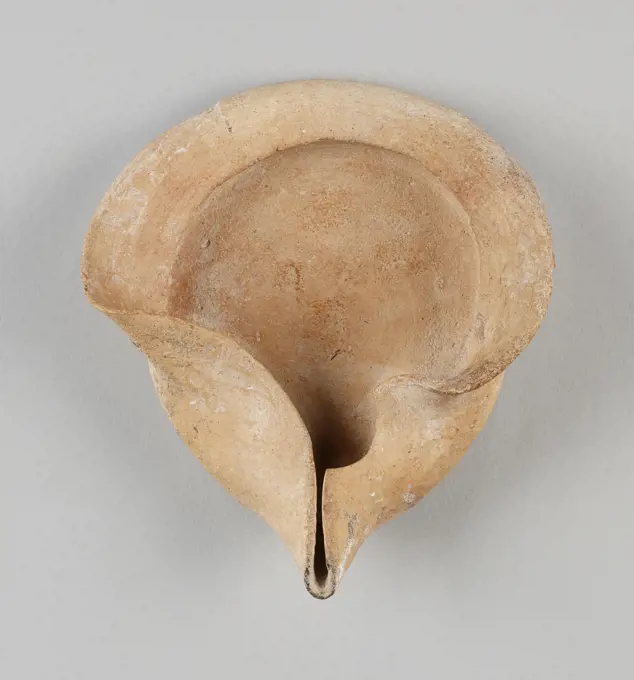
A collection of various ancient oil lamps showcasing different designs and materials, reflecting historical artistry and functionality.

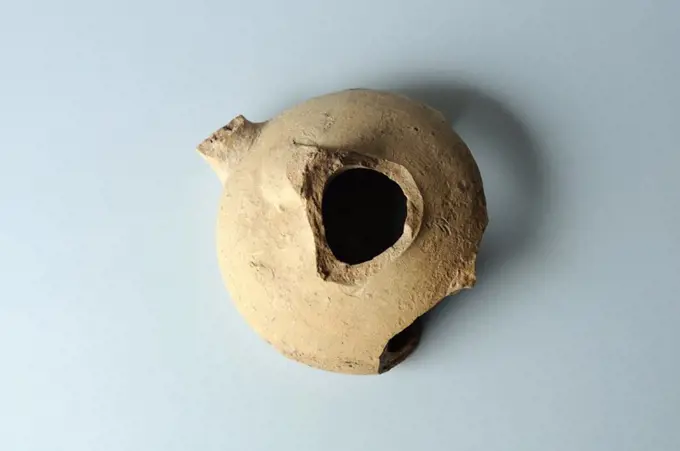
Lamp, Cologne, Germany, Europe; 1st century B.C. - 4th century A.D; Terracotta; 5.6 x 5 x 8 cm (2 3,16 x 1 15,16 x 3 1,8 in.)
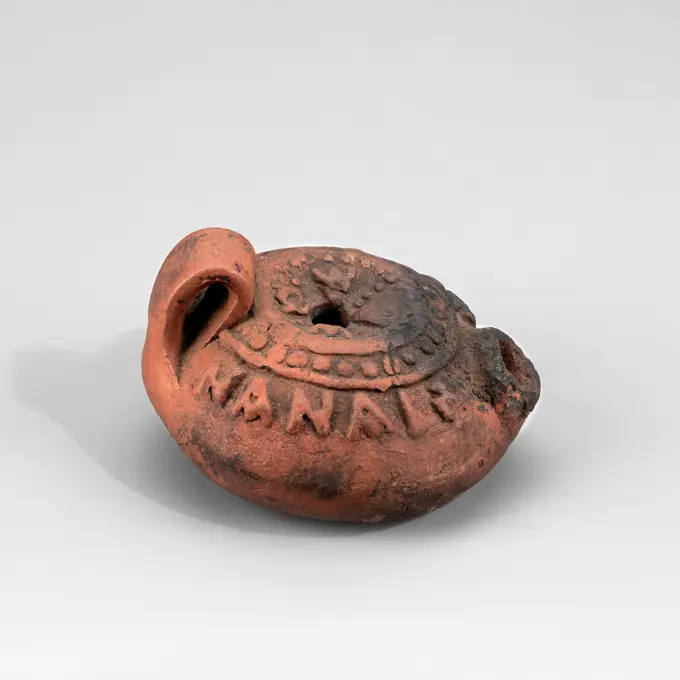
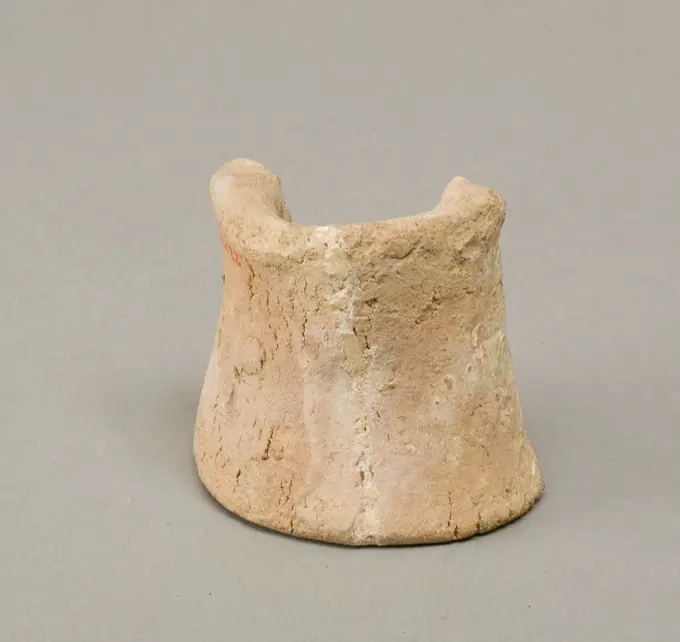
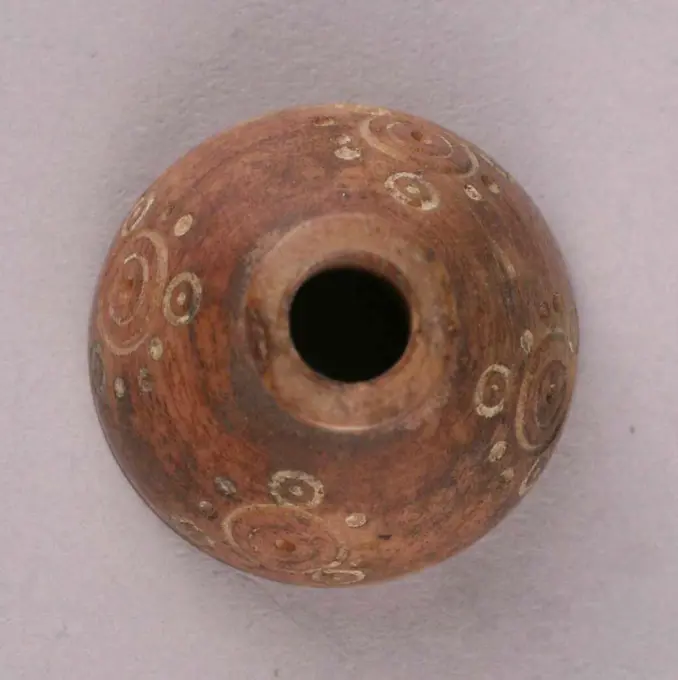
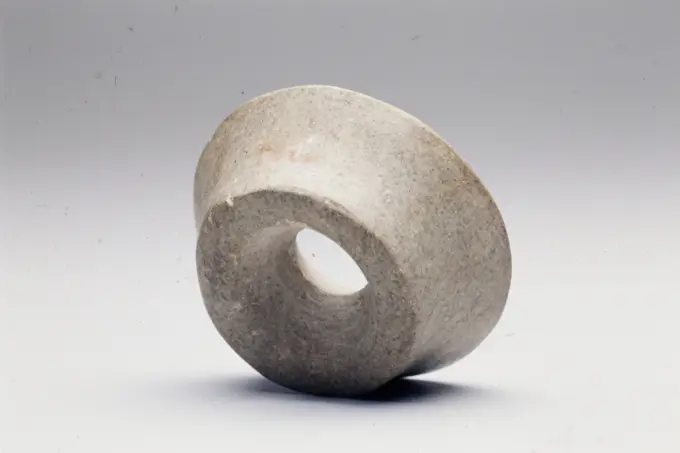
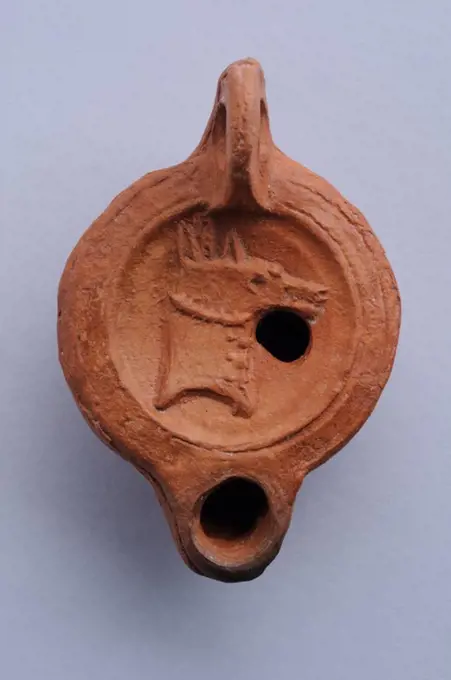
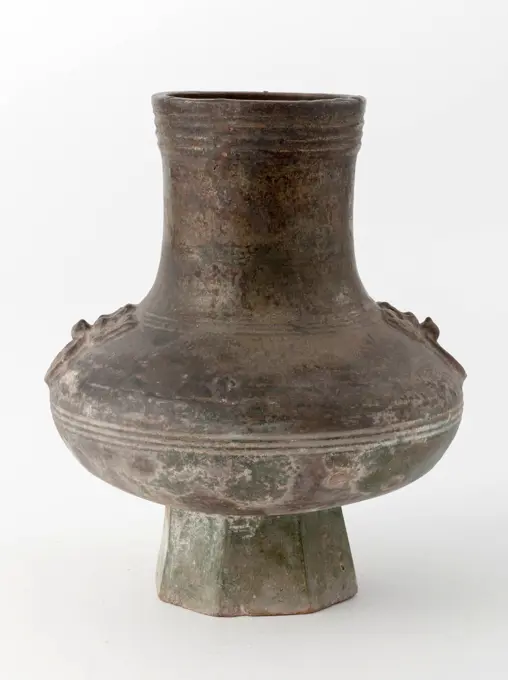
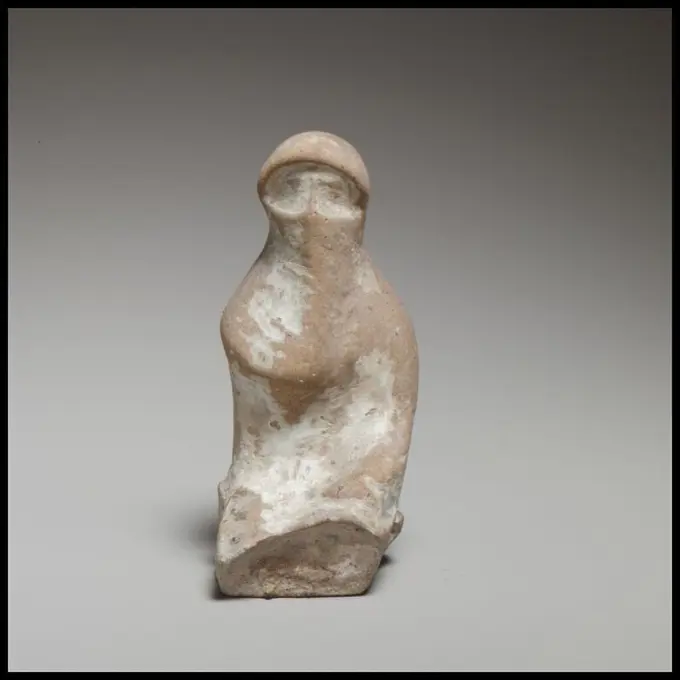
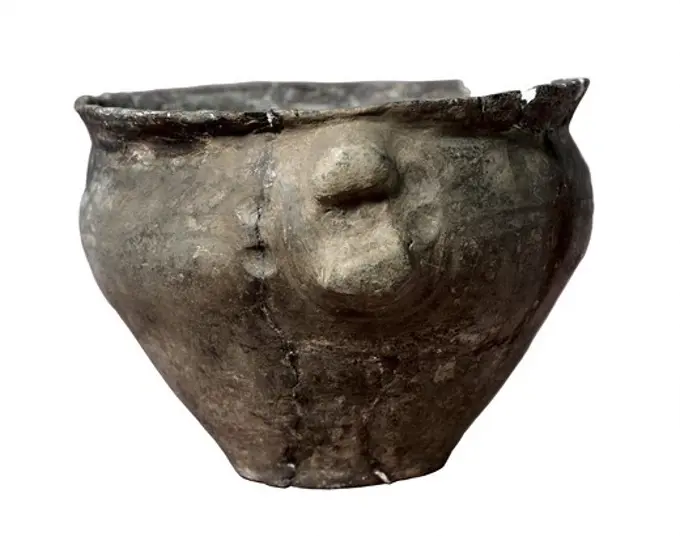
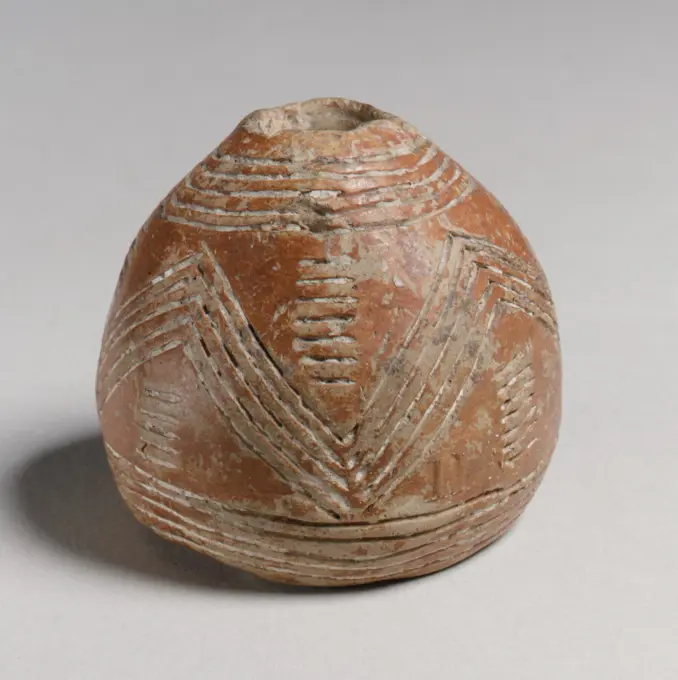
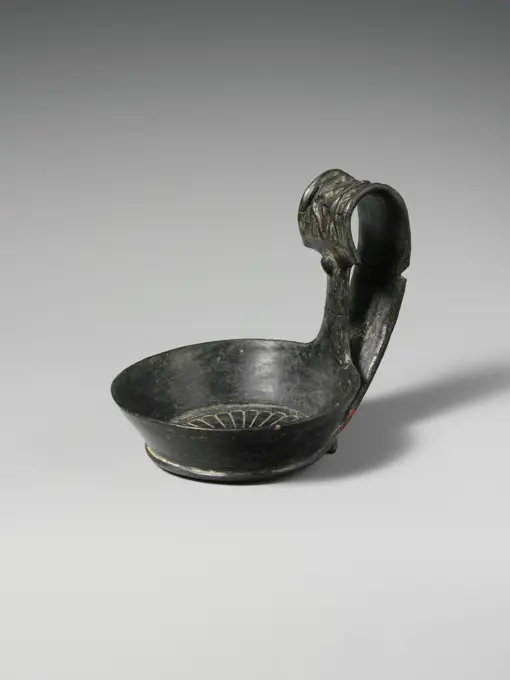
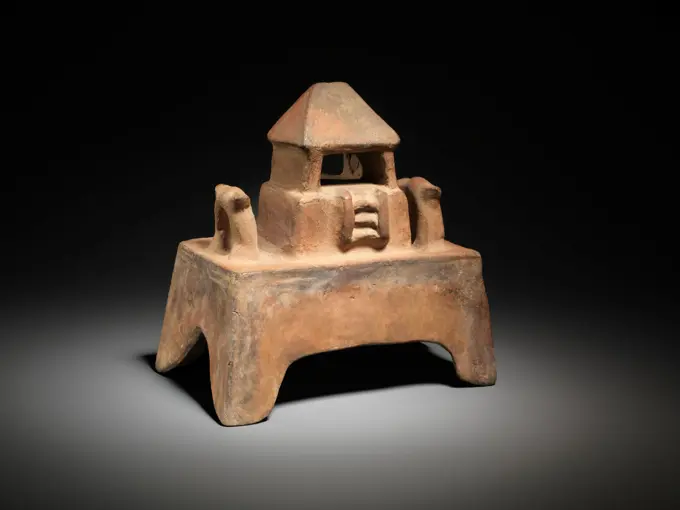
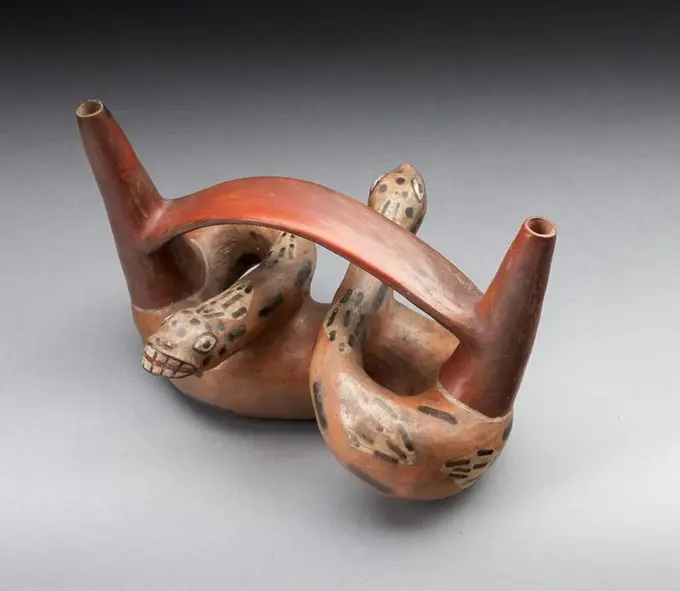
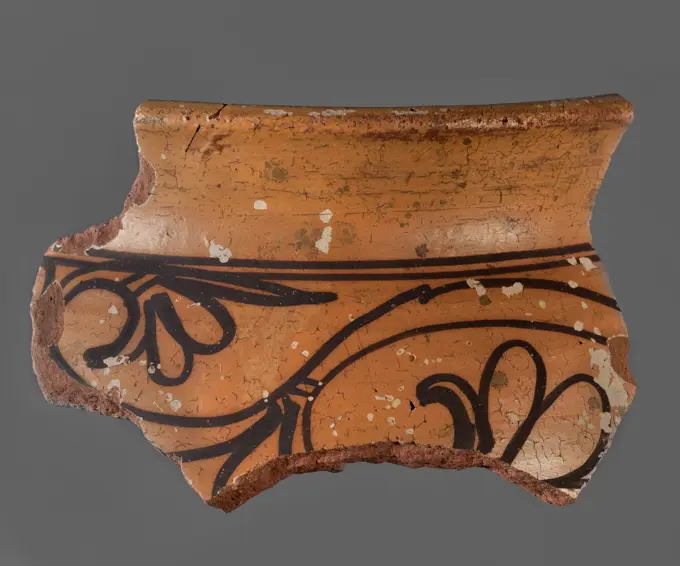
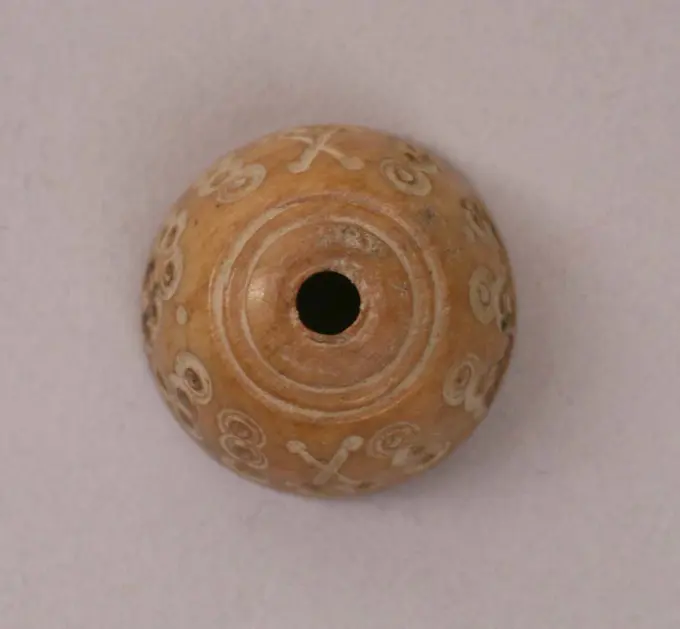
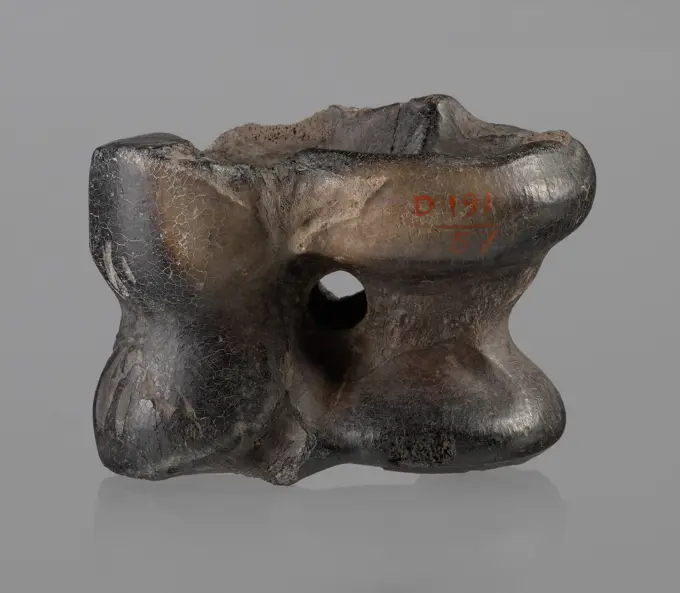
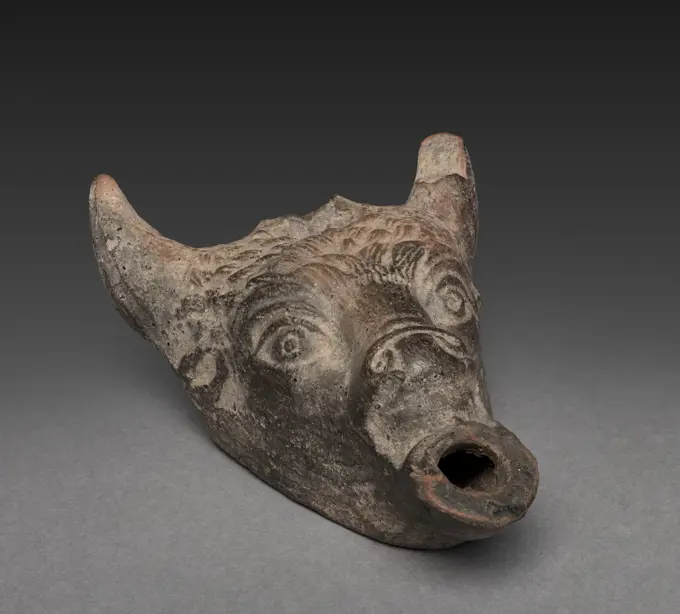
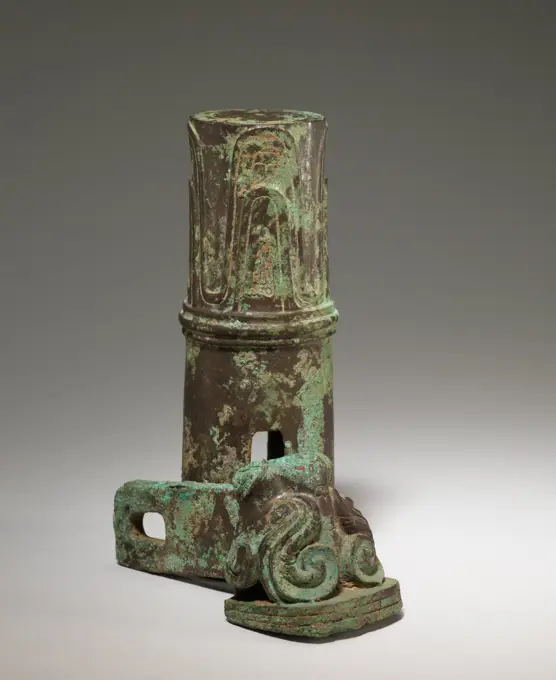
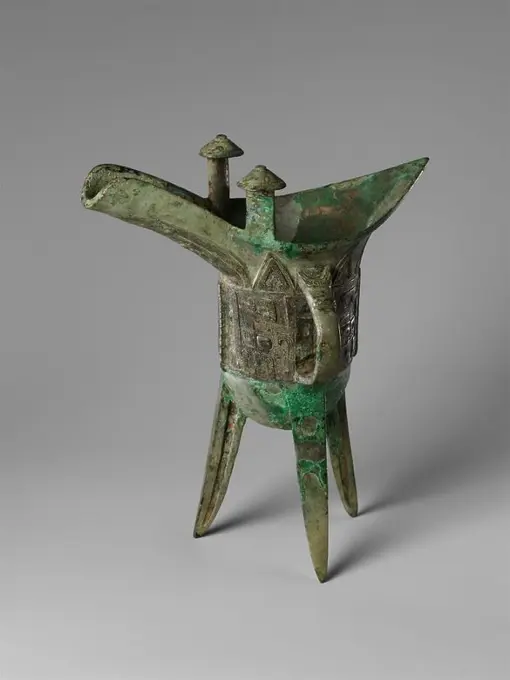
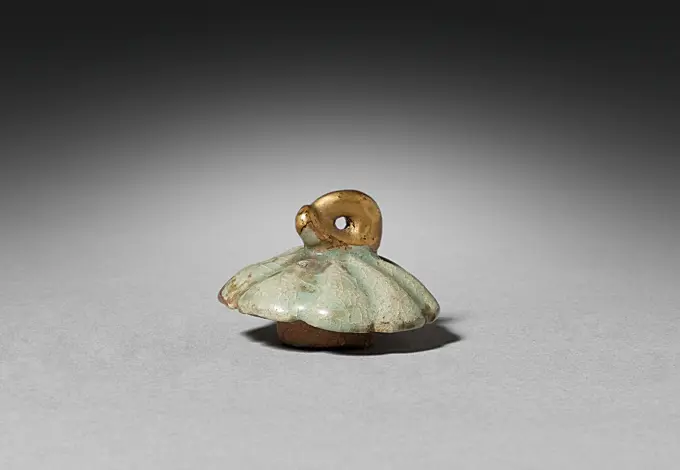
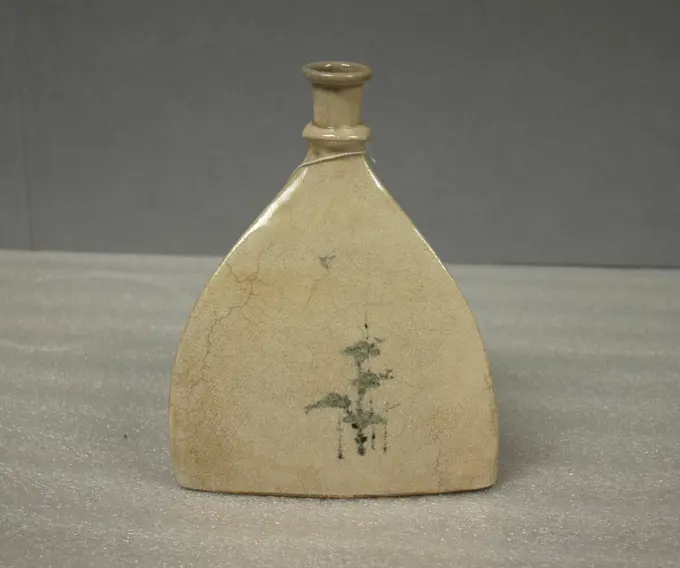
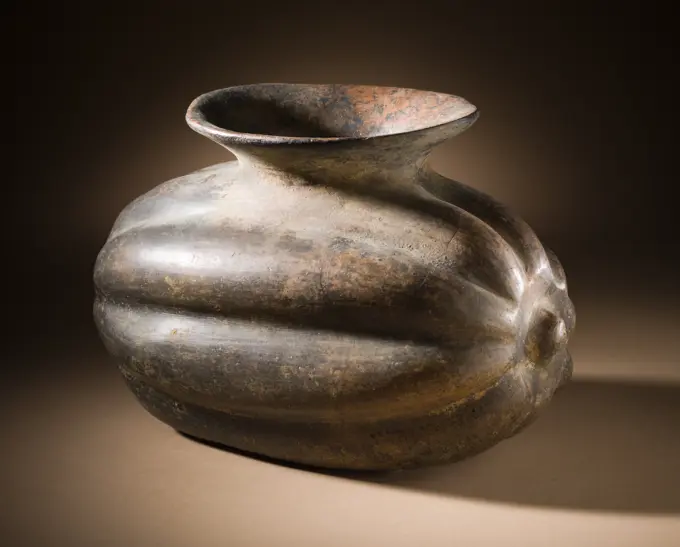
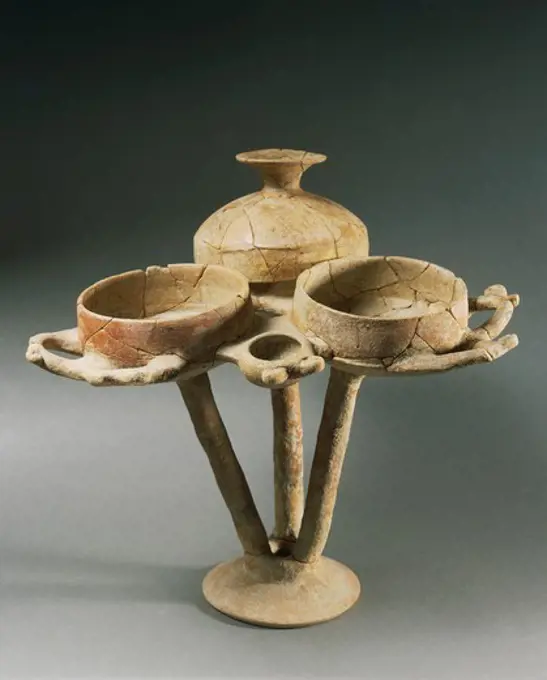
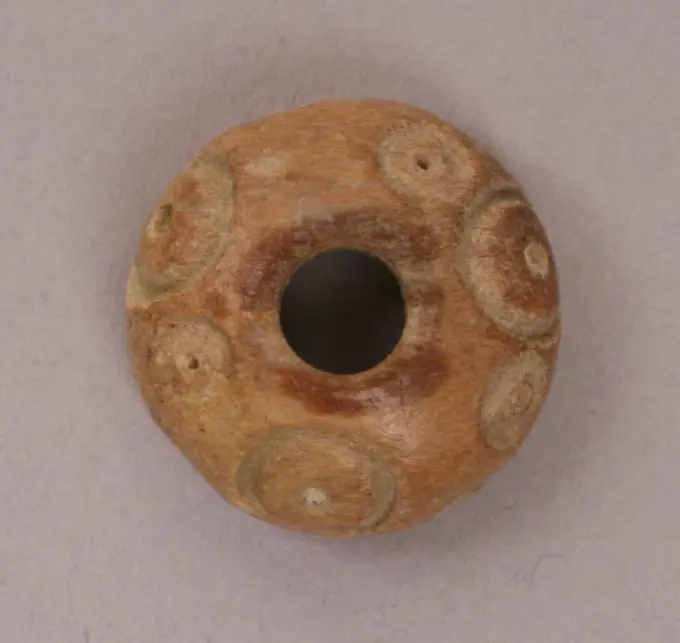
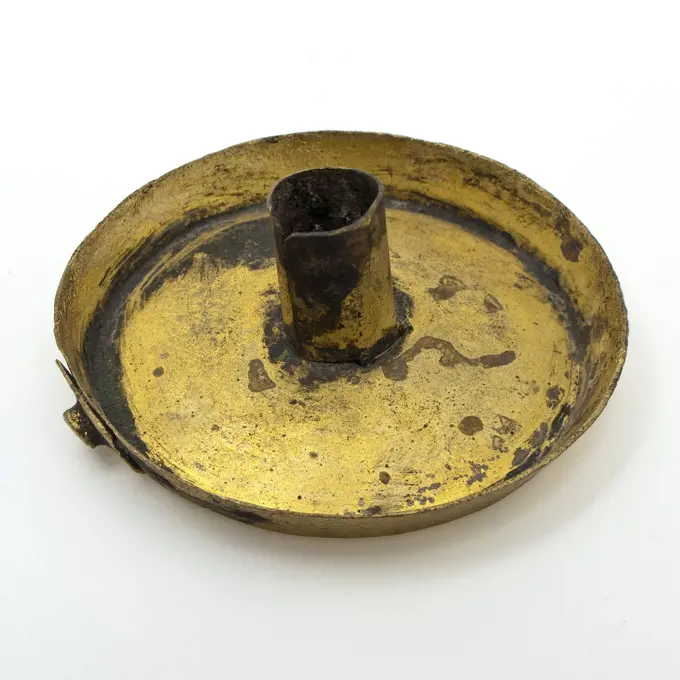
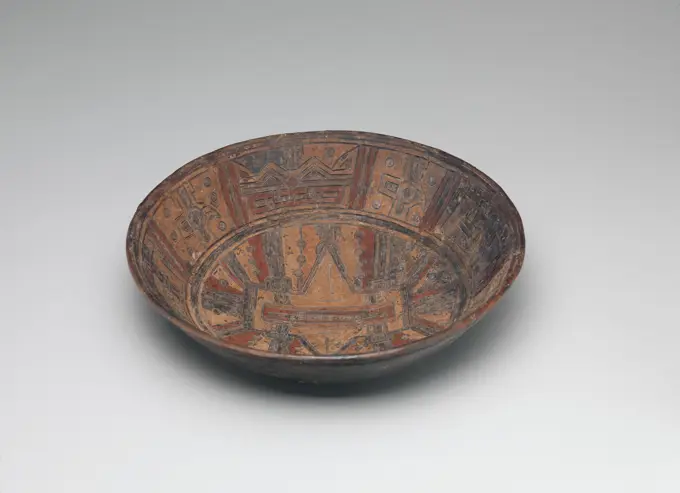
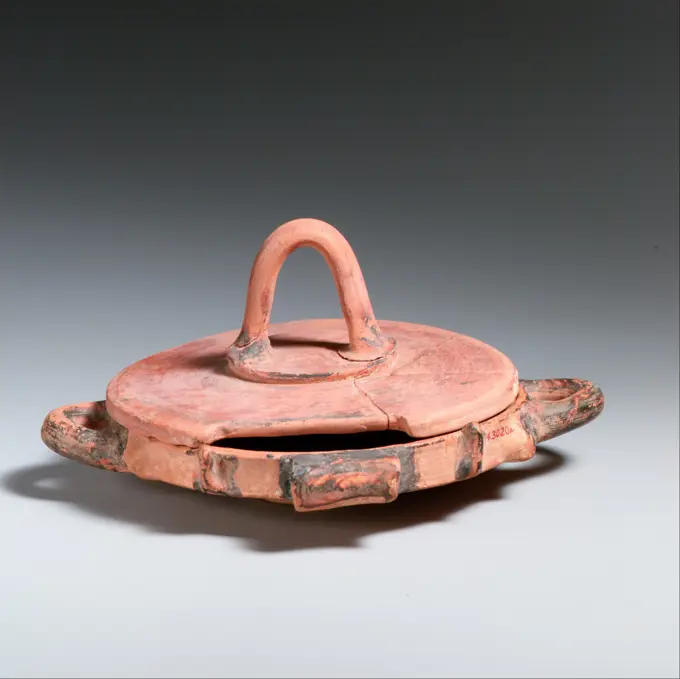
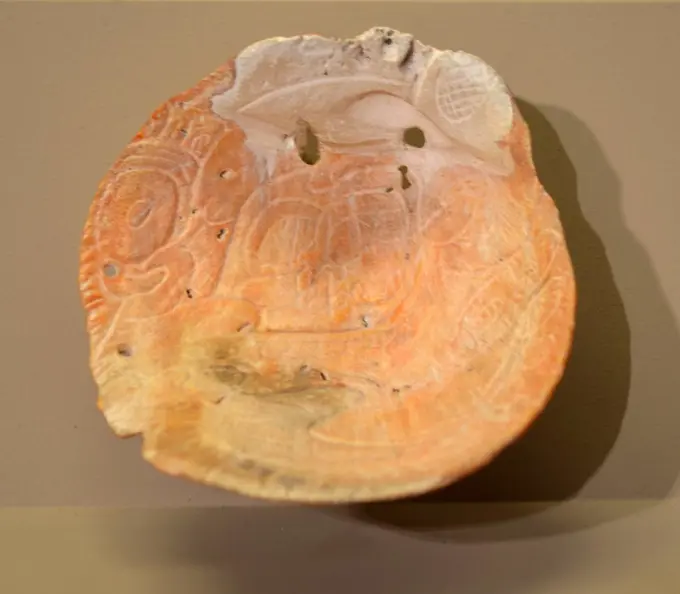
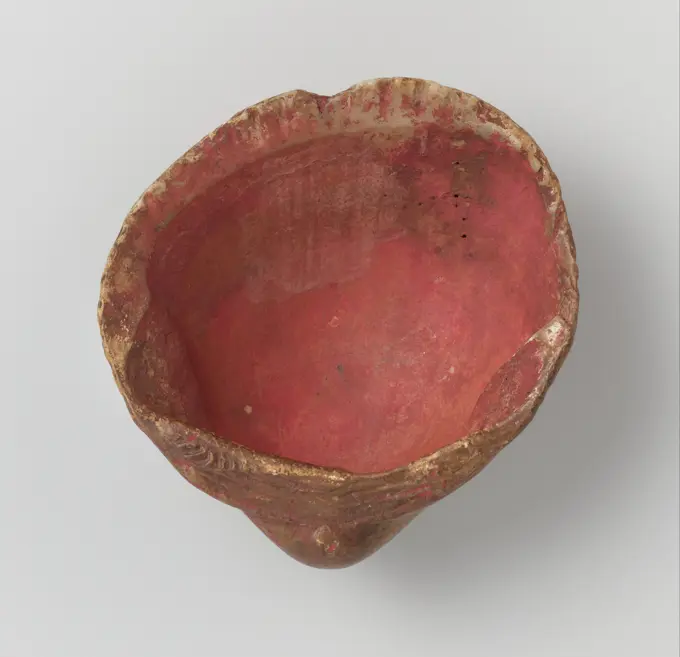
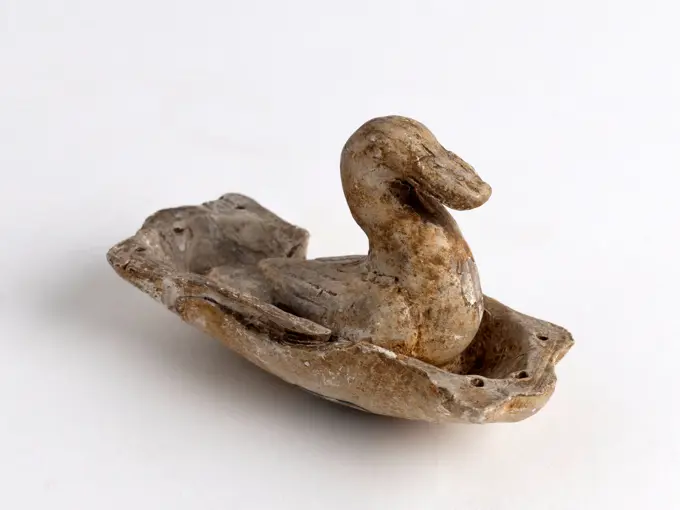
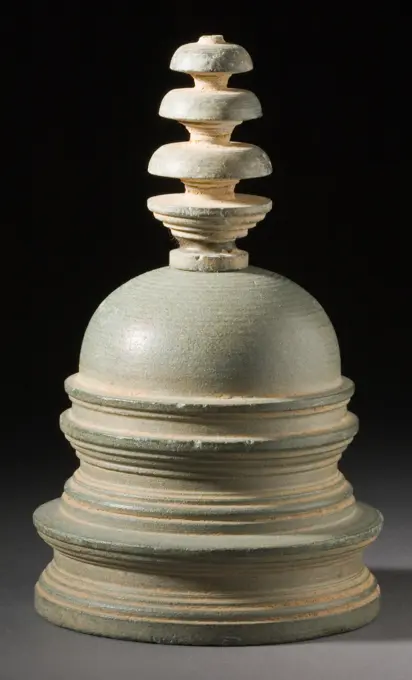
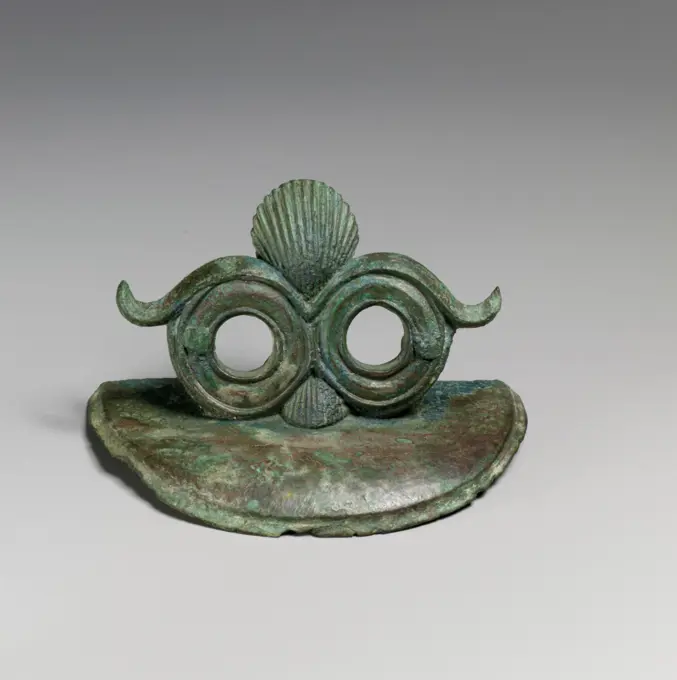
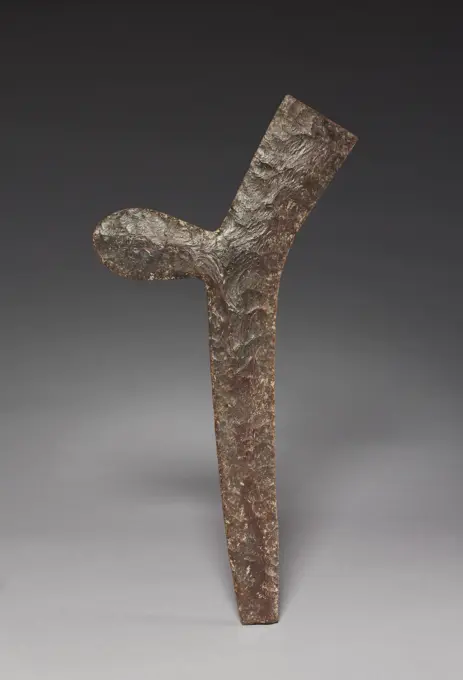
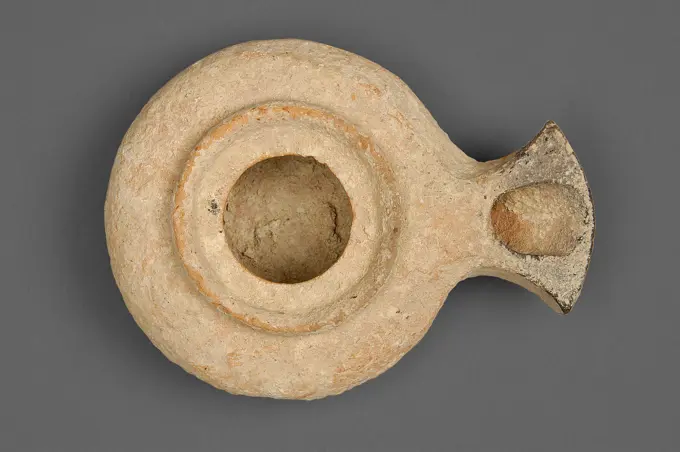
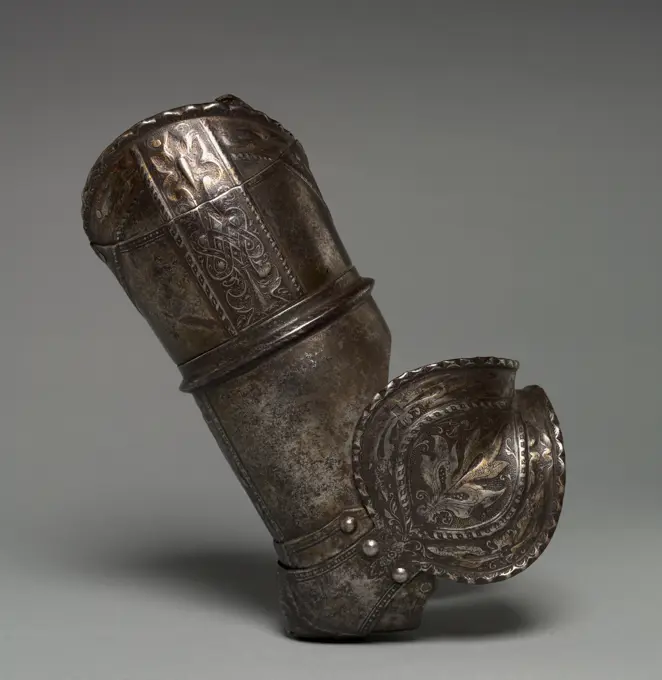
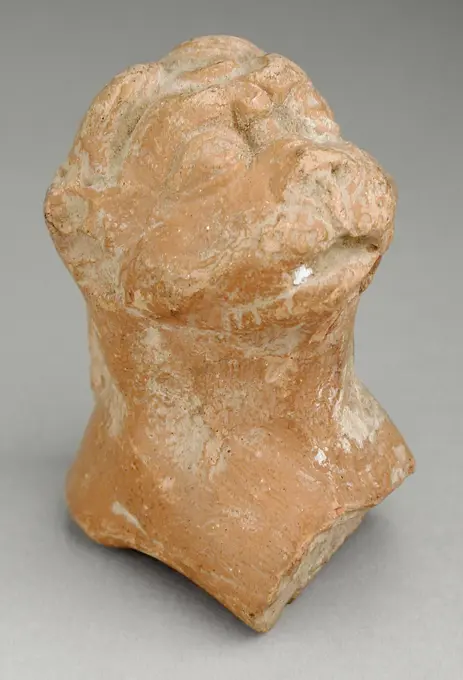
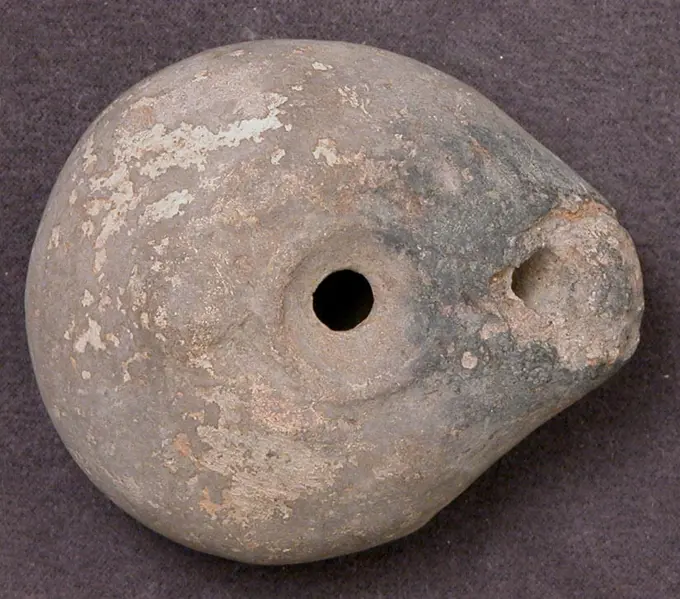
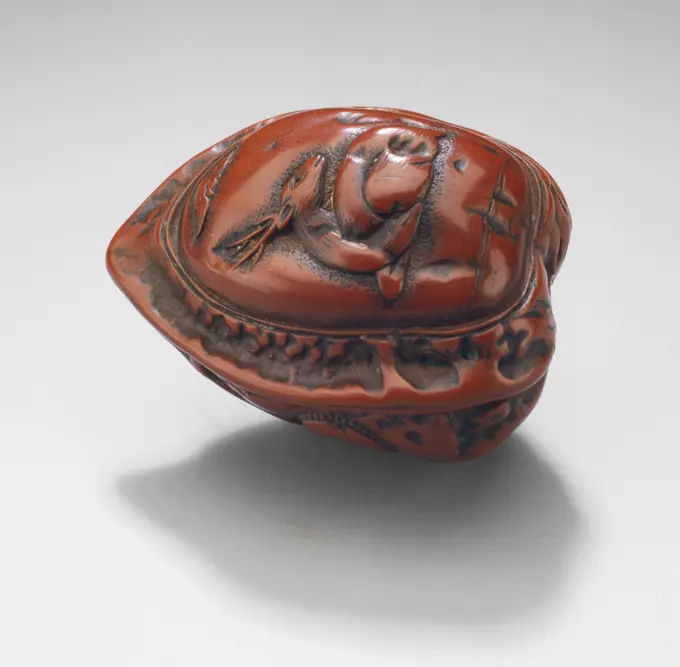
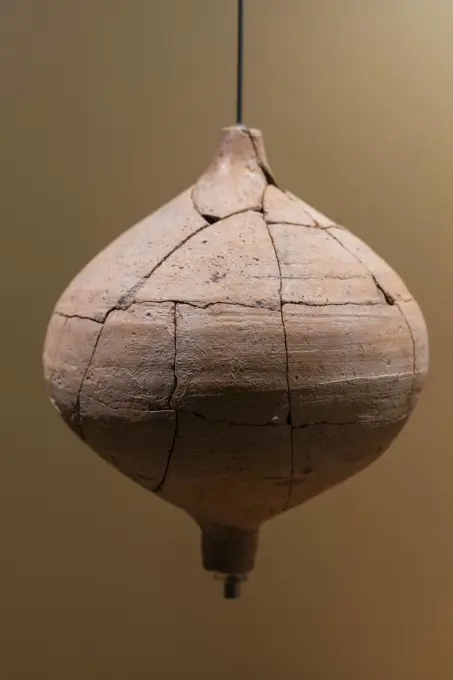
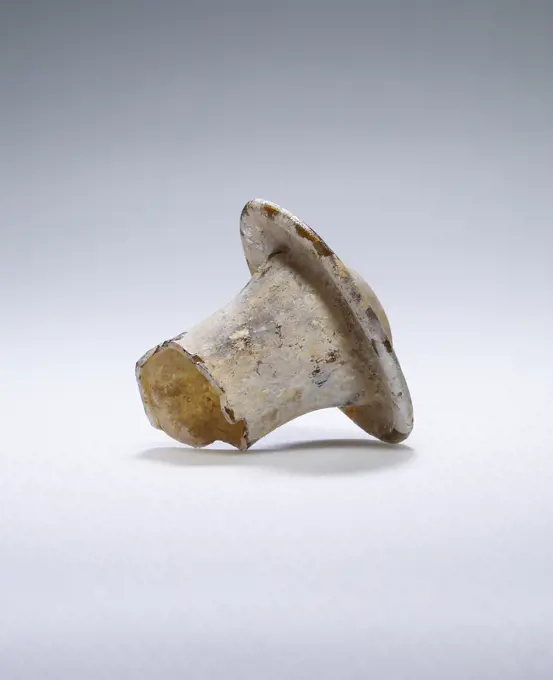
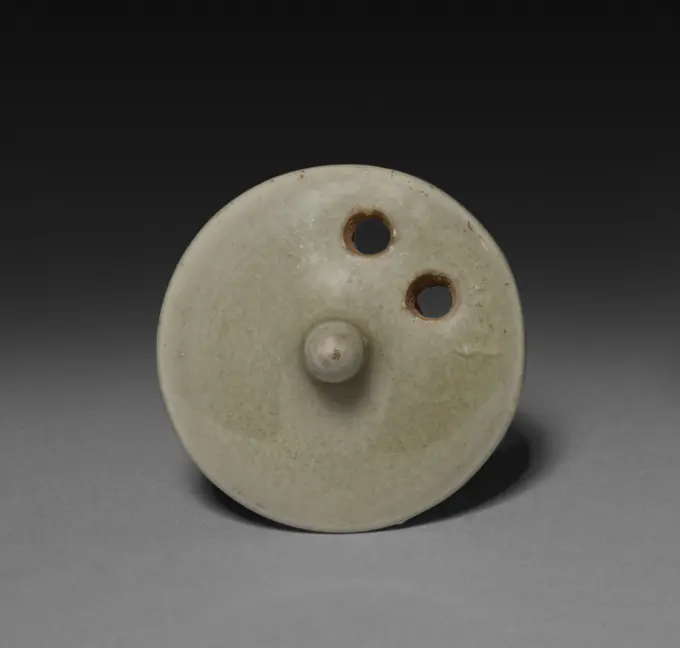
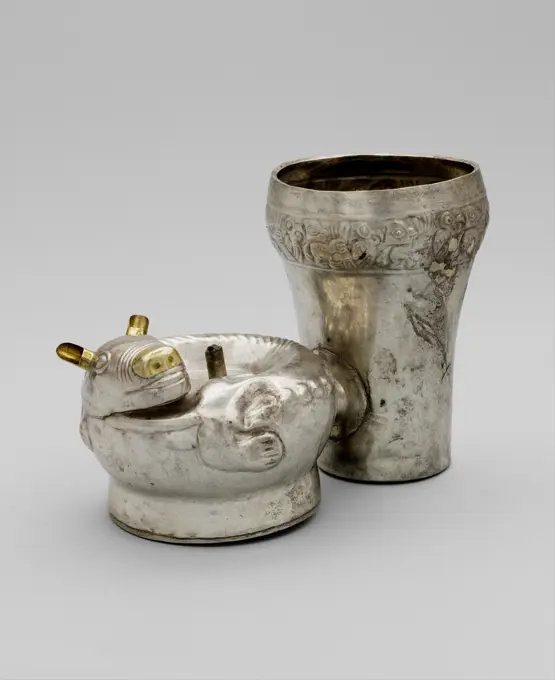
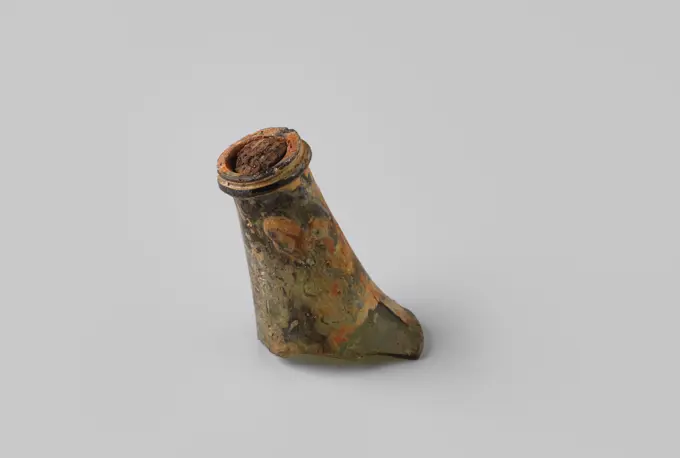
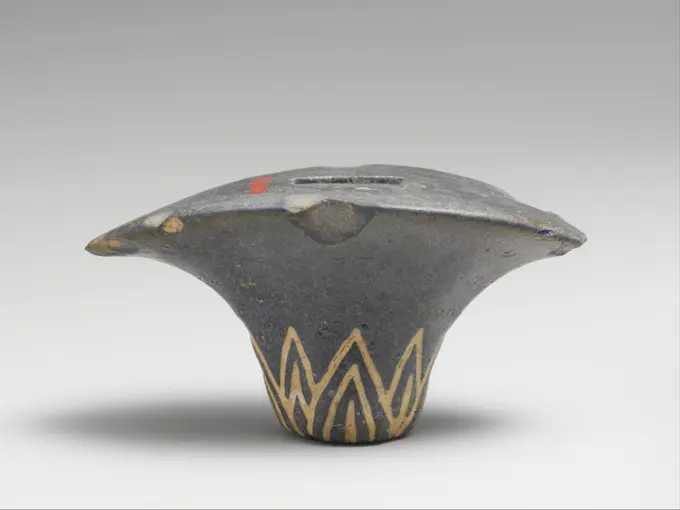
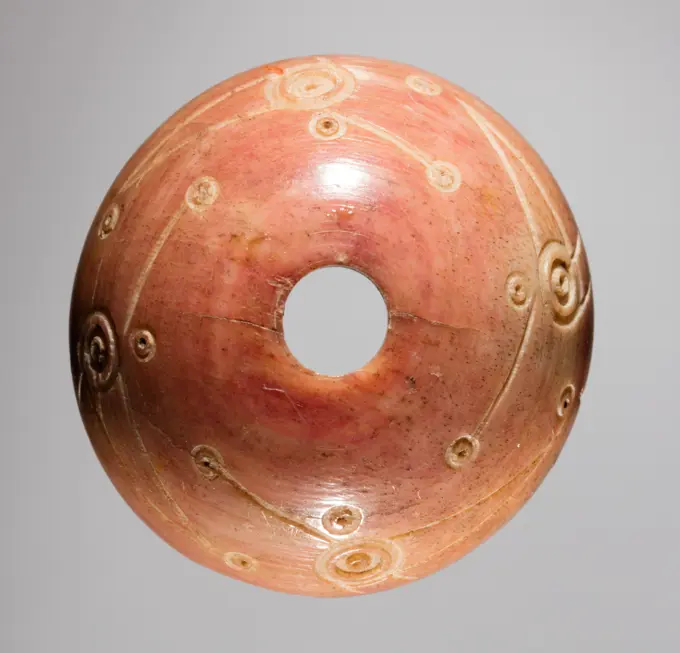
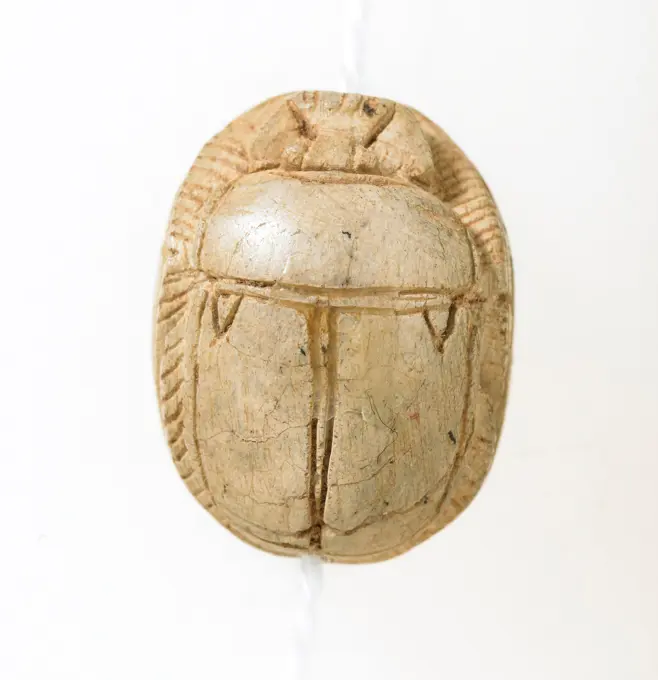
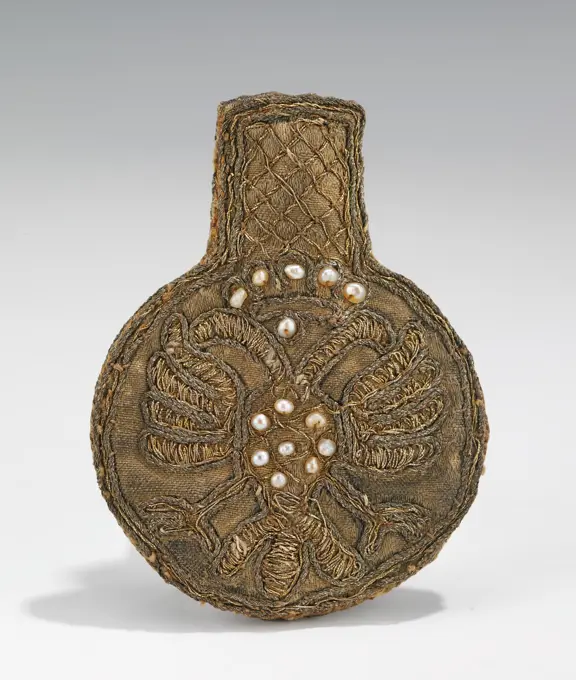
Terracotta oil lamp. Culture: Greek. Dimensions: Overall: 1 1/8 x 3 3/4 in. (2.9 x 9.5 cm). Museum: Metropolitan Museum of Art, New York, USA.Ancient China: Muscial bell (Yong zhong), Eastern Zhou Dynasty (late Spring and Autumn period) 770 - 475 BC. Bronze.Lamp with the Greek inscription C    (Let me save my saving); At the beginning and end of the inscription of the cross, on the disk four Greek letters "" (alpha) Unknown ASUA SKI workshop; VI - VII century AD (501-00-00-700-00-00);Deposit of the University of Warsaw from 1937-1939, lighting, Polish-French excavations in Edfu (Egypt)Vase neck fragment ca. 1802-1450 B.C. Late Middle Kingdom-Early New Kingdom. Vase neck fragment. ca. 1802-1450 B.C.. Low-fired whitish clay. Late Middle Kingdom-Early New Kingdom. From Egypt, Memphite Region, Lisht North, Cemetery south of pyramid, House A1, so-called "faience factory", MMA excavations, 1920-22. Dynasty 13-18, earlyTerracotta guttus (flask with handle and vertical spout). Culture: Greek, South Italian, Campanian. Dimensions: 5 1/2in. (14cm). Date: 4th century B.C..On top, head of meanad, full face, in relief. Museum: Metropolitan Museum of Art, New York, USA.. Cooking box made of stoneware, covered with a gray glaze. The box is in the form of a sitting crane, which straightens its beak under its wing. BIZEN.Spindle Whorl 9th-10th century Spindle whorls aided in the making of thread by maintaining the momentum of the spindle. This red-brown bone semi-spherical shaped spindle whorl was excavated at Nishapur. It has a raised rim around its central hole and is decorated with four incised motifs of a large dot-in-circle, each surrounded by three small dot-in-circles and dots. Hundreds of spindle whorls were excavated at Nishapur, providing further evidence that the city possessed a thriving textile industry. Their incised designs exhibit a wide variety of motifs ranging from geometric forms to zoomorphic figures.. Spindle Whorl 449286Ear spool, 1 3/8 x 3 7/16 x 3 7/16 in. (3.5 x 8.7 x 8.7 cm), Stone, MexicoTerracotta oil lamp Greek Mold-made. Raised, concave, plain discus, with a single, central filling hole, and a groove at front; shoulder decorated with gadroons, interrupted at back by vestigial handle; small nozzle, with arched ridges at back and upright wick hole. Rounded base, decorated with an incised diamond at center and two arched grooves at front.Broken and repaired, with right side of nozzle missing, a hole in body at left below shoulder, and several other chipped areas.. Terracotta oil lamp. Greek. Terracotta. Hellenistic. TerracottasSpindle Whorl, 700s - 900s. Iran, early Islamic period, 8th - 10th century. Bone, incised; overall: 0.7 x 2.2 x 2.2 cm (1/4 x 7/8 x 7/8 in.).Pre-Columbian art. Mesoamerica. Valley of Mexico culture. Ceramic vessel decorated with incised geometric motifs. 14 x 17,5 cm (diameter).  Private collection.Terracotta incense burner showing a female head from Yagul, Mexico. Mixtec Civilization, post-classical period 900-1521.Lazio Viterbo Viterbo Museo Civico84. Hutzel, Max 1960-1990 Views of paintings (Middle Ages through 18th c.), frescoes, a tabernacle, coffin, sculpture reliefs, portal fragments, busts, sculpture, tapestry found in the Pinacoteca, Second floor gallery and Second floor cloister sequences. Antiquities: Many views of Etruscan and Roman fragments, sculpture, sarcophagi, pottery, masks, jewelry and other objects found in the Storeroom sequence (inventory numbers on back of prints), and the Cloister, Second floor Cloister, Valle Giulia, Sala Romana and Sala Etrusca sequences. General Notes: There are eight separate numerical sequences for this location. The cloister as an architectural structure, rather than museum site, is documented in the record and file for S. Maria della Verita, Cloister, all views of which are stored in Medieval core collection. Five views from the Museo Civico Second floor cloister sequence are stored in Medieval. German-born photographer and scholar Max Hutzel (1911-Fragment (console of the altar cabinet); (possibly) belonging to the retable of Soest, c. 1475 - c. 1499   wood (plant material)   wood (plant material)Terracotta oil lamp. Culture: Roman. Dimensions: Overall: 1 1/8 x 3 5/8 in. (2.9 x 9.2 cm). Date: 1st century B.C.-1st century A.D..Loeschcke Type 1A. Mold-made. Deeply concave discus; rosette of eight petals with buds at top between petals; a single, central filling hole, and with a band of lines and grooves around rosette; an outer band of small ovules toward edge. Volutes flanking angular nozzle. Narrow raised base ring, and a flat base.One large hole in left side of body, with a crack running along join between body and discus; some wear on front of discus and around nozzle. Museum: Metropolitan Museum of Art, New York, USA.CERAMICA POPULAR DE BARCELONA.Grandguard and Bevor for the Tourney. North German; Brunswick. Date: 1540-1570. Dimensions: H. 55.9 cm (22 in.)Wt.: 6 lb. 6 oz. Steel, brass, and leather. Origin: Brunswick. Museum: The Chicago Art Institute, Chicago, USA.Glass footed jar. Culture: Roman, Palestinian. Dimensions: H.: 2 3/8 in. (6.1 cm). Date: 4th-6th century A.D..Translucent purple; feet in same color; handle trails in translucent pale green.Rounded rim, folded over and in; flaring oval mouth; slanting cylindrical neck; sloping shoulder, pushed-in on one side; curving side to body, tapering downwards; small, slightly flattened bottom; three solid rod feet applied as squared pads around bottom; nine trails applied as rod handles attached to top of body as pads, drawn up and slightly outwards, then turned in and trailed onto edge and top of rim.Complete, but cracks running through body; pinprick bubbles; heavily pitted and weathered on one side of exterior with brilliant iridescence, soil encrustation and weathering on interior.With nine handles and three feet. Museum: Metropolitan Museum of Art, New York, USA.Disc oil- Lamps decorated with embossed horse. 7.2cm x 5 cm ( 1st- 2nd CE) - Roman period , from the archaeological site of Complutum in Alcala de Henares ( Madrid ). SPAIN.Profile Face 6th-7th century Moche (Loma Negra). Profile Face 313072Roman Pottery Lamp. Decorated with bust of Zeus with his eagle, its claws grasping a thunder bolt.SealPot 4th-7th century Coptic. Pot 478715Terracotta vase in the shape of a horn 1050-950 B.C. Cypriot An animal horn lends itself naturally for use in drinking and pouring libations, The clay version preserves details such as the articulated mouthpiece and the strap, here serving as a handle.. Terracotta vase in the shape of a horn 240668Terracotta oil lamp. Culture: Roman. Dimensions: Overall: 1 1/4 x 3 7/8 in. (3.2 x 9.8 cm). Date: 1st century B.C.-1st century A.D..Loeschcke Type 1A. Mold-made. Discus: spiral, radiating ribs; single filling hole at cente, with a narrow band of lines and grooves at edge. Volutes flanking angular nozzle, with tiny central hole at the back of the nozzle and a large wick hole. Raised base ring, and shallow concave base.Broken and repaired on nozzle, with one small loss in front edge. Museum: Metropolitan Museum of Art, New York, USA.Vase Hu ". Terracotta with green lead glaze. Han dynasty (206 BC J.-220). Paris, Cernuschi museum. Chinese art, Chinese ceramic, han dynasty, green lead, terracotta, humCapital 14th century French. Capital. French. 14th century. White stone. Sculpture-ArchitecturalTerracotta seated veiled woman. Culture: Cypriot. Dimensions: H. 2 5/8 in. (6.7 cm). Date: 3rd century B.C..The figurine is mold-made and solid. The back seems mold-made, although it is plain except for the top of the seat. Museum: Metropolitan Museum of Art, New York, USA.Funerary Urn. 1100-900 BC. The Urnfield culture. Bronze Age. Ceramics. SPAIN. CATALONIA. BARCELONA. Sabadell. Sabadell History Museum. Proc: SPAIN. CATALONIA. BARCELONA. Terrassa. Necropolis of Can Missert.LidCovered jar or cinerary urn (modernforgery)Terracotta spindle whorls ca. 2000-1725 B.C. Cypriot Spindle whorls aided in the making of cloth for garments and bedding. They were placed in tombs, perhaps so that the deceased could continue to spin wool in the afterlife.. Terracotta spindle whorls 240498Terracotta kyathos (ladle) ca. 650 B.C. Etruscan Shallow cup, incised rosette inside, and high loop-handle.. Terracotta kyathos (ladle) 246144Lamp. UnknownTemple Model 200 B.C.-A.D. 200 Colima This small platform surmounted by a temple with a peaked roof may have once served as the lid for an incense burner.. Temple Model 317600Double-Spout Bridge Vessel in the form of a Double-Headed Serpent. Tiwanaku-Wari; South coast Peru or northern Bolivia. Date: 600 AD-1000. Dimensions: 13.5 × 19.7 cm (5 5/16 × 7 3/4 in.). Ceramic and pigment. Origin: Bolivia. Museum: The Chicago Art Institute, Chicago, USA.Fragment of a vase; Unknown Nubian workshop; 2. PO. IX-1. after. 10th century (851-00-00-950-00-00);Nubian ceramics, floral decorations, geometric decorations, nubian vessels, nuub vessels painted, vasesLamp, North Africa (); 6th - 5th century B.C; Terracotta; 5.5 x 14 x 16 cm (2 3,16 x 5 1,2 x 6 5,16 in.)Button or Bead 9th-10th century The dot-in-circle motif recalls designs presumed to be of magical significance, most likely an abstract eye to ward off the evil-eye, which serves an apotropaic function. Easily reproduced with a tool and visible in many cultures and times, this symbol may have lost its meaning, and become simply a decorative pattern, or may have one that we have not yet discovered.. Button or Bead 450018Alabastron. UnknownFlakon; unknown eastern workshop; III-IV century AD (290-00-00-310-00-00);Faience figurine of a lion 664-323 B.C. Egyptian With pale blue glaze.. Faience figurine of a lion 243949Stirrup Spout Bottle with Figures 4th-7th century Moche. Stirrup Spout Bottle with Figures 309346Astragal cow;  District Hellenistic (-323-00-00--30-00-00);Patinated bronze Ting, China. Chinese Civilisation, Sung Dynasty, 10th-13th century.Bull's-head Lamp, 1st Century BC - 1st Century AD. Greece, Greco-Roman Period. Nile silt clay; overall: 3.8 x 6.3 cm (1 1/2 x 2 1/2 in.).Wheel-axle Cap, one of a pair, 770-476 BCE, 3 11/16 × 6 9/16 × 2 5/16 in., 2.4 lb. (9.4 × 16.6 × 5.8 cm, 1.1 kg), Bronze, China, 9th-6th century BCEWine Vessel (Jue). Culture: China. Dimensions: H. 7 3/4 in. (19.7 cm); W. 3 15/16 in. (10 cm); D. 6 1/2 in. (16.5 cm). Date: 12th century B.C..A single character (clan sign) is cast on the body of the vessel beneath the handle. Museum: Metropolitan Museum of Art, New York, USA.Melon-shaped Wine Ewer (lid), 1100s-1200s. Korea, Goryeo period (918-1392). Celadon ware; diameter: 9 cm (3 9/16 in.); overall: 9.6 cm (3 3/4 in.). Many celadon ceramics, such as these two miniature pots, have been repaired with gold lacquer. Termed kintsugi (literally meaning gold joinery”) in Japanese, this restoration method highlights broken parts with glittering gold mixed with lacquer. Initiated in 15th-century Japan, the technique follows a popular aesthetic concept called wabi-sabi, which finds beauty in imperfect things. Goryeo celadons were considered rare treasures among early 20th-century Japanese collectors; thus, their broken condition is brilliantly highlighted in gold lacquer, as seen here in the repaired spouts, handle, and lid.Three-Cornered Bottle 19th century Japan. Three-Cornered Bottle. Japan. 19th century. Pottery decorated under a finely crackled glaze (Satsuma ware). Edo (1615-1868) or Meiji period (1868-1912). CeramicsSquash Vessel. Mexico, Colima, 200 BCE-500 CE. Ceramics. Slip-painted ceramicServing vessel(Ding)Fraction cardItalic civilizations, Piceni, 5th century b.C. Yellowish ceramic ciborium, 480 b.C. From Numana, province of Ancona.Double Spout and Bridge Bottle with Bird 5th-3rd century B.C. Paracas. Double Spout and Bridge Bottle with Bird 308607Aryballos in the form of a foot ca. 400 B.C. Greek, Attic In the shape of a left foot.. Aryballos in the form of a foot. Greek, Attic. ca. 400 B.C.. Terracotta. Classical. VasesButton or Bead 9th-10th century The dot-in-circle motif recalls designs presumed to be of magical significance, most likely an abstract eye to ward off the evil-eye, which serves an apotropaic function. Easily reproduced with a tool and visible in many cultures and times, this symbol may have lost its meaning, and become simply a decorative pattern, or may have one that we have not yet discovered.. Button or Bead 450075Column capital from Madinat al-Zahra. unknown, craftsmanSmall copper sconce, sconce candlestick illuminator soil found brass metal h 2.0, cast cast riveted archeology evening night candle lighting Rotterdam Soil discovery Rotterdam.Bowl 5th-4th century B.C. Paracas. Bowl 307862Inscribed terracotta pottery, 5th century collected at Muttom near Boluvampatti, Coimbatore, Tamil Nadu, South India, India, AsiaShallow terracotta dish with lid 6th century B.C. Lydian Two-handled vase with cover, decorated with concentric circles.. Shallow terracotta dish with lid 248842Spondylus Shell Ornament 450 A.D. Mayan. The red colouring of the thorny oyster was associated with the bloodletting rituals which took place after warfare. Shell with residues of red paint, anonymous, c. 1590 - c. 1596  Shell, paint shell with residues of red paint.  .   Nova Zembla. Saving HuysDuck statuette. Gallo-Roman period. Paris, Carnavalet museum. Duck, Gallo-Roman period, statuette, ancientVotive Stupa. Pakistan, Gandhara region, 2nd century. Sculpture. Gray schistPair of bronze handle attachments from a situla (bucket) 4th century B.C. Etruscan A symmetrical volute provides the holes for two swing handles, now missing. Two small seashells on each attachment are the only other decorative details.. Pair of bronze handle attachments from a situla (bucket). Etruscan. 4th century B.C.. Bronze. Classical. BronzesLadle. UnknownPot Stand, 20th century, 2 3/4 x 8 1/4 in. (6.99 x 20.96 cm), Natural fiber, Cameroon, 20th centuryAxe, c. 250-900. Mexico or Central America, Maya. Chipped flint; overall: 18 cm (7 1/16 in.). Axes with stone blades and wooden hafts were used to clear land for planting. This more fragile example, made entirely of chipped flint, is a ceremonial version probably used in rituals before it was deposited in a tomb or an offering. Late Classic Maya vase paintings make the ceremonial associations of axes clear. In these painted scenes, axe-wielding deities dance among skeletons and supernatural animals, or raise the axe to strike a sacrificial victim.Dish with lid second half of 6th century B.C. Etruscan Decorated with punctured dots.. Dish with lid. Etruscan. second half of 6th century B.C.. Terracotta; bucchero. Late Archaic. VasesHerodia olive lamp;  1st century (1-00-00-100-00-00);Kleiber, Janina, Antical Art Collection, Palestine, LampRight Arm Elements from a Boy's Armor (Rerebrace with Couter), c. 1560 (some modern). Germany, Augsburg, mostly 16th Century (some modern). Etched and lightly embossed steel with traces of gilding, leather; overall: 16.5 cm (6 1/2 in.).Two-piece bronze mold for bottom jug with initials WVB and 1764, cast molding tool tools kit metal_metal bronze, and 1764 Rotterdam tingieterij tin stainer tin Meeuws Druy craft Shapes are from the originally 18th century Rotterdam tinnegieter J Druy. The large molds that were not signed or dated were the property of the tinker guild and were rented to the small tin caster.Lion Bust. Afghanistan, 3rd-4th century. Sculpture. TerracottaAnonymous, Pushou type plaque (common name), 1050. Cernuschi museum, Museum of Arts in Asia in the city of Paris.Lamp 3rd-8th century. Lamp 446630Footless Cup or Lid. Culture: Coptic. Dimensions: Overall: 1 5/8 x 3 in. (4.2 x 7.6 cm). Date: 4th-7th century. Museum: Metropolitan Museum of Art, New York, USA.Kohl jar with lid ca. 1635-1458 B.C. Second Intermediate Period-Early New Kingdom. Kohl jar with lid 543989Spout lamp. Diameter 85 mm Height 46 mm Thickness 6 mm ( 11th - 12 th ) - Hispanic-Muslim period belonging of the " Burgo de Santiuste Museum" in Alcalá de Henares. (Madrid). SPAIN.SpoonInlay ca. 3100-2900 B.C.. Inlay. ca. 3100-2900 B.C.. Slate. Jemdet Nasr. Mesopotamia, NippurWalnut with Recumbent Deer. Hidari Issan (Japan, active late 18th-early 19th century). Japan, early 19th century. Costumes; Accessories. Walnut with lacquerBumpIberian clepsydra Iberian clepsydra, 6th century BC, Cerro de la Atalaya, Cazalilla, Iberian Museum of Jaén, Andalusia, Spain Copyright: xZoonar.com/BartomeuxBalaguerxRotgerx 21714925Amber-colored Lid; Eastern Mediterranean or Italy; 1st century; Glass; 5.8 cm (2 5,16 in.)Wine Pot: Southern Celadon Ware (lid), 1200s-1300s. China, Southern Song Dynasty (1127-1279) - Yuan Dynasty (1271-1368). Glazed buff stoneware; diameter: 8 cm (3 1/8 in.); overall: 6.4 cm (2 1/2 in.).Double Vessel, Dog 14th-15th century Chimú. Double Vessel, Dog. Chimú. 14th-15th century. Silver, gold. Peru. Metal-ContainersHals with cork of a wine bottle from the wreck of the East Indians Hollandia, Anonymous, 1700 - in or before 1743  Wine bottle, continental production, neck, onion-shaped bottle or bottle with vertical side; eroded, narrow vs-string rim, cork level with mouth Netherlands cork (bark)   SecondPEBETERO DEL SIGLO X - BRONCE. Location: MUSEO ARQUEOLOGICO-COLECCION. CORDOBA. SPAIN.Mirror handle ca. 1400 B.C. Egyptian Handle of a mirror with lotus petals in white.. Mirror handle 243816Spindle Whorl, 700s - 900s. Iran, early Islamic period, 8th - 10th century. Bone, incised; overall: 1.1 x 2.7 x 2.7 cm (7/16 x 1 1/16 x 1 1/16 in.).Scarab, 1567-1085 BCE, 1/2 x 11/16 in. (1.3 x 1.7 cm), unglazed steatite, Egypt, 16th-11th century BCEItalic civilizations, Piceni, 6th century b.C. Decorated terracotta vase with lid.Case late 18th century Russian This object is from the collection of Natalia de Shabelsky (1841-1905), a Russian noblewoman compelled to preserve what she perceived as the vanishing folk art traditions of her native country. Traveling extensively throughout Great Russia, she collected many fine examples of textile art of the wealthy peasant class. From the 1870s until moving to France in 1902, Shabelsky amassed a large collection of intricately embroidered hand-woven household textiles and opulent festival garments with rich decoration and elaborate motifs. The Brooklyn Museum holdings include many fine examples including the majority of the garments. Portions of Shabelsky's collection are also housed at the Museum of Fine Arts, Boston, the Cleveland Art Museum, and the Russian Museum of Ethnography in St. Petersburg.The overall opulence of imperial Russian attire is evident in this small perfume bottle case. Even such a small object warranted an equal level of ornamentation as a grandBracelet: Figures in Relief. Culture: Yoruba peoples. Dimensions: H. 4 1/4 x Diam. 3 5/8 in. (10.8 x 9.2 cm). Date: 15th-19th century. Museum: Metropolitan Museum of Art, New York, USA.Terracotta guttus (flask with handle and vertical spout). Culture: Greek, South Italian, Campanian. Dimensions: H. 9.60 cm.. Date: 4th century B.C..Head of a maenad. Museum: Metropolitan Museum of Art, New York, USA.LimeContainerStand for toilet jar ca. 1981-1640 B.C. Middle Kingdom. Stand for toilet jar 556899Funerary Cone of the Inspector of Scribes Ineni ca. 1550-1295 B.C. New Kingdom. Funerary Cone of the Inspector of Scribes Ineni 559220