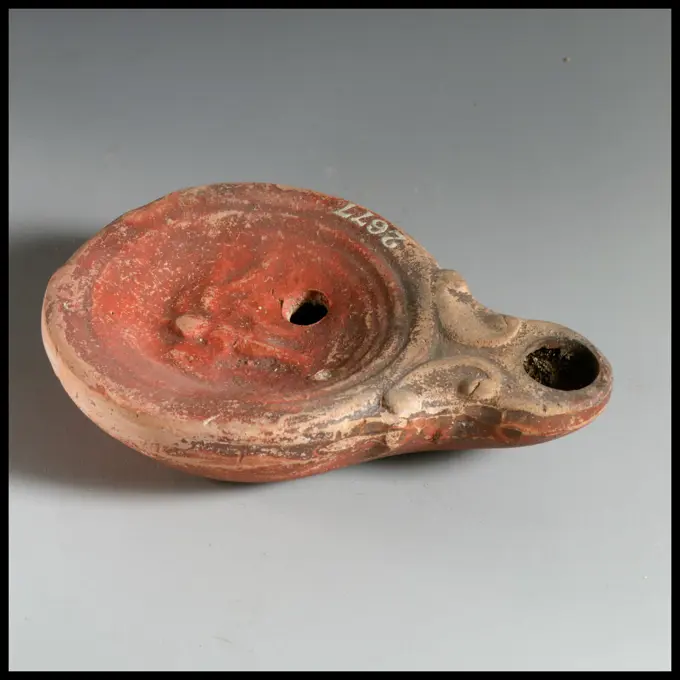
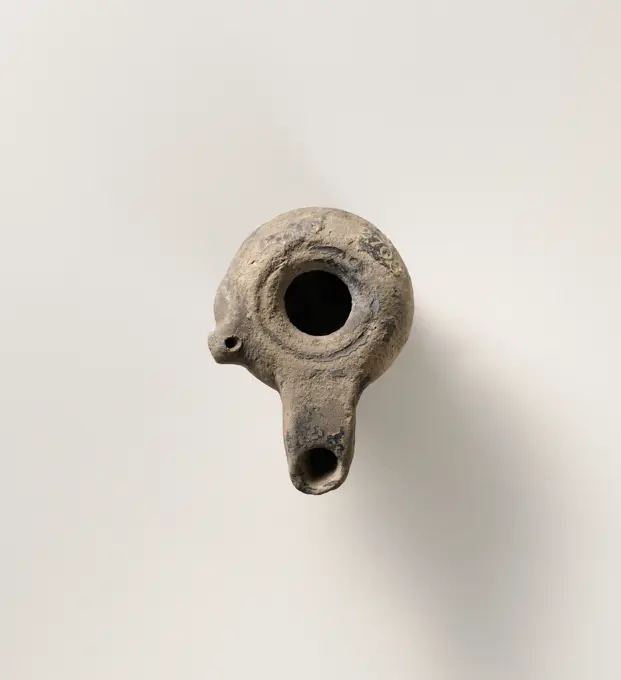
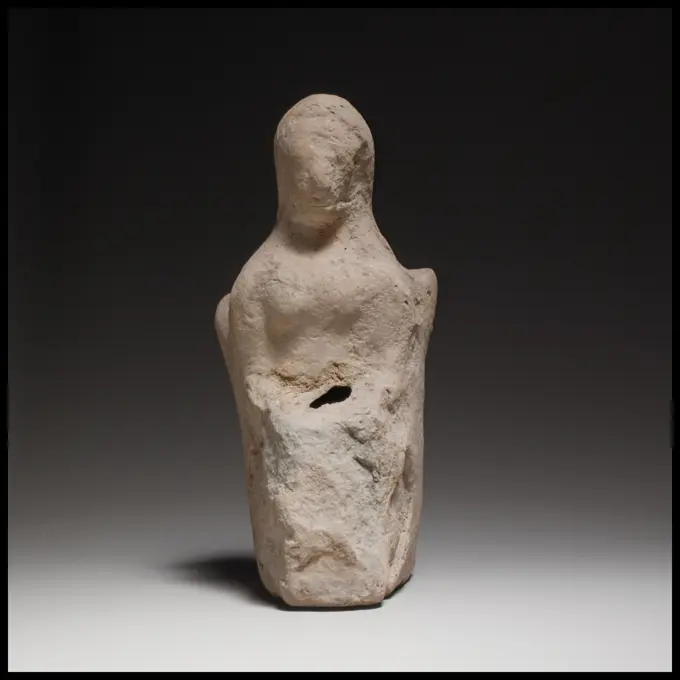
Ancient Oil Lamps

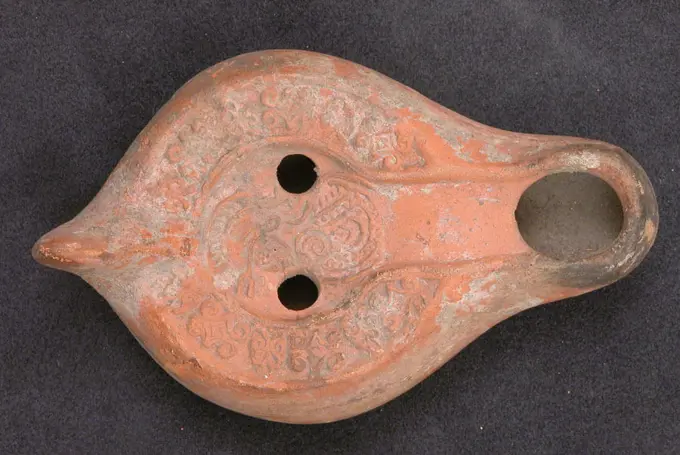
Artifacts depicting various ancient oil lamps, showcasing intricate designs and historical significance, often with rustic textures and muted colors.
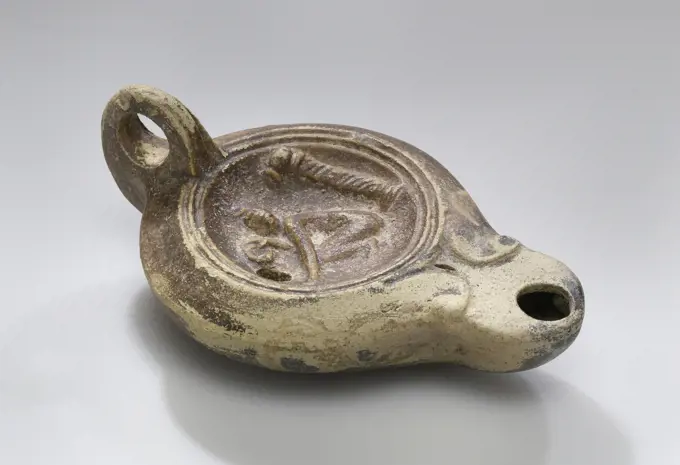
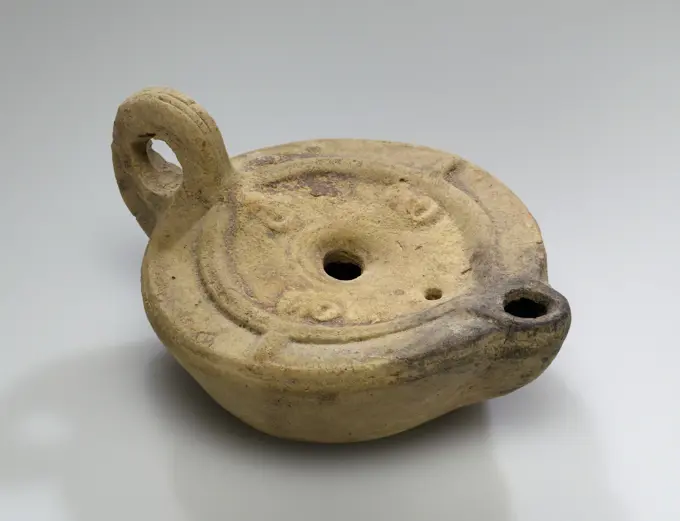
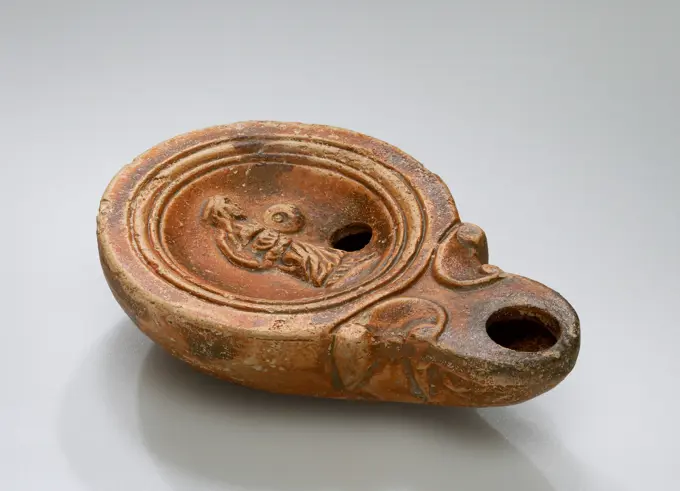
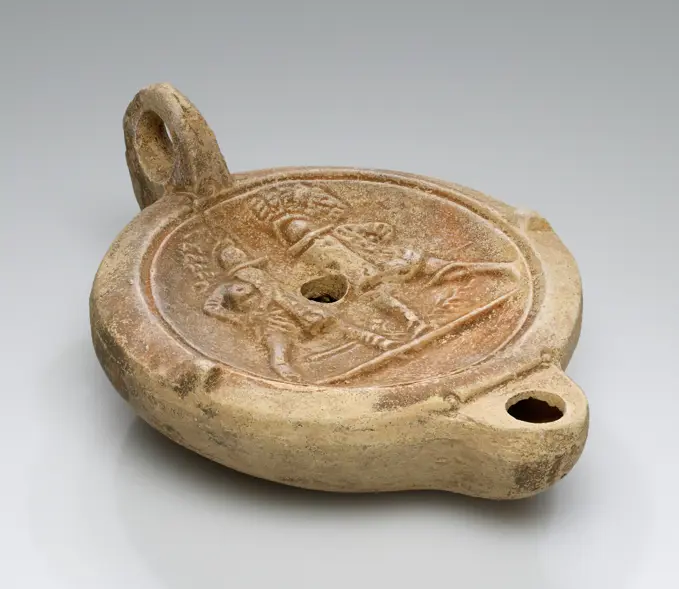
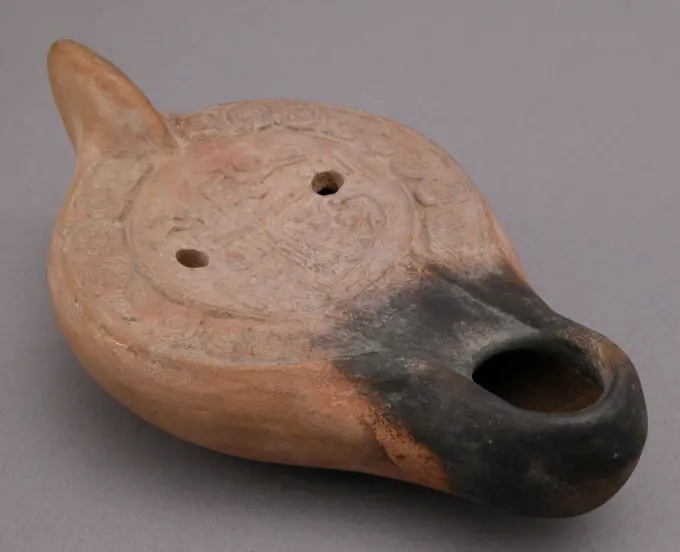
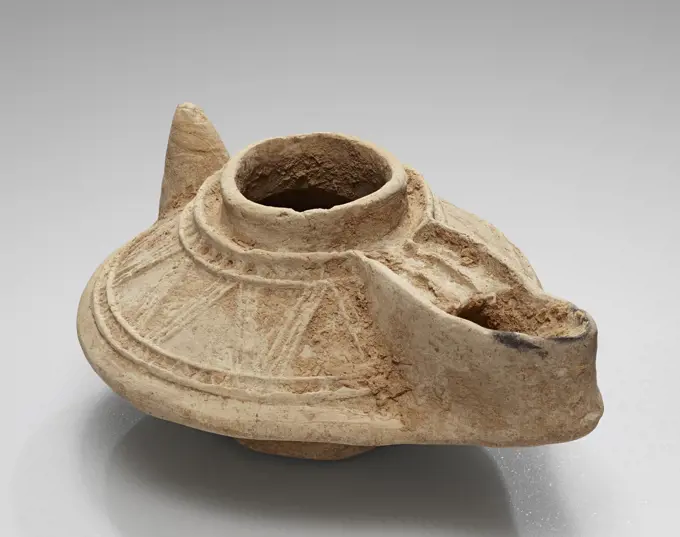
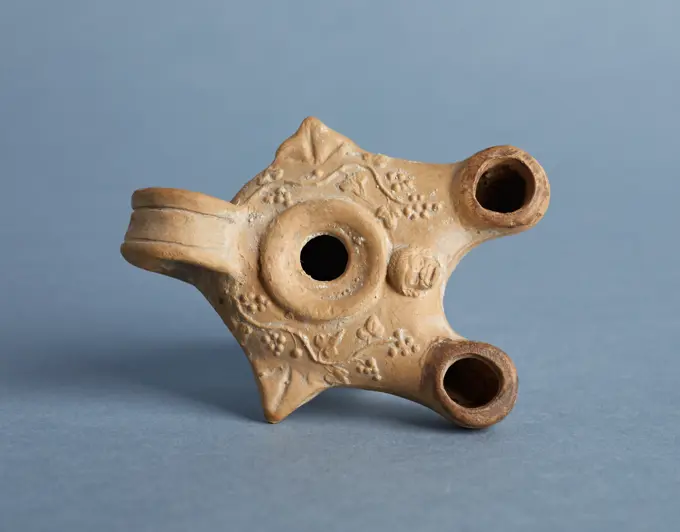
Lamp; North Africa, Tunisia; 1st century; Terracotta; 10.5 x 4 x 6.6 cm (4 1,8 x 1 9,16 x 2 5,8 in.)
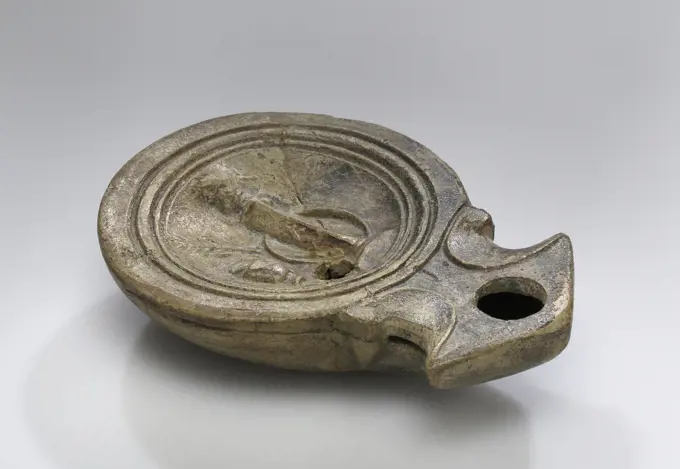
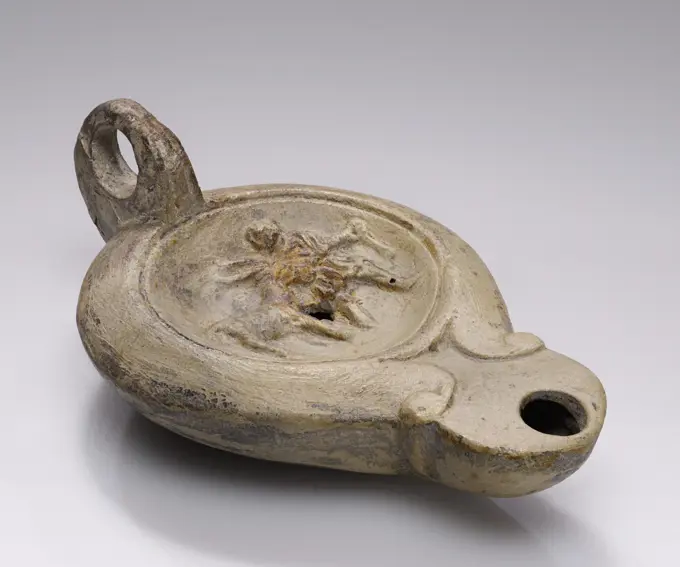
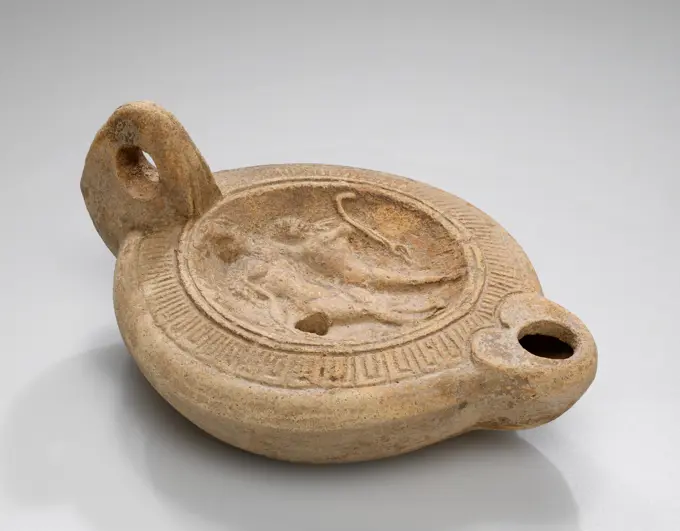
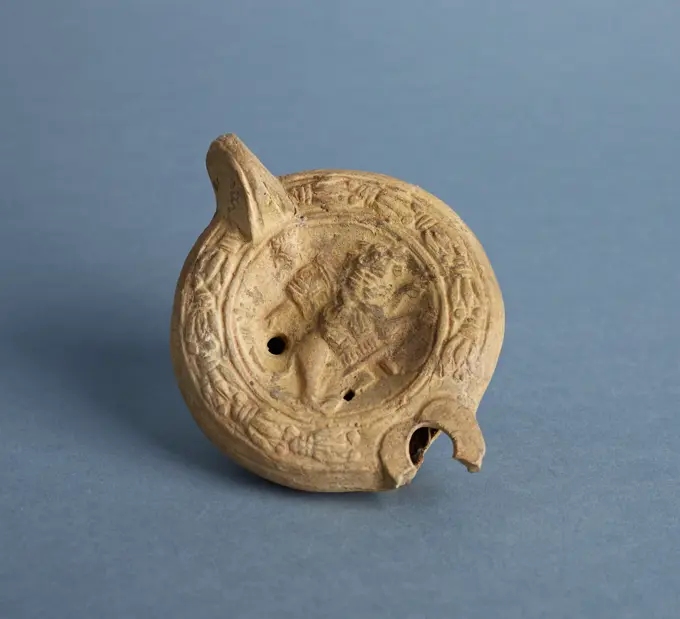
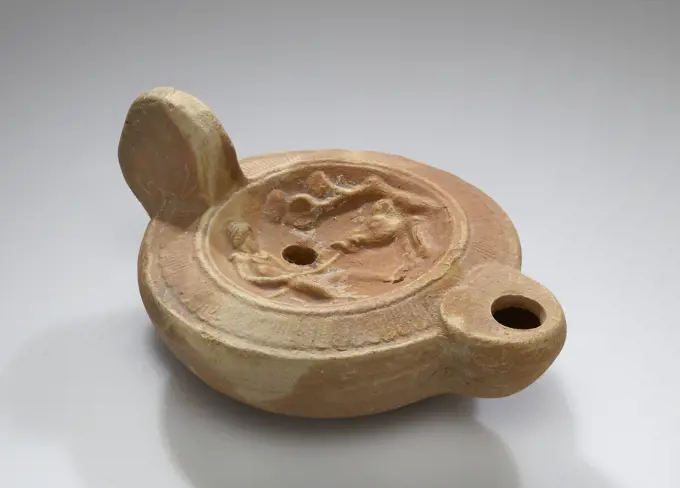
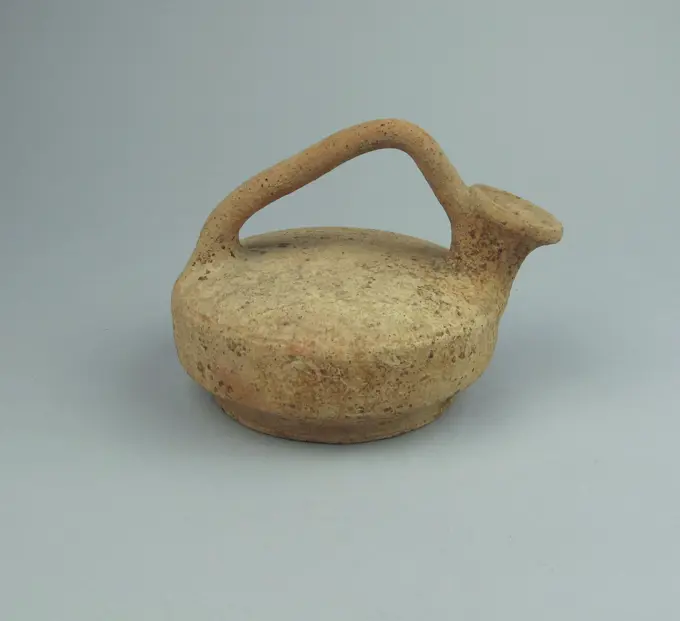
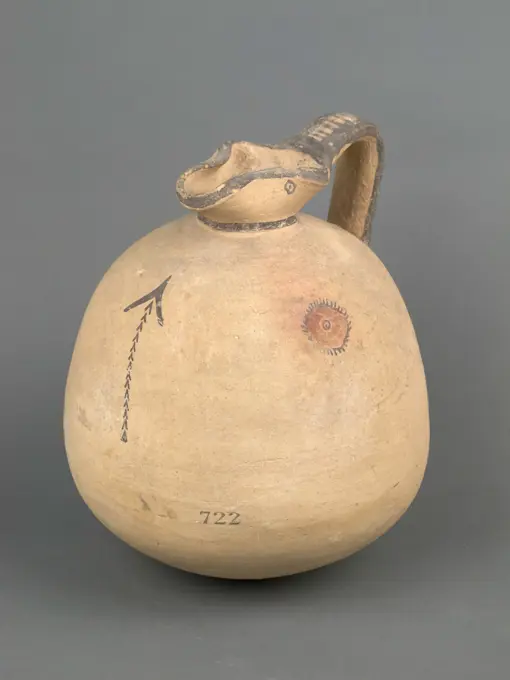
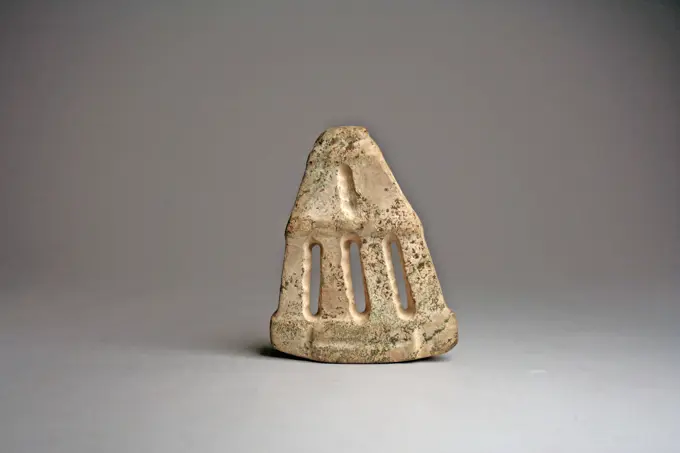
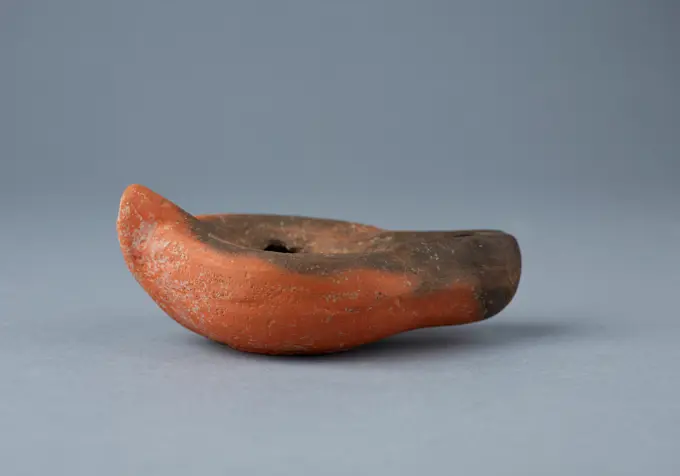
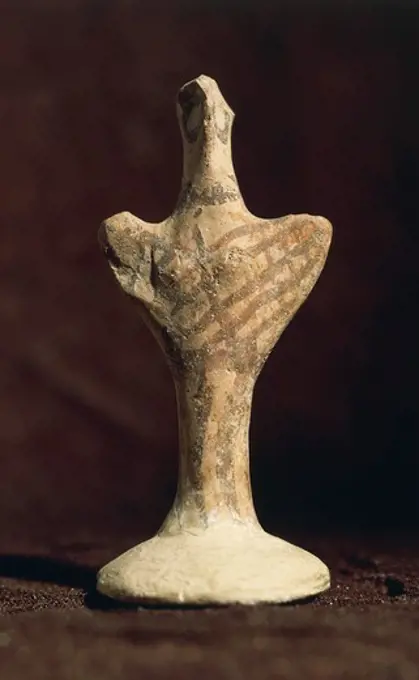
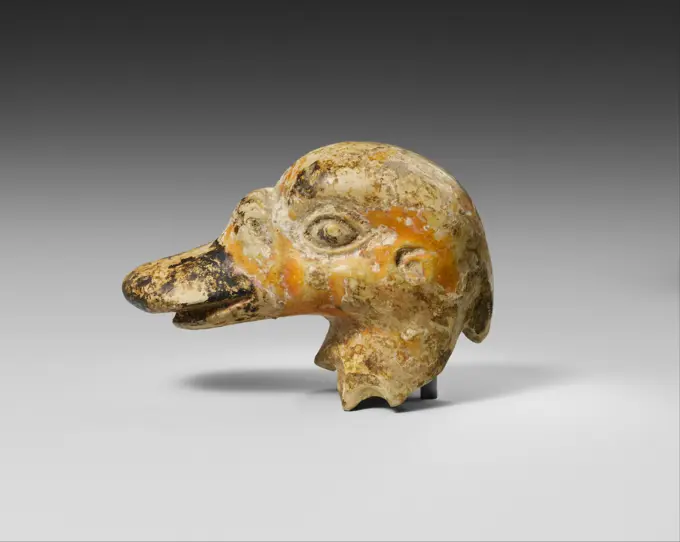
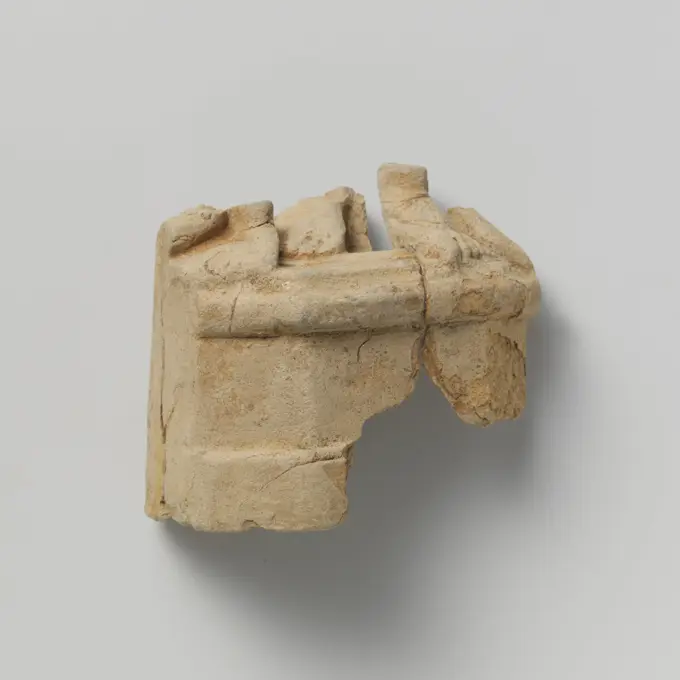
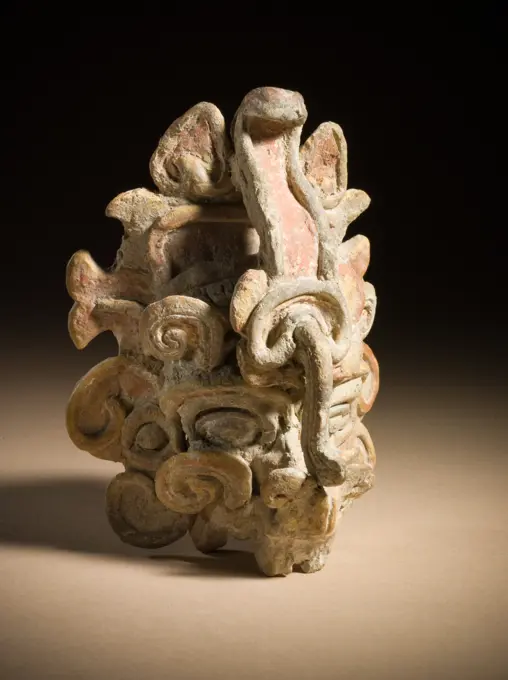
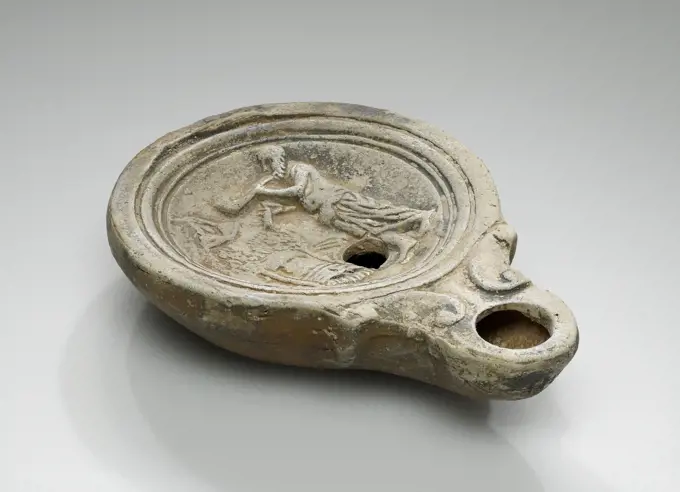
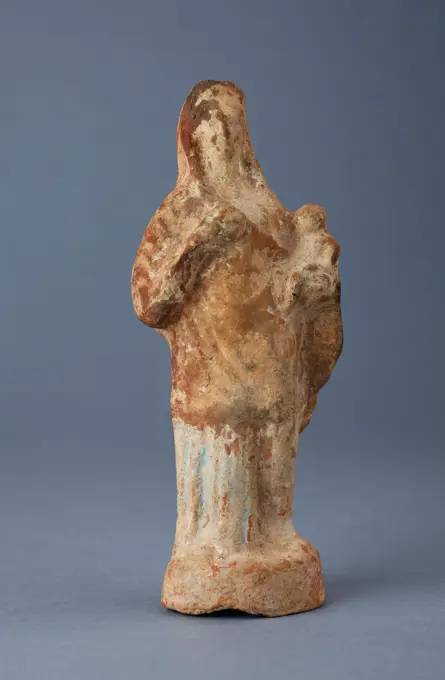
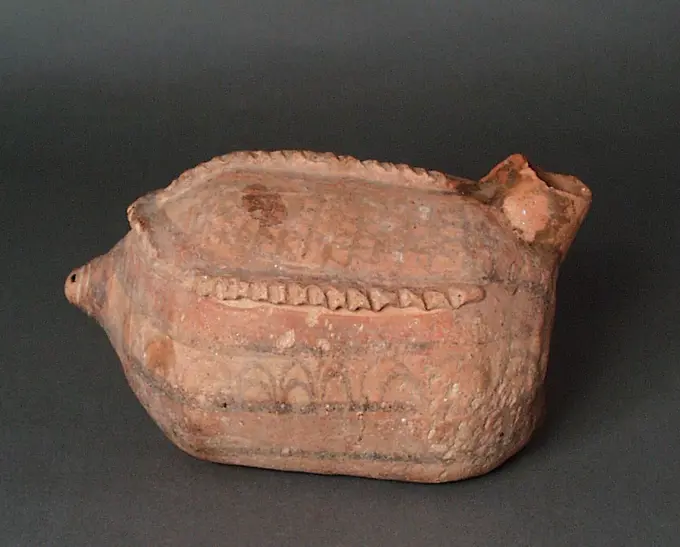
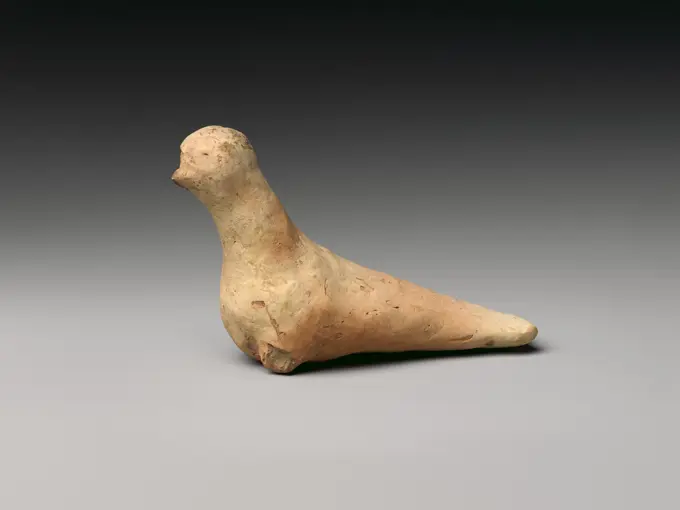
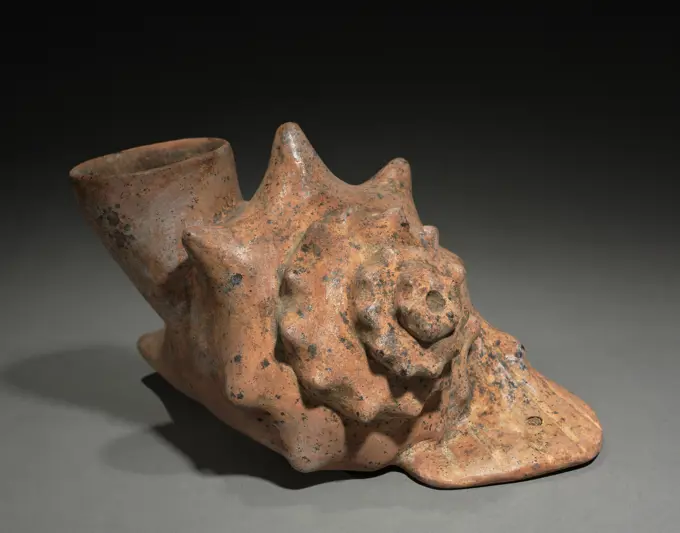
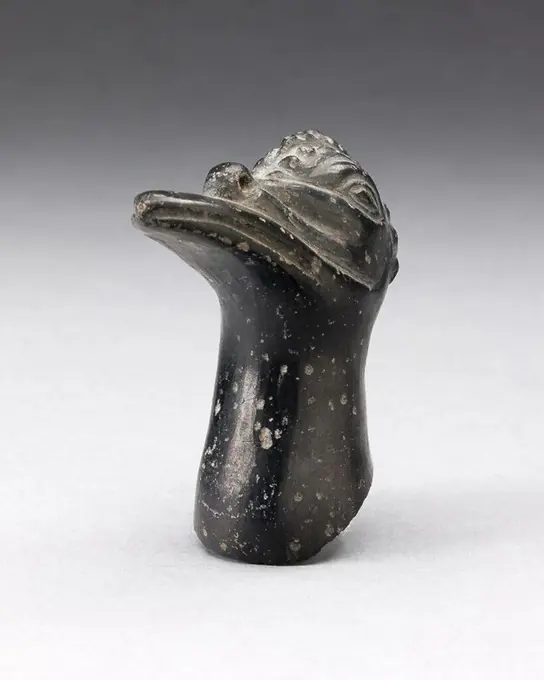
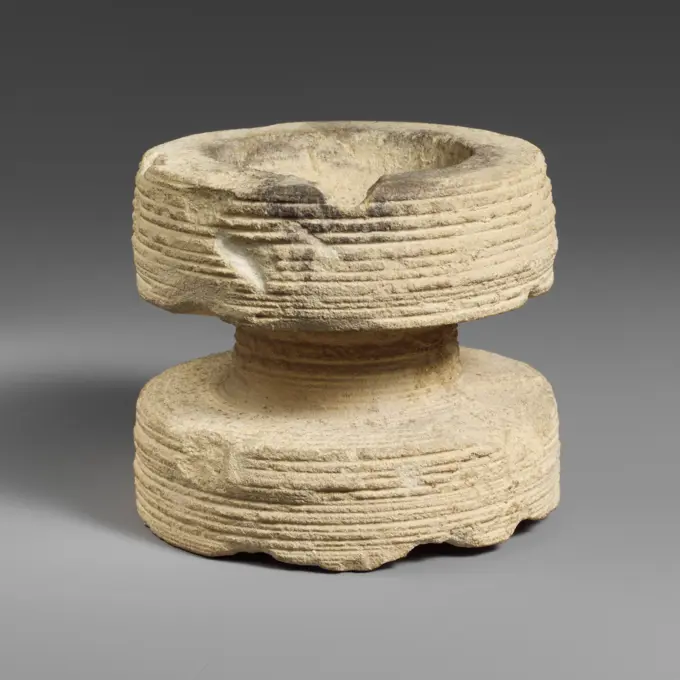
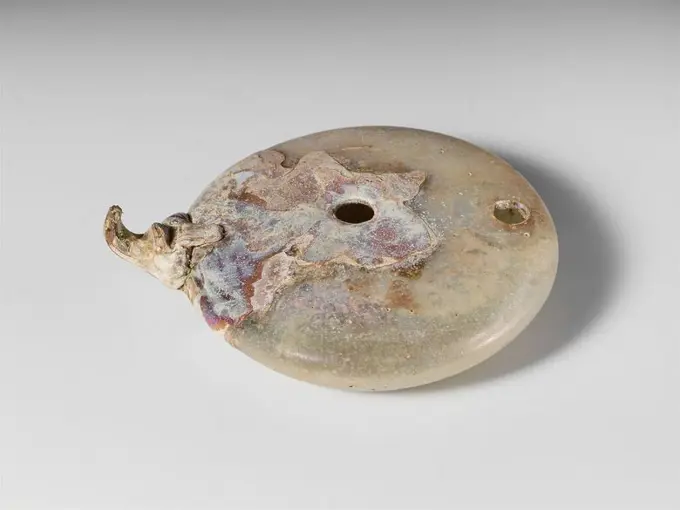
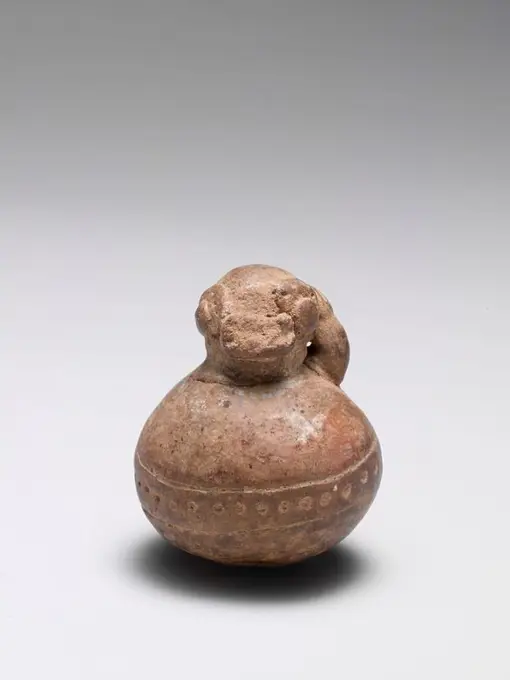
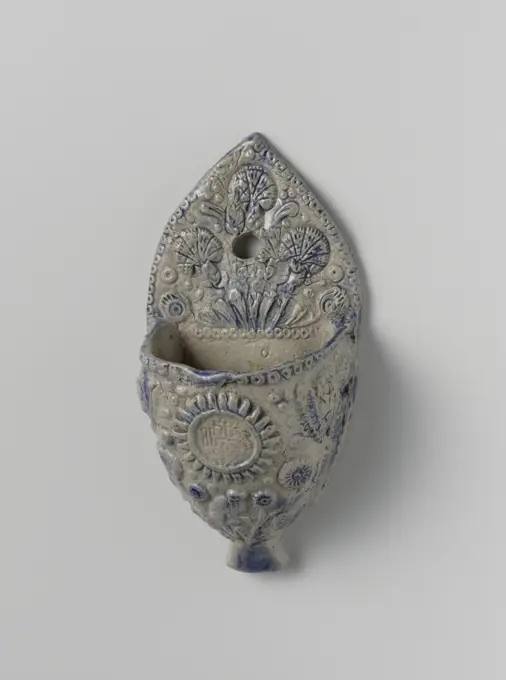
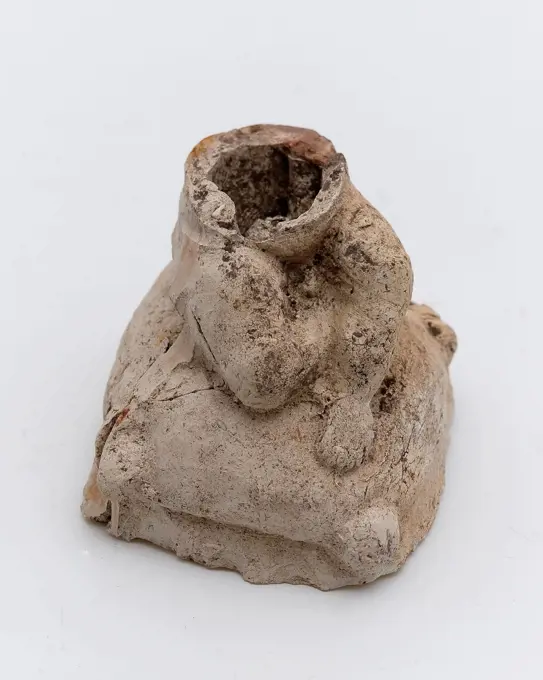
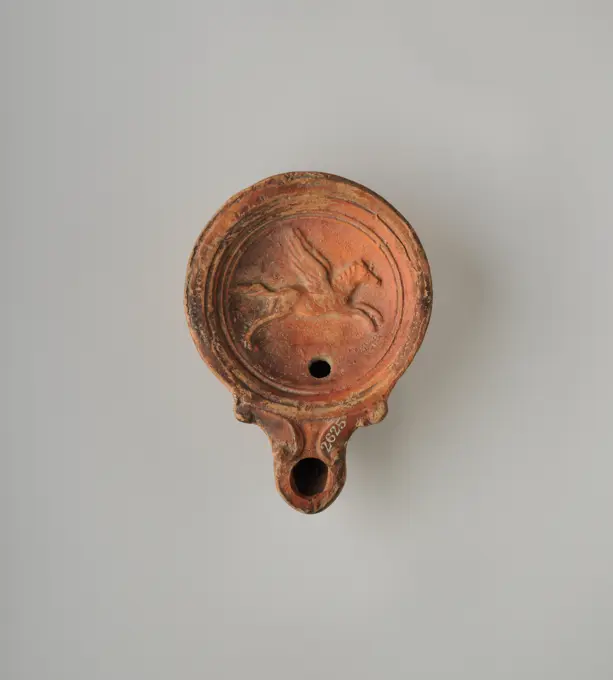
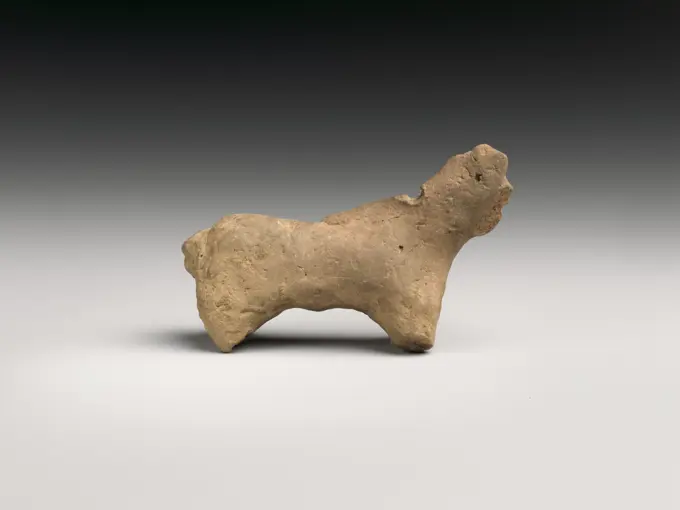
Lamp. UnknownLamp. UnknownLamp. UnknownLamp. UnknownStorage Amphora Handle. UnknownLamp; North Africa, Tunisia; 1st century; Terracotta; 10.5 x 4 x 6.6 cm (4 1,8 x 1 9,16 x 2 5,8 in.)Lamp, North Africa; 1st - 4th century; Terracotta; 2.5 x 7.6 x 9.8 cm (1 x 3 x 3 7,8 in.)Lamp, Italy; 1st century B.C; Terracotta; 3.9 × 6.7 × 13 cm (1 9,16 × 2 5,8 × 5 1,8 in.)Lamp, Anatolia; 3rd century; Terracotta; 3.2 x 8 x 11 cm (1 1,4 x 3 1,8 x 4 5,16 in.)Lamp. UnknownLamp. UnknownLamp. UnknownLamp. UnknownLamp. Culture: Greek or Roman. Dimensions: Overall: 1 3/16 x 3 9/16 in. (3 x 9.1 cm). Date: 1st century B.C.-1st century A.D.. Museum: Metropolitan Museum of Art, New York, USA.Lamp. UnknownLamp. UnknownLamp. UnknownOillampLamp. UnknownOil LampLamp; Roman Empire; 3rd century; Terracotta; 5 x 8.4 x 11.7 cm (1 15,16 x 3 5,16 x 4 5,8 in.)Lamp. UnknownLimestone lamp in the shape of a bulls head 5th century B.C. Cypriot The lamp is in the shape of a bulls head with small horns, the left one of which is damaged. The hide is indicated by incisions.. Limestone lamp in the shape of a bulls head 244023Lamp, Roman Empire; 1st century B.C.-4th century A.D; Terracotta; 4.3 × 5.2 × 9.6 cm (1 11,16 × 2 1,16 × 3 3,4 in.)Terracotta oil lamp 7th century A.D. Roman Mold-made, with applied handle. Discus: "Catherine wheel" lines radiating from a single central filling hole, surrounded by a double ridge; the inner ridge continuing forward around the wick hole, forming a shallow channel. On the broad, sloping shoulder, slanting strokes round discus and nozzle channel. Small, solid lug handle, slightly hooked at rear. sharply carinated body. Circular hollow on base; linear ridge from base to underside of nozzle.Intact, except for small hole in shoulder at left and chipped area on edge. Deep reddish brown micaceous fabric.. Terracotta oil lamp 244720Askos 480-400 B.C. Cypriot Askos of unpainted clay.. Askos. Cypriot. 480-400 B.C.. Terracotta. Cypro-Classical I. VasesOil LampLamp, Roman Empire; 1st century B.C. - 4th century A.D; Terracotta; 3.1 × 7 × 10 cm (1 1,4 × 2 3,4 × 3 15,16 in.)Lamp, Anatolia; 2nd century B.C; Terracotta; 1.6 × 3.5 × 6 cm (5,8 × 1 3,8 × 2 3,8 in.)Lamp, Anatolia; 1st - 4th century; Terracotta; 3 x 8 x 11 cm (1 3,16 x 3 1,8 x 4 5,16 in.)Lamp. UnknownLamp. UnknownLimestone hand holding a pomegranate Cypriot The small right hand holds a pomegranate painted red.. Limestone hand holding a pomegranate 242265Jug 750-600 B.C. Cypriot "Bird-Jug" type with arrow-ornament at front.. Jug. Cypriot. 750-600 B.C.. Terracotta. Cypro-Archaic I. VasesOillampCylinder Seal. Iran, Mesopotamia or Syria, Transitional period, about 2900-2800 B.C.. Tools and Equipment; seals. Gray marbleStone Temple Model 1st-8th century Mezcala. Stone Temple Model 317504Oil Lamp Alexandrian workshopSpindle Whorl, 700s - 900s. Iran, early Islamic period, 8th - 10th century. Bone, incised; overall: 0.5 x 2.9 x 2.9 cm (3/16 x 1 1/8 x 1 1/8 in.).Prehistory, Italy, Bronze Age. Mycenaean idol from the Scoglio del Tonno, Taranto.Faience fragment of a duck askos (flask with spout) ca. 2nd century B.C. Greek, Ptolemaic A tiny hole in the beak of this duck head implies that it once belonged to an askos, which were often in the form of animals.. Faience fragment of a duck askos (flask with spout) 256888Fragment of a Standing Figure on a Profiled Socle, anonymous, anonymous, c. 1425 - c. 1550 Fragment of image, pedestal with feet Northern Netherlands terracotta (clay material) Fragment of image, pedestal with feet Northern Netherlands terracotta (clay material)Lamp 5th-6th century. Lamp 448003Lamp, Cologne, Germany; 1st - 4th century; Terracotta; 2.2 x 3.5 x 7 cm (7,8 x 1 3,8 x 2 3,4 in.)Lamp. UnknownAppliqué for a funeral couch. UnknownBottle 11th century. Bottle 446879Marble left hand holding a small box. Culture: Roman. Dimensions: Overall: 3 3/8 x 7 7/8 in. (8.6 x 20 cm). Date: 1st or 2nd century A.D..The hand must have belonged to a female statue. The box has holes on the lid, perhaps for sprinkling incense. Museum: Metropolitan Museum of Art, New York, USA.Lamp, Syria; 5th - 6th century; Terracotta; 4.9 x 7.5 x 10 cm (1 15,16 x 2 15,16 x 3 15,16 in.)Molded Deity Head. Mexico, Central Chiapas, Maya, 200-500 CE. Ceramics. Molded ceramic with red, white, and black pigmentBurnt-Parfum (common name). Sandstone, molding, celadon. Cernuschi Museum, Asia Museum of Asia in the city of Paris.Lamp, North Africa; 1st - 4th century; Terracotta; 2.5 x 7.1 x 10 cm (1 x 2 13,16 x 3 15,16 in.)Lamp. UnknownFigurine of a WomanProfile Face. Culture: Moche (Loma Negra). Dimensions: H. 6 1/8 x W. 6 3/8 x D. 1 in. (15.5 x 16.2 x 2.5 cm). Date: 390-450. Museum: Metropolitan Museum of Art, New York, USA.Glazed ceramic dish decorated with plant, flower six petals. Rim diameter 180 mm Height 64 mm Base diameter 70 mm Thickness 7 mm ( 14 th CE ) - Medieval period belonging of the " Burgo de Santiuste Museum" in Alcalá de Henares. (Madrid). SPAIN.Monkey Bust. Afghanistan, 2nd century B.C.. Sculpture. Terracotta with traces of paintBird-Shaped VesselFigurine 4th-1st Millennium BC. Figurine. 4th-1st Millennium BC. Ceramic. Mesopotamia, NippurConch Shell Trumpet Vessel, 200 BC-300. West Mexico, Colima, Comala style (200 BC-AD 300). Earthenware; overall: 15.5 x 23.5 x 26.6 cm (6 1/8 x 9 1/4 x 10 1/2 in.).FigurineFragment from a Blackware Vessel in the Form of a Crested Bird Head. Chimú; North coast, Peru. Date: 1000-1400. Dimensions: 5.4 x 7.5 cm (2 1/8 x 2 15/16 in.). Ceramic and pigment. Origin: North Coast. Museum: The Chicago Art Institute, Chicago, USA.Ciborium acroterium. Biskupija near Knin, Croatia. Museum of Croatian Archaeological Monuments, Split, Croatia.Dish with Handle, before 1921. Colombia. Pottery; overall: 7 x 12.8 cm (2 3/4 x 5 1/16 in.).Chariot wheel ca. 750-600 B.C. Cypriot The wheel is solid and wheel-made. It has a tubular hub on either side to receive an axle.. Chariot wheel 240076Bell 5th-8th century. Bell 449196Jug 3rd-7th century. Jug 448826Fragment of a Bowl 14th-15th century. Fragment of a Bowl 445390Circular limestone incense burner Cypriot The incense burner is in the form of a spool or bobbin, the foot of which is slightly wider than the saucer.. Circular limestone incense burner 244028Spheroconical Vessel 9th-10th century. Spheroconical Vessel. 9th-10th century. Earthenware; incised and unglazed. Excavated in Iran, Nishapur. CeramicsTerracotta oil lamp 3rd-mid-4th century A.D. Roman Mold-made, with unpierced handle. Shallow discus: dog, leaping to left; two filling holes above dog at right and below him at left. Broad, horizontal shoulder: impressed herring bone pattern with inner circle of dots. Large wick hole. Undefined, deep concave base.Intact, except for small chip in right side of wick hole.. Terracotta oil lamp. Roman. 3rd-mid-4th century A.D.. Terracotta. Late Imperial. TerracottasAxe head ca. 4000 B.C. Ubaid. Axe head. Ubaid. ca. 4000 B.C.. Ceramic. Ubaid. Mesopotamia, NippurLamp Stand. China. Date: 25 AD-220 AD. Dimensions: 30.6 × 10.5 × 8.5 cm (12 1/16 × 4 1/8 × 3 3/8 in.). Earthenware with green lead glaze. Origin: China. Museum: The Chicago Art Institute, Chicago, USA.Double Nozzle Oil LampEarly Christian art. Roman oil lamp. Terracotte. Chi Rho symbol. From Catalonia. Episcopal Museum of Vic. Spain.Terracotta lamp. Culture: Roman. Dimensions: Overall: 1 3/8 x 3 1/2 in. (3.5 x 8.9 cm). Date: 2nd century A.D.. Museum: Metropolitan Museum of Art, New York, USA.Whistle. Classic Veracruz; Veracruz, Mexico. Date: 700 AD-900 AD. Dimensions: H. 4.5 cm (1 3/4 in.). Ceramic and pigment. Origin: Veracruz state. Museum: The Chicago Art Institute, Chicago, USA.Glass lamp. Culture: Roman. Dimensions: H.: 1/2 in. (1.3 cm)Diam.: 2 1/4 in. (5.7 cm). Date: 2nd-3rd century A.D..Colorless, with handle of same glass.Horiziontal rounded inward lip to small central mouth; almost flat top to lentoid body with rounded side, then curving in to pushed-in bottom with large oval pontil scar; ring handle applied as a large pad to side and trailed off on top.Small hole cut in top near edge opposite handle, forming nozzle for wick.Body complete, but handle broken and most of ring missing; many pinprick bubbles; dulling, pitting, iridescence, and patches of thick creamy weathering. Museum: Metropolitan Museum of Art, New York, USA.Pottery Whistle. Culture: Costa Rican. Dimensions: Diam. (greatest): 3.9 cm (1-9/16 in.)(; H. 4.4 cm (1-11/16 in.); Wt. 26 gm. Date: 9th-16th century. Museum: Metropolitan Museum of Art, New York, USA.Holy water stoup with angel's heads and flowering plants, anonymous, c. 1750 - c. 1799 Singwater tray of stoneware with a semi -circular pelvis. Decorated in cobalt blue. Printed on the pelvis in relief and imposed the cross and the inscription 'IHS', surrounded by angel heads and flowering plants. The back plate also with a flowering plant. Westerwald. Westerwald stoneware. glaze. cobalt (mineral) vitrification Singwater tray of stoneware with a semi -circular pelvis. Decorated in cobalt blue. Printed on the pelvis in relief and imposed the cross and the inscription 'IHS', surrounded by angel heads and flowering plants. The back plate also with a flowering plant. Westerwald. Westerwald stoneware. glaze. cobalt (mineral) vitrificationPart of pipe image, representing cushion with sitting figure, sculpture visual material soil finds clay, in mold formed baked Pipes image fragment. Pedestal in the form of pillow with bobbins on the corners on which nude (child) figure is seated archeology Rotterdam railway tunnel indigenous pottery devotion adorn religion worship archaeological find in the soil Rotterdam tracé rail tunnel.Spindle Whorl, 700s - 900s. Iran, early Islamic period, 8th - 10th century. Bone, incised; overall: 0.7 x 2.6 x 2.6 cm (1/4 x 1 x 1 in.).Toy in the form of a male() figure ca. 600-480 B.C. Cypriot The figure, who had moveable arms, may have been part of a toy.. Toy in the form of a male() figure 241201Handle attachment for a pail. Handle attachment for a pail 256691Alabastron orientalizujący. unknown, authorzoomorphic figure (vessel), Chalcolithic, fifth millennium BC, Bulgarian National Archaeological Museum, Sofia, Republic of Bulgaria, Europe.Lamp 5th-6th century. Lamp 448001Terracotta oil lamp 1st century A.D. Roman Loeschcke Type 4. Mold-made. Deep concave discus: Pegasus, the winged horse, moving right; a single filling hole at bottom near nozzle, with a band of lines and grooves towards edge. Volutes flanking nozzle. Broad, raised base ring, and flat base, with raised letters L L.Complete, except for the finials on the right-hand volute.. Terracotta oil lamp. Roman. 1st century A.D.. Terracotta; mold-made. Early Imperial. TerracottasDouble Nozzle Oil LampStanding animal amulet ca. 2600-2500 B.C. Sumerian. Standing animal amulet. Sumerian. ca. 2600-2500 B.C.. Ceramic. Early Dynastic IIIa. Mesopotamia, NippurTerracotta oil lamp ca. A.D. 40-100 Roman, Cypriot Loeschcke Type 4. Mold-made. Discus: winged Eros (cupid), standing with left leg raised; a single filling hole at lower right; band of lines and grooves around edge. Volutes flanking rounded nozzle with large wick hole. Incised base ring, and raised, flat bottom.Intact, but one surface chip on discus. The design is indistinct.. Terracotta oil lamp. Roman, Cypriot. ca. A.D. 40-100. Terracotta. Early Imperial. TerracottasLimestone plaque with two eyes in relief ca. 50 B.C.-A.D. 50 Greek or Roman, Cypriot The small pyramidal plaque has a suspension hole. Toward the bottom are two wide-open eyes with thick eyelids in low relief.. Limestone plaque with two eyes in relief 244049CERAMICA POPULAR ARGENTINA. Location: MUSEO DE AMERICA-COLECCION. MADRID. SPAIN.Terracotta oil lamp Greek Small, wheel-made body, with applied long nozzle. Large central filling hole, surrounded by an inward-sloping shoulder and an incised circle; convex-curving side to carinated body, with pierced knob at top of left side. Large, raised base ring and deep, concave base. Intact, but firing crack across base.. Terracotta oil lamp. Greek. Terracotta. Hellenistic. Terracottas. Incense box of stoneware in the shape of a young bird, painted in underglaze blue. Raku.Fragment 9th-10th century. Fragment 451581Seated female figurine Early 5th century B.C. Cypriot The figurine is mold-made and hollow. The back is handmade and flat.. Seated female figurine 241142Siren ". Terracotta. China, Tang dynasty. Paris, Cernuschi museum. 72691-54 Chinese art, tang dynasty, bird, sirene, statuette, terracotta, profile viewOil Lamp. Egypt, Late Roman Period - Coptic Period (300 - 1000 CE). Furnishings; Lighting. BronzeHead. Egypt, Ptolemaic Period - Roman Period (332 BCE - 337 CE). Sculpture. Terracotta