Ancient Oil Lamps

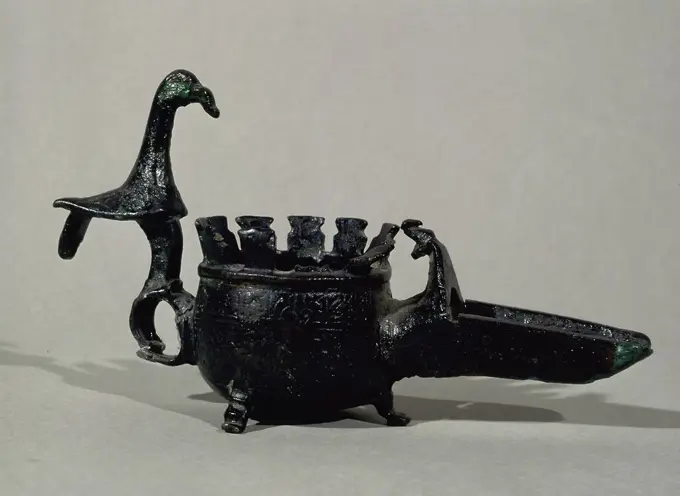
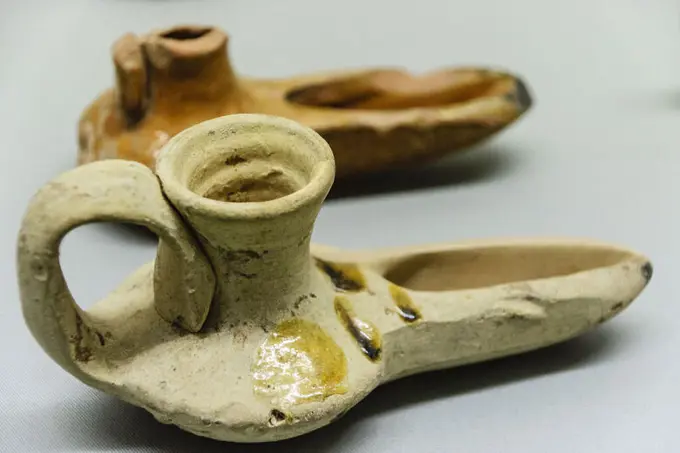
Artifacts depicting various ancient oil lamps, showcasing intricate designs and historical significance, often with rustic textures and muted colors.
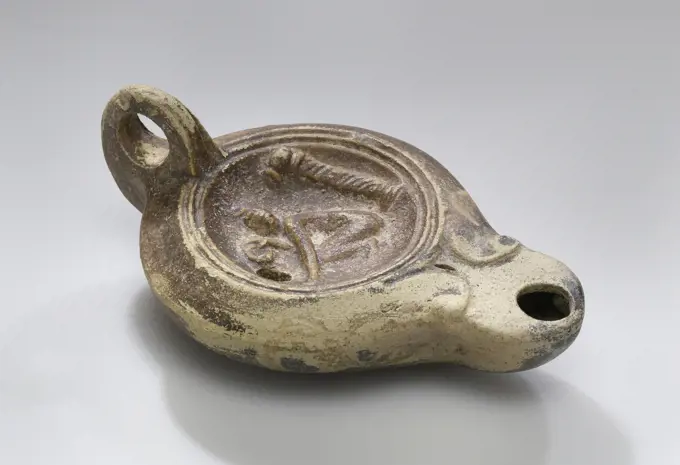
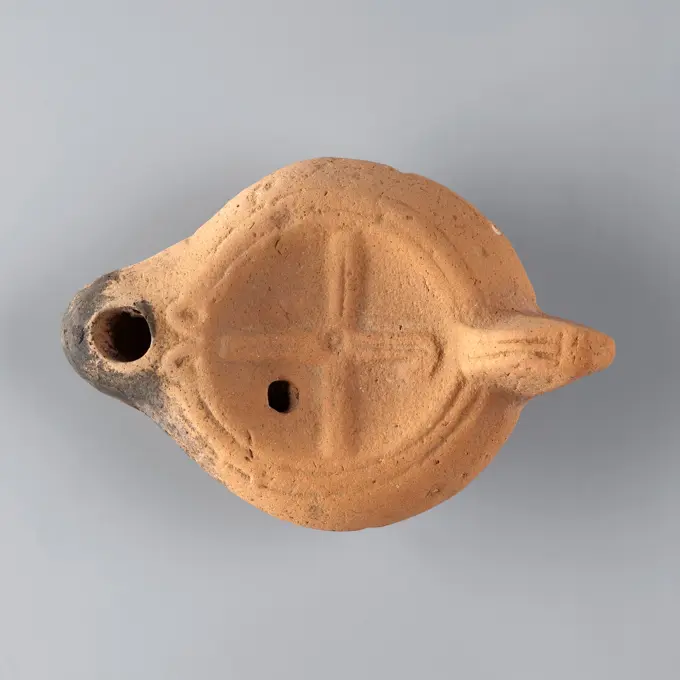
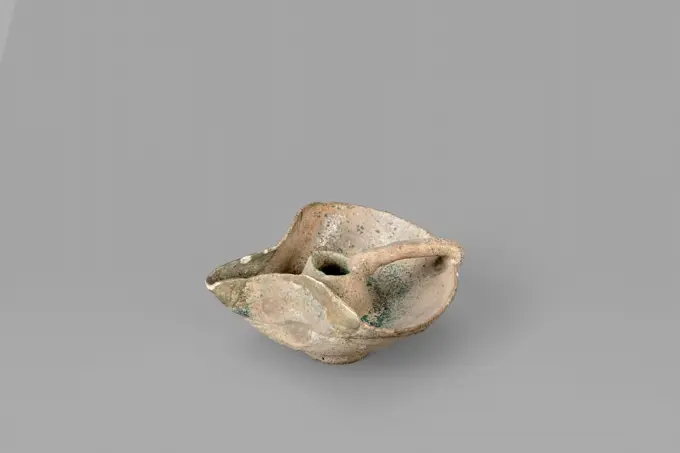
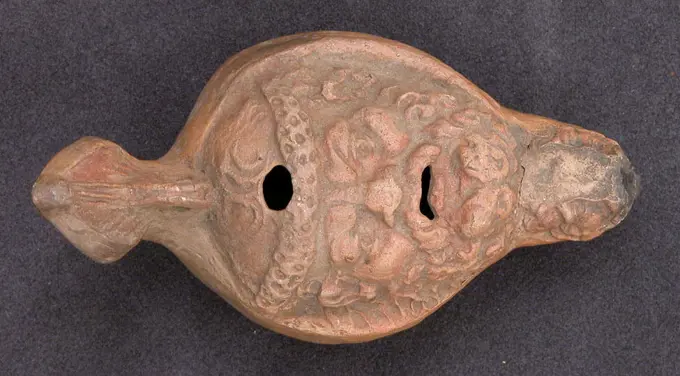
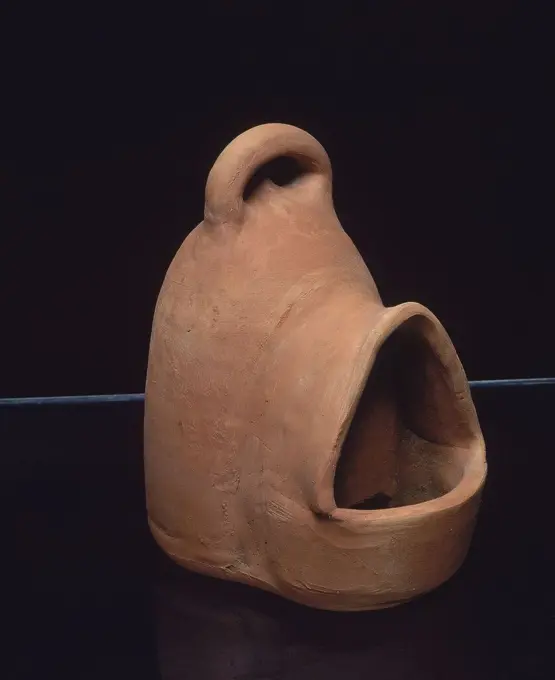
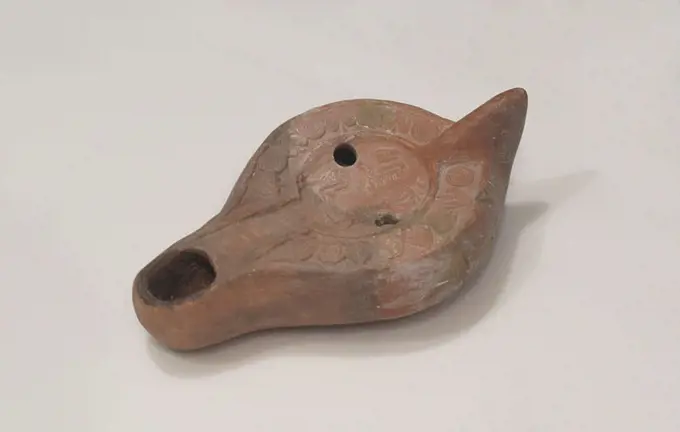
Lamp; North Africa, Tunisia; 1st century; Terracotta; 10.5 x 4 x 6.6 cm (4 1,8 x 1 9,16 x 2 5,8 in.)
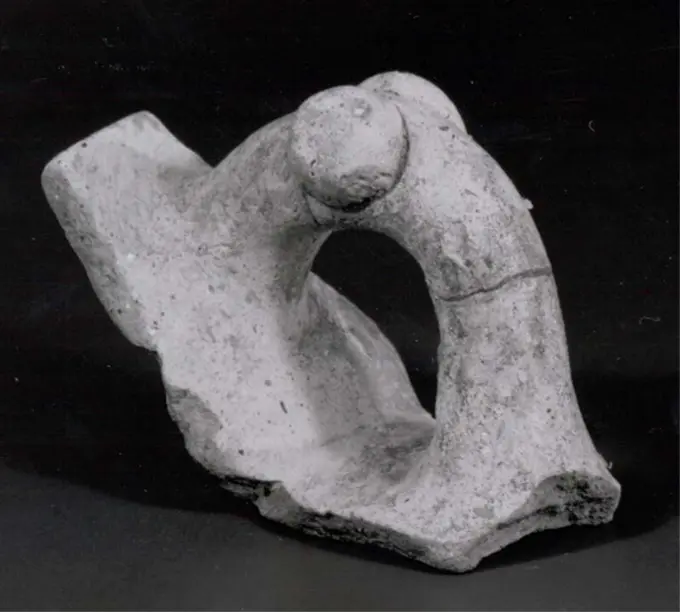
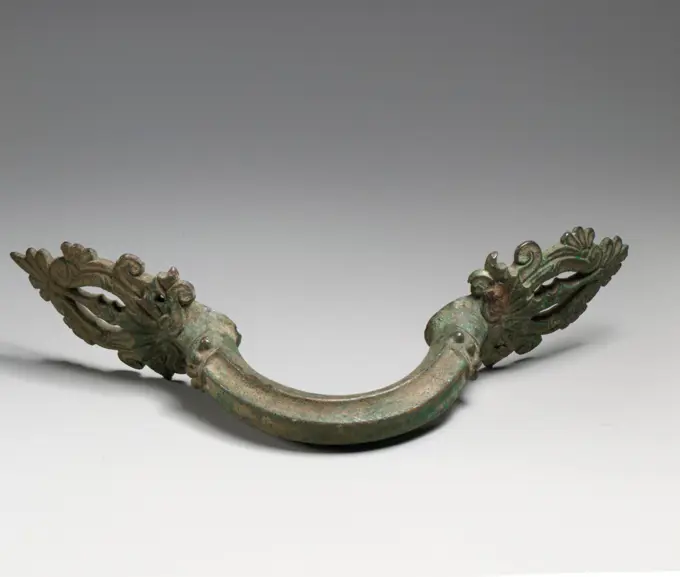
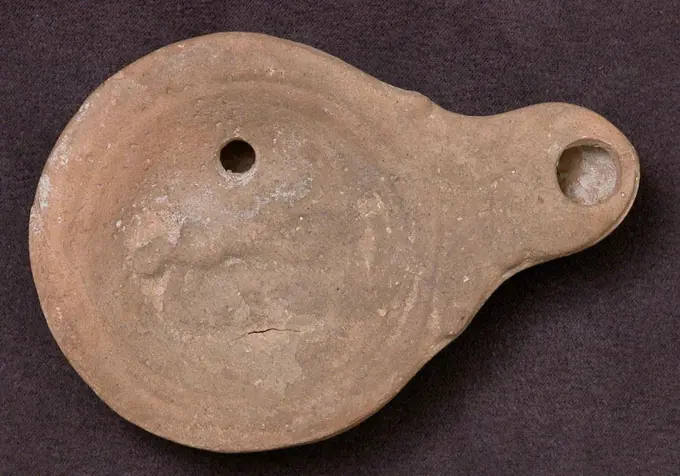
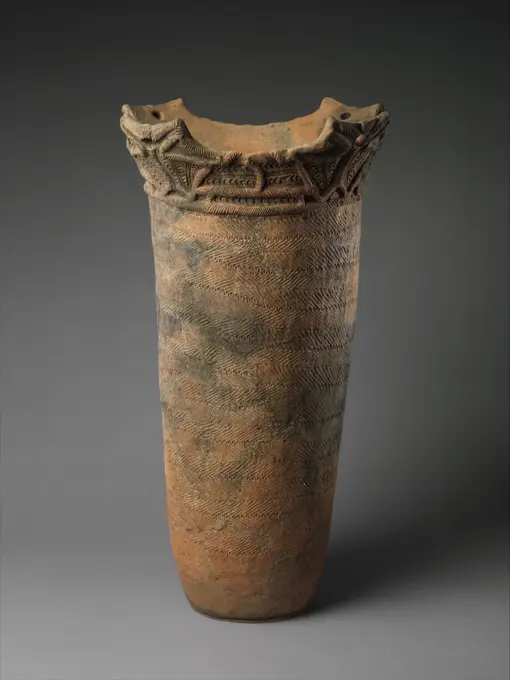
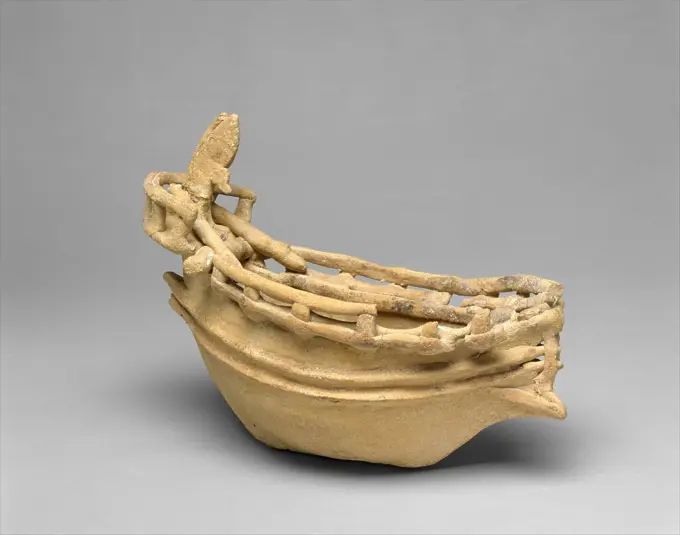
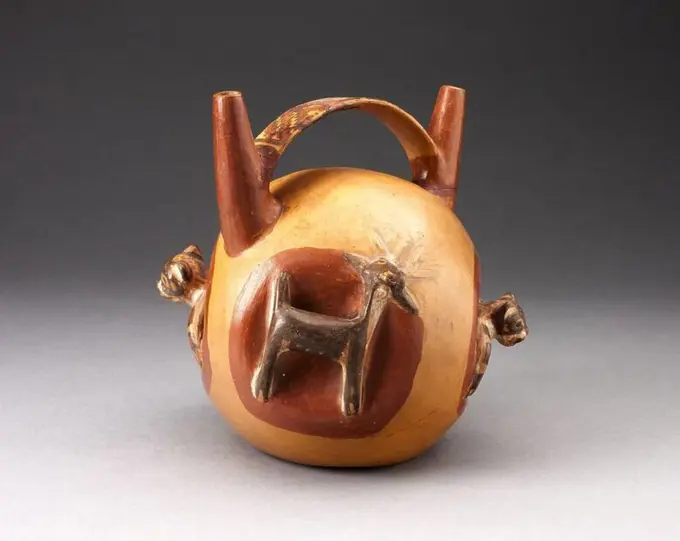
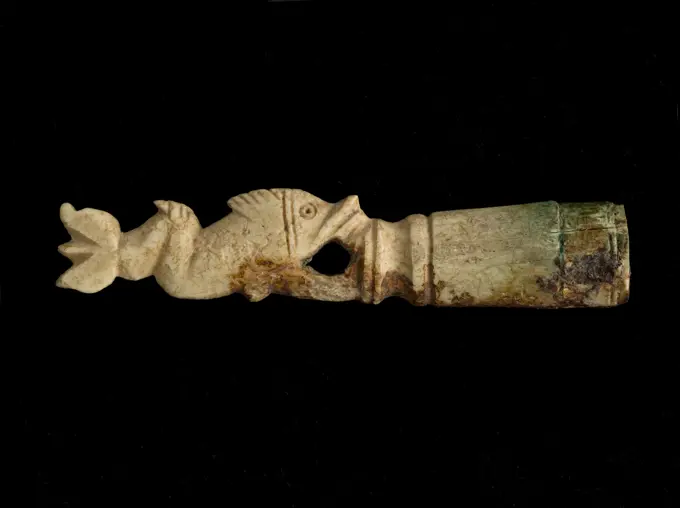
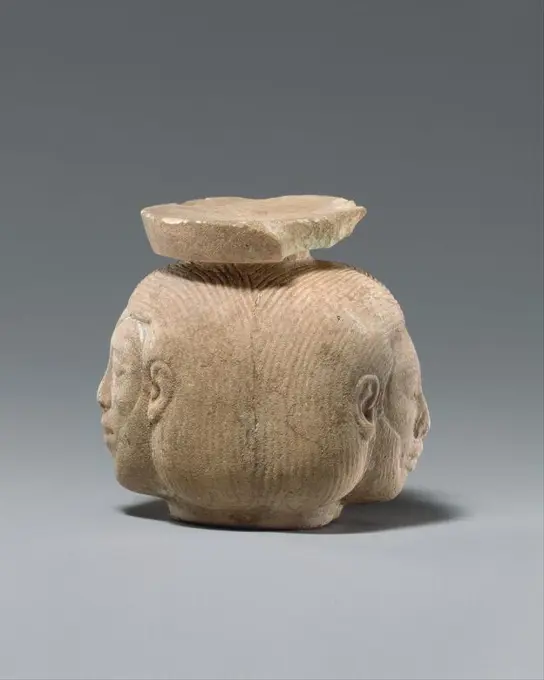
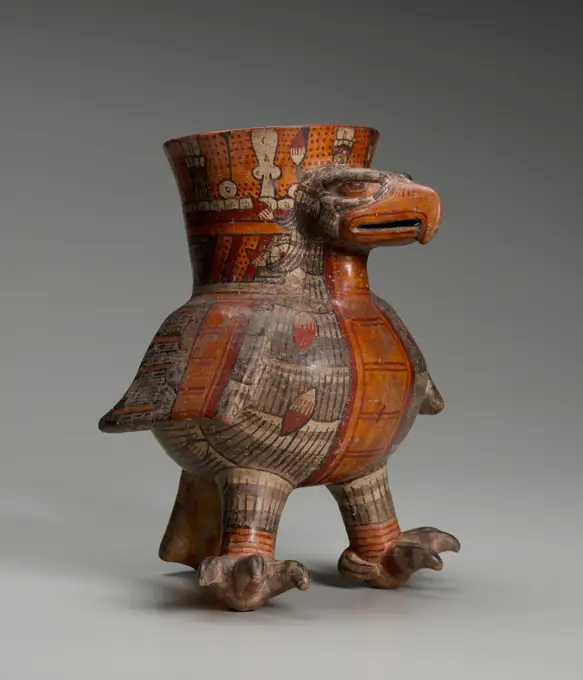
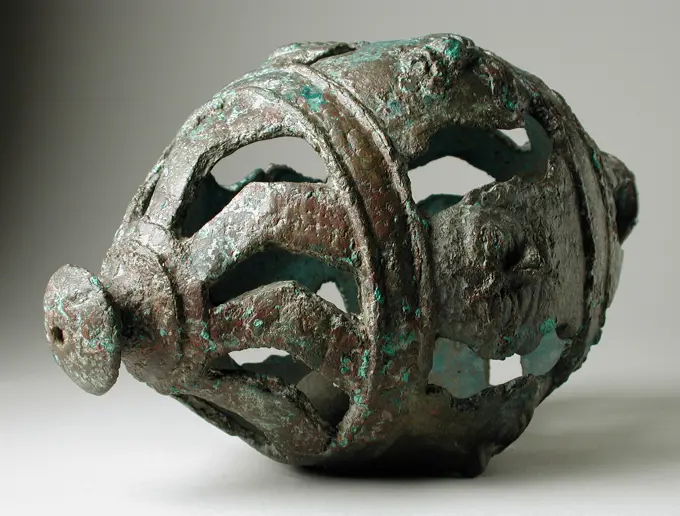
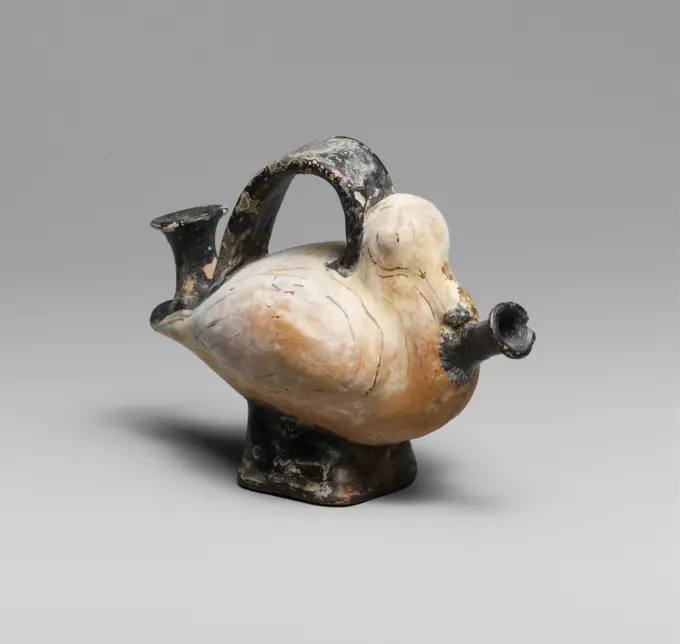
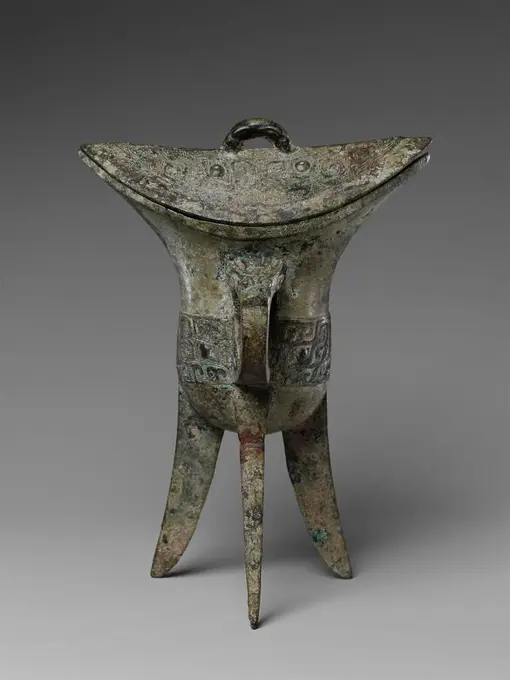
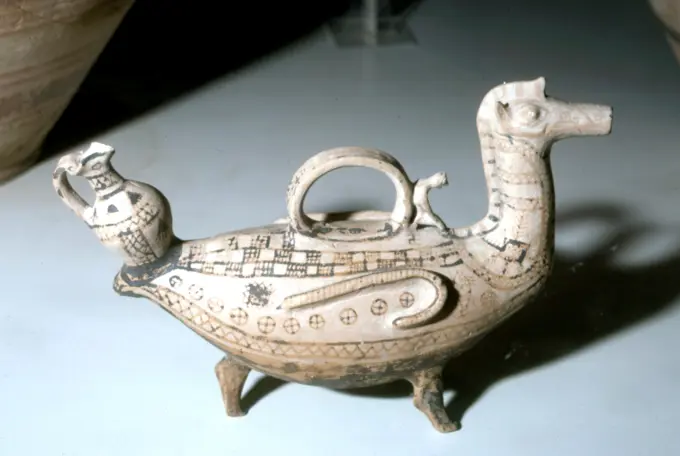
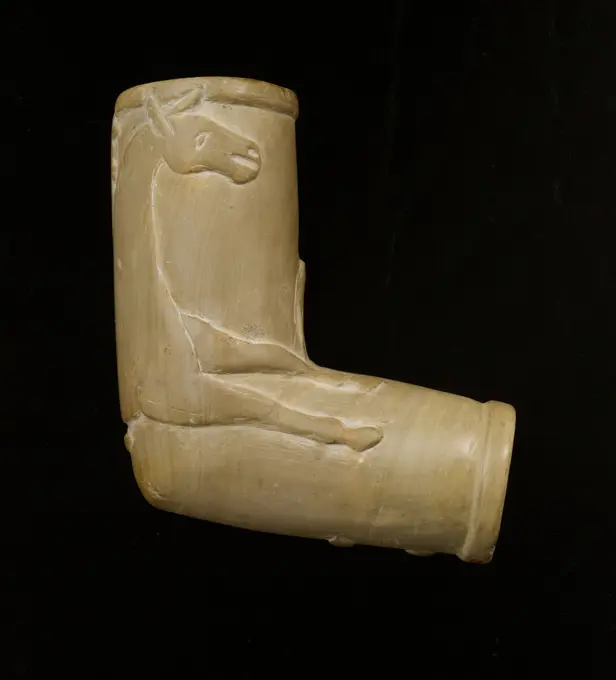
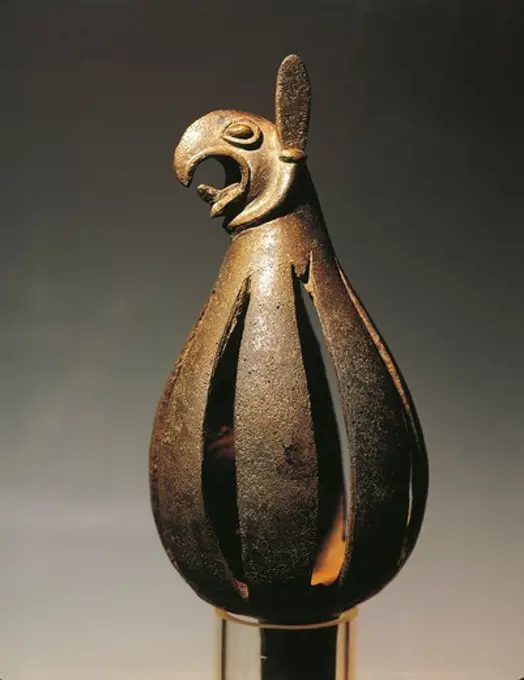
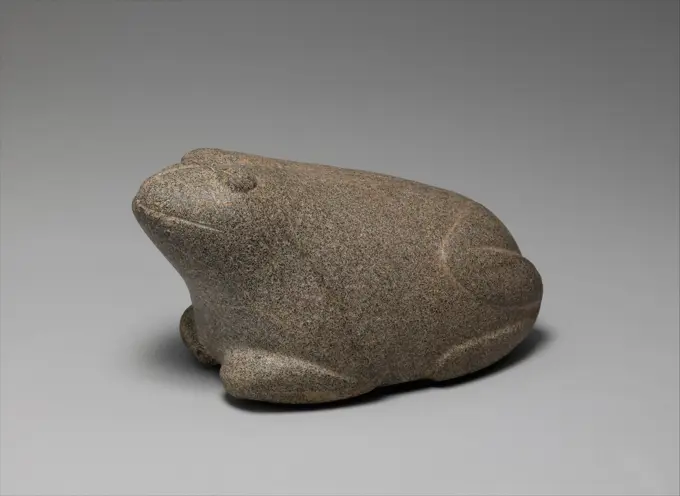
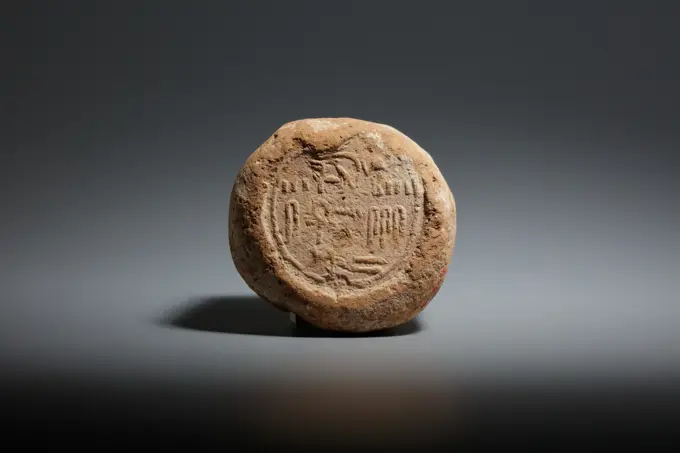
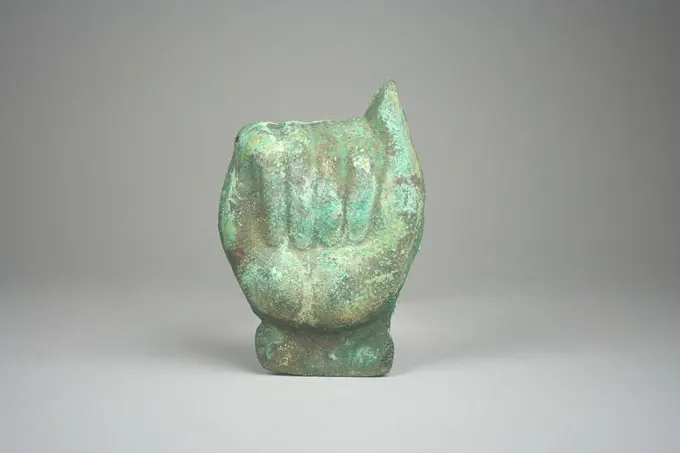
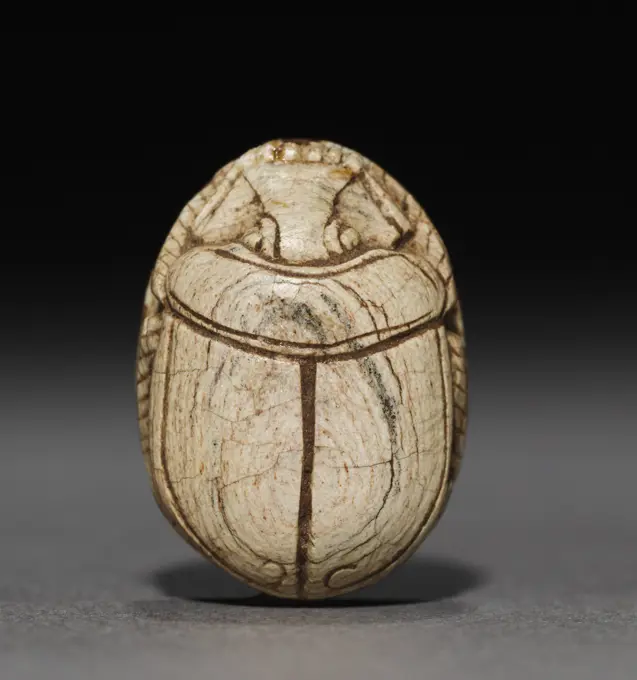
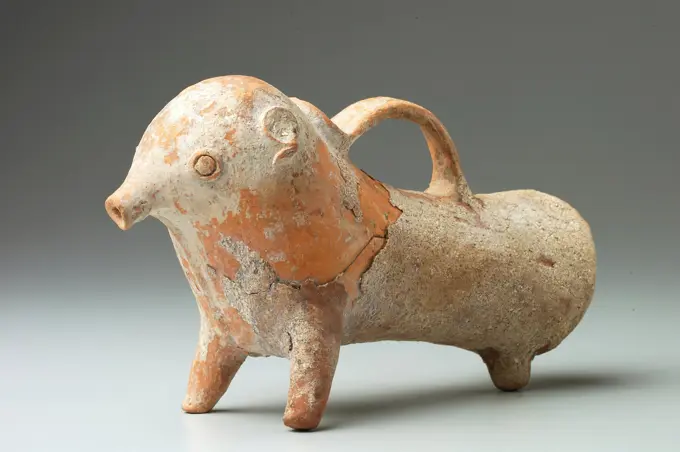
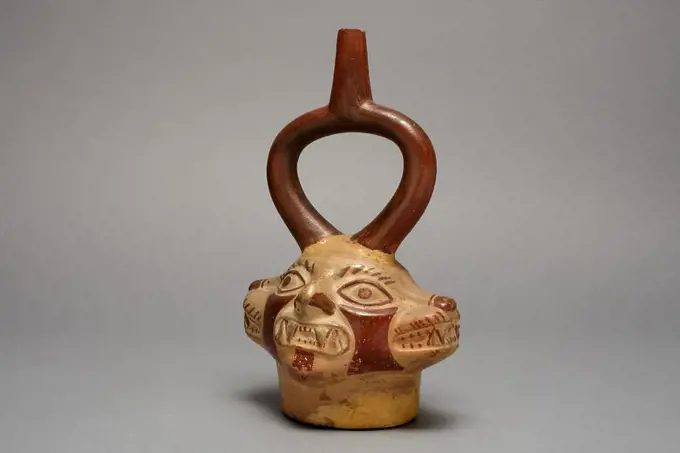
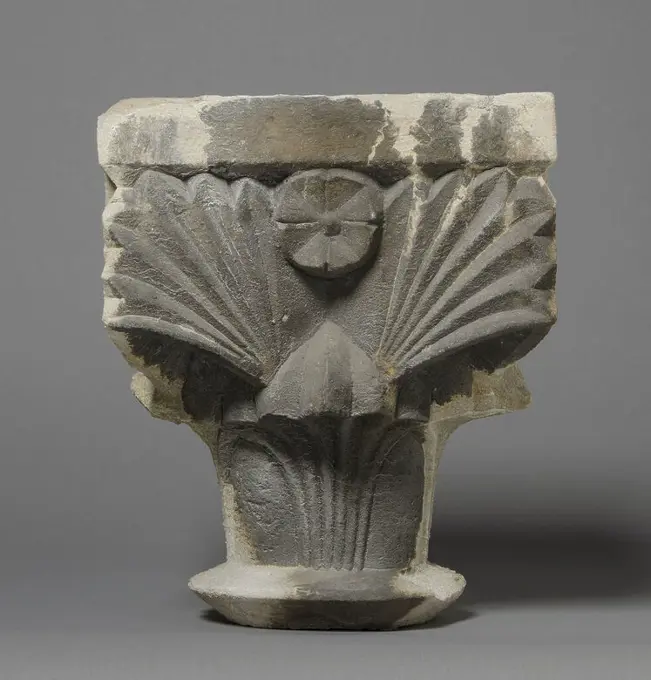
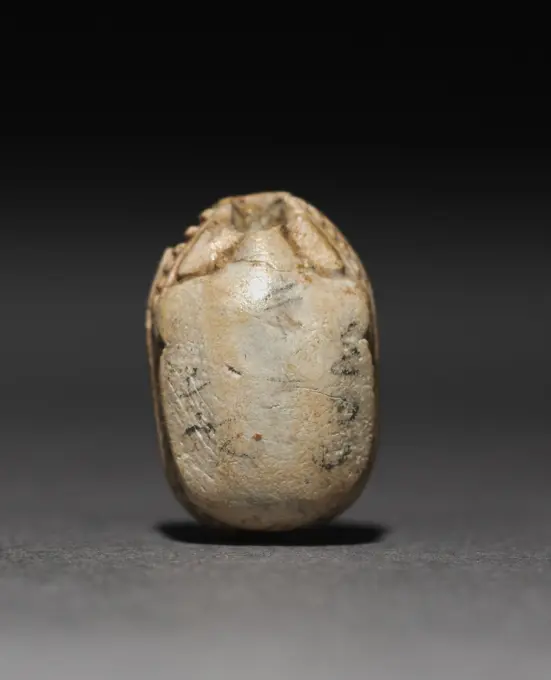
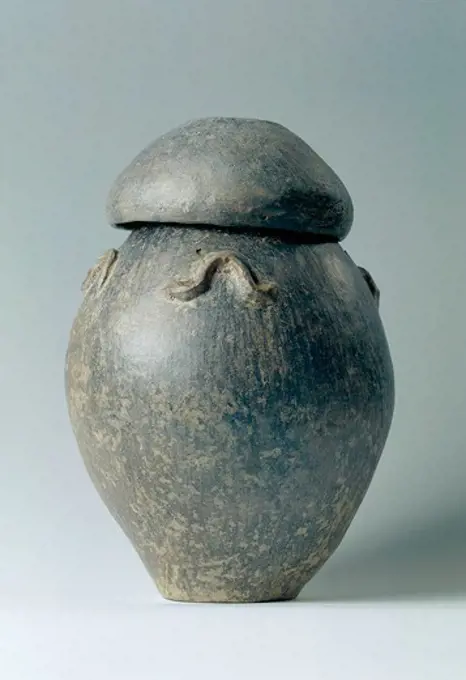
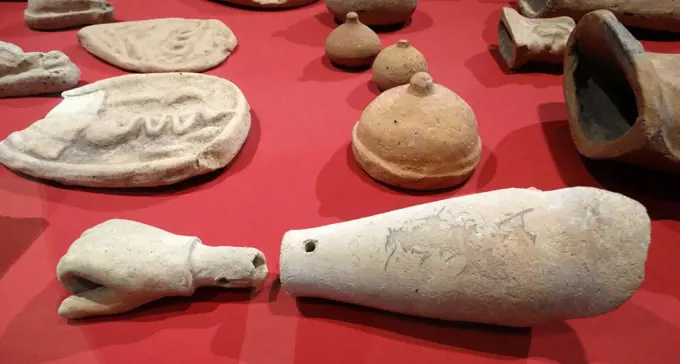
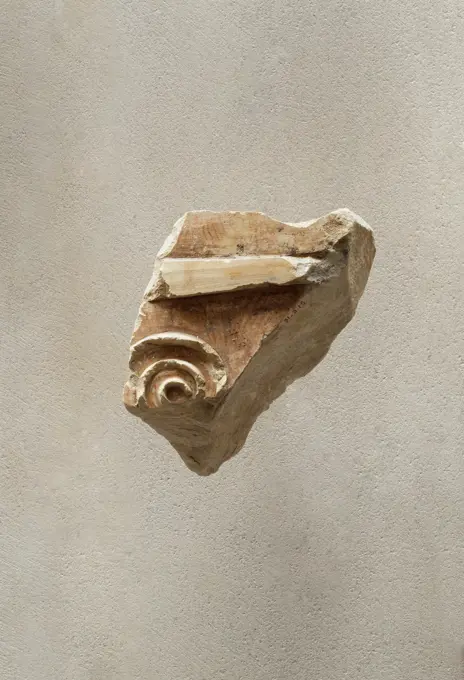
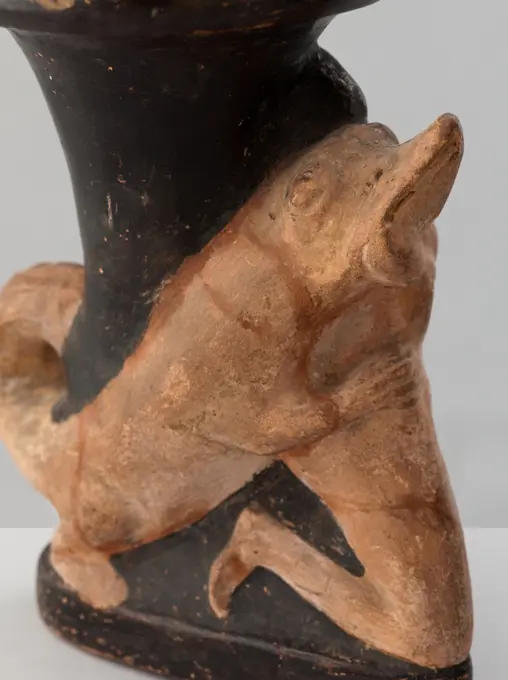
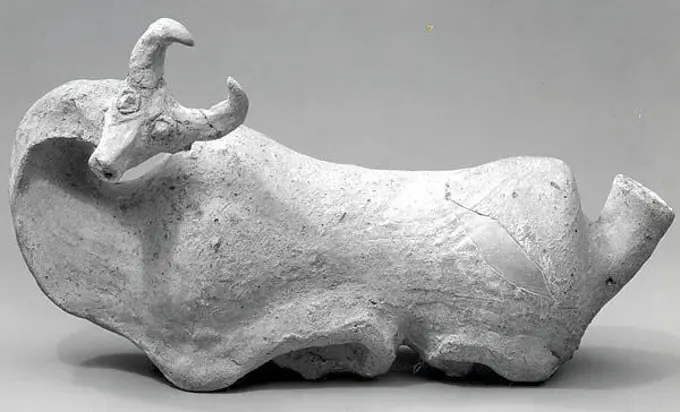
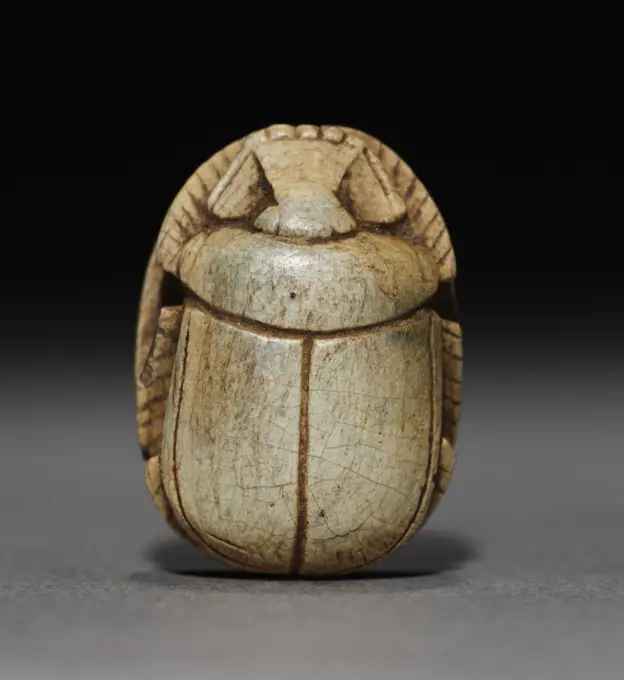
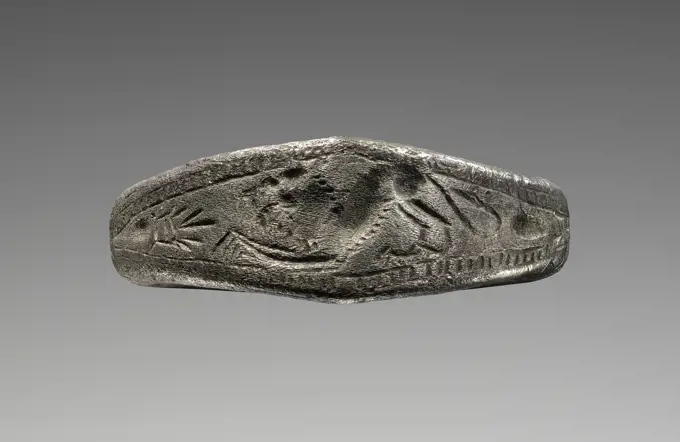
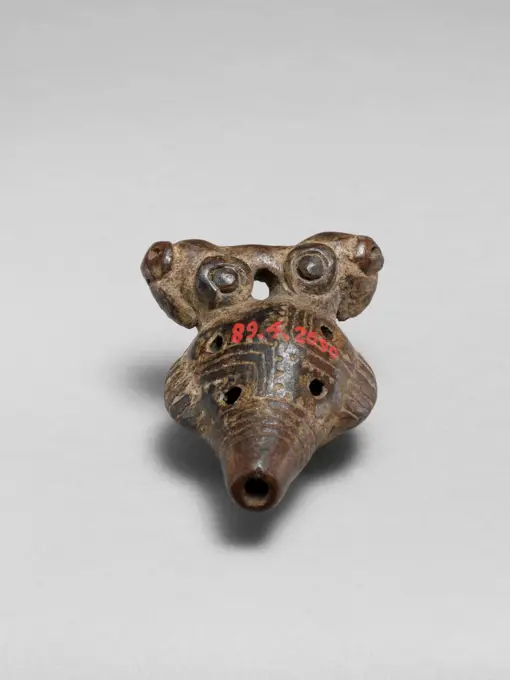
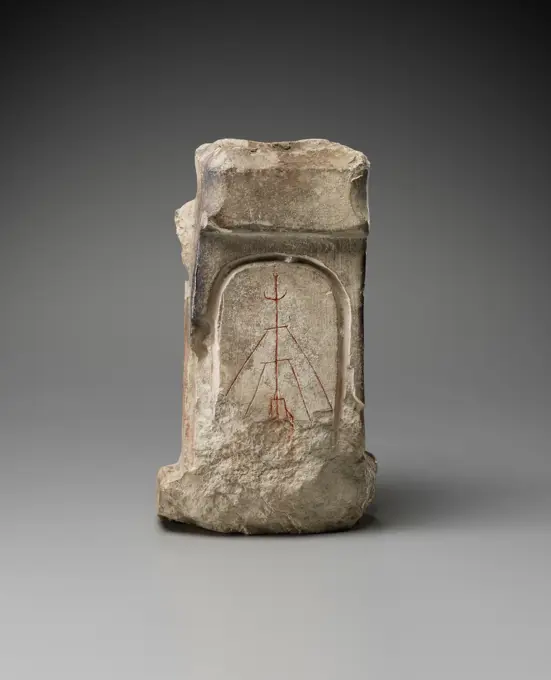
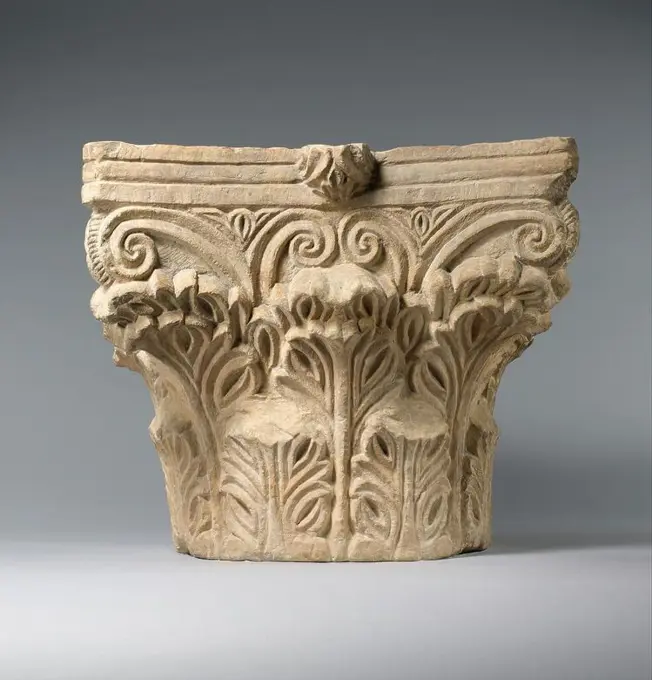
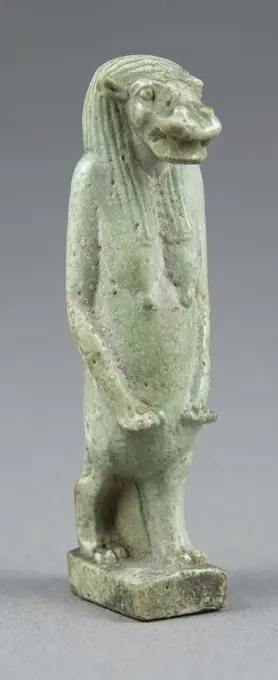
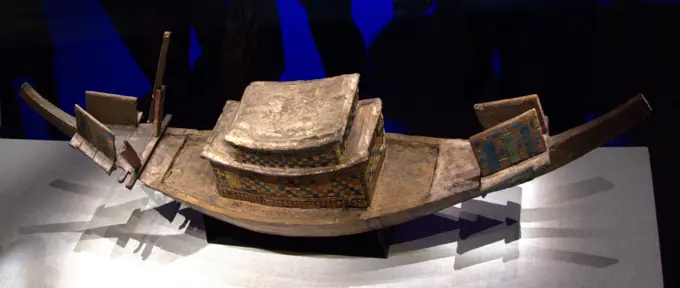
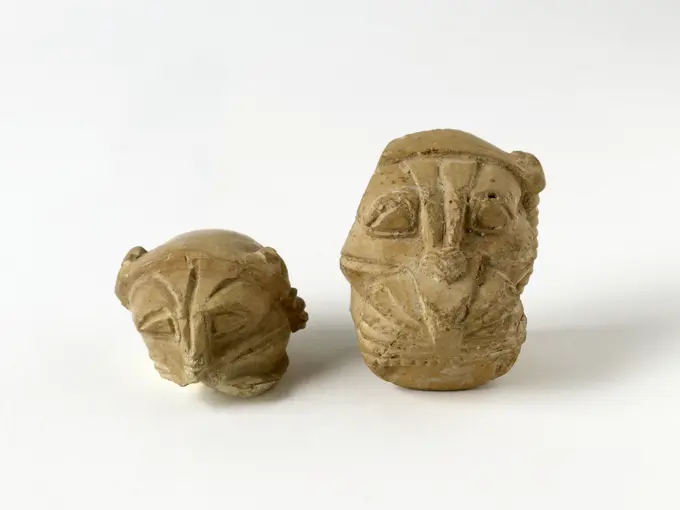
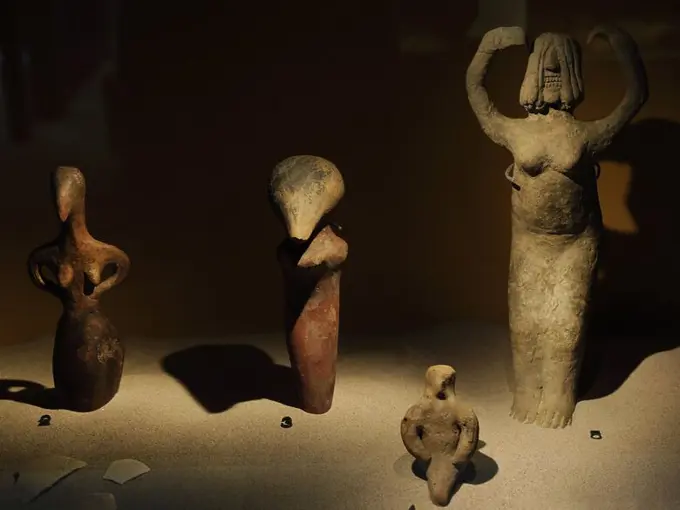
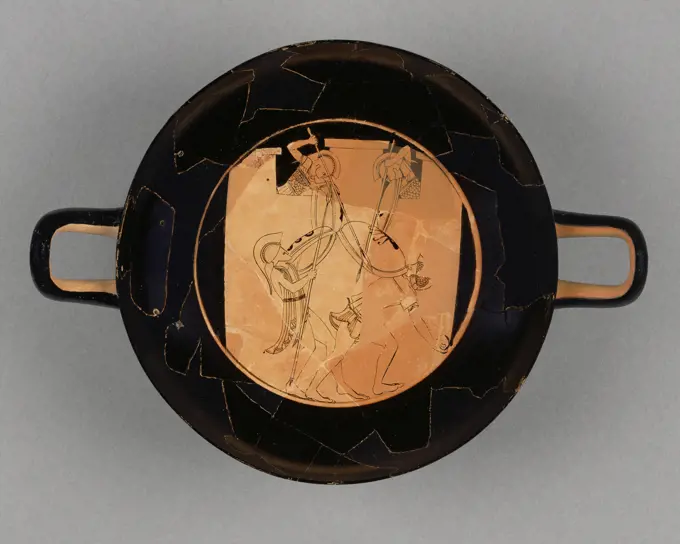
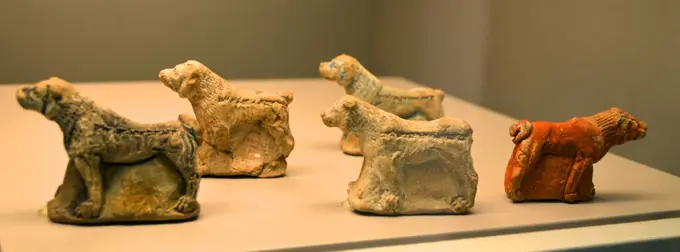
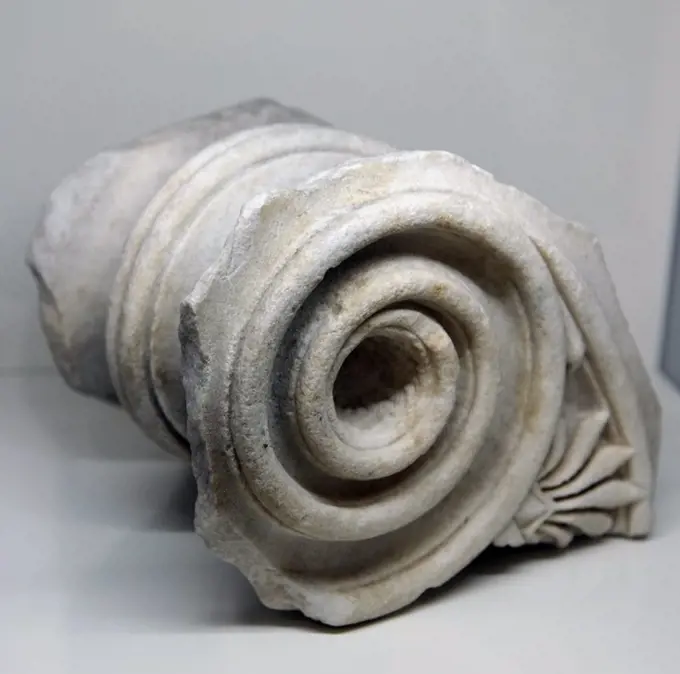
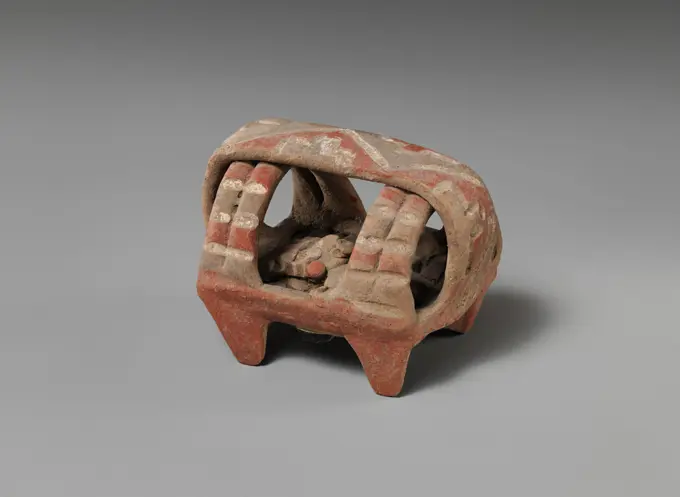
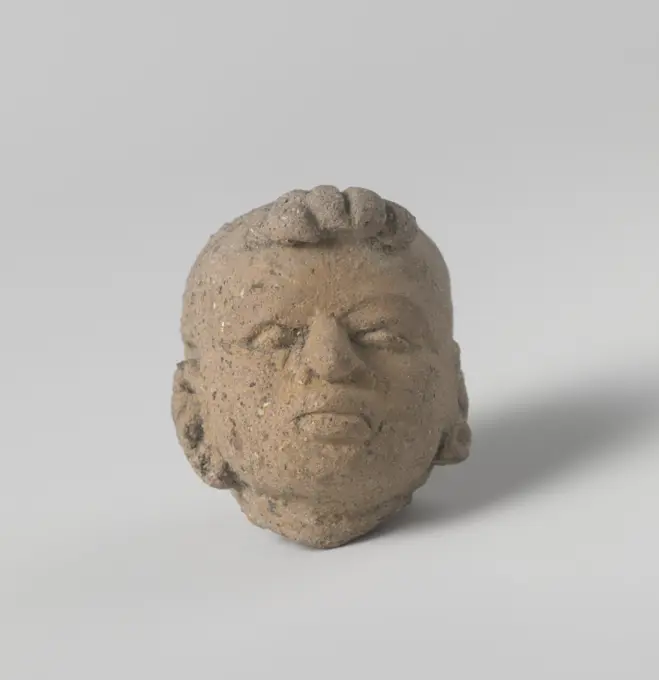
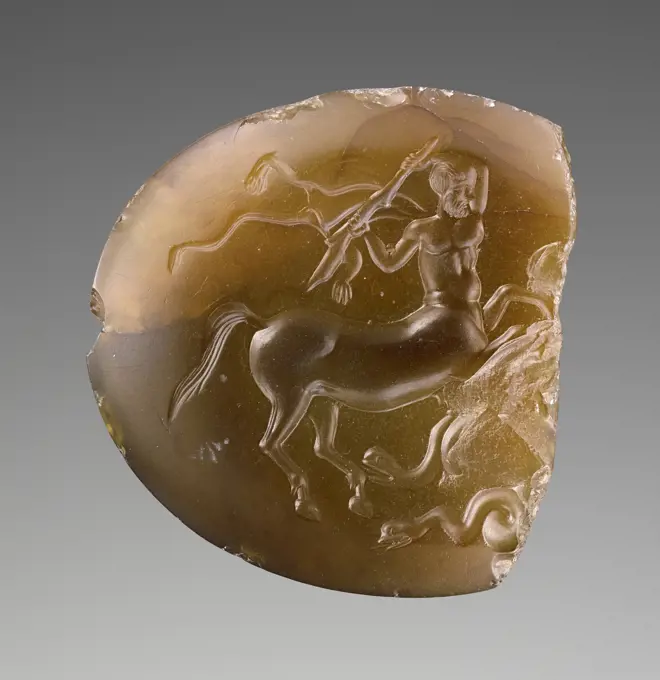
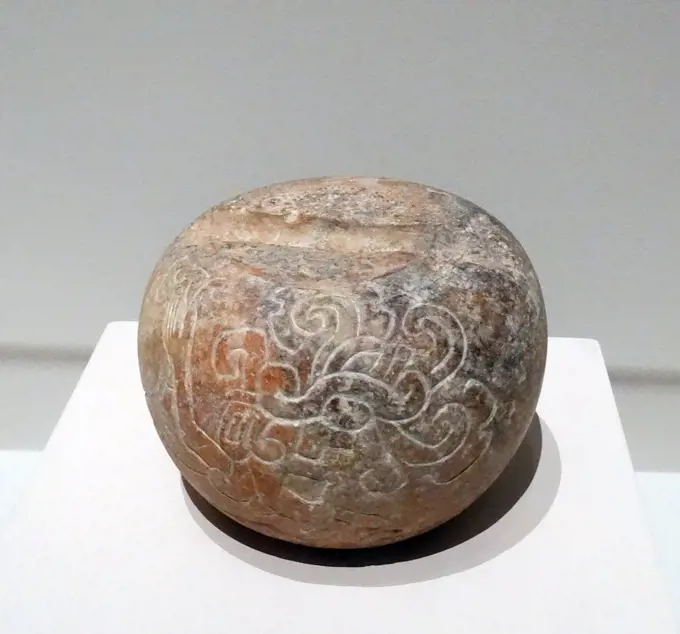
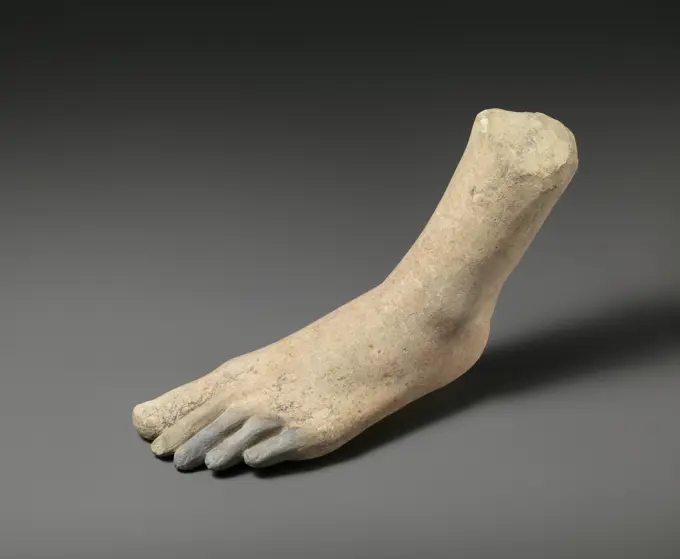
Vase fragment ca. 4000 B.C. Neolithic, Nemea. Vase fragment 253255 Neolithic, Nemea, Vase fragment, ca. 4000 B.C., Terracotta, 2 7/8  3 1/4  5/16 in. (7.3  8.2  0.7 cm). The Metropolitan Museum of Art, New York. Anonymous Gift, 1930 (30.119.50)Limestone saucer lamp 5th century B.C.  Cypriot. Limestone saucer lamp 244025Lion's head terminal ca. 9th century B.C. Iran This powerful snarling lion has a slightly protruding tongue. The animal's muzzle is wrinkled and solid spheres form the eyes. The object is one of a pair (its partner is in Tehran). It is cast solid in the form of a lion's head, with a hollow cylindrical neck with four openings near the base and a solid tang below. When excavated, no other object or material was found near the pair to give a clue to their function, although they may have been placed on an article of furniture, perhaps at the top of the uprights of a chair.. Lion's head terminal. Iran. ca. 9th century B.C.. Bronze. Iron Age II, Hasanlu Period IV. Iran, HasanluA fragment of a peacock figurine - G  664-525 BC ; Half period, 26 dynasty () (-664-00-00--525-00-00);Society for the Encouragement of Fine Arts (Warsaw - 1860-1940) - collection, Tyszkiewicz, Michał (1828-1897), Tyszkiewicz, Michał (1828-1897) - collections, gift (provenance), PavianyFaience flask ca. 1200 B.C. Cypriot Faience was first imported to Cyprus from Egypt in the Late Bronze Age. Faience vases were also made locally in a style that reflected Egyptian, Levantine, and Aegean influence. The shape of this flask is Aegean, and the bull motif is similar to Egyptian representations. Most of the original painted decoration has worn off.. Faience flask 243954Fragment of the stamp -stamp amphora; Agathon II (CA 250-205 BC); 2. PO. III century BC (-251-00-00--200-00-00);Myrmekion, resource amphoras, Hellenistic period, Patronimikum, Prora (iconogr.), Synopual stamps, imprints stamps, stamping vice, Polish excavations, Polish excavations in MyrmekionReptile Pendant, c. 700-1550. Central Panama, (Azuero Peninsula), c. 700-1550. Limestone; overall: 8.7 x 2.5 x 3.1 cm (3 7/16 x 1 x 1 1/4 in.).Oil lamp; Unknown Egyptian workshop; VI-VII century (501-00-00-700-00-00);Decorations imprinted in form, relief decorations, lighting, message (provenance), Polish excavations in Tell ATRIB (Egypt)pottery vessel from Palestine, Jericho 3200-3000BC. Found in a tombTerracotta ring-vase 1900-1600 B.C. Cypriot Fantastic base with tubular spout, handle, string-holes, and two feet.. Terracotta ring-vase. Cypriot. 1900-1600 B.C.. Terracotta; White painted ware. Middle Cypriot. VasesFragment of a Bowl 14th-15th century. Fragment of a Bowl 446372Camel and Rider mid-to-late 6th century China. Camel and Rider. China. mid-to-late 6th century. Earthenware with pigment. Northern Wei (386-534)-Northern Qi (550-577) dynasty. Tomb PotteryCapital 14th century French. Capital. French. 14th century. Stone. Sculpture-ArchitecturalPotter's stamp. Culture: Roman. Dimensions: length 6.86 cm..Pan and nymph. Museum: Metropolitan Museum of Art, New York, USA.Handle ca. 7th century B.C. Iran This ceramic sherd with a loop handle was probably originally part of a jar. It was excavated at Tepe Nush-i Jan, an Iron Age hilltop site about 60 km sound of Hamadan in western Iran. Nush-i Jan was occupied in the 7th and 6th centuries B.C., and its occupants are generally thought to be the Medes, an Iranian people known from Assyrian, Achaemenid and Biblical sources. Though the textual sources portray them as a powerful empire, archaeological evidence for the Medes has yet to sustain this impression. Rather, they seem to have lived in scattered fortified sites in western and central Iran, without any clear capital. Nush-i Jan, one of the best known of these sites, features two temples, a columned hall, and a fort. This handle was found near the Central Temple, a tower-like building located in the middle of the site. The precise context of the find is unclear, so it is impossible to say whether this vessel served a ritual or a practical purpose, or boBronze handle of a hydria (water jar) 4th century B.C. Greek Horizontal handle from a hydria.. Bronze handle of a hydria (water jar) 255677Lamp 2nd-6th century. Lamp 444795Deep Vessel Japan Cord-marked pottery is the characteristic ware of the earliest inhabitants of Japan. These Neolithic people, known as the Jmon (cord-marking) culture, existed on the abundant fishing and hunting on the Japanese islands from at least the fifth millennium B.C., surviving in some areas until the third century A.D. During this period handmade utilitarian wares were treated with inventive, often extravagant artistry, and regional separations between groups resulted in a wide range of types and styles. This earthenware food vessel, which came from the Aomori Prefecture in northeastern Japan, is remarkable for the fine quality of its clay and its sophisticated decoration. The cord-marked herringbone pattern was reproduced by cords knotted together and twisted in opposite directions.. Deep Vessel. Japan. Earthenware with cord-marked decoration and sculptural rim. Middle Jmon period (ca. 3500-2500 B.C.). CeramicsTerracotta model of a ship. Culture: Cypriot. Dimensions: H. 7 in. (17.8 cm). Date: ca. 600-480 B.C..The model depicts, in considerable detail, the features of a contemporary vessel. It includes the helmsman sitting in the bow. All of the preserved ship models come from Amathus, indicating the importance of the site as a maritime center. Museum: Metropolitan Museum of Art, New York, USA.Double Spout Bridge Vessel with Molded Animals Emerging from Sides. Nievería; Central coast, Peru. Date: 500 AD-800 AD. Dimensions: 15.9 x 16.5 cm (6 1/4 x 6 1/2 in.). Ceramic and pigment. Origin: Nievería. Museum: The Chicago Art Institute, Chicago, USA.Knife handle. Gallo-Roman. Bone. Paris, Carnavalet museum. The handle was sculpted in the shape of a dolphin The animal is represented plunging into the waves, with a trident tail and a dorsal fin. The waves are suggested by an element in cedilla. Gallo-Roman, Gallo-Roman time, knife handle, bone, fish, archeological vestigeDragon. Japan, 19th century. Costumes; Accessories. Bamboo; sashi typeOil lamp. unknown, craftsmanKey Handle 1st-7th century Roman. Key Handle. Roman. 1st-7th century. Copper alloy. Metalwork-Copper alloyFaience aryballos (perfume vase) in the form of two heads. Culture: East Greek. Dimensions: H. 2 1/8 in. (5.4 cm). Date: 4th quarter of the 6th century B.C..This perfume vase formed of two heads with Egyptianizing wiglike hair was probably made at Naukratis, a Greek trading station in the Nile Delta. Museum: Metropolitan Museum of Art, New York, USA.Vessel in the Shape of anEagle.  Artist: UnknownLamp in the Form of a Mask probably 1st century B.C.-1st century A.D.. Lamp in the Form of a Mask 444788VASIJA. Location: ARCHAEOLOGICAL MUSEUM. LAS PALMAS. GRAN CANARIA. SPAIN.Large Bell ca. 300 B.C.-A.D. 200 Thailand (Ban Chiang). Large Bell. Thailand (Ban Chiang). ca. 300 B.C.-A.D. 200. Bronze. Late period. Metalworkzoomorphe Figur zoomorphe Figur Copyright: xZoonar.com/TOLOxBALAGUERx 22682430COMEDERO PARA GALLINAS - SIGLO XX - ARTE POPULAR. Location: ALFARERIA. Castellón. SPAIN.Lamp 5th-6th century. Lamp 448010Bell. Western Iran, circa 1000-650 B.C.. Tools and Equipment; musical instruments. Bronze, castVase fragment ca. 4000-3000 B.C. Neolithic, Thessaly. Vase fragment. Neolithic, Thessaly. ca. 4000-3000 B.C.. Terracotta. Neolithic, second period. VasesFilterTerracotta askos (flask with a spout and handle over the top) in the form of a duck 4th century B.C. Greek, Attic White painted duck with black spout below beak; black handle above back and black mouth at base of tail.. Terracotta askos (flask with a spout and handle over the top) in the form of a duck 247429North African red-ware lamp, 4th-6th century A.D. Found during the excavation of a drainage ditch in the urban area of It-Tokk (Victoria). The site was inhabited since the Early Bronze Age, although its major occupation took place during the Roman period. Gozo Museum of Archaeology. Cittadella de Victoria. Gozo, Malta.Covered Wine Vessel (Jiao). Culture: China. Dimensions: H. incl. knob 9 1/8 in. (23.2 cm); W. at handle 3 3/4 in. (9.5 cm); L. 6 5/8 in. (16.8 cm). Date: 13th-11th century BC. Museum: Metropolitan Museum of Art, New York, USA.Column base. Granite. From the Roman Villa of Noville, Mugardos (La Corua province, Galicia, Spain). Inhabited during the 3rd and 4th centuries AD. Archaeological and History Museum (San Anton Castle). A Corua, Galicia, Spain.Animal-shaped zoomorphic jug, Early Iron-Age (Dark Age) Early Geometric period. 900 BC. Crete, Greece.Pipe Bowl, c. 1900, attributed to No Two Horns, Hunkpapa Lakȟóta, 1852 - 1942, 3 13/16 x 3 1/2 x 1 1/2 in. (9.7 x 8.9 x 3.8 cm), Stone, United States, 19th-20th century, This pipe bowl was made for the market. No Two Horns lived during an important time in Plains Indian history and participated in important events.Statuette of a Biga with Driver. UnknownTop of a flagpoleFragments Pipe chops from the wreck of the East India Hollandia.Pipe, Bowl, Healmar: Crowned 82; Fragm, no HSM.Weight in shape of frog ca. 2000-1600 B.C. Babylonian Zoomorphic weights were widespread in the ancient world. Weights in the shape of frogs and toads were rare in the Near East, but they do occur in Egypt. This frog weight is dated to the second millennium B.C. on the basis of the four line Akkadian inscription under its throat: "a frog weighing 10 minas, a legitimate weight of the god Shamash, belonging to Iddin-Nergal, son of Arkat-ili-damqa." The mina was the Mesopotamian unit of measure, weighing about 500 grams (18 ounces). The weight system was based on the talent or the average load that could be carried by a man or animal (about 30 kilograms). According to the Sumerian sexagesimal system, the talent was divided into 60 minas, and a mina was divided into 60 shekels.. Weight in shape of frog. Babylonian. ca. 2000-1600 B.C.. Diorite or andesite. Old Babylonian. MesopotamiaBeads probably 8th-10th century. Beads. probably 8th-10th century. Glass; stained and luster-painted. Excavated in Iran, Nishapur. GlassFunerary Cone of the Overseer of Sculptors Su ca. 1550-1295 B.C. New Kingdom. Funerary Cone of the Overseer of Sculptors Su. ca. 1550-1295 B.C.. Pottery. New Kingdom. From Egypt, Upper Egypt, Thebes, Khokha, near the tomb of Nebamun and Ipuky (TT 181), MMA excavations, 1910. Dynasty 18Fist Ornament. Culture: Moche (Loma Negra). Dimensions: H. 5 1/8 x W. 3 5/8 in. (13 x 9.2 cm). Date: 390-450. Museum: Metropolitan Museum of Art, New York, USA.AnthropomorphicBowlScarab, 1900-1914. Egypt, Modern forgery. Steatite; overall: 1.7 cm (11/16 in.).Rython in shape of animal, c. 1500 BCE, Unknown Persian, 6 3/4 in. (17.15 cm), Terracotta, Iran, 16th-15th century BCEStirrup Vessel in the Form of Multi-Headed Feline Being. Moche; Chimbote, Santa Valley, north coast, Peru. Date: 250 AD-500 AD. Dimensions: H. 27.3 cm (10 3/4 in.). Ceramic and pigment. Origin: Santa Valley. Museum: The Chicago Art Institute, Chicago, USA. Author: Moche.Capital. Culture: Spanish. Dimensions: Overall: 10 x 8 in. (25.4 x 20.3 cm). Date: 15th century. Museum: Metropolitan Museum of Art, New York, USA.Scarab, 1648-1540 BC. Egypt, El-Haraga, Wadi I, no number, Second Intermediate Period. Turquoise-glazed steatite; overall: 1 cm (3/8 in.).Italy, Civita Castellana, Falerii Veteres, Falisci tribe, Jar with lidTerracotta votive offerings. From an Etruscan or Etrusco-Campanian selection once featured in Henry Welcome's museum. 4th-2nd Century BC.Relief fragment from elaborate doorway - see 26.3.353-5 ca. 2051-2030 B.C. Middle Kingdom. Relief fragment from elaborate doorway - see 26.3.353-5. ca. 2051-2030 B.C.. Limestone, paint. Middle Kingdom. From Egypt, Upper Egypt, Thebes, Deir el-Bahri, Tomb of Neferu (TT 319, MMA 31), MMA excavations, 1930-31. Dynasty 11Restos de esculturas griegas. Empuries.Negro Group Workshop. Rhyton. African attacked by a crocodile. Red figures. Taranto (Italy), around 320 BC. AD Museum of Fine Arts of the City of Paris, Petit Palais. 58800-12 African, antiquity, antiquity Greeco-Roman, ancient art, attack, attack, drink, ceramic, ancient civilization, red figure, large Greece, man, 4th, 4th 4th 4th 4th century AV.J-.c., Libations, ancient periode , Pottery, rhyton, ritual, terracotta, drinking vase, ancient vase, animal, crocodileJug in the form of a recumbent bull ca. 7th-6th century B.C. Iran This jug takes the shape of a recumbent bull with a long neck. The bulls body is roughly cylindrical. It sits on two folds of clay that seemingly represent the bulls folded legs, although the front fold is bent in the wrong direction. A thick spout also serves as the bulls tail. The bulls neck is slender and curls back so that its head faces to the left. The bull has a round snout, bulging eyes, and horns that curve toward one another. The jug is made of red clay.This jug was excavated at Chekka Sabz (also spelled Chigha Sabz, meaning ‘green mound) in the Pish-i Kuh (‘before the mountain) region of Luristan in western Iran. It was found in a buried cache of objects which included two Neo-Elamite cylinder seals, two vessels in the form of human figures, and at least three other bull-shaped vessels. The seals date to the 8th-6th centuries B.C., and the pottery found with them, including this vessel, likely date to thScarab, 1900-1914. Egypt, Modern forgery. Steatite; overall: 1.9 cm (3/4 in.).Ring; second half of 6th century B.C; Silver and tin; 2.7 cm, 0.016 kg (1 1,16 in., 0.0353 lb.);bracelets and figure bracelets and figure, 16th-17th century, Renaissance, Archeological Museum. Úbeda, Jaén province, Andalusia, Spain Copyright: xZoonar.com/BartomeuxBalaguerxRotgerx 21702873Pottery Whistle ca. 800-1500 Costa Rican. Pottery Whistle. Costa Rican. ca. 800-1500. Clay. Pre-Columbian. Central Region, Costa Rica. Aerophone-Whistle Flute-whistleCANDIL DE BRONCE-PROC OSUNA-07X15 CM-S X. Location: MUSEO ARQUEOLOGICO-COLECCION. Sevilla. Seville. SPAIN.Wooden canoe prow Sepik tribe; Papua New Guinea; 20th centuryStożek pogrzebowy Tuy. unknown, authorIslamic-era lamps, Evora Museum, Evora, Alentejo, Portugal, Europe.Altar forincenseHorus falcon on papyrus stem 664-30 B.C. Late Period-Ptolemaic Period. Horus falcon on papyrus stem. 664-30 B.C.. Cupreous metal. Late Period-Ptolemaic Period. From EgyptCapital. Dimensions: H. 18 7/8 in. (47.9 cm)W. D. Wt. 406 lbs. (184.2 kg). Date: ca. 6th century.The monastic community of Bawit, founded in the 300s by Apa (Father) Apollo at a small village, grew to consist of numerous complexes with residences, chapels, and service structures and two large churches profusely decorated with sculptures and paintings, often reused from other sites, all affiliated with the Coptic church. The more important buildings were decorated with courses of sculpted stone freely combining floral and geometric motifs inspired by classical art - rosettes, acanthus leaves, meander patterns - with more recent Christian themes. These sculptural elements, demonstrating the Byzantine love of complex patterning with lush textures, were originally painted in rich, vibrant colors like those surviving in textiles. Museum: Metropolitan Museum of Art, New York, USA.Stone Animal Pendant 9th-15th century Costa Rica. Stone Animal Pendant 315813Terracotta double vase from the Chancay culture, pre-Columbian archaeological civilization which developed between the valleys of Fortaleza, Pativilca, Supe, Huaura, Chancay, Chillón, Rimac and Lurin, on the central coast of Peru. Dated 12th CenturyAmulet of the Goddess Tawaret (Toeris). Egyptian. Date: 1070 BC-656 BC. Dimensions: 6.5 × 2 × 2 cm (2 1/2 × 3/4 × 3/4 in.). Faience. Origin: Egypt. Museum: The Chicago Art Institute, Chicago, USA. Author: Ancient Egyptian.Painted wooden model Solar Boat with throne; from the tomb of King Tutankhamen 1336 - 1326 B.C.Lion head fragment in the round. Iran, ziwiyé. End of the 7th century BC. Paris, Cernuschi museum. 35408-1_1 Fragment, lion, round bump, terracotta, head, animalFigurines depicting women, sometimes with animal heads, placed in tombs or as a votive offerings in temples to facilitate the resurrection after death. Egypt. Museum of Mediterranean and Near Eastern Antiquities. Stockholm. Sweden.small canteen with painted decoration small canteen with painted decoration, XIII AD, Bollullos Par del Condado, islamic period, Huelva Museum, Huelva, Andalusia, Spain Copyright: xZoonar.com/BartomeuxBalaguerxRotgerx 21720712Wine Cup with a Battle at City Walls; Apollodoros (Greek (Attic), active about 500 B.C.); Athens, Greece; about 500 B.C; Terracotta; 7.7 × 18.8 cm (3 1,16 × 7 3,8 in.)Capital. Culture: Catalan. Dimensions: Overall: 15 1/2 x 15 1/2 x 15 1/2 in. (39.4 x 39.4 x 39.4 cm). Date: ca. 1130-40. Museum: Metropolitan Museum of Art, New York, USA.Gingqi Por ". Pierre. Paris, museum beerums. 123715-1 Asian art, Chinese art, art of extreme-East, custom, belief, cult, figurine, funeral figurine, mingqi, funeral object, pork, funeral rite, statuette, animalMayan figurine depicting two men sitting on a bench. 600-900AD, from the Gulf of MexicoVarious Clay Dogs 645 B.C. Certain rituals required groups of ten clay dogs with their names to be inscribed on them.Gold and pearl earring in form of horse 1st century AD from Kurgan 32 Gorievka Trostjanec Sarmatian. Museum: Ethno Museum, Vinnitsa, UKRAINE.Báculo del abad Clasqueri, madera policromada, siglo XIII, procedente del Monasterio de Sant Cugat del Vallès. Museum: Museu Diocesà, Barcelona.Rainforest Shield Northeastern Queensland mid- to late 19th century Aboriginal artists formerly devoted much of their energies to the creation and adornment of weapons, such as shields, boomerangs, spear throwers, and clubs. Many served equally in warfare and in hunting game such as kangaroos or emus. Shields, however, were used almost exclusively in combat, although some ceremonial forms served as dance accessories. Fighting shields occur in two basic types, each designed for a specific purpose. The first comprised relatively flat, broad shields used to protect the bearer from projectile weapons, such as spears, throwing clubs, and boomerangs thrown by the enemy. The second type was a narrower, more compact parrying shield, used to ward off blows from fighting clubs and other hand-held weapons during close combat. The designs of Aboriginal weapons are typically geometric, although figurative images appear on some examples. Some designs may have been purely decorative. However, many liGreek art. Asia Minor. Fragment of volute. City of Pergamon. Located between the temple of Dionysus, on the terrace of the theater. Hellenistic style. 2nd-3rd century AD. The Antikensammlung Berlin (Berlin antiquities collection).Bed Figure 3rd century B.C.-A.D. 4th century Michoacan This figure features a modelled human figure complete with appliqued facial features, coiffure, and ear spools lying stretched out on a flat surface supported on four legs at the corners, hence the name bed figures. The figure appears to be strapped to the bed with a wide decorated band across the midsection. Across the top and bottom ends of the bed are arches, and an additional cover stretching over the top and bottom arches. The bed has modelled and incised decoration and remains of red and white pigment.. Bed Figure. Michoacan. 3rd century B.C.-A.D. 4th century. Ceramic. Mexico, Mesoamerica. Ceramics-SculptureSculpture representative boys head, anonymous, 1300 - 1500 Fragment of a sculpture representative boy's head. Java terracotta (clay material) Fragment of a sculpture representative boy's head. Java terracotta (clay material)Statuette of a cult attendant with a jar 664-30 B.C. Late Period-Ptolemaic Period. Statuette of a cult attendant with a jar. 664-30 B.C.. Bronze or cupreous alloy. Late Period-Ptolemaic Period. From EgyptEngraved Scaraboid; first quarter of 4th century B.C; Brown chalcedony; 4.2 × 3.8 × 1.3 cm (1 5,8 × 1 1,2 × 1,2 in.)SOMBRERO DE CUERO PROCEDENTE DE ARGENTINA - 1750-1800. Location: MUSEO DE AMERICA-COLECCION. MADRID. SPAIN.Ceramic Monkey Head Vessel. Culture: Mexican. Dimensions: H. 8 7/16 x W. 7 1/2 x D. 5 1/4 in. (21.5 x 19.1 x 13.3 cm). Date: 14th-15th century. Museum: Metropolitan Museum of Art, New York, USA.A model of a sphinx from ancient EgyptLimestone ball game Marker's Sphere from Tabasco, Mexico. Dated 250-900 AD.Figure: Bird 13th-14th century Middle Niger civilization. Figure: Bird. Middle Niger civilization. 13th-14th century. Terracotta. Mali, Inland Niger Delta. Ceramics-SculptureLimestone lower left leg 4th or 3rd century B.C.  Cypriot Representations of parts of the body in stone were an established type of dedication in the Greek world from the fourth century B.C. on. Their purpose was to solicit divine help for a cure or to give thanks for a successful cure. Anatomical votive objects are well-known from Cyprus, and further examples are on display nearby in the case devoted to ancient medicine. While this lower left leg and foot could conceivably have belonged to a statue of another material with limbs of stone, it is more likely to have been an offering.. Limestone lower left leg 244059CAPITEL ROMANICO DE SAHAGUN. Location: ARCHAEOLOGICAL MUSEUM. LEON. SPANIEN.calavera de una de las once mil vírgenes, siglo XIII, Sala de reliquias, Monasterio de Santa María de San Salvador de Cañas, Cañas, La Rioja, Spain.Double Column 13th century French. Double Column 471147