Ancient Oil Lamps

Artifacts depicting various ancient oil lamps, showcasing intricate designs and historical significance, often with rustic textures and muted colors.
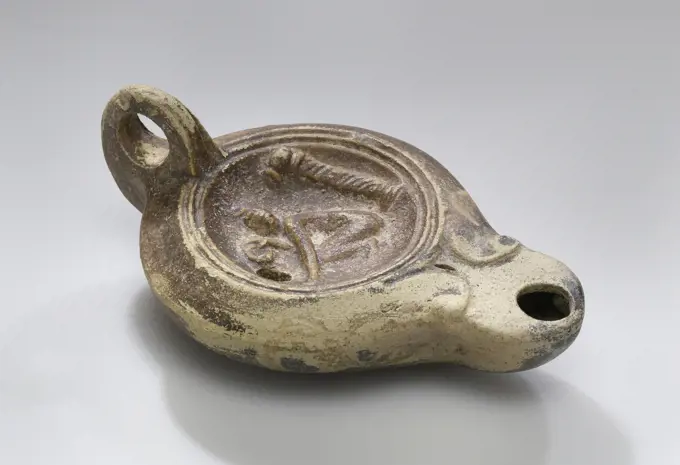
Lamp; North Africa, Tunisia; 1st century; Terracotta; 10.5 x 4 x 6.6 cm (4 1,8 x 1 9,16 x 2 5,8 in.)
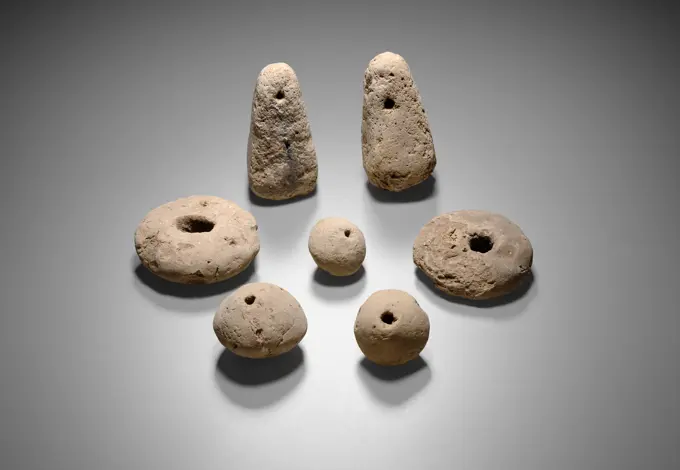
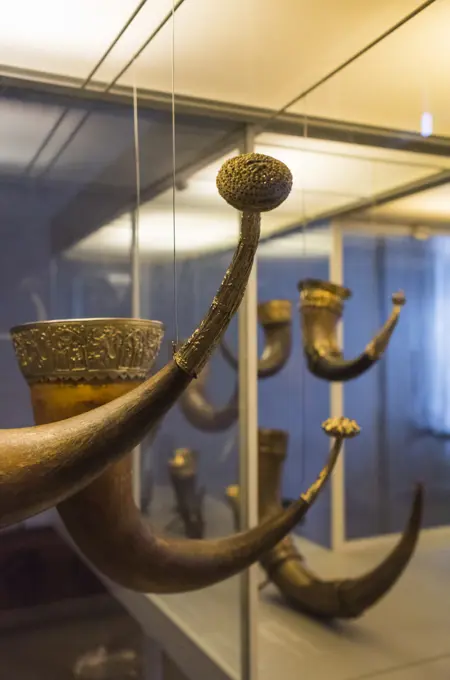
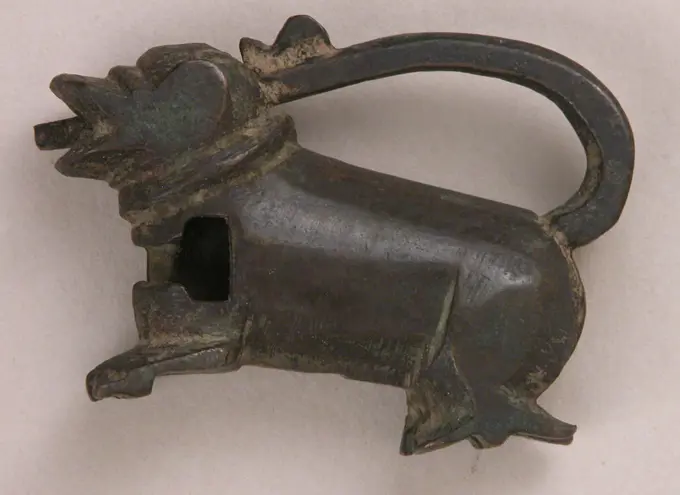
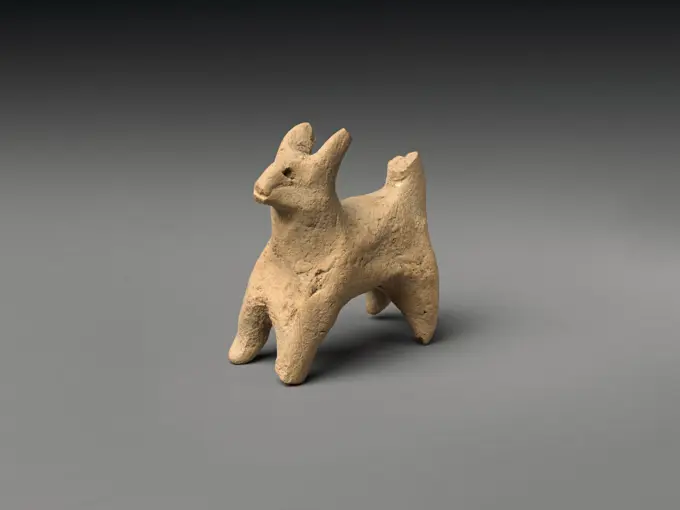
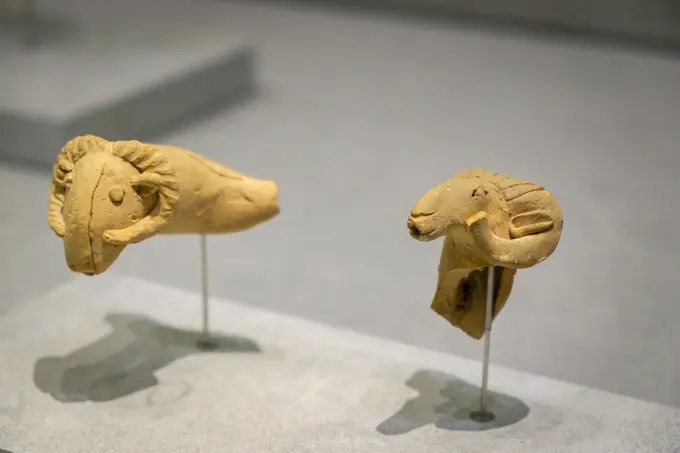
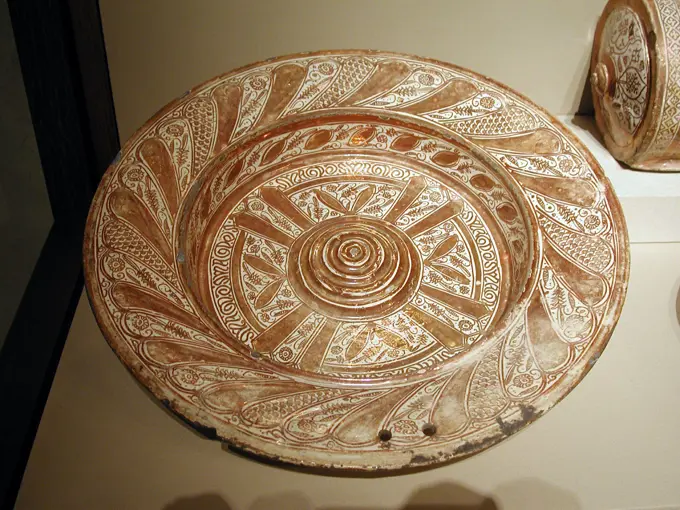
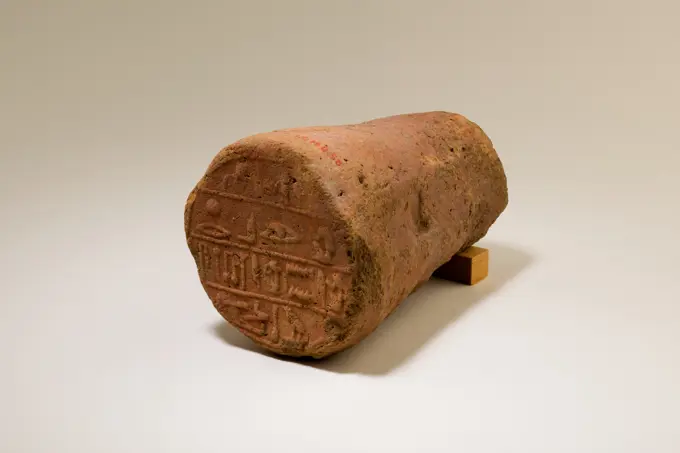
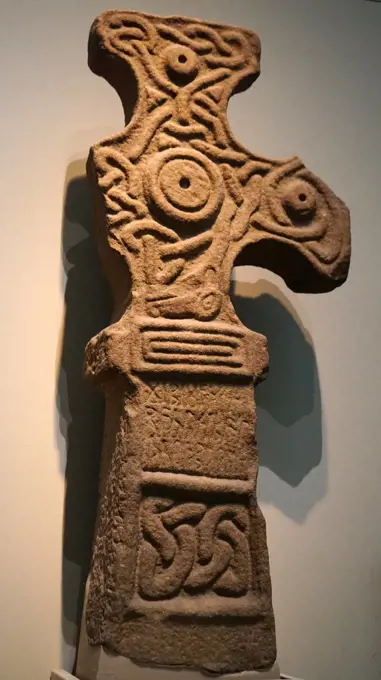
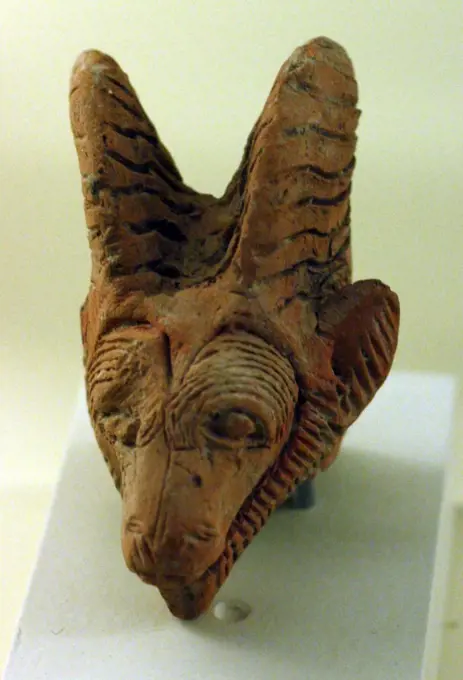
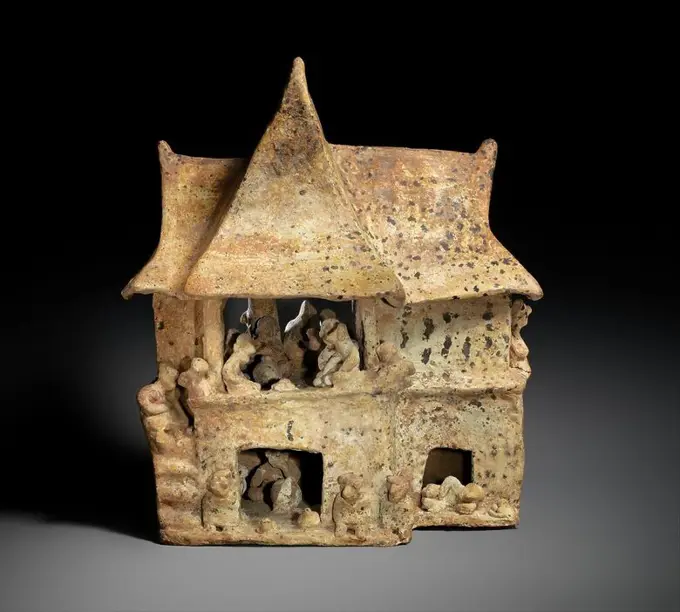
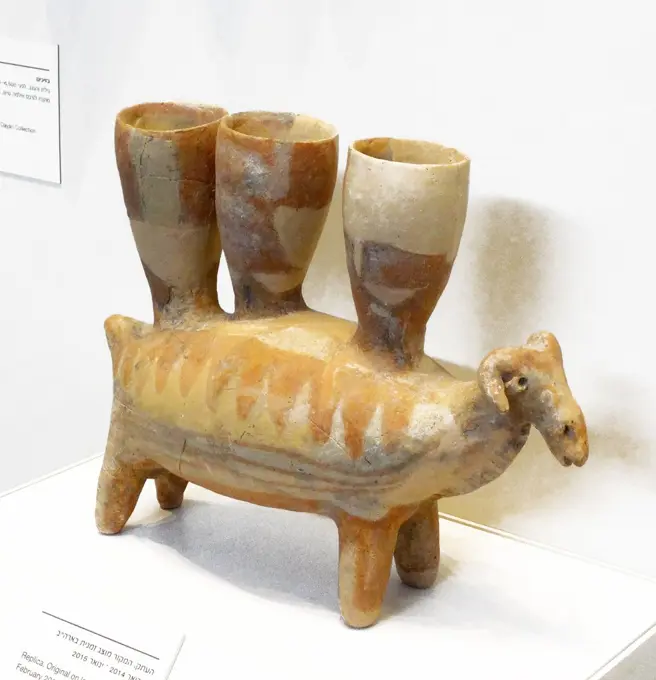
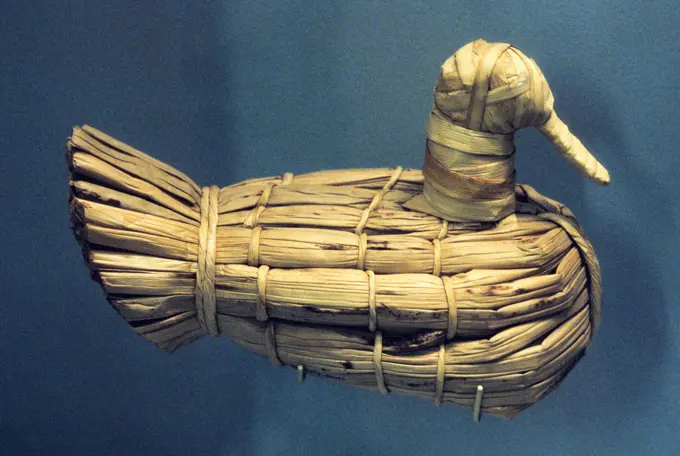
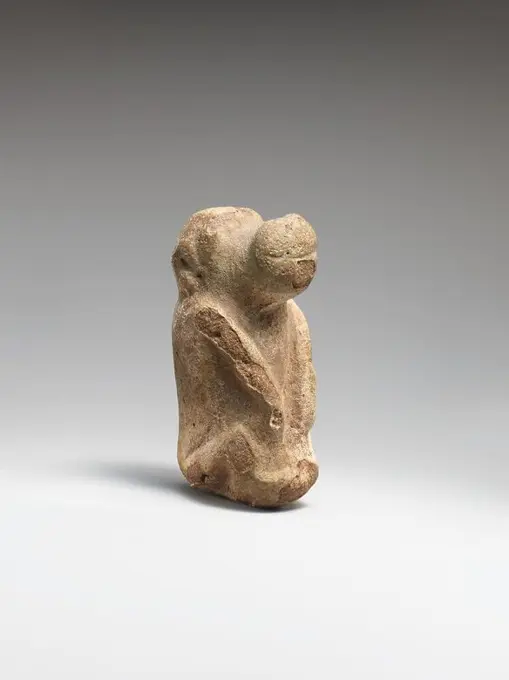
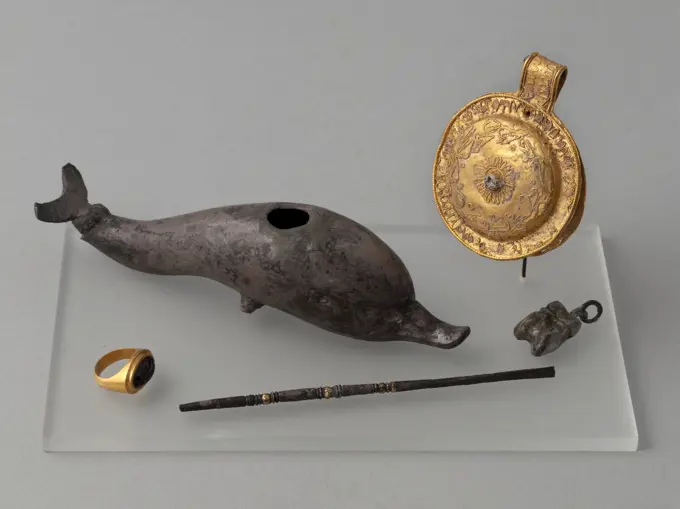
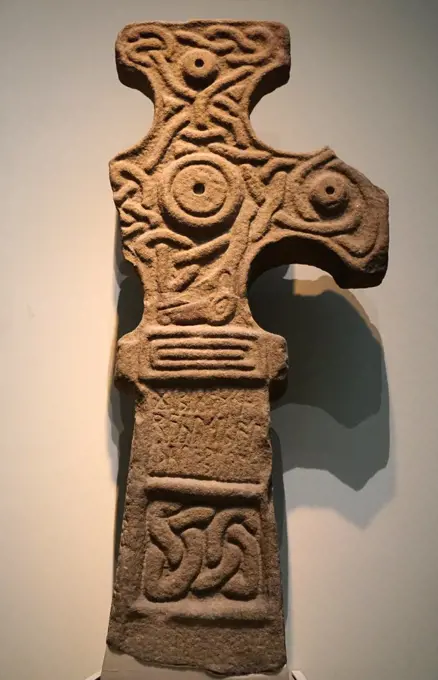
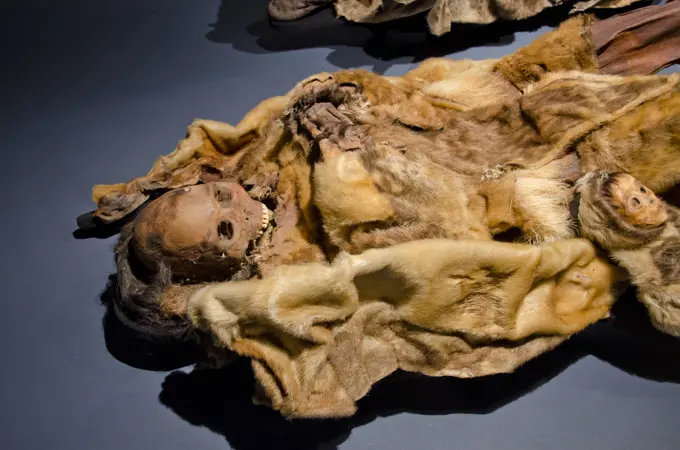
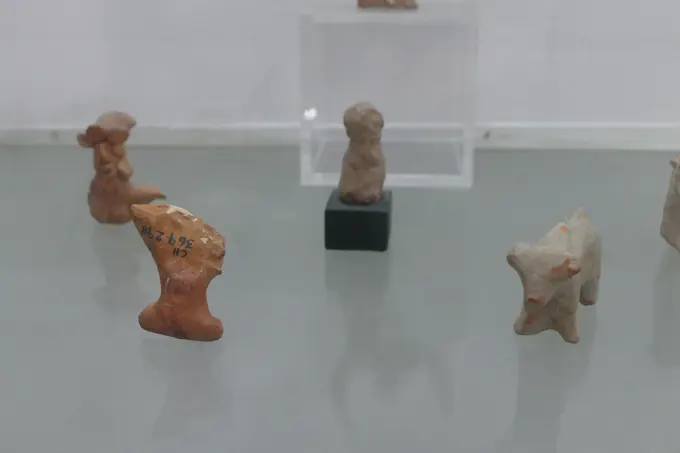
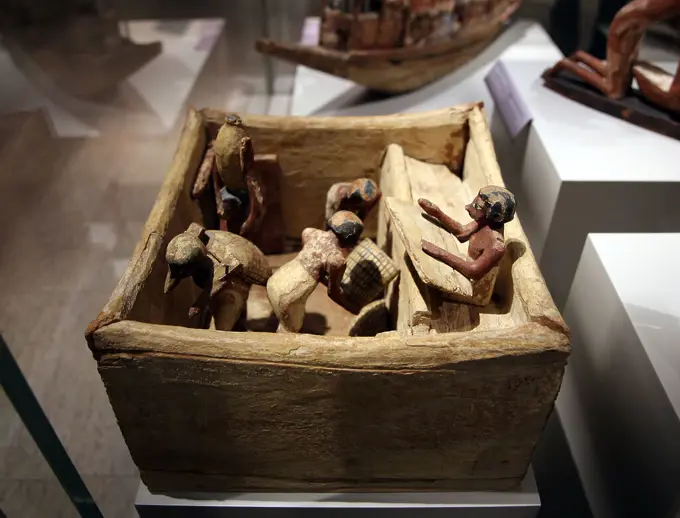
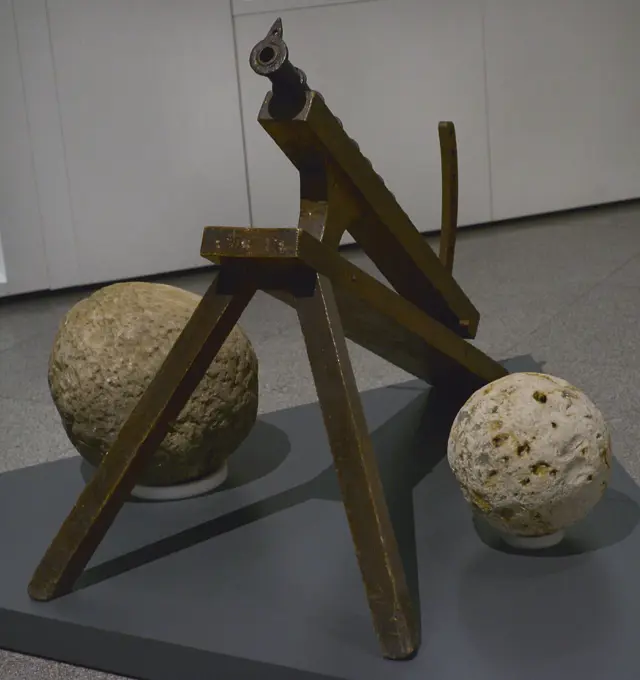
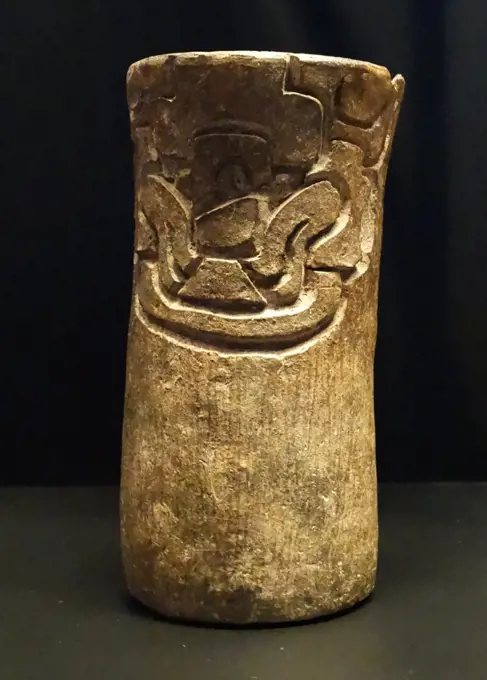
Zapotec terracotta vase with a glyph embossed, from Oaxaca, Mexico. 250-600 ADSeven loomweightsDenmark, Zealand, Copenhagen, National Museum, Danish drinking horns, c. 1400Padlock probably 11th century. Padlock. probably 11th century. Bronze. Attributed to Iraq. MetalFigurine 4th-1st Millennium BC. Figurine. 4th-1st Millennium BC. Ceramic. Mesopotamia, NippurRam s head Ram s head, Kernoi ritual vessel, 500-450 BC, Archaeological Museum of Ibiza and Formentera, Ibiza, Spain Copyright: xZoonar.com/Tolox 23005358clay spiral, Chalcolithic, fifth millennium BC, Bulgarian National Archaeological Museum, Sofia, Republic of Bulgaria, Europe.Europe, Italy, Sardinia Porto Torres - Turris Libisonis Archaeological Park, National Archaeological Museum Antiquarium TurritanoFragments of a Palm Column Old Kingdom ca. 2353-2323 B.C. Two fragments from a column with a palm-leaf capital. The upper fragment includes much of the capital, with ribbed palm leaves supporting a square abacus. The lower section preserves a portion of the shaft, on which is carved a loop representing part of a rope that lay beneath a series of rope rings. These rings were not preserved, but have been reconstructed based on other examples. View more. Fragments of a Palm Column. ca. 2353-2323 B.C.. Granite. Old Kingdom. From Egypt; Possibly from Memphite Region, Saqqara. Dynasty 5Element architektoniczny w kształcie ręki. warsztat nubijski, workshopclose-up of sand dollar, a sea urchinMiniature Theatrical MaskSculpture representing boy head. Sculpture representing boy head.Deep dish second quarter 16th century Spanish, Valencia This dish, with its diagonally gadrooned border, is fashioned after a common metal form. As are many seventeenth-century pieces, it is decorated with a mostly illegible psuedo-Latin inscription.. Deep dish 187879 Spanish, Valencia, Deep dish, second quarter 16th century, Tin-glazed and luster-painted earthenware, H. 2 7/8 in. (7.3 cm), Diam. 15 7/8 in. (40.3 cm). The Metropolitan Museum of Art, New York. Gift of Henry G. Marquand, 1894 (94.4.379)Funerary Cone of the Overseer of Scribes Ineni ca. 1550-1295 B.C. New Kingdom. Funerary Cone of the Overseer of Scribes Ineni 559223Fragmented Anglo-Saxon stone cross head, from the top of a free-standing cross. Dated 8th Century ADBabylonian small sculpture, late 3rd to 1st millennium BCHouse Model. Culture: Nayarit. Dimensions: H. 12 × W. 10 × D. 6 3/4 in. (30.5 × 25.4 × 17.1 cm). Date: 100 B.C.-A.D. 200.This model of a two-story Nayarit house depicts a large and complex feasting scene. It shows twenty-six figures engaged in a feast, complete with miniature representations of food and drink, and three birds. The house has two intersecting peaked roofs sheltering both a portico and an enclosed room. Remnants of a diamond pattern painted in black and white on a red slip are visible on the tops of the roofs, representing thatched roofs that would have been plastered and painted. People and animals fill nearly every available space on both levels, including the steps that connect them.On the upper level, sixteen figures include at least six females, as indicated by their skirts, each paired with a male; four of the pairs sit with their arms wrapped around each other. One couple, probably the central figures in the gathering, rest against the wall, his arm lying familiaIchtyomorphic bottle. 1st century AD glass part of the treasure of Bagram, AfghanistanVessel in the shape of a ram carrying cornets. From Gilgat, Negev, over 6,500-5,500 years ago, made from pottery.candil, 25 - 75 despues de Cristo, Museo arqueológico de Ibiza y Formentera, Patrimonio de la Humanidad «Ibiza, biodiversidad y cultura», Ibiza, balearic islands, Spain.Plains Indian hunters made duck decoys from willows, reeds and cattailsJuvenile Baboon. Dimensions: H. 7.6 x W. 3.2 x D. 4.1 cm (3 x 1 1/4 x 1 5/8 in.). Date: ca. 3100-2649 B.C.. Museum: Metropolitan Museum of Art, New York, USA.Scholar's rock 19th century China. Scholar's rock. China. 19th century. Limestone; wooden stand. Qing dynasty (1644-1911). SculptureFuneral furniture: plastic vase in the shape of a dolphin; ossicle; ring; Box pendant. Silver metal; gold and garnet; gold. Héllenistic period, around 200 BC. AD Museum of Fine Arts of the City of Paris, Petit Palais. 59721-11 Antiquity Greco-Romaine, silver, ancient art, funeral bagciérite, belief, dolphin, hellenistic time, iiieme IIIe III 3e 3e 3rd century AV.J-C., Precious metal, funerary furniture, gold, bone, pendant, semi-pronouous stone, vase Ancient, animalFragmented Anglo-Saxon stone cross head, from the top of a free-standing cross. Dated 8th Century ADBronze water spouts in the form of lion masks ca. 100 B.C.-A.D. 100 Greek or Roman Impressive water spouts such as this must have adorned a monumental public fountain-house (nymphaeum), probably in one of the more important Cypriot cities.. Bronze water spouts in the form of lion masks 698259The Mizgaga Museum at NahsholimTORO IBERICO. Location: EXTERIOR. AVILA. SPAIN.Greenland, capitol city of Nuuk. Greenland National Museum, Qilakitsoq mummies, c. 1475. Six females and 2 boys were found in the Qilakitsoq settlement near Uummannaq. Adult female.Terracotta animal figurines from the Indus Valley Civilisation at Mohenjo-Daro, Pakistan. The Indus Valley Civilisation was a Bronze Age culture, (33001300 BCE; mature period 26001900 BCE) mainly in the north-western regions of South Asia, extending from what today is northeast Afghanistan to Pakistan and northwest IndiaModel granary with workers empting sacks of cereals under the supervision of a scribe recording amounts. Wood. Middle Kingdom. 12th Dynasty (1980-1760 BC). Asyut. Egypt. Egyptian Museum of Turin. Italy.Italic Lamp Fragment. UnknownSpain. Collection of Iberian votive offerings. 5th century BC to 1st century AD. Bronze. Andalusia and south of Iberian Peninsula. Museo Frederic Marés. Barcelona. Spain.Sarcophagus sarcophagus sarcophagus, Museu of CiutadellaCannon on a warship in a museum, Mary Rose Museum, Portsmouth Historic Dockyard, Portsmouth, Hampshire, EnglandBlowgun mounted on its carriage, ca. 1450. Iron and wood. Next to it: cannon ball linked with the Siege of Almería, 1145, Spain, limestone, and another cannon ball related to the Conquest of Sanlúcar de Barrameda (Cádiz), Spain, 13th century, limestone. Army Museum. Toledo, Spain.Finds from Anatolia and Troy, Istanbul Archaeology Museum, Sarayburnu, Istanbul, European side, Istanbul Province, Turkey, European side, EuropeMortars from the Talaiotic era, 1500 - 123 B.C. Museo Municipal de Ciutadella,. Bastió de sa Font, Ciutadella, Menorca,balearic islands, Spain.