Ancient Oil Lamps

Terracotta oil lamps from various periods, featuring intricate designs and historical significance, including Roman and Cypriot styles.

Cooking rebuilding. Sandstone with blue and brown under cover. Cernuschi Museum, Asia Museum of Asia in the city of Paris.
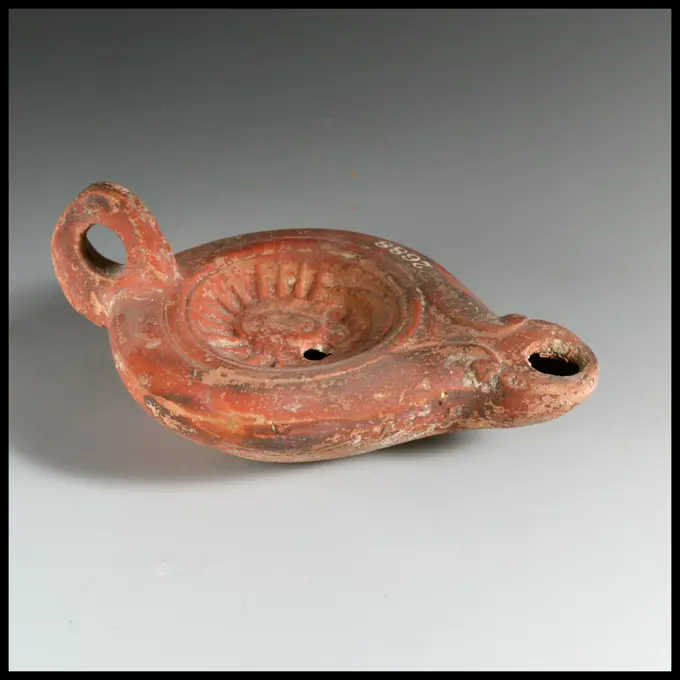
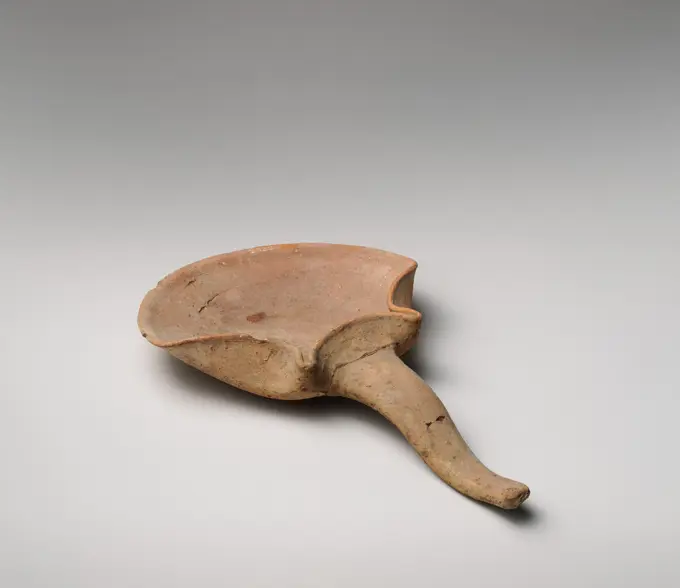
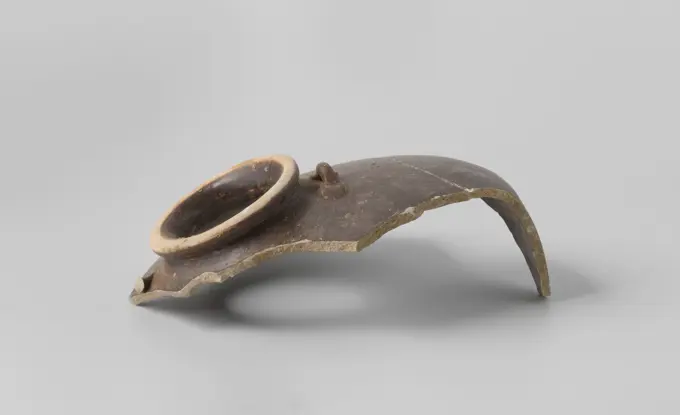
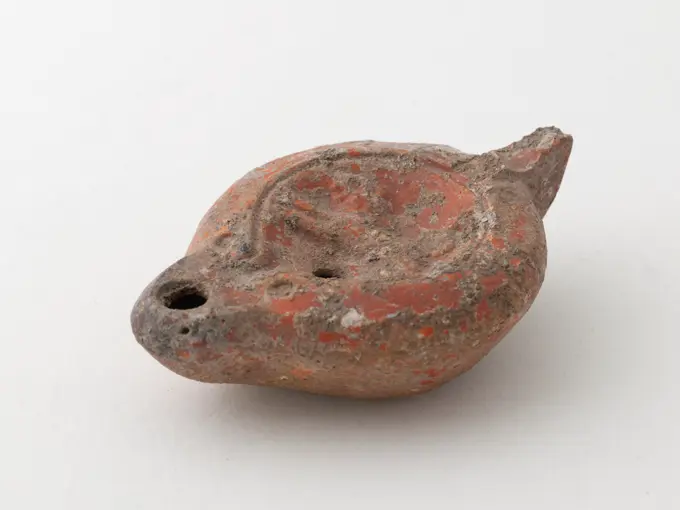
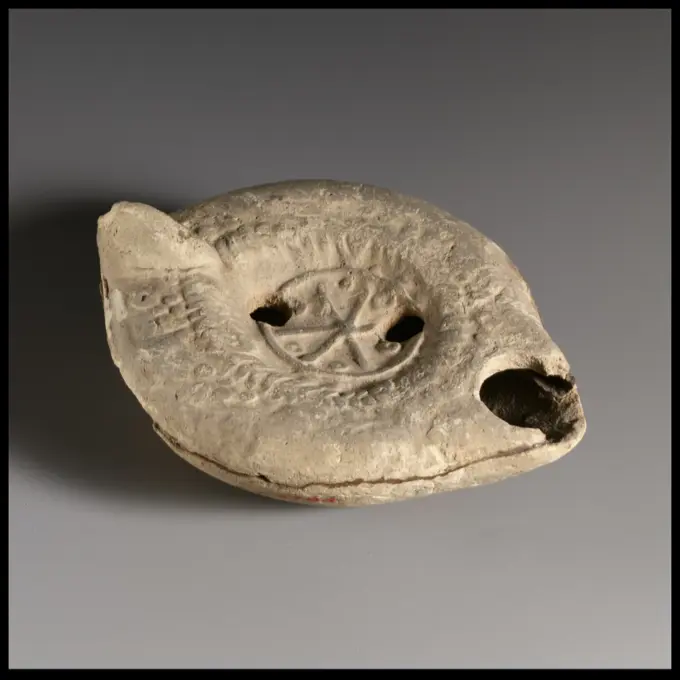
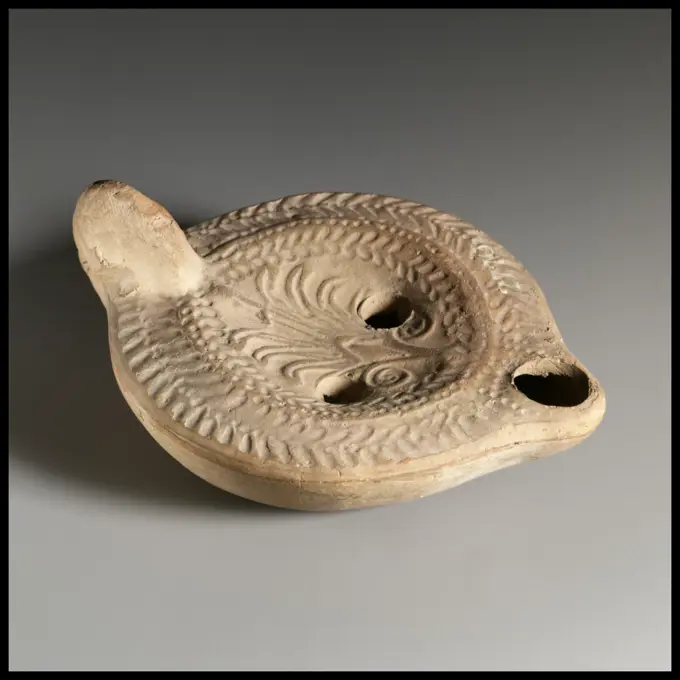
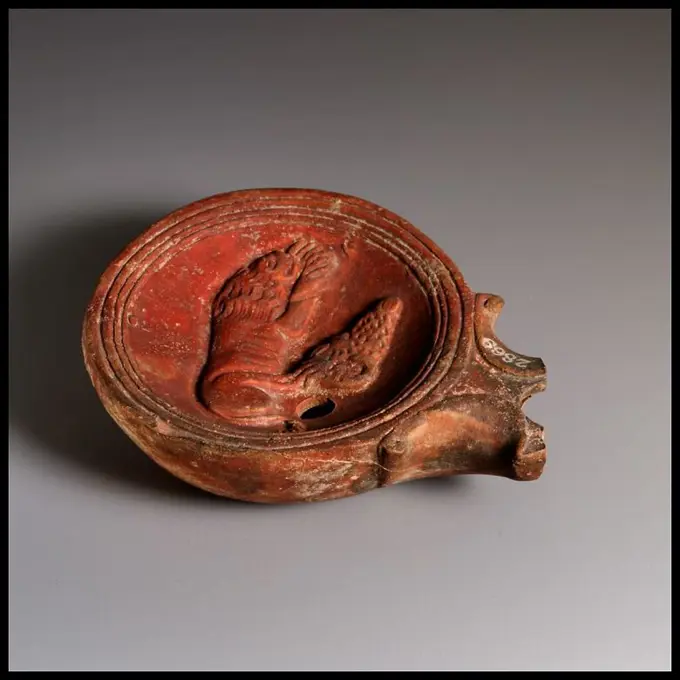
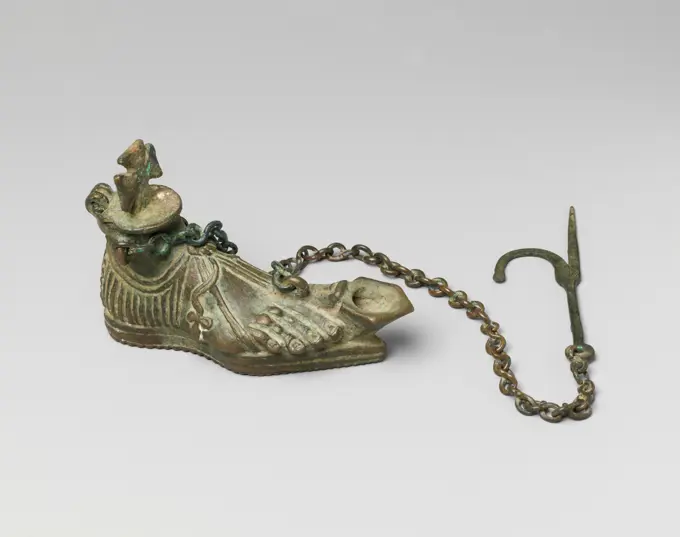
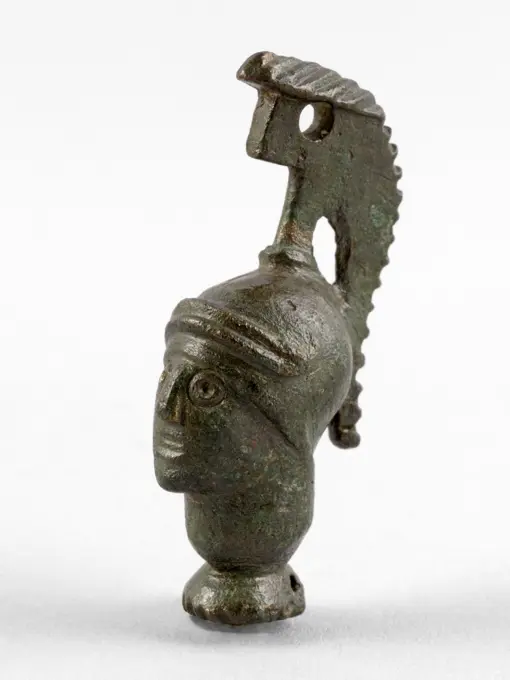
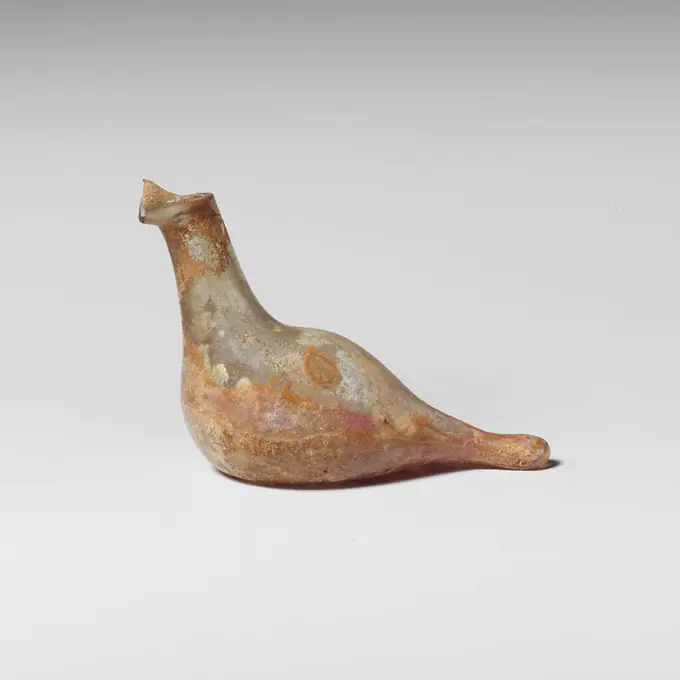
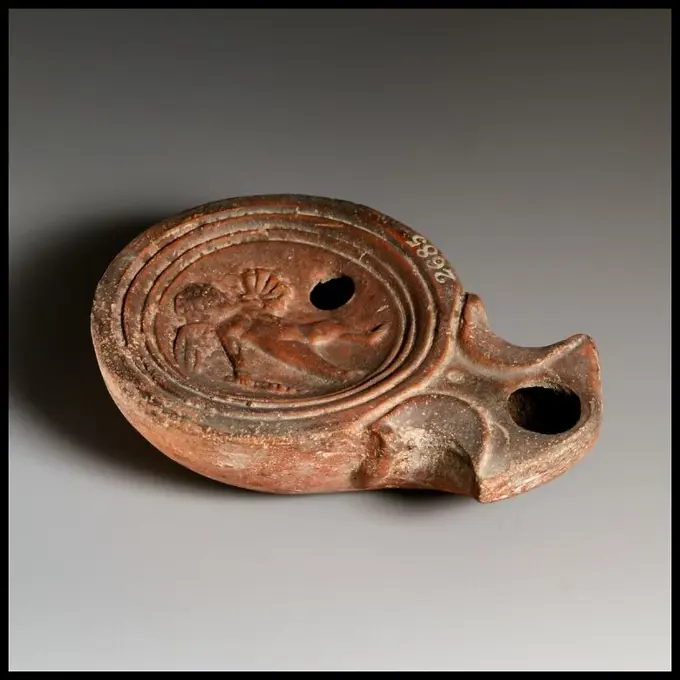
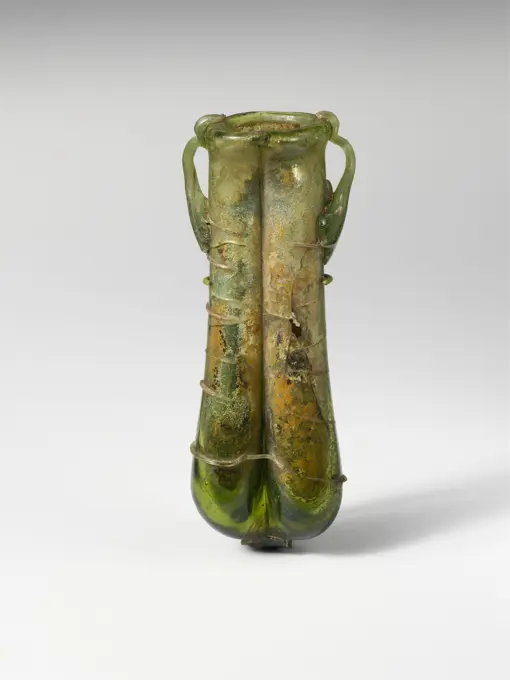
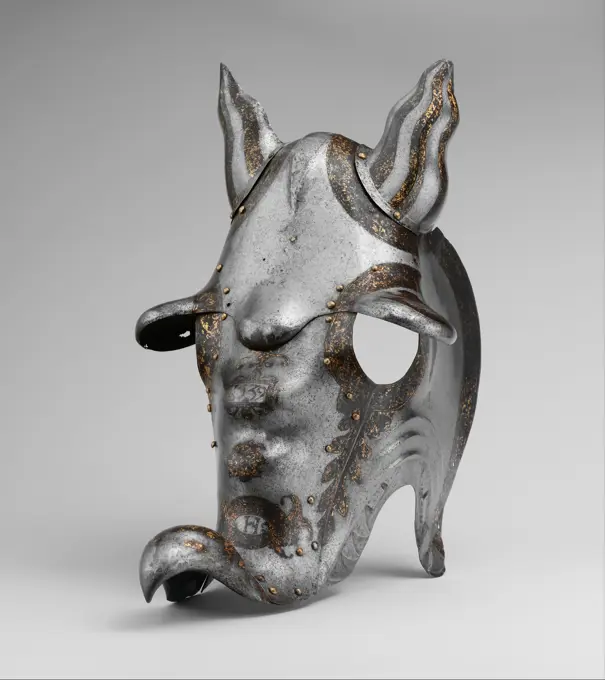
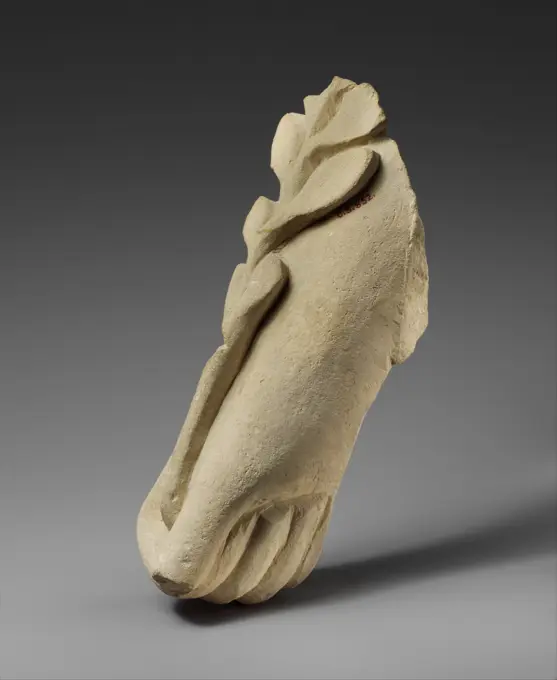
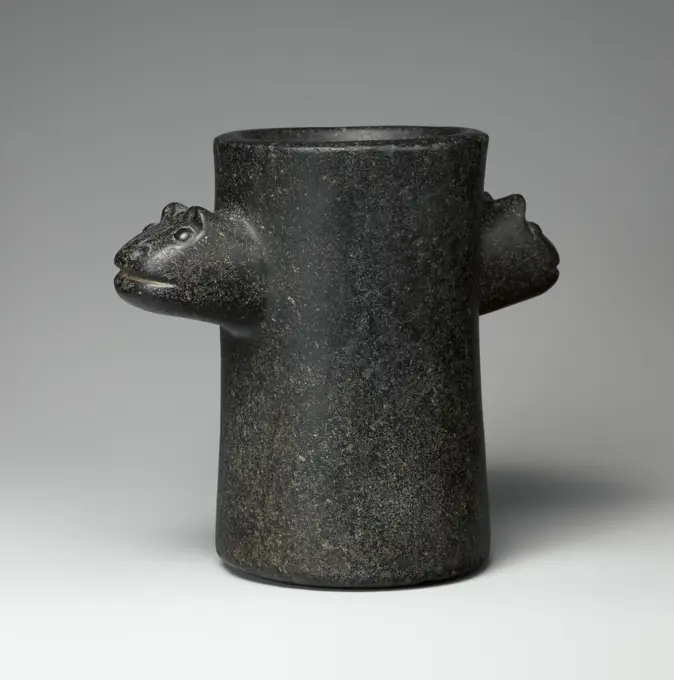
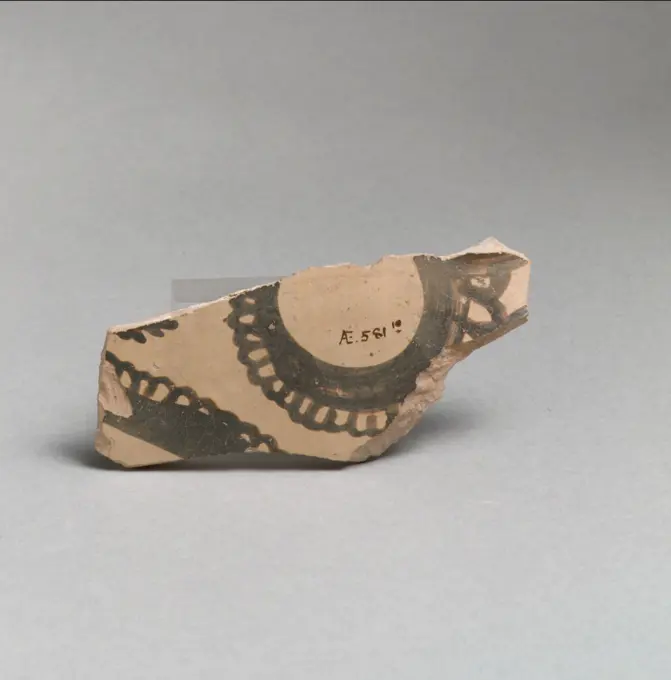
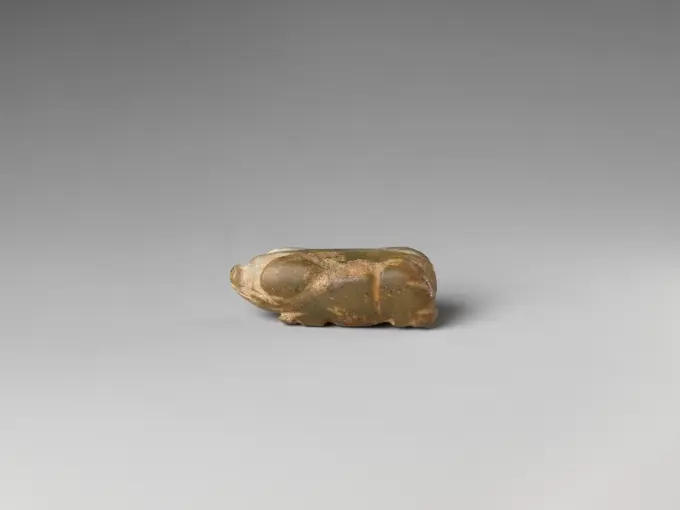
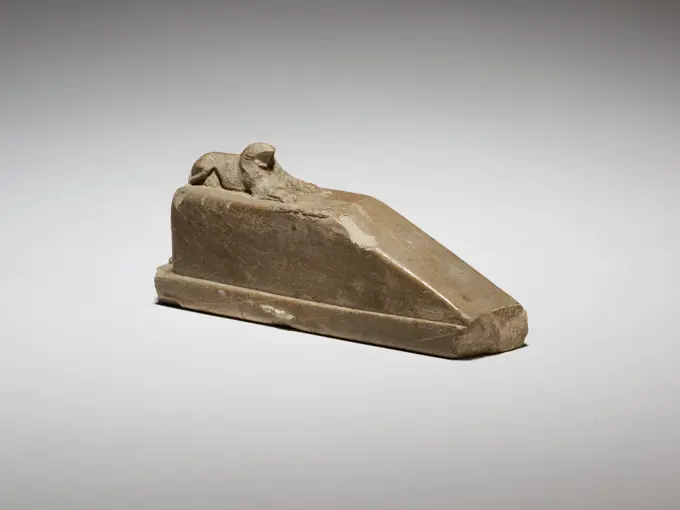
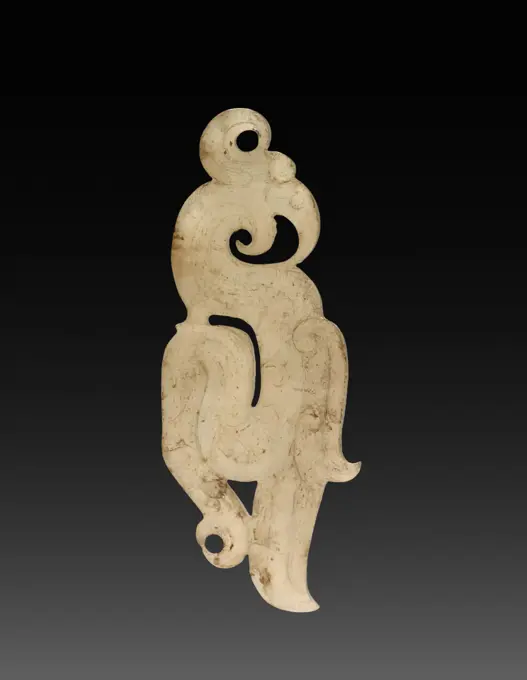
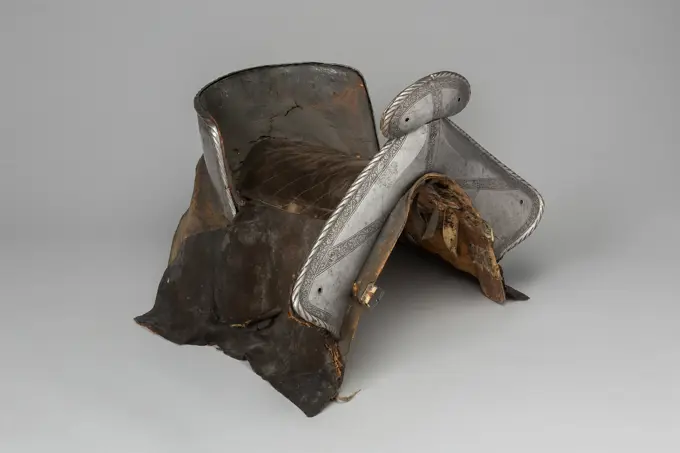
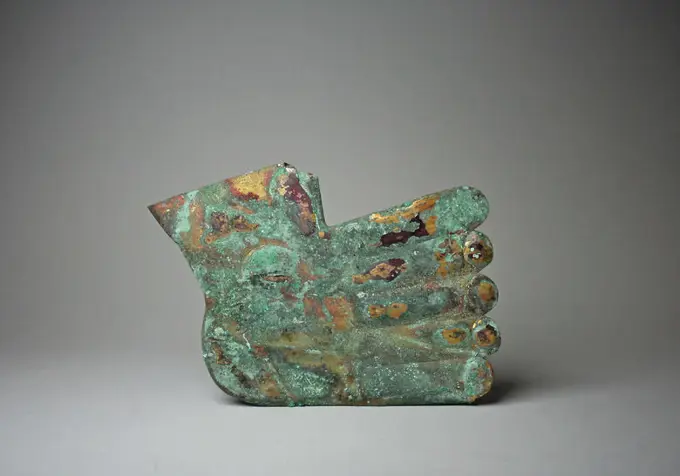
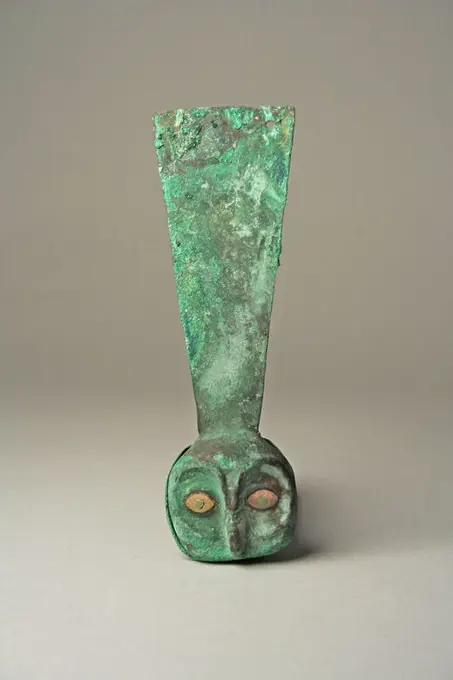
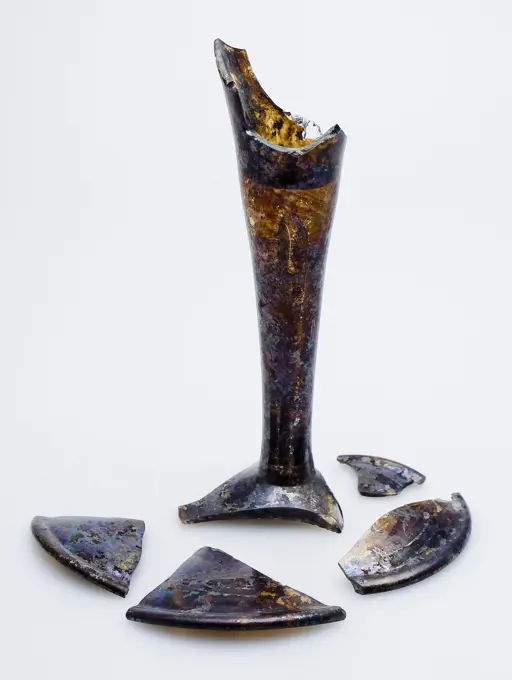
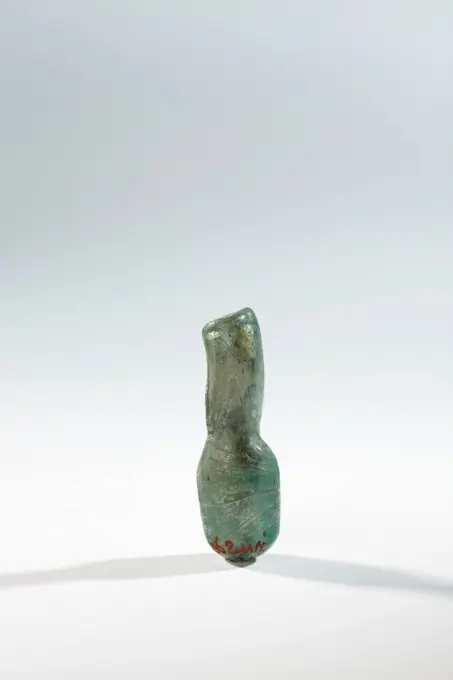
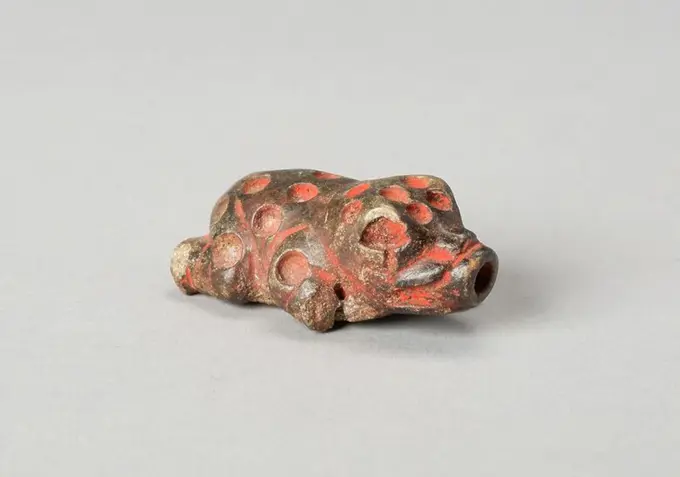
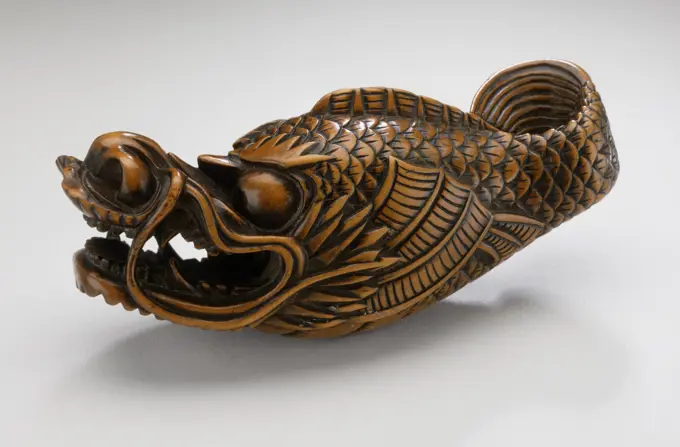
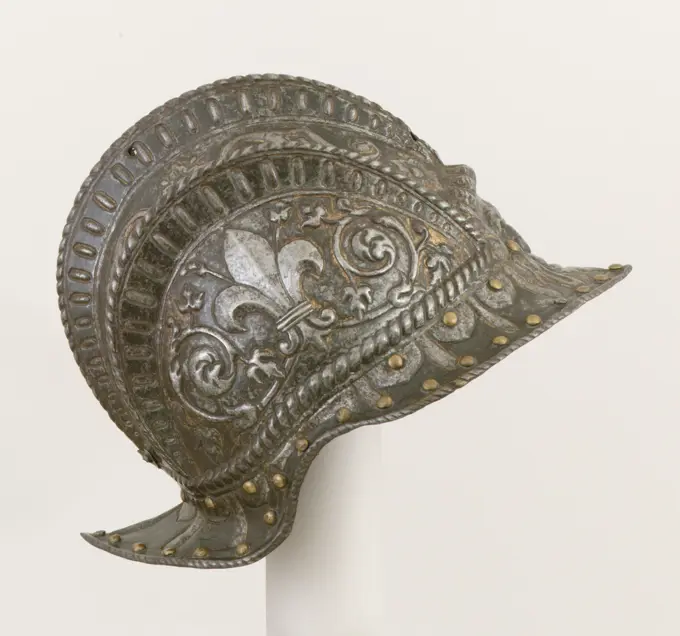
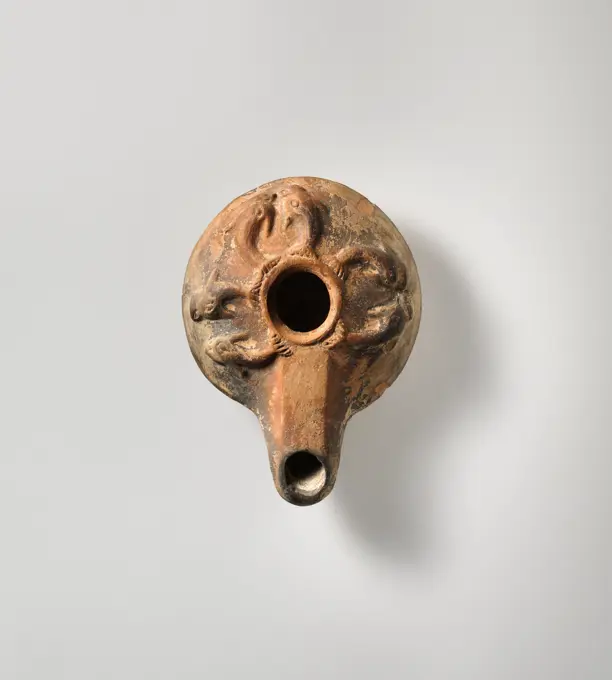
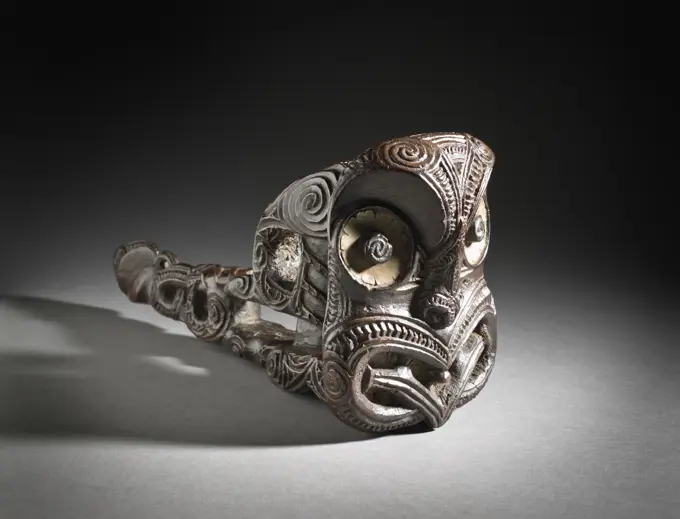
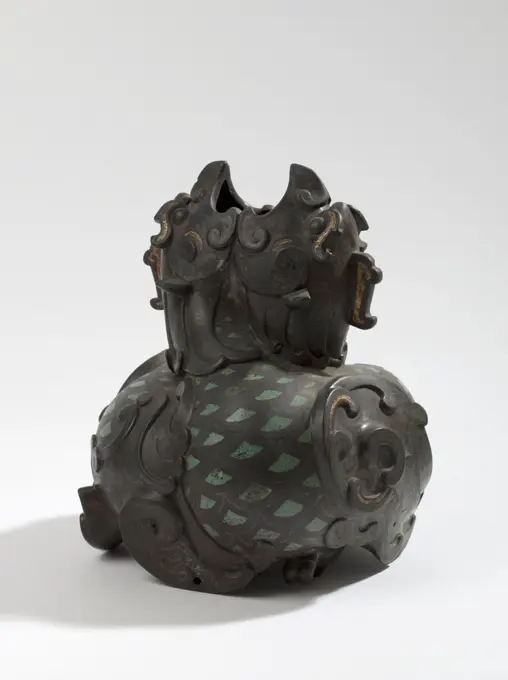
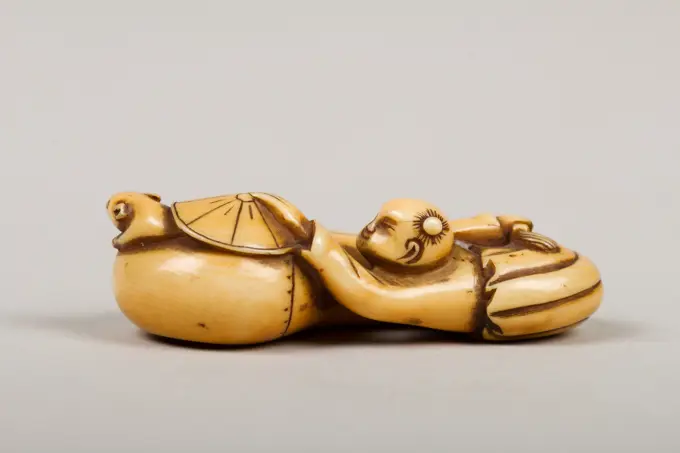
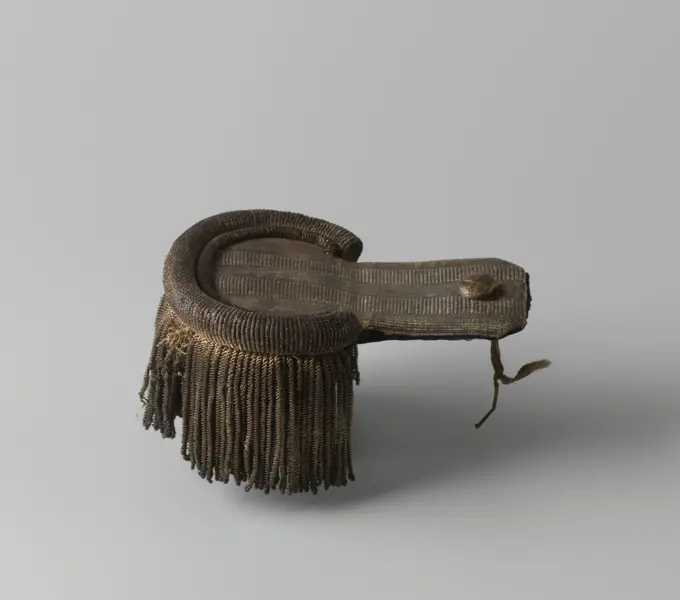
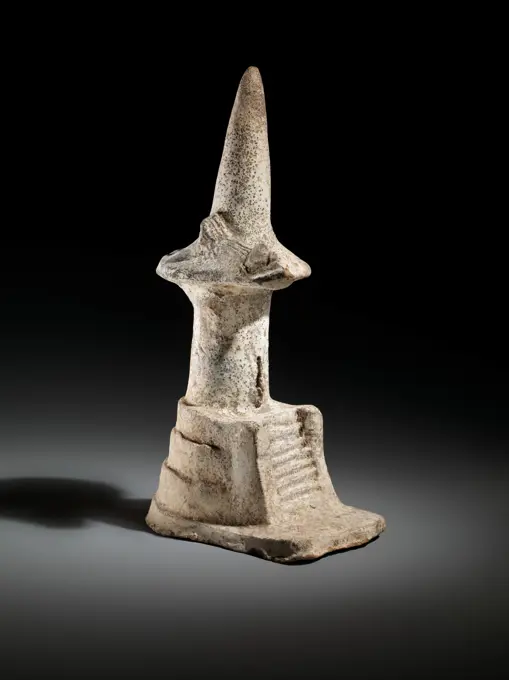
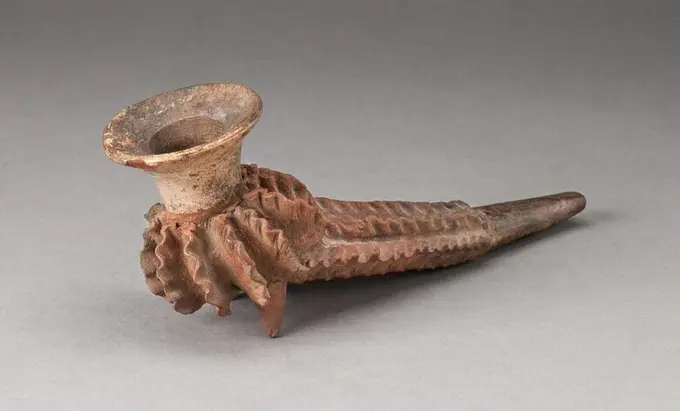
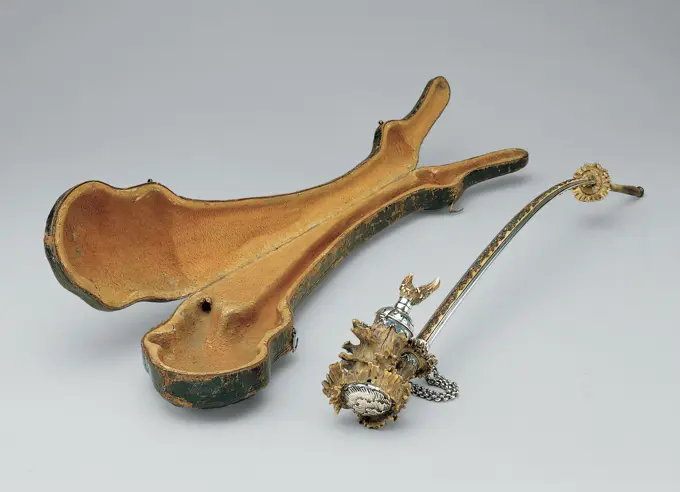
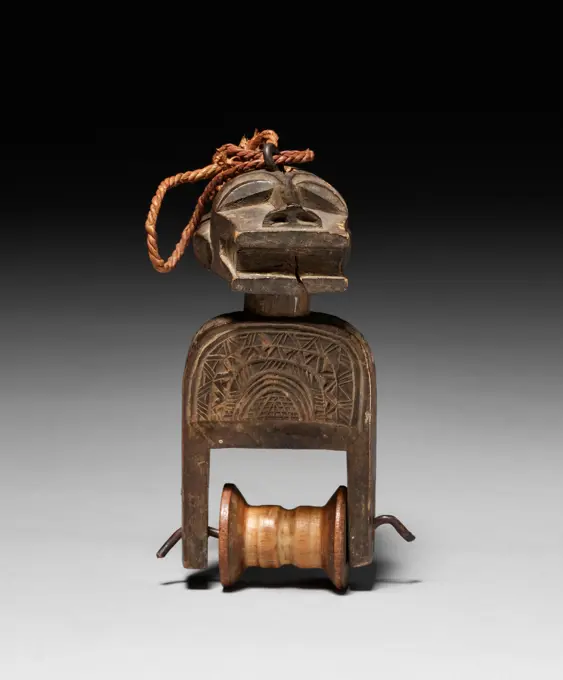
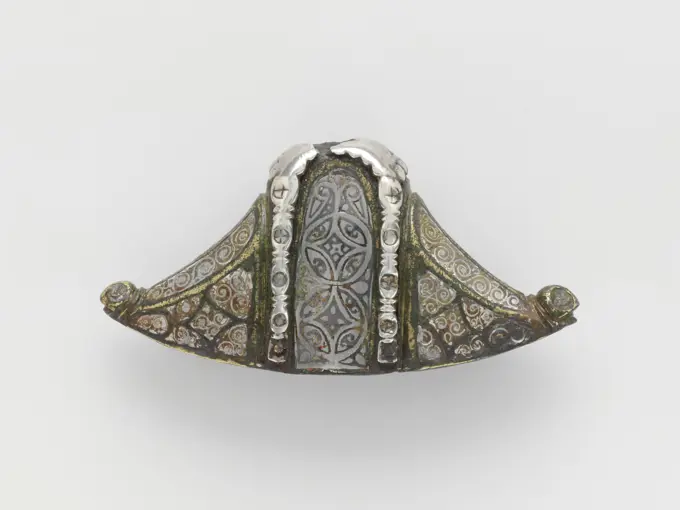
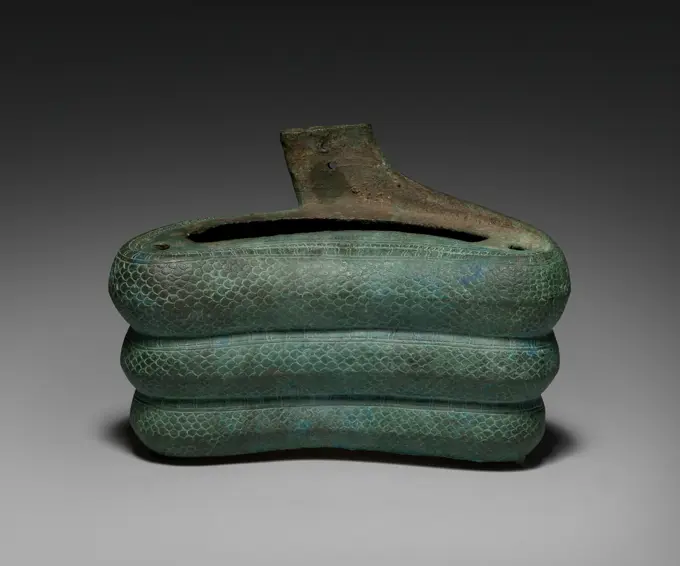
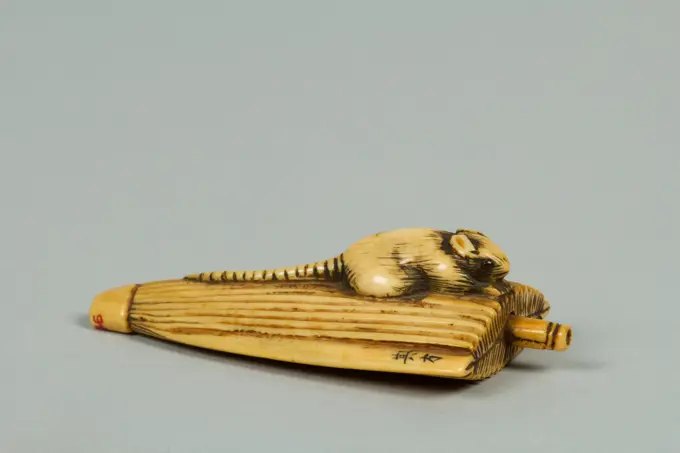
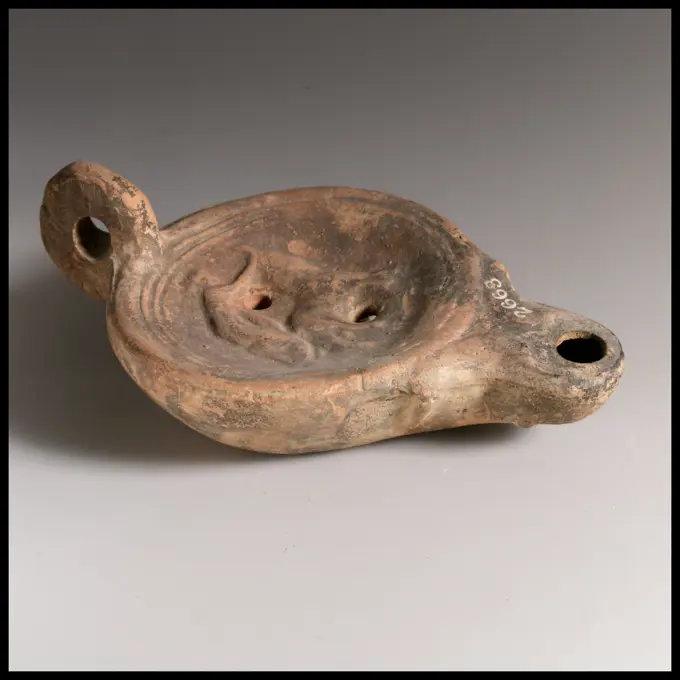
Terracotta oil lamp 1st century B.C.-1st century A.D. Roman Loeschcke Type 4. Mold-made, with ring handle. Discus: the nymph Amaltheia, facing right, with right hand outstretched and holding a goat by the horns; two filling holes above and below goat, with a band of lines and grooves at edge. Volutes flanking long nozzle. Incised base ring, and a flat base.Large, jagged hole in right side of body.. Terracotta oil lamp. Roman. 1st century B.C.-1st century A.D.. Terracotta. Early Imperial. TerracottasTerracotta oil lamp ca. A.D. 75-125 Roman, Cypriot Loeschcke Type 4. Mold-made, with ring handle. Discus: radiate head of Helios (Sol), facing, and lunar crescent below; a single filling hole at lower left, and a band comprising a single raised line flanked by two grooves around discus; plain, slightly sloping shoulder, ending in simplified volutes at nozzle. Incised base ring, and uneven, hollow base.Intact.. Terracotta oil lamp. Roman, Cypriot. ca. A.D. 75-125. Terracotta; mold-made. Imperial. TerracottasTerracotta handled saucer-shaped oil lamp 4th century B.C. Cypriot Wheel-made with edge folded in to form two wick rests; narrow rim, with rounded lip; broad, sloping, open body; between nozzles, a solid handle, tapering towards end and shaped into a curve to fit hand; undefined, convex base.Body complete, but handle broken and repaired at joint with body and half way along length, with small losses at breaks.. Terracotta handled saucer-shaped oil lamp. Cypriot. 4th century B.C.. Terracotta. Cypro-Classical. TerracottasFragment Martavaan from V.O.C. ship De 'Witte Leeuw', Anonymous, Before 1613  Fragment Martavaan from V.O.C. ship De 'Witte Leeuw'. Mouth, neck, ears. southeast Asia porcelain. stoneware   Sint-HelenaRaven Rattle ca. 1840 Haida. Raven Rattle 312659Cooking rebuilding. Sandstone with blue and brown under cover. Cernuschi Museum, Asia Museum of Asia in the city of Paris.Terracotta oil lamp 3rd-mid-4th century A.D. Roman Loeschcke Type 8. Unpierced handle. Mold-made. Discus: impressed seven-pointed star or rosette with central dot within border of slanting strokes; two filling holes, one at top right, the other at bottom left. On shoulder: impressed vine tendrils and grapes. Short nozzle with large wick hole. Undefined, slightly concave base, inscribed in Greek letters: ΠOΛY.Intact, except for slight chip to right of nozzle. Some sooting on front edge of nozzle. Reddish buff clay.. Terracotta oil lamp 241807Chalice with Foot Missing Third Intermediate Period or later ca. 1070-664 B.C. View more. Chalice with Foot Missing. ca. 1070-664 B.C.. Faience. Third Intermediate Period or later. From Egypt. Dynasty 21-25Ritual Plot Cup, Anonymous, -1300 --1000 Cup on three -foot, with a protruding edge and a large pour. Two ears and two raised buttons on the edge. China bronze (metal) Cup on three -foot, with a protruding edge and a large pour. Two ears and two raised buttons on the edge. China bronze (metal)Lamp. 3, rue Nicole (1882), coll. MAGNE. Terracotta. High Empire. Lion running to the left. Paris, Carnavalet museum. Run, high-Empire, lamp, oil lamp, lion, terracottaTerracotta oil lamp 3rd century A.D. Roman, Cypriot Loeschcke Type 8. Unpierced handle. Mold-made. Discus: within a raised circle surrounding a Chi-Rho () with hollow circles between arms; two filling holes at top and bottom across raised circle. Shoulder: a herring-bone wreath around edge of discus, and vine scroll towards edge. Large wick hole.Undefined, concave base.Broken and repaired along seam, with one hole on left side and from edge of nozzle missing.. Terracotta oil lamp 241810Terracotta oil lamp 3rd century A.D. or later Roman Loeschcke Type 8. Unpierced handle. Mold-made. Discus: large palm frond with central diamond on stem and two spiral tendrils at base; two filling holes towards sides. On shoulder: double herring-bone wreath. Undefined, deep concave base, with incised Greek letters around edge at back: EΘƧXMS. Intact.. Terracotta oil lamp 241591Lamp. UnknownVase. Greed and green ivory covered sandstone. Cernuschi Museum, Asia Museum of Asia in the city of Paris.Lamp terminating in horses headTerracotta oil lamp ca. A.D. 40-100 Roman, Cypriot Loeschcke Type 4. Mold-made. Concave discus: Eros in high relief, facing forward, with outspread wings and diagonal band across his chest, wearing drapery around his lower body and legs, standing on small ground line; single filling hole to lower right; band of concentric grooves and lines around edge. Volutes flanking rounded nozzle with large wick hole. Incised base ring and uneven, concave base.Intact, but one large chip on edge at lower right. Mottled dark brown slip.. Terracotta oil lamp. Roman, Cypriot. ca. A.D. 40-100. Terracotta. Imperial. TerracottasTeapot. Culture: Japan. Dimensions: H. 3 1/4 in. (8.3 cm). Date: early 19th century. Museum: Metropolitan Museum of Art, New York, USA.Terracotta oil lamp. Culture: Roman, Cypriot. Dimensions: H.: 1 1/16 x 3 1/4 in. (2.7 x 8.3 cm). Date: 3rd-4th century A.D..This lamp is unusual since the figure on the discus faces the handle and so the holder of the lamp; most mold-made lamps have the decoration facing the nozzle so that it would be illuminated correctly by the burning wick. Here the figure is flanked by a large fish and an amphora; on the shoulder are vine tendrils and bunches of grapes. This imagery has been taken to be Christian, but the clarity of the molded details show that the figure is in fact nude and is therefore unlikely to be that of Christ. Museum: Metropolitan Museum of Art, New York, USA.Terracotta oil lamp. Culture: Roman, Cypriot. Dimensions: Overall: 1 1/4 x 3 5/8 in. (3.2 x 9.2 cm).Loeschcke Type 1A. Mold-made. Discus: large crouching lion, facing right, above a bucranium, both in high relief; a single filling hole behind bucranium, with a band of lines and grooves at edge. Volutes flanking nozzle. Within incised base ring, flat base, with impressed letters across center: FAVSTI.Nozzle broken and partially missing, especially on the underside, but discus and body complete. Museum: Metropolitan Museum of Art, New York, USA.Hanging Lamp in the Form of a Sandaled Right Foot 5th century Byzantine One of the classical protective images adapted by Christians was the foot, a symbol of good health and healing. These lamps were lit by an oil-soaked wick, inserted through the hole beside the foots big toe.Round flat hanging lamps, or polycandela, were lit by oil-filled glass vessels hung from the round holes in their designs. Paul the Silentiary in 563 described the effect of huge hanging lamps that lit the great church of Hagia Sophia in Constantinople: “Thus is everything clothed in beauty…no words are sufficient to describe the illumination in the evening: you might say that some nocturnal sun filled the majestic church with light.”. Hanging Lamp in the Form of a Sandaled Right Foot 468582Minerva head. Copper alloy. Gallo-Roman time. Paris, Carnavalet museum. Minerva head Copper alloy, antiquity, helmet, Gallo-Roman deesse, time-Gallo-Roman, head, ancientGlass bottle shaped like a bird. Culture: Roman. Dimensions: 1 9/16 × 15/16 in. (4 × 2.5 cm)Length: 2 3/16 in. (5.6 cm). Date: 1st-3rd century A.D..Colorless with blue green tinge.Everted, possibly trefoil, rim; cylindrical neck, expanding to merge with ovoid body, drawn out at back to form stylized tail, rounded on top and pinched in below; pushed-in bottom.Intact, but missing rim and most of top of neck; pinprick bubbles; creamy weathering and iridescence. Museum: Metropolitan Museum of Art, New York, USA.Lamp, Italy; 1st century B.C. - 4th century A.D; Terracotta; 3 × 10.4 × 11 cm (1 3,16 × 4 1,8 × 4 5,16 in.)Fibula. Bronze. Janne excavations, Dong Son. Epoque by Giao Chi (1st century BC-4th century AD.). Paris, Cernuschi museum. 59239-1 Staple, Vietnamese art, bronze, Dong Son, Giao Chi time, fibula, excavation, JanseTerracotta rhyton (vase for libations or drinking). Culture: Greek, South Italian, Apulian. Dimensions: H.: 7 1/4 in. (18.4 cm)Diam.: 3 7/8 in. (9.8 cm). Date: ca. 350-300 B.C..The vase is in the form of a deer's head. On the cuff is a flying Nike. Museum: Metropolitan Museum of Art, New York, USA.Terracotta oil lamp. Culture: Roman. Dimensions: Overall: 1 1/4 x 3 7/8 in. (3.2 x 9.8 cm). Date: ca. A.D. 70-100.Loeschcke Type 1B. Mold-made. Discus: winged Eros carrying alabastron in right hand and shell in left. Single, large filling hole at right, with a band of lines and grooves towards edge. Volutes flanking angular nozzle. Incised base ring, and slightly convex base.Intact. Museum: Metropolitan Museum of Art, New York, USA.Glass double cosmetic flask (kohl tube) 4th century A.D. Roman, Syrian Translucent yellowish green; handles and trail in same color.Tubular rim folded out, over, and in; body comprising two tubes, side by side, made from a single inflated gather by pinching sides vertically to make a diaphragm; thick, flattened bottom with prominent pontil pad; two rod handles attached to side of body over trail in large, claw pads, drawn up and out, turned in, and trailed off on edge and top of rim.Single trail applied as a pad on upper body and wound down in a spiral six and a half times, ending on lower body.Broken and repaired, with cracks and two holes in body below handles, and several parts of trail missing; pinprick bubbles; slight dulling and iridescence on exterior, some reddish soil encrustation and brilliant weathering on interior.. Glass double cosmetic flask (kohl tube). Roman, Syrian. 4th century A.D.. Glass; blown, tooled, and trailed. Late Imperial. GlassA fragment of the amphora with a stamp; Sagaris son Numeosla (CA 320-300 A.C.); around 320-300 BC (-320-00-00--300-00-00);Myrmekion, resource amphoras, Hellenistic period, patronimikum, message (provenance), factory stamps, synopian stamps, imprints, stamping vice, Polish excavations, Polish excavations, Polish excavations in MyrmekionShaffron (Horse's Head Defense) of Henry II of France, When Dauphin ca. 1490-1500, redecorated 1539 Attributed to Romain des Ursins Italian In the Renaissance, elaborate parade armor of fanciful design was often employed in tournaments, ceremonial entries, and court pageants. This shaffron, shaped as a fierce dragon's head, was made at the end of the fifteenth century, perhaps for the French court, by a Milanese armorer working in Lyon. It is among the earliest surviving examples of parade armor in the "heroic" style, which alluded to the heroes of literature and legend. This shaffron was redecorated in 1539 with gold-damascened motifs including a fleur-de-lis, the letter H, and dolphins, indicating that it was refurbished for use by the French dauphin Henry (1519-1559), who assumed the throne as Henry II in 1547. The shaffron can probably be associated with the ceremonies connected with the tour of France made by Emperor Charles V in 1539, during which the dauphin was in constant atteTerracotta oil lamp. Culture: Roman, Cypriot. Dimensions: Overall: 7/8 x 3 1/4 in. (2.2 x 8.3 cm). Date: ca. A.D. 40-100.Loeschcke Type 4. Mold-made. On discus: maenad carrying large, double-ended thyrsos on shoulder and tympanum in right hand; a single filling hole to right of figure, with a band of lines and grooves towards edge. Volutes flanking nozzle. Within incised base ring, slightly uneven, pushed-in base.Intact. Museum: Metropolitan Museum of Art, New York, USA.Limestone hand holding a branch of leaves late 6th or early 5th century B.C. Cypriot The lifesize right hand holds against the wrist and forearm a long stem with smooth, spearlike leaves.. Limestone hand holding a branch of leaves 242283Vessel with feline effigy handles 500 B.C.-A.D. 500 Condorhuasi-Alamito This beaker flares slightly at the rim and features two zoomorphic feline heads as opposing handles. The faces of the felines are lightly incised, indicating the mouths and nostrils.The Condorhuasi-Alamito peoples were llama pastoralists in the area that is now the Catamarca province of Argentina. They were skilled artisans in a variety of media, including ceramic, metal, and stone. Archaeological evidence suggests that the Condorhuasi-Alamito peoples maintained extensive long-distance contacts with other regions, including the important site of Tiwanaku, near Lake Titicaca in what is now Bolivia.. Vessel with feline effigy handles. Condorhuasi-Alamito. 500 B.C.-A.D. 500. Stone. Argentina, Northwest Argentina. Stone-VesselsHead of a gazelle. Culture: Sasanian. Dimensions: 2.25 x 2.5 in. (5.72 x 6.35 cm). Date: ca. 3rd-7th century A.D.. Museum: Metropolitan Museum of Art, New York, USA.Bird. Culture: China. Dimensions: H. 6 1/16 in. (15.4 cm). Museum: Metropolitan Museum of Art, New York, USA.Pendant in the form of a Dragon, 480-221 BCE, 3 3/16 x 1 7/8 x 3/16 in. (8.1 x 4.76 x 0.48 cm), White jade with pale brown mottling, China, 5th-3rd century BCEBell. Culture: Mexican. Dimensions: W. 109 mm (4 5/16 in.); H. 106 mm (4 3/16); Diam. at base of largest cone 49 mm (1 15/16 in.); Weight 111 grams. Date: before 1889. Museum: Metropolitan Museum of Art, New York, USA.Terracotta vessel fragment with curvilinear decoration ca. 1450-1400 B.C. Minoan From Phylakopi, MelosFragment with curvilinear design.. Terracotta vessel fragment with curvilinear decoration 248564CERAMICA IRANI-FIGURILLA DE BARRO DE SIENA. Location: MUSEO ARQUEOLOGICO NACIONAL-COLECCION. MADRID. SPAIN.Pig in Recumbent Position 1st-2nd century China. Pig in Recumbent Position. China. 1st-2nd century. Jade. Han dynasty (206 B.C.-A.D. 220). JadeStirrup. Culture: probably Spanish. Dimensions: H. 2 5/8 in. (6.67 cm); W. 3 1/4 in. (8.26 cm); Wt. 14 oz. (396.89 g). Date: late 15th century.The shape of this stirrup was designed to accommodate the foot of a knight riding a typical late 15th-century saddle, with his straight legs extended under his body, slightly forward, and the feet pointing downward.The top of it is adorned with a dragon with open wings, recalling those forged on late 15th-century Spanish chest locks and door-knockers. Museum: Metropolitan Museum of Art, New York, USA.Scholar's Rock or Brushrest 1701-1800 China. Stone (probably Lingbi stone) .Bird Pendant, 1050-770 BCE, 1 x 1 1/4 x 3/16 in. (2.54 x 3.18 x 0.4 cm), Highly calcified jade with deep yellow-green clouds with traces of red pigment, China, 11th-8th century BCEFalcon-headed sphinx recumbent on a pedestal with a ramp, and a feline() behind, possibly a gnomon for a shadow clock or instrument 664-30 B.C. Late Period-Ptolemaic Period It has been suggested that this unusual piece is a gnomon, the element that casts a shadow in an instrument for measuring time by shadows. Ivory seems an unusual choice, but part of a shadow instrument preserved from Tanis and in the British Museum is also of ivory.Possibly the sphinx with a falcon head might allude to Re, and the cat to his daughter the Eye of the Sun, their separation and coming together again being certainly associated with the large regular events like the inundation that structures the Egyptian year and life.. Falcon-headed sphinx recumbent on a pedestal with a ramp, and a feline() behind, possibly a gnomon for a shadow clock or instrument. 664-30 B.C.. Ivory. Late Period-Ptolemaic Period. From EgyptAmulet: Head of Sakhmet 664-332 B.C. Late Period. Amulet: Head of Sakhmet. 664-332 B.C.. Silver. Late Period. From Egypt. Dynasty 26-30Small ewten cove. Glass. Gallo-Roman. Paris, Carnavalet museum. 51537-1 Collar collar, jug, Gallo-Roman, Gallo-Roman, little treble, glass, glassCurvilinear Bird, 475-221 BC. China, Eastern Zhou dynasty (771-256 BC), Warring States period (475-221 BC). Nephrite; overall: 4.1 cm (1 5/8 in.).Rat on Coiled Rope. Japan, mid-19th century. Costumes; Accessories. Ivory with sumi, inlaysSmall votivebowl.   Maker: UnknownChariot Finial with Bird, late 12th-11th century BCE, 9 1/2 in. (24.13 cm), Bronze, China, 11th century BCETerracotta oil lamp 4th-5th century A.D. Roman, Cypriot Vessberg Type 18. Unpierced handle. Mold-made. Discus: prancing horse facing left, flanked to either side by herring-bone wreath. Two large filling holes. On shoulder, floral design including rosettes. On concave base, in relief Greek letters: uncertain. Pale buff clay.. Terracotta oil lamp 241803Saddle with Four Saddle Plates 1530-1550 Southern Germany. Steel with gilding, leather, and wood .Jousting Helmet in Late 15th Century Style mid-to late 19th century, in late 15th century style German. Jousting Helmet in Late 15th Century Style 27128Amulet - kot. unknown, authorKnife Handle 11th-12th century Punuk. Knife Handle 312798Ink Stone in the Form of a Shell, late 18th-19th century, 1 7/8 x 3 3/4 x 6 11/16 in. (4.76 x 9.53 x 16.99 cm), Tuan stone, China, 18th-19th century, Carved overall in the shape of a conch shell, this small ink stone reflects late Qing dynasty taste for complex forms. The tuan stone is of characteristic purple tone and several of the naturally occurring yellow-green 'eye' inclusions have been carved into the decorative scheme. The low-relief barnacles adhering to the top and bottom as well as the small crab perched near the well all feature a yellow-green 'eye' inclusion in their center. These inclusions were prized features of tuan stone and were often given emphasis in the carved designs.Terracotta oil lamp. Culture: Roman, Cypriot. Dimensions: Overall: 1 1/8 x 2 7/8 in. (2.9 x 7.3 cm). Date: 4th-5th century A.D..Vessberg Type 18. Unpierced handle. Mold-made. Discus: running bull facing left and wearing ornate collar, flanked to either side by herring-bone wreath. Two large filling holes. On shoulder, vine tendril with stylized bunches of grapes. Plain, flat base. Buff clay. Museum: Metropolitan Museum of Art, New York, USA.Mosquito Deity amulet ca. 712-332 B.C. Late Period. Mosquito Deity amulet. ca. 712-332 B.C.. Green-and-White banded jasper. Late Period. From Egypt. Dynasty 25-30Ghost. Ittan (Japan, circa 1820-1877). Japan, mid-19th century. Costumes; Accessories. WoodLion pin ca. 9th century B.C. Iran. Lion pin 325145Copper Openwork Mace Head 3rd century B.C.-A.D. 2nd century Vicús. Copper Openwork Mace Head 318645Shell-Form Vase 1895-1905 France. Glazed stoneware . Pierre Adrien DalpayratFigurka ryby Lates. unknown, authorFoot Ornament. Culture: Moche (Loma Negra). Dimensions: H x W: 5 11/16 x 7 1/2in. (14.4 x 19cm). Date: 390-450. Museum: Metropolitan Museum of Art, New York, USA.Owl Tab Ornament. Culture: Moche (Loma Negra). Dimensions: L. 5 1/8 in. (13 cm). Date: 390-450. Museum: Metropolitan Museum of Art, New York, USA.Chinese Wine Vessel,  Qing Dynasty, 19th CenturyFrog Bowl 14th-16th century Mississippian. Frog Bowl 313317Mitten Gauntlet for the Left Hand. Culture: German or Austrian. Dimensions: H. 13 1/4 in. (33.7 cm). Date: ca. 1500.The cuff is engraved with a mark that was put on objects deposited in Ottoman arsenals, indicating that this gauntlet was captured by the Turks during a conflict with European forces. Museum: Metropolitan Museum of Art, New York, USA.Five fragments of one goblet, drinking glass drinking utensils tableware holder soil find glass, hand-blown Four fragments of foot and one fragment of part of foot of stem and part of chalice of one chalice in clear colorless glass. Pontil mark under slightly ascending hollow base with rim folded down. Placed massive trunk with elongated air bubble about 4.8 cm Flute shaped chalice continues through stem archeology underground pit Rotterdam City Center Stadsdriehoek Oostplein archaeological find in the soil Oostplein 1976.Small bottle. unknown, craftsmanLid of multi-colored padded faience. Lid in the form of a grape droos. HORSEND AT A TERRINE AND SNATION.Container for Lime in the Shape of a Frog. Tiwanaku-Wari; South coast Peru or northern Bolivia. Date: 600 AD-1000. Dimensions: 3.9 × 2.2 cm (1 1/2 × 3/4 in.). Stone with pigment (inlay missing). Origin: Bolivia. Museum: The Chicago Art Institute, Chicago, USA.Dragon-Fish. Japan, 18th century. Costumes; Accessories. WoodBurgonet for the Farnese Guard ca. 1545-47 Italian This triple-combed burgonet is part of an extensive series of similarly embossed parade helmets thought to have been made for the guard of Pier Luigi Farnese (1525-1547), who ruled briefly as duke of Parma and Piacenza in 1545 until his assassination in 1547. The fleur-de-lis at the sides is the heraldic emblem of the Farnese family. Ninety-six helmets of this type were recorded in an inventory of the Farnese armory in 1731, twenty-four of which are today in the Museo di Capodimonte, Naples.. Burgonet for the Farnese Guard 25382Terracotta oil lamp mid-2nd-1st century B.C. Greek Mold-made. Shallow, carinated body with long nozzle. Large central filling hole; broad, sloping shoulder decorated with three pairs of confronted dolphins, facing out and downward. Raised, flat base, inscribed in Greek letters: COI. Intact.. Terracotta oil lamp. Greek. mid-2nd-1st century B.C.. Terracotta; mold-made. Hellenistic. TerracottasCarved Bar (paepae). New Zealand (Aotearoa), Gisborne Region, Maori, Rukupo school of carvers, circa 1850. Sculpture. Wood and Haliotis shellGorget Made 1580-1620 France. Intended to protect the neck, by the late 16th century the gorget had also become a symbol of rank, as men wore the pieces in civilian contexts as a fashionable allusion to military prowess or status. This example is painted with red and black translucent glass enamel, a rare and fragile decoration that has all but shattered off the fine interlace pattern.. Steel, gilding, brass, translucent enamel, and leather .Burning zoomorphic scent. Bronze. China, 18th century. Paris, Cernuschi museum. 74290-16 Bronze, burning perfume, zoomorphicNetsuke of Boy Catching a Mouse in a Gourd 19th century Japan. Netsuke of Boy Catching a Mouse in a Gourd 59980Crossbeam Plaque, 2nd-3rd century, 2 7/8 x 10 9/16 in. (7.3 x 26.83 cm), Gilt bronze, China, 2nd-3rd centuryOne epaulette, belonging to H.F. de Bruijn, Knight Mil. Willems Order 4th kl. in 1830/32 lieutenant at the 1st bat. Field artillery BT 6, Anonymous, 1800 - 1830  Epaulet, gold and silver striped, with thin weak trying. Netherlands silver thread. wool. textile materials. copper (metal)   BelgiumParasol 1880-89 probably French One of the fashionable features of this parasol is the ball handle, which was one of the most popular styles in the 1880s. Also, this parasol would function well as a sunshade in addition to being a decorative accessory.. Parasol 157265Temple Model 1400-1521 Aztec Aztec emperors ruled over a vast portion of what is now Central Mexico and parts of Guatemala at the time Spaniards arrived in the capital of Tenochtitlan in 1519. From humble beginnings in the fourteenth century, the Mexica (as the core cultural group is properly known) formed alliances with established kingdoms and city-states, consolidating their tribute-based empire with considerable speed. Part of their imperial strategy included the dissemination of an official religion. Aztec temple models were distributed widely, functioning as tools of empire to promote the expansion of the state religion at the household level. Aztec temple models replicate key details of their full-size counterparts and may have acted as stand-ins for these buildings or served as earthly homes for deities. Some include a figure at the summit, perhaps representing a deity, a deity impersonator, or even a personification of the temple itself. Most of these models are square from thCeremonial Sword(Mandau)Pendant section in form of a simplifiedmanAnonymous / 'Case for rock crystal salt cellar in the form of a dolphin'. 1670 - 1711. Leather, Wood, Metal, Cloth. Museum: Museo del Prado, Madrid, España.Footed Pipe with Fluted Relief Design. Tlatilco, Preclassic period; Valley of Mexico, Mexico. Date: 600 BC-200 BC. Dimensions: 7.3 x 19.7 cm (2 7/8 x 7 3/4 in.). Ceramic and pigment. Origin: Mexico. Museum: The Chicago Art Institute, Chicago, USA.Nazi chess set. This chess set glorifies Nazi Germanys terratorial ambitions during World War II. The pieces are shaped like weapons. The text in the border lists the countries that Germany had attacked in 1939 and 1940. This set may have been presented in 1941 by SS Commander Heinrich Himmler to Anton Mussert, leader of the NationaalsocialistischeBeweging (NSB), the National Socialist Movement in the Netherlands.Belt hook 4th-3rd century B.C. China. Belt hook 39751Inkstone with a man inboatFinial in the Form of a Parrot. Dimensions: H. 5 3/4 in. (14.6 cm)L. 11 in. (27.9 cm). Date: 17th-18th century.The strong sculptural traditions of pre-Islamic India continued to some extent during the later period, when figural elements such as this parrot were used as finials and other types of embellishment. The informal choice of subject and the simplicity of style suggest that this piece probably belonged in a provincial, rather than imperial, court setting. Ubiquitous in Indian life and often depicted in Mughal and Deccan paintings, parrots were also known in literature of the Mughal period, such as in the Tutinama (Tales of a Parrot). Museum: Metropolitan Museum of Art, New York, USA.Tobacco pipe with case ca. 1740 Southern German The deformed, roselike base of a roebuck antler was mounted in silver to form this pipe's bowl. Remarkable is the use of the Y-shaped prong finial that teasingly evokes smoke coming out of the perforated silver lid. The arched silver tube decorated with applied antler was inspired by an oriental hookah. The bowl's exotic appearance resembles the ornamental Chinese scholars' rocks and the flamboyant rock formations found in Chinese gardens, both widely admired in the West. The silver rocaille mounts echo and complement the antler deformations, thus exemplifying the interplay of art and nature. In eighteenth- century Europe the hunting of stags was a strongly guarded, aristocratic privilege. Therefore this sublime oddity was most likely made for a princely curiosity cabinet (Kunstkammer), a room where such objects could be handled and studied from every angle. Tobacco was considered to have aphrodisiac powers, and pulverized stag horn was tCouple on BenchSaddle possibly 17th-18th century Eastern Tibetan or Chinese. Saddle 26635Heddle Pulley (Bo Nun Amuin mask), 1900s. Africa, West Africa, Côte dIvoire, Baule-style carver. Wood, metal, and plant fiber; overall: 14.6 cm (5 3/4 in.). The heddle pulley, a working element of a narrow-band loom, bears a miniature sculpture. Heddle pulleys support and separate threads during weaving. Mounted above the weaver, the pulleys allow him to glance up at an object of inspiring beauty, rather than pure functionality. This pulley depicts a face mask, a secular usage of a typically sacred mask type.Disk, Felines. Culture: Chimú. Dimensions: Diameter 4-1/2 in.. Date: 12th-15th century. Museum: Metropolitan Museum of Art, New York, USA.Sword Pommel late 9th century Anglo-Saxon This handsome sword pommel is one of the finest surviving fragments of Anglo-Saxon goldsmith work. The pommel's quasi-triangular shell, of cast copper alloy, is decorated with silver panels inlaid with niello patterns and framed with silver strips. The two end terminals are animal heads. Although the "cocked-hat" form and the design of the panels look back to late eighth-century sword pommels (examples of which from Windsor, Chiswick, Eyot, and Saint Ninian's Isle are preserved in London, Edinburgh and Oxford), the silver-wire and niello technique used to create the inlaid running spiral patterns on the curved sides seems to have been a specialty of East Anglian metalworkers in the ninth century, during the reign of King Alfred the Great (r. 849-99). Some of the niello designs are similar to those on the well-known Fuller brooch in the British Museum, London, which was made in the late ninth century, perhaps in Alfred's court workshop.. Sword PNaga-enthroned Buddha (base), 1100-1150. Cambodia, Angkor, Angkor Wat Period, 12th century. Bronze; overall: 58.4 x 28 cm (23 x 11 in.). Jayavarman VII, who built the great royal temple at Banteay Chhmar, linked himself with the image of the Buddha seated on a serpent, or naga, as the divine form under which he would be honored. During his reign, the naga-enthroned Buddha became a ubiquitous image for veneration, often set up together with Lokeshvara, who was associated with his father, and Prajnaparamita, the form under which his deceased mother was honored. Lokeshvara is the powerful enlightened being of compassion, while Prajnaparmita is the goddess who personifies wisdom. King Jayavarman VII, therefore, presented himself as the enlightened Buddha, the product of the union of Compassion and Wisdom, supported and glorified by the naga, which refers to the Khmer people. Images of the naga-enthroned Buddha have been found at Banteay Chhmar, both in architectural relief sculpture and aNetsuke of Mouse on an Umbrella 19th century Japan. Netsuke of Mouse on an Umbrella. Japan. 19th century. Ivory. Edo (1615-1868) or Meiji period (1868-1912). NetsukeFinial in the shape of a dragons head China. Finial in the shape of a dragons head 61097Saddle. Culture: Turkish. Dimensions: H. 22 3/4 in. (57.8 cm); W. 24 in. (61 cm); Wt. 9 lb. 2 oz. (4130 g). Date: late 16th-17th century.This saddle is the only known Ottoman example of its type. The use of pierced leather decoration appliquéd on different colored grounds occurs on a small number of Ottoman objects--bow cases and quivers, canteens--of the sixteenth century. It appears that all of them were made for high-ranking officers. Museum: Metropolitan Museum of Art, New York, USA.