Ancient Oil Lamps

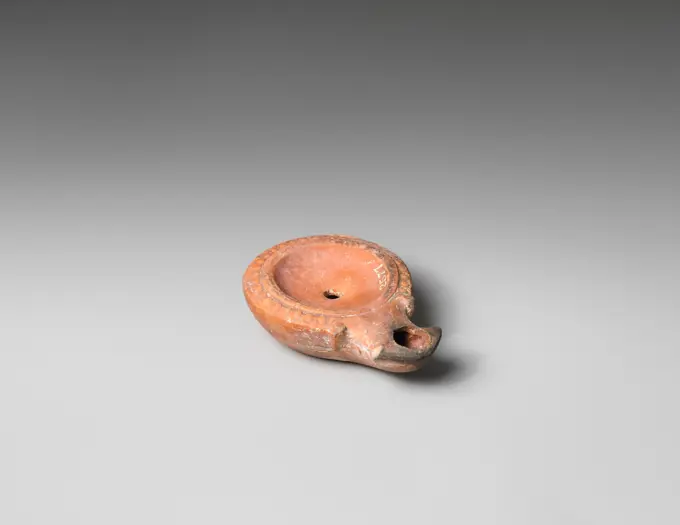
Terracotta oil lamps from various periods, featuring intricate designs and historical significance, including Roman and Cypriot styles.

Cooking rebuilding. Sandstone with blue and brown under cover. Cernuschi Museum, Asia Museum of Asia in the city of Paris.
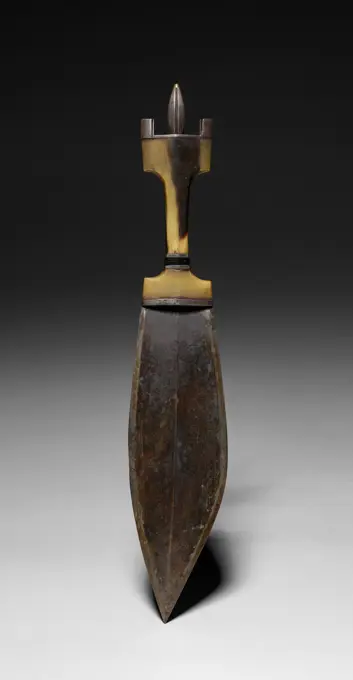
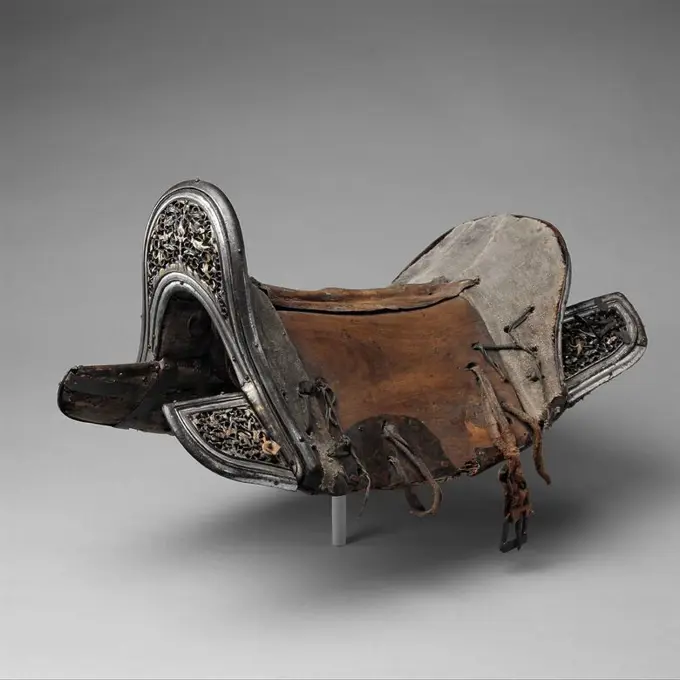
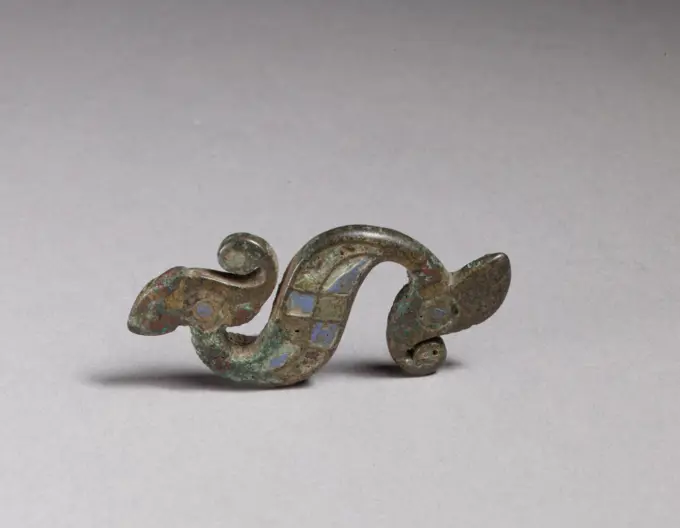
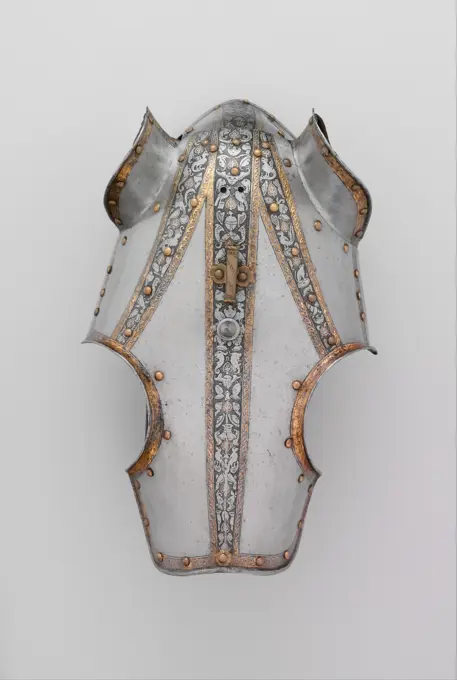
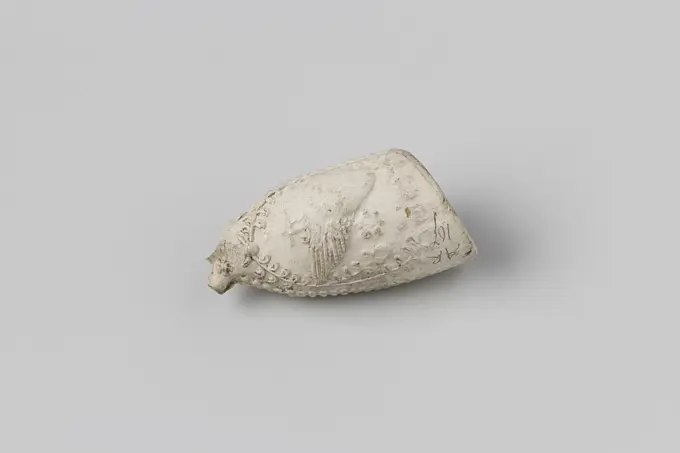
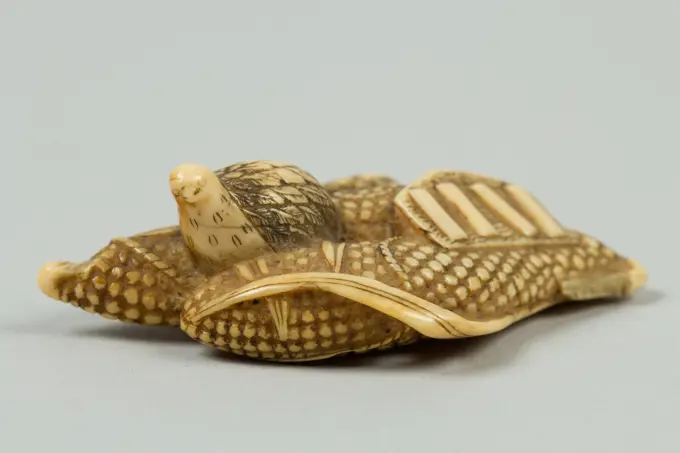
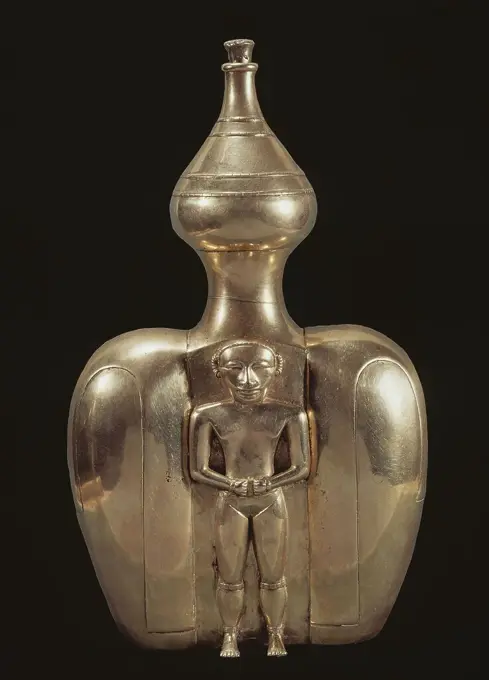
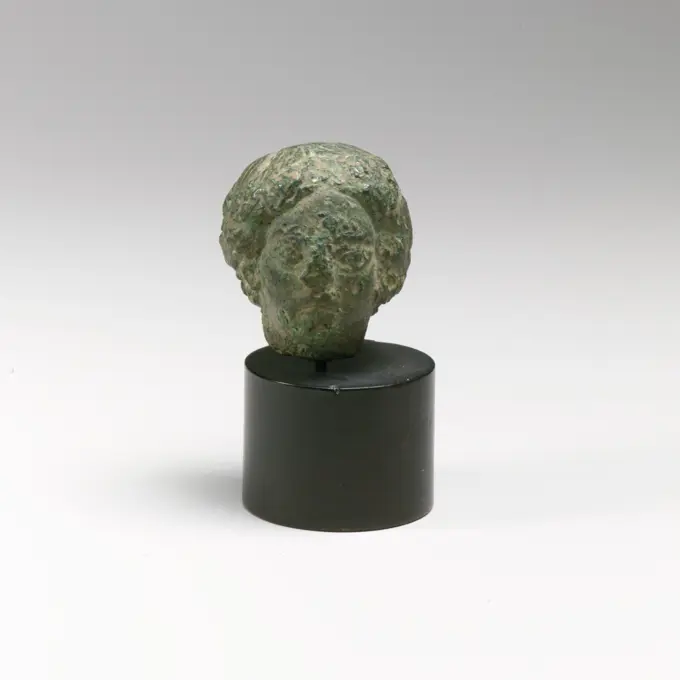
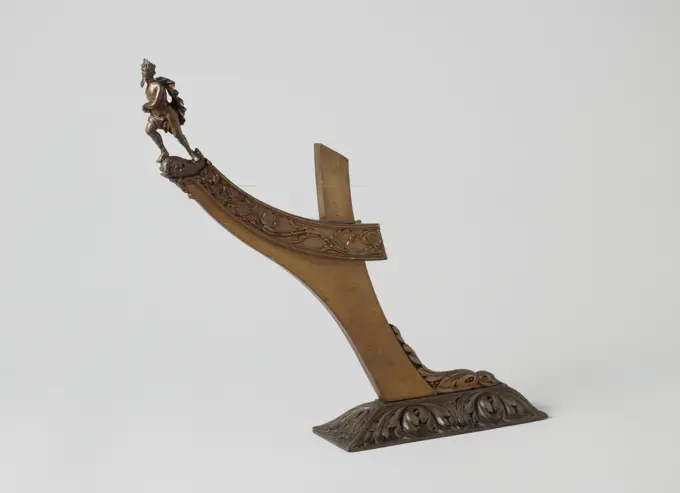
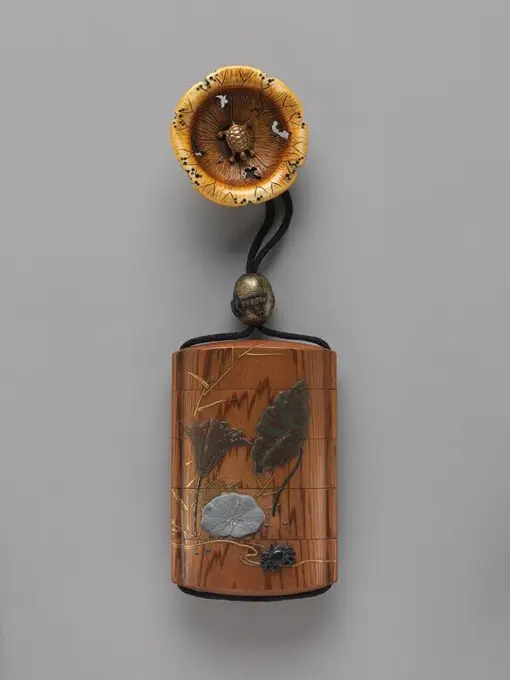
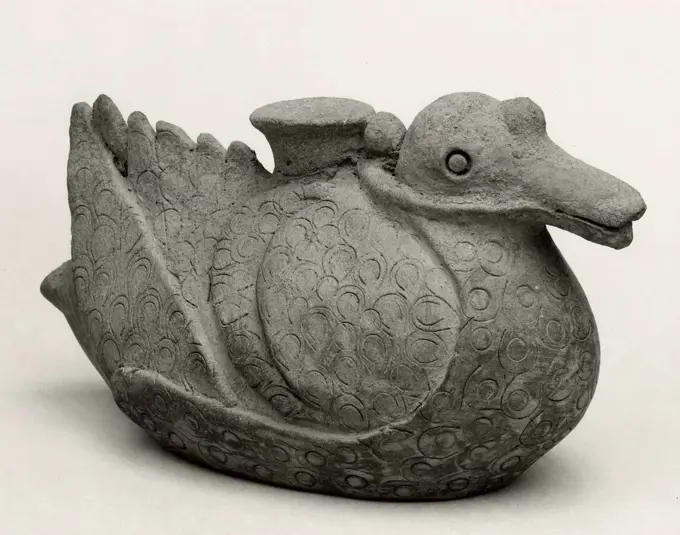
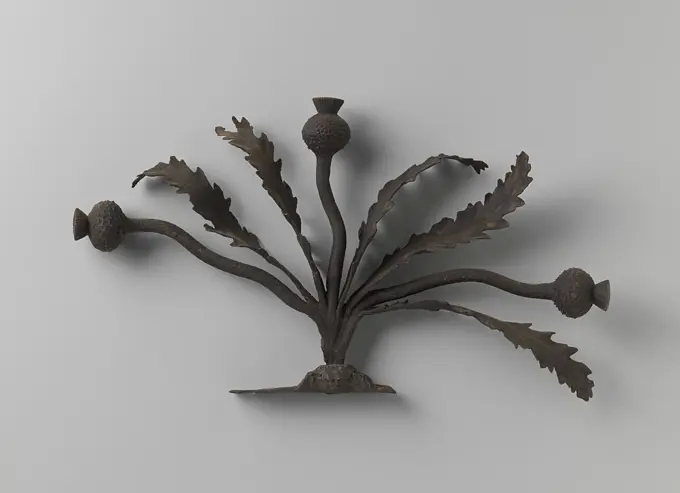
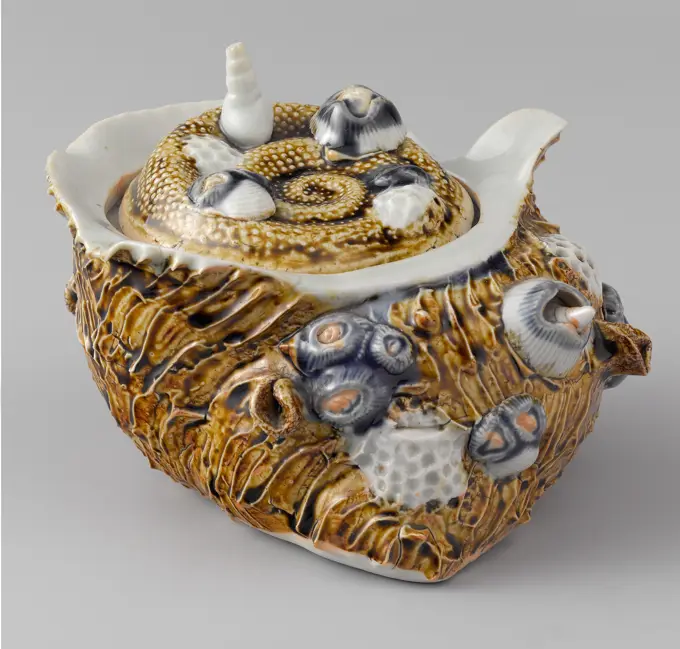
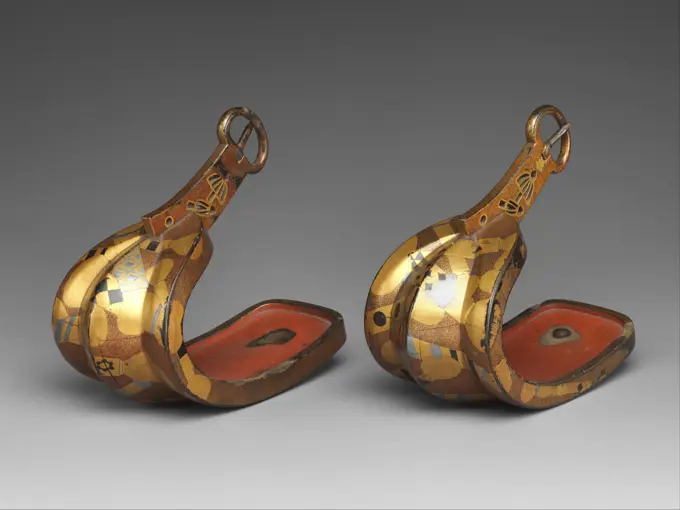
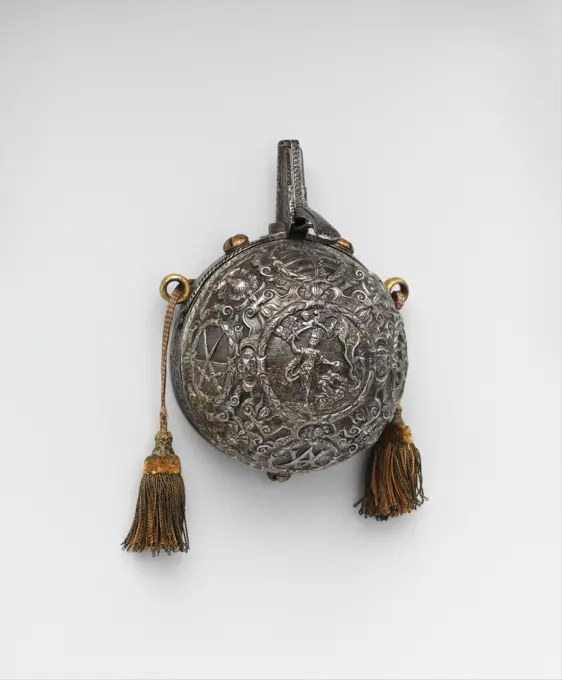
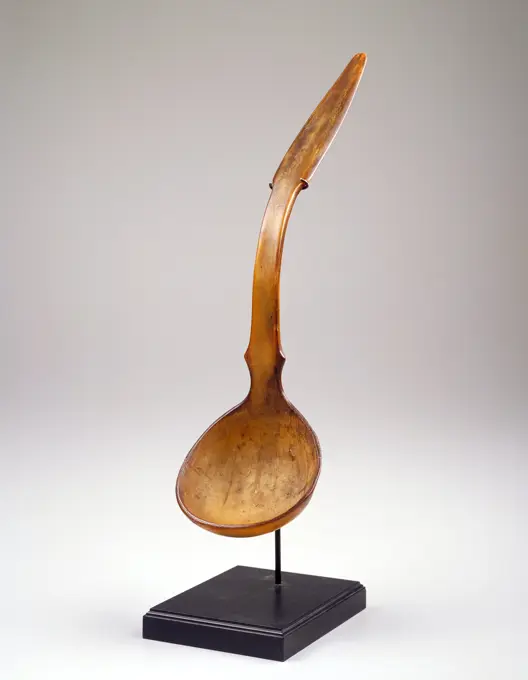
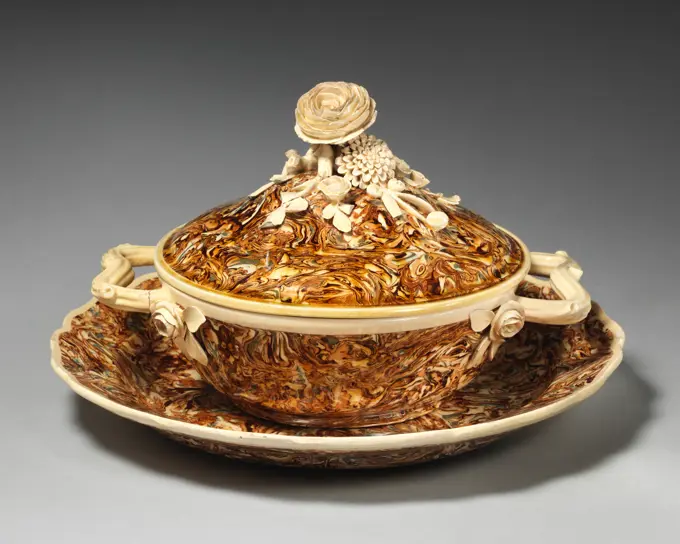
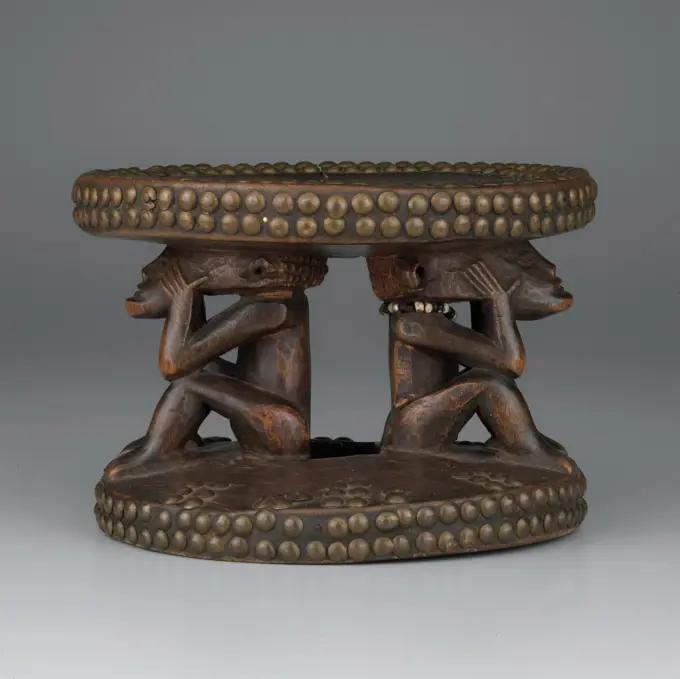
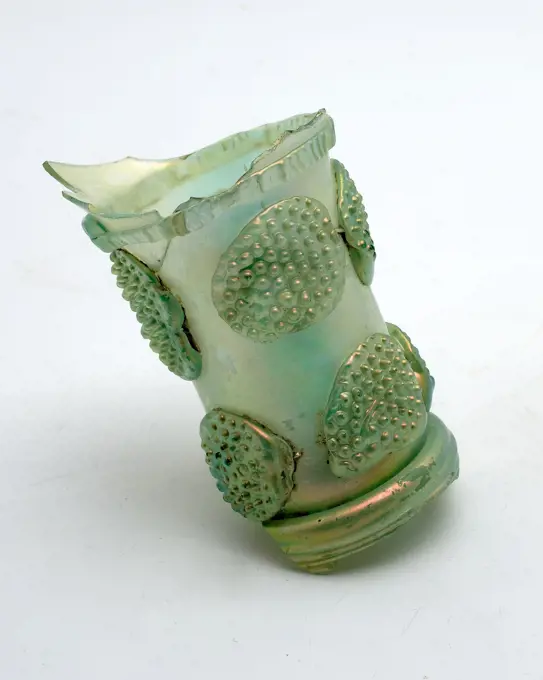
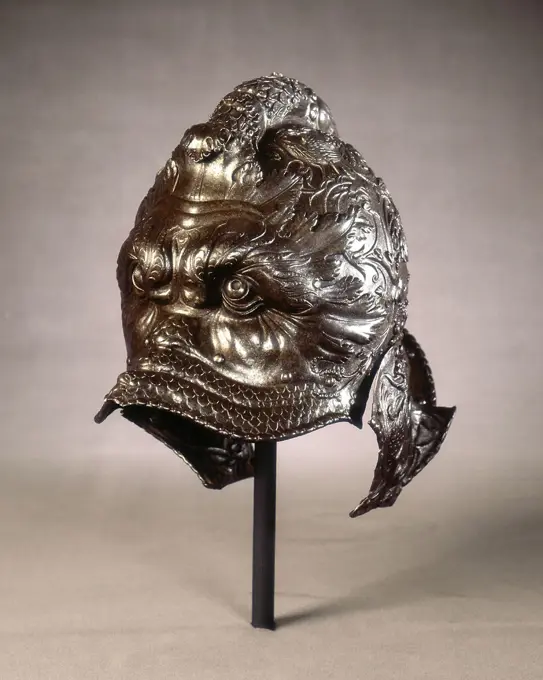
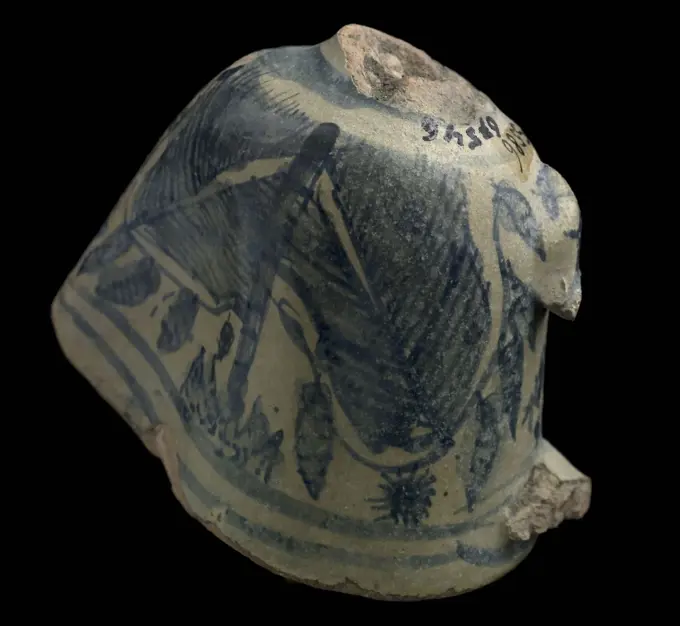
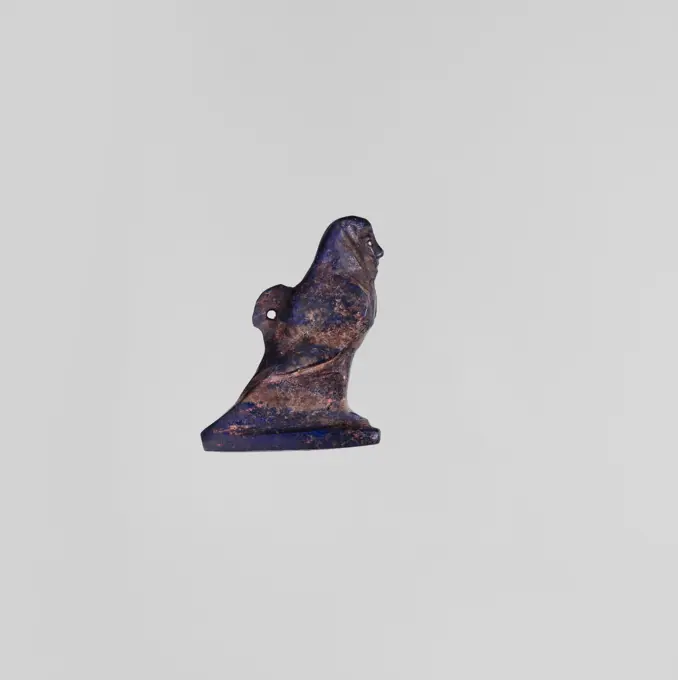
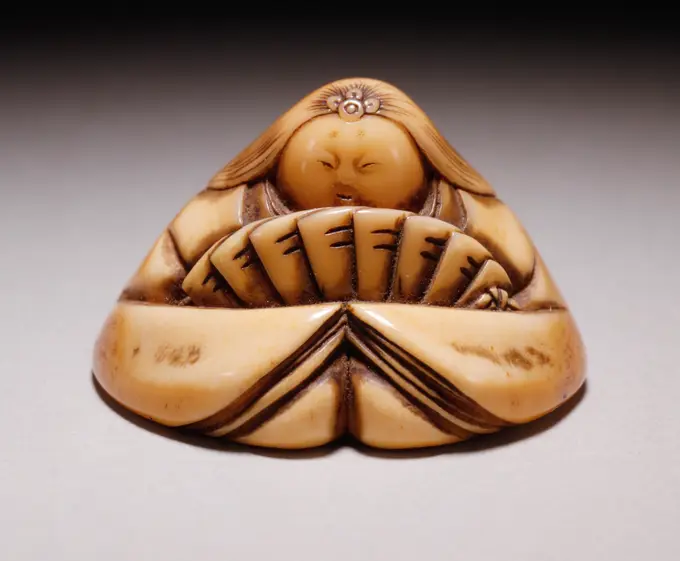
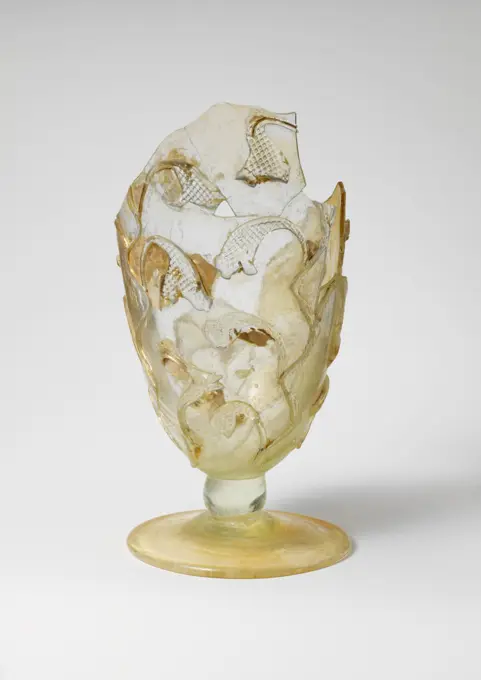
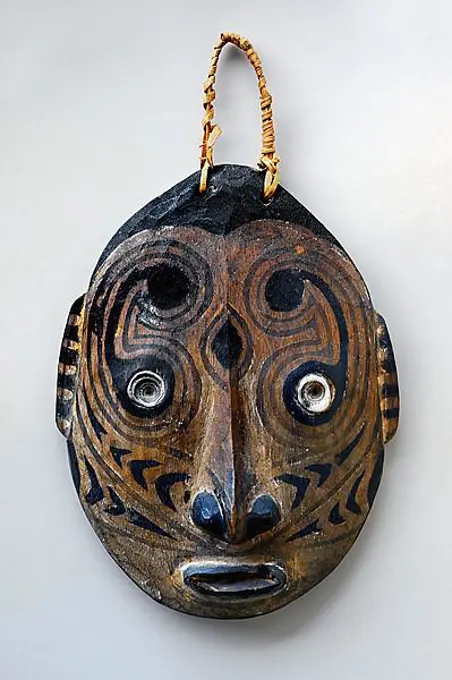
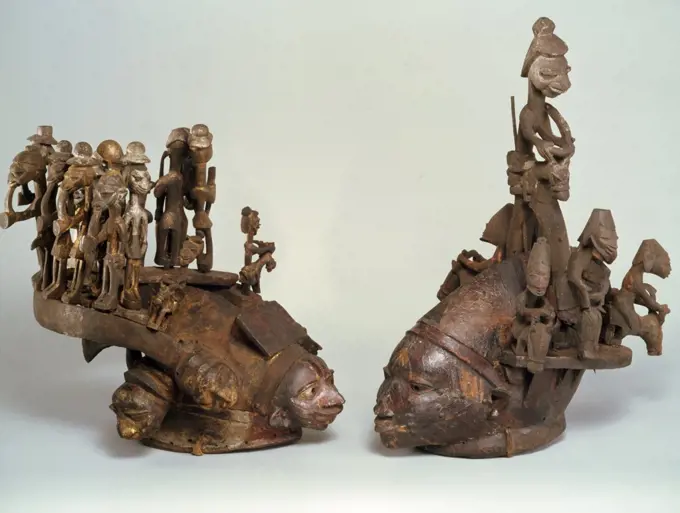
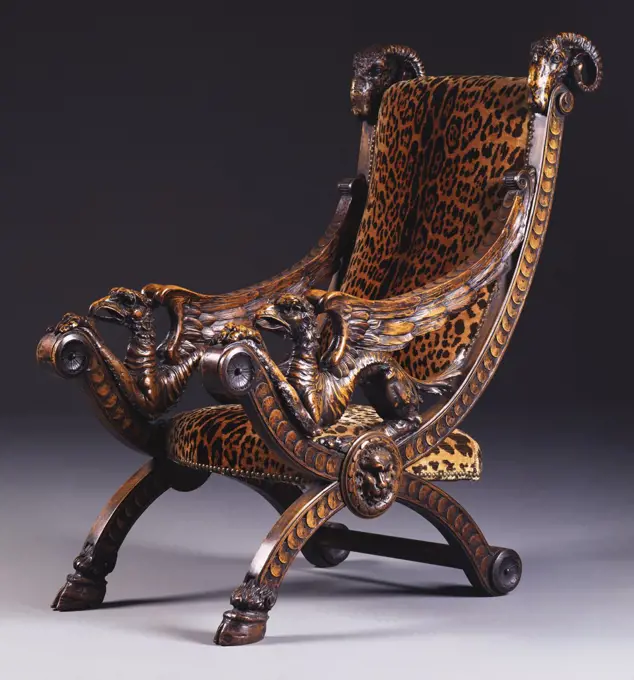
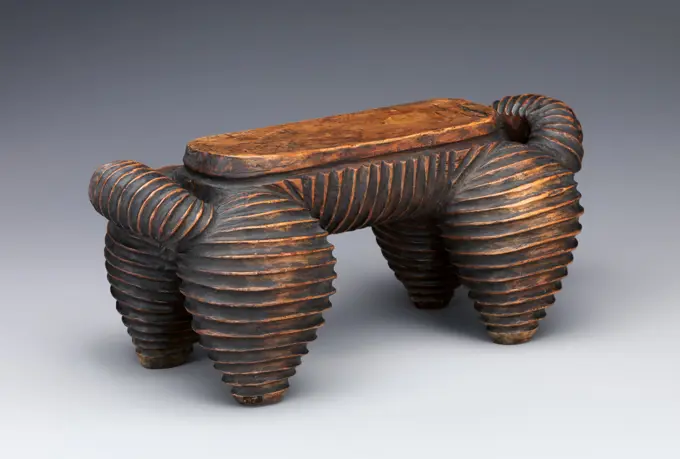
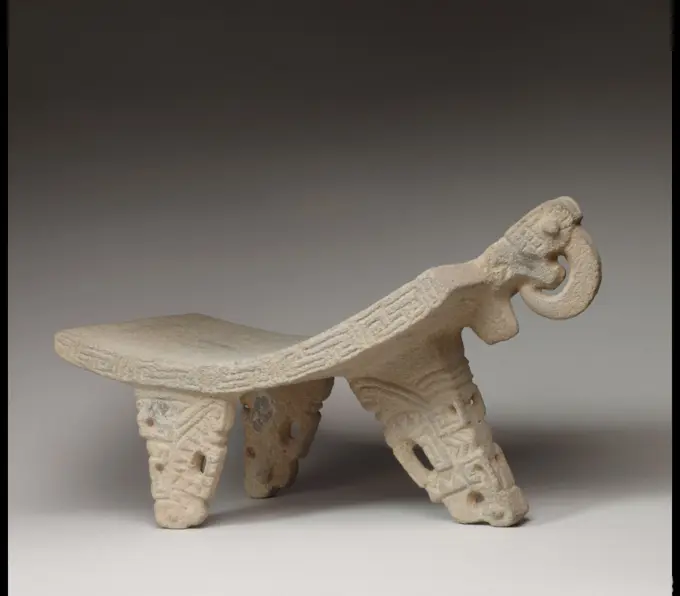
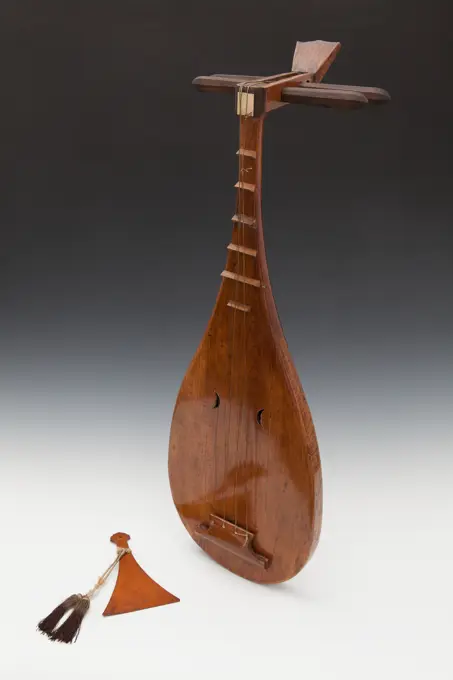
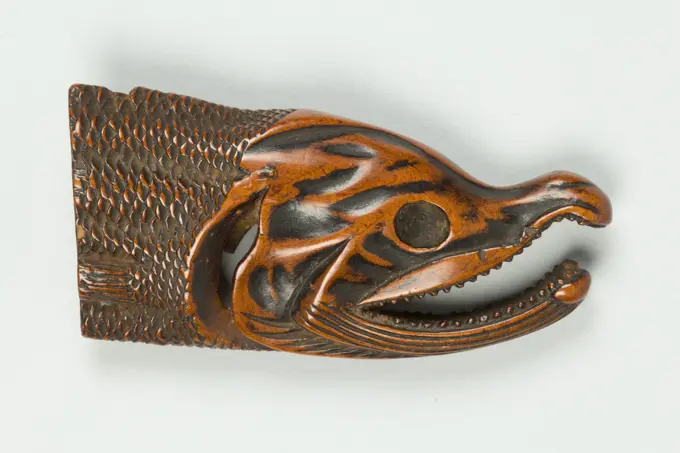
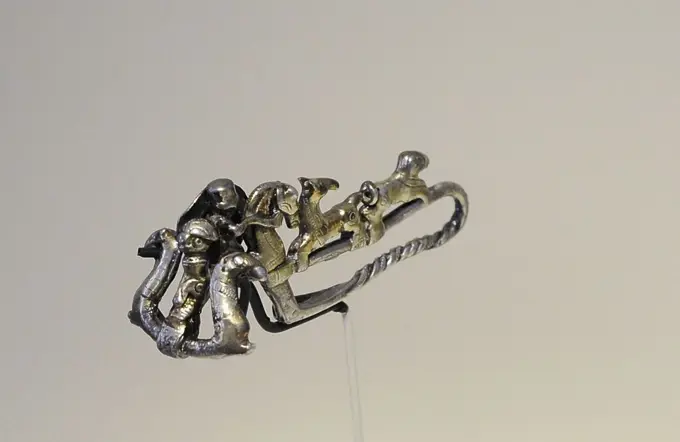
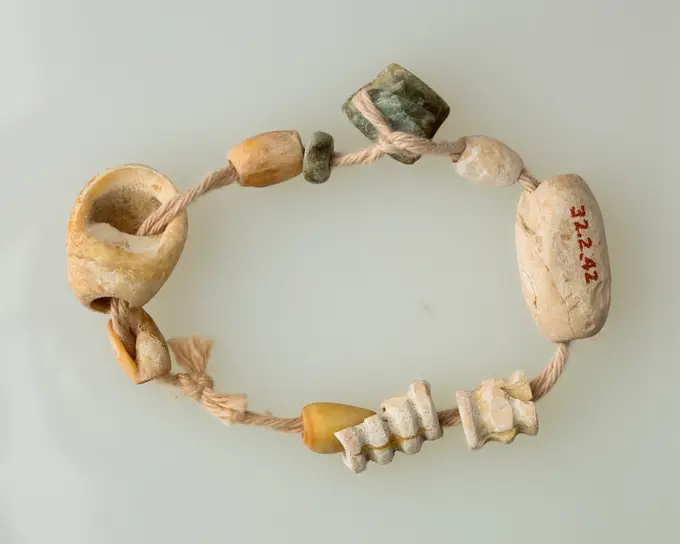
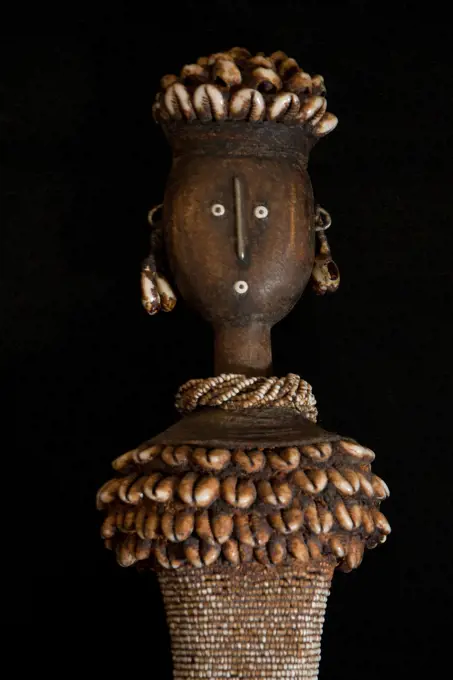
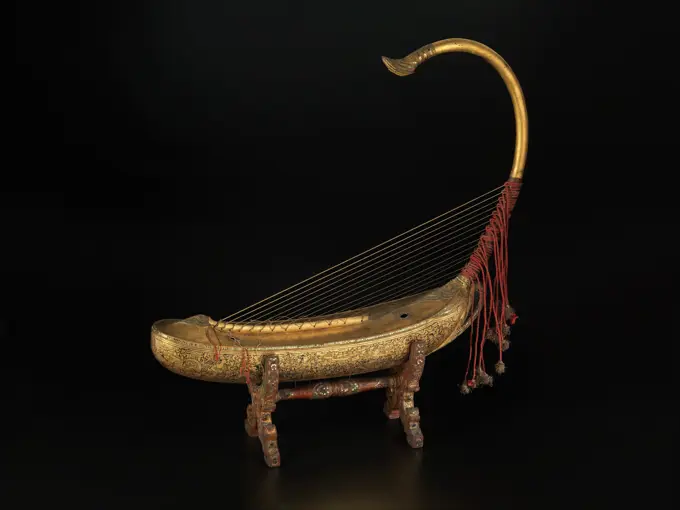
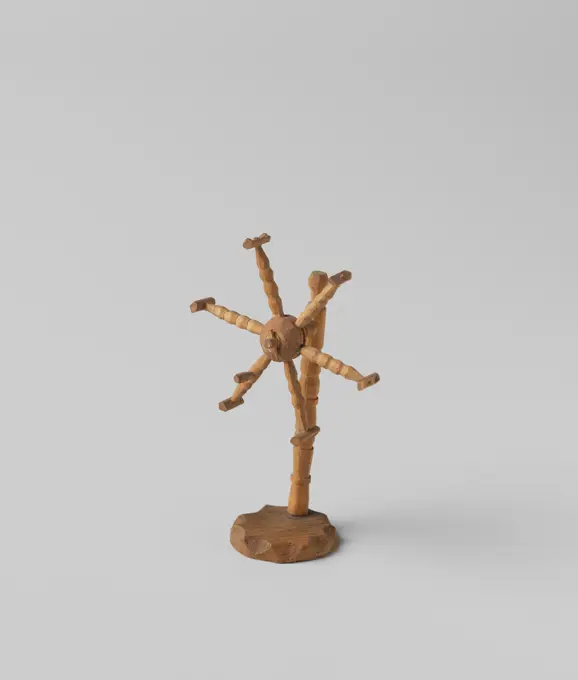
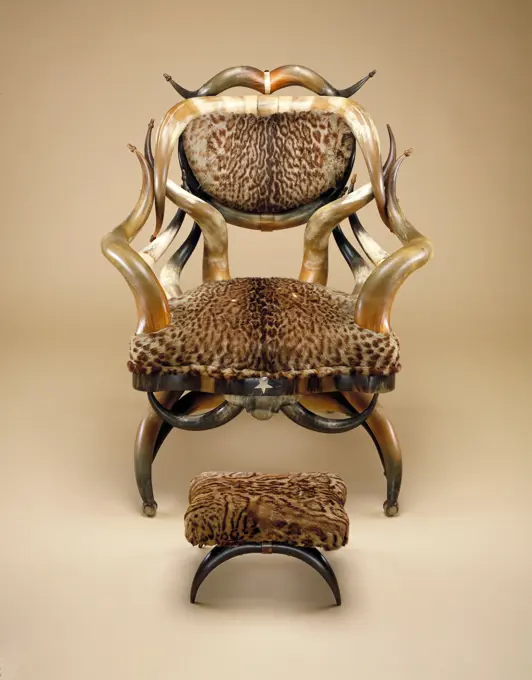
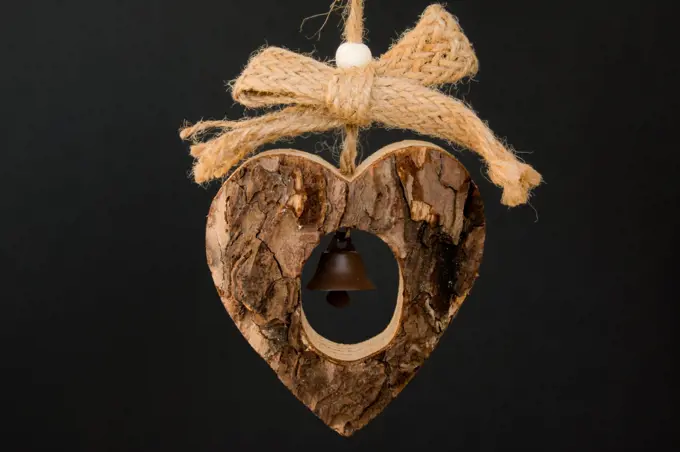
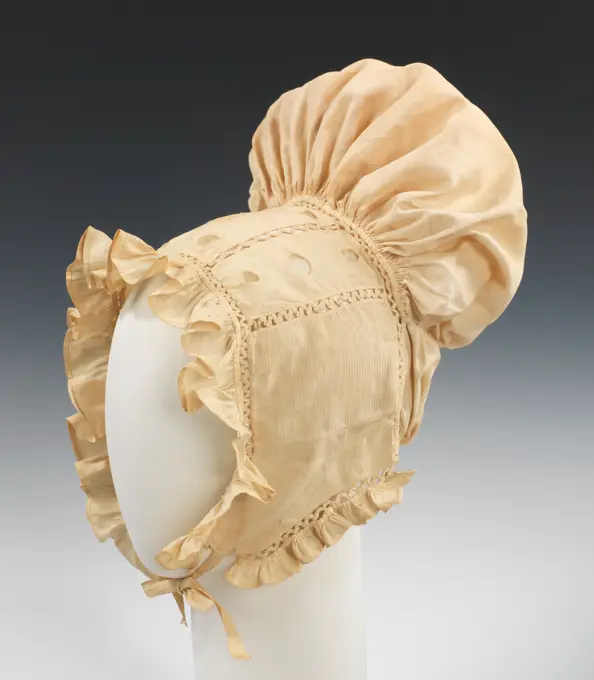
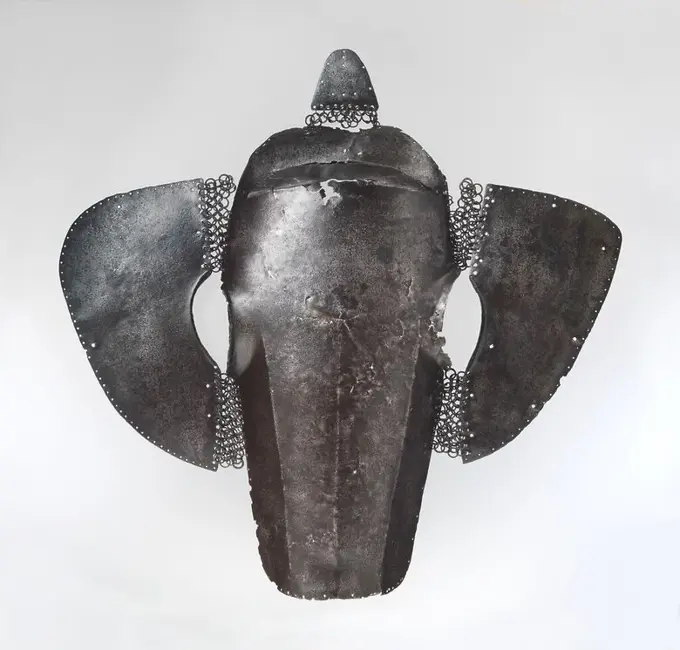
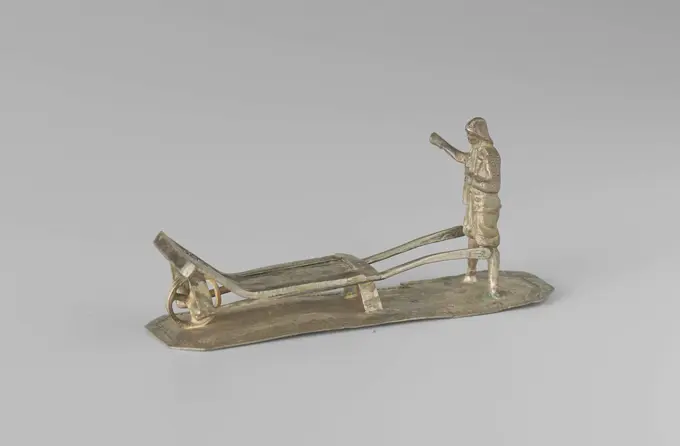
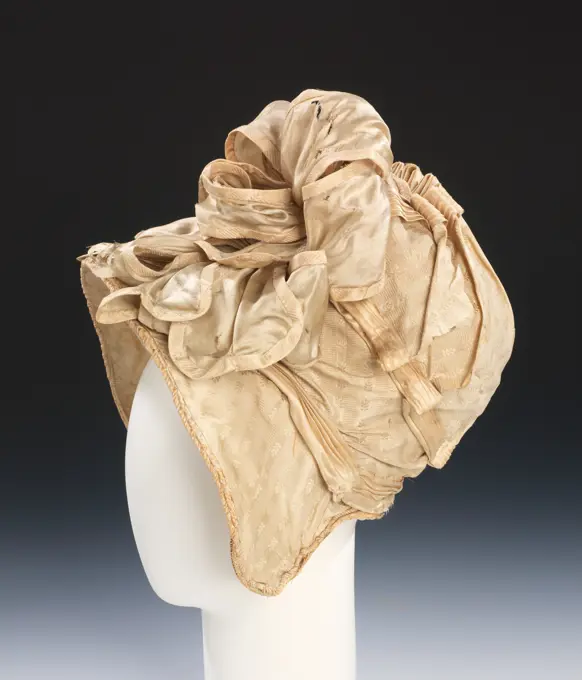
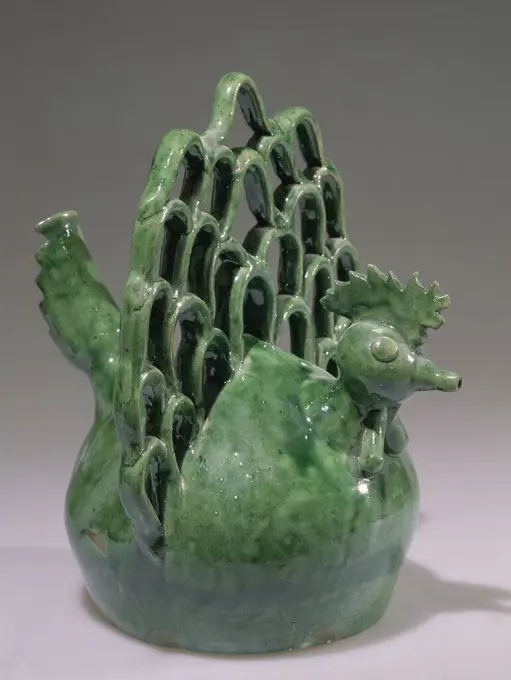
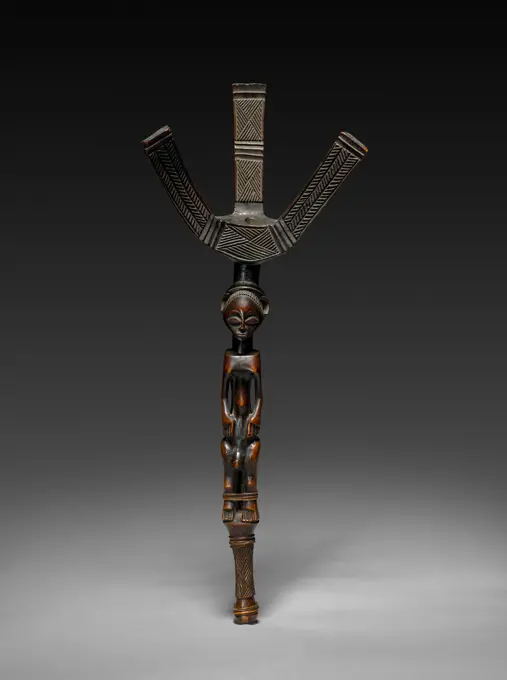
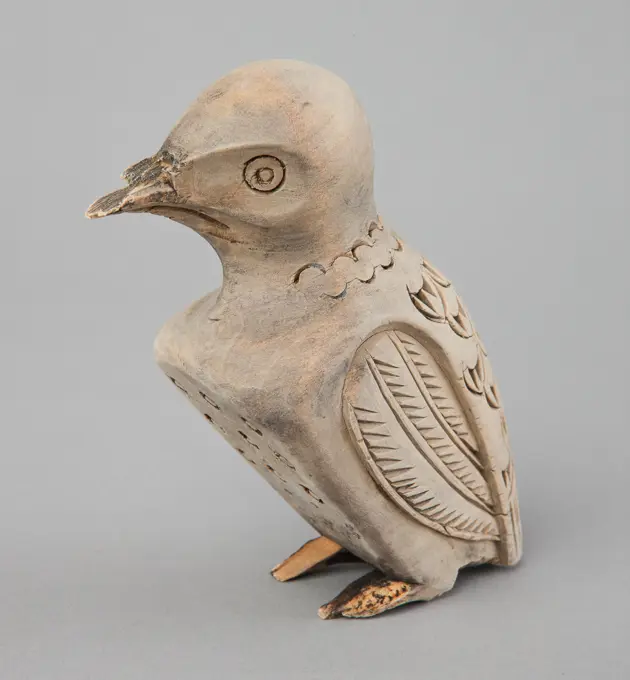
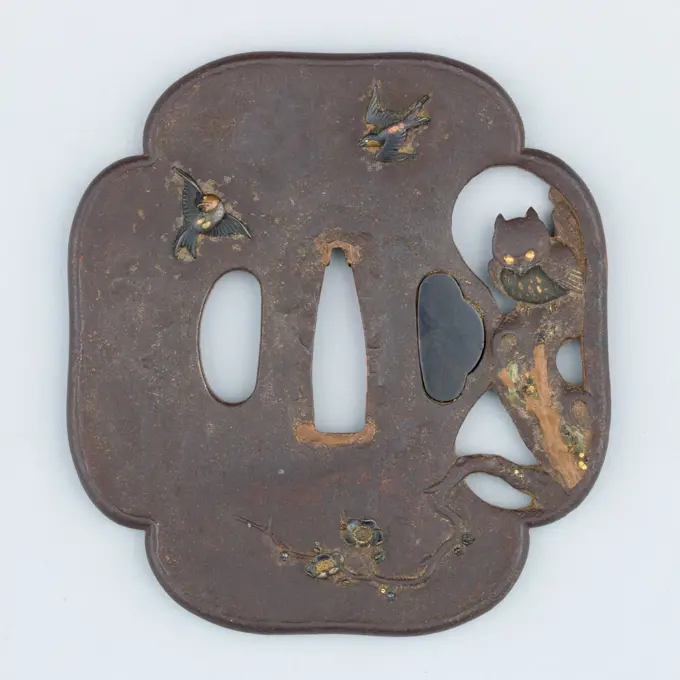
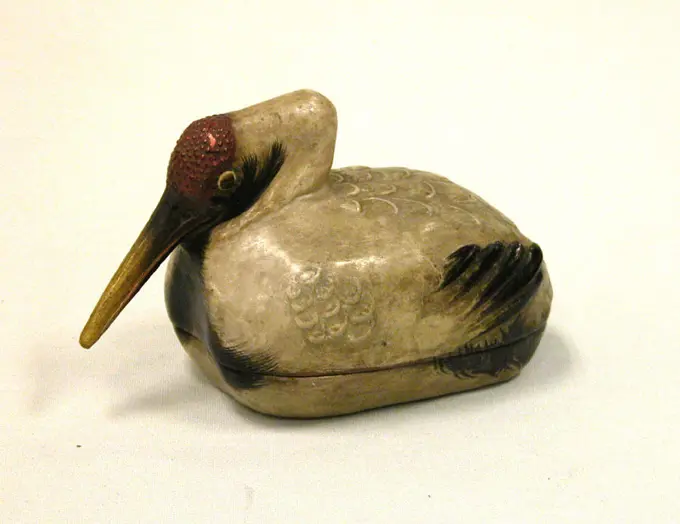
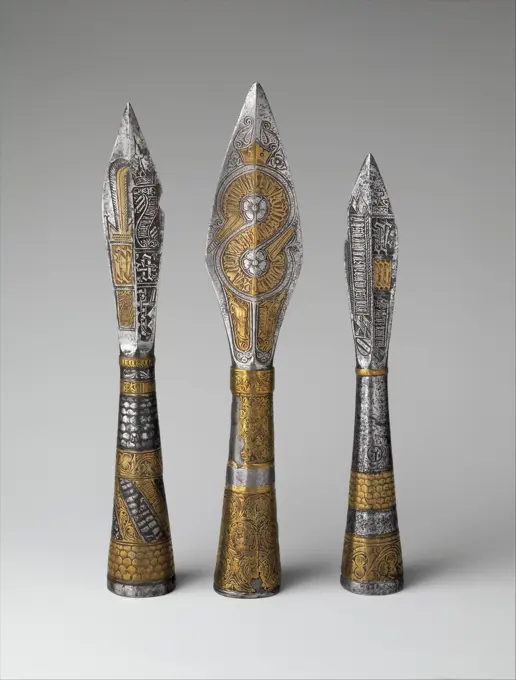
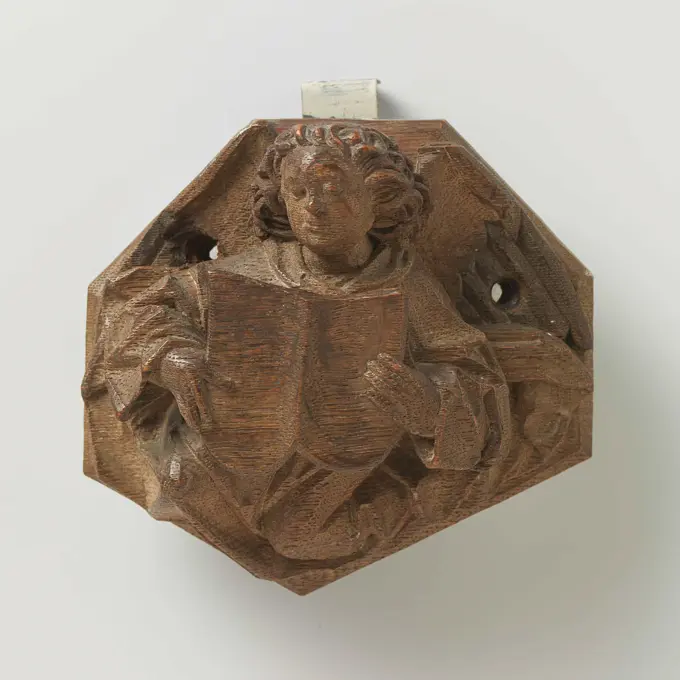
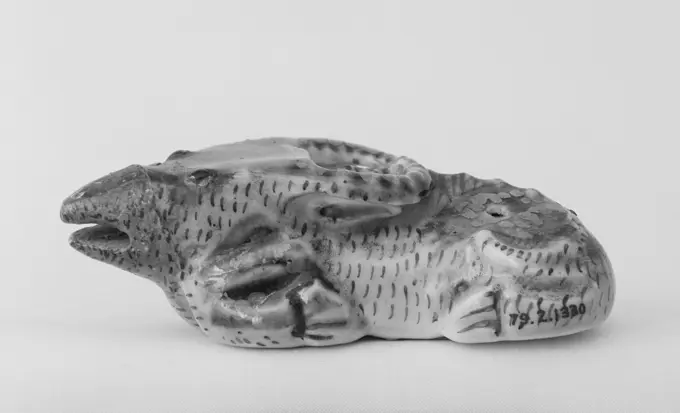
Copper molded thimble with waffle pattern, thimble sewing kit soil find copper metal, cast Copper cast thimble with square wells in lines the waffle pattern on the top with groove changing into the shaft with wheel punch and with blank board with two grooves archeology Rotterdam rail tunnel Seamstress Tailor Sewing Textiles Sewing Clothes Needle and Thread Restoration Soil discovery: rail tunnel Rotterdam.Janus figure. Culture: Colonial (). Dimensions: Overall: 3 13/16 in. (9.68 cm). Date: after 16th century. Museum: Metropolitan Museum of Art, New York, USA.Clasp. Culture: China. Dimensions: L. 2 3/4 in. (7 cm). Museum: Metropolitan Museum of Art, New York, USA.Knife, 1800s. Africa, 19th century. Steel with horn handle; blade: 23.5 cm (9 1/4 in.); scabbard: 10.2 cm (4 in.); knife including handle: 40.7 cm (16 in.).Saddle. Culture: Eastern Tibetan or Chinese. Dimensions: H. 10 in. (25.4 cm); L. 21 1/2 in. (54.6 cm); W. 11 1/2 in. (29.2 cm). Date: possibly 17th-18th century. Museum: Metropolitan Museum of Art, New York, USA.Dragon-Shaped Brooch 100-300 Celtic or Roman With sinuous, asymmetrical designs and swirling arrangements of commas, circles, and fan shapes, this brooch conveys the pervasiveness of a Celtic aesthetic in the Empire's western provinces in the first centuries A.D.. Dragon-Shaped Brooch 466061Half-Shaffron (Horse's Head Defense) ca. 1570-80 Italian, probably Milan This shaffron matches an Italian armor for man in the Metropolitan Museum (acc. no. 14.25.717) that is today mounted on horseback as part of the equestrian group in the main hall of the Arms and Armor Galleries. The slender bands etched with trophies of arms, vases, birds, and grotesque creatures on a dotted and blackened ground are typical decoration for Italian armor of the period. The shaffron is particularly noteworthy for preserving its original lining of coarse-woven linen filled with vegetable fiber. While nearly all armor was once lined in this way, very few original linings have survived. (The spike is modern; the gilding has been restored).. Half-Shaffron (Horse's Head Defense) 27179Fragment pipe head.Fragment pipe head with a pigeon enclosed on both sides by flower drinks. Of the excavations at the Hofstede Arentsburg 1827-1831 under the supervision of professor Reuvens.SpoonFragmentEagle Pendant. Culture: Veraguas. Dimensions: Height 3-3/8 in. (8.6 cm). Date: 11th-16th century. Museum: Metropolitan Museum of Art, New York, USA.Hat ca. 1806 French. Hat. French. ca. 1806. silk, strawOcarina in the Shape of aKinkajou. Artist: UnknownRibbed Bowl Fragment. Unknown 1st century A.D.Netsuke of Birds and Corn 19th century Japan. Netsuke of Birds and Corn. Japan. 19th century. Ivory. Edo (1615-1868) or Meiji period (1868-1912). NetsukeTESORO DE LOS QUIMBAYAS - VASIJA DE ORO CON FIGURA FEMENINA - COLOMBIA - 200-1000 DC. Location: MUSEO DE AMERICA-COLECCION. MADRID. SPAIN.BODEGON DEL CASCO - SIGLO XX. Author: MATIAS QUETGLAS (1946-). Location: PRIVATE COLLECTION. MADRID. SPAIN.Terracotta oil lamp 1st century B.C.-1st century A.D. Roman, Cypriot Loeschcke Type 1A. Mold-made. Plain, concave discus: a single filling hole at center, and a broad, raised circle around edge; narrow shoulder decorated with close-set, impressed ovules. Volutes flanking broad, angular nozzle, with large wick hole. Incised base ring, and flat base.Intact, except for small chip at left side of nozzle.. Terracotta oil lamp. Roman, Cypriot. 1st century B.C.-1st century A.D.. Terracotta. Early Imperial. TerracottasFalcons, one of a pair, 600-222 BCE, 1 1/2 × 2 3/4 × 1 3/8 in., 0.4 lb. (including mount) (3.81 × 6.99 × 3.49 cm, 0.2 kg (including mount)), Bronze, China, 6th-3rd century BCEBronze head of a youth ca. 200 B.C.-A.D. 200 Etruscan or Roman Head of a youth with short wavy hair.. Bronze head of a youth 246280Model of a Figurehead, anonymous, c. 1800 - c. 1850 scale model Model of a sheg image on Scheg, on a ground board, incomplete. The figure is a crowned, running man in classic clothing, who holds a spear in his hands; The spear has been demolished at both ends. A monster fish under his feet. Scheg and floor board are decorated with with leaf work in relief. The figure represents Neptune. Netherlands wood (plant material)  (story of) Neptune (Poseidon)Case (Inro) with Lotus and Crab (obverse); Lotus and Tadpole (reverse). Culture: Japan. Dimensions: H. 3 1/16 in. (7.7 cm); W. 1 15/16 in. (5 cm); D. 11/16 in. (1.8 cm). Date: late 19th century. Museum: Metropolitan Museum of Art, New York, USA.Vessel (Kundika) 6th-7th century Korea. Vessel (Kundika) 57513Hand of the Crucifixion:, Adriaen van Wesel, c. 1475 - c. 1477 Probably added hand later, removed after restoration. Utrecht oak (wood) gilding Probably added hand later, removed after restoration. Utrecht oak (wood) gildingThistle with three flowers and five leaves..an Iron Flower, Thistle with Three Flowers and Five Leaves.Knife (Tumi) 15th-16th century Inca. Knife (Tumi) 307475Rattle. Culture: Native American (Skittagetan or Haida). Dimensions: Overall: 7.6 x 20.3cm (3 x 8in.). Date: 19th century.This rattle depicts a grinning mountain spirit, potentially that of a bear. The spirit would act as the intercessor for the human figure found between the ears. The rattle represents the relationship between the two and how the owner would depend on the spirit for strength and guidance. Museum: Metropolitan Museum of Art, New York, USA.Skull of dead deer cleaned and isolated on white background. Box of porcelain, covered with underglaze brown and blue. The box is formed irregularly to a shell with smaller shells.Stirrups with Design of Cosmetic Brushes 17th century Japan. Stirrups with Design of Cosmetic Brushes 40467Head of a Horse Artist's working dates 206 BCE-221 CE China. Earthenware with polychrome pigments .Priming Flask Made for Prince-Elector August I of Saxony (reigned 1553-86) ca. 1575 German, probably Saxony This finely worked flask was made by a specialist iron-chiseler for Prince-Elector August I of Saxony (ruled 1553-86). It bears his monogram AA (combining his initials with his wife's, Anna of Denmark), and the arms of Saxony and Denmark. in the center is a depiction of the Sacrifice of Isaac, after a 1571 woodcut by Jost Amman (1539-1591).. Priming Flask Made for Prince-Elector August I of Saxony (reigned 1553-86). German, probably Saxony. ca. 1575. Iron, gold, silk. probably Saxony. Firearms Accessories-Flasks & PrimersLadle, 19th century, 2 3/4 x 14 13/16 x 3 13/16 in. (6.99 x 37.62 x 9.68 cm), Horn, United States, 19th centuryChinese Lion. Japan, 19th century. Costumes; Accessories. Arita ware; porcelain with red overglaze and gold enamelsÉcuelle with cover 1793-1830 Moulin Manufactory The "brocatelle" ware of the Moulin factory is noted for the elegance of its forms and the refined use of the humble materialwedged clays of different colorsan improvement on the Staffordshire original.. Écuelle with cover. French, Apt. 1793-1830. Faience (tin-glazed earthenware). Ceramics-PotteryStool, 19th-20th century, 5-11/16 x 8-1/8 x 7-13/16 in. (14.4 x 20.6 x 19.8 cm), Wood, brass tacks, beads, Democratic Republic of the Congo, 19th-20th century, Many African cultures, including the Chokwe, believe death is not an end, but merely a transition to the spirit world. Departed ancestors continue to play an active role in the life of the living, providing protection and guidance. The living try to ensure the good favor of their ancestors by respecting traditions and providing offerings of food and drink. The figure in these Chokwe stools is an ancestor holding her head in sorrow. She is worried that her descendents are not honoring her as they should and fears that they may be punished for their misdeeds.The brass tacks embellishing these stools signify that they were once owned by a king. The figure of the female ancestor carved in the stool symbolically supports the king, protecting his authority. Immense spiritual strength is accredited to women in African society and femalFragment drinking glass, roemer with blackberry buds, roemer wineglass drinking glass drinking utensils tableware holder soil find glass, free blown Fragment of drinking glass rummer with blackberry buds. Fragment of handle. Decoration consists of eight bramble buds and the beginning of spun glass thread. High soul with pontilark archeology Rotterdam Stadscentrum Stadsdriehoek Groenendaal drink serving table room wine Soil discovery: Mariniersweg Groenendaal Rotterdam 1983.Helmet (burgonet) in the Form of a Dolphin Mask. Dated: 1540/1545. Dimensions: overall: 29.5 x 20.9 x 31.6 cm (11 5/8 x 8 1/4 x 12 7/16 in.). Medium: iron or steel, repoussé, embossed, and chiseled. Museum: National Gallery of Art, Washington DC. Author: Giovanni Paolo Negroli.Neck fragment of majolica jug, blue on white, with pinched spout, Chinese decor, fopkan, pichet trompeur, puzzle jug, jug crockery holder soil find ceramic pottery glaze, hand turned hand shaped baked glazed painted fried Neck fragment with pleated spout and attachment of standing ear Probably of fopkan, pichet trompeur, puzzle jug or the fragment has served as an ornament to larger whole archeology imported from exotic potteryAmulet - Ba. unknown, authorPijp, Anonymous, 1700 - 1800 Silver pipe with cap. The cap is open. Half of the steel is Van Ebony (Steel is no longer present Zinds 1960). Netherlands silver (metal). ebony (wood) Silver pipe with cap. The cap is open. Half of the steel is Van Ebony (Steel is no longer present Zinds 1960). Netherlands silver (metal). ebony (wood)Ram, early 20th century, 5 1/8 x 9 3/8 x 1 9/16 in. (13.02 x 23.81 x 3.97 cm), Iron, Mali, 20th centuryHarp. Dimensions: l. 110 cm (43 5/16 in). Dynasty: late Dynasty 13-early Dynasty 18. Date: ca. 1700-1450 B.C..Arched harps of this type were already in use during the Old Kingdom and remained the foremost string instruments until the end of the Middle Kingdom. From the New Kingdom onward, Egyptian arched harps co-existed with a great variety of harps in different shapes and sizes. Unlike modern European versions, ancient Egyptian harps have no forepillar to strengthen and support the neck. Skin, now missing, covered the open top of the soundbox. Older forms of arched harps like this had four or five strings; during the later New Kingdom musicians experimented with newer forms that accommodated many strings. Harp players accompanied a singer; harps, flute players and singersformed the most common type of musical ensemble that performed during festivals and banquets, funerals and temple rituals. Museum: Metropolitan Museum of Art, New York, USA.Crayfish 6th-7th century Moche (Loma Negra). Crayfish 314491Tractor, c. 1400 - c. 1950   iron (metal)   iron (metal)Slot, 1400 - 1499 A lock. Gothic.  iron (metal) A lock. Gothic.  iron (metal)Plaque in the shape of a mythical animal China. Plaque in the shape of a mythical animal 61288Seated Doll. Japan, 18th century. Costumes; Accessories. Ivory or tooth with staining, sumiGlass beaker with snake-thread decoration Roman ca. 3rd century CE Colorless with pale green tinge; trails in same color.Tall beaker or goblet, with side tapering downwards and curving in at base; stem consists of a solid, slightly convex knob; broad, shallow foot, made from a separate gather is concave, with rounded, thickened edge, and small central pontil scar.On body, three vertical abstract floral sprays, comprising stems and broad, down-turned leaves, applied as separate trails, all flattened and decorated with crisscross patterns, and one small additional spray near bottom on one side.Broken and repaired, with some weathered broken edges; all of rim and much of body missing, but foot intact; a few bubbles; slight dulling and patches of brilliant iridescent weathering.Face Protector. Japan, mid-19th century. Costumes; Accessories. WoodMythological wooden mask, souvenir from Madang, Papua New Guinea, Pacific Ocean, OceaniaBowl with Heron in Reeds late 16th century Japan. Bowl with Heron in Reeds. Japan. late 16th century. Stoneware with underglaze iron brown (Mino ware, Shino type). Momoyama period (1573-1615). CeramicsQuatrefoil Footed Dish. China. Date: 700 AD-750 AD. Dimensions: 4.8 × 17.5 × 16.6 cm (1 7/8 × 6 7/8 × 6 9/16 in.). Earthenware with cobalt blue and lead amber glazes. Origin: China. Museum: The Chicago Art Institute, Chicago, USA.Wooden Yoruba Masks from Oro Society, England, London, Christie's Images, Primitive ArtBuffalo Horn, 20th century, 14-1/2 x 10-3/4 x 3-3/16 in. (36.8 x 27.3 x 8.1 cm), Buffalo horn, Democratic Republic of the Congo, 20th centuryPlate and Nail 15th-16th century European. Plate and Nail. European. 15th-16th century. Iron. Metalwork-IronFragmentary Statuette of a Male Figure. UnknownA German walnut armchair, the rectangular padded back and bowed seat covered in simulated leopard-skin.Lazio Roma Rome SS. Giovanni e Paolo, Museum47. Hutzel, Max 1960-1990 Medieval: Ceramic fragments, sculptural fragments, fresco fragments, inscribed tomb markers. Houses one of the best collections of Malagan medieval ceramics for casting wall monuments, copies of which are housed in campanile. Specific Location: Museum Antiquities: Ceramic fragments, sculptural fragments, architectural fragments Object Notes: Basilica has separate record and is filed separately. German-born photographer and scholar Max Hutzel (1911-1988) photographed in Italy from the early 1960s until his death. The result of this project, referred to by Hutzel as Foto Arte Minore, is thorough documentation of art historical development in Italy up to the 18th century, including objects of the Etruscans and the Romans, as well as early Medieval, Romanesque, Gothic, Renaissance and Baroque monuments. Images are organized by geographic region in Italy, then by province, city, site complex and monument.Tantric Goddess Kamakala and Spouse in Ritual Embrace (yab-yum) 1301-1500 Nepal. Bronze .Comb Morion Made 1570-1600 Brescia. Steel, brass, and leather .Headrest 19th century Nguni peoples This headrest has a horizontal orientation with four legs supporting a platform, semi-circular in profile, which is contained between the legs. The surface is flat, and there are rounded handles at either end that are slightly raised above the horizontal line of the platform. The form falls into a category of headrest commonly found south of the Zambezi River that do not have a columnar base (Nettleton, 2007: 247). The four bulbous legs evoke a fat and healthy quadrupedmost likely a cow, given the vital significance of this animal in Nguni society. The surface of the legs, handles, and underbelly is decorated with deeply incised grooves that wrap around the form in parallel lines, creating a dramatic surface of smooth ridges that are shiny from handling and soft curves that are dark with patina. The top is undecorated, and the honey color of the wood is visible in contrast to the decorated areas, which are black with surface accretions. Headrests haCeremonial Metate 4th-8th century Guanacaste-Nicoya Even today, stone metates in the Americas are used to grind maize and other foodstuffs. Certain ancient rituals must have incorporated this activity and required special metates to be created for this purpose. The decorative quality of this metate suggests a ceremonial function. Carved in volcanic stone, this object bears a fretted edge, tripod legs covered with geometric relief and cut-outs, and, at one end, an abstract bird's-head motif, perhaps a parrot. The ornament may be related to the owner of this object or to the ritual in which the metate was used. Its function as a surface for grinding maize, a staple food of the region from which it comes, links this sculpture with the notion of fertility, a primary concern for an agricultural people. It has been suggested that the ceremonial metate, given its ritual importance, may have also served as a throne for the ruler, for whom the assurance of the fertility of his land and people wLámpara de aceite. Museu Català de les Arts i Tradicions Populars.Candlestick 16th century Spanish. Candlestick 212207Biscuit Box Biscuit Box; Designed by Hugo Leven (German, 1874-1956); Manufactured by J. P. Kayser & Sohn (Germany); pewterBull's Head Cup with separable liner. UnknownHead of Serapis. UnknownLuteCrane figurine based on unknownNetsuke of Head of a Fish 19th century Japan. Netsuke of Head of a Fish. Japan. 19th century. Wood. Edo (1615-1868) or Meiji period (1868-1912). NetsukeFibula La Tene II-type. 2nd century BC. It was the insignia of an equites, depicting a hunting scene and the Goddess Potnia Theron between two horse protomes. Iberian culture. Gilded silver. From Ca-ete de las Torres (Cordoba province, Andalusia, Spain). National Archaeological Museum. Madrid. Spain.Pre-Colombian ceramic art in Larco Museum, Lima, Peru.String of beads ca. 4400-3800 B.C. Predynastic, Badarian. String of beads 557613Africa, Cameroun, tribal art, Namji people, cowrie shells doll. Against the black fond on one side a plump in o.a. red and gray; On the other side the Kamo river with storm moved plants in gold. On the bottom in gold signed "Toshihide" with age and year and stamp.Saùng-Gauk 19th century Burmese This richly decorated arched harp has 13 twisted silk strings of varying diameter. Each string connects to a gold-painted stringholder which runs the length of the gold-lacquered deerskin belly. The strings are secured to the neck with red-twisted cotton cords (tuning rings), which end with a gold colored metallic tassel. The sides of the instrument depict scenes from the Ramayana in gold against a black field. Often used to accompany songs, instruments like this one had their orgins in ancient India and represent one of the oldest surviving harp traditions. Listen to experts illuminate this artwork's story Listen Play or pause #9315. Saùng-Gauk Supported by Bloomberg Philanthropies We're sorry, the transcript for this audio track is not available at this time. We are working to make it available as soon as possible.. Saùng-Gauk. Burmese. 19th century. Wood, deerskin, paint, cotton cord, metal, glass. Mandalay, Myanmar (formerly Burma). Chordophone-HarpBlue Cod. Japan, 19th century. Costumes; Accessories. Black persimmon wood with inlaysYarn reel on round foot. Yarn reel with a round bottom of walnut. The reel is eroded all around. The other parts are made of turned maple wood.Stool, 1880-1890, Wenzel Friedrich, American (Texas, born Bohemia), American (Texas, born Bohemia), 1827 - 1902, 8 x 8-1/2 x 12-3/4 in. (20.3 x 21.6 x 32.4 cm), Horn, ocelot, United States, 19th centuryBark wooden heart on a rope with little opaque brass bell in the middleQuartz. mineralsSunbonnet ca. 1825 American Undoubtedly hand sewn at home, the exaggerated shape of this bonnet marks it as a highly fashionable example of the period. The back puff mirrors the puffed sleeves that were then fashionable. The rick-rack like openwork joining the sections is another notable feature.. Sunbonnet 156428Shaffron (Horse's Head Defense). Culture: Mamluk. Dimensions: H. 19 1/2 in. (50 cm); W. 9 1/2 in. (24.1 cm); D. 3 in. (7.6 cm); Wt. 3 lb. 6.5 oz. (1545 g). Date: 15th century. Museum: Metropolitan Museum of Art, New York, USA.Man with wheelbarrow. On an elongated plate, a man with raised right arm is behind a wheelbarrow. The man wears a knee pants and a southwester. The plate has a zig-zag line along the edge. The image is marked with a dolphin and a master sign.Openweave Cap 14th-early 16th century Peruvian. Openweave Cap 316948Bonnet 1810 American In the beginning of the nineteenth century, the highly embellished silhouette of the late eighteenth century gave way to a straighter, simpler silhouette inspired by antiquity. However, ladies still preferred millinery designs that featured frills, and during the first decade of the nineteenth century, there were endless variations of bonnets offered for ladies to wear. The voluminous elaborate style of a hat such as this one was worn with the columnar cotton and linen dresses fashionable during the period. Perhaps the general height and volume of the hat balanced out the slim shape of the silhouette.. Bonnet 156173Ray Price, Metal Grits Grinder, c 1939 Metal Grits GrinderBOTIJO DECORATIVO CON FORMA DE GALLINA VIDRIADO Y PINTADO EN VERDE. Location: ALFARERIA. JAEN. SPAIN.French 13th Century, Pyx in the Form of a Dove, c 1220 1230 French 13th Century, Pyx in the Form of a Dove, c. 1220/1230, gilded copper with enamel, Widener Collection 1942.9.284Bow Stand, 1800s. Africa, Central Africa, Democratic Republic of Congo, Luba-style carver. Wood and plant fiber; without base: 57.9 x 23 x 10 cm (22 13/16 x 9 1/16 x 3 15/16 in.). A powerful symbol of the Luba King, bow stands were ceremonial objects that resided within the kings private vicinity in the palace and were never displayed in public. Typically, bow stands depict a female figure, but this rare example depicts a hermaphrodite with delicate facial features, svelte body structure, small pointed breasts, a swollen belly, and well-defined male genitalia.Gaming scholarship. 18th century. GAL1998.121.1A bird figurine from the legacy of Olga BoznańskaSword Guard (Tsuba) ca. 1615-1868 Japanese A tsuba is a sword guard and part of a sword mounting. It is mounted between the swords blade and grip to protect the users hands.. Sword Guard (Tsuba) 34478Hare and the moon, late 19th century, Unknown Japanese, 1 x 1 3/8 x 1in. (2.5 x 3.5 x 2.5cm), Ivory, Japan, 19th centuryQuesera. Museu Català de les Arts i Tradicions Populars.Box in the shape of young crane 19th century Japan. Box in the shape of young crane 58247Shaffron Made 1615-1625 Brussels. Steel, paint, leather .Three Ceremonial Arrowheads ca. 1437-39 Bohemian, probably Prague Originally mounted on wooden shafts, these extremely large arrowheads probably served as symbols of rank or batons of command. They are decorated with royal Bohemian monograms and badges in addition to religious invocations in medieval Czech. All three bear the monogram AR for Albert, king of Bohemia and Hungary (reigned 1437-39). In one instance (66.199), there is also the monogram AE, probably for Albert and Elizabeth, his queen. The right and left arrowheads are stamped with the so-called Turkish arsenal mark, indicating that they were captured by Ottoman forces, perhaps in the campaign of 1439 in which Albert was killed, and were subsequently stored in the Turkish arsenal in Constantinople (now Istanbul).. Three Ceremonial Arrowheads. Bohemian, probably Prague. ca. 1437-39. Steel, copper alloy. probably Prague. Archery Equipment-Arrows & QuiversLock with an angel with coat of arms. Against a flat background in the form of an irregular seven corner, an angel is placed with strong curly hair, spread wings and knees raised. He holds a coat of arms in both hands and is dressed in Albe and Amict.Water Dropper 18th century Japan. Water Dropper. Japan. 18th century. White porcelain decorated with blue under the glaze and green enamel (Arita ware). Edo period (1615-1868). Ceramics