Ancient Oil Lamps

Terracotta oil lamps from various periods, featuring intricate designs and historical significance, including Roman and Cypriot styles.

Cooking rebuilding. Sandstone with blue and brown under cover. Cernuschi Museum, Asia Museum of Asia in the city of Paris.
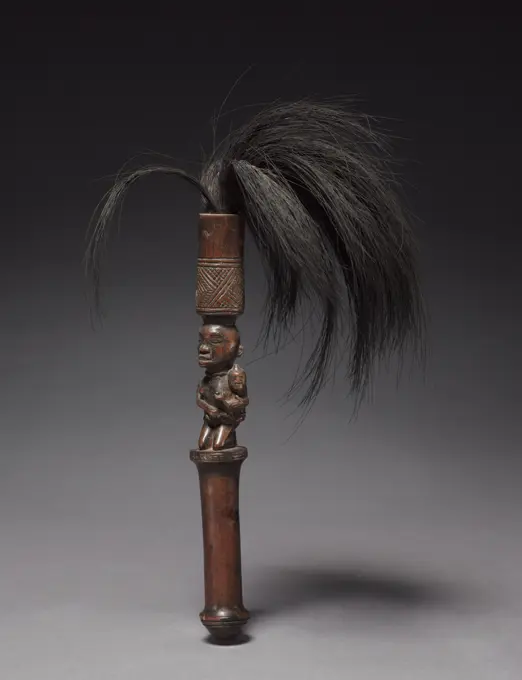
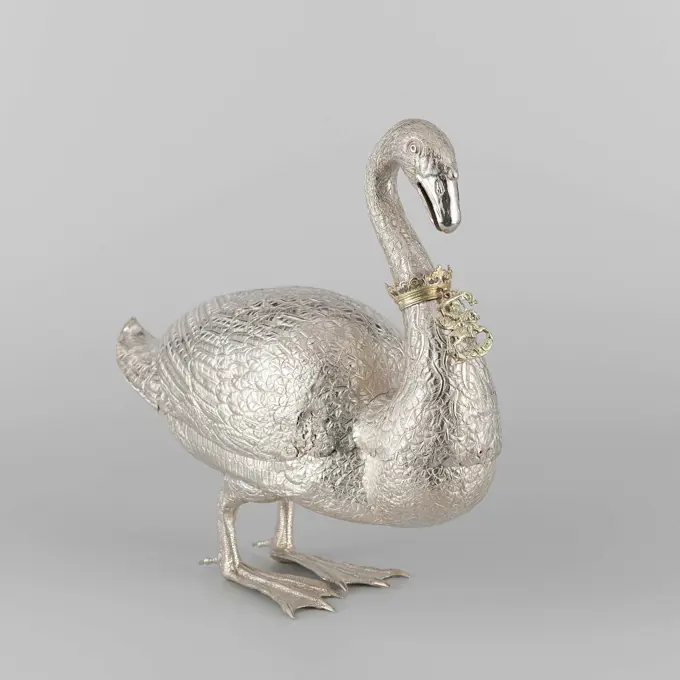
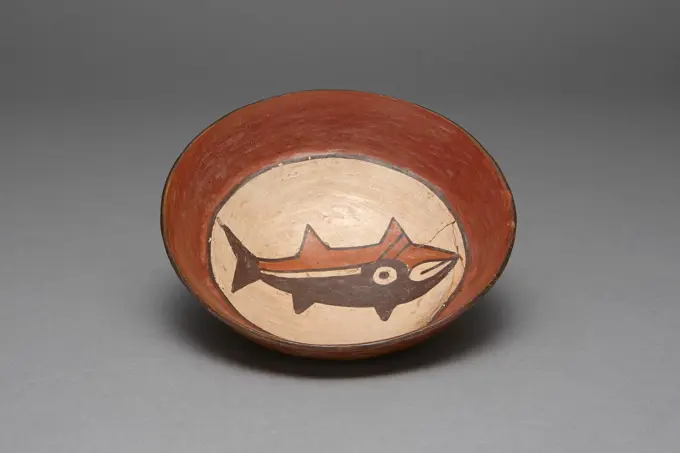
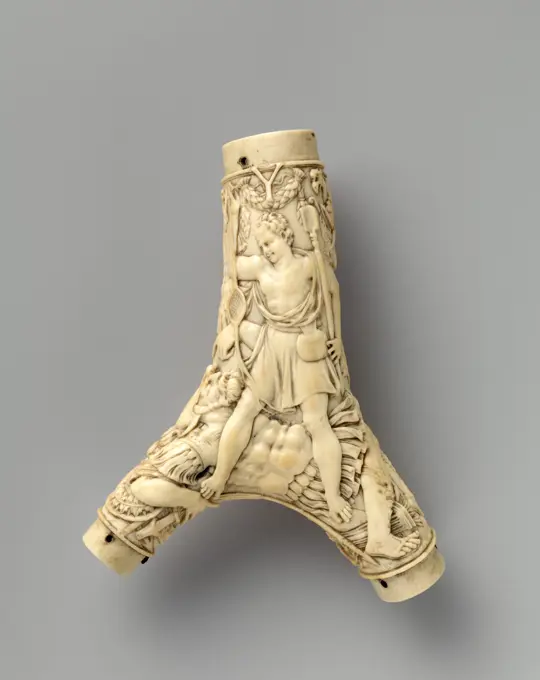
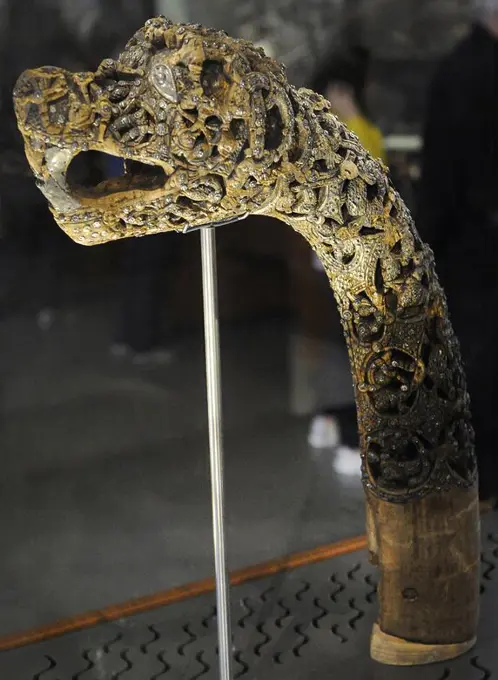
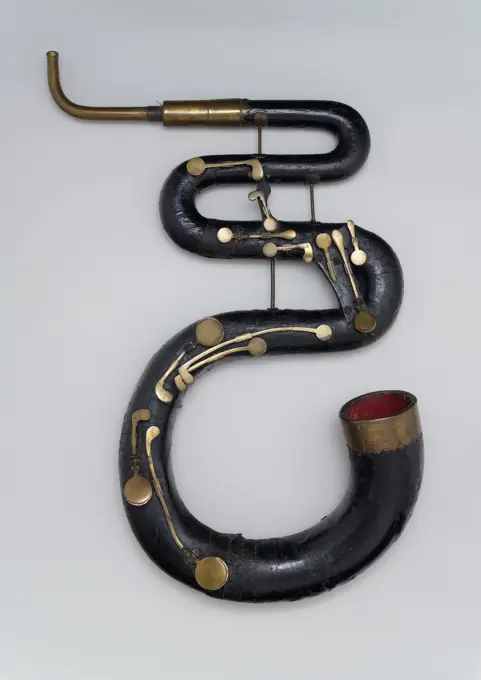
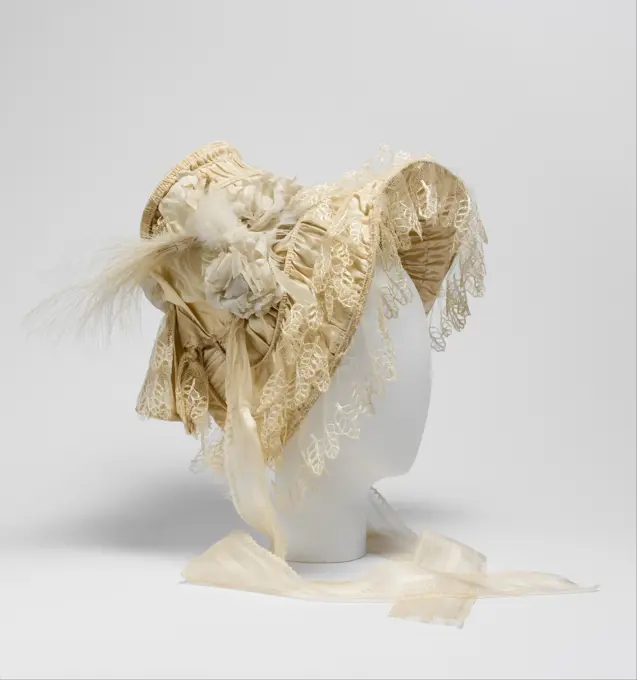
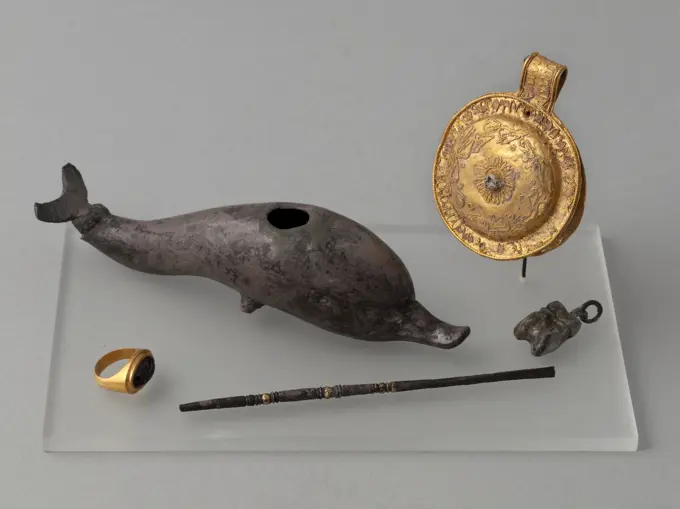
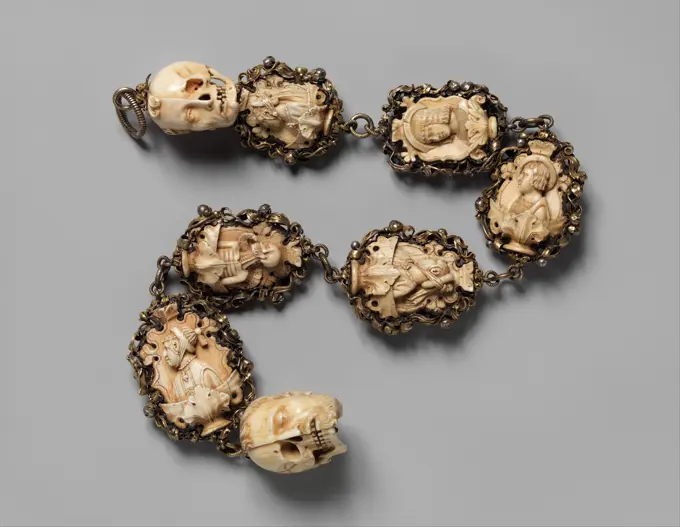
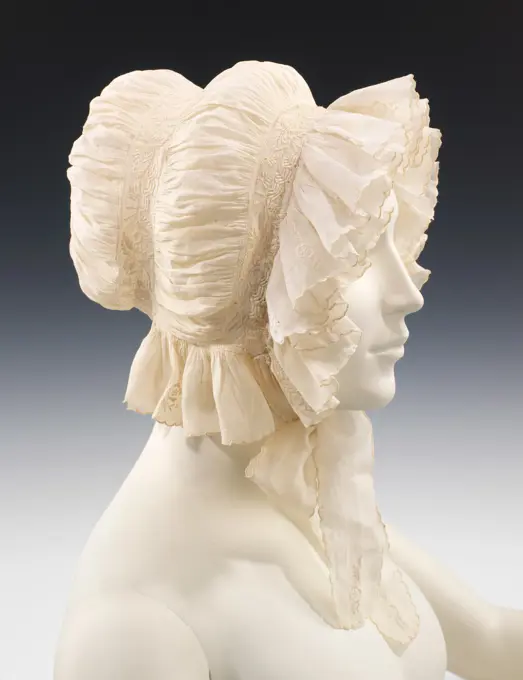
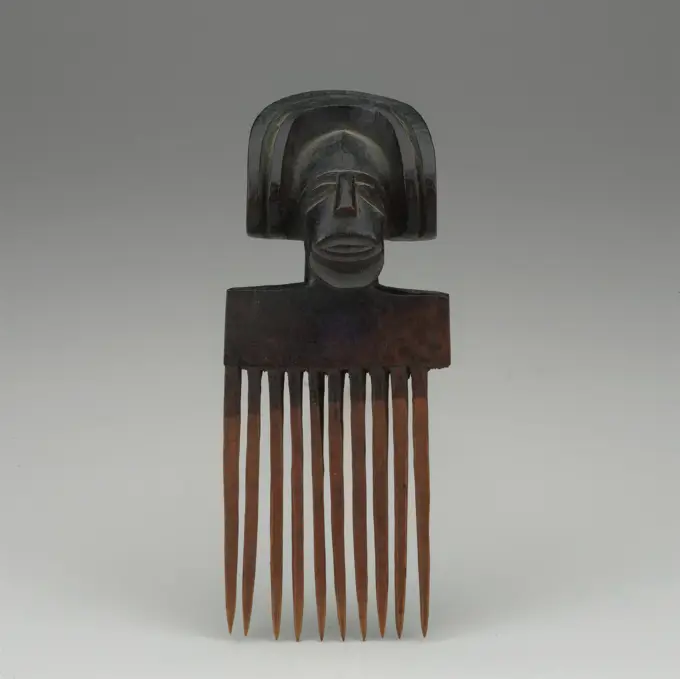
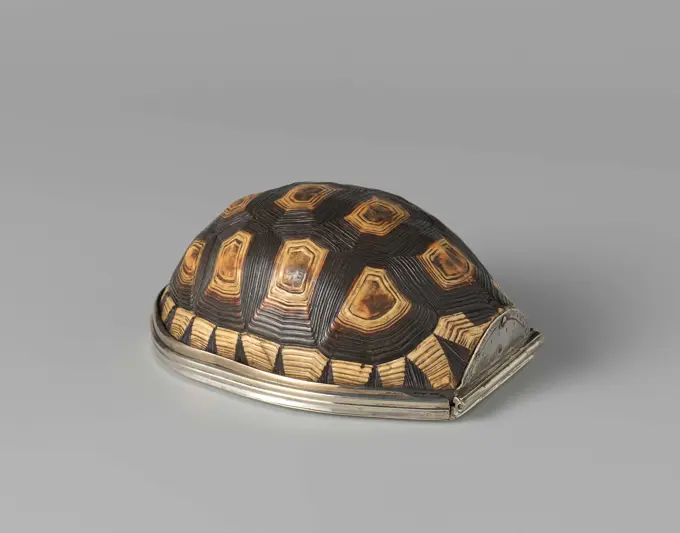
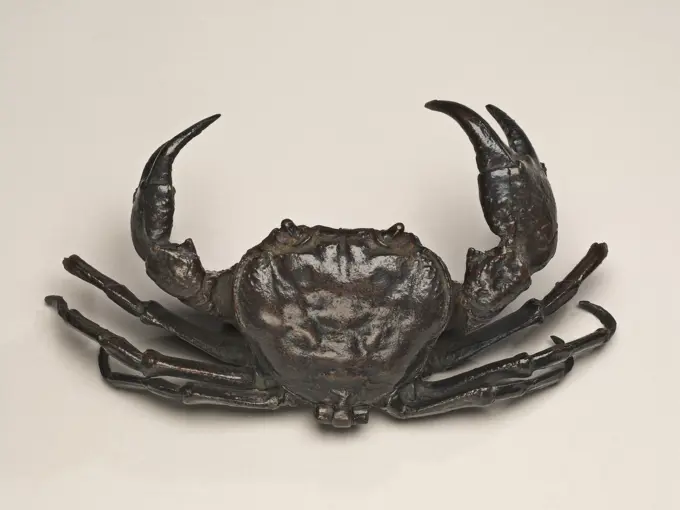
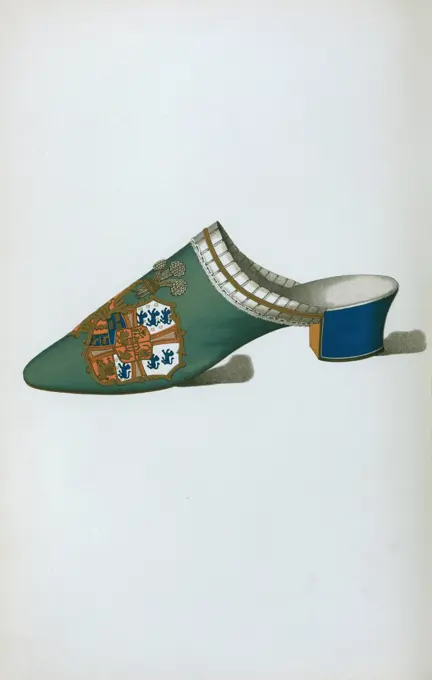
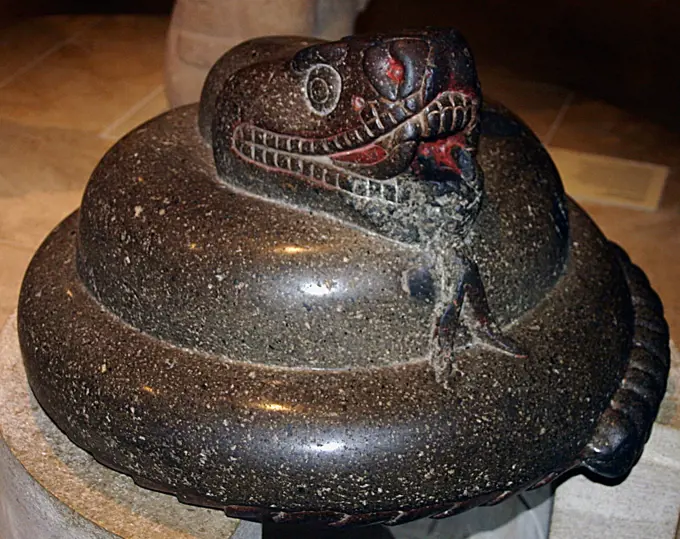
Valk.Figure of painted porcelain. The figure represents a falcon on a tree stump, which is placed in the middle of a soil with rocks. The falcon is painted in light and dark brown, gray and black. The figure has been marked.Spout Jar in Form of FemaleFlywhisk, late 1800s-early 1900s. Central Africa, Democratic Republic of the Congo (most likely), Cabinda, or Republic of the Congo, probably Yombe people. Wood and animal hair; overall: 30 x 16 x 18 cm (11 13/16 x 6 5/16 x 7 1/16 in.).Terracotta vase in the form of a swan. Culture: Greek, Corinthian. Dimensions: H. 4 1/16 in. (10.4 cm). Date: 6th century B.C..This example possibly may be an Etruscan imitation of the Corinthian type. Museum: Metropolitan Museum of Art, New York, USA.Doll canopy hat made of light pink satin, decorated with leaf hanging with one flour and double satin bow, anonymous, c. 1830 - c. 1840 Doll canopy hat made of light pink satin, decorated with leaf hanging with one flower and double satin bow. Amsterdam (possibly) satin. taffeta. silk Doll canopy hat made of light pink satin, decorated with leaf hanging with one flower and double satin bow. Amsterdam (possibly) satin. taffeta. silk. In 1980 archaeologists investigated the graves of 185 Dutchmen - whale hunters and workmen of the train oil refineries - who had died on or near Spitsbergen during the 17th century. The skeletons were still wearing their knitted woollen caps. Each cap was individualized; the men recognized one another only by the pattern of stripes on the caps. The men were bundled up so tightly against the fierce cold that only their eyes were visible.Box in the shape of a swan consisting of two parts. On the neck of the swan, a gold-plated silver crown to which an insignia with Sint Maarten .. box in the shape of a swan of silver. The bird consists of two parts. To the neck a gold-plated silver crown to which an insignia depends on Sint Maarten.Plate Depicting a Fish, Shark, or Whale 180 BCE-500 CE Peru. Ceramic and pigment . NazcaPowder Flask ca. 1570 French The consummate works of an anonymous French artist, this flask and another in the Metropolitan Museum's collection (acc. no. 14.25.1491) are made of polished antler, and expertly carved at the front. Whereas the latter sports the heraldic arms and personal emblem of its noble owner, this flask features a scene from the Old Testament, David's victory over the giant Goliath. As is often the case, the metal mountings that would have capped the flaskss extremities are now lost.. Powder Flask. French. ca. 1570. Antler, iron. Firearms Accessories-Flasks & PrimersAnimal-head post carved in wood. Found in the Tomb of the Boat of Oseberg, Norway. 9th century. Viking Ship Museum. Oslo. Norway.Empty wooden cutting board with cracks and scuffs located on a dark concrete backgroundSaron Panerus Slendro 19th century Javanese The saron panerus is the smallest and highest pitched instrument of the gamelan ensemble. It is played with a wooden or horn mallet. This example is tuned to the pentatonic scale known as slendro, one of two scales used in gamelan performances.. Saron Panerus Slendro 501374Serpent in C ca. 1840 Thomas Key British. Serpent in C. British. ca. 1840. Wood, leather, fabric, brass. London, England, United Kingdom. Aerophone-Lip Vibrated-hornPIPA INCA CON ANIMALES - ARTE DEL PERU PRECOLOMBINO. Location: MUSEO DE AMERICA-COLECCION, MADRID, SPAIN.Bonnet 1830-35 French In the 1830s the fashionable coiffeur was hair pulled back in a high single- or double-looped chignon with dense grapelike bunches of curls at the temples. This hairstyle influenced the profile of hats of the period, which were characterized by narrow, deep, cylindrical crowns that were angled upward, and wide, face framing, halolike brims. Hat trims were particularly lavish, with the interiors of the brims, because they were exposed, also treated decoratively. This example is particularly rich in ornamentation and rare for the survival of all its embellishments.. Bonnet 108329Funeral furniture: plastic vase in the shape of a dolphin; ossicle; ring; Box pendant. Silver metal; gold and garnet; gold. Héllenistic period, around 200 BC. AD Museum of Fine Arts of the City of Paris, Petit Palais. 59721-11 Antiquity Greco-Romaine, silver, ancient art, funeral bagciérite, belief, dolphin, hellenistic time, iiieme IIIe III 3e 3e 3rd century AV.J-C., Precious metal, funerary furniture, gold, bone, pendant, semi-pronouous stone, vase Ancient, animalWooden 50 carved number 50 on white background copyright: xzoonar.com/andyxnowackx 6477956Shark Pendant 11th-16th century Chiriqui. Shark Pendant. Chiriqui. 11th-16th century. Gold (cast alloy). Costa Rica or Panama, Burica Peninsula. Metal-OrnamentsRosary ca. 1500-1525 German Each bead of the rosary represents the bust of a well-fed burgher or maiden on one side, and a skeleton on the other. The terminals, even more graphically, show the head of a deceased man, with half the image eaten away from decay. Such images served as reminders that life is fleeting and that leading a virtuous life as a faithful Christian is key to salvation.. Rosary. German. ca. 1500-1525. Ivory, silver, and partially gilded mounts. IvoriesMorning cap ca. 1830 American. Morning cap 157755A snail alibrije at the alibrije studio of Jacobo y Maria Angeles in the Zapotec wood carving village of San Martin Tilcajete near Oaxaca, Mexico.Traditional Venetian Mask on old wall backgroundComb, 20th century, 6 7/8 x 2 3/4 x 2 in. (17.46 x 6.99 x 5.08 cm), Wood, Democratic Republic of the Congo, 20th century, The figure in this comb is a representation of the Chokwe founder, Chibinda Ilunga. He was a Luba hunter of royal descent, who married the queen of the neighboring Lunda, and together they established the Chokwe. Chibinda Ilunga is still regarded as a hero and role model, and his image appears frequently in their art, distinguished by his elaborate chief's headdress. He established the concept of 'sacred kingship' among the Chokwe, identifying rulers as representatives of God and mediators between the world of the living and the ancestors and spirits. Representations of Chibinda Ilunga serve as reminders of the importance of history and honoring ancestors.Indonesian Shadow Puppet.Bliżej Kultury unknownwooden eagleGerredlee, Arnoldus van Geffen, 1768 Arrenslede pulled by a horse. The horse -drawn sled is decorated in relief with a figure, blowing on a horn, next to a flower. There is a man with a stitch in the sledge, with the lines in his left hand and a whip in his lifted right hand. The horse has a plume on the head and stands on an elongated plate. The image is marked: stk. = Amsterdam, Jrl. = I (1768), Mt. = Arnoldus van Geffen. Amsterdam silver (metal) Arrenslede pulled by a horse. The horse -drawn sled is decorated in relief with a figure, blowing on a horn, next to a flower. There is a man with a stitch in the sledge, with the lines in his left hand and a whip in his lifted right hand. The horse has a plume on the head and stands on an elongated plate. The image is marked: stk. = Amsterdam, Jrl. = I (1768), Mt. = Arnoldus van Geffen. Amsterdam silver (metal)Wild table leg Close up shot of wooden wild animal table leg Copyright: xZoonar.com/Baloncicix 14222720Tobacco box of a turtle shield. Tobacco box, made from the shield of a turtle, with lid and frame of silver. On the lid a engraved three-master in the high seas. Signature with crowned V.Paduan 16th Century, Box in the Form of a Crab, early 16th century Paduan 16th Century, Box in the Form of a Crab, early 16th century, bronze, Samuel H. Kress Collection 1957.14.86Santal or Munda Lute (Huka Banam) Eastern India, Probably Jharkhand Circa 19th century View more. Santal or Munda Lute (Huka Banam). Eastern India, Probably Jharkhand. Circa 19th century. wood and hide. Musical instrumentsSchuhmode im Jahre 1900, Damenschuhe, Pantolette oder Pantoffel aus grünem Samt, mit Wappen aus Seide und Metallfäden bestickt, Mule or bedroom slipper in green velvet, with coat of arms embroidered in silk and metallic threads 1900 1f-4970818Bronze horse's head. Roman. 1st cent. AD.Crayfish 6th-7th century Moche (Loma Negra). Crayfish 314490Egyptian jewellers Egyptian style jewellers from tutankhemon funerary remains Copyright: xZoonar.com/JavierxEspunyxFXEGSx 2019023Masks Copyright: xDinodiaxPhotoxA black mask, female likenessGranite carving of a serpent; Aztec, AD 1325-1521 from Mexico. The serpent played a key role in Aztec religion and was represented in a variety of forms. The majority of the serpents represented in Aztec sculpture are rattlesnakes.