Ancient Oil Lamps

A collection of various ancient oil lamps showcasing different designs and materials, reflecting historical artistry and functionality.

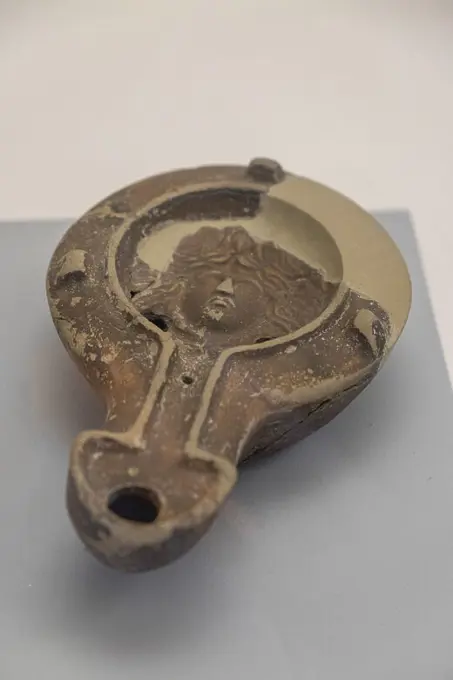
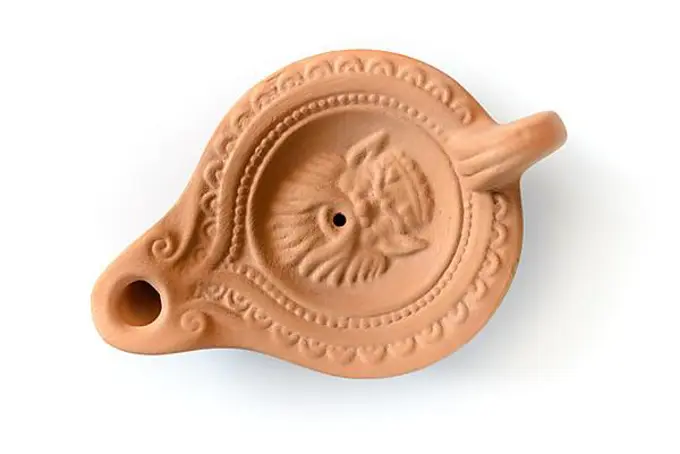
Lamp, Cologne, Germany, Europe; 1st century B.C. - 4th century A.D; Terracotta; 5.6 x 5 x 8 cm (2 3,16 x 1 15,16 x 3 1,8 in.)
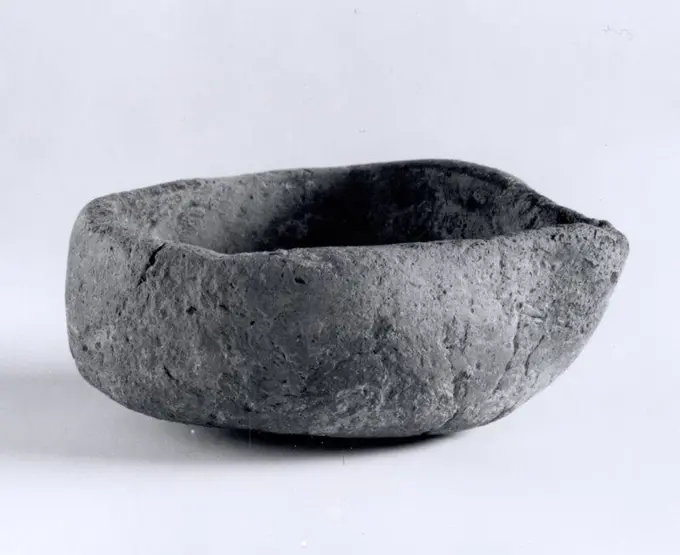
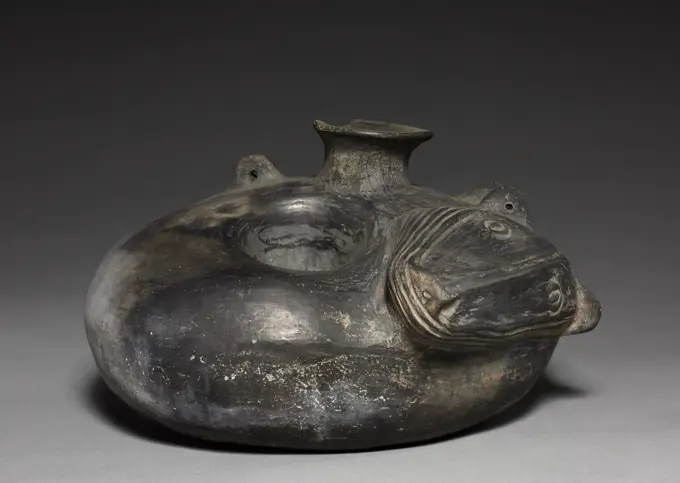
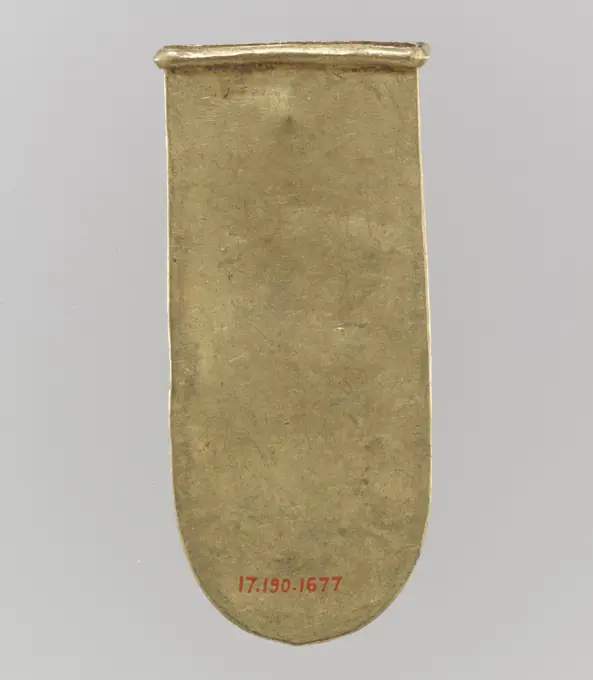
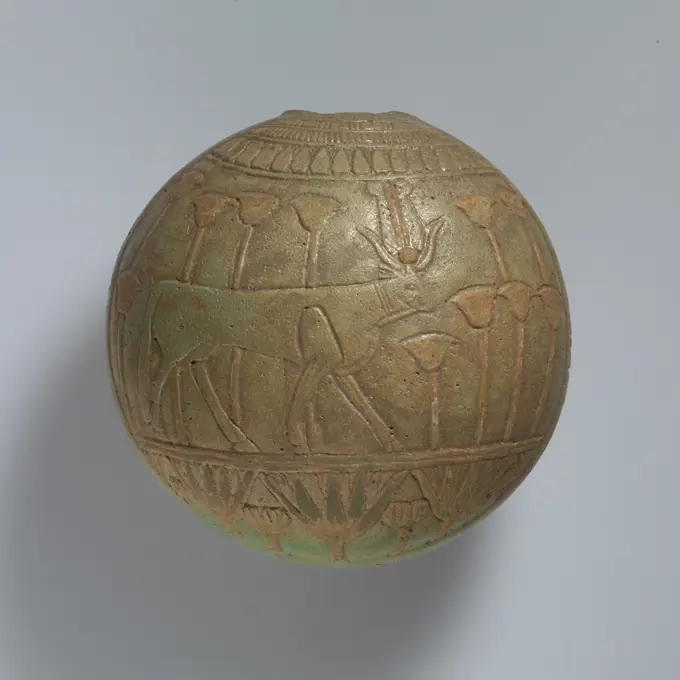
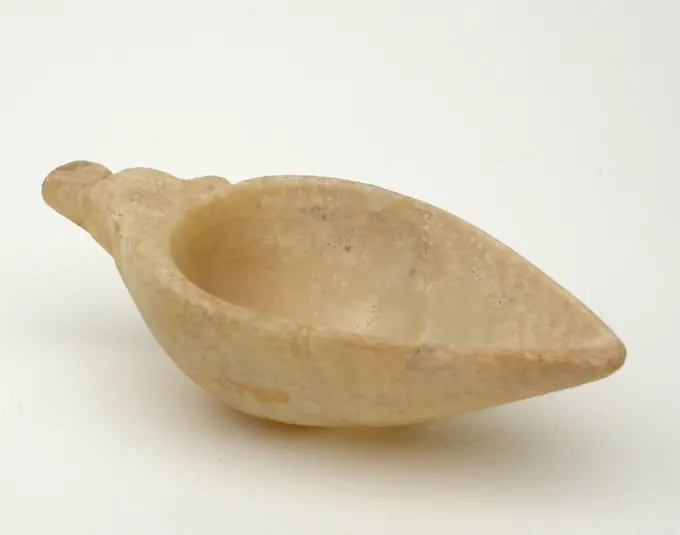
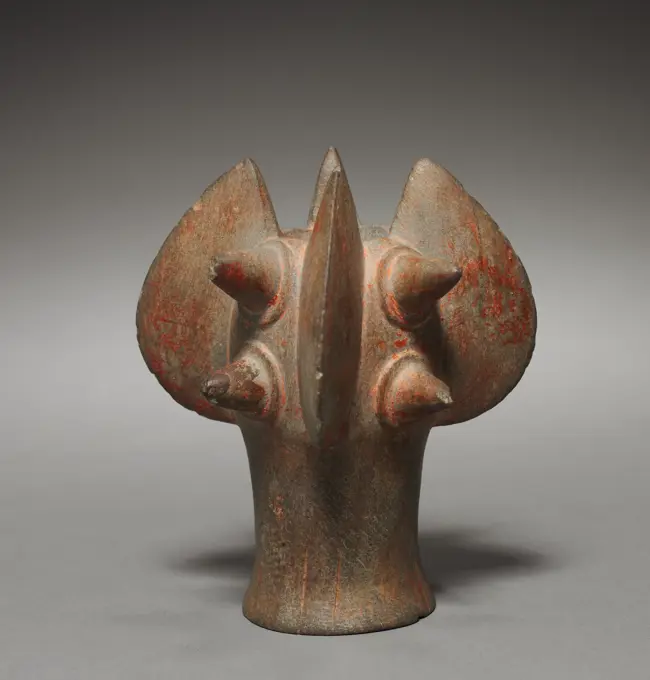
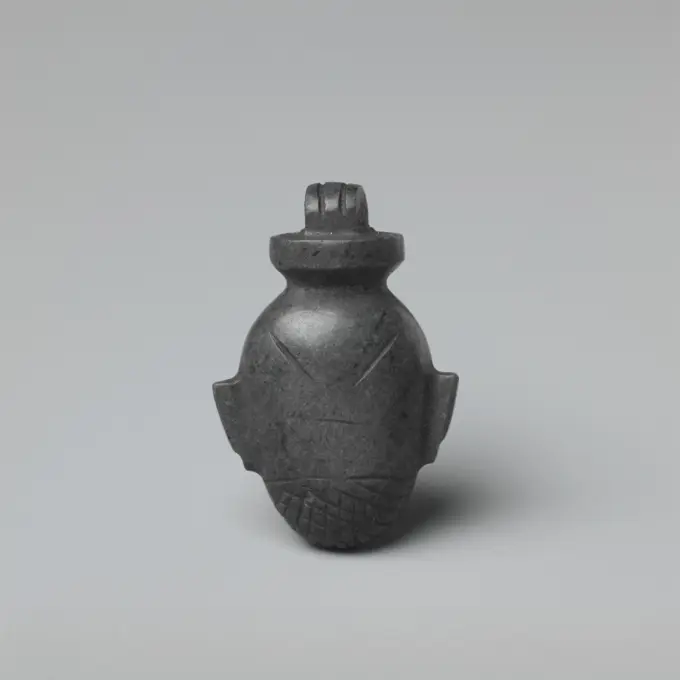
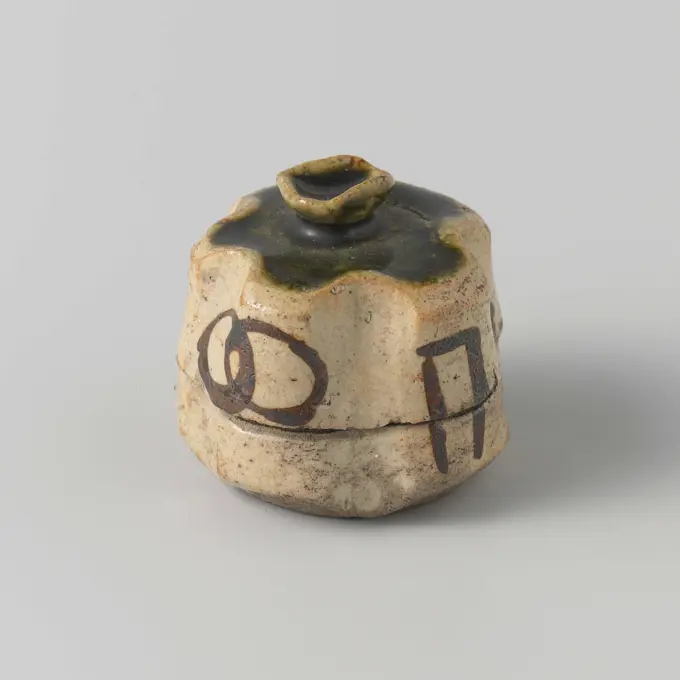
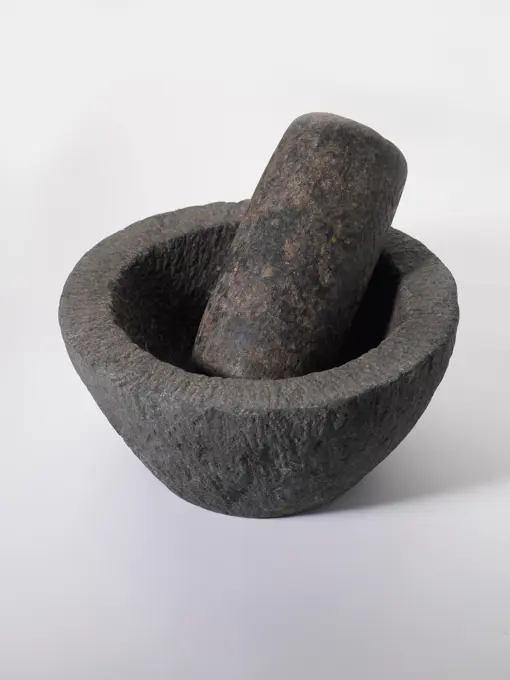
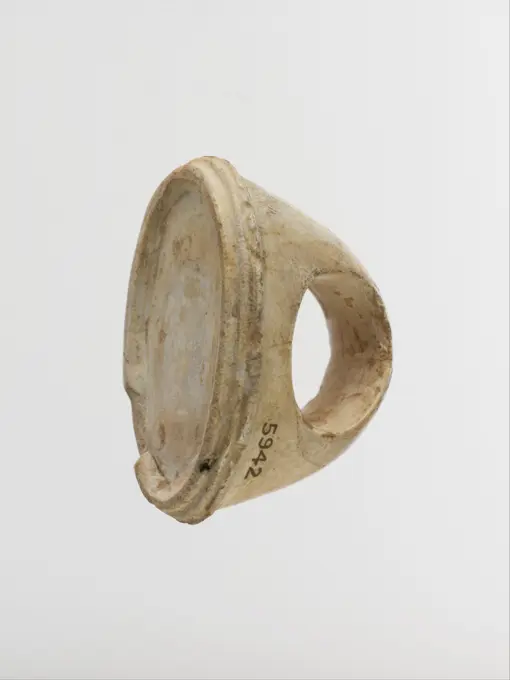
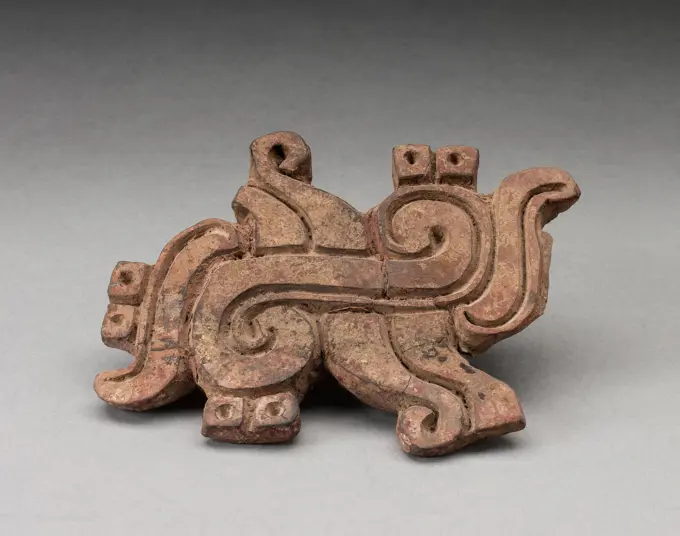
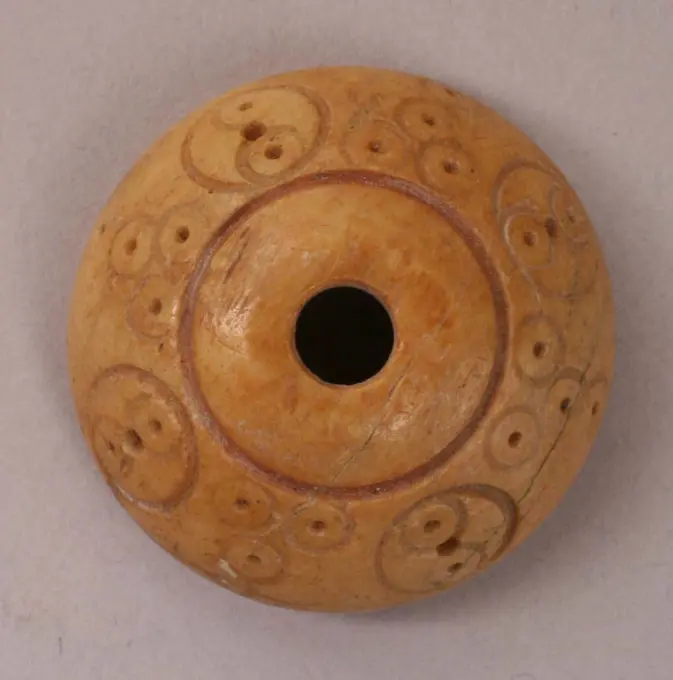
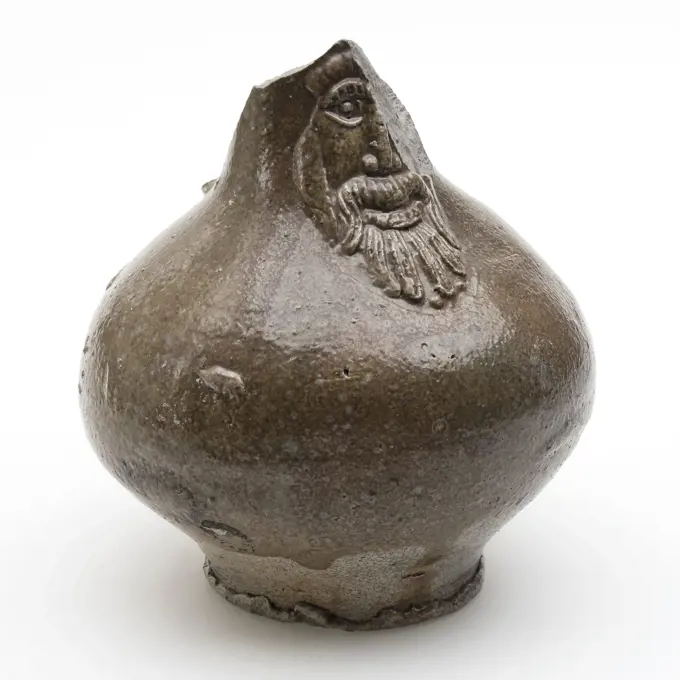
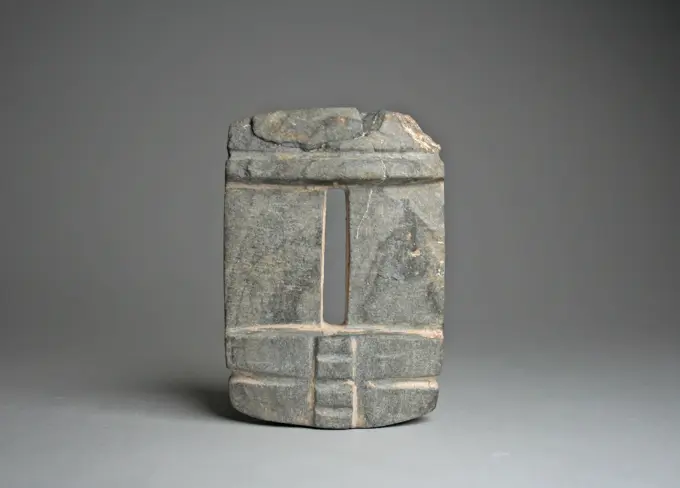
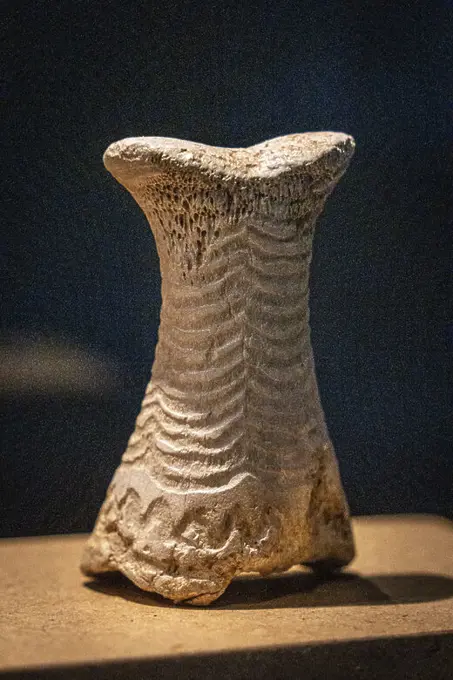
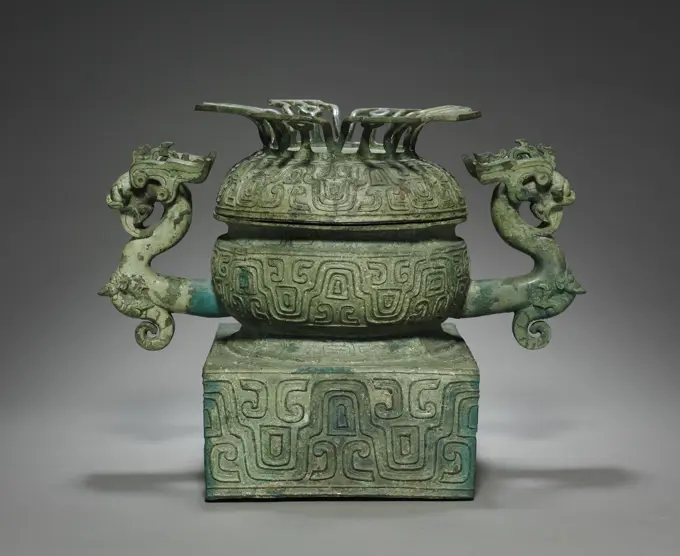
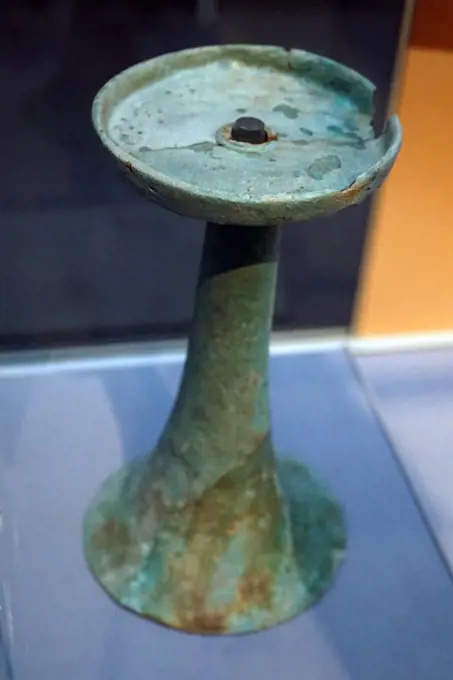
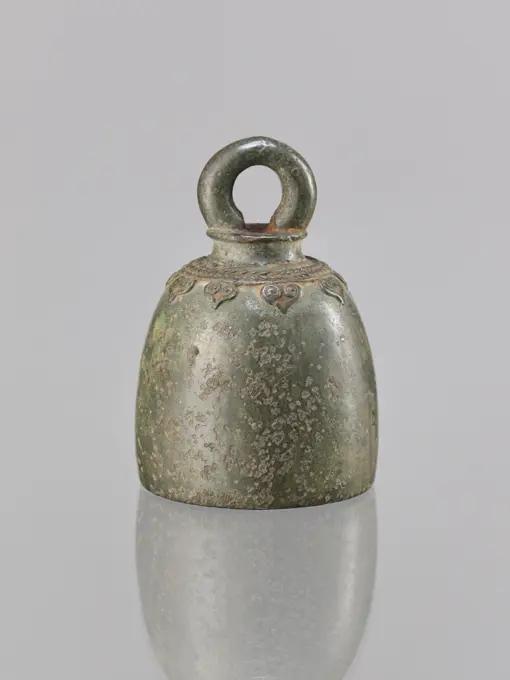
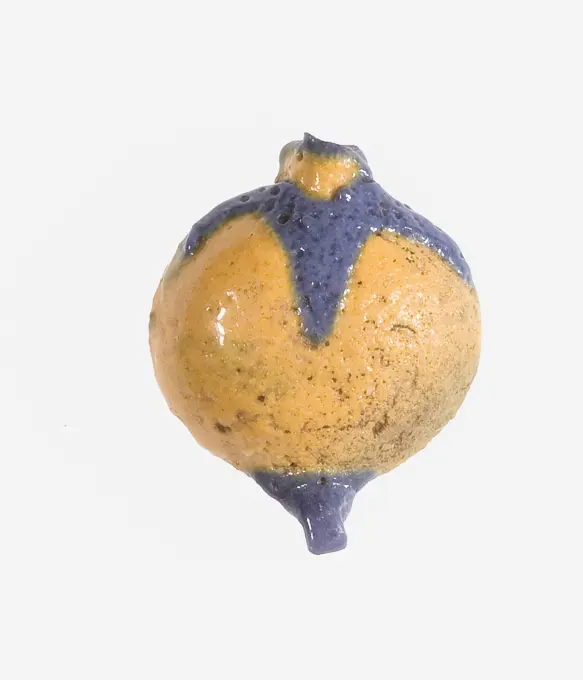
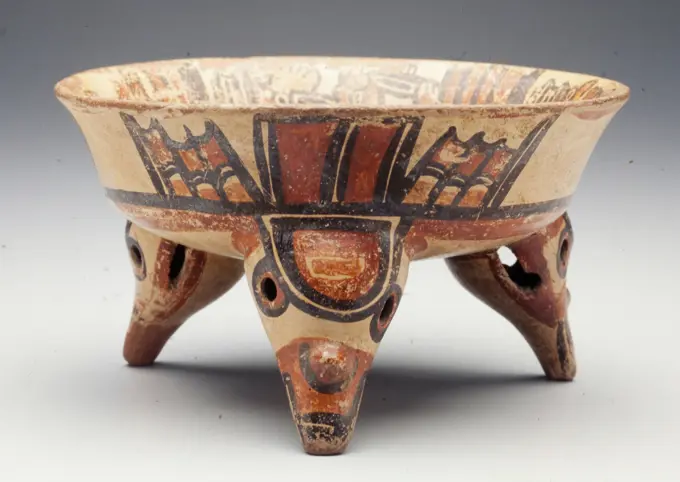
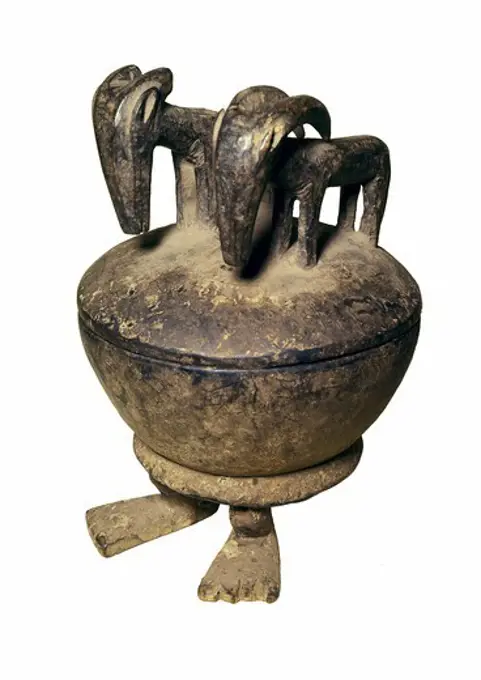
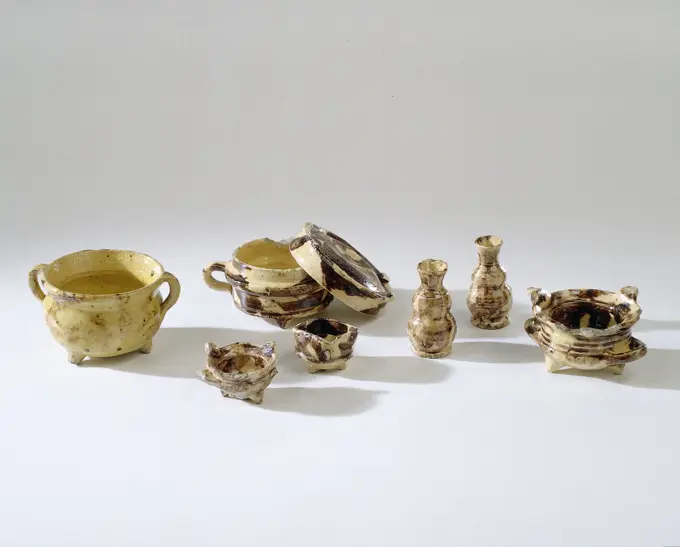
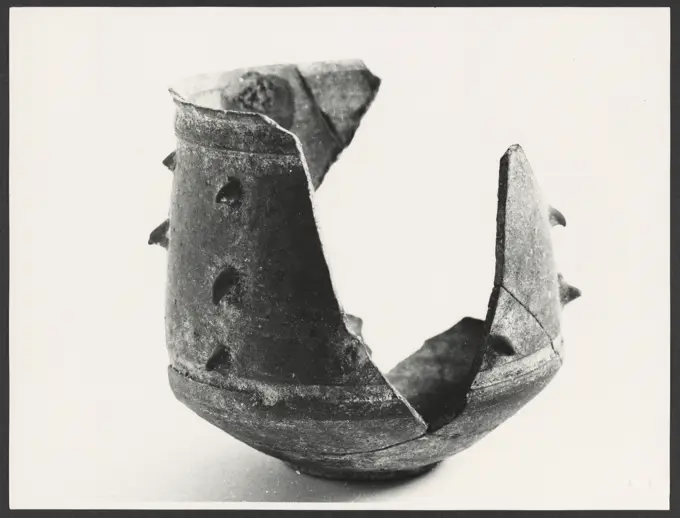
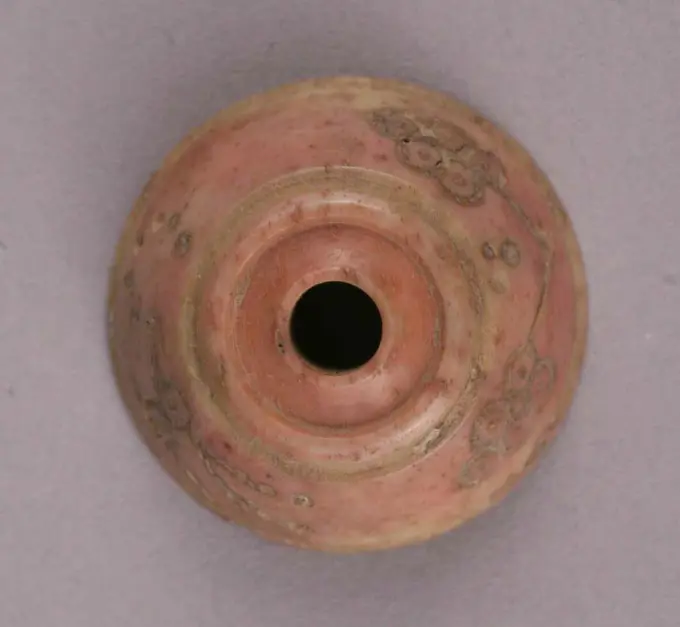
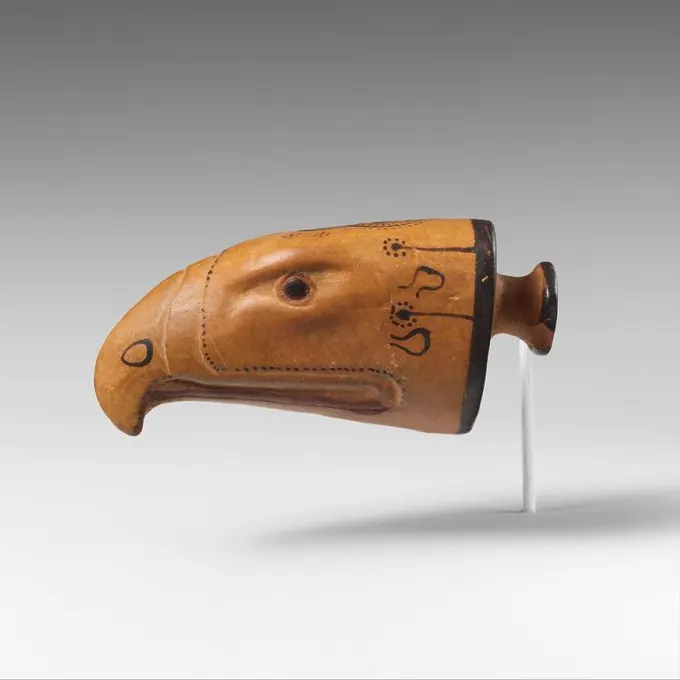
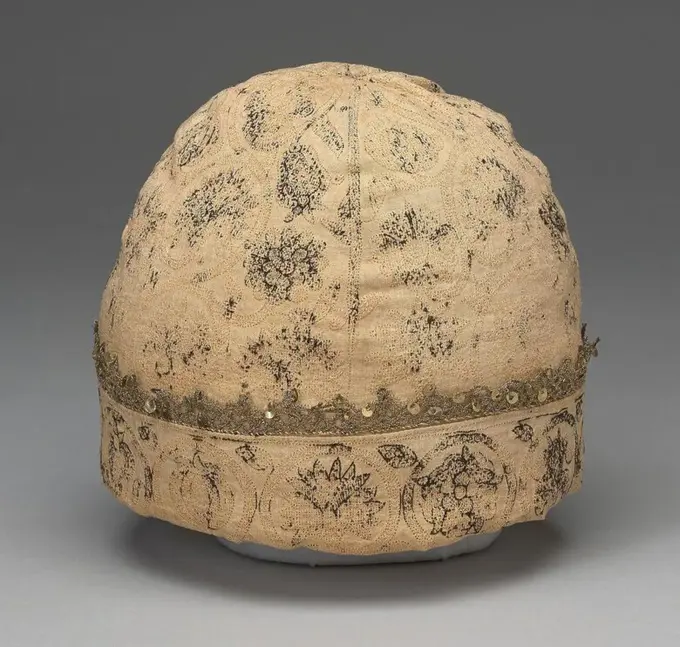
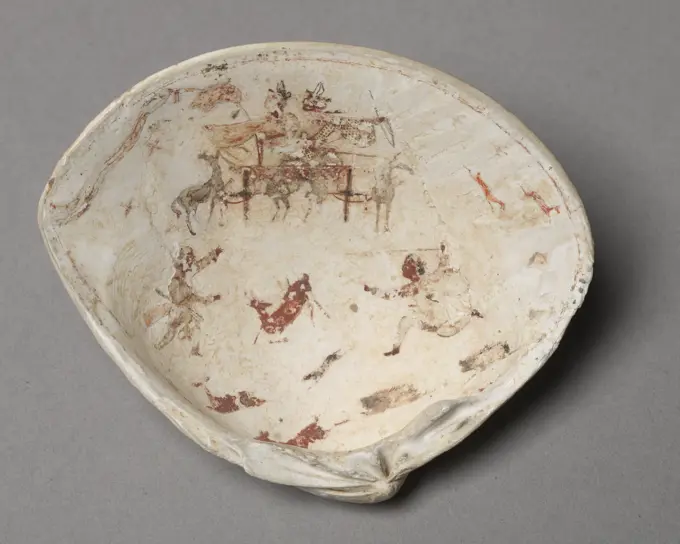
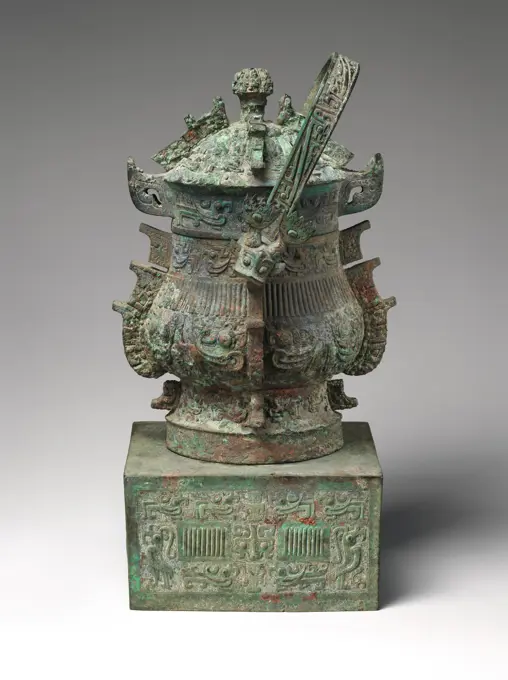
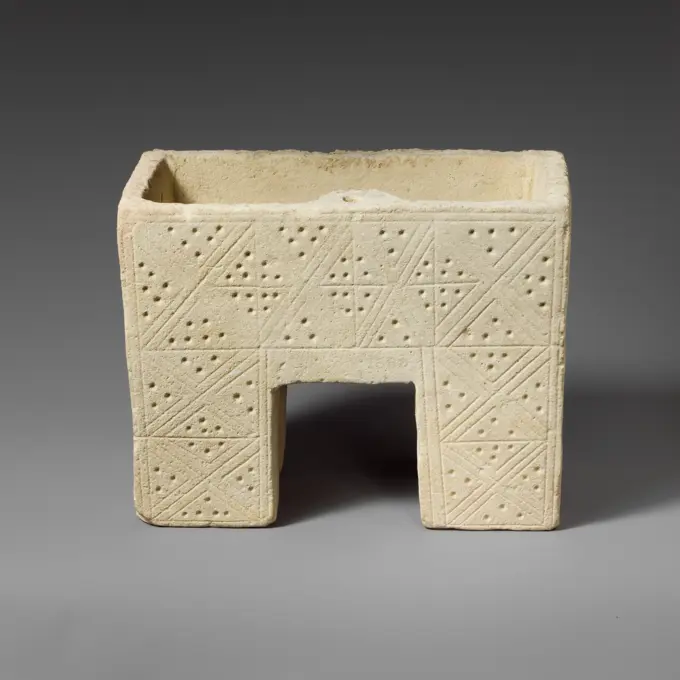
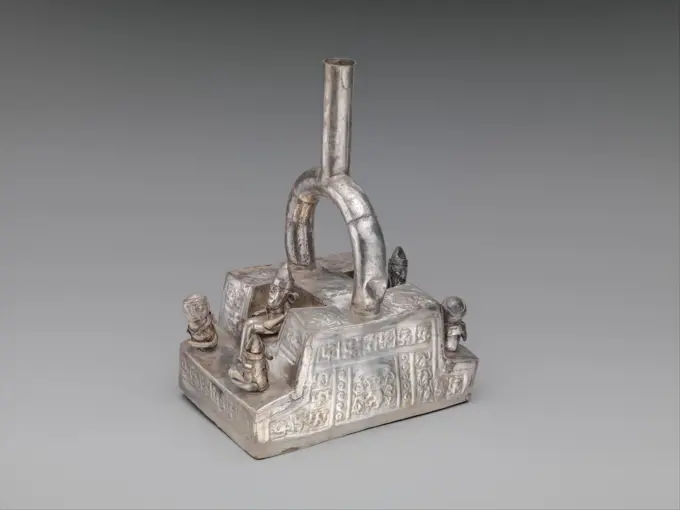
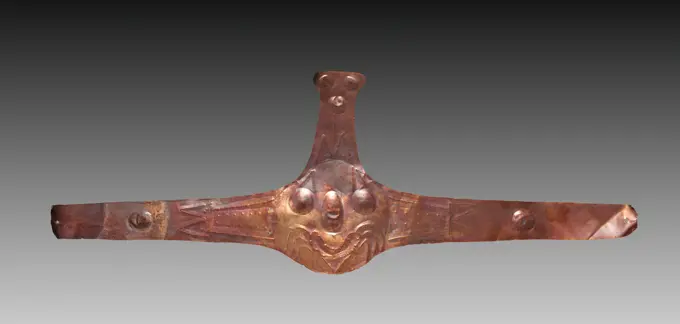
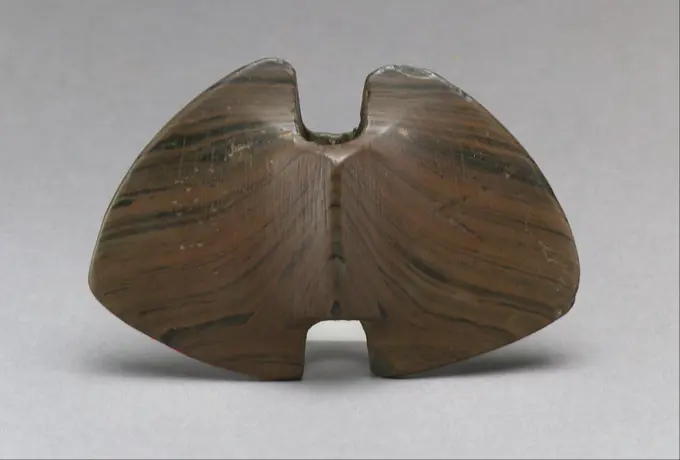
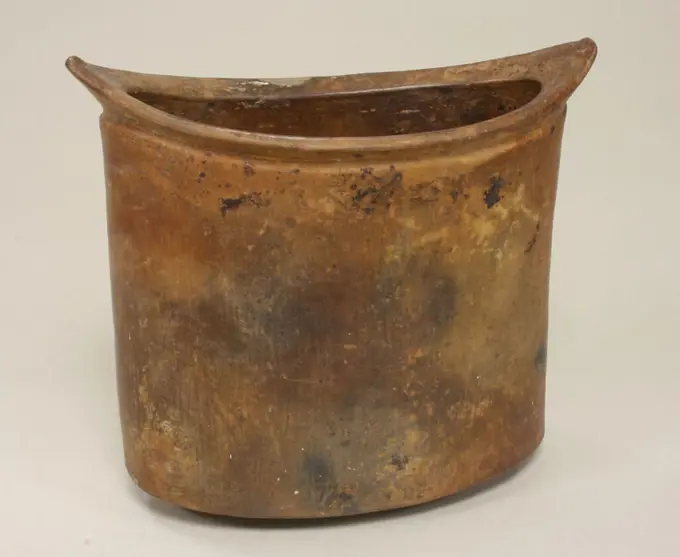
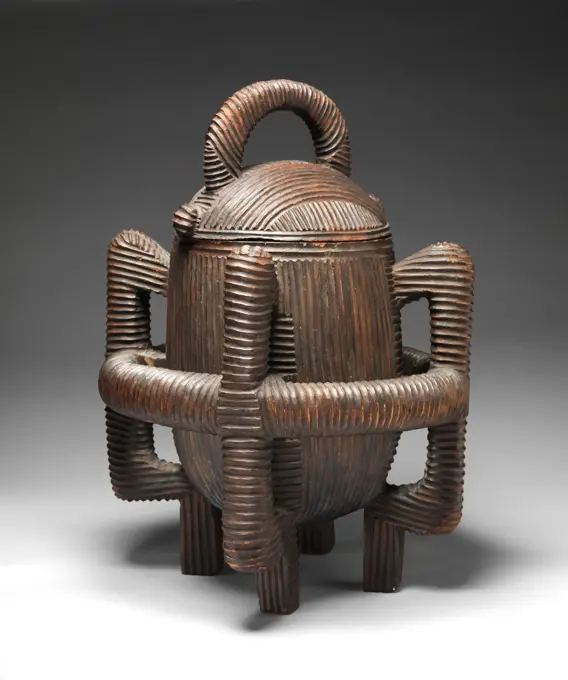
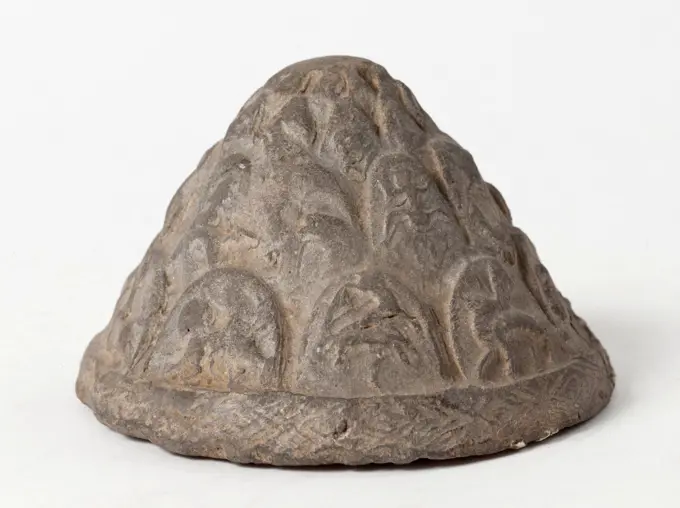
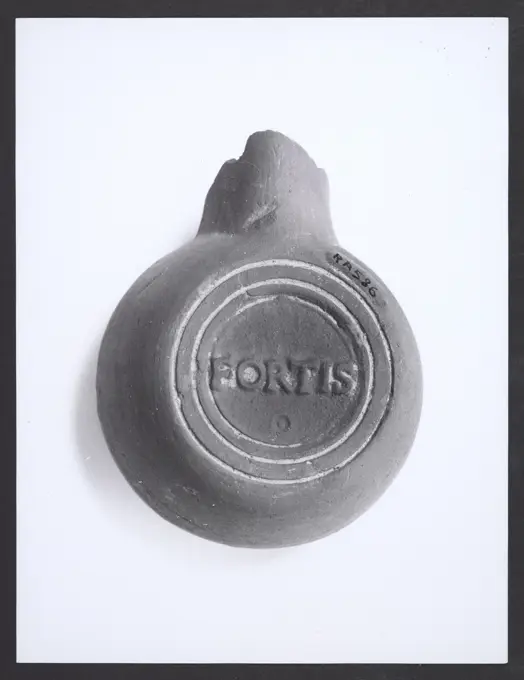
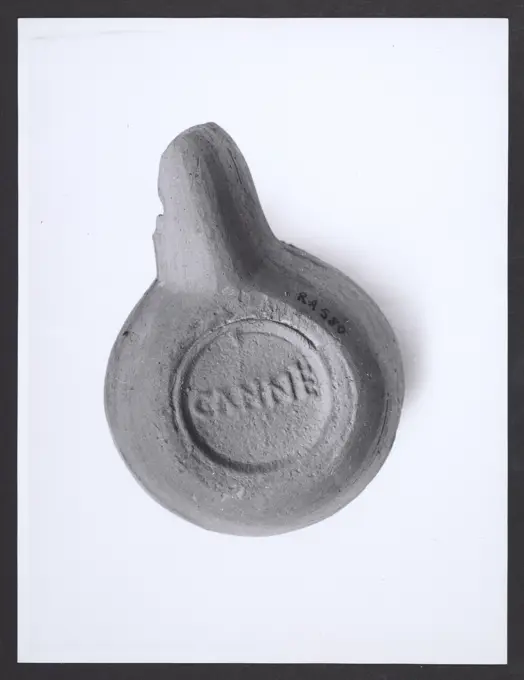
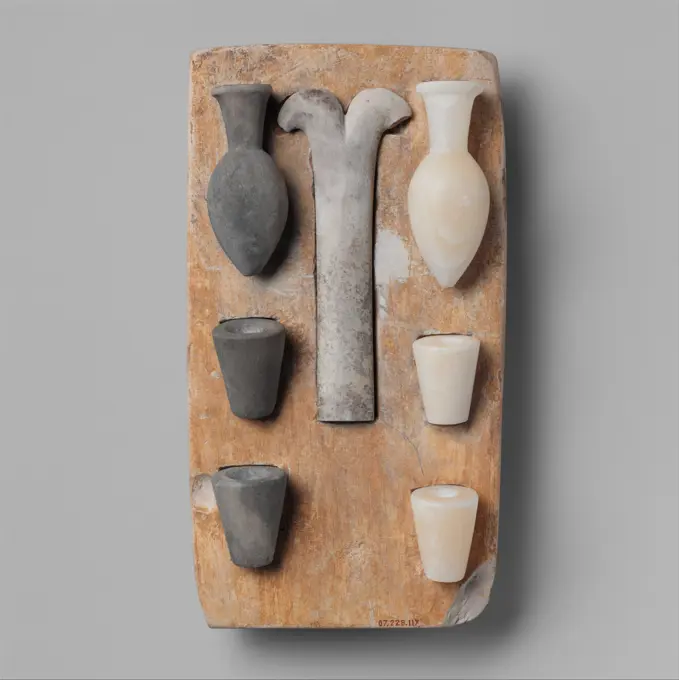
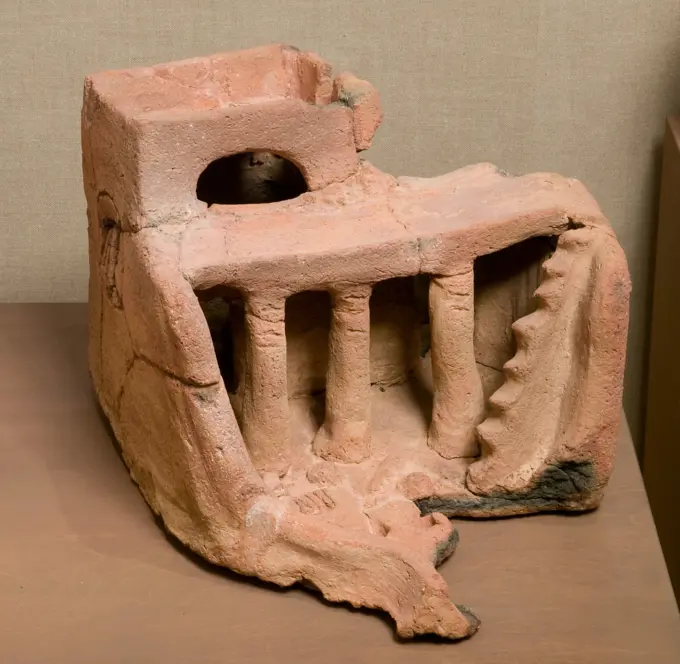
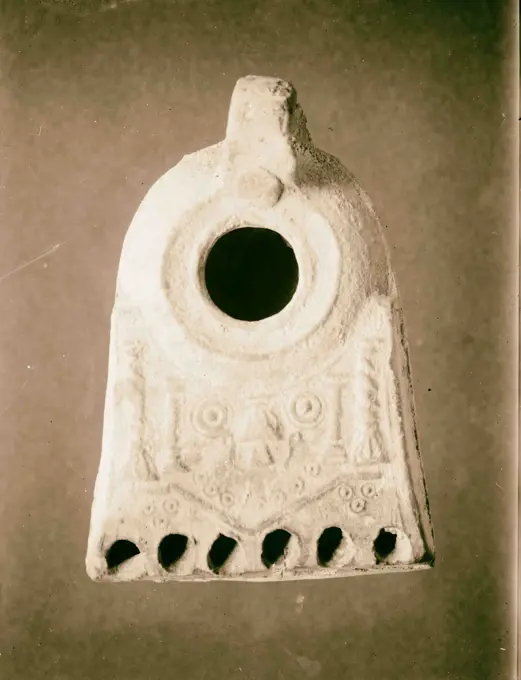
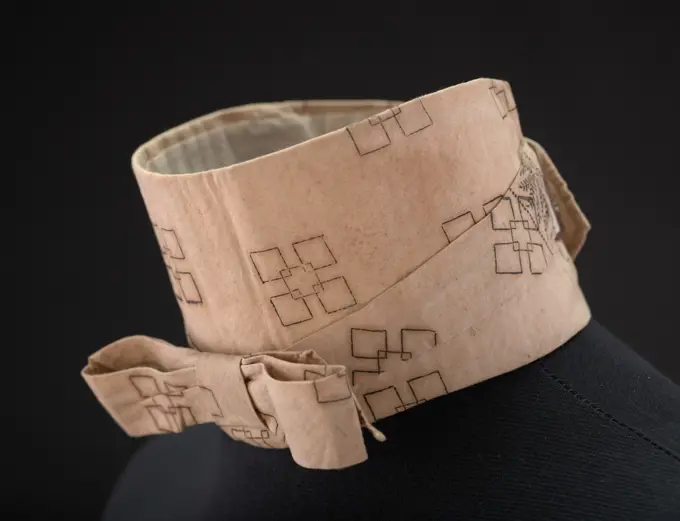
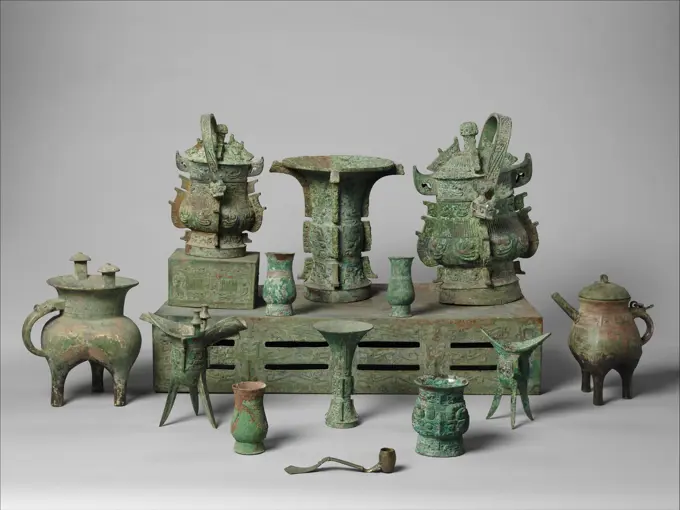
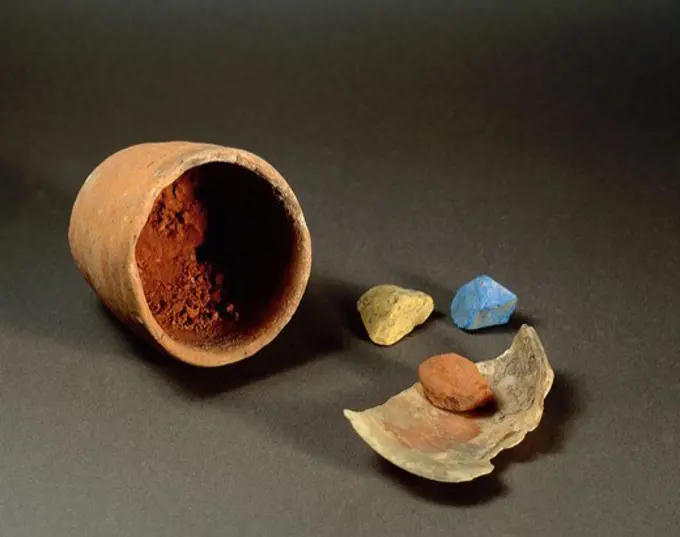
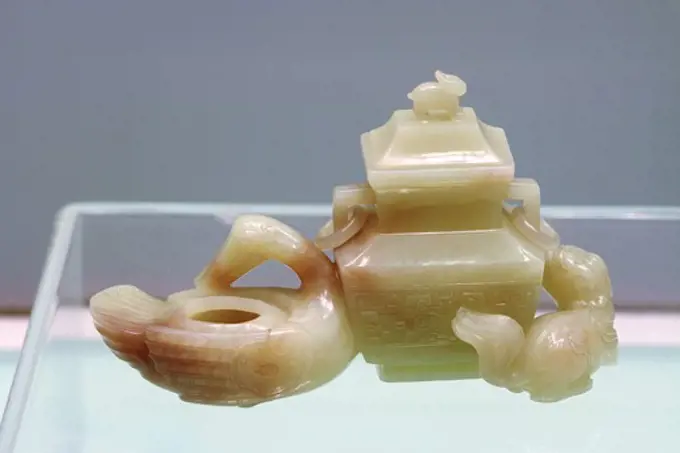
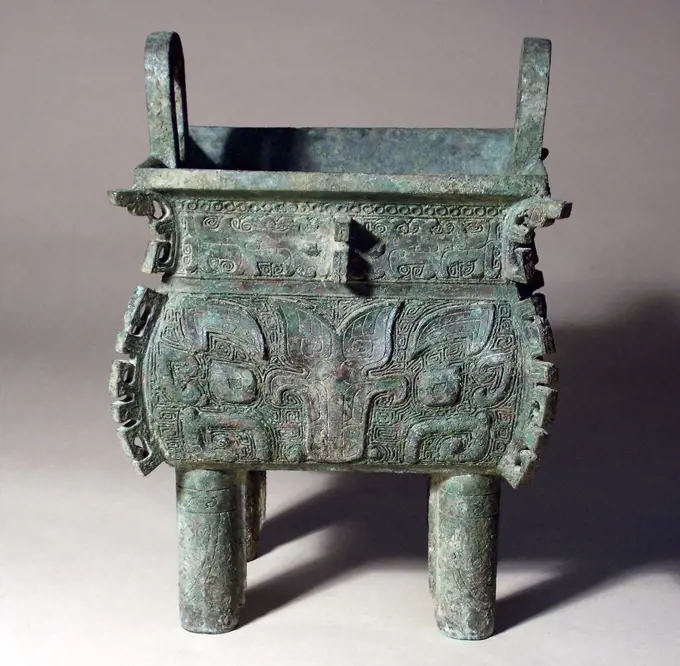
Ancient China: Food vessel (Fang Ding), Shang Dynasty, late period, 14th to 11th century BC. Bronze.Emilia-Romagna Ferrara Ferrara Museo Civico di Schifanoia09. Hutzel, Max 1960-1990 General Notes: INCOMPLETE RECORD--NEGATIVES PROCESSED, PRINTS FILED German-born photographer and scholar Max Hutzel (1911-1988) photographed in Italy from the early 1960s until his death. The result of this project, referred to by Hutzel as Foto Arte Minore, is thorough documentation of art historical development in Italy up to the 18th century, including objects of the Etruscans and the Romans, as well as early Medieval, Romanesque, Gothic, Renaissance and Baroque monuments. Images are organized by geographic region in Italy, then by province, city, site complex and monument.Lamp 4th-3rd century B.C. Seleucid This oil lamp is a simple round dish with a pinched spout where the wick would have been placed. It is made of a coarse clay, and has been blackened on the interior from use. It was excavated at Pasargadae in southwestern Iran, about 90 km northeast of Shiraz. Pasargadae was the first capital of the Achaemenid Persian Empire, founded by Cyrus the Great c. 546 B.C. The lamp was found at the Tall-i Takht, a massive artificial platform presumably built as the site of a royal palace but converted into a fortified compound after Darius established a new capital at Persepolis around 520. However, the coin hoards and other finds from the Takht, including this lamp, show that it continued to be occupied down into the second century B.C., long after the fall of the Achaemenid Empire. The lamp was found in a room in the eastern corner of the Takht.. Lamp 326380Ornament in the form of a Dragon Biting His Tail. Afghanistan, Northeastern, 3rd century B.C.. Sculpture. Ivory or boneBottle, 1300-1400. Peru, Chimú, 14th century. Pottery; overall: 12.8 cm (5 1/16 in.).Powder Flask, 1600s. Austria, Tyrol, 17th century. Horn, engraved; overall: 21.3 x 20 cm (8 3/8 x 7 7/8 in.).Lazio Latina Sezze Antiquarium Comunale8. Hutzel, Max 1960-1990 German-born photographer and scholar Max Hutzel (1911-1988) photographed in Italy from the early 1960s until his death. The result of this project, referred to by Hutzel as Foto Arte Minore, is thorough documentation of art historical development in Italy up to the 18th century, including objects of the Etruscans and the Romans, as well as early Medieval, Romanesque, Gothic, Renaissance and Baroque monuments. Images are organized by geographic region in Italy, then by province, city, site complex and monument.Gold Strap End (Unfinished) 700s Avar The treasure contains an array of belt fittings, some elaborately decorated, some unfinished or defectively cast. Some show no signs of use, while others are quite worn.The AvarsThe Avars were a nomadic tribe of mounted warriors from the Eurasian steppe. The Byzantine emperor Justinian negotiated with them in the sixth century to protect the Empires northern border along the Black Sea. Emboldened by their subjugation of numerous tribes, they unsuccessfully attempted to seize the Empires capital, Constantinople. They remained a scourge of both Byzantium and the Western kingdoms until Charlemagne defeated them through a series of campaigns in the 790s and early 800s.All the money and treasure that the Avars had been years amassing was seized, and no war in which the Franks have ever engaged.. brought them such riches and such booty. Up to that time the Avars had passed for a poor people, but so much gold and silver was found.. that one may well thiAnonymous (n. - d.), Travel watch case (main title), 1600. Leather, iron, brass. Petit Palais, Museum of Fine Arts of the City of Paris.Relief-decorated Lentoid Bottle ("New Year's Bottle"); Horus falcon in marshes on one side; cow goddess in marshes on the other ca. 630 BC Late Period The goddess Nebethetep, who is invoked in the inscription and who is related to Hathor, strides through the marshes in the form of a cow in the scene on one side of this jar. On the other the falcon god Horus is depicted in a thicket in the marshes.Relief-decorated faience vessels of the first half of the first millennium B.C. form a distinctive group. The scenes they exhibit are drawn from a set of interconnected cycles mainly having to do with divine and royal rebirth and great female goddesses, mythological events that were filled with meaning for society's continuity and prosperity. As the inscription on a band around the contour of this vessel indicates, these themes were evoked at the transition to a new year, which in Egypt occurred when the Inundation began to cover the land and the success of the coming growing season was in theDish 1069 BCE-664 BCE Egypt. Calcite . Ancient EgyptianAnimal Ornament 6th-7th century Moche (Loma Negra). Animal Ornament 314873Mace Head, c. 200 BC-AD 100. North coast of Peru, Salinar Culture, 2nd Century BC-1st Century AD. Stone; overall: 11.2 x 8.9 x 8.3 cm (4 7/16 x 3 1/2 x 3 1/4 in.).Capital 15th century Spanish. Capital. Spanish. 15th century. Sandstone. Made in Spain. Sculpture-ArchitecturalHeart amulet 664-30 B.C. Late Period-Ptolemaic Period Egyptian physicians usually did not practice internal surgery, and detailed knowledge of the human body's interior was generally limited to embalmers. Although intended to represent a human heart, this small sculpture is bovine rather than human in form.. Heart amulet 545364. Incense box of stoneware in the form of a closed bundle, partly covered with a green glaze and painted in brown. With lid knob. Old label on the inside with 'W540'. Orie.Ladle, late 1800s. Northwest Coast, Tlingit, 19th century. Horn, bone, copper, abalone shell inlay; overall: 13 cm (5 1/8 in.).Old stone grinder on white background Copyright: xVirenxDesai/DinodiaxPhotoxFinger ring Greek ca. 2nd century BCE Originally, the recessed bezel would have held a stone or glass setting. The large size and distinctive thick shouldered hoop are typical of Hellenistic finger rings made in a variety of media, including gold, glass, and rock crystal.Stamp 300 BCE-250 CE México. Ceramic and pigment . MayaSpindle Whorl or Button 3rd-12th century The dot-in-circle motif recalls designs presumed to be of magical significance, most likely an abstract eye to ward off the evil-eye, which serves an apotropaic function. Easily reproduced with a tool and visible in many cultures and times, this symbol may have lost its meaning, and become simply a decorative pattern, or may have one that we have not yet discovered. Spindle Whorl or Button 447619Shards of wine bottles from the wreck of the East Indians' t Vliegend Hart, Anonymous, 1700 - 1735  Shards of onion -shaped wine bottles of green glass that has been in red (port) wine. Calls still with cork and iron wire. Netherlands cork (bark).Stoneware bearded jug, gray and brown glazed, beard masonry vessel holder soil find ceramic stoneware glaze salt glaze, turned glazed baked Stoneware Bartmann jug with embossed male face with beard Low round ball model. Profiled ear with rat tail Top of brown glazed surface above the ground glazed in gray Stand with traces of archaeology Rotterdam City center Stadsdriehoek uitheems earthenware import pouring serve keep drinking Schielandshuis Soil discovery: Schielandshuis during restoration 1982.Stone Temple Model 1st-8th century Mezcala. Stone Temple Model. Mezcala. 1st-8th century. Stone. Mexico, Mesoamerica, Guerrero, Balsas River region. Stone-Sculpturephalanx idol, bone, 3000-2500 BC, Sao Martinho de Sintra, Portugal, Huelva Museum, Huelva, Andalusia, Spain.Top of Lotiform Cup Third Intermediate Period or later ca. 1070-664 B.C. View more. Top of Lotiform Cup. ca. 1070-664 B.C.. Faience. Third Intermediate Period or later. From Egypt. Dynasty 21-25Food Container (Gui), 600-500 BC. China, Eastern Zhou dynasty (770-256 BC), Spring and Autumn period (770-476 BC). Bronze; overall: 34.3 x 44.5 cm (13 1/2 x 17 1/2 in.).Faience libations stand from Ancient Egypt. Dated 3rd Century BCTerracotta fragment of a kylix (drinking cup) 460-450 B.C. Greek, Attic Interior, draped youth to left standing in front of an altar; Obverse, standing, draped youth to right; symposiast reclining against two cushions, with his right arm extended, looking over his left shoulder to the reclining symposiast behind him, whose right arm is extended, with his hand holding a phiale; to the left of his head, a basket; complete handle, with handle patch preserved to rim; Reverse, lower body of a standing, draped youth to right; symposiast reclining against two cushions with his right arm bent, and his hand holding an unidentified object; reclining symposiast with right arm extended and hand holding a phiale. Terracotta fragment of a kylix (drinking cup). Greek, Attic. 460-450 B.C.. Terracotta; red-figure. Classical. VasesBell;  19th century () (1801-00-00-1900-00-00);cantáro zoomorfo felino tetrápode con engobe negro, Protoclásico, Santa María Nebaj,museo de antropologia, departamento de El Quiché, Guatemala, Central America.Bead in the Form of a Persea Fruit ca. 1390-1352 B.C. New Kingdom. Bead in the Form of a Persea Fruit. ca. 1390-1352 B.C.. Faience. New Kingdom. From Egypt, Upper Egypt, Thebes, Malqata, Palace of Amenhotep III, MMA excavations, 1910-11. Dynasty 18Tripod-leg Bowl, 500, 4 7/8 x 8 1/2 in. (12.4 x 21.59 cm), Glazed pottery, Mexico, 6th centuryPattens, or overshoes, anonymous, c. 1695 - c. 1715 Pattijn or overshoe with a thick sole made of wood, two cattle leather tires and a high position ring of iron. Northern Netherlands whole: Wood (plant material). Bottom: Iron (metal). Tires: Leather Pattijn or overshoe with a thick sole made of wood, two cattle leather tires and a high position ring of iron. Northern Netherlands whole: Wood (plant material). Bottom: Iron (metal). Tires: LeatherFood container destined for tribal chief. Mossi art (Burkina Fasso). African art. Ceramics. Private Collection. Proc: BURKINA FASO.Lazio Viterbo Viterbo Museo Civico34. Hutzel, Max 1960-1990 Views of paintings (Middle Ages through 18th c.), frescoes, a tabernacle, coffin, sculpture reliefs, portal fragments, busts, sculpture, tapestry found in the Pinacoteca, Second floor gallery and Second floor cloister sequences. Antiquities: Many views of Etruscan and Roman fragments, sculpture, sarcophagi, pottery, masks, jewelry and other objects found in the Storeroom sequence (inventory numbers on back of prints), and the Cloister, Second floor Cloister, Valle Giulia, Sala Romana and Sala Etrusca sequences. General Notes: There are eight separate numerical sequences for this location. The cloister as an architectural structure, rather than museum site, is documented in the record and file for S. Maria della Verita, Cloister, all views of which are stored in Medieval core collection. Five views from the Museo Civico Second floor cloister sequence are stored in Medieval. German-born photographer and scholar Max Hutzel (1911-Komfoor, anonymous, c. 1675 - c. 1699 Komfoor of earthenware with light yellow shard and brown -bleached lead glaze. The grain is on three legs, has a ribbed container, with two ears and originally three supports on the top edge. Netherlands earthenware. lead glaze Komfoor of earthenware with light yellow shard and brown -bleached lead glaze. The grain is on three legs, has a ribbed container, with two ears and originally three supports on the top edge. Netherlands earthenware. lead glazeLazio Latina Sezze Antiquarium Comunale72. Hutzel, Max 1960-1990 German-born photographer and scholar Max Hutzel (1911-1988) photographed in Italy from the early 1960s until his death. The result of this project, referred to by Hutzel as Foto Arte Minore, is thorough documentation of art historical development in Italy up to the 18th century, including objects of the Etruscans and the Romans, as well as early Medieval, Romanesque, Gothic, Renaissance and Baroque monuments. Images are organized by geographic region in Italy, then by province, city, site complex and monument.Limestone footstool () 5th century B.C.  Cypriot On the uppermost band of one of the sides is a syllabic inscription probably mentioning the goddess of Paphos.. Limestone footstool () 241878Button or Bead 9th-10th century The dot-in-circle motif recalls designs presumed to be of magical significance, most likely an abstract eye to ward off the evil-eye, which serves an apotropaic function. Easily reproduced with a tool and visible in many cultures and times, this symbol may have lost its meaning, and become simply a decorative pattern, or may have one that we have not yet discovered.. Button or Bead 449227Terracotta aryballos in the form of an eagle's head. Culture: Greek, Rhodian. Dimensions: Length: 4 3/8 in. (11.1 cm). Date: ca. late 7th -early 6th century B.C..Though known from all parts of Greece, their production is particularly associated with Rhodes and eastern Greece. They served as containers for scented oil, and perhaps also for medicinal preparations. This aryballos in the form of an eagle's head is rare, as only about a dozen examples are known. Museum: Metropolitan Museum of Art, New York, USA.Cap. England. Date: 1601-1700. Dimensions: 17.8 × 19.1 cm (7 × 7 1/2 in.). Linen, plain weave; embroidered with silk. Origin: England. Museum: The Chicago Art Institute, Chicago, USA.Ancient Egyptian theriomorphic vase with pig's head, Predynastic Period, Naqa II Culture, Circa 3650-3300 B.C.Ancient stone bucket finely carved with iced water over black backgroungdThe Kill, 300-100 BC. China, late Warring States period (475-221 BC) to Western Han dynasty (202 BC-AD 9). Painted clamshell; overall: 7.5 x 9 cm (2 15/16 x 3 9/16 in.).Stone Temple Model. Culture: Mezcala. Dimensions: H. 3 1/4 x W. 2 3/4 in. (8.3 x 7 cm). Date: 1st-8th century. Museum: Metropolitan Museum of Art, New York, USA.Campania Caserta Capua Museo Campano07. Hutzel, Max 1960-1990 Medieval: Byzantine architectural fragments; parchment fragments with miniatures (12th century) from Montecassino; painted wooden crucifix (13th century); Carolingian crucifixes; Bishop's miter (11th century) of gold and silver damask; fresco (13th century). Post-medieval: Architecture (15th century). Formerly the Palazzo Antignano. Unusual Catalan/Moorish-style portal; Paintings on panel and canvas (15th-18th centuries); marble intarsia (16th century); marble sculpture: busts of Christ and Mary (17th century); sculpture of saints in marble and in wood (15th century); painted and gilded sculpture in wood; marble grave sculpture (16th century); sarcophagus with allegorical carvings; gold reliquary "Rosa d'Oro"; crucifix made of elephant tusk Specific Location: Pianterreno Antiquities: Italic sculpture (seated women holding babies); inscription. Photo campaign #1: 533 photos. Roman relief and sculpture; cinerary urns; Greek anBracelet with Dragonflies 300 B.C.-A.D. 200 Thailand (Ban Chiang). Bracelet with Dragonflies 53259Grape shot. Green painted grape, in terms of caliber, corresponds to the balcony.Bracelet: Portuguese Heads and Mudfish 16th-18th century Edo peoples The oba and chiefs of Benin wear pairs of ornate bracelets at palace festivals. Long and cylindrical, these cufflike ornaments may be made of either ivory or brass and display imagery reflecting the exalted status of their bearers. On this example, images of mudfish and Portuguese heads--both referring to the king's divine nature and his association with Olokun--alternate following a checkerboard patern around the bracelet.. Bracelet: Portuguese Heads and Mudfish. Edo peoples. 16th-18th century. Brass. Nigeria, Court of Benin. Metal-OrnamentsLimestone altar 5th-4th century B.C. Cypriot The altar is carved into the form of a recessed shrine, flanked by Ionic fluted columns. Inside is the front half of an oil lamp with a nozzle.. Limestone altar 244029Ritual Wine Container (Yu) with Lid and Pedestal late 11th century B.C. China This elaborate set of wine vessels provides an idea of the splendor of Shang and early Zhou ritual ceremonies. The set is said to have come from a tomb uncovered in 1901; shortly thereafter, it entered the collection of Duan Fang, a senior Manchu official and one of the preeminent antiquarians of the late Qing period. The pieces vary in style and execution. Although eleven of the vessels are inscribed, only one grouping shares identical inscriptions: the two wine containers, or you (nos. 2, 3) and the tall wine container, or zun (no. 4). A second grouping has largely comparable inscriptions: the spouted water vessel, or he (no. 5) and one cup, or zhi (no. 11).A partial reconstruction of the sets arrangement in the tomb may be established from corrosion outlines on the three principal vessels—the two wine containers, or you, and the central tall wine container, or zun—that were etched onto the surface of the Lazio Viterbo Viterbo Museo Civico90. Hutzel, Max 1960-1990 Views of paintings (Middle Ages through 18th c.), frescoes, a tabernacle, coffin, sculpture reliefs, portal fragments, busts, sculpture, tapestry found in the Pinacoteca, Second floor gallery and Second floor cloister sequences. Antiquities: Many views of Etruscan and Roman fragments, sculpture, sarcophagi, pottery, masks, jewelry and other objects found in the Storeroom sequence (inventory numbers on back of prints), and the Cloister, Second floor Cloister, Valle Giulia, Sala Romana and Sala Etrusca sequences. General Notes: There are eight separate numerical sequences for this location. The cloister as an architectural structure, rather than museum site, is documented in the record and file for S. Maria della Verita, Cloister, all views of which are stored in Medieval core collection. Five views from the Museo Civico Second floor cloister sequence are stored in Medieval. German-born photographer and scholar Max Hutzel (1911-lucerna con representacion de Medusa, , Museo-Centro de Interpretación del parque arqueológico de Segóbriga, Saelices, Cuenca, Castilla-La Mancha, Spain.Dome-shaped Cricket Carrier, 2 1/4 x 4 1/8 x 3 1/8 in. (5.7 x 10.5 x 7.9cm), Gourd, wood, cord, ChinaLimestone chest with incised decoration 8th century B.C. Cypriot Rectangular chest with elaborate geometric ornament.. Limestone chest with incised decoration 244045Lazio Viterbo Viterbo Museo Civico80. Hutzel, Max 1960-1990 Views of paintings (Middle Ages through 18th c.), frescoes, a tabernacle, coffin, sculpture reliefs, portal fragments, busts, sculpture, tapestry found in the Pinacoteca, Second floor gallery and Second floor cloister sequences. Antiquities: Many views of Etruscan and Roman fragments, sculpture, sarcophagi, pottery, masks, jewelry and other objects found in the Storeroom sequence (inventory numbers on back of prints), and the Cloister, Second floor Cloister, Valle Giulia, Sala Romana and Sala Etrusca sequences. General Notes: There are eight separate numerical sequences for this location. The cloister as an architectural structure, rather than museum site, is documented in the record and file for S. Maria della Verita, Cloister, all views of which are stored in Medieval core collection. Five views from the Museo Civico Second floor cloister sequence are stored in Medieval. German-born photographer and scholar Max Hutzel (1911-Lamp, Asia Minor; 1st - 4th century; Terracotta; 1.9 × 6 × 8.5 cm (3,4 × 2 3,8 × 3 3,8 in.)Bottle, Audiencias with Figures 14th-15th century Chimú This bottle is a unique example of an architectural vessel in silver from ancient Peru. Echoing the ancient stirrup-spout form first seen in Cupisnique ceramics perhaps two thousand years earlier, the body of the vessel is in the form of two audiencias, a type of architectural structure known from Chan Chan, the capital of the Chimú Empire. This great Andean desert city flourished on Perus North Coast, near what is now the modern city of Trujillo in the Moche Valley, for some five hundred years before the Chimú were conquered by the Incas around 1470 A.D. The core of the city was composed of ten monumental mud-brick compounds thought to be the palaces of the Chimú rulers. Most likely built sequentially by succeeding rulers, the compounds combined administrative, ceremonial, and domestic functions, but they ultimately became the funerary monuments of rulers, their descendants, and their retainers. This bottle, made of pieces of siForehead Ornament, 100 BC-700. Peru, South Coast, Nasca style (100 BC-AD 700). Hammered gold alloy; overall: 27.4 x 9.3 cm (10 13/16 x 3 11/16 in.).Bannerstone ca. 2000 B.C. Archaic Bannerstones are weights for spear-throwers, the long shafts that propelled the actual darts, thus extending the thrower's reach. In use in North America for some 3,000 years beginning in the fourth millennium B.C., bannerstones took many and varied forms. The form of the present example is known as a double-notched butterfly. It is made of banded slate, a material frequently used in bannerstone manufacture. While bannerstones are functionally utilitarian, the consistent selection of materials and their careful, balanced workmanship distinguish them and indicate their worth as esteemed objects as well as tools. Many have been discovered in burials and funerary mounds in the Ohio and Illinois valleys, for instance, further evidence of their value in ancient times. Bannerstones were out of favor by about 1000 B.C., but spear-throwers persisted in use in a few areas of North America until the sixteenth century. However, by that time spear-throwers had larBells, Probably for a Horse Harness ca. 3rd century Japanese. Bells, Probably for a Horse Harness. Japanese. ca. 3rd century. Iron. Miscellaneous-Buckles & OrnamentCeramic Vessel. Culture: Chupicuaro. Dimensions: H. 8 9/16 x W. 9 3/4 x D. 4 3/8 in. (21.7 x 24.8 x 11.1 cm). Date: 3rd century B.C.-A.D. 4th century. Museum: Metropolitan Museum of Art, New York, USA.Lidded Vessel 19th century North Nguni peoples This four-legged vessel, carved from a single piece of wood with a separate cover, can be considered an Nguni master sculptors tour de force, primarily intended to dazzle and delight the viewer as a triumphant feat of woodcarving. The ovoid form of the container itself is supported by—and appears to float within—a pedestal superstructure with four square legs that has an anthropomorphic quality. The cover, surmounted by a large, rounded handle with knobs of wood at either side, completes the central oval form. The surface of both the vessel and cover has been filled with deeply incised lines of rounded and soft marks that run in close parallel lines, following the overall shape of the vessel. These lines of surface decoration are arranged into blocks that visually juxtapose verticals and horizontals, and they may be intended to emulate the appearance of woven fabric. The direction of the lines on the inner container are also mirrored on tBurning-brurge-scoring ". Terracotta. Han Dynasty (206 BC-220 AD). Paris, Cernuschi museum. Chinese art, burn-brush, cover, han dynasty, han time, conical form, terracottaLamp. Eastern Mediterranean, 332 B.C.-395 A.D.. Furnishings; Lighting. TerracottaEmilia-Romagna Ferrara Ferrara Museo Civico di Schifanoia15. Hutzel, Max 1960-1990 General Notes: INCOMPLETE RECORD--NEGATIVES PROCESSED, PRINTS FILED German-born photographer and scholar Max Hutzel (1911-1988) photographed in Italy from the early 1960s until his death. The result of this project, referred to by Hutzel as Foto Arte Minore, is thorough documentation of art historical development in Italy up to the 18th century, including objects of the Etruscans and the Romans, as well as early Medieval, Romanesque, Gothic, Renaissance and Baroque monuments. Images are organized by geographic region in Italy, then by province, city, site complex and monument.Emilia-Romagna Ferrara Ferrara Museo Civico di Schifanoia05. Hutzel, Max 1960-1990 General Notes: INCOMPLETE RECORD--NEGATIVES PROCESSED, PRINTS FILED German-born photographer and scholar Max Hutzel (1911-1988) photographed in Italy from the early 1960s until his death. The result of this project, referred to by Hutzel as Foto Arte Minore, is thorough documentation of art historical development in Italy up to the 18th century, including objects of the Etruscans and the Romans, as well as early Medieval, Romanesque, Gothic, Renaissance and Baroque monuments. Images are organized by geographic region in Italy, then by province, city, site complex and monument.A little Ukrainian oil lamp made in clay, from the town of Chersonesus in CrimeaModel of the "Opening of the Mouth" ritual equipment ca. 2465-2150 B.C. Old Kingdom The small stone tray holds models of objects required for the Opening of the Mouth ceremony. This rite reanimated the deceased or animated a statue so that it could eat, breathe, see, hear, and otherwise enjoy everything offered to it. The forked instrument was touched to the mouth of the deceased's mummy or statue; it symbolically restored the individual's capability of independent existence. In addition to the implement, this set includes replicas of the vessels with which the newly revived spirit was offered milk (a baby's first source of nourishment), salt water (used for cleansing), and fresh water.Forked blades (see 16.2.6) were included in burials throughout the Predynastic Period.The cutting edge is the V-shaped notch. Although the implement's exact purpose is unknown, there is persuasive evidence that it was used at birth to cut the umbilical cord and was placed in the grave to assist its ownerModel of a House ca. 1750-1700 B.C. Middle Kingdom At Rifa in middle Egypt, the British excavator William Flinders Petrie found clay models of houses such as this placed near burials in such a way that he concluded they had been placed above the burials. He called them "soul houses." At other sites such as Thebes, oval clay trays have been found that include sometimes rough reproductions of huts and always little offerings modelled in clay. These trays were placed in and at the entrances to tombs. Most of the models have a kind of spout at the front through which libation water could flow into the ground. This model from Rifa of the "soul house" type represents a house with a three-columned portico behind a walled courtyard; in front of the courtyard a libation spout is partly preserved. A stairway on the right gives access to the roof of the house, where an arched opening represents a feature in actual houses through which cool air was conducted into the main bedroom. On the left wallRECIPIENTE ANTROPOMORFO EN TERRACOTA 5800 A 500 AC. Location: PRIVATE COLLECTION. QUITO. ECUADOR.Fragment pipe head. Fragment pipe head with floral fashed motif. Of the excavations at the Hofstede Arentsburg 1827-1831 under the supervision of professor Reuvens.Virgin lamps 1898, Middle EastCollar (Russian collar) unknownHat -Fish Flask. UnknownAltar Set late 11th century B.C. China This elaborate set of ritual bronzes, consisting of an altar table and thirteen wine vessels, illustrates the splendor of Chinas Bronze Age at its peak. The monumental design, intricate surface decoration, and refined casting attest convincingly to artistic sophistication and tech­nological advancement. The set was reportedly found in the early twentieth century at the tomb of a Western Zhou aristocrat in Shaanxi province and subsequently entered the collection of Duan Fang, a prominent government official and renowned antiquarian, whose heirs later sold it to the Metropolitan Museum. Listen to experts illuminate this artwork's story Listen Play or pause #949. Kids: Ritual Altar Table (Jin) Supported by Bloomberg Philanthropies We're sorry, the transcript for this audio track is not available at this time. We are working to make it available as soon as possible.. Altar Set. China. late 11th century B.C.. Bronze. Shang dynasty-Western Zhou dynastyOld vintage iron on white background Old vintage iron on white background Copyright: xZoonar.com/AndreyxEreminx 2435038Terracotta vase containing red earth, shell with red traces, yellow, blue and red pigmentsVase fragment 1st century B.C.-1st century A.D. Roman Nike sacrificing a bull.. Vase fragment 250434Jade itemReliquary ca. 1st-3rd century Pakistan (ancient region of Gandhara). Reliquary 38674Bel, anonymous, 930 - 1600 Elephant or cow bell, bronze, crowned by lotus cushion with upright lotus sheets, grouped around a cylinder. Indonesia bronze (metal) Elephant or cow bell, bronze, crowned by lotus cushion with upright lotus sheets, grouped around a cylinder. Indonesia bronze (metal)