Ancient Pottery

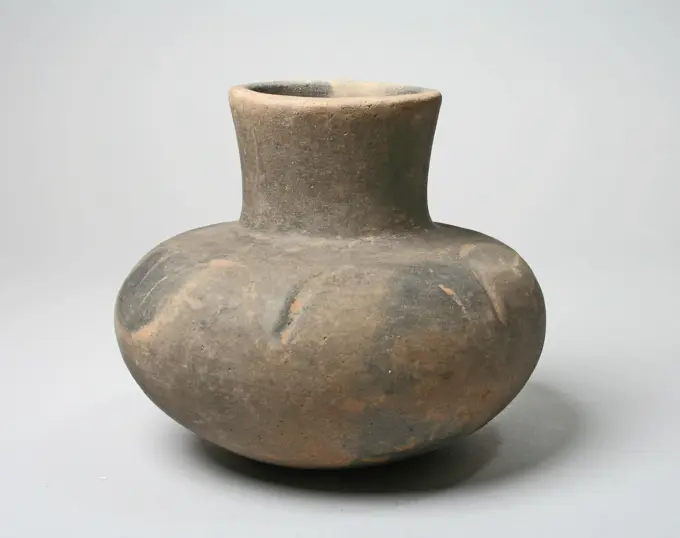
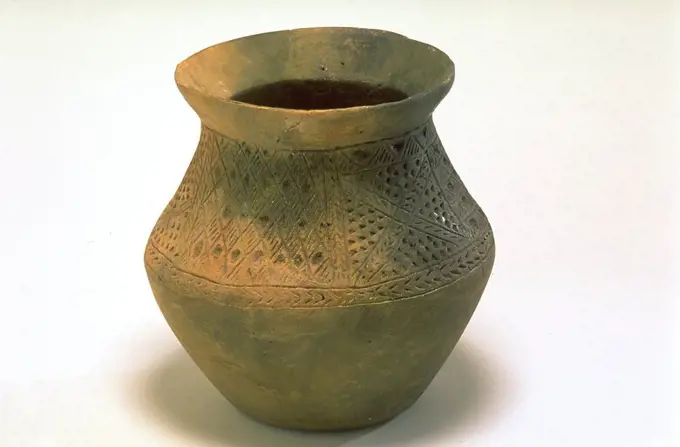
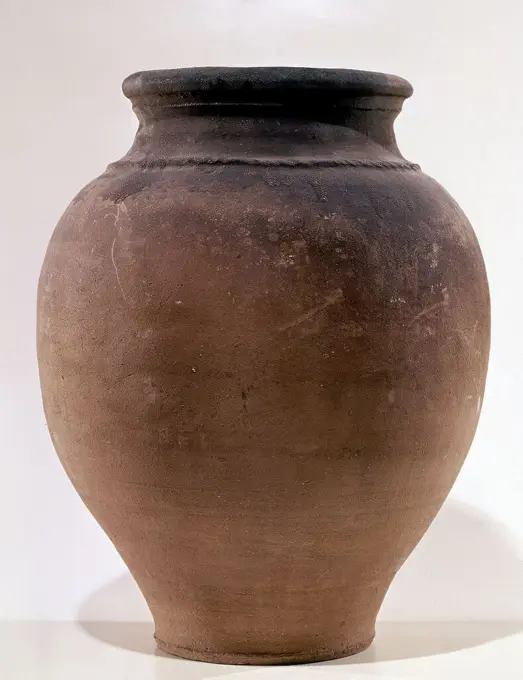
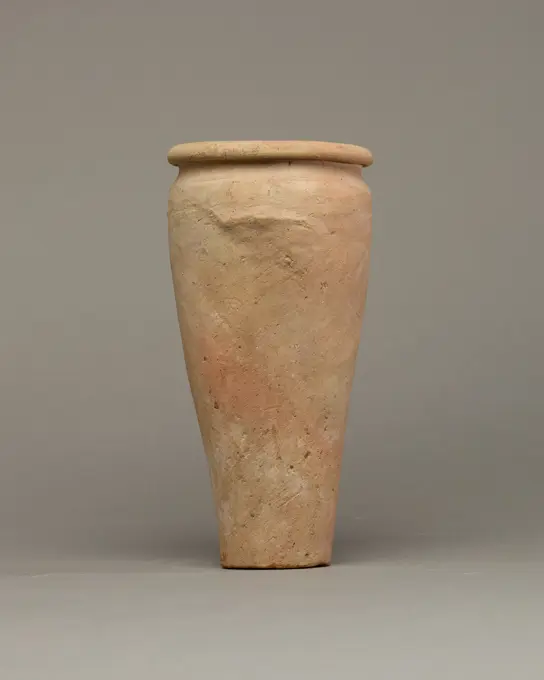
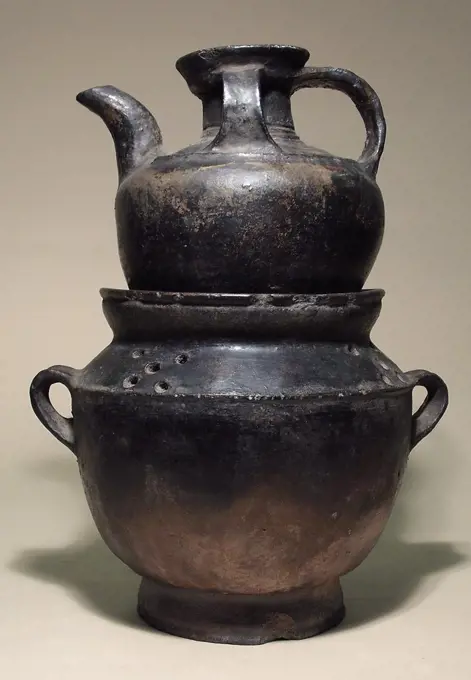
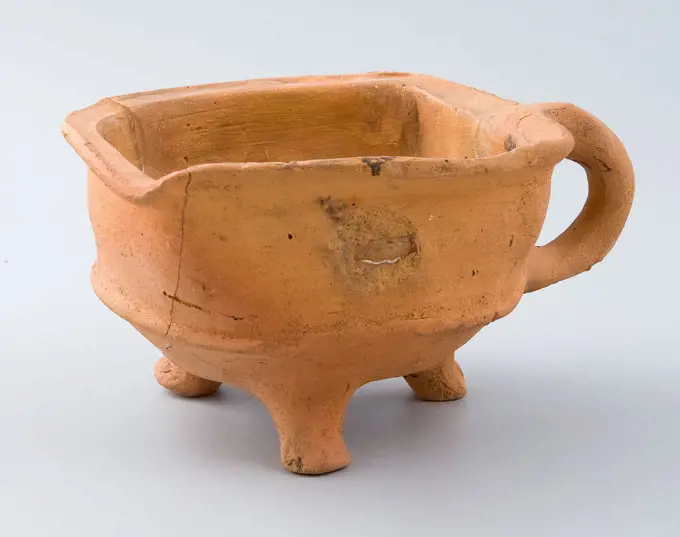
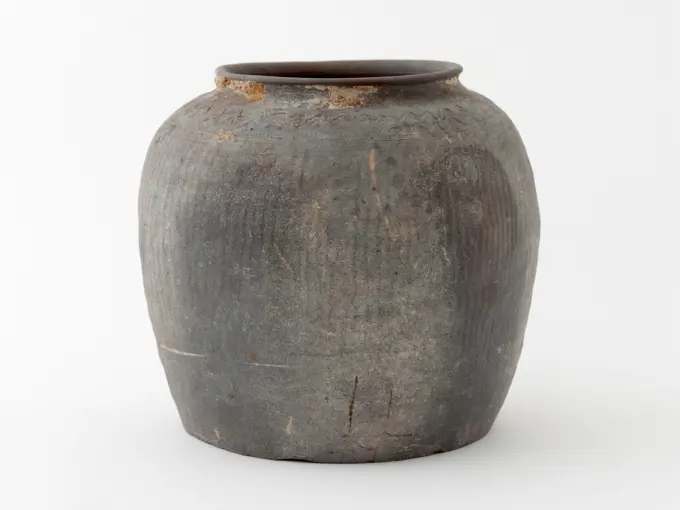
Collection of historical jars and vases from various cultures, highlighting their unique shapes and decorative features.
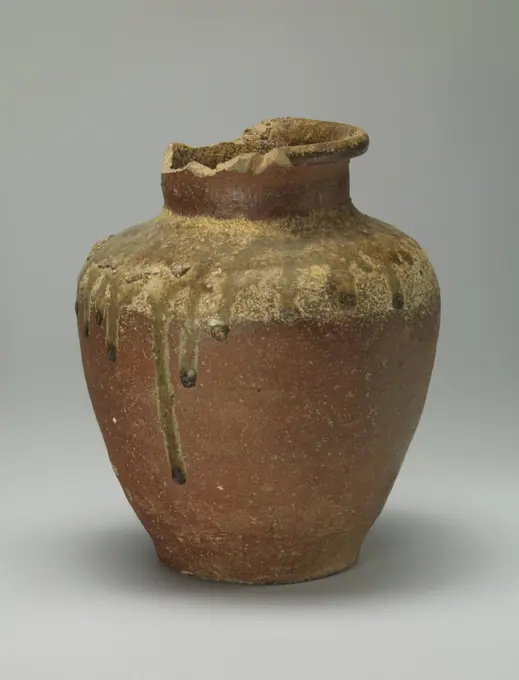
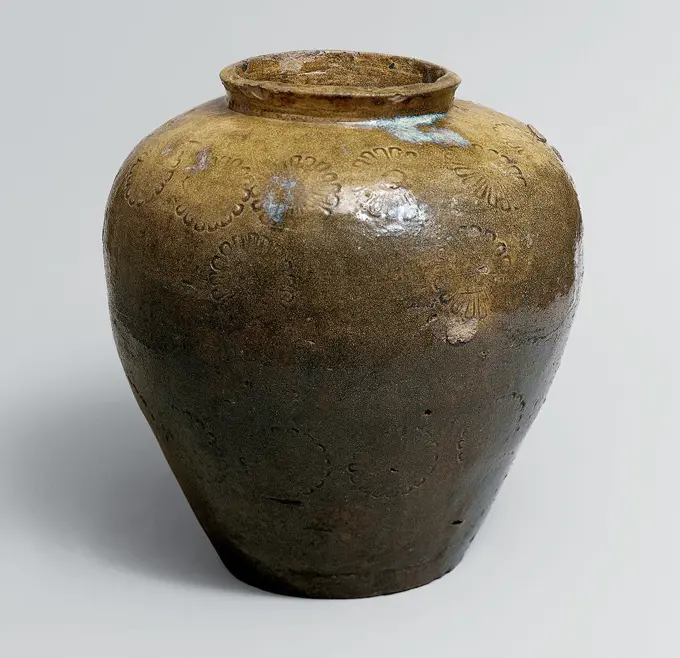
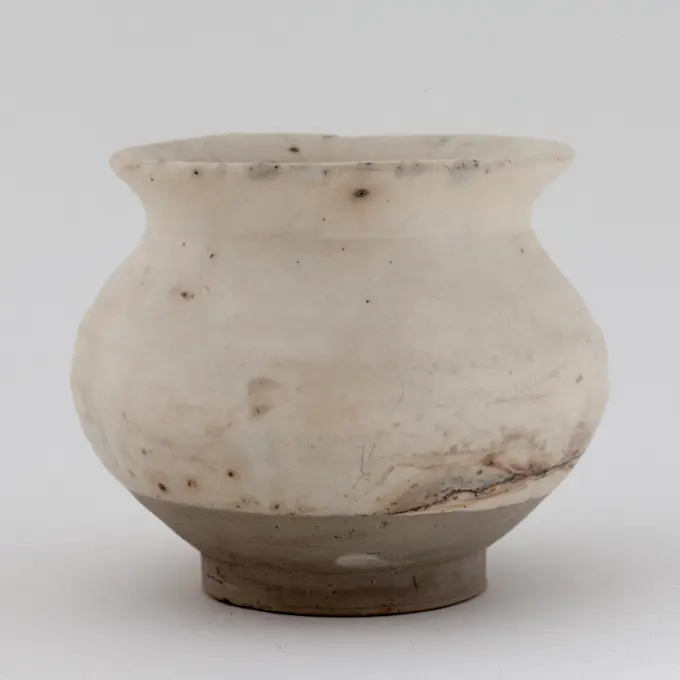
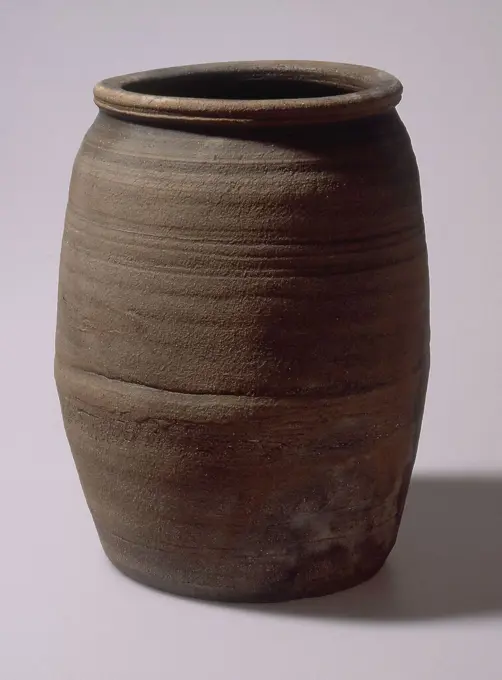
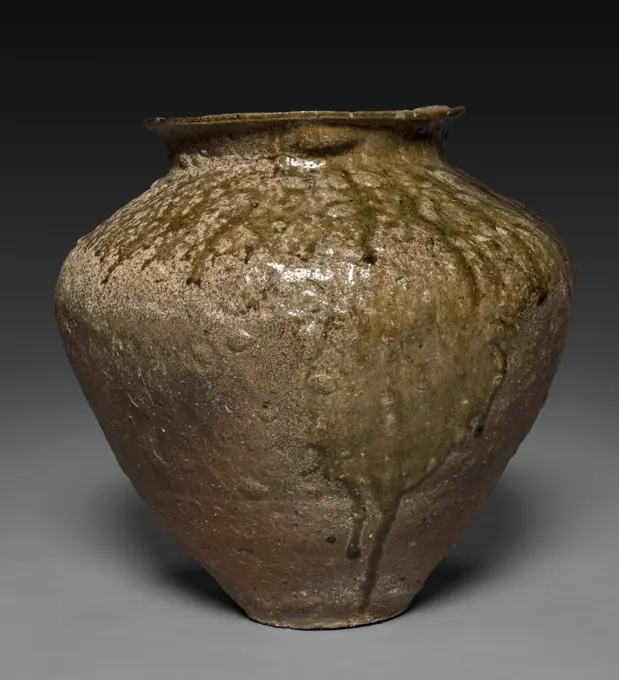
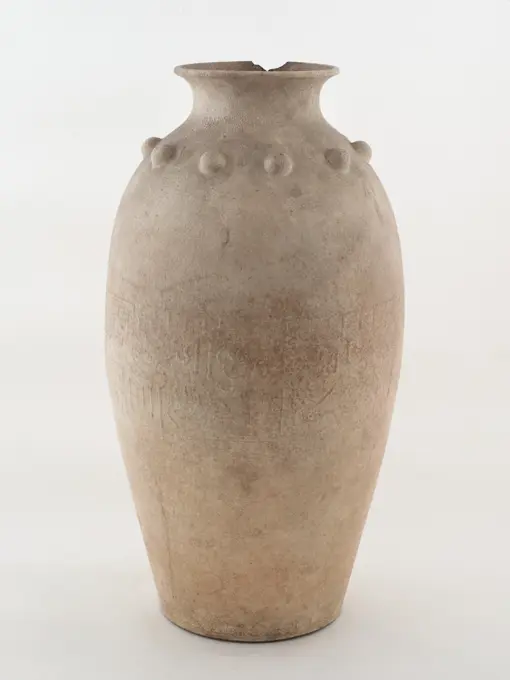
Jar with Broken Rim, 13th century, Unknown Japanese, 8 3/4 × 7 1/4 × 7 1/4 in. (22.23 × 18.42 × 18.42 cm), Stoneware with natural ash glaze, Japan, 13th century, Potters began creating stoneware vessels at the Tokoname kilns by the Heian period (794-1185). Most of these were storage jars, urns, bowls, teapots, and other utilitarian objects often featuring natural ash glaze. By the 1200s, when this jar was made, Tokoname pottery was in use throughout the Japanese islands. Tokoname is one of Japans Six Ancient Kilns, which are historic areas of pottery production. Tokoname was the leading site for the production of unglazed pottery.
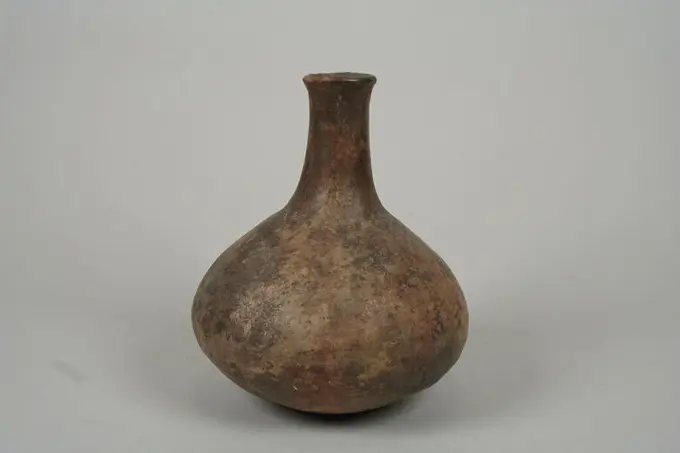
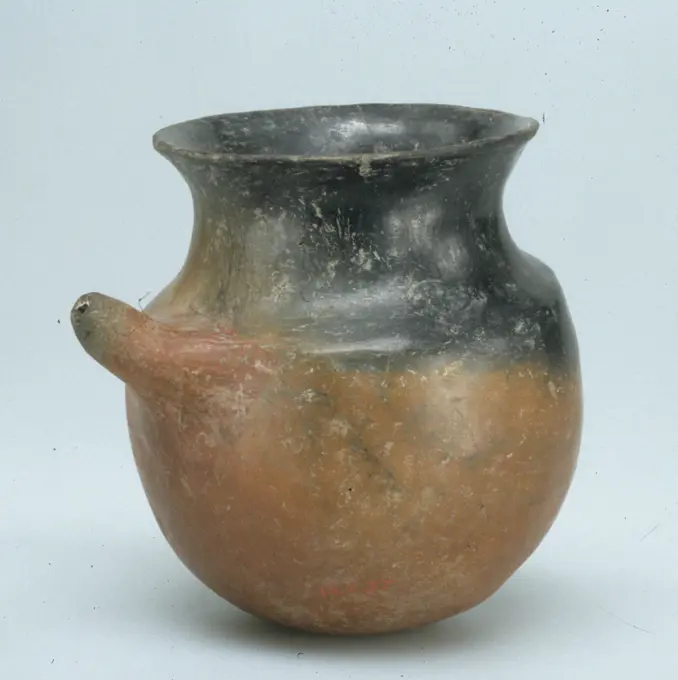
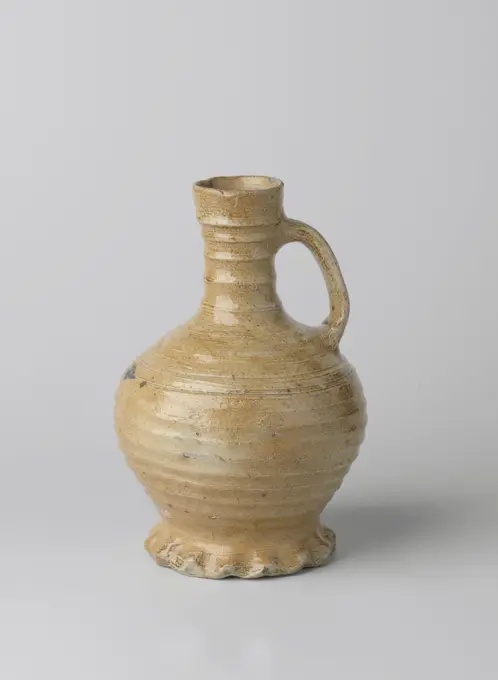
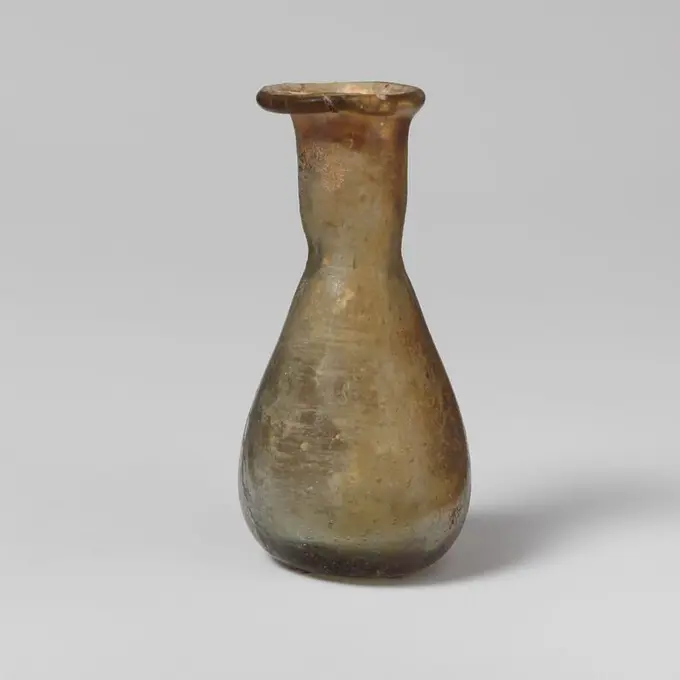
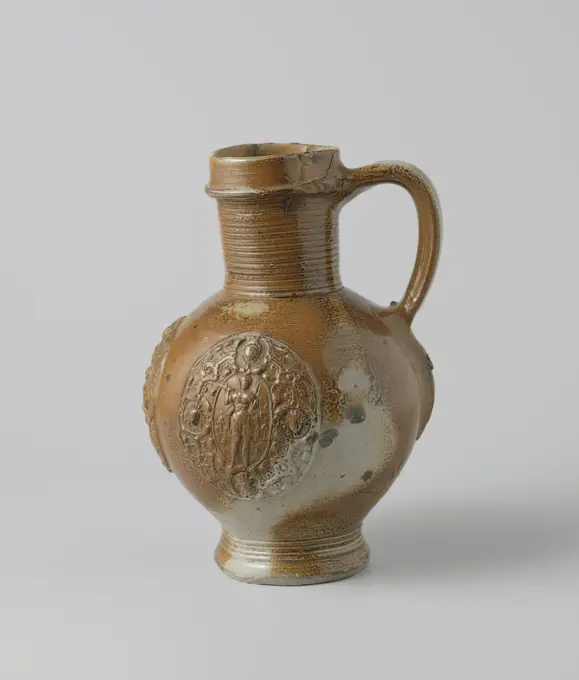
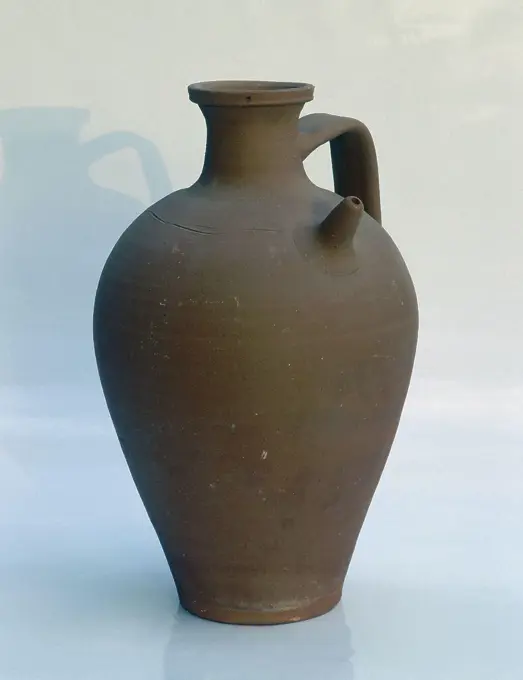
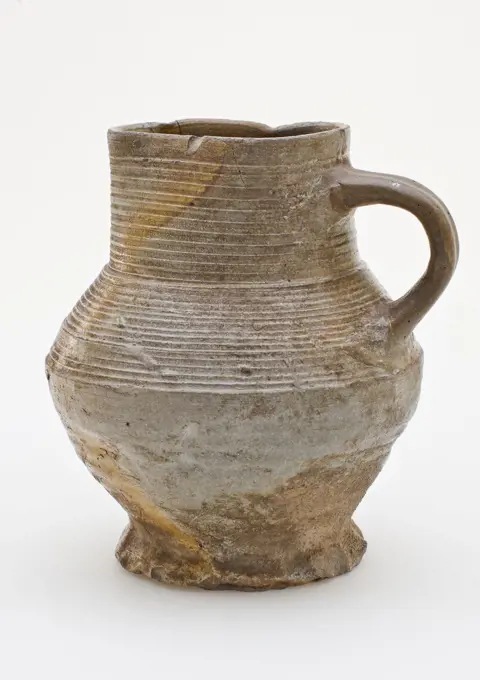
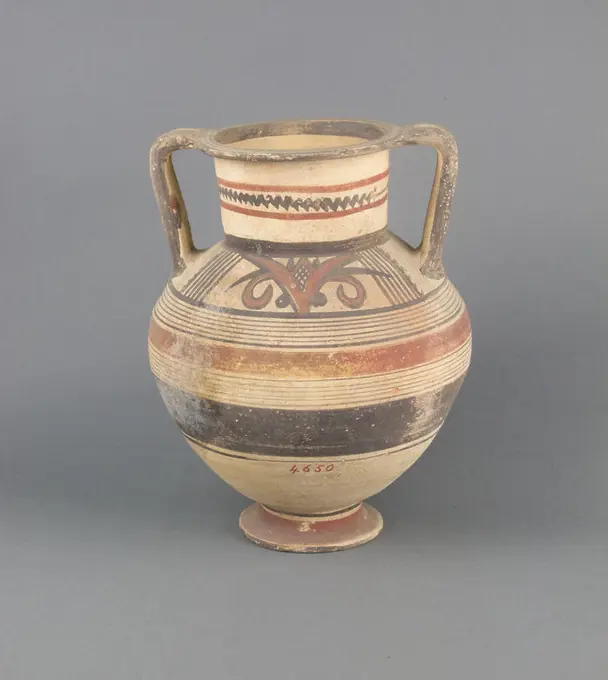
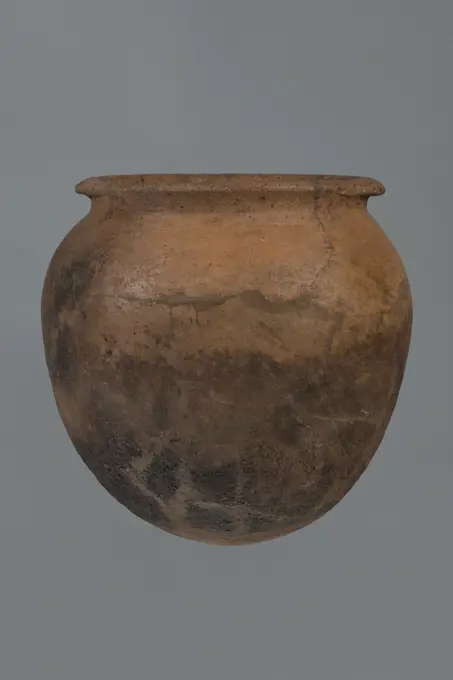
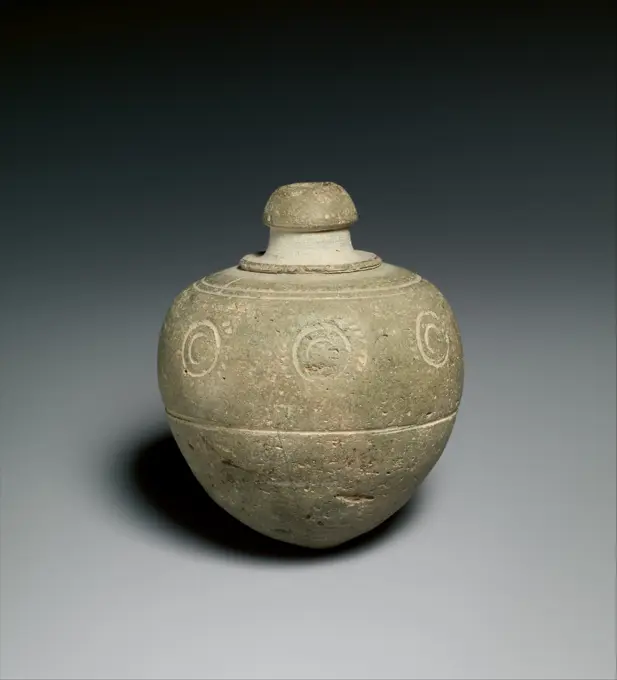
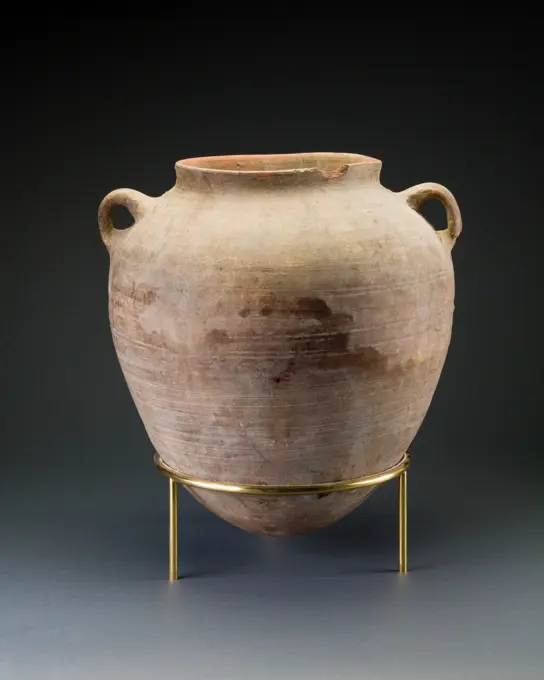
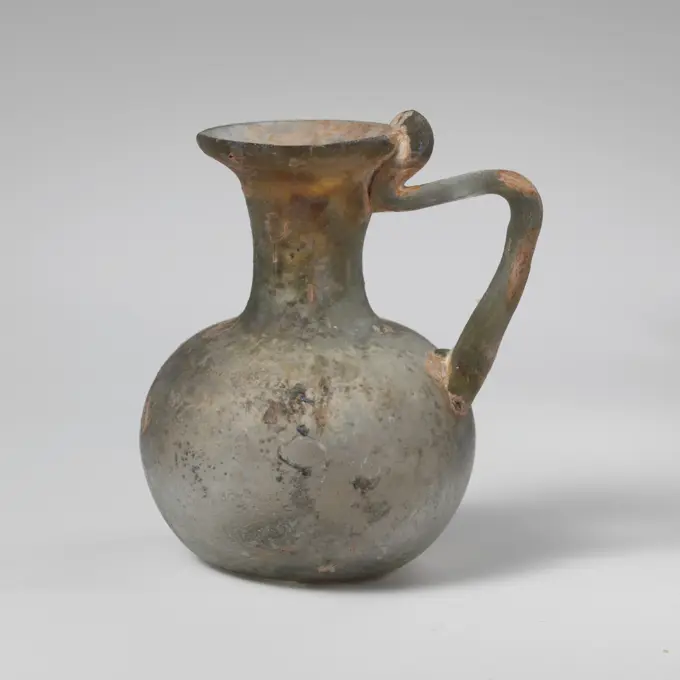
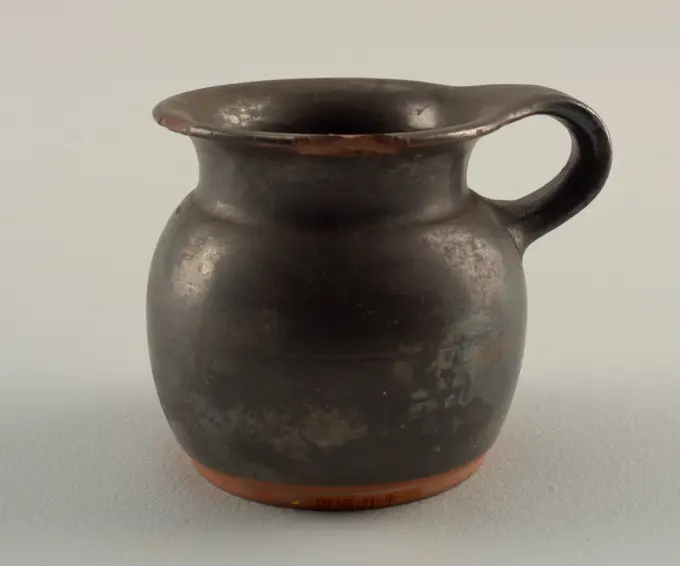
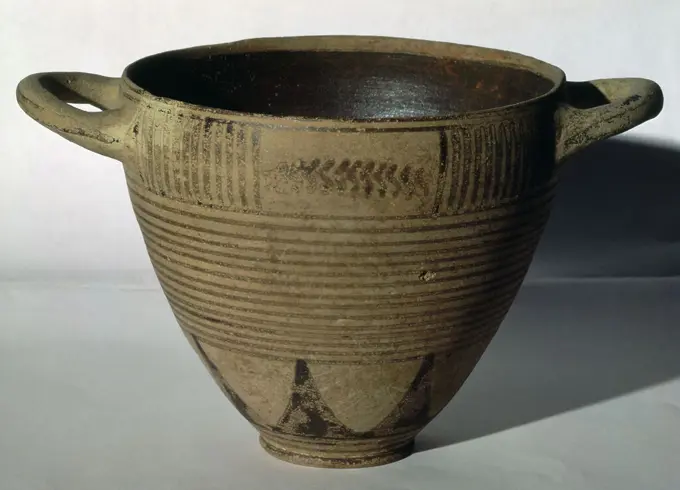
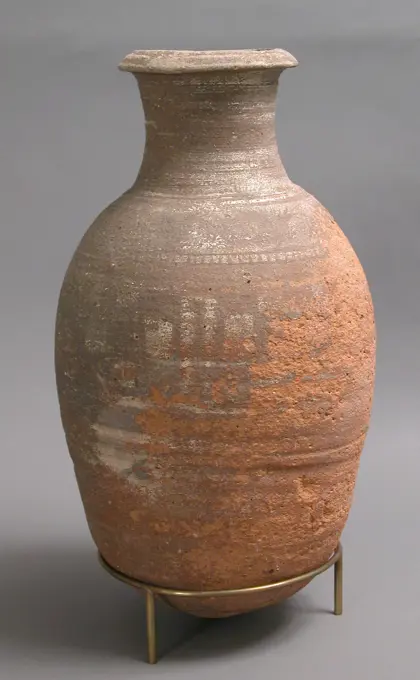
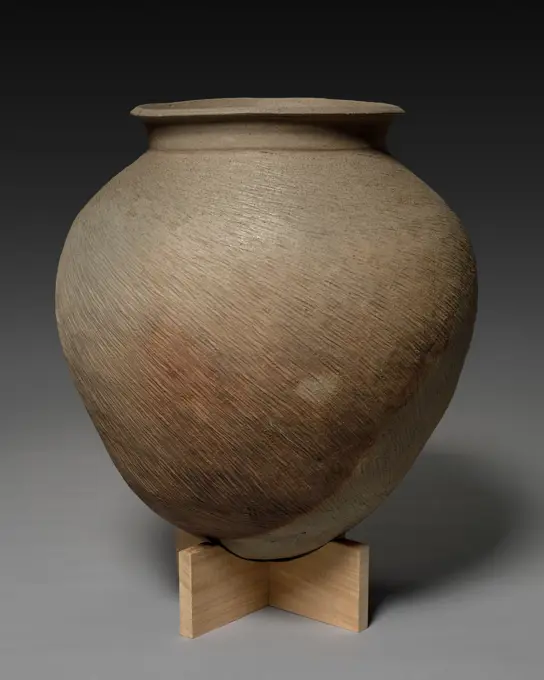
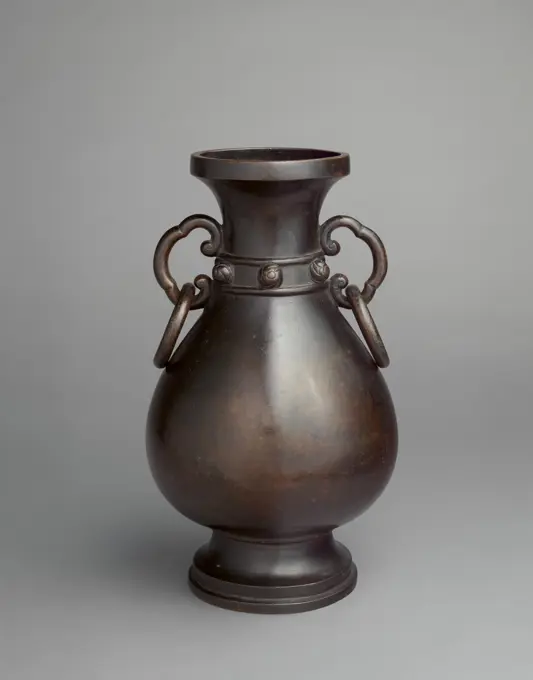
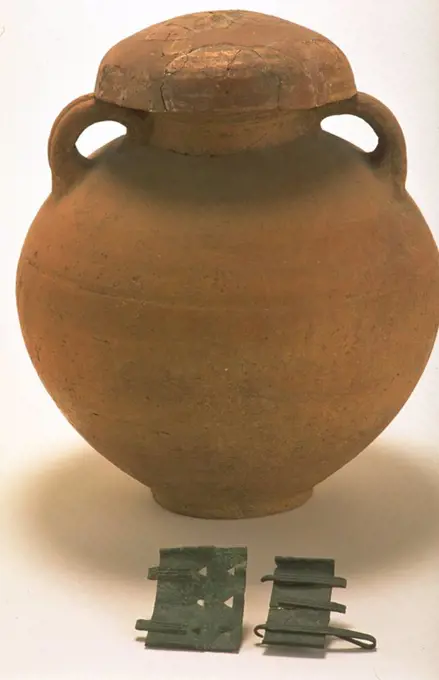
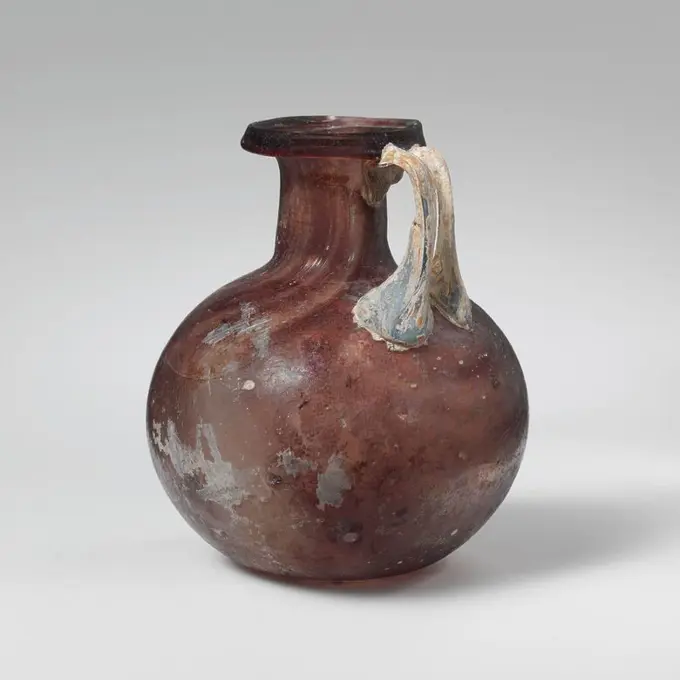
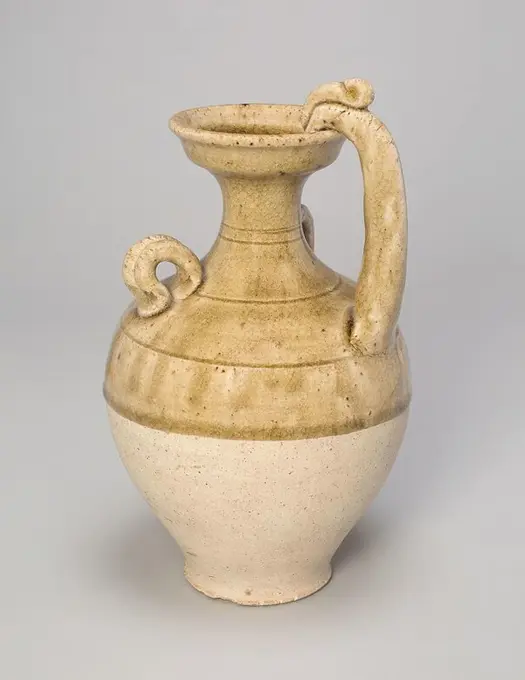
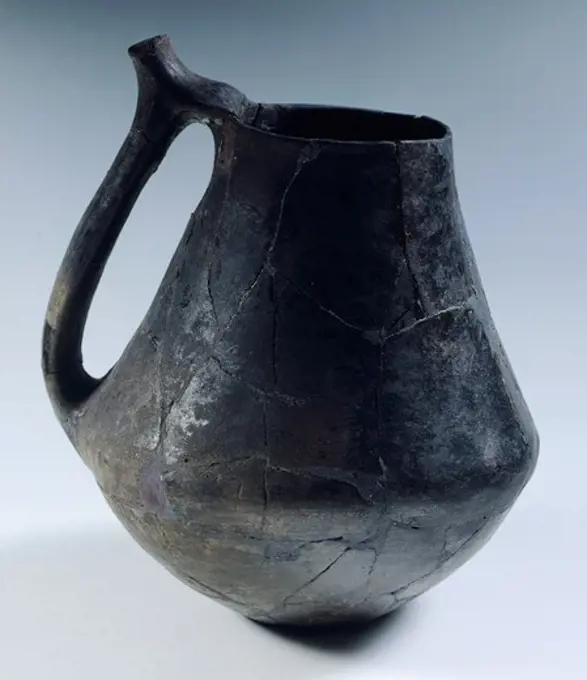
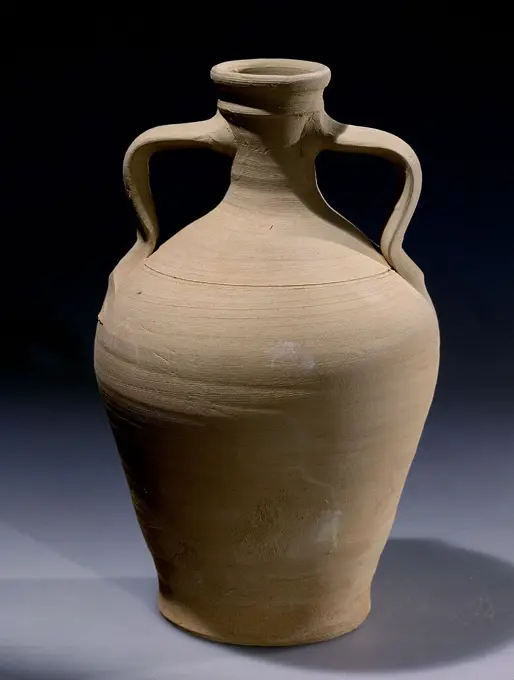
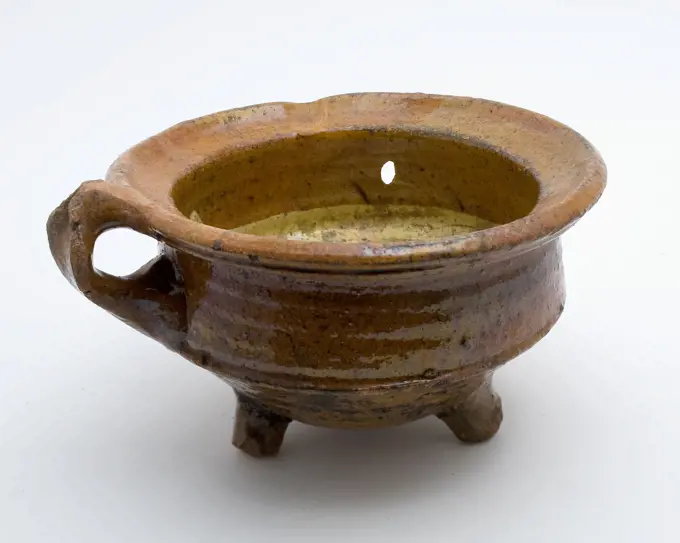
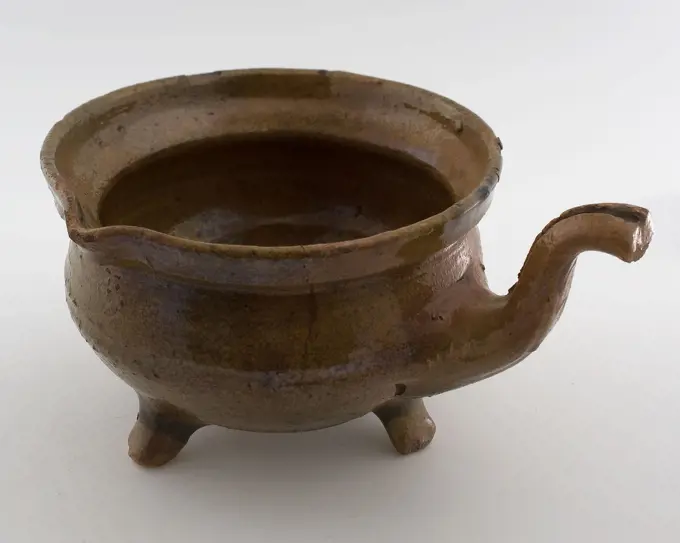
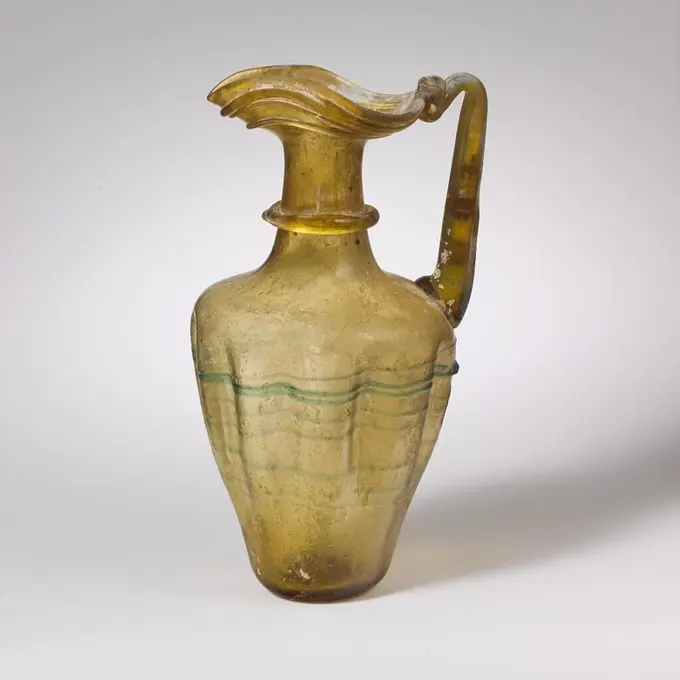
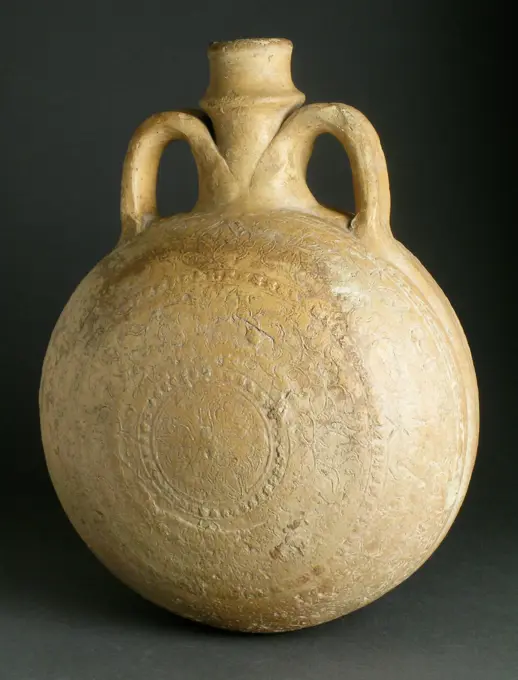
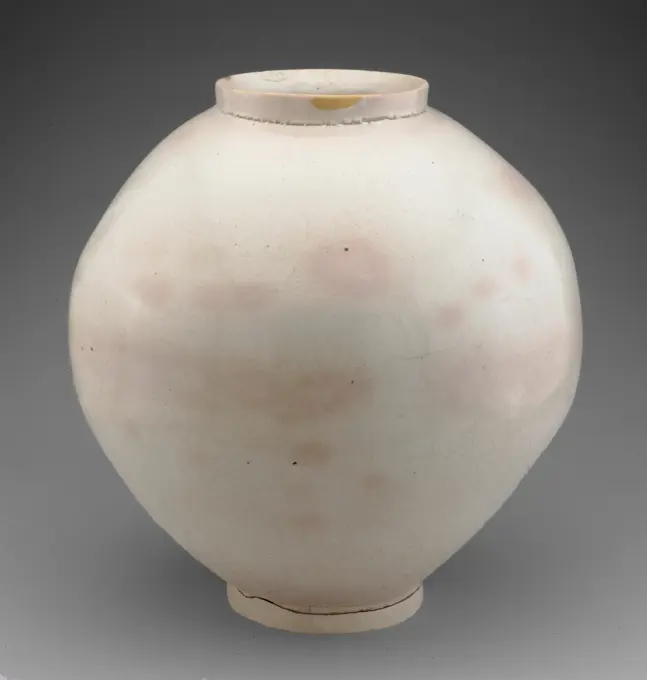
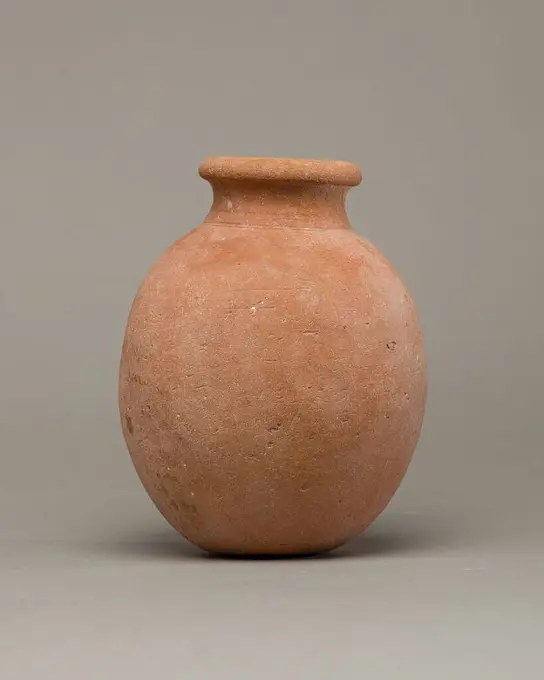
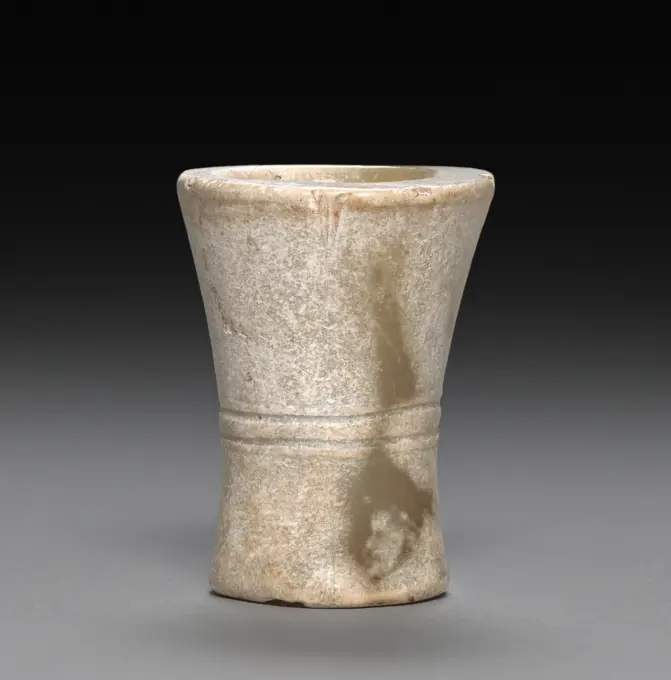
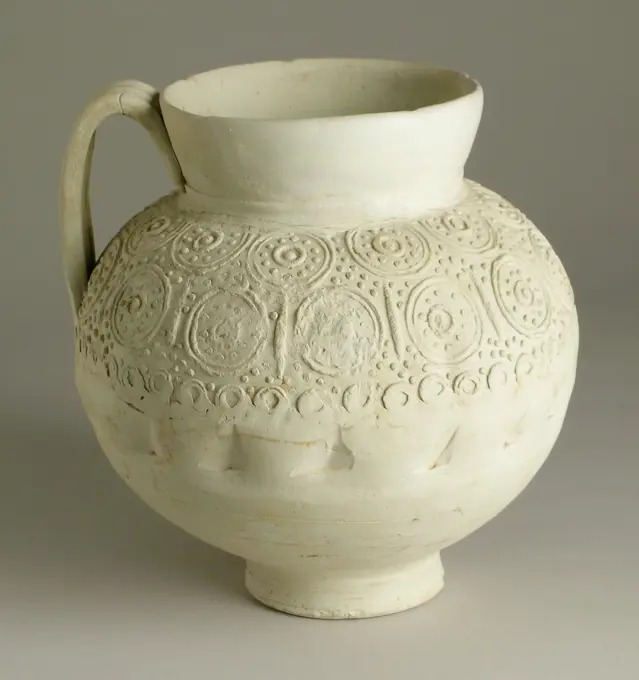
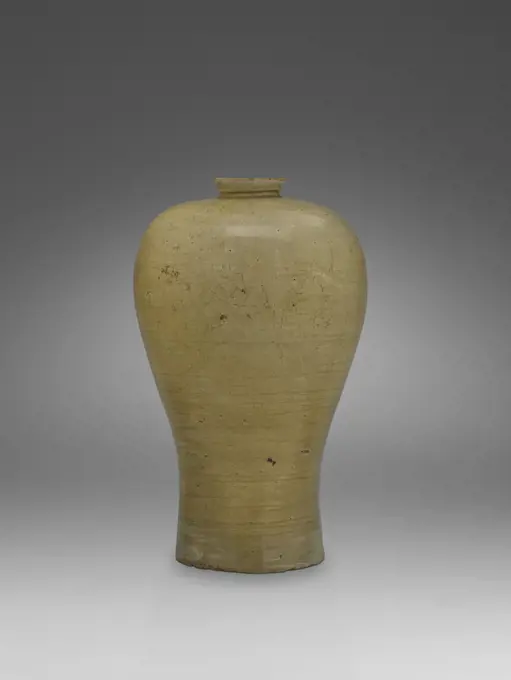
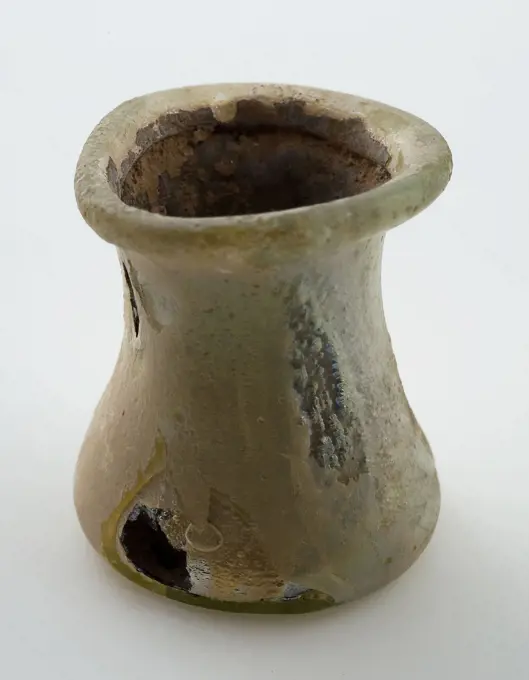
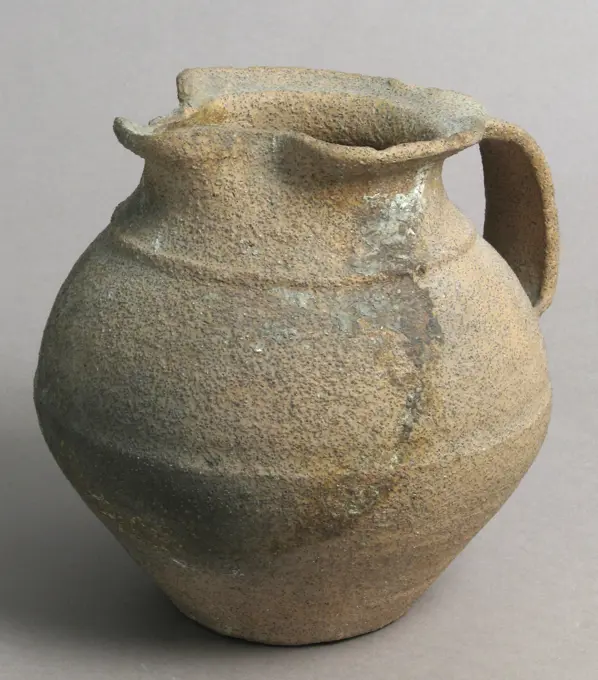
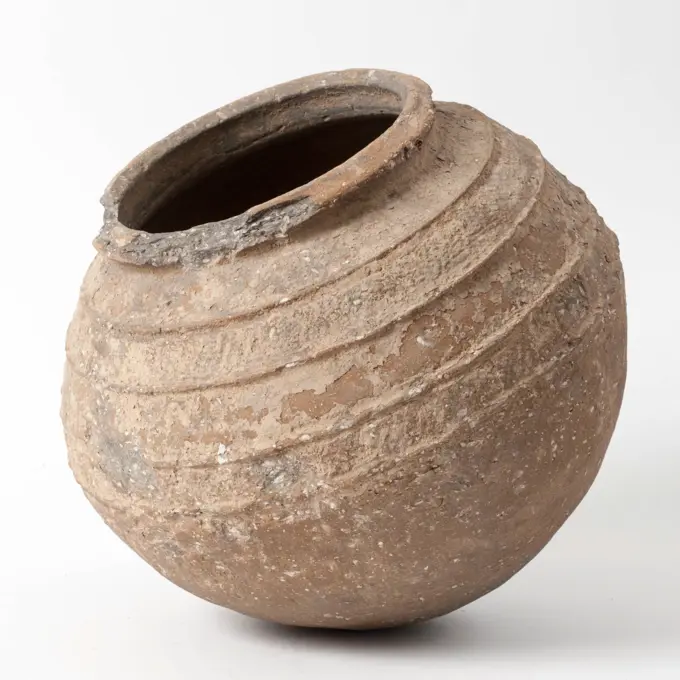
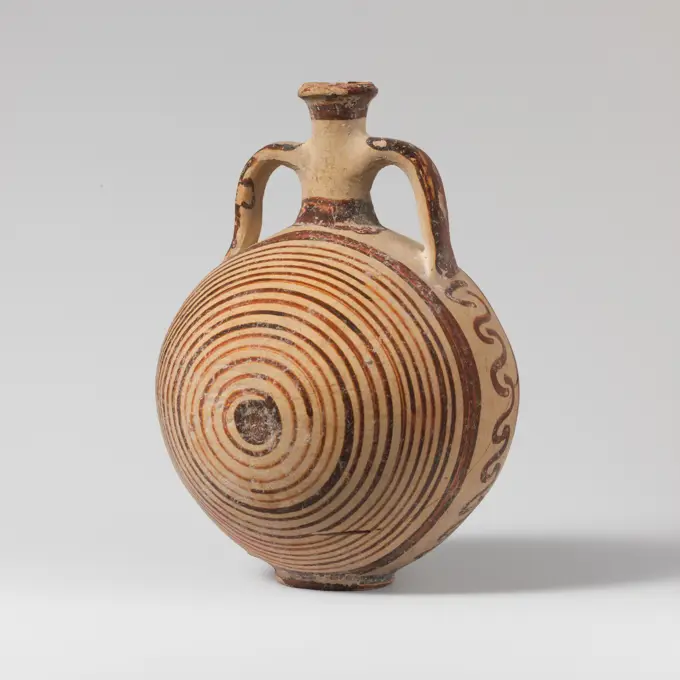
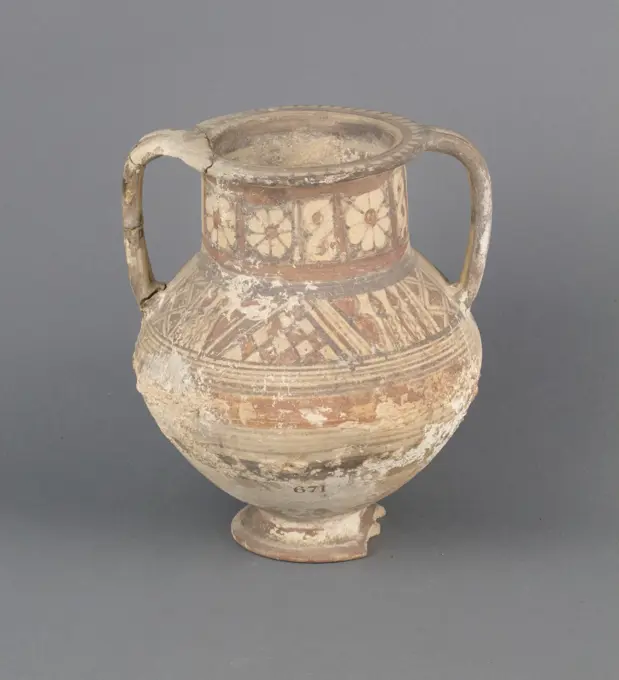
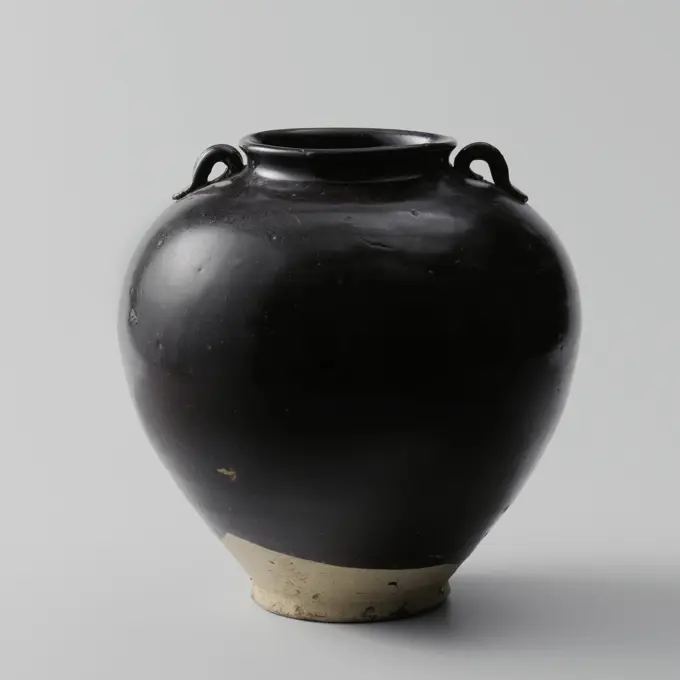
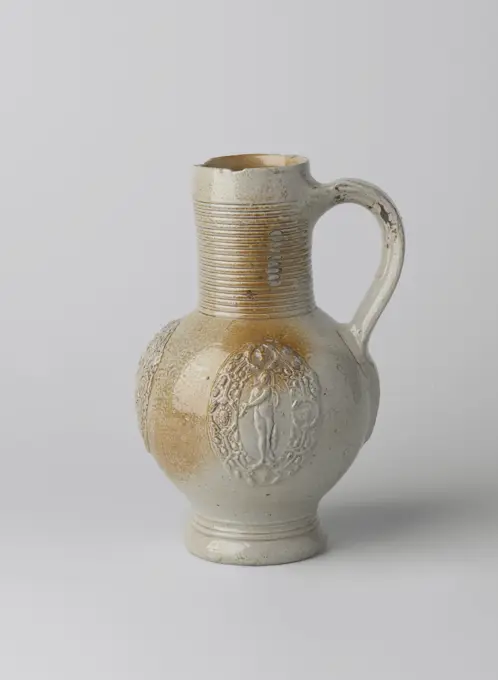
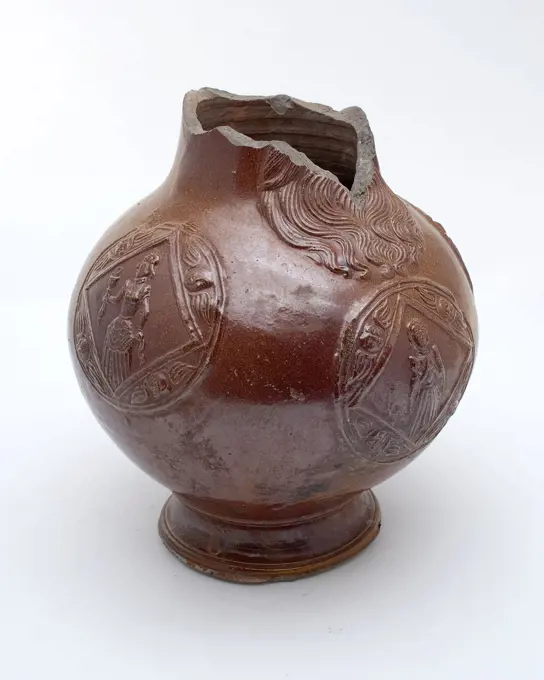
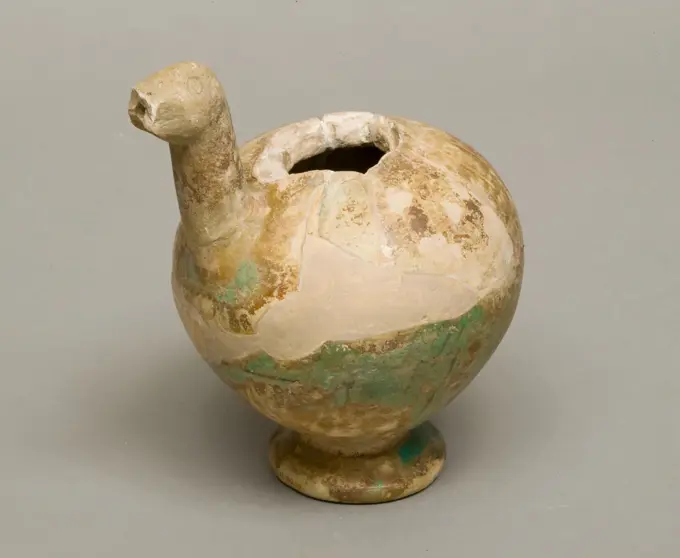
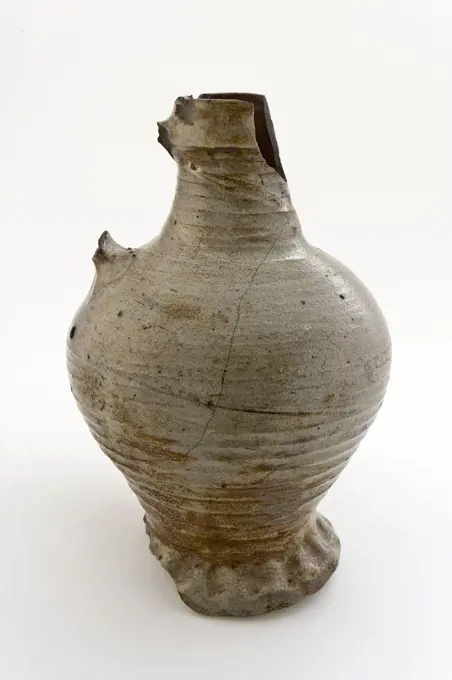
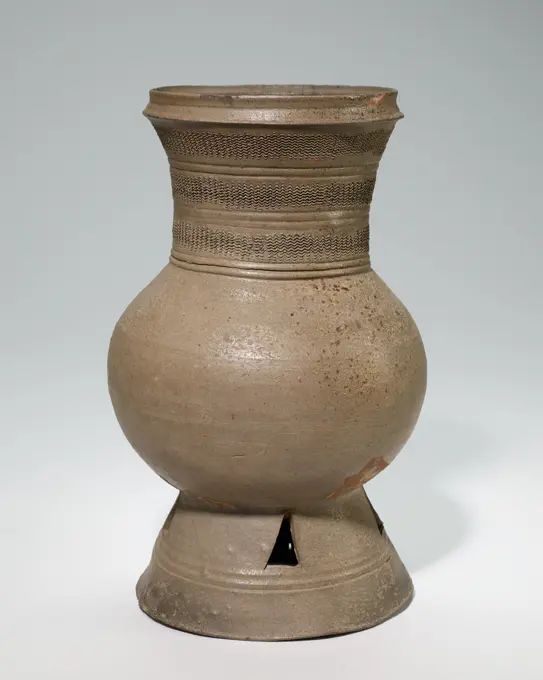
Jar, 5th century, Unknown Korean, 11 3/4 in. (29.85 cm), Stoneware with incised and perforated decor, Korea, 5th centuryVase Hu ". Terracotta with green lead glaze. Han dynasty (206 BC-220 AD). Paris, Cernuschi museum. Chinese art, Chinese ceramic, Huan dynasty, green lead, terracotta, humJar with Broken Rim, 13th century, Unknown Japanese, 8 3/4 × 7 1/4 × 7 1/4 in. (22.23 × 18.42 × 18.42 cm), Stoneware with natural ash glaze, Japan, 13th century, Potters began creating stoneware vessels at the Tokoname kilns by the Heian period (794-1185). Most of these were storage jars, urns, bowls, teapots, and other utilitarian objects often featuring natural ash glaze. By the 1200s, when this jar was made, Tokoname pottery was in use throughout the Japanese islands. Tokoname is one of Japans Six Ancient Kilns, which are historic areas of pottery production. Tokoname was the leading site for the production of unglazed pottery.Single Spout Plain Bottle. Culture: Paracas. Dimensions: Overall: 5 3/8 in. (13.65 cm). Date: 5th-3rd century B.C.. Museum: Metropolitan Museum of Art, New York, USA.Black-topped Red Ware Beaker ca. 1550-1295 B.C. New Kingdom. Black-topped Red Ware Beaker. ca. 1550-1295 B.C.. Pottery. New Kingdom. From Egypt. Dynasty 18Jar, late 5th-early 6th century, Unknown Korean, 7 5/16 × 7 3/4 × 7 3/4 in. (18.57 × 19.69 × 19.69 cm), stoneware with incidental ash glaze, Korea, 5th-6th centuryJug with rilling, anonymous, c. 1500 - c. 1530 Jug of stoneware on corrugated foot with an egg -shaped body and narrow. Something spreading neck. The C-shaped ear is attached to the neck and belly. The jug is decorated with rotation, where the shoulder is smoothed. Raeren. Raeren (possibly) stoneware. glaze vitrification Jug of stoneware on corrugated foot with an egg -shaped body and narrow. Something spreading neck. The C-shaped ear is attached to the neck and belly. The jug is decorated with rotation, where the shoulder is smoothed. Raeren. Raeren (possibly) stoneware. glaze vitrificationJar. Egypt, New Kingdom, 18th or 19th Dynasty (circa 1550 - 1196 BCE). Furnishings; Serviceware. CalciteJar (Tsubo) with Chrysanthemums late 13th-early 14th century Japan. Jar (Tsubo) with Chrysanthemums 53203Jar ". Sandstone, white slip under transparent cover. China, Song Dynasty (960-1279) / Yuan (1279-1368). Paris, Cernuschi museum. Chinese art, Chinese ceramic, container, Song dynasty, Yuan dynasty, Song time, Yuan, GRES, jar, container, terracottaGlass perfume bottle. Culture: Roman. Dimensions: 1 5/8 × 13/16 in. (4.2 × 2 cm)Diam. of rim: 9/16 in. (1.5 cm). Date: 1st century A.D..Miniature perfume bottleTranslucent pale green.Rim folded out, over, and in, forming lobsided mouth; slightly funnel-shaped neck, tooled in around base; conical body with slightly convex sides; thick, flattened bottom, concave at center.Intact; some bubbles; dulling and slight iridescence on exterior; iridescent weathering on interior. Museum: Metropolitan Museum of Art, New York, USA.Lamp. Dimensions: H. 7 cm (2 3/4 in.); Diam. 10.6 cm (4 3/16 in.). Dynasty: Dynasty 12, mid. Date: ca. 1900-1850 B.C.. Museum: Metropolitan Museum of Art, New York, USA.Terracotta jug Cypriot Jug with bull's head and polychrome ornament.. Terracotta jug. Cypriot. Terracotta. VasesJug with a standing man and ribbed neck, anonymous, c. 1580 - c. 1600 Jug of stoneware on a high base with a spherical body and wide, ribbed neck. The C-shaped ear is attached to the neck and shoulder. Profiles closely. Partly covered with a brown Engobe. On the belly in relief three times a printed and imposed medallion with a rich decent edge and a standing man (Roman emperor or soldier) in a landscape. Raeren. Rae stoneware. glaze. engobe vitrification Jug of stoneware on a high base with a spherical body and wide, ribbed neck. The C-shaped ear is attached to the neck and shoulder. Profiles closely. Partly covered with a brown Engobe. On the belly in relief three times a printed and imposed medallion with a rich decent edge and a standing man (Roman emperor or soldier) in a landscape. Raeren. Rae stoneware. glaze. engobe vitrificationCANTARO CON PITORRO O BOTIJA-CERAMICA ROJA PARA AGUA SIN VIDRIAR. Location: ALFARERIA. OLIVENZA. Badajoz. SPAIN.PotORZA-CERAMICA POPULAR. Location: ALFARERIA. SPAIN.A vessel in the teaching of a barrel; Unknown Nubian workshop; 2. PO. XII-XV century (1151-00-00-1500-00-00);Stoneware canister on pinched foot, gray green, deformed neck, jug crockery holder soil find ceramic stoneware glaze salt glaze, surface 8.3 hand-turned baked glazed Stoneware jug gray shard salt-glaze locally gray-green and beige neck very irregularly shaped bandoor profiled rings around neck and upper half of the abdomen revolving around the lower half of the abdomen pinched foot Wide neck double conical abdomen archeology Rotterdam City center Stadsdriehoek Hoogstraat Botersloot import pottery serving serve Soil discovery: construction site Wereldhaven corner Hoogstraat Botersloot November 1954.Ewer 9th-10th century. Ewer 449775Jar (Guan) Made 1200 BCE-1045 BCE China. Earthenware with incised and applied decoration .Jar Speckled Like an Ostrich Egg; Crete, Greece; 1450 - 1400 B.C; Terracotta; 10.2 × 8.6 cm (4 × 3 3,8 in.)Krater. Culture: Cypriot. Dimensions: 10 3/8in. (26.4cm). Date: 750-600 B.C..Krater with bands, zigzag line and lotus design. Museum: Metropolitan Museum of Art, New York, USA.Garnek kuchenny. nieznany warsztat północno mezopotamski (ca 2600-ca 2350 a.C.), workshopSpheroconical Vessel 9th-10th century This distinctive type of vessel has been excavated in many Islamic countries, and its function has sparked many theories. They are most commonly sphero-conical in shape, which allows their tiny openings to incline upward even when they are lying on their sides. Another common feature is a groove below the lip, presumably for suspension. Although some examples are made of glazed ceramic, stone, and glass, the vast majority of them have thick walls and are made of hard-fired, dense, unglazed earthenware. The most widely accepted theory is that they are vessels for storing, dispensing, and perhaps transporting liquids of various kinds. Several have inscriptions related to drinking; some scholars have suggested that these vessels contained beer, which was described in poetry of the time.. Spheroconical Vessel. 9th-10th century. Earthenware; incised, unglazed. Excavated in Iran, Nishapur. CeramicsStorage Jar, late 1100s. Japan, Kamakura period (1185-1333). Stoneware with natural ash glaze (Tokoname ware); diameter: 38.2 cm (15 1/16 in.); overall: 37 cm (14 9/16 in.). Tokoname, located on Ise Bay in present-day Aichi prefecture on Japans main island, Honshu, was the largest center of ceramic production in medieval Japan. It had been an active center of ceramic production since the Heian period (794-1185). Wide-mouthed jars like this one are called kame, and were favored for use in tea practice.Bottle 11th-14th century Mississippian. Bottle 318288VASO. EDAD DEL BRONCE CAMPOS DE URNAS S VII a.C. (DEPOSITO: MUSEO ARQUEOLOGICO NACIONAL).Jar ca. 1070-1000 B.C. Third Intermediate Period This two handled globular jar was found in the tomb of the New Kingdom queen Meritamun; however, it does not date to the time of the original burial. Instead this vessel was made during the Third Intermediate Period, and perhaps placed in the antechamber by those responsible for restoring the tomb after it had been looted. Found along with nine additional storage vessels and three plates, it is also possible that this jar might have been part of the assemblage buried with the 21st Dynasty Singer of Amun, Nany (see 30.3.21), whose intrusive burial was found in Meritamun's tomb. The vessel is made of a hard, fairly fine salmon-pink ware that, when fired, turned a grey-green color. On the exterior there is no decoration or slip, just some traces of dirt and staining, presumably from general domestic use. When found, the vessel was filled with an unknown liquid, Nile mud and beer yeast. Two pieces of pottery that date to to period of the oriGlass jug 2nd-3rd century A.D. Roman Miniature one-handled jugTranslucent pale bluish green; handle in same color.Plain rounded rim; flaring mouth; funnel-shaped neck; squat globular body; pushed-in bottom with pontil scar at center; rod handle applied to top of body, drawn up and out in a straight line, turned in and down at acute angle, and trailed on to top of neck and pinched off above rim.Intact; many bubbles, elongated in neck; dulling, pitting, and iridescent weathering.. Glass jug 239723Cup (Greece); glazed terra-cottaVASO PROTOCORINTIO-PROC DE NECROPOLIS FENICIA DE ALMUÑECAR. IMPORTACION GRIEGA- HACIA S VII A.C.- AR. Location: MUSEO ARQUEOLOGICO-CERAMICA GRIEGA. GRANADA. SPAIN.Vase. Green -colored pale yellow -colored sandstone, Republic. Provenance: China. Paris, Cernuschi museum. 78846-14 Asian art, Chinese art, art of living, ceramic, gres, vasePrehistory, Albania, Iron Age. Pitcher with biforated handle and painted decoration. From Gramshi.Jar 4th century B.C.-4th century A.D. Coptic. Jar 475726Wide-Mouth Jar, 1300s. Japan, Kamakura period (1185-1333) to Muromachi period (1392-1573). Stoneware with impressed and incised decoration (Suzu ware); diameter: 53 cm (20 7/8 in.); overall: 56.5 cm (22 1/4 in.).Vase (one of a pair) 15th century China These vases are stylistically consistent with Ming imperial ritual vessels and are likely to have been the products of the imperial workshops of the fifteenth century. Originally they would have served as flower vases on a ritual altar, where they would have been placed together with an incense burner and two candlesticks.. Vase (one of a pair). China. 15th century. Bronze. Ming dynasty (1368-1644). MetalworkAJUAR DE LA TUMBA 21. TARTESICO EDAD DEL HIERRO. (DEPOSITO: MUSEO ARQUEOLOGICO NACIONAL).Earthenware cooking pot, grape-model, red shard, sparingly glazed, two sausage rolls, on three legs, cooking pot crockery holder kitchenware earth discovery ceramics earthenware glaze lead glaze, hand-turned baked glazed earthenware cooking pot grape-model red sharpened sparingly glazed two vertical sausage struts three legs few rotational wings around the shoulder archeology Rotterdam indigenous pottery food preparation cooking food kitchen fire Soil discovery: brand RotterdamGlass jug. Culture: Roman. Dimensions: 2 1/4 in. (5.8 cm)Other: 2 3/16 in. (5.6 cm)Diam. of rim: 1 3/16 in. (3 cm). Date: mid-1st-2nd century A.D..Small one-handled jugTranslucent streaky purple, with opaque pale blue handle.Rim folded out, down, and up, with beveled slanting outer lip; flaring mouth; cylindrical neck; slightly squat, globular body; small, slightly concave bottom; strap handle applied to top of body with two claw pads, drawn up, turned in horizontally, and trailed on to underside of rim and top of neck.Large hole in top of body on side opposite handle; center of strap of handle very thin and partially weathered away; pinprick bubbles and blowing striations; dulling, pitting, and iridescence, with patches of creamy weathering. Museum: Metropolitan Museum of Art, New York, USA.Vase with Dragon-Shaped Handle and Two Loop Handles. China. Date: 581 AD-618 AD. Dimensions: H. 18.7 cm (7 3/8 in.); diam. 11.1 cm (4 3/8 in.). Stoneware with olive-green glaze. Origin: China. Museum: The Chicago Art Institute, Chicago, USA.Mug with handle. Scythian Civilization, 7th Century BC.Pot ca. 1550-1295 B.C. New Kingdom. Pot. ca. 1550-1295 B.C.. Pottery. New Kingdom. From Egypt, Upper Egypt, Thebes, Asasif, Temple of Hatshepsut, Carnarvon/Carter excavations. Dynasty 18Shawabty Jar with Lid, 1295-1069 BC. Egypt, New Kingdom, Dynasty 19 (1295-1186 BC) - Dynasty 20 (1186-1069 BC). Nile silt ware; diameter: 22.2 cm (8 3/4 in.); diameter of mouth: 11.6 cm (4 9/16 in.); overall: 29.4 cm (11 9/16 in.).Small jugGlass miniature jar 2nd-3rd century A.D. Roman Colorless.Tubular rim, folded out, round, and into braod mouth; short, concave neck; almost horizontal shoulder above squat, bulbous body; pushed-in bottom, with traves of large pontil mark.Intact; some large and pinprick bubbles; patches of creamy weathering, iridescence, and pitting.. Glass miniature jar 239632TINAJA O BARRILA EN CERAMICA SIN VIDRIAR - ARTE POPULAR. Location: ALFARERIA. TORREJONCILLO. CACERES. SPAIN.Wavy-handled jar ca. 3850-2960 B.C. Predynastic Period. Wavy-handled jar 573272Globular pot with small flared collar ". Terracotta. Vietnam-Xe-Xive s. Paris, Cernuschi museum. 72186-34 Vietnamese object, Small Evase Col, Globular Pot, TerracottaLamp. UnknownTibet: Clay tea-pot and brasero, 19th century, Southern Tibet.Jar 8th-9th century. Jar 449773Unglazed pottery test, round bottom, square top edge, on three legs, fire test test ground find ceramic pottery, hand turned hand shaped baked Square top three legs one standing sausage ear attached between two corners. Red shard. Profile ring on the transition from side wall to bottom. Roetsporen on the inside archeology underground pit Rotterdam City Center Stadsdriehoek Groenendaal indigenous pottery food preparation heating cooking kitchen room Soil discovery: underground pit Groenendaal at 1.90 meters (of Mariniersweg) Approximately 2 meters - NAP found 1975-10-06.Pot 4th-7th century Coptic. Pot 477267OvoidJugOLLA CON DOS ASAS CON DECORACION INCISA. Location: ALFARERIA. ARROYO DE LA LUZ. CACERES. SPAIN.Vase. unknown, craftsmanPot 4th-7th century Coptic. Pot 476297Fragment earthenware cooking jug, completely lacquered in yellow and brown, on three legs, cooking jug be found in the earthenware ceramic earthenware glaze lead glaze clay, hand-turned glazed fired Fragment earthenware cooking jug completely glazed in yellow and brown on three legs. Vertical bandoor Internal yellow glazed on the bottom archeology Rotterdam railway tunnel indigenous earthenware food preparation kitchen cooking food Soil discovery: rail tunnel Rotterdam.Vessel. Culture: Coptic. Dimensions: Overall: 4 3/4 x 6 in. (12.1 x 15.3 cm). Date: 4th-7th century. Museum: Metropolitan Museum of Art, New York, USA.Glass jug 2nd-3rd century A.D. Roman, Cypriot Colorless with pale greyish green tinge; handle in same color.Tubular rim, folded out, down, over, and in, with beveled upper surface forming slight constriction to mouth; cylindrical neck, tapering slightly downwards, with tooled indent around base; conical body with convex curving sides; broad, slightly pushed-in bottom; strap handle, applied in a long, narrow pad on upper body, drawn up and out, then turned in at an acute angle, pressed on to neck under rim, with trail extending down neck.Decoration of wheel-abraded horizontal lines on lower half of body, comprising a single broad line at top, two other lines, and a single, fine line slightly above point of greatest diameter.Intact; few bubbles; dulling, iridescence, and patches of weathering.Squat colorless blown glass jug with wide flat handle and incised lines.. Glass jug 239707Pottery toy cooking pot, with white shard with yellow lead glaze, bandoor, on three legs, cooking pot crockery holder kitchenware toy relaxing device soil find ceramic earthenware glaze lead glaze, hand-turned baked glazed Pottery cooking pot toy white shard with yellow lead glaze topped with sharpening band. Rotating pearls around the shoulder archeology native pottery food drink playCANTARO CON CUELLO ALTO Y ANCHO Y GRAN ASA - SIN VIDRIAR - ARTE POPULAR. Location: ALFARERIA. SPAIN.CANTARO PARA AGUA EN BARRO BLANCO SIN VIDRIAR-S XX ARTE POPULAR. Location: ALFARERIA. BAENA. CORDOBA. SPAIN.Earthenware cooking pot, red shard, glazed in yellow and brown, shank, bandoor, on three legs, cooking pot crockery holder kitchen utensils earthenware ceramics earthenware clay engobe glaze lead glaze, hand-turned glazed fried lemonade Pottery cooking pot grape-model red shard entirely covered with lead glaze pouring clip at the top pinched band of three legs squeegees at the underside archeology native pottery food prepare cooking food cuisinePottery saucepan, red shard, fully glazed, pouring lip, S-shaped handle, on three legs, saucepan cooking pot tableware holder kitchenware earthenware ceramics earthenware glaze lead glaze, hand turned fried glazed Pottery saucepan red shard with lead glaze with greenish patches and pretty long S-shaped stem three legs. Rotating wings around the shoulder archeology indigenous pottery food prepare cooking food cuisineGlass jug with trefoil rim. Culture: Roman. Dimensions: H. 5 3/16 in. (13.2 cm). Date: 4th-5th century A.D..Translucent greenish yellow; handle and two trails in same color; another trail in translucent turquoise blue.Trefoil rim with rounded lip; flaring mouth; cylindrical neck, flaring downwards; broad, slightly sloping shoulder; funnel-shaped body; thick bottom with central kick and pontil scar; rod handle applied as a pad to edge of shoulder, drawn up and slightly outwards, then turned down and in, and trailed onto back of rim.On upper half of body, nine irregular vertical indents; one trail wound 3½ times in a spiral around underside of mouth; a second trail wound once horizontally around lower neck; the third trail wound 7½ times in a spiral around body over indents.Complete except for hole in body below handle; many bubbles, some elongated; slight dulling, patches of whitish weathering and iridescence. Museum: Metropolitan Museum of Art, New York, USA.Bowl, gull (cylinder);  IV-VI century; Postmeroic period (301-00-00-600-00-00);Collection of ancient Egypt, message, rescue excavations, IV Qatracta, SudanCanteen. Syria, 14th century. Ceramics. Earthenware, moldedUrn, 10th-14th century, 17 x 16 x 16 in. (43.2 x 40.64 x 40.64 cm), Polychrome earthenware, Costa Rica, 10th-14th centuryJuglet 1050-950 B.C. Cypriot. Juglet. Cypriot. 1050-950 B.C.. Terracotta. Cypro-Geometric I. VasesMoon Jar 1601-1700 Korea. This large, milky white jar, made during Koreaís Joseon dynasty, is called a moon jar because of its distinctive shape and color. In order to build the jarís large round shape, Joseon potters joined two hemispherical halves in the center. The joint is almost visible under the smooth white glaze but subtly flattens out between the halves. This moon jar, like many others, has mysterious spotsópossibly residue from liquid the jar once contained or the result of a crystal growth from the slow cooling of the kiln. Either way, these stains have become a part of the identity of Joseon moon jars.. Glazed porcelain, with repairs in gold powder .Globular necked jar of desert clay. Date: ca. 3850-2960 B.C.. Museum: Metropolitan Museum of Art, New York, USA.Bead, c. 1200-900 BC. China, Shang dynasty (c.1600-c.1046 BC) - Zhou dynasty (c.1046-256 BC). Jade; diameter: 3.1 cm (1 1/4 in.); overall: 3.9 cm (1 9/16 in.).Ewer. Iran or Syria, 12th-13th century. Ceramics. Earthenware, moldedVase(Maebyong), 11th-12thcentury, Stoneware with green (celadon) glaze, 12 × 7 in. (30.5 × 17.8cm), Korea, Korean, Goryeo dynasty(918-1392), Containers -CeramicsLamp. UnknownJug (Bartmann jug) with birds in a medallion, anonymous, c. 1600 - c. 1699 Jug (beard fancier bush) of stoneware on the standing surface with a spherical body and narrow neck. The C-shaped ear is attached to the neck and shoulder. Profiles on the neck. Covered with a brown Engobe. On the abdomen in relief a small, printed and imposed medallion with two birds on a branch. A bearded man on the neck. Frechten. Cheek stoneware. glaze. engobe vitrification Jug (beard fancier bush) of stoneware on the standing surface with a spherical body and narrow neck. The C-shaped ear is attached to the neck and shoulder. Profiles on the neck. Covered with a brown Engobe. On the abdomen in relief a small, printed and imposed medallion with two birds on a branch. A bearded man on the neck. Frechten. Cheek stoneware. glaze. engobe vitrificationFour-Legged Jar with Lid 8th century Japan. Four-Legged Jar with Lid. Japan. 8th century. Stoneware with natural ash glaze (Sue ware). Nara period (710-794). CeramicsSmall glass bottle or mug in the form of an ointment jar, pot bottle holder bottomfound glass, free blown Very small pot in clear colorless glass model of ointment jar Bottom without clear pontilemark Body with constricted wall and down turned neck edge. Silver-toned archeology health care packaging ointment care pharmacy craftJug 16th century French. Jug 465879 French, Jug, 16th century, Earthenware, Overall: 6 1/2 x 6 5/8 x 6 5/16 in. (16.5 x 16.9 x 16 cm). The Metropolitan Museum of Art, New York. Gift of J. Pierpont Morgan, 1917 (17.194.2192)Amphora (Ping) with Dragon Handles. China, early Tang dynasty, about 618-700. Furnishings; Serviceware. Wheel-thrown stoneware with molded, modeled, and applied decoration and cream glazeGlass jug. Culture: Roman. Dimensions: H.: 4 3/4 x 2 3/8 x 1 1/4 in. (12.1 x 6 x 3.2 cm). Date: 4th century A.D..Small jug.Translucent yellow green; handle, foot ring, and trail in same color.Everted rim folded over and in; concave, cylindrical neck; sloping shoulder; piriform body, with side tapering downwards; thick foot ring, applied as a coil; convex bottom, with large jagged pontil scar; strap handle, with thick rib on one side, attached to shoulder, drawn up and out, then turned in at an angle, and folded onto upper neck, with trail ending on edge of rim.Trail applied to base of neck, wound round five times as a tight-packed band, then wound up in a spiral six times, ending under rim.Intact, but one internal crack in body; pinprick and some large, elongated bubbles; slight dulling and pitting, with some soil encrustation between trail threads and on handle on exterior, patches of black weathering and brilliant iridescence on interior. Museum: Metropolitan Museum of Art, New Jug. Jar with three medallions.Prehistory, Italy, Iron Age. Villanovan culture. Biconical ossuary. From the necropolis of Le Rose at Tarquinia, province of Viterbo.Pottery chamber pot, ball model with high neck, sausage ear, on stand with soul, pot holder sanitary earthenware ceramic earthenware glaze lead glaze, hand turned glazed baked Pottery chamber pot ball model with long neck and vertical sausage ear Attached to the inside of the neck is finger or thumb pressed Fully glazed. Stand with soul Outstanding top edge Restoration is repainted archeology Rotterdam Stadscentrum Stadsdriehoek Bulgersteyn indigenous pottery drainage hygiene room night sleep Soil discovery: Castle Bulgersteyn Rotterdam.Small saucepan on three legs, stem and shank, saucepan pan pot holder utensils earthenware ceramics earthenware glaze lead glaze, hand turned hand molded set glazed baked Small earthenware saucepan Angled up handle as handle slanted handle Red shard internally glazed with lead glaze Sphere model with flat bottom including three legs Slightly outstanding top edge with pouring lip. Roetsporen archeology Capelle aan den IJssel House in Capelle castle indigenous pottery cooking kitchen food preparation tableware Soil discovery: house in Capelle 1612-1797 cesspools north and south Capelle aan den IJssel.Large spherical jar ". Terracotta. Zhou dynasty. Paris, Cernuschi museum. Chinese art, Chinese ceramic, zhou, jar, round, spherical, terracotta dynastyDish;  around 2055 1650 BC ; Medium Pa (-2055-00-00--1650-00-00);Terracotta lentoid flask ca. 1400-1050 B.C. Mycenaean Globular bottle with two handles, concentric circles and two chains of loops.. Terracotta lentoid flask. Mycenaean. ca. 1400-1050 B.C.. Terracotta. Late Helladic III. VasesAmphoriskos 750-600 B.C. Cypriot Krater with bands, checkered triangle, lotus-buds, and cable-ornament.. Amphoriskos. Cypriot. 750-600 B.C.. Terracotta. Cypro-Archaic I. VasesOvoid jar with a dark brown glaze, anonymous, c. 700 - c. 899 Egg -shaped pot of earthenware with two semicircular ears on the shoulder, partly covered with a dark brown glaze. Tang. China earthenware. glaze vitrification Egg -shaped pot of earthenware with two semicircular ears on the shoulder, partly covered with a dark brown glaze. Tang. China earthenware. glaze vitrificationJug with Lucretia and ribbed neck, anonymous, c. 1550 - c. 1599 Jug of stoneware on a high base with a spherical body and long, ribbed neck. The C-shaped ear is attached to the neck and shoulder. On the abdomen three times a rich -decorated medallion with masks. In it a representation of Lucretia with the knife in her side. Raeren. Rae stoneware. glaze vitrification Jug of stoneware on a high base with a spherical body and long, ribbed neck. The C-shaped ear is attached to the neck and shoulder. On the abdomen three times a rich -decorated medallion with masks. In it a representation of Lucretia with the knife in her side. Raeren. Rae stoneware. glaze vitrificationBartmann jug, also called Bellarmine jug with three medallions with woman figure in rhomb, along which cherubs, Bartmann jug jug crockery holder soil find ceramic stoneware clay engobe glaze salt glaze, surface 8.7 hand turned stamped glazed glazed baked stoneware jug gray shard red brown light speckled salt glaze with metallic glow tail archeology import pottery drink serve serve wine beer devotionBird shaped vase ca. 1981-1640 B.C. Middle Kingdom. Bird shaped vase. ca. 1981-1640 B.C.. Faience, Paste, paint. Middle Kingdom. From Egypt, Memphite Region, Lisht North, cemetery south of the tomb of Senwosret (758), Pit 513, lowest south chamber, MMA excavations, 1906-07. Dynasty 12- 13Small Cosmetic VesselGray stoneware jug with rings, belly model with conical neck, jug crockery holder soil find ceramic stoneware clay engobe glaze salt glaze, hand turned glazed baked Stoneware jug gray shard salt glaze local brown brindled bandoor protruding ridge below the mouth rim rotations around neck and belly pinched foot Belly model with conical neck archeology import pottery pouring serve save packing transportBowl 4th-7th century Coptic. Bowl 478850Jar ". Terracotta. Vietnam-Xe-Xive s. Paris, Cernuschi museum. 72361-23 Jar, Vietnamese object, terracotta. The molded and topic object consists of a round-case barrel on a low round base. This runs to the middle and has been led by four vertical ribs. At the top, the foot is narrower in diameter than the horizontal rib, which belongs to the high upwardly slightly widening cup shaped portion. This ends at the top in an outward-bearing edge, which has a more or less flat top. Control the upper half of the outer wall is taken by a fries with details, among other things. The Frisian has been shared by columns and arches in four and has representations of a breeze, a siren in a two-branched tree, a siren (centaurant-like in a fish tail), a centaur, and a dog or wolf for a tree. Above two columns, which are placed in each other's extension, an animal head is always provided with round holes, in which a ring is riveted. Above the other two columns, a palmet is applied each time, which stood slightly at the edge of the object. The cup-shaped portion has a more or less hollow floor with a thick-up