Ancient Pottery

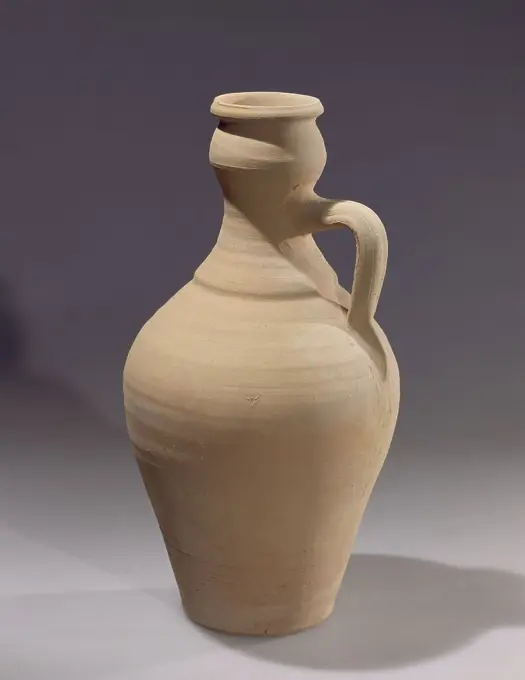
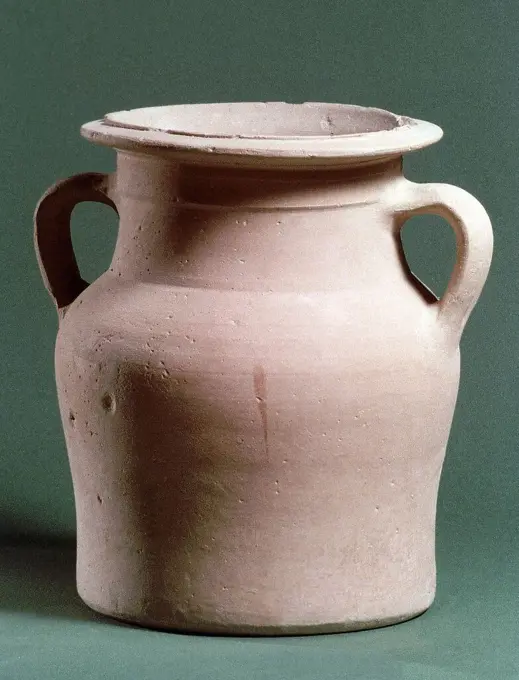
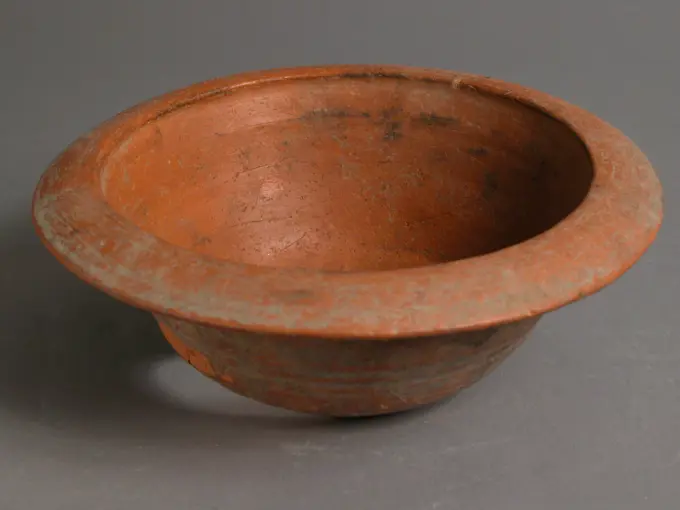
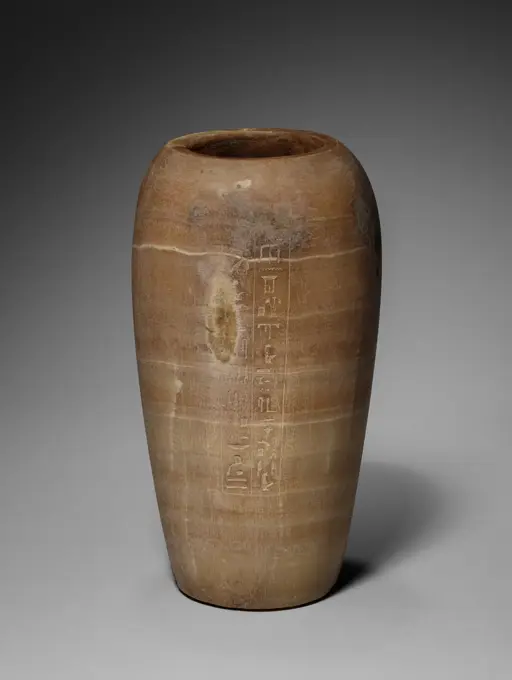
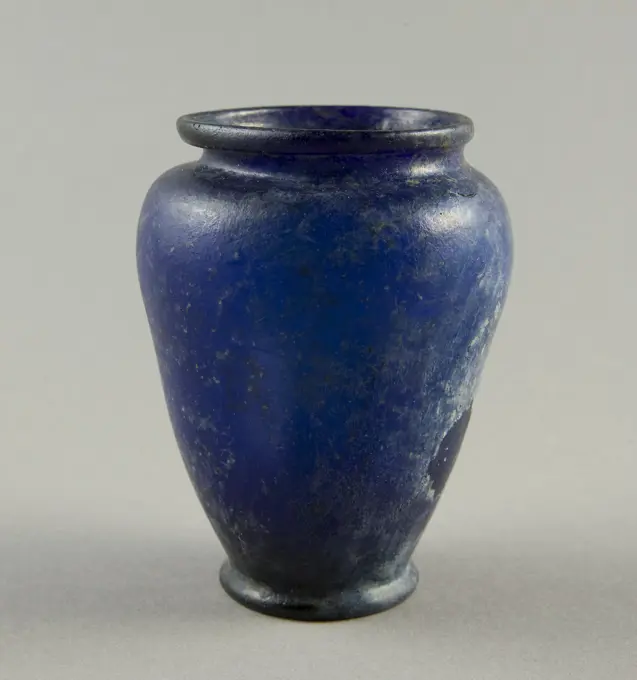
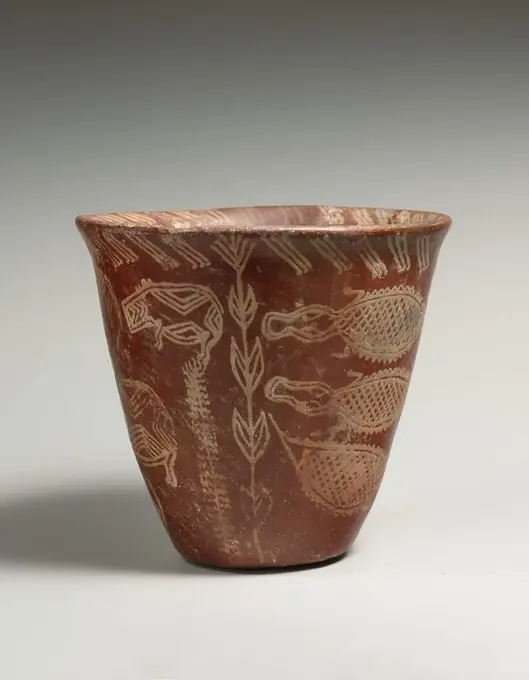
Collection of historical jars and vases from various cultures, highlighting their unique shapes and decorative features.
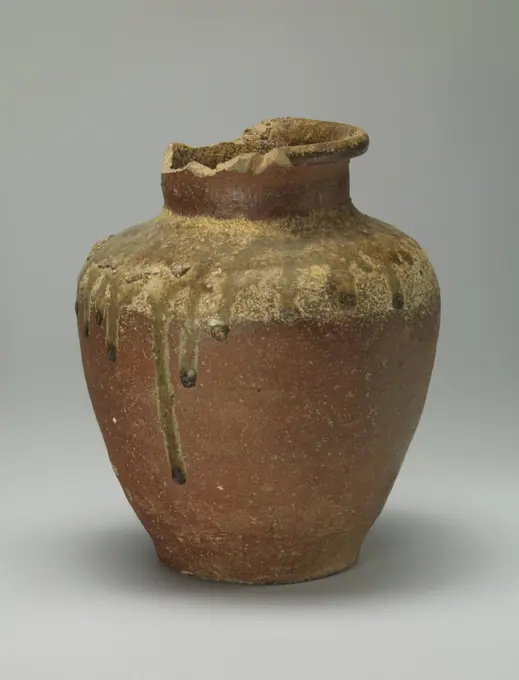
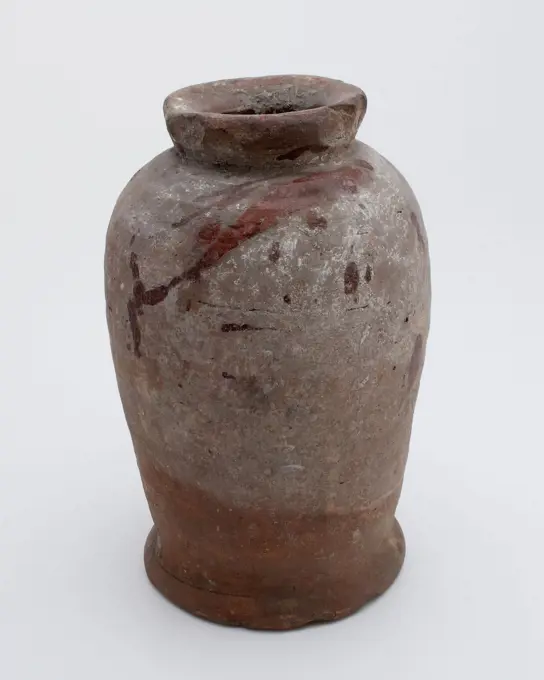
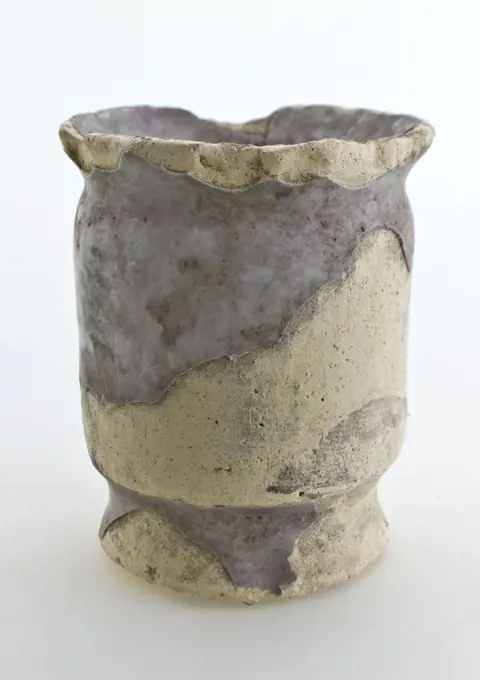
Jar with Broken Rim, 13th century, Unknown Japanese, 8 3/4 × 7 1/4 × 7 1/4 in. (22.23 × 18.42 × 18.42 cm), Stoneware with natural ash glaze, Japan, 13th century, Potters began creating stoneware vessels at the Tokoname kilns by the Heian period (794-1185). Most of these were storage jars, urns, bowls, teapots, and other utilitarian objects often featuring natural ash glaze. By the 1200s, when this jar was made, Tokoname pottery was in use throughout the Japanese islands. Tokoname is one of Japans Six Ancient Kilns, which are historic areas of pottery production. Tokoname was the leading site for the production of unglazed pottery.
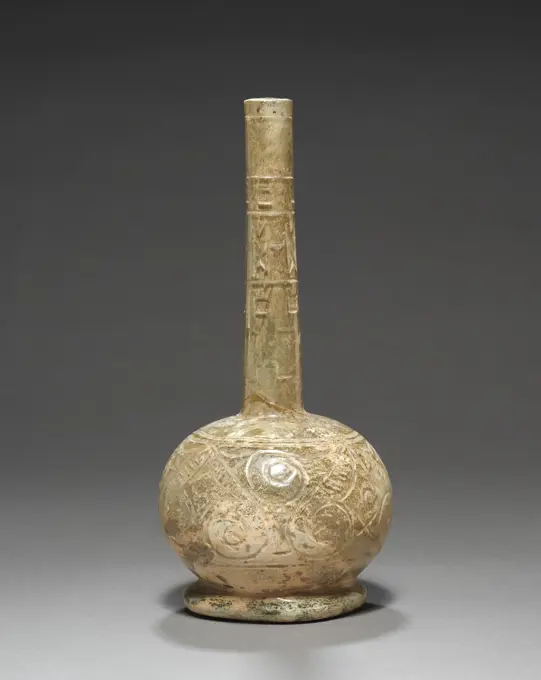
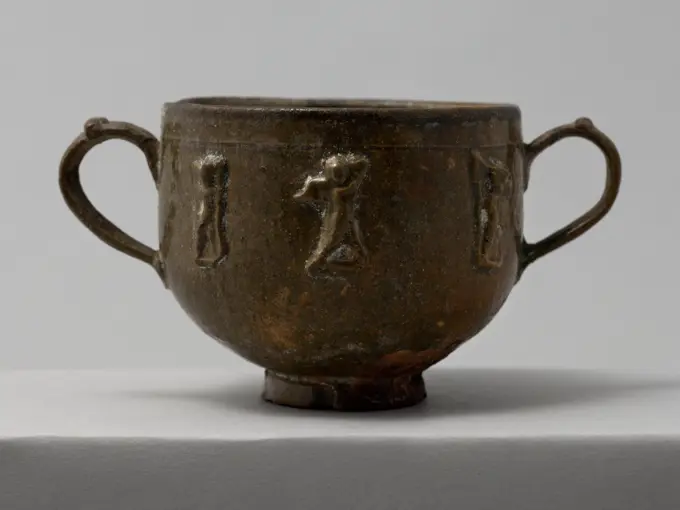
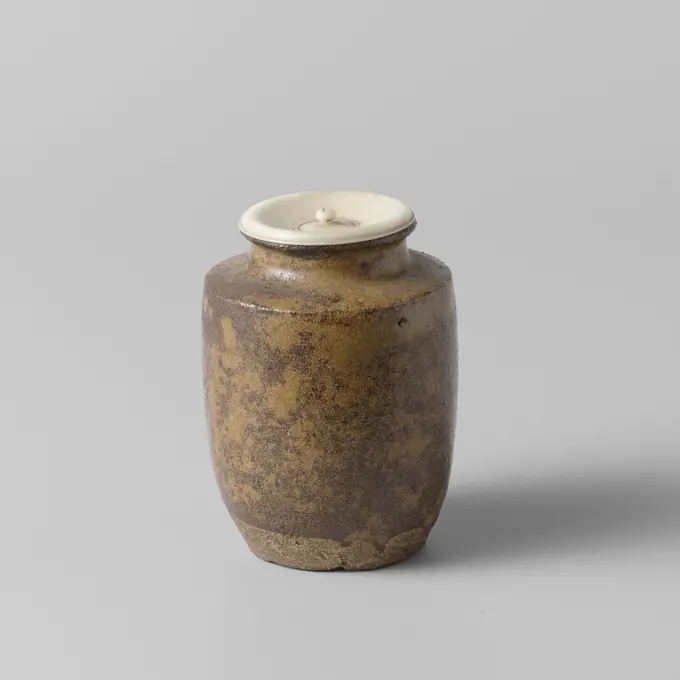
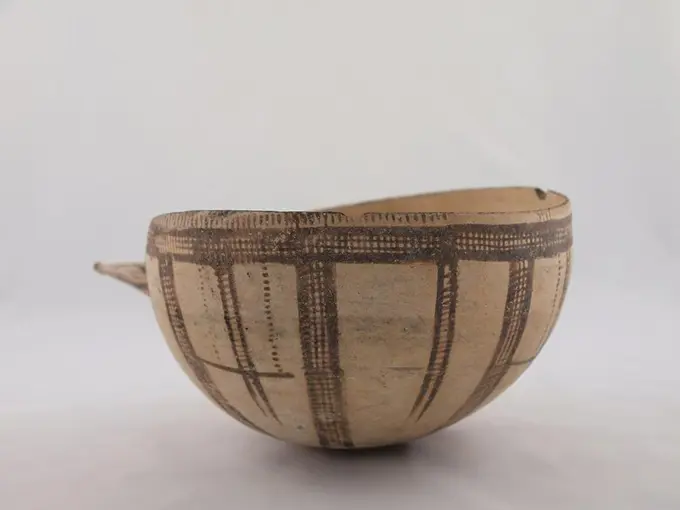
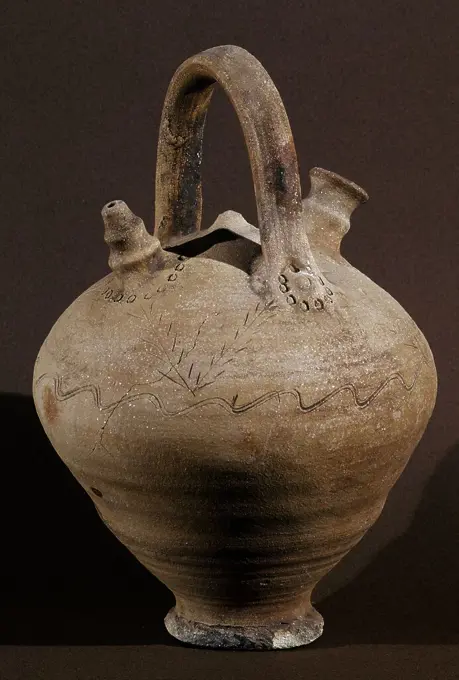
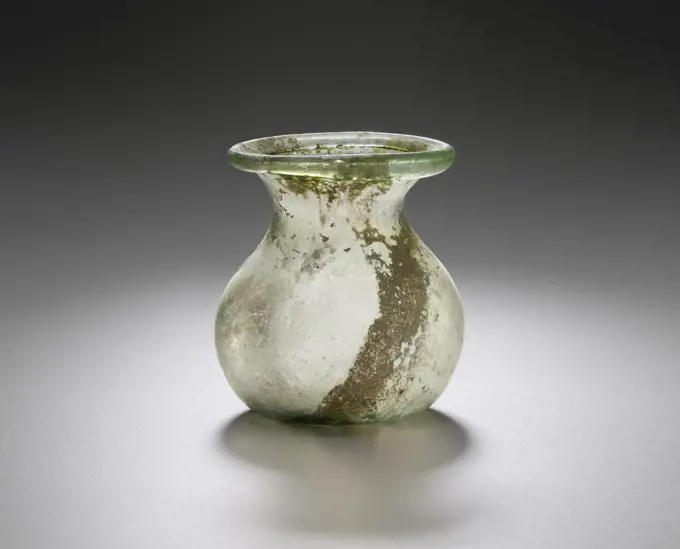
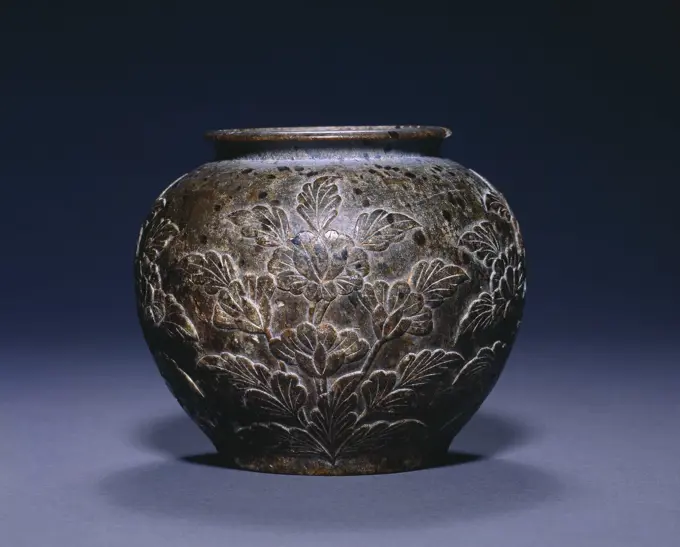
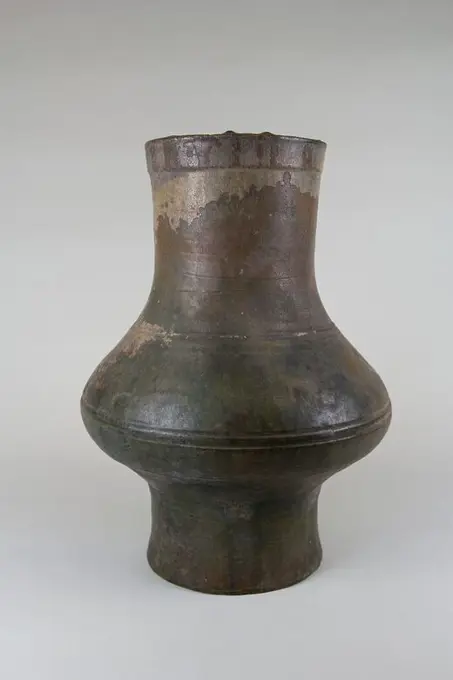
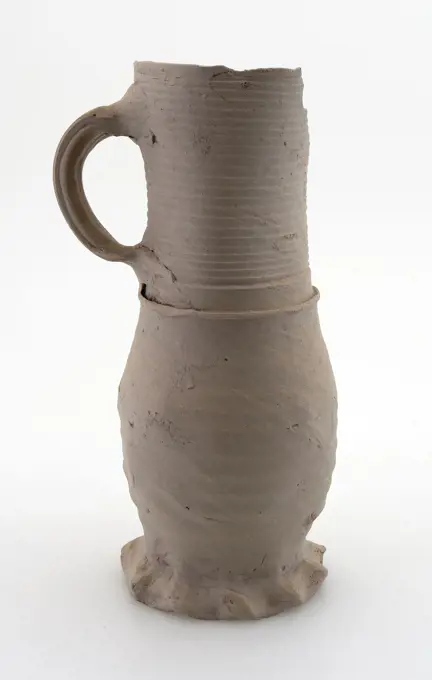
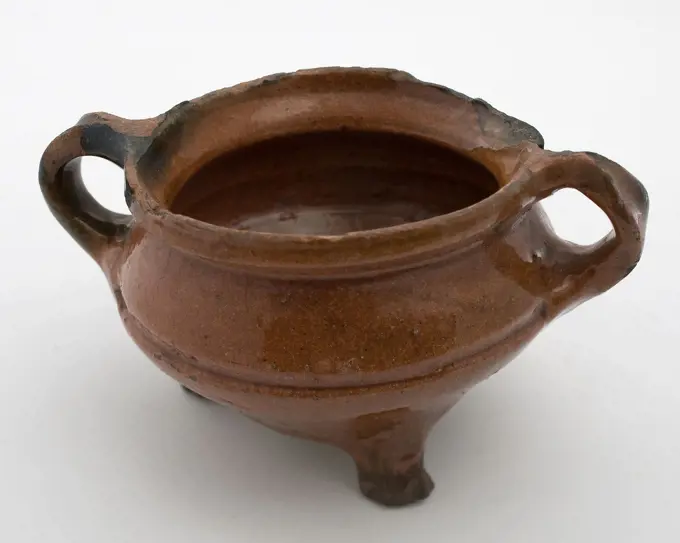
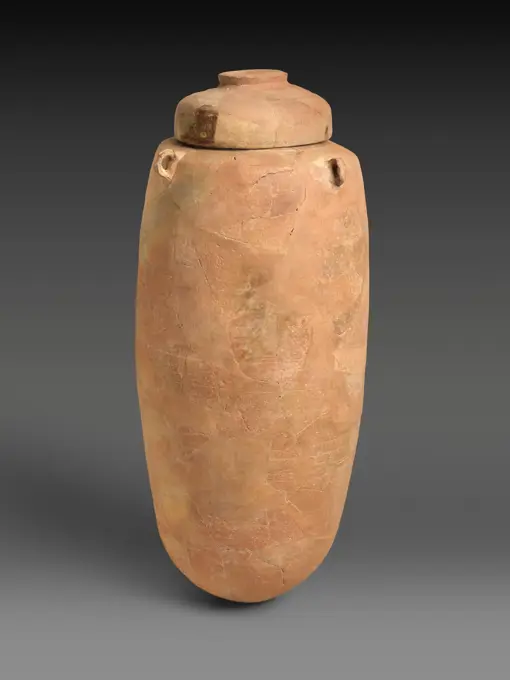
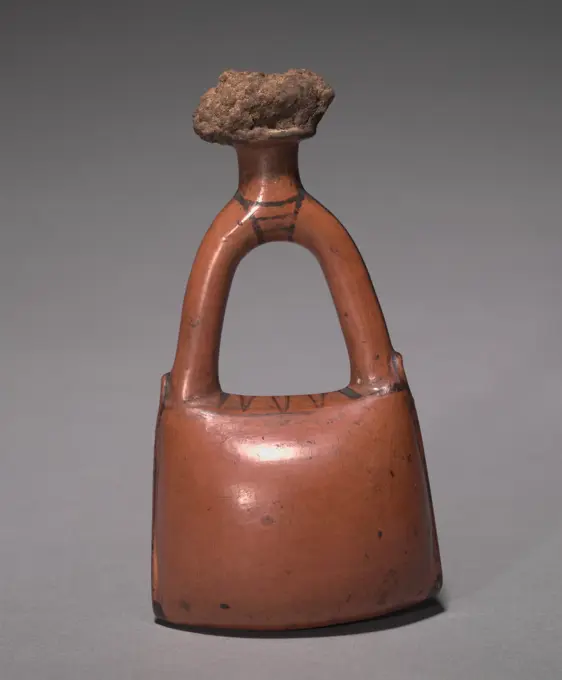
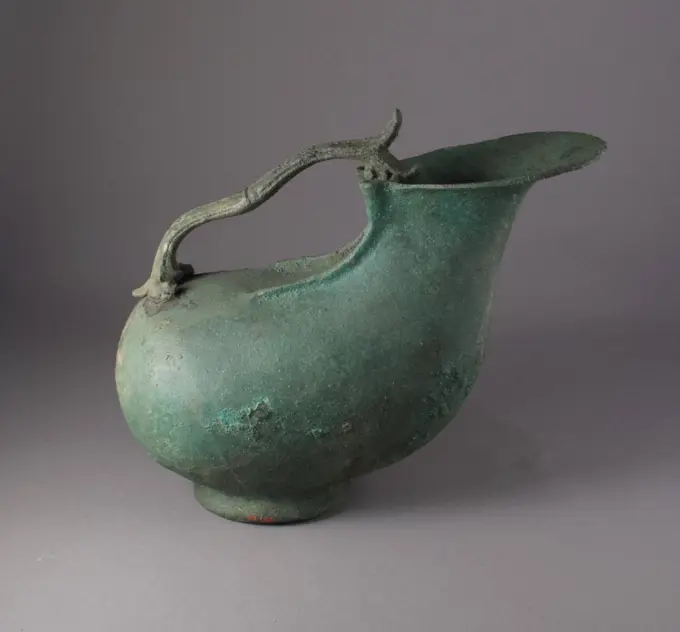
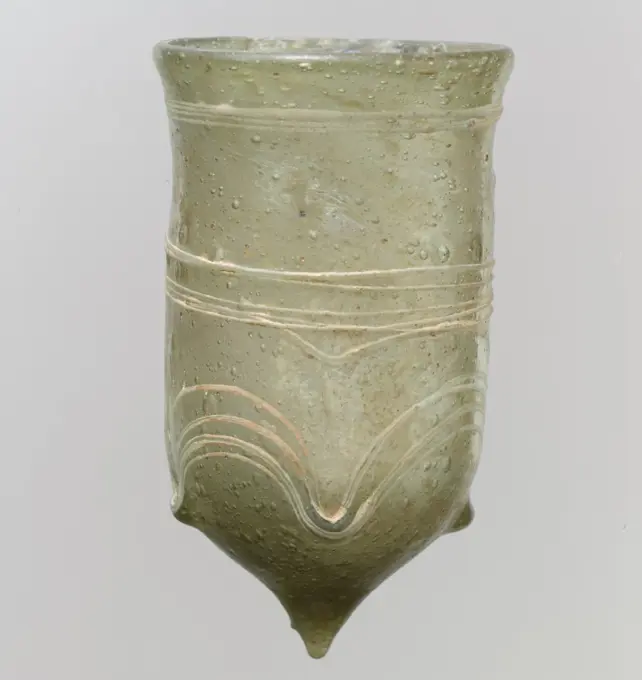
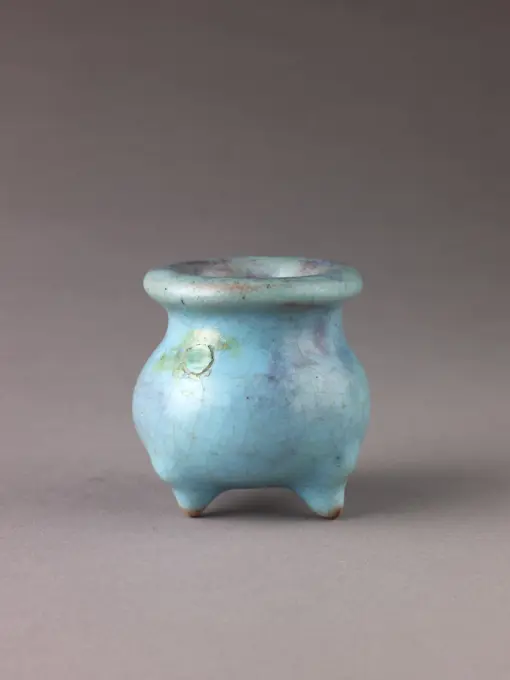
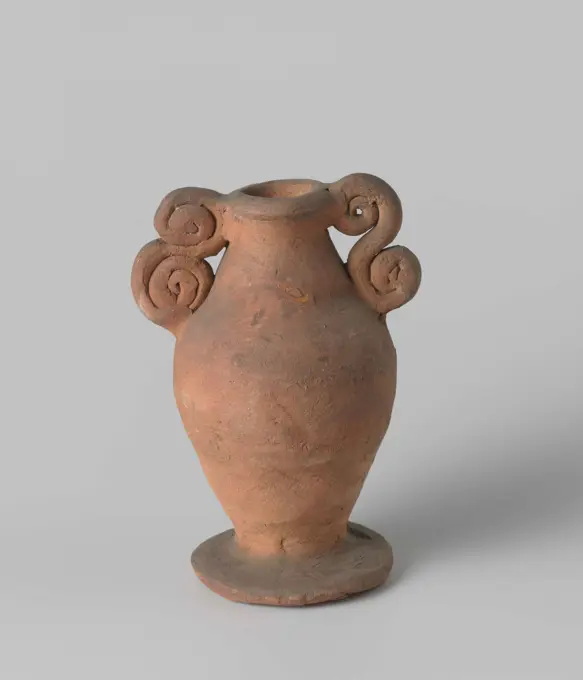
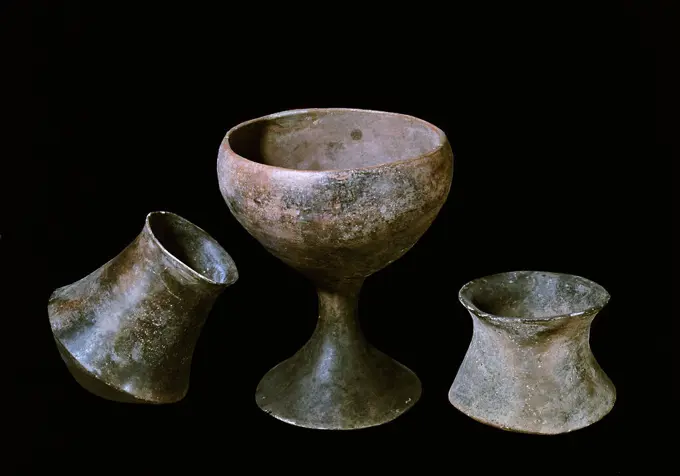
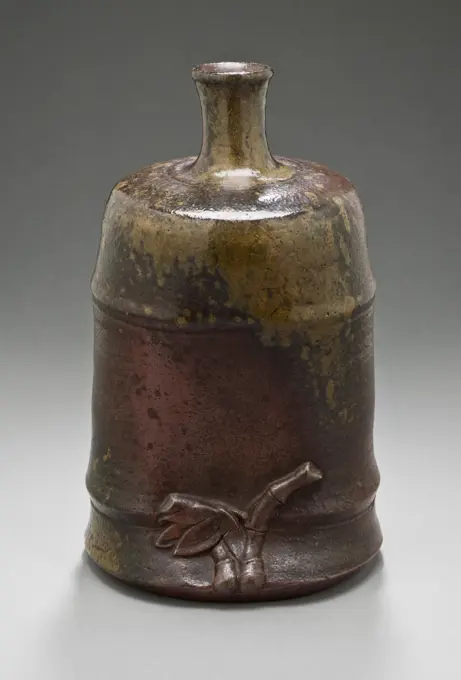
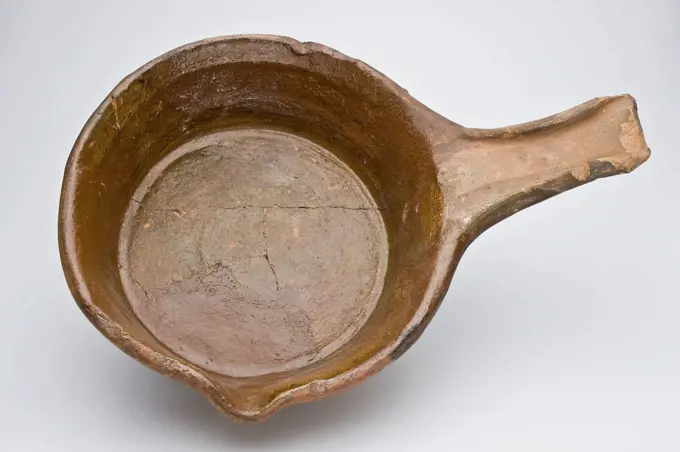
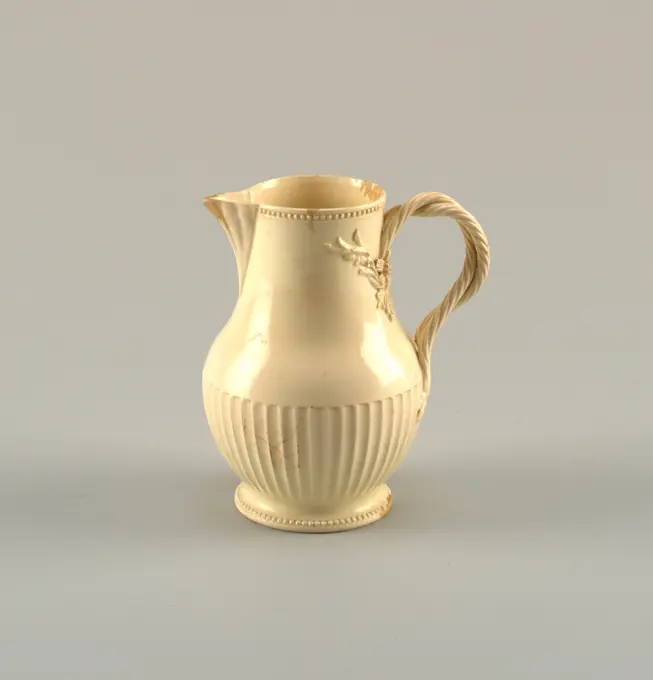
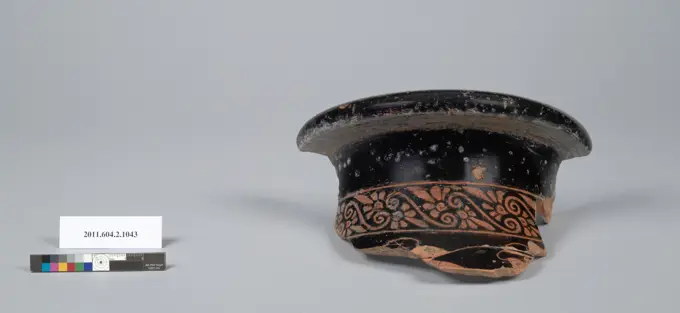
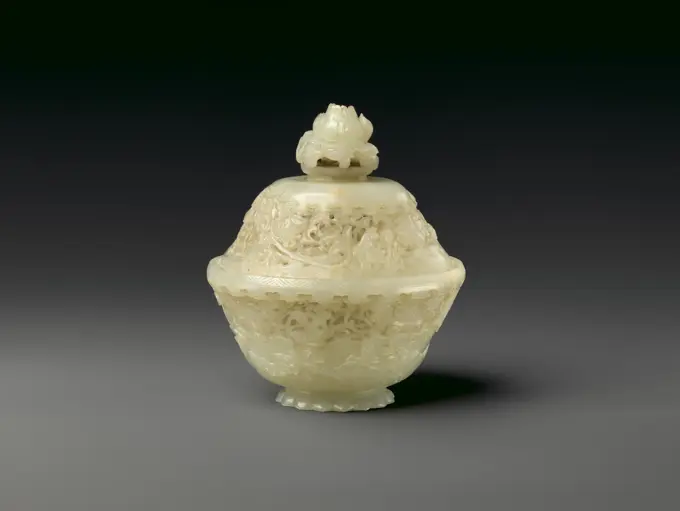
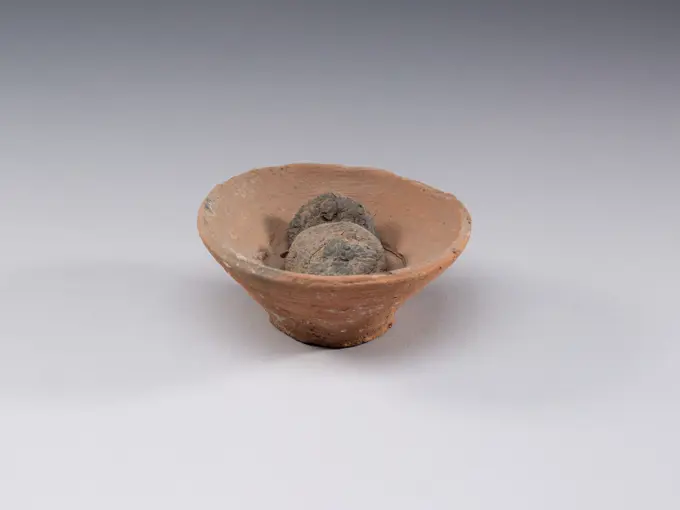
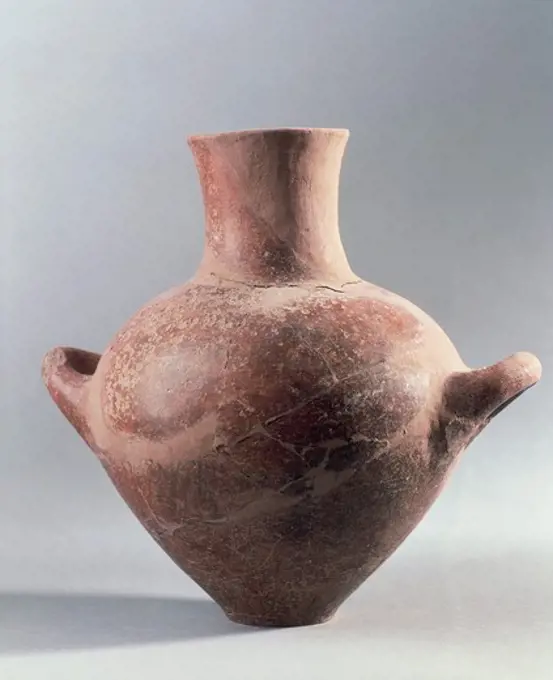
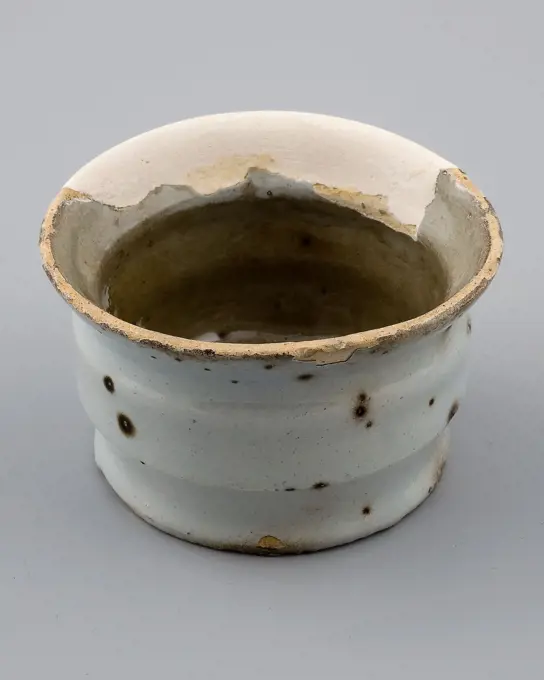
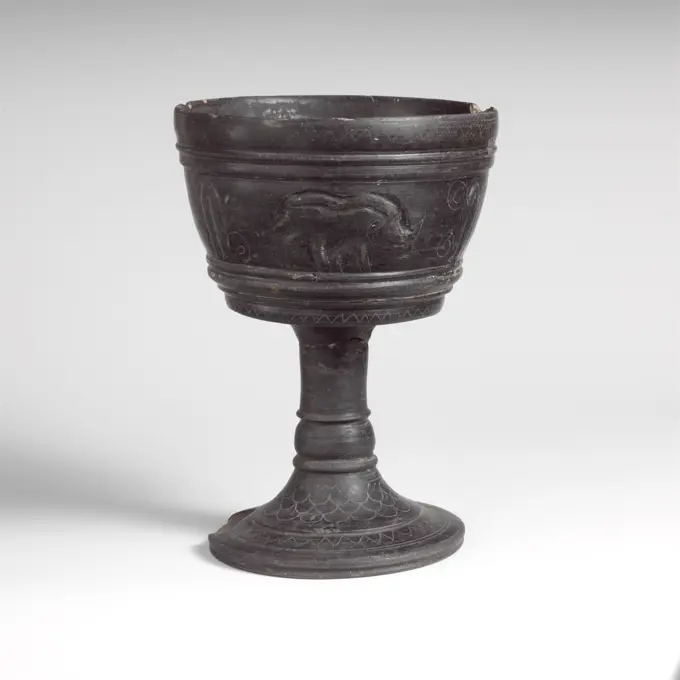
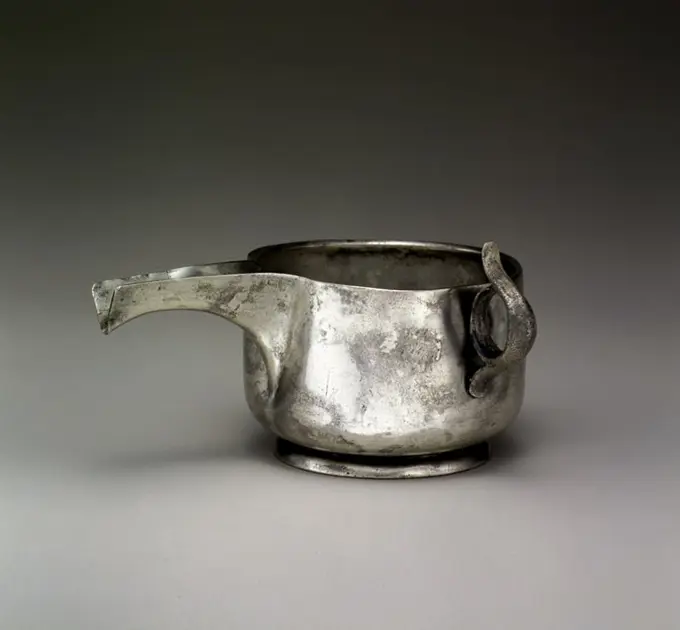
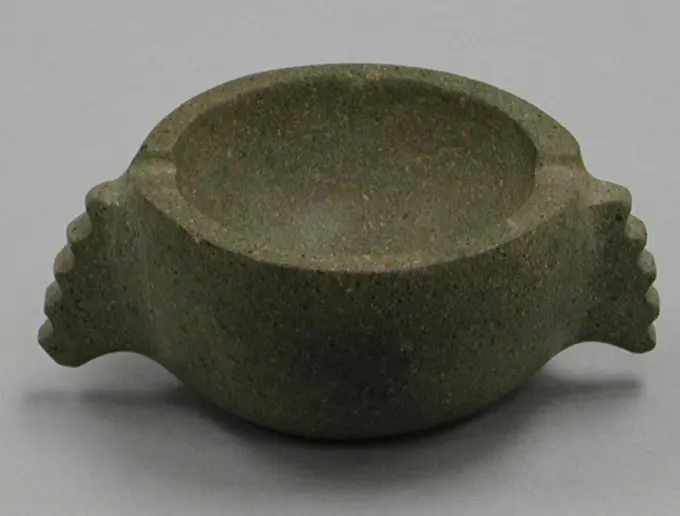
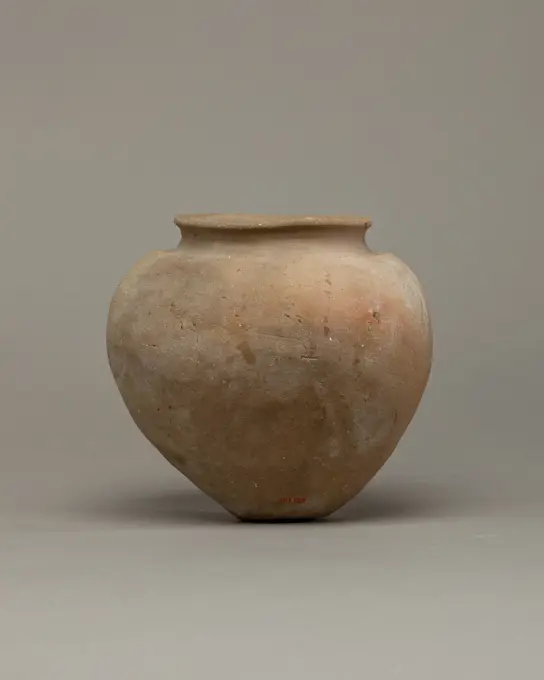
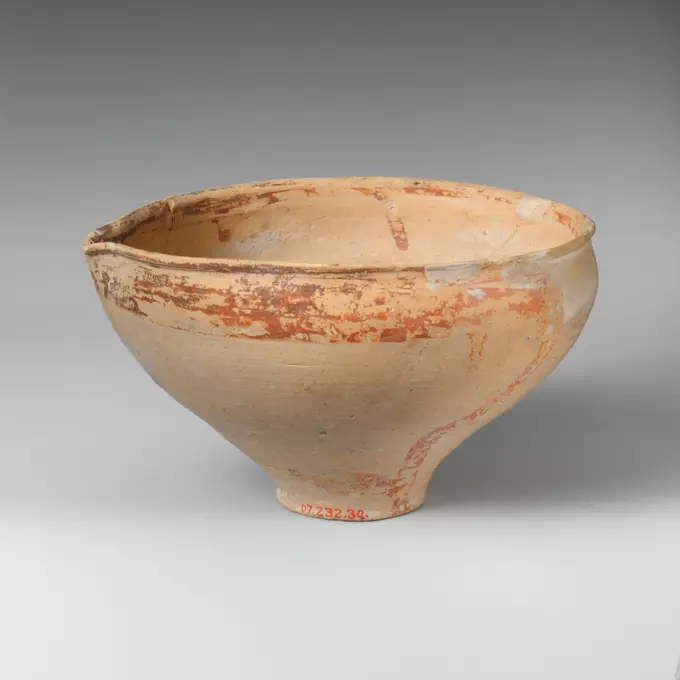
Terracotta pulled rim bowl ca. 1400-1200 B.C. Minoan The style of decoration on this bowl is known as dip and run. The rim has been dipped into paint and then turned over to dry, causing drips to run down the side on the interior and exterior.. Terracotta pulled rim bowl. Minoan. ca. 1400-1200 B.C.. Terracotta; Dark-on-light ware. Late Minoan III. VasesWater vessel (qulla); Egyptian workshop; 2. PO. V-VI century (451-00-00-600-00-00);Roman period. Small jar for ointments. Lacrymatory. Blown glass. From Augusta Emerita (Merida). Extremadura. 1st century AD. Episcopal Museum. Vic. Catalonia. Spain.Stem cup 7th century China. Stem cup. China. 7th century. Earthenware with molded decoration under clear glaze. Tang dynasty (618-907) (). CeramicsGlass jug. Culture: Roman. Dimensions: H.: 3 3/4 in. (9.5 cm). Date: 1st half of 1st century A.D..Translucent turquoise green, with handle in uncertain color.Rim folded out, round, and in, with beveled edges; flaring mouth; cylindrical neck with irregular indents around top; convex sloping shoulder; cylindrical body with recessed central panel, then cup-shaped below; low circular base with rounded edge and flat bottom; a strap handle applied to shoulder in a large bifurcated pad, drawn up in an outward curving loop, and pressed onto top of neck and underside of rim, with projecting thumb rest above rim. Three mold seams run from base of neck, across shoulder, and down sides to top of prominent horizontal ridge; a separate cup-shaped section forms the lower body and base.Decoration in three registers: on shoulder, downturned tongues in raised outline, interspersed at bottom with pointed darts, with two horizontal raised ridges below; on body, central panel divided into three sectionsCANTARO DE CUELLO ANCHO Y ALTO DE UNA SOLA ASA - CERAMICA PARA AGUA - SIGLO XX. Location: ALFARERIA. ORBA. Alicante. SPAIN.Bowl 4th-7th century Coptic. Bowl 478849Potic. Terre Civa. Vietnam. Paris, Muse Cernuschi. Pumpkin Asian art, art of extreme orient, art of Vietnam, Vietnamese art, terracotta, dishesURNA PUNICA DE DOS ASAS Y CUELLO ANCHO-S IV-III A CRISTO. Location: MUSEO ARQUEOLOGICO / MUSEO DE PUIG DES MOLINS. IBIZA. SPAIN.Pitcher, a bok of a bowl;  approx. 2494-OK. 2181 BC ; Old PA ; Old PABeaker (trichterhalsbecher) with medallions and floral scrolls, anonymous, c. 1560 - c. 1590 Cup (funnel neck cup) of stoneware on corrugated foot and with an egg-shaped body and C-shaped ear. Neck is missing. The belly with light hires and in relief three printed and imposed medallions with flower vines. Siegburg. Siegburg stoneware. glaze vitrification Cup (funnel neck cup) of stoneware on corrugated foot and with an egg-shaped body and C-shaped ear. Neck is missing. The belly with light hires and in relief three printed and imposed medallions with flower vines. Siegburg. Siegburg stoneware. glaze vitrificationBowl 4th-7th century Coptic The flanged rim bowl is an imitation of a ware called North African Red Slip, which was imported throughout the Roman and early Byzantine world. This bowl was made at a local pottery workshop in the Oases of the Western Desert. It has a hole in the bottom, which could have been made when the excavators were retrieving the artifacts from the site.. Bowl 477343Lamp. UnknownCanopic Jar with Baboon's Head, 664-525 BC. Egypt, Late Period, Dynasty 26. Travertine; diameter: 18.2 cm (7 3/16 in.); diameter of mouth: 9.6 cm (3 3/4 in.); overall: 40.8 cm (16 1/16 in.). In the process of mummification, the liver, lungs, stomach, and intestines were removed, separately embalmed, and stored in specialized jars known as canopic jars (after a sailor in Greek mythology, who died at the town of Canopus in the Nile Delta and was worshipped there in the form of a human-headed jar). Each organ was identified with one of four funerary deities collectively known as the Sons of Horus: the liver with Imsety (man's head), the lungs with Hapy (baboon's head), the stomach with Duamutef (jackal's head), and the intestines with Qebehsenuef (falcon's head). It was their duty to protect the deceased and restore to him his body parts in the hereafter.Vase. Culture: China. Dimensions: H. 7 3/4 in. (19.7 cm). Date: 1713-22.Lush pinkish-red glazes, such as the "peach bloom" on this small vase, were first produced in the third quarter of the seventeenth century. Small vases in this shape have long been thought to belong to sets of eight or more accoutrements designed for a writing table. This is one of four vases, each with a subtly different shape, that were found among a set of implements. It is distinguished from the others by the three thin rings at the base of the neck. These sets, which may or may not actually have been used, were most likely intended for presentation as gifts to officials working at the court. As is often the case with works produced for the court, a six-character inscription on the base indicates that it was made during the reign of the Kangxi emperor (Da Qing Kangxi nian zhi). The style of writing of the Chinese characters, however, helps date the piece to the period from 1678 to 1688. Museum: Metropolitan MuBowl ca. 9th century B.C. Iran. Bowl 326184Jug ca. 2000-1600 B.C. Cypriot. Jug. Cypriot. ca. 2000-1600 B.C.. Terracotta. Middle Bronze Age. VasesJug, barrel-shaped ca. 1050-900 B.C. Cypriot One handle and concentric bands.. Jug, barrel-shaped. Cypriot. ca. 1050-900 B.C.. Terracotta. Iron Age. VasesNaczynie. unknown, authorJARRA "GERRICO" - S XX ARTE POPULAR. Location: ALFARERIA. MARRATXI-PORTOL. MALLORCA. SPAIN.Bottle, 800s-900s. Iran, 9th-10th Century. Glass; overall: 24.2 cm (9 1/2 in.).Ribbed tankard, anonymous, c. 1550 - c. 1599 Beer mug of stoneware with a cylindrical, spreading body and C-shaped ear. Covered with a brown Engobe. A wide, ribbed band under the edge and above the foot. Raeren. Rae stoneware. glaze. engobe vitrification Beer mug of stoneware with a cylindrical, spreading body and C-shaped ear. Covered with a brown Engobe. A wide, ribbed band under the edge and above the foot. Raeren. Rae stoneware. glaze. engobe vitrificationSkyphos with plug -in -glaze reliefs. Applique decor. 20 BC - 20. Museum of Fine Arts of the City of Paris, Petit Palais. 58804-8 Greek antiquity, ancient art, drink, ceramic, Greek-Roman civilization, Decor applique, decor in relief, red figure, glacure, goblet, large Greece, ier i 1st 1 century Av .j.-c., Ancient period, container, Relief, skyphos, ancient vase, drinking vaseJug. Culture: Coptic. Dimensions: Overall: 9 7/16 x 4 5/8 in. (23.9 x 11.7 cm). Date: 4th-7th century. Museum: Metropolitan Museum of Art, New York, USA.Prehistoric Art. Greece. Handmade vase without decoration. Globular body with two small handles, wide mouth and foot. National Archaeological Museum. Athens. Greece.Jug (Bartmann jug) with portraits, leaves and an ornamental border, anonymous, c. 1550 Beard fuse of stoneware on a high foot with a pear -shaped body and wide neck. The C-shaped ear is attached to the neck and shoulder. Profiles on the neck and foot. Covered with a brown Engobe. On the belly in relief a printed and imposed decorative band with flower vines. On either side of the inscription medallions with portraits and profil and leaf motifs. On the neck, continuously on the shoulder, a bearded man. Attached to the ear a pewter frame with lid and spreading foot. Cologne/ Frechen. Cologne (possibly) Stoneware. Glaze. Engobe. frame: tin (metal) vitrification Beard fuse of stoneware on a high foot with a pear -shaped body and wide neck. The C-shaped ear is attached to the neck and shoulder. Profiles on the neck and foot. Covered with a brown Engobe. On the belly in relief a printed and imposed decorative band with flower vines. On either side of the inscription medallions with portraitsTerracotta barrel-shaped oinochoe (jug). Culture: Etruscan, Italo-geometric. Dimensions: H. 13 3/16 in. (33.5 cm). Date: ca.725-700 B.C..This unusual shape is often found with another distinctive container, a bird-shaped askos. Some scholars have proposed a connection with a wine ritual. Such vases, their painted ornaments heavily influenced by Greek geometric pottery, were produced at Vulci. The originally Near Eastern motif of two goats flanking a tree of life also occurs on a celebrated Euboean geometric krater found on Cyprus (74.51.965), which is on view in the early Greek galleries (The Belfer Court). Museum: Metropolitan Museum of Art, New York, USA.Tea caddy with a light brown glaze, anonymous, anonymous, c. 1600 - c. 1799 Dust bar or Chare of stoneware with an ivory lid, partially covered with a light brown glaze. The lower part of the bus is unglazed. Shigaraki. Japan stoneware. glaze. deksel: ivory vitrification Dust bar or Chare of stoneware with an ivory lid, partially covered with a light brown glaze. The lower part of the bus is unglazed. Shigaraki. Japan stoneware. glaze. deksel: ivory vitrificationJar. Culture: Coptic. Dimensions: 8 1/4 × 5 1/8 in. (21 × 13 cm)Diam. of rim: 3 1/8 in. (8 cm). Date: 4th-7th century. Museum: Metropolitan Museum of Art, New York, USA.Bowl. Cypriot; Cyprus. Date: 1450 BC-1200 BC. Dimensions: 11 × 23 × 18 cm (4 1/4 × 9 3/8 × 7 1/8 in.). Terra-cotta. Origin: Cyprus. Museum: The Chicago Art Institute, Chicago, USA. Author: Ancient Cypriote.BOTIJO CON DECORACION INCISA PROCEDE DE ZAMORA. Location: MUSEO DEL PUEBLO ESPAÑOL. MADRID. SPAIN.Wide-MouthedJar, Probably 5th century A.D., Pale greenish glass, 6.5 × 6 cm (2 9/16 × 2 3/8in.), The Yale-British School Excavations atGerasa, Excavated in Gerasa, Jordan, Gerasa(Jordan), Roman, Containers -GlassAryballosHeavy pottery pot on wide stand ring, round and stocky model, pot holder ceramic earthenware glaze lead glaze, hand-turned glazed baked Pottery storage jar red shard internally glazed on stand. Thickly executed on wide standring Round and stocky model Was probably used in the sugar industry indigenous pottery sugar industry refiningEarly Neolithic pottery, Chaves Bastarás-Casbas cave, Huesca museum, Aragon community, Spain.CANTARO PARA AGUA DE BOCA ANCHA Y PARCIALMENTE VIDRIADO - SIGLO XX - ARTE POPULAR. Location: ALFARERIA. TARRAGONA. SPAIN.Jar with Floral Decoration, c. 700-750. China, Tang dynasty (618-907). Stone; diameter: 13.3 cm (5 1/4 in.).Grain Jar. Culture: China. Dimensions: H. 15 3/4 in. (40 cm); Diam. 11 1/2 in. (29.2 cm). Museum: Metropolitan Museum of Art, New York, USA.Early pottery vessels including storage vessels, jars, cooking pots, bowls, chalices, spoons and other miniature vessels. From Munhata, Tel Teo, Tel Kiri and Herzlia from the Yarmukian culture from over 8,000 years ago. Made from pottery and pigments.Stoneware jug, ball model with wide band ear, on squeeze foot, jug crockery holder soil find ceramic stoneware, hand-turned glazed baked Stoneware jug ball model with wide vertical bandoor on squeeze foot. Ear is attached unevenly Upper edge not rounded out of model before baking. Pivot braid over the entire height of the jug thickened ring on the transition from neck to abdomen archeology Rotterdam City Triangle Groenendaal indigenous pottery import serving serving table room drinking Soil discovery: Mariniersweg Groenendaal Rotterdam 1983.CANTARO SIN VIDRIAR - S XX ARTE POPULAR. Location: ALFARERIA. CIBANAL DE SAYAGO. Zamora. SPAIN.Heavy pottery pot on wide stand ring, round and stocky model, pot holder ceramic earthenware glaze lead glaze, hand-turned glazed baked earthenware pot red shard internally glazed on stand ring Heavy-duty thick-walled version on wide stand ring Bottom is weighted on the underside with cement Strapping above the stand ring indigenous pottery store kitchen cellar craft sugar industry refiningSmall earthenware cooking pot, red shard, lead glaze, two ears, on three legs, cooking pot crockery holder kitchenware toy relaxing device model earthenware ceramics earthenware glaze lead glaze, hand turned glazed baked Pottery cooking pot model toy grape-model red shard entirely covered with lead glaze two vertical top pinched up band of three legs archeology native pottery play food prepare cooking cuisineBowlclay pot, Chalcolithic, fifth millennium BC, Bulgarian National Archaeological Museum, Sofia, Republic of Bulgaria, Europe.Dead Sea Scroll jar and lid ca. 2nd century B.C.. Dead Sea Scroll jar and lid. ca. 2nd century B.C.. Ceramic. QumranSmall JugFlask in the Form of a Leather Bag, c. 1415-1381 BC. Egypt, New Kingdom, mid-Dynasty 18, late in the reign of Tuthmosis III to the early reign of Amenhotep III, 1479-1353 BC. Nile silt ware; overall: 13.5 x 7.4 x 5 cm (5 5/16 x 2 15/16 x 1 15/16 in.).Askos with handle Greek, South Italian, Tarentine. Askos with handle. Greek, South Italian, Tarentine. Bronze. BronzesOil LampGlass Bell Beaker with White Trails late 5th-early 6th century Frankish. Glass Bell Beaker with White Trails 465074 Frankish, Glass Bell Beaker with White Trails, late 5thearly 6th century, Glass, Overall: 2 15/16 x 1 3/4 in. (7.4 x 4.5 cm). The Metropolitan Museum of Art, New York. Gift of J. Pierpont Morgan, 1917 (17.191.356)Vase China. Vase 52610Pottery jug, completely glazed, on stand, water jug crockery holder soil find ceramic earthenware glaze lead glaze, hand-turned glazed baked Pottery can be completely glazed brown with green spots on stand. Vertical strap ear fastened to the shoulder and the top edge of the ear protrudes above the edge. Swivel pads over the shoulder and the entire neck. Restoration is repainted but not in the color of the can part restoration on the upper edge is missing archeology Rotterdam rail tunnel indigenous pottery food preparation kitchen cooking pouring drink Soil discovery: rail tunnel Rotterdam.OLLA O PUCHERO VIDRIADO Y PINTADO EN VERDE CON 4 ASAS-ARTE POPULAR S XX. Location: ALFARERIA. TARRAGONA. SPAIN.Bowl 4th-7th century Coptic. Bowl 478678Pottery pot on stand, baluster shape, used in the sugar industry, sugar pot pot holder soil find ceramic earthenware glaze lead glaze, hand-turned glazed earthenware pot on stand. Baluster shape with round shoulder and narrow neck opening. Thick and round neck edge Blurred spindles all over the height Red shard internal glazed Sugar cones made here archeology indigenous earthenware sugar confectionery sugar industryLamp, North Africa; 1st - 4th century; Terracotta; 3.2 x 8 x 11 cm (1 1,4 x 3 1,8 x 4 5,16 in.)Dish; Unknown Nubian workshop; VI/VII century (580-00-00-620-00-00);Deposit of the University of Warsaw from 1937-1939, floral decorations, cups, Coptic dishes, Coptic dishes painted, table vesselsPOTE VIDRIADO EN EL INTERIOR-S XX ARTE POPULAR. Location: ALFARERIA. PERERUELA. Zamora. SPAIN.Vessel. Mexico, Colima, 200 BCE-500 CE. Ceramics. Slip-painted ceramicOintment Jar New Kingdom ca. 1550-1450 B.C. Although the form changed slightly from one period to the next, ointment jars that flare out from base to rim had been used by the Egyptians since the Pyramid Age, more than 1000 years before this jar was made. Made of serpentine, it probably held a substance that could be used to moisturize the skin. The jar was excavated by the Museum's Egyptian Expedition in 1916. It had been placed near the head of a coffin along with a number of other objects that came to the Museum when the finds were divided with the Egyptian Antiquities Service. These include three jars of Egyptian alabaster (16.10.421, 16.10.423-.424), two pottery vessels (16.10.427-.428), and a small ivory cosmetic box (16.10.425), and three ivory combs (16.10.428-.430).Clarinet Mouthpiece Cover. Clarinet mouthpiece cap to protect wicker. Horse with five cover pieces (BK-NM-11430-124-A T / M BK-NM-11430-124-F).Miniature incense burner, Jun ware 12th-13th century Chinese. Miniature incense burner, Jun ware 461084Beaker 'trichterhalsbecher' with thistle leaves, anonymous, c. 1550 - c. 1599 Cup (funnel neck cup) of stoneware on wavy foot with a spherical body and funnel -shaped neck. The C-shaped ear is attached to the shoulder and abdomen. On the abdomen a bred rank and incised thistle leaves. The lower part of the abdomen has rotation. Siegburg. Siegburg stoneware. glaze cutting / vitrification Cup (funnel neck cup) of stoneware on wavy foot with a spherical body and funnel -shaped neck. The C-shaped ear is attached to the shoulder and abdomen. On the abdomen a bred rank and incised thistle leaves. The lower part of the abdomen has rotation. Siegburg. Siegburg stoneware. glaze cutting / vitrificationVase. Vase of red colored pottery, with curls as ears.Argaric cups and vases. Almeria. Age of Bronze (1500-1300 B.C.). Barcelona, Museum of Archeology. Location: MUSEO ARQUEOLOGICO DE CATALUÑA. Barcelona. SPAIN.Jug;  3 5th century BC (-450-00-00--426-00-00);Round box with screw lid, anonymous, anonymous (rejected attribution), c. 1600 - c. 1650 Round box with screw lid and ring, everything from serpentine stone. Unserved. maker: SaksenGermany (possibly) serpentine (mineral) Round box with screw lid and ring, everything from serpentine stone. Unserved. maker: SaksenGermany (possibly) serpentine (mineral)Phiale. UnknownSake Bottle in the Form of a Bamboo Node. Japan, Edo period (1615-1868), 18th century. Ceramics. Bizen ware; stoneware with naturally occurring ash glazeTINAJA O TINAJON TIPO SESTRICA-SIN VIDRIAR-CERAMICA POPULAR S XX. Location: ALFARERIA. TERUEL. SPAIN.Water pot. Culture: Japan. Dimensions: H. 6 3/4 in. (17.1 cm); Diam. 6 3/4 in. (17.1 cm). Date: ca. 1625.The potter achieved the deformed, asymmetrical shape of this water jar by altering the soft clay after forming the basic shape on a potter's wheel. Such an effect was purposefully created to coincide with an aesthetic associated with the tea ceremony which favored somewhat imperfect forms. The lacquer lid was custom-made for the oddly shaped vessel. Lacquer was a precious substance in Japan, and the contrast between the glossy black lid and the earthy body of the vessel would have been much appreciated within the context of the tea room. In the tea ceremony, this vessel was used as a mizusashi, a container that holds fresh water to rinse the tea bowls or fill the kettle. Museum: Metropolitan Museum of Art, New York, USA.Earthenware baking pan with high side wall, pouring lip and wide scalloped handle, casserole dishes holder utensils earthenware findings ceramics earthenware glaze lead glaze, edge 23.0 hand turned hand shaped glazed baked earthenware baking pan Quite high sloping sidewalls with pouring lip and slanted handle. Wide and scalloped stem. Internally covered with lead glaze soot traces on the underside. Red shard. Almost bowl-shaped bottom. Pan is slightly deformed archeology Heenvliet Bernisse indigenous pottery baking frying cooking food preparation kitchen Soil discovery Heenvliet: Presbytery flat R.Wine container (hu) 1st-2nd century China. Wine container (hu) 48733CANTARILLO O BARRILA PARA EL AGUARDIENTE - UNA ASA ANCHA Y CUELLO ESTRECHO. Location: ALFARERIA. TAJUECO. Soria. SPAIN.Cream Jug; lead-glazed earthenware ("cream ware")ceramic vessels, Son Fornes archaeological museum, post-alaitic period room, Montuiri, Comarca de Es Pla, Mallorca, Spain.Terracotta fragment of a pelike (jar) 500-480 B.C. Attributed to the Diogenes Painter Below the glazed rim, on the neck, a band of addorsed palmettes; top of head, left shoulder, and arm of a filleted, draped youth to left; top of the head, left eyebrow and eye, and bridge of nose of a filleted youth to left. Terracotta fragment of a pelike (jar). Greek, Attic. 500-480 B.C.. Terracotta; red-figure. Archaic. VasesCentral America, Guatemala, Western Highlands, Lake Atitlan, Panajachel. Lake Atitlan Museum. Mayan pottery vase found on the banks of Lake Atitlan. (Editorial Usage Only)Bowl with cover China. Bowl with cover. China. Nephrite, white with faint grayish tint. Qing dynasty (1644-1911), Qianlong period (1736-95). JadeTeapot probably 18th century. Teapot 444578Covered jar Korea 15th-16th century With its balanced proportions, undecorated surface, and lid with a bud-shaped knob, the large jar reflects the refined aesthetics of the new ruling ideology of Neo-Confucianism during the Joseon dynasty. Pure white vessels like this were used as special tableware and also for ceremony and burial.The miniature version is an example of the myeonggi (spirit goods) made especially for burial. It would have been part of a set of tiny objects. The rise in popularity of myeonggi illustrates a change in funerary customs that aligned with Neo-Confucian practices. View more. Covered jar. Korea. 15th-16th century. Porcelain. Joseon dynasty (1392-1910). CeramicsBowl of Figs ca. 1479-1458 B.C. New Kingdom. Bowl of Figs. ca. 1479-1458 B.C.. Pottery. New Kingdom. From Egypt, Upper Egypt, Thebes, Deir el-Bahri, Tomb of Senenmut (TT 353), Foundation deposit, MMA excavations, 1926-27. Dynasty 18Terracotta vesselBottle 6th-4th century B.C. Paracas. Bottle 308301Flasza. nieznany warsztat północno mezopotamski (ca 2350-ca 2200 a.C.), workshopWhite pottery ointment jar with slightly profiled wall, with slightly protruding upper edge, ointment jar pot holder soil find ceramic earthenware glaze, edge hand turned baked glazed baked Pottery ointment jar with two notches White glazed. Funnel shaped top edge. Stand with soul and traces of traction Diameter of the foot is slightly smaller than the diameter of the sidewall. Discolored by staying in the soil Restoration is not repainted Delftware archeology Rotterdam Muted Slaak health care indigenous pottery ointment medicine drug care craft pharmacy Soil discovery Muted Slaak January 1978.Terracotta footed cup ca. 550 B.C. Etruscan On high foot with frieze of boars in low relief.. Terracotta footed cup 250691 Etruscan, Terracotta footed cup, ca. 550 B.C., Terracotta, H. 7 9/16 in. (19.2 cm); diameter of mouth 5 5/16 in. (13.5 cm). The Metropolitan Museum of Art, New York. Rogers Fund, 1918 (18.145.26)Silver spouted pitcher mid-1st century B.C. Roman This shape may represent the kind of wine ladle that the Roman encyclopaedist Varro called a trulla.. Silver spouted pitcher 250916Pottery ointment jar, cylindrical model with constrictions, glazed entirely gray white, ointment jar pot holder soil find ceramic earthenware glaze tin glaze, hand-turned baked glazed High form with smooth transitions at the constrictions at foot and shoulder Obliquely outward directed top edge. Gray-white interior and exterior glazed. Cream-colored shard. Stand surface. Pot is used as colander or spreader; there are four holes drilled in the soil archeology indigenous pottery packing pharmacy store sell medicine medicine craft kitchen reuseStone Bowl with Handles before 16th century Mexican. Stone Bowl with Handles 317575Footed Urn. Iran, Tepe Giyan, 3rd millenium B.C.. Furnishings; Accessories. TerracottaOLLA O PUCHERO DE LUMBRE CON VIDRIADO INTERIOR Y UNA SOLA ASA - ARTE POPULAR. Location: ALFARERIA. ALCORCON. MADRID. SPAIN.OLLA CON DOS ASAS JUNTAS - CERAMICA PARA FUEGO. Location: ALFARERIA. VALDEVERDEJA. Toledo. SPAIN.Unevenly made jar of desert clay ca. 3850-2960 B.C. Predynastic Period. Unevenly made jar of desert clay 573274Lazio Viterbo Viterbo Museo Civico68. Hutzel, Max 1960-1990 Views of paintings (Middle Ages through 18th c.), frescoes, a tabernacle, coffin, sculpture reliefs, portal fragments, busts, sculpture, tapestry found in the Pinacoteca, Second floor gallery and Second floor cloister sequences. Antiquities: Many views of Etruscan and Roman fragments, sculpture, sarcophagi, pottery, masks, jewelry and other objects found in the Storeroom sequence (inventory numbers on back of prints), and the Cloister, Second floor Cloister, Valle Giulia, Sala Romana and Sala Etrusca sequences. General Notes: There are eight separate numerical sequences for this location. The cloister as an architectural structure, rather than museum site, is documented in the record and file for S. Maria della Verita, Cloister, all views of which are stored in Medieval core collection. Five views from the Museo Civico Second floor cloister sequence are stored in Medieval. German-born photographer and scholar Max Hutzel (1911-Vase 1 CE-200 CE Mediterranean Region. Initially affordable only among the wealthy, glass was used in ancient Rome as containers for oils, perfume, and tablewares. The variety of glass-making techniques reveals the changing tastes and fashions over the centuries. During the 1st century CE, cast glass was a novel form that was a luxury for the Roman household, but by the end of the century, the innovation of blown glass allowed for less labor-intensive and less expensive production, which meant people of lesser means could afford it. Blown glass became so popular it nearly supplanted ceramic and even bronze wares in the home.. Glass, blown technique . Ancient MediterraneanJar ca. 3850-2960 B.C. Predynastic Period. Jar. ca. 3850-2960 B.C.. Pottery. Predynastic Period. From Egypt, Southern Upper Egypt, Hierakonpolis (Nekhen), MMA excavationsWhite cross-lined ware beaker with Nile River scene. Dimensions: H: 17.5 cm (6 7/8 in.); diam: 19.6 cm (7 11/16 in.). Date: ca. 3650-3500 B.C.. Museum: Metropolitan Museum of Art, New York, USA.Early pottery vessels including storage vessels, jars, cooking pots, bowls, chalices, spoons and other miniature vessels. From Munhata, Tel Teo, Tel Kiri and Herzlia from the Yarmukian culture from over 8,000 years ago. Made from pottery and pigments.