Ancient Pottery and Glassware

A collection of historical earthenware and glass vessels, showcasing various shapes, materials, and techniques from different ancient cultures. Each piece exhibits a unique design and texture.

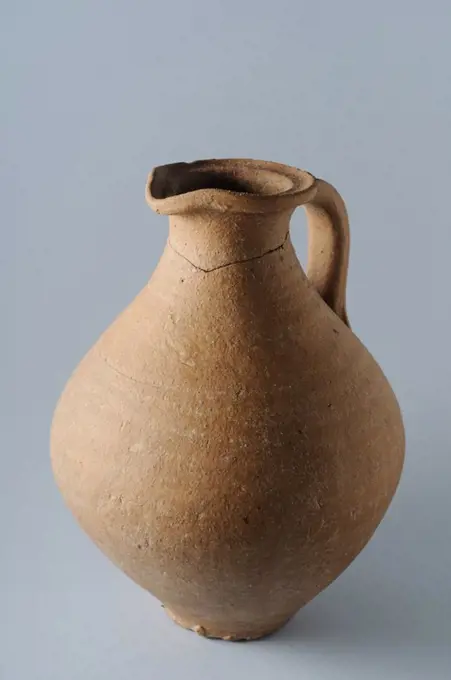
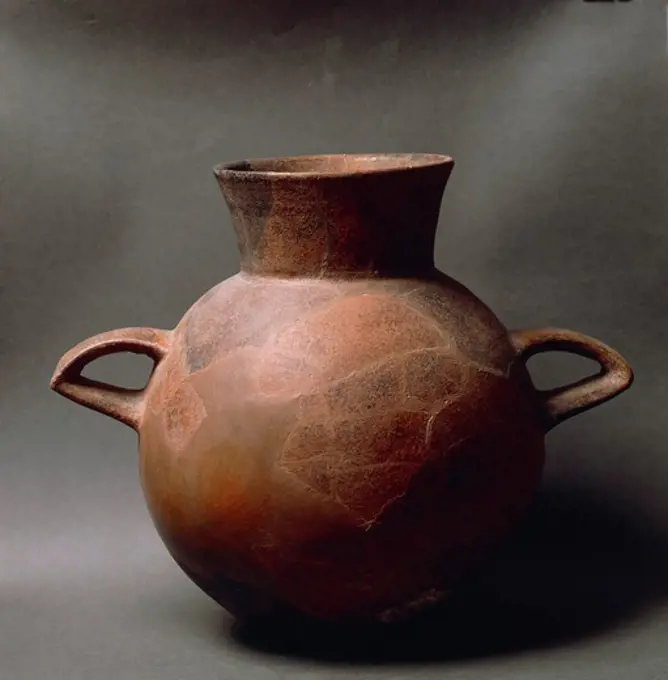
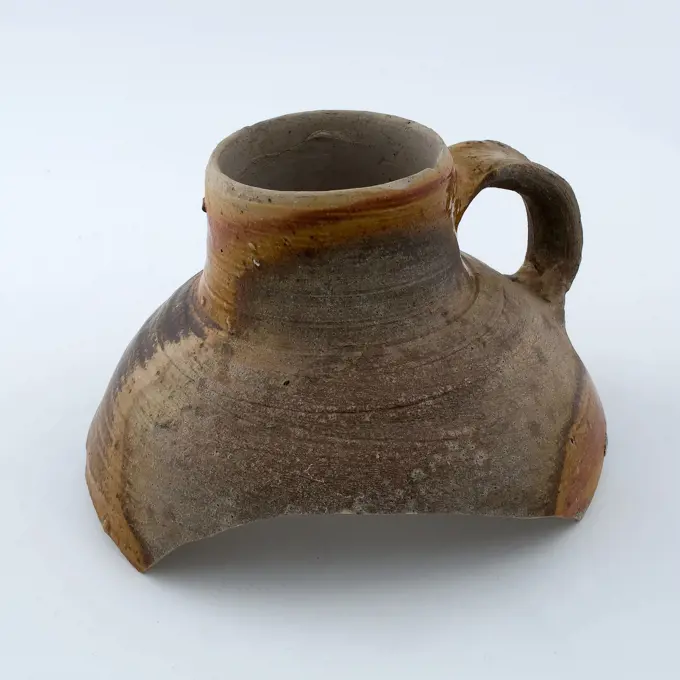
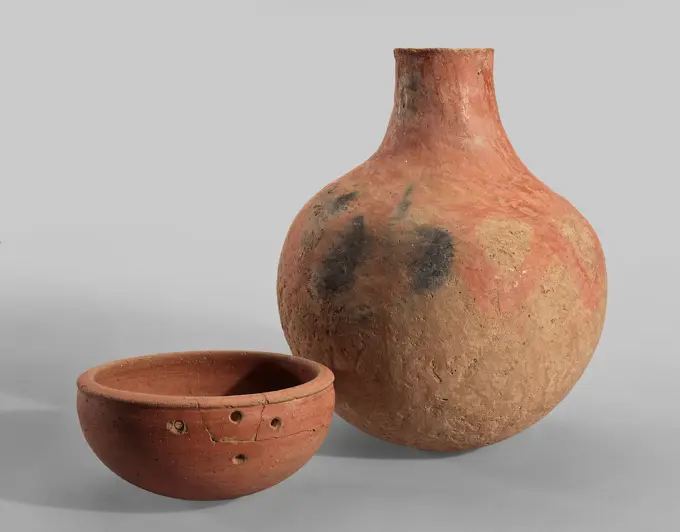
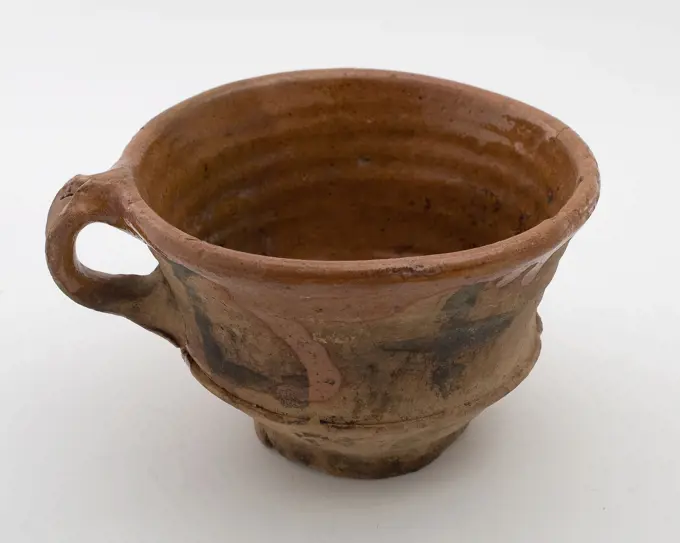
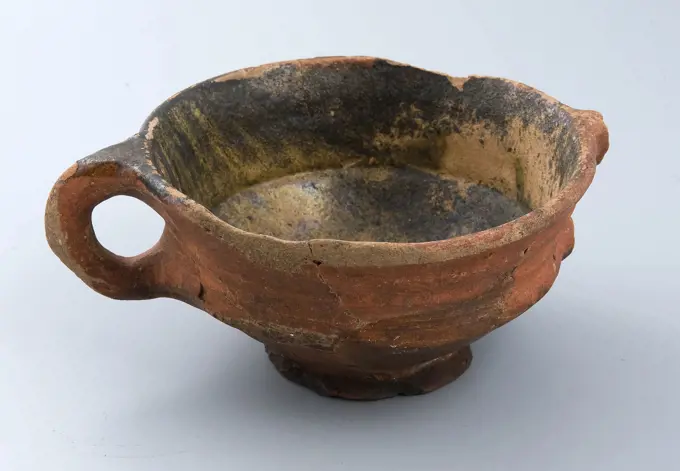
Pottery chamber pot, easy to use with curved bottom, unglazed, standing sausage ear, pot holder sanitary soil found ceramic earthenware, hand-turned baked Pottery chamber pot with curved bottom. Red shed unglazed Belly model with straight neck and outstanding pot edge. Narrow neck opening. Standing sausage ear attached slightly below the top edge of the pot. Fuzzy spindles on the outside and pronounced shoulder archeology indigenous pottery draining night sleeping room hygiene
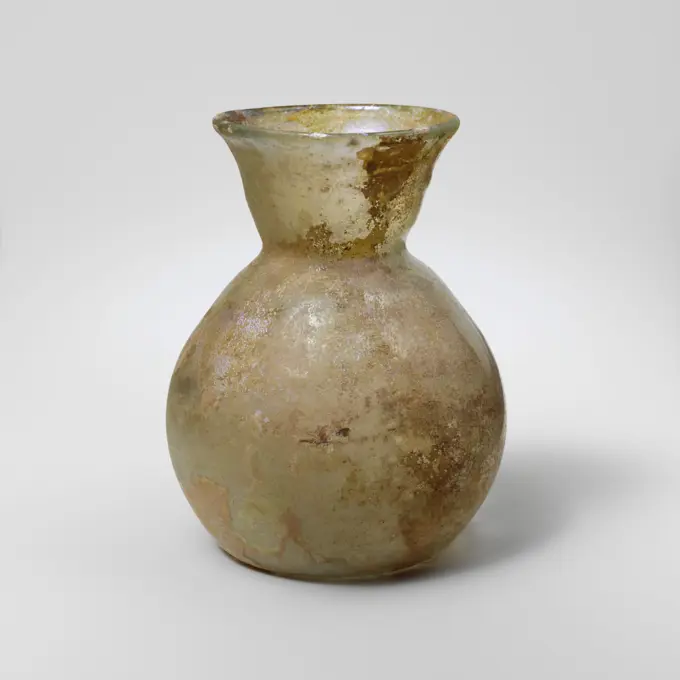
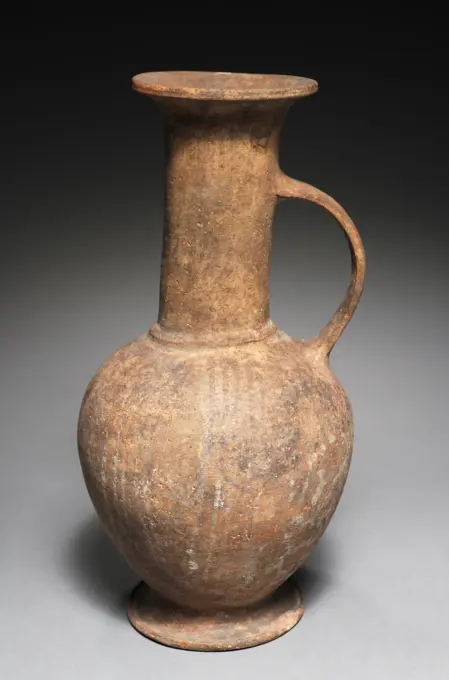
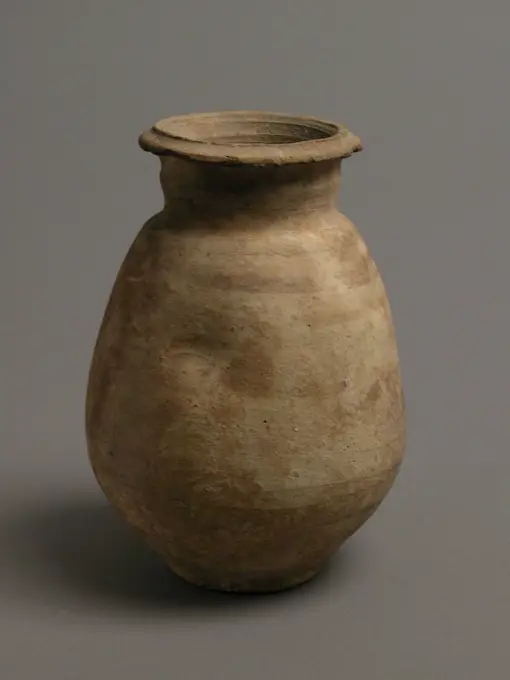
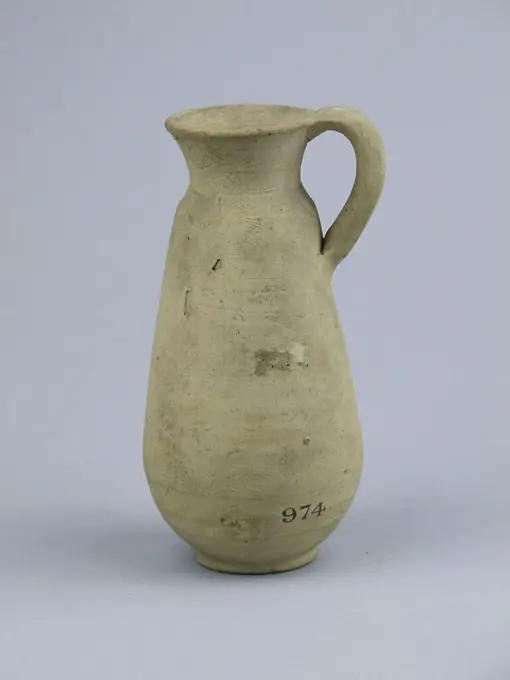
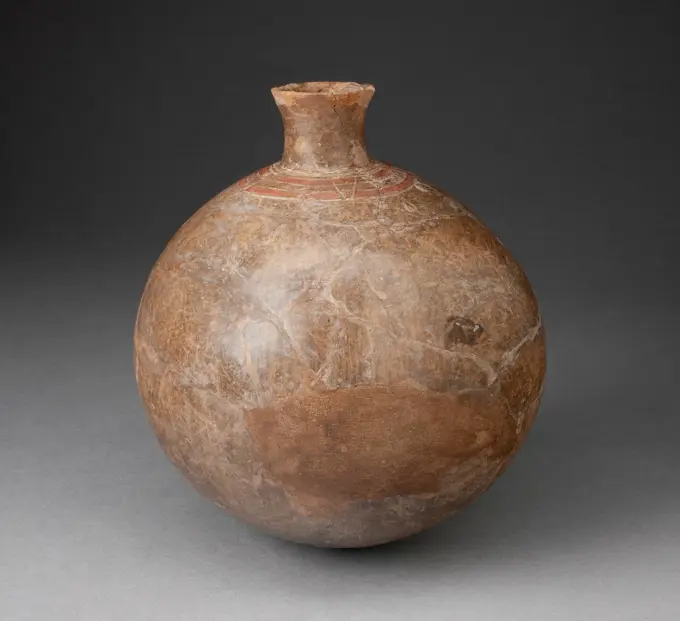
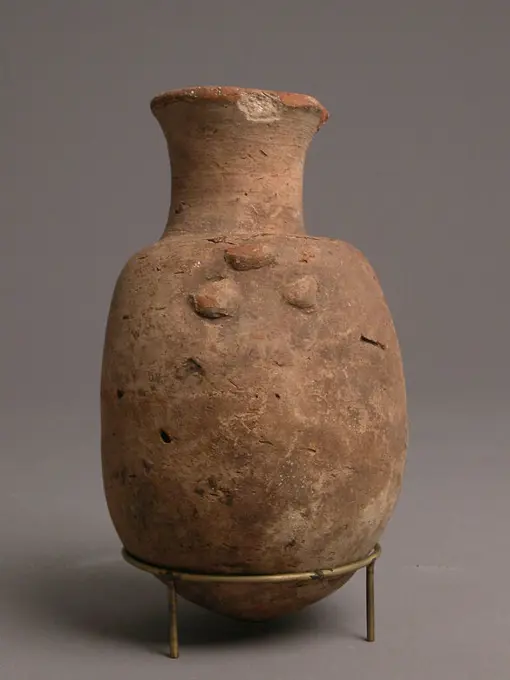
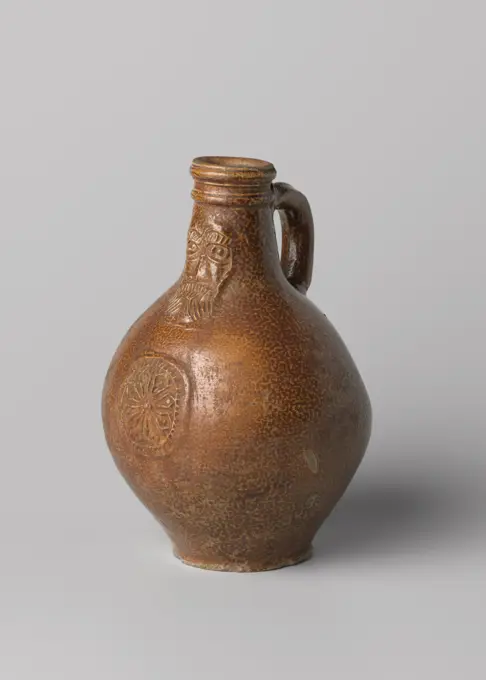
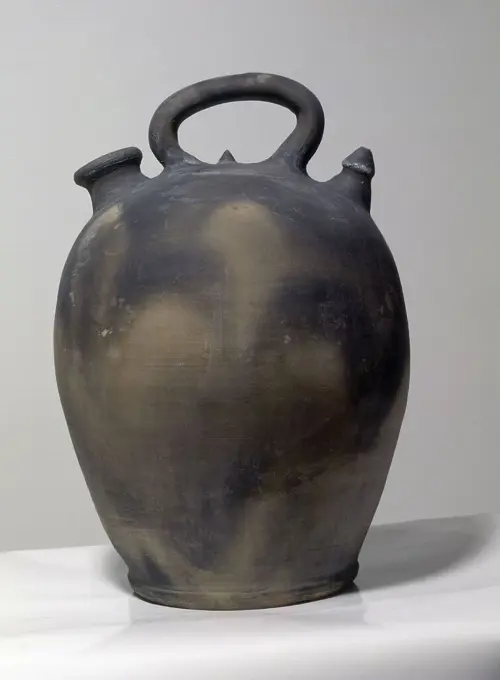
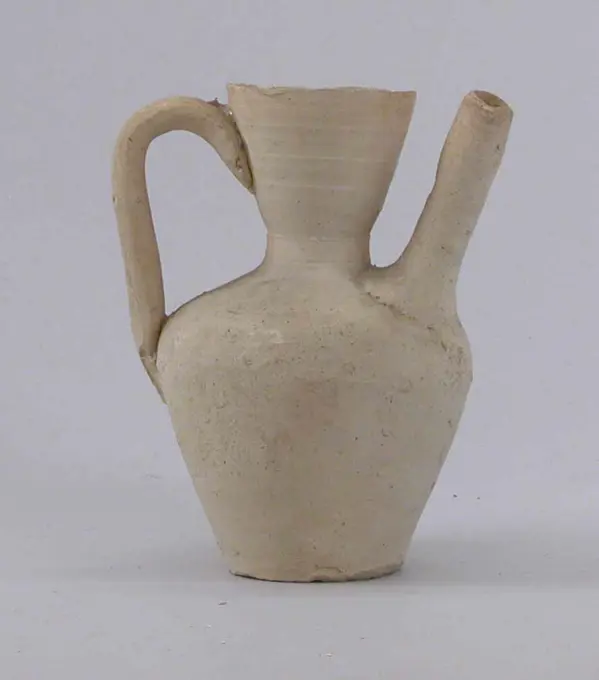
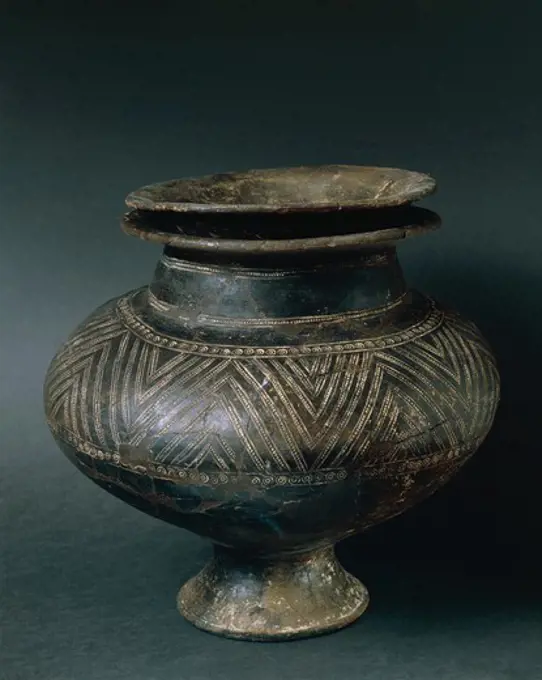
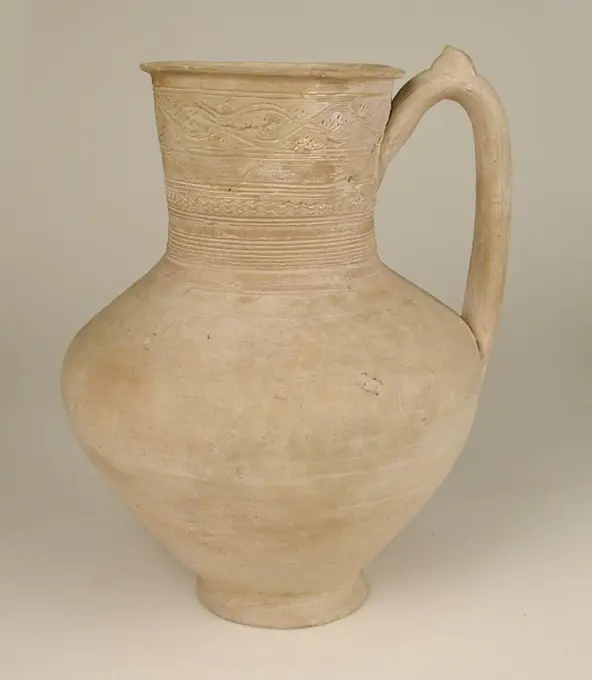
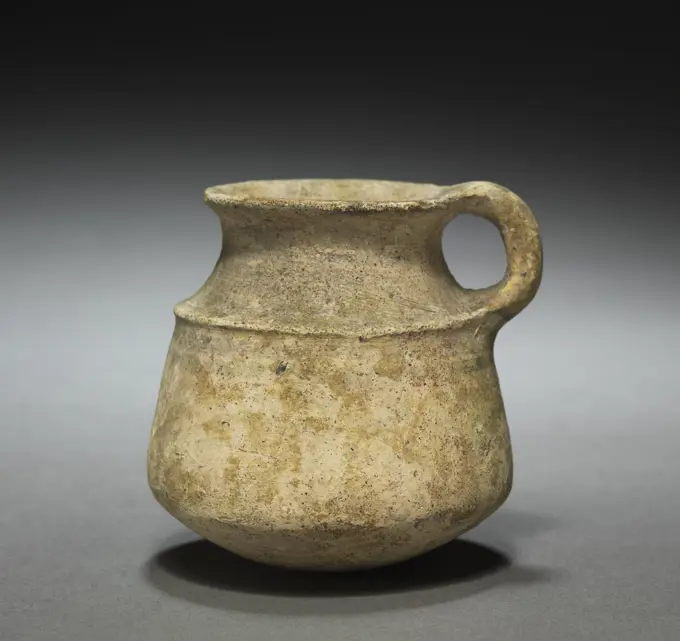
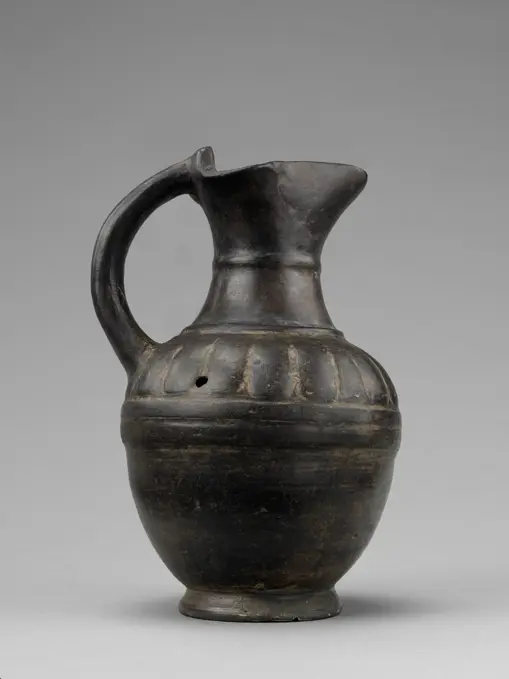
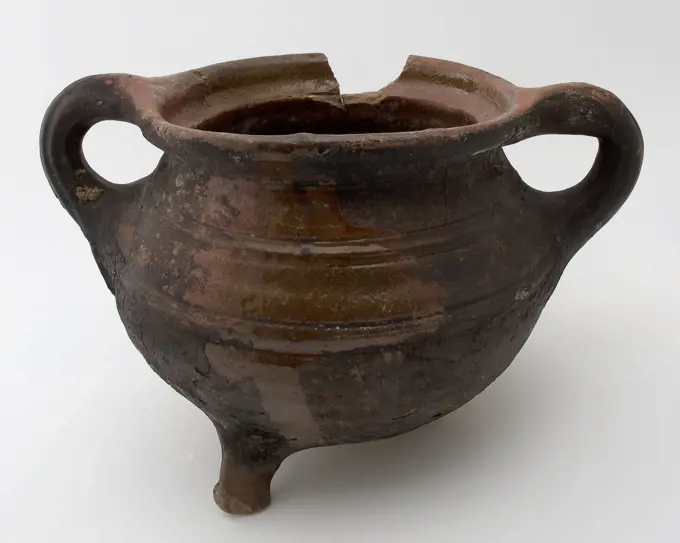
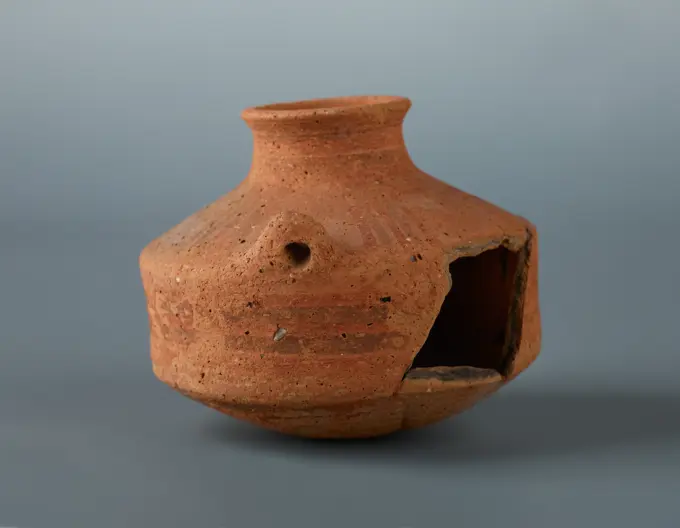
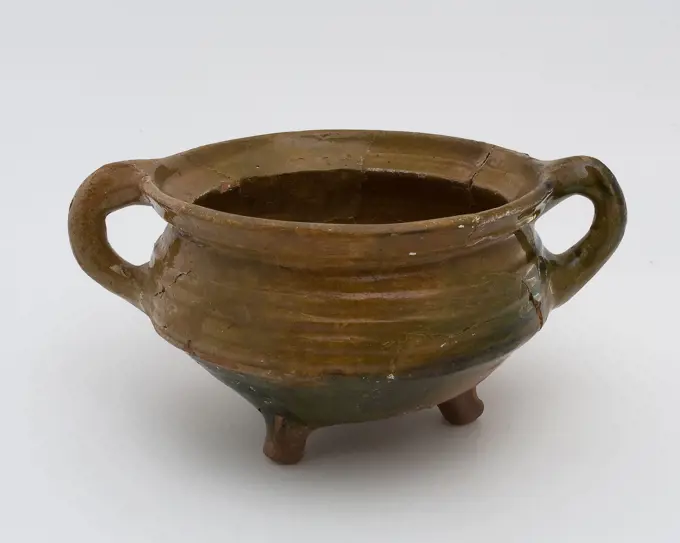
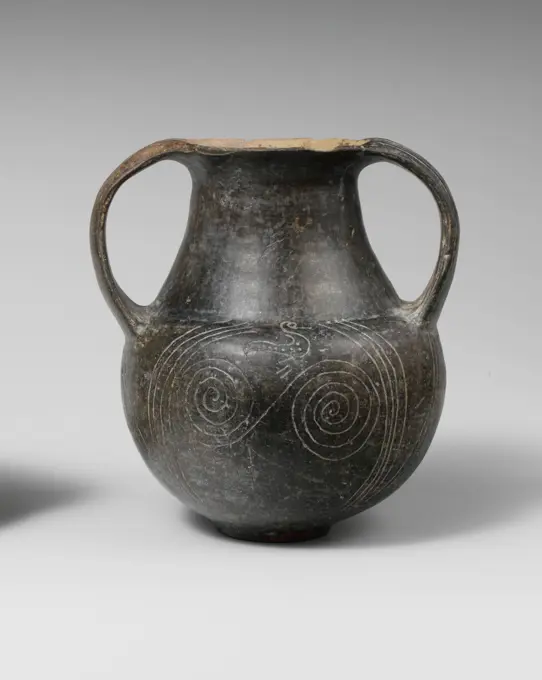
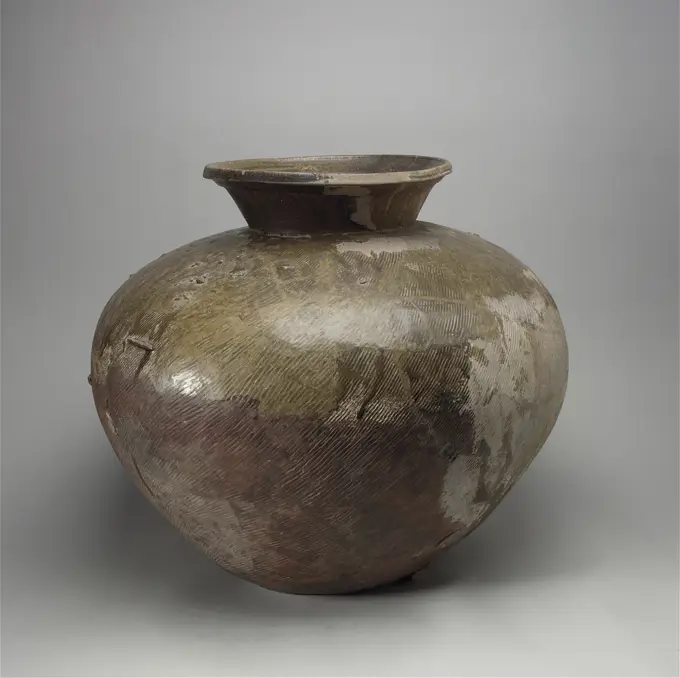
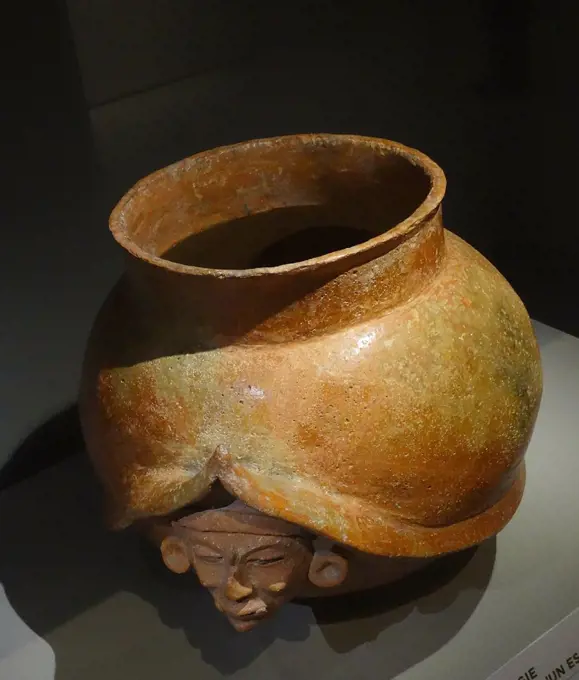
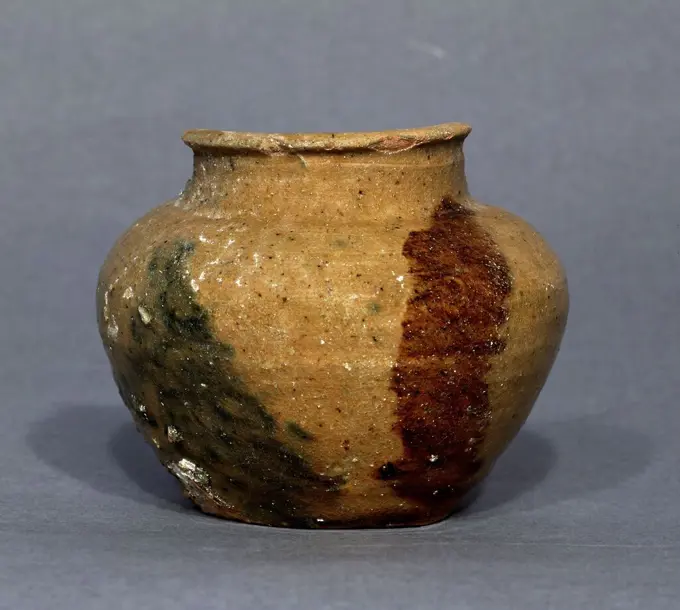
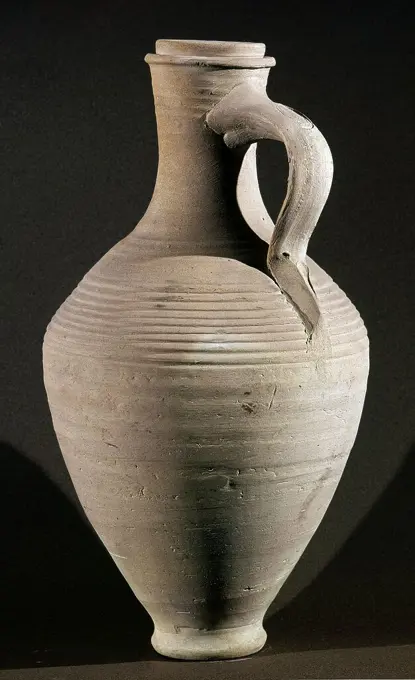
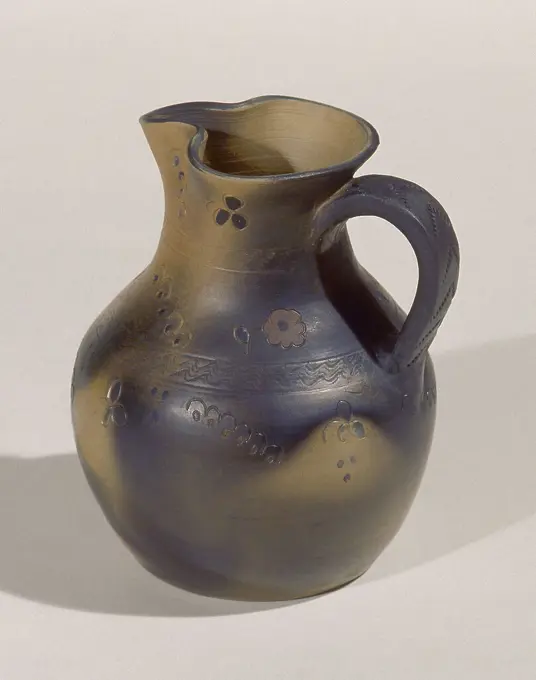
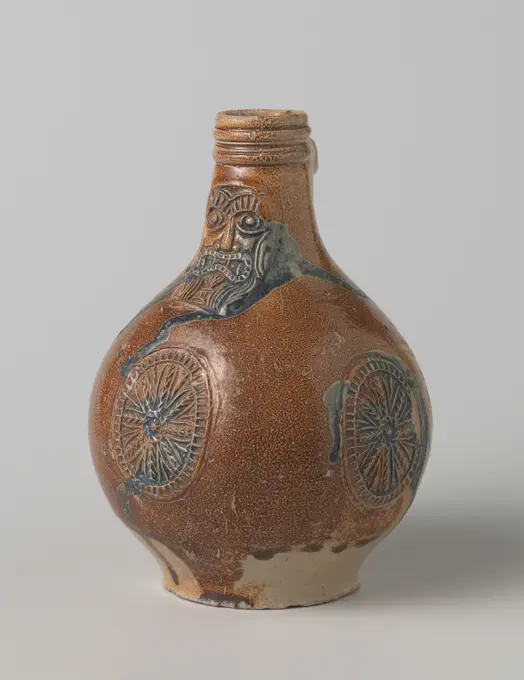
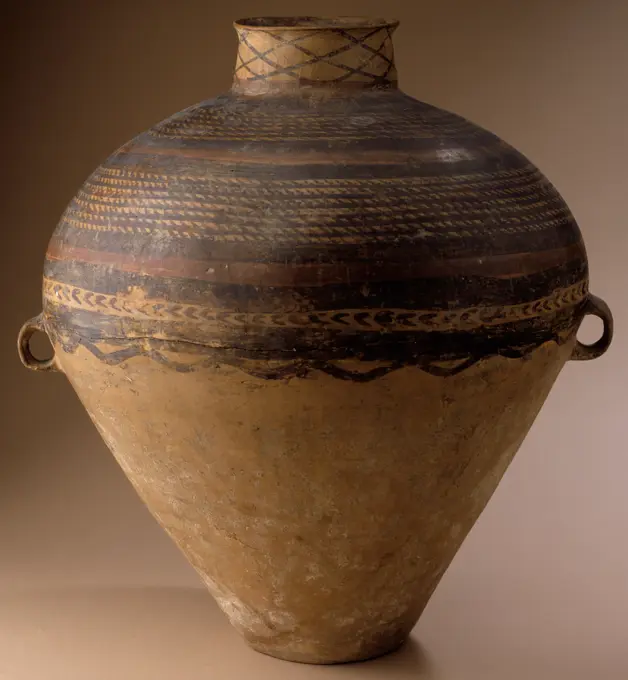
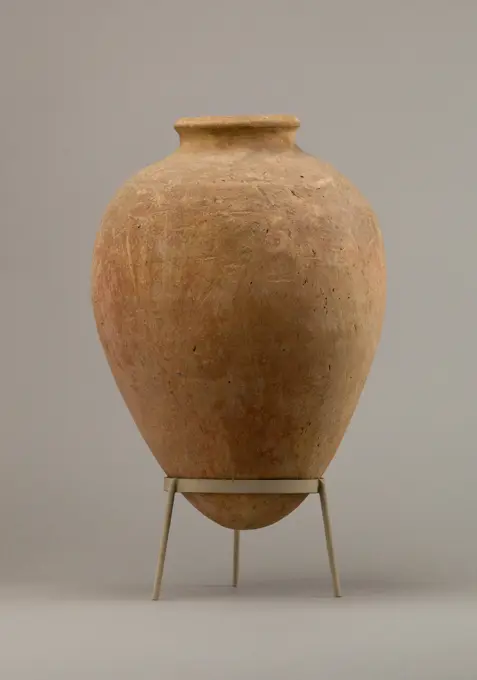
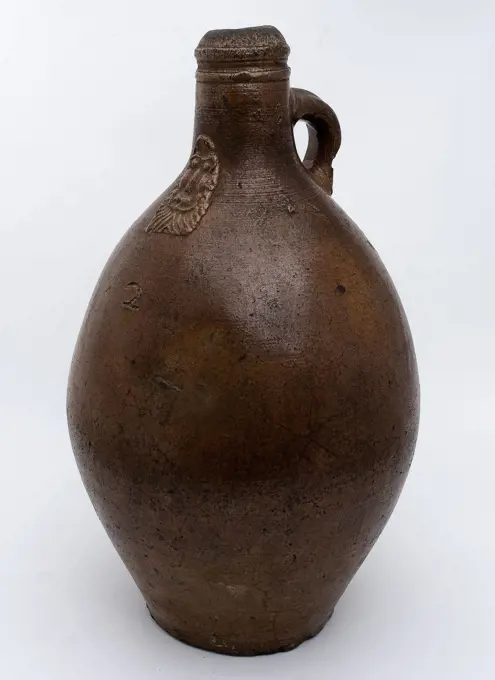
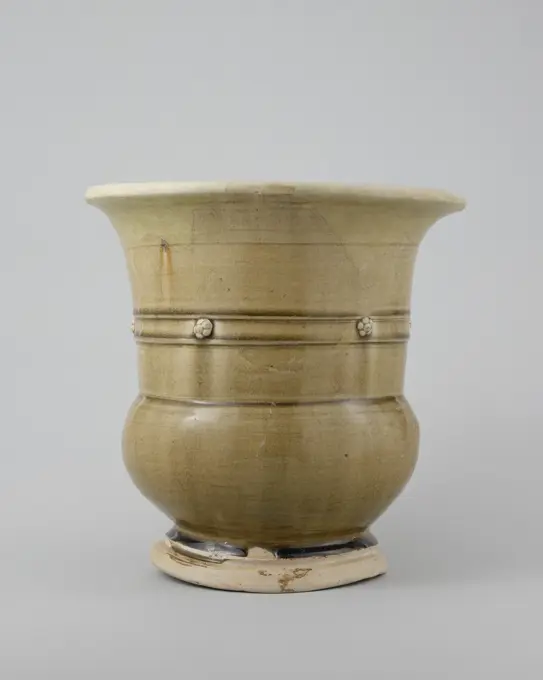
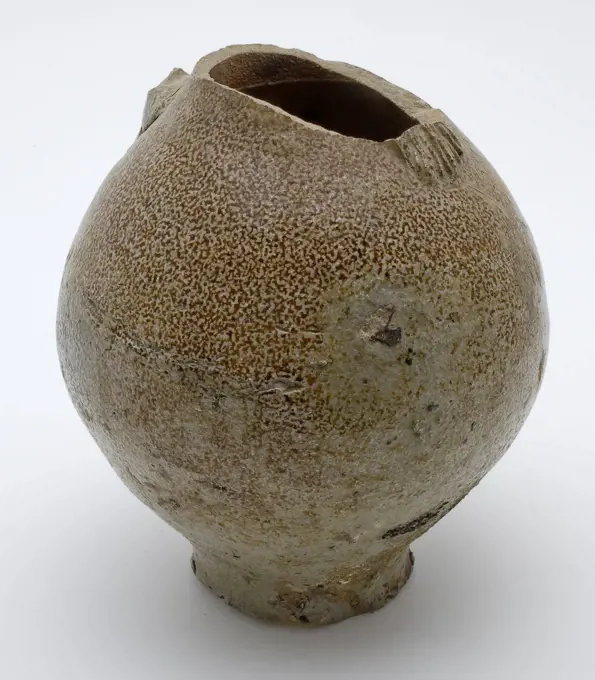
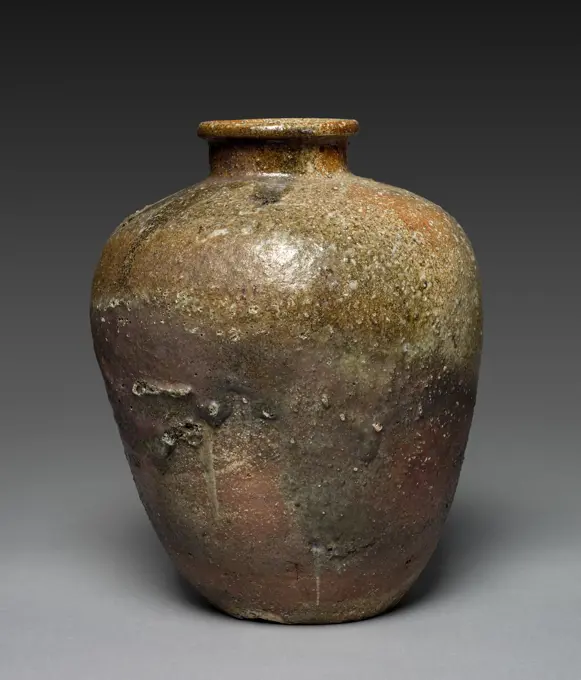
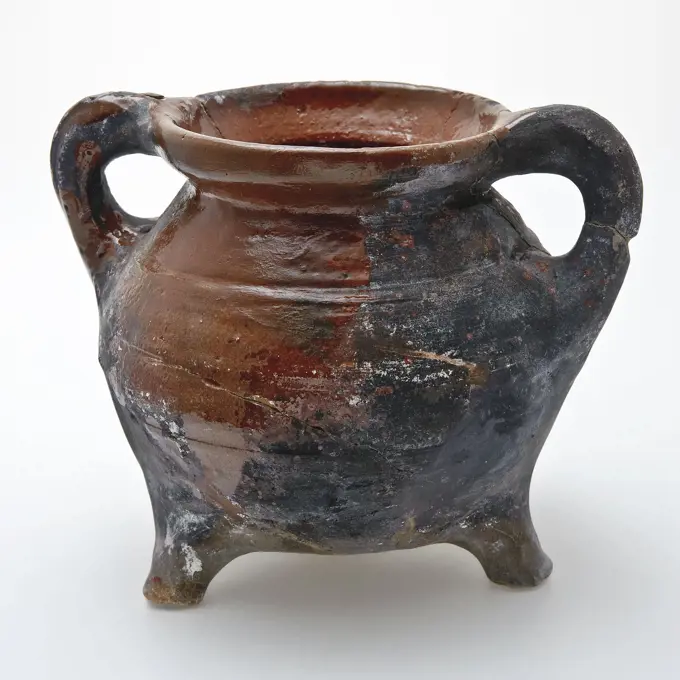
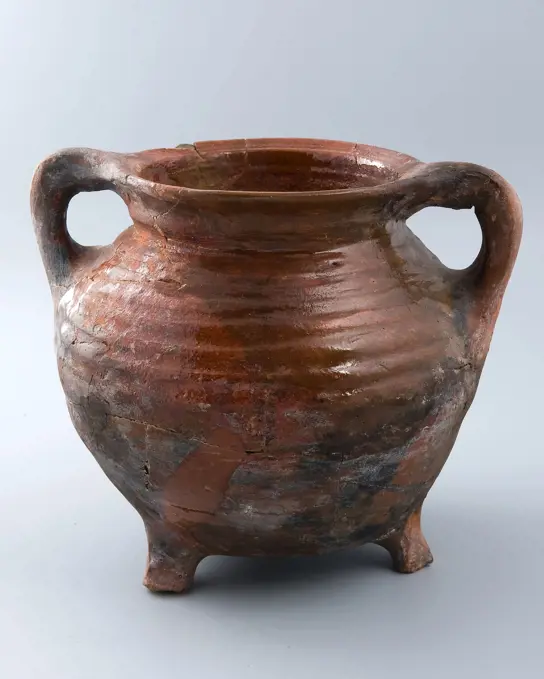
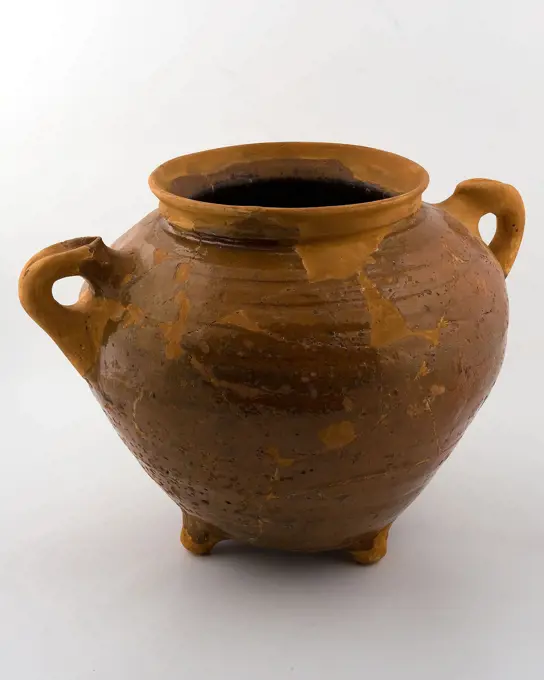
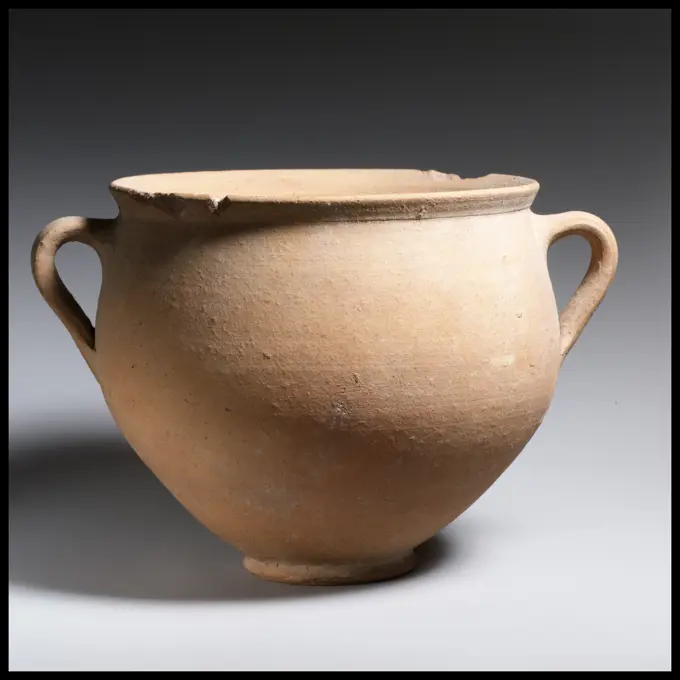
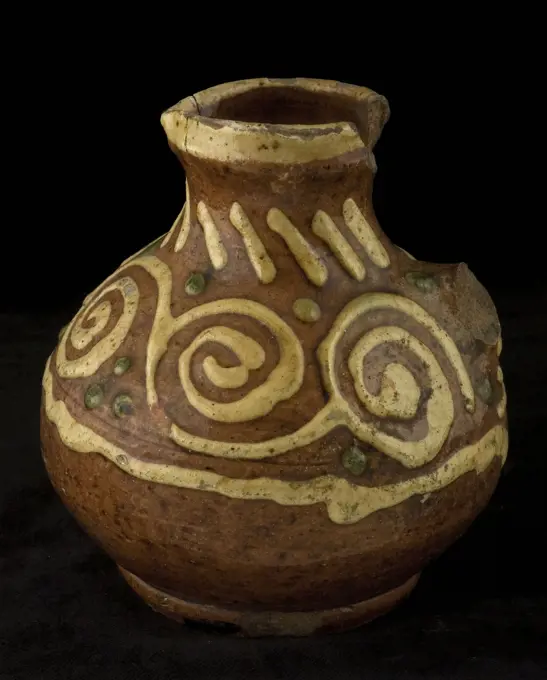
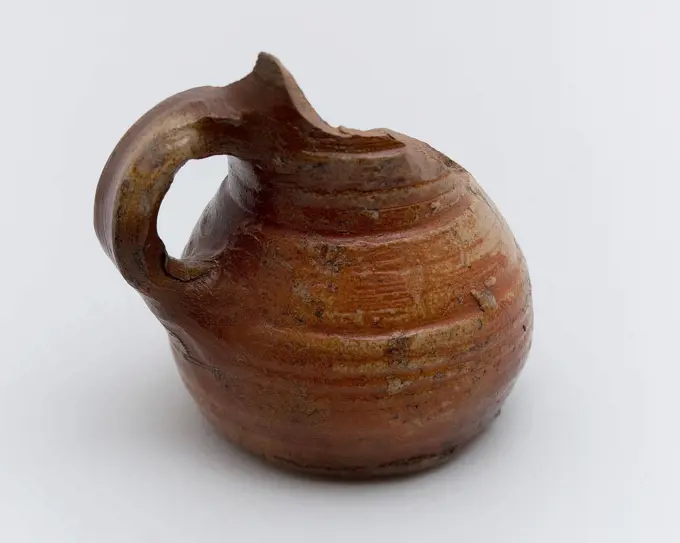
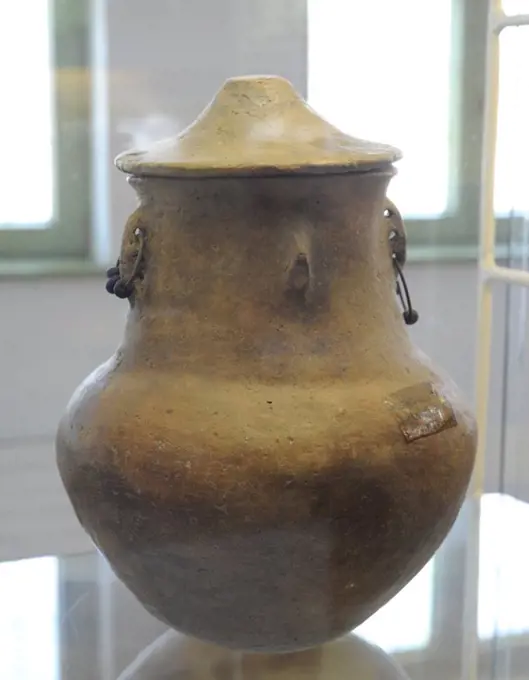
Pottery chamber pot, easy to use with curved bottom, unglazed, standing sausage ear, pot holder sanitary soil found ceramic earthenware, hand-turned baked Pottery chamber pot with curved bottom. Red shed unglazed Belly model with straight neck and outstanding pot edge. Narrow neck opening. Standing sausage ear attached slightly below the top edge of the pot. Fuzzy spindles on the outside and pronounced shoulder archeology indigenous pottery draining night sleeping room hygieneCommon ceramic jar with a handle. High 20 cm Width 17 cm Edge 7, 5 cm Base 6 cm Weight 835, 3 grams.( 1st - 3rd CE ) - Roman period from" House of Griffins "- Archaeological site of Complutum in Alcalá de Henares ( Madrid ). SPAIN.Glass flask 3rd to 4th century A.D. Roman Colorless with slight greenish tinge.Plain, rounded rim; funnel-shaped neck, tooled in around base; globular body; shallow kick in bottom.Intact; pinprick bubbles; dulling pitting, and iridescent weathering.. Glass flask 239824Ewer 9th-early 10th century. Ewer. 9th-early 10th century. Earthenware; unglazed. Excavated in Iran, Nishapur. CeramicsPot 4th-7th century Coptic. Pot 477268Vessel 4th-7th century Coptic. Vessel 478666Jug, c. 1450-1200 BC. Cyprus, Late Cypriot II. Base-ring ware; diameter: 13.2 cm (5 3/16 in.); diameter of mouth: 8.7 cm (3 7/16 in.); overall: 26.5 cm (10 7/16 in.).Vase 4th-7th century Coptic. Vase 477748Jug. Culture: Cypriot. Dimensions: 4 1/2in. (11.4cm).One-handled jug with flaring mouth; unpainted clay. Museum: Metropolitan Museum of Art, New York, USA.Bottle with Incised Feline Tooth Motif Around Neck Made 650 BCE-150 BCE Peru. Ceramic and pigment . ParacasVase. Culture: Coptic. Dimensions: Overall: 7 3/8 x 4 5/16 in. (18.7 x 11 cm). Date: 4th-7th century. Museum: Metropolitan Museum of Art, New York, USA.Wine Jug China. Wine Jug 48483Pottery water jug, can be used on stand, cuff collar with pouring clip and standing sausage ear, water jug crockery holder soil find ceramic earthenware glaze lead glaze, hand-turned glazed baked Pottery jug red shard sparing lead glaze pouring lip sausage stand. Sphere model with high shoulder cylindrical neck with cuff collar and pouring cliff archeology native pottery serve serve water wash kitchen room food prepare cookingHydria. Culture: Cypriot. Dimensions: 9 1/2in. (24.1cm). Date: 400-310 B.C..Unpainted clay. Museum: Metropolitan Museum of Art, New York, USA.Jug (Bartmann jug) with a roundel in a medallion, anonymous, c. 1650 - c. 1749 Jug (beard fancier) of stoneware on the standing surface with a spherical abdomen and narrow neck. The C-shaped ear is attached to the neck and shoulder. Profiles on the neck. Covered with a brown Engobe. In relief on the abdomen a printed and imposed medallion with a rosette. On the neck, continuously on the shoulder, a bearded man. Frechten. Cheek stoneware. glaze. engobe vitrification Jug (beard fancier) of stoneware on the standing surface with a spherical abdomen and narrow neck. The C-shaped ear is attached to the neck and shoulder. Profiles on the neck. Covered with a brown Engobe. In relief on the abdomen a printed and imposed medallion with a rosette. On the neck, continuously on the shoulder, a bearded man. Frechten. Cheek stoneware. glaze. engobe vitrificationDecorated olla (pot), Ucraina. Cimmerian Civilization, 10th-8th Century BC.BOTIJO PARA AGUA - SIN VIDRIAR - TIERRA NEGRA Y MARRON. Location: ALFARERIA. QUART. SPAIN.Ewer 9th-10th century This object was excavated at Nishapur.Nishapur was a vital city in the early and middle Islamic periods, located along one of the main trajectories that connected Iran and West Asia Islamic lands with Central Asia and China. These itineraries are often referred to by the term Silk routes’ but were in fact crucial to the movement of constellations of materials and objects, as well as people and ideas. The diverse population of Nishapur and its surroundings, from the better-researched elite groups of merchants, land-owning aristocracy, and literates, to the less-known artisans, farmers, miners, and servants, were instrumental in adapting global cultural trends to create their own distinctive visual languages. This is seen in the material remains of everyday life in medieval Nishapur - from pots and pans to lighting devices, inkwells, textiles and trimmings, jewelry, games and toys, talismanic devices, weapons, coins, and architectural fragments.Nishapur lost its poItalic civilizations, Piceni, 8th century b.C. Cinerary urn decorated with geometric pattern.VesselUnglazed Ewer 9th-10th century This ewer was meant to hold and pour liquids. It has an ovoid body, a neck that flares slightly, and a projecting lip. A vertical handle with a thumb-rest is attached near the middle of the neck on the vessels shoulder. The neck of the vessel is decorated with incised straight lines bordered by bands and wavy lines. The bottom register has a series of combed incised lines. Many unglazed earthenware vessels like this were used for cooking, but even more so for storing water. These vessels also functioned as lanterns, lamps, candlesticks, flowerpots, containers for coins, and toys.. Unglazed Ewer 449446Pot, 3rd-2nd Millenium BC. Iran, Luristan (), 3rd-2nd Millenium BC. Earthenware; diameter of mouth: 5.6 cm (2 3/16 in.); overall: 8.4 cm (3 5/16 in.).Pottery cooking jug, grape-model, red shard, sparingly glazed, shank, sausage ear, on three legs, cooking pot crockery holder kitchenware earth discovery ceramics earthenware glaze lead glaze, hand turned glazed baked Pottery cooking jug grape-model red shard with sparing lead glaze pouring lip sausage three legs grease traces on the underside Rotating arms around the shoulder archeology native pottery food prepare cooking food cuisineJug 9th-10th century. Jug 449067Glass flask 3rd century A.D. Roman Colorless with pale blue green tinge, with trail of same color.Rounded and thickened rim; flaring mouth; short concave neck, expanding downward to squat, broad, bulbous body; integral base ring; pushed-in bottom with large circular pontil mark.Single trail wound horizontally around neck.Intact; some large and pinprick bubbles; small area of pitting and iridescent weathering on exterior; more iridescent weathering on interior.. Glass flask. Roman. 3rd century A.D.. Glass; blown and trailed. Mid to Late Imperial. GlassPot 4th-7th century Coptic. Pot 477298Terracotta jug with barbotine decoration 1st century A.D. Roman One-handle with sprays of foliage in relief.. Terracotta jug with barbotine decoration. Roman. 1st century A.D.. Terracotta; eastern sigillata ware. VasesTrefoil Oinochoe. UnknownEwer 9th-10th century. Ewer. 9th-10th century. Earthenware; unglazed. Excavated in Iran, Nishapur. CeramicsSmall JugNaczynie. nieznany warsztat północno mezopotamski, workshopNuragic civilization. Two-handled fictile amphora. From Sardinia Region.Pottery grape on three legs, two profiled sausage ears, ribs over the shoulder, grape cooking pot tableware holder kitchenware earthenware ceramics earthenware glaze lead glaze, hand-turned glazed baked Pottery grape on three legs. Ball-shaped shape with outstanding sloping neck edge Thickened neck edge with lid groove along the inside. Two standing and profiled sausage ears on the attachment with the abdomen broad thumb impression Two roughly shaped ribs ledges over the shoulder Spindles on the inside Red shard sparsely glazed. traces of use: heavy sweep on the underside and scratches on the inside of heavy-handed cleaning archeology Geervliet Bernisse indigenous pottery cooking kitchen nutrition food preparation Soil discovery: Geervliet pit 15 Gruttersslob ZZ demolition Trouw.PyxisPottery cooking pot on three legs, low and wide model with two pinched ears, glazed, grape cooking pot tableware holder kitchenware earthenware ceramics earthenware glaze lead glaze, hand-turned glazed baked Pottery cooking pot on three legs. Red shard glazed except half of the bottom. Partly green glaze at the bottom. Low and wide model with slanted top edge. Two slightly pinched standing ears. Coarse twists on the shoulder. Unseen earthenware probably stuck to the bottom. Green glazed archeology Poortugaal Albrandswaard indigenous pottery cooking kitchen food preparation nutrition Soil discovery: Poortugaal.. Bottle of stoneware, covered with a white sludge and partly with an ocher yellow glaze. The raised, cylindrical spout is placed on the side of the body. From the other side of the body, a slightly modeled ear has been formed, which is attached to the spout at the top. The foot is unglazed.Terracotta spiral amphora (jar) ca. 675-650 B.C. Etruscan This distinctive shape, frequently incised with double spirals, is indigenous to Italy. The thin, flat handles and sharp curves imply that the shape derives from metallic prototypes, and indeed a silver example with gold handles was found in the Regolini-Galassi Tomb in Caere (modern Cerveteri).. Terracotta spiral amphora (jar). Etruscan. ca. 675-650 B.C.. Terracotta; bucchero. Archaic. VasesJar 7th-9th century. Jar 448967Cup 9th-10th century. Cup 449621EtruscanamphoraJar 6th-7th century Japan This jar is an example of the type of stoneware containers and stands known as Sue ware, produced from the middle of the fifth until the fourteenth century. Because the word sue means offering, it is presumed that they were originally made for ritual use. Early examples of Sue ware are typically found in tombs, while later articles were also made for use in Buddhist temples.This massive jar is striking in its size, dramatic contour, and the appearance of the mottled greenish glaze that unevenly coats the mouth and shoulders. The glaze, produced accidentally when ash and embers from burning logs settled on the objects during firing, drips down the sides of the jar, freezing the process of its formation. The rough look of the vessel's surface is accentuated by the pattern of incised lines and cord markings that cover it. In later centuries, ceramic objects such as this jar were highly prized for their irregular profile and rustic appearance, because it was felt Jug with four horizontal borders, anonymous, c. 1700 - c. 1799 Can of stoneware on high foot, spherical abdomen and funnel -shaped neck with a pinched spout in the edge. The C-shaped ear is attached to the neck and shoulder. On the neck, shoulder and foot, a horizontal entry -broken band with cobalt blue. Westerwald. Westerwald stoneware. glaze. cobalt (mineral) vitrification Can of stoneware on high foot, spherical abdomen and funnel -shaped neck with a pinched spout in the edge. The C-shaped ear is attached to the neck and shoulder. On the neck, shoulder and foot, a horizontal entry -broken band with cobalt blue. Westerwald. Westerwald stoneware. glaze. cobalt (mineral) vitrificationJug or 'Jacobakan', anonymous, c. 1450 - c. 1549 Ribbed, narrow Kan (Jacobakan) from stoneware on a corrugated foot with an egg -shaped body and long neck. The C-shaped ear is attached to the neck. The jug is decorated with turning virgins and a profile on the shoulder. Siegburg. Siegburg stoneware Ribbed, narrow Kan (Jacobakan) from stoneware on a corrugated foot with an egg -shaped body and long neck. The C-shaped ear is attached to the neck. The jug is decorated with turning virgins and a profile on the shoulder. Siegburg. Siegburg stonewareBottle ca. late 3rd millennium B.C.. Bottle. ca. late 3rd millennium B.C.. Ceramic. Early Bronze Age. Mesopotamia, Tell TayaGlass perfume bottle. Culture: Roman. Dimensions: Overall: 4 1/8in. (10.5cm)Diam.: 1 7/8 x 3/4 in. (4.8 x 1.9 cm). Date: 1st-2nd century A.D..Translucent pale blue green.Rim folded out, over, and in, flattened on upper surface; tall cylindrical neck, expanding downwards and with tooled indents around base; ovoid body; small, concave bottom.Complete, except for weathering chip in rim; pinprick bubbles and some glassy inclusions on body; pitting, dulling, and iridescent weathering. Museum: Metropolitan Museum of Art, New York, USA.Bronze jar with two handles. Culture: Roman. Dimensions: H. 16 1/16 in. (40.3 cm). Date: 1st century A.D..The handles have been restored, possibly in antiquity. Museum: Metropolitan Museum of Art, New York, USA.Pottery cooking jug, grape-model, red shard, sparingly glazed, vertical sausage ear, on three legs, cooking jug be found in the earthenware ceramics earthenware glaze lead glaze, hand-turned baked glazed earthenware cooking jug grape-model red shard sparingly glazed vertical set sausage ear three legs archeology Rotterdam indigenous pottery food preparation cooking food kitchen fire Soil discovery, brand Rotterdam.Ceramic jar with effigy (human face on a snail) from Quintana Roo, Mexico. Dated 900-1250 AD.Alabastron. Culture: Italic, Etruria. Dimensions: Diam.: 3 7/8 x 4 7/8 in. (9.8 x 12.4 cm). Date: 6th century B.C.. Museum: Metropolitan Museum of Art, New York, USA.Glass beaker 2nd-3rd century A.D. Roman Translucent pale blue green.Rounded, slightly thickened rim; flaring mouth; elongated body with slightly bulbous side; integral, thick pad base; slightly pushed-in bottom with jagged pontil scar.Intact; some pinprick bubbles and blowing striations; dulling and faint iridescent weathering on exterior; one large patch of soil encrustation and weathering on interior.. Glass beaker 244692Jar ca. 1550-1186 B.C. New Kingdom Artists involved in the construction of the royal tombs in the Valley of the Kings resided nearby in Deir el-Medina. To avoid the daily travel, workmen built temporary huts closer to their place of work. A vessel of this size could contain sustenance for a number of people or for an extended stay.. Jar. ca. 1550-1186 B.C.. Pottery. New Kingdom. From Egypt, Upper Egypt, Thebes, Valley of the Kings, Workmens' Huts between KV 6 and KV 21, Davis/Ayrton excavations, 1907-08. late Dynasty 18-19ORZA CALIFAL MELADA Y PINTADA CON OXIDO DE COBRE Y DE MANGANES - SIGLO X - OMEYA. Location: MEDINA AZAHARA / MADINAT AL-ZAHRA-MUSEO-CERAMICA. PROVINCIA. CORDOBA. SPAIN.JARRA DE CERAMICA NEGRA CON 2 ASAS Y DECORACION INCISA-ARTE POPULAR. Location: ALFARERIA. SPAIN.Small squatjarPear-Shaped Vase With a Crackled Cream-Colored Glaze. Pear-shaped vase of Stoneware (Dong-Khe-Good / Yiangnan Ding), with a wide neck and high foot ring. Cream colored, cracked glaze. Monochromes.CANTARO ARROBAL CON UN ASA SIN VIDRIAR (PROCEDE DE LEBRIJA) ARTE POPULAR. Location: MUSEO DEL PUEBLO ESPAÑOL. MADRID. SPAIN.Oinochoe 7th-6th century B.C. Cypriot Birds and star.. Oinochoe 240125JARRA EN CERAMICA NEGRO - S XX ARTE POPULAR -. Location: ALFARERIA. PROVINCIA. Soria. SPAIN.Jug (Bartmann jug) with three medallions, anonymous, c. 1625 - c. 1649 Jug of stoneware on standing surface with a spherical body and narrow neck. Ear. Profiles on the neck. Partly covered with cobalt blue and a brown Engobe. On the abdomen in relief three times a printed and imposed medallion with a stylized rosette of branches. The neck with a bearded man in relief; The beard continuously on the shoulder. Frechten. Cheek stoneware. glaze. cobalt (mineral). engobe vitrification  Enkhuizen Jug of stoneware on standing surface with a spherical body and narrow neck. Ear. Profiles on the neck. Partly covered with cobalt blue and a brown Engobe. On the abdomen in relief three times a printed and imposed medallion with a stylized rosette of branches. The neck with a bearded man in relief; The beard continuously on the shoulder. Frechten. Cheek stoneware. glaze. cobalt (mineral). engobe vitrification  EnkhuizenWater Jar: Ko Tamba ware, mid 1500s. Japan, Muromachi period (1392-1573). Stoneware with natural green ash glaze (Tamba ware); overall: 44.3 x 34.9 cm (17 7/16 x 13 3/4 in.).Amphora 750-600 B.C. Cypriot Bands, wavy line, triangle ornament and swastikas.. Amphora. Cypriot. 750-600 B.C.. Terracotta. Cypro-Archaic I. VasesLamp, Anatolia; 3rd century B.C; Terracotta; 3.2 × 7 × 9.4 cm (1 1,4 × 2 3,4 × 3 11,16 in.)Fragment stoneware jug with salt glaze, neck fragment, siegburgkan water jug crockery holder soil find ceramic stoneware glaze salt glaze, hand turned glazed fried Neck fragment of large stoneware jug Relatively short neck neck tapered from shape upwards narrowing Conical jar Ten dele glazed light brown Standing bandoor archeology underground pit Rotterdam City Triangle Blaak Groenendaal indigenous pottery import drink water food preparation pour keep kitchen basement Soil discovery: underground pit Groenendaal direction Blaak from large waste pit at ± 4 meter -NAP 1977.06.27.Bowl, c. 1100-1500, 3 3/4 x 11 1/2 in. (9.53 x 29.21 cm), Clay, United States, 13th-15th centuryStorage Jar (Hu) with Horizontal Ribs. China, Gansu Province, Majiayao, Neolithic period, Banshan phase, about 2600-1300 B.C.. Furnishings; Serviceware. Coil-built earthenware with painted decorationBowl, gull (cylinder);  IV-VI century; Postmeroic period (301-00-00-600-00-00);Collection of ancient Egypt, message, rescue excavations, IV Qatracta, SudanJean Carriès (1855-1894). "Andes and double tubing pot". Gold and silver drips. Enameled sandstone. Museum of Fine Arts of the City of Paris, Petit Palais. J. CARRIES - POT A ANSES AND A DOUBLE TUBBULURE Anse, silver, ceramic, casting, ceramic, double tubing, enamed stoneware, gres emaille, handle, gold, pot, runoff, silver, water, goldJar ca. 2649-2100 B.C. Old Kingdom. Jar. ca. 2649-2100 B.C.. Pottery. Old Kingdom. From Egypt, Memphite Region, Saqqara, Egyptian Antiquities Service excavations. Dynasty 3-4Pitcher with Handle, AD 100-400. Roman, Eastern Mediterranean, 2nd Century, or later. Glass; overall: 11.5 x 7.5 cm (4 1/2 x 2 15/16 in.).Large stoneware Bartmann jug, also called Bellarmine jug, brown with an ear and dotted in the baking figure 2, bearded hand jug tableware holder earth discovery ceramic stoneware icing salt glaze, hand turned stamped baked baked glazed Large stoneware Bartmann jug jug gray shard with dark brown locally tigered salt-glaze profile rings below the mouth rim small profiled sausage ear with short pointy tail tear marks on the underside the Bartmann jug mask 2 (size of the jug) archeology import pottery drink transport store store warehouse cellarPrehistory, Italy, Iron Age. Golasecca culture. Vase decorated with engravings.Anonymous Grand Vase Drachoir (common name). Celadon coverage sandstone. Three floral patterns under cover, inside the vase, under the lip. Cernuschi Museum, Asia Museum of Asia in the city of Paris.Brown speckled Bartmann jug, also called Bellarmine jug, fragment without neck, Bartmann jug jug crockery holder soil find ceramic stoneware clay engobe glaze salt glaze, hand turned stamped molded glazed baked stoneware jug gray shard brown brindled salt glaze tail archeology Rotterdam City triangle Haagseveer Doele Goals import pottery drink save packaging transport archaeological find in the soil Rotterdam: Targets 1956.Pucharek. nieznany warsztat północno mezopotamski, workshopFragment butli (górne 3/4). nieznany warsztat północno mezopotamski (ca 2600-ca 2350 a.C.), workshopCANTARO DE CUELLO ALTO Y GRAN ASA CON VIDRIADO A MODO DE MANCHA EN LA UNION. Location: ALFARERIA. SPAIN.JARRA - S XX ARTE POPULAR -. Location: ALFARERIA. MARRATXI-PORTOL. MALLORCA. SPAIN.Storage Jar, 1500s. Japan, Muromachi period (1392-1573). Stoneware with natural ash glaze (Shigaraki ware); diameter: 28.3 cm (11 1/8 in.); overall: 34 cm (13 3/8 in.). Shigaraki ware is produced in the Shigaraki area of Shiga prefecture to the east of Kyoto in the Kansai region. The clay from Shigaraki has a warm orange color. When fired in an anagama kiln, a type of wood-fired kiln that uses the oxidization process, the free flow of air allows for the appearance of the ash and mineral glazes that characterize the works. Shigaraki storage jars like this one, a tsubo, have been popular for storing tea leaves since the Muromachi period.Jug with the Arms of Cleves-Berg, 1580. Germany, Siegburg, 16th century. Salt-glazed stoneware; overall: 23.8 x 22.5 cm (9 3/8 x 8 7/8 in.).Pottery grape on three legs, two sturdy sausage ears, ribs on the shoulder, grape cooking pot crockery holder kitchenware earthenware ceramics earthenware glaze lead glaze, hand-turned glazed baked Pottery grape on three legs Red shard sparingly glazed. Belly model decorated with two clear ribbed ridges over the shoulder. Outstanding sloping top edge Two sturdy standing wrestles Largely colored black by soot through use. White plaque comes from the plaster with which the faulty fragments have been replenished which is not well removed archeology inn The Heart Geervliet Bernisse indigenous pottery cooking kitchen nutrition food preparation Soil discovery: Geervliet Dorpsplein 1 demolition Trouw put 5 stadsherberg 't Hart 1985.AlabastronEarthenware bowl, red shard, internally glazed, bandoor, porcelain crockery holder soil find ceramic earthenware glaze lead glaze, hand-turned glazed baked earthenware bowl bowl red shard inside covered with lead glaze topped pinched band stand archeology food drink food preparation kitchen cookingEarthenware grape on three legs, two hook ears, coarse turnings, grape cooking pot tableware holder kitchen utensils earthenware ceramics earthenware glaze lead glaze, hand-turned glazed baked Pottery grape on three legs brown-red shard. Black spots. Two hookor neck with slanted top edge. Rotations on shoulder on which some lead glaze. Also internally very sparingly glazed. Rapture Restoration is repainted archeology underground pit Rotterdam Stadscentrum Stadsdriehoek Groenendaal indigenous pottery food preparation cooking kitchen Soil discovery: underground pit Groenendaal first 50 meters from the well. Found 1975-09-11.Terracotta jug Cypriot Jug with incised crescent ornament, of unpainted clay.. Terracotta jug. Cypriot. Terracotta. VasesDish;  around 1550 1295 BC ; New PALight brown pot on three legs, with two standing pinched ears, short and narrow neck, storage pot aspot cover pot holder soil find ceramic earthenware glaze lead glaze, hand-turned glazed baked Pottery pot with two pinched ears on the shoulder. Sphere model with narrow bottom on three legs Narrow neck diagonally inwardly directed top edge. Completely glazed Blurred spindles on the shoulder wear marks; gray attack on the inside wear on the underside Restauration is repainted but not entirely on color archeology underground pit Rotterdam Kralingen Muted Slaak indigenous pottery extinguishing drains conserve storage Soil founding underground pit Muted Slaak January 18, 1978.Glass aryballos (oil bottle) 2nd-3rd century A.D. Roman Translucent blue green; handles in same color.Thick, partially tubular rim, folded out, down, round, and in, flattened on upper surface; cylindrical neck; horizontal shoulder; globular body; thick bottom with central kick and pontil mark; two dolphin handles applied to shoulder, drawn up side of neck to underside of rim, turned out, round, and down, forming to ring holes, then a second trail applied to edge of rim, drawn down over handles, and trailed off upwards.Intact; a few small bubbles; slight soil encrustation and faint iridescence on exterior, patches of soil encrustation and creamy weathering on interior.Greenish, with handles in the form of dolphins.. Glass aryballos (oil bottle). Roman. 2nd-3rd century A.D.. Glass; blown. Mid Imperial. GlassHu vase;  XVIII-XIX century (1701-00-00-1900-00-00);Covered vase or ewer with moulded flower petals, anonymous, c. 1009 - c. 1225 Lid of egg -shaped lid vase or can be made of stoneware, covered with a cream -colored, crawl glaze. A band with modeled petals around the lid button. Vietnam stoneware. glaze vitrification Lid of egg -shaped lid vase or can be made of stoneware, covered with a cream -colored, crawl glaze. A band with modeled petals around the lid button. Vietnam stoneware. glaze vitrificationAmphora ca. 3200-1050 B.C. Cypriot. Amphora. Cypriot. ca. 3200-1050 B.C.. Terracotta. Bronze Age. VasesOinochoe with trefoil lip, Marche, Italy. Piceno Civilization, 4th Century BC.Lamp. UnknownTerracotta deep bowl with two vertical handles ca. 1400-1190 B.C. Mycenaean Course ware bowl with two handles.. Terracotta deep bowl with two vertical handles 252908 Mycenaean, Terracotta deep bowl with two vertical handles, ca. 14001190 B.C., Terracotta, H. 6 7/8 in. (17.1 cm.) Diameter 8 1/8 in. (20.6 cm.). The Metropolitan Museum of Art, New York. Gift of the Greek Government, 1927 (27.120.10)Round bowl with standing ears, rotating around shoulder, papkom bowl crockery holder soil find ceramic earthenware glaze lead glaze, ring 7.0 hand-turned glazed baked Light brown shard yellow-green lead glaze inside Stand ring. Funnel-shaped bottom side wall with coarse spinning mills Standing band-ears Thick ridge on the transition from side wall to bottom Restoration is repainted Wearing wear and tear due to use as scoop and traces of heating archeology underground pit Rotterdam City Triangle Groenendaal indigenous earthenware pap scoop measuring cup porridge eating food reuse Soil discovery metroport Groenendaal op 190 meters (from Mariniersweg) at about 2 meters - NAP. Found 1975-10-06.Jug ca. late 8th-7th century B.C. Israelite. Jug 323150Glass flask Roman 4th century CE Translucent pale blue green.Plain, everted rim, with outward fold below; funnel-shaped mouth; cylindrical neck expanding downwards; narrow, concave shoulder surrounded by circular ridge; globular body; concave bottom.Below ridge, around top of body faint indentations; on lower body, a horizontal, thickened ridge.Complete, but cracked on one side of body; few bubbles; large areas covered with soil encrusation, thick weathering, and iridescence.The vessel was blown into a dip mold, withdrawn, and (over-) inflated to the present size and shape, so that most of the mold ribbing disappeared. View more. Glass flask. Roman. 4th century CE. Glass; blown using a dip mold. Late Imperial. GlassEarthenware oil jug on stand with standing ear and clip, sludge on the neck and shoulder, oil jug jug kitchen utensils earthenware ceramics earthenware glaze lead glaze clay, ring 8.3 hand-turned decorated glazed fried lemonade Pottery jug. Ball-shaped model with slender neck and stand ring Neck with cuff collar. Standing ear. Red shard Fully glazed Decorated in sludge technology Decoration consists of yellow circular motifs and green dots on the shoulder Yellow upper edge and diagonal stripes around the neck archeology indigenous pottery oil tear lamp illuminate serve pourStoneware jug be on convex surface, bulbous model with low belly, jug holder soil find ceramic stoneware glaze salt glaze, hand-formed glazed baked stoneware jug stand on ball stand. Flat vertical ear fastened to the kettle and the neck. Clear twisted flaps on the outside. Fully glazed in gray and brown archeology Rotterdam rail tunnel of indigenous earthenware import drink room donation Soil discovery: railway tunnel Rotterdam.Jug;  1800-1650 BC ; "family-cypryan period II-III (-1800-00-00--1650-00-00);Pomeranian Culture. Iron Age. 7th-3rd century BC. Poland. Face-Urn. Burial urn with face. From Lublewo. Archeological Museum of Gdansk. Poland.