Ancient Pottery and Glassware

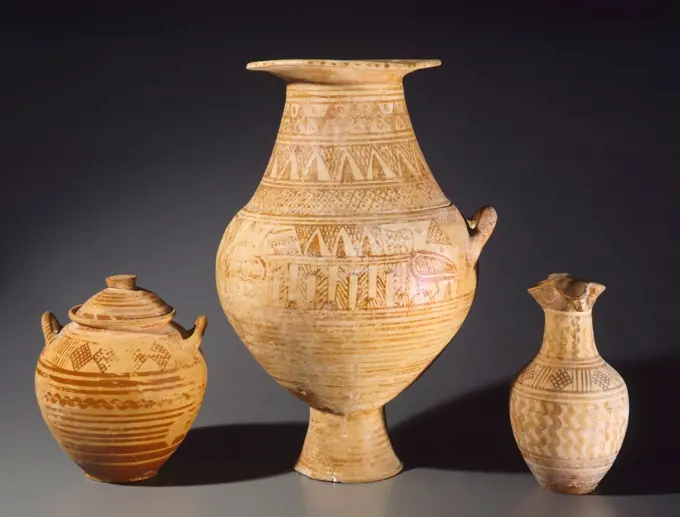
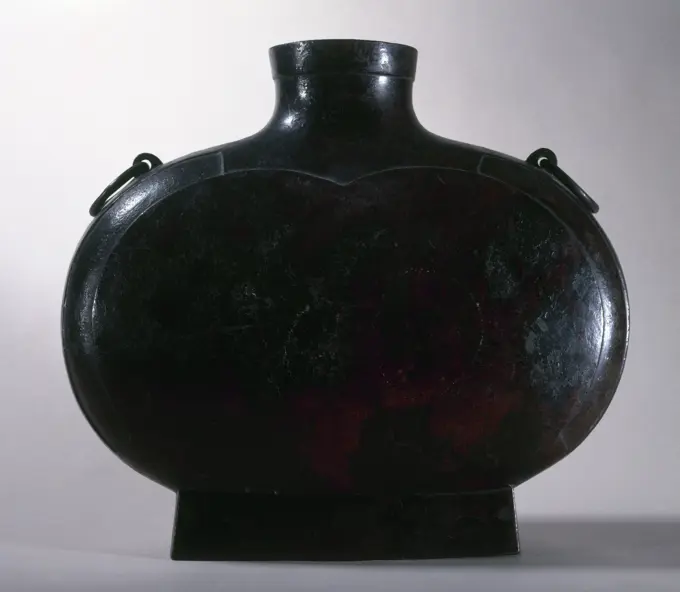
A collection of historical earthenware and glass vessels, showcasing various shapes, materials, and techniques from different ancient cultures. Each piece exhibits a unique design and texture.

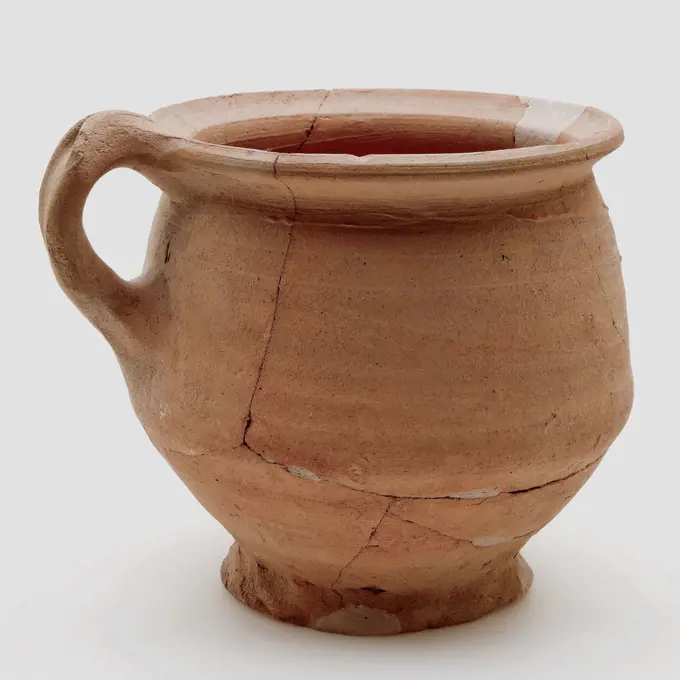
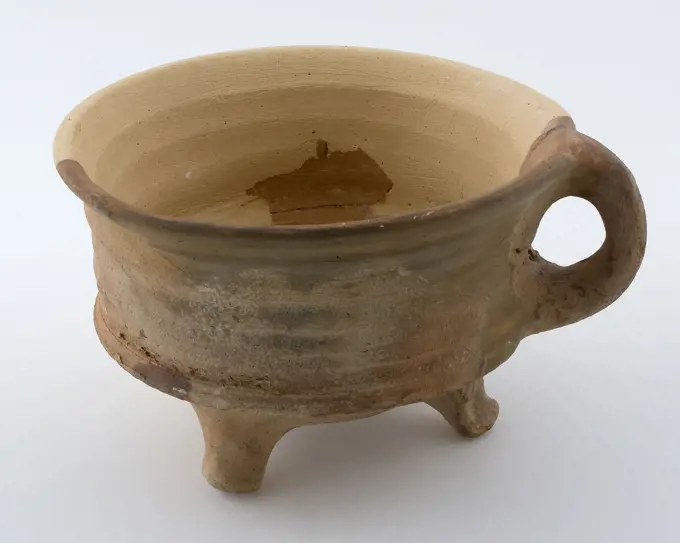
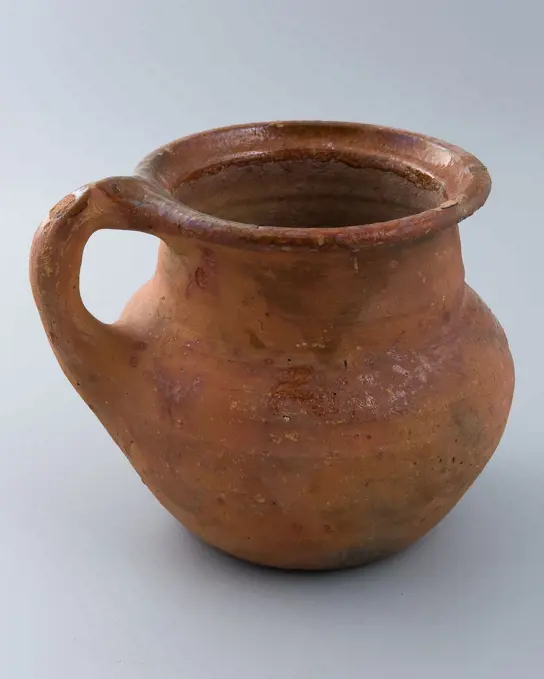
Pottery chamber pot, easy to use with curved bottom, unglazed, standing sausage ear, pot holder sanitary soil found ceramic earthenware, hand-turned baked Pottery chamber pot with curved bottom. Red shed unglazed Belly model with straight neck and outstanding pot edge. Narrow neck opening. Standing sausage ear attached slightly below the top edge of the pot. Fuzzy spindles on the outside and pronounced shoulder archeology indigenous pottery draining night sleeping room hygiene
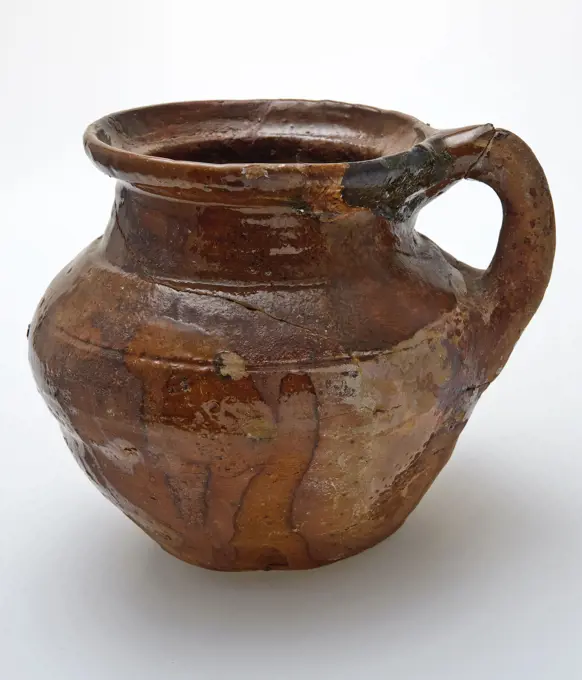
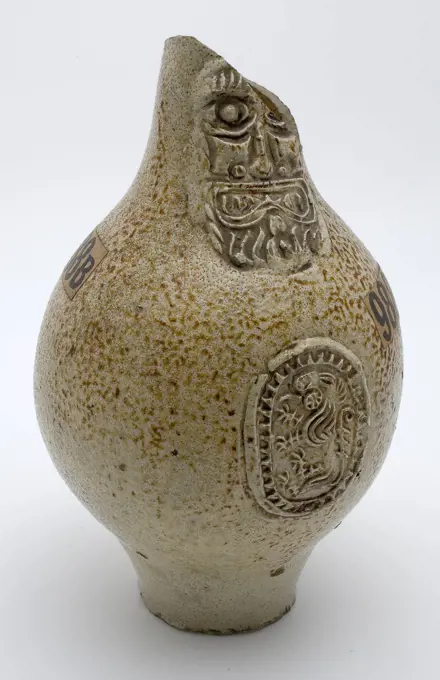
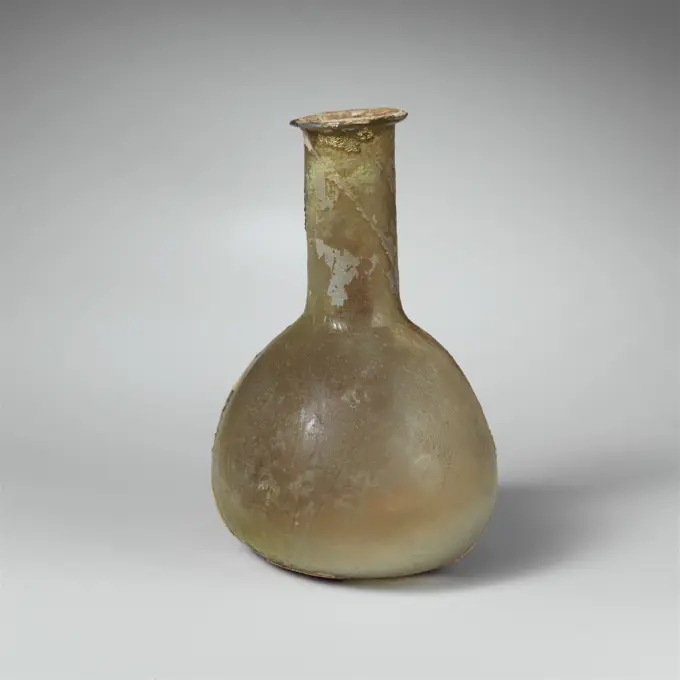
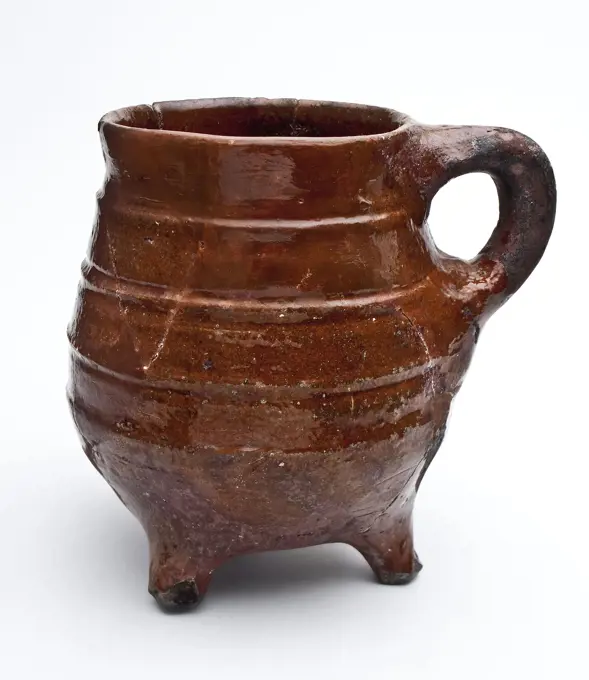
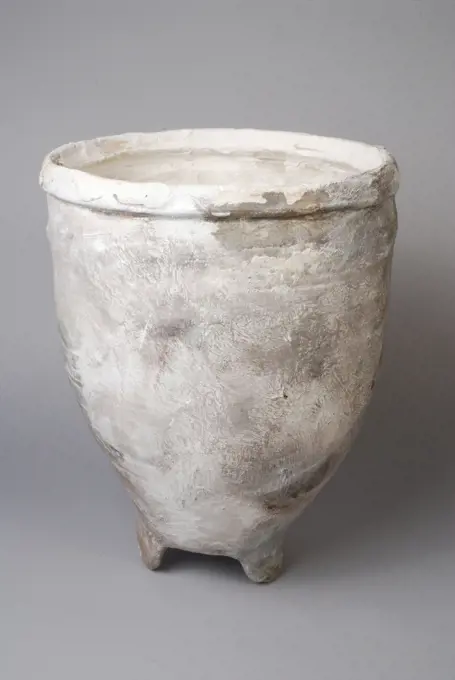
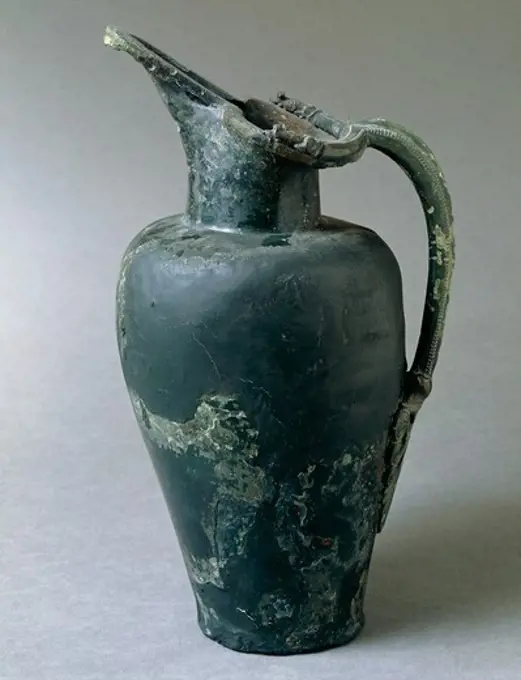
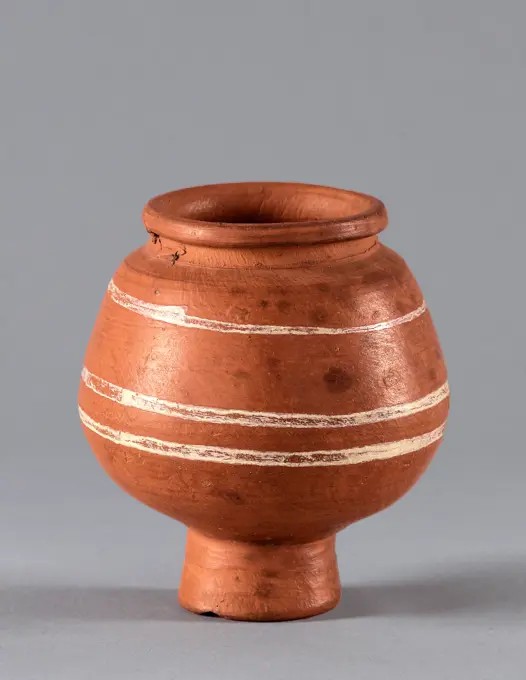
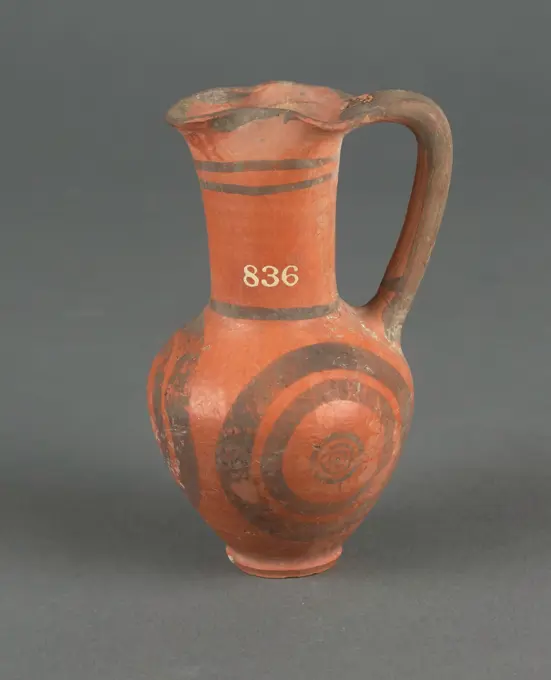
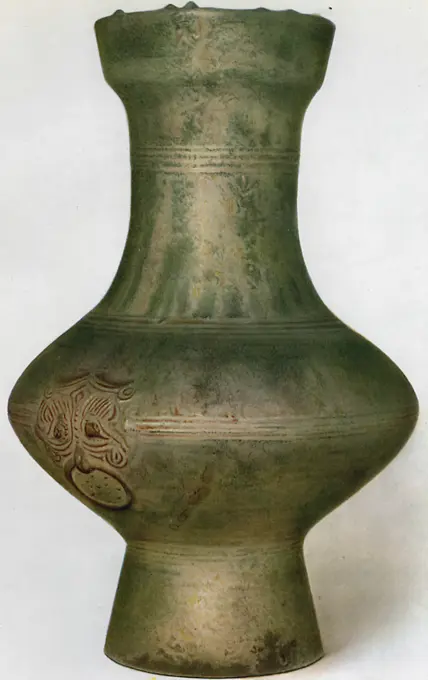
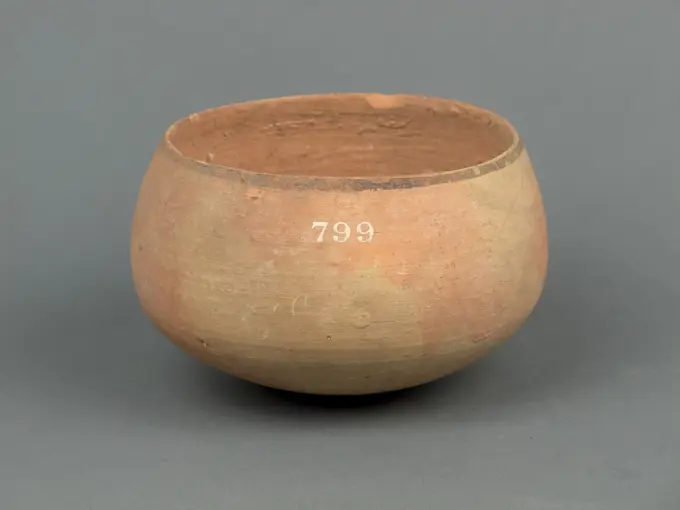
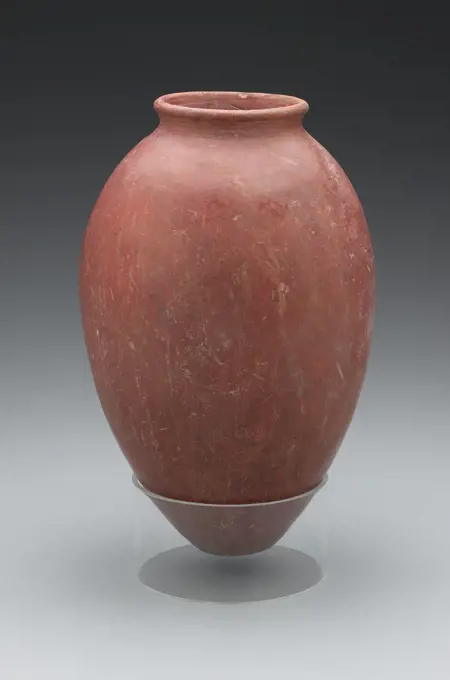
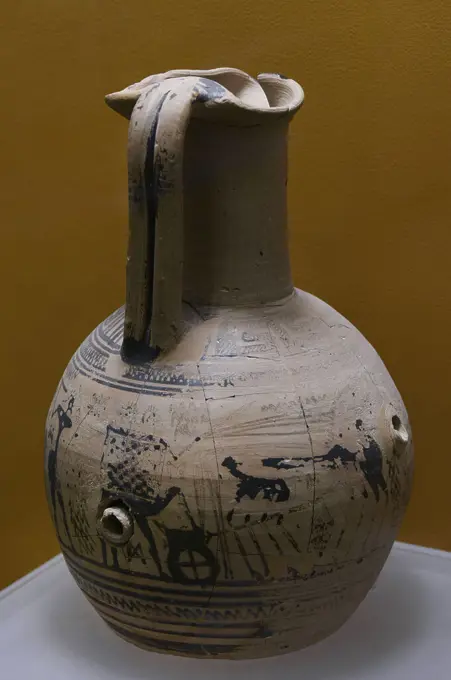
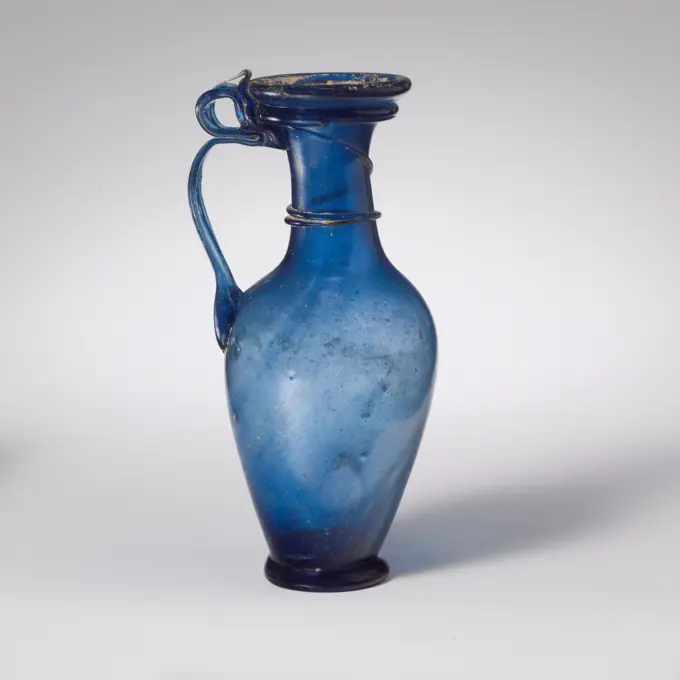
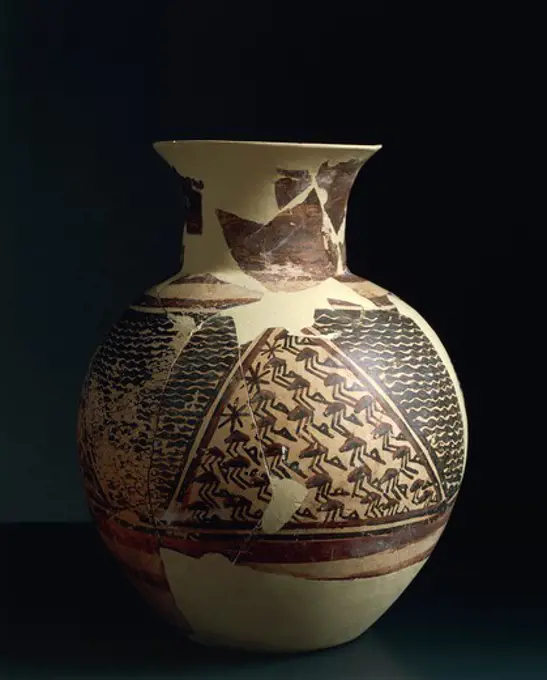
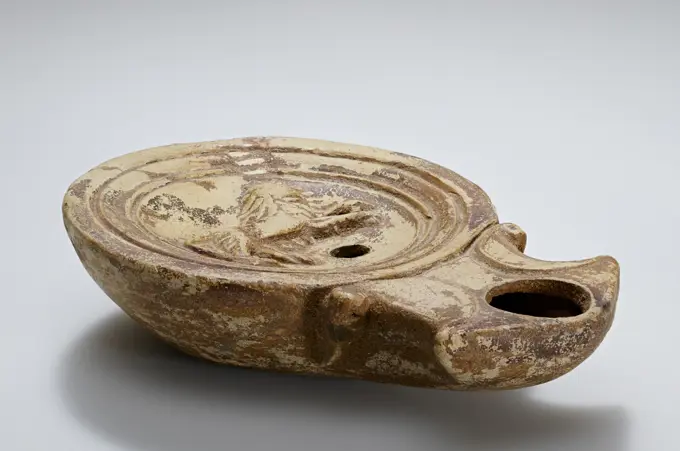
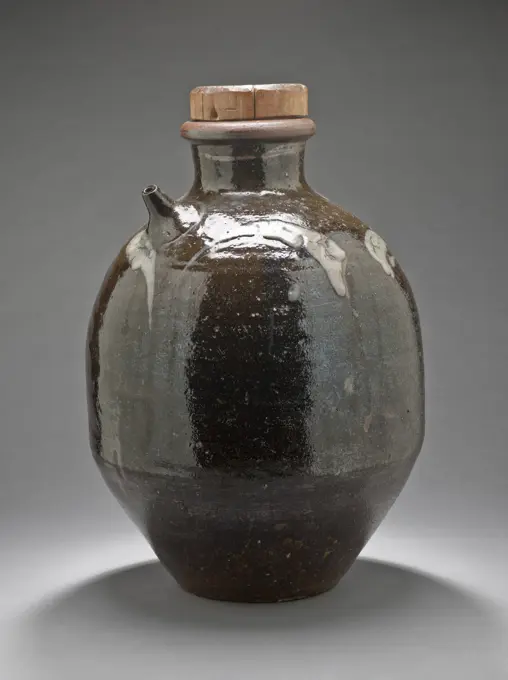
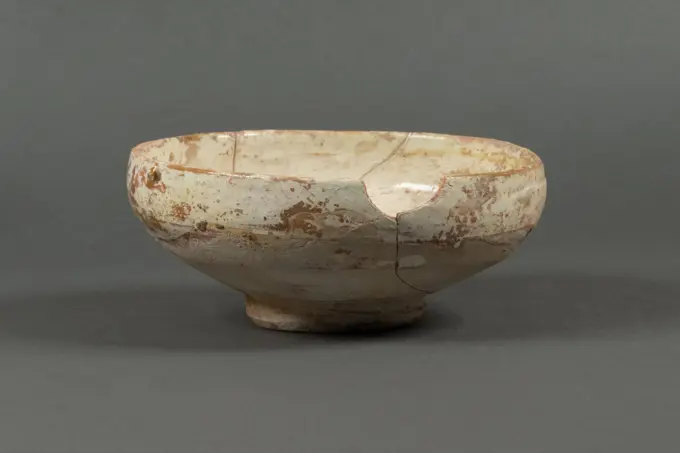
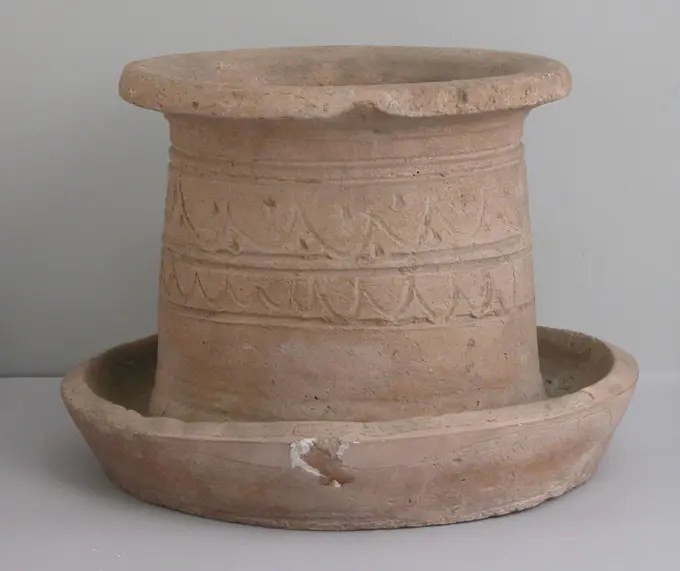
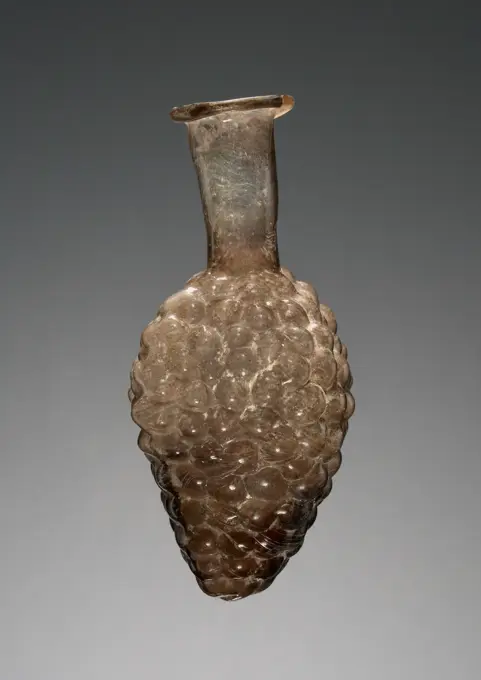
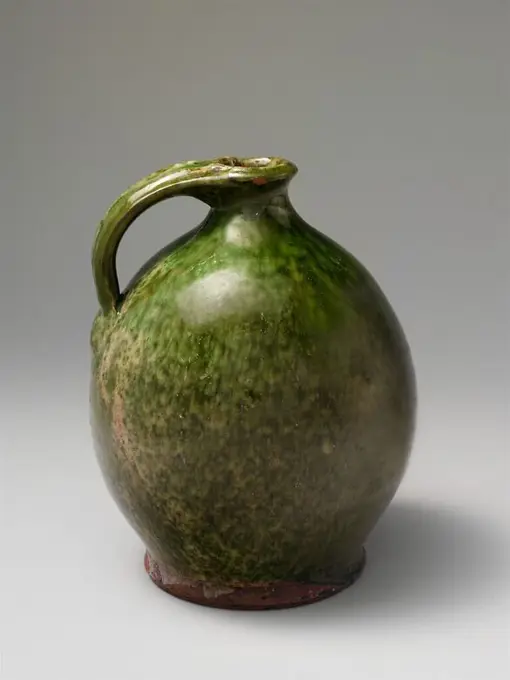
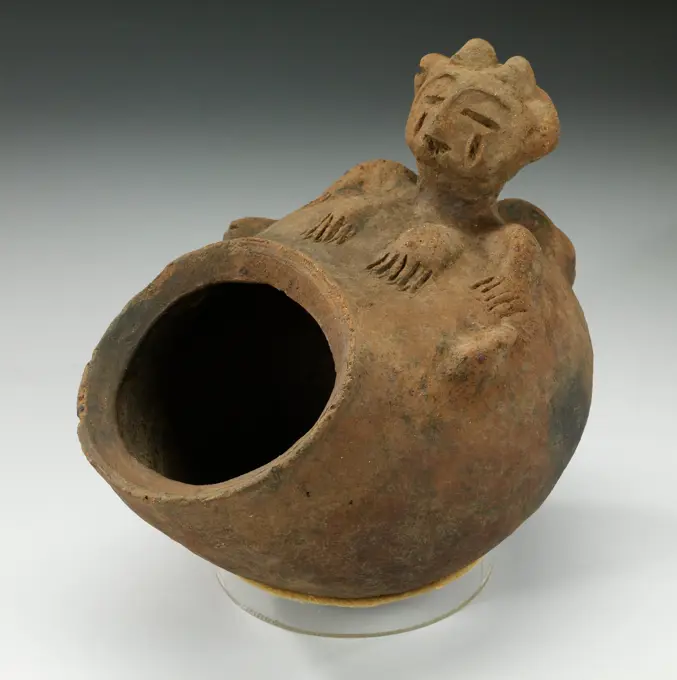
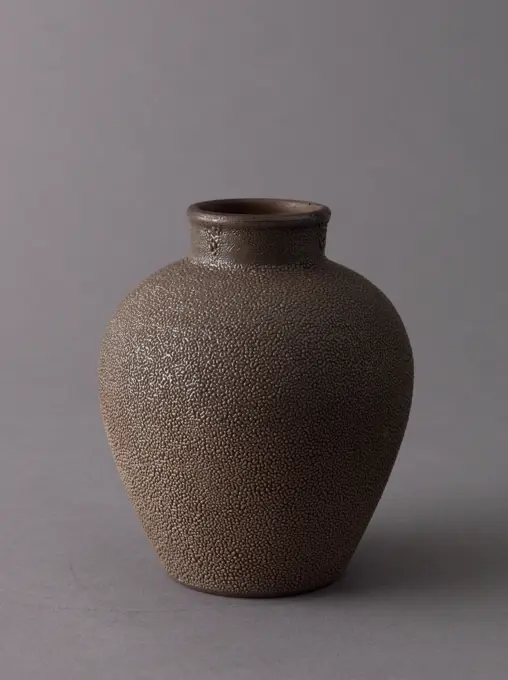
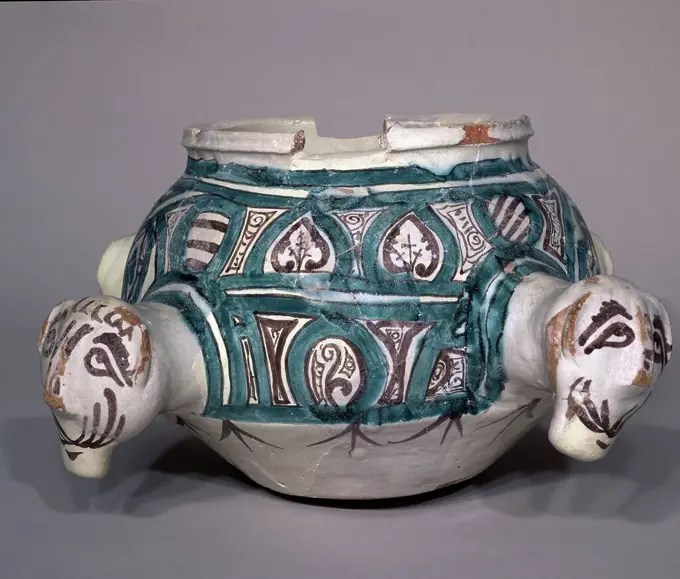
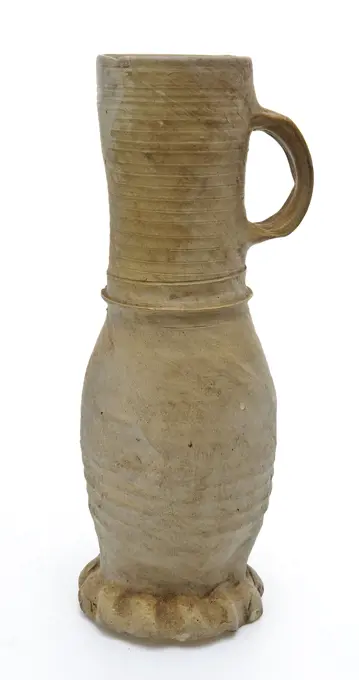
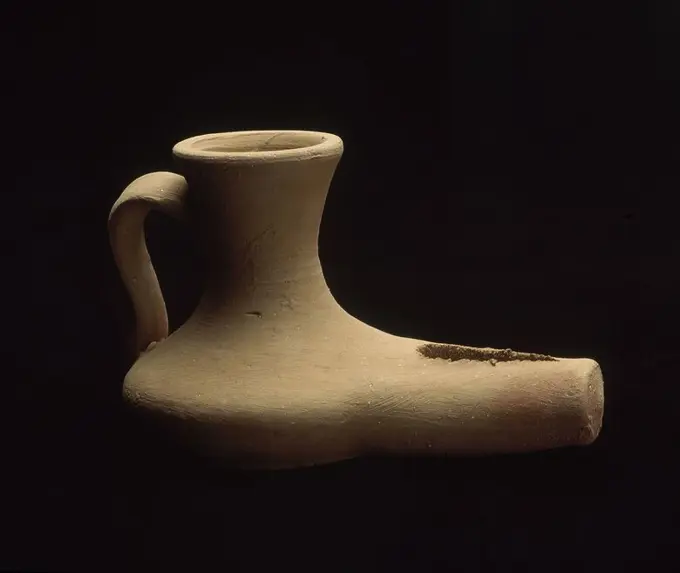
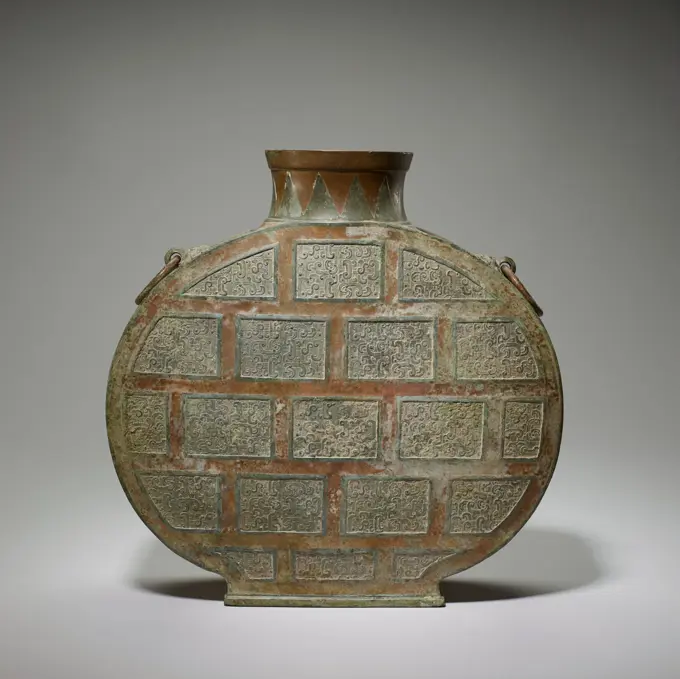
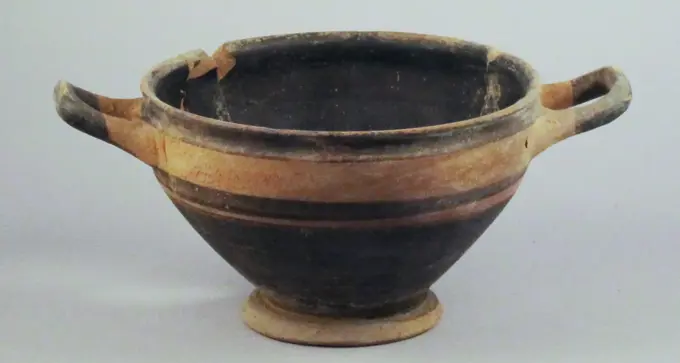
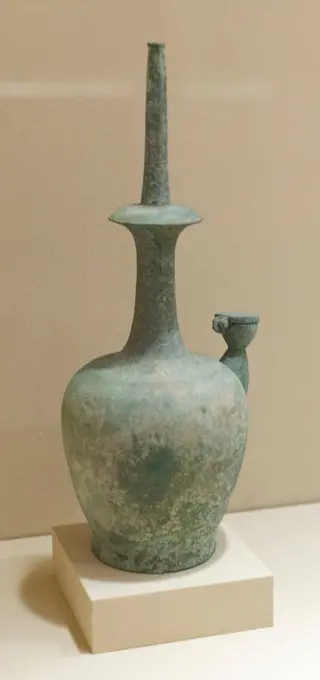
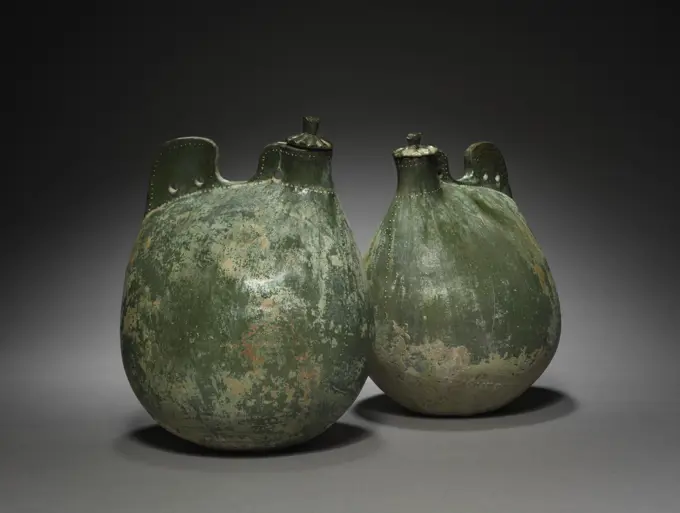
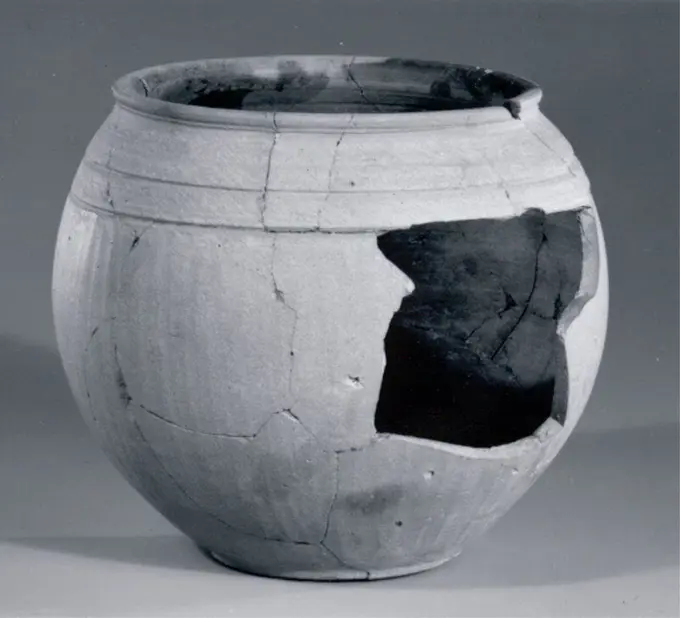
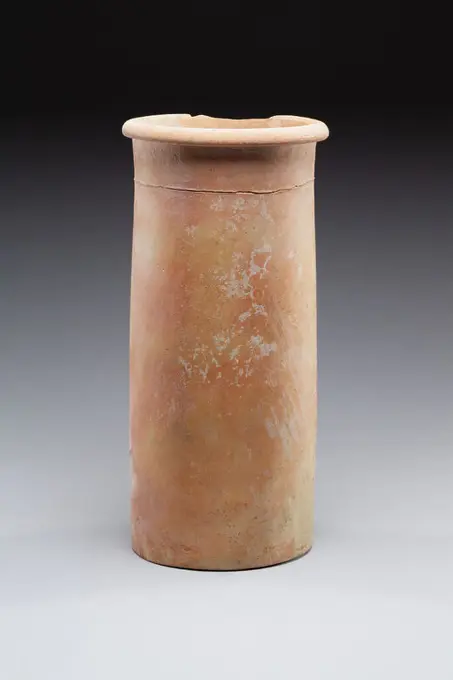
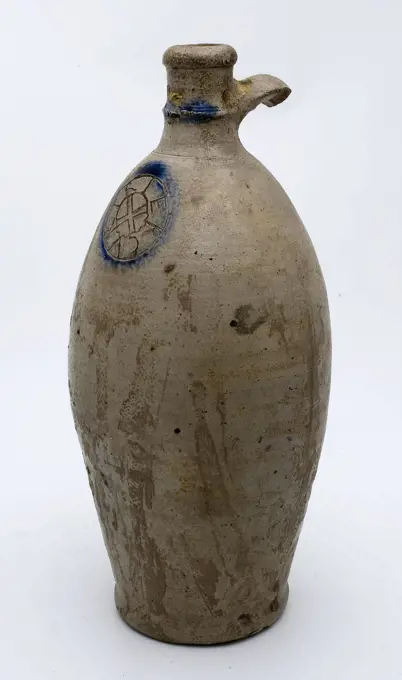
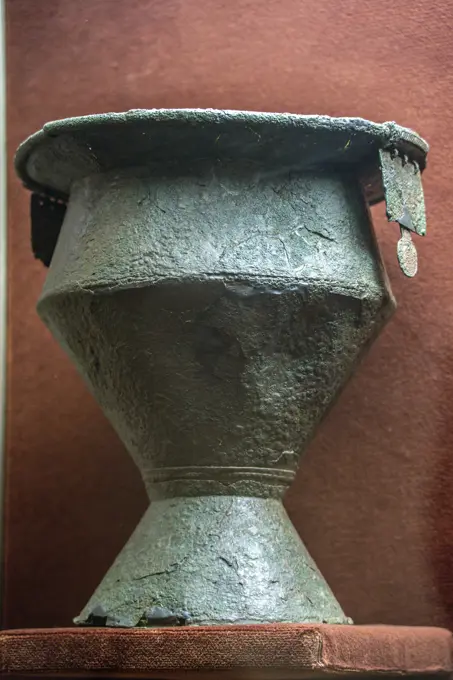
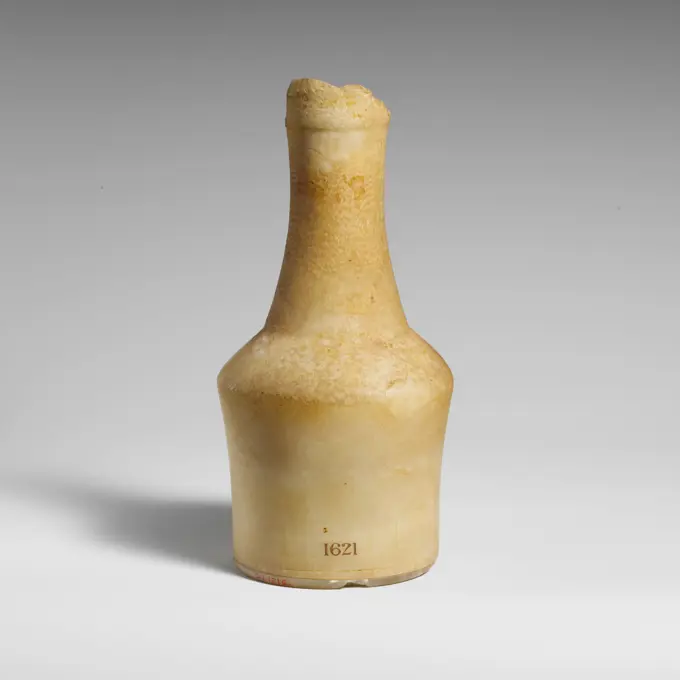
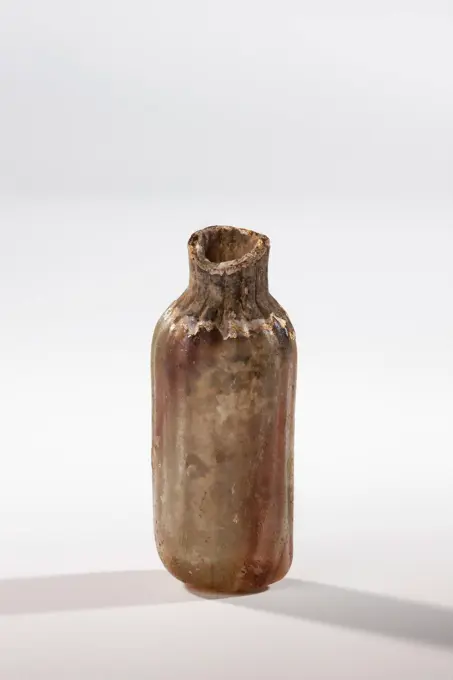
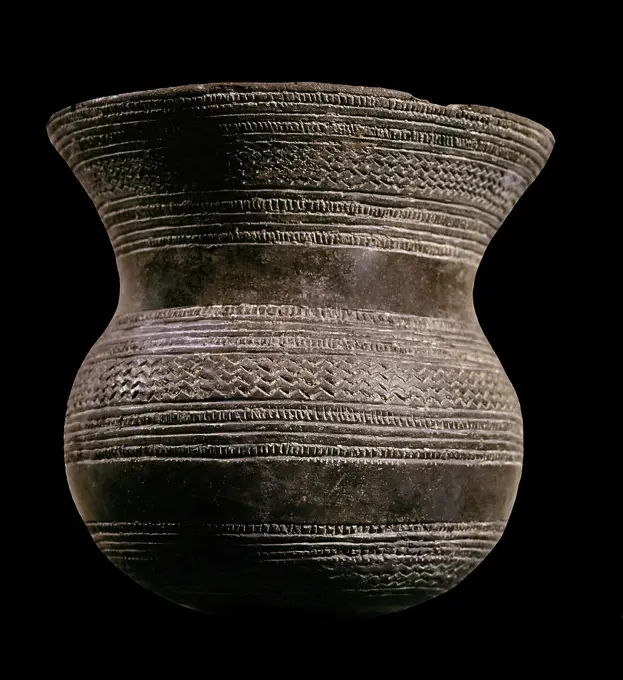
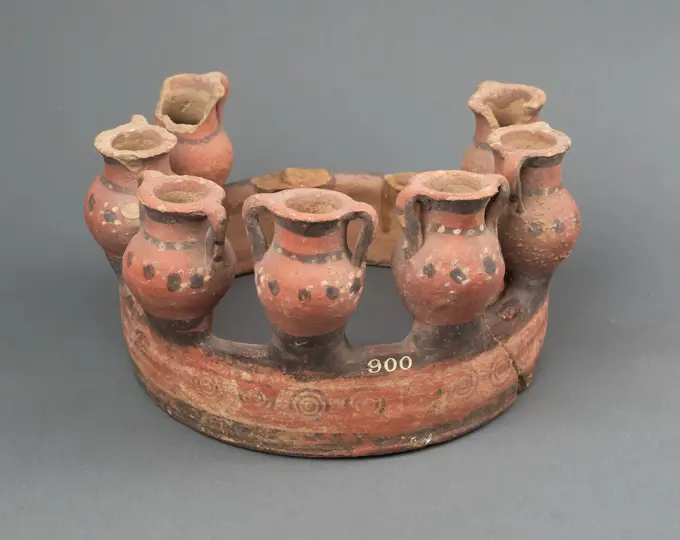
Turkey, Alisar Huyuk, Big four-handled jar depicting deer figures, terracottaStirrup vessel with Jaguar designs, 10th-3rd century BCE, 8 3/4 x 5 1/2 in. (22.2 x 14 cm), Earthenware, Peru, 10th-3rd century BCEPottery room comfort on vaulted bottom, convex model with neck and sausage ear, pot holder sanitary earthenware ceramic earthenware glaze lead glaze, hand turned glazed baked Pottery chamber pot ball model with vertical sausage ear Sparely glazed. Stand with soul. Profile ring on the shoulder Outstanding edge. Restoration is repainted and very moderately executed. Pot has fallen out of shape and is tilted to the ear. Deep lid trench in the upper part of the archaeological site Het Hart Geervliet Bernisse indigenous pottery drains hygiene room night sleep Soil discovery: Geervliet Dorpsplein 1 demolition Trouw put 5 city inn 't Hart 1985.Glass beaker. Culture: Roman. Dimensions: 4 1/8in. (10.5cm)Diameter: 2 3/4 in. × 2 1/4 in. × 1 11/16 in. (7 × 5.7 × 4.4 cm). Date: 2nd-3rd century A.D..Translucent pale blue green.Rounded, slightly thickened rim; flaring mouth; elongated body with slightly bulbous sides; integral, thick pad base; slightly pushed-in bottom with jagged pontil scar.Intact; some pinprick bubbles and blowing striations; dulling and faint iridescent weathering on exterior; one large patch of soil encrustation and weathering on interior. Museum: Metropolitan Museum of Art, New York, USA.Gray brown speckled Bartmann jug, also called Bellarmine jug, with Bartmann jug, also called Bellarmine jug, mask medallion with lion or mythical animal, beardmug tableware holder soil find ceramic stoneware glaze salt glaze, hand turned stamped glazed glazed baked stoneware jug gray shard beige salt glaze partly brown brindled sausage ear with short tail archeology Rotterdam Bombaz Churchyard import pottery drink transport packing archaeological find in the soil Rotterdam: former Bombazijnen Kerkhof 1905.Ewer ca. 2649-2100 B.C. Old Kingdom This ewer was from a set that also included a basin (see 26.2.13), and would have been used for hand washing. Since all excavated examples, including this one, come from tombs, it is likely that their primary purpose was for ritual purification. Illustrations of two such sets can be seen in the Tomb of Perneb (13.183.3), in a relief representing the funerary meal.. Ewer. ca. 2649-2100 B.C.. Copper. Old Kingdom. From Egypt, Memphite Region, Saqqara, Teti Pyramid Cemetery, Tomb of Tjetji, Egyptian Antiquities Service excavations, 1920-21. Dynasty 6Glass perfume bottle 1st-2nd century A.D. Roman Colorless.Rim folded out and over, flattened on top but aslant to neck; cylindrical neck; bulbous body; slightly concave bottom.Intact; many bubbles and blowing striations; deep pitting, dulling, and iridescence with patches of thick creamy weathering.. Glass perfume bottle 244634Ewer probably 18th-19th century. Ewer 444773Pottery cooker on three legs, without shoulder, profile rings, grape cooking pot tableware holder utensils earthenware ceramics earthenware glaze lead glaze, belly 12.0 hand turned set glazed baked Cooking jug grape red earthenware round ear cup-shaped body slowly narrowing to the neck edge Profile rings over the belly. Internal completely glazed outside partially. Round bottom archeology Capelle aan den IJssel House in Capelle castle indigenous pottery kitchen food preparation tableware tableware Soil discovery: canal south side house in Capelle ± 1395-1500 Capelle aan den IJssel 1963.CANTARO SIN VIDIRAR DE CUELLO ANCHO Y ALTO CON UNA ASA - CERMICA POPULAR - SIGLO XX. Location: ALFARERIA. MARIA DE HUERVA. Saragossa Zaragoza. SPAIN.Lamp. UnknownPottery pipe pot, gray shard, from waste pit Rotterdam pipe making, pipe pot holder earth discovery ceramic earthenware, hand-formed baked Pottery pipe pot gray shard from the waste pit of Rotterdam pipe factory Large pot cone-shaped on three stand fins The clay pipes were placed in pipe pot and then fired. The pot is internally lined with layer of pipe earth to keep the pipes white during baking. Pot is part of the contents of waste collector of pipe maker 'HI' Hendrick Jansz archeology Rotterdam Hillegersberg-Schiebroek Hillegersberg Noord Hillegersberg Zuid Judge Rottekade craft workshop pipe maker Hendrick Jansz archaeological find in the soil: Judge Rottekade at number 71.Single Spout Bottle 5th-3rd century B.C. Paracas. Single Spout Bottle 308622Miniature Jar with Two Handles 15th-early 16th century Inca. Miniature Jar with Two Handles 309397Pottery pot, test with holes in bottom, belly-shaped, bandoor and unglazed, fruit bowl dish bowl holder soil find ceramic pottery, ring 9.3 hand turned baked Fruit test high model neckline under rim tapered to stand ring with one pinched ear Fully unglazed. Red shard. Draarilles over the entire height Standring Restoration is not repainted archeology Rotterdam City center Stadsdriehoek Schielandshuis indigenous pottery draining drying vegetable fruit Soil discovery: Schielandshuis 1982.Prehistory, Italy, 6th century b.C. Bronze vase from the Gallic Castelliere (fortified borough) at Burcina hill, Biella.Roman Glass. Artist: UnknownGlass beaker 4th century A.D. Roman Translucent yellow green.Thickened, slightly flaring rim, with rounded lip; upper side to body curving slightly outwards, then tapering in to tubular, slanting foot ring with low conical base; small kick in bottom, with pontil scar.Intact, except for small hole in bottom; many pinprick bubbles, a few larger horizontal buubles, and blowing striations; faint iridescence on exterior, patches of thin weathering and iridescence on interior.. Glass beaker 245244Sigillée cup. Low-Empire. Ceramic. Paris, Carnavalet museum. Sigillee cup Antiquity, Low-Empire, Ceramic, Roman time, sigillee cup, ancientLamp. UnknownJug - Farrar Pottery Farrar PotteryJuglet 750-600 B.C. Cypriot Miniature oinochoe with concentric circles.. Juglet. Cypriot. 750-600 B.C.. Terracotta. Cypro-Archaic I. VasesChinese Porcelain Vase from the Art of the Chinese Potter     Date: 1925Bowl 750-600 B.C. Cypriot Deep bowl with narrow black band along rim.. Bowl. Cypriot. 750-600 B.C.. Terracotta. Cypro-Archaic I. VasesPolished redjar, Nile Silt B with red slip, 29.5 × 9.7 cm (11 5/8 × 3 13/16in.), Egyptian, Predynastic, Naqada IIc-d, Containers -CeramicsJARRA DE 2 ASAS-CERAMICA NEGRA DE FARO-OVIEDO (ASTURIAS). Location: MUSEO DEL PUEBLO ESPAÑOL. MADRID. SPAIN.Gourd Flask: Lang Ware, 1662-1722. China, Qing dynasty (1644-1911), Kangxi reign (1661-1722). Porcelain; overall: 22.6 cm (8 7/8 in.).Pottery test on three legs, round model with standing sausage ear, unglazed, fire test test earth discovery ceramics pottery, hand-turned baked Pottery test. Round model with bowl-shaped bottom on three legs. Unglazed Standing sausage ear attached to the top edge. Straight side wall with twisted legs Thickened ring on the transition from side wall to bottom Restoration is partly painted on archeology Rotterdam City triangle New harbor indigenous pottery heating cooking kitchen room food preparation Soil discovery Rotterdam Nieuwe Haven 2nd cesspool (square) 22-08-1980TanbaJarAncient Greece. Oinochoe-wine cooler decorated with battle scene, 750-725 BC. The scene may be an early depiction of the fight between the people of Pylos and the Epians, a legendary conflict described in Homer's Iliad (Book XI). From the grave of a man in the burial ground near the Tholos of Athens. Museum of the Ancient Agora. Athens, Greece.Glass jug 3rd-4th century A.D. Roman, Rhenish Translucent cobalt blue; handle, trail, and base ring in same color.Everted rim folded over and in, and smoothed into side of flaring mouth; cylindrical neck, expanding slightly downwards; sloping shoulder; bulbous body, tapering to applied base ring; flat bottom with slight kick and pontil scar; two-ribbed strap handle attached to top of body with long, downward fins at edges, drawn up and outwards in a curve, then turned in and trailed onto underside of mouth over trail decoration and lip of rim, with a hollow projecting loop above. Thick trail wound horizontally around underside of mouth, then dropped in a fine trail down neck, and then wound horizontally slightly more than once around lower neck.Intact; pinprick and large bubbles, and some gritty inclusions; slight dulling and iridescent weathering.With threads around neck.. Glass jug 245338Medieval amphora of unknown provenance. Gozo Museum of Archaeology. Cittadela of Victoria in Gozo. Malta.Bridge and Spout Bottle with Head 7th-4th century B.C. Paracas. Bridge and Spout Bottle with Head 308439Prehistory, Iraq, Halaf culture. Ceramic vase painted with geometric pattern, late 5th millennium b.C. From Tell Hassan.Lamp. UnknownEwer 11th-12th centuryRoman Hispania. Red canteen. 1st century. Castellar de Santiesteban, Jaen, Andalusia. National Archaeological Museum, Madrid. Spain.Roman Pottery, 2nd century. Artist: UnknownGlass cup. Culture: Roman. Dimensions: H.: 2 1/2 in. (6.3 cm). Date: 2nd-3rd century A.D..Translucent pale blue green.Thickened, everted rim, with rounded lip; carinated body, with side expanding downwards to horizontal bulge at bottom, then slanting in sharply to convex bottom with low, pointed kick at center.Intact; pinprick and some larger bubbles; dulling, pitting, and patches of creamy weathering and brilliant iridescence. Museum: Metropolitan Museum of Art, New York, USA.Gold tableware from graves in MycenaeVase. Culture: American. Dimensions: H. 8 1/4 in. (21 cm). Manufacturer: Manufactured by Chelsea Keramic Art Works (1872-1889). Date: ca. 1884-89.This striking red vase from the Chelsea Keramic Art Works demonstrates the firm's highly experimental "sang de boeuf" or "oxblood" glaze. The mottled red and black glaze has a slight iridescence and pronounced textured surface, similar to that of an orange peel. Such vibrant red glazes, often found on simple forms, were inspired by Asian porcelains, widely accessible to an American market for the first time in the late nineteenth century. Museum: Metropolitan Museum of Art, New York, USA.Lamp, North Africa; 1st - 4th century; Terracotta; 3 x 7 x 9.5 cm (1 3,16 x 2 3,4 x 3 3,4 in.)Dish;  around 2055-1650 BC ; Medium Pa (-2055-00-00--1650-00-00);Collection of ancient Egypt, Polish-French excavations in Edfu (Egypt)Bottle 10th century. Bottle 448370Bucchero sottile. 7th-6th centuries BC. Etruscan Vase. Provenance unknown. Archaeological Museum of Catalonia, Barcelona, Spain. Spouted Sake Bottle. Japan, Edo period, 19th century. Ceramics. Shōdai ware; stoneware with iron and wood ash, straw ash, feldspar (namako) glazes; with wood stopperBlack Glazed OinochoeDatassatz vase from the Imazighen (Berber) culture, Morocco, 1900-1950, clay and pigments, Anthropology National Museum, Madrid, SpainBowl 9th-10th century This ceramic bowl was excavated at the site of Tepe Madrasa in Nishapur.Nishapur was a vital city in the early and middle Islamic periods, located along one of the main trajectories that connected Iran and West Asia Islamic lands with Central Asia and China. These itineraries are often referred by the term Silk routes’ but were in fact crucial to the movement of constellations of materials and objects, as well as people and ideas. The diverse population of Nishapur and its surroundings, from the better-researched elite groups of merchants, land-owning aristocracy, and literates, to the less-known artisans, farmers, miners, and servants, were instrumental in adapting global cultural trends to create their own distinctive visual languages. This is seen in the material remains of everyday life in medieval Nishapur - from pots and pans to lighting devices, inkwells, textiles and trimmings, jewelry, games and toys, talismanic devices, weapons, coins, and architecturalStand 10th centuryVesselVaseEarthenware chamber pot with curved bottom, crocheted and standing sausage ear, pot holder sanitary soil found ceramic earthenware glaze lead glaze, soil, hand turned glazed baked earthenware chamber pot with curved bottom with round ear and ball round body with fairly long neckline slightly tapered. Outstanding top edge Sparely glazed Thick gray attack on the inside archeology underground pit Rotterdam City Triangle Groenendaal indigenous pottery sleeping night room hygiene disposal Soil discovery: underground pit Groenendaal cesspool. Found 1975-09-11.Grape Flask. UnknownBottle. unknown, craftsmanCylinder; Unknown Night -Tamanian workshop; 1. PO. 3 thousand BC ; Early period D Azira III (-3000-00-00--2501-00-00);Al -Jazira (Geographical Land - Syria - Iraq - Mesopotamia), clay vessels, utility vessels, early period of Dżazira III (approx. 2600 -ok. 2350 BC), Early Envym period III (approx. 2600 -OK 2350 BC), transmission (provenance), excavations of the Mediterranean Archeology Center of the University of Warsaw, pottery signsPitcher early 15th century Italian. Pitcher 463531Jug. Culture: American. Dimensions: H. 8 3/4 in. (22.2 cm); Diam. 6 3/4 in. (17.1 cm). Date: ca. 1800-1830. Museum: Metropolitan Museum of Art, New York, USA.Jarra ibérica, hallada en el Turó de la Rovira de Barcelona. Museu d'Arqueologia de Catalunya.Bowl, 20th century, 5 1/16 x 7 1/16 x 5 1/16 in. (12.9 x 17.9 x 12.9 cm), Ceramic, Nigeria, 20th centuryWine Vase (Zun) 13th century BC China. Wine Vase (Zun). China. 13th century BC. Bronze. Shang dynasty (ca. 1600-1046 B.C.). MetalworkPOT. Graves, Peu de Requin. Par musée musée malée. Gres, jar, shark skin, pot, sandstone, sharkskinPolished redjarORZA CON VERTEDORES EN FORMA DE CABEZAS - TERUEL - SIGLO XIV-XV. Location: ARCHAEOLOGICAL MUSEUM. TERUEL. SPAIN.Unglazed Jug or jacobakan, Jug or jacobakan jug crockery holder soil find ceramic stoneware, hand-turned baked Unglazed gray shard archeology servingCANDIL DE BARRO BLANCO SIN VIDRIAR-ARTE POPULAR S XX. Location: ALFARERIA. CORDOBA. SPAIN.Early Roman Period. Funerary urn with cremated human remains from a Punic tomb found at Ta'Daxxa, Ghasri, Gozo Island, Malta. 2nd-1st century B.C. Gozo Museum of Archaeology. Cittadella de Victoria. Gozo, Malta.Bianhu wine vessel, 5th century BCE, 13 3/8 × 13 5/16 × 4 15/16 in., 15.4 lb. (33.97 × 33.81 × 12.54 cm, 7 kg)6 9/16 × 3 7/8 in. (16.67 × 9.84 cm) (object part, foot), Bronze with copper inlay, China, 5th century BCE, With its flattened oval form and a brickwork arrangement of rectangular panels decorated with a tight 'feather curl' pattern in relief, this wine flask emphasizes the creative approach taken toward surface ornamentation during the late Bronze Age. The triangle pattern on the neck and the bands dividing the cast panels in the main body are of inlaid copper. The 'feather curl' pattern seen here exists in slightly different versions on many other late Zhou bronzes and seems to have persisted from about 600 to 250 BCE. The pattern was made by carved ceramic stamps, which were pressed into the still-soft surface of the clay mold before the vessel was cast.Skyphos East Greek Black glazed with two reserved bands.. Skyphos. East Greek. Terracotta. VasesPottery flowerpot, with two curled handles and serrated edge, flower pot holder earth discovery ceramic earthenware, hand-turned carved pierced baked Flowerpot of red earthenware unglazed thickened edge with saw teeth decorated two curled ears standing foot five pierced holes in the bottom rotations. Conical model with expanded stand ring archeology Valckensteyn Poortugaal Albrandswaard indigenous pottery flower plant herb garden gardener gardener kitchen Soil discovery: canal at kitchen castle Valckensteyn at Poortugaal now Albrandswaard 1961.Water Vessel, 12th-13th century, Unknown Korean, 14 x 5 1/2 x 6 in. (35.56 x 13.97 x 15.24 cm), Bronze, Korea, 12th-13th century, According to Buddhist iconographical standards, the bodhisattva Avalokitesvara holds a long-necked vase like this one, called a kundika in Sanskrit, from which the water is dispensed. Similarly, Buddhist priests sprinkle worshippers as a form of ritualized washing of the body. The vessel is refilled using the hinged spout on the shoulder.Pair of Leather Bag-Shaped Flasks with Covers, 916-1125. Northeast China, Liao dynasty (916-1125). Earthenware with green glaze; part 1: 24.5 x 16.5 x 16 cm (9 5/8 x 6 1/2 x 6 5/16 in.); part 2: 23.5 x 17.5 x 13.8 cm (9 1/4 x 6 7/8 x 5 7/16 in.). Flasks like these derive their shapes from leather bags; even the edges are finely rouletted to resemble the seams of sewn leather. These were used by the nomadic Khitan people who established the Liao kingdom in Inner Mongolia, Manchuria, and North China. Such wares represented the Liao adoption of the Tang Chinese ceramic tradition, and yet they expressed ethnic identity and new innovations resulted from the cultural borrowing.Jug ca. late 1st millennium B.C. Iran. Jug 323233Globular jar ca. late 3rd millennium B.C.. Globular jar 326060PIEZAS DE VIDRIO ROMANO PROCEDENTES DE EXTREMADURA. Location: BANCO EXTERIOR-COLECCION. MADRID. SPAIN.Bowl 12th century. Bowl 450938Drinking vessel ("istikan") ca. 9th-7th century B.C. Assyrian. Drinking vessel ("istikan") 324629Cylindrical Jar. Dimensions: H. 22.9 cm (9 in.); Diam. 10.8 cm (4 1/4 in.). Date: ca. 3200-3100 B.C.. Museum: Metropolitan Museum of Art, New York, USA.Stoneware jar on stand, arched model, stamped mark on the shoulder, mineral pitcher pitcher pitcher container soil find ceramic stoneware icing salted glaze, hand turned baked glazed stoneware mineral pitcher gray shard with salt glaze bandoor Contained spring water from Nieder Selter stamped source: CURTRIER to wrap Greek cross and blue ring archeology health care import pottery serve drink medicine drug pharmacyCANTARO PINTADO EN BLANCO CON DECORACION INCISA. Location: ALFARERIA. Villarrobledo. ALBACETE. SPAIN.Lamp 13th-14th century. Lamp 450380Grape Flask; Eastern Mediterranean; about 2nd - 3rd century; Glass; 13.7 cm (5 3,8 in.)Bisque ceramic cup decorated with iron oxide. Mouth diameter 7.7 cm Height 8 cm (12 th -13 th ) - Medieval period from the archaeological site of the "calle seises " in Alcalá de Henares - " Burgo de Santiuste Museum ." (Madrid). SPAIN.Bronze-Urne Bronze-Urne Copyright: xZoonar.com/BartomeuxBalaguerxRotgerx 22568760Terracotta cup. Culture: Roman. Dimensions: H. 2 3/4 in. (7 cm). Date: ca. 15-1 B.C..Although this cup is unstamped, its decoration is similar to vessels belonging to potters who were active in the Augustan period. Museum: Metropolitan Museum of Art, New York, USA.Bottle withVasesMartavaan from V.O.C. ship De 'Witte Leeuw', Before 1613  Martavaan from V.O.C. ship De 'Witte Leeuw', complete. The barrel has an egg -shaped wall with three small lying ears high on the shoulder. The object has a small mouth, a large concave standing area with a light foot profile, a short neck with a flattened lip. The basis is roughly finished. The shard has black and white contaminants. There are many scratches and pits in the irregular wall. The glaze is gray from the lip to the shoulder, underneath it is brown. There are traces of a rope that sat around the pot on the belly. China stoneware. porcelain   Sint-HelenaGlass perfume bottle. Culture: Roman. Dimensions: 5 1/2in. (14cm)Other: 2 5/8 in. (6.6 cm)Diam. of rim: 1 1/8 in. (2.9 cm). Date: 2nd-3rd century A.D..Colorless with greenish tinge.Rim folded out, down, over, and in, with beveled outer lip; convex, cylindrical neck expanding downward, with band of tooling marks around base; elongated piriform body with convex sides; concave bottom.Intact; some bubbles; deep weathering and pitting; brilliant iridescence. Museum: Metropolitan Museum of Art, New York, USA.Alabaster flask ca. 1600-1050 B.C. Cypriot The flask, with in-curving sides, has no handle. The long neck narrows at the top and there is a ring in low relief below the partly broken mouth.. Alabaster flask 243995Bottle. unknown, craftsmanBell-shaped vase from Ciempozuelos. Iron Age. Madrid, National Museum of Archeology. Location: MUSEO ARQUEOLOGICO NACIONAL-COLECCION. MADRID. SPAIN.JARROS DE CERAMICA FENICIA. Location: MUSEO ARQUEOLOGICO-CERAMICA FENICIA. GRANADA. SPAIN.Pottery Jug. Dated: c. 1936. Dimensions: overall: 34.7 x 25.8 cm (13 11/16 x 10 3/16 in.) Original IAD Object: 13 11/16 x 10 1/8 .347 x .258. Medium: watercolor, colored pencil, gouache, and graphite on paperboard. Museum: National Gallery of Art, Washington DC. Author: Willoughby Ions.Kernos 750-600 B.C. Cypriot Annular body on which are nine miniature vases.. Kernos. Cypriot. 750-600 B.C.. Terracotta. Cypro-Archaic I. VasesFunerary objects including oinochoe, ossuary and olla with lid. Geometric pottery from Vulci (Lazio). Etruscan Civilization, 725-700 BC.Bottle;  IX-XIII century (801-00-00-1300-00-00);Semerau-Siemianowski, Władysław (1849-1938), Semerau-Siemianowski, Władysław (1849-1938)-collection, gift (provenance), Islam (culture), art of IslamFigure jar. Culture: Paracas. Dimensions: Overall: 12 1/8 in. (30.8 cm)Other: 9 1/8 in. (23.19 cm). Date: 3rd-2nd century B.C.. Museum: Metropolitan Museum of Art, New York, USA.Two Conical UnguentariaGourde Applatie in bronze, China, Han dynasty, between the 2nd century BC and the 2nd century. Paris, Cernuschi museum. 35789-16 Applatie, bronze, water, gourd, various objectTINAJA DE GRAN CUELLO SIN VIDRIAR - ARTE POPULAR. Location: ALFARERIA. SPAIN.