Ancient Pottery and Glassware

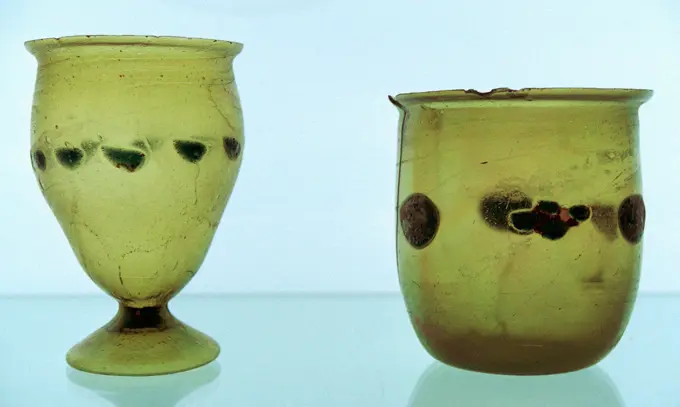
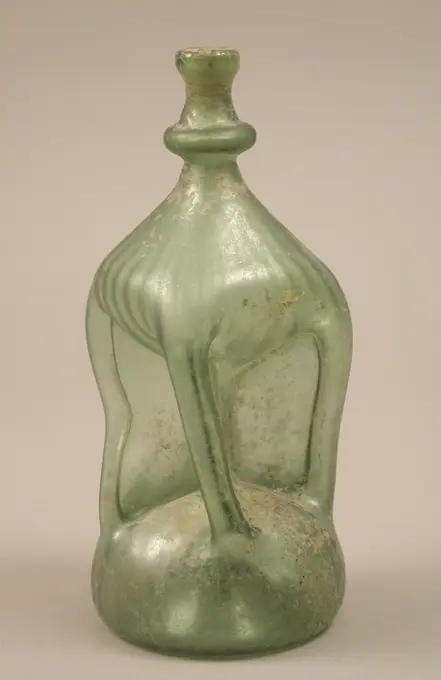
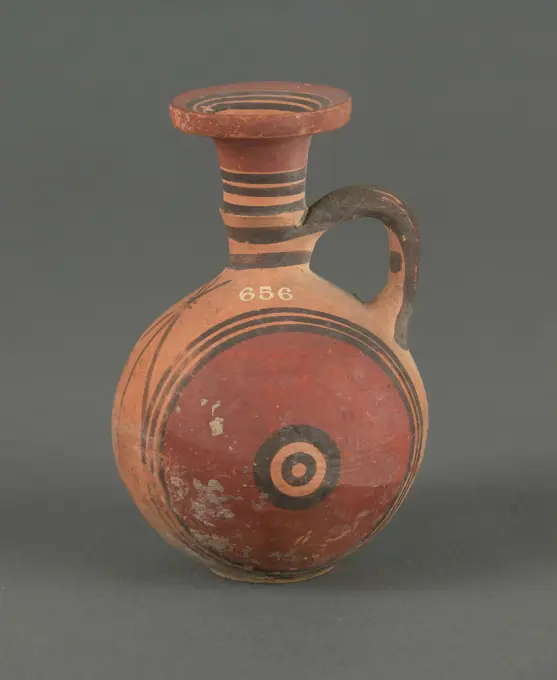
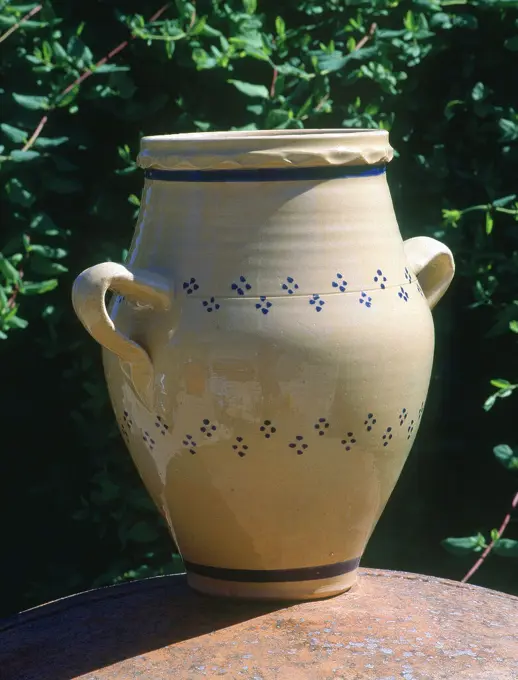
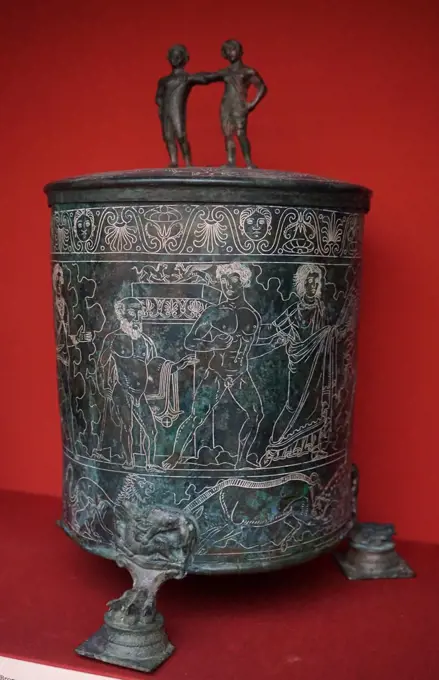
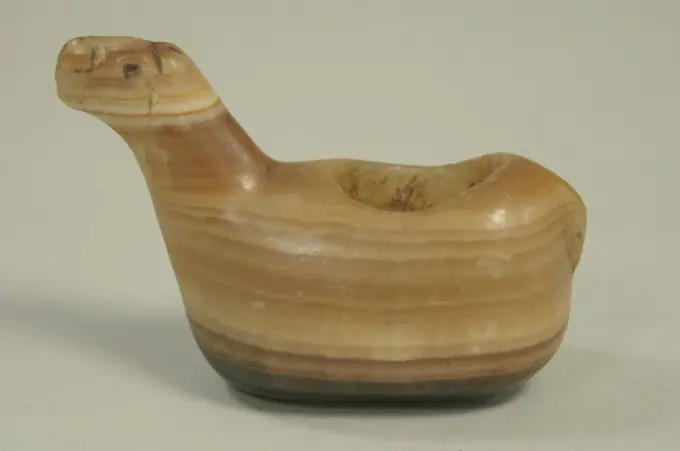
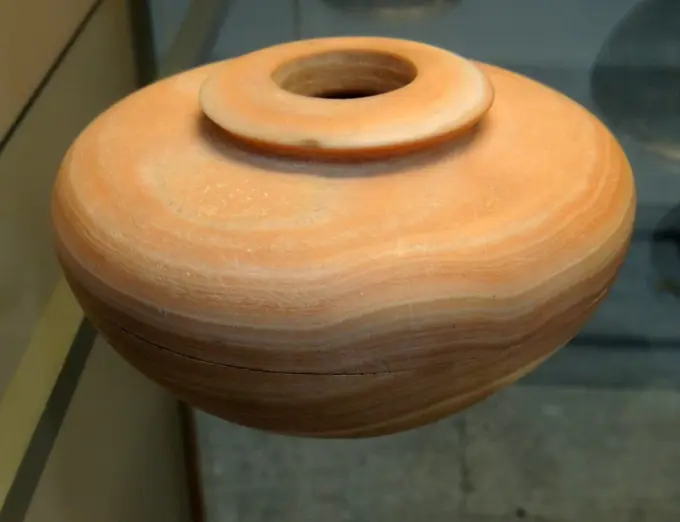
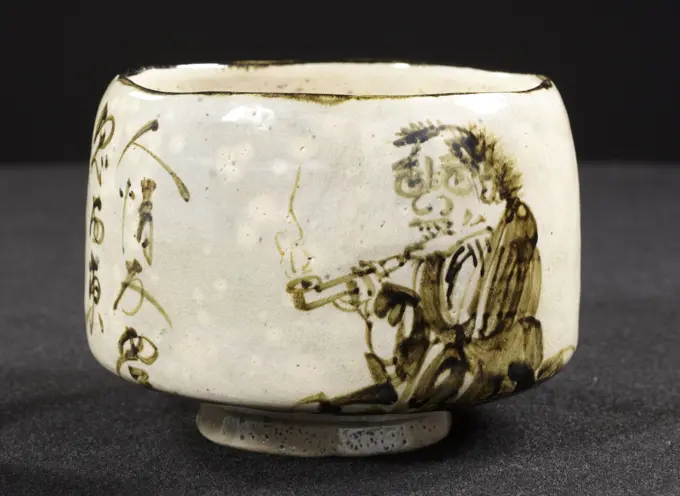
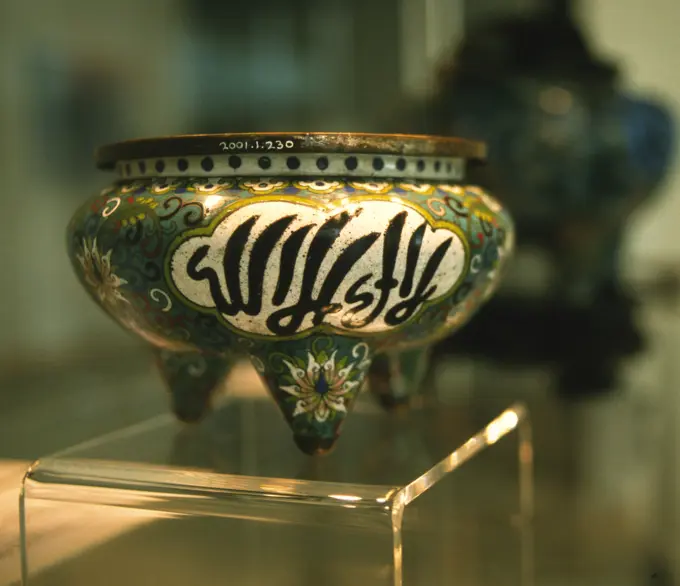
A collection of historical earthenware and glass vessels, showcasing various shapes, materials, and techniques from different ancient cultures. Each piece exhibits a unique design and texture.

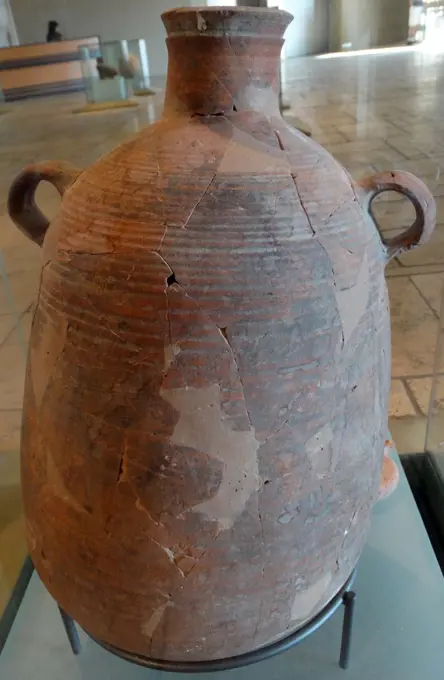
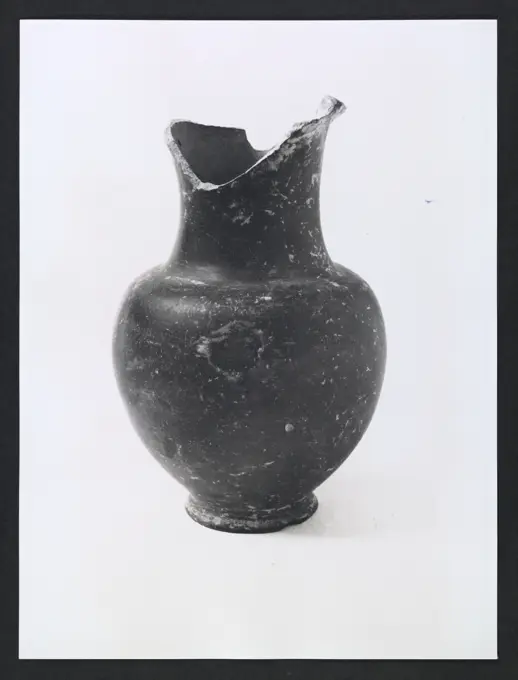
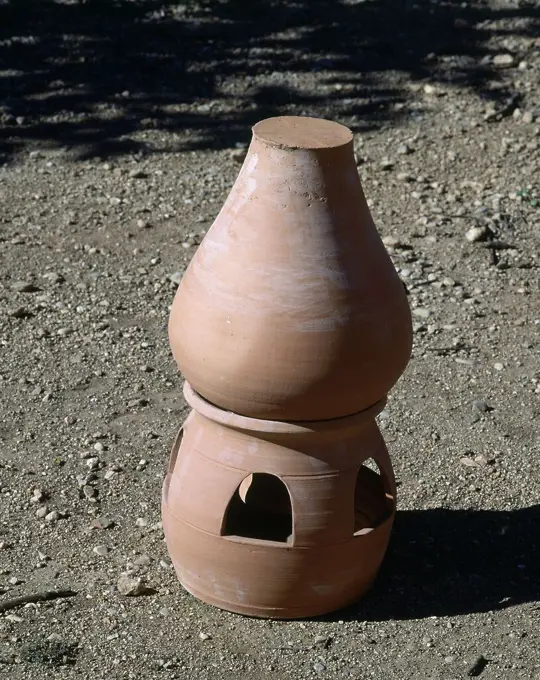
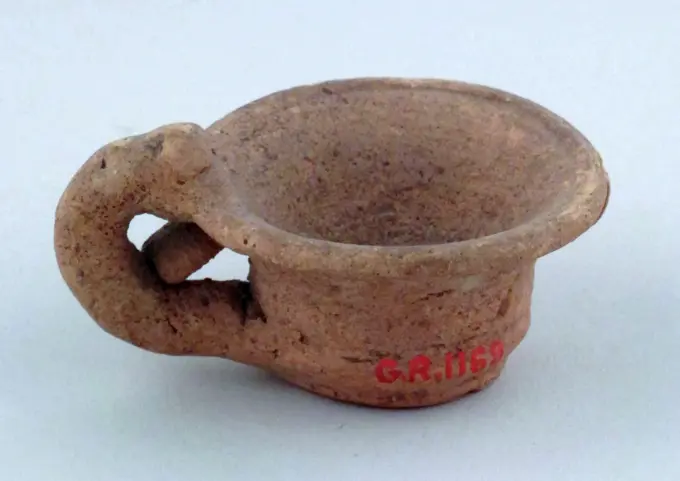
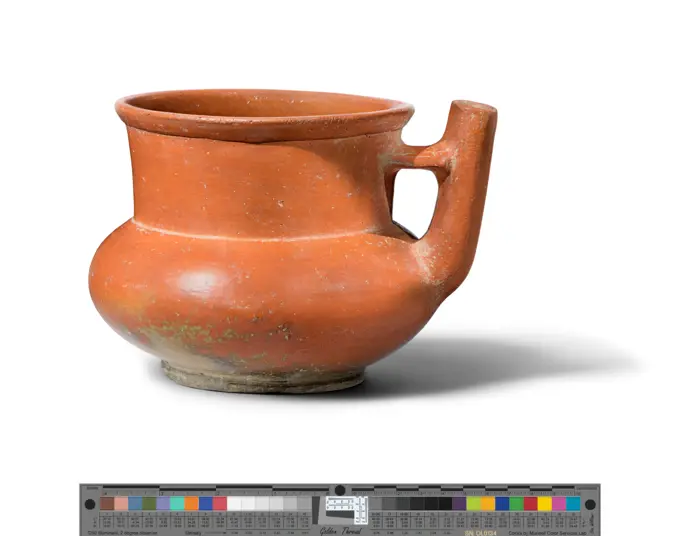
Pottery chamber pot, easy to use with curved bottom, unglazed, standing sausage ear, pot holder sanitary soil found ceramic earthenware, hand-turned baked Pottery chamber pot with curved bottom. Red shed unglazed Belly model with straight neck and outstanding pot edge. Narrow neck opening. Standing sausage ear attached slightly below the top edge of the pot. Fuzzy spindles on the outside and pronounced shoulder archeology indigenous pottery draining night sleeping room hygiene
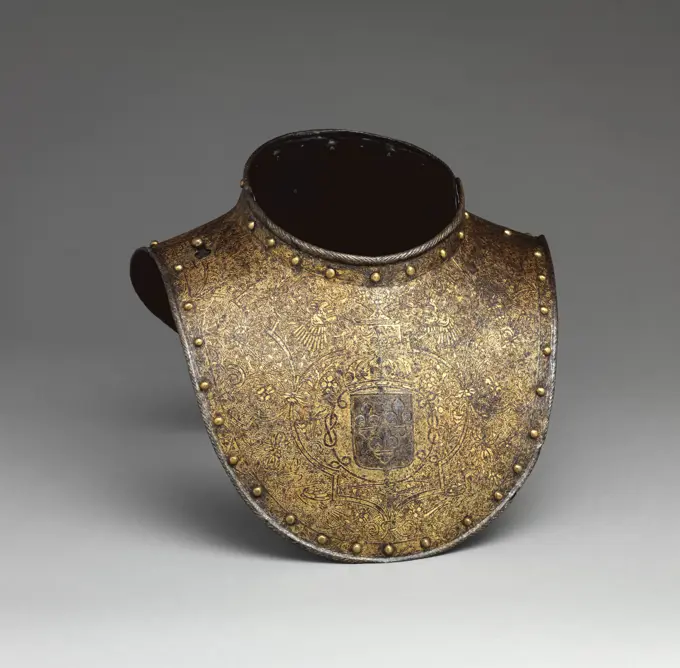
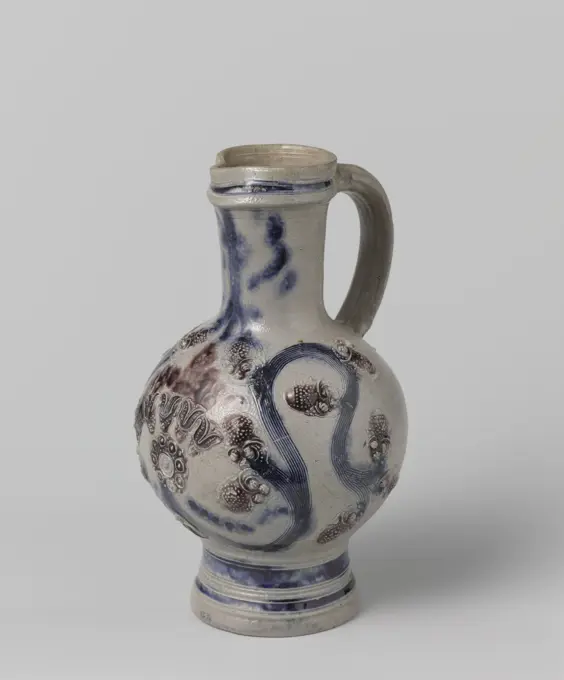
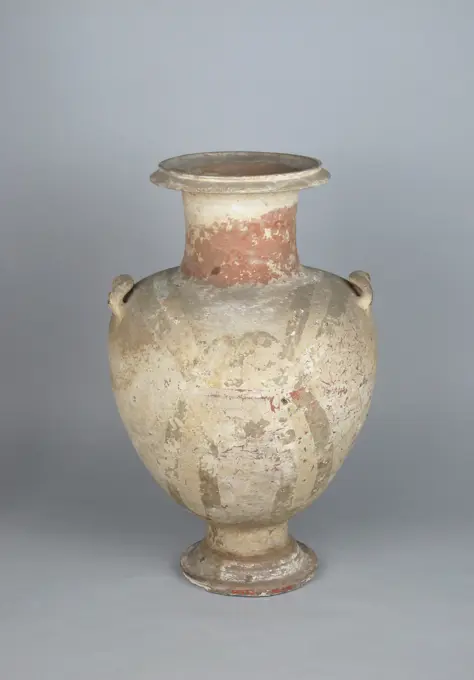
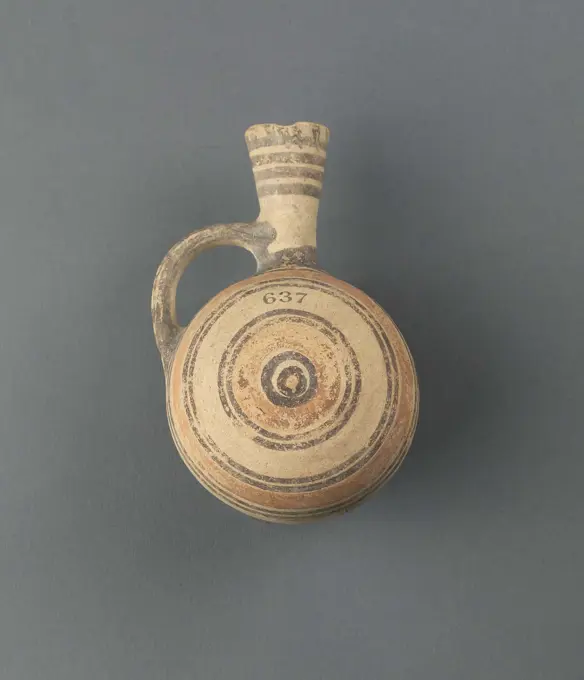
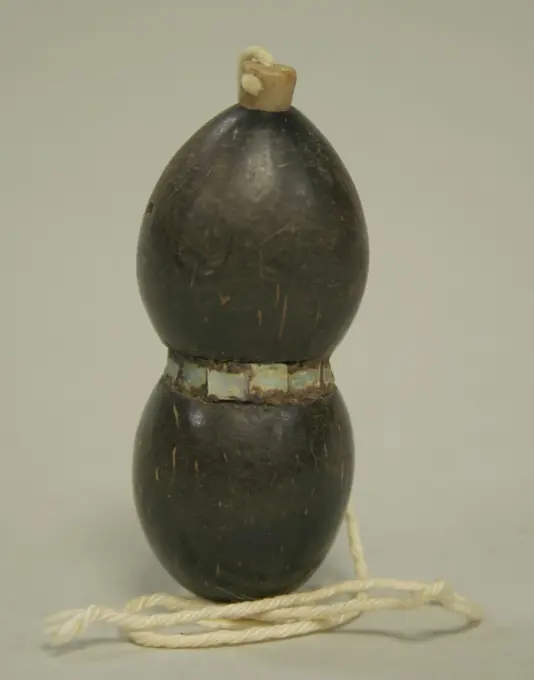
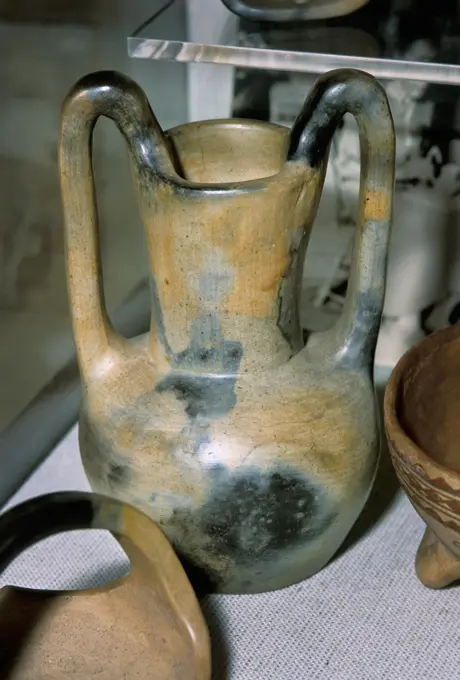
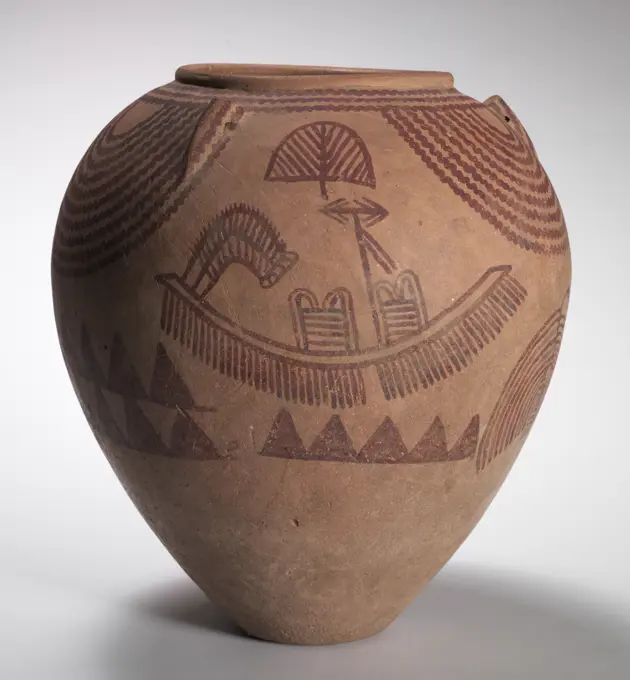
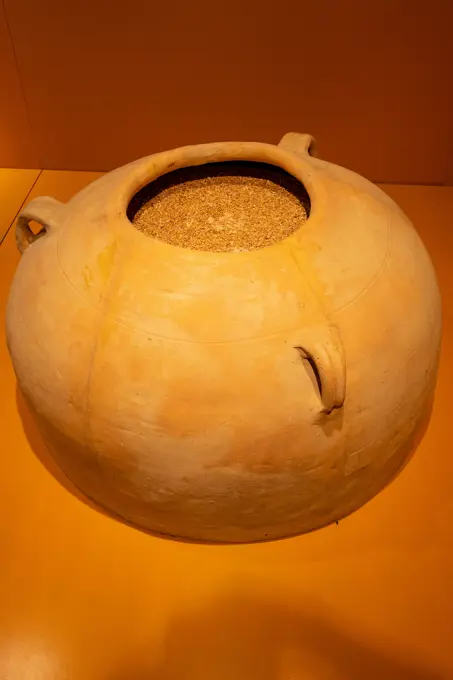
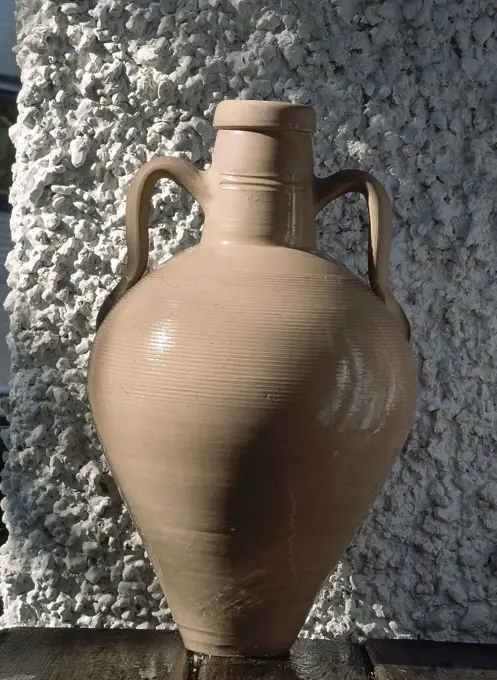
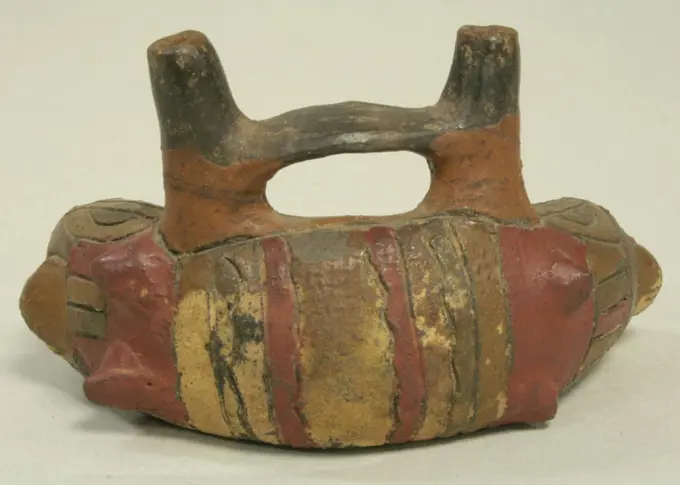
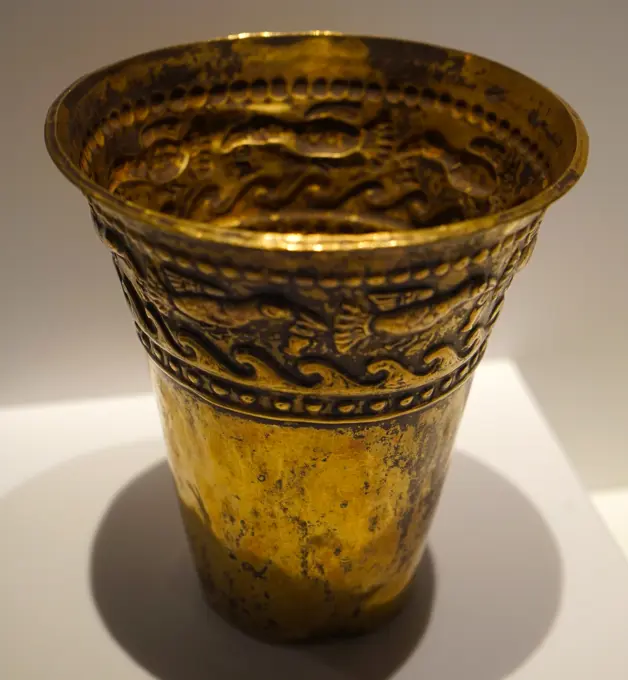
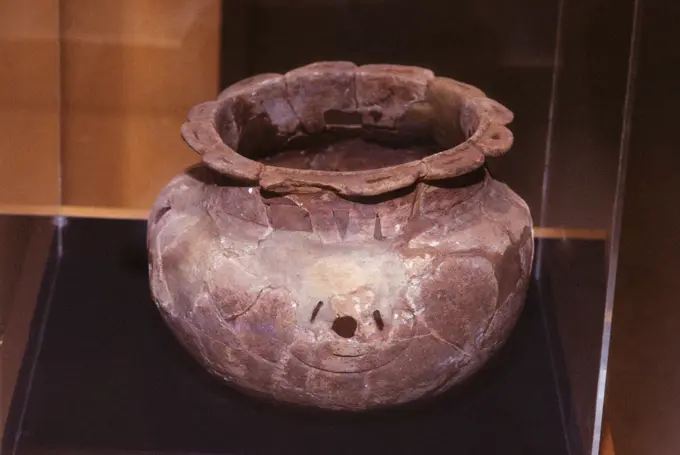
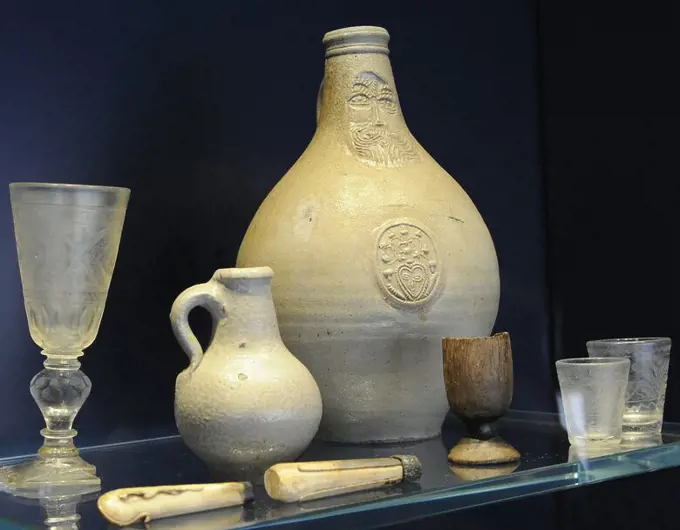
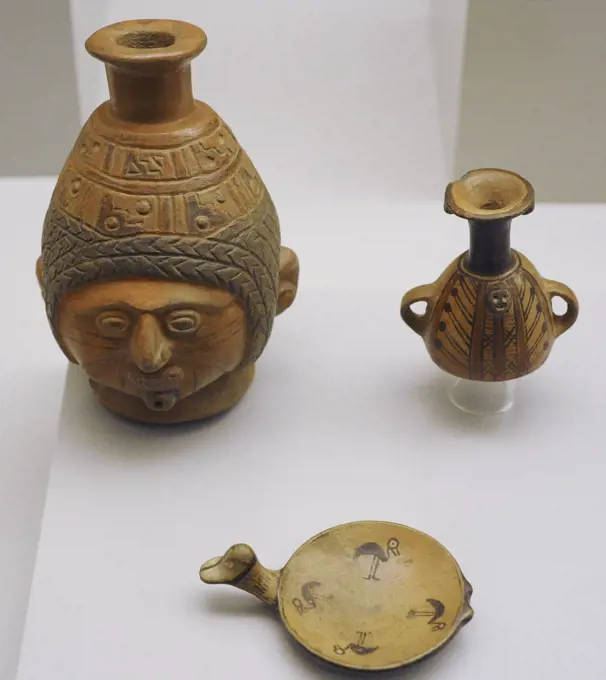
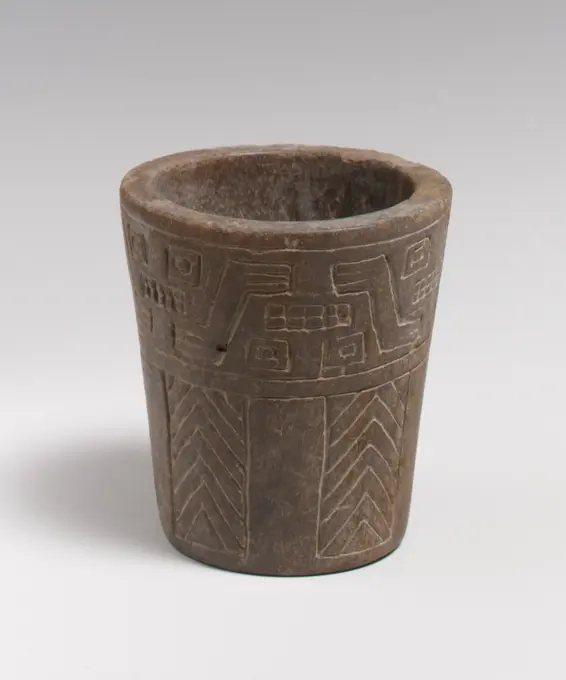
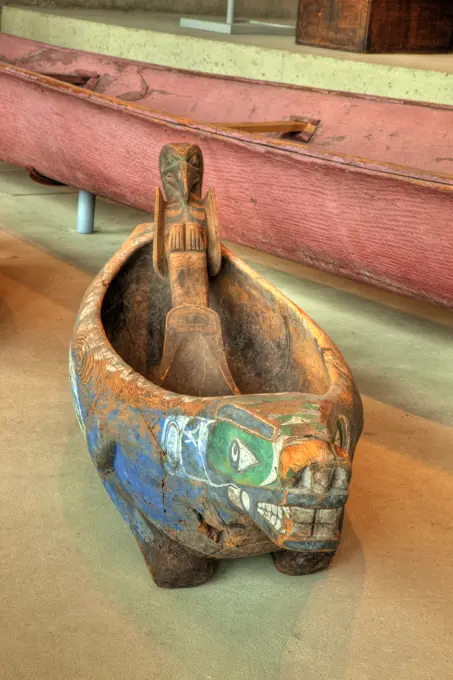
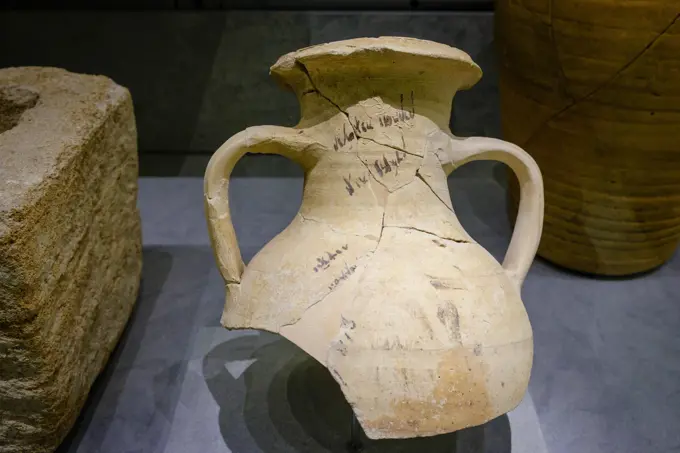
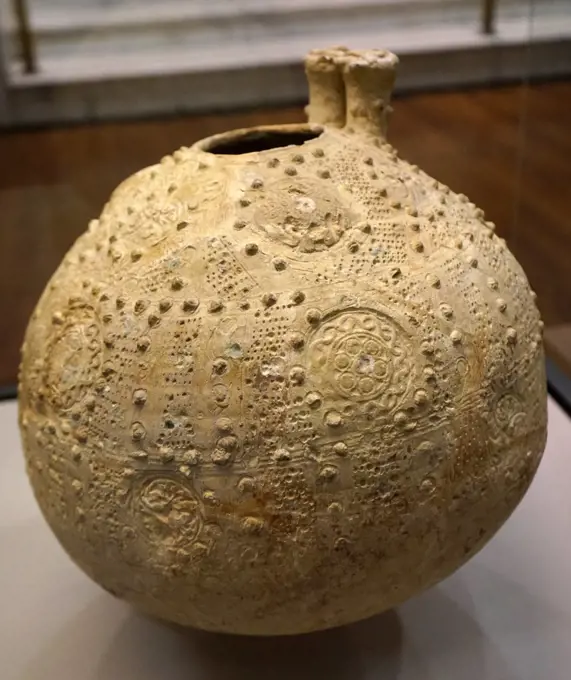
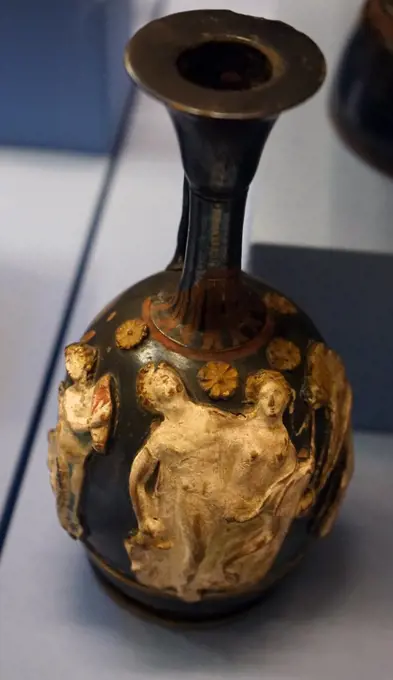
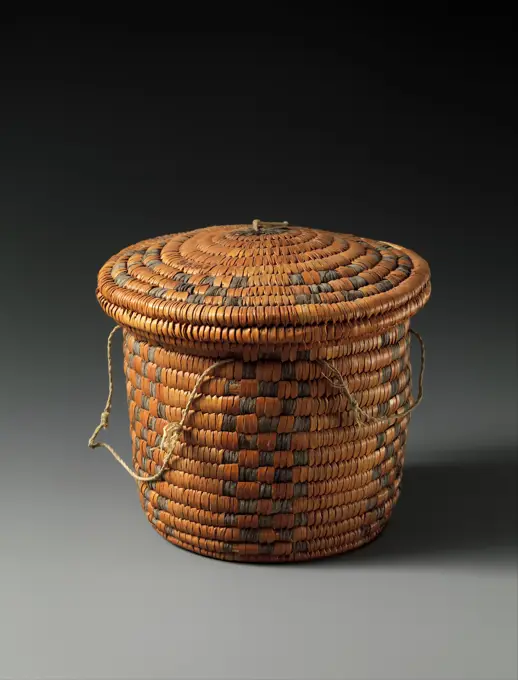
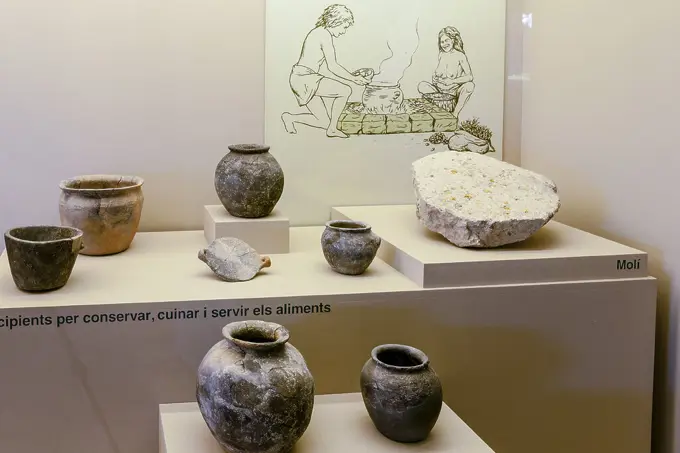
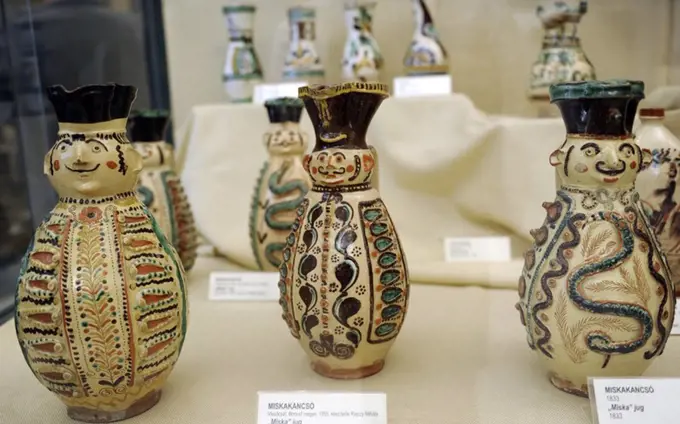
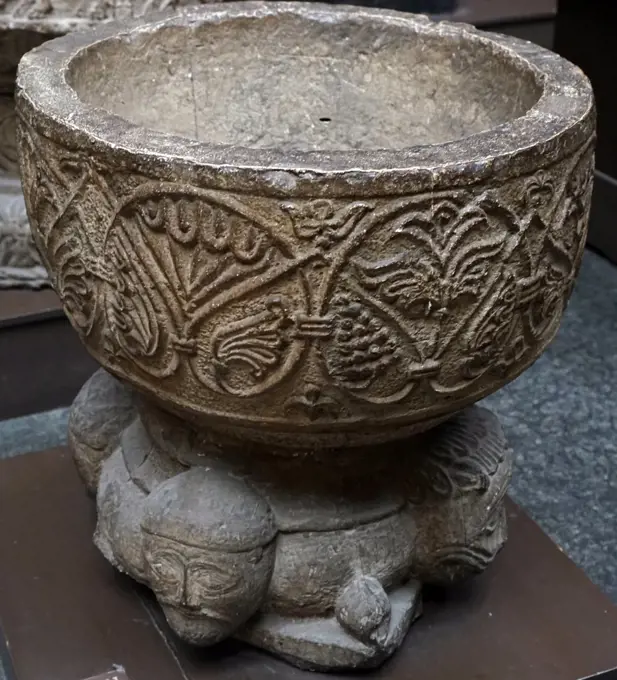
pichel tripod with slip, classic, Santa María Nebaj, Museo de antropologia, departamento de El Quiché, Guatemala, Central America.Gorget for the Bodyguard of Louis XIII ca. 1610-17 French. Gorget for the Bodyguard of Louis XIII. French. ca. 1610-17. Steel, gold. Armor Parts-ColletinsJug with floral scrolls, anonymous, c. 1680 - c. 1740 Can of stoneware on a high base with a spherical body and long neck with a pinched spout. The C-shaped ear is attached to the neck and shoulder. Profiles on the foot and the neck. Partly covered with cobalt blue and mangangan purple. The KAN is decorated with bred tenders and printed, imposed flowers in relief. Westerwald. Westerwald stoneware. glaze. cobalt (mineral). manganese oxide vitrification Can of stoneware on a high base with a spherical body and long neck with a pinched spout. The C-shaped ear is attached to the neck and shoulder. Profiles on the foot and the neck. Partly covered with cobalt blue and mangangan purple. The KAN is decorated with bred tenders and printed, imposed flowers in relief. Westerwald. Westerwald stoneware. glaze. cobalt (mineral). manganese oxide vitrificationFirst pattern drawn on jar. 1934, Middle East, Israel and/or PalestineTerracotta Hadra hydria (water jar) 3rd century B.C. Greek, Egypt, Alexandria-Hadra. Terracotta Hadra hydria (water jar). Greek, Egypt, Alexandria-Hadra. 3rd century B.C.. Terracotta. Hellenistic. VasesJar with two handles ca. 3850-2960 B.C. Predynastic Period. Jar with two handles 546187Terracotta vase. Paris, Cernuschi museum. 55622-2 Ceramic, terracotta, vaseJuglet 850-750 B.C. Cypriot. Juglet. Cypriot. 850-750 B.C.. Terracotta. Cypro-Geometric III. VasesHuman figure from painted ceramics human figure from painted ceramic copyright: xzoonar.com/bartomeuxbalaguerxrotgerx 22556690Lime Container 6th-10th century Wari(). Lime Container 316887Moravian Indian pottery on display at the Gnadenhutten massacre site where the killing on March 8, 1782, by American militia from Pennsylvania during the American Revolutionary War. OhioBowl, 1900-1925. Daum Brothers (French), Louis Majorelle (French, 1859-1926). Glass blown into bronze cage; diameter: 17.5 cm (6 7/8 in.); overall: 12.4 x 24.2 cm (4 7/8 x 9 1/2 in.).SPAIN - Páramos de Burgos (district) - Castille and Leon - BURGOS. Archaeology Museum; prehistorical  vessel from Atapuercas; cheramicJug -Funerary urns for children. 1950-1550 BC. Aliante, Spain. Archaeology Museum of Catalonia. Barcelona. Spain.Lamp. UnknownCAJITA DE VIDRIO DE PASTA VITREA. ROMANO. (DEPOSITO: MUSEO ARQUEOLOGICO NACIONAL).Jar 7th-6th millennium B.C.. Jar 327116Decorated Jar with Boat Scenes, c. 3300-3100 BC. Egypt, Middle Predynastic Period, Naqada IIc-d periods. Marl clay pottery; diameter: 28.2 cm (11 1/8 in.); diameter of mouth: 15.2 cm (6 in.); overall: 32 cm (12 5/8 in.).tinaja de almacenaje, siglos III-V d. C. , Varea, Museo de la Romanización, Calahorra, La Rioja , Spain, Europe.CANTARO CON DOS ASAS - DECORACION LINEAL INCISA - BARRO BLANCO. Location: ALFARERIA. Totana. MURCIA. SPAIN.A vessel with a wavy profile, a vessel - imitation alabaster, a vessel on four legs, a dish;  around 1985-m 1650 BC ; Pahu, 12-13 dynasty (0-00-00-0-00-00), around 1985-m 1650 BC ; Pahu, 12-13 dynasty (-1990-00-00--1650-00-00);Deposit of the University of Warsaw from 1937-1939, scenes.gal.eg., Egyptian ceramics, imprinted decorations, Polish-French excavations in Edfu (Egypt)JUGUETE ROMANO-AJUAR MUNECA-NECROPOLIS PALENCIA:CERAMICA. Location: MUSEO ARQUEOLOGICO NACIONAL-COLECCION. MADRID. SPAIN.Cylinder with two strokes; Unknown Night -Tamanian workshop; 1. PO. 3 thousand BC ; Early period D Azira III (-3000-00-00--2501-00-00);Unlawless vessels, two-veil vessels, clay vessels, early period Dżazira III (approx. 2600-ok. 2350 BC), transmission (provenance), excavations of the Center of Mediterranean Archeology at the University of Warsaw, pottery signsRoman Glass. Artist: UnknownStone figurine schematic. Possible representing a goddess. 2600-2200 BC. Kirkuk. Middle East. Iraq. British Museum. London. GRB.Campanian cup, Roman Hispania, Valladolid Museum, Community of Castile and Leon, Spain.Double Spouted Vessel with Snake 5th-4th century B.C. Paracas Unusual for its small size, this double spout and bridge vessels body is a composite creature. A snake body with feline heads on both ends this C-shaped vessel is in the form of an otherworldly creature from Paracas mythology. The two-headed creature has an unusual orientation, seemingly prone on its side. Incised double half-circles, at the top and base of the vessel, suggest eyes. On each head, applique forms the feline faces pointy ears, snub noses and a toothy grimace on each terminal end. The small, triangular ears, nose, and bared teeth recall the feline imagery often depicted in embroidered Paracas textiles and other ceramics such as seen in the MMA collections 1979.206.1148. Although some of the post-fired pigment has worn away, remaining paint indicates use of alternating color system favored in early Paracas ceramics, an ochre-red and sulfurous yellow. Incised lines delineate these areas of color and the animalJug 600-480 B.C. Cypriot. Jug. Cypriot. 600-480 B.C.. Terracotta. Cypro-Archaic II. VasesCERAMICA. EDAD DEL HIERRO ( SIGLO IX- AL VII AC ). ORZA Y CUENCO. CERAMICA EXCISA , PROCEDENTE DE MONLEON .CASPE. MUSEO QRQUEOLOGICO DE ZARAGOZA.Flask 15th century German. Flask 467692TONELETE DE ARCILLA NEGRA -ARTE POPULAR. Location: ALFARERIA. LLAMAS DE MOURO. ASTURIAS. SPAIN.Juglet 750-600 B.C. Cypriot. Juglet. Cypriot. 750-600 B.C.. Terracotta. Cypro-Archaic I. Vasesbronze urn, -Situla,-,1st century, Montealegre de Campos, Roman Hispania, Valladolid Museum, Community of Castile and Leon, Spain.Bowl of Dark Grey Gneiss 2686 B.C. Egypt CANTARO CON DOS ASAS - CUELLO CORTO Y ANCHO - CERAMICA PARA AGUA SIN VIDRIAR - SIGLO XX. Location: ALFARERIA. FUENTES DE EBRO. Saragossa Zaragoza. SPAIN.Jar used during the Great Revolt period on Masada. Masada is an ancient fortification in the Southern District of Israel situated on top of an isolated rock plateau on the eastern edge of the Judean Desert, overlooking the Dead Sea Dated 73 BCKero culture, ritual cup in gold; Mesoamerican. Equador1450-1535 ADagadir medina vase agadir city morocco medina landmark arab wood vase Copyright: xZoonar.com/tudorxantonelxadrianx 7381358Guo Zhong Li (Food Vessel), Late Western Zhou (early 9th century-771B.C.) displayed at Shanghai Museum, ChinaMississippian Mound artifact of a clay pot from Etowah Indian Mounds State Historic Site that was inhabited around 1000-1500 A.D. Cartersville, GeorgiaDaily life of ship. Diferents utensils: knife, cup, glass. Norwegian Maritime Museum. Oslo. Norway.Group of Five Vessels; Unknown; Eastern Parthian Empire; Bactrian Empire; 1st century B.C.; Gilt silver, garnet, inlaid glass, semi-precious stones; Various, see extensionsEarlyolithic pottery of early Oolithic potteryStirrup Spout Vessel with Fineline Deer Hunt Motifs Made 100 BCE-500 CE North Coast. Ceramic and pigment . MocheCampania Napoli Naples S. Lorenzo Maggiore14. Hutzel, Max 1960-1990 Medieval: Sculpture, architecture, architectural sculpture (including Roman spolia) 13-14th century Chapter house; sarcophagi, gravestones; wall painting. Fragment of mosaic; sculptural fragments in the Sala Capitolare. Post-medieval: Architecture, architectural sculpture, ceiling painting fresco cycle; prints depicting Venice c. 1845 (4), sculpture; life-size creche figures dressed in original Neapolitan costume Church restored in 1882, 1926, 1944; excavations under the transept undertaken between 1958-1962, and in the cloister in 1976, have revealed remains of a Roman macellum (market), street, and the paleochristian basilica of the 6th c. AD. Antiquities: Pottery: black-glazed, archaic banded, domestic wares, bucchero; architectural terracottas, statuettes, lamps, sculpture fragments Object Notes: 3 color negatives with no prints at the end. General Notes: Most objects/paintings/frescoes unidentified. Three batches CANTARILLA CON TAPA Y UN ASA - SIN VIDRIAR - CON DECORACION INCISA. Location: ALFARERIA. TIÑOSILLOS. AVILA. SPAIN.Lazio Roma Anzio Villa Spigarelli8. Hutzel, Max 1960-1990 Post-medieval: A 19th century neoclassical villa built on the imperial villa said to be of Nero which was in ancient Antium (modern Anzio). The park and villa incorporate antiquities such as architectural fragments, sarcophagi, urns, and statuary found on the site. Antiquities: possible nymphaeum, urns, sarcophagi, sculpture, architectural framents, mosaics, portrait busts, terracottta sculpture fragments, Pompeian third style wall paintings, portrait bust in Julio-Claudian family style Object Notes: Hutzel gives a short history of the villa and park, commenting that no proper history has been written on the site German-born photographer and scholar Max Hutzel (1911-1988) photographed in Italy from the early 1960s until his death. The result of this project, referred to by Hutzel as Foto Arte Minore, is thorough documentation of art historical development in Italy up to the 18th century, including objects of the Etruscans and thBottle. Eastern Mediterranean, 9th-10th century. Glass. Glass, free-blown in two parts, impressed decorationCONJUNTO DE VASOS: ANFORA, CRATERA, KYLIX,SCIFO. GRIEGO CERAMICA. (DEPOSITO: MUSEO ARQUEOLOGICO NACIONAL).Basalt Mortar located in the Eynan and Hayonim cave, from the Natufian culture, from Israel. Dated 10,000 B.CVASIJA IBERICA CON TEMA VEGETAL S III AC. Location: HOSPITAL DE SANTA MARIA-ESTUDIOS ILDERDENSES. Lerida. SPAIN.NIDO DE PAJAROS-BARRO BLANCO LLAMADO GREDA-ARTE POPULAR S XX. Location: ALFARERIA. LA RAMBLA. CORDOBA. SPAIN.Muslim jug from the Caliphal era Muslim jug from the Caliphal era, Archeological Museum. Úbeda, Jaén province, Andalusia, Spain Copyright: xZoonar.com/BartomeuxBalaguerxRotgerx 21702814Head flasks, Eastern Mediterranean, 2nd-4th century.ceramic containers for consumption, Iberian Museum of Jaén, Andalusia, Spain.Ceramic jug with domestic tradition of ceramic jugs with local traditionMortar 12th-13th century. Mortar 446197Inca civilization. Vessel in the shape of a human head. Plate decorated with wading birds (painted pottery). Aryballos with geometric decoration (painted ceramics). Late horizon (1400-1533 AD). Peru. Museum of the Americas. Madrid, Spain. BEBEDERO DE DOBLE CUERPO - CERAMICA SIN VIDRIAR - SIGLO XX. Location: ALFARERIA. LA GALERA. TARRAGONA. SPAIN.Cup, miniature 3rd-2nd century B.C. Etruscan Yellow clay with one handle; no decoration.. Cup, miniature. Etruscan. 3rd-2nd century B.C.. Terracotta; Achroma ware. Hellenistic. VasesIncense burner with cover China. Incense burner with cover 43797Kero 15th-early 16th century Inca. Kero 316837Jar late 8th-first half 9th century This sturdily potted jar decorated with a combination of ridges and incised design was found in position to receive the grape juice from a press.CANTARO DE 4 ASAS SEMIVIDRIADO O GARRAFA- CUELLO CORTO Y ESTRECHO- ARTE POPULAR. Location: ALFARERIA. NIÑODAGUIA. Orense. SPAIN."ORZA" VASIJA PARA LA MANTECA - S XX ARTE POPULAR. Location: ALFARERIA. MUELAS DEL PAN. Zamora. SPAIN.Anforas romanas de Mago.Museo de Menorca. Maó.Baleares.España.ORZA PARA MANTECA - VIDRIADA Y PINTADA EN AZUL - CON 2 ASAS EN LA PAMZA. Location: ALFARERIA. LUCENA. CORDOBA. SPAIN.Inscribed Ointment Jar From Foundation Deposit 2 of Hatshepsut's Valley Temple ca. 1479-1458 B.C. New Kingdom. Inscribed Ointment Jar From Foundation Deposit 2 of Hatshepsut's Valley Temple. ca. 1479-1458 B.C.. Travertine (Egyptian alabaster), linen. New Kingdom. From Egypt, Upper Egypt, Thebes, Asasif, Hatshepsut Valley Temple, Foundation Deposit 5AFD2, MMA excavations, 1915-16. Dynasty 18Mayan pottery vessel, Anthropology Museum , Mexico.Austria, Hallstatt, Vase with decorations of a cow and a calf, tomb 671, bronzeSpouted Vessel for Cacao. Belize or Guatemala, Maya, 100 BCE-250 CE. Ceramics. Slip-painted ceramicEmbossed bronze cista for cosmetic articles. Dated 325 BCVotive Container (Canopa) 15th-16th century Inca. Votive Container (Canopa). Inca. 15th-16th century. Stone. Peru. Stone-ContainersALCUZA VIDRIADA Y PINTADA EN VERDE. Location: ALFARERIA. JAEN. SPAIN.Museum of Anthropology, Vancouver, British Columbia, CanadaJar used as a cinerary urn and decorated with proper names in neo-Punic script Jar used as a cinerary urn and decorated with proper names in neo-Punic script, 200-100 BC, Archaeological Museum of Ibiza and Formentera, Spain Copyright: xZoonar.com/Tolox 23005355Ceramic water jar from the Maiwand Fortress near Qandahar, Afghanistan. From the Ghurid Dynasty. Dated 12th CenturyFragment of a Situla. UnknownAnonymous / "Omeya ceramic set", Century X, Ceramic (painted, glazed).CANTARO "GERRA" - S XX ARTE POPULAR. Location: ALFARERIA. MARRATXI-PORTOL. MALLORCA. SPAIN.Attic pottery relief ware oil flask. From Italy. Dated 400 BCCylindrical Coil Basket and Lid ca. 2124-2000 B.C. Middle Kingdom This cylindrical basket with a matching lid was found to the right of the door of an 11th Dynasty tomb. Nested inside the basket was another smaller basket of similar shape. When the excavators opened the two containers, they were surprised to find a small collection of personal objects, including bits of malachite wrapped in a piece of linen cloth, a lump of wax, raisins, several pieces of aromatic wood, and a bundle of plant fiber. To the left of the tomb entrance two wands” made of hippopotamus tusks had been deposited, one plain and one carved with apotropaic figures. The presence of these rare implements may indicate that they and the curious set of items in the baskets were used in a ritual performed in front of the tomb.The basket was made using the coiling technique, the most common production method at the time. First a bundle,” which forms the flexible core of the coil, was made from halfa grass. Then the bunBasket 17th century Spanish, Almería. Basket. Spanish, Almería. 17th century. Glass. Glasskitchen utensils, Son Fornes Archaeological Museum, talayotic period room (1300-123 a. C.), Montuiri, Es Pla region, Mallorca, Spain.Jar with mixed decoration; Korean, Joseon period, 1400-1500 Buncheongware, stoneware with incised and stamped decorationMiska jug. From left to right: 1828, 1855 and 1833. Mezocsat, Borsod county. Ethnographic Museum. Budapest. Hungary.Swedish medieval stone Stoup. Dated 12th CenturySquat Calcite Vase 2613 B.C. Egypt ANFORAS ROMANAS TIPO PASCUAL 1 FECHADAS EN EL SIGLO I AC. Location: MUSEO ARQUEOLOGICO Ver Monasterio S Pedro Galligan.Tea bowl (chawan), second half 19th century, Murase Taiitsu, Japanese, 1803 - 1881, 3 1/2 × 4 3/4 in. (8.89 × 12.07 cm), Stoneware with glaze, Japan, 19th centuryFlower Pot. Dated: c. 1938. Dimensions: overall: 40.7 x 30.5 cm (16 x 12 in.) Original IAD Object: 7 1/2" High 10 1/2" Wide 10 1/2" Deep. Medium: watercolor, colored pencil, graphite, and gouache on paperboard. Museum: National Gallery of Art, Washington DC. Author: William Spiecker.Vessel late 3rd-early 2nd millennium B.C.. Vessel 325699Ute Indian pine pitch basket used as a canteen to store water in the Great Basin territoriesShowcase with glass objects, including groins; Louis Xiiie Gang ..Gold Handed-Pot Carved with Floral Pattern. Qing Dynasty (1644 - 1911), The Capital Museum, Beijing, ChinaMalaysia, Kuala Lumpur, Islamic Arts Museum, Chinese enameled cloisonné incense burner