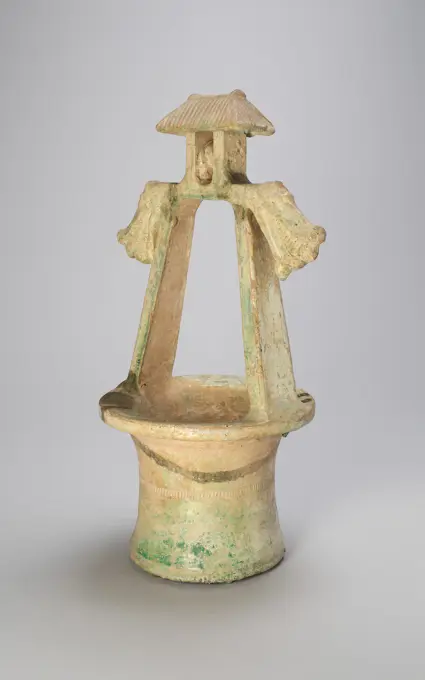
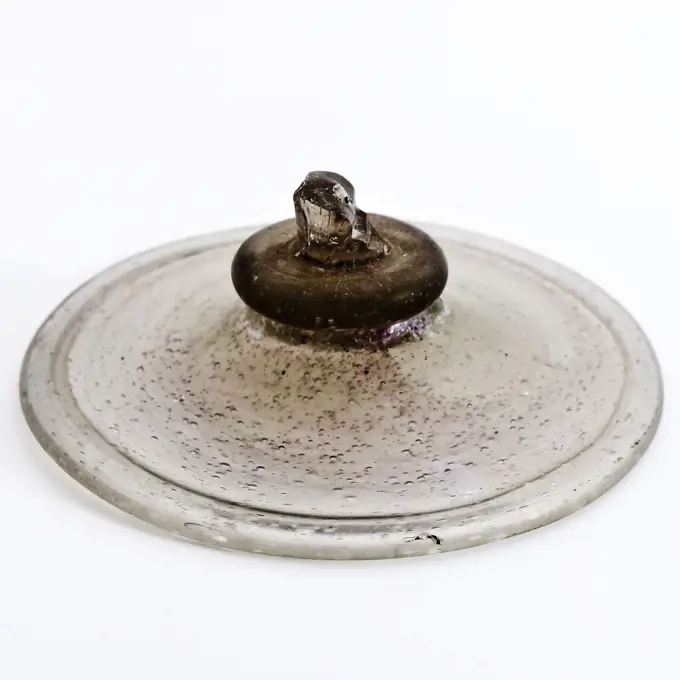
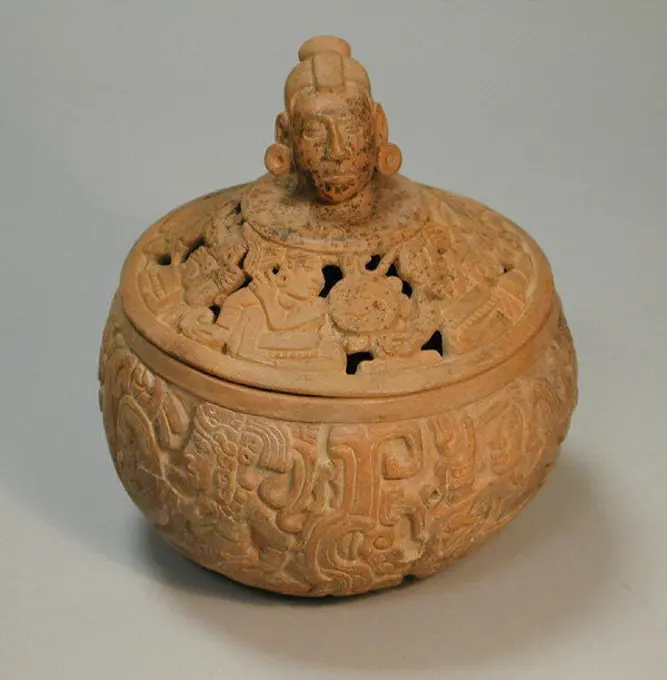
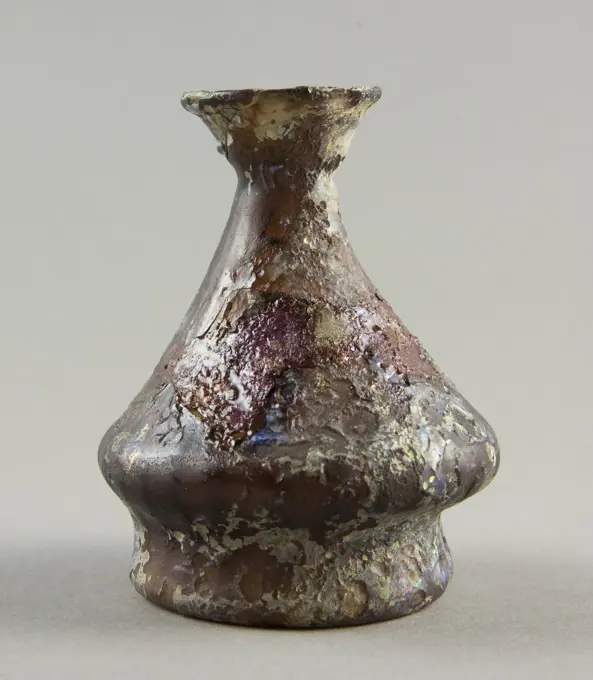
Ancient Pottery and Jars

Various ancient ceramic jars and vessels, featuring unique shapes and textures, reflecting historical craftsmanship.
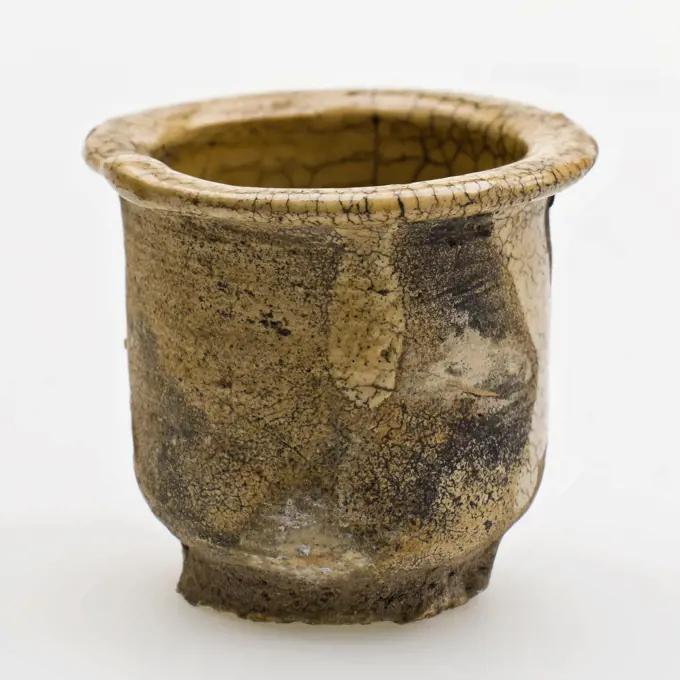
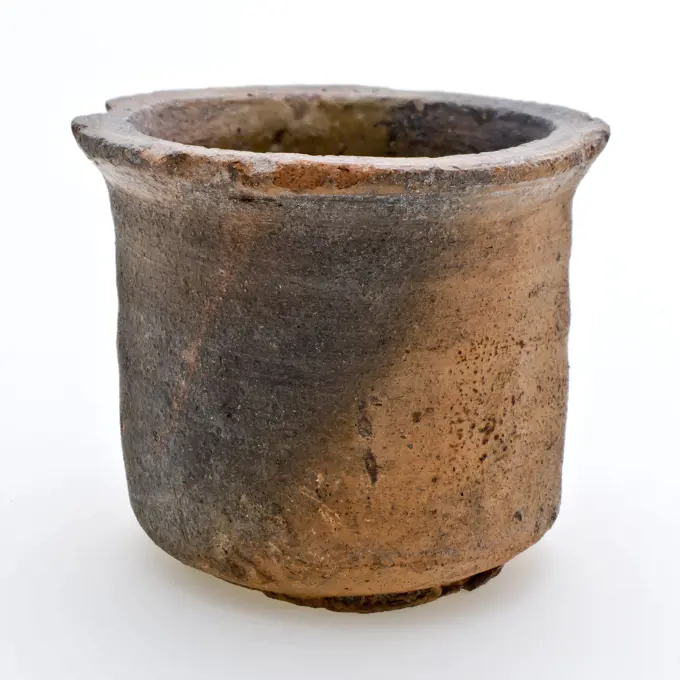
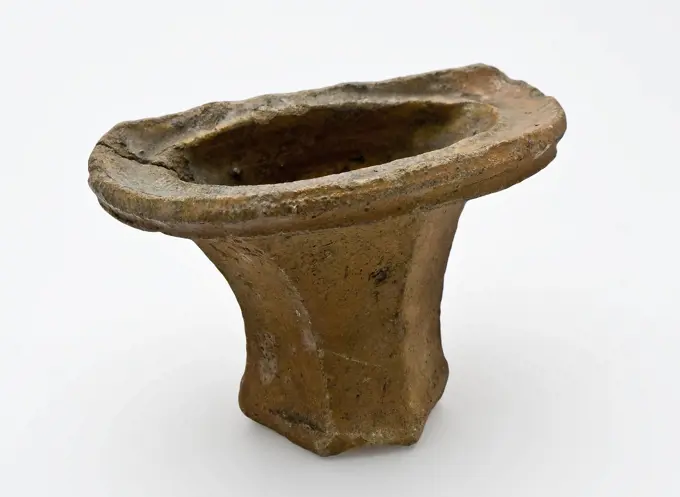
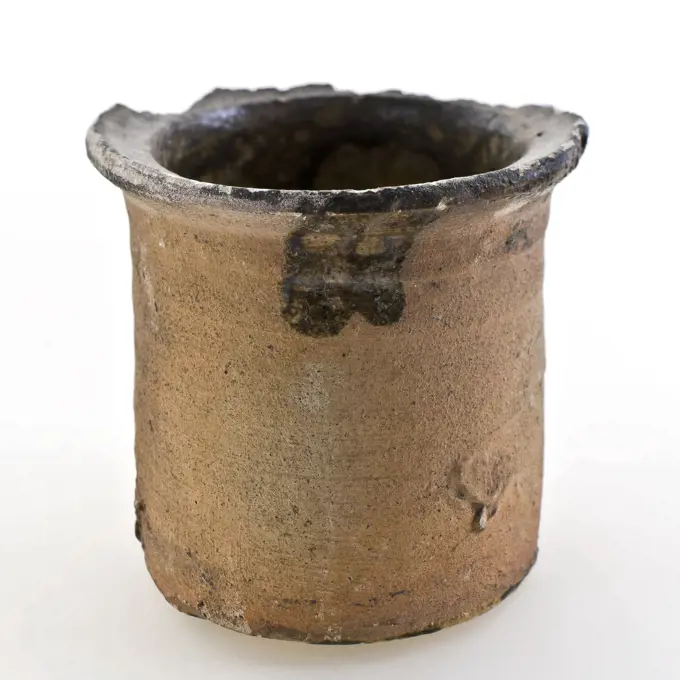
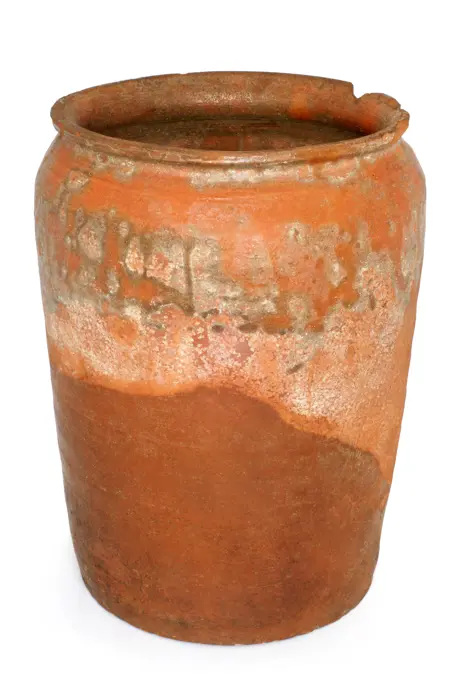
Pottery ointment jar, cylindrical model, white shard, internally glazed yellow, ointment jar holder soil find ceramic earthenware glaze lead glaze, hand turned glazed baked Pottery ointment jar cylindrical model white shard internal yellow glazed Thin flat wide top edge. Narrowing of the cauldron above the stand Surface with light soul coarsely finished archeology indigenous pottery store packaging medicine drug craft sales Rotterdam Oostwug City center Stadsdriehoek Haringvliet Kralingen-Crooswijk Struisenburg Boerengat Soil discovery Oostwug Rotterdam 1959.
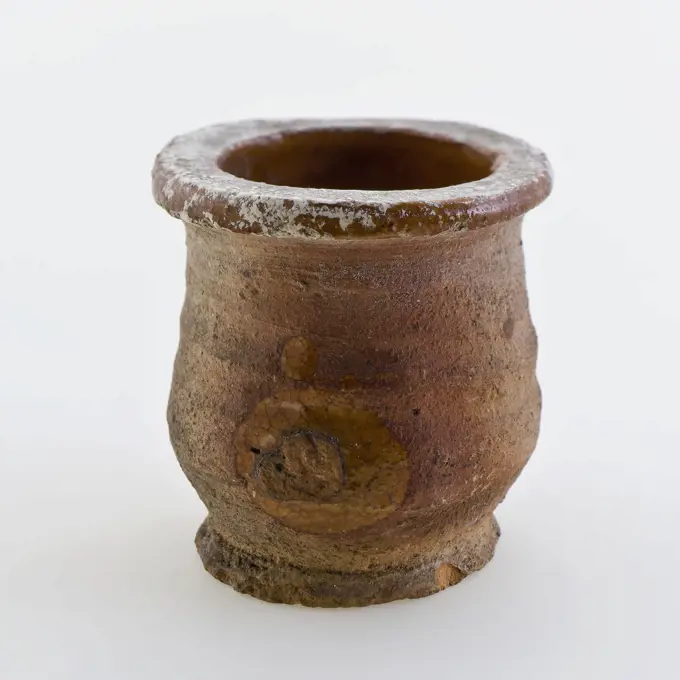
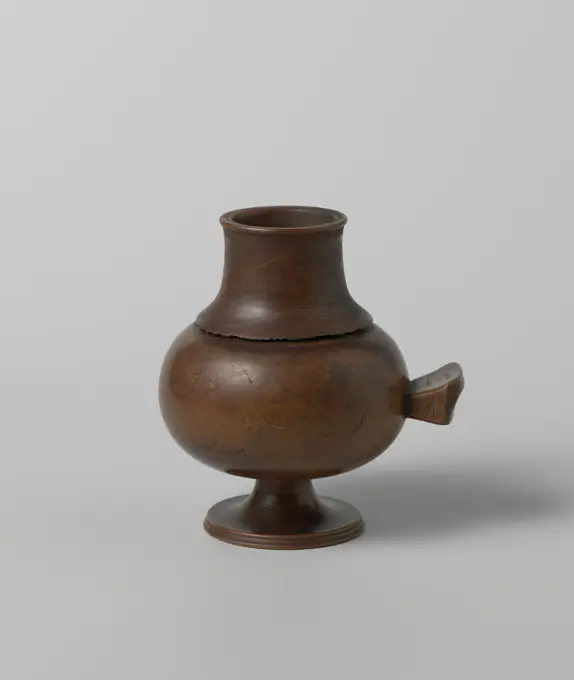
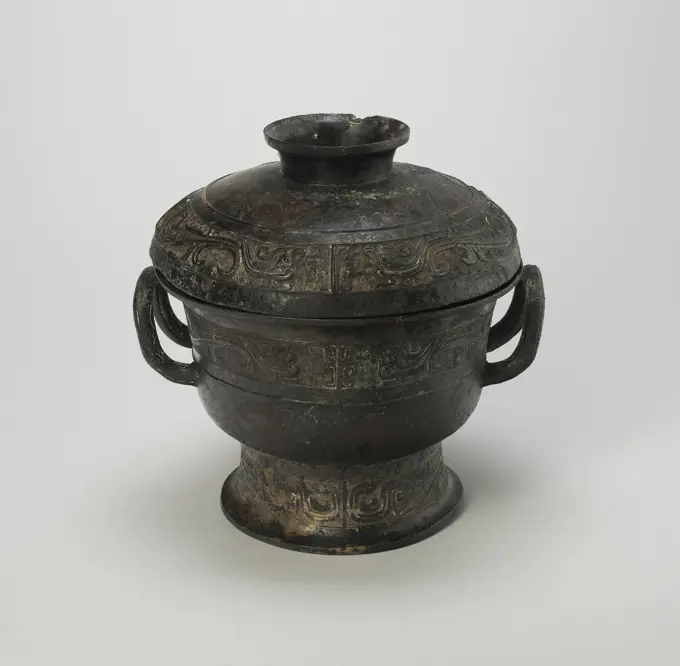
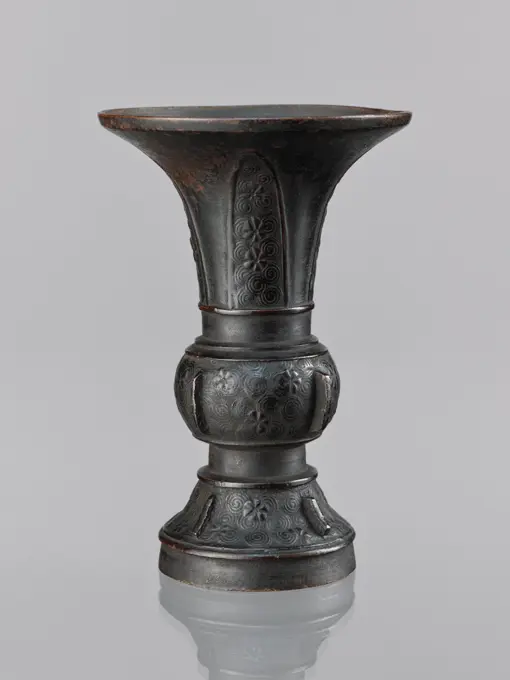
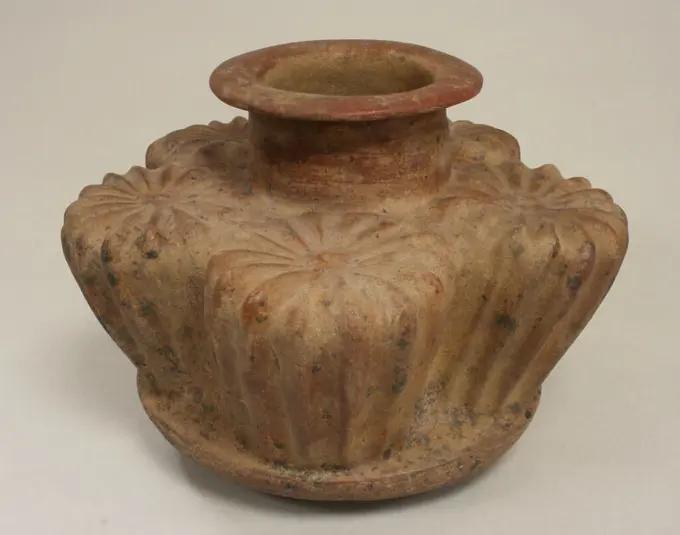
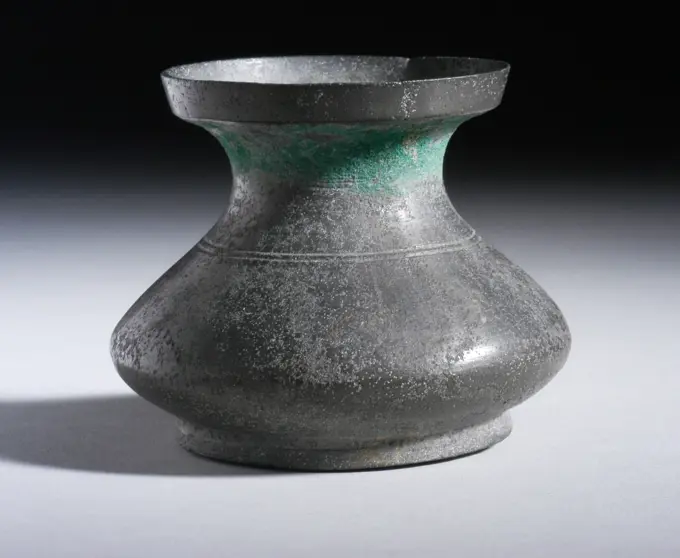
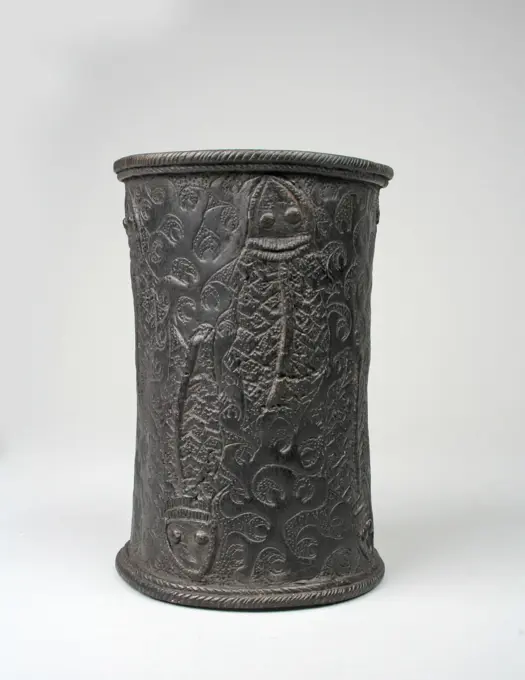
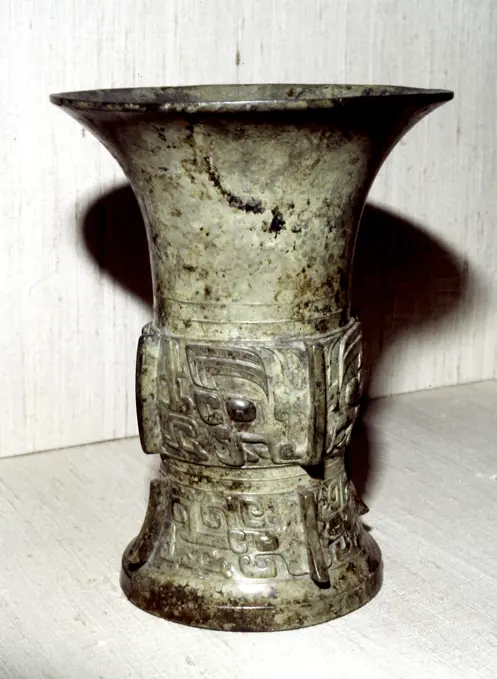
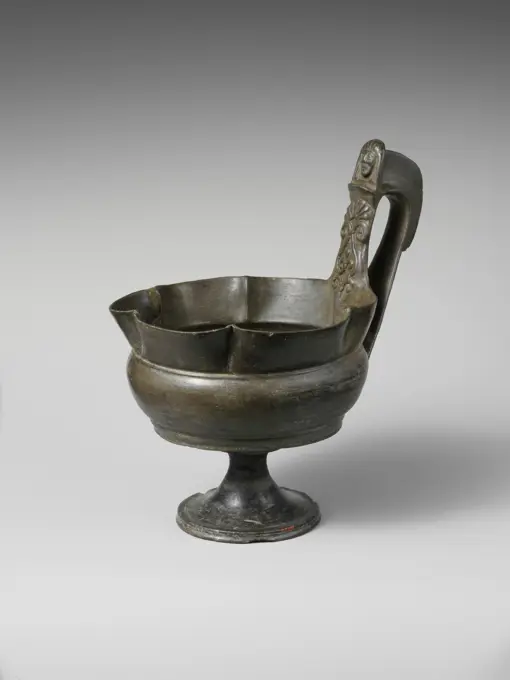
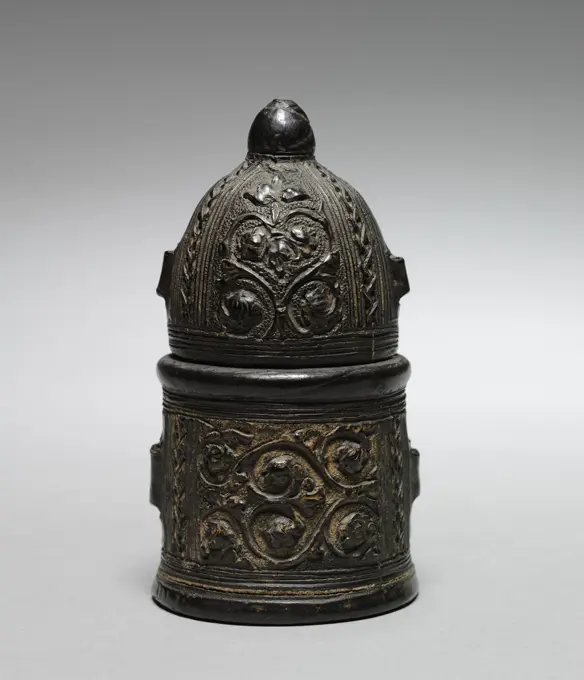
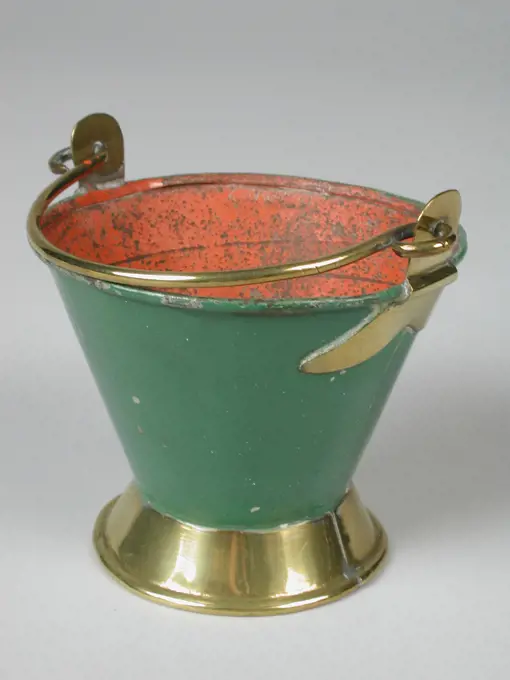
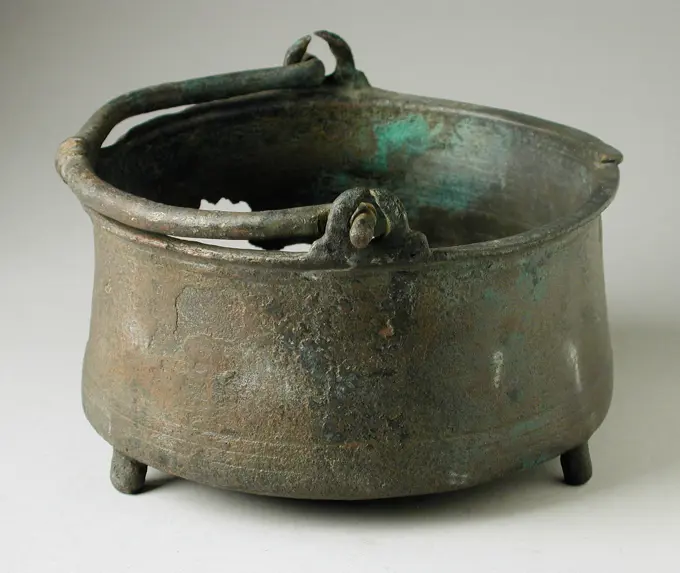
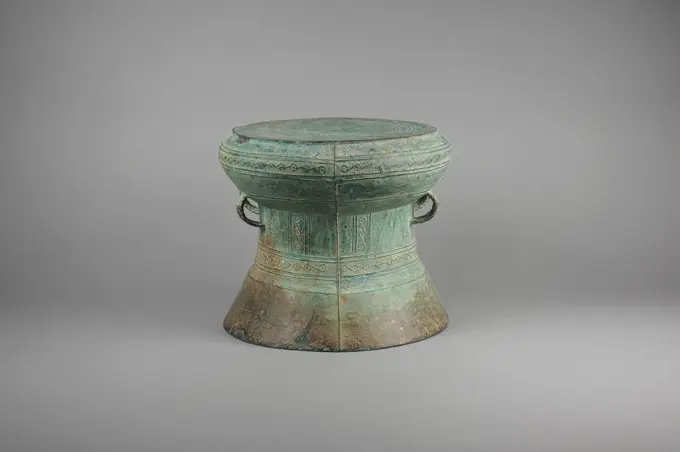
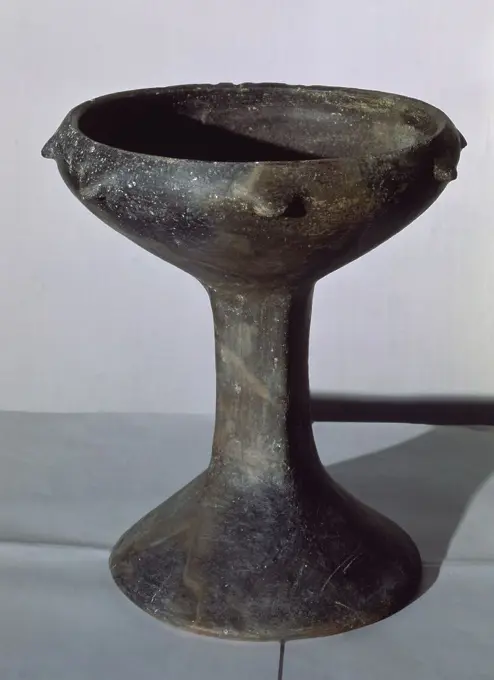
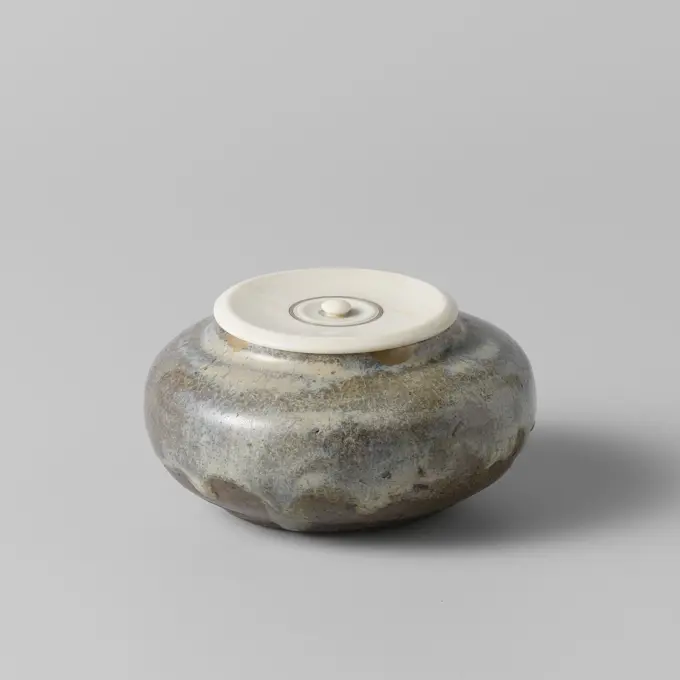
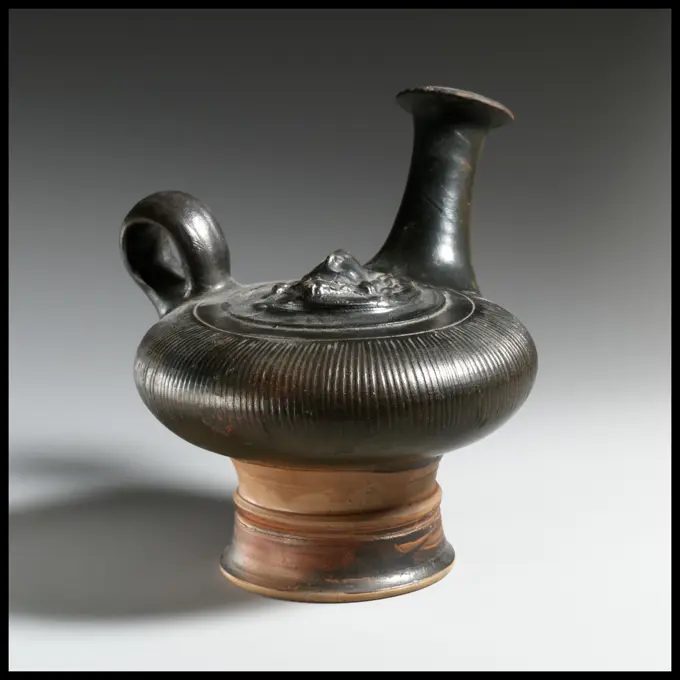
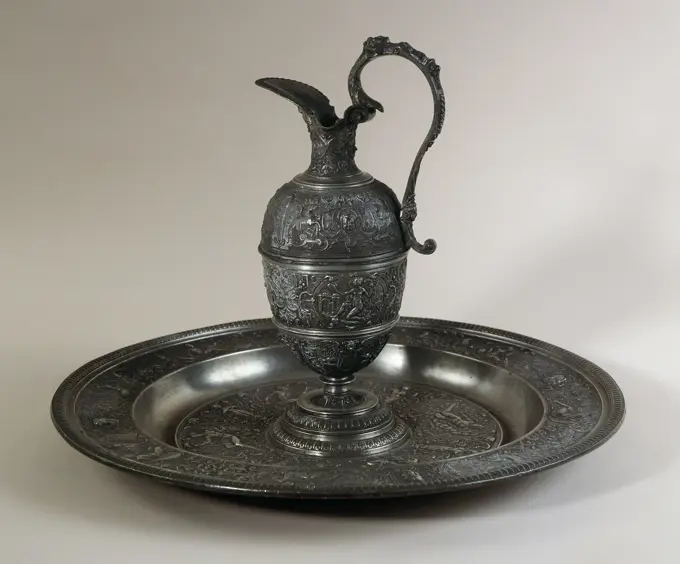
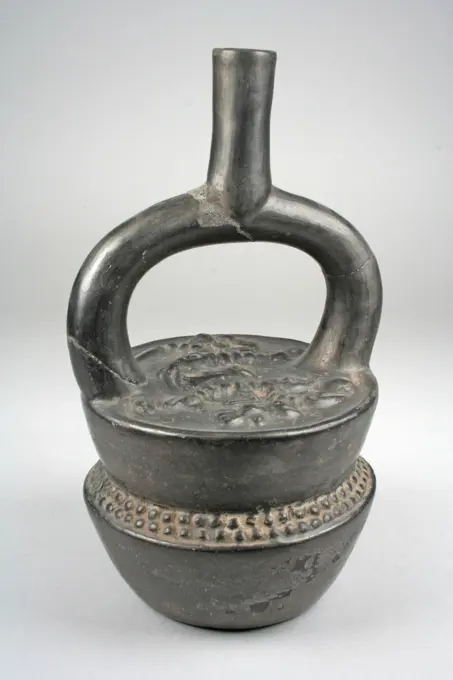
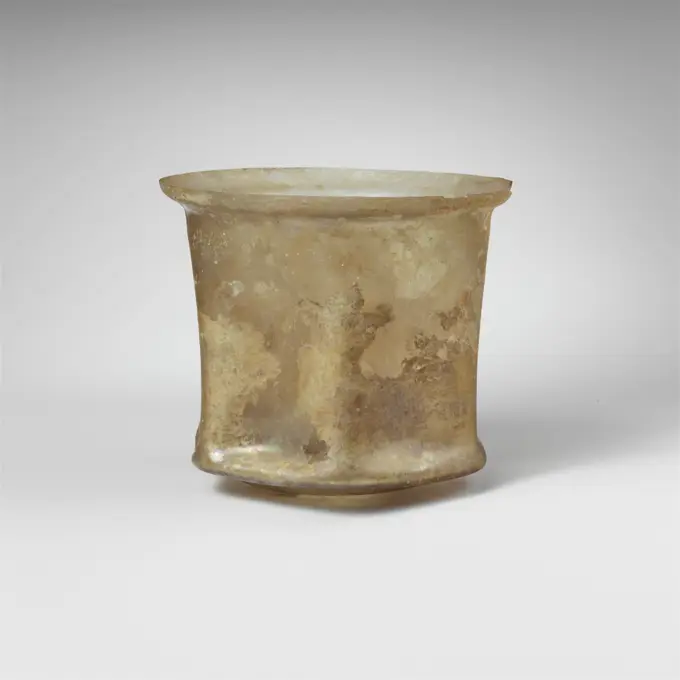
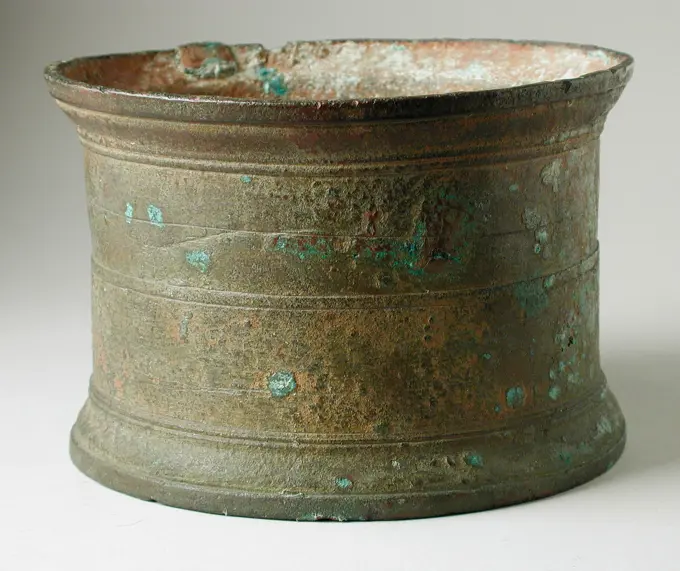
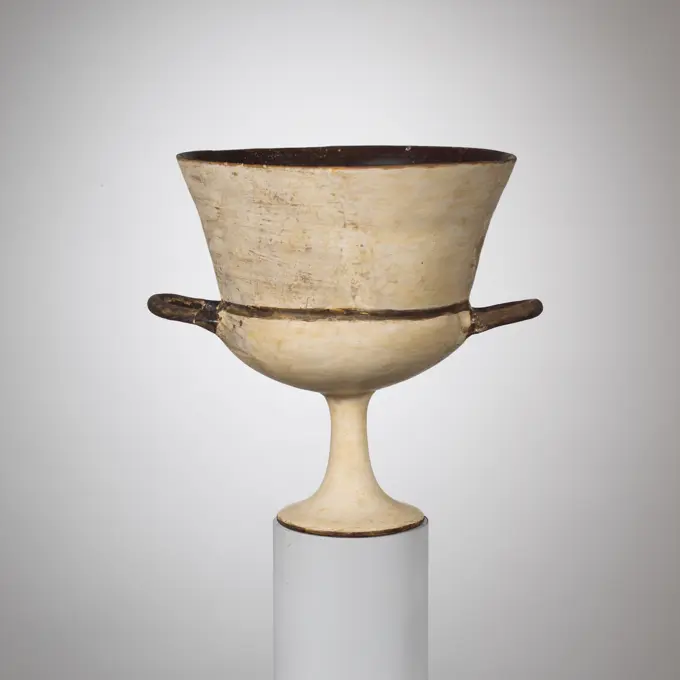
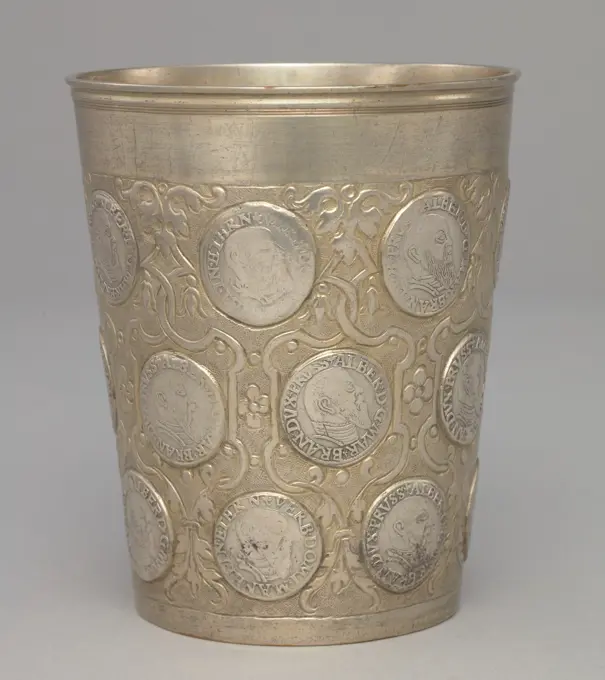
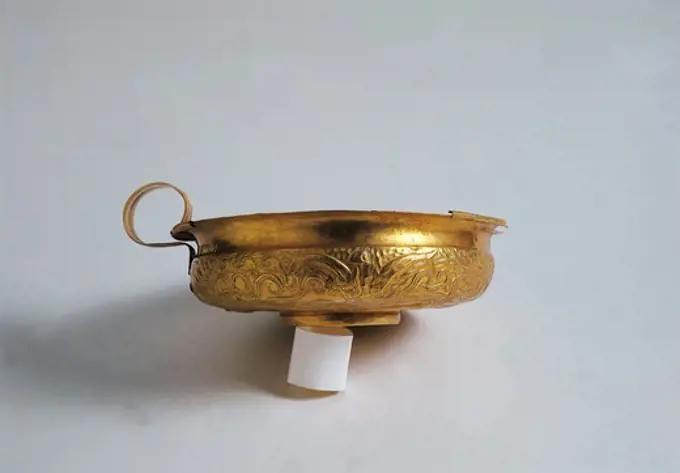
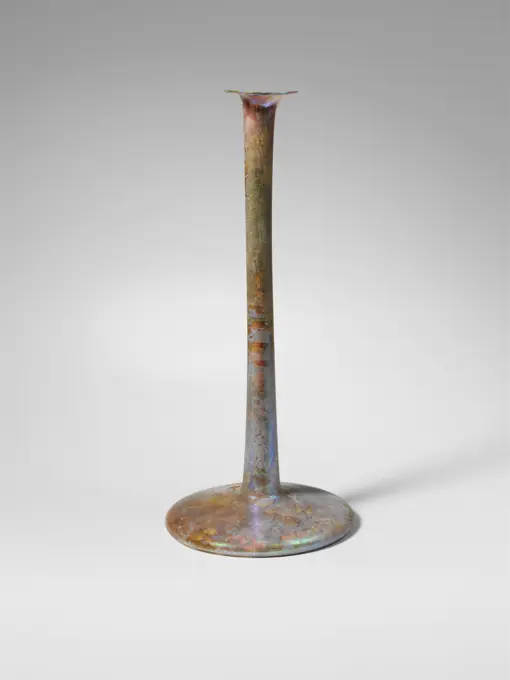
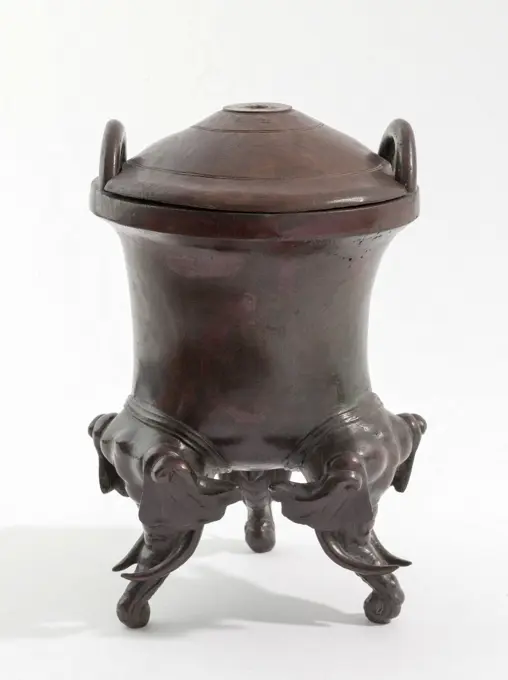
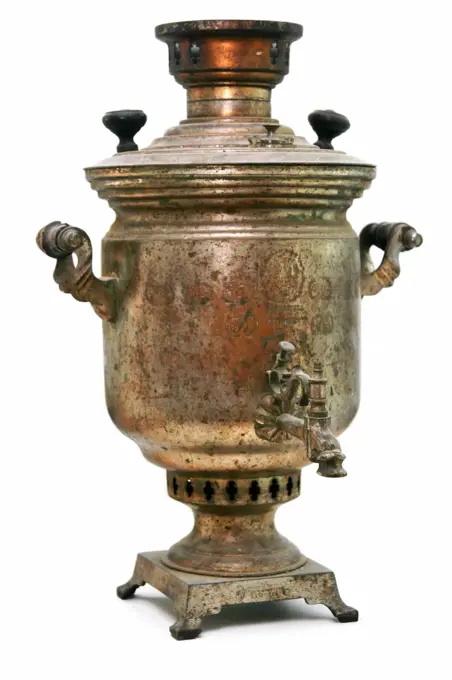
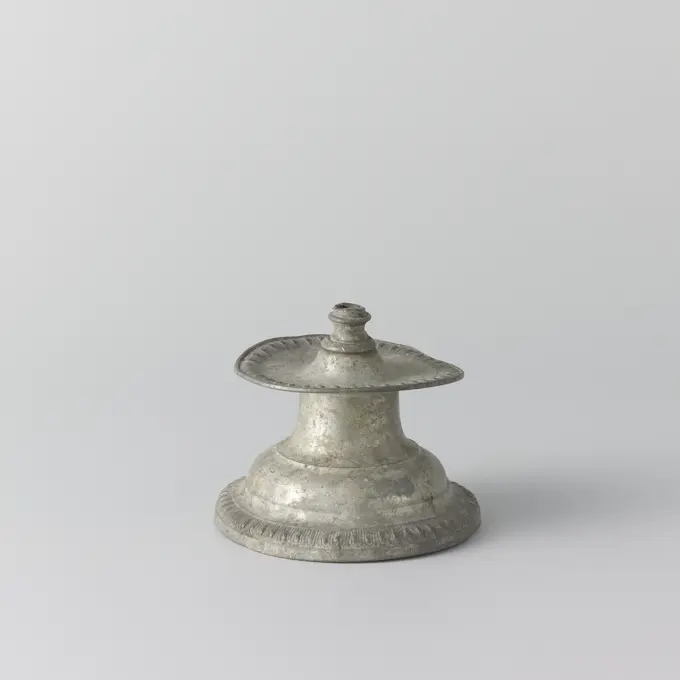
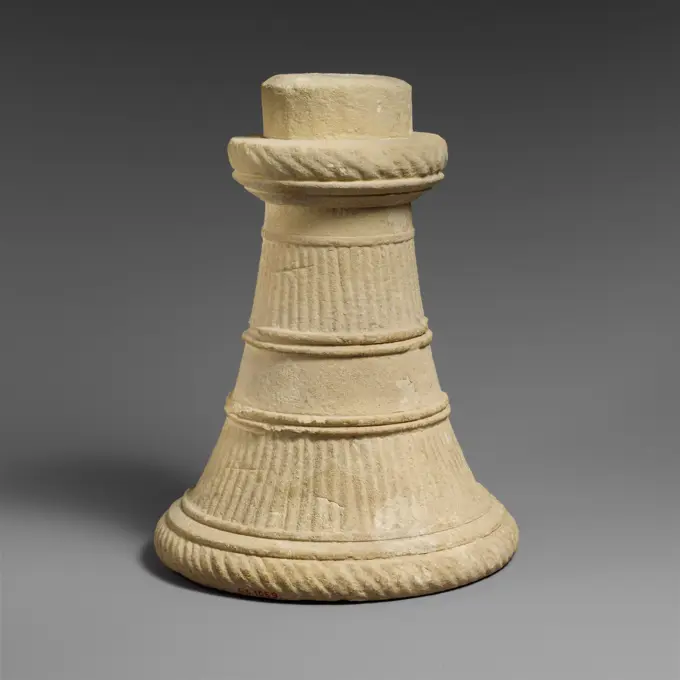
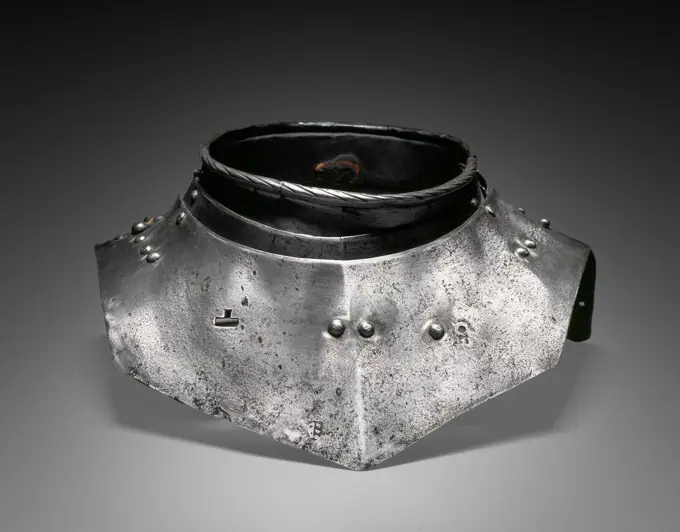
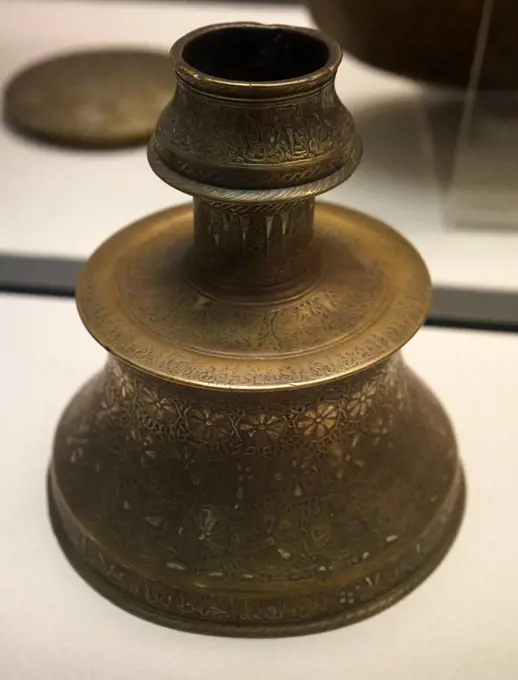
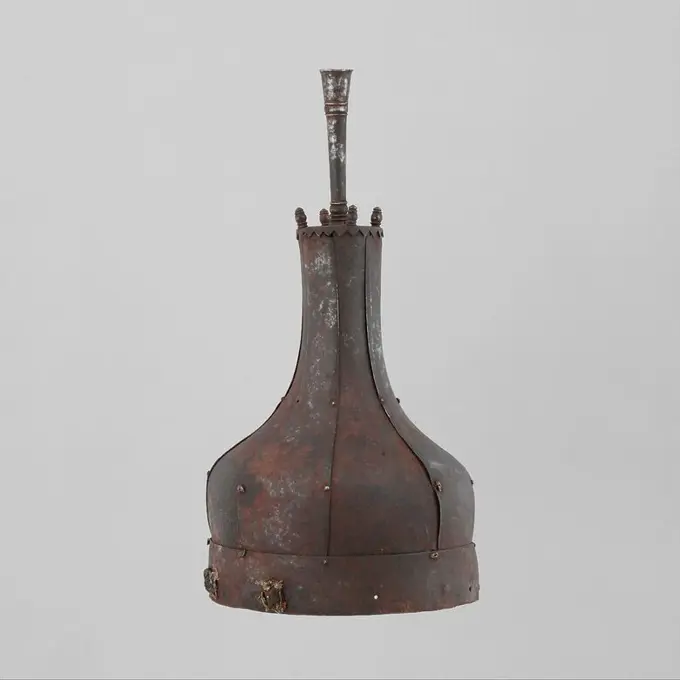
Chalice. Iran, modern. Furnishings; Serviceware. FSpeculum, hammered, perhaps turnedPottery belly model ointment jar, red shard, internally glazed, ointment jar pot holder soil find ceramic earthenware glaze lead glaze, hand-turned glazed baked Pottery ointment red shard internally glazed. Belly model with narrowing above the foot. Flat obliquely inward facing top edge standing surface. Turning inner lining. Shard and glaze become dark in color while baking archeology health care indigenous pottery import pharmacy store sell craftSmall stoneware jug with sloping top edge, belly and wide foot, jug crockery holder soil find ceramic stoneware clay engobe glaze salt glaze, hand turned glazed baked Stoneware jug gray shard brown engobe and salt glaze Belly model with wide foot and sloping neck edge Very messy and uneven of form archeology import pottery serve preserve oil fat condimentPottery ointment jar, red shard, glazed inside, ointment jar pot holder soil find ceramic earthenware glaze lead glaze, hand-turned glazed baked Pottery ointment red shard inside and part exterior covered with lead glazing stand archaeological indigenous pottery packagingPottery ointment jar, cylindrical model, white shard, internally glazed yellow, ointment jar holder soil find ceramic earthenware glaze lead glaze, hand turned glazed baked Pottery ointment jar cylindrical model white shard internal yellow glazed Thin flat wide top edge. Narrowing of the cauldron above the stand Surface with light soul coarsely finished archeology indigenous pottery store packaging medicine drug craft sales Rotterdam Oostwug City center Stadsdriehoek Haringvliet Kralingen-Crooswijk Struisenburg Boerengat Soil discovery Oostwug Rotterdam 1959.Beaker. Culture: Chimú. Dimensions: Height: 7 1/2in. (19.1cm)Diameter: 5 1/8in. (13cm). Date: 12th-15th century. Museum: Metropolitan Museum of Art, New York, USA.Terracotta pyxis (cosmetic box). Culture: Greek, Macedonian. Dimensions: h. with lid 5 1/4 in. (13.4 cm); d. 5 15/16 in. (15.1 cm). Date: 3rd-2nd century B.C..on the lid, a relief of Dionysos with maeanadsThis fine pyxis is decorated in the so-called "West-Slope" technique, named after the site on the Acropolis hill in Athens where pottery of this type was first identified. Distinguishing hallmarks of the technique are the use of incision, added white, and decoration with a dilute slip that produced a superposed red, pink, or orange color on top of the black-glaze ground. Other notable features of this pyxis are the sculpted feet in the shape of lion's paws, and the relief medallion on the lid. These plastic details suggest that this pyxis was made in Macedonia, since other vessels with similar motifs have been found in tombs from this region. In addition to the crisply incised design on the body, the sculptured additions recall metallic prototypes that reflect the Macedonian taste fKomfoor van Steengoed with salt glaze, 1901 Komfoor van Steengoed with salt glaze, part of a service. Amsterdam stoneware vitrification Komfoor van Steengoed with salt glaze, part of a service. Amsterdam stoneware vitrificationPottery ointment jar, cylindrical model, red shard, internally glazed, ointment jar pot holder soil find ceramic earthenware glaze lead glaze, hand turned glazed baked Pottery ointment jar cylindrical model red shard internal spotty and sparingly glazed Flat thick outstanding top edge. Narrowing of the boiler above the stand Flat with light soul and coarse finished Inside of the wheel arches archeology health care indigenous pottery store pharmacy sell craftEcuelle And Lid (France); pewterPottery ointment jar with two constrictions, low and wide model, white glazed, ointment jar pot holder soil find ceramic earthenware glaze tin glaze, hand turned baked glazed fried ointment jar. Low and wide model Two constrictions Oblique top edge. White and brown Glazed inside and outside. Stand area with deducting rails. brown discolored by staying in the soil archeology Rotterdam railway tunnel health care indigenous pottery packing ointment care medicine drug pharmacy Soil discovery: rail tunnel Rotterdam.Pottery belly model ointment jar, red shard, internally glazed, ointment jar pot holder soil find ceramic earthenware glaze lead glaze, hand-turned glazed baked Pottery ointment red shard internally glazed. Belly model with narrowing above the foot. Flat outstanding top edge standing surface. Turning rings inside and outside archeology health care indigenous pottery import pharmacy store sell craftVijzel decorated with saints in medallions, anonymous, c. 1500 - c. 1600 The cast round mortar extends upwards and has a protruding profiled edge. The wall is distributed vertically by seven excellent ribs decorated with three buttons. These are connected to each other by a pearl edge. Seven reliefs, usually in medallion, are applied above and -underneath, Mary with child and crowning angels; Maria with child and a lily; Joris and the Dragon; The face of Christ; The head of John the Baptist; a bishop; Catharina; Christoffel; the proclamation; a female figure; And an Amazon. The protruding edge is decorated with a cord edge, a pearl edge, a flower and a French lily, which is right, which motifs have been repeated seven times. The Puy bronze (metal) casting The cast round mortar extends upwards and has a protruding profiled edge. The wall is distributed vertically by seven excellent ribs decorated with three buttons. These are connected to each other by a pearl edge. Seven reliefs, usualVijzel with inscription: Petrus Vanden Ghein Me Fecit MCCCCCCLXI, Peeter van den Ghein (I) (Attributed to), 1561 The cast round mortar extends upwards and has a high -protruding profiled edge and a profiled foot. On the edge in Gothic Majuskels the Ophrift 'Petrus Vanden Ghein Me Fecit MCCCCCCLXI' with one punctuation in the form of a four -leaf rose. Around the center of the wall a Frisian with a ramskop between two masks and one vase held by two griffins (repeated three times). Brazier: Mechelenbrazier: Mechelen bronze (metal) casting The cast round mortar extends upwards and has a high -protruding profiled edge and a profiled foot. On the edge in Gothic Majuskels the Ophrift 'Petrus Vanden Ghein Me Fecit MCCCCCCLXI' with one punctuation in the form of a four -leaf rose. Around the center of the wall a Frisian with a ramskop between two masks and one vase held by two griffins (repeated three times). Brazier: Mechelenbrazier: Mechelen bronze (metal) castingGeuzennapje ,, 1588  Kalebasvormig Houten Napje op voet. Handgreaep op de buik. Opschrift; OP BUIK: Present symbolic geusicum / acceptable with other similar / Peticabulum pumpkins Burning when / her city recovered from Schenkiani soldier / hands, each of the killed by such instruments / chin were instructed. Three of these to college colonie self / are applied. 1 received illustrious, the Comus Truchsesius; 2m is this present; 3M in college remained A1648 so testor / 1 grothaus. Netherlands wood (plant material). walnut (hardwood)   BonnCast iron melting crucible with handle, marked 5, melting pot pot holder soil find cast iron iron metal total with handle, crucible h 11.5 cast Iron pot on three legs. Melting pot for example plumbing. Two small standing ears and half round handle. Cross-section of the legs is pentagonal. Decorated with three surrounding ridges. Marked on the side wall side outside 5 archeology melting plumber craftTwo Water Vessels, anonymous, 1200 - 1500 Water vessel with bowl -shaped body, without spout. Belongs to Driepoot AK-RAK-1989-7-B. East Java bronze (metal) Water vessel with bowl -shaped body, without spout. Belongs to Driepoot AK-RAK-1989-7-B. East Java bronze (metal)Hooka BowlVase. Bronze. Chine. Par musée musée malée. 71127-1 Handle, Chinese art, bronze, decorative motif, animal head, vaseCovered Food Container 999 BCE-900 BCE China. Birds with long, trailing plumage encircle the lid and basin of this vessel. Their flowing lines reflect the skillful hand of the potter who carved the design in clay for casting in bronze. At some time in the past, this extensively damaged vessel was repaired and cleaned, thereby exposing its present, uncorroded surface.Cast in the basin and lid are identical inscriptions ìIn the eleventh month, first quarter, on the day jiashen, the King was in Hua. The King gave Ming deer. Ming therefore made this precious vessel. May Ming always use this gui to entertain many friends.î The unusual inscription describes a secular event, indicating a new use for ritual bronzes. Such commemorative inscriptions, which gradually replaced shorter ancestor dedications, are important documents of Western Zhou history.. Bronze .Earthenware wide top edge, flattened surfaces at the front, above the foot, trough tray fry earthenware ceramic earthenware glaze lead glaze, hand turned hand shaped glazed baked earthenware bird drinking trough red shard interior covered with lead glaze Five flattened surfaces above the foot. Stand base hexagonal Top edge straightened on one side Long crack in the kettle probably caused by baking Misbake archeology indigenous pottery poultry animal birdGU type vase;  18th century () (1701-00-00-1800-00-00);Pottery ointment jar, cylindrical model, gray shard, internally glazed, ointment jar pot holder soil find ceramic earthenware glaze lead glaze, hand-turned glazed baked Pottery ointment jar cylindrical model gray shard internal greenish glazed Flat obliquely inwardly directed wide-extending upper edge Stand surface with light soul Narrowing of the boiler just above the foot archeology health care indigenous pottery pharmacy store sell craftStadskan of tin with lid.stadskan with lid of tin. On the high, hollow, conical foot with a wide stand ring, a baluster-shaped body with a straight raised lip edge, whereby the widest point of the body, halfway through the neck and at the lip edge tires are arranged to decoration. The top is closed with a vaulted, round lid with a button in the middle. The lid runs through angular thumbs of thumb and a one-case hinge over in an elongated S-shaped handle.Cactus Jar. Culture: Colima. Dimensions: H. 7 15/16 x W.10 15/16 in. (20.2 x 27.8 cm). Date: 2nd century B.C.-A.D. 3rd century. Museum: Metropolitan Museum of Art, New York, USA.Two-piece mold for large ring, cast molding tool tools base metal bronze, cast Two-piece bronze mold for casting large round ring to use as handle Rotterdam tin foundry tin stainer tin Meeuws Druy craft Shapes are from the original 18th century Rotterdam tinnegieter J Druy. The large molds that were not dated or signed were the property of the tinkering guild and were rented to the small tin caster.Lazio Viterbo Viterbo Museo Civico69. Hutzel, Max 1960-1990 Views of paintings (Middle Ages through 18th c.), frescoes, a tabernacle, coffin, sculpture reliefs, portal fragments, busts, sculpture, tapestry found in the Pinacoteca, Second floor gallery and Second floor cloister sequences. Antiquities: Many views of Etruscan and Roman fragments, sculpture, sarcophagi, pottery, masks, jewelry and other objects found in the Storeroom sequence (inventory numbers on back of prints), and the Cloister, Second floor Cloister, Valle Giulia, Sala Romana and Sala Etrusca sequences. General Notes: There are eight separate numerical sequences for this location. The cloister as an architectural structure, rather than museum site, is documented in the record and file for S. Maria della Verita, Cloister, all views of which are stored in Medieval core collection. Five views from the Museo Civico Second floor cloister sequence are stored in Medieval. German-born photographer and scholar Max Hutzel (1911-Cup and Stand ca. 1150-1200 Korea. Cup and Stand. Korea. ca. 1150-1200. Porcelaneous clay. Goryeo dynasty (918-1392). CeramicsJar. Korea, Goryeo dynasty (918-1392), 10th-11th century. Furnishings; Serviceware. Cast bronzePottery ointment jar, red shard, slightly tapered model, ointment jar pot holder soil find ceramic earthenware glaze lead glaze, hand-turned glazed baked Ointment jar red shard internal glazed external partly glaze rotations Slightly tapered from shape downwards Stand surface with cut-off track archeology Valckensteyn Poortugaal Albrandswaard health care indigenous pottery ointment care medication medicine packing pharmacy packaging Soil discovery: canal at kitchen castle Valckensteyn at Poortugaal now Albrandswaard 1961.Iron kettle with three legs, cooking pot tableware holder kitchenware soil find iron metal, cast Large iron cooking pot or grape on three legs. Semi-circular bottom. Cylindrical side wall with slight constriction. Two small rectangular ears. Three massive legs with diamond-shaped cross-section archeology Rotterdam Delfshaven Havenstraat cooking food food preparation kitchen Soil discovery Havenstraat Delfshaven.Pen Wipe (USA), ca. 1910-1920; Made by Louis Comfort Tiffany (American, 1848-1933); favrille glass, bronzeTobacco box probably first quarter 19th century H. van Lingen. Tobacco box 207973CapitalBracelet: Mudfish 16th-19th century Edo peoples At its origins, the centralized city-state of Benin was founded by Edo-speaking peoples. The accounts by official court historians and descriptions provided by visitors evoke a vibrant cultural center continually redefined by its leadership through shifting internal and external power dynamics. According to oral tradition, circa 1300, Edo chiefs are reputed to have reached out to the leader of neighboring Ife, Oranmiyan, to establish a new divinely sanctioned royal dynasty. Since then, the investiture of Benins rulers to the title of obas has conferred upon them at once a role of chief priest officiating in important religious ceremonies and presiding over an elaborate structure of palace officials. During the fifteenth century reign of Oba Ewuare, Benins armies were formed and the fortification of its capital with a massive wall undertaken. In parallel, delegations of Portuguese traders assiduously sought to secure exclusive commercialCup 575-525 B.C. Etruscan High foot with fluted bowl.. Cup. Etruscan. 575-525 B.C.. Terracotta; bucchero. Archaic. VasesWine vessel (tsun) bronze. Western Zhou, 11-10 cent BC. China.Wellhead with Dragon Heads Artist's working dates 25 CE-220 CE China. Earthenware with green lead glaze .Miniature chlorite stemmed bowl ca. 1600-1200 B.C. Cypriot Ribbed exterior on high foot.. Miniature chlorite stemmed bowl 243904Peeter van den Ghein de Oude (1528 - 1561), Mortar with Peeter van den Ghein mefecit MCCCCCXXX, auger equipment copper brass, ca 2 kg cast Cylindrical upwardly widening body built from round foot with four ribs partially smooth wall with decorative edge protruding all around with decorative frieze inscription. Transition middle section and cantilever is formed by two ridges In gothic minuscles poured into the top edge: metalworker health care pharmacy grindingGlass trick bottle or cup. Culture: Roman. Dimensions: 1 7/8 in. (4.8 cm)Other: 1 7/8 in. (4.8 cm)Diam. of foot: 1 11/16 in. (4.3 cm). Date: 2nd-4th century A.D..Translucent deep olive green, appearing opaque black.Rim folded down, over, and in, forming slight inner lip; broad, uneven mouth; cylindrical neck expanding downwards to join squat bulbous body; bottom deeply push in to form hemispherical concavity. Stands aslant.Intact; pinprick bubbles; some pitting and iridescence, with one area of dulling where thick enamel-like brown weathering has flaked off.Essentially a perfume bottle with a deeply pressed in bottom. When inverted it appears as a 'double-walled' cup, hence this type of vessel has previously been described as an 'egg cup.'. Museum: Metropolitan Museum of Art, New York, USA.Fragment of foot and stem of goblet, drinking glass drinking utensils tableware holder soil find glass h 2.2 hand-blown Fragment of foot and part of stem of goblet in clear colorless glass. Pontil mark under slightly ascending foot with downwards turned edge Flat knot (dm 2.2 cm) to massive narrow (dm 1.0 cm) strain Strikingly small air bubbles in the glass mass archeology Rotterdam IJsselmonde drinking wine beer serve serving Soil discovery: IJsselmonde Castle 1972.Covered Bowl 6th-9th century Río Blanco An outstanding example of a type of ceramic vessel made in the Gulf Coast region of Veracruz, Mexico, between the seventh and ninth century, this covered bowl bears imagery related to the ancient form of competition or ritual that was played with a hard rubber ball in Mesoamerica for thousands of years. The game's rules and meaning changed with time and place. Two pairs of elaborately garbed ballplayers are depicted in relief on the sides and lid of this bowl from the Rio Blanco region of central Veracruz. Between the paired players on the sides, lordly personages sit within the coils of great serpents. Maya influence can be seen in the serene head that makes up the knob of the lid.. Covered Bowl 319009Footed Salt. Continental Europe. Date: 1695-1705. Dimensions: 5.1 × 7.9 cm (2 × 3 1/8 in.). Pewter. Origin: Europe. Museum: The Chicago Art Institute, Chicago, USA.Bottle 1 CE-300 CE Levant. Glass, blown technique . Ancient LevantineTerracotta stemmed kyathos (single-handled cup) ca. 550-525 B.C. Etruscan The flaring, fluted rim and the molded handle, here decorated with a female head and an elaborate palmette-volute, are typical features of bucchero produced in and around Chiusi throughout much of the sixth century B.C.. Terracotta stemmed kyathos (single-handled cup) 246224Ink Pot, c. 1425-1450. Northern Italy, 15th century. Leather; overall: 12.1 cm (4 3/4 in.). Intended for use on the writing table, this ink pot was used with a dip pen or quill. It may have belonged to a professional scribe or scholar, or perhaps to a wealthy layperson. The leather is embellished by tooling, embossing (pressing), and punching.Prehistory, Italy, 7th century b.C. Terracotta stem cup.Tall Chalice. Unknownmetal worker: Gresnich, Miniature bucket with brass base, bucket crockery holder kitchenware miniature toy relaxant model metal tin brass paint, curved soldered painted tinplate tin inclined brass foot green conical wall with two brass lips as hinge for handle 1868 Sibilla van Embden cleaning play kitchenCooking pot with two times three decorative rings., Anonymous, c. 1600 - c. 1699 The object cast in its entirety has a casting seam in the middle between the ears on the outside. The wide round at the bottom almost flat hull has three decorative rings twice. The straight slanted outside -facing neck makes a blunt angle with the abdominal wall, is decorated on the outside with ten vertical pieces. The upwards that are thickened upper part of the neck takes the place of the lip edge. The pot stands on three ribbed in diameter triangular legs, which are reinforced at the top that they have the shape of a six -pointed star there. The in diameter round ears, which form a sharp angle, are applied to each other on the abdomen and applied to the upper part of the neck. The round wrought iron handle has opposite and a lip on one side, allowing it to rest on the edge of the pot. Northern Germany (Possible) bronze (metal). brass (alloy). iron (metal) casting / forging The object cast in its entirPot with Feet and Handle. Egypt, Roman Period (30 BCE - 395 CE) or later. Furnishings; Cookware. BronzeJar - Dion Pottery Dion PotterySmall Drum 500 B.C.-A.D. 300 Vietnam (North). Small Drum 53502Thomas Halford, Tea Caddy, 1807, silver.COPA DE CERAMICA ARGARICA CON PEANA PROCEDENTE DEL CERRO DE LA ENCINA DE MONACHIL (GRANADA) - 1900-1300 a JC. Location: MUSEO ARQUEOLOGICO-PREHISTORIA. SPAIN.Bucket 16th century Italian, possibly Venice. Bucket 195164Squat tea caddy with a grey blue glaze, anonymous, c. 1700 - c. 1850 Flat dust bar or Chare of stoneware with an ivory lid, partially covered with a gray blue and cream -colored glaze. The lower part of the bus is unglazed. Old label on the inside with 'ki-seto/ cat. Bing No. 257 '. Gold paint repairs on the edge. Japan stoneware. glaze. deksel: ivory vitrification Flat dust bar or Chare of stoneware with an ivory lid, partially covered with a gray blue and cream -colored glaze. The lower part of the bus is unglazed. Old label on the inside with 'ki-seto/ cat. Bing No. 257 '. Gold paint repairs on the edge. Japan stoneware. glaze. deksel: ivory vitrificationTerracotta guttus (flask with handle and vertical spout) 4th century B.C. Greek, South Italian, Campanian Head of a maenad.. Terracotta guttus (flask with handle and vertical spout) 254223 Greek, South Italian, Campanian, Terracotta guttus (flask with handle and vertical spout), 4th century B.C., Terracotta, H. 9.60 cm.. The Metropolitan Museum of Art, New York. Rogers Fund, 1941 (41.162.56)François Briot. Aiguière, called temperance, in its basin. Museum of Fine Arts of the City of Paris, Petit Palais. 26359-11 Acute, handle, pelvis, jug, civil gold, pitcher, temperance, carafeStirrup Spout Bottle with Stacked Containers 2nd-6th century Moche. Stirrup Spout Bottle with Stacked Containers 308520Glass beaker 2nd-3rd century A.D. Roman Colorless.Rim short and everted, cracked off and ground; indented body with sides expanding slightly downwards and projecting rounded collar below; hexagonal sides to base with central raised circle, forming flattish but slanting bottom.Cylindrical body has six indentations, curved at top and almost horizontal at bottom, giving body horizontal cross section that appears to be hexagonal.Complete except for one large chip in rim and cracks in side below; pinprick and larger bubbles; dulling and faint iridescent weathering on exterior; patches of soil encrustation and weathering on interior.. Glass beaker. Roman. 2nd-3rd century A.D.. Glass; blown. Mid Imperial. GlassIsadore Goldberg, Baking Dish, 1940 Baking DishTall Cylindrical Vessel with Flared Rim. Egypt, Late Period - Ptolemaic Period (711 - 30 BCE) or later. Furnishings; Serviceware. BronzeCandlestick, four-piece candlestick, four-part consisting of a wide range of circular base decorated with egg list, a flat battle shape decorated with egg list, a baluster-shaped shaft above which a disc-shaped knot and a cylindrical candle holder with two round leak holes. Housewalk.Clockkeeler, four-part with a variety of base, flat bowl and baluster-shaped shaft. Clockkeeler, four-part with a wide variety of circular base with an egg list, a flat bowl with egg list, a baluster-shaped shaft with a disc-shaped knot and a cylindrical candle holder with two round leak holes. The candlestick has a crowned rose as a quality brand.Bronze drum, China. Chinese Civilisation, 3rd-1st century BC.Calyx-krater, toy 4th century B.C. Greek, South Italian, Apulian No decoration.. Calyx-krater, toy 254367 Greek, South Italian, Apulian, Calyx-krater, toy, 4th century B.C., Terracotta, 2 5/16  2 11/16  1 11/16 in. (5.8  6.8  4.2 cm) Diam. of rim: 2 5/16 in. (5.9 cm) Diam. of base: 1 3/16 in. (3 cm). The Metropolitan Museum of Art, New York. Rogers Fund, 1941 (41.162.196)Terracotta cup 6th century B.C. East Greek or Lydian Much restored, this cup appears to be a Lydian imitation of a Chiot chalice. The latter is a vase with two vertical handles and a conical stem, normally covered with a white slip and often decorated with sparse ornament or figural motifs.. Terracotta cup 249078Bowl 5th-4th century B.C. Paracas. Bowl 307613Cricket cage 18th-19th century China. Cricket cage 60741Green cylindrical bottle, stocky model, bottle holder soil find glass, free blown Bottle with cylindrical belly and straight neck hill shaped soul archeology packagingMortar, Freestanding, ObjectBeaker of Ancient Bronze Design China. Beaker of Ancient Bronze Design. China. Nephrite, spinach-green. Qing dynasty (1644-1911), Jiaqing period (1796-1820). JadeReconstruction of a soldier's cauldron from the Napoleonic timesHence the bridge;  VIII/VII BC (-710-00-00--690-00-00);Guttmann's depositA mug blown with numismates Schönberger, Ehrenfried (fl. 1686 ..)Pomander 1800-1899 Spain. Silver .Local clays were used to make clay pots used for cooking and storage by the Mandan, Hidatsa and ArikaraMildred Ford, Candlestick, 1935 1942 CandlestickOil Lamp. Iran, probably Nishapur, 10th century. Metal. BronzeLower Plate of a Bascinet. Culture: Italian. Dimensions: H. 6 7/8 in. (17.5 cm); W. 9 3/16 in. (23.3 cm); D. 10 15/16 in. (27.8 cm); Wt. 4 lb. 4.1 oz. (1930.6 g). Date: early 15th century. Museum: Metropolitan Museum of Art, New York, USA.Javanese bronze drum 4th century BC -2nd century AD. Although found in Indonesia this form of musical instrument was common to South east Asia in particular VietnamMycenaean civilization, golden cup, from tomb, Mycenae, GreeceServing vessel(Ding)Rinkelbel. Rinklebel, about thick run around cleft.Caster and cover, wood, turned, England, late 18th-early 19th century, Decorative Arts, Caster and coverCeramic mortar and pestle isolated on white backgroundA fragment of the chess figureGlass perfume bottle 2nd-3rd century A.D. Roman Candlestick unguentarium.Uncertain color (colorless ).Everted rim, with rounded outer lip; slender, tall, slightly concave neck; horizontal shoulder; sides of body expanding downwards; pushed-in bottom with circular pontil scar.Broken at top with two-thirds of rim missing, but otherwise complete; bubbles and blowing striations; creamy brown weathering and brilliant iridescence, inside of neck encrusted and blocked with soil.. Glass perfume bottle 245263Bronze cuirass (breastplate) 7th or 6th century B.C. Etruscan Front and back piece, hinged together. The surface of both pieces are elaborately embossed with circular knobs and rows of dots, imitating the male anatomy in a stylized manner.. Bronze cuirass (breastplate). Etruscan. 7th or 6th century B.C.. Bronze. Archaic. BronzesTing vase. Bronze. China. Paris, Cernuschi museum. Chinese art, bronze, lid, tripod, three feet, vase, ting vaseOld crock Old crock on a white background Copyright: xZoonar.com/OlgaxPopovax 3004166Old Brass Samovar Isolated on White BackgroundCandlestick, anonymous, c. 1590 - c. 1596 candlestick Candlestick consisting of a wide -ranging circular foot decorated with an egg frame and a flat fat bowl decorated with an egg list. House candlestick. Netherlands tin (metal) casting  Nova Zembla. Saving HuysUpper Arm Canon, 1800s. Attributed to Negroli Workshop (Italian, c. 1500-1561). Steel; overall: 14 x 14 cm (5 1/2 x 5 1/2 in.).Limestone funerary kalathos Cypriot The basketwork is indicated with vertical lines separated by smooth bands and lines in relief.. Limestone funerary kalathos 242327Gorget, c. 1560. Germany, 16th century. Steel; overall: 31.6 x 25.2 x 17.2 cm (12 7/16 x 9 15/16 x 6 3/4 in.). A gorget is an element of armor that protects the neck, throat, and upper part of the chest. It normally consists of two parts, front and back, joined by a hinge on the left shoulder and fastened with a stud on the right. Gradually the gorget grew smaller and more symbolic becoming a symbol of rank. By the 1700s it became a single crescent shape worn on a chain that suspended the gorget even lower on the chest, so that it no longer protected the throat in normal wear.Brass candlesticks with an Arabic inscription blessing the owner. Dated 14th CenturyHelmet. Culture: Western Tibetan or Central Asian. Dimensions: H. 17 1/2 in. (44.5 cm); W. 8 7/8 in. (22.5 cm); D. 9 1/4 in. (23.5 cm); Wt. 3 lb. 8.4 oz. (1598.9 g). Date: possibly 14th-16th century. Museum: Metropolitan Museum of Art, New York, USA.