Ancient Pottery and Jars

Various ancient ceramic jars and vessels, featuring unique shapes and textures, reflecting historical craftsmanship.
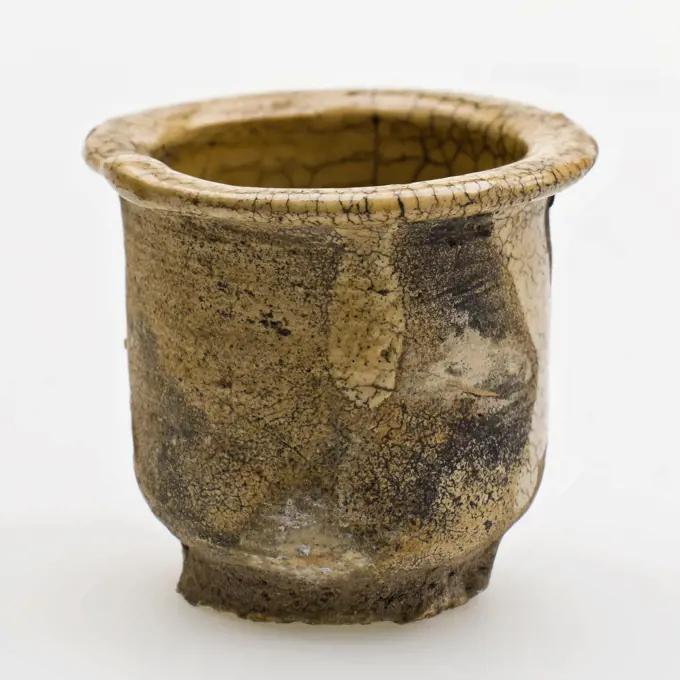
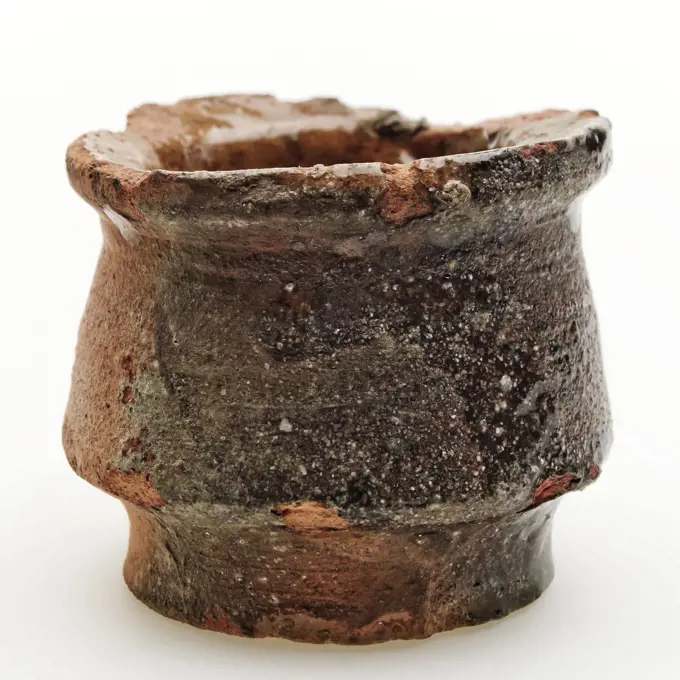
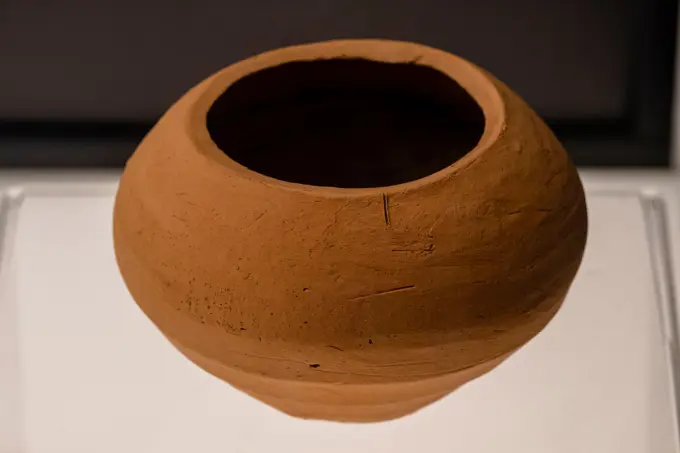
Pottery ointment jar, cylindrical model, white shard, internally glazed yellow, ointment jar holder soil find ceramic earthenware glaze lead glaze, hand turned glazed baked Pottery ointment jar cylindrical model white shard internal yellow glazed Thin flat wide top edge. Narrowing of the cauldron above the stand Surface with light soul coarsely finished archeology indigenous pottery store packaging medicine drug craft sales Rotterdam Oostwug City center Stadsdriehoek Haringvliet Kralingen-Crooswijk Struisenburg Boerengat Soil discovery Oostwug Rotterdam 1959.
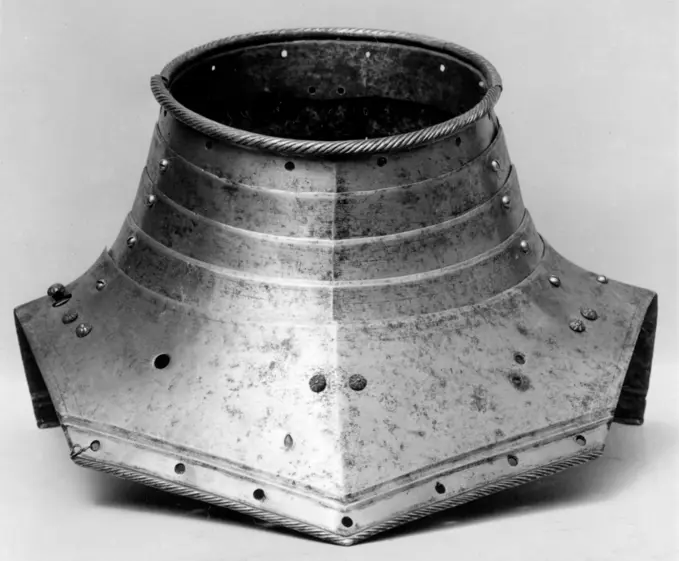
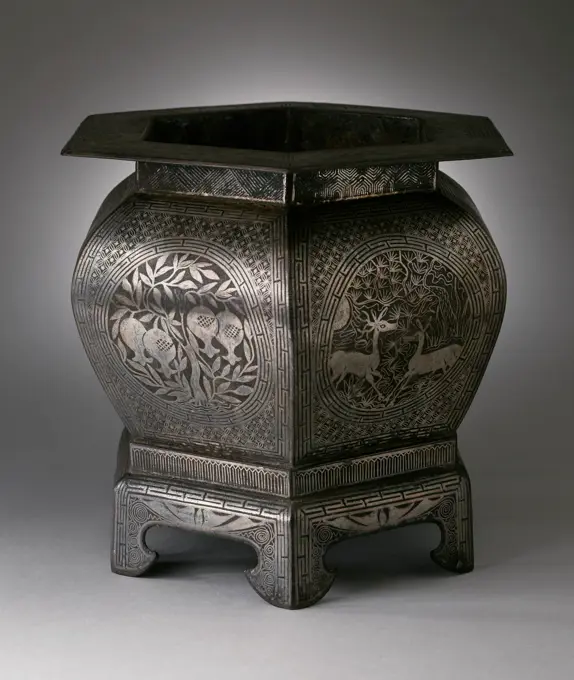
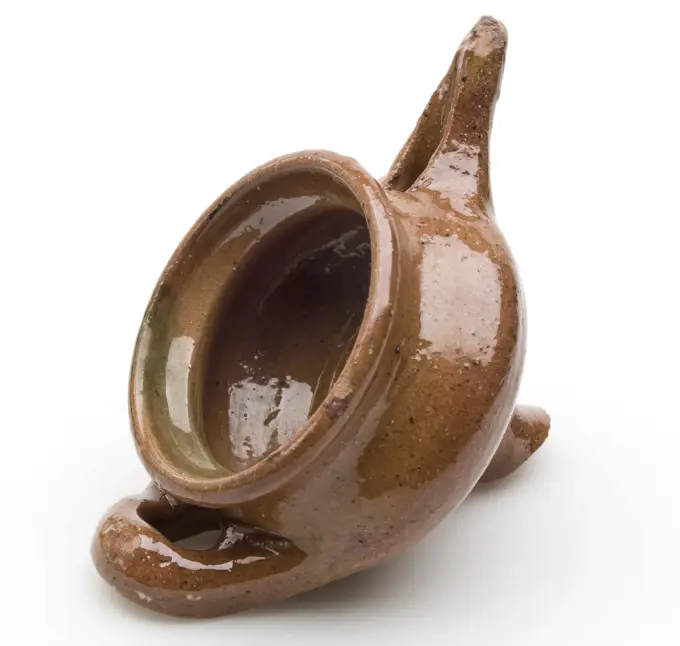
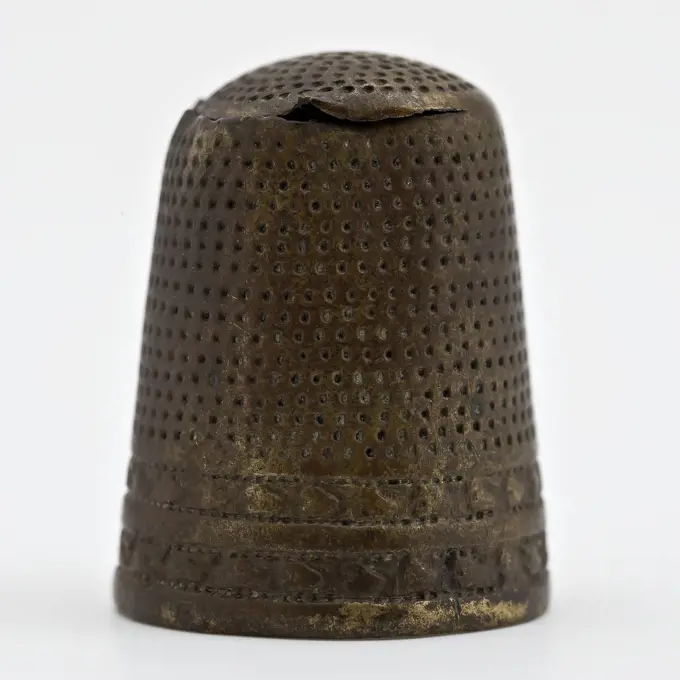
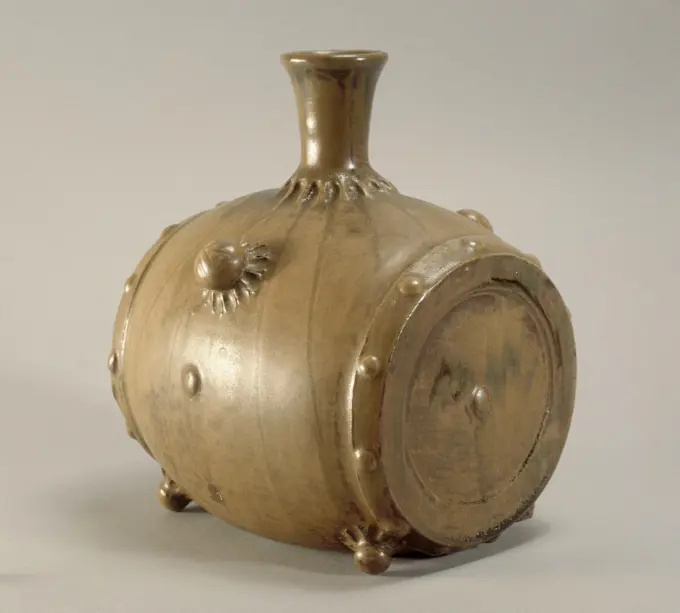
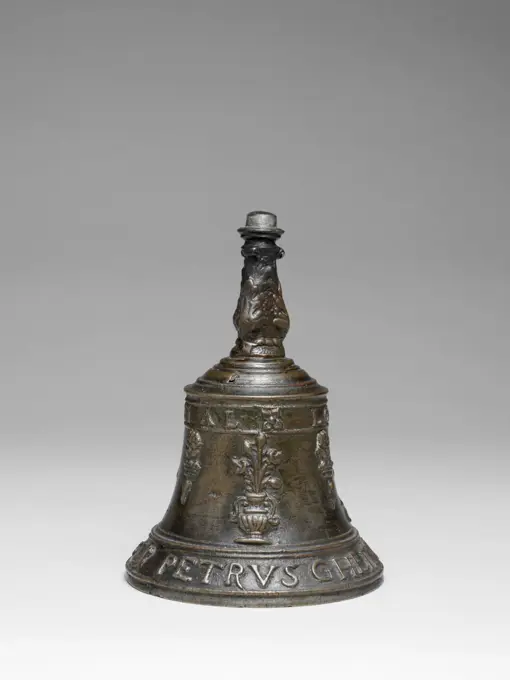
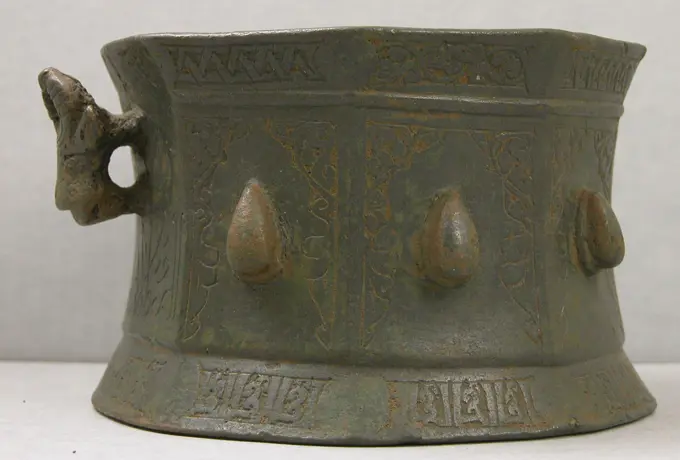
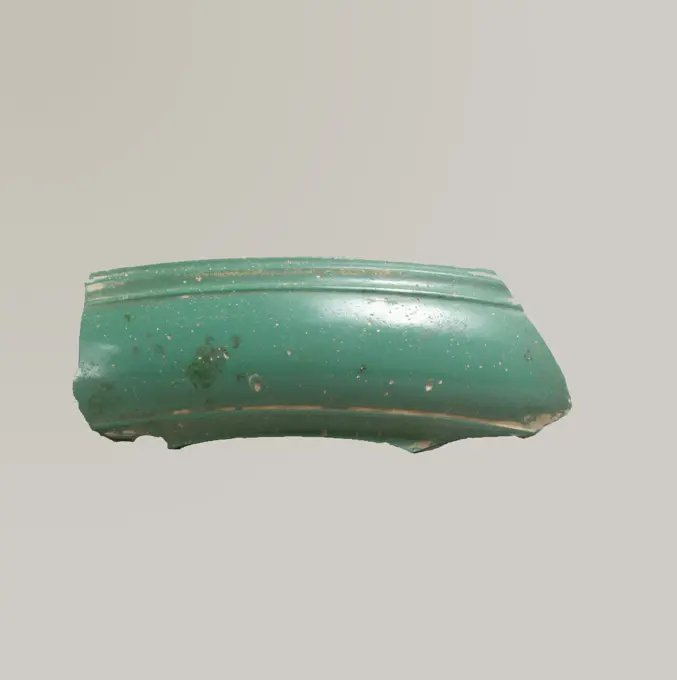
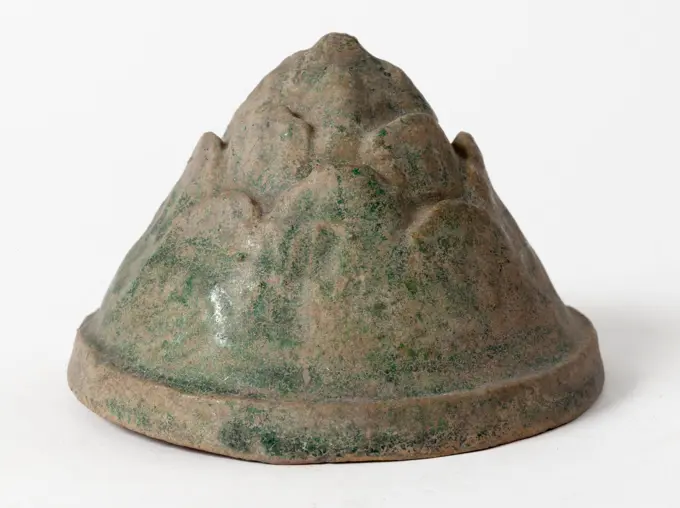
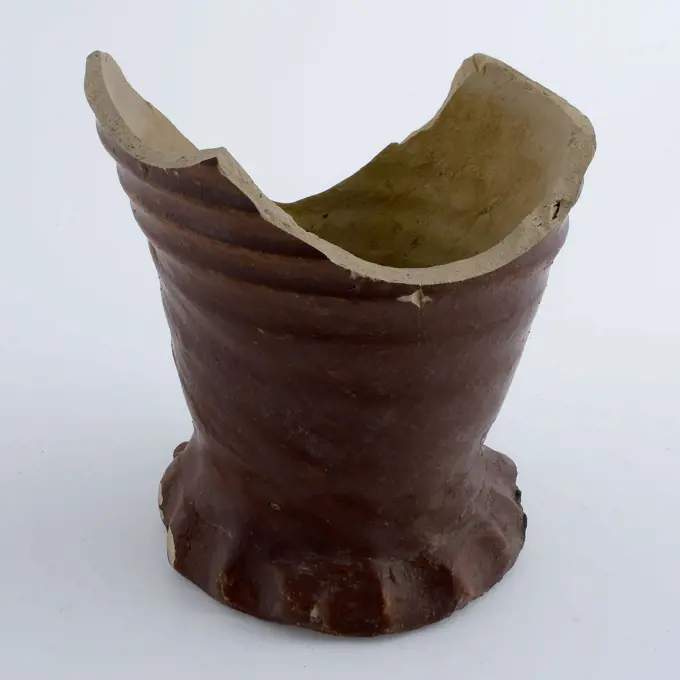
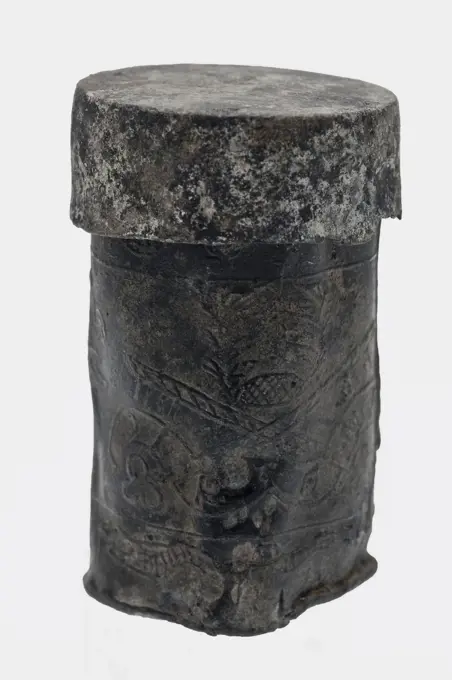
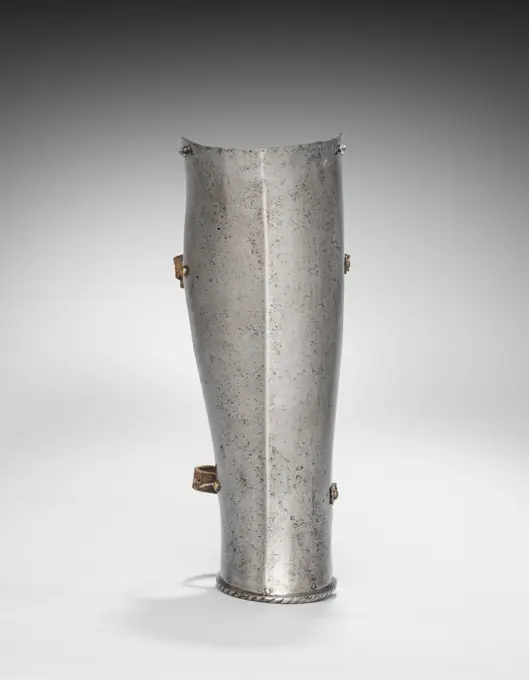
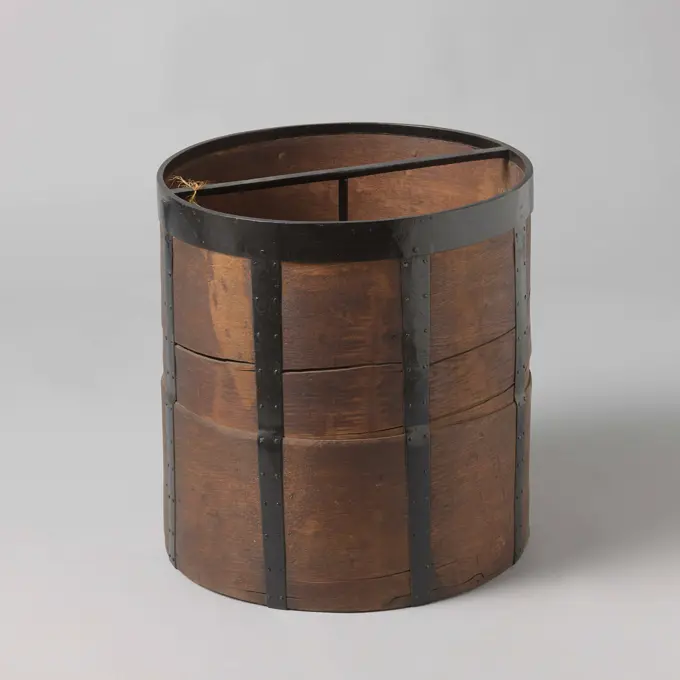
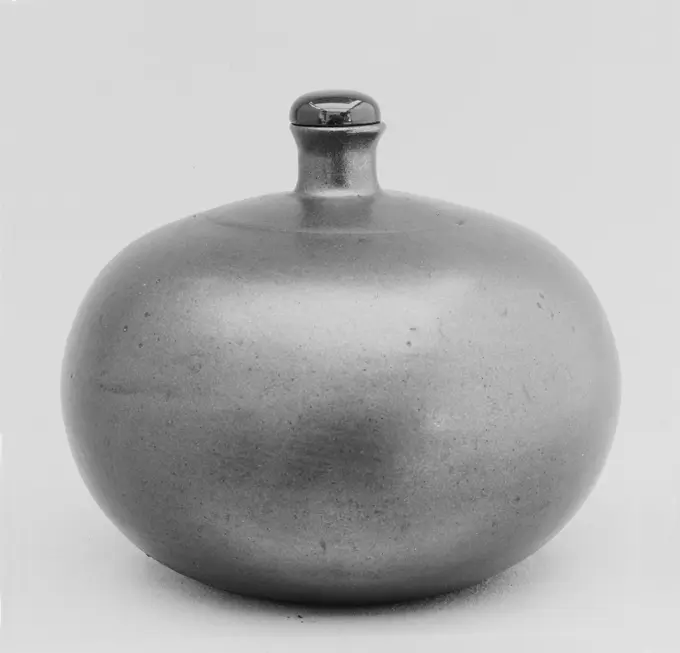
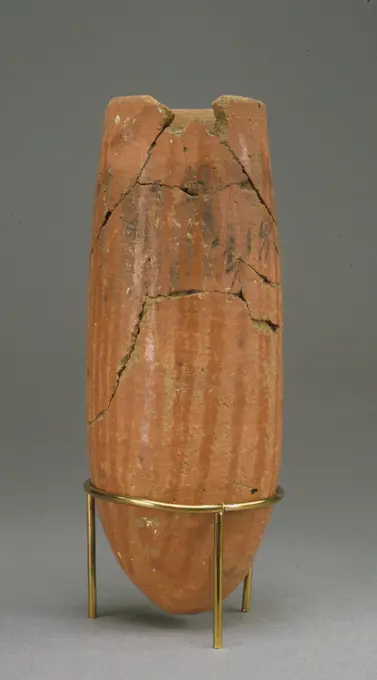
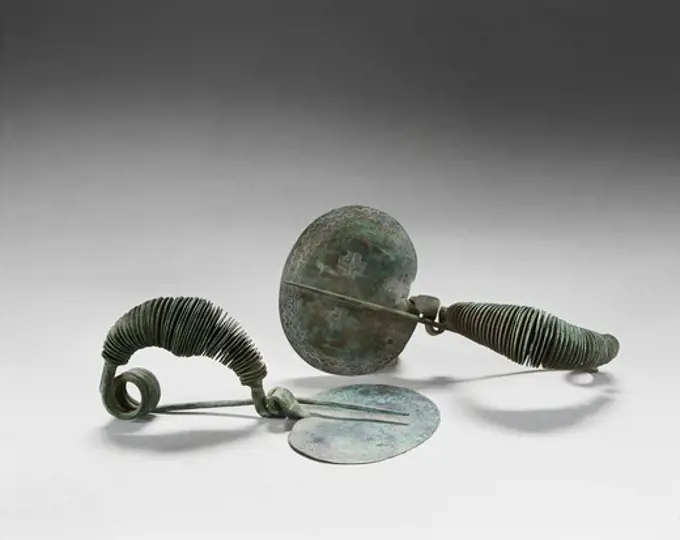
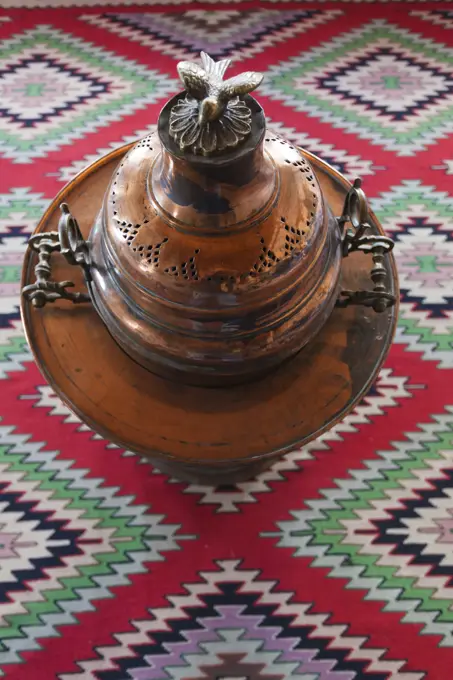
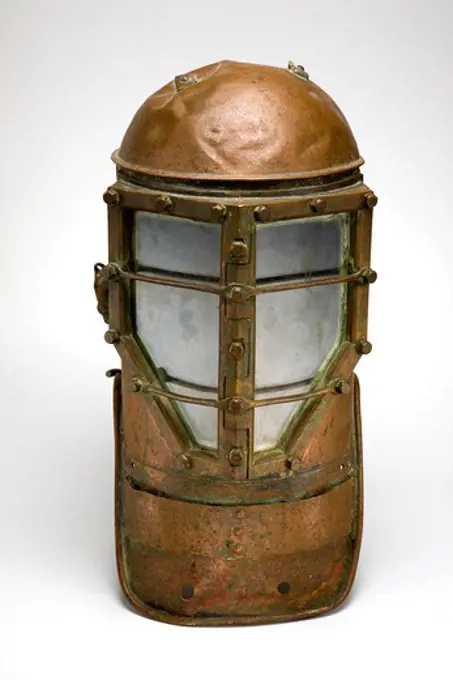
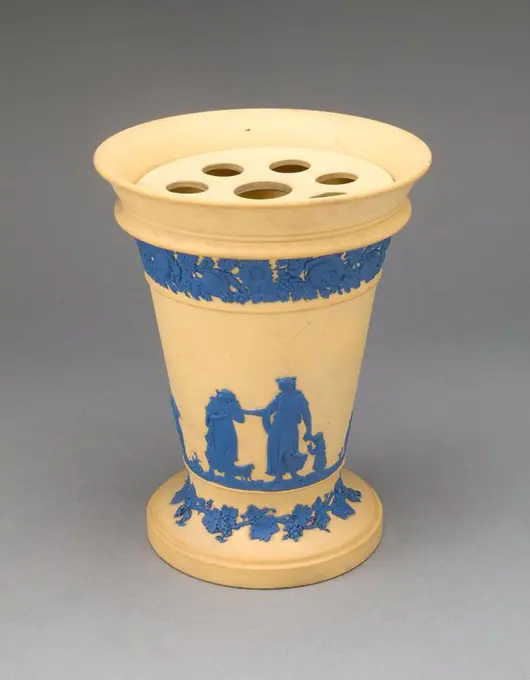
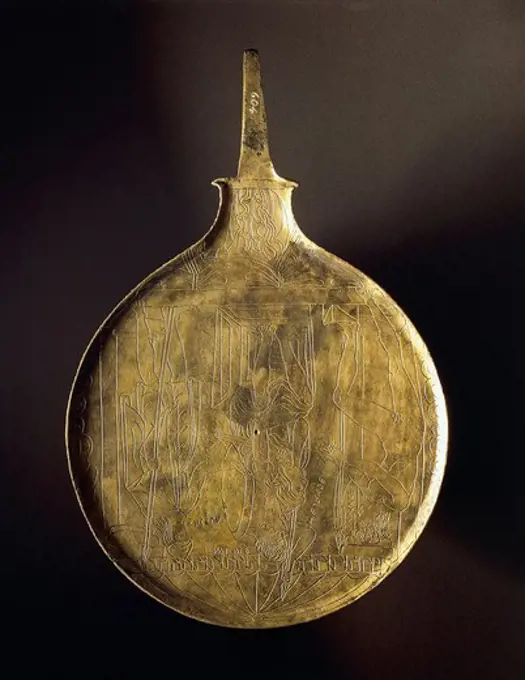
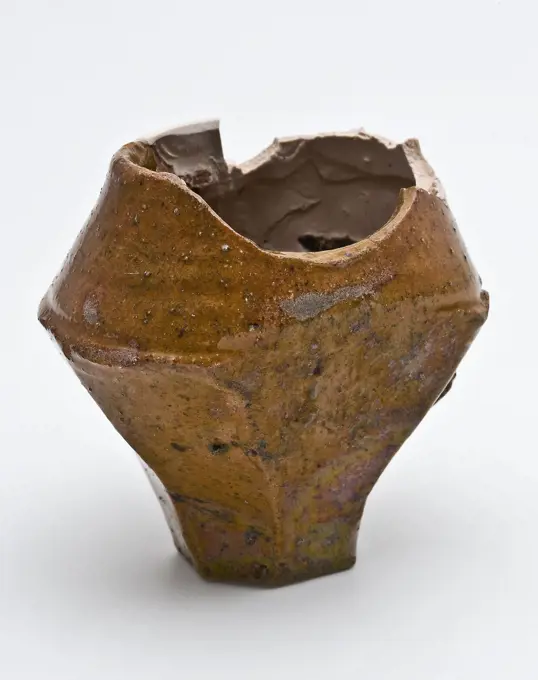
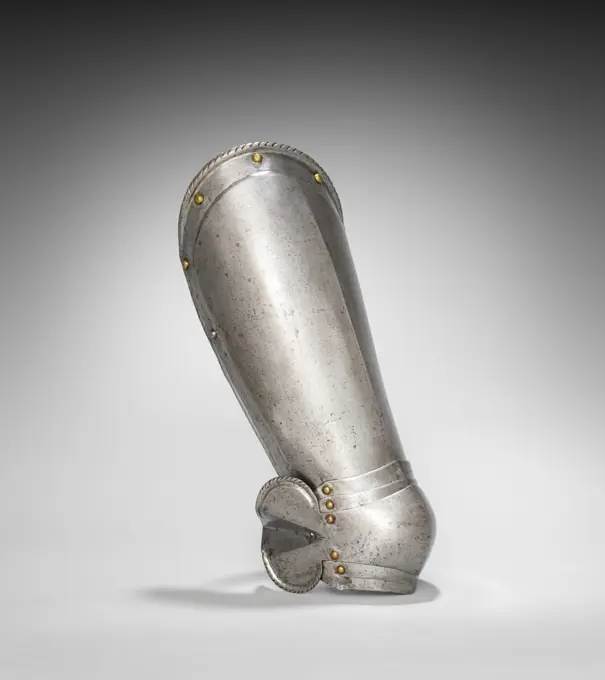
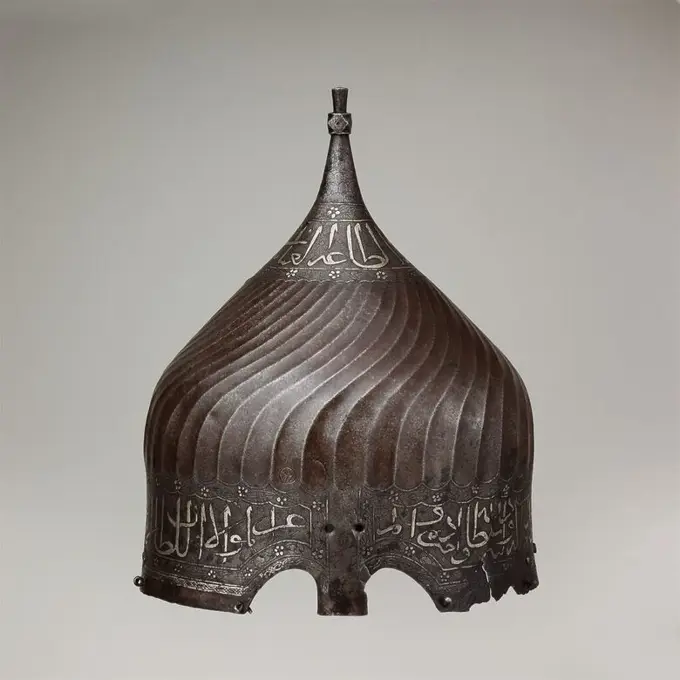
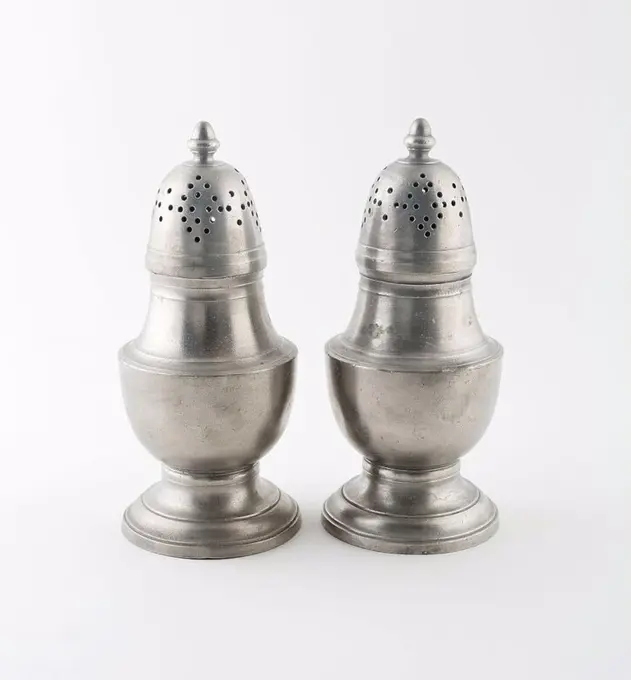
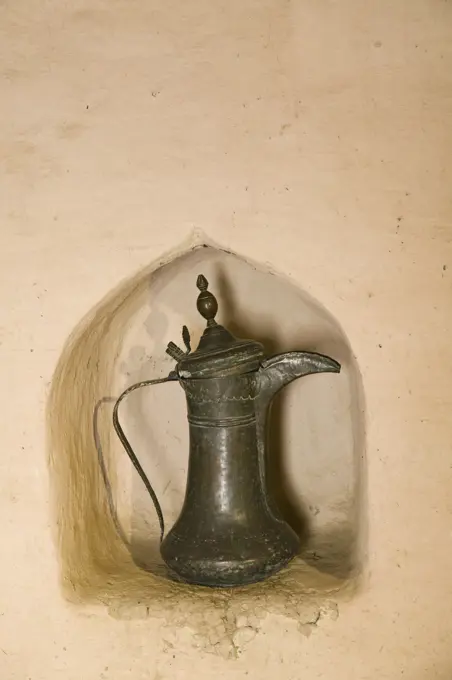
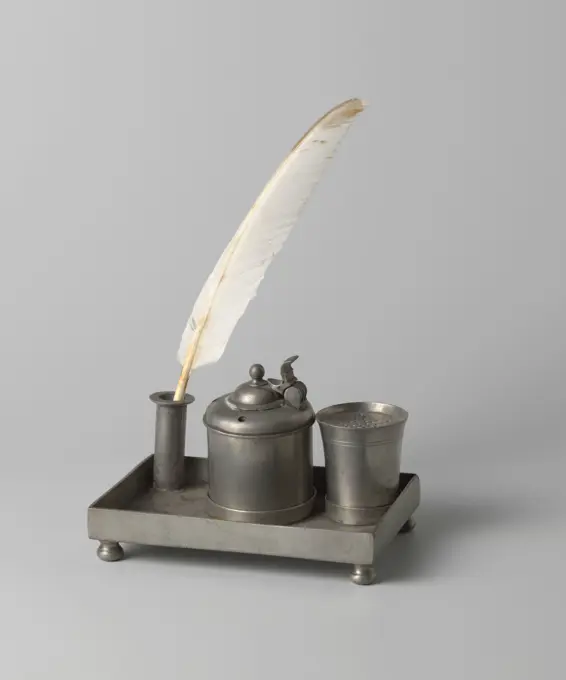
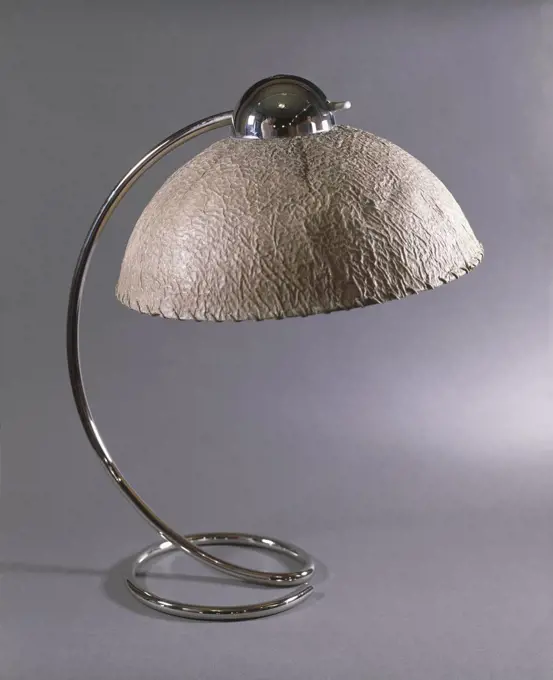
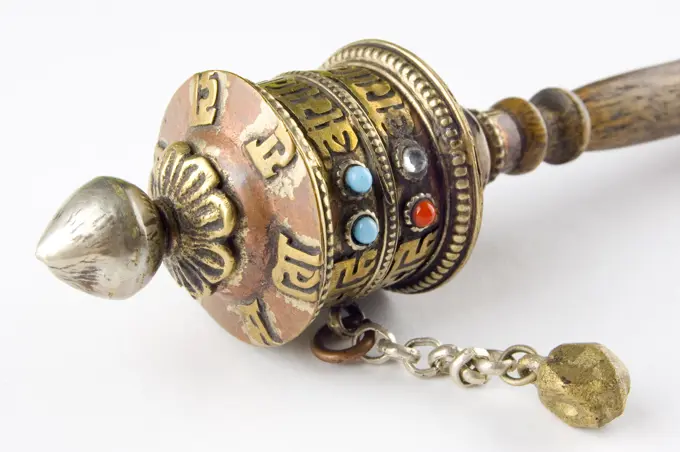
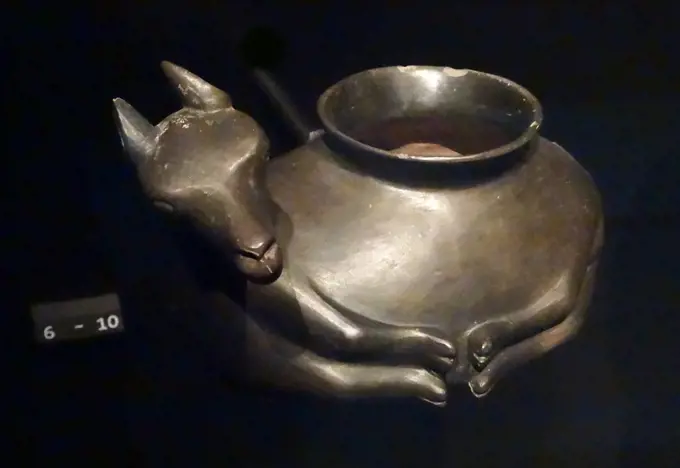
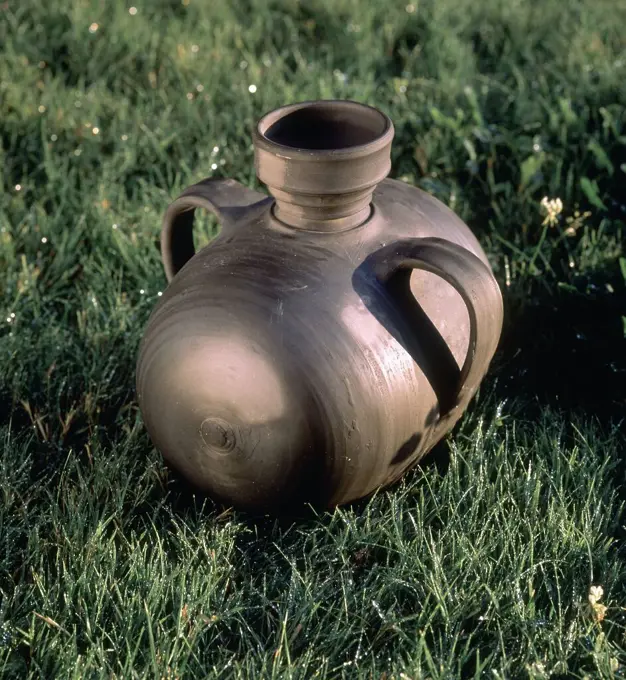
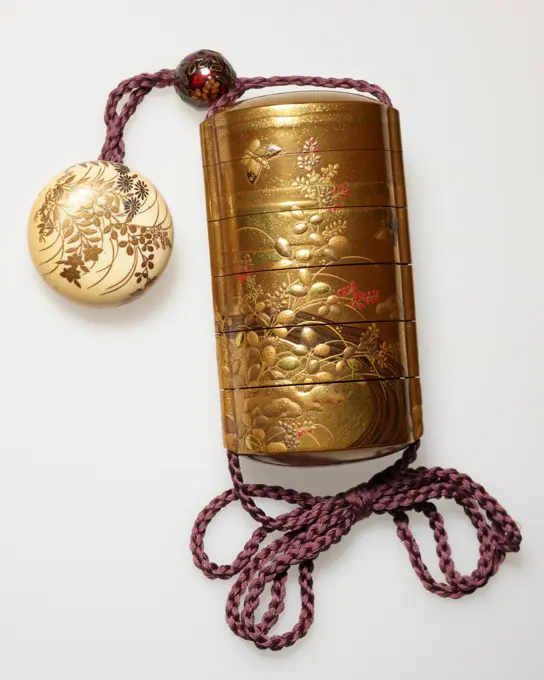
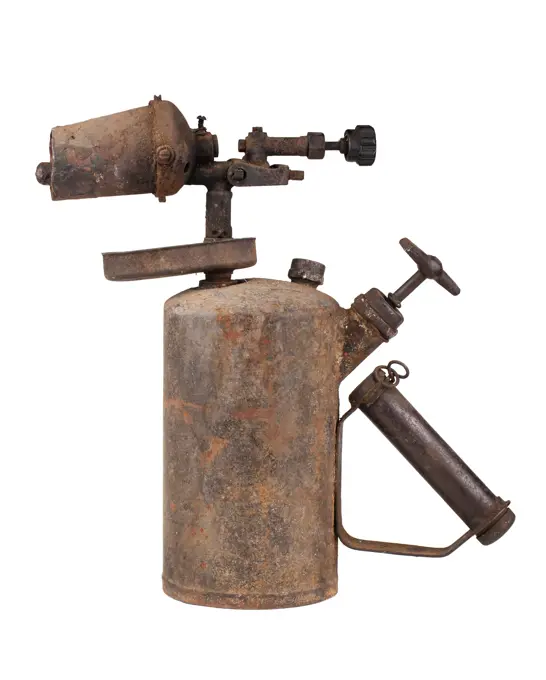
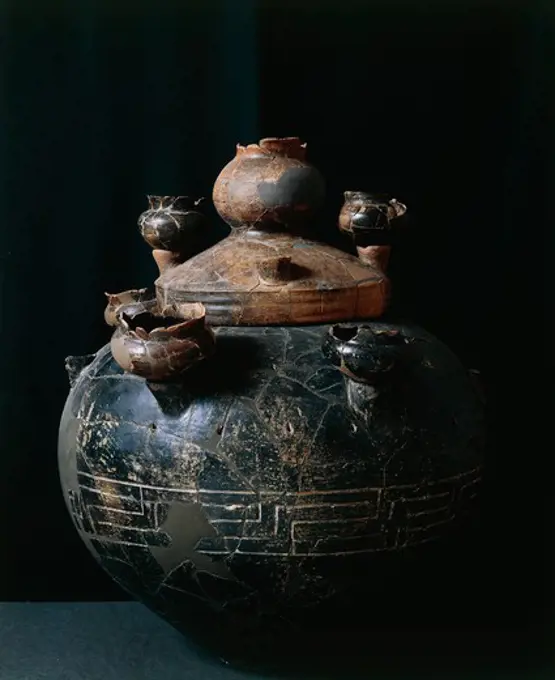
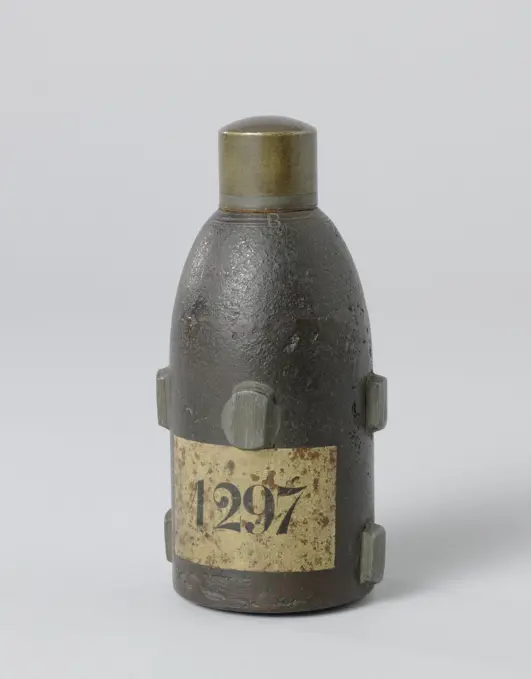
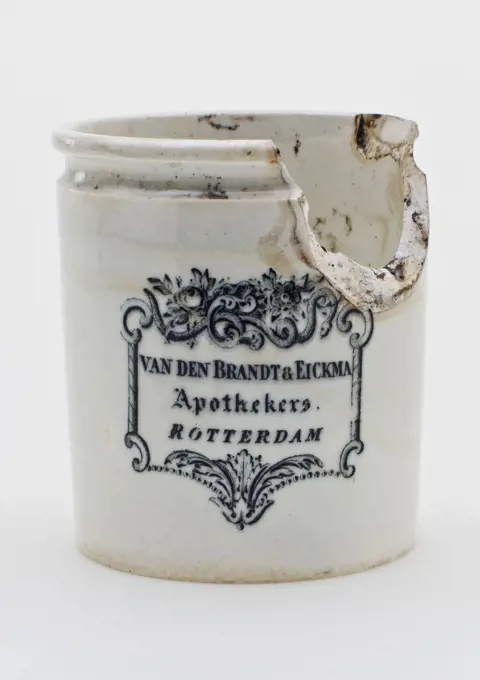
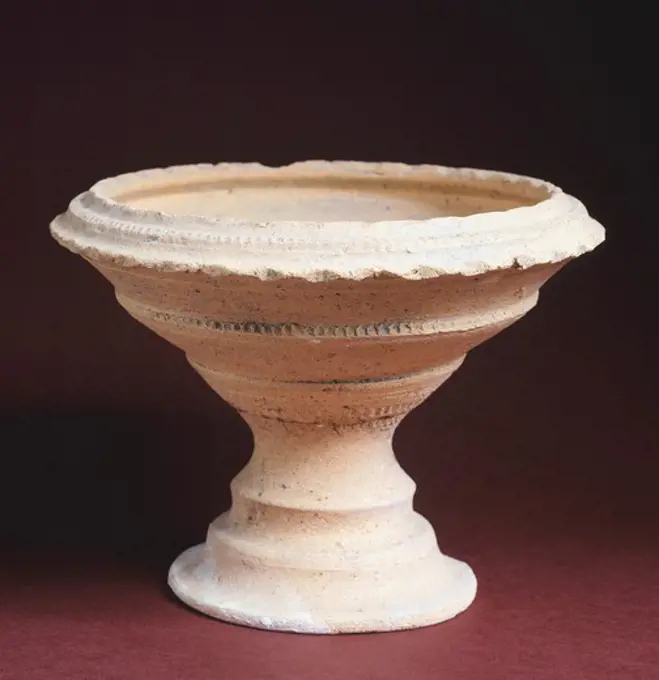
Ceramic vase, Italy. Italic Civilization, 1st-2nd Century.Silver Bird Vessel. Culture: Peru (). Dimensions: H. 5 3/8 x W. 3 1/2 x D. 2 in. (13.7 x 8.9 x 5.1cm). Date: A.D. 900-1470. Museum: Metropolitan Museum of Art, New York, USA.An antique indian metal vase isolated on white backgroundGorget 16th century German. Gorget. German. 16th century. Steel. Armor Parts-ColletinsSmall Drum 500 B.C.-A.D. 300 Indonesia(). Small Drum 53501Hexagonal Brazier. Korea, Joseon dynasty (1392-1910), 19th century. Tools and Equipment; braziers. Cast iron with silver wire inlayFragment of pottery, snot nose, oil lamp with ear and spout, snot-nose oil lamp lamp lighting fixture soil find ceramic earthenware glaze lead glaze, hand-turned glazed baked earthenware oil lamp snot nose red shard entirely covered with lead glaze bowl-shaped shell with outwardly curved mouth edge horizontally set up curved sausage ear free long protruding lip for the pit paw underside lacking archeology indigenous pottery oil illuminateCopper pressed thimble with decoration and marked, thimble sewing kit soil find copper metal, pressed Copper pressed thimble with right rotating spiral on top with groove in the shaft with decorated board with three grooves between which stylized animals and cloverleaf at the transition to the board archeology Rotterdam railway tunnel seamstress tailor sewing textile processing clothing needle and thread repair Soil discovery: trajectory rail tunnel Rotterdam.Jar 18th-19th century Korea. Jar. Korea. 18th-19th century. Porcelain with white glaze. Joseon dynasty (1392-1910). CeramicsTerracotta chalice. Culture: Etruscan. Dimensions: H.: 11 3/8 in. (28.9 cm). Date: ca. 550 B.C..Goblet-shaped vase with incised lines and pointed bosses on edge of rim. Museum: Metropolitan Museum of Art, New York, USA.Jean Carriès (1855-1894). "Rustic head pot-bar". Enameled sandstone. Museum of Fine Arts of the City of Paris, Petit Palais. 24201-2 Ceramic, Gres emaille, pot-bar, rustic headHandbell 19th century Dutch This bell is probably a nineteenth-century casting of a sixteenth century bell.. Handbell. Dutch. 19th century. Metal. Holland. Idiophone-Struck-bell-clapperBrazier 17th-18th century. Brazier 447101Spoon whose stem is crowned by a Mary with child, Anonymous, c. 1400 - c. 1600 The cast spoon has a beaten oval container, a handle with a triangular attachment, transferring to a pillar on which Maria with child. West-Europa brass (alloy) casting / striking (metalworking) The cast spoon has a beaten oval container, a handle with a triangular attachment, transferring to a pillar on which Maria with child. West-Europa brass (alloy) casting / striking (metalworking)Pottery ointment jar, tapered model with narrowing above the foot, ointment jar pot holder soil find ceramic earthenware glaze lead glaze, hand turned glazed baked Red shard Wide flat bevel edge downwards widening body tapered to the bottom stand surface Inside completely glazed exterior economical Stand surface coarsely finished Red shard partly gray by heating archeology Rotterdam City triangle Schielandshuis health care indigenous pottery packaging store medicine drug ointment pharmacy Soil discovery: Schielandshuis during restoration 1982.Column Base ca. 1130-1140 Catalan. Column Base 470846Mortar 11th-12th century. Mortar. 11th-12th century. Bronze. Attributed to Iran. MetalThree tier outdoor water fountain isolated on white background. 3D illustration Three tier outdoor water fountain isolated on white background. 3D illustration. Copyright: xZoonar.com/CigdemxSimsekx 21441669Glass monochrome dish fragment 1st half of 1st century A.D. Roman Opaque jade green.Vertical, rounded rim; convex side, bulging outward slightly, then curving in sharply, and finally turned downward.On exterior, below rim, molding comprising two horizontal grooves, the upper narrow, the lower broad, with a raised horizontal ridge below; on undercurve of side, a faint groove above a raised band.Polished exterior; pitting of surface bubbles with some weathering in grooves and chips on exterior; dulling and creamy iridescent weathering on interior, rim, and side edges; bottom edge unweathered.This rim fragment belongs to a large shallow dish made in a rather unusual opaque blue-green (jade) color.. Glass monochrome dish fragment. Roman. 1st half of 1st century A.D.. Glass; cast and cut. Early Imperial, Julio-Claudian. GlassTerracotta ". Terracotta with green lead glaze. Han dynasty (206 BC-220 AD). Paris, Cernuschi museum. Chinese art, cover, han dynasty, han time, conical form, terracottaClosing weight of 50 kg. Close weight of 50 kg with weights of blank iron in cylindrical wooden travel tube with iron fitting.20 ned pound10 ned pound10 ned pound5 ned pound2 ned pound2 ned pound1 ned poundCista (pojemnik) dekorowana przedstawieniem Dioskurów i Ateny. unknown, authorBronze ritual vessel 'Pan' Zhou Dynasty. 11th cent BC.Fragment stoneware jug on squeeze foot with brown engobe, jug jar jug soil find ceramic stoneware clay engobe glaze salt glaze, hand-turned glazed fried Foot fragment of stoneware jug on squeeze foot. Gray shard Externally smeared with an iron gob. Rotation lenses over the entire height Slim model jug. On the underside of the bottom baked neck fragment of the jug that was underneath during the baking archeology Rotterdam Stadscentrum Stadsdriehoek Groenendaal imported pottery import drink serve table serving archaeological find in the soil Groenendaal.steinerne marmorierte Vase steinerne marmorierte Vase Copyright: xZoonar.com/Dr.xNorbertxLangex 14322864Ring. Eastern Mediterranean, 3rd - 2nd centuries B.C.. Jewelry and Adornments. GlassAntique glass 1898, Middle EastGroup of Etruscan Phialai (3), Chalices (2) and an Urn. UnknownTobacco pouch 18th century Japan. Tobacco pouch 58947urna cineraria, Necrópolis de Carratiermes, siglo IV-II a. C. museo del Yacimiento arqueológico de Tiermes, Soria, comunidad autónoma de Castilla y Le...Small pewter reliquary with lid, ornament in relief, relic religious_object holder soil find souvenir tin metal h 4,5, cast Small pewter cup with lid embossed relief reliquary from Rome Decoration consists of crossed keys crowns fleurs de lis and pennants with text text in it pennant: DI ROMA and reverse BO archeology Rotterdam rail tunnel import honor save pilgrim souvenir pilgrimage relic Soil discovery: railway tunnel Rotterdam.Fire Bucket. Dated: 1938. Dimensions: overall: 39.6 x 30.5 cm (15 9/16 x 12 in.). Medium: watercolor, graphite, and colored pencil on paperboard. Museum: National Gallery of Art, Washington DC. Author: John Cooke.Proper Left Greave, c. 1560-80. South Germany, 16th century. Steel, leather straps, brass rivets; overall: 33.5 cm (13 3/16 in.). This armor was developed for the joust-a sporting combat between two mounted contestants. Although all of the elements of this armor date from the same period, they are not all from the same suit. This armor is thus called "composed." It also shows the asymmetry of jousting armor. The participants rode along a wall-like barrier known as a "tilt" with their left sides facing one another. Consequently, armor on that side of the body had to be thicker. Note the large plate (grandguard) over the left shoulder for extra protection. Also, the breathing holes in the helmet were placed on the right side (farthest from an opponent's lance) to avoid injuries from splinters. The bracket attached to the right breastplate is called the lance-rest, a shock-absorbing support designed to accommodate the lance when "couched" under the right armpit.Earthenware oil lamp with lower and upper shell, trunk and horizontal suspension, oil lamp lamp lighting fixture soil find ceramic earthenware glaze lead glaze, hand turned hand shaped glazed baked earthenware oil lamp with base and upper shell and suspension eye red shard covered with lead glaze. Column between the scales Stand surface with uigostoken soul under the trunk Shelf on one side straightened archeology lighting indigenous earthenware lamp oil evening night illuminateCenser 19th century Chinese. Censer 460812Perfume funnel ca. 1743-45 Johann Christoph Stenglin German. Perfume funnel 231595Fragment of part of shoulder, neck and lip of bottle, bottle holder soil find glass, with flattened widened lip. During manufacture, the flattening has failed because the glass mass has entered part of the mouth instead of outwards. As result, the pouring filling opening has become very small. Archeology Rotterdam rail tunnel drug medicine Soil discovery: rail tunnel Rotterdam.Italic civilizations, Piceni, 7th century b.C. Cup with lid and zoomorphic handles.Grain part of 50 () L. Team content partner of 50 () L. No content indicatorBottle 18th century Japan. Bottle. Japan. 18th century. Clay stained dark with lustrous glaze (Bizen ware, Imbe style). Edo period (1615-1868). CeramicsSitula, red polished ware ca. 1550-1458 B.C. New Kingdom. Situla, red polished ware. ca. 1550-1458 B.C.. Pottery (polished red), paint. New Kingdom. From Egypt, Upper Egypt, Thebes, Asasif, Courtyard CC 41, Radim, MMA excavations, 1915-16. Dynasty 18, earlyVASIJA SIN ASAS SIN VIDRIAR A MODO DE DEPOSITO - PROCEDE DE QUART (GERONA). Location: MUSEO DEL PUEBLO ESPAÑOL. MADRID. SPAIN.Prehistory, Italy, Iron Age. Villanovan culture. Fibulas. From the necropolis of Le Rose at Tarquinia, province of Viterbo.georgian ceramic pottery black pitcher georgian ceramic pottery black pitcher isolated on white background Copyright: xZoonar.com/ValeryxVoennyyx 5660644Albania, Gjirokastra, Ethnographic Museum, birthplace of Communist leader Enver Hoxha, Ottoman house interior with brass bowlsCampanian Black Guttus with Sieve Top. UnknownPottery Jar with Lid. Dated: c. 1938. Dimensions: overall: 27.6 x 22.8 cm (10 7/8 x 9 in.) Original IAD Object: 10 1/2 High 6 1/2 Dia. Medium: watercolor, colored pencil, pen and ink on paper. Museum: National Gallery of Art, Washington DC. Author: Annie B. Johnston.Sauceboat 1737-38 Jean-Etienne Freboul. Sauceboat 200073Bronze incense burner, 15th century, from La Mata, Huesca Diocesan Museum, Aragon community, Spain.Vessel and lid 1st millennium B.C. Iran. Vessel and lid 325632Swiss military manner model 1898 Factory productNew Bridge, Westminster (money box)' still bank, c. 1862, 3 15/16 x 2 3/8 x 2 3/8 in. (10 x 6.03 x 6.03 cm) (overall), Wood, pigment, Scotland (probably), 19th centuryClose-up of a very old deep sea diving helmetCAZUELA CON TAPA - VIDRIADA - ARTE POPULAR S XX. Location: ALFARERIA. TIÑOSILLOS. AVILA. SPAIN.Pepperbox.   Maker: Edward Winslow, American, 1669-1753Vase. Wedgwood Manufactory; England, founded 1759. Date: 1810-1820. Dimensions: H: 18.4 cm (7 1/4 in.); diam. 14.6 cm (5 3/4 in.). Stoneware (caneware) with applied blue decoration. Origin: Burslem. Museum: The Chicago Art Institute, Chicago, USA.agadir city morocco medina landmark arab wood vaseAnonymous, reduced housing model: left rear base, between 0 and 400. Terracotta. Cernuschi Museum, Asia Museum of Asia in the city of Paris.Bronze mirror, back side engraved with picture of DioscuriLamp 10th-11th century. Lamp. 10th-11th century. Bronze; cast. Found Iran, Nishapur. MetalRussian Folk Container Wooden traditional Russian handmade container on isolated background Copyright: xZoonar.com/AndreyxSkatx 8079752Pyxis (Container for Personal Objects) 450 BCE-440 BCE Greece. This pyxis, which has concave sides, a flange over the base, and a flat lid with a handle in the shape of a pomegranate, is attributed to the Euaion Painter, who was a follower of Douris. Dourisís name is known because he signed his vases. However, the painter of this vase is unknown, so he is now called after an inscription on another vase that names one Euaion as a handsome boy.. terracotta, decorated in the red-figure technique . Euaion PainterDrinking bowl in the shape of pulpit with one flat side, trough trough basin foundations ceramic earthenware glaze lead glaze, hand turned hand shaped glazed fired Small heptagonal foot wider ending to middle edge. Above the middle edge narrowing towards the upper edge Red earthenware glazed entirely Drinking cup for bird cage made in the shape of pulpit archeology Rotterdam railroad tunnel animal bird drinking water animals keep Soil discovery: railway tunnel Rotterdam.Lazio Viterbo Viterbo Museo Civico55. Hutzel, Max 1960-1990 Views of paintings (Middle Ages through 18th c.), frescoes, a tabernacle, coffin, sculpture reliefs, portal fragments, busts, sculpture, tapestry found in the Pinacoteca, Second floor gallery and Second floor cloister sequences. Antiquities: Many views of Etruscan and Roman fragments, sculpture, sarcophagi, pottery, masks, jewelry and other objects found in the Storeroom sequence (inventory numbers on back of prints), and the Cloister, Second floor Cloister, Valle Giulia, Sala Romana and Sala Etrusca sequences. General Notes: There are eight separate numerical sequences for this location. The cloister as an architectural structure, rather than museum site, is documented in the record and file for S. Maria della Verita, Cloister, all views of which are stored in Medieval core collection. Five views from the Museo Civico Second floor cloister sequence are stored in Medieval. German-born photographer and scholar Max Hutzel (1911-Proper Right Cuisse and Knee Cop, c. 1560-1580. South Germany, 16th century. Steel, leather straps, brass rivets; overall: 44.8 cm (17 5/8 in.). This armor was developed for the joust-a sporting combat between two mounted contestants. Although all of the elements of this armor date from the same period, they are not all from the same suit. This armor is thus called "composed." It also shows the asymmetry of jousting armor. The participants rode along a wall-like barrier known as a "tilt" with their left sides facing one another. Consequently, armor on that side of the body had to be thicker. Note the large plate (grandguard) over the left shoulder for extra protection. Also, the breathing holes in the helmet were placed on the right side (farthest from an opponent's lance) to avoid injuries from splinters. The bracket attached to the right breastplate is called the lance-rest, a shock-absorbing support designed to accommodate the lance when "couched" under the right armpit.vintage coffee mill isolated on white backgroundJohn Bayly, Porringer, c. 1760, silver.Candlestick Base first half 14th century. Candlestick Base. first half 14th century. Brass; engraved and inlaid with silver. Attributed to Egypt or Syria. MetalCar cylinderTurban Helmet. Culture: Iranian. Dimensions: H. 12 1/4 in. (31.1 cm); Diam. 9 1/2 in. (24.1 cm); Wt. 2 lb. 5.1 oz. (1051.8 g). Date: late 15th century.Helmets of this type are usually called turban helmets becuase of their large bulbous shape and the flutings that imitate the folds of a turban. Because certain dervish groups wore turbans wound with a prescribed number of folds to represent an important mystical number, it is likely that turban helmets were regarded not merely as armor but also as a kind of religious insignia, their very shape marking the wearer as a fighter in a Holy War.Turban helmets, together with mail-and-plate armor of matching decoration, were intended for the heavy cavalry and are recorded as early as the fourteenth century. The examples exhibited here appear to have belonged to the dynasty of Ak-Koyunlu (White Sheep Turkoman), which ruled northwestern Iran and Anatolia in the fifteenth century. The inscriptions, damascened with gold and silver, glorify temporOld lanternA Coffee Grinder Isolated on White Background with clipping pathPair of Casters. Probably Germany. Date: 1785-1799. Dimensions: 17.8 x 7.9 cm (7 x 3 1/8 in.). Pewter. Origin: Germany. Museum: The Chicago Art Institute, Chicago, USA.Oman, Western Hajar Mountains, Nizwa. Nizwa Fort, Arabian Water CarafeSand spreader from an ink set from Tin with Veer, c. 1864 - 1923 Tin sand spreader with cylindrical body. The top is open with small circles that form a star. Zwolle tin (metal) casting Tin sand spreader with cylindrical body. The top is open with small circles that form a star. Zwolle tin (metal) castingClose-up of a lampshade with tubular chrome stand and a paper shade, Italyprayer mill prayer mill isolated in white Copyright: xZoonar.com/szefeix 4449445Gilded silver phiale (libation bowl). Culture: Greek. Dimensions: diameter 8in. (20.3cm). Date: 6th century B.C..The bowl is ornamented with alternating palmettes and lotus buds executed in the repoussé technique. The gilded boss is surrounded by a frieze of animals. Museum: Metropolitan Museum of Art, New York, USA.Watercolor garden pots on white background. Brown wooden pots and basket. Gardening clipart Watercolor garden pots on white background. Brown wooden pots and basket. Copyright: xZoonar.com/LiubovxPonomarchukx 18857006An ancient terracotta vase shaped like Llama from the Moche culture, alternatively known as, the Mochica culture, Early Chimu, Pre-Chimu or Proto-Chimu, from the North Coast of Peru. Dated 8th CenturyOld style box isolated on whiteCUERVERA PARA SANGRIA-BARREÑO CON JARRITOS-CERAMICA DE CHINCHILLA (ALBACETE). Location: MUSEO DEL PUEBLO ESPAÑOL, MADRID, SPAIN.Ceramic, clay cezve isolated on white backgroundWalter Hochstrasser, Toy Bank  Globe, c 1939 Toy Bank: GlobeBOTIJO O TONELETE CERAMICA NEGRA BRUNIDA-ARTE POPULAR. Location: ALFARERIA. SPAIN.Five-case inro with decor of bushclover and butterflies; ojime with floral design; netsuke of autumn grasses, mid 19th century, Tatsuke Takamasu, Japanese, H.3-3/4 x W.2-1/16 x D.1-1/4 in. (inro), Lacquer (takamaki-e); ojime: cloisonné enamel; netsuke: gold lacquer on ivory, Japan, 19th centuryRusty old blowtorch Rusty old blowtorch isolated on white background Copyright: xZoonar.com/AndreyxEreminx 5798382Signalling Lantern, young Châtel, 1875 lantern  Paris copper (metal). glass. putty (sealing compound)wooden  column made in 3 D graphicsItalic civilizations, Piceni, 7th century b.C. Olla with bowls on sides and lid.Top hat. Culture: British. Designer: Melton. Date: ca. 1875.The silk top hat became an essential component of the gentleman's wardrobe in the mid-19th century. During the reign of Queen Victoria in England, where this example was made, the gentleman who wore such a hat also followed a prescribed code of etiquette, such as raising or tipping the hat or touching the brim to acknowledge his social peers or superiors. Such attention to detailed social protocol also meant that hats made of silk plush, as this is, required frequent brushing to ensure the hat and the gentlemen looked polished at all times. Museum: Metropolitan Museum of Art, New York, USA.5-cm Shell, Construction Workplace, 1863 grenade (ammunition) 5 cm grenade with percussion tube. The grenade has a cylinder vorimig pointed body, with zinc cams for four pulling fields. A percussion tube with brass protective cap is screwed in the tip, with a leather. Delft iron (metal). brass (alloy). zinc. leatherPharmacy jar, ointment jar with imprint Van den Brandt & Eickma Rotterdam, apothecary jar ointment jar holder soil find ceramic porcelain h 6,2, in shape made printed glazed baked Cylindrical ointment jar with binding groove under the top edge White industrial white. Cartouche on the sidewall with text. Frame decorated with plumes and twisting branches of flower and leaf motifs. Marked in blind print on the bottom Inscription in cartouche: VAN DEN BRANDT & EICKMA APOTHEKERS ROTTERDAM archeology Rotterdam railway tunnel health care indigenous porcelain packaging self-care medication drug pharmacy craft Soil discovery Rail tunnel.Flywheel Test Hardware