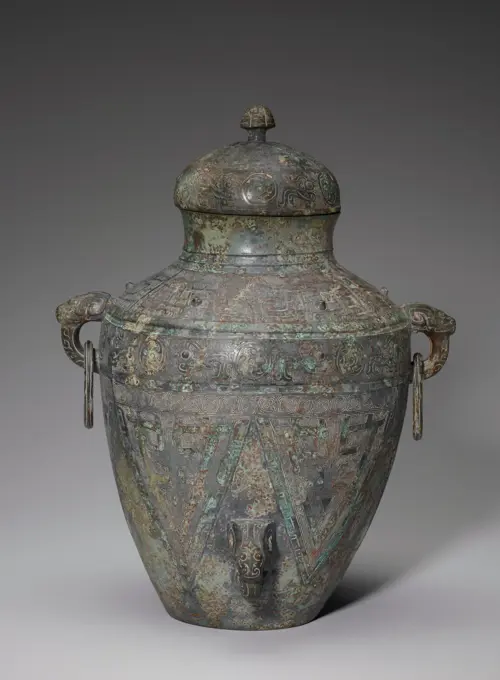
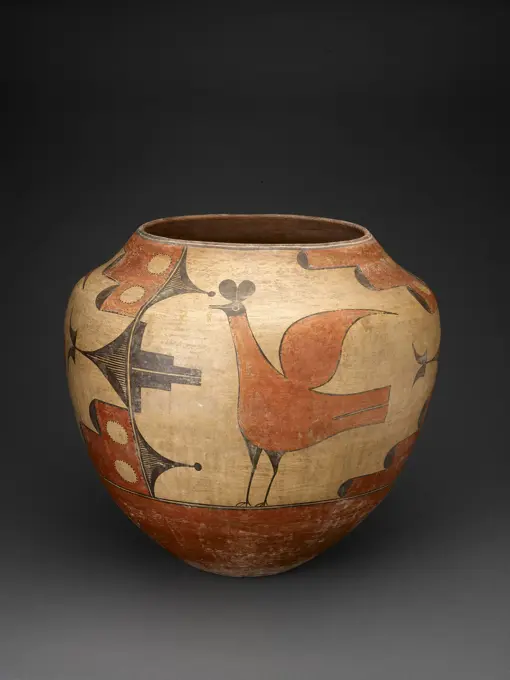
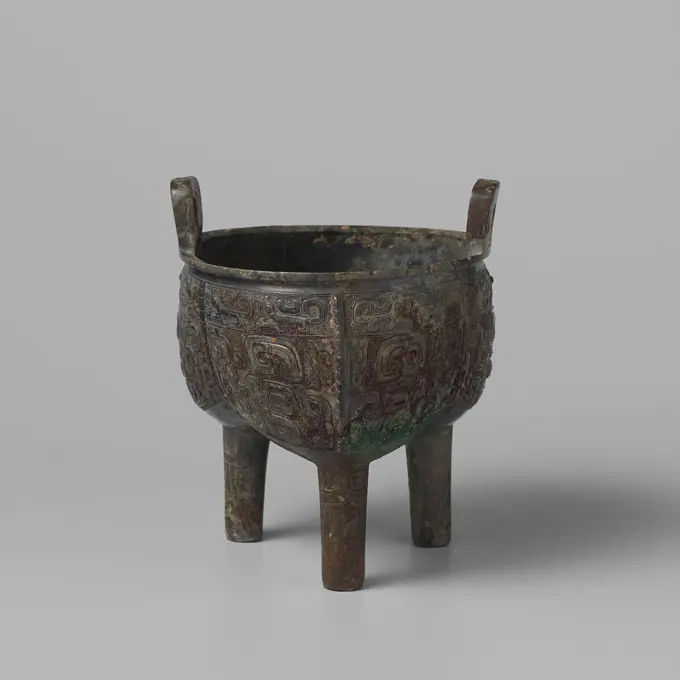
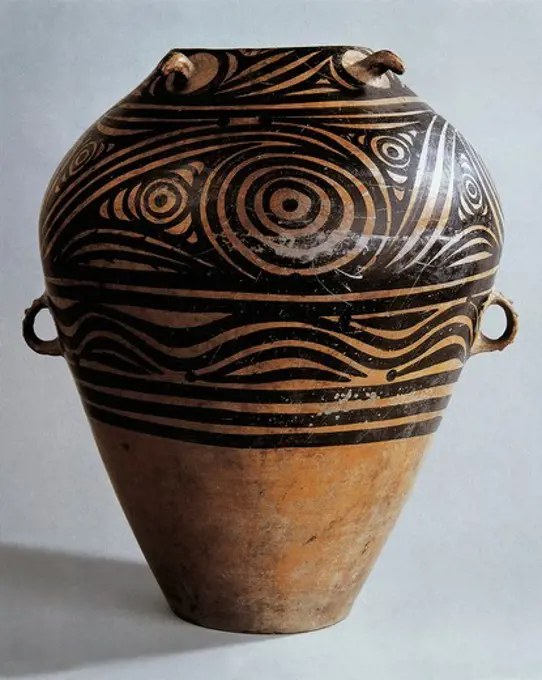
Ancient Pottery and Vessels

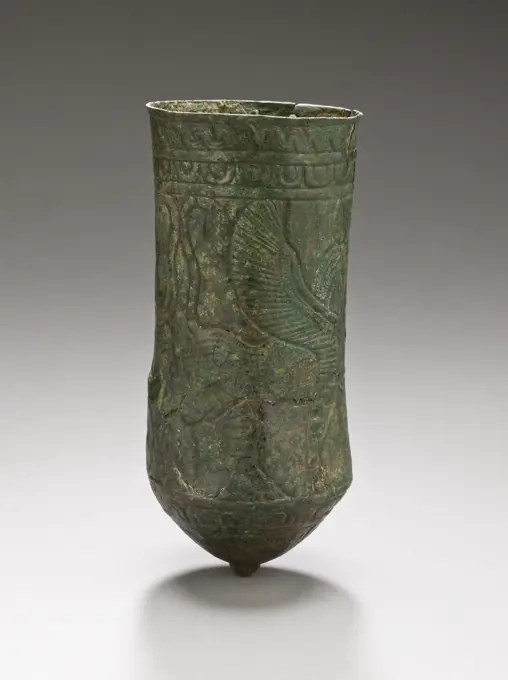
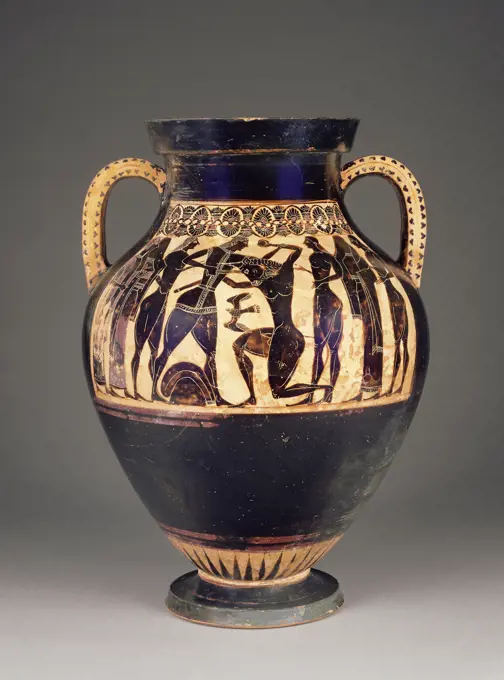
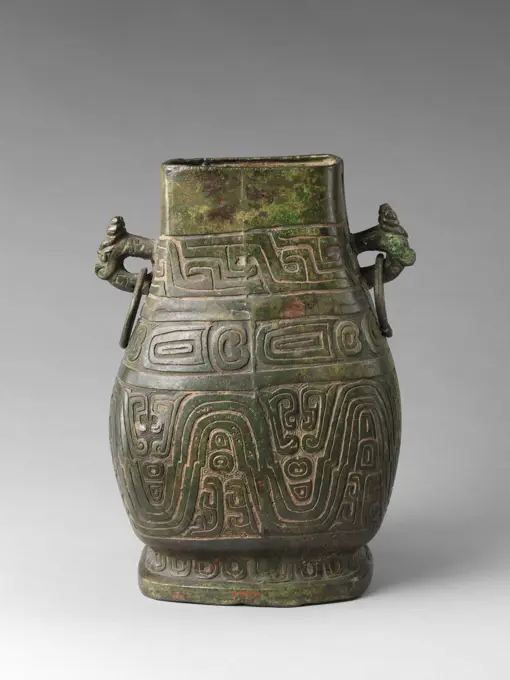
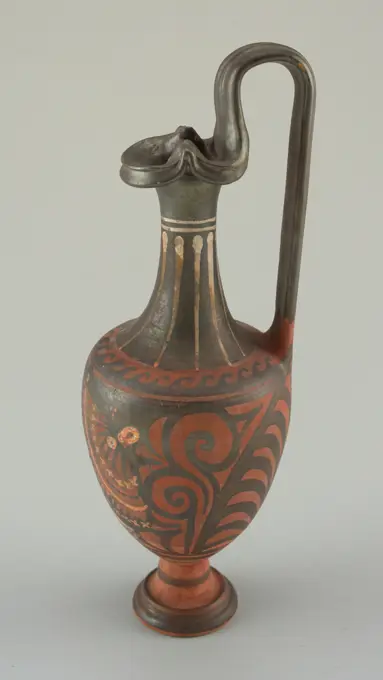
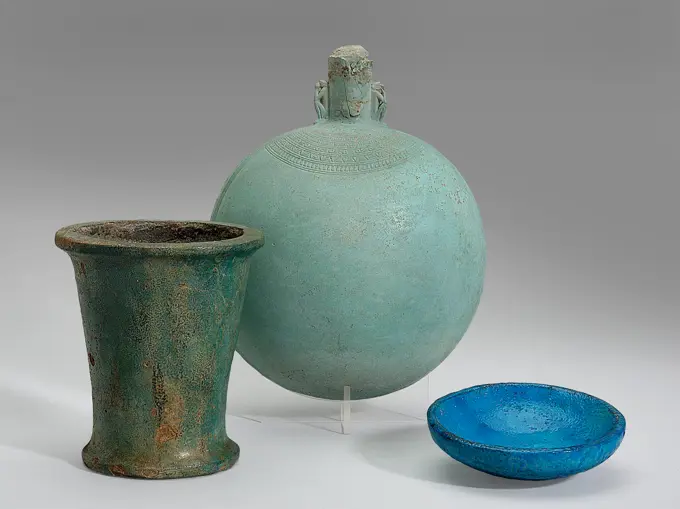
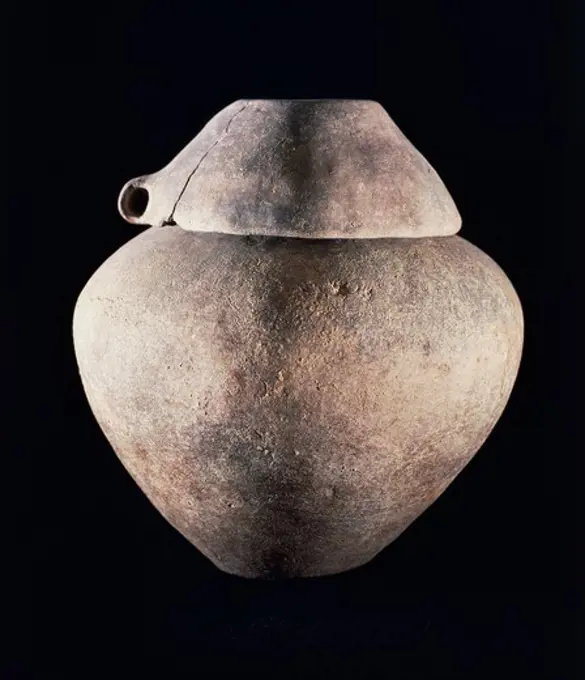
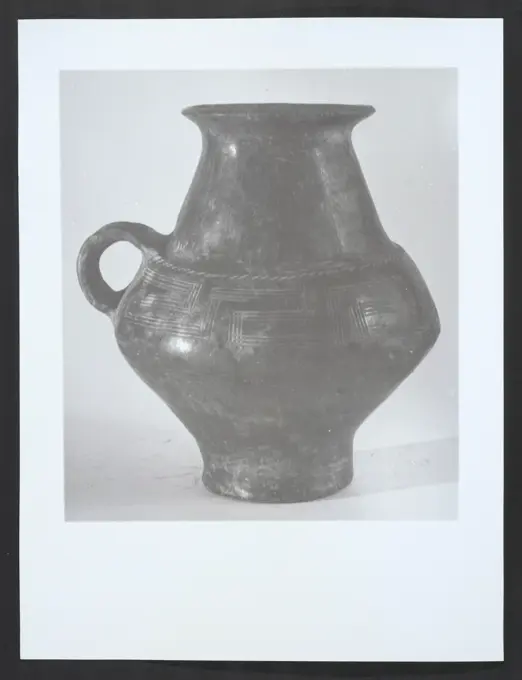
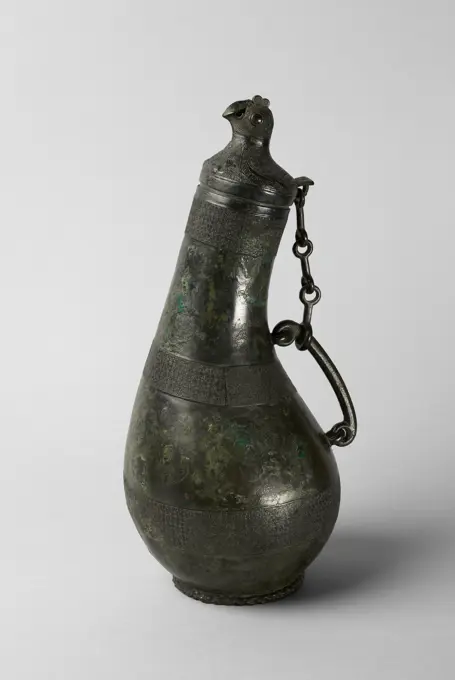
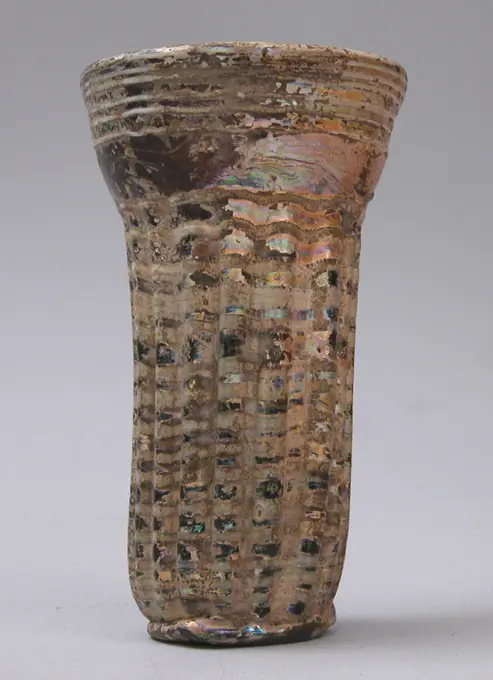
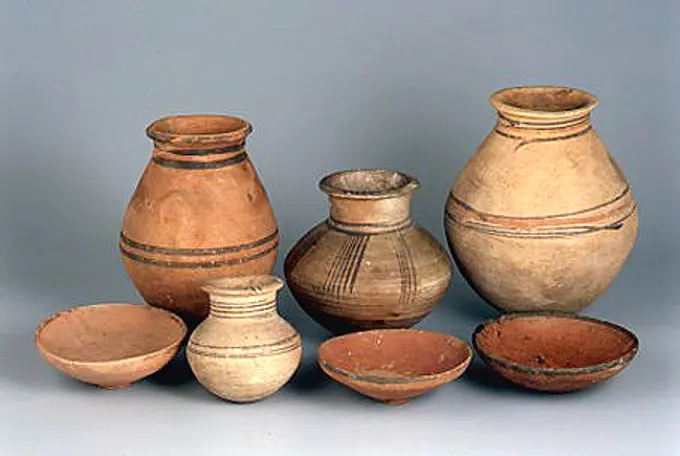
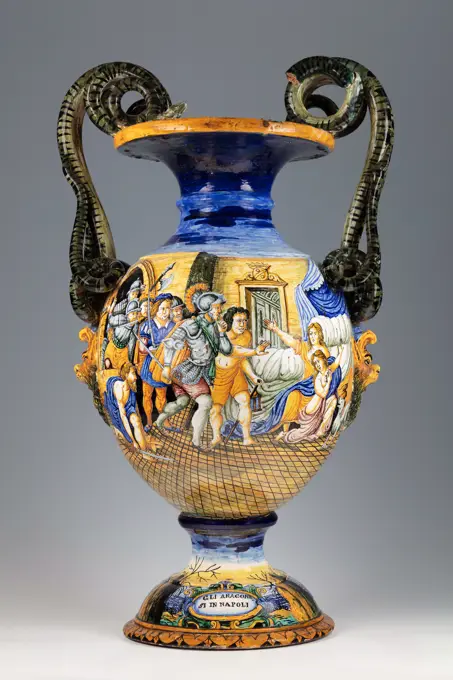
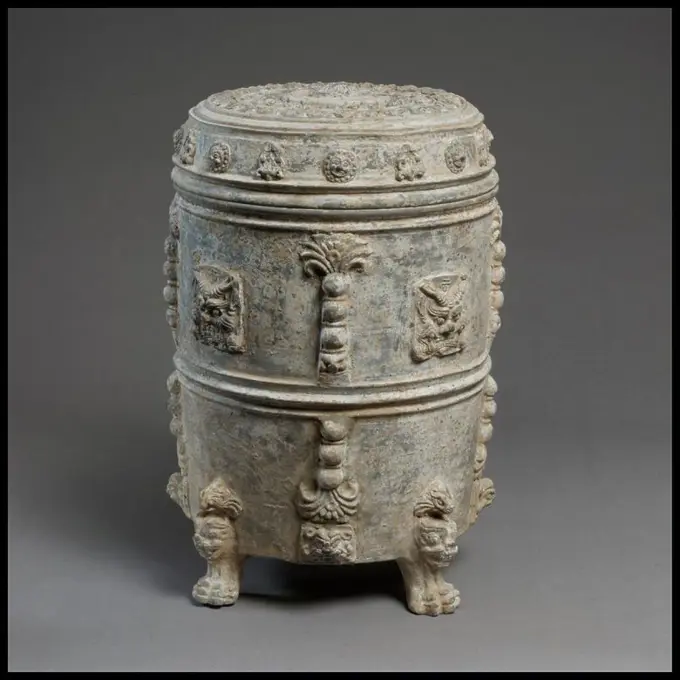
Collection of ancient pottery, including storage vessels and oil flasks. Rich textures and colors reflect distinctive cultural designs across centuries.
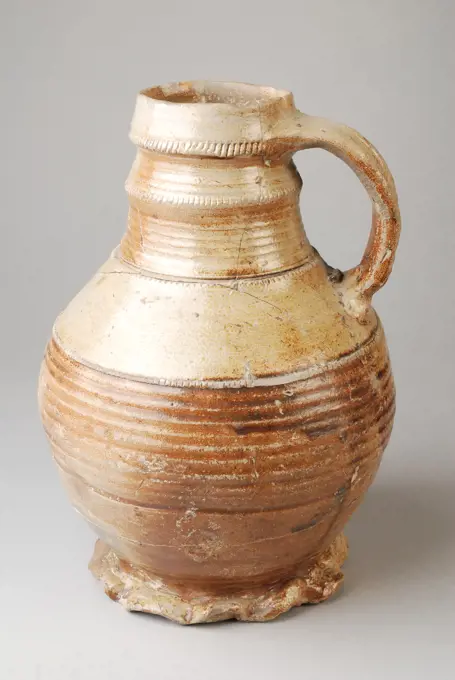
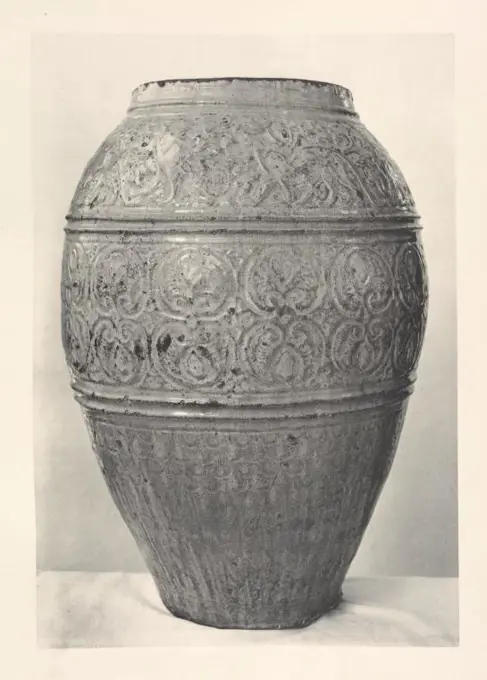
Stoneware jug with salt glaze, rad-temple decorations, pinched foot, water jug crockery holder soil find ceramic stoneware glaze salt glaze, twisted set radstamp decoration glazed baked Stoneware jug be pinched on foot Decorated with rad stamp Egg-shaped belly. Pretty wide neck. Fully covered with salt glaze Gray and green mottled archeology Capelle aan den IJssel House in Capelle castle Crockery utensils tableware water washing food preparation Soil discovery: water well 1393 house in Capelle Capelle aan den IJssel 1964.
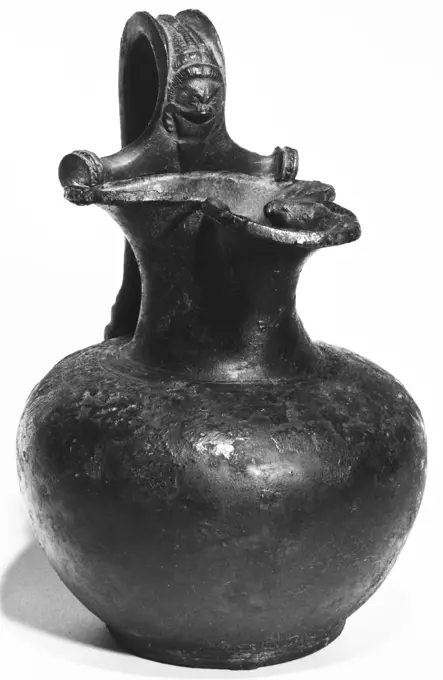
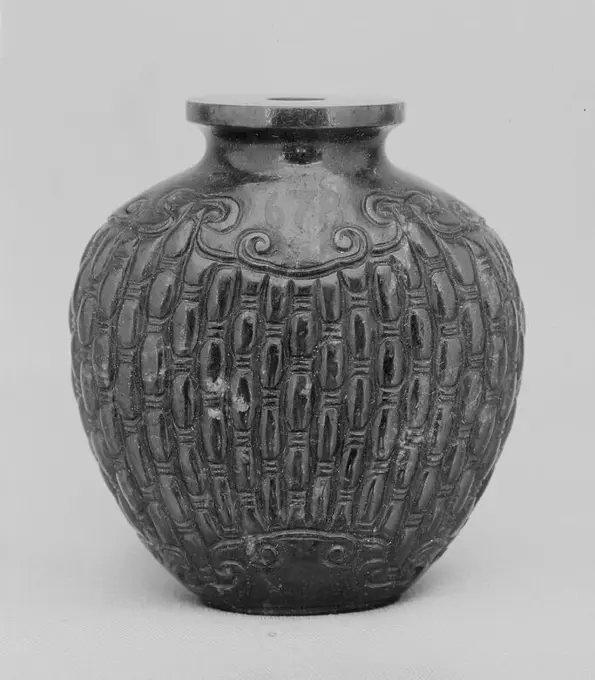
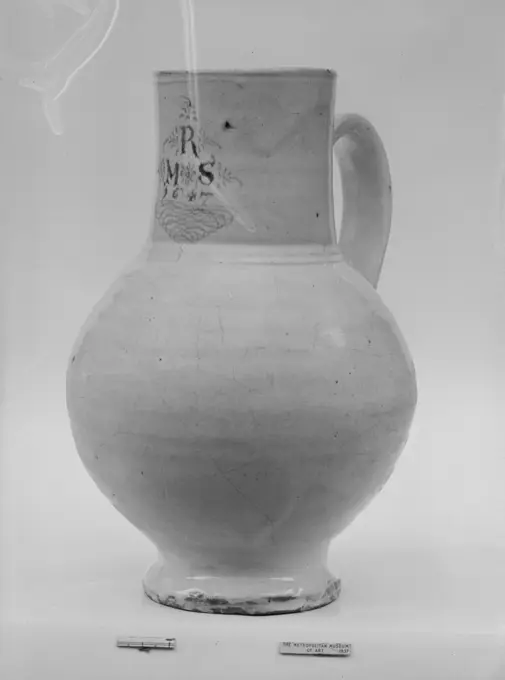
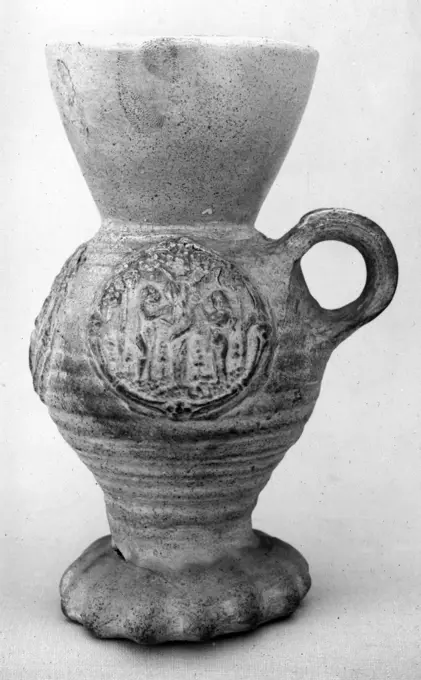
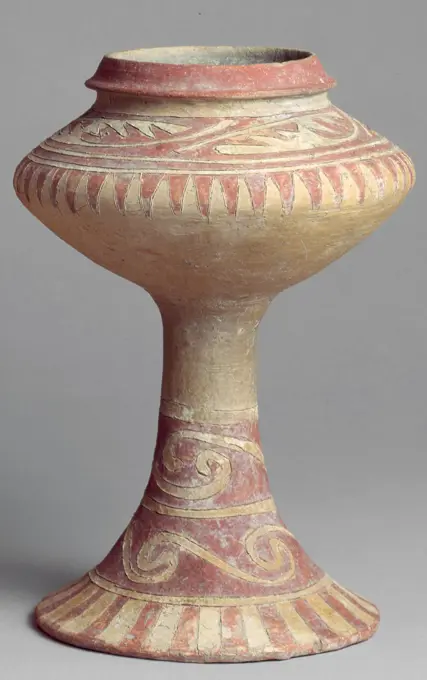
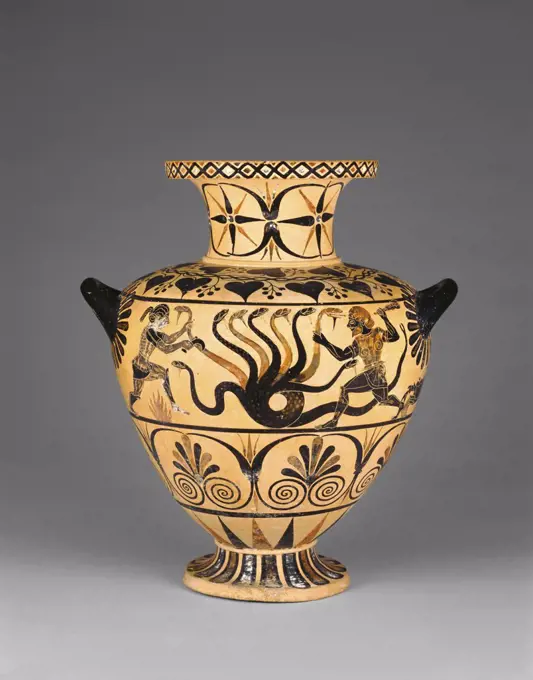
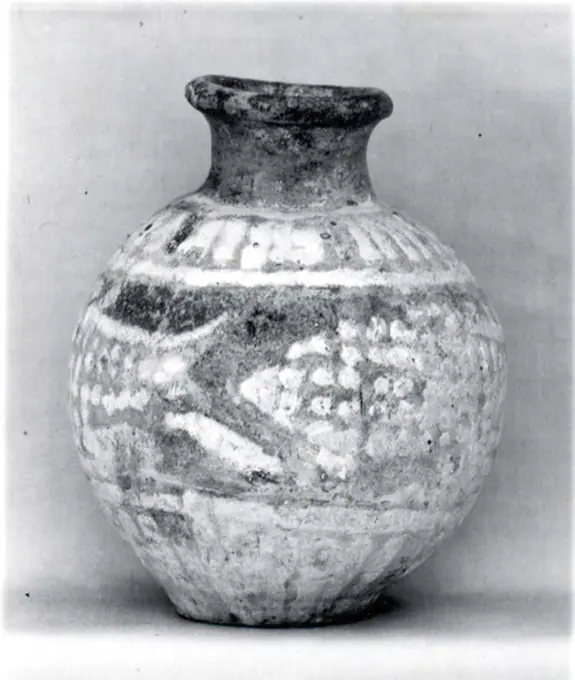
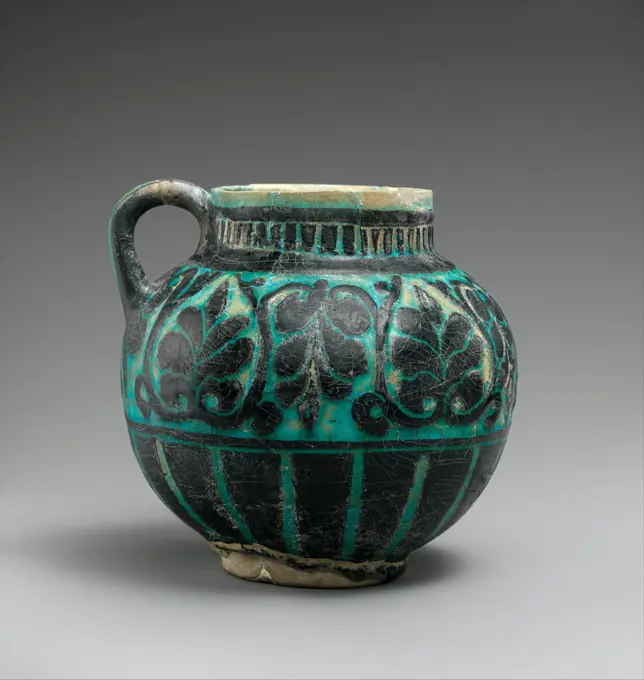
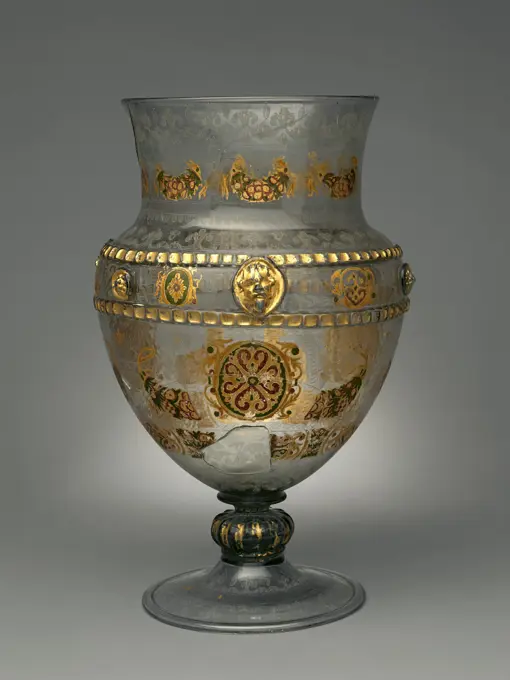
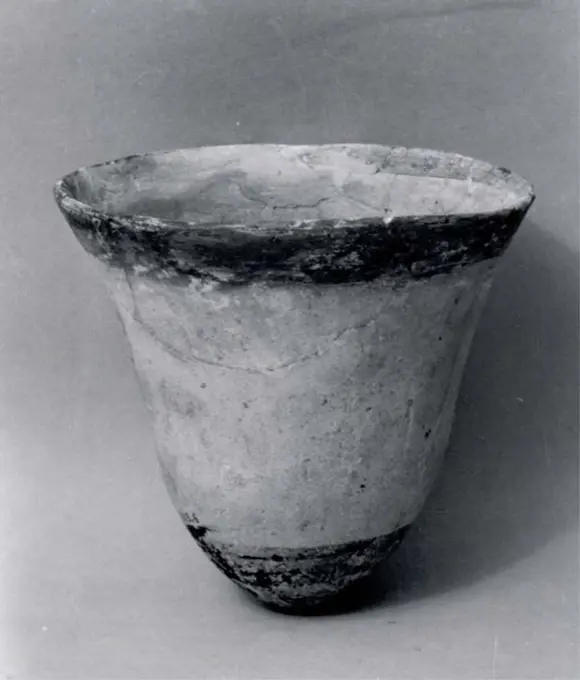
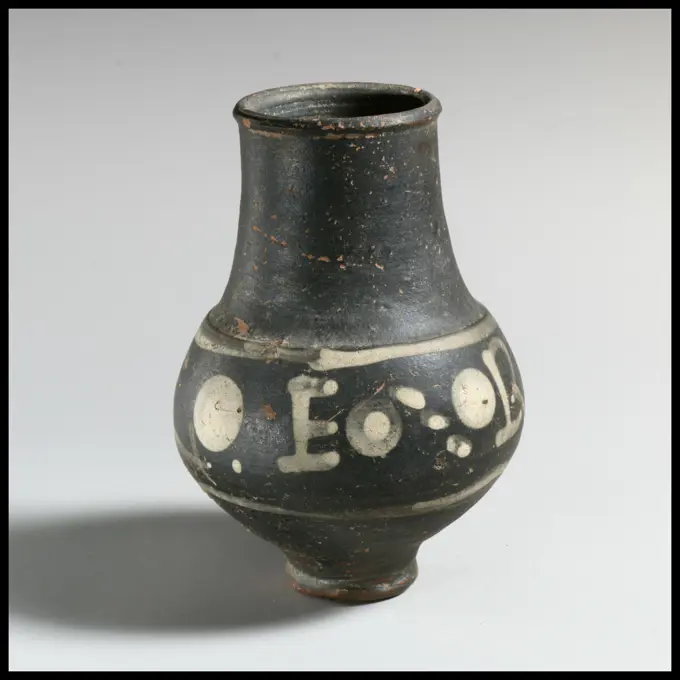
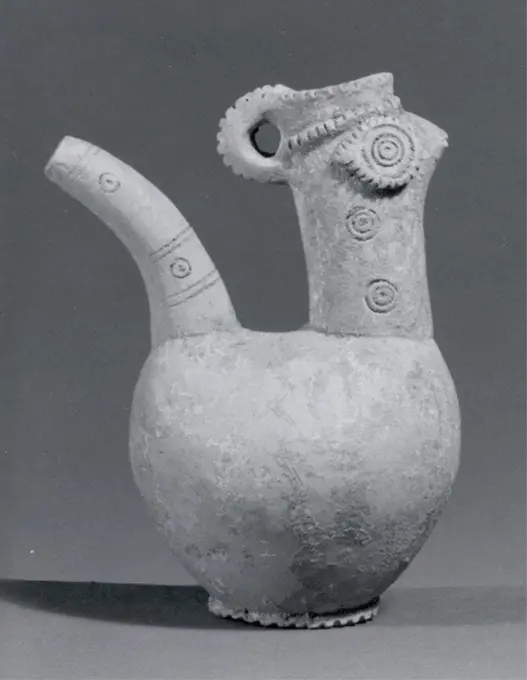
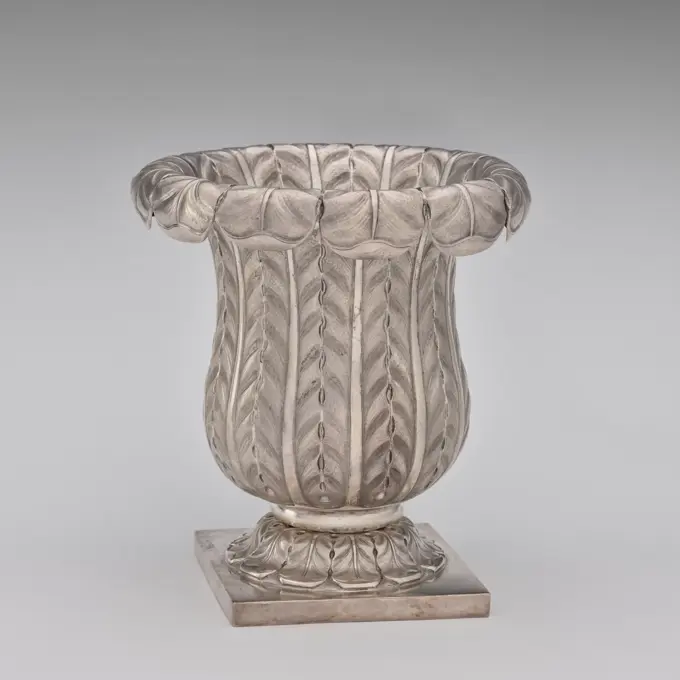
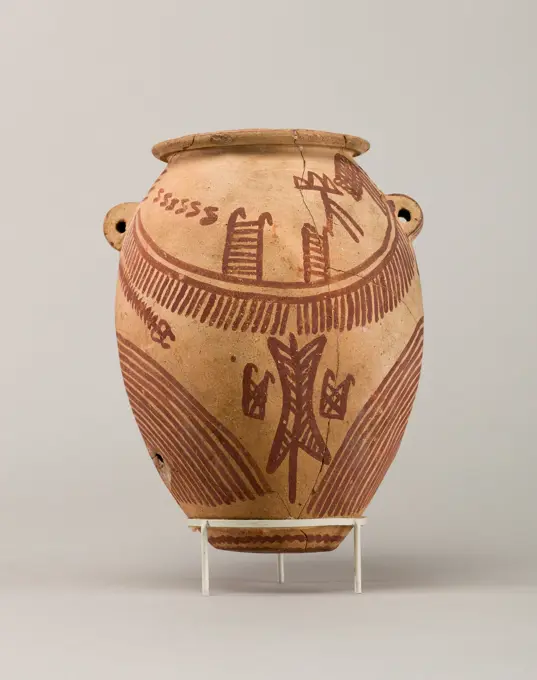
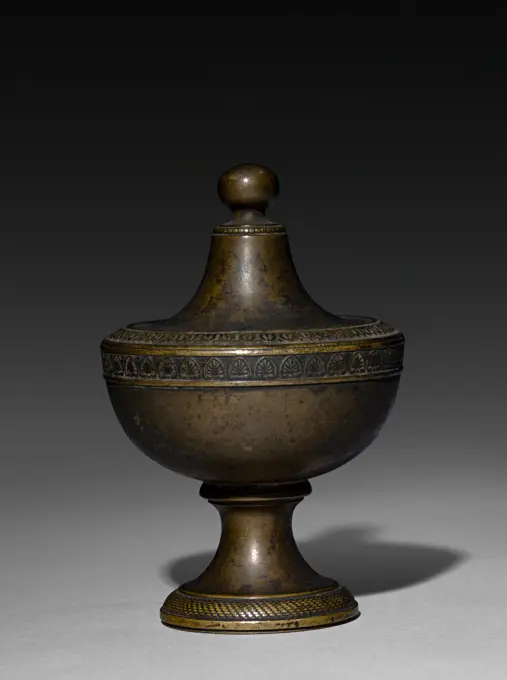
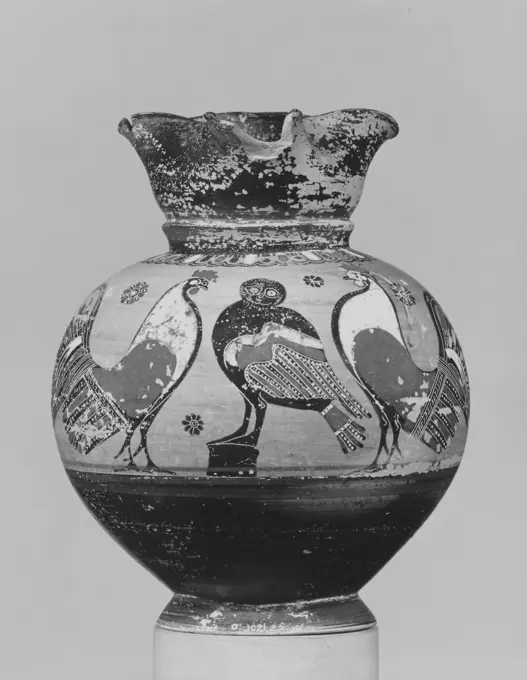
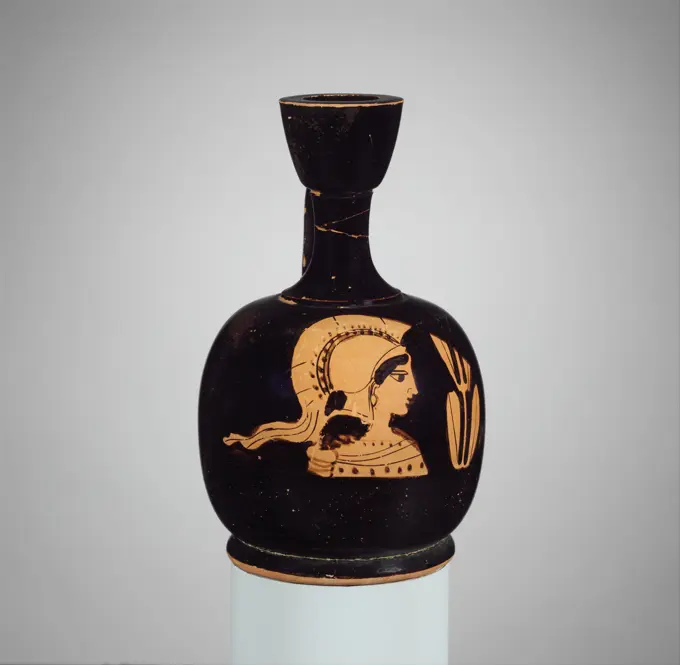
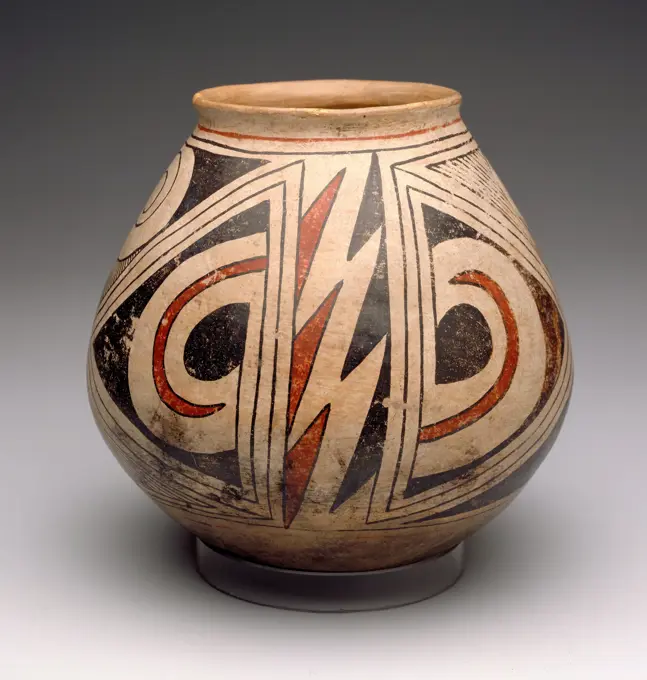
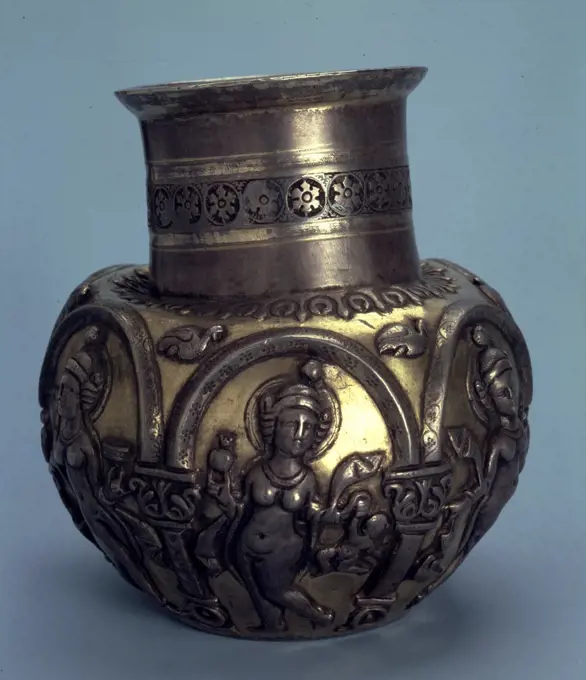
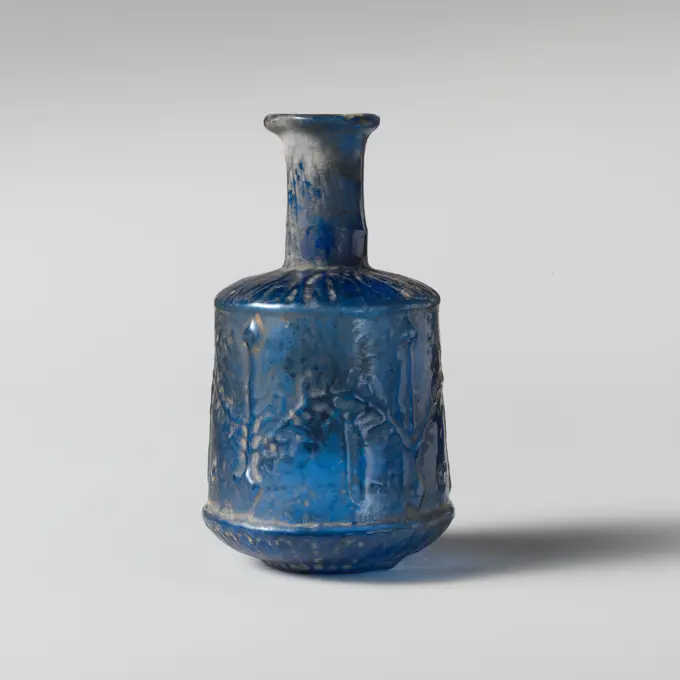
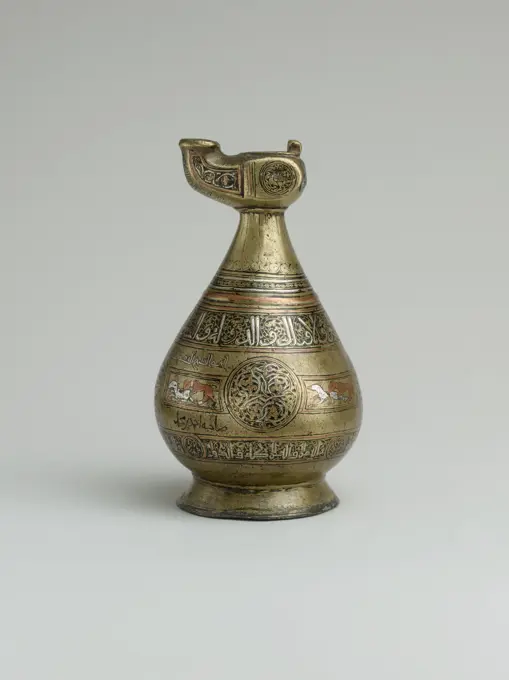
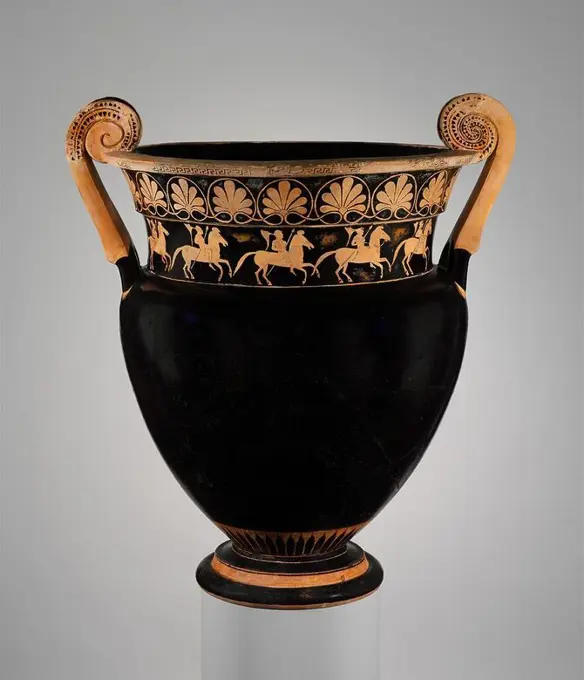
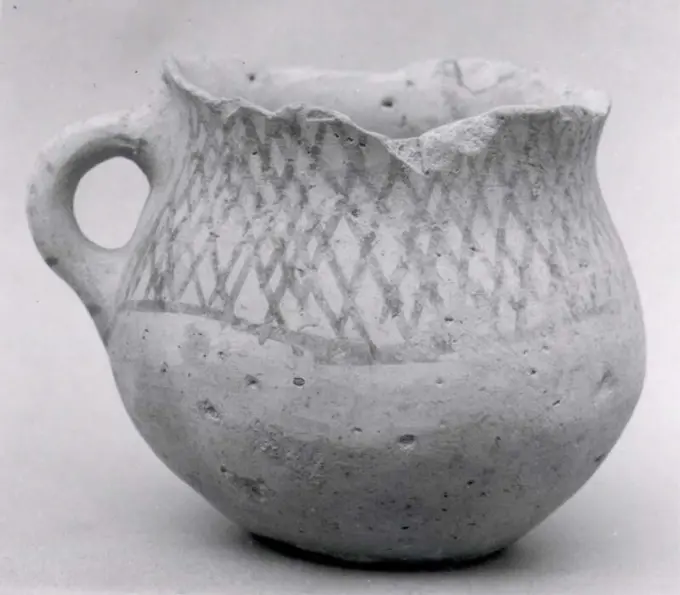
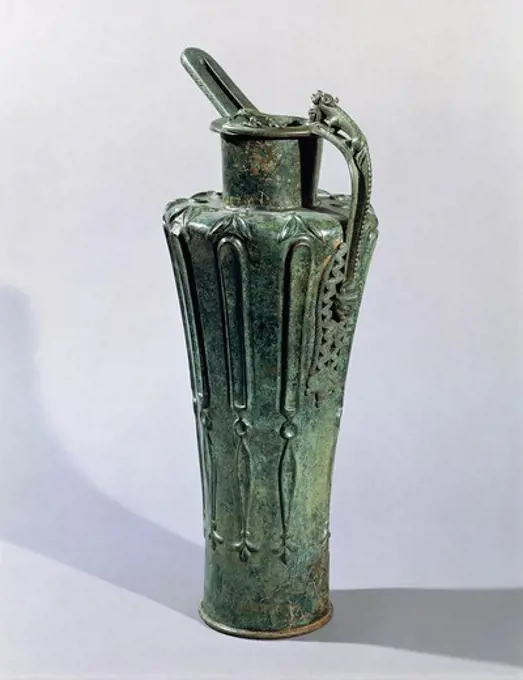
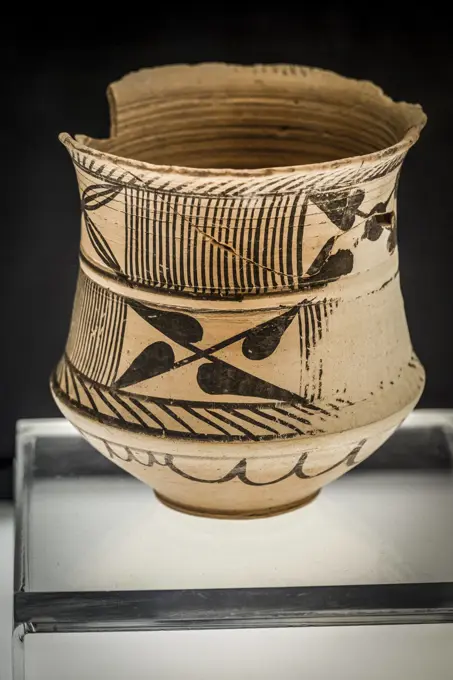
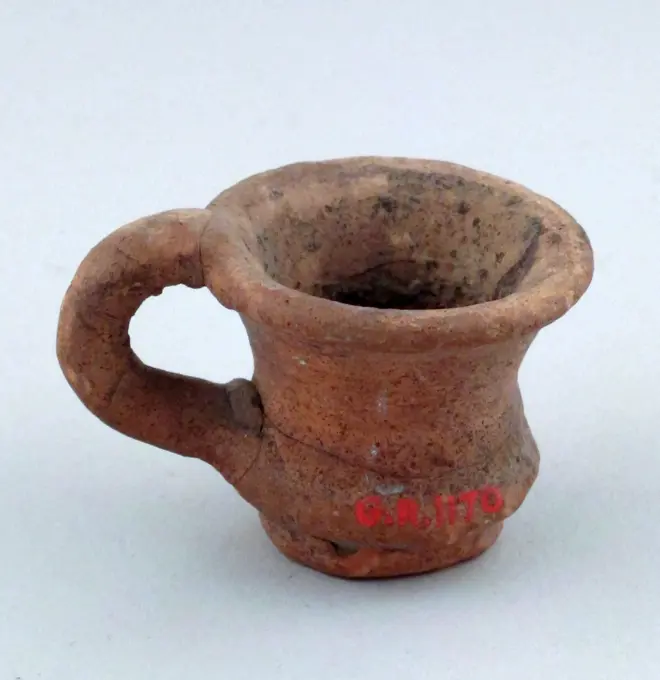
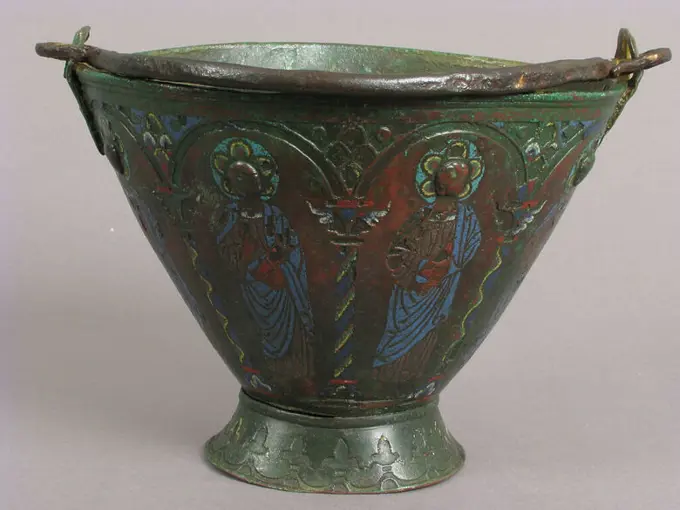
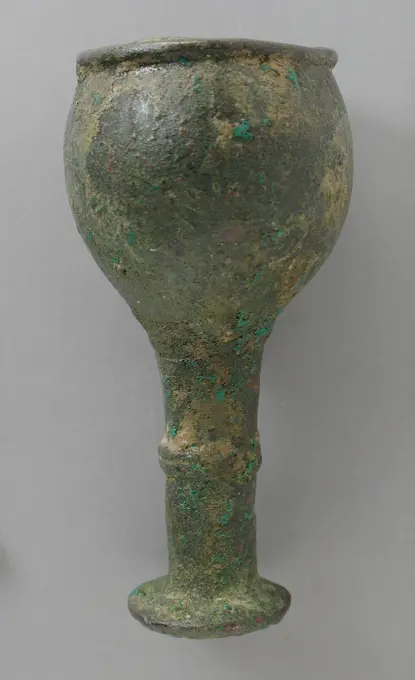
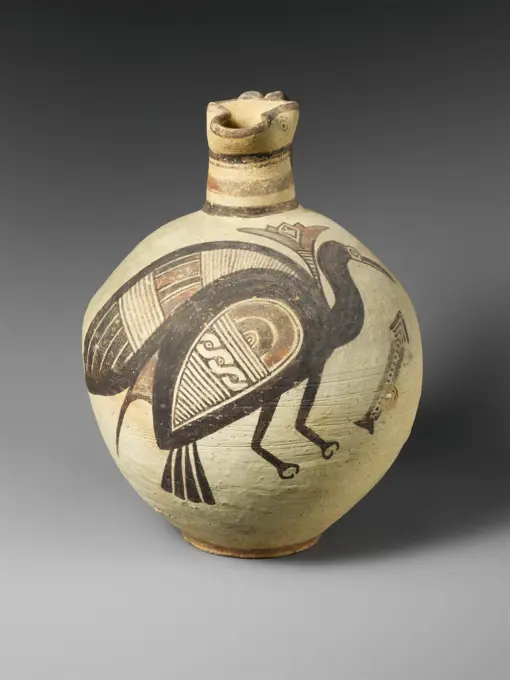
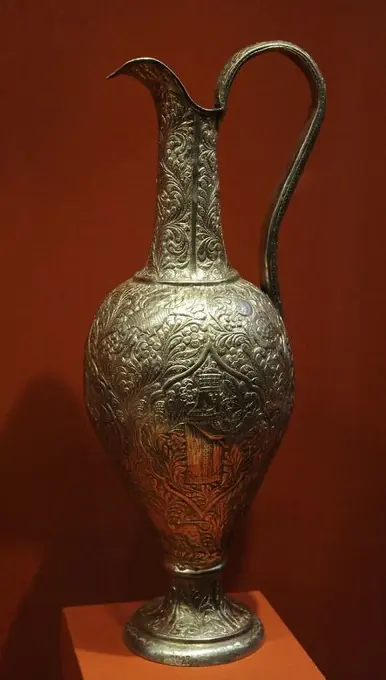
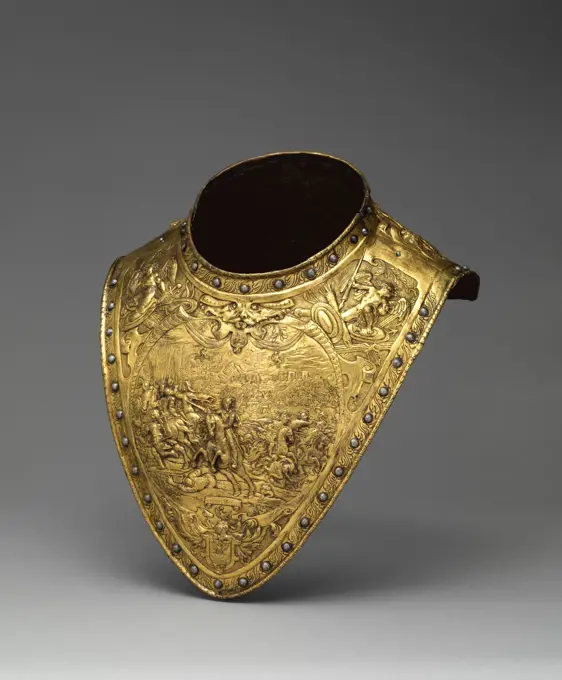
Jug with scrolls, chip carving and roundels, c. 1550 - c. 1649 Jug of stoneware on a high base with a spherical body and wide neck. The C-shaped ear is attached to the neck and shoulder. Profiles on the neck, belly and foot. Partly covered with cobalt blue. The lower part of the abdomen with canelures. A wide tire profiles with decorative tires separates the belly from the slightly narrower shoulder. On the shoulder compartments with alternating notch cuts and stamped curl work under a fleur-de-lis in a heart, saved in blue. On the neck in relief a printed and laid bond with alternating round and oval medallions with a rosette. The top of the ear is marked with a stamped 'e'. Raeren. Rae stoneware. glaze. cobalt (mineral) vitrification Jug of stoneware on a high base with a spherical body and wide neck. The C-shaped ear is attached to the neck and shoulder. Profiles on the neck, belly and foot. Partly covered with cobalt blue. The lower part of the abdomen with canelures. A wide tire pClay pot of manual work. It is possible to store milk or other liquidCan. Gray can with cobalt-colored glaze. The belly is ball-shaped, halfway surrounded by a profiled tire. From the middle of the abdomen comes the narrow spout that is connected to the neck by a bridge in the form of an arm. The can be decorated with palm and leaf ornament.Trefoil Oinochoe. UnknownSnuff Bottle. Culture: China. Dimensions: H. 2 3/16 in. (5.5 cm); W. 1 15/16 in. (5 cm); D. 1 1/4 in. (3.1 cm). Museum: Metropolitan Museum of Art, New York, USA.Jug ca. 1647 Lambeth Factories Save for the owners initials and accompanying date, this jug is typical of the functional, minimally decorated wares common in the New World. The tin glaze (essentially a lead glaze with tin oxide to make it opaque) created a water-tight seal, although the lead was prone to leeching when exposed to acidic foods and liquids.. Jug. British. ca. 1647. Tin-enameled earthenware. Made in EnglandSmall Fluted Bottle with Neck in Form of a Figure Holding Arms to Chest 100 CE-300 CE Nayarit state. Ceramic and pigment . NayaritJug early 16th century German, Siegburg. Jug 191344Stem Vase with Incised and Painted Design 1000-300 B.C. Thailand (Ban Chiang culture) This elegant stem cup was assembled in two pieces: a short bulbous cup with a full rim, and a longer handle or "stem" with a splayed foot. Geometric patterns, both curvilinear forms and more structured triangles and rectangles, are delicately incised on the cup and at the lower part of the stem, and painted with red and buff slips.Cups such as this example, which combine painted and incised decoration, are assigned to the middle phase at Ban Chiang and related sites. Several cups in this shape are known; however, no comparable pieces have been scientifically excavated at the site. They may represent a cognate tradition centered on a comparable site on the Khorat Plateau or elsewhere in mainland Southeast Asia. Such ceramics were most likely among the luxury goods traded and exchanged as gifts between cultures in Southeast Asia that had long been linked to each other via rivers and other waterways.. StCaeretan Hydria; Attributed to Eagle Painter, Greek (Caeretan), active 530 - 500 B.C.; Caere (), Etruria; about 525 B.C.; Terracotta; Object: H: 44.6 x Diam.: 33.4 cm (17 9/16 x 13 1/8 in.), Object (rim): Diam.: 22.9 cm (9 in.)Jar ca. 3rd century B.C.-3rd century A.D. Parthian. Jar 322444Elsevier photo collection. Urn, found excavations Limburg. 1928. LimburgCan. Can be from stoneware. The bullet-shaped belly is over in the wide, cylindrical neck. The sloping part of the belly and shoulder are divided into fields through grooved tires. In three fields a stamped rosette. The other blue colored. With pewter lid.Jug with Floral Decoration second half 12th-13th century. Jug with Floral Decoration 452082Vase ca. 1570-1590 Austrian, Innsbruck This incredibly ambitious example of Venetian-style footed vase with engraved decoration and gold, red, and green cold painting is characteristic of the pieces made at the Innsbruck court glasshouse in the late sixteenth century. Archduke Ferdinand II established the glasshouse in 1570 after securing skilled glassblowers and raw materials from Venice. The cold-painted festoons, columns, and masks are well preserved considering the fragile nature of the technique.. Vase. Austrian, Innsbruck. ca. 1570-1590. Glass, "cold-paint," gilt and engraved. GlassCup mid 6th-5th millennium B.C. Ubaid. Cup 324090Terracotta beaker with painted inscription late 2nd-mid-3rd century A.D. Roman, Rhenish Group label with 17.194.843 and 17.194.844The white painted letters give cheery exhortations appropriate for a drinking party. One reads REPLE (fill it up again!), another MISCE (mix another drink!), and the third AVETE (cheers!). Beakers such as these were made principally at Trier; examples have been found at sites throughout the middle and lower Rhineland and also in Britain.. Terracotta beaker with painted inscription 250071Spouted vessel ca. 900 B.C. Iran. Spouted vessel 325633Beaker. Iran, Luristan, circa 1000-800 B.C.. Furnishings; Serviceware. BronzeAnonymous, well (usual name), 0025. CERUNUSCHI Museum, Museum of Arts of Asia in the city of Paris.Storage Jar; Attributed to Lydos or a painter close to Lydos (Greek (Attic), active about 565 - 535 B.C.); Athens, Greece; 550 - 540 B.C; Terracotta; 45.6 × 32.5 cm (17 15,16 × 12 13,16 in.)Sacrificial Wine Vessel (Zun) China. Sacrificial Wine Vessel (Zun) 61045Head-shaped flask early 1st Millennium Roman. Head-shaped flask 324316Kyatos dekorowany przedstawieniem walczących centaurów. unknown, authorLazio Viterbo Viterbo Museo Civico76. Hutzel, Max 1960-1990 Views of paintings (Middle Ages through 18th c.), frescoes, a tabernacle, coffin, sculpture reliefs, portal fragments, busts, sculpture, tapestry found in the Pinacoteca, Second floor gallery and Second floor cloister sequences. Antiquities: Many views of Etruscan and Roman fragments, sculpture, sarcophagi, pottery, masks, jewelry and other objects found in the Storeroom sequence (inventory numbers on back of prints), and the Cloister, Second floor Cloister, Valle Giulia, Sala Romana and Sala Etrusca sequences. General Notes: There are eight separate numerical sequences for this location. The cloister as an architectural structure, rather than museum site, is documented in the record and file for S. Maria della Verita, Cloister, all views of which are stored in Medieval core collection. Five views from the Museo Civico Second floor cloister sequence are stored in Medieval. German-born photographer and scholar Max Hutzel (1911-Gray stoneware jug be used with round middle belly cable edge, kerfsnedecor and flutes, jug crockery holder soil found ceramic stoneware, surface 7.1 hand-turned decorated glazed baked carved Stoneware jug light gray shard light gray short tail round upper half belly kerfsnedecor applied with radstempel Horizontal ridge around the middle of the belly with above and below profiled rings. Profiled foot archeology import pottery serving serve drinking wine beerOenochioai (Italy); terra cottaA vase in the style of Ludwik Filip; Malcz, Karol (1797-1867); 1940s (1840-00-00-1849-00-00);Decorated ware jar illustrating boats ca. 3850-2960 B.C. Predynastic Period. Decorated ware jar illustrating boats. ca. 3850-2960 B.C.. Pottery, paint. Predynastic Period. From EgyptTripartite vase ca. 1000 B.C. Iran. Tripartite vase 325529Votive Stupa, anonymous, c. 900 - c. 1000 Basement on four sides in Haut-relief, decorated with four Dhyani-Buddhas in diamond attitude sitting in niches. Made from black limestone. Votieftoepa. Bodh Gaya limestone Basement on four sides in Haut-relief, decorated with four Dhyani-Buddhas in diamond attitude sitting in niches. Made from black limestone. Votieftoepa. Bodh Gaya limestoneOrnamental Finial, early 1800s. France, early 19th century, Empire Style. Bronze; overall: 10.2 x 7 cm (4 x 2 3/4 in.).Oil Lamp. Iran, early 13th century. Metal. BronzeTerracotta oinochoe (wine jug) ca. 570-550 B.C. Attributed to the Lotus-Cross Painter Owl between cocksAlthough the animal style of decoration originally came to Athens from Corinth, as the sixth century progressed, Attic features influenced developments in Corinth. This is such a work, with the Attic element particularly evident in the shape.. Terracotta oinochoe (wine jug) 247197Prehistory, Bulgaria, Neolithic. Terracotta anthropomorphic vase. From Gradesnica.Lei' wine vessel, 1300-1201 BCE, 14 5/16 × 11 3/16 × 9 1/8 (Diam: 8 7/8 in.; Weight: 11.7 lb.) (36.35 × 28.42 × 23.18 × 22.54 cm, 5.3 kg) (overall), Bronze, China, 13th-12th century BCE, Used for holding wine and sometimes water, this piece represents a category of vessels in which a typical pottery shape has been translated into bronze. New technology accommodated precise decorative schemesthinner vessel walls and more structurally sound knobs, handles, and pendant ringsthan was possible in pottery. As bronze artisans continued to perfect their craft, vessels became increasingly elaborate, intricately cast, and varied in form.Jug 1882-86 Ernest Chaplet French. Jug 487350Oinochoe, 325-300 BC. From South Italy. An Ancient Greek wine jug - also spelled 'oenochoe' - characterised by its curved handle and trefoil-shaped mouth.Georgian antique jug wine Georgian antique jug wine , on a white background. Copyright: xZoonar.com/RuslanxGrigolavax 2240789Polychrome Jar c 1920 New Mexico (Object made in), United States (Object made in), Zia Pueblo (Object made in). Ceramic and pigment . Isabel Medina Toribio (Aitiye')Terracotta oinochoe (wine jug). Culture: Greek, Corinthian. Dimensions: H.: 8 3/16 in. (20.8 cm). Date: ca. 570-550 B.C..Owl between cocksAlthough the animal style of decoration originally came to Athens from Corinth, as the sixth century progressed, Attic features influenced developments in Corinth. This is such a work, with the Attic element particularly evident in the shape. Museum: Metropolitan Museum of Art, New York, USA.Ritual Tripod Cauldron with Cover (Ding) 5th-4th century B.C. China. Ritual Tripod Cauldron with Cover (Ding). China. 5th-4th century B.C.. Bronze. Eastern Zhou dynasty (770-256 B.C.). MetalworkRitual food vessel. On the body of this vessel, bisected by the vertical rib, is a curious motif, an animal-head mask known as a taotie, with eyes and extended claws. Although this monster head appears on many bronze objects, its meaning is unknown.Ceramic vase with decorative bands from Gansu province, China, Neolithic, PrehistoryDrum 300-200 B.C. Paracas From about 700 B.C. to A.D. 700 the Paracas and later the Nasca resided along the southern coast of Peru. One feature the two cultures had in common was the use of a uniquely shaped ceramic drum with a cylindrical collar covered by a skin membrane that opened into a bulbous, hollow body terminating in a closed point. The significance of these rare and early examples of a past musical culture is yet to be fully explored. The largest of the amphora-like drums, 15 to 18 inches tall, were frequently decorated with incised and polychrome anthropomorphic and mythical beings. It has been suggested that these larger drums were for ritual use. The Museums pair of drums are small by comparison and were perhaps played differently and in a different context. Iconographical evidence implies that they may have been bound together and strapped to the players waist. The incised and painted decoration evokes nature. Scholars have suggested that the birds placed at the cardinDistiller. UnknownJARRO DE LOZA OSCURA CON REFLEJOS S XIII. Location: FUNDACIO GUBELKIAN. LISBOA. PORTUGAL.Jar with pierced handles for suspension ca. 3300-3100 B.C.. Jar with pierced handles for suspension. ca. 3300-3100 B.C.. Ceramic. Late Uruk. Mesopotamia or SyriaTerracotta squat lekythos (oil flask) 5th century B.C. Greek, Attic Bust of Athena and olive sprigThe decoration of this little vase includes two of the characteristic symbols of classical Athens--a bust of Athena, the patron goddess of the city, and a sprig of olive, Athena's gift to the city. It would be appropriate indeed for an oil flask to bear these two images.. Terracotta squat lekythos (oil flask) 244828Pot (Olla), c. 1000-1300, 8 1/2 x 8 3/4 x 8 3/4 in. (21.6 x 22.2 x 22.2 cm), Clay, pigments, Mexico, Tardio phaseGreek civilization, Geometric style krater by Dipylon Master, circa 750 B.C., from Kerameikos necropolis in Athens, GreeceWater Dropper 18th century China. Water Dropper. China. 18th century. White porcelain covered with a coarse blue glaze over relief. Qing dynasty (1644-1911). CeramicsSassanian Art Silver, gilded , circa 5th-6th century, Russia, St. Petersburg, State Hermitage, H 16Glass bottle 1st century A.D. Roman Translucent cobalt blue.Everted rim, partially folded over and in; cylindrical neck, with slight horizontal bulge line towards base; sloping convex shoulder with prominent outer ridge; cylindrical body with sides slightly expanding downwards with prominent horizontal ridge below; convex undercurve; circular bottom with hollow central boss. Two mold seams run from lower part of neck down sides to top of prominent horizontal ridge; a separate cup-shaped section forms the lower body and base.On shoulder, indistinct pattern of wavy radiating lines; on body, continuous frieze divided by mold into two pairs of matching panels, comprising four vertical double-ended thyrsoi alternating with four palm trees, all connected by arched fronds, and in the field below eight five-pointed stars; around bottom, a frieze of thirty-three upturned, rounded tongues in raised relief; on bottom, raised circle around edge, two concentric circles surrounding a thicker and higEwer with Lamp-Shaped Spout 12th century The shape and decoration of this ewer is similar to 33.96. Both represent an early phase of the inlay technique, when areas of intricate inlay were balanced by broad zones of brass. Both bear Arabic inscriptions of good wishes to their owners, and this ewer now missing its handle is also inscribed with the makers name. On this piece, the central band includes pairs of animal predators and prey.. Ewer with Lamp-Shaped Spout. 12th century. Brass; cast, engraved, inlaid with silver, copper and black compound. Attributed to Iran. MetalTerracotta volute-krater (bowl for mixing wine and water). Culture: Greek, Attic. Dimensions: H. with handle 22 5/16 in. (56.7 cm); H. without handle 20 1/16 in. (50.9 cm); diameter of lip 16 3/4 in. (42.6 cm); diameter of foot 8 13/16 in. (22.4 cm). Date: ca. 500 B.C..Obverse, the abduction of Antiope by TheseusReverse, Amazons riding upIn its mythological beginnings, Athens was attacked by the Amazons, warrior women whose homeland lay to the north and east of the Black Sea. The incursion was repulsed, and Theseus, the ruler of Athens, took Antiope, the Amazon queen, as his wife. Of special interest on the obverse is the shield device of a flute-playing crab. The motif plays on the name of a famous flute-player in late-sixth century B.C. Athens, Karkinos, crab. The device occurs again on the reverse of the calyx-krater by Euphronios and Euxitheos (1972.11.10) exhibited in the Greek galleries on the main floor. Museum: Metropolitan Museum of Art, New York, USA.Water Dropper. Culture: China. Dimensions: H. 1 5/8 in. (4.1 cm). Date: 18th century. Museum: Metropolitan Museum of Art, New York, USA.Duck-shaped vesselJug ca. 1000-750 B.C. Iran This jug has a globular body, a wide mouth, and a loop handle at the shoulder. The rim is broken off in several places. It is made of a buff clay with painted red crosshatching. It may have been made by hand rather than on a potters wheel. It was excavated at Khatunban, a cemetery site in Luristan in the Zagros Mountains of western Iran. It is often thought that the inhabitants of Luristan in this period were pastoral nomads, who moved with their herds from the high valleys of the Zagros during the summer to lowland pastures in the winter. This theory arises from the dearth of evidence for settlements, and the occurrence of isolated cemetery sites, such as Khatunban. At the same time, the infrastructure necessary for bronze working, an important industry in Luristan, suggests that some sedentary settlements must have existed. In all likelihood these settlements were not located on mounds, but at lower elevations near water sources where agriculture could be Teapot early 19th century Japan. Teapot. Japan. early 19th century. Pottery covered with glaze and ornamented at sides (Kikko ware). Edo period (1615-1868). CeramicsAmphora, 8th Century, ceramic,Celtic civilization, Austria. Schnabelkanne, bronze jug from tomb 112 at Durrnberg.Painted ceramic container with indigenous tradition painted ceramic container with indigenous traditionFlask. UnknownDropper flask 3rd-4th century Roman. Dropper flask. Roman. 3rd-4th century. Almost colorless glass with a pale green or yellow tint. Blown (the body blown in a dip mold), tooled, the rim finished at the furnace.. GlassCup, miniature 3rd-2nd century B.C. Etruscan Yellow clay with one handle; no decoration.. Cup, miniature. Etruscan. 3rd-2nd century B.C.. Terracotta; achroma ware. Hellenistic. Vases. Small vase with flat bottom. Conical foot. Slightly curved, top of the bodies of Pte de Verre in brown, green and blue purple. On the body vertical, lined lines, along the top an edge oval and a mascaron on both sides. On the edge of the foot FDecorchemont.Situla (Bucket for Holy Water) with Saint Peter and Other Saints, Probably Apostles. Culture: French. Dimensions: Overall: 6 1/4 x 8 1/8 in. (15.9 x 20.6 cm). Date: ca. 1200-1225. Museum: Metropolitan Museum of Art, New York, USA.Vase.. Prints. 1912. The Miriam and Ira D. Wallach Division of Art, Prints and Photographs: Art & Architecture CollectionWater jar 18th century Japan. Water jar 60061Terracotta vase with relief decoration 1st half of the 2nd century B.C. Greek, South Italian, Tarentine Erotes, Athena, Nike, and lyre-playersDuring the third century B.C., Tarentum fell under the hegemony of Rome. It was directly involved in the conflicts between Rome and the Carthaginians under Hannibal until finally losing its sovereignty to Rome in 209 B.C. The changed cultural environment affected artistic production. One innovation is represented by vases such as these, built up of various sections, decorated with subjects in relief, and brightly painted.. Terracotta vase with relief decoration. Greek, South Italian, Tarentine. 1st half of the 2nd century B.C.. Terracotta. Hellenistic. VasesOil for oils, New Year's manner, bowl;  around 1550 1295 BC ; New PA ; Half period, 26 dynasty (-664-00-00--525-00-00);Hoffmann, Henri (1865-1917), Hoffmann, Henri (1865-1917)-collection, scenes.gal.Stem cup late 7th-early 8th century China. Stem cup. China. late 7th-early 8th century. Gilt bronze with chased and punched designs. Tang dynasty (618-907). MetalworkVASO DE CERAMICA DE AZAILA-EDAD DE HIERRO. Location: MUSEUM OF FINE ARTS. SARAGOSSA. Saragossa Zaragoza. SPAIN.Pitcher 1839-53 William McQuilkin. Pitcher 5823Oenochoe Corinthian with Kouros-shaped Anse (side of the handle), ancient Greece, around 520 BC .. Bronze. Museum of Fine Arts of the City of Paris, Petit Palais. 26978-14 Bronze, cote cote, archaic Greece, ties hydrie, various objectItaly, prehistory, Bronze Age. Terramare civilization. Ossuary from Bovolone, VeronaAttic Black-Figure Neck Amphora.Teapot with grapevines and squirrels, anonymous, c. 1675 - c. 1699 The lid with leaf vines. Yixing. China Stoneware. frame: Silver (Metal) The lid with leaf vines. Yixing. China Stoneware. frame: Silver (Metal)Lazio Viterbo Viterbo Museo Civico73. Hutzel, Max 1960-1990 Views of paintings (Middle Ages through 18th c.), frescoes, a tabernacle, coffin, sculpture reliefs, portal fragments, busts, sculpture, tapestry found in the Pinacoteca, Second floor gallery and Second floor cloister sequences. Antiquities: Many views of Etruscan and Roman fragments, sculpture, sarcophagi, pottery, masks, jewelry and other objects found in the Storeroom sequence (inventory numbers on back of prints), and the Cloister, Second floor Cloister, Valle Giulia, Sala Romana and Sala Etrusca sequences. General Notes: There are eight separate numerical sequences for this location. The cloister as an architectural structure, rather than museum site, is documented in the record and file for S. Maria della Verita, Cloister, all views of which are stored in Medieval core collection. Five views from the Museo Civico Second floor cloister sequence are stored in Medieval. German-born photographer and scholar Max Hutzel (1911-Goblet. China. Date: 1600 BC-1050 BC. Dimensions: H. 27.2 cm (10 3/4 in.); diam. 17.0 cm (6 11/16 in.). Bronze. Origin: China. Museum: The Chicago Art Institute, Chicago, USA.Finial Support. Iran, Luristan, circa 1350-650 B.C.. Architecture; Architectural Elements. Bronze, castBlack-figure pottery, cabiri vase depicting scenes from the OdysseyTerracotta jug 750-600 B.C. Cypriot The decoration consists of a bird with a lotos flower that appears to grow from between the wings and an arrow directed upward. Although all of the motifs are frequent on Cypro-Archaic vases in various combinations, the meaning is unknown, The effect, however, is decorative thanks especially to the masterful placement of the bird over the bulbous body of the jug.. Terracotta jug 240088Pitcher. Silver, casting, embossing. 19th century. Caucasus area. The State Hermitage Museum. Saint Petersburg. Russia.Lazio Viterbo Viterbo Museo Civico79. Hutzel, Max 1960-1990 Views of paintings (Middle Ages through 18th c.), frescoes, a tabernacle, coffin, sculpture reliefs, portal fragments, busts, sculpture, tapestry found in the Pinacoteca, Second floor gallery and Second floor cloister sequences. Antiquities: Many views of Etruscan and Roman fragments, sculpture, sarcophagi, pottery, masks, jewelry and other objects found in the Storeroom sequence (inventory numbers on back of prints), and the Cloister, Second floor Cloister, Valle Giulia, Sala Romana and Sala Etrusca sequences. General Notes: There are eight separate numerical sequences for this location. The cloister as an architectural structure, rather than museum site, is documented in the record and file for S. Maria della Verita, Cloister, all views of which are stored in Medieval core collection. Five views from the Museo Civico Second floor cloister sequence are stored in Medieval. German-born photographer and scholar Max Hutzel (1911-Lazio Viterbo Viterbo Museo Civico77. Hutzel, Max 1960-1990 Views of paintings (Middle Ages through 18th c.), frescoes, a tabernacle, coffin, sculpture reliefs, portal fragments, busts, sculpture, tapestry found in the Pinacoteca, Second floor gallery and Second floor cloister sequences. Antiquities: Many views of Etruscan and Roman fragments, sculpture, sarcophagi, pottery, masks, jewelry and other objects found in the Storeroom sequence (inventory numbers on back of prints), and the Cloister, Second floor Cloister, Valle Giulia, Sala Romana and Sala Etrusca sequences. General Notes: There are eight separate numerical sequences for this location. The cloister as an architectural structure, rather than museum site, is documented in the record and file for S. Maria della Verita, Cloister, all views of which are stored in Medieval core collection. Five views from the Museo Civico Second floor cloister sequence are stored in Medieval. German-born photographer and scholar Max Hutzel (1911-Kohl Bottle. Eastern Mediterranean, 1000-1250. Metal. Bronze, castGorget ca. 1630 probably Dutch The embossed battle scenes derive from engravings by Antonio Tempesta (1555-1630) and Jacques Callot (1592-1635). The style of the surrounding figures, as well as the ornamental framework, is reminiscent of Dutch goldsmiths' work. The coat of arms at the base of the front plate is that of the Frankfurt branch of the Guaita family.. Gorget. probably Dutch. ca. 1630. Brass, gold. Armor Parts-ColletinsJARRON DE DOS ASAS VIDRIADO Y POLICROMADO - AÑO 2000. Location: ALFARERIA. Toledo. SPAIN.Chalice "a cilindretto". UnknownAnonymous, vase HU (usual name), 0700. CERUNUSCHI Museum, Museum of Arts in Asia in the city of Paris.Pair of Vases. Culture: China. Dimensions: Each: H. 4 3/4 in. (12.1 cm); W. 6 in. (15.2 cm). Museum: Metropolitan Museum of Art, New York, USA.Water Tumbler. Sri Lanka, circa 1800. Furnishings; Serviceware. SilverBeaker 13th-14th century. Beaker 448547Painted Vase with Ruler and Scribe, 600-900. Guatemala, Northern Peten or Mexico, Southern Campeche, Maya, Late Classic, 7th-10th Century. Pottery with burnished, colored slips; overall: 24.5 x 10.5 cm (9 5/8 x 4 1/8 in.).Naczynie dekorowane malowanymi liniami. unknown, authorFlower vase. Urbino (ośrodek ceramiczny ; 1550-1600), Pesaro (ośrodek ceramiczny ; ca 1500-ca 1900)Covered Footed Vessel. Culture: China. Dimensions: H. 15 1/8 in. (38.4 cm); Diam. 11 1/4 in. (28.6 cm). Museum: Metropolitan Museum of Art, New York, USA.Vase 1730 Japan. Vase. Japan. 1730. Paste; surface with decorations in relief. Edo period (1615-1868). Ceramics