Ancient Pottery Artifacts

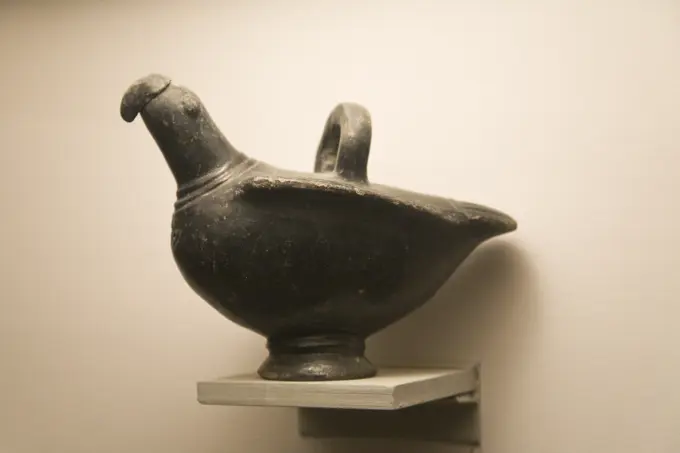
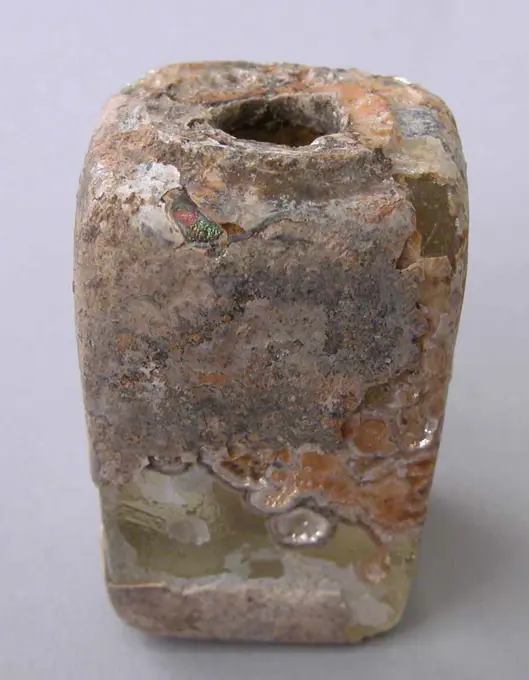
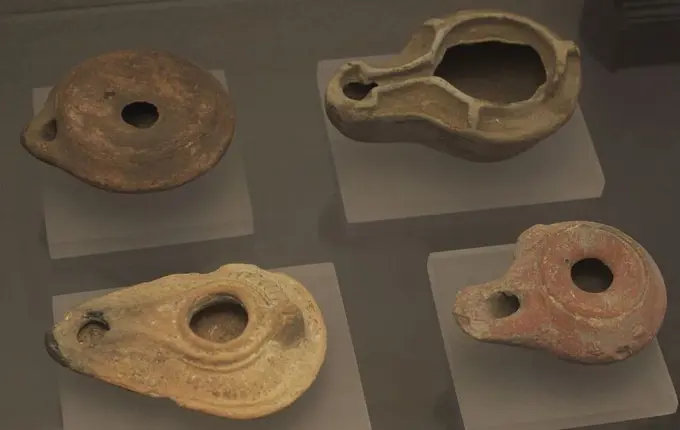
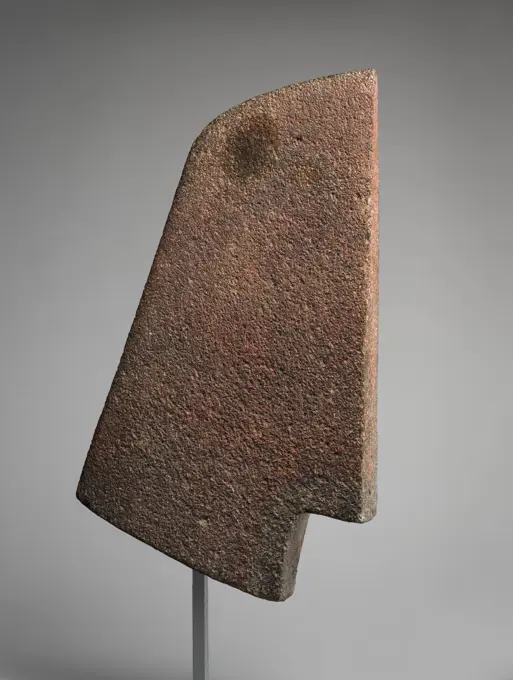
Artifacts including ancient burial containers and terracotta lamps, showcasing historical craftsmanship and archaeological significance.
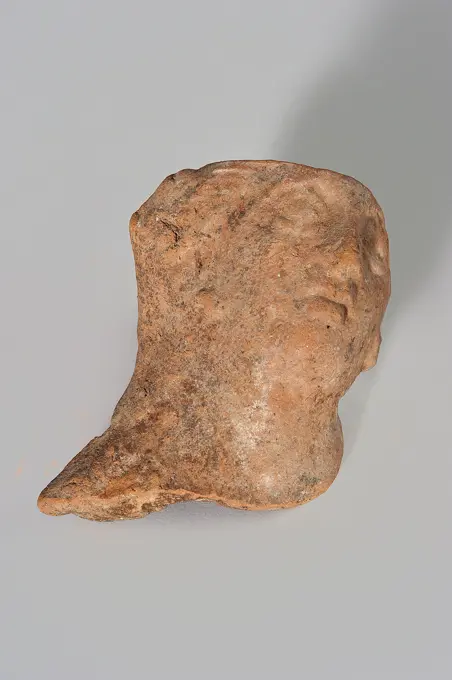
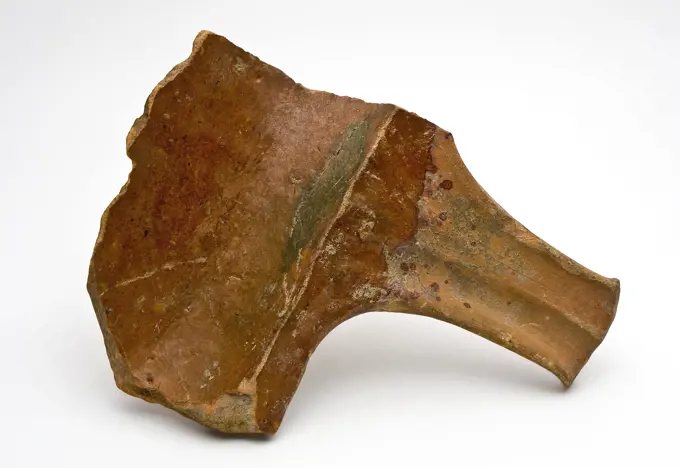
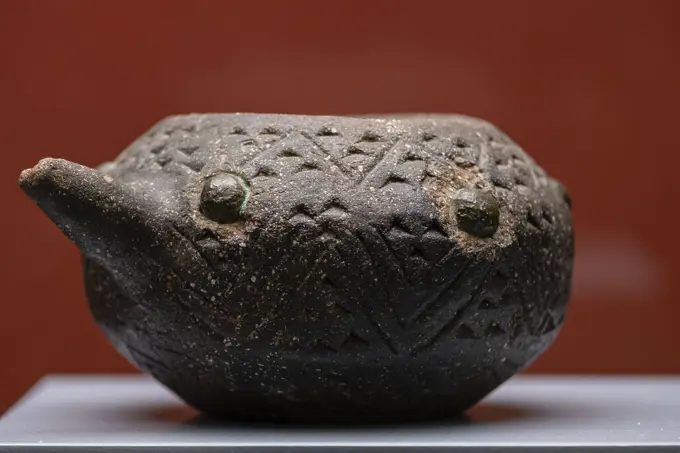
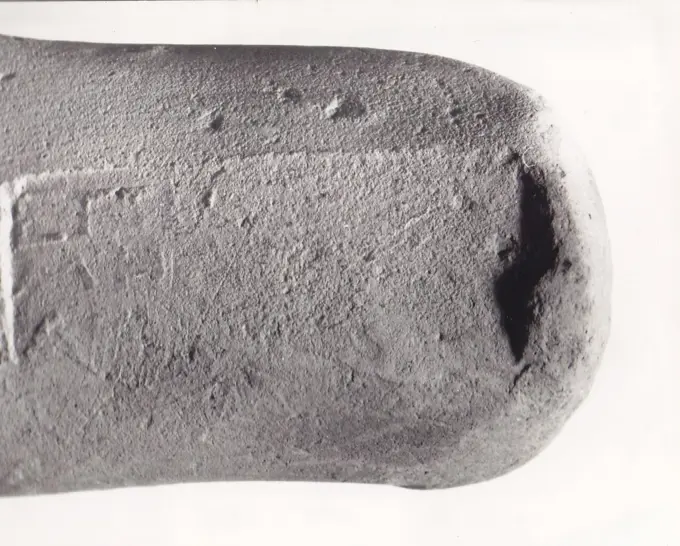
Pottery damper or dover with wide handle, decorated with carving, downer fireplaces earthenware ceramic pottery, hand molded decorated carved baked earthenware damper. Solid red earthenware unglazed Wide rectangular handle with deeply extended triangular surfaces Embellishment in kerfsneetechniek consisting of series of knife points in lines between the handle and the outer edge. What oval shape archeology Capelle aan den IJssel House in Capelle castle indigenous pottery extinguish fireplace heating Soil discovery: Capelle aan den IJssel.
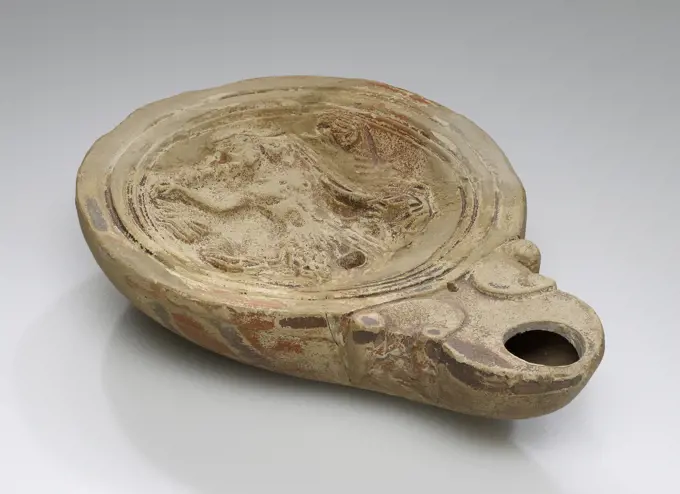
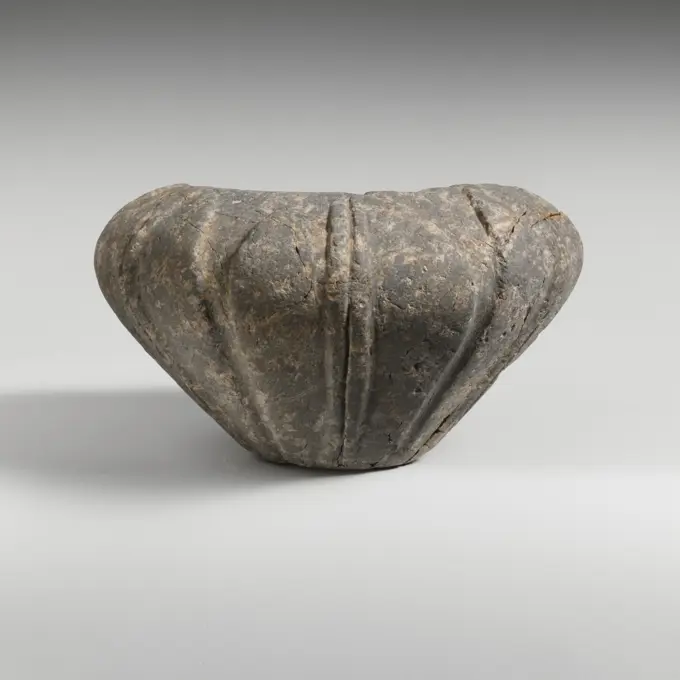
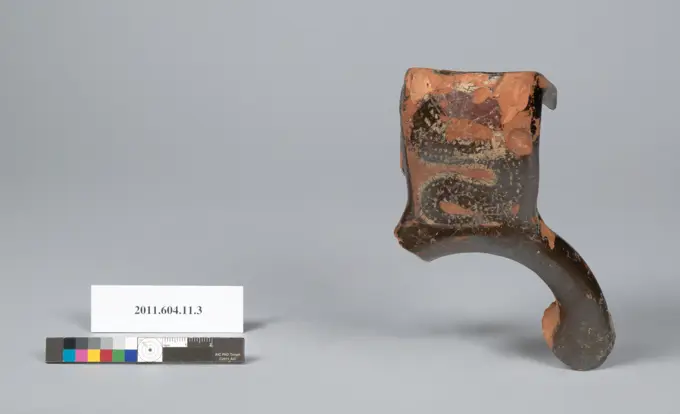
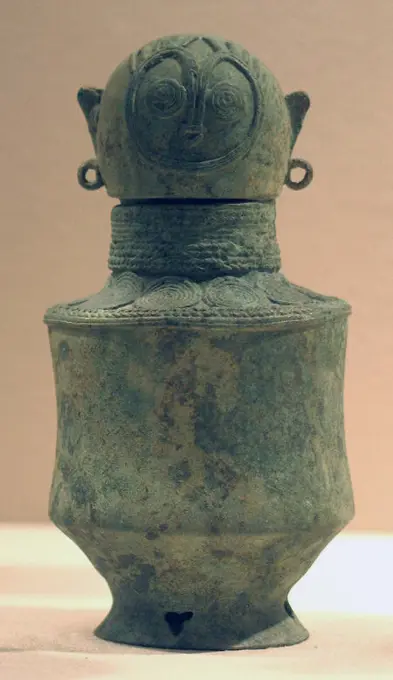
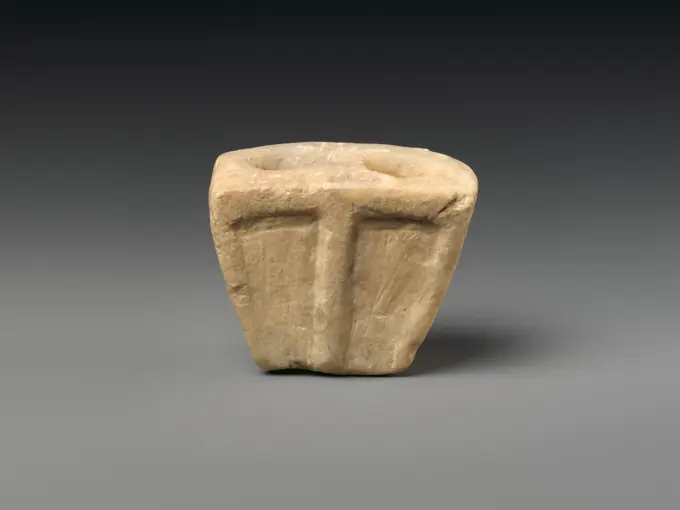
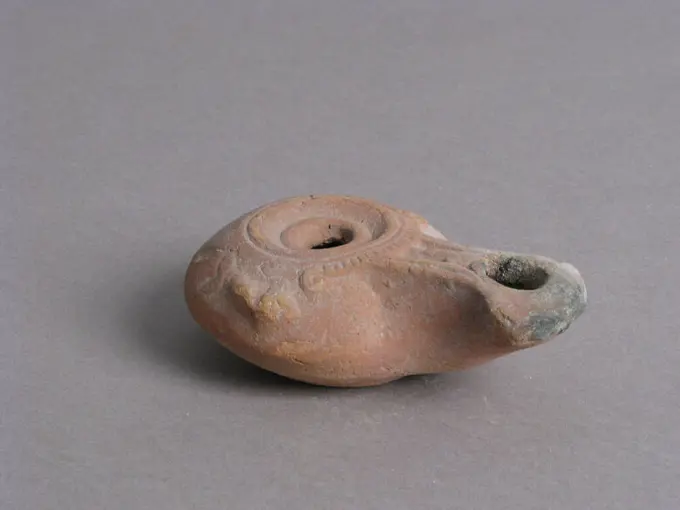
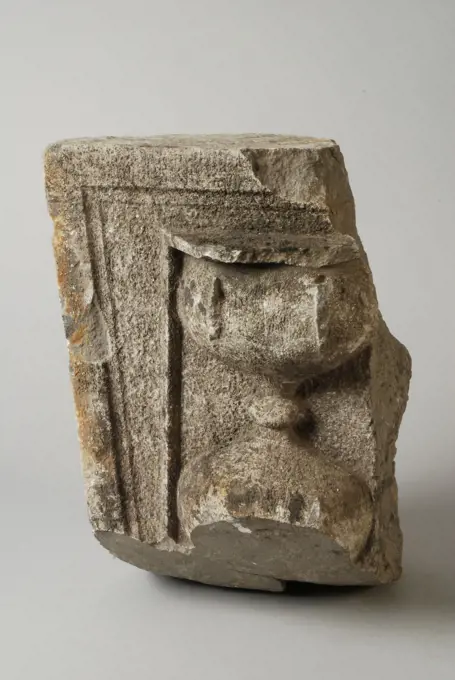
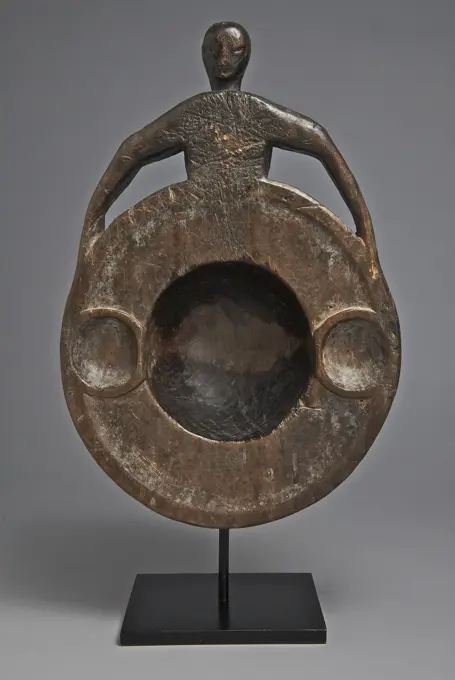
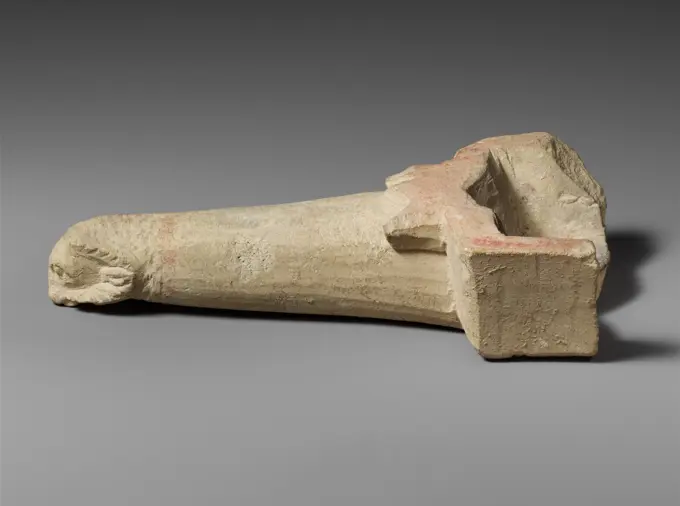
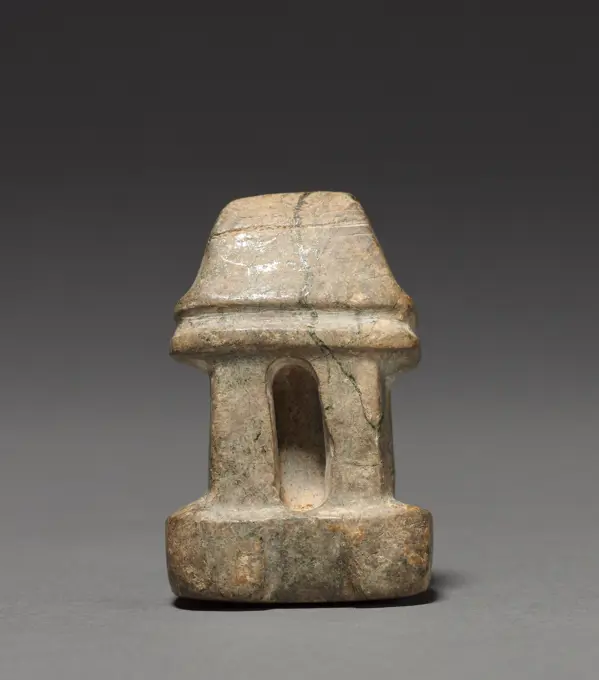
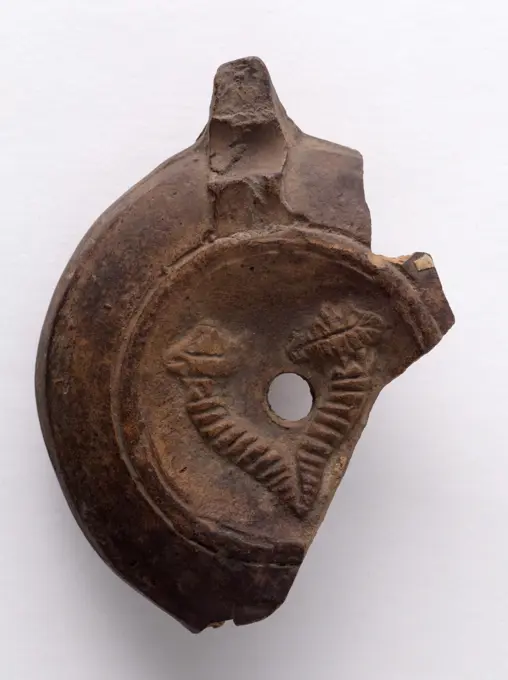
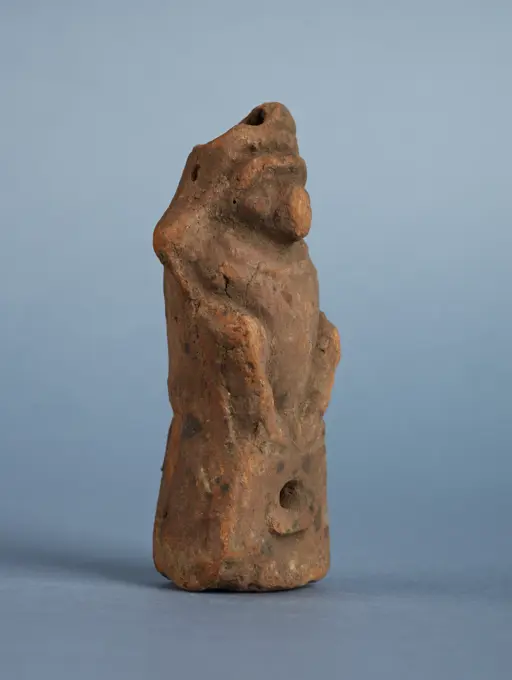
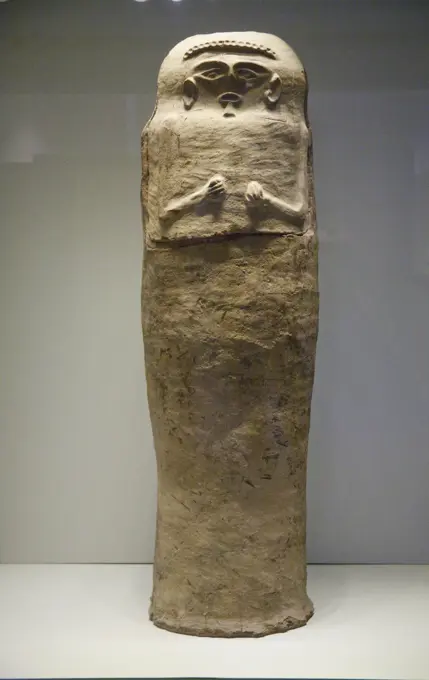
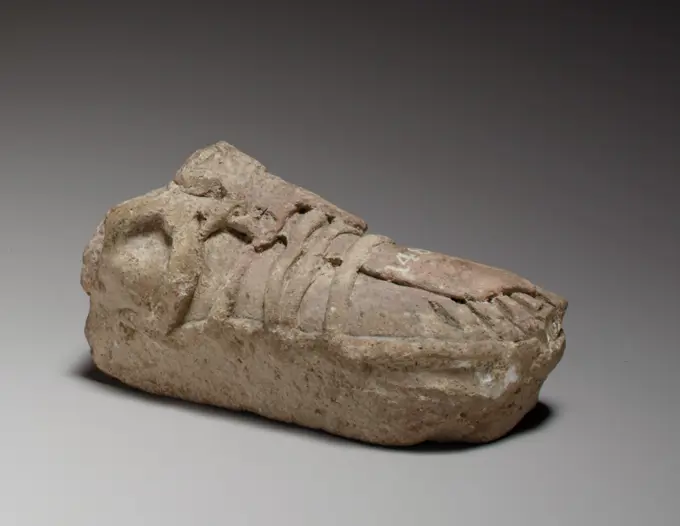
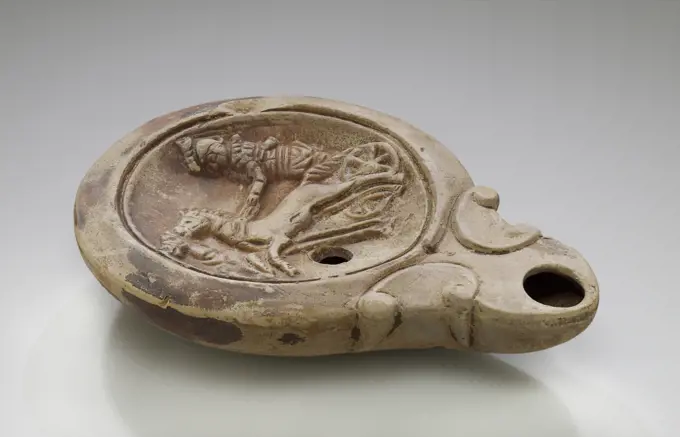
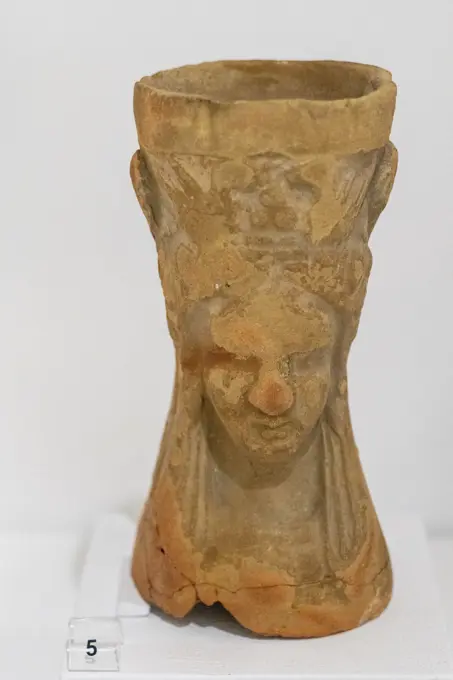
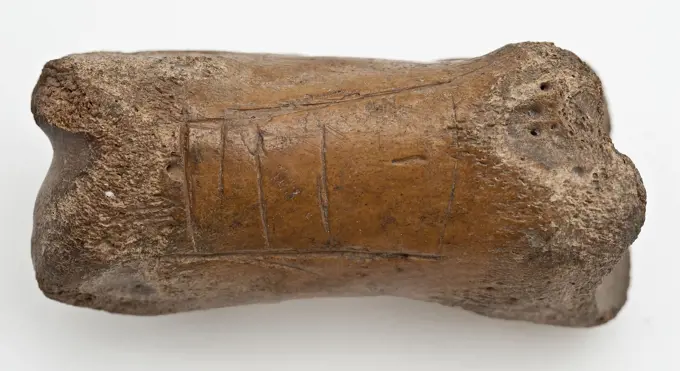
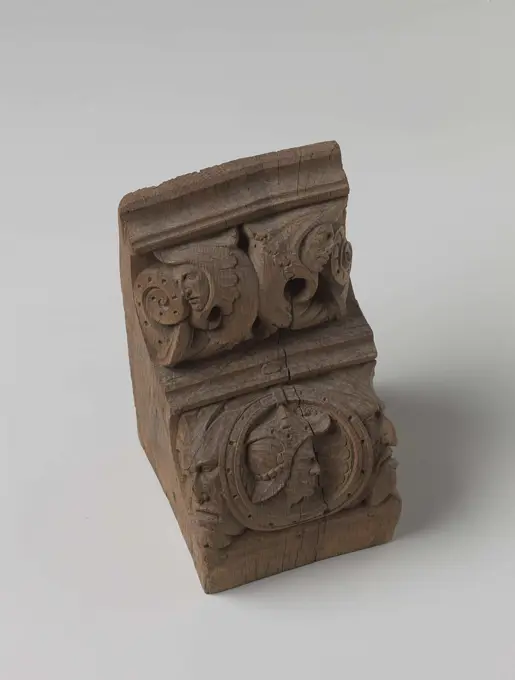
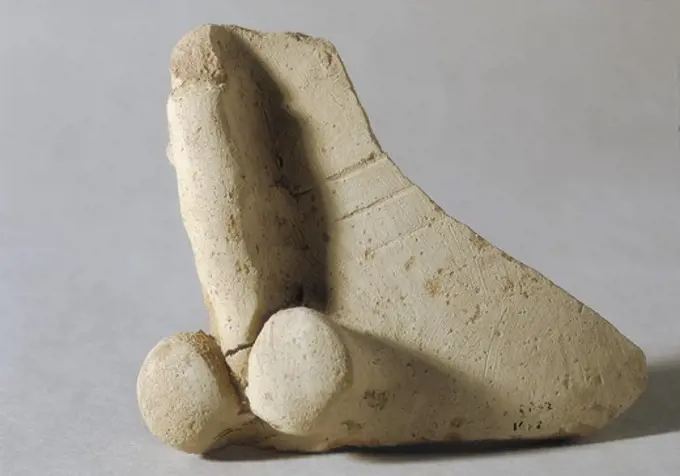
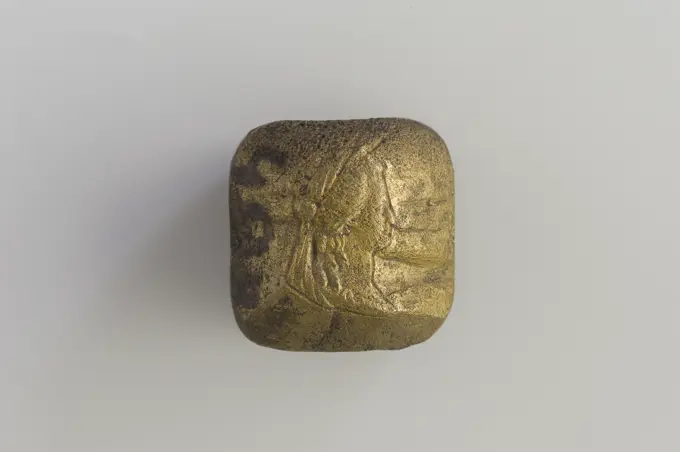
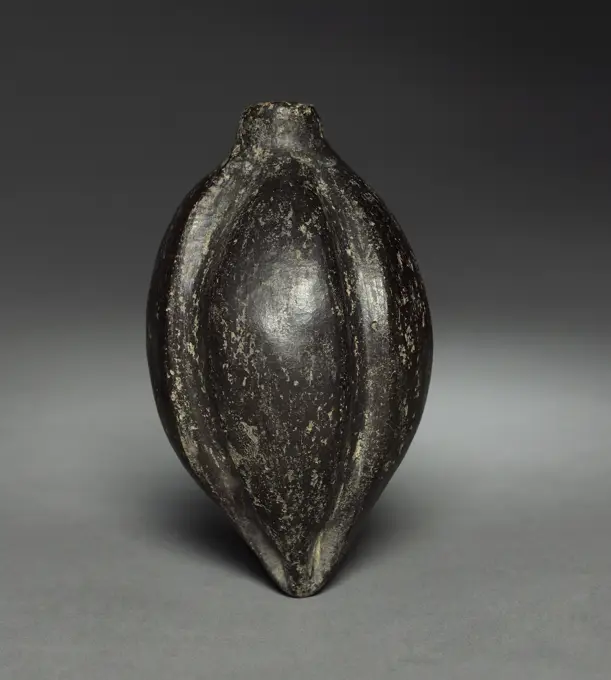
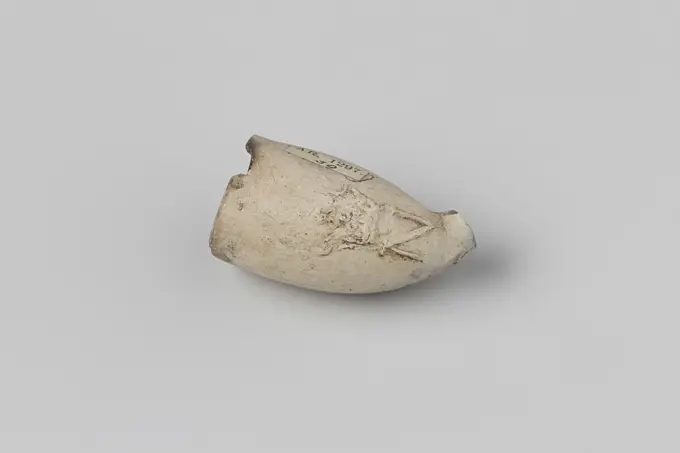
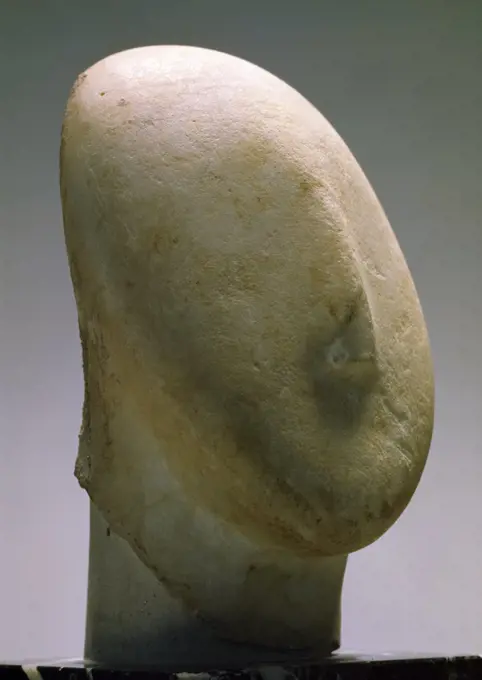
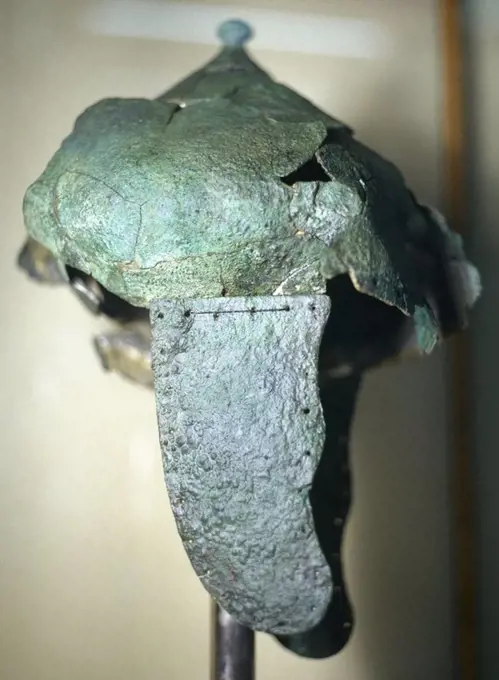
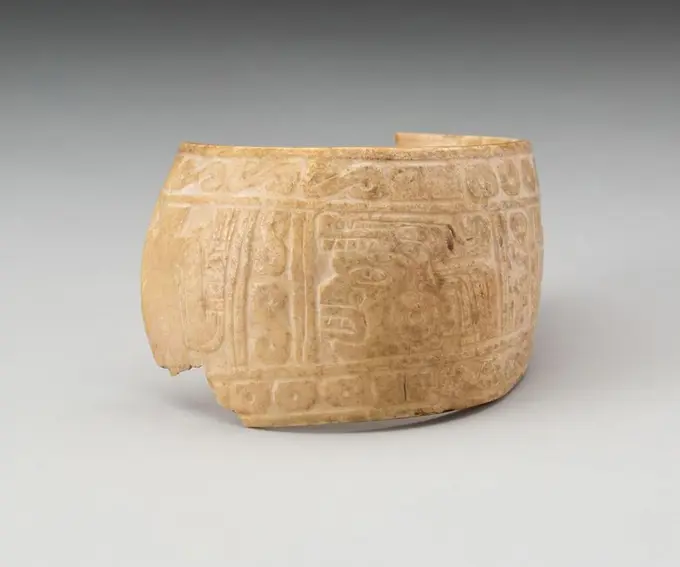
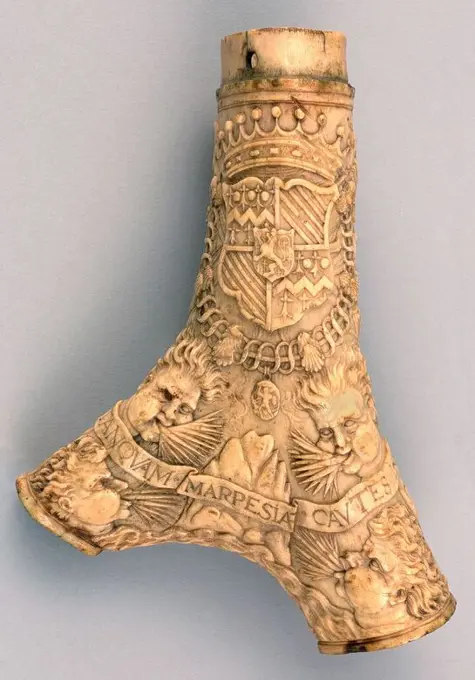
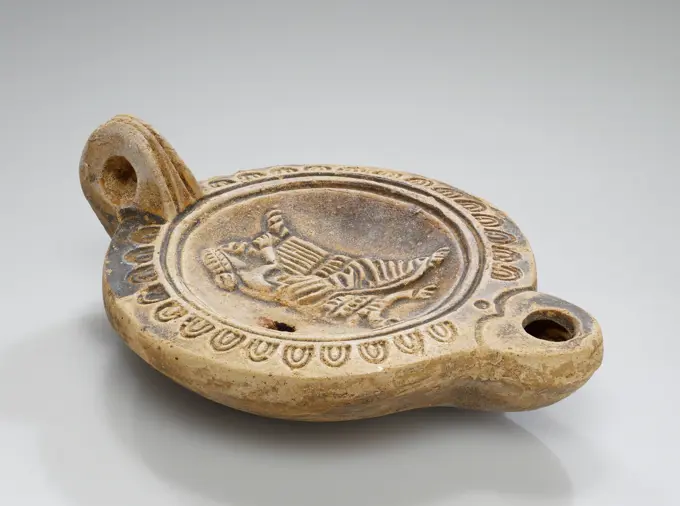
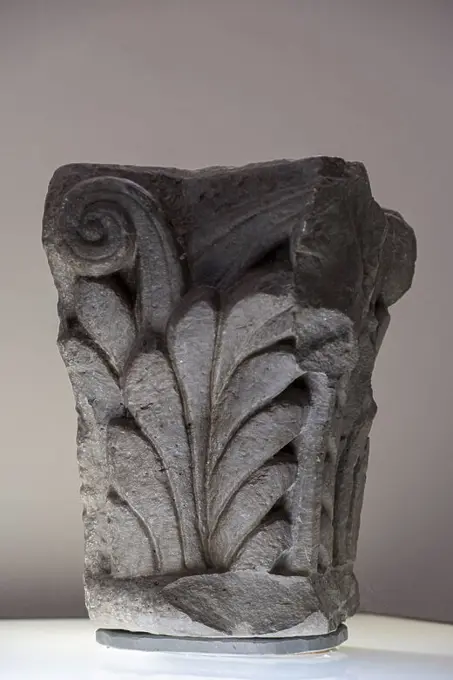
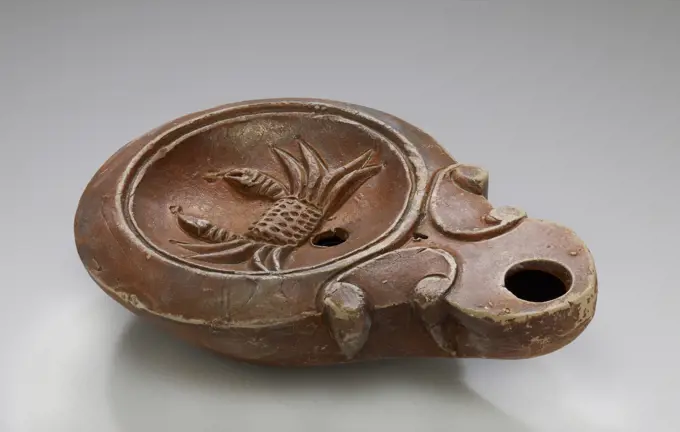
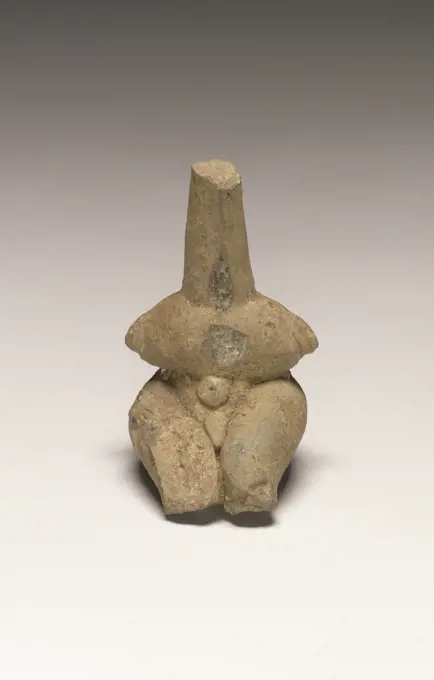
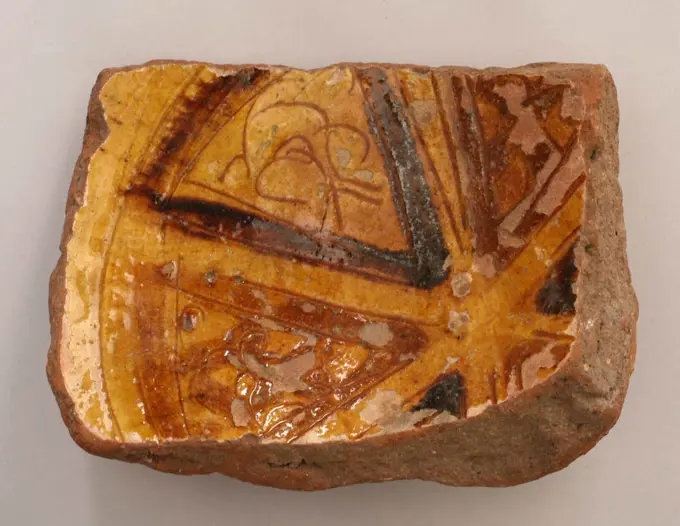
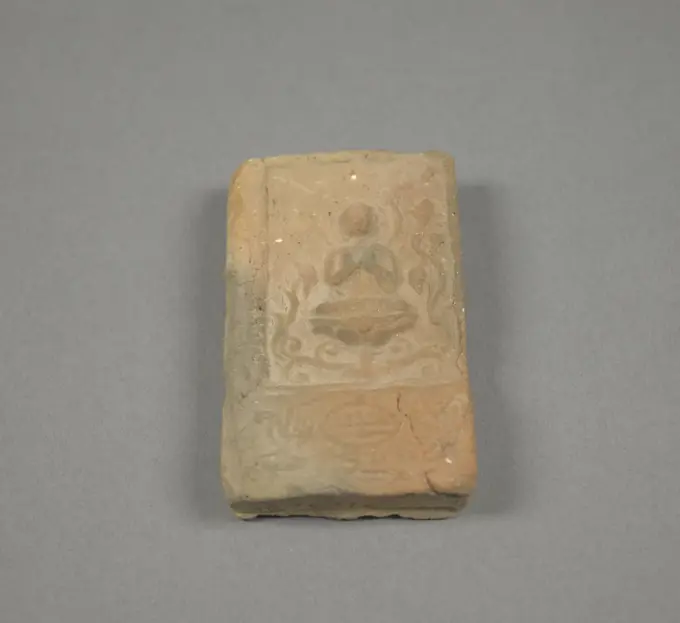
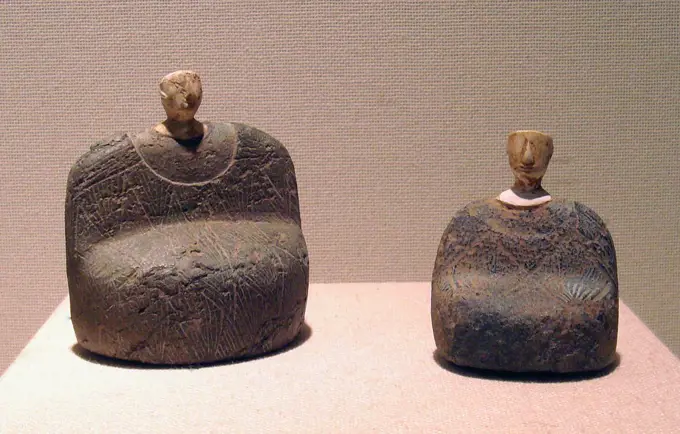
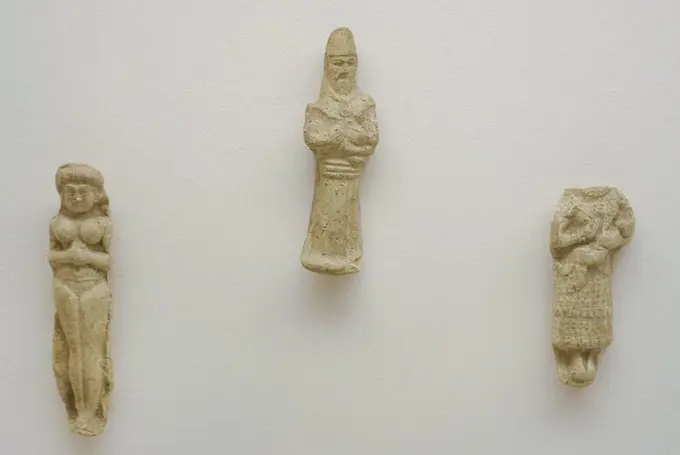
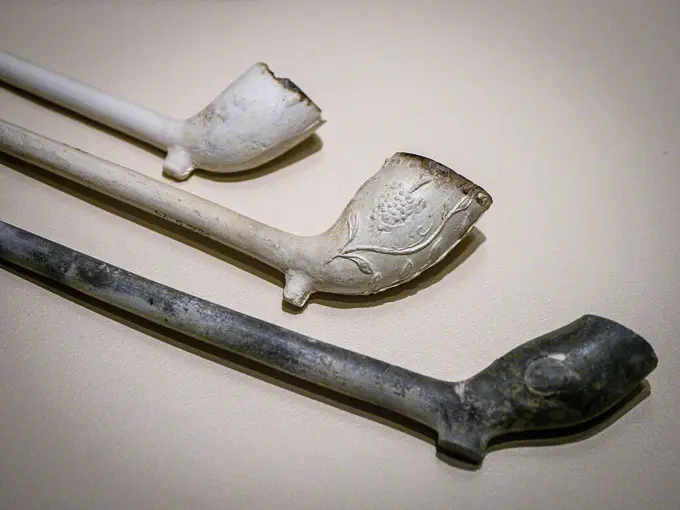
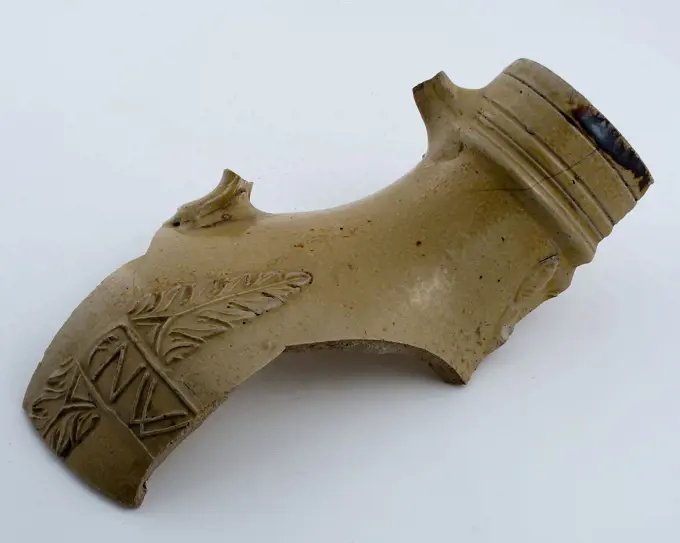
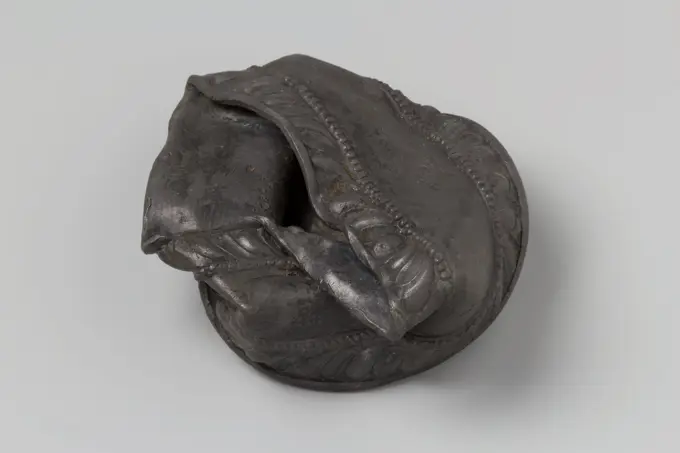
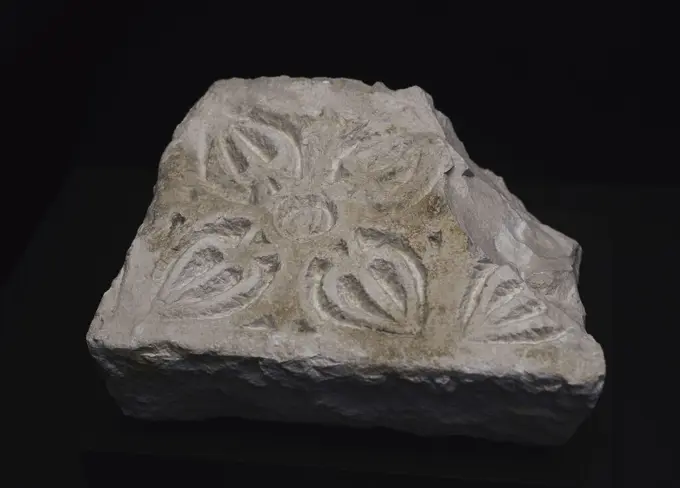
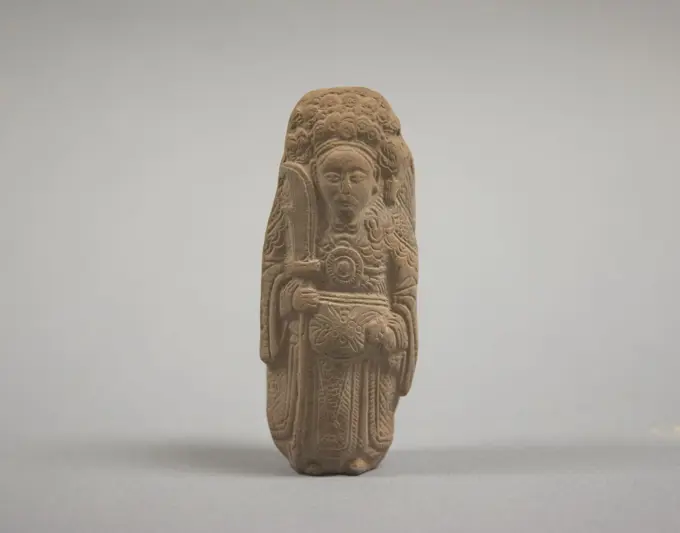
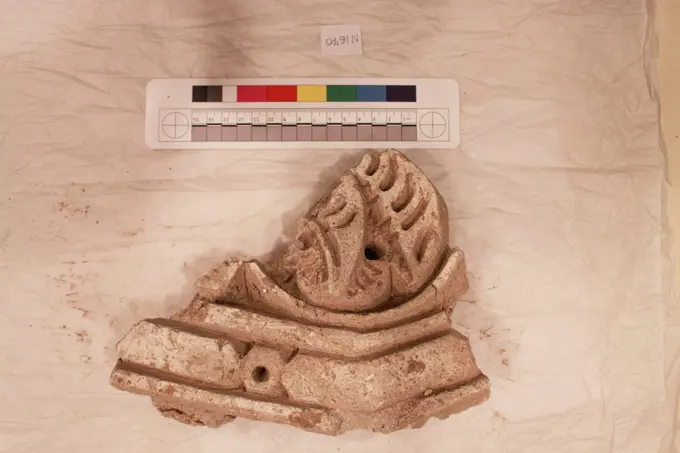
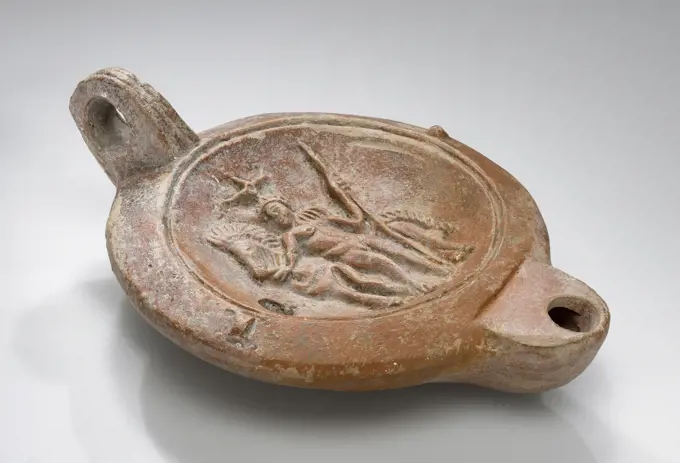
Item from a selection of ossuary's, burial containers and incense burners from a burial cave from Peking over 6,500-5,500 years ago. Made from painted pottery.Lamp, North Africa; 1st - 4th century; Terracotta; 2.7 x 9 x 12.5 cm (1 1,16 x 3 9,16 x 4 15,16 in.)Serpentine blossom bowl ca. 1750-1450 B.C. Minoan High shouldered blossom bowl carved with ribs and grooves.. Serpentine blossom bowl. Minoan. ca. 1750-1450 B.C.. Stone. Middle Minoan III-Late Minoan I. Miscellaneous-Stone VasesFragment; (possibly) belonging to the retable of Soest, c. 1475 - c. 1499   wood (plant material)   wood (plant material)Pottery damper or dover with wide handle, decorated with carving, downer fireplaces earthenware ceramic pottery, hand molded decorated carved baked earthenware damper. Solid red earthenware unglazed Wide rectangular handle with deeply extended triangular surfaces Embellishment in kerfsneetechniek consisting of series of knife points in lines between the handle and the outer edge. What oval shape archeology Capelle aan den IJssel House in Capelle castle indigenous pottery extinguish fireplace heating Soil discovery: Capelle aan den IJssel.Taweret figurine ca. 1981-1640 B.C. Middle Kingdom. Taweret figurine 556821Ok, baked;  XVIII-XIX century (1801-00-00-1900-00-00);Terracotta fragment of a krater (bowl for mixing wine and water) mid-6th century B.C. Greek, Chalcidian On the handle plate, hybrid creature with the head and arm of a woman and a body of a snake. Terracotta fragment of a krater (bowl for mixing wine and water). Greek, Chalcidian. mid-6th century B.C.. Terracotta; black-figure. Archaic. VasesOil LampGentle women;  Hellenistic period (-323-00-00--30-00-00);Daszewski, Wiktor A. (1936-), Daszewski, Wiktor A. (1936-)-collection, gift (provenance)Vase fragment East Greek/Sardis, Lydian Bottom of a vase.. Vase fragment 252685 East Greek/Sardis, Lydian, Vase fragment, Terracotta, Overall: 5 3/8 x 1 15/16in. (13.7 x 5cm). The Metropolitan Museum of Art, New York. Gift of The American Society for the Excavation of Sardis, 1926 (26.199.117)Anthropomorphic Lime Container ca. 500 B.C.-A.D. 300 Indonesia (Java, Lumajang, Pasiran) The function of these amusingly anthropomorphic vessels is made clear by traces of quicklime in their interiors. Along with spoons and other paraphernalia associated with the preparation of betel (areca) nuts, containers like these were part of an extensive surface find on the beach at Lamajang in northwestern Java. Throughout South and Southeast Asia the leaves of the betel plant, a type of pepper, are wrapped around a mixture of lime and the seed kernel of the betel palm and chewed. Quicklime is a natural antacid, and the concoction provides both a stimulant and a tonic.It is not known precisely when the practice of chewing betel began. An intriguing early reference, however, is found in the Chinese Shiji (Historical Records) written by Sima Qian during the first century B.C. Chapter 116 of this monumental work describes the appearance and activities of the non-Han people living in southwestern aRitual vessel or stand ca. 2600-2500 B.C. Sumerian. Ritual vessel or stand. Sumerian. ca. 2600-2500 B.C.. Alabaster. Early Dynastic IIIa. Mesopotamia, NippurLid 4th-7th century Coptic. Lid 478897Oil Lamp. Culture: Coptic. Dimensions: Overall: 1 1/8 x 3 3/8 x 2 3/16 in. (2.8 x 8.5 x 5.6 cm). Date: 4th-7th century. Museum: Metropolitan Museum of Art, New York, USA.Faience button seal 664-30 B.C. Egyptian Button seal.. Faience button seal 243809Cut. Covered sandstone. Provenance: Vietnam. Paris, Cernuschi museum. 79859-18 Cut, archeological object, dishesChess Piece, Bishop 9th-12th century. Chess Piece, Bishop 449841LampFragment of facing brick in the form of keystone with hourglass, facing brick fragment sculpture sculpture building part stone, sculpted Above wider than under probably keystone in gate List and hourglass in high relief. Hardsteen Rotterdam Binnenrotte time perishability burning war World War II bombardment Bombardment May 1940 from premises Binnenrotte 50.Sundial with a dedication. unknown, author, Hephaistion, son of Herodes, ordering partyBowl with a HumanFigureMarble left hand holding a box 1st century B.C.-2nd century A.D. Greek or Roman Left hand holding a box.. Marble left hand holding a box. Greek or Roman. 1st century B.C.-2nd century A.D.. Marble. Late Hellenistic or Imperial. Stone SculptureLimestone handle of a patera or a fire shovel ending in a rams head 5th century B.C. ? Cypriot The part of the fire shovel connected to the handle by an element with three points is preserved. There are traces of burning in the inside of the shovel and red pigment on its upper edge.. Limestone handle of a patera or a fire shovel ending in a rams head 244035Model duck, trussed. Dynasty: Dynasty 12-13. Date: ca. 1981-1640 B.C.. Museum: Metropolitan Museum of Art, New York, USA.Architectural Model, 100 BC-AD 300. Mexico, Guerrero, Mezcala, 2nd Century BC-4th Century. Serpentine; overall: 7.3 x 4.7 x 3.4 cm (2 7/8 x 1 7/8 x 1 5/16 in.).Oil lamp. Terracotta. Late Antiquity. 2 horns of abundance. Paris, Carnavalet museum. 50054-15 Late antique, abundance horn, oil lamp, terracottaFigurine of BaboonAncient clay coffins, Israel National Museum, in Jerusalem, IsraelBoat;  around 1069 715 BC ; 3rd transition period, 21-23 dynasty (-1069-00-00--715-00-00);Fragment of spit dish or grease trap, with stem and one leg, grease trap baking utensil holder soil find ceramic earthenware glaze lead glaze, w 14.5 hand-formed glazed fried Edge fragment of earthen grease trap or spit dish. Red shard on the top glazed Small leg trilobar ornament on the attachment of the leg. Wide handle as handle shallow double groove in the longitudinal direction archeology City Triangle Rotterdam Laurens Church indigenous pottery frying grilling food food prepare fat oil lighting Soil discovery found during the restoration of the Laurenskerk in Rotterdam Excavation chapels north of the tower.Vase fragment East Greek/Sardis, Lydian Concentric circle pattern.. Vase fragment 252723 East Greek/Sardis, Lydian, Vase fragment, Terracotta, Overall: 4 x 1 5/8in. (10.2 x 4.1cm). The Metropolitan Museum of Art, New York. Gift of The American Society for the Excavation of Sardis, 1926 (26.199.156)Right foot 2nd century B.C.() Cypriot The foot, wearing a sandal, is handmade and solid. It is from a figure of approximately half life size or a little less.. Right foot 241017Fragments of stoneware jug, gray glazed, with cartouches, dated, jug crockery soil find ceramic stoneware glaze, hand turned stamped glazed glazed baked Fragments of stoneware jug Glazed glazed. Cartouches on the belly. In the cartouche crowned coat of arms in five quarters with left and right of the crown the year and next to the shield text. Spindles. Misbaksel; the pottery is cracked in some places during drying or during baking in the oven on fragment, KVNICK IN SVEDEN 1605 archeology underground pit Rotterdam Kralingen Gedempte Slaak heraldiek uitheems pottery drink serving table Soil discovery underground pit Gedempte Slaak 1978.Lamp, North Africa; 1st - 4th century; Terracotta; 2.6 x 8.5 x 11.6 cm (1 x 3 3,8 x 4 9,16 in.)cauldron cauldron, La Antilla, Lepe, V-III BC, anthropomorphic terracotta figure, post colonial era, Huelva Museum, Huelva, Andalusia, Spain Copyright: xZoonar.com/Tolox 21720722Digit from cow's leg, part of throwing game: chaps, koot game piece relaxant soil find leg, Head of the leg marked, three horizontal grooves in rectangular frame archeology Rotterdam rail tunnel play kootkoot fikkelen Soil discovery: trajectory rail tunnel Rotterdam.Construction clip. Oak balcony key.Seal Impression of a Late Period Official. Egypt, Late Period, late 25th Dynasty - 26th Dynasty (664 - 525 BCE). Tools and Equipment; seals. Semi-baked clay of reddish-gray colorPendant: Ram's Head. Unknownbiberon, siglos VII - V a.C. Procedente de Numancia, museo Numantino de Soria, Soria, Comunidad Autónoma de Castilla, Spain, Europe.Fragment of pottery with phallic representation. 1st c. A.D. Roman art. Early Empire. Ceramics. SPAIN. CATALONIA. BARCELONA. Barcelona. Archaeology Museum of Catalonia. Proc: SPAIN. CATALONIA. GERONA. L'Escala. Empœries.Planets-manager. Cornalet Collection Sites 2013-2016. Numismatic.oculated cylinder, limestone, 3000-2500 BC, Moncarapacho, Faro, Portugal, Huelva Museum, Huelva, Andalusia, Spain.Hand. Copper alloy. Gallo-Roman. Paris, Carnavalet museum. 51470-1 Copper alloy, Gallo-Roman, Gallo-Roman, handTerracotta conical-hemispherical spindle-whorl ca. 2000-1725 B.C. Cypriot Spindle whorls aided in the making of cloth for garments and bedding. They were placed in tombs, perhaps so that the deceased could continue to spin wool in the afterlife.. Terracotta conical-hemispherical spindle-whorl 240527Fragment 14th-15th century. Fragment 446383Pottery figure of a warrior Jalisco, Mexico. 300 BC-AD 300.Hieratic ostracon New Kingdom, Ramesside ca. 1295-1070 B.C. Ostraca (plural for ostracon) are potsherds used as surfaces on which to write or draw. The term is used, by extension, to refer to chips of limestone, which were employed for similar purposes. Despite their humble appearances, ostraca bear a wide range of images and texts, including administrative documents, literary texts, and depictions of royal and divine figures. The texts were mostly written with reed pen and ink of two colors, red and black, and inscribed in Hieratic, the cursive script of ancient Egypt throughout most of its periods. This ostracon is inscribed with incomplete lines of hieratic text. View more. Hieratic ostracon. ca. 1295-1070 B.C.. Limestone, ink, paint. New Kingdom, Ramesside. From Egypt, Upper Egypt, Thebes, Valley of the Kings, Davis excavations. Dynasty 19-20Fruit, before 1921. Colombia. Pottery; diameter: 6.4 cm (2 1/2 in.); overall: 10.8 cm (4 1/4 in.).Kohl Flask 6th-7th century. Kohl Flask. 6th-7th century. Glass; blown, pinched, and applied decoration, tooled on the pontil. Attributed to Syria. Glassanthropomorphe Figur anthropomorphe Figur Copyright: xZoonar.com/TOLOxBALAGUERx 22682455Pijpenkop.Pipes head with a crown and letters G H L and N shown. Of the excavations at the Hofstede Arentsburg 1827-1831 under the supervision of professor Reuvens.Female Head, Early Cycladic II, circa 2700-2400 B.C., France, Paris, Musee du LouvreRython in the form of a Bull's Head. Iran, Parthian, 200 B.C.-200 A.D.. Sculpture. CeramicStatue Fragment. UnknownAfrica, West Africa, Ghana, Elmina. Traditional object at Elmina Castle Museum.Fragment of Flask (ampulla) showing Thecla andMenasFragment imadła za stemplem. unknown, authorWhistle (zoomorphic), 3 1/2 x 2 1/2 in. (8.9 x 6.4 cm), Earthenware; pigment, MexicoFlask 7th-8th century. Flask 448712Horse Rhyton. Egypt, Ptolemaic Period - Roman Period (332 BCE - 337 CE). Tools and Equipment; rhyta. TerracottaOwl Mace Head 1st-5th century Atlantic Watershed. Owl Mace Head 313263Standing FigureSet of roman oil lamps. Archaeological and History Museum (San Anton Castle). A Corua, Galicia, Spain.Jean Carriès (1855-1894). "Squash". Enameled sandstone. Museum of Fine Arts of the City of Paris, Petit Palais. 24205-15 Ceramic, squash, gres emailleHacha 7th-9th century Veracruz. Hacha. Veracruz. 7th-9th century. Stone, pigment. Mexico, Mesoamerica, Veracruz. Stone-SculptureBelt Ornament Rattle 2nd-7th century Moche. Belt Ornament Rattle 315680Ceremonial FoodDishARTE MINOICO. CRETA. YELMO DE BRONCE con protección para las mandíbulas y con cavidad para el penacho en su parte posterior. Procedente de la tumba del Sanatorio del área de Knossos. Civilización de los Palacios Nuevos y post-palacial (1380-1200 a. C.). Museo Arqueológico de Heraklio. Creta. Grecia.Shell, Possibly an Arm Band, Incised with Profile Head Framed by Geometric Motifs (Frament). Possibly Mixtec; Oaxaca or Guerero, Mexico. Date: 1000-1400. Dimensions: 6.7 x 8.9 cm (2 5/8 x 3 1/2 in.). Shell. Origin: Guerrero state. Museum: The Chicago Art Institute, Chicago, USA.Powder Flask of Jacques de Silly (1513-1571). Culture: French. Dimensions: L. 7 3/4 in. (19.7 cm); W. 5 3/4 in. (14.6 cm). Date: 1568.The consummate works of an anonymous French artist, this flask and another in the Metropolitan Museum's collection (acc. no. 2014.191) are made of polished antler, and expertly carved at the front. Whereas one flask sports the heraldic arms and personal emblem of its noble owner, the other features a scene from the Old Testament, Samson's victory over the giant Goliath. As is often the case, the metal mountings that would have capped the flasks's extremities are now lost. Museum: Metropolitan Museum of Art, New York, USA.Lamp. UnknownChalcolithic ceramics Chalcolithic ceramics, Marroquies Altos, Archeological Museum. Úbeda, Jaén province, Andalusia, Spain Copyright: xZoonar.com/BartomeuxBalaguerxRotgerx 21702908Bronze hoof of a horse 1st-2nd century A.D. Roman The hoof is from a hind leg.. Bronze hoof of a horse. Roman. 1st-2nd century A.D.. Bronze. Imperial. BronzesFragment imadła amfory ze stemplem. unknown, potter's workshopDiocesan Museum of Jaca, Huesca, Spain.Lamp, North Africa; 1st - 4th century; Terracotta; 3 x 8 x 11.5 cm (1 3,16 x 3 1,8 x 4 1,2 in.)Hippopotamus ca. 1850-1640 B.C. Middle Kingdom Hippopotami were associated with life, regeneration, and rebirth. When placed in tombs they were meant to supply the deceased with general regenerative power and to guarantee his or her rebirth. Hippopotamus statuettes made out of faience (a non-clay ceramic material) occur in four different positions: standing, walking, seated, and reclining. The faience glaze of this piece has discolored over time.. Hippopotamus. ca. 1850-1640 B.C.. Faience. Middle Kingdom. From Egypt, Memphite Region, Lisht North, Tomb of Nakht (493), brick building east, Pit 475, MMA excavations, 1913-14. Dynasty 12, late-early 13Metate 1st-5th century Guanacaste-Nicoya. Metate 316766Fish Scraper 1st-5th century Tolita-Tumaco. Fish Scraper 314170Seated Hermaphroditic Figure; Thessaly, Greece; 6th - 5th millennium B.C; Terracotta; 7.4 × 4.6 × 5.5 cm (2 15,16 × 1 13,16 × 2 3,16 in.)Fragment of a Bowl 14th-15th century. Fragment of a Bowl 446442Fragment 14th-15th century. Fragment 455194Votive Tablet China. Votive Tablet. China. Unglazed terracotta. Tang dynasty (618-907). SculptureJarThe Bactria-Margiana Archaeological Complex, also known as 'Oxus civilization', is the modern archaeological designation for a Bronze Age culture of Central Asia, dated to c. 2200 - 1700 BCE, located in present day Turkmenistan, northern Afghanistan, southern Uzbekistan and western Tajikistan, centered on the upper Amu Darya (Oxus), in area covering ancient Bactria. Its sites were discovered and named by the Soviet archaeologist Viktor Sarianidi (1976). Bactria was the Greek name for the area of Bactra (modern Balkh), in what is now northern Afghanistan, and Margiana was the Greek name for the Persian satrapy of Margu, the capital of which was Merv, in today's Turkmenistan. According to some authorities, Bactria was the homeland of Indo-European tribes who moved south-west into Iran and into North-Western India around 2500-2000 BCE. Later, it became the north province of the Persian Empire in Central Asia. It was in these regions, where the fertile soil of the mountainous country is suNear East. Terracota figurines. From Mesopotamia and Iran. The State Hermitage Museum. Saint Petersburg. Russia.pipes, 18th century, Arkeologi Museoa, aqueologico museum, Bilbao, Bizkaia, Pais Vasco, Spain.Rectangular base of sandstone, belonging to image, Imaginative, 1800 - 1899 Rectangular base of sandstone, belonging to 'image, the fortune depicting'. The top of the pedestal is attached to the BK-18042-B-1 sculpture. The top of the pedestal is considerably damaged and discolored because the top has been removed from the base. At the edge of the top, many flakes of the sandstone are missing. The sides of the pedestal are flat. The plinth is attached to the shaft with cement and is overhanging because a profiled edge widens the pedestal. The shaft of the pedestal protrudes 4 centimeters at the height of the back. The pedestal is a pendant of BK-188042-a-2. unknown sokkel: sandstone. sokkel: cement (construction material) Rectangular base of sandstone, belonging to 'image, the fortune depicting'. The top of the pedestal is attached to the BK-18042-B-1 sculpture. The top of the pedestal is considerably damaged and discolored because the top has been removed from the base. At the edge of Neck and belly fragment of beard man, with spell and acanthus leaf, Bartmann juggeware tableware holder soil find ceramic stoneware icing saltglaze, hand turned stamped glazed glazed fried Fragment of Bartmann jugnequin Decorated with mask on the shoulder and with spell over the belly and acanthus leaves Completely gray Salt glaze . Gray shard Neck with cuff over which some contiguous grooves still remain: NW ... archeology Rotterdam City triangle underground pit Blaak Groenendaal indigenous pottery import store transport packaging donate wine Soil discovery metro works Blaak Groenendaal separate find Rotterdam.Pewter box from the wreck of the East Indians' t Vliegend Hart, 1700 - 1735  Pewter crushed container, fairly intact (there is a hole in the bottom) except that the thing is crushed from above. The bottom is still in its original form. The outer edges, both above and below, are sober decorated. Bowl.  tin (metal)Impost block decorated with four-petal heart-shaped flowers. Limestone. 7th-8th century. From Toledo, walls, Alcantara Gate (Puerta de Alcántara), Spain. Museum of Visigoth Councils and Culture. Toledo, Castile-La Mancha, Spain.Oil LampFigure of Warrior China. Figure of Warrior 61571Fragment 14th century. Fragment 452868Stucco Fragment probably 8th-12th century This object was excavated at Nishapur.Nishapur was a vital city in the early and middle Islamic periods, located along one of the main trajectories that connected Iran and West Asia Islamic lands with Central Asia and China. These itineraries are often referred to by the term Silk routes but were in fact crucial to the movement of constellations of materials and objects, as well as people and ideas. The diverse population of Nishapur and its surroundings, from the better-researched elite groups of merchants, land-owning aristocracy, and literates, to the less-known artisans, farmers, miners, and servants, were instrumental in adapting global cultural trends to create their own distinctive visual languages. This is seen in the material remains of everyday life in medieval Nishapur - from pots and pans to lighting devices, inkwells, textiles and trimmings, jewelry, games and toys, talismanic devices, weapons, coins, and architectural fragments.NiEar Spool 250 CE-900 CE Central America. Jadeite . MayaLamp, North Africa; 1st - 4th century; Terracotta; 2.5 × 9.5 × 12 cm (1 × 3 3,4 × 4 3,4 in.)Mummy of Herakleides; Egypt; A.D. 120-140; Tempera and gilding on a wooden panel; linen and animal glue; 175.3 × 44 × 33 cm (69 × 17 5,16 × 13 in.)