Ancient Pottery Artifacts

Artifacts including ancient burial containers and terracotta lamps, showcasing historical craftsmanship and archaeological significance.
Pottery damper or dover with wide handle, decorated with carving, downer fireplaces earthenware ceramic pottery, hand molded decorated carved baked earthenware damper. Solid red earthenware unglazed Wide rectangular handle with deeply extended triangular surfaces Embellishment in kerfsneetechniek consisting of series of knife points in lines between the handle and the outer edge. What oval shape archeology Capelle aan den IJssel House in Capelle castle indigenous pottery extinguish fireplace heating Soil discovery: Capelle aan den IJssel.
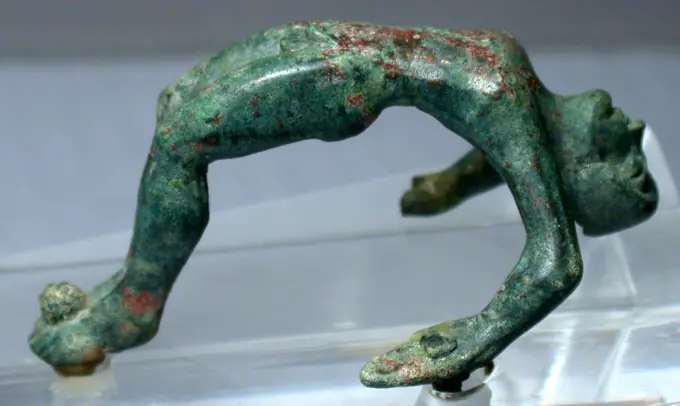
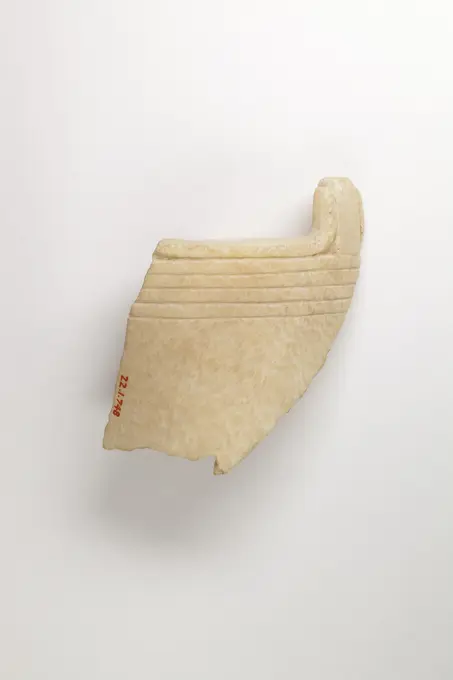
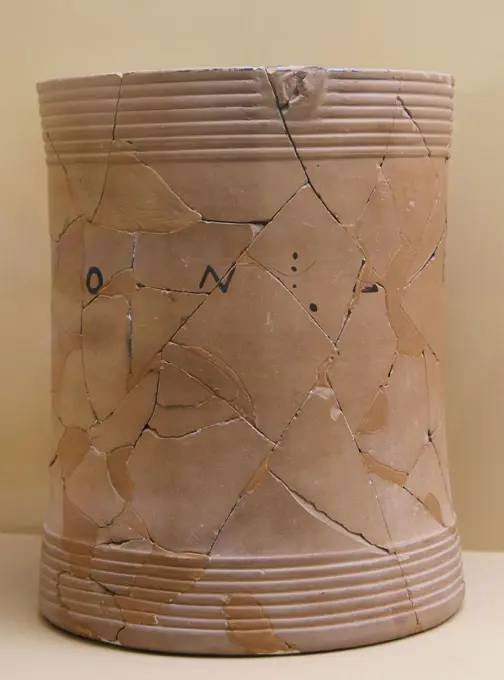
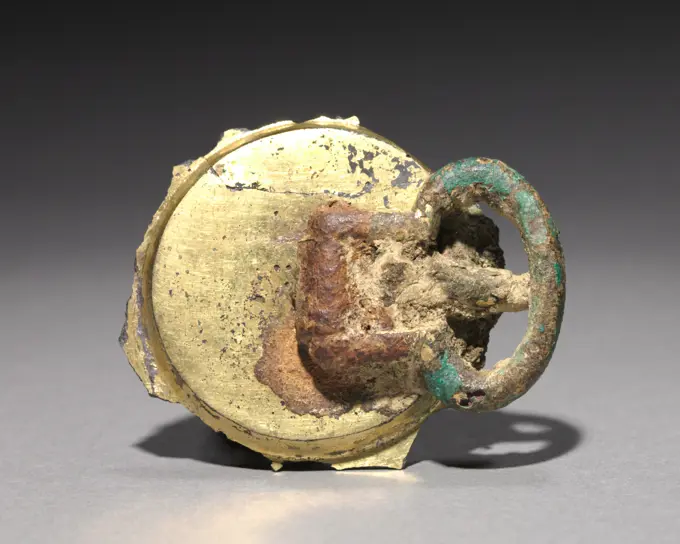
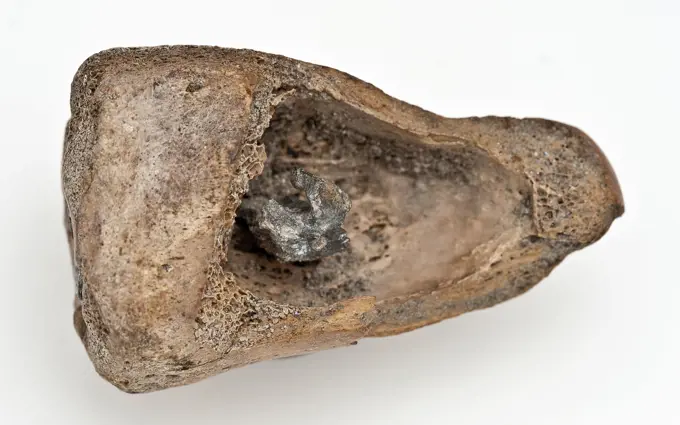
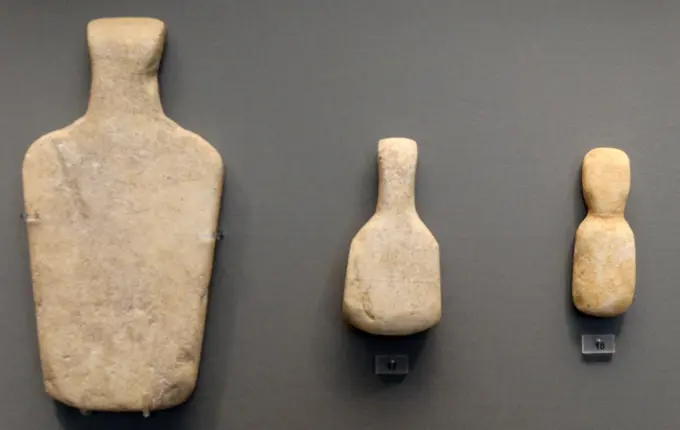
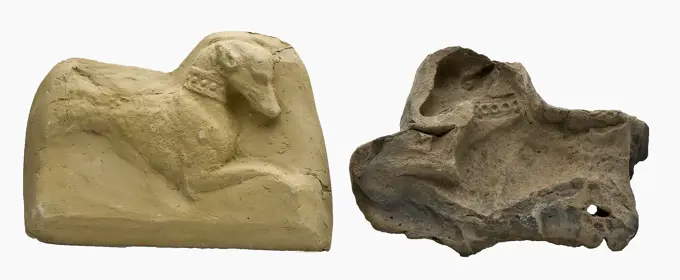
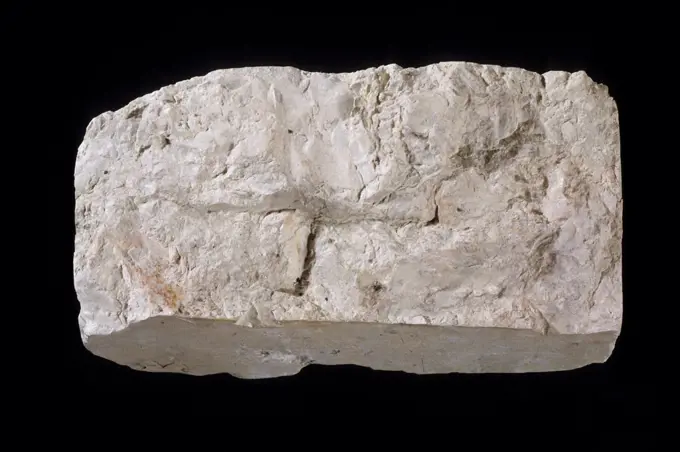
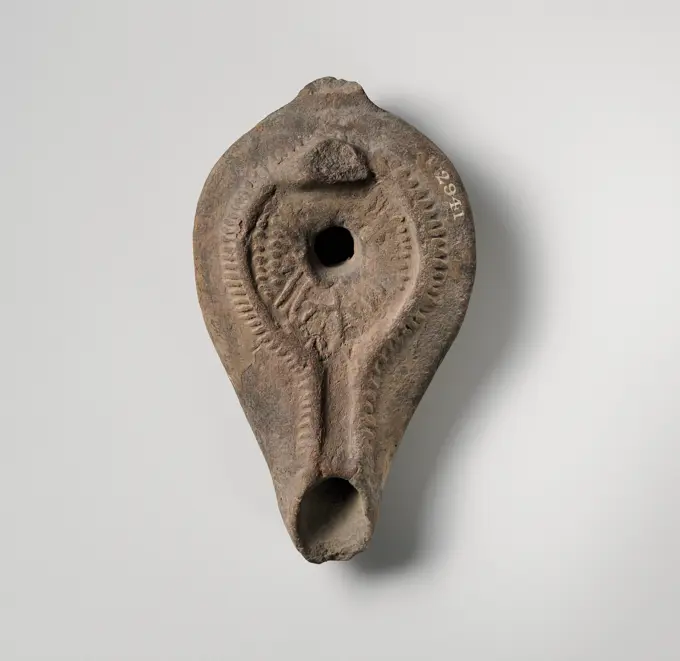
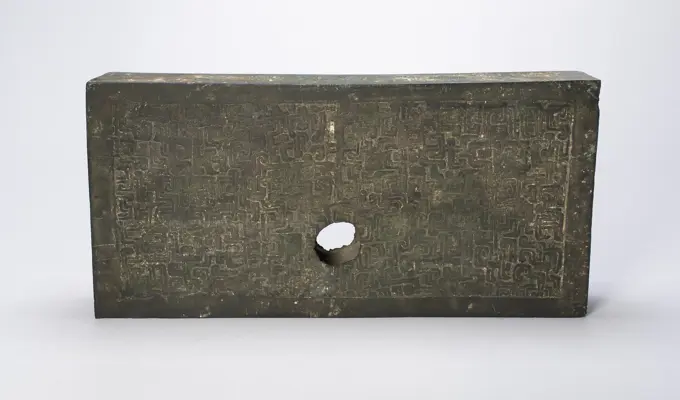
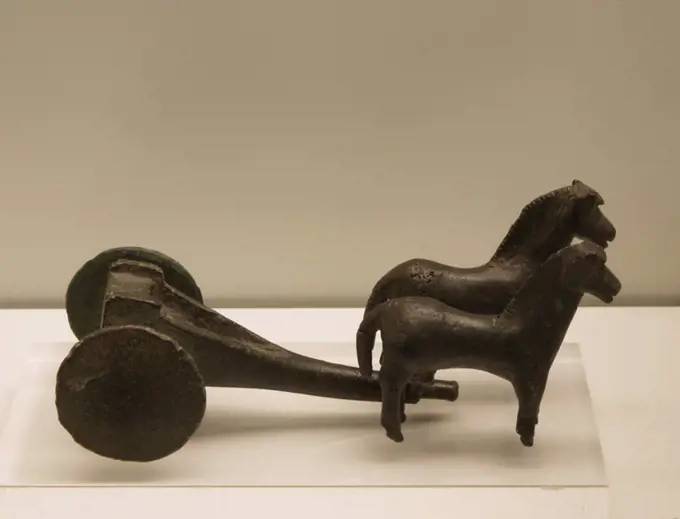
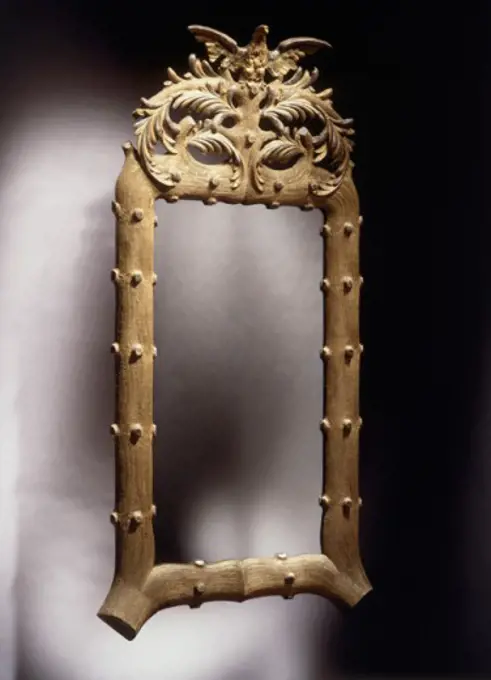
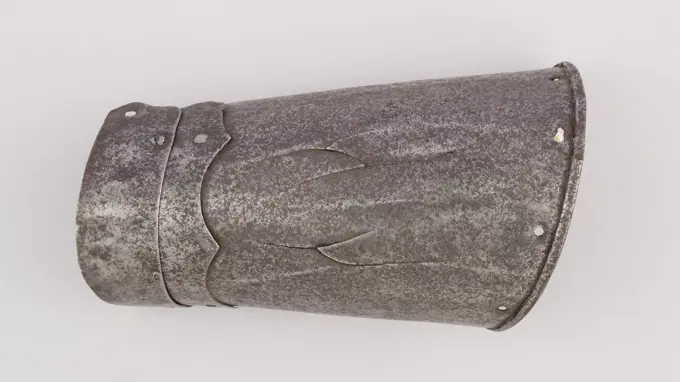
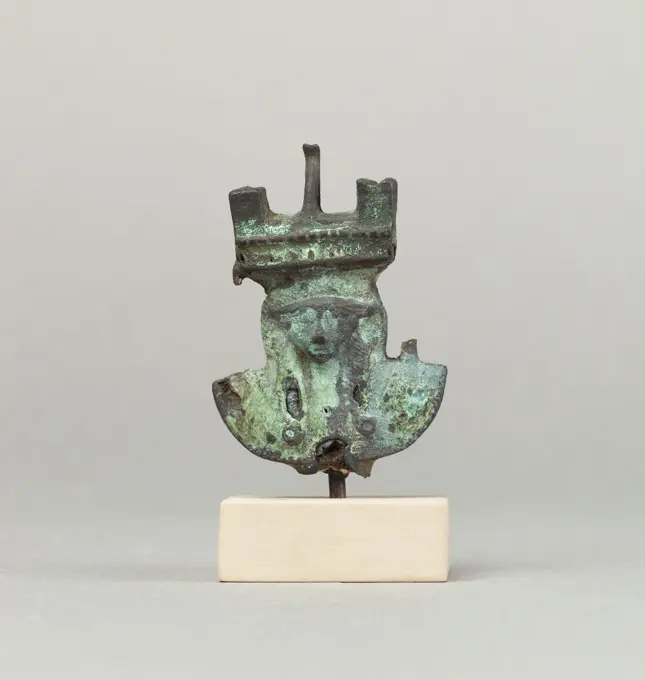
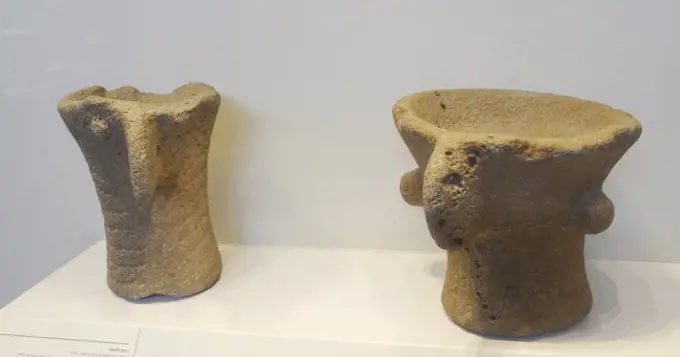
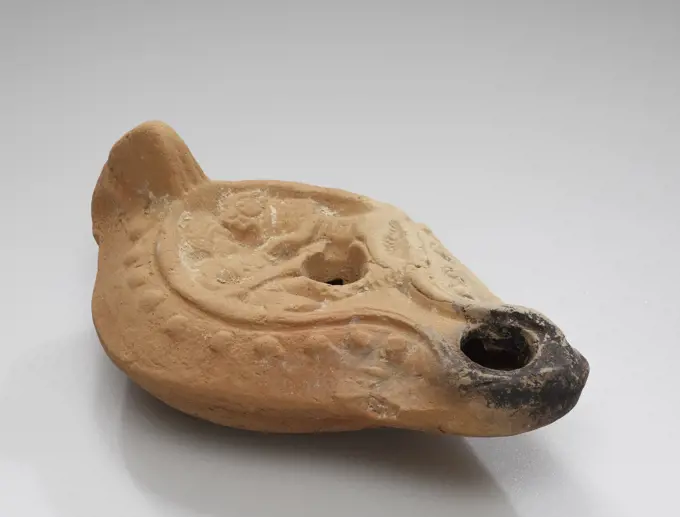
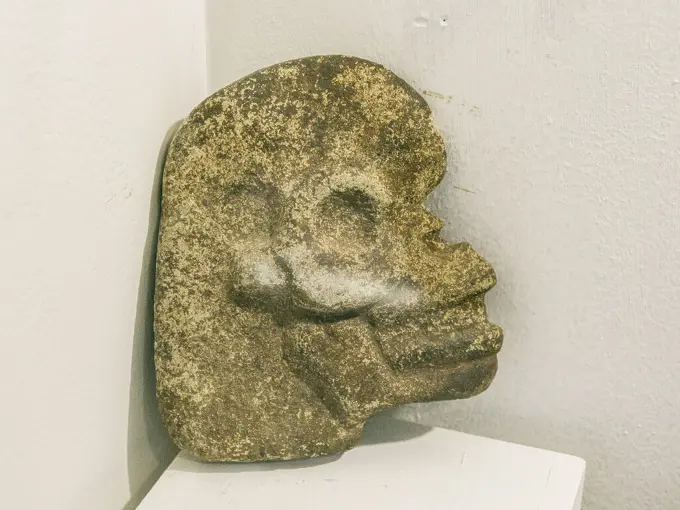
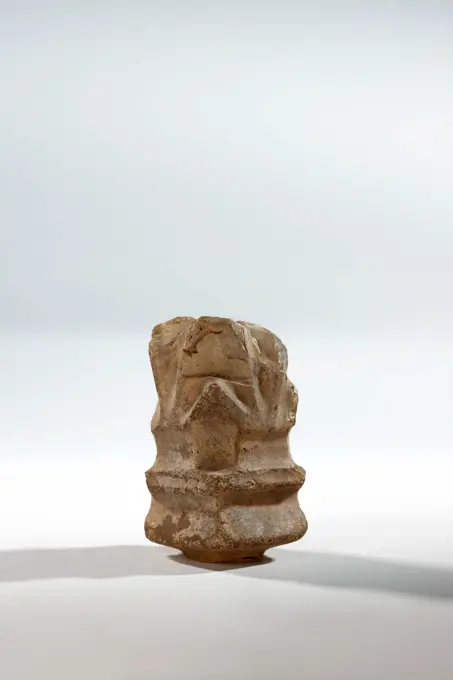
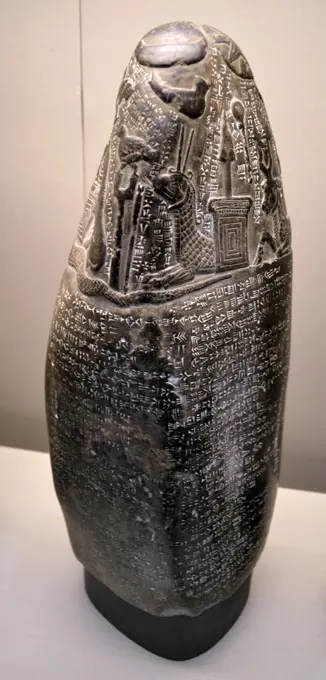
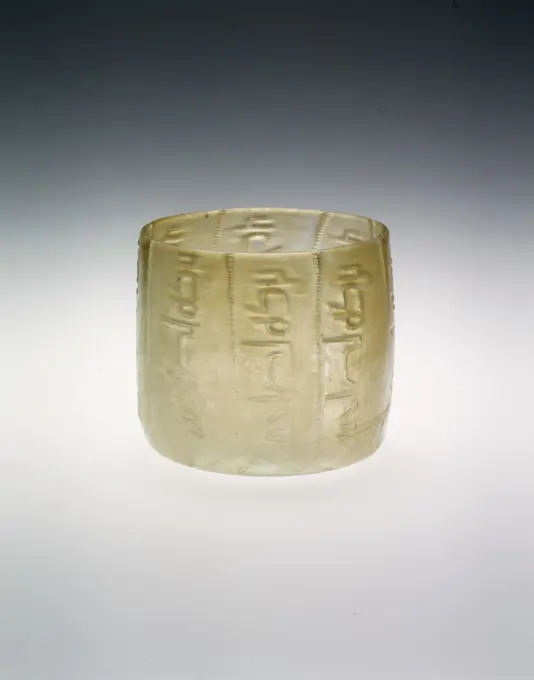
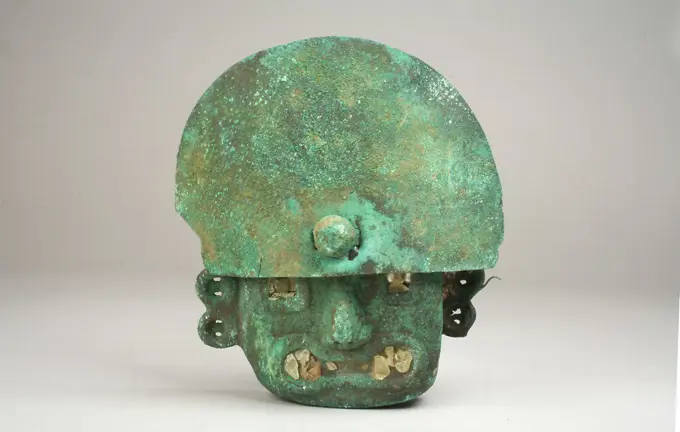
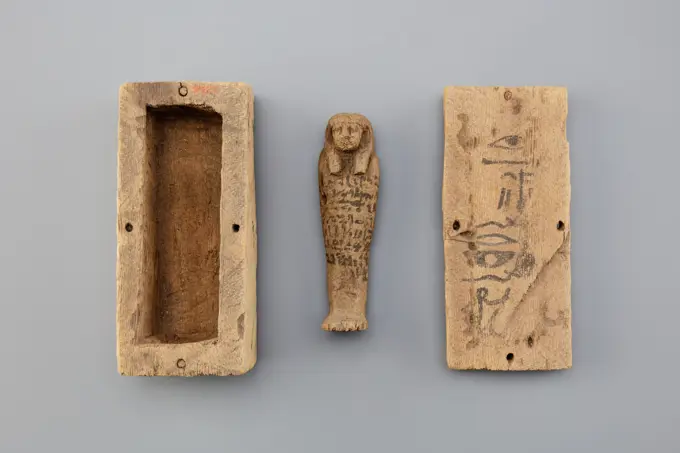
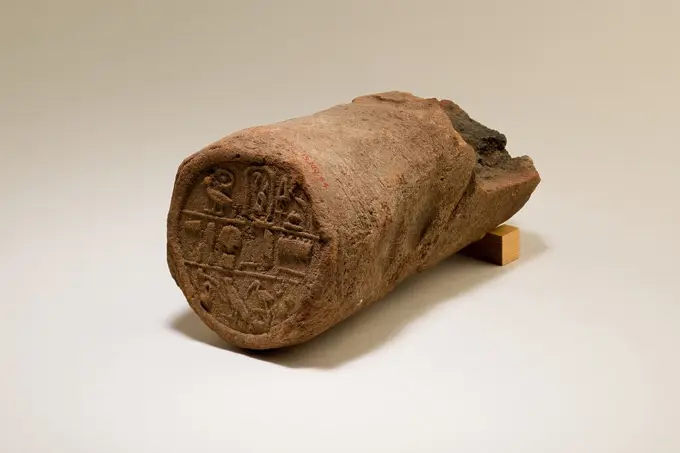
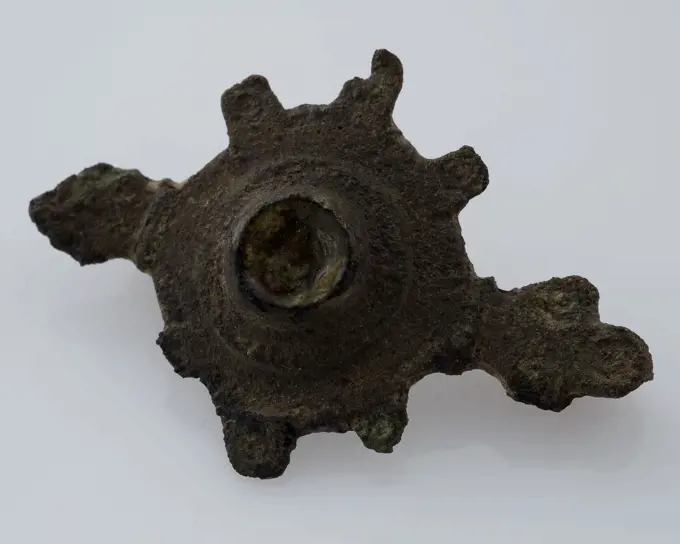
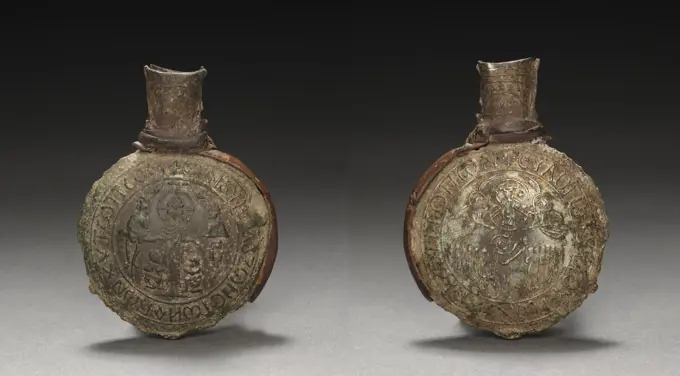
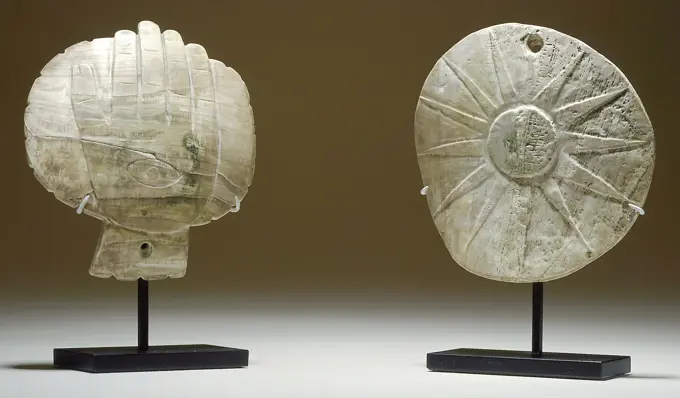
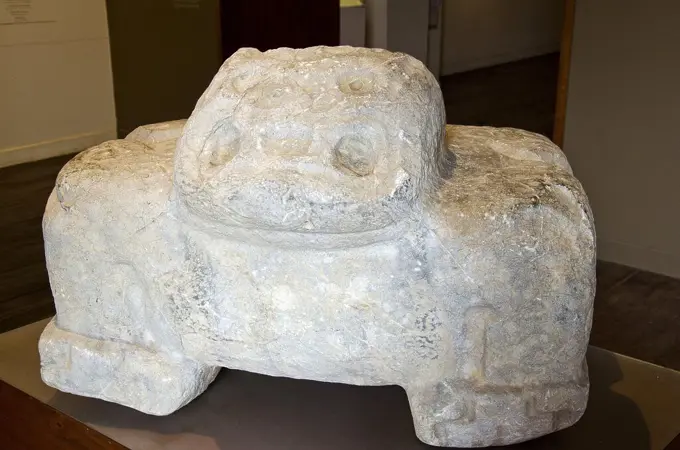
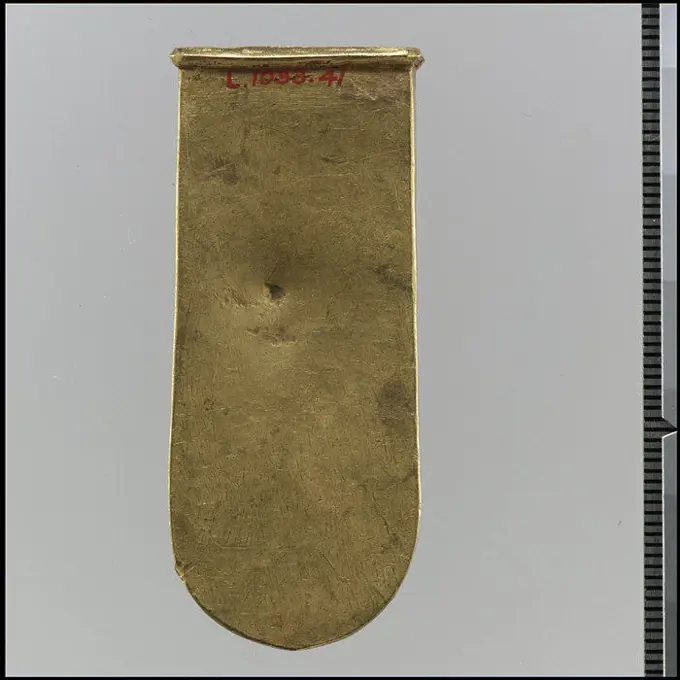
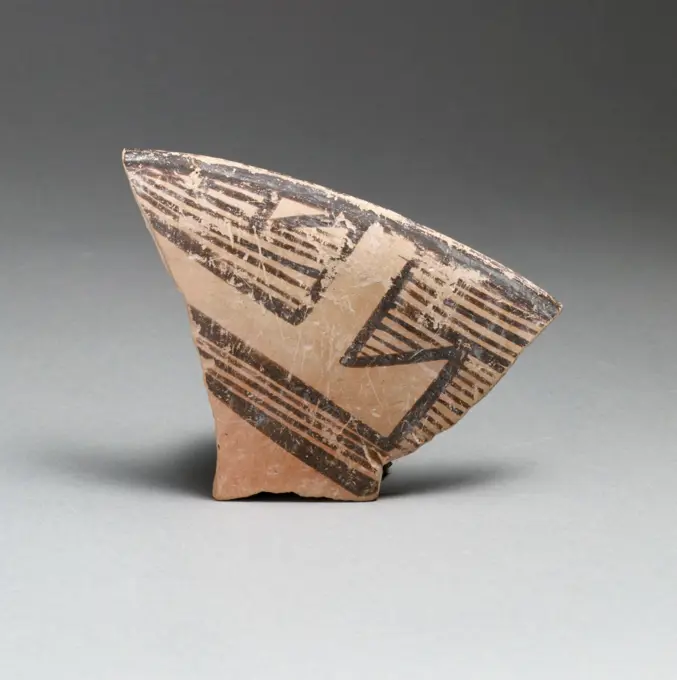
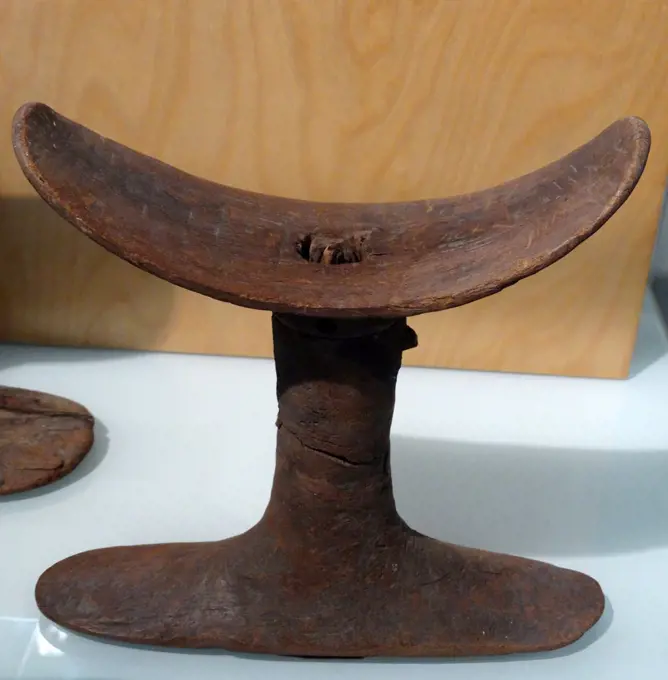
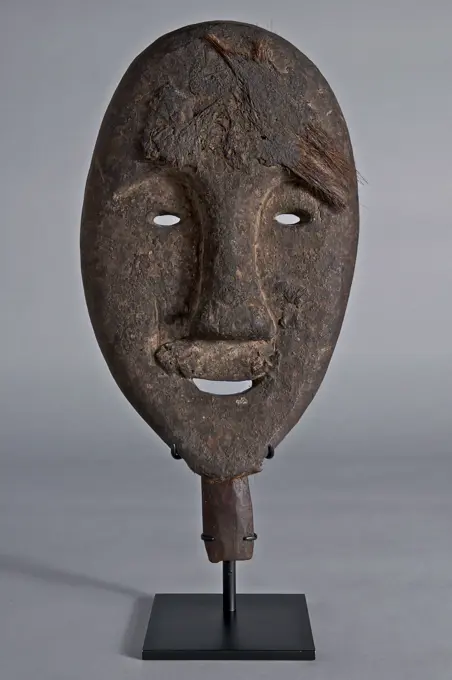
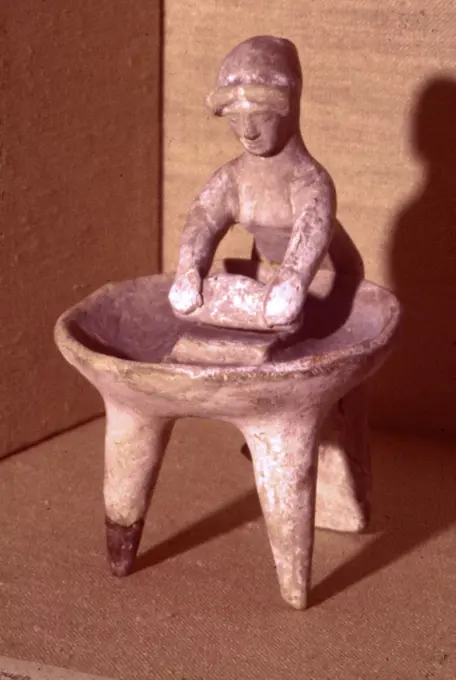
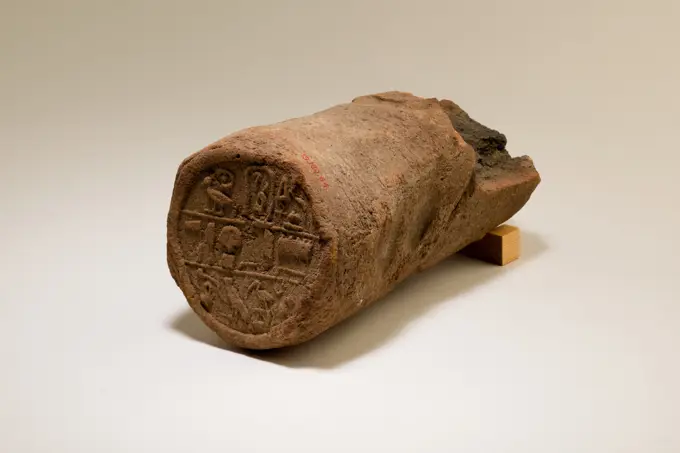
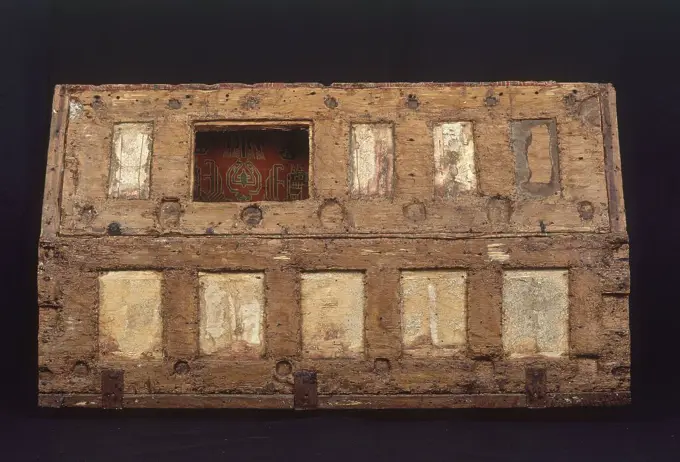
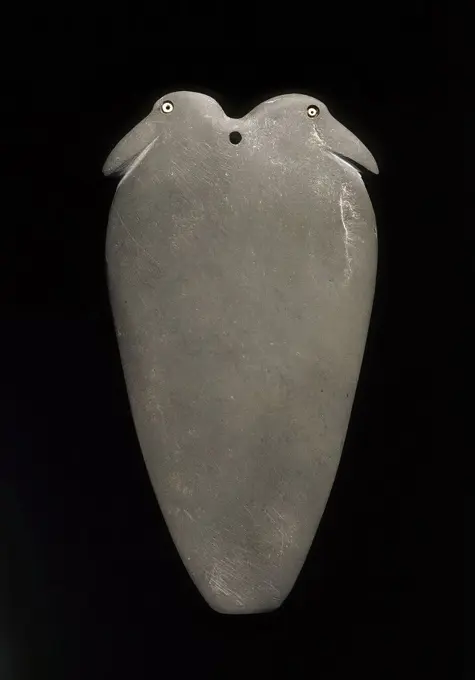
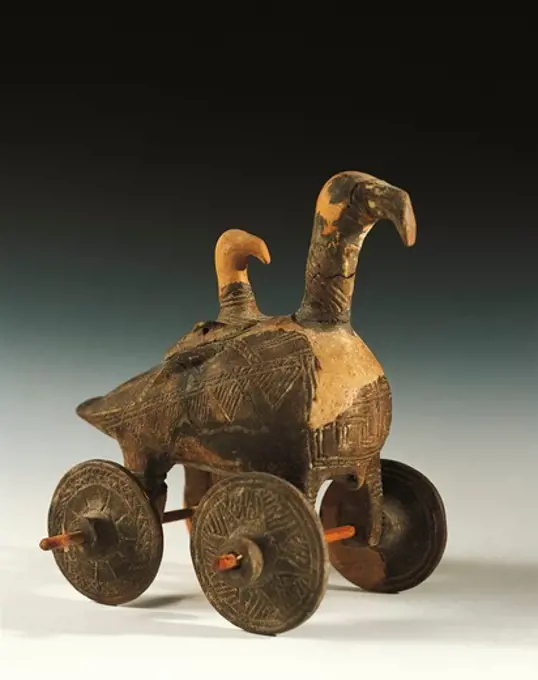
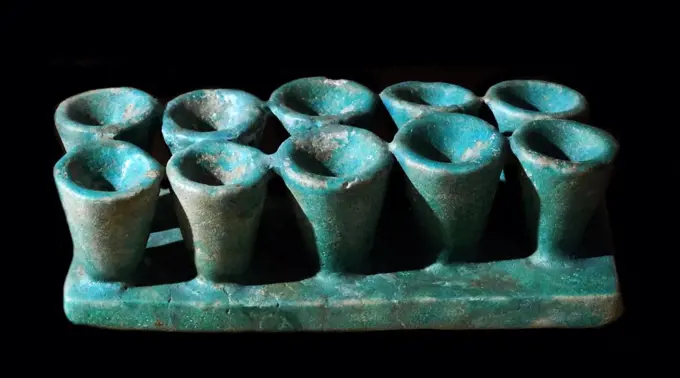
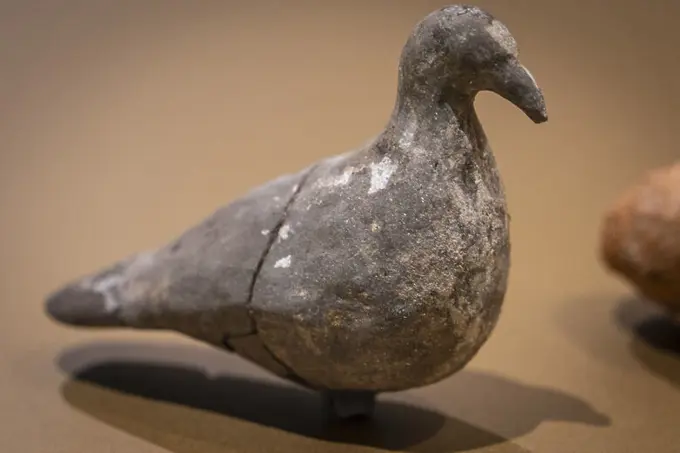
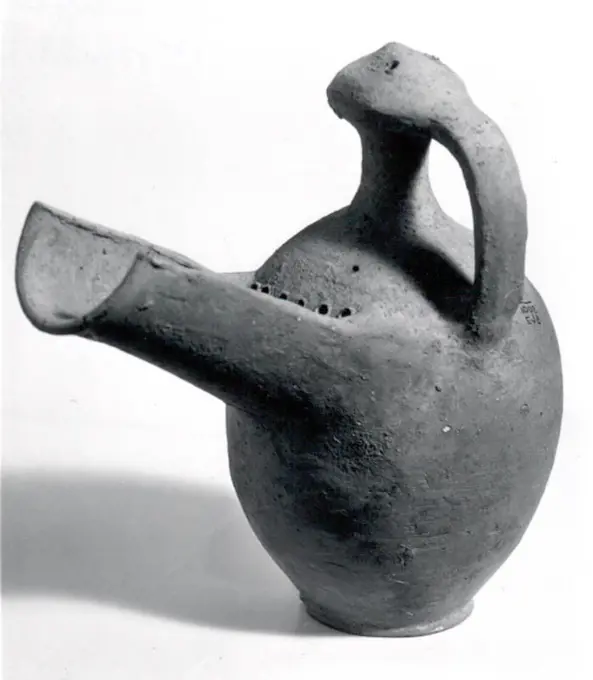
Jug with strainer ca. late 8th-7th century B.C. Israelite. Jug with strainer 323145Millstones. Roman. LImestone and granite. 3rd-4th century. Arcobriga, Zaragoza, Spain.National Archaeological Museum, Madrid. Spain.restored vessel, ceramic, chalcolithic, El Tejar, Gibraleon, Huelva Museum, Huelva, Andalusia, Spain.Bronze handle of a cista with nude youth 4th century B.C. Italic, Etruscan The nude youth, doing a back-bend, formed the handle for the lid of a cista, or toiletries box. Drawing from popular entertainment and mythology, whimsical forms such as acrobats and wrestlers often adorn these costly containers and other functional objects.. Bronze handle of a cista with nude youth 330027Jar fragment ca. 1981-1640 B.C. Middle Kingdom. Jar fragment 556888Cylindrical terracotta dry measure. The official measure was used to regulate trade in grain and goods in the Athenian Agora, through standards approved by the state. The inscription means "official" (demosion), indicating that it was certified by the civic authorities of the Athenian polis. 450-425 BC. Museum of the Ancient Agora. Athens, Greece.Belt Buckle, 1100s-1200s. Korea, Goryeo period (918-1392). Gilt bronze; diameter: 5 cm (1 15/16 in.).Casket from the East India wreck. Flunging heart. Wooden complete money box with remains of iron fittings and locks, tarpaulin and rope. Of these crates there were three aboard the flying heart in which the cash were transported that the Compagnie used for trade in Asia. The coffin contained silver and gold bags, strew with peat. Chest, complete.Digit from cow's leg, part of throwing game: koot, koot game piece relaxant soil find lead leg metal, Bone: in one of the short side hole in which lead archeology Rotterdam play rail tunnel kootkoot fikkelen archaeological find in the soil: route rail tunnel Rotterdam.Cycladic 'Apeiranthos style' figurine, from Naxos, Greece, Early Cycladic culture evolved in three phases, between c. 3300 - 2000 BCE, when it was increasingly swamped in the rising influence of Minoan CreteMarble foot of a statue Roman Right foot wearing sandle.. Marble foot of a statue. Roman. Marble. Imperial. Stone SculptureKist from the wreck of the East Indians' t Vliegend Hart, Anonymous, 1734 - 1735 chest Wooden complete money box with remains of iron fittings and ditches, canvas and rope. Of these boxes, three were on board the flying heart in which the cashes were transported that the company used for trade in Asia. The box contained bags of silver and gold, stated with peat. Chest, complete. Middelburg wood (plant material)airbrush and ocher crusher, middle magdalenian, lower gallery of la Garma, Ribamontan al Monte, Museum of prehistory and archeology (MUPAC), Santander, Cantabria, Spain.Vessel in the Form of a Camel. Syria, 8th-9th century/circa 1st-3rd century A.H.. Ceramics. Earthenware with applied decorationPottery mold for sculpture of dog and two plaster casts, mold tool kit earth discovery ceramic pottery, hand shaped baked Pottery mold for sculpture of dog and two plaster casts Presentation of slenderly built dog with necklace decorated with studs Mold made of orange pottery partly colored gray by heating. At the back of the dog hole is made in the mold. Archeology underground pit Rotterdam City Triangle Cool Coolsingel indigenous earthenware forms Soil discovery: environment Coolsingel found during construction metro in 1965.Clay from PolandTerracotta oil lamp Roman Large ring handle. Mold-made. Discus: uncertain design comprising raised dots and lines, surrounded by ridge that also forms a nozzle channel. Central filling hole. Short, raised lines radiating outwards onto shoulder from ridge. Shallow body and base.Most of handle missing; chipped around nozzle.. Terracotta oil lamp. Roman. Terracotta. TerracottasFunerary Cone of First Prophet of Amun Djehuty ca. 1550-1525 B.C. New Kingdom. Funerary Cone of First Prophet of Amun Djehuty 559225Wooden horizontal drum slot from Lower Sepik, North Coast, Papua New Guinea. Dated early 20th CenturyJuvenile Baboon ca. 3100-2649 B.C. Early Dynastic Period. Juvenile Baboon. ca. 3100-2649 B.C.. Faience. Early Dynastic Period. From Egypt, Northern Upper Egypt, Abydos, Osiris temple, Chamber M69, Egypt Exploration Fund excavations, 1902-03Architectural Fitting (Gong) Made 770 BCE-481 BCE China. This is one of sixteen hollow bronze fittings in the museumís collection that together comprise rectangular, L-shaped, and cylindrical pieces. In 1973, fittings of similar shape and design were excavated from the site of a palace of the 7th century B.C. in modern-day Fengxiang, Shaanxi province in north China. Most show tightly interlaced surface patterns like those cast in this piece. Archaeologists have conjectured that these fittings, some of which preserve traces of wood, originally served as collars and sleeves that had been socketed over a framework of timber columns and tie beams embedded into the earthen walls. Some of these pieces may originally have been stuffed with silk to tighten them.. Bronze .Figurine of BesPowder Horn 1763 Colonial American This powder horn is engraved with a map of forts and cities along the Hudson and Mohawk Rivers, and the arms of Great Britain.. Powder Horn 29501EXVOTO DE CARRO DE BRONCE. IBERICO.(DEPOSITO: MUSEO ARQUEOLOGICO NACIONAL).Lazio Roma Grottaferrata Museo19. Hutzel, Max 1960-1990 German-born photographer and scholar Max Hutzel (1911-1988) photographed in Italy from the early 1960s until his death. The result of this project, referred to by Hutzel as Foto Arte Minore, is thorough documentation of art historical development in Italy up to the 18th century, including objects of the Etruscans and the Romans, as well as early Medieval, Romanesque, Gothic, Renaissance and Baroque monuments. Images are organized by geographic region in Italy, then by province, city, site complex and monument.Carved & Gilded "Adirondack" Mirror Antiques-Decorative ArtsMold in Two Parts, 305-30 BC. Egypt, Ptolemaic Dynasty or later. Limestone; overall: 8.8 x 9 x 3.7 cm (3 7/16 x 3 9/16 x 1 7/16 in.).RiceMortarUpper Arm Defense (Rerebrace) ca. 1430-40 Italian This is part of a large find of medieval armor discovered in 1840 in the ruins of the fortress of Chalcis, on the Greek island of Euboea (then a Venetian colony called Negroponte). The fortress had been captured and destroyed by the Turks in 1470. Now divided largely between the Ethnological Museum, Athens, and The Metropolitan Museum of Art, the Chalcis hoard contains many rare and unusual elements of fourteenth- and fifteenth-century armor. Of particular importance are the variety of headpieces and the many fragments of brigandines (armor for the torso constructed of small plates riveted to layers of fabric), some of which retain portions of their original velvet covering. The Chalcis armor provides a unique picture of the armament used in the Aegean, one of the easternmost military outposts of the Venetian empire.. Upper Arm Defense (Rerebrace) 23130bone harpoon with double row of teeth, Cantabrian type decorated and with perforation at the base, Magdalenian period, Museum of prehistory and archeology (MUPAC), Santander, Cantabria, Spain.Hathor sistrum head 664-30 B.C. Late Period-Ptolemaic Period. Hathor sistrum head 570646Offering stands from Golan. Over 6,500-5,500 years ago, made from basalt.Standing Figurescratched stone and burin, (around 19000 BC), Navarra,Spain.Fireplace with presentation of two climbing lions, placed in two windows. Fireplace with presentation of two climbing lions, placed in two windows. The half windows at the top and bottom are filled with diamond-shaped flowers.Key Handle 1st-7th century Roman. Key Handle 462932Keramische Amphorette Ceramic amphorette, 16th century, Arkeologi Museoa, Museo Aqueologico, Bilbao, Bizkaia, Pais Vasco, Spain Copyright: xZoonar.com/BartomeuxBalaguerxRotgerx 22845737Spindle Whorl A.D.1-500 Peruvian; north coast (). Spindle Whorl 308920Terracotta fragment of a neck-amphora (jar) last quarter of the 6th century B.C. Greek, Attic On the neck of the amphora, part of the handle and a palmette-lotus chain; at the juncture of the neck and shoulder, a ring; on the shoulder, a band of tongues; below the handle, top of helmeted head to right (Athena); behind the helmet, a club, and the top of the head of a male to right (Athena and Herakles in a chariot). Terracotta fragment of a neck-amphora (jar). Greek, Attic. last quarter of the 6th century B.C.. Terracotta; black-figure. Archaic. VasesSarcophagus of Wennefer 380-332 B.C. Late Period This is a magnificent example of an unusual type of large trapezoidal sarcophagi characteristic of the Nectanebid Period (Dynasty 30). The decoration, carved expertly into the hard stone, features an image of Wennefers ba, an aspect of his intangible being in the form of a human-headed bird, on the lid. The texts here are spells from the Book of the Dead, meant to guarantee the successful transformation of Wennefer into an effective spirit. On the underside of the lid, the sky goddess Nut stretches out her limbs to shelter the mummy that once lay beneath. The box is decorated with texts and images illustrating the hazardous nightly journey of the sun god through the Netherworld.. Sarcophagus of Wennefer. 380-332 B.C.. Granite or granodiorite. Late Period. From Egypt, Memphite Region, Saqqara, Tomb of Wennefer. Dynasty 30-2nd Persian PeriodBeaker ca. mid-3rd millennium B.C.. Beaker. ca. mid-3rd millennium B.C.. Ceramic. Early Bronze Age. Mesopotamia, Tell TayaLamp, Asia Minor; 1st - 4th century; Terracotta; 2.3 x 6.5 x 10 cm (7,8 x 2 9,16 x 3 15,16 in.)collar de cuentas de jade, museo de la plaza central, Chichicastenango ,municipio del departamento de El Quiché, Guatemala, Central America.Anthropomorphic head, classic, Santa Maria Nebaj, anthropology museum, department of El Quiché, Guatemala, Central America.Plank shaped female figurine with incised facial features. Red polished clay 2000-1900 BC AnatolianBottle. unknown, craftsmanMiddle Ages. Capital in limestone. 14th century. Historical Museum. Stockholm. Sweden.Finial. Iran, Luristan, Luristan bronzes, circa 850-650 B.C.. Architecture; Architectural Elements. Cast bronzeKey Handle 1st-7th century Roman. Key Handle 462898PigMaskFragment of the lamp;Polish excavations in Tell ATRIB (Egypt)Amulet of the Goddess Taweret 664 BCE-332 BCE Egypt. Faience . Ancient EgyptianBoundary Stone 1125 B.C. Representative of a gift of land. The Inscriptions end with a series of curses on anyone who damages the stones. Cup 9th-10th century The decoration on this cup consists of an impressed vertical inscription repeated eight times: baraka li-sahibihi ("Blessing upon its owner"). Large cups of squarish proportions were often decorated with standard inscriptions wishing blessings, success, and well-being.. Cup 452513Mask. Culture: Moche (Loma Negra). Dimensions: H. 5 7/8 x W. 5 3/16 x D. 1 3/8 in. (14.9 x 13.2 x 3.5 cm). Date: 390-450. Museum: Metropolitan Museum of Art, New York, USA.Shabti and Coffin ca. 1550-1450 B.C. New Kingdom The inscription on the under side of the coffin lid states that it was "made by the sculptor Neferhebef." The shabti inside is inscribed with a version of the standard shabti text written in hieratic script. The lid would have been secured to the coffin with pegs.. Shabti and Coffin. ca. 1550-1450 B.C.. Wood, ink. New Kingdom. From Egypt; (none assigned. Early Dynasty 18Funerary Cone of High Priest of Amun Djehuty. Dimensions: Preserved L. 18 cm (7 1/16 in.); Diam. 8.2 cm (3 1/4 in.). Dynasty: Dynasty 18. Reign: reign of Ahmose I. Date: ca. 1550-1525 B.C.. Museum: Metropolitan Museum of Art, New York, USA.venus from El Pendo, Upper Paleolithic (Solutra period), deer antler figurine, San Pantaleón cave, Escobedo, Museum of prehistory and archeology (MUPAC), Santander, Cantabria, Spain.Bell from 1554 (inscription: Marie)  church Saint. St. Alexandria and Małgorzata at the Augustian monastery, KrakowBronze fibula or mantelpiece in the form of toothed circle with small enamel button, fibula fastener soil find bronze metal enamel, cast bronze bronze fibula or mantle pin from Roman times Serrated circle molded into mold. On the underside remains of frame of pin and locking eye Half round bulging in the middle on which small enamel bud archeology Spijkenisse roman time early Middle Ages dress fasten pins Soil discovery Spijkenisse Forest plan Short avenue plane VIII 1976.India, Madhya Pradesh, Chhatarpur District, Khajuraho, Detail of stone carving on stepJug ca. 9th-10th century A.D. Islamic. Jug 322993Steel helmet on the war memorial in FuhlenMuslim jug from the Caliphal era, Archeological Museum. Úbeda, Jaén province, Andalusia, Spain.Egyptian mummy case (Coffin) designed to contain the entire contour of the body of its deceased owner. dated to the Roman Period (1s-2nd centuries ADPottery net-sinker from Buhen, an ancient Egyptian settlement on the West bank of the River Nile. Dated 20th Century BCHolzrohr wooden pipe, 18th century, Etxaburu tower house, Arkeologi Museoa, aqueologico museum, Bilbao, Bizkaia, Basque Country, Spain Copyright: xZoonar.com/BartomeuxBalaguerxRotgerx 22845513Pilgrim's Ampulla with Scenes of the Crucifixion (front) and the Ascension (back), c. 600. Byzantium, Palestine, early Byzantine period, early 7th Century. Tin-lead alloy with leather fragments; overall: 6.3 x 4.6 x 1.5 cm (2 1/2 x 1 13/16 x 9/16 in.). The images found on the sides of surviving lead pilgrims' ampullae include scenes relating to the life of Christ, and by extension to the holy sites (loca sancta) where the events took place. Cast into the sides of this ampulla are scenes of Christ's Crucifixion and Ascension. The use of such sacred images on these vessels illustrates the early Christian belief that images were carriers of divine power. This ampulla is known as a "Monza" or "Bobbio" type after caches of similar examples discovered in those two Italian towns.Funerary Cone of the Overseer of Scribes Ineni. Dimensions: Preserved L. 10.5 cm (4 1/8 in.); Diam. 9 cm (3 9/16 in.). Dynasty: Dynasty 18. Date: ca. 1550-1295 B.C.. Museum: Metropolitan Museum of Art, New York, USA.Fragment 3rd-7th century. Fragment 448881Gorget, c. 1200-1350, 1/4 x 4 1/4 in. (0.64 x 10.8 cm), Shell, United States, 12th-14th century, These large gorgets were carved out of conch shell traded all the way in from the Gulf Coast. Worn as chest ornaments, they were a marker of influence and standing in ancient Mississippian culture. Each has prominent celestial imagery, depicting important elements of the Above World. The sun is the chief divinity, represented in this realm by fire. The Hand and Eye motif signifies the constellation that marks the entrance to the Path of Souls in the sky, the Milky Way. Each has significant supernatural power, power that was extended to the individual wearing their symbol. Whether they indicated rank, membership in a special society, warrior status or something else is unknown, but the context in which they have been found, the expensive material and the high quality of the carvings confirm their role as prestige objects.Limestone pebble decorated with abstract motifs. From the Kebaran culture. Dated 18,500 years agoStone feline from Pacopampa Chavín culture 900 BC-200 BC Perú.Ashlar. Osuna Group B. Relief depicting a head of a man, detail. Early 1st century BC. Limestone. Iberian town of Osuna (Seville province, Andalusia, Spain). National Archaeological Museum. Madrid. Spain.Gold Strap End (Unfinished) 700s Avar The treasure contains an array of belt fittings, some elaborately decorated, some unfinished or defectively cast. Some show no signs of use, while others are quite worn.The AvarsThe Avars were a nomadic tribe of mounted warriors from the Eurasian steppe. The Byzantine emperor Justinian negotiated with them in the sixth century to protect the Empires northern border along the Black Sea. Emboldened by their subjugation of numerous tribes, they unsuccessfully attempted to seize the Empires capital, Constantinople. They remained a scourge of both Byzantium and the Western kingdoms until Charlemagne defeated them through a series of campaigns in the 790s and early 800s.All the money and treasure that the Avars had been years amassing was seized, and no war in which the Franks have ever engaged.. brought them such riches and such booty. Up to that time the Avars had passed for a poor people, but so much gold and silver was found.. that one may well thiTerracotta rim of a bowl ca. 3800-3300 B.C. Dimini culture From ThessalyDark lines on light ground.. Terracotta rim of a bowl. Dimini culture. ca. 3800-3300 B.C.. Terracotta. Late Neolithic. VasesAncient Egyptian Headrest made from wood (New Kingdom, 1540-1070 BC).Tubular Bead. Egypt, early Dynastic Period (circa 3050 - 2687 BCE). Jewelry and Adornments; beads. FaienceMaskAztec stone snake, stone sculpture AD 1300-1522Shallow Dish. Dimensions: Diam. 24 cm (9 7/16 in). Date: ca. 2960-2649 B.C.. Museum: Metropolitan Museum of Art, New York, USA.Woman querns grain with Quern stone. Greek statuette. 5th cent. BC.Head of Akhenaten Wearing the Blue Crown, traces of sign behind neck ca. 1353-1336 BC New Kingdom, Amarna Period The sculptured faces of Akhenaten and Nefertiti were destroyed not long after the royal family left the site, so that only fragments are preserved of their faces (see, for example, 26.7.1395). This head was put together from three joining fragments found in the Sanctuary of the Great Aten Temple at Amarna, or in the dump south of the Sanctuary area of the temple. As such, it constitutes one of the most substantially preserved images from the temple. The head wears the blue crown, indicating that Akhenaten is definitely represented. The line of his narrow left eye, long face, and full lips is preserved, but the long chin is broken away.. Head of Akhenaten Wearing the Blue Crown, traces of sign behind neck. ca. 1353-1336 BC. Indurated limestone. New Kingdom, Amarna Period. From Egypt, Middle Egypt, Amarna (Akhetaten), Great Temple of the Aten, pit outside southern wall, PetrieAnthropomorphic globular vase, Viru culture, third century, Sa Bassa Blanca Museum (msbb) Yannick Vu and Ben Jakober, Alcudia, Majorca, Spain, EuropeHearing stone with the year 1589, Lions and windows, 1589 Hearing stone with the year 1589, lions and windows. Southern Netherlands earthenware Hearing stone with the year 1589, lions and windows. Southern Netherlands earthenwareScandinavia. The boat-builders. 2 Rowlocks. 9th century. Gokstad, Sanderfjord k., Vestfold. Norway. Historical Museum. Oslo. Norway.Funerary Cone of High Priest of Amun Djehuty ca. 1550-1525 B.C. New Kingdom. Funerary Cone of High Priest of Amun Djehuty 559229Mask. Culture: Teotihuacan. Dimensions: H x W: 6 x 3 5/8in. (15.2 x 9.2cm). Date: 3rd-7th century. Museum: Metropolitan Museum of Art, New York, USA.PRIMITIVA ARQUETA DE SAN MILLAN - CONJUNTO - SIGLO XI - FORRO HISPANO-MUSULMAN. Location: MONASTERIO DE YUSO. Rioja. SPAIN.Keramische Amphorette Ceramic amphorette, 16th century, Arkeologi Museoa, Museo Aqueologico, Bilbao, Bizkaia, Pais Vasco, Spain Copyright: xZoonar.com/BartomeuxBalaguerxRotgerx 22845530Palette with two birds, from the Late Naqada II to Early Naqada III period (3500-3050 BC) from Edfu, Aswan Province (slate)Egyptian.unknown, Chest () with lid from a museum in Crete, verso upper left - handwritten on cardboard with pen in black ink, photograph, photo, photos, 60. Muzeum te Candia., height 143 mm, width 192 mm, height 239 mm, width 328 mm, photographer, 1895 - 1915, fourth quarter 19th century, first quarter 20st century, paper, cardboard, daylight gelatin silver printMetate with Bird Head. Costa Rica, Guanacaste-Nicoya, 300-700 CE. Stone. BasaltCartouche shaped box inscribed for Usermaatre Sheshonq-Sibast, Sheshonq III Third Intermediate Period ca. 825-773 B.C. View more. Cartouche shaped box inscribed for Usermaatre Sheshonq-Sibast, Sheshonq III. ca. 825-773 B.C.. Steatite. Third Intermediate Period. From Egypt. Dynasty 22Chinese Pottery Model of Pigs in a Pigsty, 1st-3rd century. Artist: Unknown.Italy, Veneto, Este vase in the shape of a palm tree, terracottaEgyptian cosmetic pots in blue faience, (1550-1070 BC).clay figure in the shape of a bird, 5th-1st century BC, Giribaile, Vilches, Iberian Museum of Jaén, Andalusia, Spain.female anthropomorphic vessel, Neolithic, sixth millennium BC,, Bulgarian National Archaeological Museum, Sofia, Republic of Bulgaria, Europe.Facemask.  Maker: Unknown