Ancient Pottery Artifacts

Artifacts including ancient burial containers and terracotta lamps, showcasing historical craftsmanship and archaeological significance.
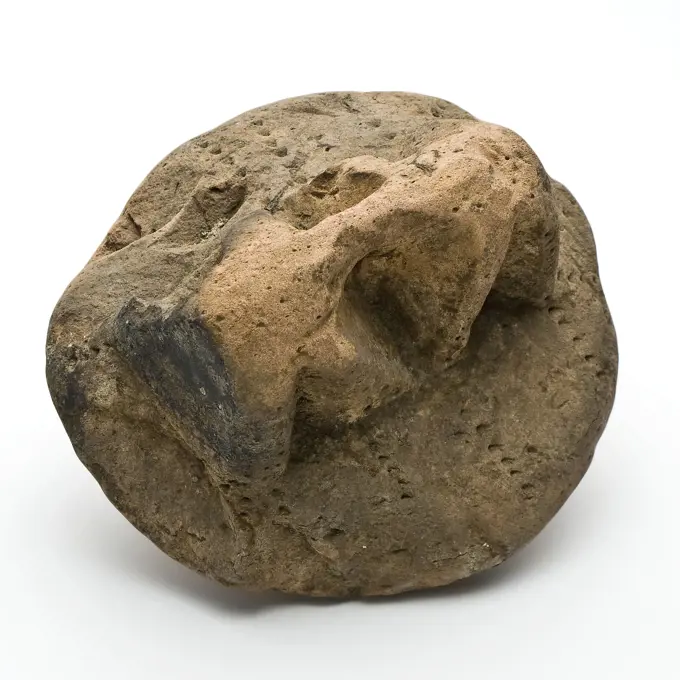
Pottery damper or dover with wide handle, decorated with carving, downer fireplaces earthenware ceramic pottery, hand molded decorated carved baked earthenware damper. Solid red earthenware unglazed Wide rectangular handle with deeply extended triangular surfaces Embellishment in kerfsneetechniek consisting of series of knife points in lines between the handle and the outer edge. What oval shape archeology Capelle aan den IJssel House in Capelle castle indigenous pottery extinguish fireplace heating Soil discovery: Capelle aan den IJssel.
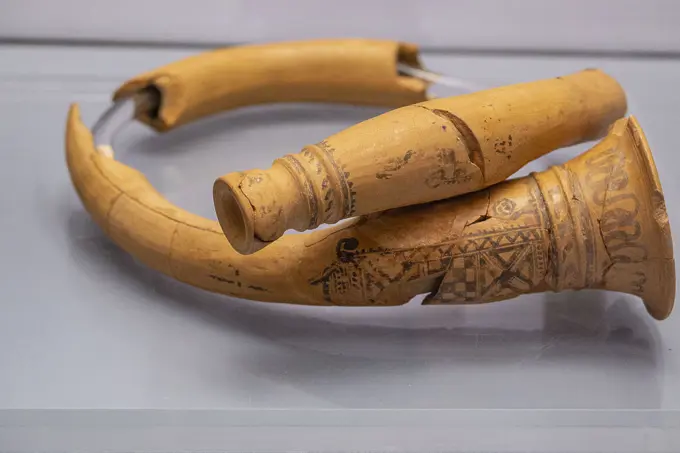
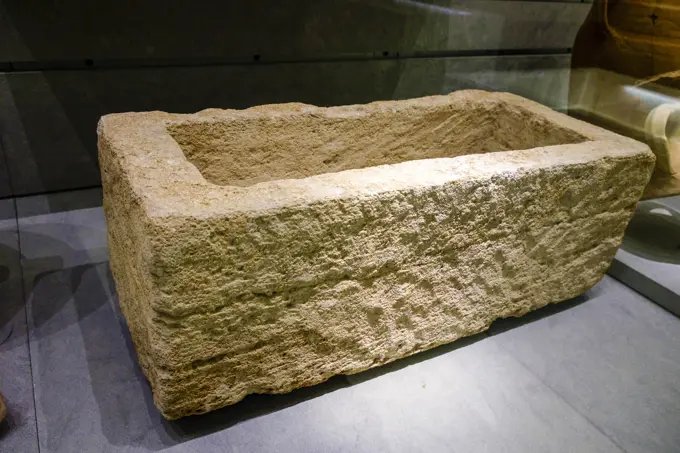
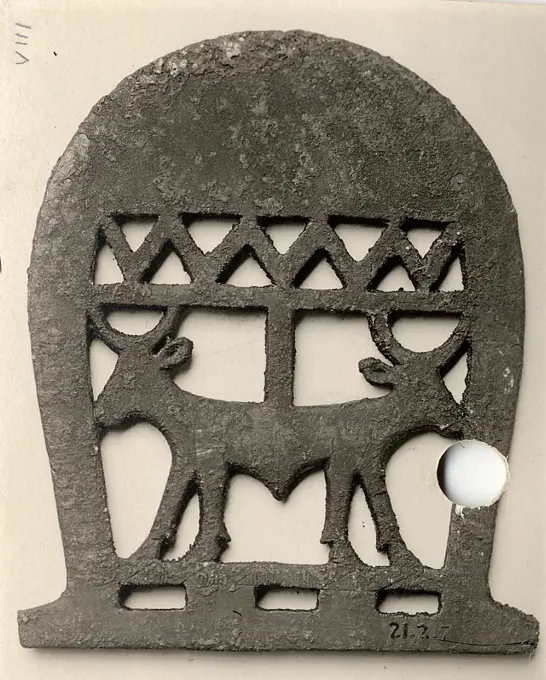
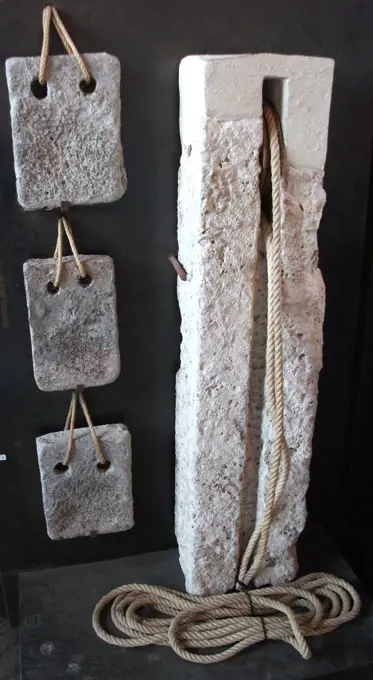
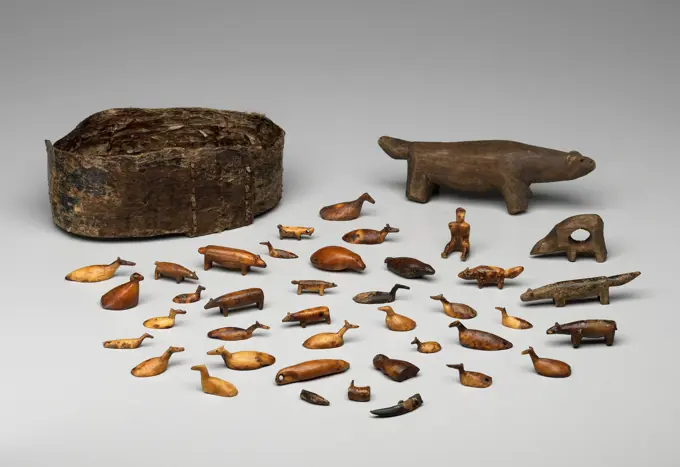
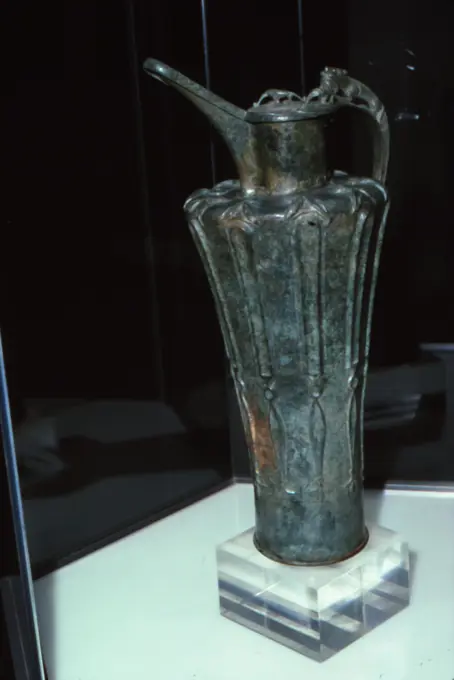
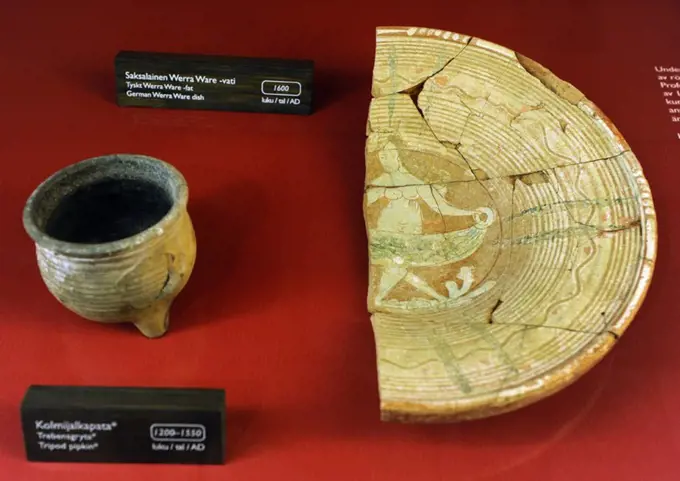
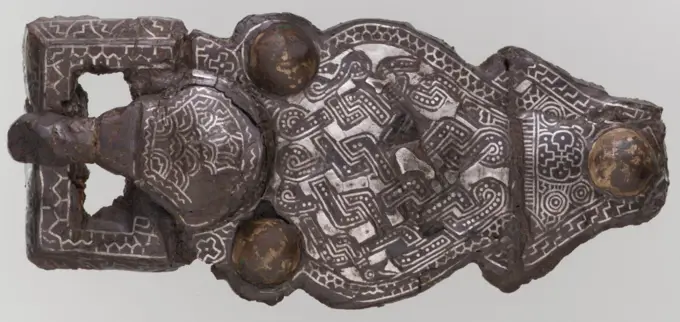
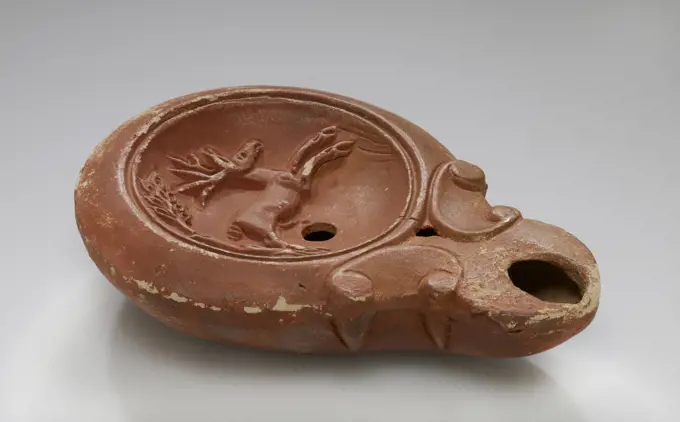
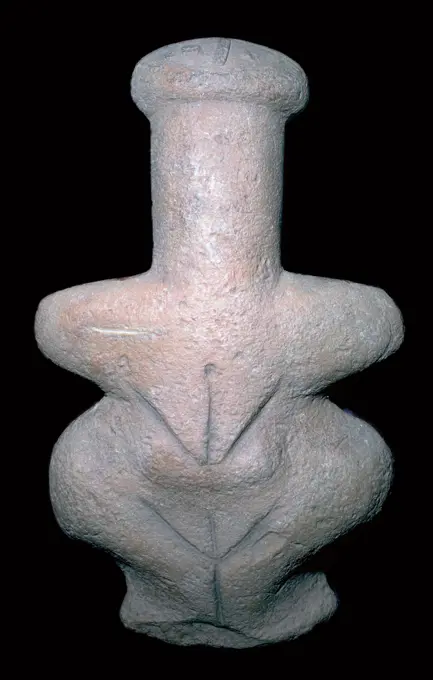
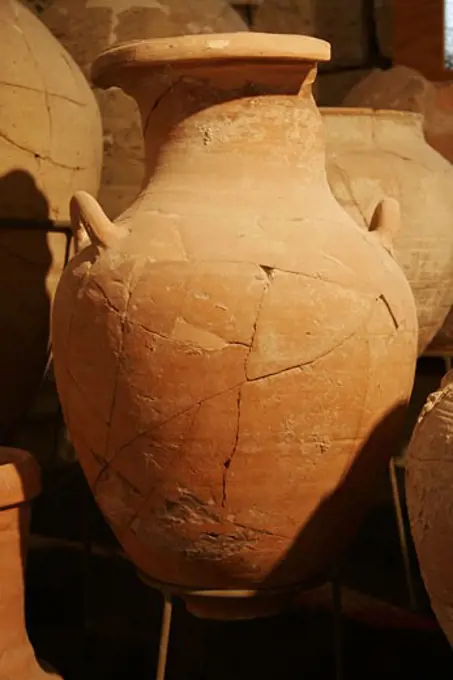
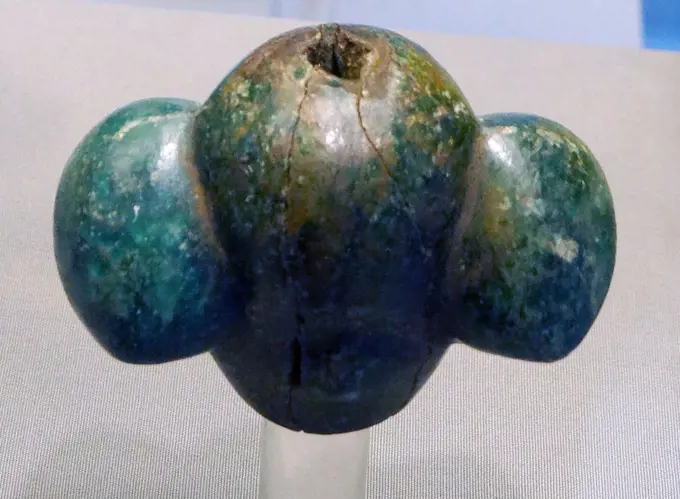
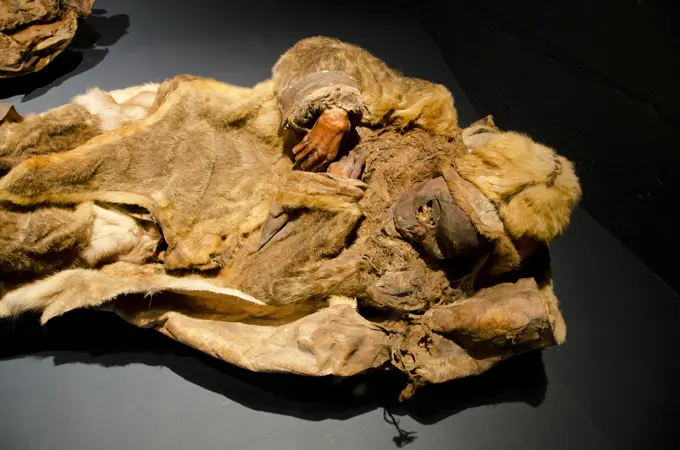
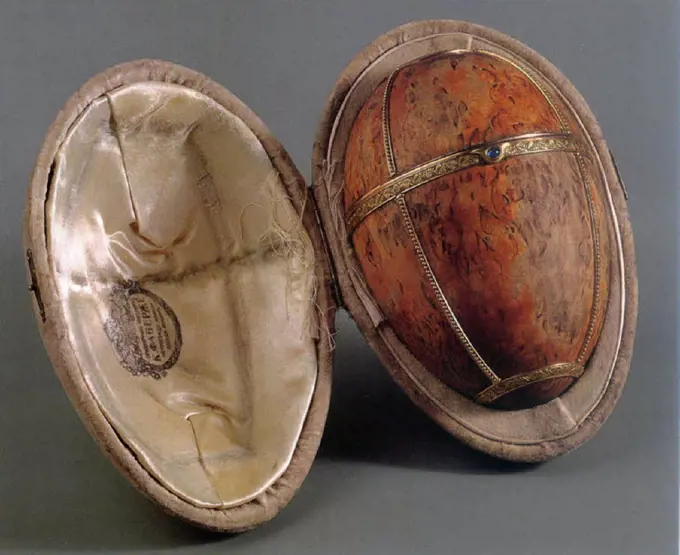
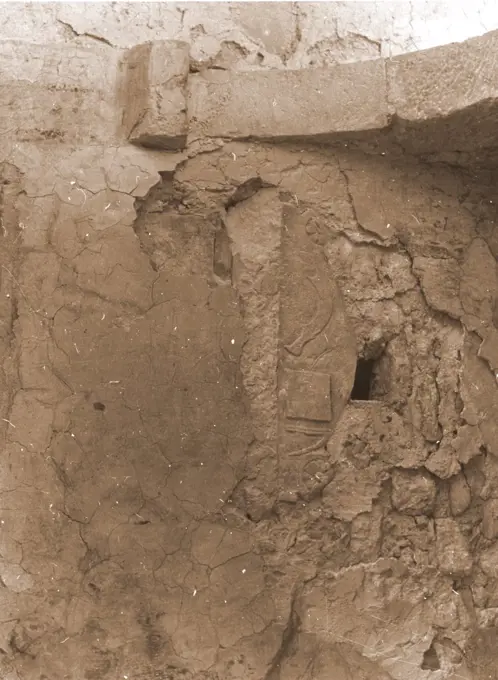
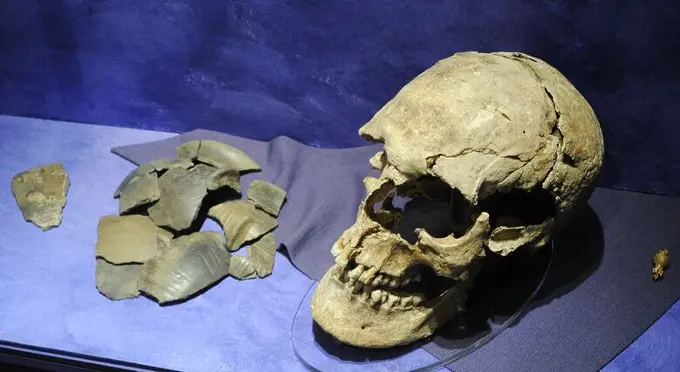
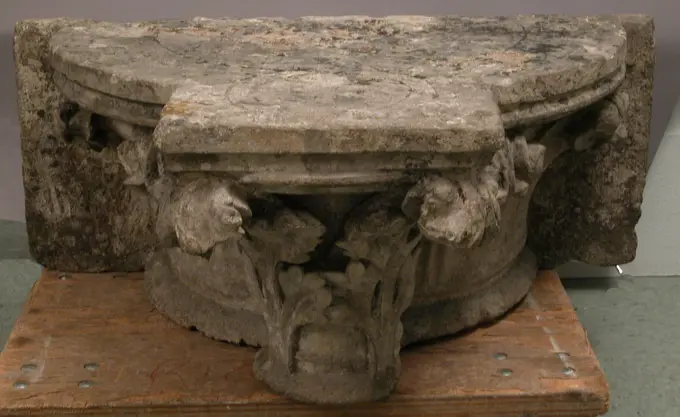
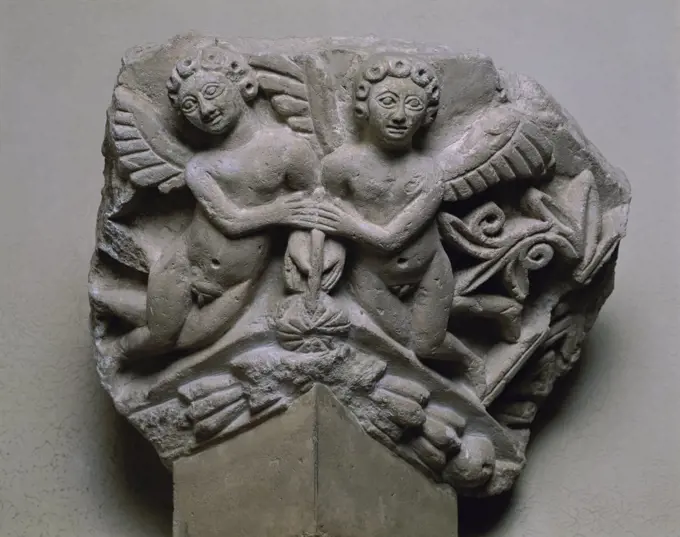
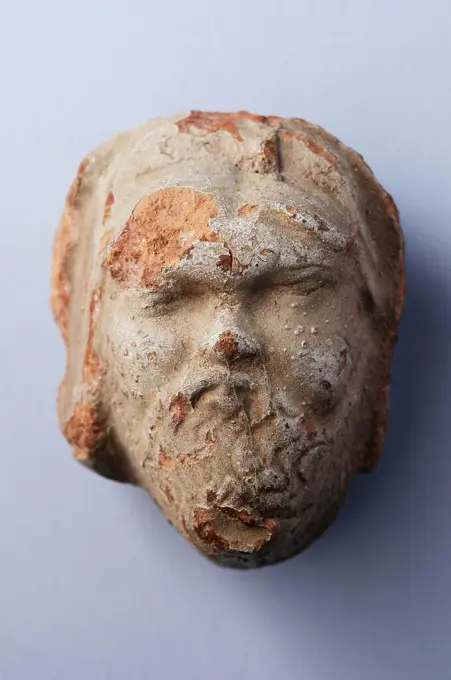
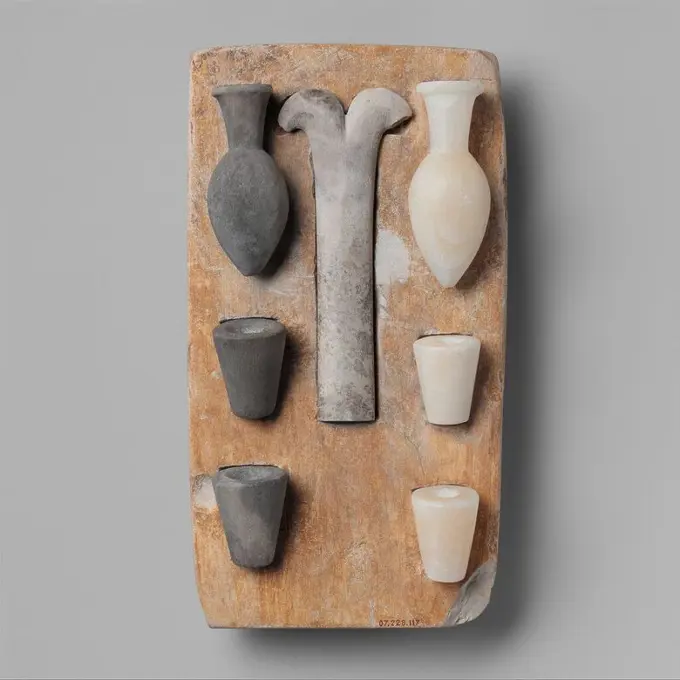
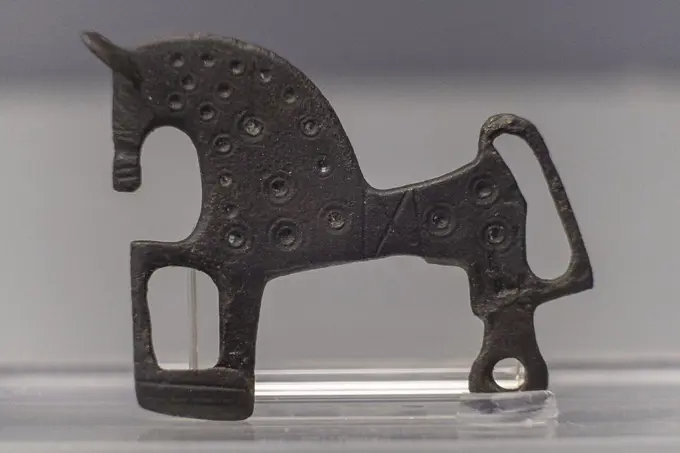
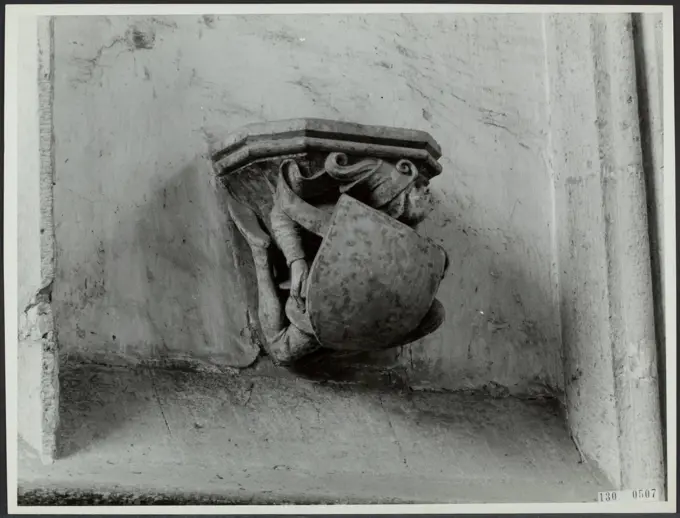
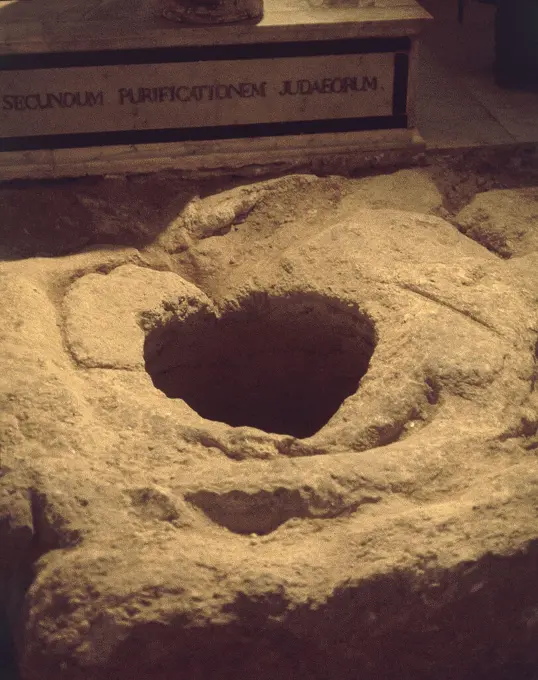
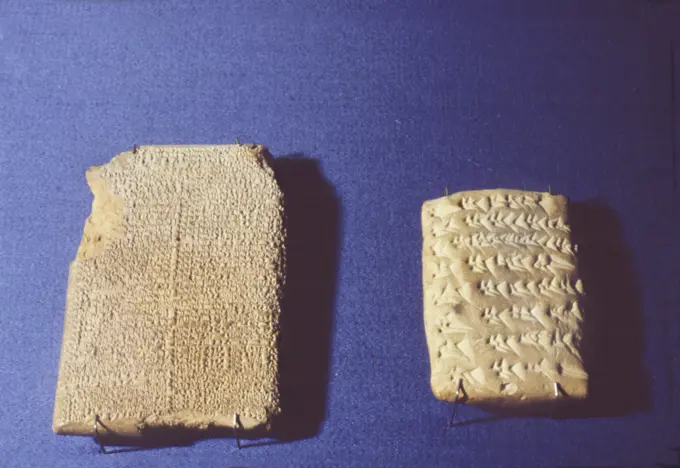
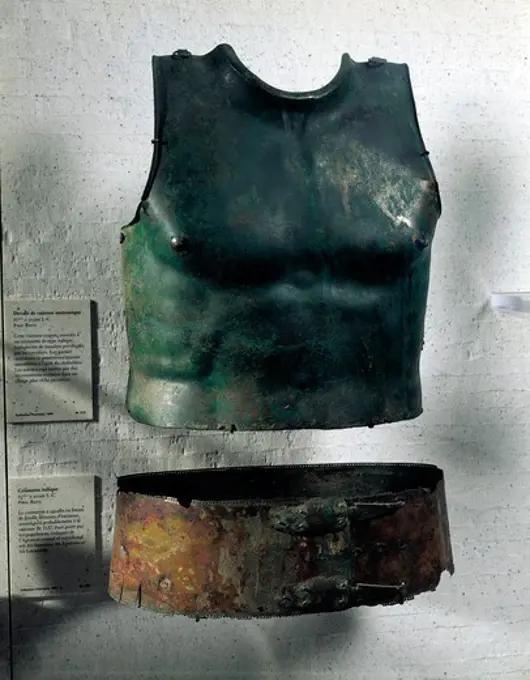
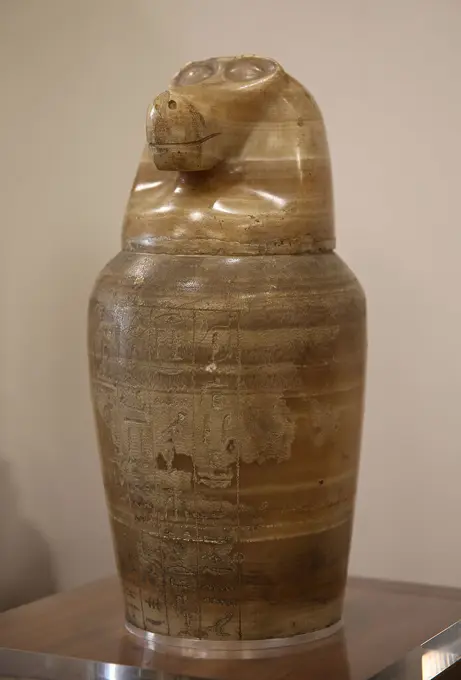
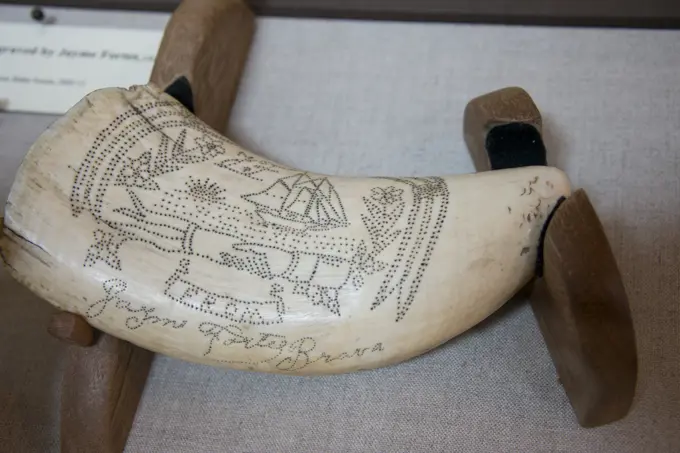
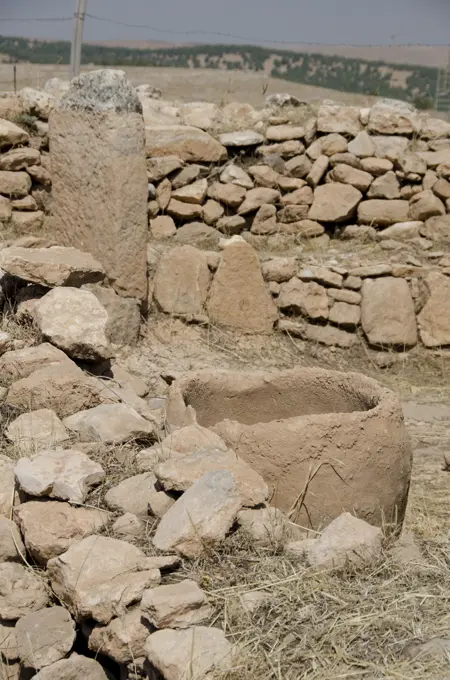
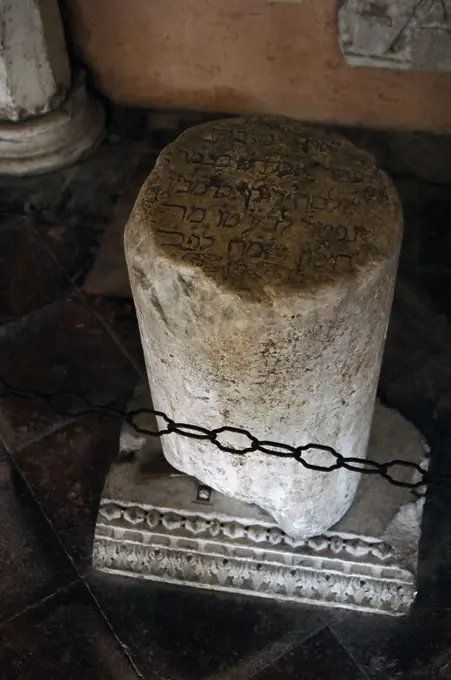
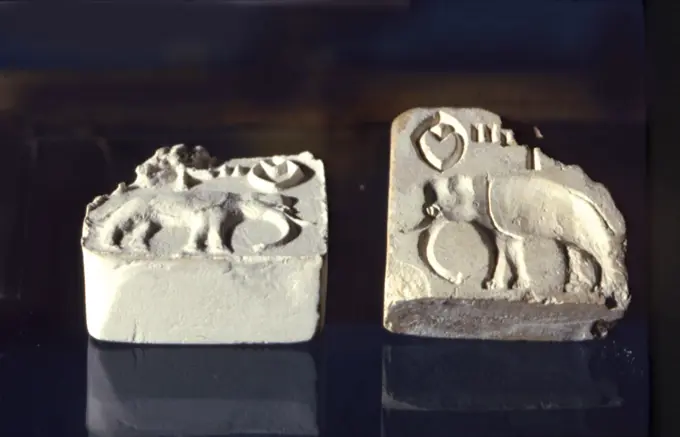
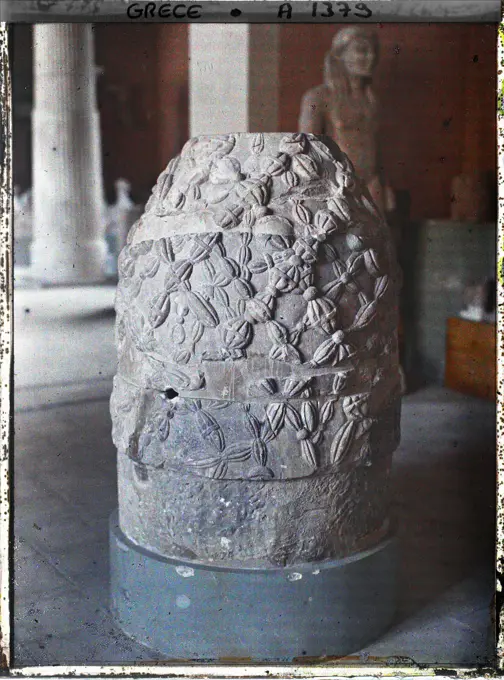
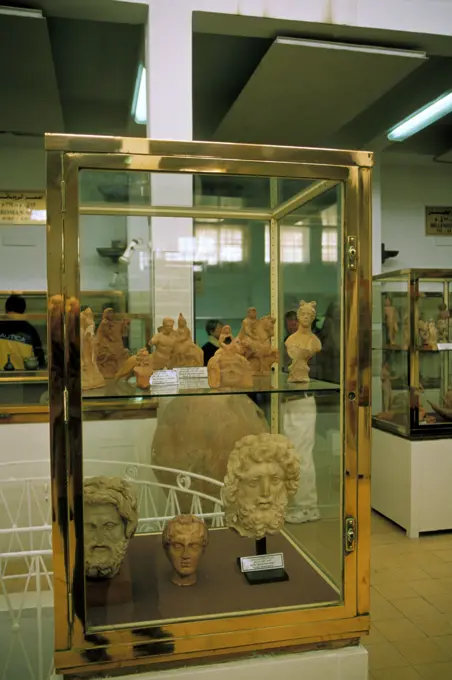
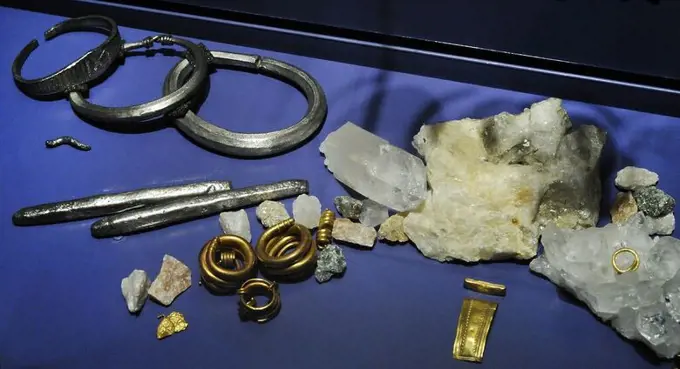
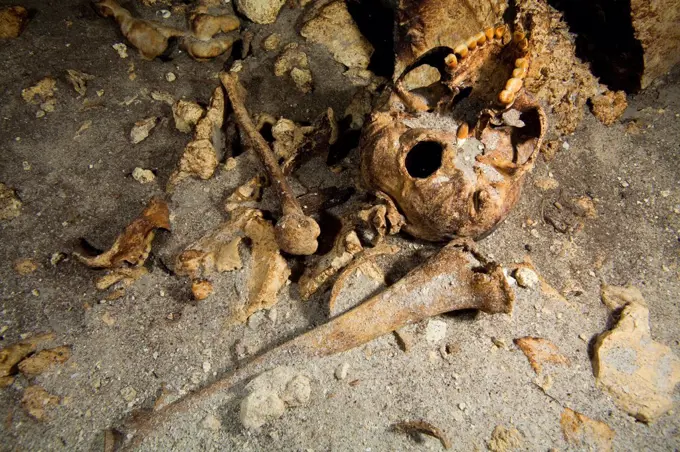
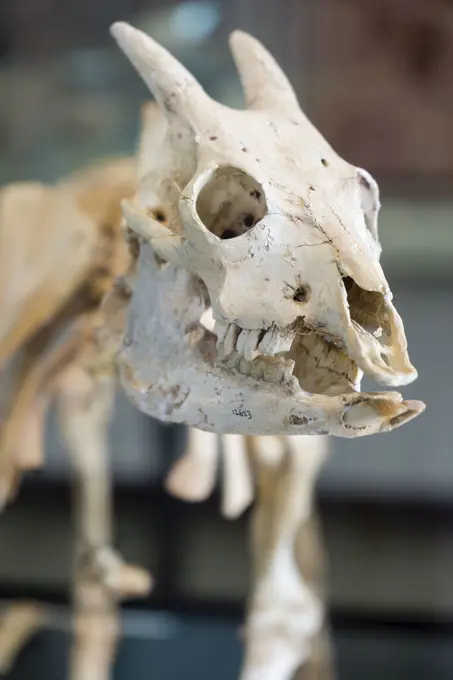
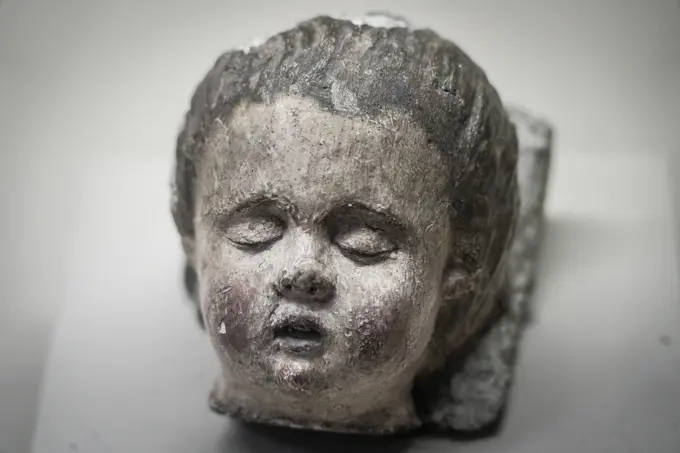
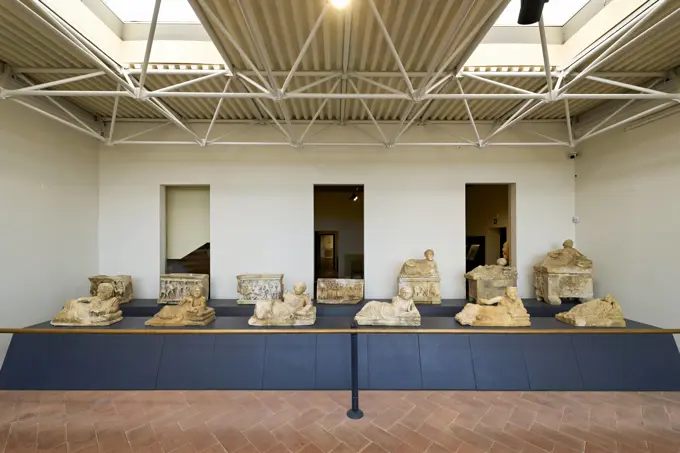
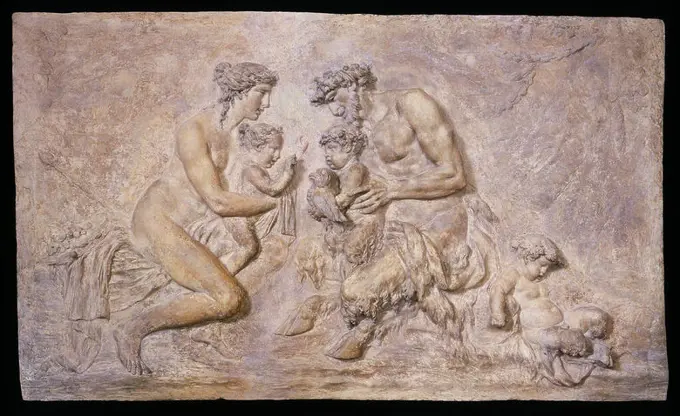
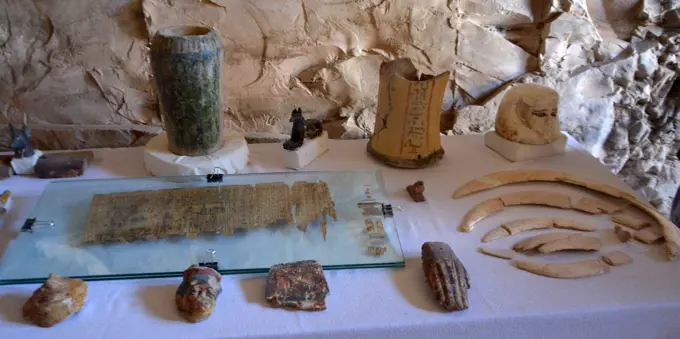
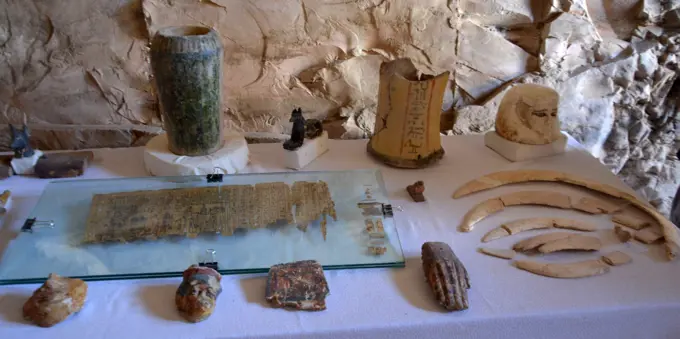
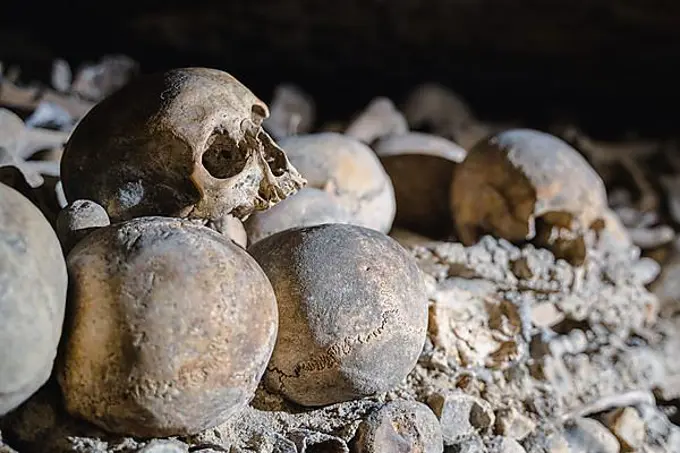
Unguentarium ca. 1st century A.D. Nabataean. Unguentarium 325909trompa, siglo II - I a.C. Procedente de Numancia, Garray, museo Numantino de Soria, Soria, Comunidad Autónoma de Castilla, Spain, Europe.Decorative Roundel. Culture: Italian. Dimensions: Overall: 11 3/8 x 12 5/8 x 5 11/16 in. (28.9 x 32.1 x 14.4 cm). Date: 12th-13th century. Museum: Metropolitan Museum of Art, New York, USA.Lithic urn Lithic urn, 200-100 BC, Archaeological Museum of Ibiza and Formentera, Spain Copyright: xZoonar.com/Tolox 23005278Warrior stela. Stone. Late Bronze Age. Magacela, Badajoz, Spain. National Archaeological Museum, Madrid. Spain.Africa. Musicals instruments. American Museum of Natural History. New York. Unites States.Ax head with two bulls Middle Kingdom-Early New Kingdom ca. 1981-1550 B.C. View more. Ax head with two bulls. ca. 1981-1550 B.C.. Bronze or copper alloy. Middle Kingdom-Early New Kingdom. From Egypt. Dynasty 12-18Lead weights and part of a hoist used in the underground structure if the Flavian amphitheatre. 3rd century AD. Roman.Quadruped, before 1500, 3/8 x 1 3/8 x 5/16 in. (0.95 x 3.49 x 0.79 cm), Ivory, United States, 15th centuryBronze Celtic Flagon from Durrnberg, 5th Century BC. Artist: Unknown.Aboa Vetus & Ars Nova. Ceramic pieces. Right, German dish of 1600. Turku. Finland.Amulet of a Sow 1069 BCE-332 BCE Egypt. Faience . Ancient EgyptianSnuff Bottle China. Snuff Bottle 41261Belt Buckle ca. 600 Frankish Belts were important features of early medieval dress. Not only did they serve the practical function of holding weapons and tools, but their fittings, which could vary in terms of material, decoration, and size, were also highly visible indicators of rank and status. Iron buckles, many imposing in size, were worn by both men and women. Their intricate decoration was achieved by squeezing narrow twisted strips of silver into patterns engraved on the surface of the prefabricated iron pieces. A complete belt would have consisted of a buckle, a counter plate that was placed opposite the buckle, and sometimes a rectangular plate placed in the middle of the belt at the back for decoration.. Belt Buckle 465474Pyxis and lid with handle in the form of three terracotta horses, ca. 750 BC. Offering from a woman's grave in the family burial ground, to the south of the Tholos of Athens. Late Geometric Period. Museum of the Ancient Agora. Athens, Greece.Lamp, North Africa; 1st - 4th century; Terracotta; 2.8 x 8 x 11.5 cm (1 1,8 x 3 1,8 x 4 1,2 in.)'Lemba Lady', a cruciform female figurine, c.41st century BC. Artist: UnknownThe Mizgaga Museum at NahsholimAustria, Hallstatt, Leather bag for working in the salt mineBottle, 900s-1100s. Syria, 10th-12th century. Glass;knobbed mace head was inspired by Southern Mesopotamian origins. The small hole bored for the handle suggests it was ceremonial, and meant to express dominion over foreign lands. Middle-Late Predynastic Naqada III. last phase of the Naqada culture of ancient Egyptian prehistory, dating approximately from 3200 to 3000 BCGloves 1862-64 American. Gloves 168617Item from a selection of ossuary's, burial containers and incense burners from a burial cave from Peking over 6,500-5,500 years ago. Made from painted pottery.Amulet of Darius I (521-486 BC), siliceous majolicaStucco Fragment probably 8th-12th century. Stucco Fragment 741496Naczynie na czterech nóżkach. unknown, authorChavín nailed head Chavín culture 900 BC-200 BC Perú.18-cm Palliser Shell, Royal Laboratory, 1869 grenade (ammunition) Pointed 18 cm grenade, red painted. The grenade is 41.5 cm long and has a caliber of 175 mm. The grenade has two rings of cams for a drawn run with three pulling fields and in the bottom a bus of a softer metal is cast with a filling hole. Three shallow holes have been applied under the nose, for the ammunition crane. The Palliser Shell MK II 7 inch RML. Woolwich iron (metal). bronze (metal). brass (alloy). lead (metal)Bread from the western cemetery of Qurnet MuraiGreenland, capitol city of Nuuk. Greenland National Museum, Qilakitsoq mummies, c. 1475. Six females and 2 boys were found in the Qilakitsoq settlement near Uummannaq, female adult.Clay vessel, museum in Bogazkale, finds from the Hittite period, Turkey, Bogazkale, Turkey, AsiaEngraved Gem. UnknownFlint Head of a Bull 3258 B.C. EgyptBrazier 13th century Spanish. Brazier 471307England,London,British Museum,Mummified SkullIcelandic 12th century AD copper stirrupPrzeszo Przyszocicylindrical idols, limestone, 3000-2500 BC, Correio-Mor cave, Loures, Portugal, Huelva Museum, Huelva, Andalusia, Spain.Marshall Field Wholesale Store: Pilaster Capital. H. H. Richardson; American, 1838-1886. Date: 1885-1887. Dimensions: 61 × 51 × 16.5 cm (24 × 20 × 7 in.). Red granite. Origin: Chicago. Museum: The Chicago Art Institute, Chicago, USA. Author: H. H. Richardson.fragment of an incense burner, bronze, late period, Egypt, collection of the British Museum.Panel 868-905. Panel 448502Faberge egg in case by anonymous artist, Russia, Moscow, State Armory Chamber in the KremlinRoman Water Pipe. Artist: UnknownAbruzzo, L'Aquila, Castelvecchio Calvisio, S. Cipriano, Italy, 20th century, photo, photography, EuropePILA BAUTISMAL ROMANICA DEL SIGLO XII. Location: ST. MICHAEL'S CHURCH. VIELLA. Lerida. SPAIN.Celtic civilization, France, 2nd century b.C. Limestone cut off heads. From the Oppidum at Entremont.Scandinavia. Grave. Skull and glass breaker and sherds of pottery from 5th century. Telemark. Norway. Historical Museum. Oslo. Norway.Engaged Clustered Captial 13th century French. Engaged Clustered Captial 467606Relief:  Two Angels  Coptic Art  Egyptian  Musee du Louvre, Paris Medallion (reverse). Jules Dupré (French, 1811-1889). Bronze; overall: 6.4 x 5.1 cm (2 1/2 x 2 in.).Terracotta antefixes representing a bearded head with clear slip .Height 7, 2 cm Width 5, 7 cm Thickness 4 , 2 cm ( 1 st - 5 th CE ) - Roman period from the necropolis of " Villa del Val " - Archaeological site of Complutum in Alcalá de Henares ( Madrid ). SPAIN.Model of the "Opening of the Mouth" ritual equipment. Dimensions: Tray: L. 22 × W. 12 × H. 3.2 cm (8 11/16 × 4 3/4 × 1 1/4 in.). Dynasty: Dynasty 5-6. Date: ca. 2465-2150 B.C..The small stone tray holds models of objects required for the Opening of the Mouth ceremony. This rite reanimated the deceased or animated a statue so that it could eat, breathe, see, hear, and otherwise enjoy everything offered to it. The forked instrument was touched to the mouth of the deceased's mummy or statue; it symbolically restored the individual's capability of independent existence. In addition to the implement, this set includes replicas of the vessels with which the newly revived spirit was offered milk (a baby's first source of nourishment), salt water (used for cleansing), and fresh water..Forked blades (see 16.2.6) were included in burials throughout the Predynastic Period.The cutting edge is the V-shaped notch. Although the implement's exact purpose is unknown, there is persuasive evidence thafibula de caballito, numancia, Garray, siglo III - II a.C, museo Numantino de Soria, Soria, Comunidad Autónoma de Castilla, Spain, Europe.Photo collection Government information service. Utrecht, Domkerk. Collar stone against the west wall of the chapel of deep caves presenting a male that holds a coat of arms. undated. Utrecht (city)CUEVA - FOTO AÑOS 60. Location: INTERIOR. CANAAN. ISRAEL.Kiva 1, Unit Pueblo 2, showing alignment of Vent, Deflector, Firepit and Sipapu Spirit Entrance, Anasazi Hisatsinom Ancestral Pueblo Site, Wetherill Mesa, Mesa Verde National Park, ColoradoAstronomical tablets. Left: Plough Star description. 6th cent. BC. Right: Zodiacal constellations. 5th cent. BC. Babylonian.Special Badge of the 6th Armored Regiment Lviv Children of the 2nd Armored Brigade after KPR. flea Zbigniew Kriegseisenie unknown labelAnatomically shaped armour and bronze belt from Ruvo di Puglia, Bari province, Italy, 4th century b.c.Caponic jar with monkey-headed lid (Hapi). Saite period. 26th Dynasty. Calcite. Egypt. Barracco Museum of Antique Sculpture. Rome. Italy.USA, Massachusetts, New Bedford, Whaling Museum. Collection of 19th century whaler's scrimshaw carved on whales' teeth. (Large format sizes available)Turkey, Anatolia, Mesopotamia. Sanliurfa (aka Urfa). Gobekli Tepe (aka Gobeklitepe) very important Neolithic dig site of hunter-gathers from 9th millennium BC (11,000 years ago). Storage jug.Chest. unknown, creatorCarnavalet museum, medal collectionArchbasilica of Saint John Lateran. Fragment of a column with funerary inscription in Hebrew of Abramo Roccas (d.1587) in the cloister. Rome. Italy.Powder Horn. Artist: Peter Robinson. Culture: Colonial American, St. Augustine, Florida. Dimensions: L. 13 in. (33 cm); Diam. 3 3/8 in. (8.6 cm); Wt. 13.2 oz. (374.2 g). Date: 1767.This powder horn is engraved with a view of Havana. Museum: Metropolitan Museum of Art, New York, USA.Egypt, Saqqara. Remains of ancient statue at temple, feet.Steatite seal. .Elephants. 2500- 2000 BC. Mohenjo Daro. Indus Valley civilisation.Tassel (Italy); linenDelphi (archaeological site), Greece the museum in marble ompehalos from the temple of Apollo (fetish stone symbolizing the center of the world to which the Pythie returned its oracles) , 1913 - Balkans, Italy - Jean Brunhes and Auguste Léon - (September - October 23) (French - Delphes ( site archéologique ) , Grèce Le musée L' Omphalos en marbre provenant du Temple d' Apollon ( pierre fétiche symbolisant le centre du monde auprès de laquelle la Pythie rendait ses oracles )). Museum, temple, archaeological vestige, religious practice, sculpture, Greco-Roman polytheism, Antiquity, Habitat , Architecture , Religion , Art, Greece, Delphi, OmfalosAsia, Jordan, Amman. Archeological museum, roman artifacts. (Editorial Usage Only)Skull of human against the gradient backgroundFragmentary Cartouche Amulet ca. 1390-1352 B.C. New Kingdom. Fragmentary Cartouche Amulet. ca. 1390-1352 B.C.. Faience. New Kingdom. From Egypt, Upper Egypt, Thebes, West Valley of the Kings, Tomb of Amenhotep III (WV 22), Carnarvon/Carter excavations, 1915. Dynasty 18Grave site of an Icelandic man and his horse. Horses would usually be sent into the afterlife with their owner. Dated 13th CenturySilver ingot and arm ring from the Viking Age, from the Tonsberg region, Vestfold. Silver ingot from the Viking Age, from Fuglevik, Fredrikstad, Ostfold. Currency gold from the 6th century, from Sletner, Eidsberg, Ostfold. Gold ingot and part of a gold arm ring from 800 BC, fra Hemstad, Stange, Hedmark. Norway. Historical Museum. Oslo. Norway.Monographic Museum of Pollentia, Alcudia, Mallorca, Balearic Islands, Spain.joined hands, Llucmajor cemetery, Mallorca, Balearic Islands, Spain.Maya Human bones in a Cenote Yucatan MexicoAlbania. Tirana. National Archaeological Museum. Inside.restos fósiles de Myotragus balearicus Bate, Museu Balear de Ciències Naturals (MBCN), Soller, Mallorca, balearic islands, spain, europe.puntas de lanza Necrópolis de Carratiermes, siglo III-II a.C. museo del Yacimiento arqueológico de Tiermes, Soria, comunidad autónoma de Castilla y León, Spain, Europe.Venus of Willendorf, 25, 000 BC. Prehistoric period Venus figurine. Fertility figure.Possibly a Sculpture or Whistle probably 8th-12th century This earthenware object was excavated in Nishapur, Iran, at the site of Qanat Tepe. This site represents early expansions of the ancient city, which included a kiln and a bazaar. The object, in the shape of an animal or creature with three legs, may have functioned as a sculpture, a whistle, or was an element from a larger ensemble. It was one of many objects excavated at Nishapur, Iran, in 1938 and acquired by the Museum through a division of finds with the Iranian government.. Possibly a Sculpture or Whistle 449891KOPF EINES KINDES JUAN PÉREZ VIZCAÍNO KOPF EINES KINDES JUAN PÉREZ VIZCAÍNO COPYRIGHT: XZOONAR.com/BARTOMEUXBALAGUERXROTGERX 22641348Volterra Tuscany Italy. Guarnacci Museum of Etruscan Artifacts. Cinerary Urns Volterra Tuscany Italy. Guarnacci Museum of Etruscan Artifacts. Cinerary Urns Copyright: xZoonar.com/MarcoxBriviox 21890488Old Clothes. Tunic dress pleated in linen. Old Kingdom. 5th-6th Dynasty (2435-2118 BC). Gebelein. Egypt. Egyptian Museum of Turin. Italy.British museum, decorated wooden Egyptian coffin, London, England, Great Britain.punic ships rostrum, from area of the battle of Egadi islands, 3rd cent. BCE, The Coliseum , Rome, Lazio, Italy ,.Faun Family. Dated: c. 1785. Dimensions: overall: 71.1 x 116.8 cm (28 x 46 in.). Medium: terracotta. Museum: National Gallery of Art, Washington DC. Author: CLODION.In September 2018, Egypt's Ministry of Antiquities, announced the discovery of an 18th dynasty tomb, in Draa Abul-Naga, a burial site for noblemen on the left bank of the Nile, near the Valley of the Kings. the tomb contains mummies believed to be a goldsmith called Amenemhat, who lived sometime between 1550 B.C. to 1292 B.C. The burial chamber has a niche at one end, which holds a statue of Amenemhat who sits on a chair next to his wife, Amenhotep. The Eighteenth Dynasty dates back to the 13th century BC, a period noted for some of the most well known Pharaohs, including Tutankhamen and Ramses II. The chamber has two burial shafts. In one, archaeologists found sarcophagi and remains dating from the later 21st and 22nd Dynasties. Those included the remains of a woman and her two grown children. She showed signs of bacterial bone disease and cavities. The other shaft contains funerary masks and statues depicting the goldsmith's family. The tomb hoses deteriorated mummies with their skulA photograph taken within a tomb in the Draa Abul-Naga burial site for noblemen on the left bank of the Nile, near the Valley of the Kings. The tomb contains mummies believed to be a goldsmith called Amenemhat, who lived sometime between 1550 BC to 1292 BCHuman skulls and bones, Catacombs of Paris, Paris, France, EuropeNero (37-68 AD). Roman emperor. Julio-Claudian dynasty. Bust of Nero as a child. 50-54 AD. Marble. Detail. National Archaeological Museum. Madrid. Spain.Hieroglyphics  Heracleopolis, Egypt  ca. 2052 B.C. Artist Unknown (Egyptian) Relief bones piled up in an ossuary, Capela dos ossos parede, Chapel of Bones, Bone Chapel, Ossuary in Évora, Évora, Évora District, Portugal, Europe