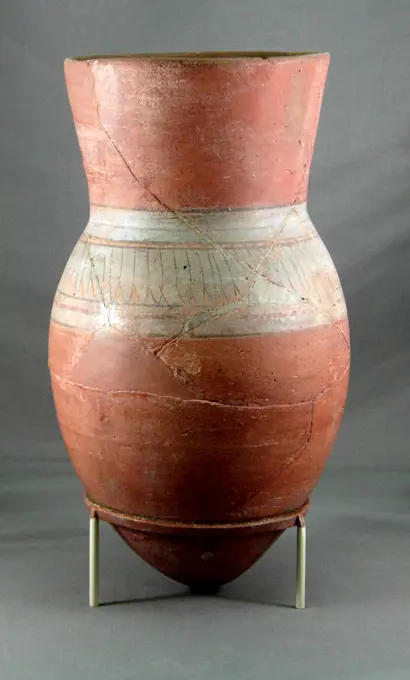
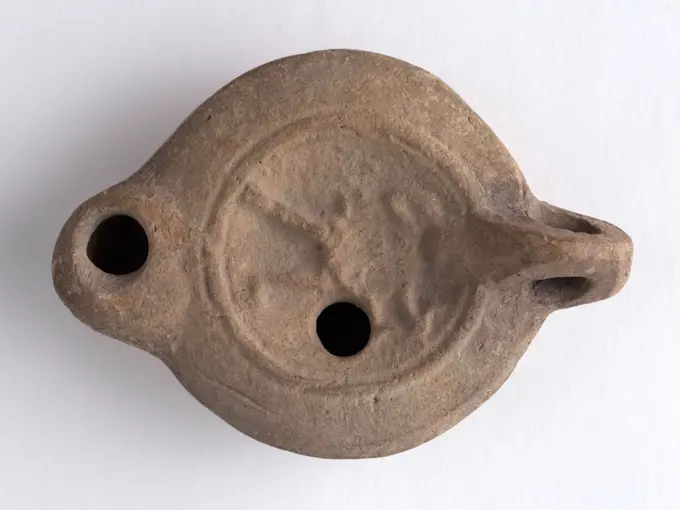
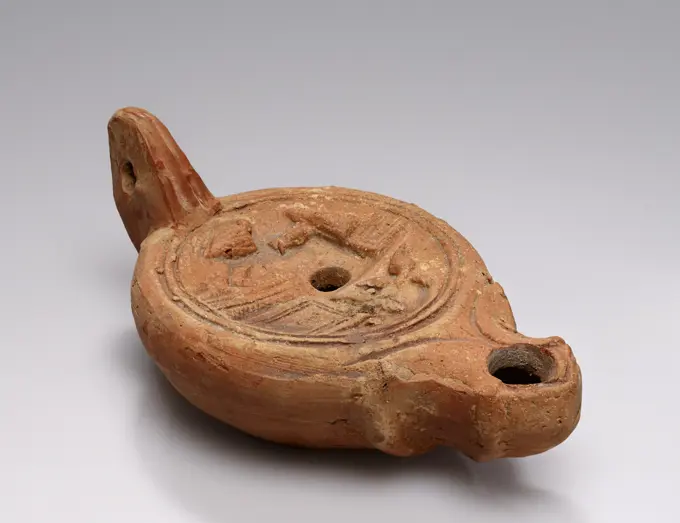
Ancient Pottery Artifacts

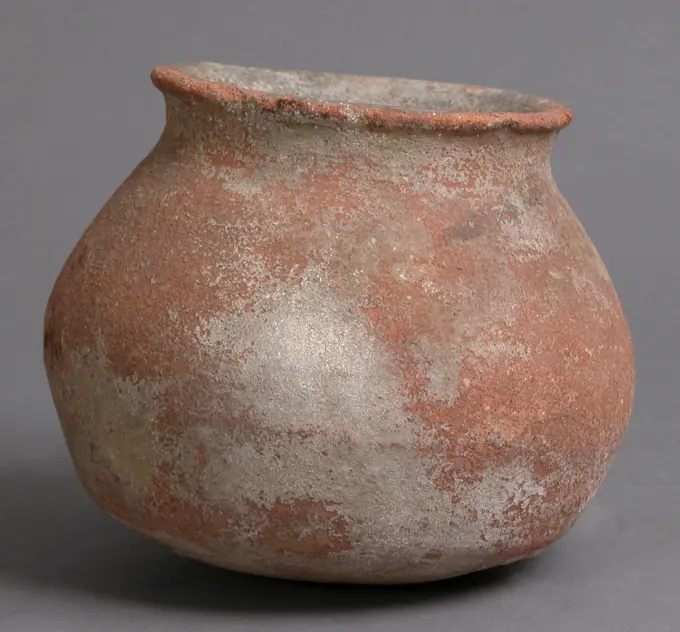
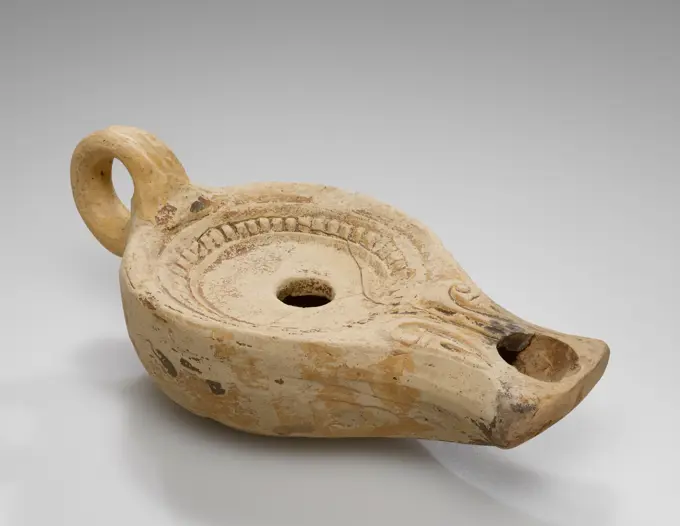
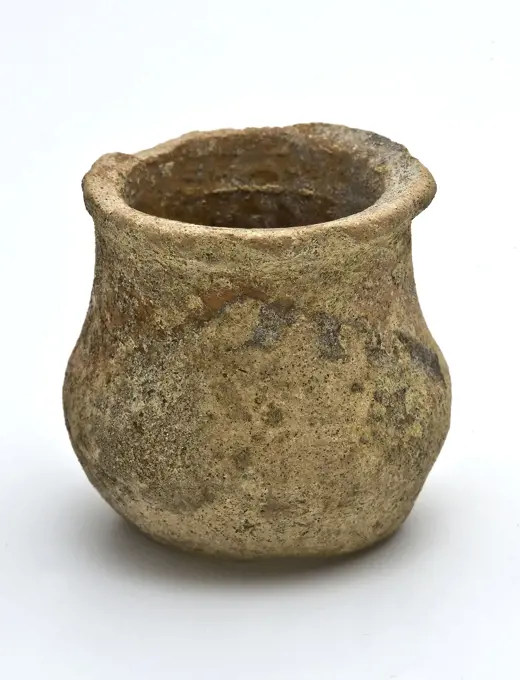
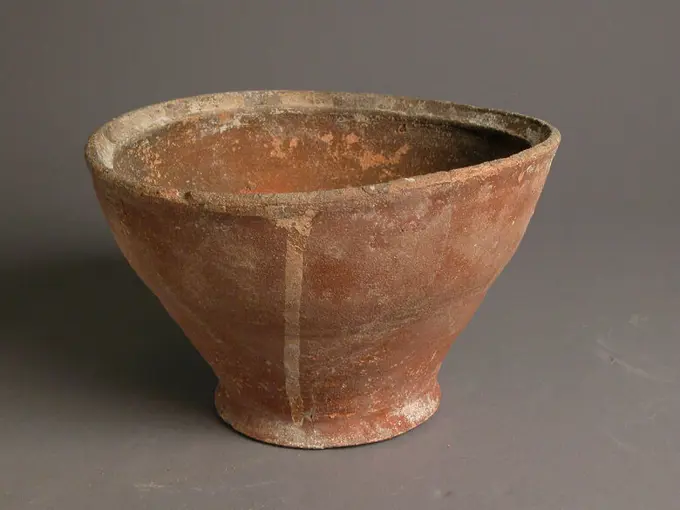
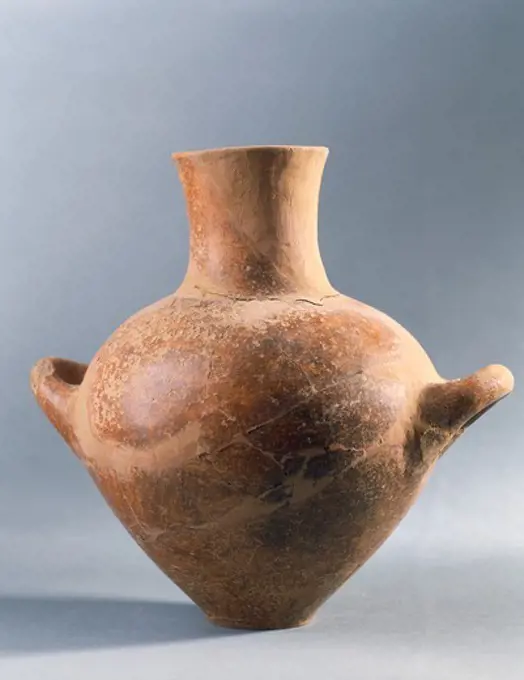
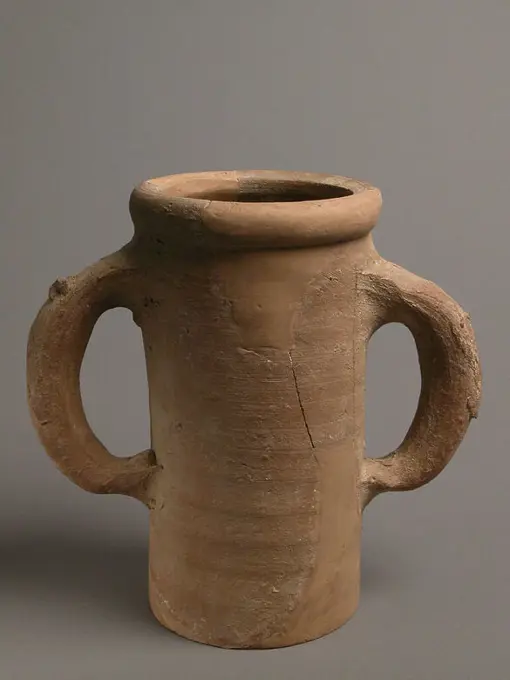
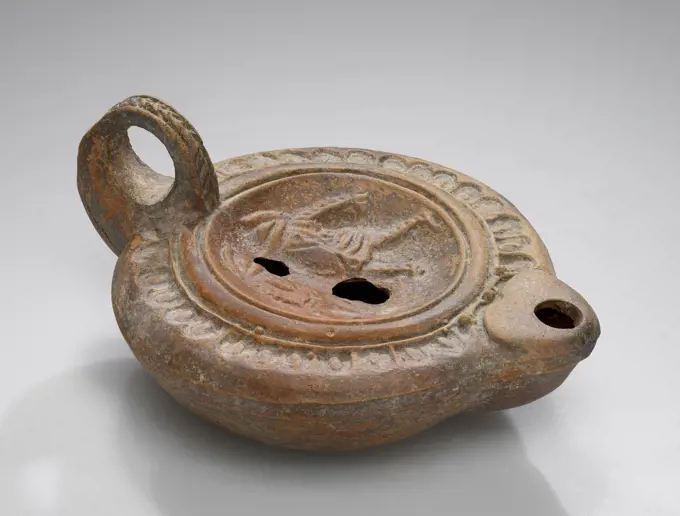
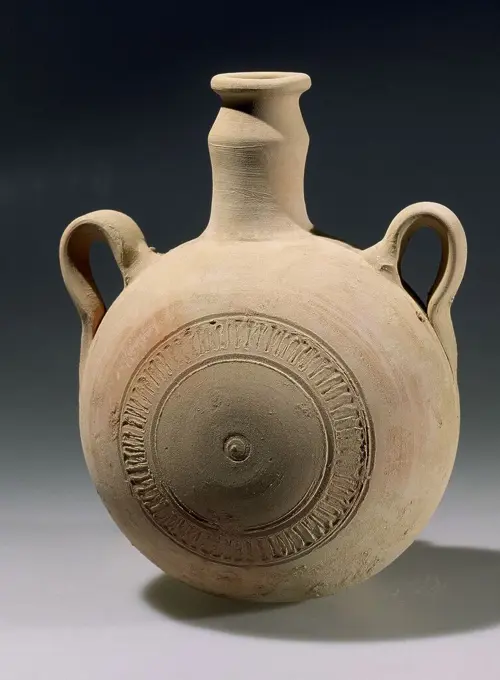
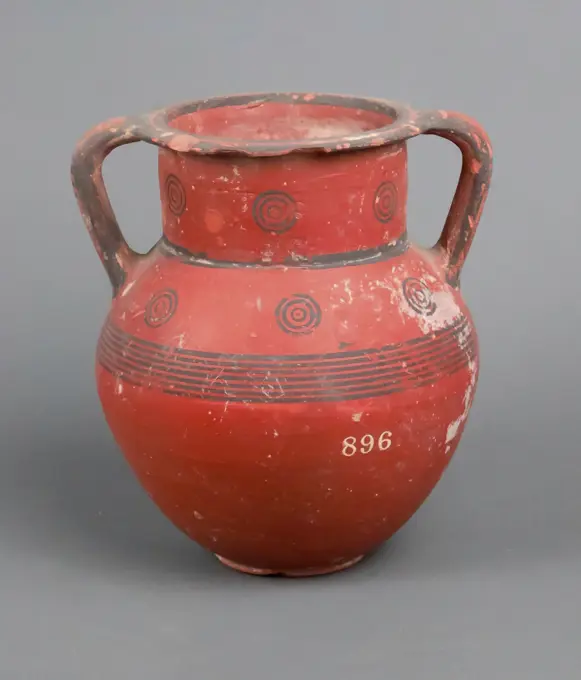
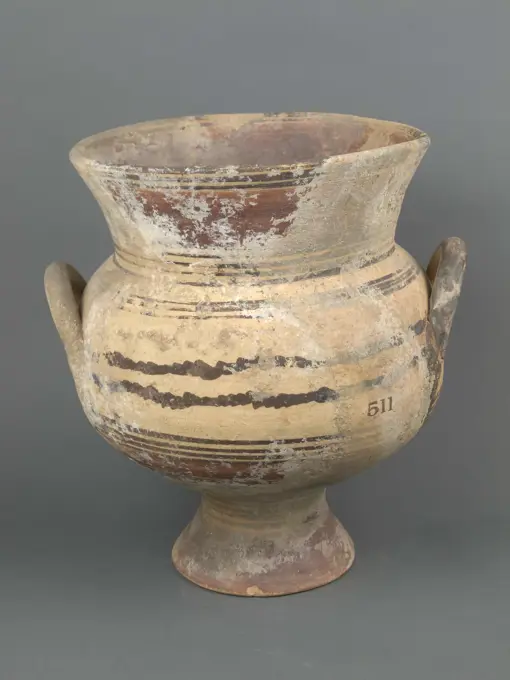
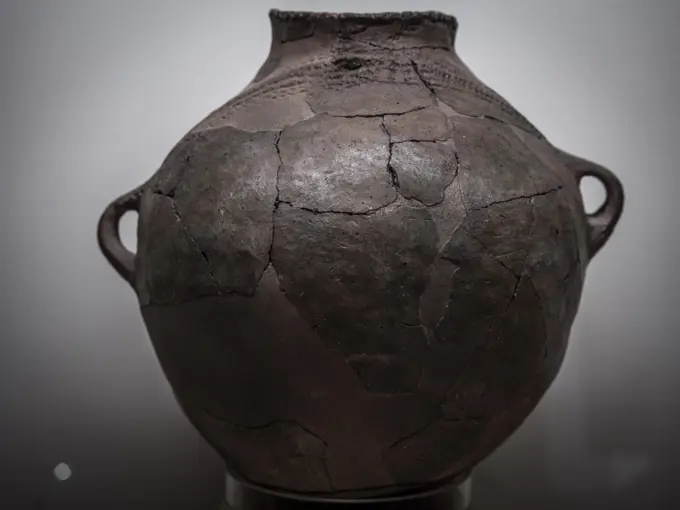
Exquisite ancient pottery pieces, showcasing varying designs and styles from different cultures and time periods.

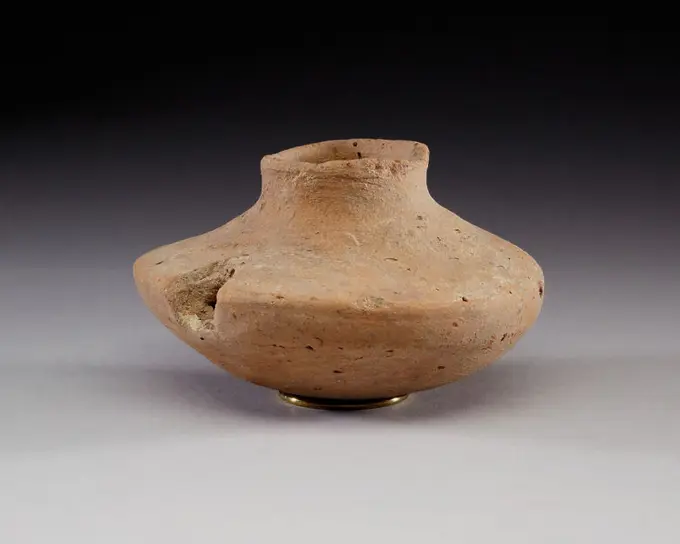
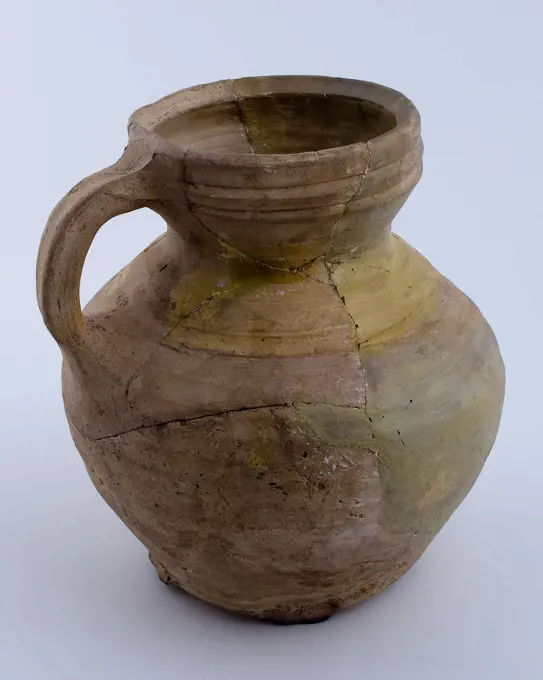
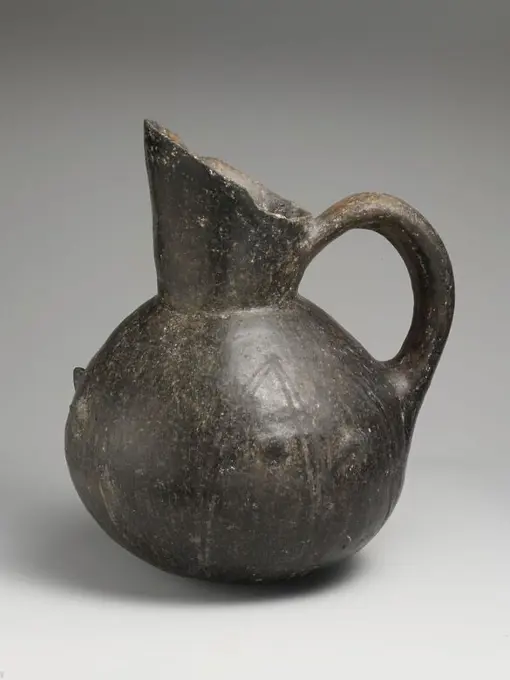
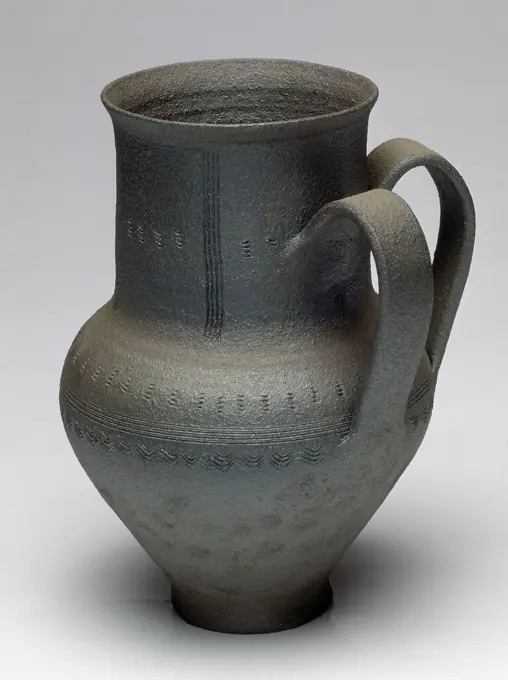
Stoneware jug, Jacobokan, wide bandoor, on squeeze foot, Jug or jacobakan jug crockery holder soil find ceramic stoneware, hand-turned baked Stoneware jug Jug or jacobakan wide bandoor on squeeze foot. Unglazed gray shard with brown glow over the shoulder. Spinning mills over the entire height Restoration is repainted archeology Rotterdam Spangen castle indigenous pottery import drink pour kitchen room Soil discovery: Spangen Spanisch Spaanse Polder Rotterdam.
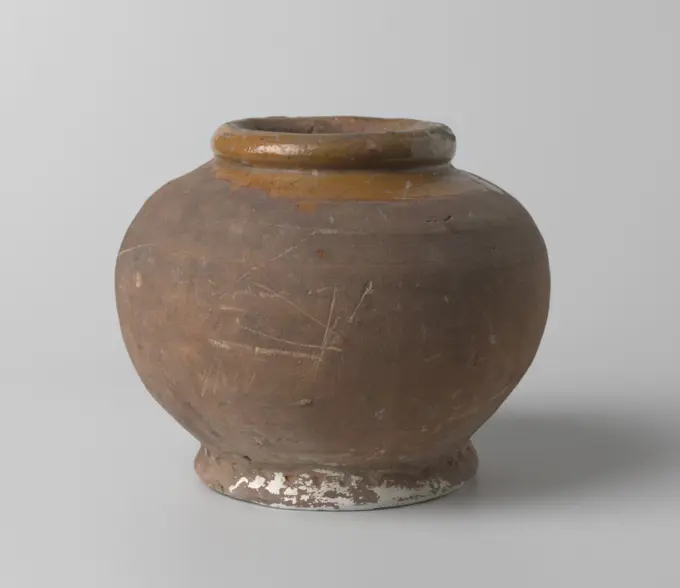
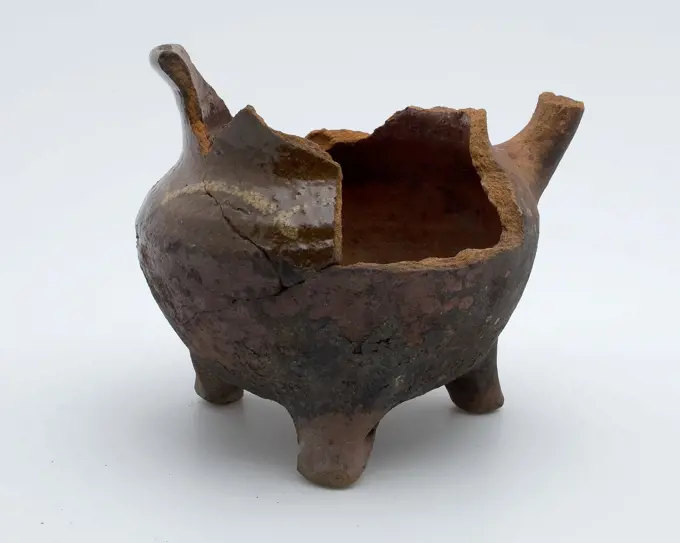
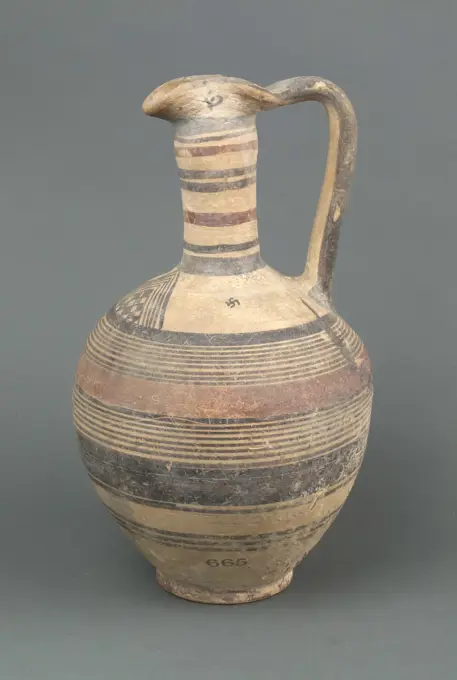
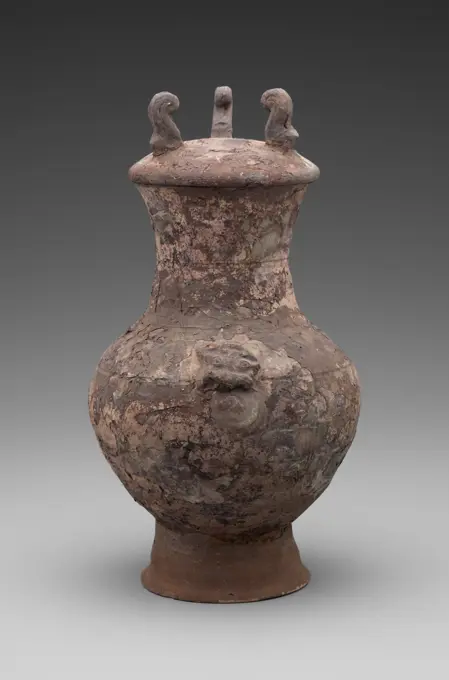
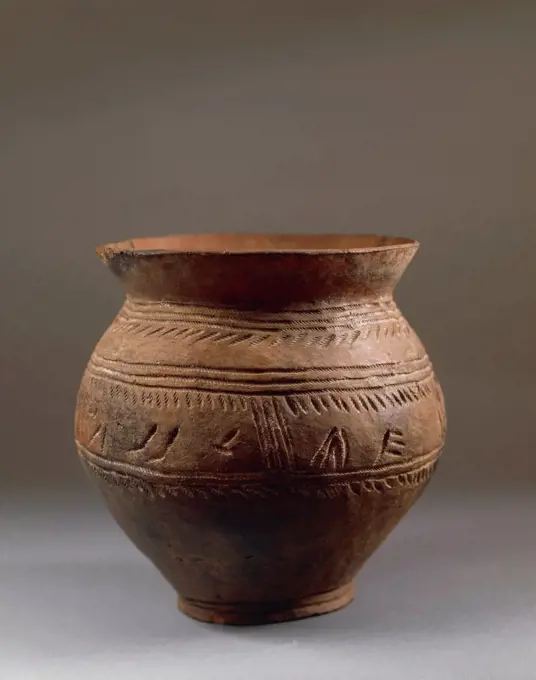
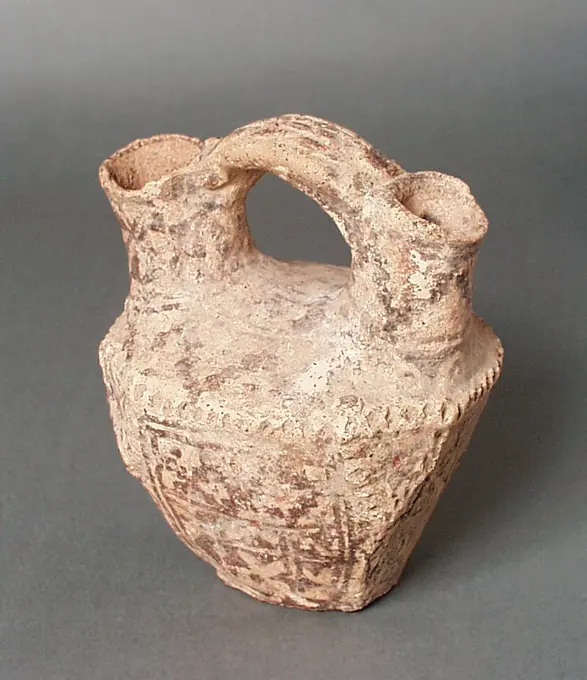
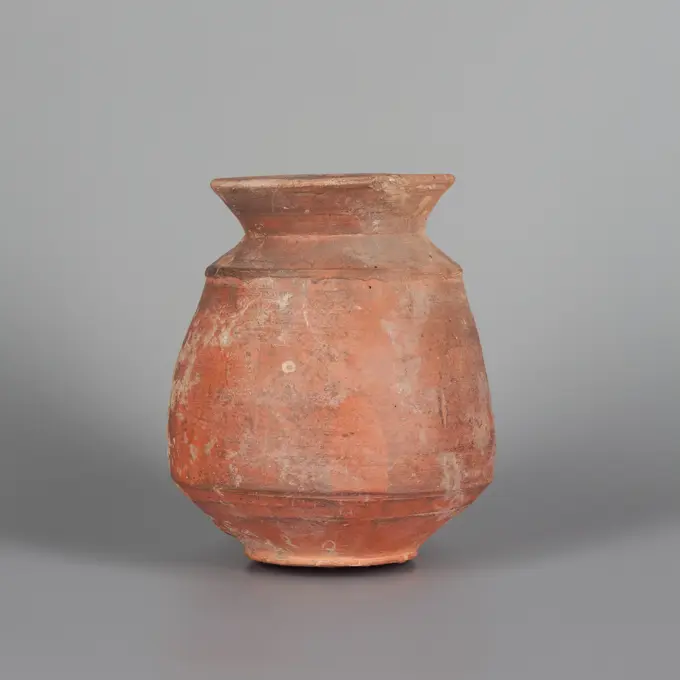
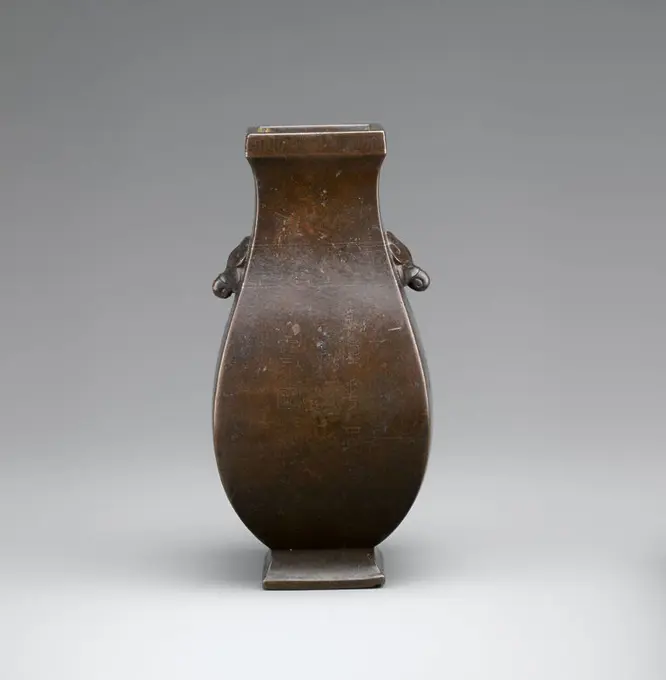
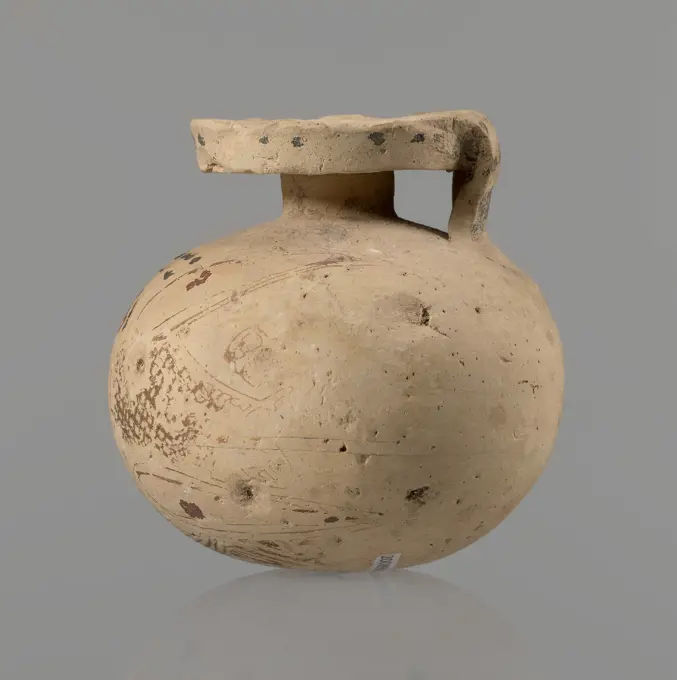
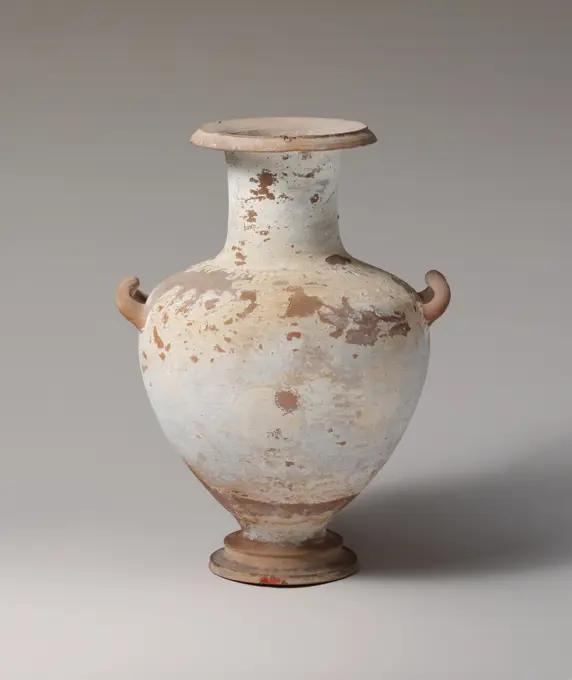
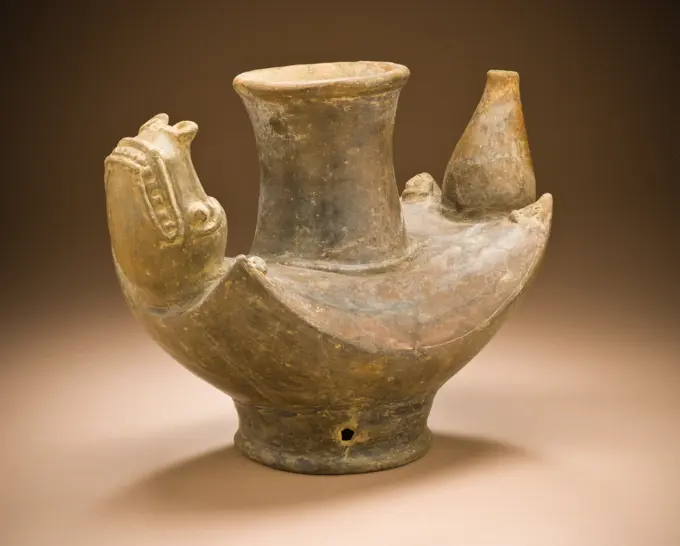
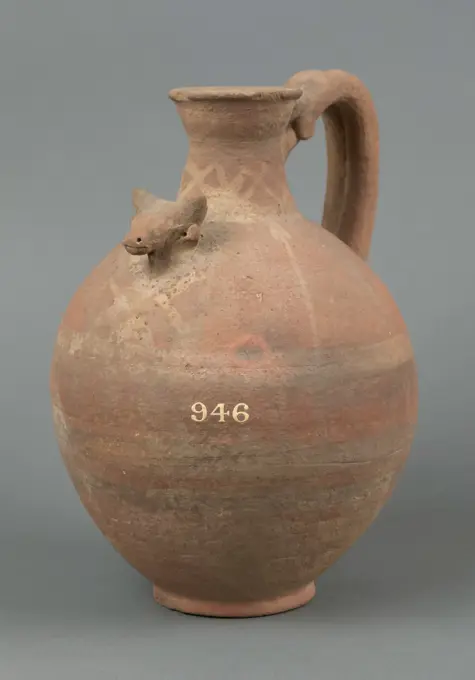
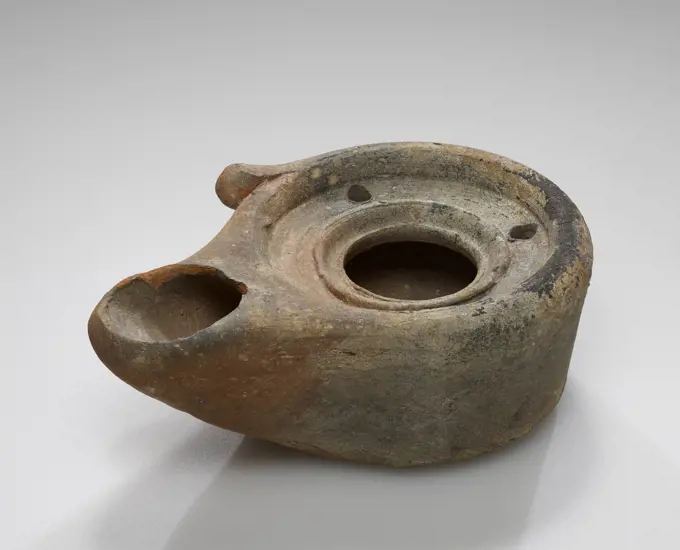
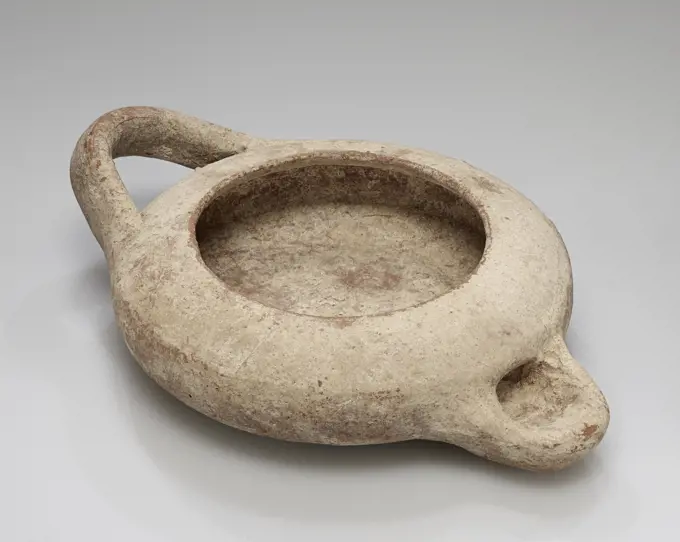
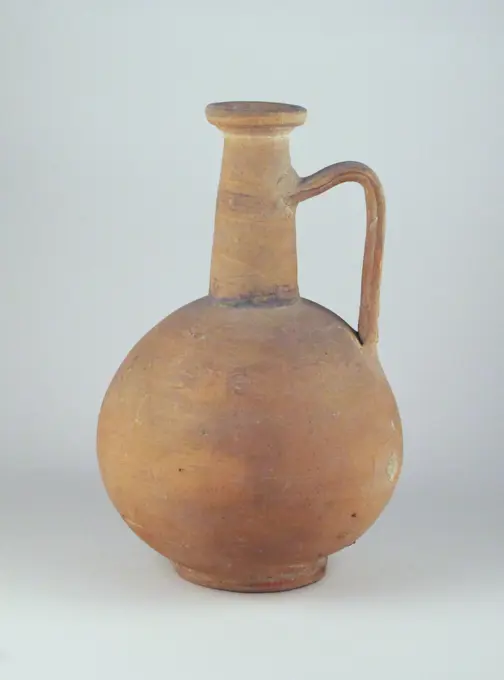
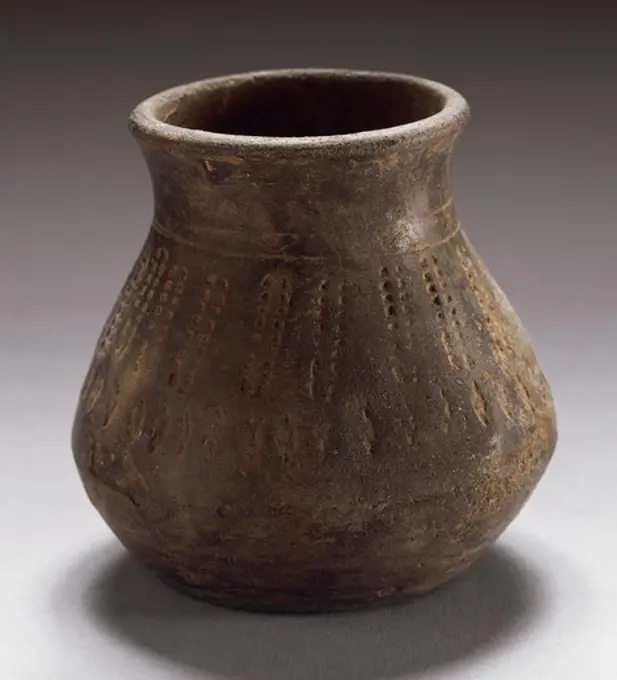
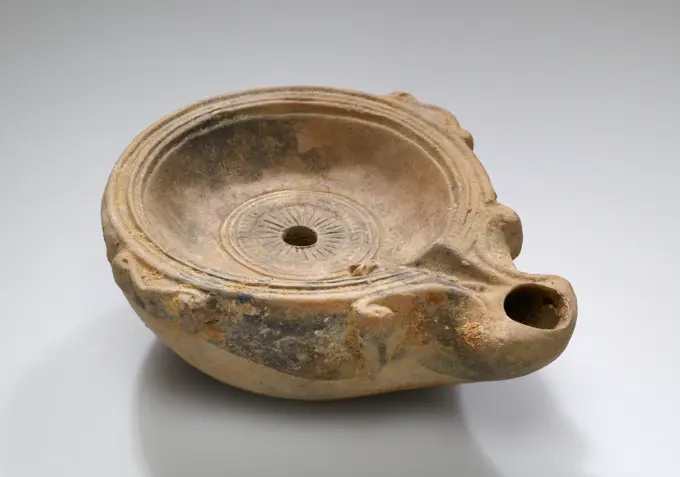
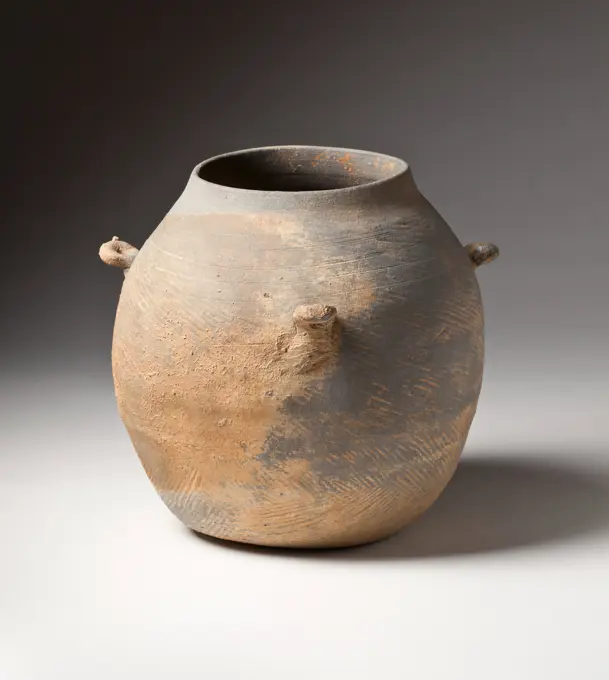
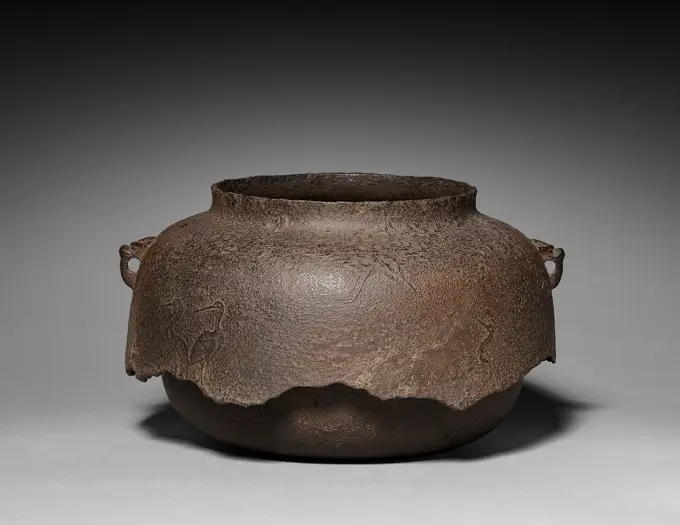
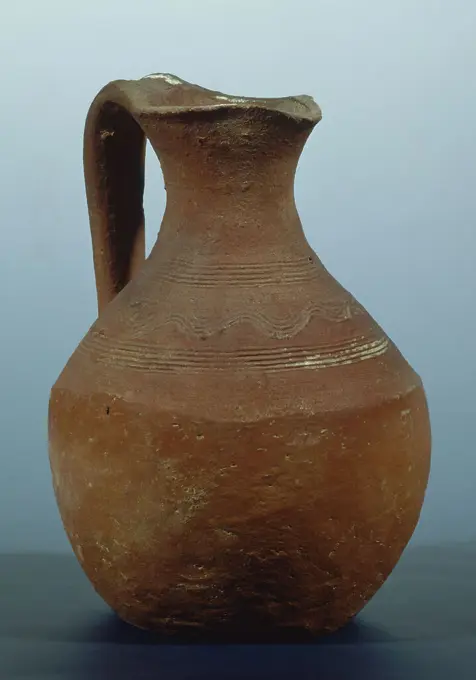
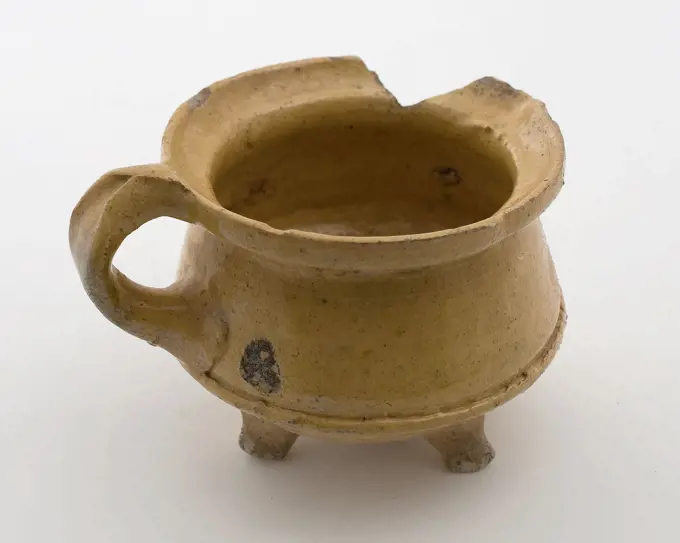
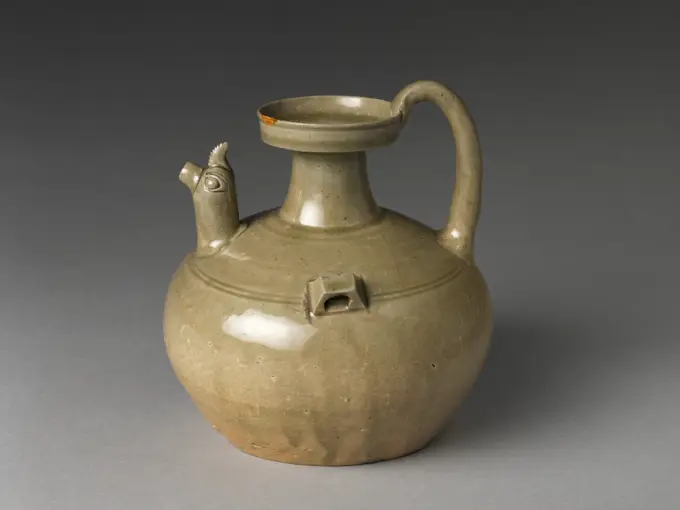
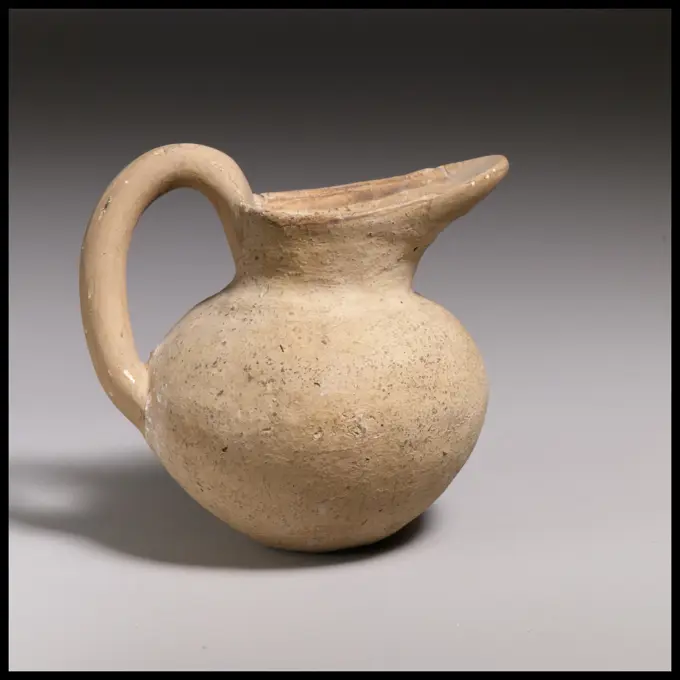
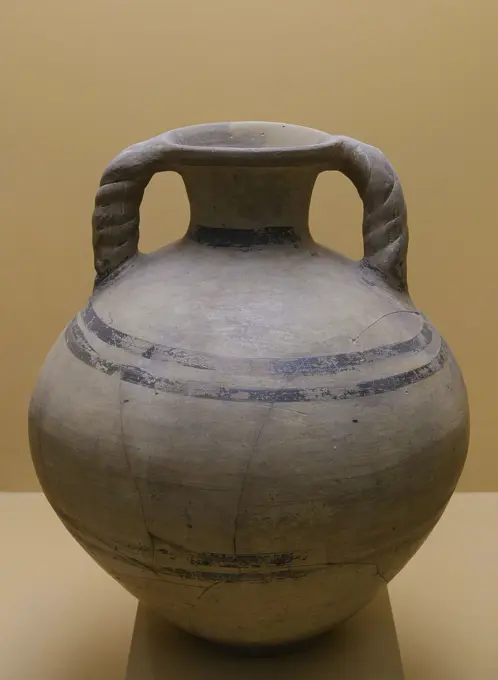
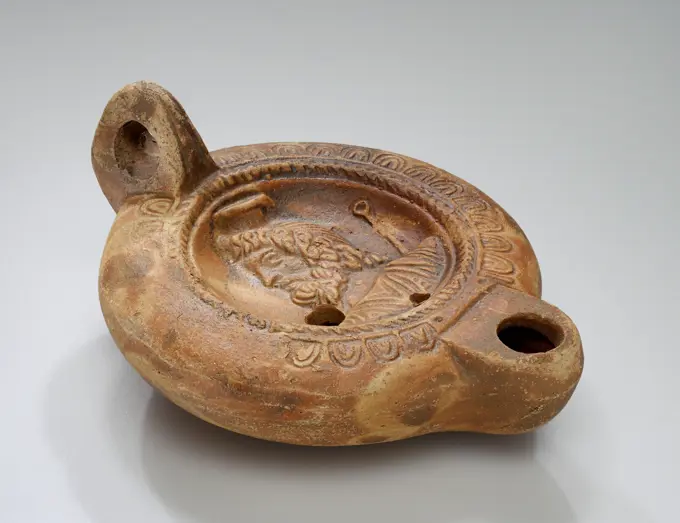
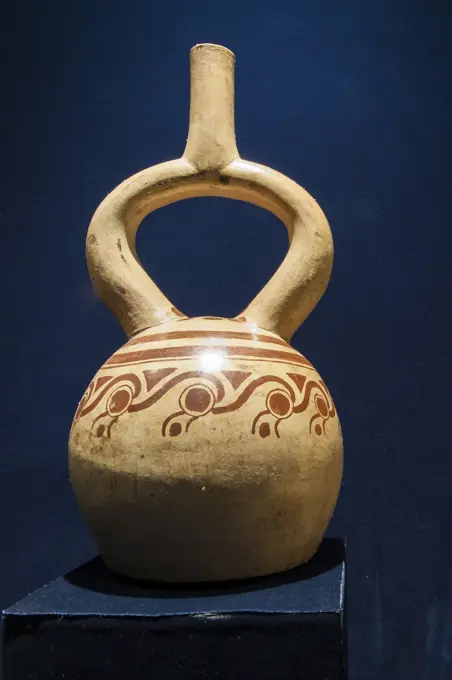
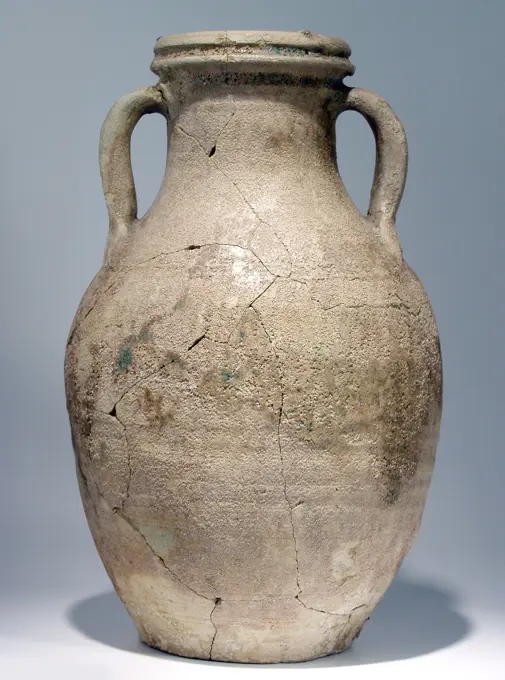
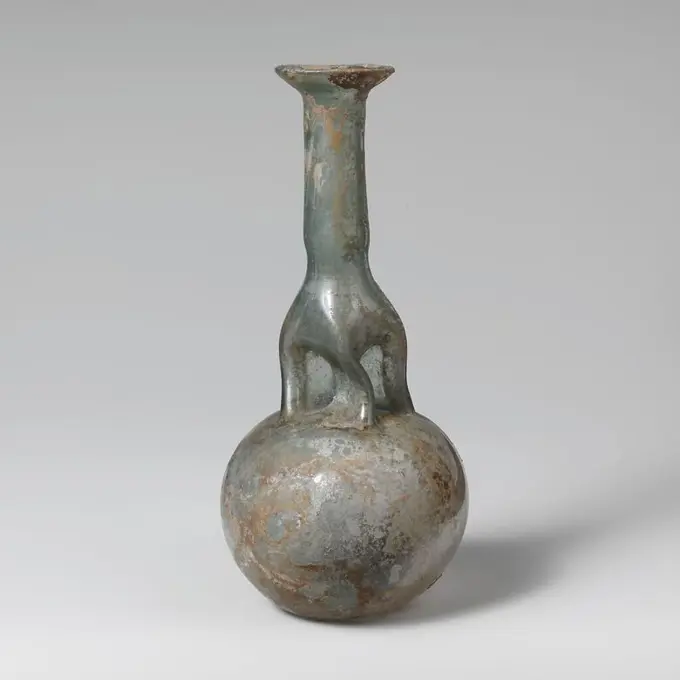
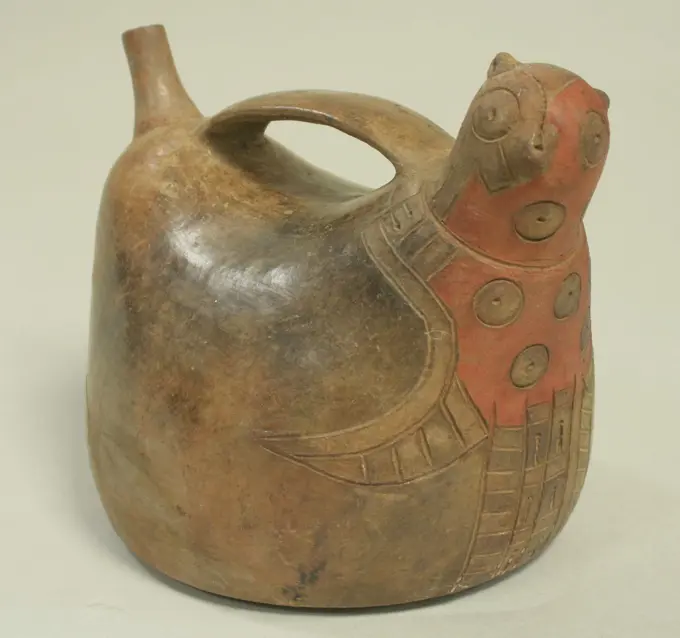
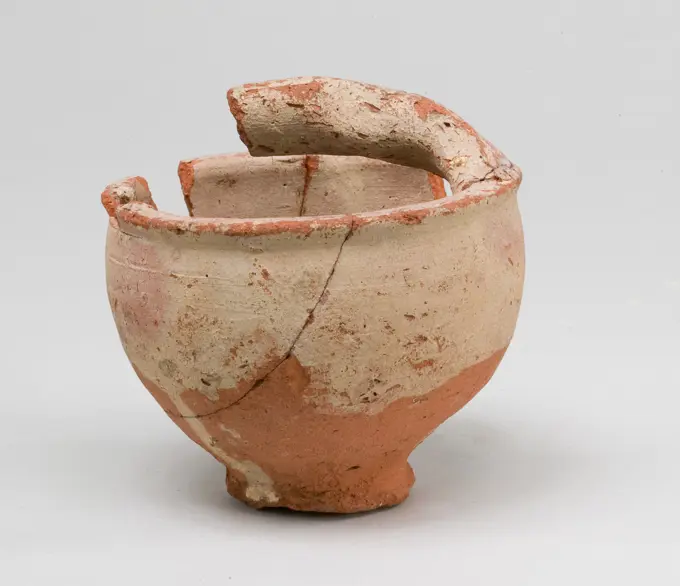
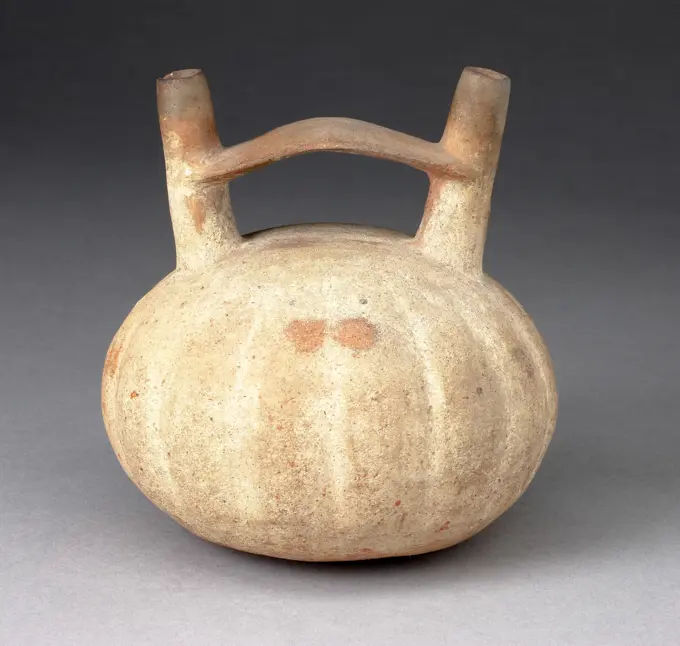
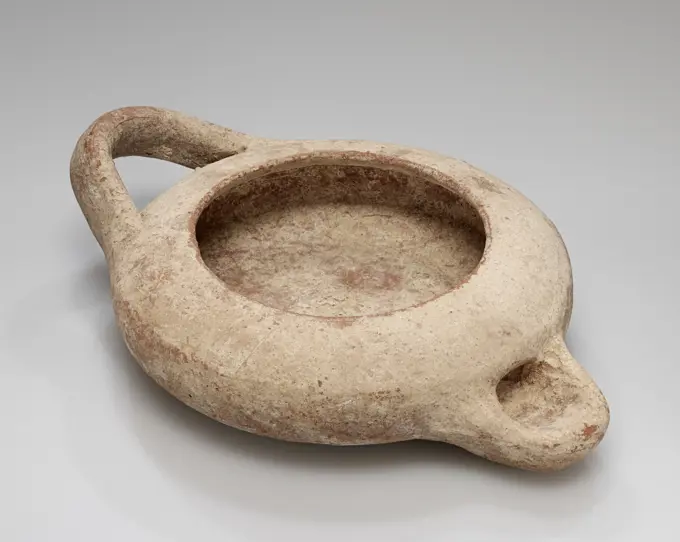
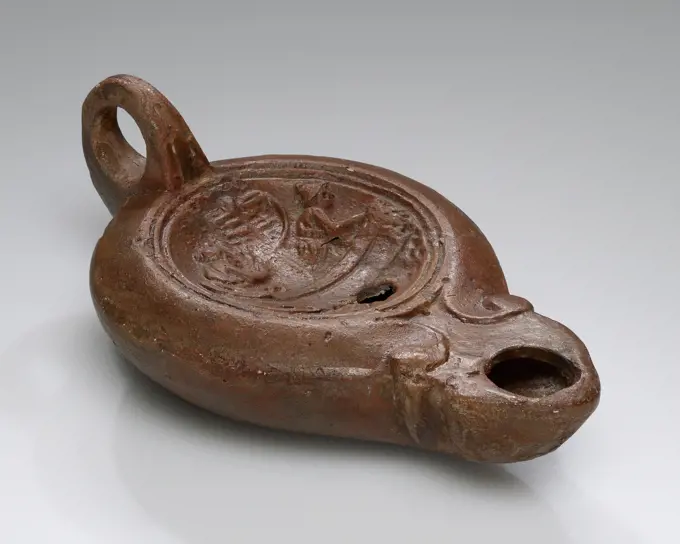
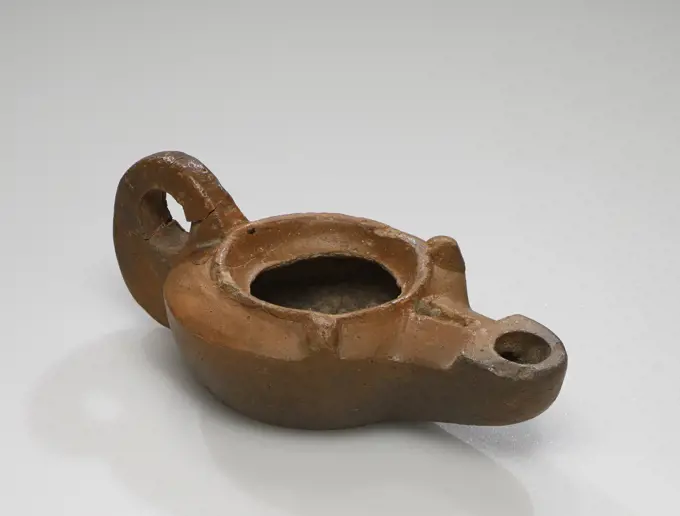
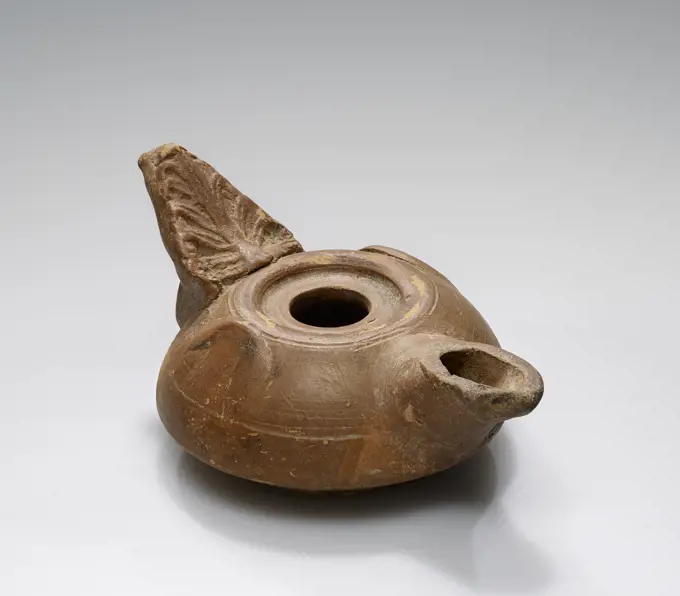
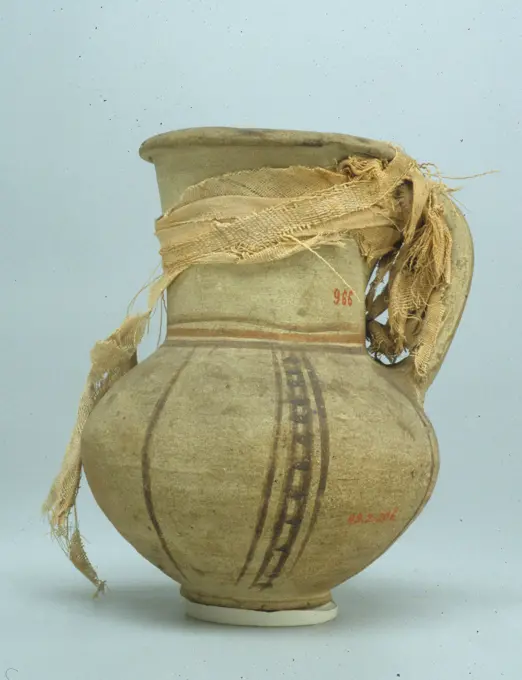
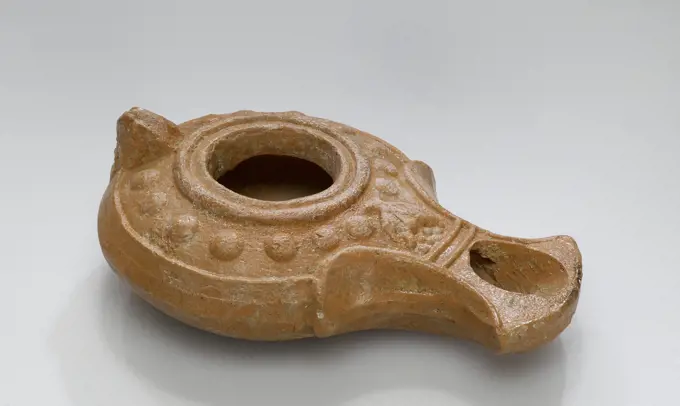
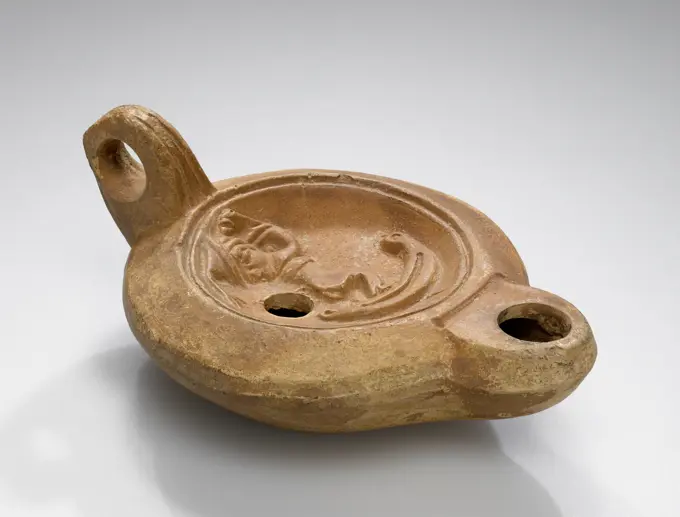
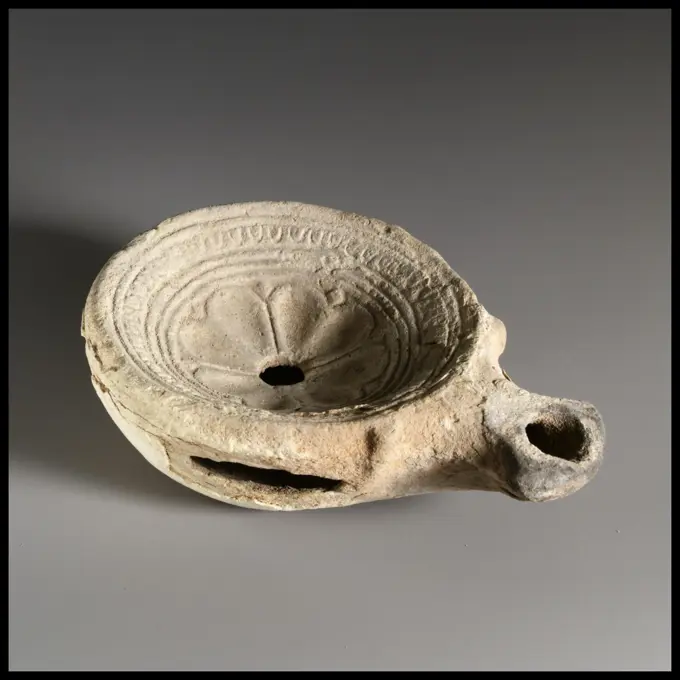
Lamp. Dimensions: H. 7.4 cm (2 15/16 in.); Diam. 12 cm (4 3/4 in.). Dynasty: Dynasty 12, mid. Date: ca. 1900-1850 B.C.. Museum: Metropolitan Museum of Art, New York, USA.Pot, anonymous, c. 1400 - c. 1950 Potty of pottery, glazed on the inside and on the outside partly along the mouth and edge.  earthenware Potty of pottery, glazed on the inside and on the outside partly along the mouth and edge.  earthenwarePot from V.O.C. ship De 'Witte Leeuw', Before 1613 pot Pot from V.O.C. ship the 'Witte Leeuw'. Low pot with traces of handles or ears on the shoulder. There are black spots on the sides that may have been caused by the pot used to cook.  earthenware   Sint-HelenaVase. Terre Civa. Vietnam. Paris, Muse Cernuschi. Vase Asian art, art of extreme orient, art of Vietnam, Vietnamese art, terracotta, dishesStoneware jug, Jacobokan, wide bandoor, on squeeze foot, Jug or jacobakan jug crockery holder soil find ceramic stoneware, hand-turned baked Stoneware jug Jug or jacobakan wide bandoor on squeeze foot. Unglazed gray shard with brown glow over the shoulder. Spinning mills over the entire height Restoration is repainted archeology Rotterdam Spangen castle indigenous pottery import drink pour kitchen room Soil discovery: Spangen Spanisch Spaanse Polder Rotterdam.Fragment earthenware cooking jug, grape-model, with silt decoration, grape cooking pot tableware holder utensils earthenware ceramics earthenware glaze lead glaze, hand turned glazed fried loin cord Convex slightly flared neck opening three legs and ear Inside and outside very sparingly glazed. Exterior of carbon footprint. Red archeology Rotterdam railway tunnel indigenous earthenware food food preparation cooking kitchen Soil discovery: railway tunnel or construction site Rotterdam.Oil Lamp. Culture: Coptic. Dimensions: Overall: 1 15/16 x 3 3/8 x 2 5/16 in. (5 x 8.5 x 5.8 cm). Date: 4th-7th century. Museum: Metropolitan Museum of Art, New York, USA.Oinochoe ca. 1050-900 B.C. Cypriot Bands, geometric ornament, swastikas, and birds' eyes on lip.. Oinochoe. Cypriot. ca. 1050-900 B.C.. Terracotta. Iron Age. VasesLamp. UnknownJar(hu)Pot, Watering 16th-17th century British Two types of watering pots were familiar to the medieval household, of which the present example, known as a chantepleure, was the more usual. This pot, derived from a form known in antiquity, is shaped like a jug. The handle arching from the body of the vessel to the very top of the neck is so placed that the thumb can easily cover the small opening. The bottom of the vessel is perforated with numerous holes and serves as a sprinkler. The pot was immersed in water until filled, and once the thumb was placed over the hole the water would not flow. As soon as the thumb was lifted, however, the water would sprinkle out of the bottom. The other type of watering pot, the English versions of which were primarily produced in Sussex, more closely resembled the modern type, having a sprinkler head on a pouring spout attached to a canister-shaped vessel. Watering pots were used to tend not only to kitchen gardens but indoor potted plants as well. This exaDish;  around 2686- 2181 BC ; Old PAPrehistory, Italy, Iron Age. Golasecca culture. Vase decorated with engravings.Glubular jar with profiled and flared collar ". Terracotta. Vietnam-Xe-Xive s. Paris, Cernuschi museum. 72361-6 Collar profile, evase, globular jar, Vietnamese object, terracottaOinochoeLamp. UnknownVesselJug (Bartmann jug) with a coat of arms, anonymous, c. 1650 - c. 1750 Jug (beard fancier bush) of stoneware on the standing surface with a spherical body and narrow neck. The C-shaped ear is attached to the neck and shoulder. Profiles on the neck. Covered with a brown Engobe. Three times a printed and imposed medallion with three crowned weapons. On the neck, continuously on the shoulder, a bearded man. Frechten. Cheek stoneware. glaze. engobe vitrification Jug (beard fancier bush) of stoneware on the standing surface with a spherical body and narrow neck. The C-shaped ear is attached to the neck and shoulder. Profiles on the neck. Covered with a brown Engobe. Three times a printed and imposed medallion with three crowned weapons. On the neck, continuously on the shoulder, a bearded man. Frechten. Cheek stoneware. glaze. engobe vitrificationThey weigh; Unknown Nubian workshop; XI-XII century (1001-00-00-1200-00-00);Nubian ceramics, nubian vessels, vasesVase. Artist: Attributed to Shisou (Chinese, active first half the 17th century). Culture: China. Dimensions: H. 5 1/4 in. (13.3 cm); W. 2 1/2 in. (6.4 cm); D. 2 5/16 in. (5.9 cm). Date: 17th-18th century.This elegant vase has a pear-shaped body with a squarish section, supported on a short splayed foot. Two handles in the shape of animal masks are attached to the sides of its neck, which is embellished with a band of stylized dragons inlaid in silver. On both the front and reverse sides of the vase is a line of poetry by the Tang-dynasty poet Dou Chang (746-825), also inlaid in silver, which reads: Sweeping the snow to plant flowers in the spring; burning the incense to read the classics at night. On the other two sides are silver-inlaid images of an egret and a three-legged toad, which is a symbol of wealth. A two-character mark of Shisou is executed in silver inlay on the exterior of the bottom. The vase is covered with a warm brown patina that bears no trace of being buried undergLong-necked Jar, AD 200s-300s. Korea, Silla period (57 BC-AD 676). Gray pottery; overall: 26.8 cm (10 9/16 in.).Aryballos orientalizujący. unknown, authorTerracotta Hadra hydria (water jar) late 3rd century B.C. Greek, Ptolemaic, Alexandrian Faint traces of an elaborate helmet with a griffin crest, a shield bearing the snakey head of Medusa, and a cuirass, are evident on this white-ground hydria. A warrior's armor was a common subject for vases destined for burial, since it alluded to the both the heroic character of the deceased, as well as the manner of death. Sites in Alexandria have yielded hydriai with similar motifs in much better states of preservation, thus providing an idea of the original appearence of this vase.. Terracotta Hadra hydria (water jar) 245576Caiman Effigy Vessel. Colombia, Sierra Nevada de Santa Marta, Tairona, 800-1600 CE. Ceramics. CeramicLamp, Anatolia; 1st century B.C; Terracotta; 2 × 6 × 7.5 cm (13,16 × 2 3,8 × 2 15,16 in.)Lamp. UnknownVessel 4th-7th century Coptic. Vessel 478670Andenne jug fitted to four standfins, jug crockery holder soil find ceramic earthenware glaze, hand-turned glazed fried Andenne can be placed on four stand fins Bolle can double conical belly. Deep constriction under the neck edge. Blurred turnings over the belly and ankle grooves around the neck edge. Standing ear. Gray pottery. Yellowish glaze on the shoulder archeology Hellevoetsluis Nieuwenhoorn drink serving Servicing found residential tower Ravenseweg slot IV from the clay on the peat Nieuwenhoorn 1978.11.08Jug 600-480 B.C. Cypriot Bull's head, horizontal black bands, and lattice in white on neck.. Jug. Cypriot. 600-480 B.C.. Terracotta. Cypro-Archaic II. VasesLamp, South Italy; 3rd - 2nd century B.C; Terracotta; 3.5 × 6.5 × 9.2 cm (1 3,8 × 2 9,16 × 3 5,8 in.)Lamp, South Italy; 5th century B.C; Terracotta; 3 x 10.4 x 14 cm (1 3,16 x 4 1,8 x 5 1,2 in.)Jug Roman Unglazed reddish jug with handle.. Jug. Roman. Terracotta. VasesPrehistory, Italy, Iron Age. Golasecca culture. Punched decorated vase.Lamp. UnknownJar with three knobs, late 5th-early 6th century, Unknown Korean, 7 5/8 × 8 3/8 × 8 1/16 in. (19.37 × 21.27 × 20.48 cm), Stoneware with incised design, Korea, 5th-6th centuryKettle with Crane Design, 1392-1573. Japan, Muromachi period (1392-1573). Iron; diameter: 30.4 cm (11 15/16 in.); diameter of mouth: 18.6 cm (7 5/16 in.); overall: 18.2 cm (7 3/16 in.); with handle: 31.5 cm (12 3/8 in.). Water supplied from a jar such as the fine Shino-ware vessel (1972.9.a-b) was transferred to an iron kettle for boiling as part of the tea ceremony. Former CMA director Sherman Lee described the jagged, broken skirt of this kettle as "attractively damaged," complementing the unobtrusive wispy designs on its rough metal surface. The character of this kettle-worn, coarse, the "perfection" of symmetry destroyed-was cherished by tea masters for its powerful humility.JARRO VISIGODO DEL VALLE DE LOS PEDROCHES (CORDOBA) - SIGLO VII. Location: MUSEO ARQUEOLOGICO NACIONAL-COLECCION. MADRID. SPAIN.Pottery toy cooking jug, white shard, yellow lead glaze, bandoor, shank, on three legs, jug crockery holder toy relaxant soil find ceramic earthenware glaze lead glaze, hand-turned baked glazed earthenware cooking jug casserole toy white shard entirely covered with yellow lead glaze topped pinch clip three paws. Ripple to accentuate transition shoulder belly archeology native pottery serve serve kitchen cookingSmall JugChicken-Headed Ewer 4th-5th century China The beginnings of the Chinese celadon tradition can be traced to the Yue kilns (a term that comes from the ancient name for a region in Zhejiang Province), which in the fourth century began to produce highfired stoneware covered with gray-green glazes. Early examples such as this were produced as burial goods. The meaning of the chicken head on the spout remains obscure.. Chicken-Headed Ewer. China. 4th-5th century. Stoneware with celadon glaze (Yue ware). Eastern Jin dynasty (317-420). CeramicsCypriot Ring Base Juglet ca. 1550-1525 B.C. New Kingdom. Cypriot Ring Base Juglet 552350Small terracotta jug ca. 2650-2150 B.C. Helladic Jug with sturdy proportions and handcrafted technique.. Small terracotta jug 252903 Helladic, Small terracotta jug, ca. 26502150 B.C., Terracotta, Greatest H. 4 5/8 in. (11.6 cm.). The Metropolitan Museum of Art, New York. Gift of the Greek Government, 1927 (27.120.5)Pot. Culture: Coptic. Dimensions: Overall: 4 13/16 x 3 5/16 in. (12.2 x 8.4 cm). Date: 4th-7th century. Museum: Metropolitan Museum of Art, New York, USA.BOTIJO DE CARRO CON CUELLO ALTO Y BOCA ANCHA - VISTA LATERAL. Location: ALFARERIA. Lorca. MURCIA. SPAIN.Late Mycenaean amphora with twisted handles. From Mycenaean Fountain on the North Slope of the Athenian Acropolis. 1200 BC. Greece. Museum of the Ancient Agora. Athens, Greece.Stoneware jug, Jug or jacobakan, with gray color and orange glow, on squeeze foot, Jug or jacobakan jug crockery holder soil find ceramic stoneware, hand-turned baked Gray stoneware jug, Jug or jacobakan with orange glow on squeeze foot, slim model. Turning loops along the entire length light collar at the transition between shoulder and neck archeology Rotterdam rail tunnel for indigenous pottery import serving serve serving table Soil discovery: railway tunnel or construction site Rotterdam.Lamp. UnknownVase ". Terracotta. Vietnam-Xe-Xive s. Paris, Cernuschi museum. 72185-39 Vietnamese object, terracotta, vasePre-Columbian pottery in the Museum of Archaeology, Trujillo, Peru.Amphora; Unknown party workshop; around 126 BCE-OK. 225 (-131-00-00-230-00-00);The collection of the ancient EastPot 4th-7th century Coptic. Pot 476273Lamp. UnknownOintment jar, belly model, red pottery, ointment jar pot holder soil find ceramic earthenware glaze lead glaze, hand-turned glazed baked convex belly flat scraping edge Somewhere constricted above the belly. Red earthenware scraped and poorly mixed inside and edge glazed underside of the stand seems to be marked Is in any case scratched mark archeology Rotterdam rail tunnel packaging care medication drug pharmacy ointment Soil discovery: rail tunnel Rotterdam.Ovoid jar. Terracotta, Vietnam, 10th-12th century. Provenance: Vietnam. Paris, Cernuschi museum. 78605-6 Archeology, Vietnamese art, jar ovow, container, terracotta, archeological vestige, XEME X 10th 10th 10th century, XIIIEM XIIII 13th 13th 13th 13Bowl. Culture: Coptic. Dimensions: Overall: 5 x 8 1/4 x 7 11/16 in. (12.7 x 21 x 19.6 cm). Date: 4th-7th century. Museum: Metropolitan Museum of Art, New York, USA.""Benvenuti"" situla, laminated bronze situla with lid and embossed and engraved decoration, Etruscan civilization, circa 600 b.c.Prehistory, Italy. Castelluccio culture. Pottery vessels with geometric decorations. From Sicily Region.Vessel with Two Handles. Culture: Coptic. Dimensions: Overall: 7 13/16 x 4 5/16 x 8 1/8 in. (19.9 x 11 x 20.7 cm). Date: 4th-7th century. Museum: Metropolitan Museum of Art, New York, USA.Lamp, Asia Minor; 1st - 4th century; Terracotta; 3.6 x 9 x 11.4 cm (1 7,16 x 3 9,16 x 4 1,2 in.)BOTIJA DE CAMPO SIN VIDRIAR- S XX ARTE POPULAR. Location: ALFARERIA. CORDOBA. SPAIN.Glass bottle. Culture: Roman. Dimensions: H. 7 1/8 in. (18.1 cm). Date: 3rd-4th century A.D..Translucent blue green.Rounded, slightly thickened rim; flaring mouth; cylindrical neck with broad horizontal indent around base; below this, shoulder expands out and slopes downwards, then pinched into four wavy arms, forming five small openings, one at the center and four at edges, separated by diaphragms; globular body; concave bottom.Complete, apart from cracks in one side of body and one small hole; many bubbles; dulling, limy encrustation, and faint iridescence.Vessels of this type with constrictions to the base of the neck are known as 'kuttrolf' bottles. Similar bottles were produced in medieval and later times. Museum: Metropolitan Museum of Art, New York, USA.Fusiform ointmentDouble Spout and Bridge Bottle with Bird 7th-5th century B.C. Paracas. Double Spout and Bridge Bottle with Bird 308719Bowl ca. 1550-1295 B.C. New Kingdom. Bowl. ca. 1550-1295 B.C.. Pottery. New Kingdom. From Egypt, Upper Egypt, Thebes, Asasif, Temple of Hatshepsut, Carnarvon/Carter excavations. Dynasty 18Vessel in the Form of a DogIraq, Tell Abu Husaini, Vase with herringbone pattern decorationDouble Spout and Bridge Vessel in the Form of a Ridged Gourd 650 BCE-150 BCE Peru. Ceramic and pigment . ParacasLamp. UnknownJug (Bartmann jug) with oak scrolls, anonymous, c. 1530 - c. 1560 Jug (beard fancier bush) of stoneware on standing surface with a spherical body and wide neck. The C-shaped ear is attached to the neck and shoulder. Profiles on the neck. The belly is covered with printed and imposed leaf vines with acorns. A bearded man on the neck. Cologne. Cologne stoneware. glaze vitrification Jug (beard fancier bush) of stoneware on standing surface with a spherical body and wide neck. The C-shaped ear is attached to the neck and shoulder. Profiles on the neck. The belly is covered with printed and imposed leaf vines with acorns. A bearded man on the neck. Cologne. Cologne stoneware. glaze vitrificationStone Jug ca. 1550-1458 B.C. New Kingdom The lidded jug of Egyptian alabaster was excavated by the Museum's Egyptian Expedition in 1916. It had been placed near the head of a coffin along with a number of other objects that came to the Museum when the finds were divided with the Egyptian Antiquities Service. These include two other alabaster jars (16.10.421, 16.10.423), one small ointment jar of serpentine (16.10.422), two pottery vessels (16.10.427-.428), a small ivory cosmetic box (16.10.425), and three ivory combs (16.10.428-.430). Stone Jug 544806LekythosLamp, North Africa; 1st - 4th century; Terracotta; 2.7 x 8 x 11 cm (1 1,16 x 3 1,8 x 4 5,16 in.)Lamp, Cologne, Germany; 1st century B.C. - 4th century A.D; Terracotta; 2.6 x 5.5 x 10.5 cm (1 x 2 3,16 x 4 1,8 in.)Terracotta jug. Culture: Anatolian. Dimensions: H. 8 3/8 in. (21.3 cm). Date: ca. 3000-2000 B.C..This vase was probably imported to Cyprus from western Anatolia. Museum: Metropolitan Museum of Art, New York, USA.JARRA DE CERAMICA NEGRA CON 2 ASAS Y DECORACION INCISA-ARTE POPULAR. Location: ALFARERIA. SPAIN.Amphora Cypriot Handle-ridge jug with horizontal bands and concentric circles.. Amphora. Cypriot. Terracotta. Hellenic. VasesAmphora 850-600 B.C. Cypriot Bowl on high foot with straight and wavy lines in black and red.. Amphora. Cypriot. 850-600 B.C.. Terracotta. Cypro-Geometric III-Cypro-Archaic I. VasesPottery drinkuyt, slim cup on very small foot, pouring cup cup drinking utensils tableware holder soil find ceramics pottery glaze lead glaze, hand turned glazed baked Pottery drinkuyt pouring cup red sharpened sparingly glazed very small stand. Slim cup with protruding mouth rim Red shard. Rotary filaments archeology indigenous pottery serve beer wine water drinkPottery jug be placed on pinched stand with large rotations on the shoulder, decorated in sludge technology, water jug crockery holder soil find ceramic earthenware glaze lead glaze clay, hand-turned decorated glazed fried lemonade Pottery jug decorated red shard in sludge technique on slightly pinched stand ring. Vertical sausage ear with three-lobed attachment on the belly. Completely glazed Decoration consists of thin line of yellow arches on the shoulder. Firm rings ring on the shoulder Double conical model with short neck cuff collar with lid slot. Wear at the stand ring and soil archeology indigenous pottery cooking food prepare kitchen water drink washingEwer 13th century. Ewer 451620Jug mid 6th century B.C. Etruscan One-handled with round mouth and cover on which are incised dotted lines.. Jug. Etruscan. mid 6th century B.C.. Terracotta. Archaic. VasesTöpferwaren with cardiac reprint decorations with cardium print decorationsLamp, Roman Empire; 1st century B.C. - 4th century A.D; Terracotta; 12.1 x 6 x 8.2 cm (4 3,4 x 2 3,8 x 3 1,4 in.)Bottle, Falcon Head. Culture: Paracas. Dimensions: Overall: 10 5/16 in. (26.27 cm)Other: 11 3/8 in. (28.91 cm). Date: 4th-3rd century B.C.. Museum: Metropolitan Museum of Art, New York, USA.JARRA PARA AGUA-ORDINARIA-BARRO BLANCO SIN VIDRIAR-ARTE POPULAR S XX. Location: ALFARERIA. Vera. Almería. SPAIN.Jar ca. 1550-1295 B.C. New Kingdom. Jar. ca. 1550-1295 B.C.. Pottery, cord. New Kingdom. From Egypt, Upper Egypt, Thebes. Dynasty 18Terracotta oil lamp. Culture: Roman, Cypriot. Dimensions: Overall: 1 1/8 x 3 13/16 in. (2.9 x 9.7 cm). Date: 1st century B.C.-1st century A.D.. Museum: Metropolitan Museum of Art, New York, USA.Stem cup with cover China. Stem cup with cover. China. Earthenware with olive glaze. Tang dynasty (618-907). CeramicsLamp, Asia Minor; 1st - 4th century; Terracotta; 2 x 5.7 x 9 cm (13,16 x 2 1,4 x 3 9,16 in.)Lamp. UnknownVotive Container (Canopa) 15th-16th century Inca. Votive Container (Canopa) 315770Terracotta oil lamp 1st century B.C.-1st century A.D. Roman Loeschcke Type 1A. Mold-made. Deeply concave discus; rosette of eight petals with buds at top between petals; a single, central filling hole, and with a band of lines and grooves around rosette; an outer band of small ovules toward edge. Volutes flanking angular nozzle. Narrow raised base ring, and a flat base.One large hole in left side of body, with a crack running along join between body and discus; some wear on front of discus and around nozzle.. Terracotta oil lamp 241612Bottle, c. 200-400. Peru, Chimu, 3rd-4th Century. Pottery; overall: 23.2 x 11.7 x 11.6 cm (9 1/8 x 4 5/8 x 4 9/16 in.).Lamp, North Africa; 1st - 4th century; Terracotta; 3.2 x 9.5 x 12.3 cm (1 1,4 x 3 3,4 x 4 13,16 in.)Oil LampPainted Jar from Tutankhamun's Embalming Cache ca. 1336-1327 B.C. New Kingdom. Painted Jar from Tutankhamun's Embalming Cache. ca. 1336-1327 B.C.. Pottery, pigment. New Kingdom. From Egypt, Upper Egypt, Thebes, Valley of the Kings, Embalming Cache of Tutankhamun (KV 54), Davis/Ayrton excavations, 1907-08. Dynasty 18Oil lamp. Diane Chasseresse. Terracotta. High Empire. Paris, Carnavalet museum. 50037-4 Hunter, Hunting Divinity, High Empire, Oil lamp, TerracottaJar ca. 3500-3300 B.C.. Jar 326499Antique scratch black ceramic vase (Still life)Lamp. Unknown