Ancient Pottery Artifacts

Exquisite ancient pottery pieces, showcasing varying designs and styles from different cultures and time periods.

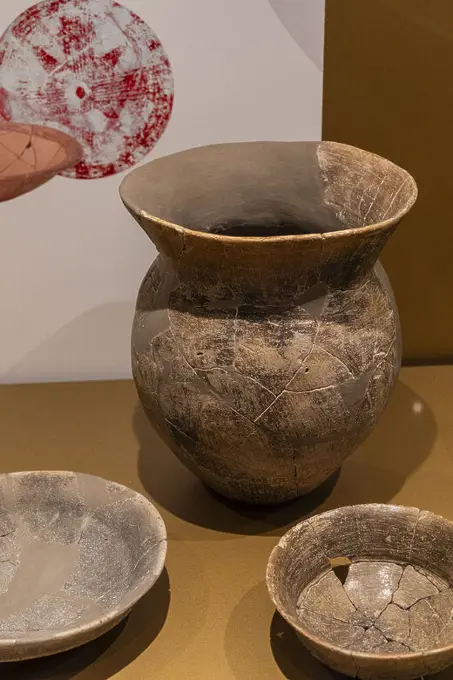
Stoneware jug, Jacobokan, wide bandoor, on squeeze foot, Jug or jacobakan jug crockery holder soil find ceramic stoneware, hand-turned baked Stoneware jug Jug or jacobakan wide bandoor on squeeze foot. Unglazed gray shard with brown glow over the shoulder. Spinning mills over the entire height Restoration is repainted archeology Rotterdam Spangen castle indigenous pottery import drink pour kitchen room Soil discovery: Spangen Spanisch Spaanse Polder Rotterdam.
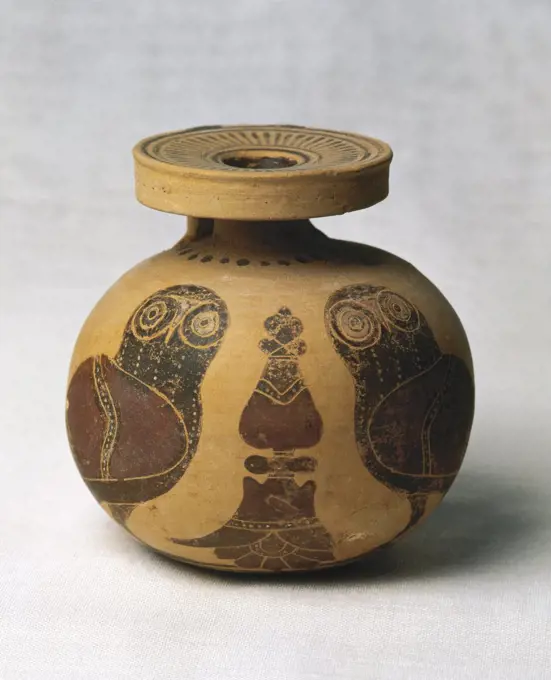
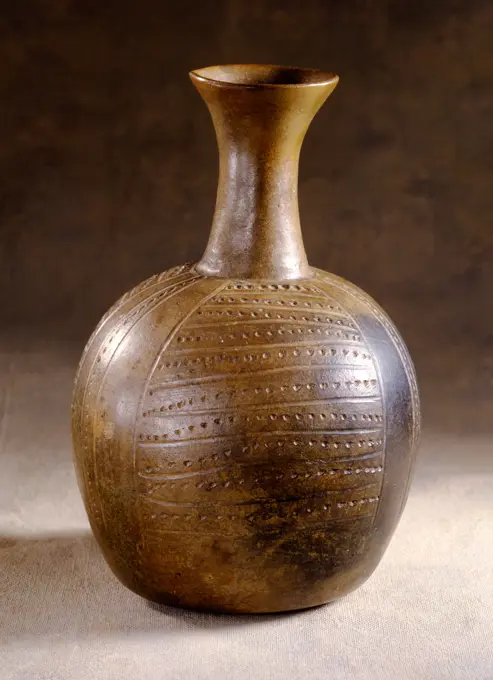
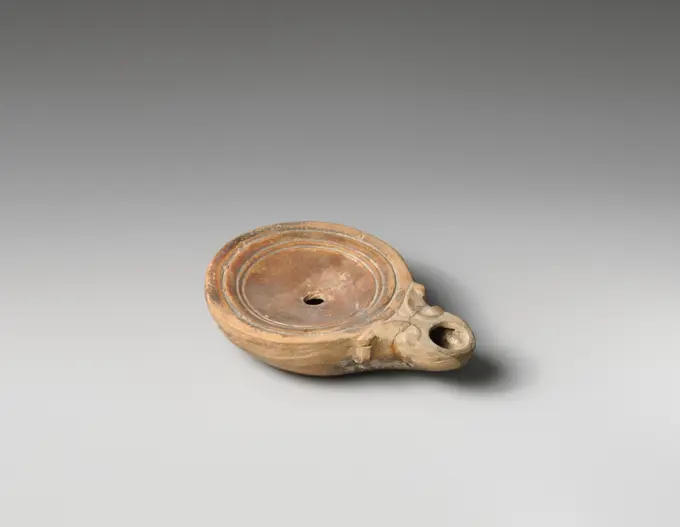
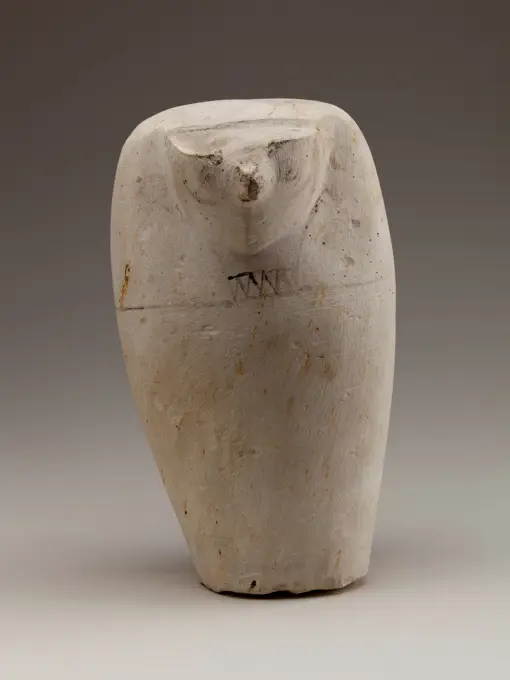
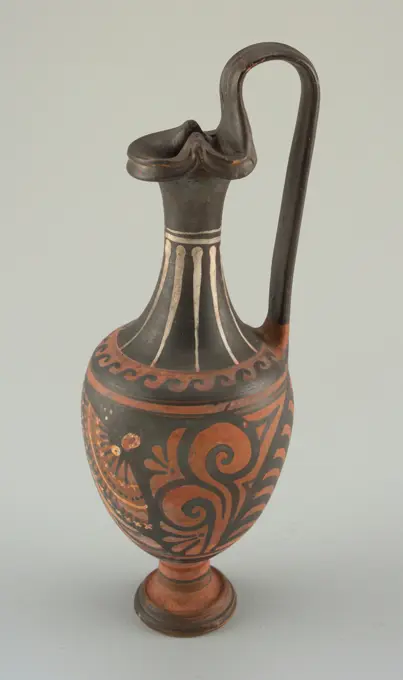
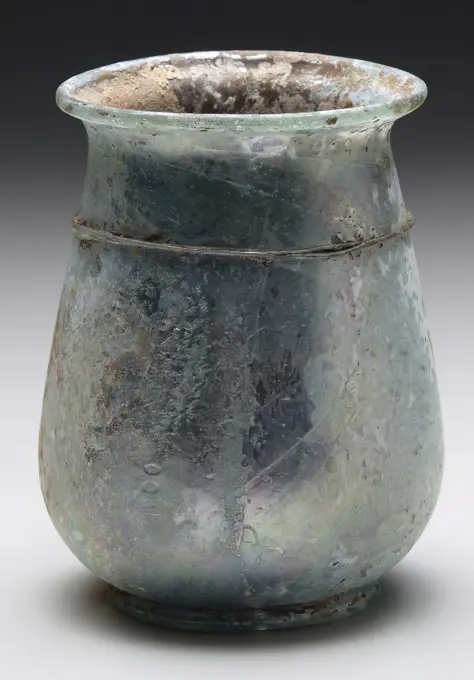
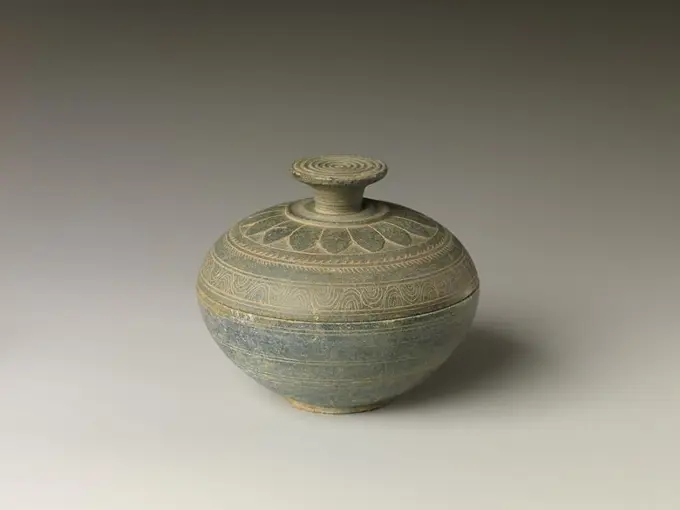
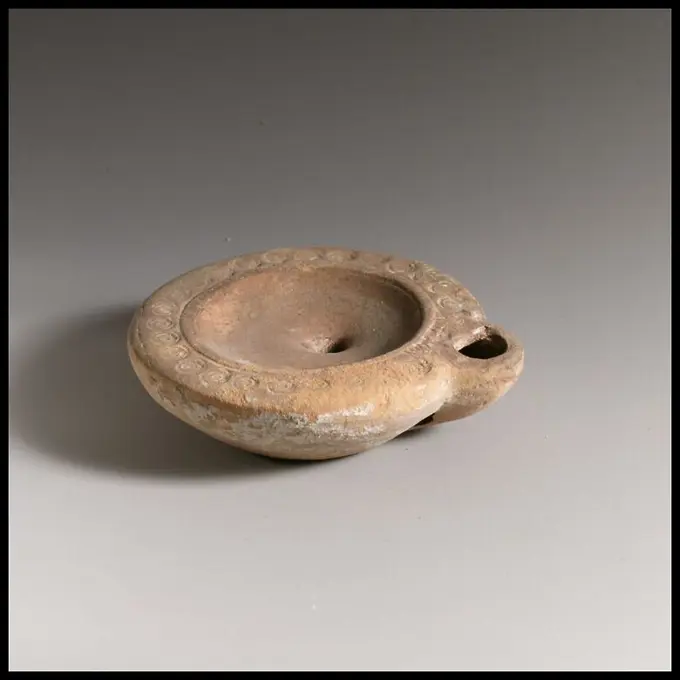
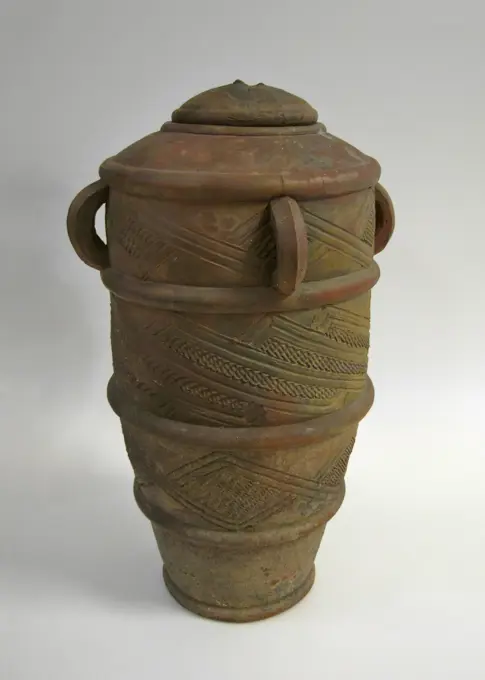
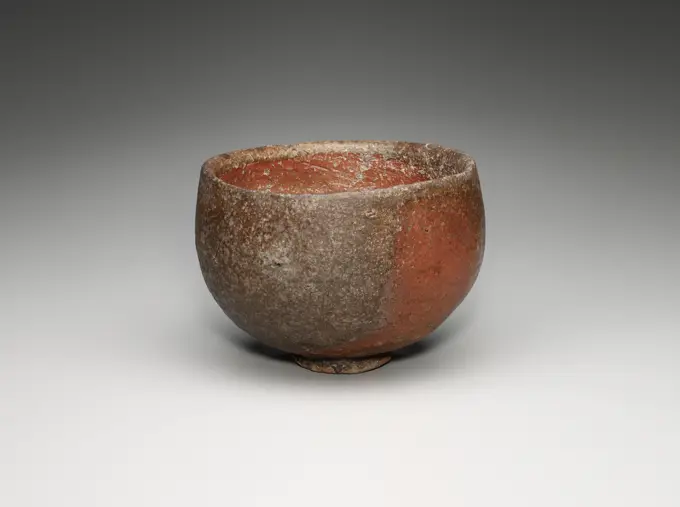
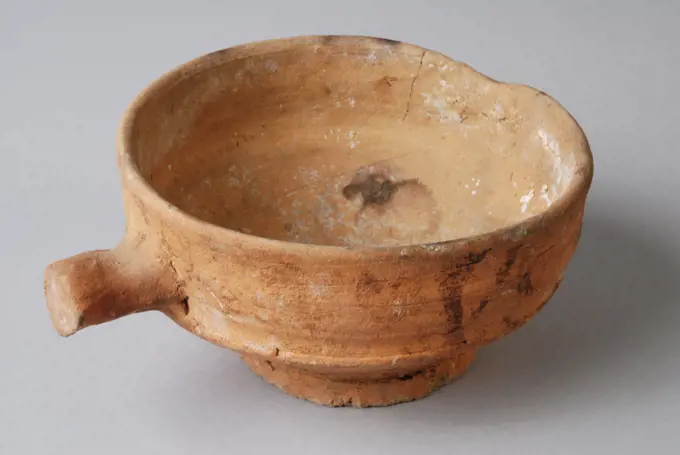
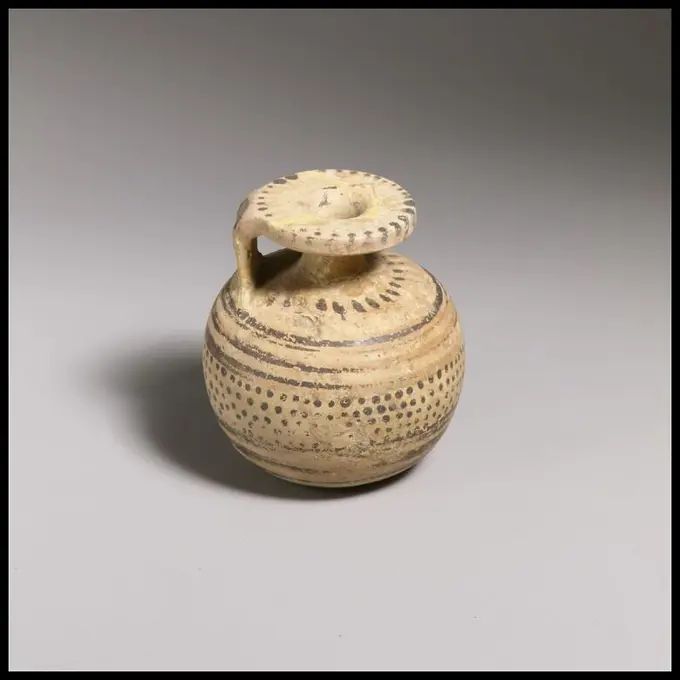
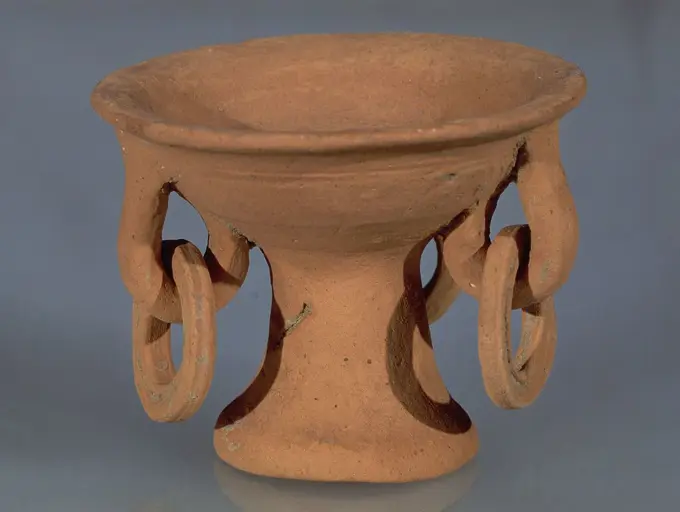
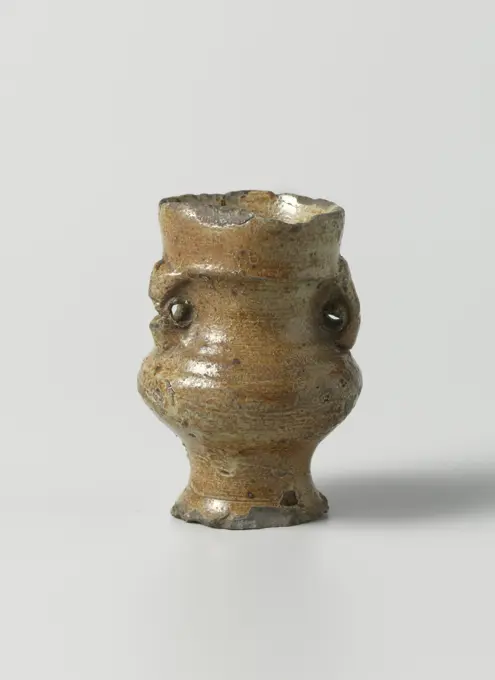
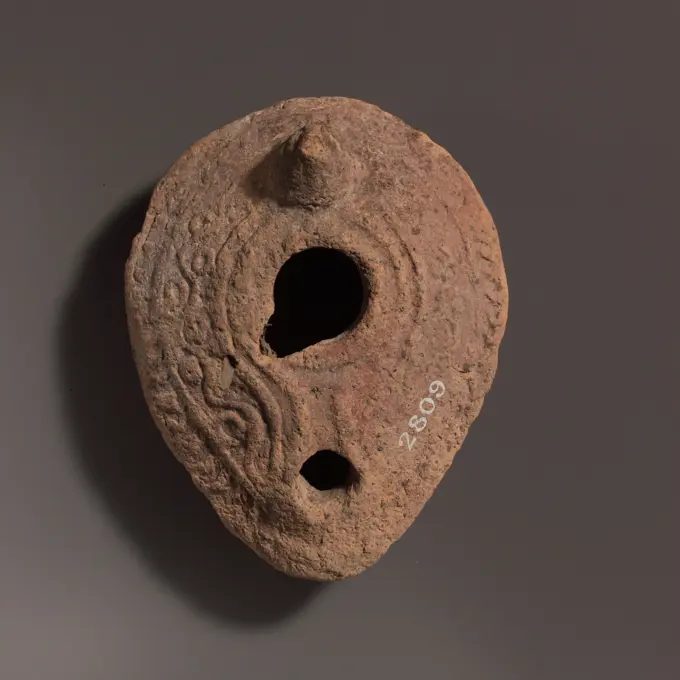
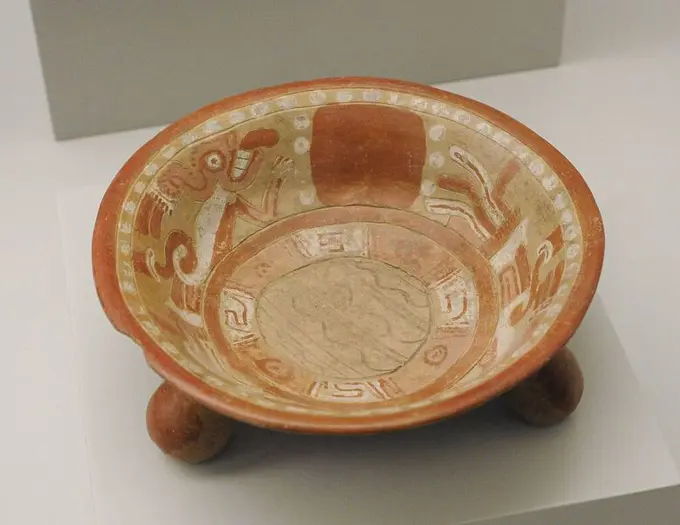
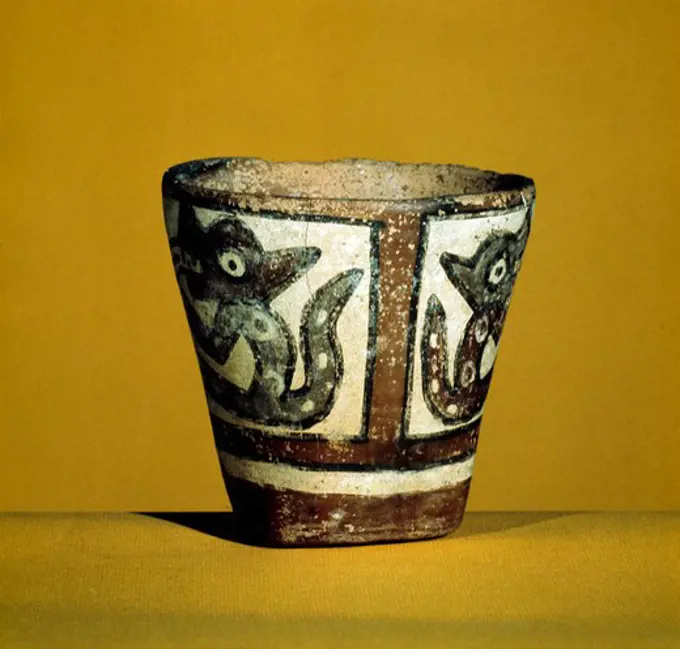
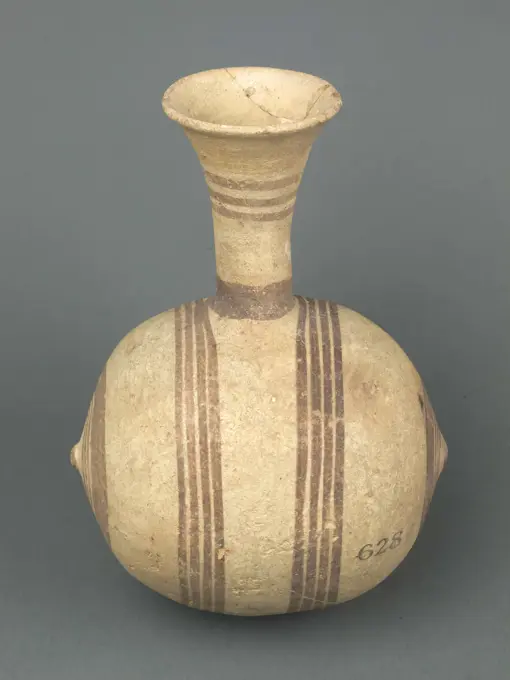
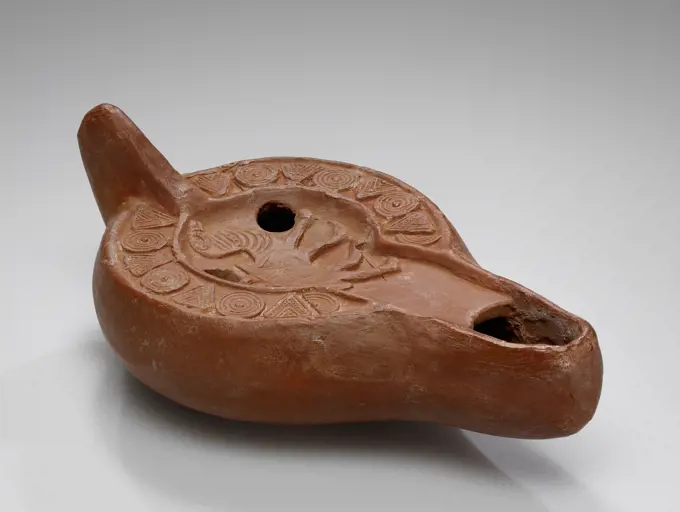
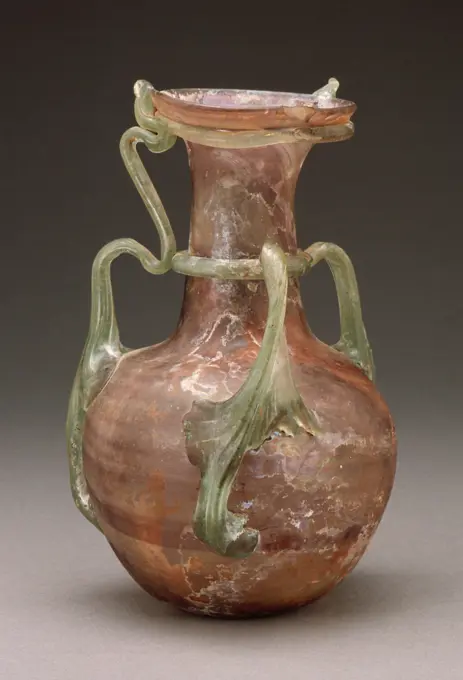
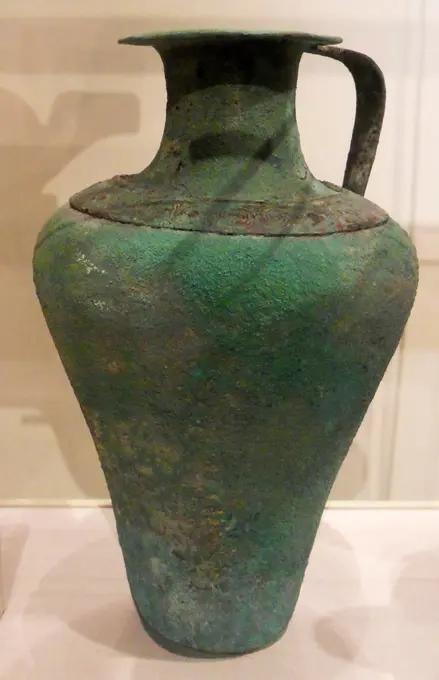
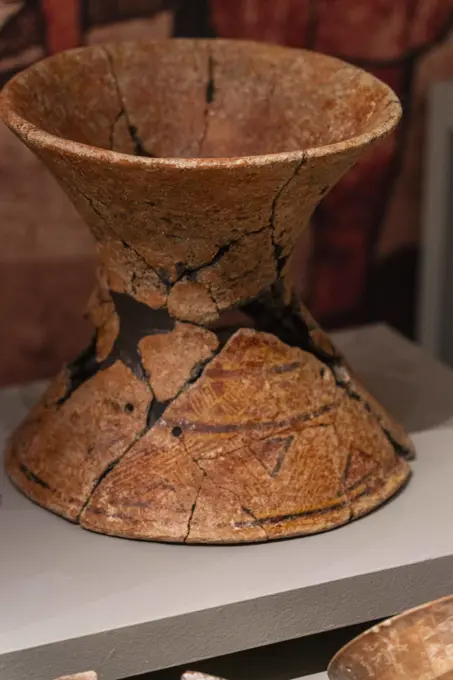
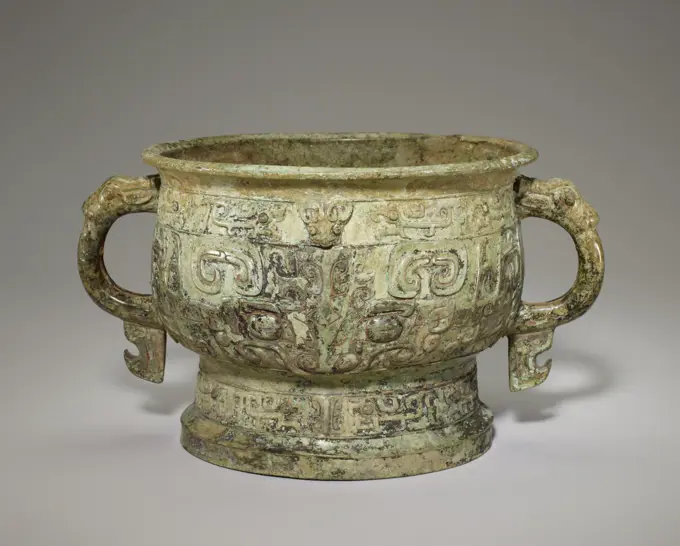
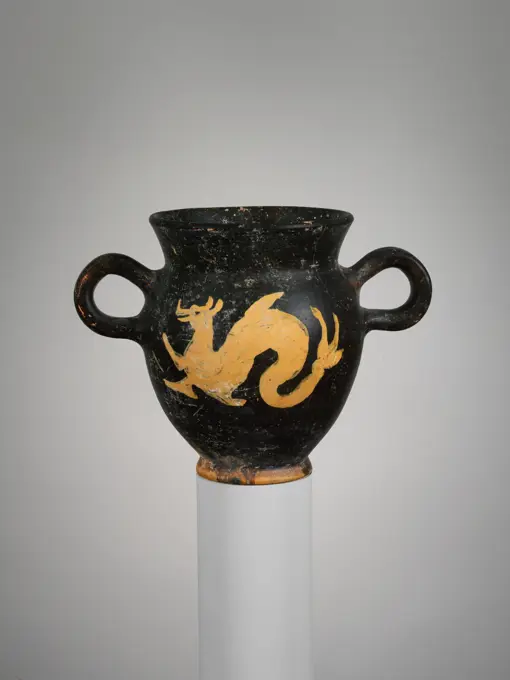
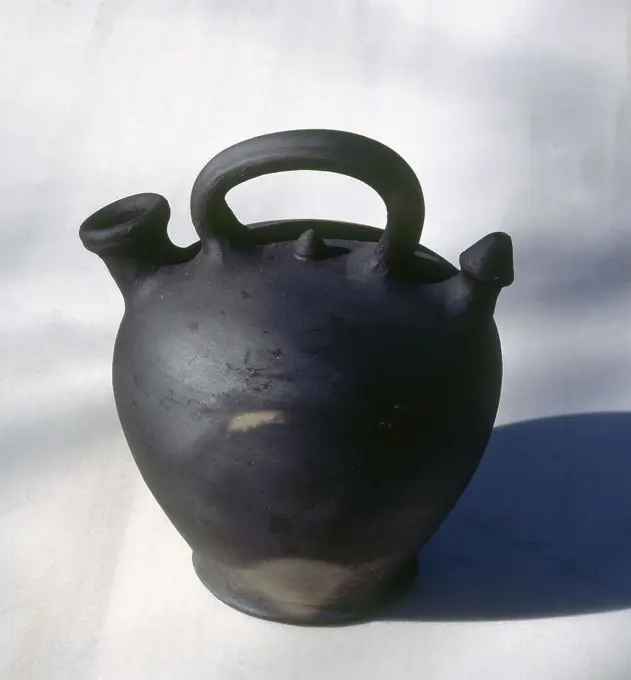
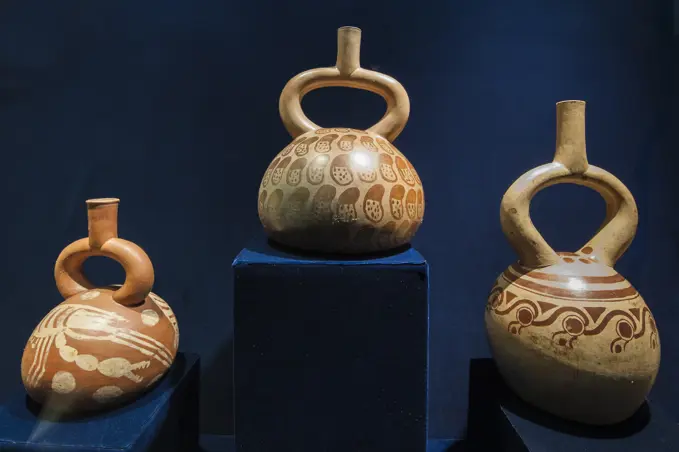
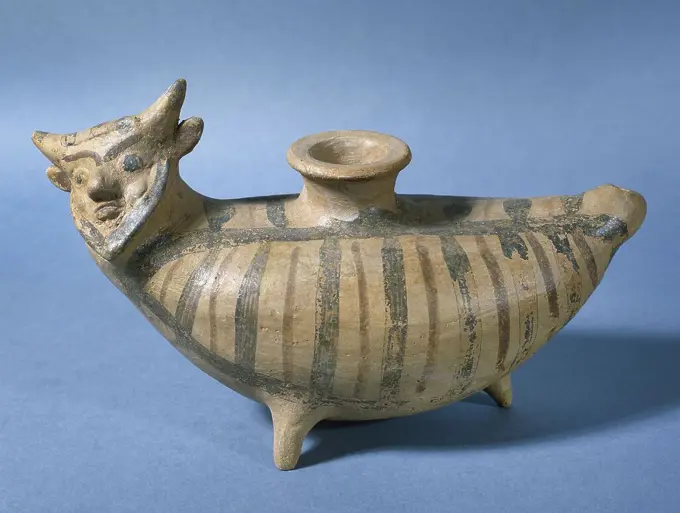
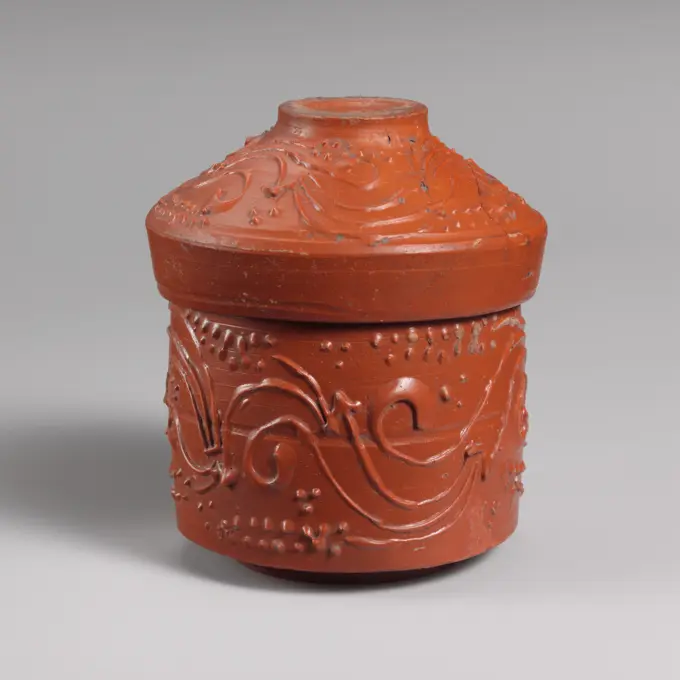
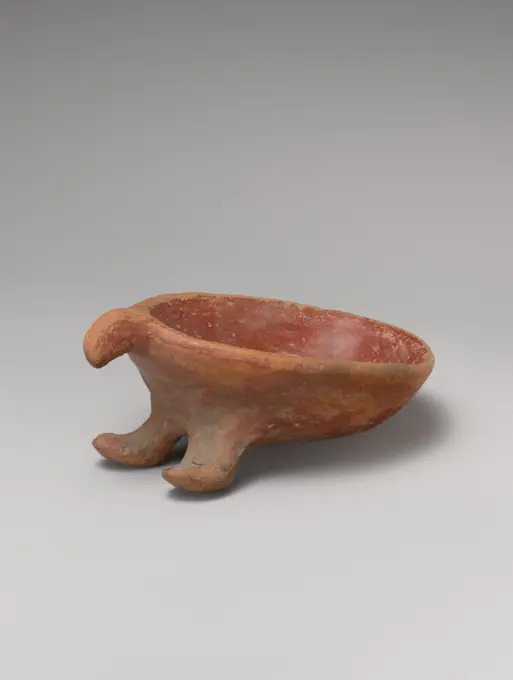
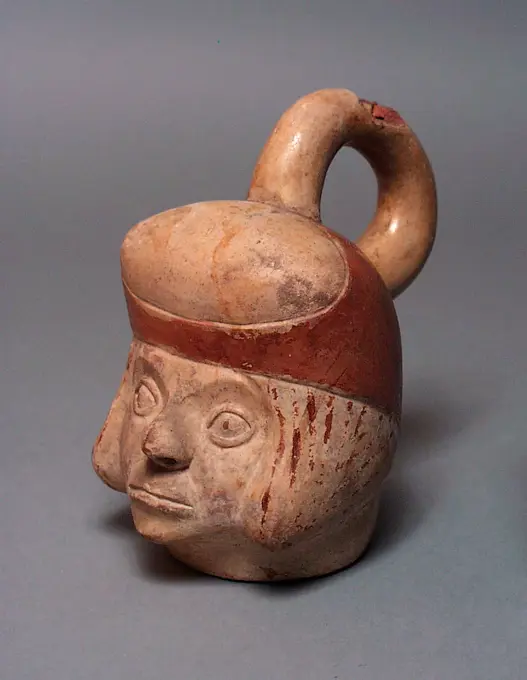
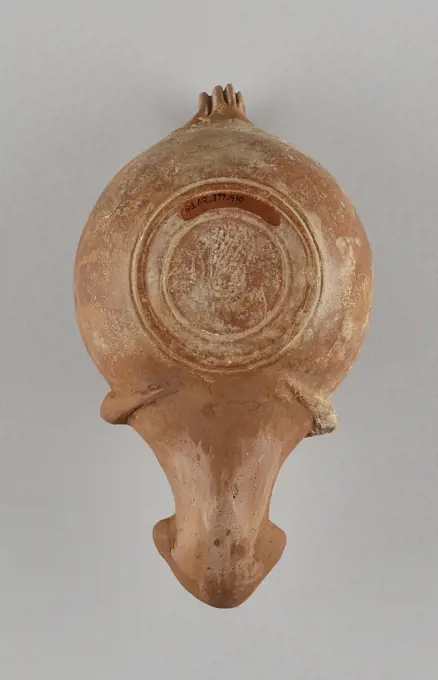
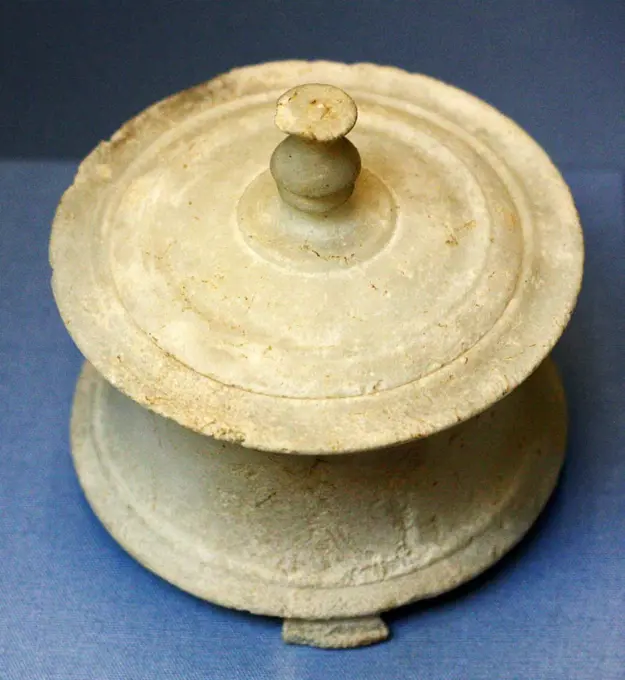
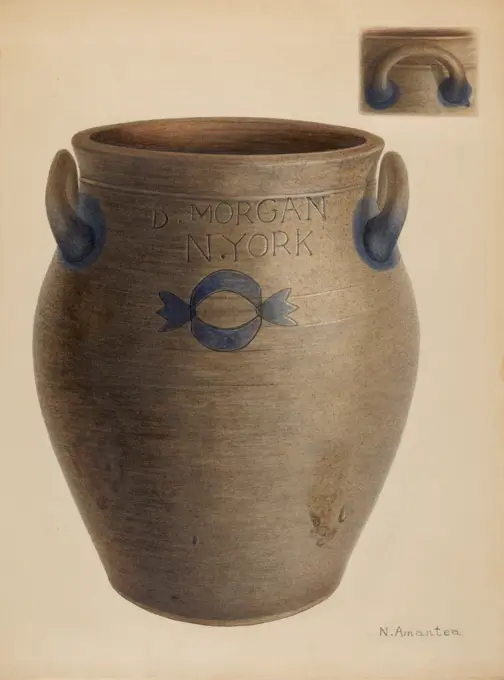
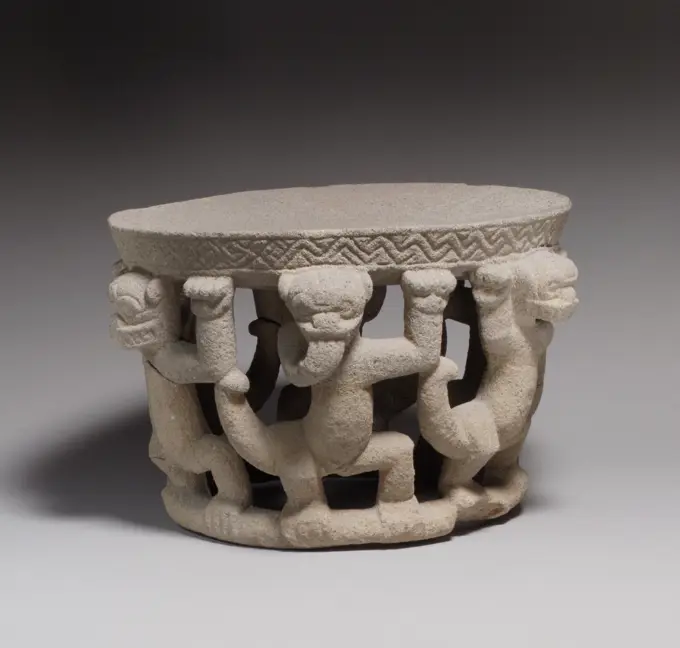
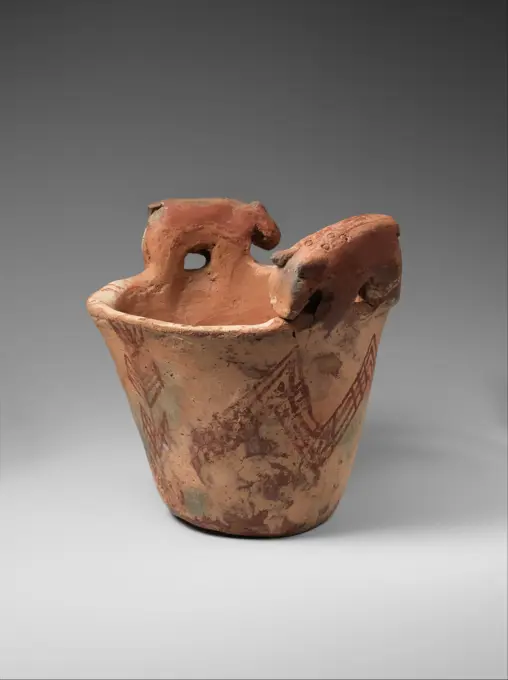
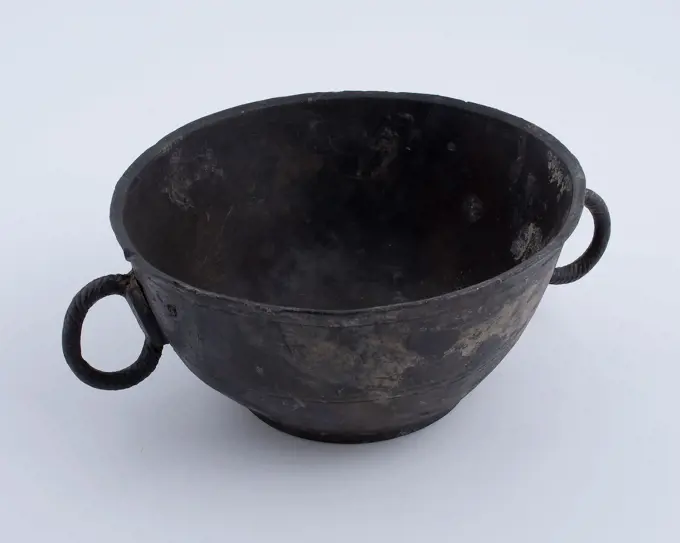
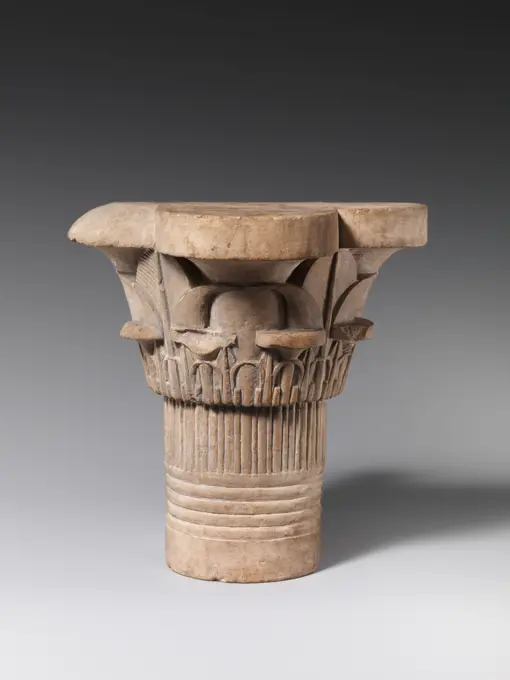
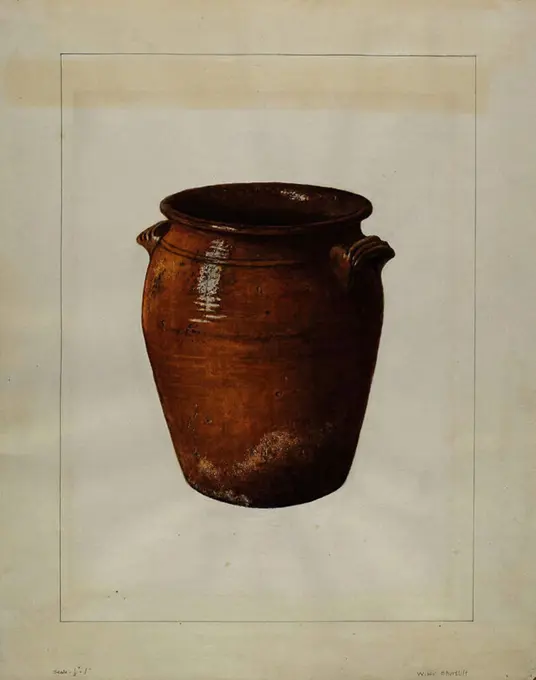
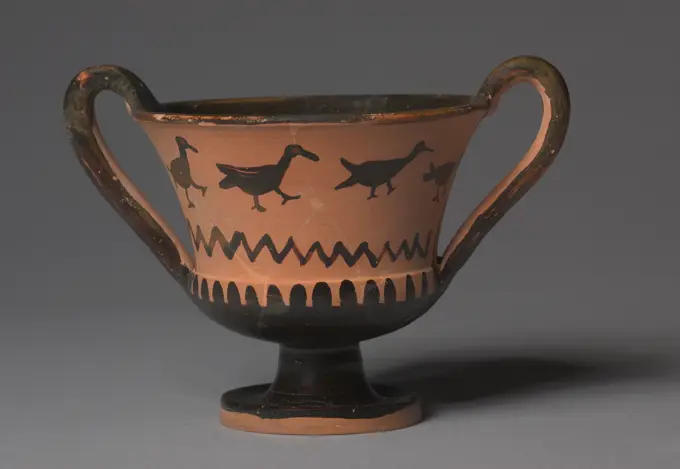
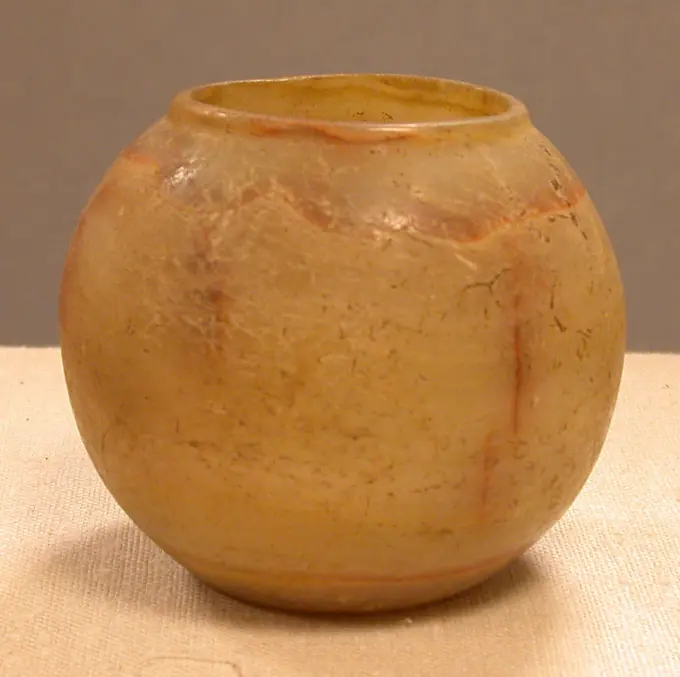
Madrid, M.A.N. Arte Egipcio. Jarra con asa plana de sección rectangular y sección incisa. Barro cocido. (alt.31, boca 12). Hacia 2600 a.c. Procedencia: Irak, probablemente Kish. Colección J. Martínez Santa Olalla.Greek Art. Aryballos with owl decoration in black and red, separated with floral motifs. 6th century BC. From Corinth (Greece). Perfume Museum, Barcelona, Spain. Italy. Sardinia. Nuragic civilization. Ceramic stove used for cooking. 8th century BC. Archeological Museum of Cagliari.Conical-hemispherical spindle-whorl with slightly rounded base Cypriot ca. 2000-1725 BCE Spindle whorls aided in the making of cloth for garments and bedding. They were placed in tombs, perhaps so that the deceased could continue to spin wool in the afterlife.Iberian Museum of Jaén, Jaén province, Andalusia, Spain.Oil lampVessel. Peru, Northern Highlands, Chavín, 1800-100 BCE. Ceramics. Blackware ceramic with incised decorationJar 12th century. Jar 448017Terracotta oil lamp ca. A.D. 40-100 Roman Loeschcke Type 4. Mold-made. Plain, shallow discus, with small, central filling hole; broad band of lines and grooves around edge. Volutes flanking nozzle with large wick hole. Incised base ring, and raised flat bottom; at center, a circular maker's stamp.Nozzle broken off and repaired. There is a tooling scar, made during production, which runs across the front of the discus towards the left volute.. Terracotta oil lamp. Roman. ca. A.D. 40-100. Terracotta. Early Imperial. TerracottasDummy Canopic Jar with the Head of Qebehsenuef ca. 712-664 B.C. Third Intermediate Period Lying scattered beside Ankhshepenwepet's coffin were four dummy canopic jars made of solid limestone, with crudely-carved features. Their "tops" are indicated by rough black lines, and additional black paint has been used to enhance the faces of the deities.In earlier periods, the viscera (lungs, liver, stomach, and intestines) were removed from the body and separately mummified, then placed in high-shouldered jars now known as canopic jars. The earliest examples have simple tops, but by the Middle Kingdom, the stoppers were in the form of human heads. Later examples have the heads of the four "canopic" deities who protected these parts of the mummy: Hapy (baboon-headed, lungs); Duamutef (jackal-headed, stomach); Qebehsenuef (hawk-headed, intestines); and Imsety (human-headed, liver). By the 25th Dynasty, the organs were typically preserved, wrapped, and returned to the body, so there was no longeOenochioai (Italy); terra cottaSmall brown pot on narrow stand, baluster shape with grooved top edge, Roman pottery, pot holder soil find ceramic pottery, hand-turned fired Pot of brown pottery Roman. Baluster shape with wide neck narrow foot and deep constriction under the neck. Groove over the potrack archeology Poortugaal Albrandswaard indigenous pottery import serve serve cooking kitchen Soil discovery Poortugaal.Terracotta lamp. Culture: Roman, Cypriot. Dimensions: Overall: 1 x 3 7/16 in. (2.5 x 8.7 cm). Date: 1st century B.C.-1st century A.D.. Museum: Metropolitan Museum of Art, New York, USA.Green Vessel, 1st - 5th century, Unknown Palestinian, 3 7/8 x 2 7/8 x 2 7/8 in. (9.84 x 7.3 x 7.3 cm), Glass, Palestine, 1st - 5th centuryReliquary with Contents. Culture: Pakistan (ancient region of Gandhara). Dimensions: 3 1/8 x 3 5/8 in. (8 x 9.2 cm). Date: ca. 2nd-3rd century. Museum: Metropolitan Museum of Art, New York, USA.Lamp. Culture: Roman. Dimensions: Length: 2 15/16 in. (7.5 cm)Height: 7/8 in. (2.2 cm). Date: 2nd century A.D.. Museum: Metropolitan Museum of Art, New York, USA.Maltese pottery lamps.clay pot, Chalcolithic, fifth millennium BC, Bulgarian National Archaeological Museum, Sofia, Republic of Bulgaria, Europe.Earthenware head with very long, excellent sausage ear, ear cup head crockery holder soil find ceramic earthenware glaze loamy glaze, hand shaped glazed baked (Proto) stoneware ear cup gray shard partly with red brown loam glaze. Sphere model with wide neck opening. Shaved pottery. Stand with light soul After molding polished by hand Probably indigenous Roman archeology indigenous pottery creating drinkingUrn with Stopper, 20th century, 17 1/4 x 8 3/4 in. (43.82 x 22.23 cm), Earthenware, Democratic Republic of Congo, 20th centuryPlain PipeHead.  Maker: Gottfried Aust, American, born Germany, 1722-1788Pitcher 1849-58 United States Pottery Company. Pitcher 5865ChawanPottery fire test, round model, red shard, unglazed, short handle, on stand, fire test test earth discovery ceramics pottery, hand turned fired Pottery fire test round model red shard unglazed short handle stand ring archeology indigenous pottery food prepare heating cooking kitchenAryballos. Culture: Italic, Etruria. Dimensions: 2 7/8 × 2 3/4 in. (7.3 × 7 cm). Date: 6th century B.C.. Museum: Metropolitan Museum of Art, New York, USA.Stirrup Spout Bottle with Duck 1st century B.C.-A.D. 2nd century Moche. Stirrup Spout Bottle with Duck 308515Pitcher GumJar. Culture: Coptic. Dimensions: Overall: 5 3/8 x 4 in. (13.7 x 10.2 cm). Date: 4th-7th century. Museum: Metropolitan Museum of Art, New York, USA.Mingqi cuts ". Terracotta. Han dynasty (206 BC 220 AD). Paris, Cernuschi museum. 157345-7 Asian art, Chinese art, Han dynasty, mingqi cut, terracottaOil LampOil lamp, Unglazed earthenware, Handled lamp with depressed center, spade-shaped spout joined to body with pair of volutes. Marks on base: an impressed foot and a strigil in relief., Italy, 1st century BC, ceramics, Decorative Arts, Oil lampGefäß Gefäß Copyright: xZoonar.com/TOLOxBALAGUERx 22682521JUGUETE ROMANO DE AJUAR DE MUNECA-NECROP PALENCIA:CERAMICA. Location: MUSEO ARQUEOLOGICO NACIONAL-COLECCION. MADRID. SPAIN.Jug with two handles, anonymous, c. 1500 - c. 1599 Jug of stoneware on a high standing surface with a printed, spherical body and wide neck. Two small, C-shaped ears are attached to the neck and shoulder. Covered with a brown Engobe. Raeren . Raeren (possibly) stoneware. glaze. engobe vitrification Jug of stoneware on a high standing surface with a printed, spherical body and wide neck. Two small, C-shaped ears are attached to the neck and shoulder. Covered with a brown Engobe. Raeren . Raeren (possibly) stoneware. glaze. engobe vitrificationMingqi Tripode Ting ". Terracotta. Han. Paris Dynasty, Cernuschi Museum. 157345-4 Asian art, Chinese art, han dynasty, mingqi ting, terracotta, tripodpot, Visigoth - early medieval, Valladolid Museum , Castile and Leon, Spain.Fragment of a jug with the coat of arms of Amsterdam, anonymous, c. 1600 - c. 1649 Fragment of a jug of stoneware on a high foot with an egg -shaped body and a tapered neck. The ear and part of the neck are missing. A broad bond with lines on the neck, some closely. Partly covered with cobalt blue. On the abdomen three times printed and imposed medallion with the weapon of Amsterdam in relief. Westerwald. Westerwald stoneware. glaze. cobalt (mineral) vitrification Fragment of a jug of stoneware on a high foot with an egg -shaped body and a tapered neck. The ear and part of the neck are missing. A broad bond with lines on the neck, some closely. Partly covered with cobalt blue. On the abdomen three times printed and imposed medallion with the weapon of Amsterdam in relief. Westerwald. Westerwald stoneware. glaze. cobalt (mineral) vitrificationTerracotta oil lamp 7th century A.D. Roman Vessberg type 19 (slipper lamp). Mold-made, with applied conical handle. Broad, sharply carinated body; a large central filling hole, with raised lip and another raised line that runs forward to the wick hole, forming a channel between the two; on the shoulder, a pattern of wavy tendrils in relief, with a band of chevrons around the entire edge. Undefined base.One large chip in left side of wick hole, and a hole in upper left side of shoulder.. Terracotta oil lamp 241682Plate with figurative and geometric decoration. Painted ceramic. Western culture. Late Postclassic Period (1250-1500 AD). Western Mexico. Museum of the Americas. Madrid, Spain.Via Laurientina-Acqua Acetosa. Protohistoric necropolis. 9th-8th BC. Grave goods. Italy. National Roman Museum. The Baths of Diocletian. Rome. Italy.Pre-Columbian Chimu Pottery, Lima, PeruTerracotta barrel-shaped jar 2nd-3rd century A.D. Roman The incised grooves around the body imitate the hoops around a wooden barrel.. Terracotta barrel-shaped jar. Roman. 2nd-3rd century A.D.. Terracotta. Mid-Late Imperial. VasesJug, barrel-shaped 850-750 B.C. Cypriot Bands and concentric circles.. Jug, barrel-shaped. Cypriot. 850-750 B.C.. Terracotta. Cypro-Geometric III. VasesCorinthian Alabastron. UnknownLamp, Anatolia; 1st - 4th century; Terracotta; 2 x 7 x 10 cm (13,16 x 2 3,4 x 3 15,16 in.)Lamp, North Africa; 1st - 4th century; Terracotta; 3.4 x 8.2 x 14.4 cm (1 5,16 x 3 1,4 x 5 11,16 in.)Prehistory, Italy, Bronze Age. Bowl with zoomorphic handle. From Montecchio Emilia, province of Reggio Emilia.Bottle. Syria or Palestine, about 4th century. Furnishings; Accessories. Thread decorated glassJug buried with the dead of the Vounous Cemeteries, CyprusBronze ewer, Cretan, late Minoan I, ca. 1600-1500 B.C.reel-type support with painted decoration reel-type support with painted decoration, pre-Iberian double tomb, 7th century BC, Cerro de los Vientos, Puente del Obispo, Iberian Museum of Jaén, Andalusia, Spain Copyright: xZoonar.com/Tolox 21720731Gui food vessel, 11th-10th century BCE, 6 7/8 × 12 3/8 × 9 3/16 in., 6.6 lb. (17.5 × 31.4 × 23.3 cm, 3 kg), Bronze, China, 11th-10th century BCE, The large animal mask in the central panel of this gui is broad and has a vertical ridge and an incised diamond in the center. It has a pair of large C-shaped horns and an open mouth that exposes a pair of fangs. The beaked dragons occupying the neck and foot belts have the unusual feature of an additional plume, which hangs down from the curled-up tail. The handles are topped with rams heads and terminate at the bottom with a C-hook. The most interesting feature of the vessel is the decor on the bottom surface. It is a coiled dragon, in threadlike relief, with a rolled-up nose and a body adorned with a row of big scales.Terracotta kantharos (drinking cup) late 4th century B.C. Etruscan Obverse and reverse, ketos (sea monster)Because the trip to the Underworld was believed to involve a sea voyage, marine creatures, both real and imaginary, were often associated with death in Etruscan culture. Both hippocamps (sea horses) and kete (sea monsters) were presented in a positive light, often guarding the deceased or transporting them to the Underworld.. Terracotta kantharos (drinking cup). Etruscan. late 4th century B.C.. Terracotta; superposed red. Late Classical. VasesBOTIJO - S XX ARTE POPULAR. Location: ALFARERIA. LA BISBAL. GERONA. SPAIN.Tankard (fast) with Jael, Anonymous, c. 1570 - c. 1600 Jug (schnelle) of stoneware with cylindrical, tapered body and C-shaped ear. Profiles under the edge and above the foot. On the body in relief three times a printed and imposed, elongated box containing a representation of Jael with a shield and hammer. Below that the inscription 'IAHEL' and Bloemranken. Neck and ear restored. Siegburg. Siegburg stoneware. glaze vitrification Jug (schnelle) of stoneware with cylindrical, tapered body and C-shaped ear. Profiles under the edge and above the foot. On the body in relief three times a printed and imposed, elongated box containing a representation of Jael with a shield and hammer. Below that the inscription 'IAHEL' and Bloemranken. Neck and ear restored. Siegburg. Siegburg stoneware. glaze vitrificationCoconut, not mounted and circumcised in three courses, respectively with Samuel and David, David and Goliath and David playing on the harp, Anonymous, 1500 - 1600 Coconut, unassembled, circumcised in 3 courses with Samuel and David, David and Goliath, David playing on the harp. Northern Netherlands (possibly) coconut shell Coconut, unassembled, circumcised in 3 courses with Samuel and David, David and Goliath, David playing on the harp. Northern Netherlands (possibly) coconut shellJar Coptic 4th-7th centuryBowl with a tulip base, Incised, Black-topped Red Polished Ware, Early Bronze Age, 2000 BC. from Cyprus.Pilgrim Flask. Syria, 7th-8th century. Ceramics. Earthenware, glazedWhite Cross-line Decorated Bowl. Egypt, Naqada I Period (4000-3500 B.C.). Furnishings; Serviceware. CeramicVASO DE UXAMA. IBERICO. (DEPOSITO: MUSEO ARQUEOLOGICO NACIONAL).Amphora 2500-1900 B.C. Cypriot Two handles; on shoulder, two cups and other relief ornaments.. Amphora. Cypriot. 2500-1900 B.C.. Terracotta. Early Cypriot. VasesPot 4th-7th century Coptic. Pot 478718Pre-Columbian pottery in the Museum of Archaeology, Trujillo, Peru, South AmericaPitcher (Japan); earthenware, partly glazed, mouldedNaczynie miniaturowe. unknown, authorJar 1st millennium B.C. (). Jar. 1st millennium B.C. (). Bronze. Iron AgePottery Greek. Spain. Catalonia. Askos. From Empuries. 6th century BC. Archaeological Museum of Catalonia. Girona.Terracotta pyxis (box) with lid 1st-mid-2nd century A.D. Roman The lids to these containers also served as dishes. The larger, plain version is said to have been found at Arretium (modern Arezzo, Italy). The smaller is decorated with a barbotine relief design, suggesting a slightly later date for production; it belongs to a type of sigillata known as Tardo-Padana Ware, made in the Po Valley.Gift of J. Pierpont Morgan, 1917 (17.194.869). Terracotta pyxis (box) with lid. Roman. 1st-mid-2nd century A.D.. Terracotta. Imperial, Flavian-Antonine. VasesCANDIL CALIFAL CON CABEZA DE CIERVO COMO ASA - S IX. Location: ALHAMBRA-MUSEO-METALISTERIA. GRANADA. SPAIN.Terracotta jug ca. 750-600 B.C. Cypriot The jug is decorated with a Black wearing a tunic and carrying two spears.. Terracotta jug 240119Bowl in the form of a turtle ca. 3900-3500 B.C. Predynastic, Late Naqada l-Naqada II. Bowl in the form of a turtle. ca. 3900-3500 B.C.. Pottery. Predynastic, Late Naqada l-Naqada II. From EgyptNeolithic Period. Temple Period (3600 to 2500 BC). Tarxien Temple Complex. Malta. Stone cup. National Museum of Archaeology. Valletta. Malta.Single Spouted Jar in Shape of Man's HeadBottle 1 CE-300 CE Syria. Glass, blown technique . Ancient RomanOil Bottle. Culture: Korea. Dimensions: H. 2 1/4 in. (5.7 cm). Date: 12th century. Museum: Metropolitan Museum of Art, New York, USA.Roller Stamp, before 1921. Colombia, 19th-20th century. Black ware; diameter: 14 cm (5 1/2 in.); overall: 7.7 cm (3 1/16 in.).Bell. Culture: China. Dimensions: H. 20 in. (50.8 cm); W. 12 in. (30.5 cm). Museum: Metropolitan Museum of Art, New York, USA.Jug ca. mid-3rd millennium B.C.. Jug 326063Terracotta straight-sided cup. Culture: Minoan. Dimensions: H. as restored 2 7/8 in. (7.3 cm.)Diameter as restored 4 11/16 in. (11.9 cm.). Date: ca. 1750-1700 B.C..On the body a fern pattern in white between red and white bands. Museum: Metropolitan Museum of Art, New York, USA.Lamp, South Anatolia, Anatolia; 1st century B.C. - 4th century A.D; Terracotta; 4.8 x 10.5 x 19 cm (1 7,8 x 4 1,8 x 7 1,2 in.)Marble head from a statue of a young woman or goddess About 325-275 BC. The woman's hair is secured with broad band of material would around her head and then tied in a knot.Vase fragment Minoan. Vase fragment 247746CANTARO EN BARRO CON CUELLO ANCHO Y BOCA ESTRECHA-S XX ARTE POPULAR. Location: ALFARERIA. SPAIN.Nicholas Amantea, Crock, c 1936 CrockCeremonial Metate 10th-11th century Atlantic Watershed Decorated metates carved of volcanic stone originated in the utilitarian forms that were used for grinding foodstuffs, primarily corn, in Precolumbian America. Central American examples, such as this metate, were so extensively embellished that ritual offering table use is presumed. Some authorities believe they had connections to rulership and may have functioned as thrones. Six human-feline or monkey figures on a circular base here support the tablelike plate. Their teeth are ferociously bared and fists clenched. Facing outward, they aggressively protect the space circumscribed by their bodies. Each figure's tail buttresses the elbow of its neighbor, creating a fluid movement from one body to the next and weaving a barrier of defense. Two of them break from the pattern and have a fist to the mouth rather than extending upward. The expressiveness of the figures and visual complexity serve to give the work its artistic import.. CerBronze ritual food vessel from the Western Zhou Dynasty. Dated 10th Century BCWhite cross-lined ware beaker with hippos ca. 3650-3500 B.C. Predynastic, Naqada II. White cross-lined ware beaker with hippos 546758Double-Chambered Vessel 100 CE-700 CE México. Ceramic . TeotihuacanSeed Jar, c. 1250-1499, 7 1/2 x 5 in. (19.05 x 12.7 cm), Earthenware clay, pigments, United States, 13th-15th centuryPewter porridge bowl with two twisted ring ears, porridge crockery holder soil find tin metal, cast soldered Porcelain pans on stand. Thin upright sidewall with two upright twisted ears in the shape of ring Touwwerkmotief to ears mark on the bottom inside: in Gothic letters in diamond AA (or YY) Archeology Capelle aan den IJssel House in Capelle castle porridge pap food serve serving nutrition gothic Soil discovery, Capelle aan den IJssel 1964.Model quatrefoil 2-story palmette capital 400-30 B.C. Late Period-Ptolemaic Period Small Late Period and Ptolemaic reliefs or sculptures that depict a subject in a partial or unfinished way but are themselves finished objects constitute a special class of object. Guidelines like those for artists are often prominently exhibited as part of the object, although, in fact, many instances can be noted where the object simply could not serve as a suitable model for a traditional formal Egyptian representation. Personifications of kingship, figures that may represent the now emerging demigods Imhotep and Amenhotep Son of Hapu, and popular gods like Harpokrates or Isis, are heavily represented within the corpus. Taken together, the figures represented and the other features indicate the reliefs and sculptures of this class, sometimes called by Egyptologists "sculptors models / votives," were the material of a donation practice, perhaps connected with the prolific temple building of these centVase in the form of a ship engraved with anthropomorphic shapes, Indigenous civilization of the Dominican Republic.Vessel 100 BCE-400 CE Egypt. Ceramic . Ancient EgyptianTerracotta clepsydra (water clock) realized with a 6 litre vessel, 5th Century B.C.Preserving Jar. Dated: c. 1938. Dimensions: overall: 36.2 x 29.1 cm (14 1/4 x 11 7/16 in.) Original IAD Object: 13 1/2" High. Medium: watercolor, graphite, colored pencil, and gouache on paper. Museum: National Gallery of Art, Washington DC. Author: Wilford H. Shurtliff.Object of daily use. Cup (3150-2500 BC). From Ggantija Megalithic Temples. Xaghra, Gozo Island, Malta. Gozo Museum of Archaeology. Cittadela of Victoria in Gozo. Malta.Black-Figure Kantharos (Drinking Cup): Lizards Flanking Tree (A); Ducks (B), c. 500 BC. Greek, Boiotian. Ceramic; diameter: 10.7 cm (4 3/16 in.); overall: 11.2 cm (4 7/16 in.); diameter of foot: 6.1 cm (2 3/8 in.).Vessel with a hieratic inscription;  around 2686- 2181 BC ; Old state (-2686-00-00--2181-00-00);Onyx Bowl before 16th century Mexican. Onyx Bowl 317568