Ancient Pottery Artifacts

Exquisite ancient pottery pieces, showcasing varying designs and styles from different cultures and time periods.

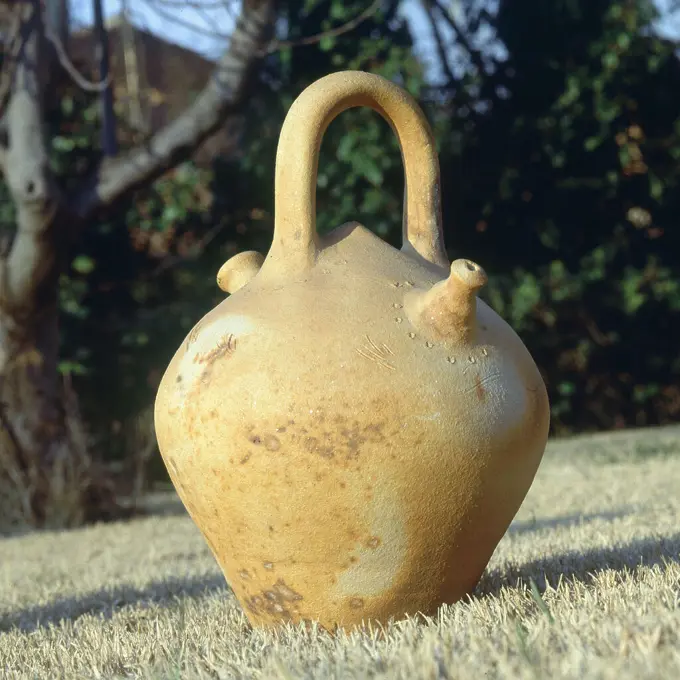
Stoneware jug, Jacobokan, wide bandoor, on squeeze foot, Jug or jacobakan jug crockery holder soil find ceramic stoneware, hand-turned baked Stoneware jug Jug or jacobakan wide bandoor on squeeze foot. Unglazed gray shard with brown glow over the shoulder. Spinning mills over the entire height Restoration is repainted archeology Rotterdam Spangen castle indigenous pottery import drink pour kitchen room Soil discovery: Spangen Spanisch Spaanse Polder Rotterdam.
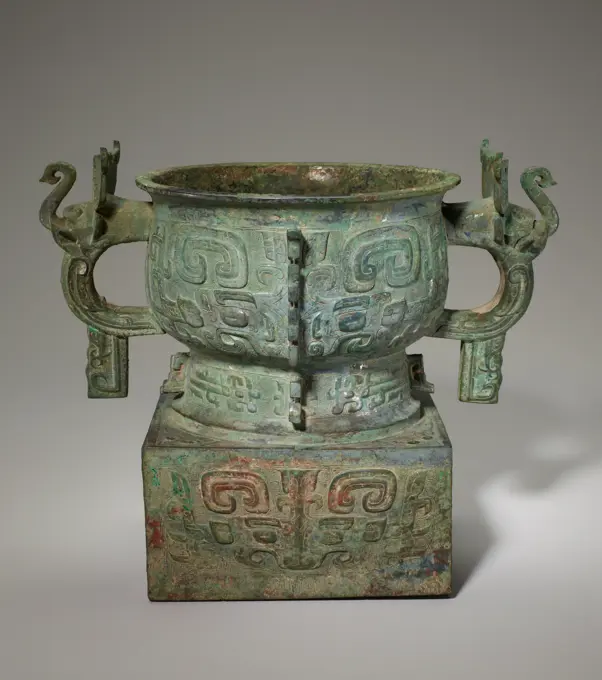
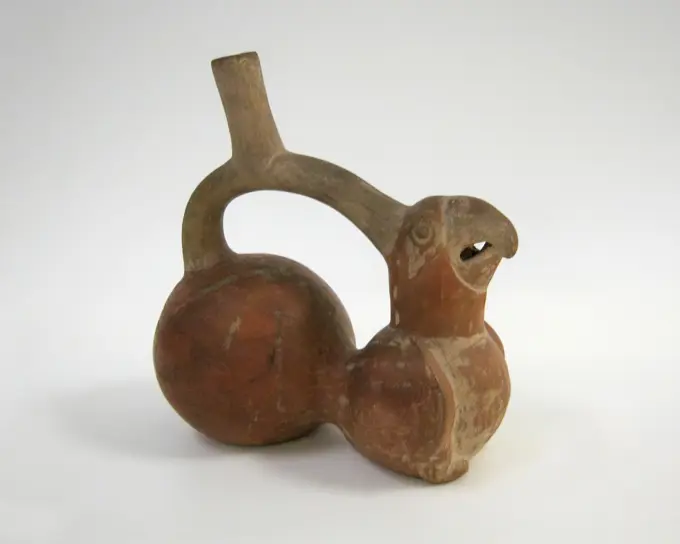
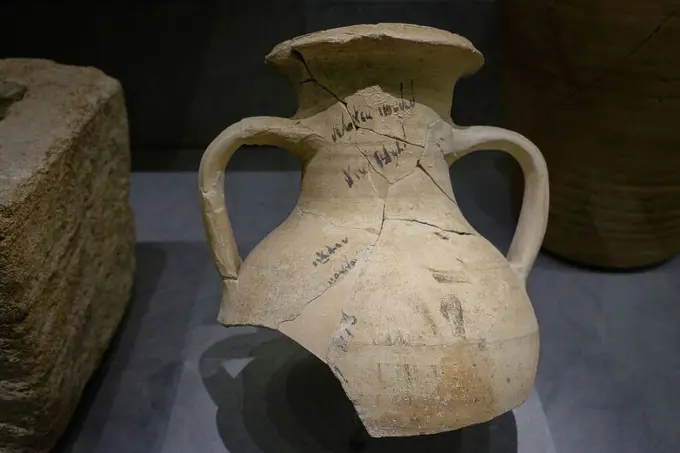
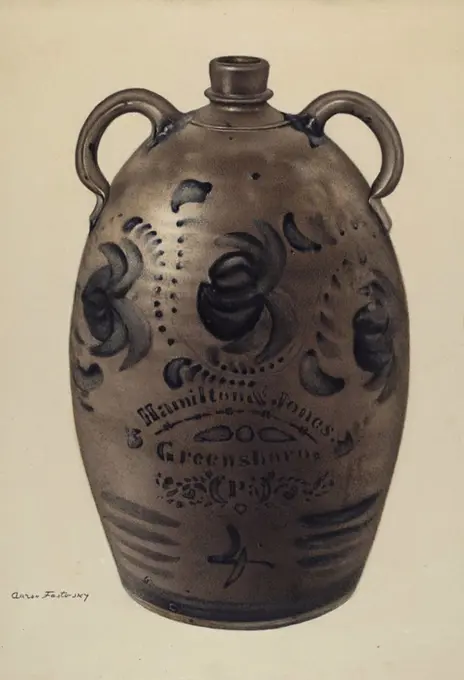
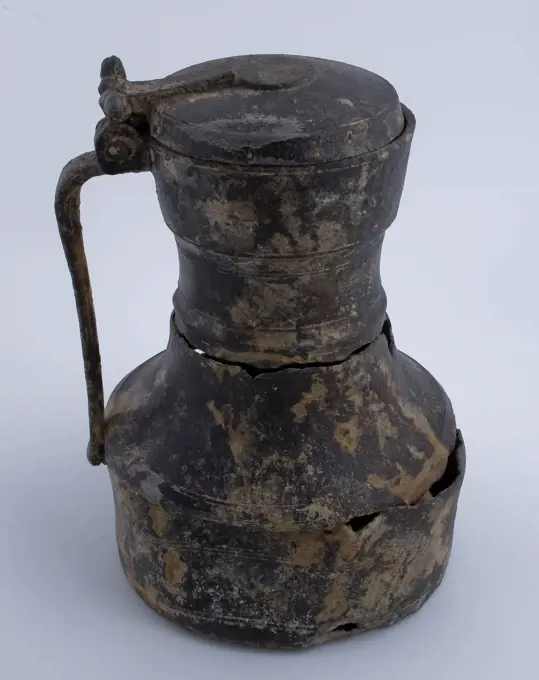
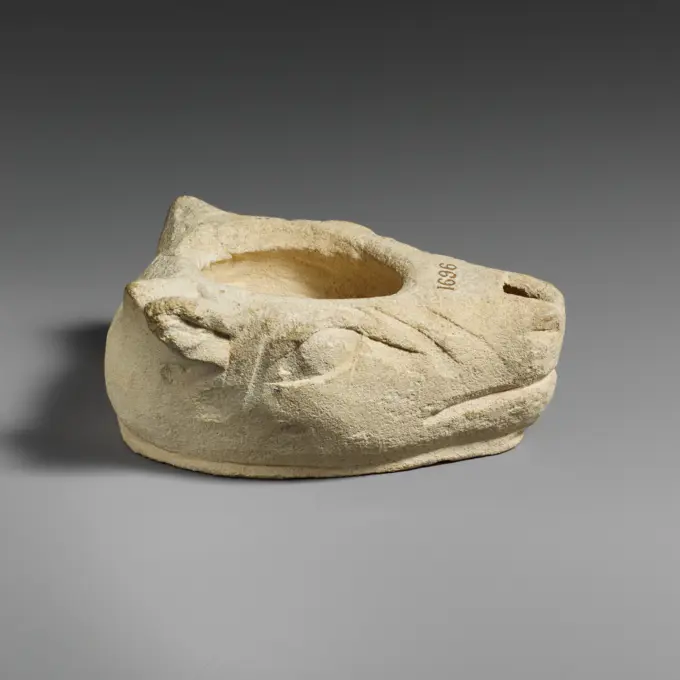
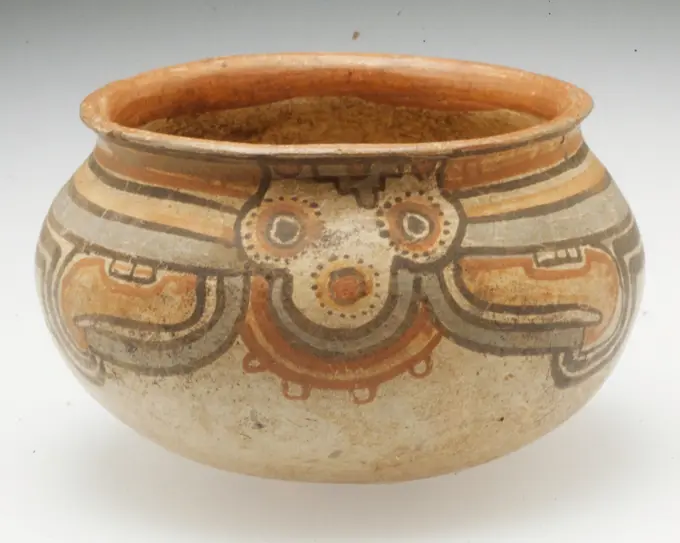
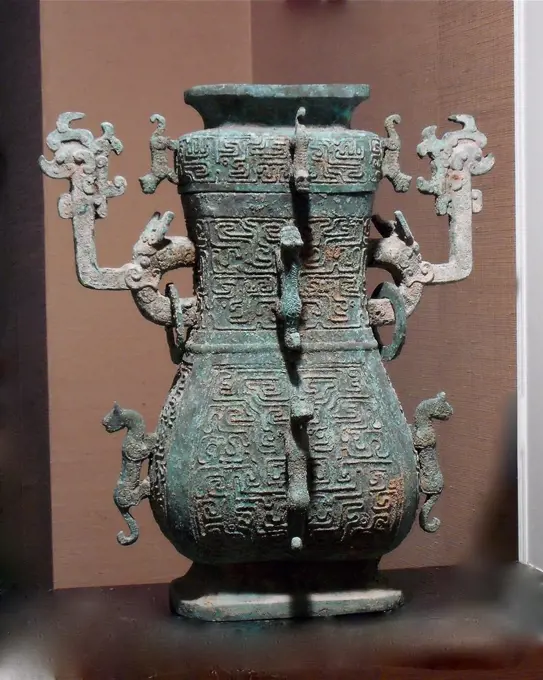
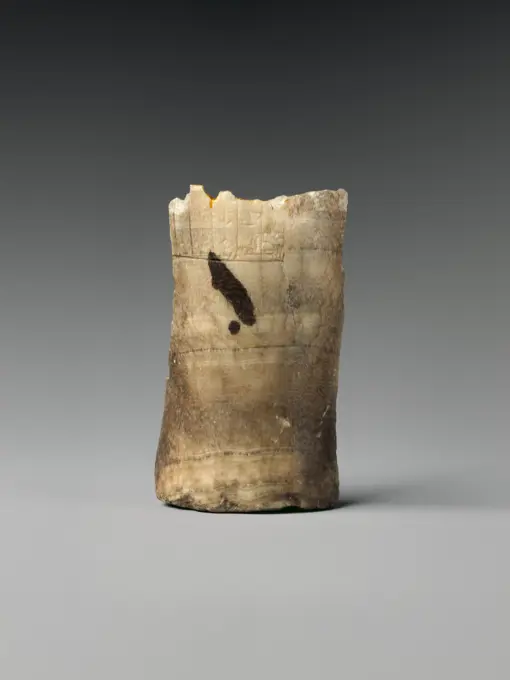
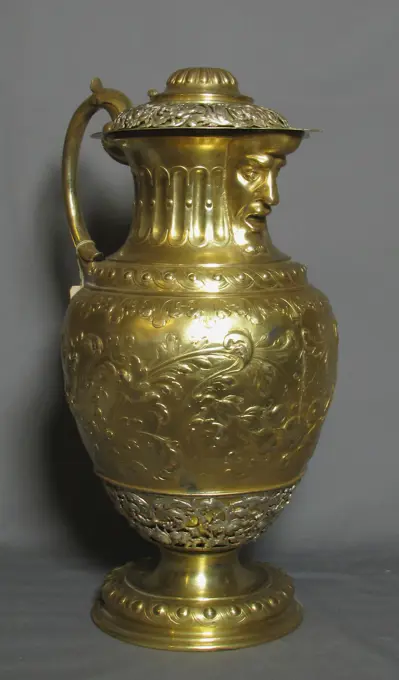
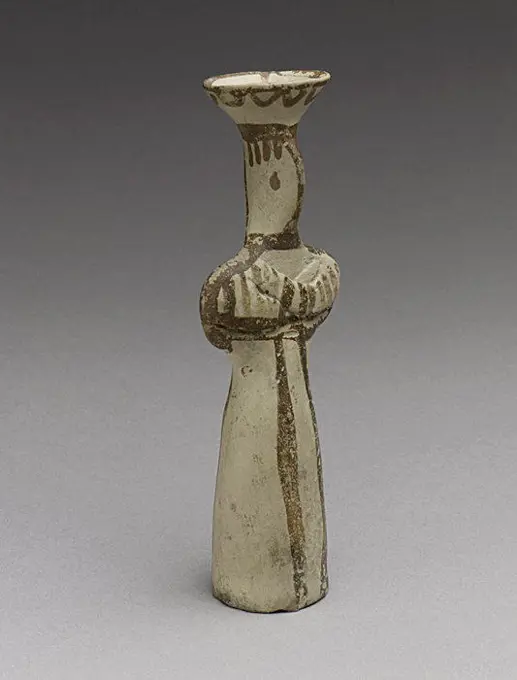
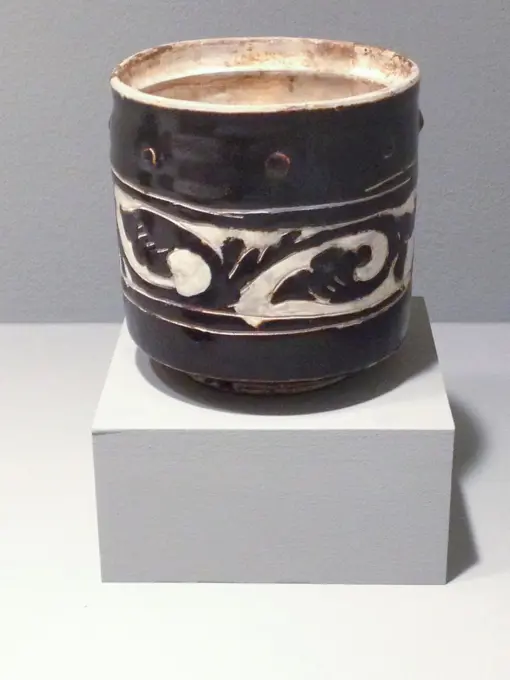
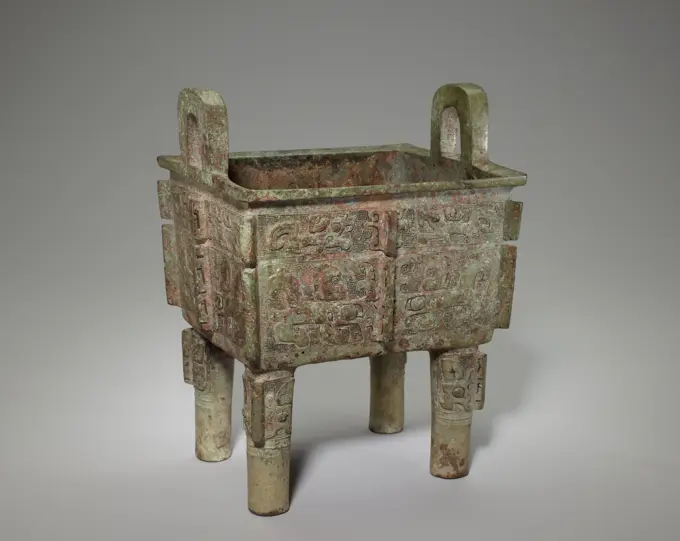
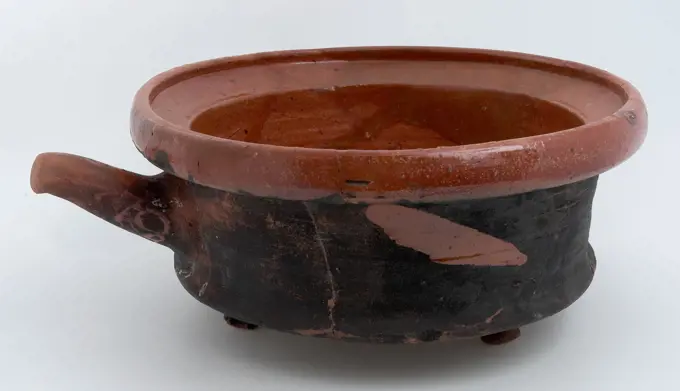
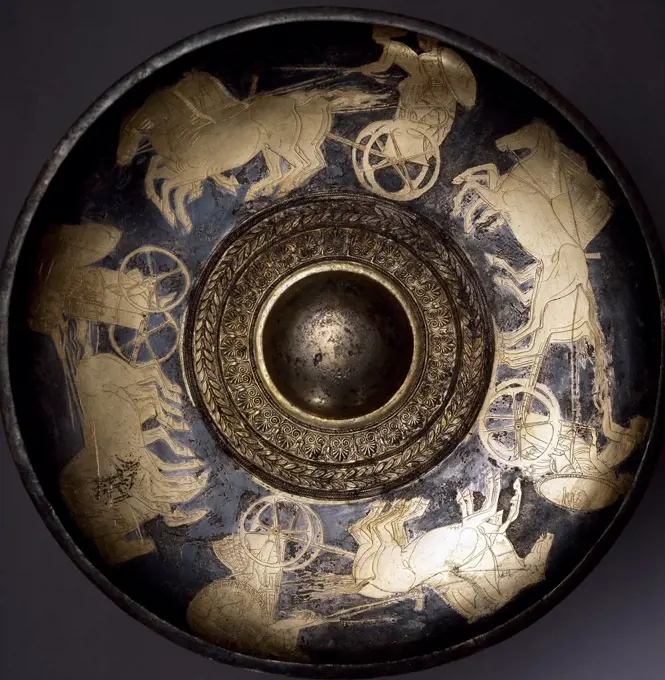
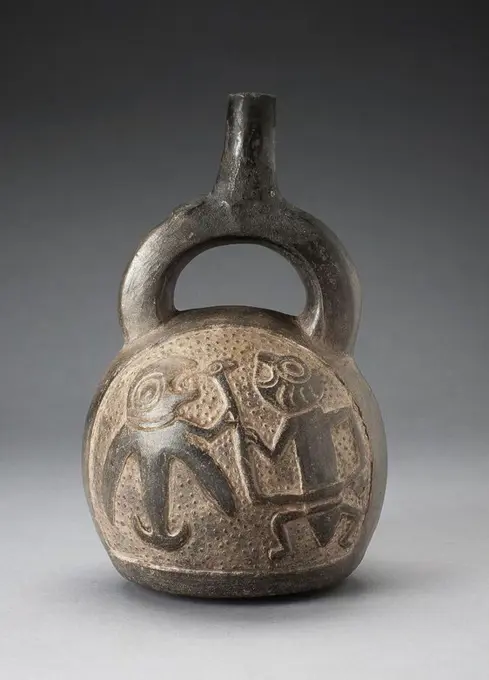
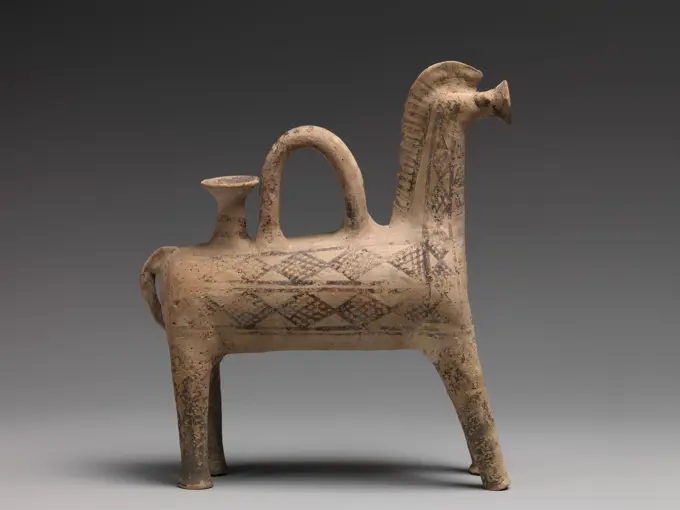
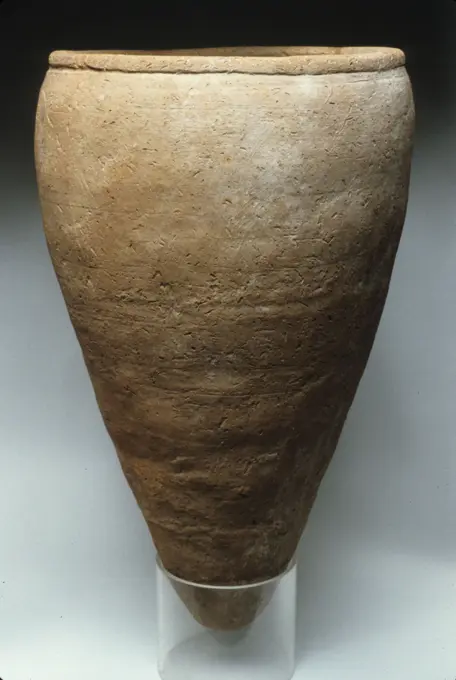
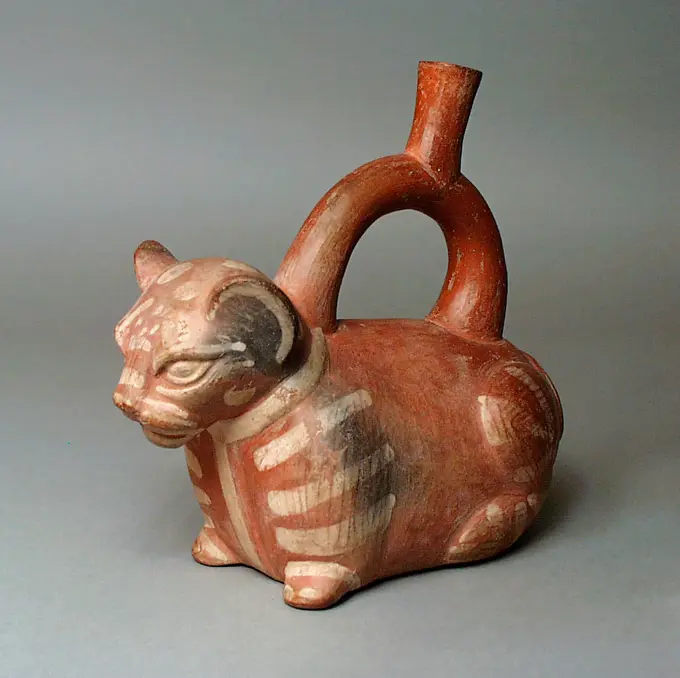
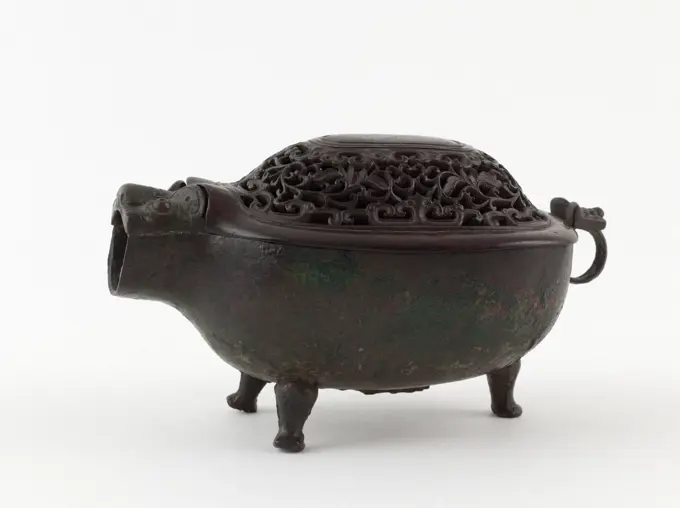
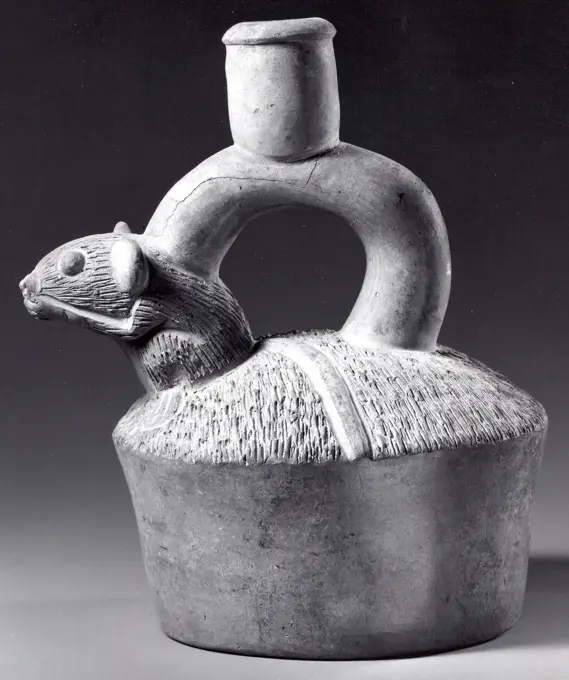
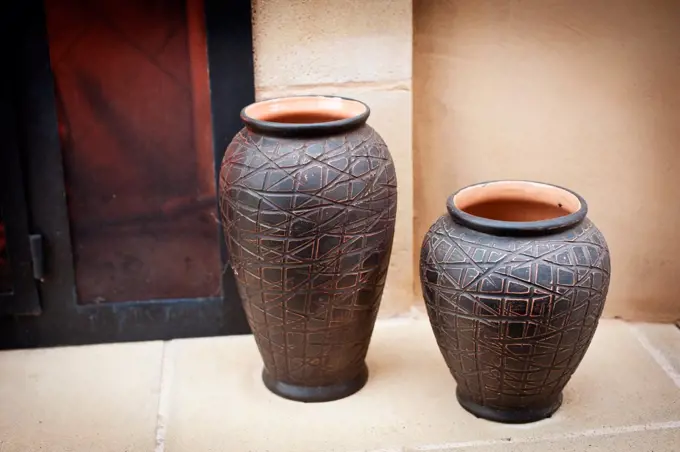
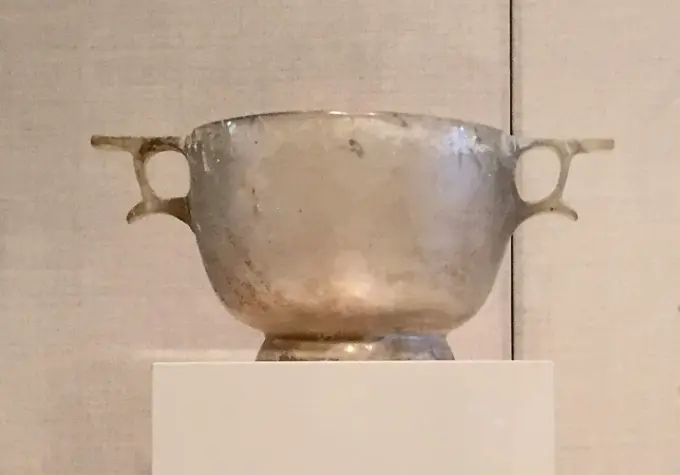
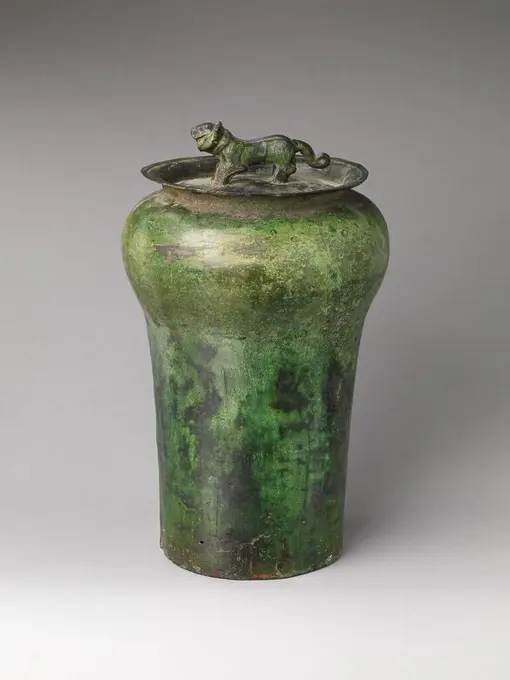
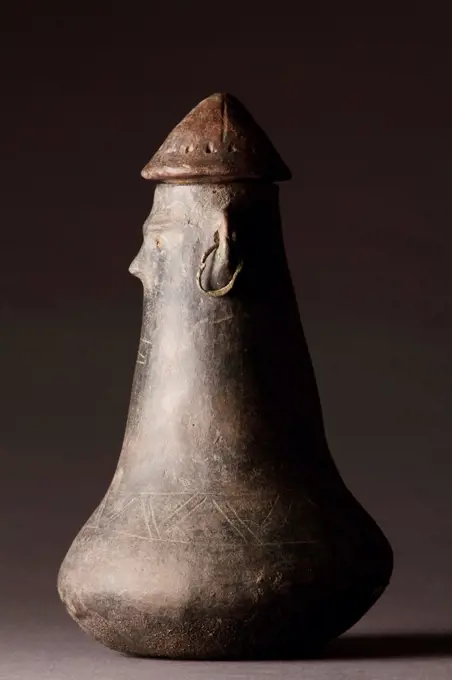
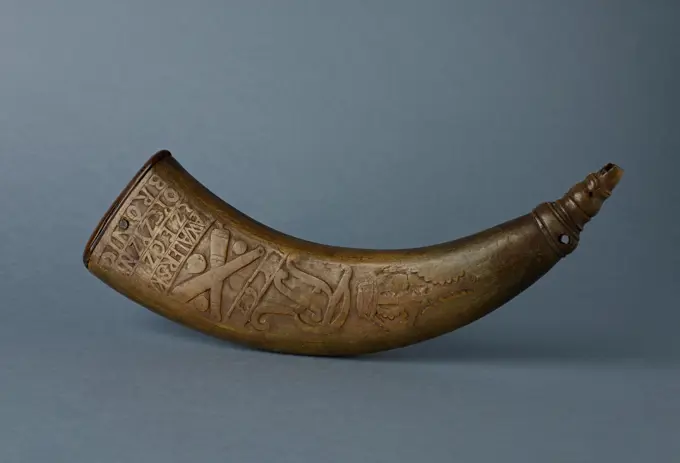
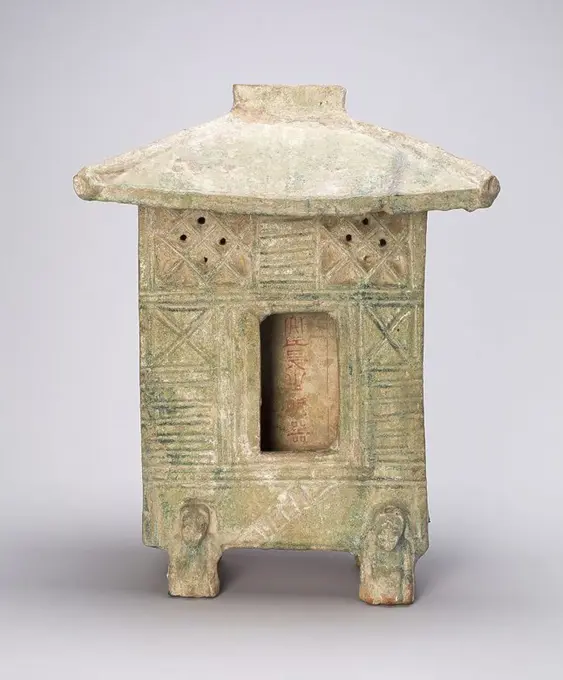
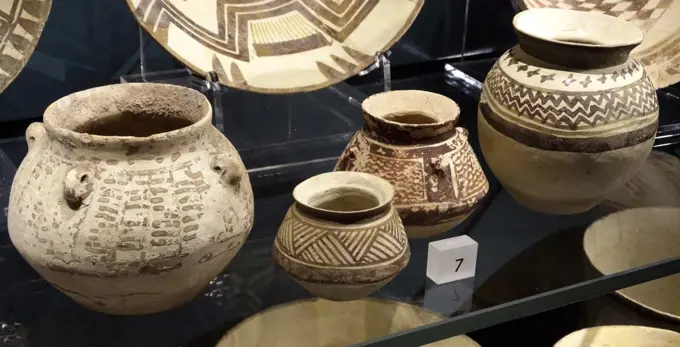
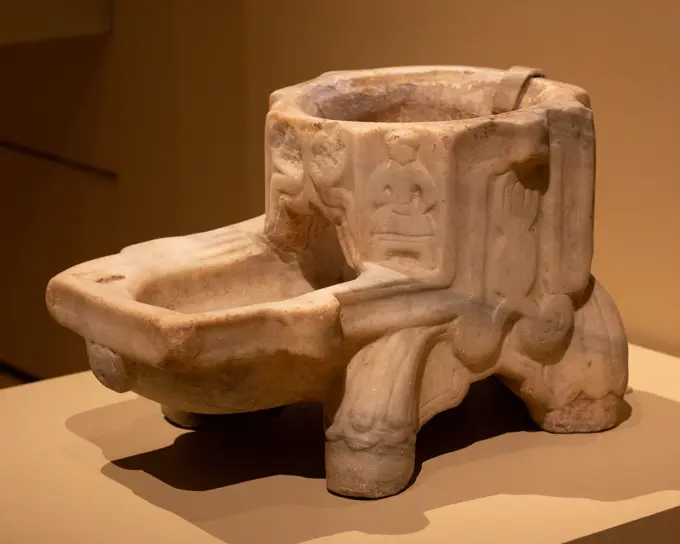
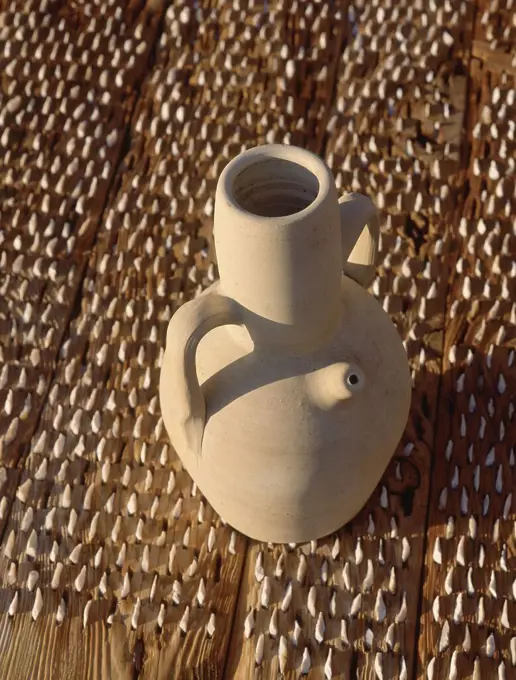
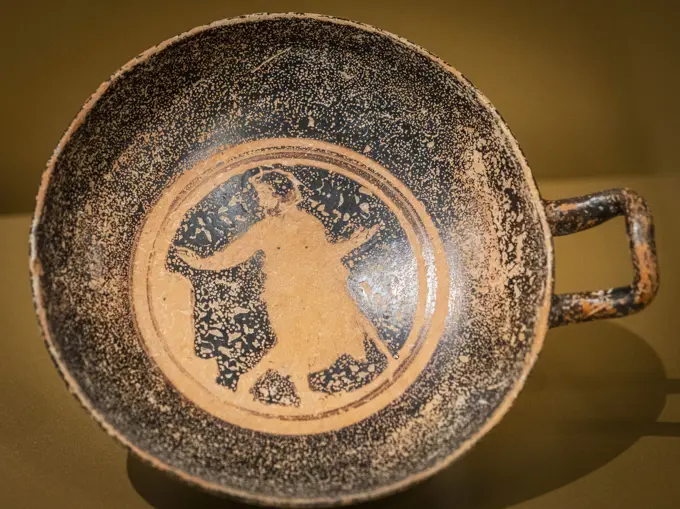
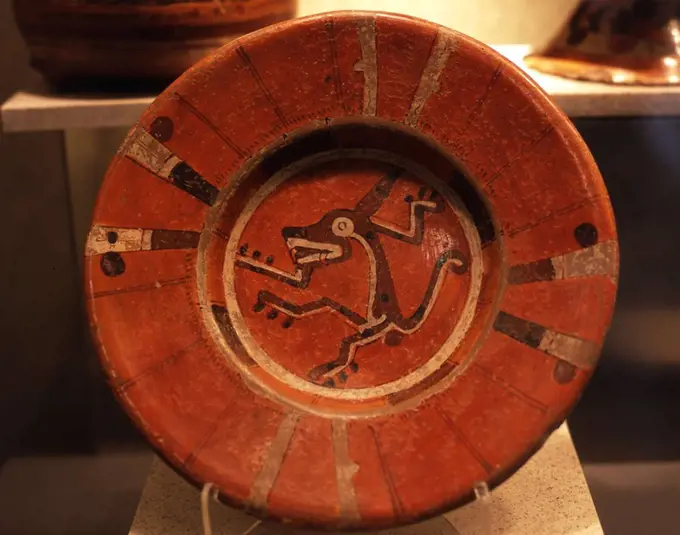
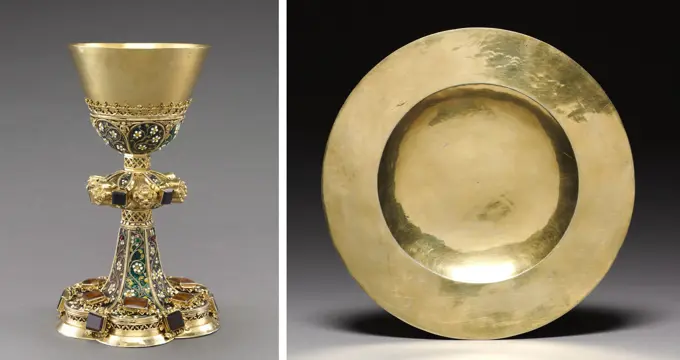
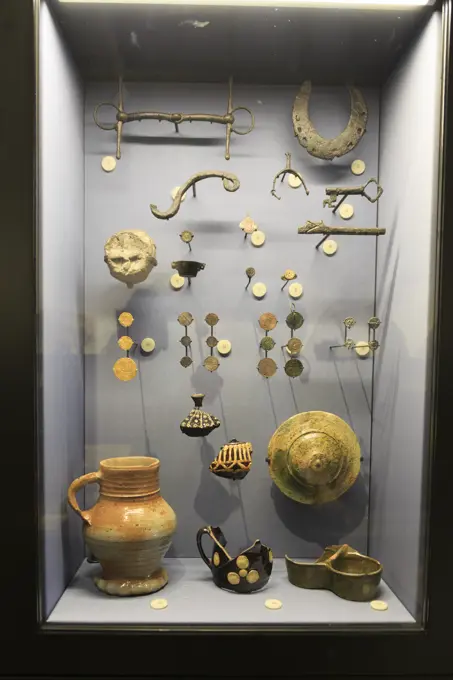
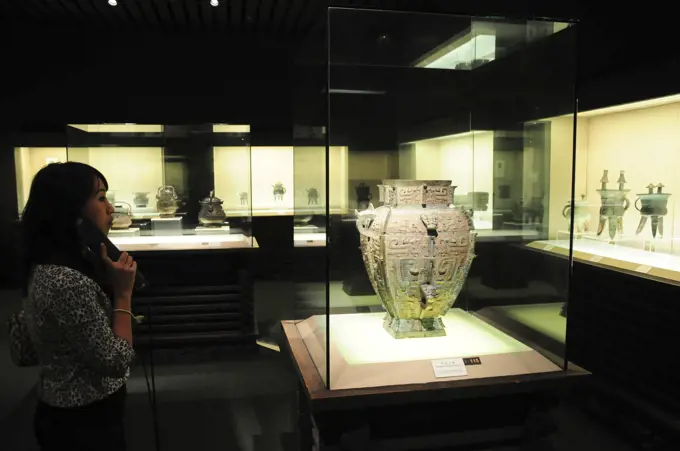
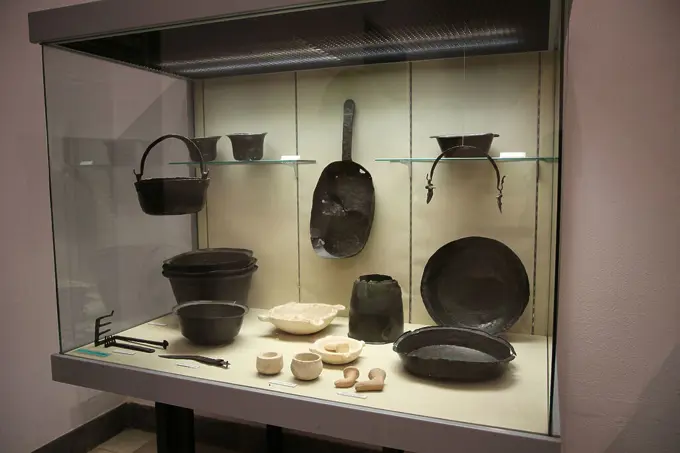
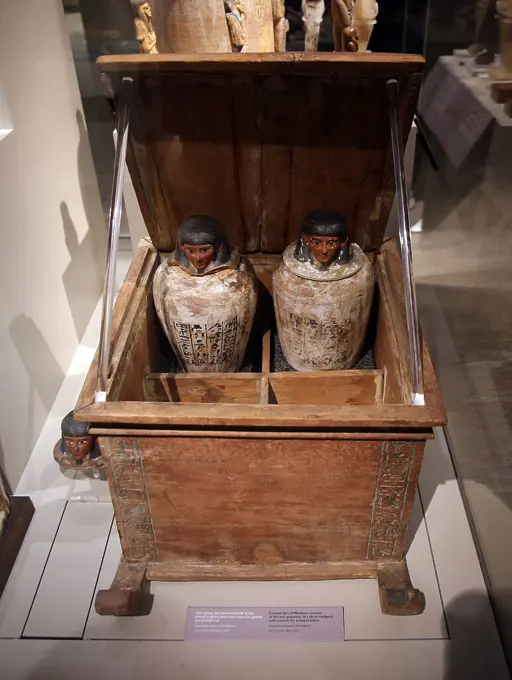
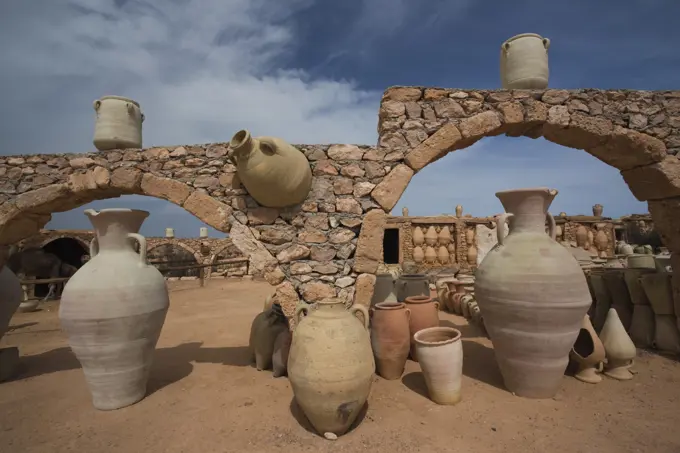
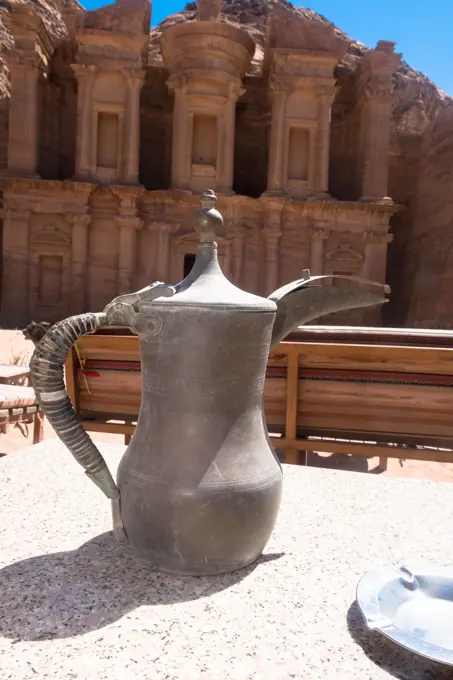
Temple. Culture: Mezcala. Dimensions: H. 4 3/4 x W. 3 in. (12.1 x 7.6 cm). Date: 1st-8th century. Museum: Metropolitan Museum of Art, New York, USA.Scandinavia. Pitcher with handles. St. Olav's Friary, Oslo. 14th century. Historical Museum. Oslo. Norway.Gui food vessel, 11th century BCE, 11 5/16 × 13 3/4 × 9 1/16 in., 16.1 lb. (28.73 × 34.93 × 23.02 cm, 7.3 kg)7 5/8 × 7 1/2 in. (19.37 × 19.05 cm) (object part, foot), Bronze, China, 11th century BCE, This gui demonstrates the inventiveness with which Western Zhou artisans adapted Shang forms. The main body is a standard gui with a deep bowl, while the looped handles on either side of the body are innovatively rendered in the form of an elephants head and trunk. Furthermore, the vessel is elevated by a high, square base. On the main body, the flanges form the centerlines of the familiar bodied taotie. On the base it is the same motif except for the central line, here a slight ridge instead of a flange. The handles, which combine a crested elephant head with a birds body, are the most remarkable feature of the vessel. The bow displays the wings of a bird in relief, and the projection at the bottom contains the birds curled tail and its feet descending almost to rest on the tail. The eMuslim jug from the Caliphal era, Archeological Museum. Úbeda, Jaén province, Andalusia, Spain.Whistling jar, 8 in. (20.3 cm), Earthenware, pigments, Peru, This parrot, like many of the Moche ceramics, is realistically portrayed yet embedded with cultural significance. In this case, the parrot may symbolize shamanic transformations or journeys to other spiritual realms. This whistling jar consists of two chambers connected to one another by a narrow passageway. The jar will whistle by either blowing air through the spout or by tipping the liquid from side to side.Double Spout and Bridge BottleVASIJA DE MADERA (LA GOMERA). Location: ARCHAEOLOGICAL MUSEUM. SANTA CRUZ DE TENERIFE. TENERIFFA. SPAIN.jarra utilizada como urna cineraria y decorada con nombres propios en escritura neopunica, 200-100 antes de Cristo, Museo arqueológico de Ibiza y Formentera, Patrimonio de la Humanidad «Ibiza, biodiversidad y cultura», Ibiza, balearic islands, Spain.Jug. Dated: c. 1939. Dimensions: overall: 40.5 x 38.3 cm (15 15/16 x 15 1/16 in.) Original IAD Object: 17 5/8" High 8 1/4" Dia(base). Medium: watercolor, graphite, and colored pencil on paperboard. Museum: National Gallery of Art, Washington DC. Author: Aaron Fastovsky.Large pewter jug marked on the ear with hinged lid and incised name on the ear, jug crockery holder soil find tin metal, cast soldered Vertical solder flat bottom without position ring cylindrical lower body narrowing and flared in broad collar vaulted lid with raised medallion one-piece hinge with acorn-shaped thumb rest hook-shaped ear the whole jug spread concentrically grooved rings and profiled edges on the inside of the tin mark: french lily in pearl ring with the bottom of the lily ICD archeology Nieuwe Waterweg Hoek van Holland Rotterdam serving drinks wine beer Soil discovery: North Sea Nieuwe Waterweg.Shigaraki-Ware Jar. Japan. Date: 1501-1600. Dimensions: 20 × 24.6 cm (7 3/4 × 9 3/4 in.). Stoneware with ash glaze. Origin: Japan. Museum: The Chicago Art Institute, Chicago, USA.CERAMICA DE SEPULTURA NEOLITICA DE ALCANTARA. Location: ARCHAEOLOGICAL MUSEUM. JEREZ DE LA FRONTERA. SPAIN.Handmade pot in Conical style. Dated 620 BCCASTAÑERA SIN VIDRIAR - ARTE POPULAR S XX. Location: ALFARERIA. MOVEROS. Zamora. SPAIN.CANTARO PARA AGUA - CERAMICA POPULAR SIGLO XX. Location: ALFARERIA. Agost. Alicante. SPAIN.CreamPitcher.   Maker: William B. Durgin Company, American, 1853-1931Anthropomorphic vessel from Troy. Bronze Age. TURKEY.Jug. Dated: c. 1938. Dimensions: overall: 36.5 x 28.5 cm (14 3/8 x 11 1/4 in.) Original IAD Object: 10" High 4 1/2"Dia(base). Medium: watercolor, colored pencil, and graphite on paper. Museum: National Gallery of Art, Washington DC. Author: Frank Fumagalli.Limestone lamp in the shape of a bulls head 30 B.C.-A.D. 330 Roman, Cypriot The lamp is in the shape of a bulls head with small horns flattened against the ears. There is a small, rounded opening without traces of fire and a large circular central opening.. Limestone lamp in the shape of a bulls head. Roman, Cypriot. 30 B.C.-A.D. 330. Limestone. Imperial. Miscellaneous-StoneBowl, 11th-16th century, 4 1/2 x 7 x 7 in. (11.43 x 17.78 x 17.78 cm), Earthenware, pigment, Costa Rica, 11th-16th century, The large, frontal, round eyes painted on this bowl represent the eyes of an owl. In the Nicoya-Guanacaste tradition, the owl held special ties to the Unknown, and was associated with the mysterious and sacred aspects of the afterlife. Owls, with their special nighttime vision, together with their ability to navigate long cavernous passageways, were seen as gifted creatures. The ancient Native cultures likened the owl's journey to the human journey into the afterlife, except that the owl was able to return. Because of this, owl imagery often signifies the role of spiritual messenger.Ancient China: Large beast wine vessel (Fang Hu) Eastern Zhou Dynasty, Late Spring and Autumn period, 770 - 475 BC. Bronze.Vessel ca. 2700-2350 B.C. Sumerian. Vessel. Sumerian. ca. 2700-2350 B.C.. Stone. Early Dynastic II-III. Mesopotamia, NippurEsquila, cencerro pequeño. Museu Català de les Arts i Tradicions Populars.Crock. Dated: c. 1937. Dimensions: overall: 28.8 x 22.4 cm (11 5/16 x 8 13/16 in.) Original IAD Object: 12 1/2" High 5 1/2" Dia(top) 5 1/2" Dia(base). Medium: watercolor, colored pencil and graphite on paperboard. Museum: National Gallery of Art, Washington DC. Author: Yolande Delasser.Bracelet 19th century Indian This collection of largely ethnographic jewelry includes examples from cultures in South America, North America, Europe, Asia, and Africa and dates from the Pre-Columbian period to the twentieth century. Owned by renowned art collector and fashion enthusiast Muriel Kallis Newman, the collection represents her knowledge and appreciation of a wide range of jewelry design and making traditions. Numerous items in her collection are composite artifacts made from various cultures and time periods reappropriated as modern jewelry creations by or for Muriel. It is important to note that Newman wore many of the pieces in the collection, interpreting them to suit and express her own singular, often avant-garde style.. Bracelet 141487Ewer or great jug with cover 19th century, after ca. 1695 original Elkington & Co. British This electrotype is after a ca. 1695 original in the Treasury of the Kremlin, Moscow, at the time of reproduction.. Ewer or great jug with cover 186652Jar 11th-12th century. Jar 446222Terracotta female figure ca. 1400-1300 B.C. Helladic, Mycenaean This tau-type figurine has the conventional hollow, columnar stem with the head rendered somewhat larger in proportion to the body. Characteristically, the figure is high waisted with arms, rendered as singly applied strips of clay, folded neatly over the breasts. She wears a long garment, simply decorated with two vertical lines down the front and back. The figurine's coiffure is particularly distinct, with a plait that is rendered over the top of the headdress and down the back of the neck. A fringe of hair peeks out from under the edge of an elaborately festooned polos.. Terracotta female figure 253493 Helladic, Mycenaean, Terracotta female figure, ca. 14001300 B.C., Terracotta, H. 4 1/4 in. (10.8 m). The Metropolitan Museum of Art, New York. Fletcher Fund, 1935 (35.11.16)Jar, before 1921. Colombia, 19th-20th century. Red ware with incised patterns; diameter: 7.7 cm (3 1/16 in.); overall: 12.2 x 7 x 6.6 cm (4 13/16 x 2 3/4 x 2 5/8 in.).Bowl, 11th-12th century, 5 1/2 x 5 3/8 x 5 3/8 in. (13.97 x 13.65 x 13.65 cm), Cizhou ware Stoneware with black and white slips and sgraffitto decoration under clear glaze, China, 11th-12th century, The decoration of this cylindrical jar, with its black and white design, makes use of the sgraffito technique. One of over twenty decorative methods used at Ci Zhou kilns, objects in this group are covered with a layer of black slip on top of the white. Designs inscribed on the black slip are selectively scraped away to reveal the underlying white slip. The overall effect is one of a black design on a white ground. Both slip coats are covered with a clear glaze. This group includes some of the most striking examples of Ci Zhou ware.Ding food vessel, 12th-11th century BCE, 10 1/4 × 7 9/16 × 6 5/16 in., 10.6 lb. (26.1 × 19.2 × 16 cm, 4.8 kg), Bronze, China, Anyang style, The ding food cauldron was the most prominent type of ritual vessel in Chinas Bronze Age. It was among the first cast vessels, and the earliest example was unearthed from the Erlitou culture (c. 2000-1600 BCE) site. Ding were used to cook meat during a ceremony devoted to ancestral spirits. The vertical handles allowed the vessel to be placed over a fire. There were many variations of the ding. This example with squared body is known as fang-ding, or squared ding. The dominant taotie animal-mask motif appears on each face of the vessel, divided by flanges on four corners.Loop-handled beaker, anonymous, c. 1500 - c. 1699 Cup of stoneware on stand ring with an egg -shaped body and high, funnel -shaped neck. Covered with a brown Engobe. Decorated the belly up from half -reversed with turnings and on the neck a wide band with small ears, each with a ring. Dreihausen. Dreihausen stoneware. glaze. engobe vitrification Cup of stoneware on stand ring with an egg -shaped body and high, funnel -shaped neck. Covered with a brown Engobe. Decorated the belly up from half -reversed with turnings and on the neck a wide band with small ears, each with a ring. Dreihausen. Dreihausen stoneware. glaze. engobe vitrificationPottery saucepan, cooking pot, red shard, internally glazed, stem, on three legs, saucepan cooking pot crockery holder kitchenware earth discovery ceramics earthenware glaze lead glaze, hand-turned glazed baked Pottery saucepan cooking pot cylindrical model red shard internal glazed short slanting upwardly directed handle in the middle of the kettle set on three legs archeology Rotterdam City center Stadsdriehoek Oudehaven indigenous pottery food preparation cooking food kitchen Soil discovery Oude Haven Rotterdam.Urn in the form of a house for burial. About 3000 years ago. Monsteras, Smaland. Historical Museum. Stockholm. Sweden.Bell-beaker pottery. Late Chalcolithic. From left to right and from back to front: Loma de Belmonte (Mojacar, Almeria province, Andalusia), Los Millares (Santa Fe de Mondujar, Almeria province, Andalusia) and Llano de la Atalaya (Purchena, Almeria province, Andalusia). National Archaeological Museum. Madrid. Spain.Silver phiale depicting a chariot race in gold, from the Basova burial mound, Plovdiv Region, Bulgaria. Goldsmith art. Thracian Civilization, 4th Century BC.Stirrup Spout Vessel with Relief Depicting a Mythic Hunting Scene. Chimú; North coast, Peru. Date: 1200-1450. Dimensions: H. 22.9 cm (9 in.). Ceramic. Origin: North Coast. Museum: The Chicago Art Institute, Chicago, USA.Terracotta rhyton (libation vessel) in the form of a horse ca. 1200-1050 B.C. Cypriot The origin of the horse-shaped rhyton (libation vessel) may be Aegean.. Terracotta rhyton (libation vessel) in the form of a horse. Cypriot. ca. 1200-1050 B.C.. Terracotta. Late Cypriot IIIB. VasesSpherical ointmentRough ware storage jar ca. 3500-3300 B.C. Predynastic, Naqada II. Rough ware storage jar. ca. 3500-3300 B.C.. Pottery. Predynastic, Naqada II. From Egypt, Southern Upper Egypt, Hierakonpolis (Nekhen), Fort Cemetery (Hk 27), Tomb 4, MMA excavations, 1934-35Ceramic, clay cezve on black backgroundCharles Caseau, Jug, c 1936 JugJarStirrup Spout Vessel in the Form of a FelineDish with Bird Head 15th-16th century Inca. Dish with Bird Head 313205Yi wheezing yi. Bronze. Chine. Par musée musée malée. 70004-4 Anse, Chinese art, open mouth, bronze, lid, standing, four feet, sauciere yi, animalStirrup Spout Bottle: Mouse 12th-5th century B.C. Cupisnique Despite its pervasiveness, the spread of Chavín art throughout much of Peru in the first millennia B.C. did not preclude the expression, proliferation, and production of local and regional art styles in some highland and coastal communities. Nowhere is this more evident than on Peru's northern coast, where a variety of ceramic forms, including Chavín, coexisted. Often considered variants of one another, the coastal styles shared certain similarities with each other, as well as with Chavín, especially in their treatment of surface texture. Through a combination of modeling, incision, burnishing, and combing, these early potters created highly elaborate and masterful products. Stirrup-spout bottles, like the one pictured here, was the preferred form among northern coast potters during this time. Classified as Chongoyape, after the coastal site where this style of pottery was first identified, the ceramic vessel, which depicts a16th century Glazed Earthenware.Close-up of two brown pots against the wall, Rancho Sante Fe, USA. California, USA. 01/23/2013Glass skyphos (drinking cup) 3rd-1st century B.C. Greek Colorless.Beveled, slightly inverted rim, with slight lip above tops of handles; slightly convex curving side tapering downward; splayed base ring with flat bottom edge; almost flat bottom; two ring handles applied to sides of body, carved out from blanks surrounded by irregular raised squared-off areas, with flat thumb-rests above rings and projecting wings above and below; vestigial scrollwork flanking either side of handles.Body complete but with many internal strain cracks, and restored handles: one handle complete except for end of thumb-rest above ring, the other surviving only as the top of the ring; pinprick and larger bubbles; dulling, iridescence, patches of creamy weathering, and some spots of encrustation.Rotary grinding marks on interior and exterior. Stands unevenly on base.Many glass vessels in the Hellenistic period were made of intentionally decolorized glass. The attempt to make them look colorless and transparenMuseum of Navarra, Pamplona, Navarra,Spain.Burial Jar for Wine Storage, one of a pair, 12th-13th century, Qingbai ware Porcelaneous stoneware with appliqué décor under pale blue-grey glaze combined with painted iron-brown details., China, 12th-13th century, Although smaller and decorated with iron-brown details, this set of burial jars served the same purpose as the two pairs of taller wine containers displayed here. The elaborate iconography of the larger vessels has been reduced to an almost comical dragon and two freely formed figures; one standing, the other reclining. One vessel includes a dog amongst the figures, the other a bird. Squiggly cloud scrolls, emblems for heaven, are attached to the necks of both jars and a bird surmounts each lid. A disk is applied to the neck of each jar inscribed with the characters for sun and moon respectively. Unlike the larger vessels, all the appliqué figures here are hand-built rather than mold-made. Underglaze iron-brown details appear in combination with Qing Bai glazes as early as tCANTARO PARA AGUA CON UNA SOLA ASA - SIGLO XX. Location: ALFARERIA. Saragossa Zaragoza. SPAIN.Bell (Zhun or Dui). Culture: China. Dimensions: H. 19 3/8 in. (49.2 cm); Diam. 11 5/8 in. (29.5 cm). Museum: Metropolitan Museum of Art, New York, USA.Pottery Cinerary Urn by Prehistoric art   / Private Collection / 1300-700 BC /Clay / Objects / H 25Hunting gunpowder unknownGranary (Cang). China, probably Henan province. Date: 25 AD-220 AD. Dimensions: 39.5 × 24.0 × 21.5 cm (15 9/16 × 9 7/16 × 8 7/16 in.). Brick-red earthenware with green lead glaze, carved and molded decoration. Origin: China. Museum: The Chicago Art Institute, Chicago, USA.earthenware on sale. ceramic handmade brown earthenware like pots and carafe on saleFour hand painted clay jars from a cemetery at Susa; Iran (Persia) 4200-3800 B.C.Stand for Water Jar 11th-first half 12th century Stands like this are called kilgas. They were used as supports for large unglazed earthenware water jars (habbs). The porous bodies of these jars allowed water to seep through their bases, filtering impurities in the process. The water collected in the projecting basin of the kilga, from which it was ladled out as needed.. Stand for Water Jar. 11th-first half 12th century. Marble; carved. Attributed to Egypt or Syria. StoneArular limestone for the worship of ancestors and divinities of the house. High 18 cm Width 12 cm. (4 th CE ) - Roman period, from Archaeological site of Complutum in Alcalá de Henares ( Madrid ). SPAIN.Antique glass 1898, Middle EastCANTARO DE BARRO BLANCO DE CUELLO ANCHO Y ALTO CON DOS ASAS LATERALES. Location: ALFARERIA. Agost. Alicante. SPAIN.barca solar de Djedhor, epoca baja de egipto, dinastia XXVI-XXX, (c. 664-343 a. C. ), bronce, Fundación Calouste Gulbenkian, («Fundaçío Calouste Gulbe...Italy. Pompeii. The Antiquarium. Amphoras. Roman period.Replica of an ancient jar with lid. Dated 8th CenturyKylix Kylix, V to III bC, Carada necropolis, Iberian Museum of Jaén, Andalusia, Spain Copyright: xZoonar.com/BartomeuxBalaguerxRotgerx 21714917Mexico.Mexico D.F.Museo Nacional de Antropologia.Plato de ceramica de Cholula.Cultura Azteca-Mexica.Plinian Spring (Fonte Pliniano), Archaeological Park of the Messapian Walls, Manduria, Apulia, Italy, Messapian civilization, 5th century BC.BOTIJO CON DECORACION INCISA SIN VIDRIAR - ARTE POPULAR S XX. Location: ALFARERIA. Zamora. SPAIN.cuencos y jarros visigodos, Museo de los Concilios y la Cultura Visigoda, Iglesia de San Román,Toledo, Castilla-La Mancha, Spain.Chalice and Paten, c. 1450-1480. Hungary, Budapest, 15th century. Gilt silver and filigree enamel; overall: 24.6 cm (9 11/16 in.). The chalice and paten—the most important liturgical vessels—are used at the altar by the priest for the consecration of the Eucharistic bread and wine during the celebration of the mass. This chalice survives with its original paten. The form of the chalice evolved over the centuries. Gothic chalices, like this one, gradually developed angular or faceted knops, generally hexagonal, with lobed feet. This sublime example is decorated with filigree enamel consisting of twisted gold wire forming a floral design, which in turn is filled with colorful glass pastes. Gemstones add to the embellishment.Terracotta female idols from Thebes, GreeceEngland, North Yorkshire, Rievaulx. 13th c. Cistercian ruins of Rievaulx Abbey. English Heritage and National Trust Site. Artifacts inside on-site Museum.Asia, China, Shanghai, Shanghai Museum, gallery of chinese ancient bronze, Wine vessel late Shang period 13th - 11th century B.C., Ya Fu Square LeiRoman era. Kitchen tools. Andalusia, Spain. Archaeological Museum of Seville. Spain.Ancient pithos in Phaestus on Crete island in GreeceCaponic jars of Wadjren, overseer on the two granaries, in a chest equipped with runners for transportation. Wood. New Kingdom, 1450-1400 BC. Egyptian Museum of Turin. Italy.Ancestor figure (anito), Kankanay culture, Luzon mountain range, 19th century, wood, human hair and blue ceramic, Anthropology National Museum, Madrid, Spain.Tunisia, Jerba Island, Guellala, locally produced pottery for saleAncient pottery products with cracks decorated with traditional patterns. Cartoon vector illustration set of cracked antique ceramic handicraft crockery. Greek historical earthenware artifacts.. Ancient pottery products with cracksArabic coffee pot in Petra Arabuc coffee pot on backround of Monastery in Petra Copyright: xZoonar.com/ssviluppox 14944828