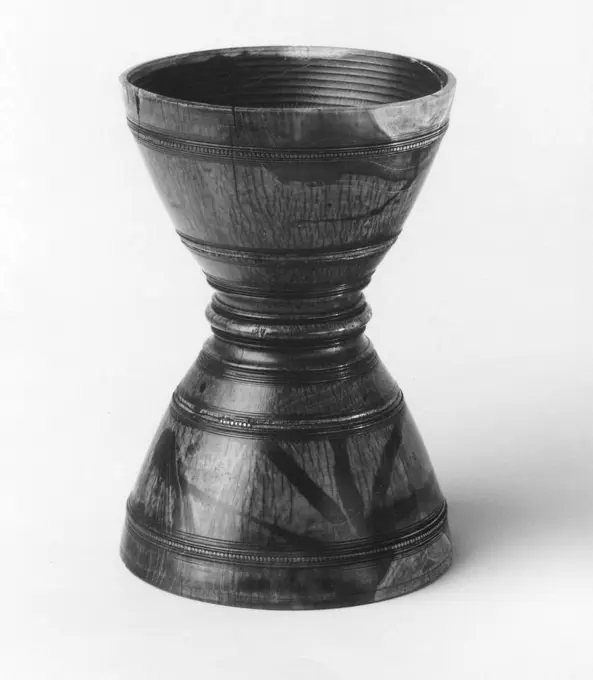
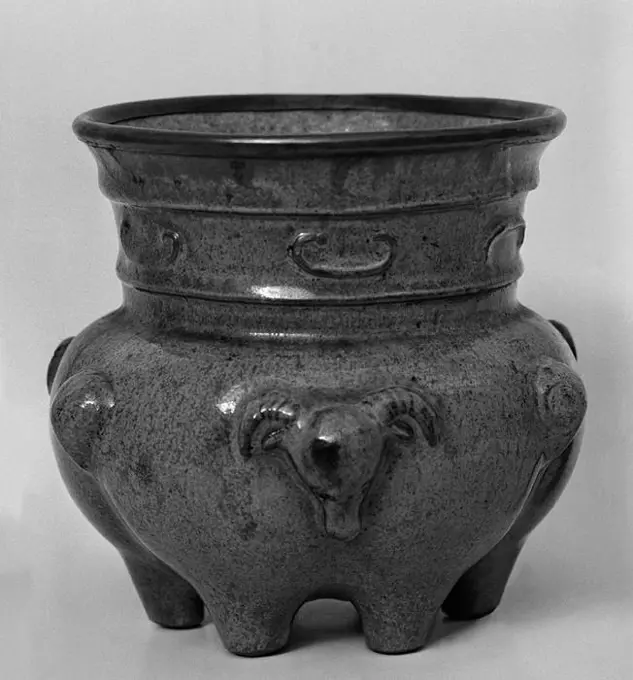
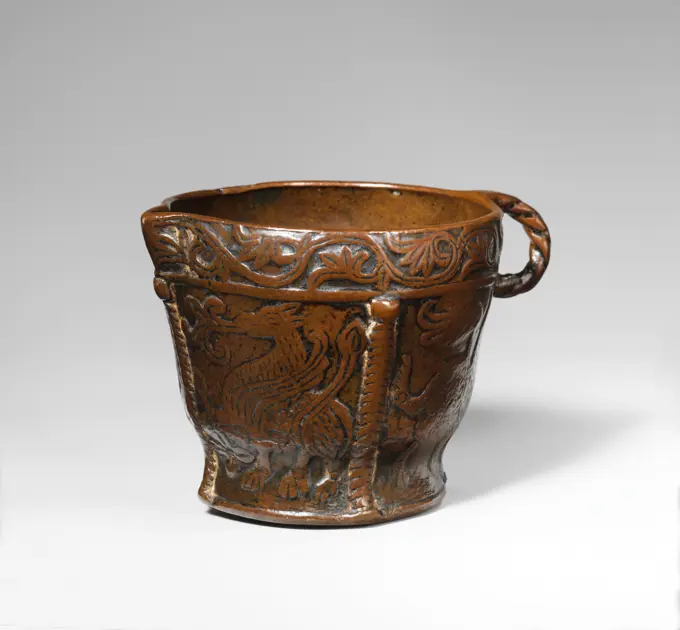
Ancient Pottery Containers

Artifacts consisting of ancient jars and ointment pots from various eras, showcasing traditional craftsmanship and ceramic designs.
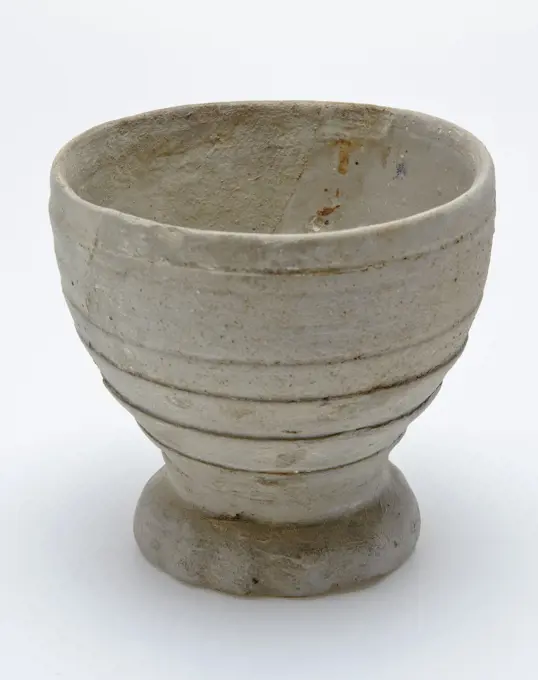
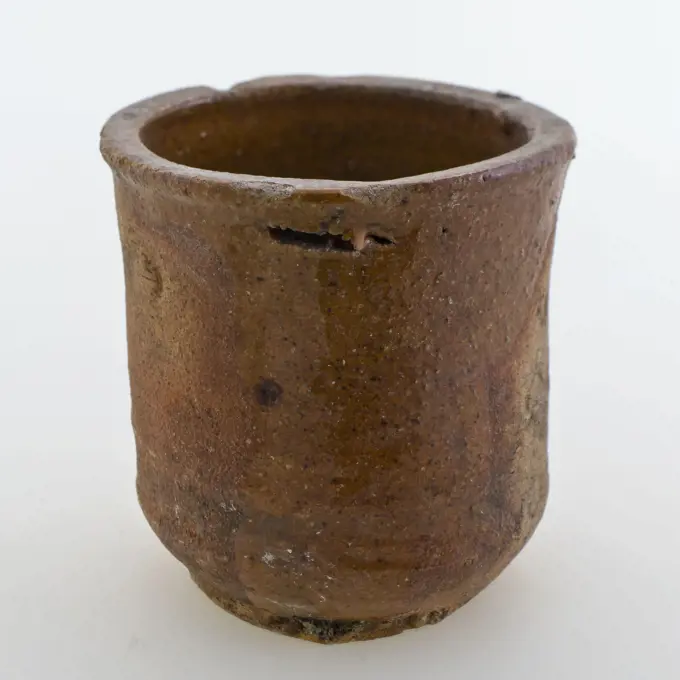
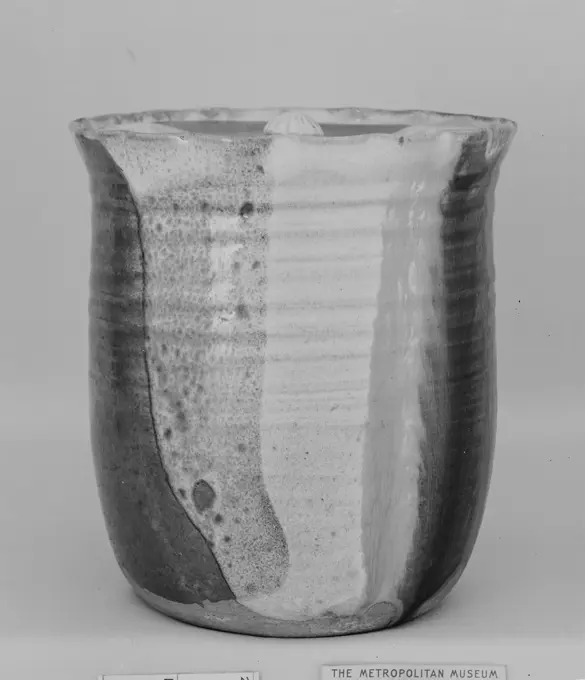
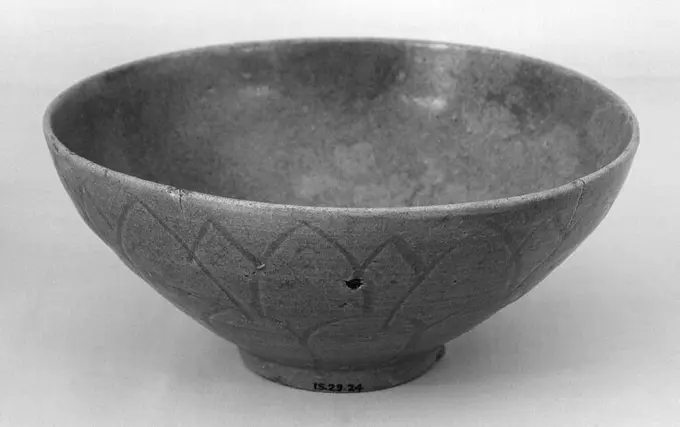
Stoneware cup on pinched foot, cup drinkware tableware holder soil find ceramic stoneware, hand turned stoneware cup gray shard orange 'blush' pinched foot. Spiral ridge on the wall archeology indigenous pottery drink serve beverage beer wine
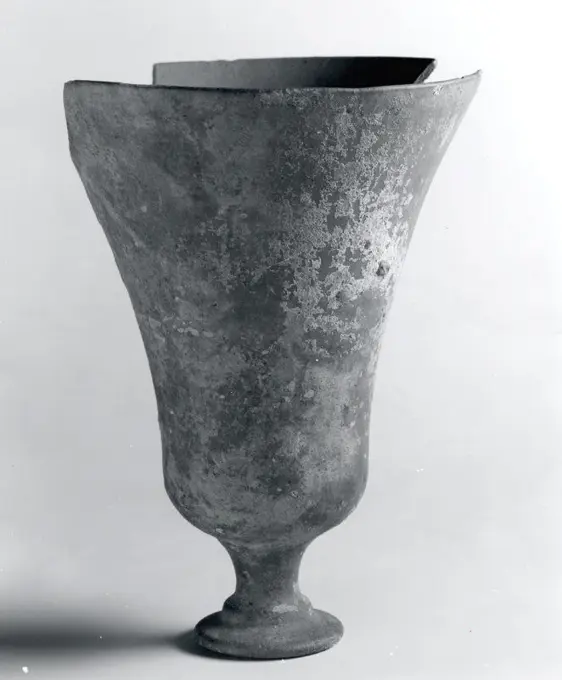
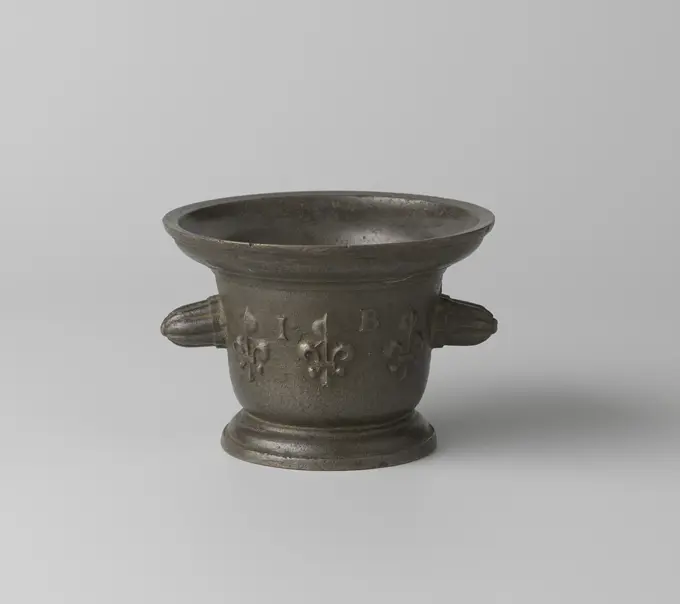
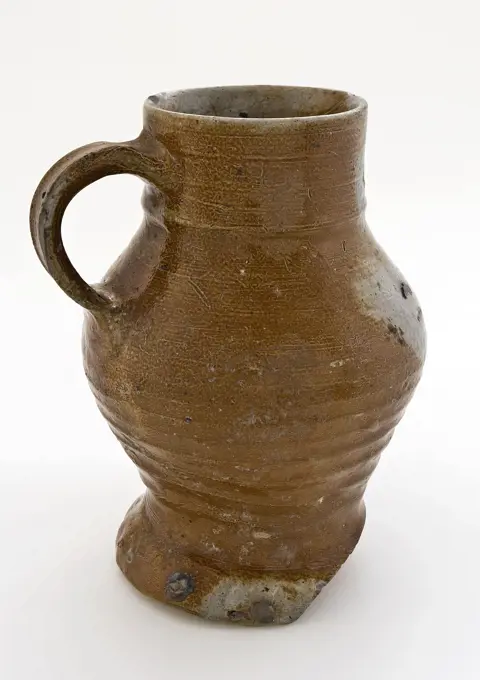
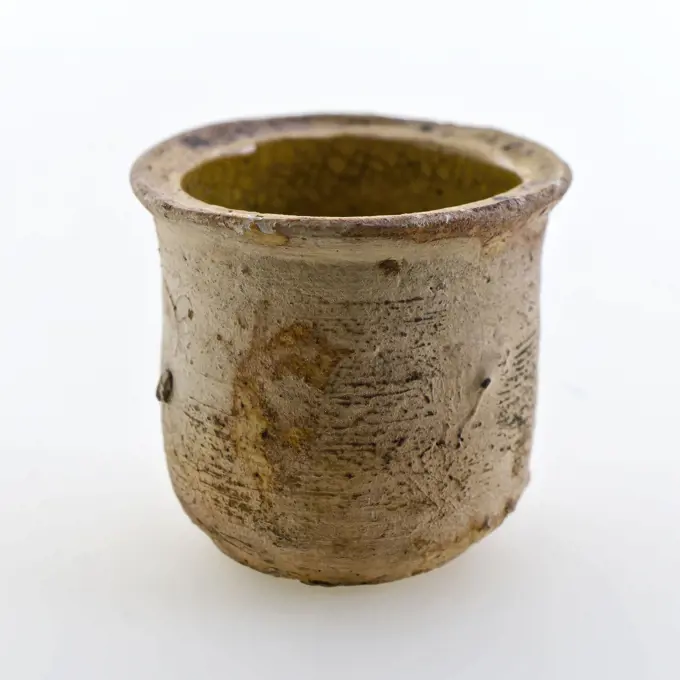
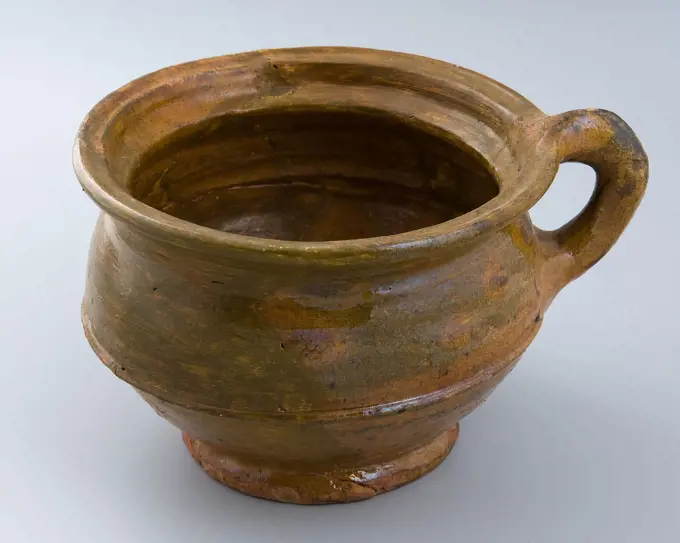
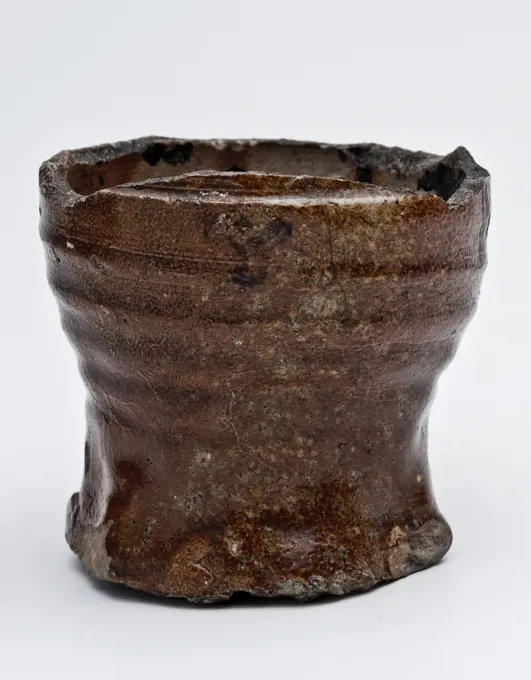
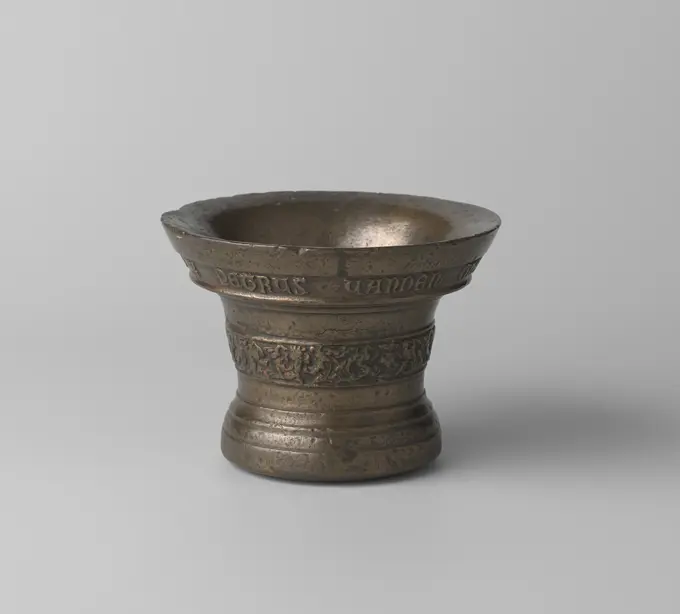
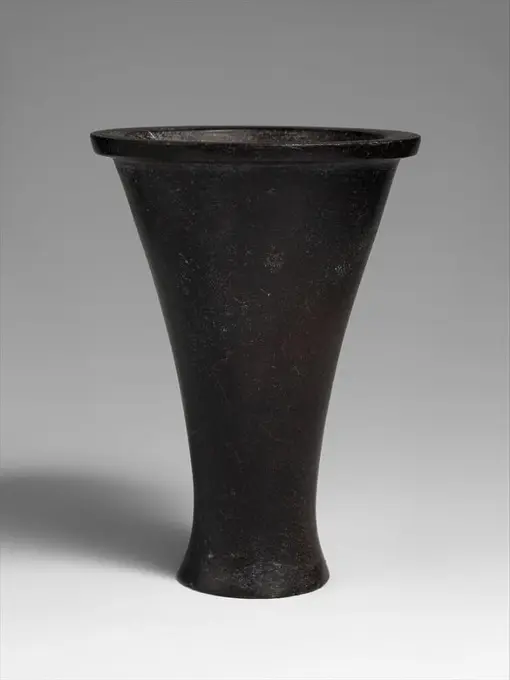
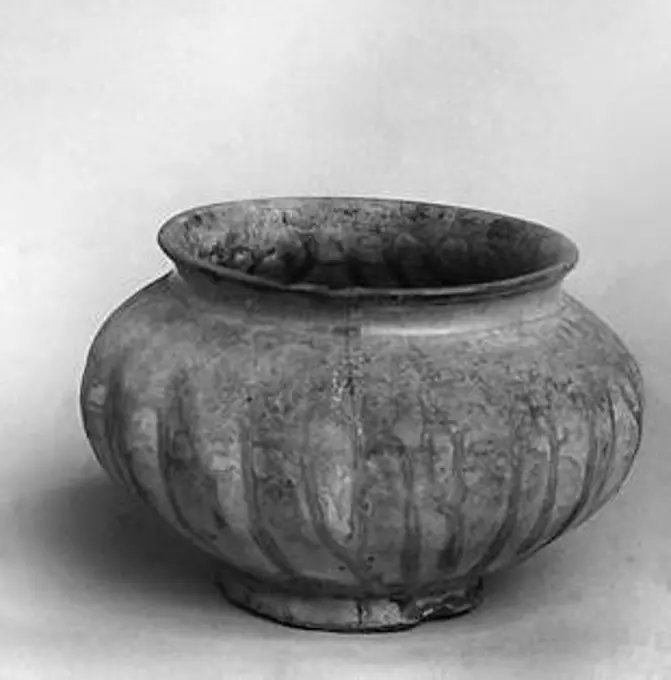
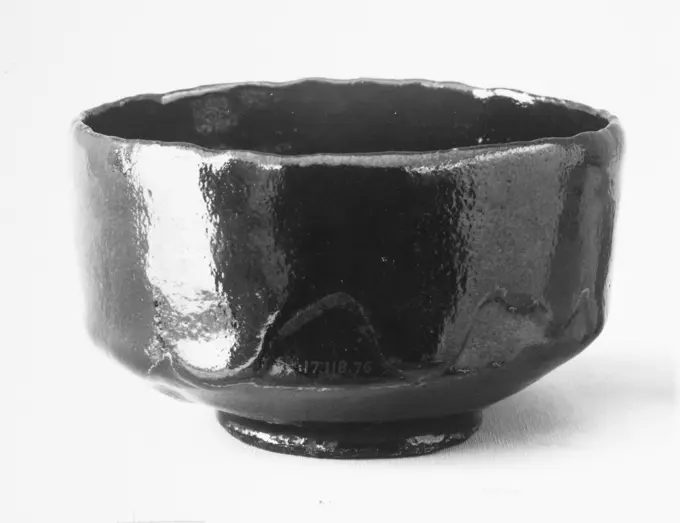
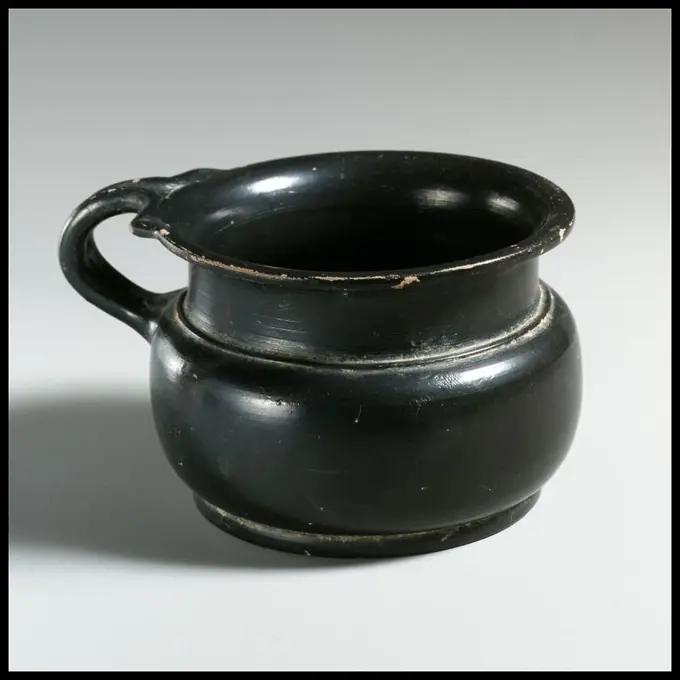
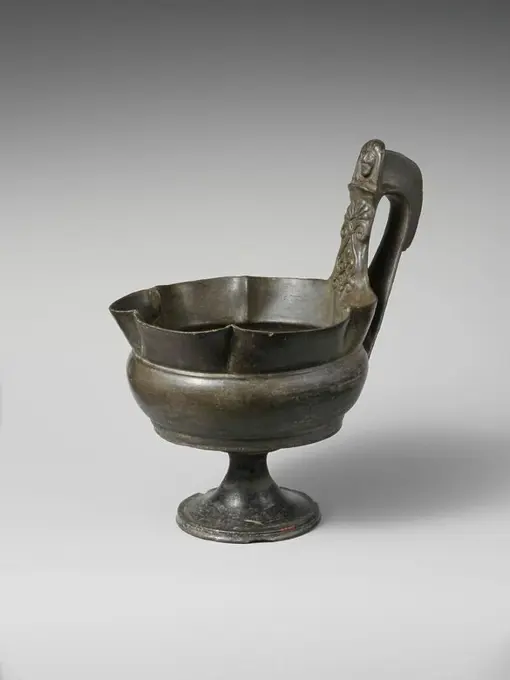
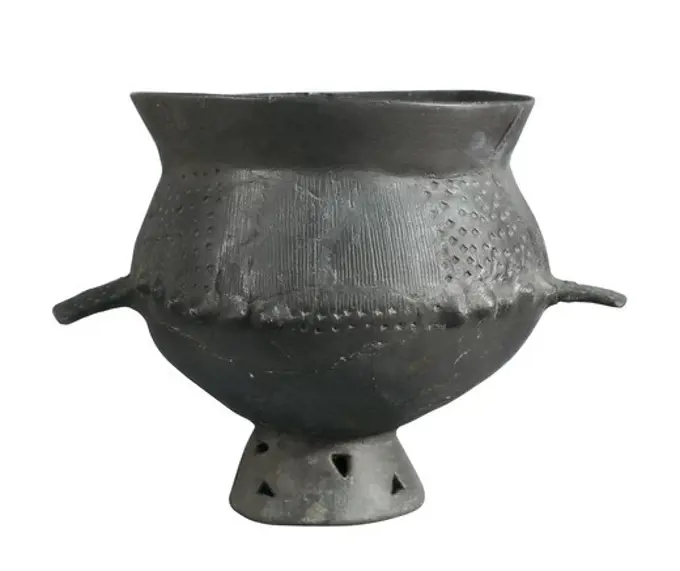
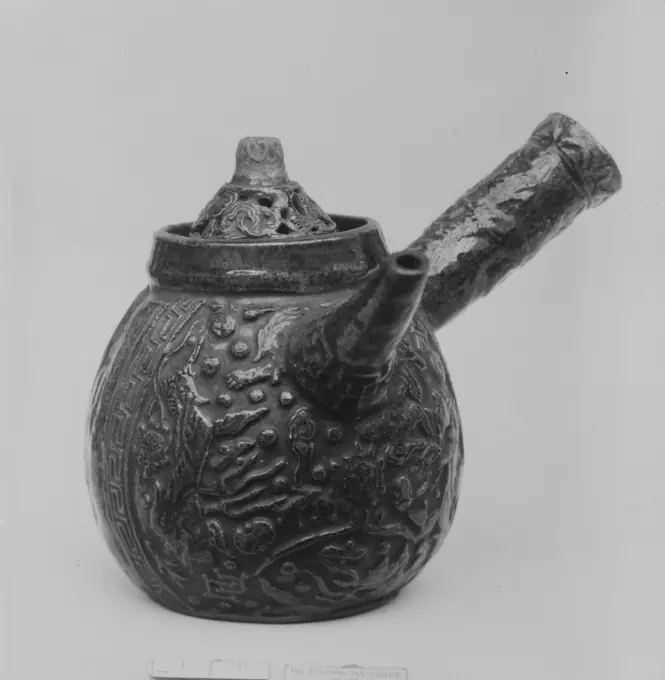
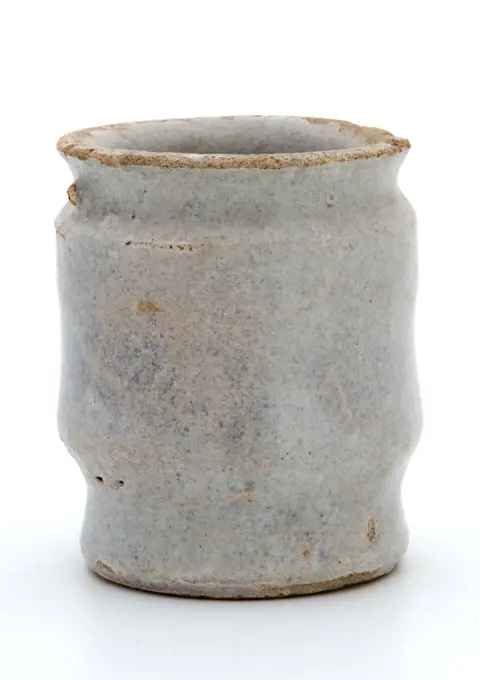
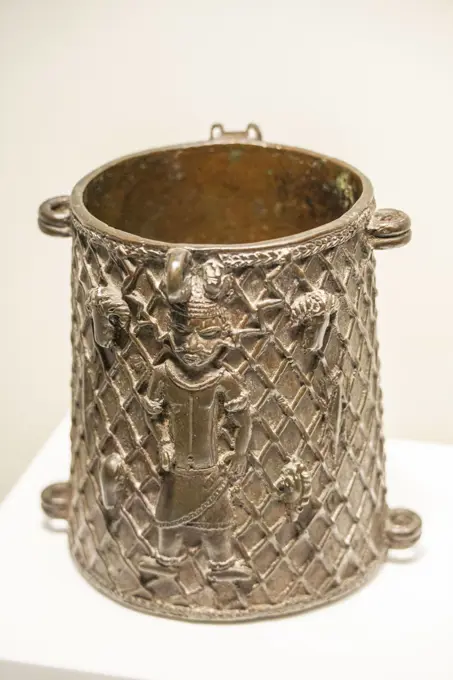
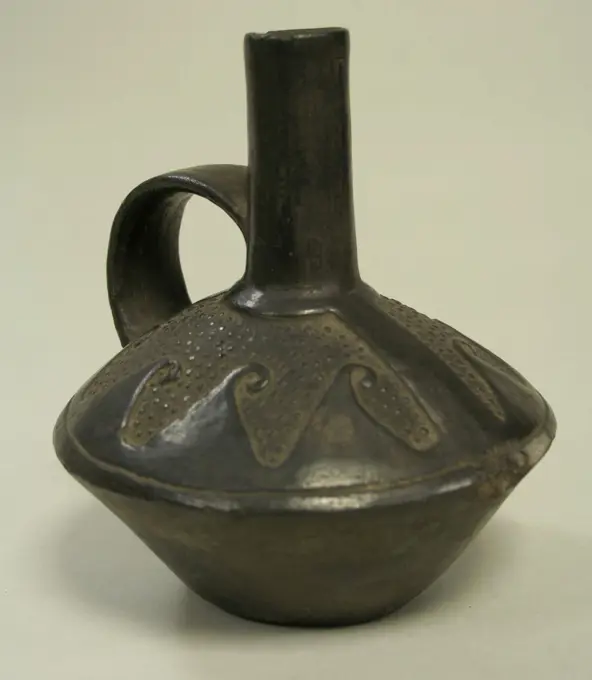
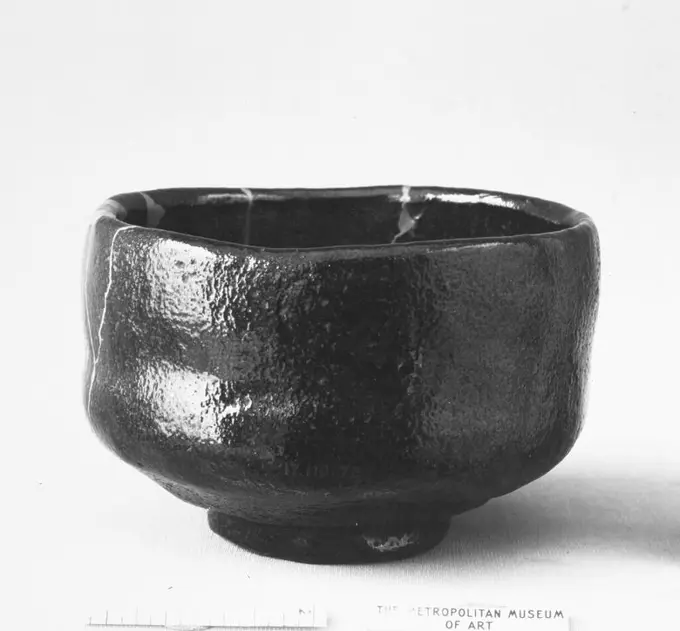
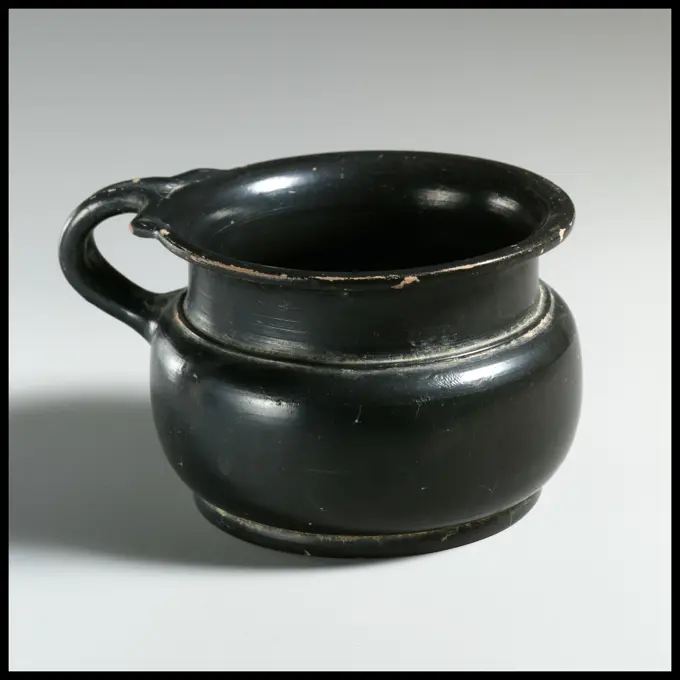
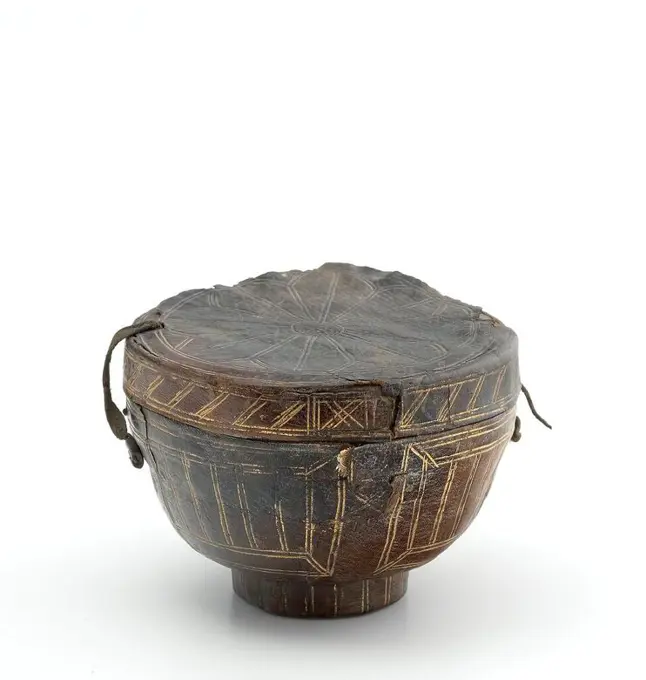
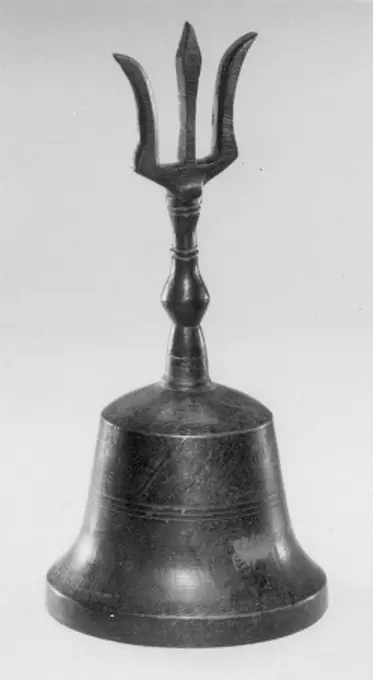
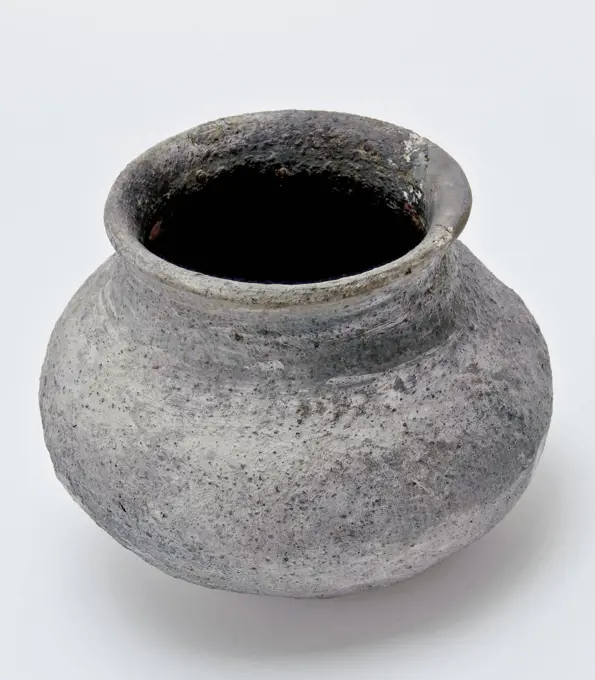
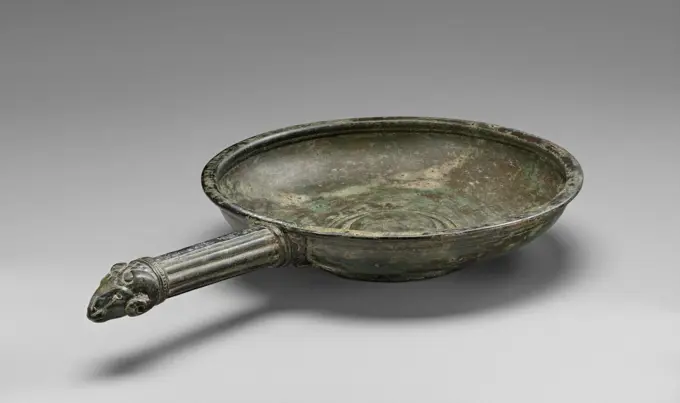
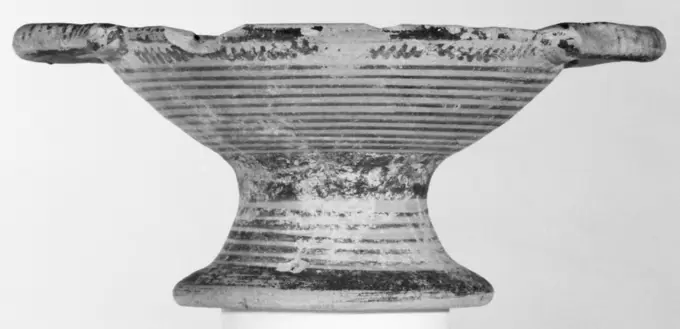
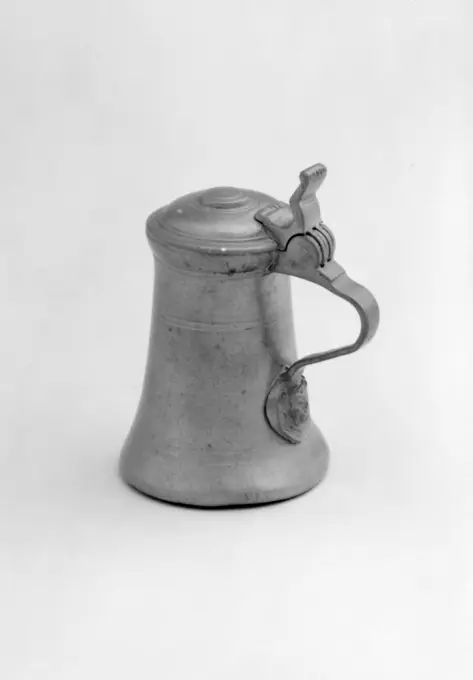
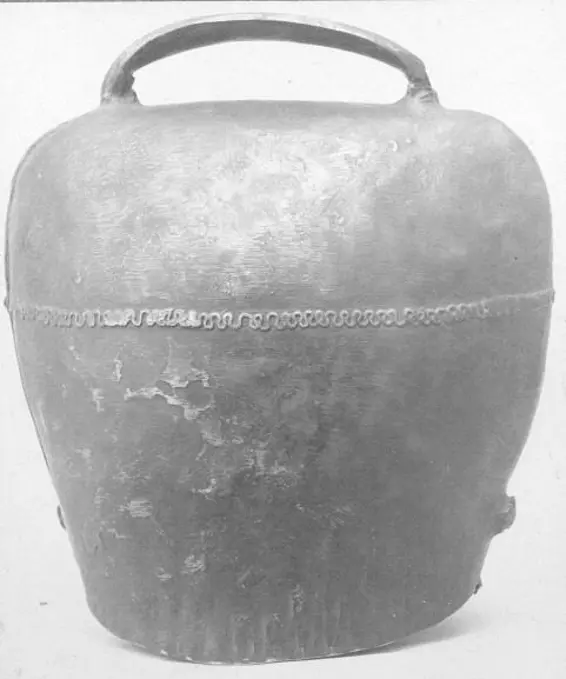
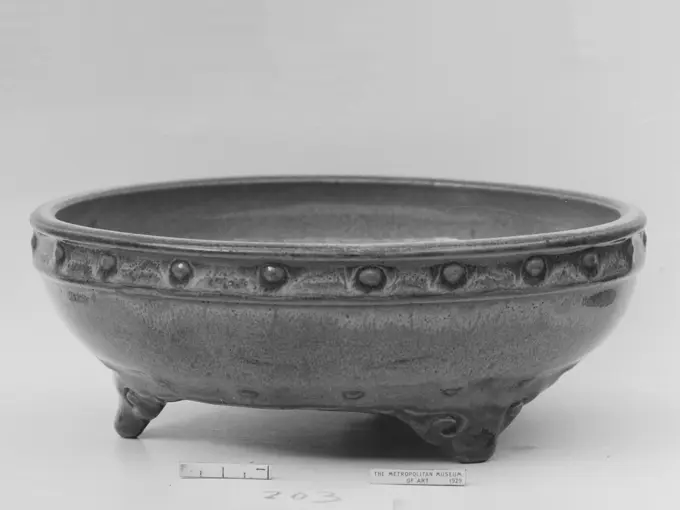
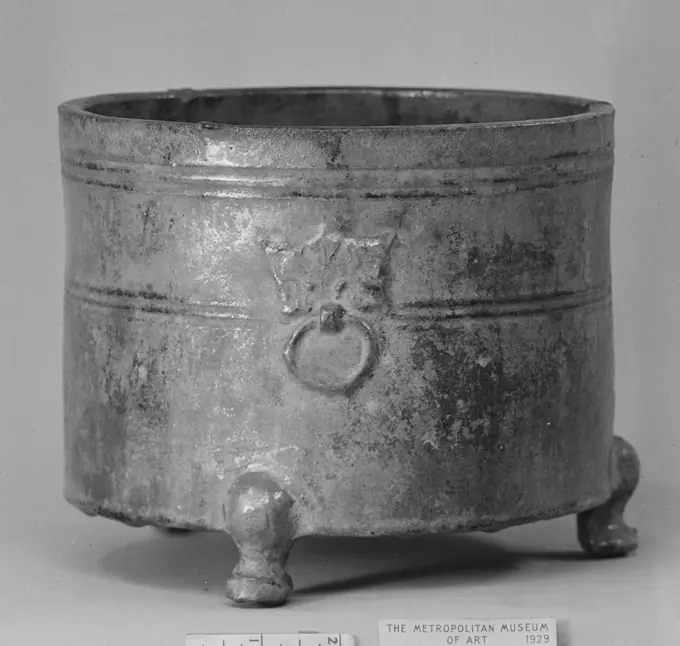
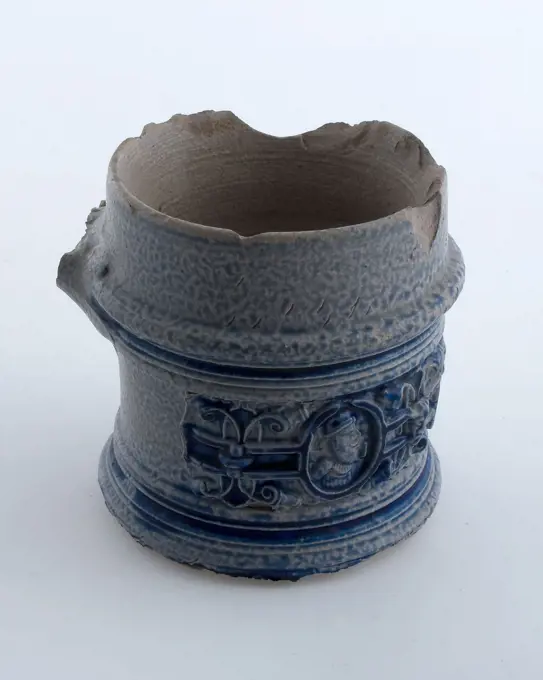
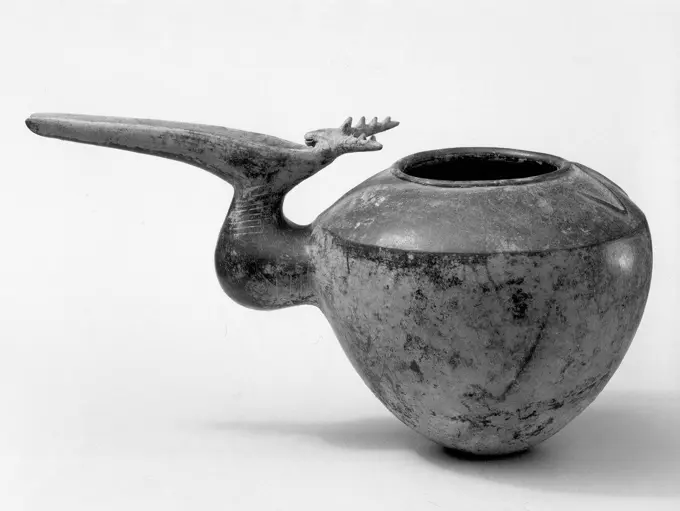
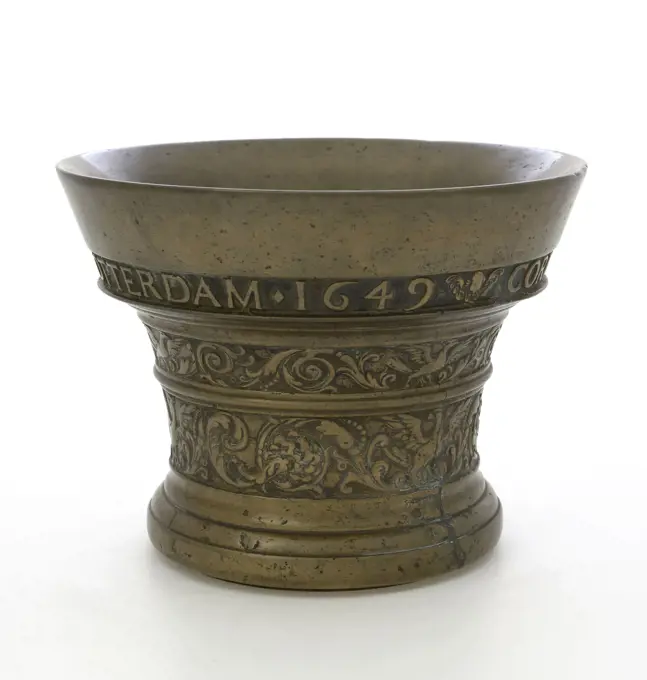
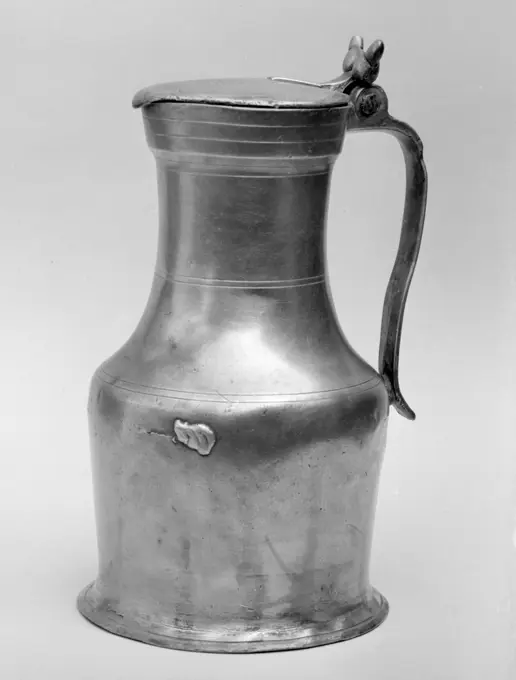
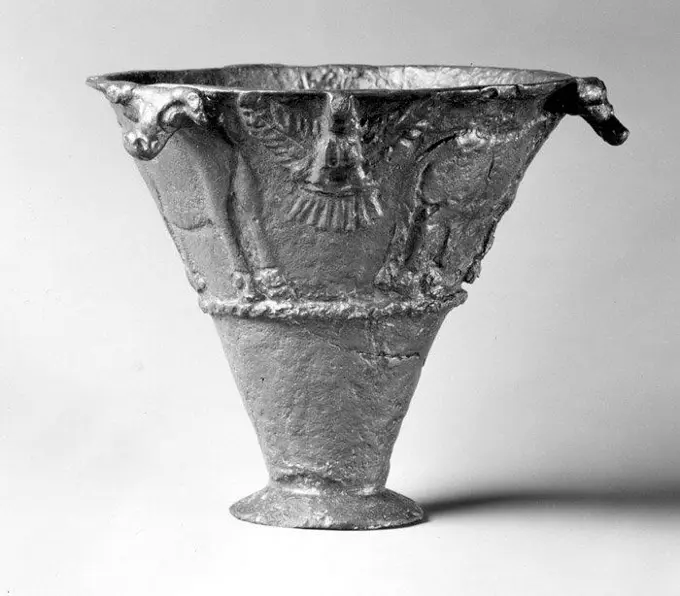
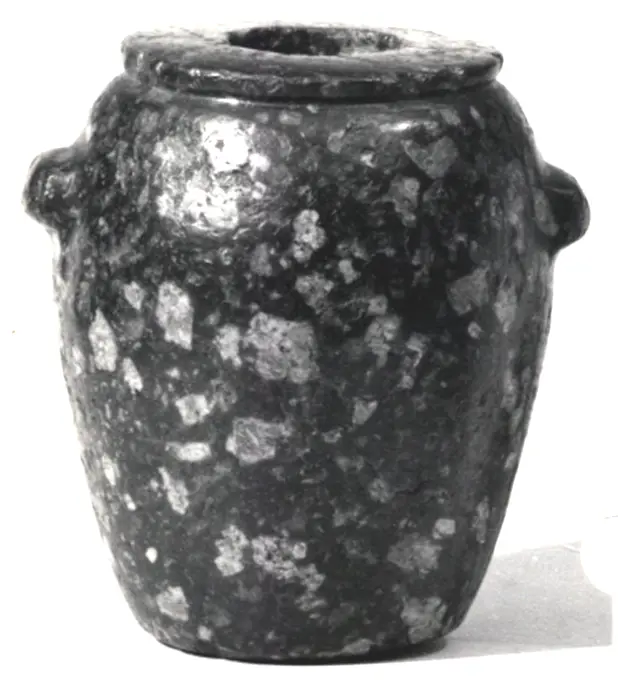
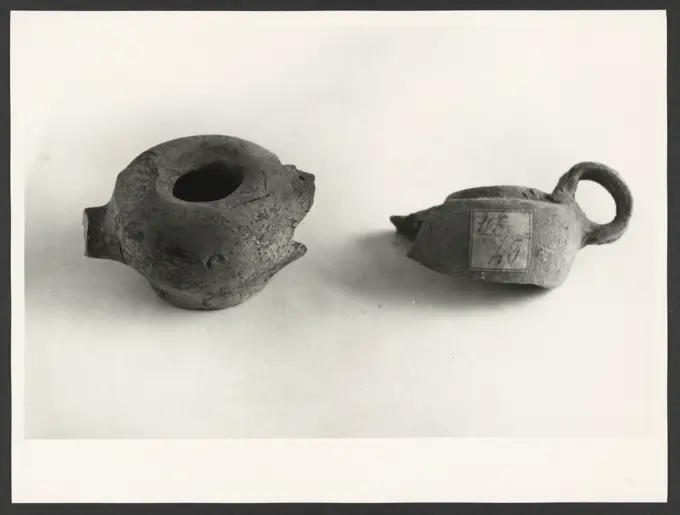
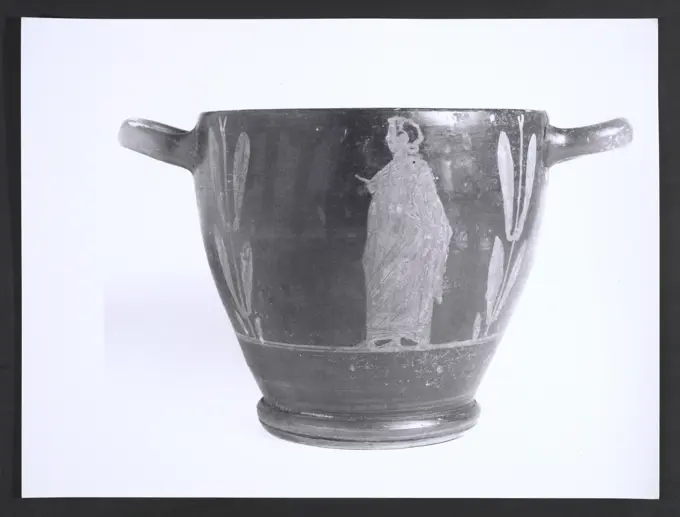
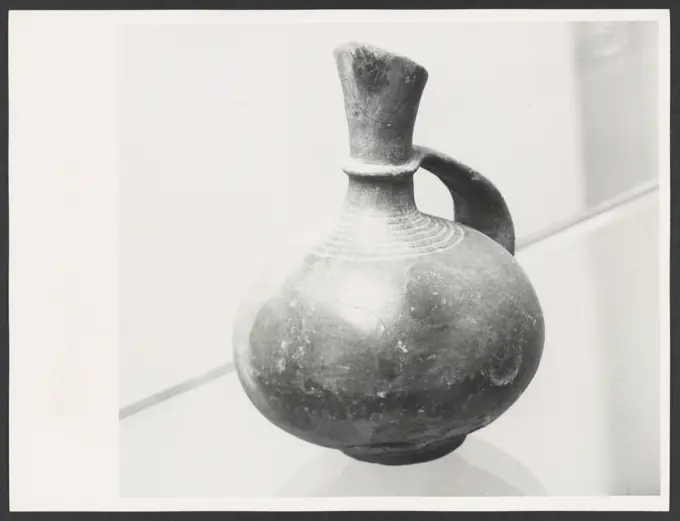
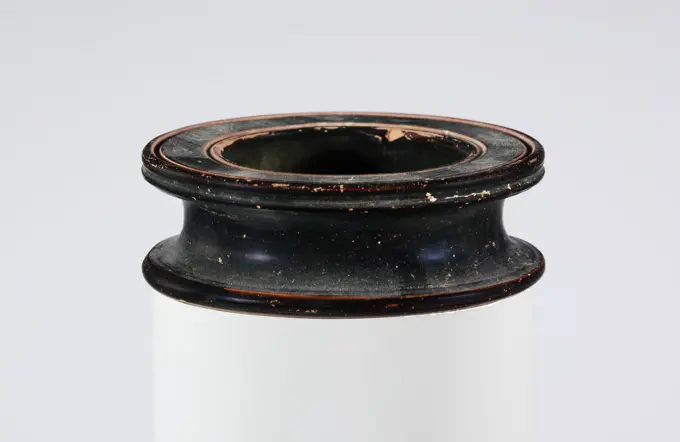
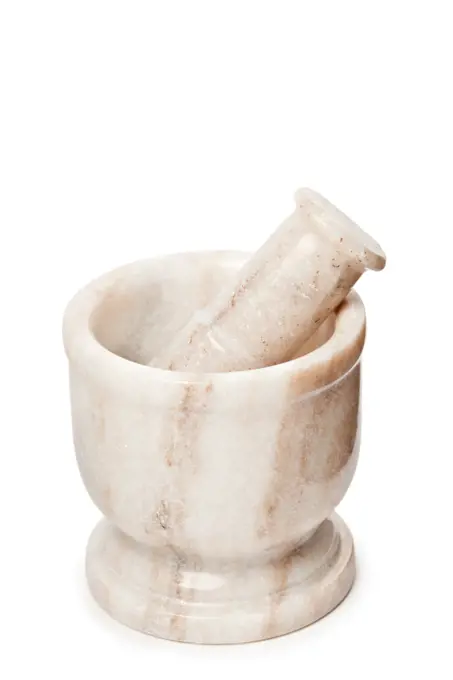
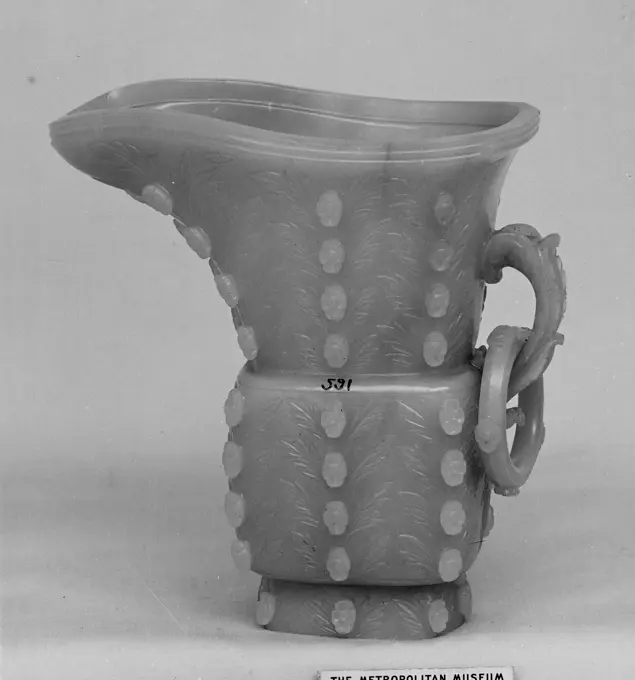
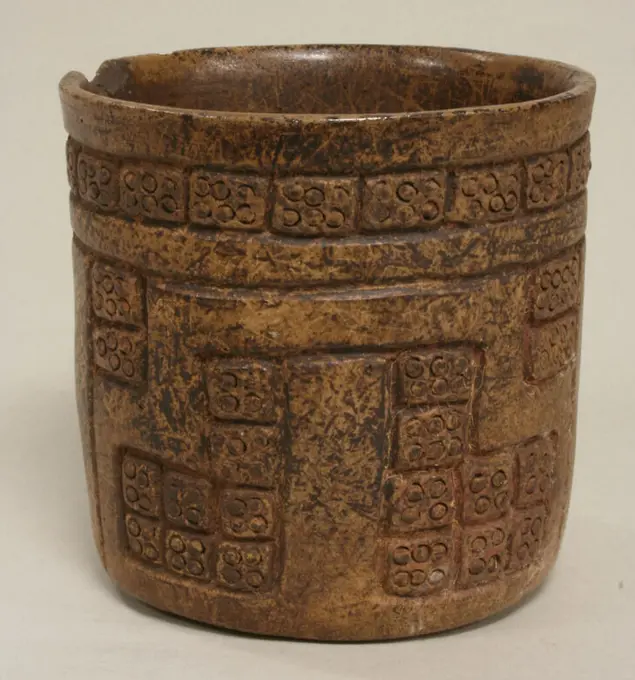
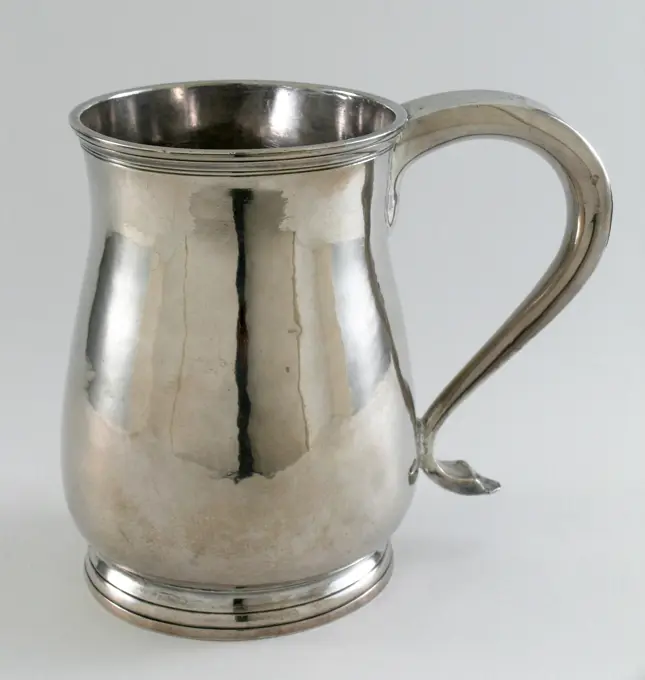
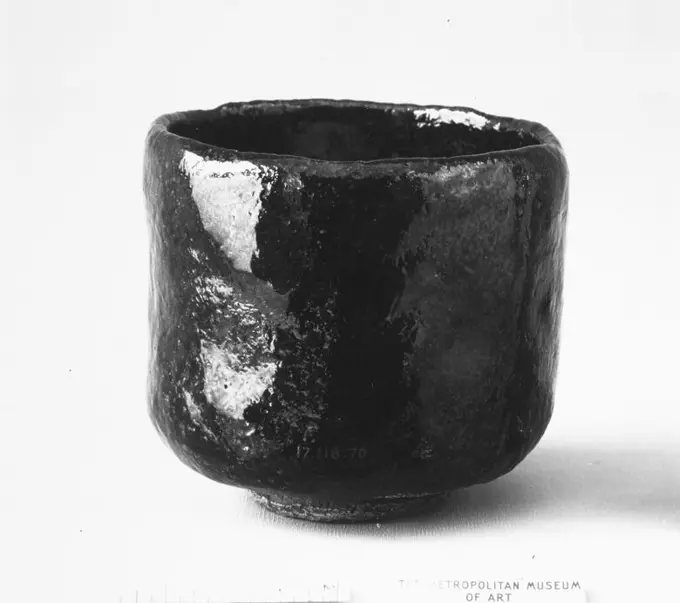
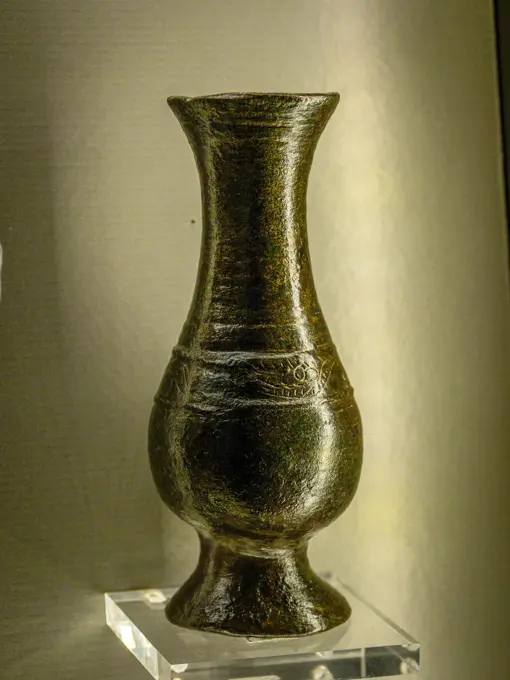
Jar 7th-8th century China. Jar 42377Pottery ointment jar, cylindrical model, red shard, internally glazed, ointment jar pot holder soil find ceramic earthenware glaze lead glaze, hand-turned glazed baked Pottery ointment jar cylindrical model red shard internally glazed. Flat top edge. Stand plane Narrowing of the kettle just above the foot Turning beads on the inside archeology health care indigenous pottery store pharmacy sell craftPottery ointment jar, cylindrical model, internally glazed, ointment jar pot holder soil find ceramic earthenware glaze lead glaze, hand-turned glazed baked Cylindrical model Flat oblique inward directed top edge. Inside with rotating rings internally green and brown glazed. Red shard. Stand surface coarse finished archeology health care indigenous pottery store craft packaging pharmacyStoneware cup on pinched foot, cup drinkware tableware holder soil find ceramic stoneware, hand turned stoneware cup gray shard orange 'blush' pinched foot. Spiral ridge on the wall archeology indigenous pottery drink serve beverage beer wineKadzielniczka;  XVII century () (1601-00-00-1700-00-00);Vessel ca. early 5th century A.D.. Vessel 326763Breastplate. South German or Austrian (Innsbruck). Date: 1510-1530. Dimensions: . Steel. Origin: Innsbruck. Museum: The Chicago Art Institute, Chicago, USA.Bottle. Roman; Levant or Syria. Date: 301 AD-500 AD. Dimensions: 9.5 × 5.4 × 3.8 cm (3 3/4 × 2 1/8 × 1 1/2 in.). Glass, blown technique. Origin: Syria. Museum: The Chicago Art Institute, Chicago, USA. Author: ANCIENT ROMAN.Bowl with handles ca. 9th century B.C. Iran. Bowl with handles 325032Purse with inscription: Min Hapen Stet Allein III Godt / int IAER US MEN M VC LXXIIII. The cast round mortar has more or less a diabolological shape. The round handles, the turns of which are formed by dragon heads, are located against the wall of the object. Above one by ribs fried fries with the inscription in Gothic minuskels: 'Min Hapen Stet Allein III Godt' with the next six interpunctions: a dog, a six-leaf rosette, a hare, a panther, a hare, a cross. Around the middle of the wall a profiled rib. Above the front a blank shield, ceased by two angels. On the foot a fries fries fried by ribs with the inscription in Gothic minuskels 'intly our men's M vc lxxiiii' with seven corresponding interpunctions.Punch bowl 1702 Probably by William Eddon. Punch bowl. British, London. 1702. Pewter. Metalwork-PewterAuger with French lilies. The cast round mortar widens upwards, has a rounded profiled border and a flared base. On the wall two knob-shaped handles, three French lilies and the initials IB on the front, and three French lilies at the rear.Light brown stoneware drinkan, with pinched foot, pot jug crockery holder soil find ceramic stoneware clay engobe glaze salt glaze, hand turned glazed baked stoneware pot jug gray shard brown engobe and salt glaze bandoor protruding ring around the neck twisted lips on the belly pinched foot archeology import pottery serve serve drink wine beerBronze kyathos (ladle) 450-400 B.C. Etruscan At bottom, ornamental band; tongue pattern and beading on lip.. Bronze kyathos (ladle) 248650Lazio Viterbo Viterbo Museo Civico35. Hutzel, Max 1960-1990 Views of paintings (Middle Ages through 18th c.), frescoes, a tabernacle, coffin, sculpture reliefs, portal fragments, busts, sculpture, tapestry found in the Pinacoteca, Second floor gallery and Second floor cloister sequences. Antiquities: Many views of Etruscan and Roman fragments, sculpture, sarcophagi, pottery, masks, jewelry and other objects found in the Storeroom sequence (inventory numbers on back of prints), and the Cloister, Second floor Cloister, Valle Giulia, Sala Romana and Sala Etrusca sequences. General Notes: There are eight separate numerical sequences for this location. The cloister as an architectural structure, rather than museum site, is documented in the record and file for S. Maria della Verita, Cloister, all views of which are stored in Medieval core collection. Five views from the Museo Civico Second floor cloister sequence are stored in Medieval. German-born photographer and scholar Max Hutzel (1911-Pottery ointment jar, white shard, internally glazed yellow, ointment jar pot holder soil find ceramic earthenware glaze lead glaze, hand turned glazed baked Pottery white jar ointment internal yellow glazed on stand. Cylindrical model with narrowing above the foot Stand surface coarsely finished archeology health care indigenous pottery pharmacy store sell craftPottery chamber pot on stand ring, slightly pinched band ear, rings around the shoulder, pot holder sanitary earthenware ceramic earthenware glaze lead glaze, hand-turned glazed baked Pottery chamber pot on stand ring Fully glazed brown with greenish spots Double conical shape with profile ring round the stomach. Coarse twisted feathers on the shoulder. Wide opening funnel-shaped top edge. Slightly pinched band ear. Restoration is repainted archeology underground pit Rotterdam City Triangle Groenendaal indigenous earthenware sleeping night room hygiene disposal Soil discovery: underground pit Groenendaal cesspool at 1.90 meters. Found 1975-10-03.Bottom of stoneware drinking jug or cup on pinched foot, brown salt glaze, drinking jug cup fragment tableware holder soil find ceramic stoneware glaze salt glaze bottom 5.8, hand turned glazed baked Stoneware soil wall fragment external brown salt glaze pinched foot turning feathers Foot of slim drinking jug or cup. Most likely reused with other purposes; the fracture planes and the internal part are caked in black archeology Capelle aan den IJssel House in Capelle castle indigenous pottery import tableware kitchenware tableware reuse Soil discovery: canal south side house in Capelle ± 1395-1500 Capelle aan den IJssel 1963.Purse with inscription: Petrus Vanden Ghein Me Fecit MccCCCLXI. The cast round mortar widens upwards and has a high-wearing profiled border and a profiled foot. On the edge in Gothic Majuskels The reciprocator 'Petrus Vanden Ghein me fecit MCCccCLXI' with one interpunction in the form of a four-leaf rose. Around the middle of the wall a frieze with a ram head between two masks and a vase ceased by two griffins (repeated three times).Ointment jar. Dimensions: h. 12.2 cm (4 13/16 in). Dynasty: Dynasty 13. Date: ca. 1802-1640 B.C.. Museum: Metropolitan Museum of Art, New York, USA.Probably Venetian 16th Century, Mortar with Shields, Festoons, and Animals, 16th century Mortar with Shields, Festoons, and AnimalsBowl 11th-12th century China. Bowl. China. 11th-12th century. Stoneware with white glaze. Northern Song dynasty (960-1127). CeramicsTeabowl ca. 1650 Raku Donyu Japanese. Teabowl. Raku Donyu (Japanese, died 1656). Japan. ca. 1650. Clay covered with a shiny black glaze and frothy edge of glaze (Raku ware). CeramicsEarthenware ointment jar, low model, white glazed, ointment jar pot holder soil finds ceramic earthenware glaze tin glaze, delfts white hand-turned glazed baked Pottery ointment jar wide low form with two smooth nips along the outside of the kettle. Obliquely outward-facing edge. White glazed on the inside discolored. Stand archaeology Rotterdam City triangle Delftsevaart health care indigenous pottery pharmacy packaging medicine drug sell craft store Soil discovery discovered and found during the partial reclamation of the Delfse Vaart for the purpose of making the lift over the Vaart in the summer of 1928.Terracotta mug. Culture: Greek, South Italian, Apulian. Dimensions: H. 2 1/2 in. (6.3 cm). Date: late 5th-early 4th century B.C..Squat with wide mouth. Museum: Metropolitan Museum of Art, New York, USA.Terracotta oinochoe (jug) 5th century B.C. Greek, Attic Black glazed jug with no decoration.. Terracotta oinochoe (jug) 255502Mortar 16th century Italian, possibly Venice. Mortar 203941Terracotta stemmed kyathos (single-handled cup). Culture: Etruscan. Dimensions: H. with handle 8 9/16 in. (21.8 cm); H. without handle 5 1/4 in. (13.3 cm). Date: ca. 550-525 B.C..The flaring, fluted rim and the molded handle, here decorated with a female head and an elaborate palmette-volute, are typical features of bucchero produced in and around Chiusi throughout much of the sixth century B.C. Museum: Metropolitan Museum of Art, New York, USA.Funerary urn of the Second Iron Age (6th-3dr c. BC). Iron Age. Decorative Arts. SPAIN. CASTILE AND LEON. Burgos. Burgos Museum. Proc: SPAIN. CASTILE AND LEON. BURGOS. Miraveche.Bottle For Sweets 18th century Japan. Bottle For Sweets. Japan. 18th century. Clay (Takatori ware). Edo period (1615-1868). CeramicsTeapot 1800 Aoki Mokubei Japanese. Teapot. Aoki Mokubei (1767-1833) (). Japan. 1800. Faience decorated with design in relief and glaze (Kyoto ware). Edo period (1615-1868). CeramicsPottery ointment jar, cylindrical with three constrictions, glazed in gray white, ointment jar pot holder soil find ceramic earthenware glaze tin glaze, hand-turned baked 2x glazed earthenware ointment jar cylindrical in shape with three notches small necking in the middle of the side wall. Completely greyish white glazed. Stand surface with deducting traces So-called Delftware in the form of an albarello archeology health care indigenous pottery packing pharmacy store selling medicine medicament craftTusk hält Tusk holder, ancient Benin Kingdom, Edo people, Nigeria, 17th century, lost-wax brass, MEB, Barcelona, Catalonia, Spain LicenseRF Copyright: xZoonar.com/Tolox 23171210Bottle 12th-15th century Chimú. Bottle 310497Teabowl. Artist: Ichinyu (Japanese, died 1682). Culture: Japan. Dimensions: H. 3 in. (7.6 cm); Diam. 4 1/2 in. (11.4 cm). Date: ca. 1675. Museum: Metropolitan Museum of Art, New York, USA.Terracotta mug late 5th-early 4th century B.C. Greek, South Italian, Apulian Squat with wide mouth.. Terracotta mug 255794Fluted Chalice. UnknownMughal Workshop; Ottoman Workshop / 'Case for Heliotrope tazza with turquoises and rubies'. 1600 - 1711. Leather, Wood, Velvet. Museum: Museo del Prado, Madrid, España.Geuzennapje . Kalebasvormig Houten Napjus op Voet. Handgreep op of buikis. Opschrift ; op de buik : I am here is, symbolic Geusicum / is acceptable, and with other, similar cases / Bonn pumpkins , when a beggar / The garrison there, it was reclaimed from the Schenkiana of a soldier / hands , each one is connected in the field with such a subject of instrumental / the chin , with all instruments were . Three of these colonies of the college / reported . 1 received the distinction we Comus Truchseß ; 2m is the present ; 3M in college, this witness remained A1648 / 1 Grothaus .Granary. Culture: China. Dimensions: H. 9 1/4 in. (23.5 cm); Diam. 8 in. (20.3 cm). Museum: Metropolitan Museum of Art, New York, USA.Dish ca. 1300-1000 B.C. Iran This dish has a flat base and a straight rim. A small handle in the form of a horned animal head rises from one side. The dish is made of grey clay, and wheel lines on the interior indicate that it was made on a potters wheel.This dish was excavated at Tepe Sialk, near Kashan in central Iran. Sialk was the site of a fortified town, constructed in the early first millennium B.C. Several hundred yards from the town there was a large cemetery, called Necropolis A by the archaeologists who discovered it in 1934. The graves were pits lined with stones, and in addition to the bodies of the dead they contained mainly ceramic vessels such as this one, along with metal weapons and jewelry, and occasionally cylinder seals. Possibly this dish was used in a funerary banquet or ritual before it was placed in the grave; the base suggests, however, that it was designed for use on a flat surface such as a table, meaning its primary intended purpose was for dining. RegardlBell late 19th century Chinese. Bell. Chinese. late 19th century. Bronze. China. Idiophone-Struck-bell-clapperLancelle vase. Bronze. China. Paris, Cernuschi museum. 70625-9 Chinese art, bronze, extended shape, decorative motif, launcher vaseCreamer 1775-95 Peter Young. Creamer 2710Goblet Gerardin & Watson, London early 19th century Pubs or public houses were establishments licensed to sell alcoholic beverages to their customers, which became popular places for social gatherings. British law required that all food and drink be served in imperial measurements, so public house owners kept pewter drinking cups of different sizes and shapes with their capacity prominently marked on the outside. This example is a footed goblet, a form that attained widespread use in the nineteenth century. It bears a measurement stamp "1/2 PINT" and features the inscription "R. FIELDINGS BLACK BOY," which likely refers to the name of the public house in which it was used. View more. Goblet. British. early 19th century. Pewter. Metalwork-PewterDinner pail French late 18th-early 19th century View more. Dinner pail. French. late 18th-early 19th century. Pewter. Metalwork-PewterBowl on High Foot 5th-6th century Korea. Bowl on High Foot 57500Pottery ball pot, ball pot cooking pot tableware holder kitchenware earthenware ceramic pottery, hand-shaped hand-turned baked Pottery ball pot Ball-shaped belly and short neck with necking under the neck edge. The bottom of the pot is cropped archeology Rotterdam Stadscentrum Stadsdriehoek Hoogstraat pottery cook prepare food store soil found Hoogstraat Rotterdam found during digging for the construction of Vroom & Dreesman.Tankard, 19th century, 5 3/8 x 5 3/4in. (13.7 x 14.6cm), Pewter, England, 19th centurySaltcellar 1780-1825 American or British. Saltcellar 6972Miniature Etruscan Kantharos. UnknownMortar andPestleWater Pot with Lid 19th century Japan. Water Pot with Lid. Japan. 19th century. Pottery with lid of clay, browned in the fire, covered with glaze and overglazes (Awata ware). Edo (1615-1868) or Meiji period (1868-1912). CeramicsBowl. Culture: Korea. Dimensions: H. 3 in. (7.6 cm); Diam. 6 3/4 in. (17.1 cm). Date: 11th- early 12th century. Museum: Metropolitan Museum of Art, New York, USA.Damaru 18th century Indian Siva, Hindu Lord of destruction, regeneration and mythic inventor of drums, plays the damaru when he appears as Natesa, Lord of Dancers. He twists the hourglass-shaped drum causing pellets, attached by strings at its waist, to strike the skin heads which cover each end. Its rhythmic reverberations, a primal sound of creation, moves the cosmos in an ever changing, endless dance. The damaru's long association with Siva represents but one context in which this widely distributed instrument type is found. Known by diverse names throughout South Asia, the Himalayas, and Mongolia, the instrument's unrestricted use places it in the mortal hands of members of any social stratum, from priests to beggars. Drums like this one are usually made of plain or turned and painted wood although metal ones are not uncommon. This rare, 18th century, ivory damaru is encircled by incised and carved bands. Bands close to the open ends contain integral beading while ones nearer the wVase with a flat, wide stroke unknownPottery flowerpot, four holes in the bottom, unglazed, flower pot holder earth discovery ceramic earthenware, hand-turned pierced baked Flowerpot of red earthenware thickened upper edge unglazed standing foot four pierced holes in the bottom rotations. Conical model with expanded stand ring archeology Valckensteyn Poortugaal Albrandswaard indigenous pottery flower plant herb garden gardener gardener kitchen Soil discovery: canal at kitchen castle Valckensteyn at Poortugaal now Albrandswaard 1961.Tripod vessel with three ram heads 18th century China. Tripod vessel with three ram heads 48368Jar - Inconnu / UnknownCup 10th century. Cup 449831Archer's ring China. Archer's ring 42833Pitcher ca. 1100-1150 South Italian The griffins and lions decorating this pitcher attest to the popularity of Islamic designs on luxury goods made during the 1100s in southern Italy, where Byzantine, Muslim, and Western styles of art comfortably coexisted under the patronage of Norman kings.. Pitcher. South Italian. ca. 1100-1150. Copper alloy, cast. Metalwork-Copper alloyMug"PROAL" PARA SACAR AGUA DEL POZO - S XX ARTE POPULAR. Location: ALFARERIA. LA BISBAL. GERONA. SPAIN.Patera. UnknownAttic Geometric Footed Plate. UnknownBird cup China. Bird cup 43395Measure 18th century Austrian. Measure 208080Cattle Bell 18th century Swiss BELLSMetal bells are among the oldest of extant musical instruments and can be found in nearly every culture that has highly developed metallurgical proficiency. Bells were, and still are, used for religious and ritual observance, signaling, music, or adornment of both humans and animals. Bells may be imbued with protective powers that ward off evil or perpetuate a prayer. Made in a variety of forms, some are sounded internally by a clapper, others contain a pellet that rolls freely inside the body (crotal bell), and some are struck externally by a beater.. Cattle Bell 504972Bulb Bowl China. Bulb Bowl. China. Stoneware with purple-blue glaze (numbered Jun ware). Yuan dynasty (1271-1368). CeramicsIncense burner China. Incense burner. China. Nephrite. Qing dynasty (1644-1911), Qianlong period (1736-95). JadeSitula 664 BCE-30 BCE Egypt. Bronze . Ancient EgyptianCylindrical Vessel (Lien) China. Cylindrical Vessel (Lien). China. Pottery. Han dynasty (206 B.C.-A.D. 220). CeramicsSkyphos. UnknownTinsmith: Jan Willemsz, Frizzy with hyperbolic body, curved hinged lid and question mark-shaped ear, pot mug cup drinking utensils tableware holder soil find tin, molded Flat bottom hyperbolic body and spherical lid with two-ply hinge thumb rest with profiled rod and question mark-shaped ear; profiled edges on the body; two brands on the ear notice on the ear: metal watering jug drink archeologyJan Mennicken, Neck fragment of stoneware jug with blue ornament in relief, 1593, jug crockery holder soil find ceramics pottery glaze salt glaze, hand turned stamped molded glazed baked Neck fragment of Westerwald jug. Stoneware. Cylindrical neck with embossed decoration. Decoration consists of three oval cartouches in which three portraits and initials between the cartouches straight and curled ornaments and twice devil's head. Profile rings around the neck. Gray and blue dotted glaze. All high relief blue glazed Text and year in cartouches from left to right: I 93 M archeology underground pit Rotterdam Stadscentrum Stadsdriehoek Groenendaal indigenous pottery import donate beer wine drink serving table Soil discovery underground pit Groenendaal (canal dredger) 1976-08-10.Cavesson (Psálion) 1st-2nd century Roman or Thracian This ancient type of cavesson was used with a curb bit as a kind of 'emergency break.' Its lower curved bar was connected to a lead rope attached to the saddle or wrapped around the rider's arm. The cavesson presses on the horse's nose, a very sensitive area, and is used for reprimanding a spirited horse, or simply keeping some control of it, when the rider has to let the reins go for fighting. It was also used for leading a horse on foot. On this example, the long angled shanks have a leverage effect increasing the strength of the rider's action on the nose (like today's hackamores).The use of the cavesson (psálion in Greek) was widely known in the Ancient Near East and Greece, and is described in the equestrian treaty of Xenophon (ca. 430-355 B.C.). There he also indicates not to lead the horse with one rein, because the bit, pulled in a wrong way, would spoil the mouth, and advises to use the cavesson instead.These cavessons are oVessel ca. 1000 B.C. Iran. Vessel. Iran. ca. 1000 B.C.. Ceramic. Iron Age. IranWater Coupe China. Water Coupe. China. Porcelain with incised decoration under peachbloom glaze. Qing dynasty (1644-1911), Kangxi mark and period (1662-1722). CeramicsCornelis Ouderogge (1599 of 1600-1672), Bronze mortar with CORNELIS AGING FECIT AND D I O ROTTERDAM 1649, auger equipment bronze, cast Cylindrical upwardly widening body made of round profiled foot wall with two decorative frieze high cantilevered top edge with inscription. The two decorative friezes are separated by ridge. The upper frieze is narrower than the lower one. Transition middle section and projection is formed by three ridges In Latin majuskels poured in the top metalworker Rotterdam health care pharmacy grinding Cornelis Ouderogge was artillery and bell foundry in the service of the Admiralty on the Maze in Rotterdam.Pair of pitchers 18th century French. Pair of pitchers. French. 18th century. Pewter. Metalwork-PewterConical beaker with relief decoration of bovines and birds of prey ca. 2600-2350 B.C. Sumerian. Conical beaker with relief decoration of bovines and birds of prey 327432Jar ca. 3850-2960 B.C. Predynastic Period. Jar 564820Prehistory, Italy, Iron Age. Golasecca culture. Vase.Lazio Viterbo Viterbo Museo Civico85. Hutzel, Max 1960-1990 Views of paintings (Middle Ages through 18th c.), frescoes, a tabernacle, coffin, sculpture reliefs, portal fragments, busts, sculpture, tapestry found in the Pinacoteca, Second floor gallery and Second floor cloister sequences. Antiquities: Many views of Etruscan and Roman fragments, sculpture, sarcophagi, pottery, masks, jewelry and other objects found in the Storeroom sequence (inventory numbers on back of prints), and the Cloister, Second floor Cloister, Valle Giulia, Sala Romana and Sala Etrusca sequences. General Notes: There are eight separate numerical sequences for this location. The cloister as an architectural structure, rather than museum site, is documented in the record and file for S. Maria della Verita, Cloister, all views of which are stored in Medieval core collection. Five views from the Museo Civico Second floor cloister sequence are stored in Medieval. German-born photographer and scholar Max Hutzel (1911-Geuzennap with gourd, Anonymous, 1550 - 1600Lazio Viterbo Viterbo Museo Civico90. Hutzel, Max 1960-1990 Views of paintings (Middle Ages through 18th c.), frescoes, a tabernacle, coffin, sculpture reliefs, portal fragments, busts, sculpture, tapestry found in the Pinacoteca, Second floor gallery and Second floor cloister sequences. Antiquities: Many views of Etruscan and Roman fragments, sculpture, sarcophagi, pottery, masks, jewelry and other objects found in the Storeroom sequence (inventory numbers on back of prints), and the Cloister, Second floor Cloister, Valle Giulia, Sala Romana and Sala Etrusca sequences. General Notes: There are eight separate numerical sequences for this location. The cloister as an architectural structure, rather than museum site, is documented in the record and file for S. Maria della Verita, Cloister, all views of which are stored in Medieval core collection. Five views from the Museo Civico Second floor cloister sequence are stored in Medieval. German-born photographer and scholar Max Hutzel (1911-Tuscany Grosseto Massa Marittima Museo Civico9. Hutzel, Max 1960-1990 Post-medieval: Panel painting (1), painting Antiquities: Sculpture, urns, arrowheads, tools German-born photographer and scholar Max Hutzel (1911-1988) photographed in Italy from the early 1960s until his death. The result of this project, referred to by Hutzel as Foto Arte Minore, is thorough documentation of art historical development in Italy up to the 18th century, including objects of the Etruscans and the Romans, as well as early Medieval, Romanesque, Gothic, Renaissance and Baroque monuments. Images are organized by geographic region in Italy, then by province, city, site complex and monument.Terracotta stand late 6th-5th century B.C. Greek, Attic This object may have been used to support one of the various small oil containers such as alabastra and aryballoi whose round bottoms did not permit them to stand of their own accord. Similar pieces consisting of an open ring are known in gold and are associated especially with Southern Italy; see the examples displayed in the Greek galleries on the main floor.. Terracotta stand 254283 Greek, Attic, Terracotta stand, late 6th5th century B.C., Terracotta, H. 15/16 in. (2.4 cm); diameter 2 7/8 in. (7.3 cm). The Metropolitan Museum of Art, New York. Rogers Fund, 1941 (41.162.111)Candlestick with round foot and trunk with one button. The object is composed of two parts: the foot and the trunk with candle holder. They are poured and then turned. The foot, which also serves as a fat catcher has a spherical increase in the middle, on which the trunk provided with one knot has riveted. This is then turned off at the bottom. The almost cylinder-shaped candle holder has two rectangular openings in the wall, which are extended in each other. Foot and trunk are decorated with profiles. The object that is damaged at the foot and holder is a soil find.Marble mortar and pestle isolated on white backgroundWine-pitcher China. Wine-pitcher. China. Nephrite, white with very light greenish tint. Qing dynasty (1644-1911), Qianlong period (1736-95). JadeKop van Hoorn, with two ears, a mouth and a foot edge of silver, anonymous, 1600 - 1699 Kop van Hoorn, with two ears, a mouth and a foot edge of silver. The ears in the form of two C-Voluten with bird head. The silver is unnoticed. The horn is cracked in three places. Germany (possibly)Netherlands (possibly) horn (animal material). silver (metal) Kop van Hoorn, with two ears, a mouth and a foot edge of silver. The ears in the form of two C-Voluten with bird head. The silver is unnoticed. The horn is cracked in three places. Germany (possibly)Netherlands (possibly) horn (animal material). silver (metal)Porringer. Culture: American. Dimensions: Diam. 4 in. (10.2 cm). Maker: Thomas Danforth Boardman (1784-1873); Sherman Boardman (1787-1861). Date: 1810-50. Museum: Metropolitan Museum of Art, New York, USA.Vessel. Culture: Maya. Dimensions: H. 5 2/3 x Diam. 5 3/4 in. (14.4 x 14.6 cm). Date: 6th-9th century. Museum: Metropolitan Museum of Art, New York, USA.Cann. United States, circa 1708. Furnishings; Serviceware. SilverKohl jar ca. 1550-1295 B.C. New Kingdom. Kohl jar. ca. 1550-1295 B.C.. Travertine (Egyptian alabaster). New Kingdom. From Egypt; Probably from Upper Egypt, Thebes. Dynasty 18Pilgrim cylinder;  XII-XIII century (1101-00-00-1300-00-00);Semerau-Siemianowski, Władysław (1849-1938), Semerau-Siemianowski, Władysław (1849-1938)-collection, Arabic (culture), gift (provenance), Ajjubid dynasty (1171-1341), Islam (culture), art of IslamTeabowl. Artist: Ryonyu (died 1835). Culture: Japan. Dimensions: H. 3 3/4 in. (9.5 cm); Diam. 4 in. (10.2 cm). Date: ca. 1800. Museum: Metropolitan Museum of Art, New York, USA.Westgotischer Krug Visigothic jug, bronze, 7th century, Iturrieta cave, Manaria, Arkeologi Museoa, archaeological museum, Bilbao, Bizkaia, Basque Country, Spain Copyright: xZoonar.com/BartomeuxBalaguerxRotgerx 22845517