Ancient Pottery Containers

Artifacts consisting of ancient jars and ointment pots from various eras, showcasing traditional craftsmanship and ceramic designs.
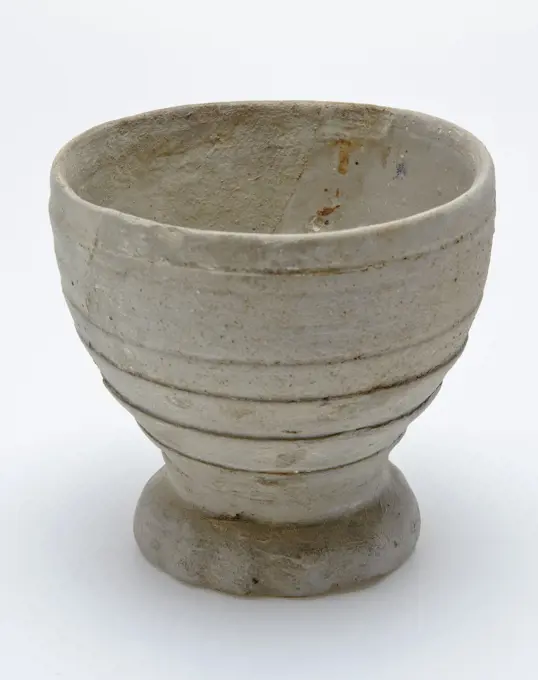
Stoneware cup on pinched foot, cup drinkware tableware holder soil find ceramic stoneware, hand turned stoneware cup gray shard orange 'blush' pinched foot. Spiral ridge on the wall archeology indigenous pottery drink serve beverage beer wine
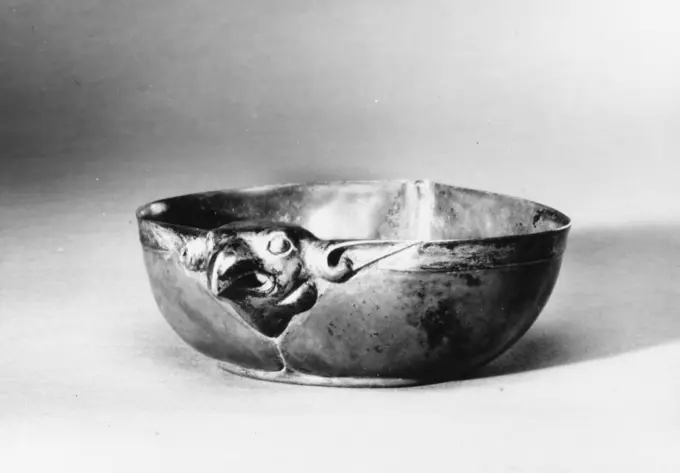
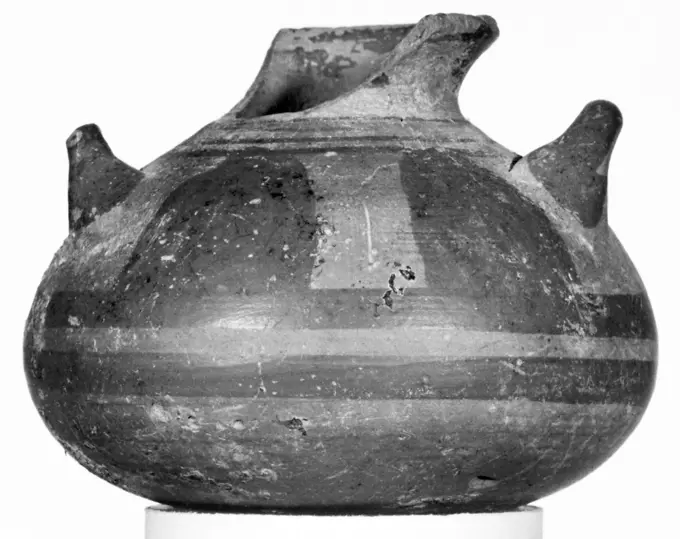
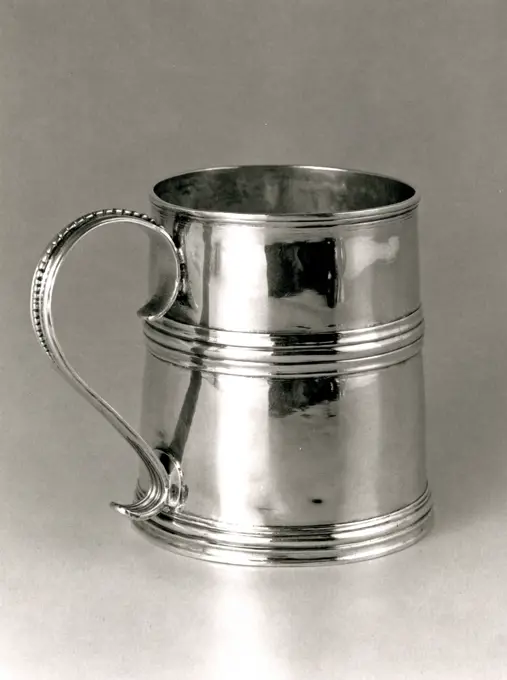
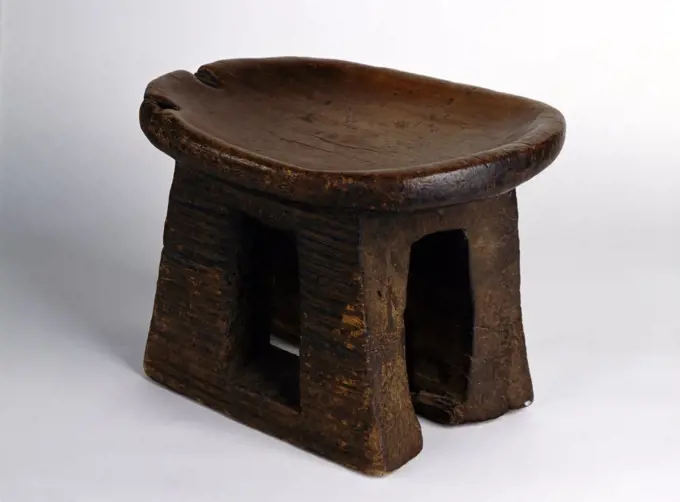
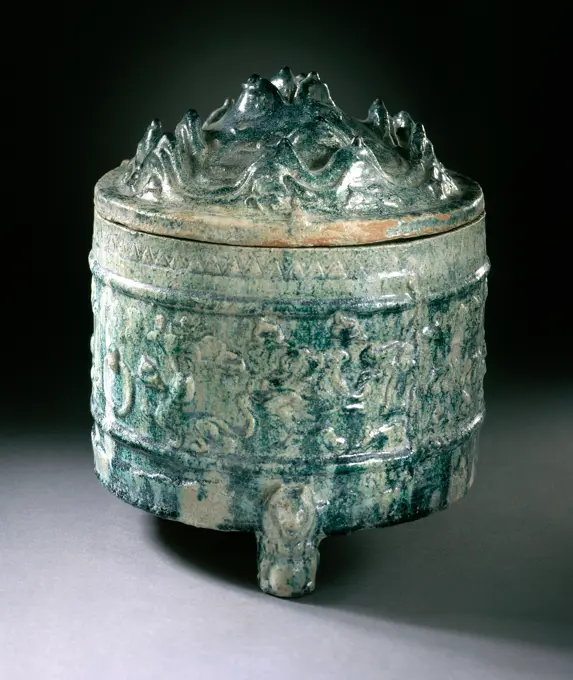
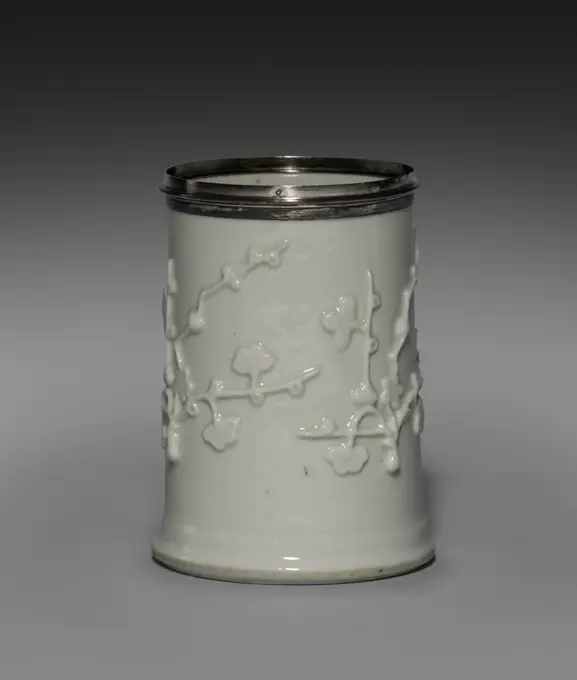
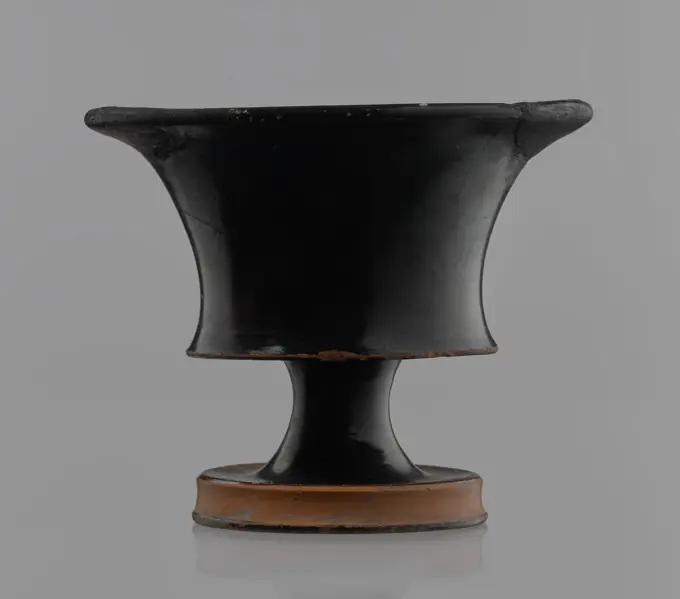
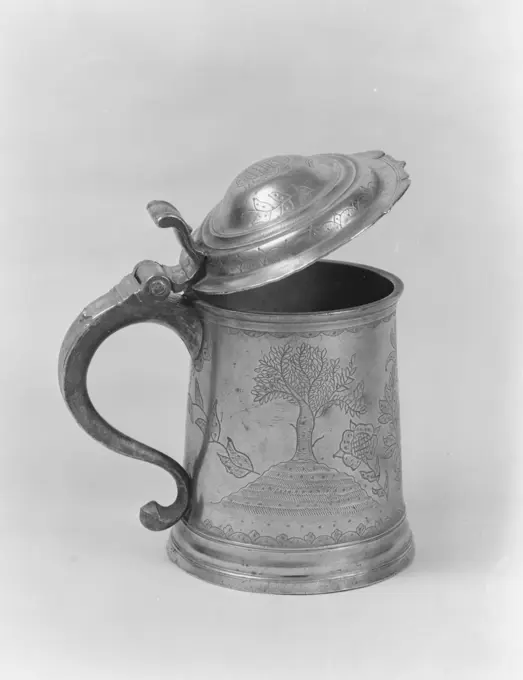
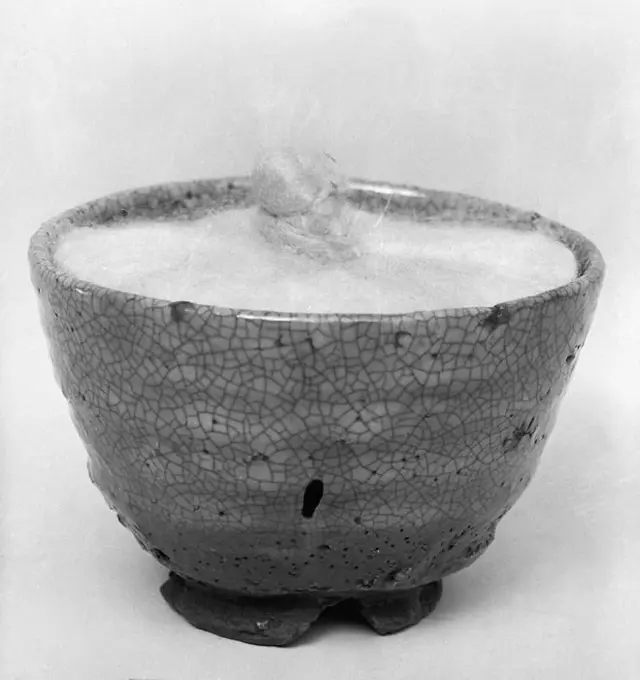
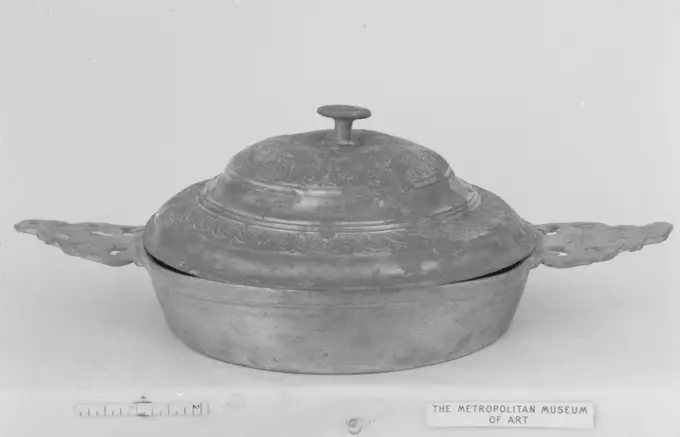
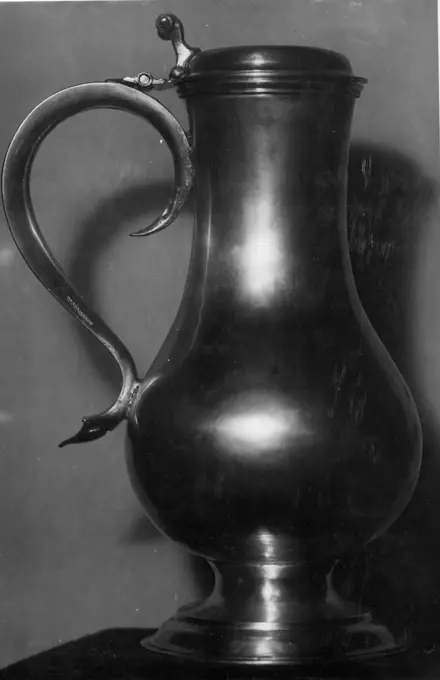
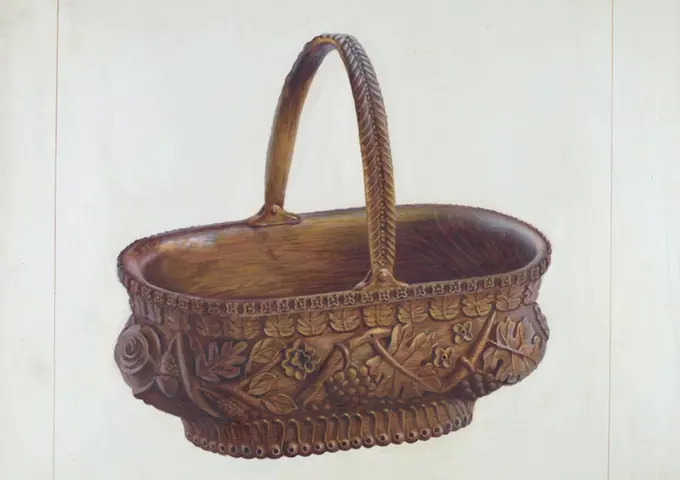
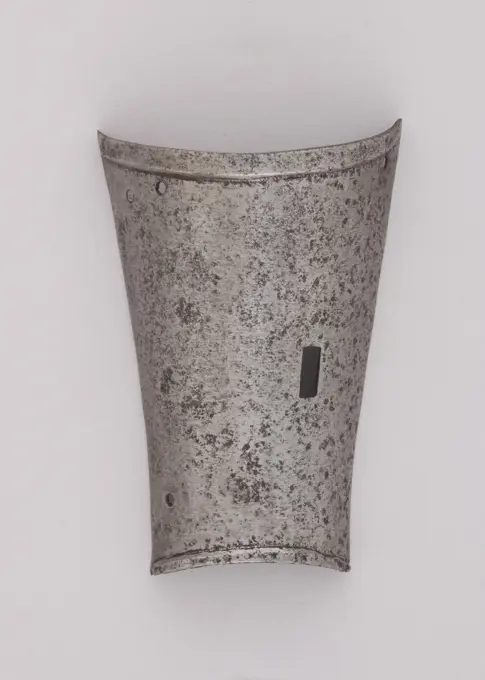
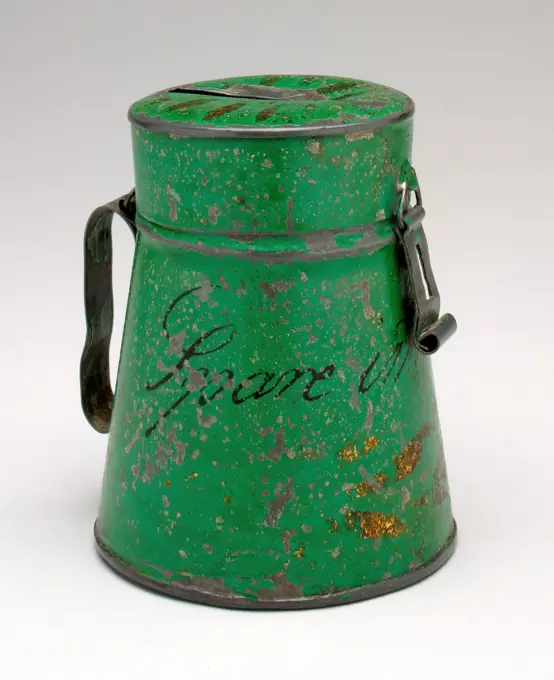
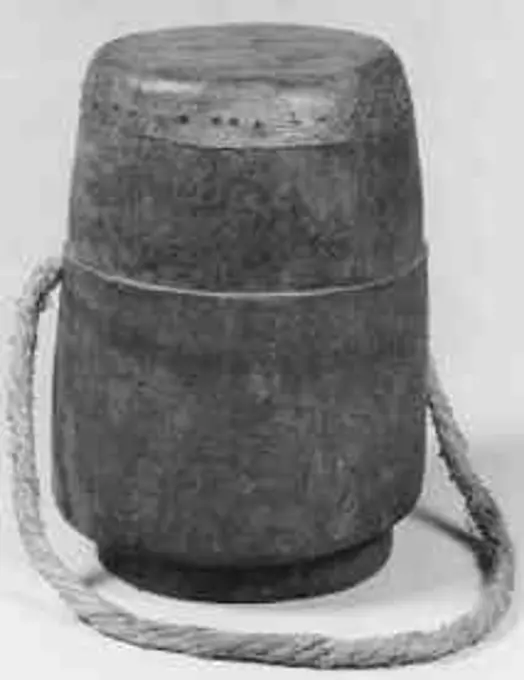
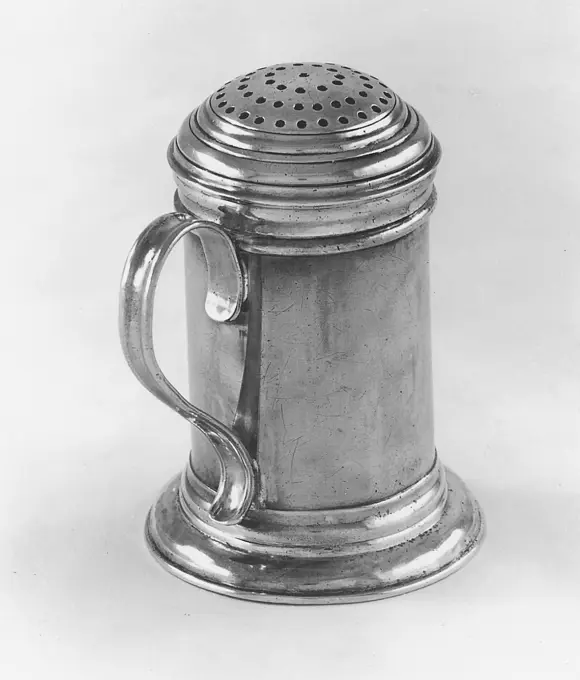
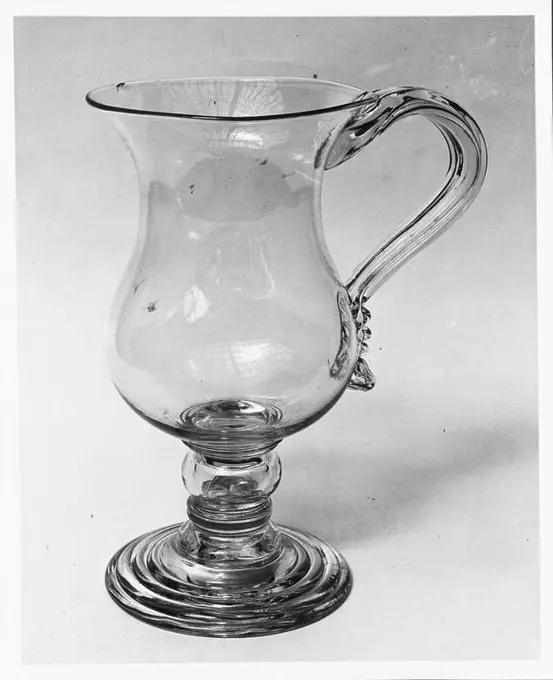
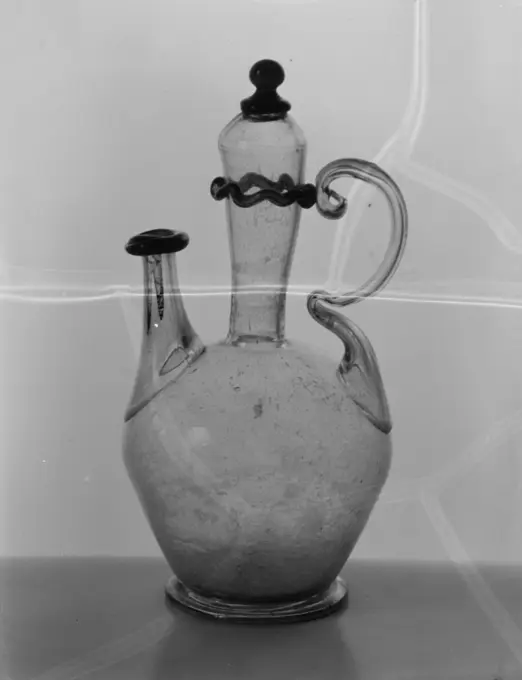
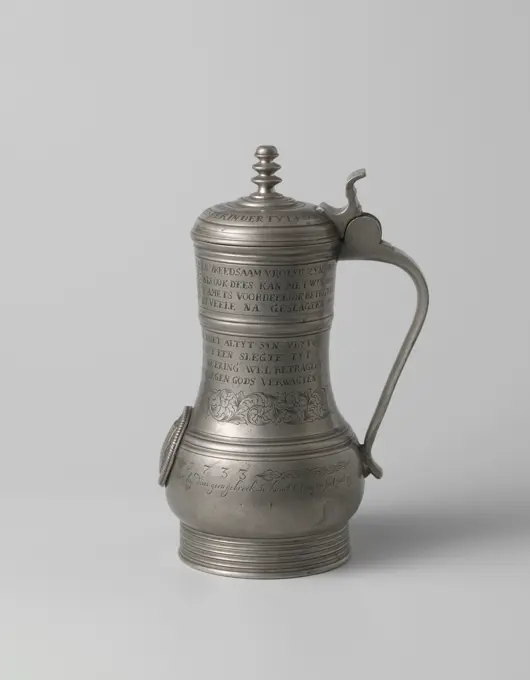
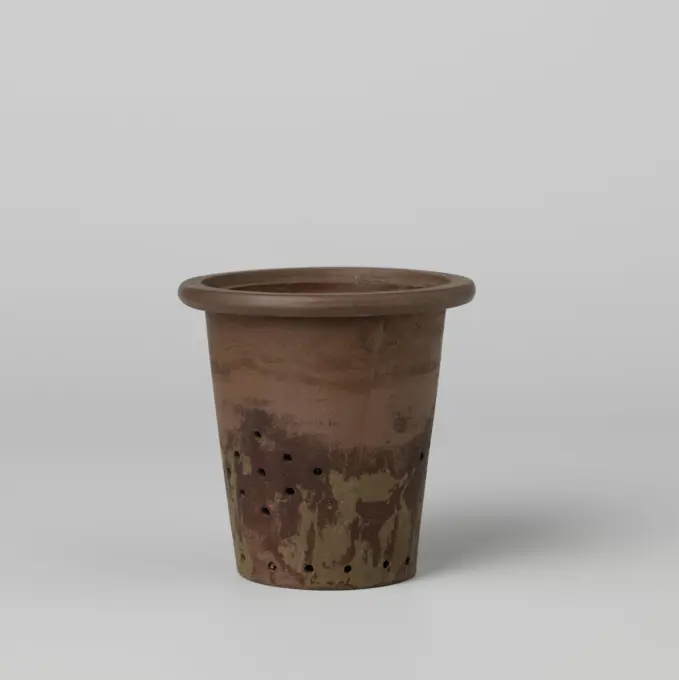
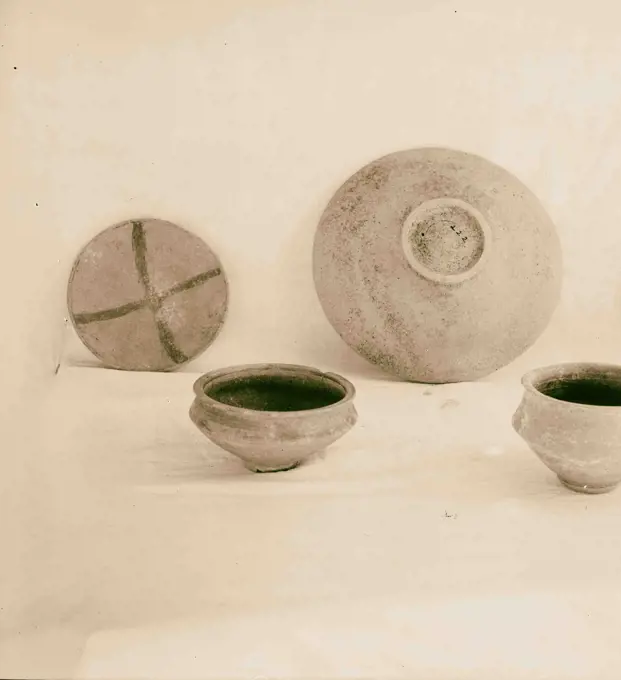
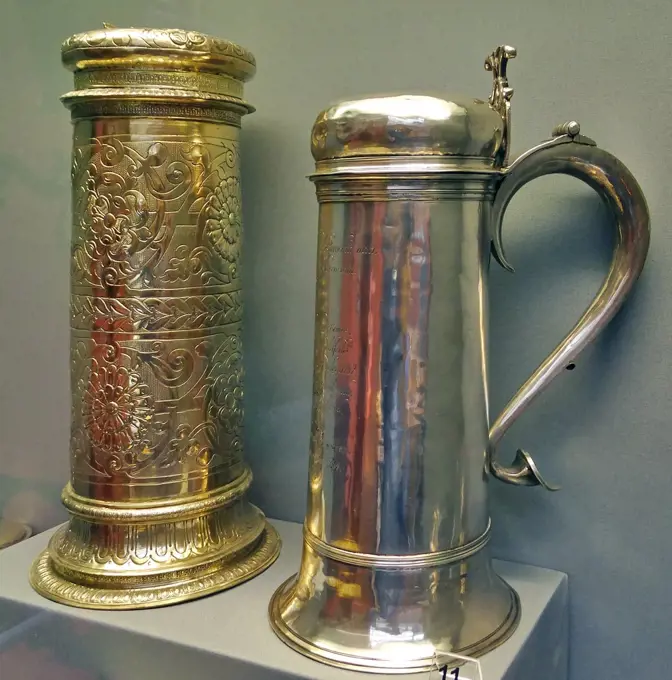
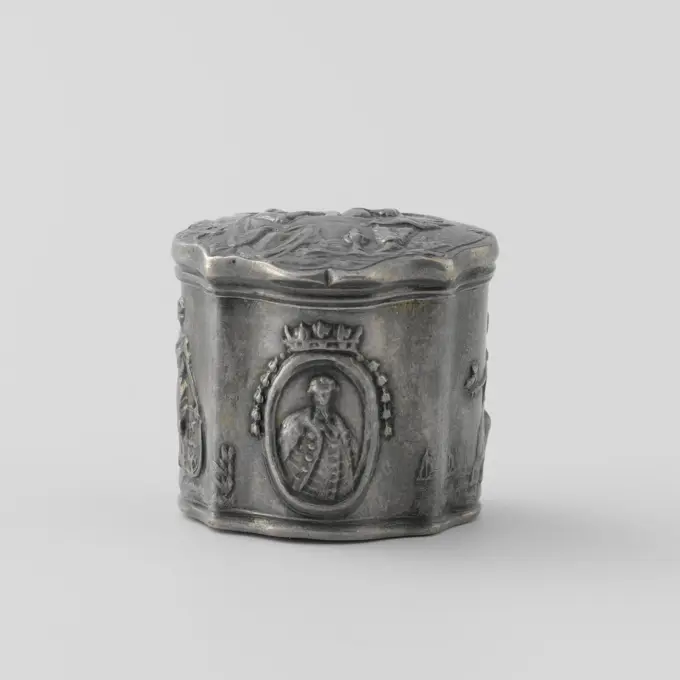
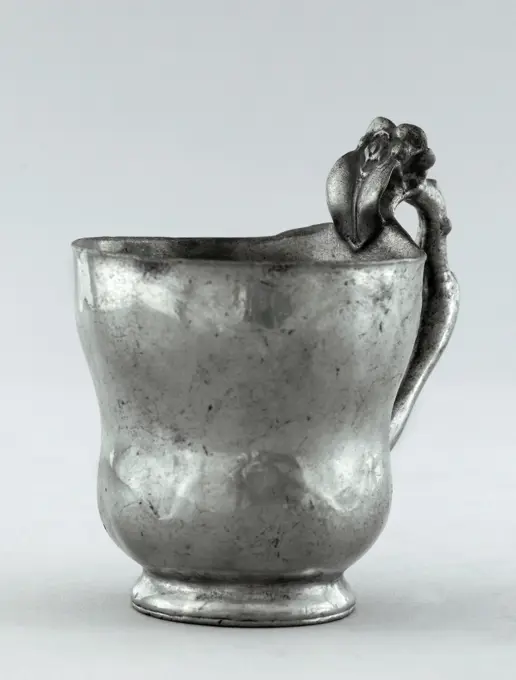
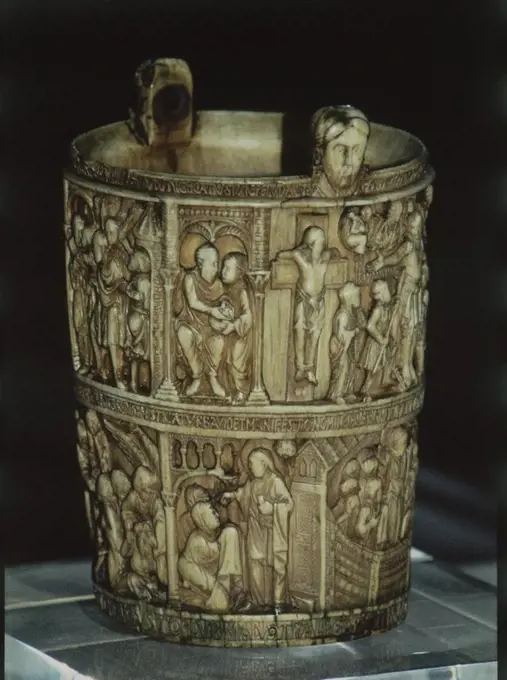
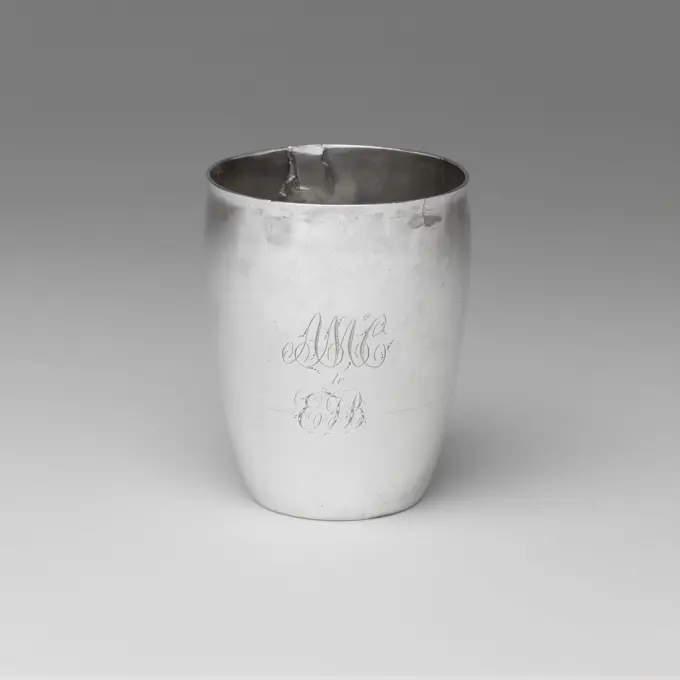
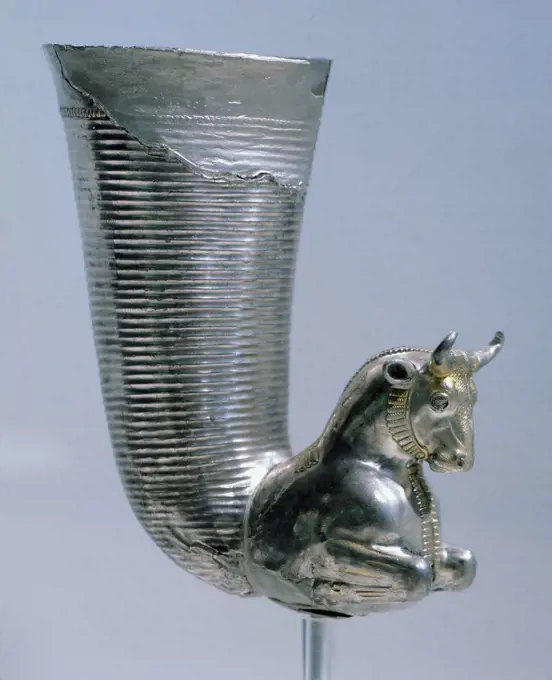
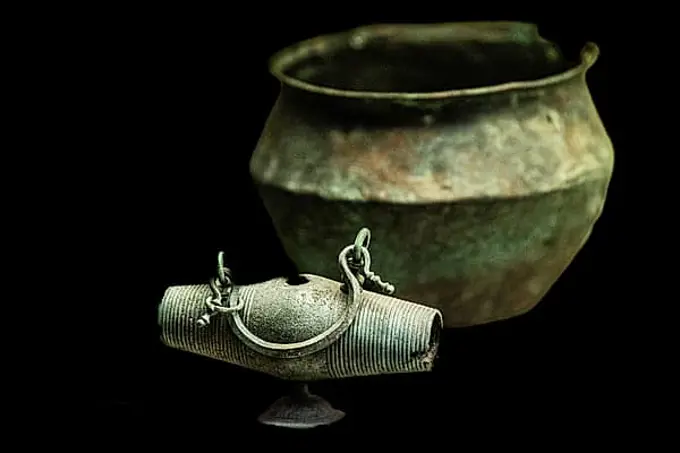
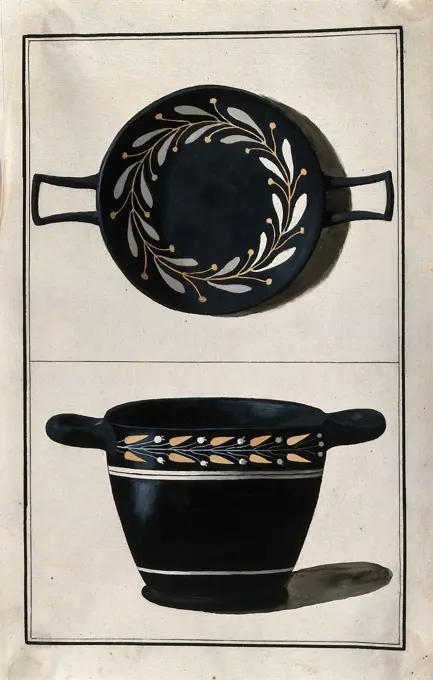
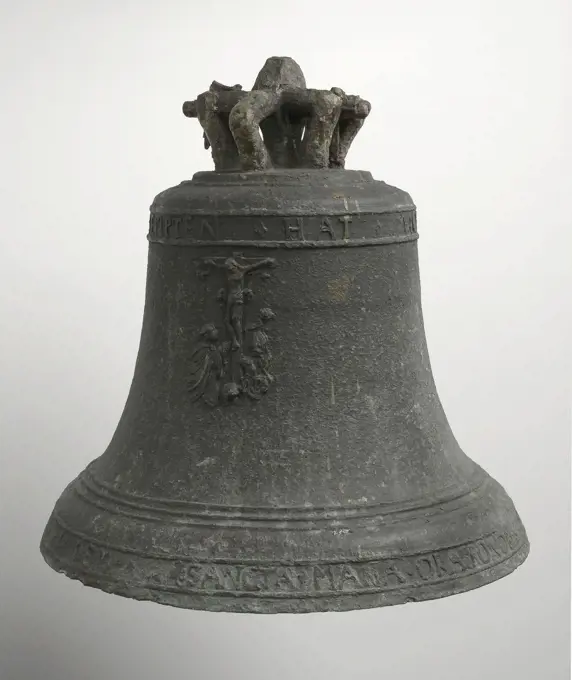
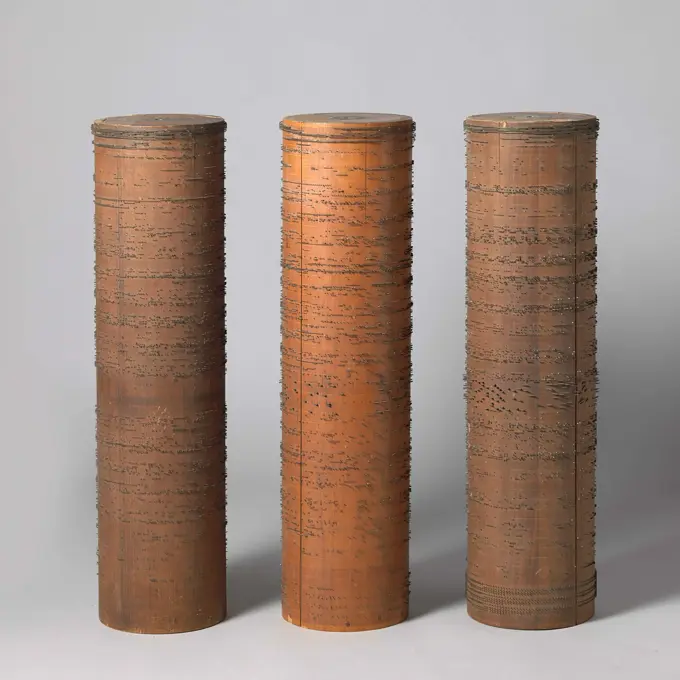
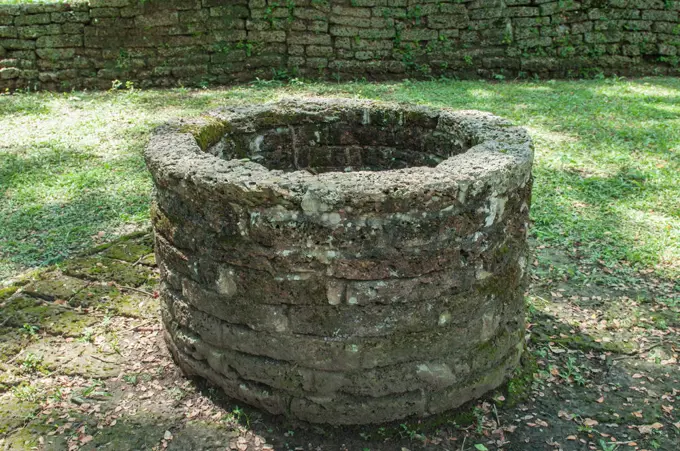
Pricket Candlestick 13th century Northern European or British. Pricket Candlestick. Northern European or British. 13th century. Copper with traces of gilding. Metalwork-CopperCup 5th-3rd century B.C. China. Cup 61305Lazio Viterbo Viterbo Museo Civico67. Hutzel, Max 1960-1990 Views of paintings (Middle Ages through 18th c.), frescoes, a tabernacle, coffin, sculpture reliefs, portal fragments, busts, sculpture, tapestry found in the Pinacoteca, Second floor gallery and Second floor cloister sequences. Antiquities: Many views of Etruscan and Roman fragments, sculpture, sarcophagi, pottery, masks, jewelry and other objects found in the Storeroom sequence (inventory numbers on back of prints), and the Cloister, Second floor Cloister, Valle Giulia, Sala Romana and Sala Etrusca sequences. General Notes: There are eight separate numerical sequences for this location. The cloister as an architectural structure, rather than museum site, is documented in the record and file for S. Maria della Verita, Cloister, all views of which are stored in Medieval core collection. Five views from the Museo Civico Second floor cloister sequence are stored in Medieval. German-born photographer and scholar Max Hutzel (1911-Beaker.   Maker: Hugh Wishart, American, active ca. 1793-1824Lazio Viterbo Viterbo Museo Civico08. Hutzel, Max 1960-1990 Views of paintings (Middle Ages through 18th c.), frescoes, a tabernacle, coffin, sculpture reliefs, portal fragments, busts, sculpture, tapestry found in the Pinacoteca, Second floor gallery and Second floor cloister sequences. Antiquities: Many views of Etruscan and Roman fragments, sculpture, sarcophagi, pottery, masks, jewelry and other objects found in the Storeroom sequence (inventory numbers on back of prints), and the Cloister, Second floor Cloister, Valle Giulia, Sala Romana and Sala Etrusca sequences. General Notes: There are eight separate numerical sequences for this location. The cloister as an architectural structure, rather than museum site, is documented in the record and file for S. Maria della Verita, Cloister, all views of which are stored in Medieval core collection. Five views from the Museo Civico Second floor cloister sequence are stored in Medieval. German-born photographer and scholar Max Hutzel (1911-Bronze ribbed situla (bucket) with two handles ca. 550 B.C. Etruscan Ribbed bucket with two arched swinging handles.. Bronze ribbed situla (bucket) with two handles. Etruscan. ca. 550 B.C.. Bronze. Archaic. BronzesPhilip Smith, Stoneware Jar, c 1939 Stoneware JarBowl. Culture: China. Dimensions: H. 2 3/4 in. (7 cm); Diam. 8 1/4 in. (21 cm). Date: 18th century. Museum: Metropolitan Museum of Art, New York, USA.Squat Alabastron with two handles. UnknownBronze lampstand ca. 4th century A.D. Roman The stand is associated with the bronze lamp (01.17.2) that fits on the tapering pricket at the top, but such stands could also be used as candlesticks.. Bronze lampstand 246976Campania Caserta Capua Museo Campano056. Hutzel, Max 1960-1990 Medieval: Byzantine architectural fragments; parchment fragments with miniatures (12th century) from Montecassino; painted wooden crucifix (13th century); Carolingian crucifixes; Bishop's miter (11th century) of gold and silver damask; fresco (13th century). Post-medieval: Architecture (15th century). Formerly the Palazzo Antignano. Unusual Catalan/Moorish-style portal; Paintings on panel and canvas (15th-18th centuries); marble intarsia (16th century); marble sculpture: busts of Christ and Mary (17th century); sculpture of saints in marble and in wood (15th century); painted and gilded sculpture in wood; marble grave sculpture (16th century); sarcophagus with allegorical carvings; gold reliquary "Rosa d'Oro"; crucifix made of elephant tusk Specific Location: Pianterreno Antiquities: Italic sculpture (seated women holding babies); inscription. Photo campaign #1: 533 photos. Roman relief and sculpture; cinerary urns; Greek aJohn Coney, Mug, c. 1705, silver.Wooden women's stool from Cameroon Grasslands,  USA,  Florida,  Jacksonville,  The Museum of Contemporary Art,  African Art CollectionLidded Jar in the Form of a Mountain Range (Boshan Guan) with Three Feet in the Form of Bears. China, Eastern Han dynasty, 25-220. Furnishings; Serviceware. Molded earthenware with green glaze and applied decorationSugar Caster, c. 1732- 1738. Saint Cloud Porcelain Factory (French). Soft-paste porcelain, silver mount; overall: 21.9 cm (8 5/8 in.).Baptismal Bowl. Culture: American. Dimensions: H. 2 1/4 in. (5.7 cm); Diam. 7 5/8 in. (19.4 cm). Maker: Samuel Danforth (1774-1816). Date: 1795-1816. Museum: Metropolitan Museum of Art, New York, USA.Black -refyed cup;  approx. 500 BC (-505-00-00--495-00-00);Campania Caserta Capua Museo Campano046. Hutzel, Max 1960-1990 Medieval: Byzantine architectural fragments; parchment fragments with miniatures (12th century) from Montecassino; painted wooden crucifix (13th century); Carolingian crucifixes; Bishop's miter (11th century) of gold and silver damask; fresco (13th century). Post-medieval: Architecture (15th century). Formerly the Palazzo Antignano. Unusual Catalan/Moorish-style portal; Paintings on panel and canvas (15th-18th centuries); marble intarsia (16th century); marble sculpture: busts of Christ and Mary (17th century); sculpture of saints in marble and in wood (15th century); painted and gilded sculpture in wood; marble grave sculpture (16th century); sarcophagus with allegorical carvings; gold reliquary "Rosa d'Oro"; crucifix made of elephant tusk Specific Location: Pianterreno Antiquities: Italic sculpture (seated women holding babies); inscription. Photo campaign #1: 533 photos. Roman relief and sculpture; cinerary urns; Greek aVase. Culture: China. Dimensions: H. 8 in. (20.3 cm). Date: 1713-22. Museum: Metropolitan Museum of Art, New York, USA.MACETERO PARA FRESAS - ARTE POPULAR S XX. Location: ALFARERIA. Lorca. MURCIA. SPAIN.Tankard 1752-74 John Will This silver-form pewter tankard is marked by Will, who emigrated to New York City from his native Germany before 1752. It is distinguished by its extremely rare wriggle work and punched decoration of stylized trees, flowers, and a laurel-wreath cartouche encircling the initials PH.” Scalloped ornament engraved below the lip and above the base emulates the cutcard borders found on early New York silver tankards.. Tankard 8241ALMIREZ.Cup on Footstand. UnknownTeabowl ca. 1725 Japan. Teabowl. Japan. ca. 1725. Hagi pottery. Edo period (1615-1868). CeramicsJar. Culture: American. Dimensions: H. 10 3/4 in. (27.3 cm). Date: 1800-1870. Museum: Metropolitan Museum of Art, New York, USA.Water Pot 18th century Japan. Water Pot. Japan. 18th century. Clay with incised pattern, covered with glaze (Karatsu ware, Satsuma type). Edo period (1615-1868). CeramicsTabouret ca. 1895 Designed by David Wolcott Kendall. Tabouret 14782Attic Geometric Bowl. UnknownBasket 19th century Japan. Basket. Japan. 19th century. Bamboo. Edo (1615-1868) or Meiji period (1868-1912). BasketryCampanian Black Bowl. UnknownÉcuelle first half 18th century French. Écuelle. French. first half 18th century. Pewter. Metalwork-PewterTea jar 1750 Japan. Tea jar. Japan. 1750. Pottery with handle and ivory-colored lid; Satsuma-like glazes over a light brown ground (Takatori ware). Edo period (1615-1868). CeramicsLid with Perforated Top 5th-7th century Korea. Lid with Perforated Top. Korea. 5th-7th century. Proto-porcelain. Three Kingdoms period (57 B.C.-A.D. 676). CeramicsBowl -Plate ca. 1750 Francis Bassett, I. Plate 6094Portrait of Ambrosius Arnold Willem Hubrecht, born Rotterdam 2 March 1853, professor in De Zoologie at the Utrechtse Hogeschool (1882-1915), died Utrecht March 21, 1915. Knee piece from the front, sitting.Urn. Culture: British. Dimensions: Height: 11 1/2 in. (29.2 cm). Date: last quarter 18th century. Museum: Metropolitan Museum of Art, New York, USA.Haniwa Dish 4th-7th century Japan. Haniwa Dish 47269Carved Wooden Basket. Dated: c. 1938. Dimensions: overall: 22.3 x 30.4 cm (8 3/4 x 11 15/16 in.) Original IAD Object: 7 1/2" high; 8" long; 4" wide. Medium: watercolor, gouache, and pen and ink on paperboard. Museum: National Gallery of Art, Washington DC. Author: Regina Henderer.Laundry basket. Oval laundry basket of braided silver wire with two handles. The basket is on a foot and runs upwards. In the basket lies a separate braided container. The basket has not been marked.Begging Bowl (Kashkul) dated 1247 AH/1831-32 CEInner Plate of a Forearm Defense (Vambrace) ca. 1450-70 Italian This is part of a large find of medieval armor discovered in 1840 in the ruins of the fortress of Chalcis, on the Greek island of Euboea (then a Venetian colony called Negroponte). The fortress had been captured and destroyed by the Turks in 1470. Now divided largely between the Ethnological Museum, Athens, and The Metropolitan Museum of Art, the Chalcis hoard contains many rare and unusual elements of fourteenth- and fifteenth-century armor. Of particular importance are the variety of headpieces and the many fragments of brigandines (armor for the torso constructed of small plates riveted to layers of fabric), some of which retain portions of their original velvet covering. The Chalcis armor provides a unique picture of the armament used in the Aegean, one of the easternmost military outposts of the Venetian empire.. Inner Plate of a Forearm Defense (Vambrace) 23192Lantern, Tin, brass, glass, cotton webbing, (A) Ovoid clear glass shade cemented to pierced tin top and bottom. (B) oil lamp with brass cap, cylindrical and fitted at sides with flat brass springs. (C) curved shapped plate with colored webbing strap, to carry (A) and (B) against the rounded middle portin of a railway train conductor. Oval brass plate attached to (C) reads: 'S.J. SHAW / & / H.J. BATCHELDER. / PATENTED FEB. 28 1860 / MANUF'D BY / S.J SHAW & CO / MARLBORO, MASS.', USA, 1860, lighting, Decorative Arts, LanternCan' still bank, mid to late 19th century, 2 3/4 x 2 3/16 x 2 7/16 in. (6.99 x 5.56 x 6.19 cm), Tin, pigment, Germany, 19th centuryDrum 19th century Kenyan. Drum. Kenyan. 19th century. Wood, nails, reptile skin, rope. Freretown, Mombasa, Kenya. Membranophone-double-headed / barrel drumLubricator, Rijkswerf Amsterdam, 1860 instruction model Model of an oil cap, consisting of a funnel with lid, mounted on a wooden pedestal. A bracket for cleaning cotton has been applied in the funnel. The cleaning cotton ensures that the oil, with which the funnel is filled, leaves evenly through the pipe under the funnel. The oil cap serves to lubricate the cushion blocks of different moving parts of a steam engine. This specific model was used for lying parts. Scale 1: 1 (derived). Amsterdam brass (alloy). copper (metal). wood (plant material)Historic, Babylon. Hurrite goblet, 12th cent. BC. with demons holding ibexesBabylonianIncensario de bronce, con cadena, procedente de la basílica de Bovalar, siglo VI. Museu de Lleida.Etruscan Buccaro Artist Unknown Private Collection, Italy John Gamon, Dredger, 1736/37, silver.Bell 1st century () probably Italian (Ancient Roman). Bell 501875Mug. Culture: American. Dimensions: H. 7 1/4 in. (18.4 cm). Maker: Jersey Glass Company of George Dummer (1824-1862). Date: 1825-50. Museum: Metropolitan Museum of Art, New York, USA.Clay jug hand drawing. Sketch jugTankard 1752-74 John Will. Tankard 8240Biberon 17th century Spanish, Catalonia. Biberon. Spanish, Catalonia. 17th century. Glass. GlassCopper molded thimble with waffle pattern on the top, thimble sewing kit soil find copper brass metal h 2,1, cast Copper cast thimble with square wells in lines waffle pattern called on the convex top with groove passing with wheel punch in the shaft and groove on the edge archeology Valckensteyn Poortugaal Albrandswaard seamstress tailor sewing textile fabricating clothing needle and thread repairancient stone bucket ancient stone bucket finely carved with iced water over white backgroungd Copyright: xZoonar.com/FrancescoxPerrex 737213Pint Mug 1835-1845 England. Pewter .Gildekan van Tin with lid and inscription, Johannes Rethy, c. 1733 Jar of tin, from the bakers' guild. The foot is decorated with profiled tires. In addition, the baluster -shaped jug with inscription and a open medallion with a weapon. The top is closed with a vaulted lid with a button. The simple thumb rest runs through a double -cacky hinge in the handle, which curls out slightly at the bottom. Nijmegen tin (metal) casting / engraving Jar of tin, from the bakers' guild. The foot is decorated with profiled tires. In addition, the baluster -shaped jug with inscription and a open medallion with a weapon. The top is closed with a vaulted lid with a button. The simple thumb rest runs through a double -cacky hinge in the handle, which curls out slightly at the bottom. Nijmegen tin (metal) casting / engravingFlagon (Schnelle) Hans Hilgers dated 1573 German stoneware tankards were brought to America in large numbers on Dutch fur-trading ships. Shards of these popular vessels have been uncovered at seventeenth century sites in New York and New England.Teapot of red stoneware with filter and wire handles, anonymous, c. 1800 - c. 1899 Filter from Teapot of Red Stone Good. Marked on the underside with a printed seal brand. Yixing. China stoneware. iron (metal) Filter from Teapot of Red Stone Good. Marked on the underside with a printed seal brand. Yixing. China stoneware. iron (metal)Cup and Stand China. Cup and Stand 48488Cricket cage 18th-19th century China. Cricket cage 60705Lazio Viterbo Viterbo Museo Civico64. Hutzel, Max 1960-1990 Views of paintings (Middle Ages through 18th c.), frescoes, a tabernacle, coffin, sculpture reliefs, portal fragments, busts, sculpture, tapestry found in the Pinacoteca, Second floor gallery and Second floor cloister sequences. Antiquities: Many views of Etruscan and Roman fragments, sculpture, sarcophagi, pottery, masks, jewelry and other objects found in the Storeroom sequence (inventory numbers on back of prints), and the Cloister, Second floor Cloister, Valle Giulia, Sala Romana and Sala Etrusca sequences. General Notes: There are eight separate numerical sequences for this location. The cloister as an architectural structure, rather than museum site, is documented in the record and file for S. Maria della Verita, Cloister, all views of which are stored in Medieval core collection. Five views from the Museo Civico Second floor cloister sequence are stored in Medieval. German-born photographer and scholar Max Hutzel (1911-Beth Shemeth, May 1931. 1931, Israel, Bet-Shemesh (Extinct city)Poll photo collection. Two jars of earthenware in which some of the dead sea rolls were found in the caves of Quamran. undated. Israel, QuamranRectangular Flower Basket 1895-1905 Japan. Bamboo .Silver flagon and paten. Dated 17th CenturyReukdoos, anonymous, c. 1781 - c. 1800 Driven silver box with the portrait of Zoutman, standing figure, knee piece, in oval. Dressed in a uniform jacket and the Doggersbank medal on a chain on the chest. On the right side a female figure with anchor and left sailing ships. On the left the Dutch Virgin, standing, with lance on which the freedom hat and shield with bundle of arrow. On the back: religio, standing female figure with cross. Three rose branches on the bottom. On the Christ's lid and the Samaritan woman at the well. Brand inside: Wapen van Amsterdam and letters. Netherlands silver (metal)   Doggersbank Driven silver box with the portrait of Zoutman, standing figure, knee piece, in oval. Dressed in a uniform jacket and the Doggersbank medal on a chain on the chest. On the right side a female figure with anchor and left sailing ships. On the left the Dutch Virgin, standing, with lance on which the freedom hat and shield with bundle of arrow. On the back: religio, standing femalBag of black leather with a nickel bracket and closure, to which a leather handle. Bag in the shape of a horseshoe, from black leather with a nickel bracket, to which two rings and a leather handle. At the front of the bag a box with a valve and a nickel sliding shut. On top of the bracket a slider and a lock. A number is printed at the rear of the bracket. The bag is probably worn by Marie Baukje Tuning.Powder Chest, Enthoven & Co., 1845 chest Hexagonal pewter powder box. It has a double round lid: the inner cover has a ring on top, the outdoor cover turns and opens around a hinge; It closes with a bayonet closure around the edge of the opening. The coffin has a rope handle. The Hague tin (metal). ropeMug.   Maker: Samuel Hamlin, Sr., American, 1746-1801Powder Chest, Enthoven & Co., 1845 chest Hexagonal pewter powder box. It has a double round lid: the inner cover has a ring on top, the outdoor cover turns and opens around a hinge; It closes with a bayonet closure around the edge of the opening. The coffin has a rope handle. The Hague tin (metal). ropeKroes, decorated with the Wapen van Vlissingen and the Markiezaat Veere, 1622 Kroes van Zilver, decorated with an engraved medallion, in which a female figure that holds the Wapen van Vlissingen and the Markiezaat Veere. Flushing silver (metal) engraving Kroes van Zilver, decorated with an engraved medallion, in which a female figure that holds the Wapen van Vlissingen and the Markiezaat Veere. Flushing silver (metal) engravingJean Baffier (1851-1920). "Cup". Tin. Museum of Fine Arts of the City of Paris, Petit Palais. 57910-1 Anse, tin, goblet, wine service, dishesPILA PARA AGUA BENDITA-MARFIL ROMANICO. Location: VICTORIA AND ALBERT MUSEUM. LONDON. ENGLAND.Beaker ca. 1800 William Moulton, IV. Beaker 404Silver rhyton with a protome in the shape of a bull and the main body decorated with horizontal grooves, from the Borovo Treasure, Ruse Region, Bulgaria. Goldsmith art. Thracian Civilization, 4th Century BC.Anointing vessel from the Roman period, Museo Archeologico Concordiese with finds from the Roman period, medieval old town, Portogruaro, Veneto, Friuli, Italy, Portogruaro, Veneto, Italy, EuropeCast Iron Vases. Royal Prussian Foundry., attributed to C.M. Ferrier & F. von Martens, 1851.Above, black ground two-handled Greek cup (kylix) decorated with stylised pattern of olive leaves; below, black-ground two-handled Greek cup (skyphos) decorated with stylised lilies of the valley. Watercolour by A. Dahlstein, 1760/1780 ().Hans Frei, Bronze bell from the Oudemannenhuis, bell clock clock sound medium bronze iron, approximately 100 kg cast Clock built from ring with fries faussure (= transition from ring to flank) with ribbing flank with two images and at the top fries smooth shoulder. On the head crown formed by six arms that connect to bracket in the middle. In the ring hole through which an iron loud shaft is inserted Cast in the frieze on the top flank: metal caster Rotterdam City Triangle Hoogstraat North Oude Noorden Gerard Scholtenstraat old men's house Heiligegeesthuis Heilige Geesthuis old men's house heraldry communication sound Jesus Christ Old man's house on the Hoogstraat.Drum 1850-1900 () Guatemalan. Drum 501279Tea caddy (part of a set) second quarter 18th century German, Bayreuth. Tea caddy (part of a set) 236324Music role for a salon cylinder organ. .Athenian red-figure Owl Cup 5th century BC.Tankard.   Maker: Francis Leake, British, 1658-1683Closeup of grunge artesian well