Ancient Pottery Fragments

Artifacts highlighting fragments of ancient pottery and sculptures, showcasing unique shapes and historical significance. The collection represents various cultures and time periods.

Anonymous Grand Bol (common name), 1275. White sandstone with ivory covered. Cernuschi Museum, Asia Museum of Asia in the city of Paris.
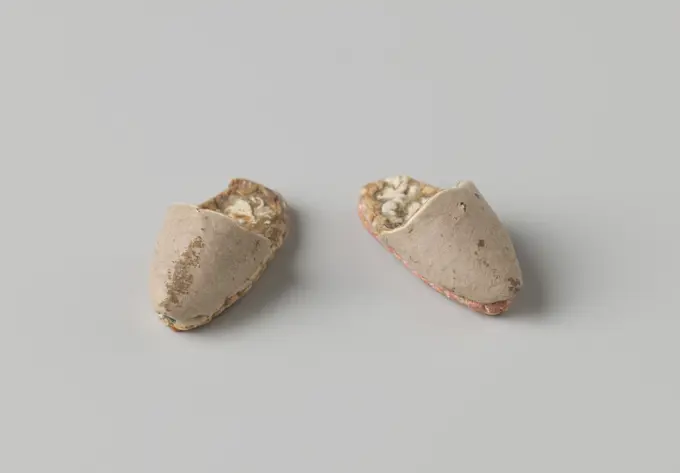
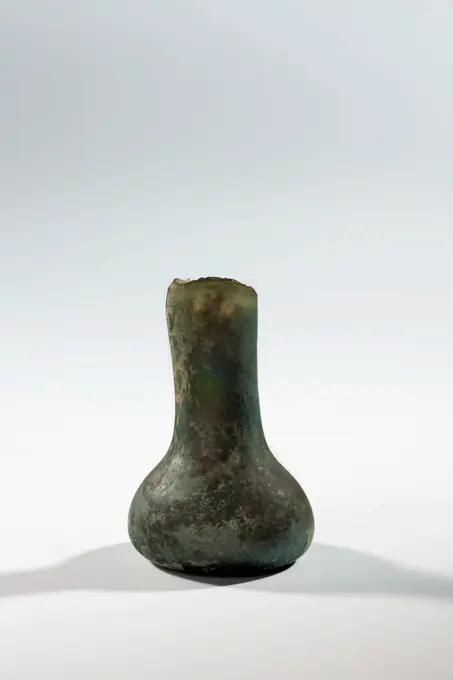
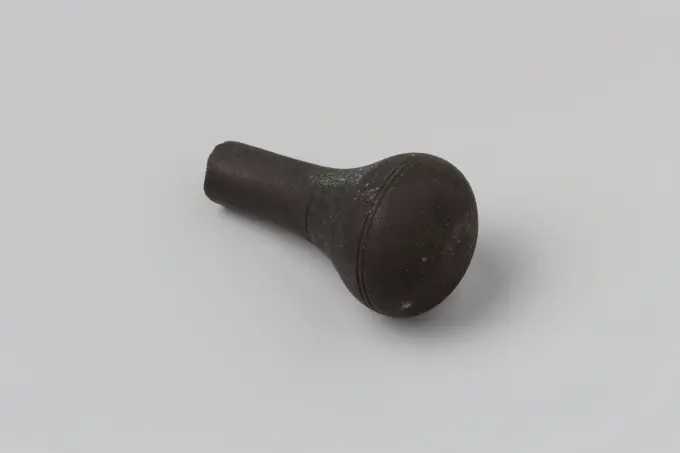
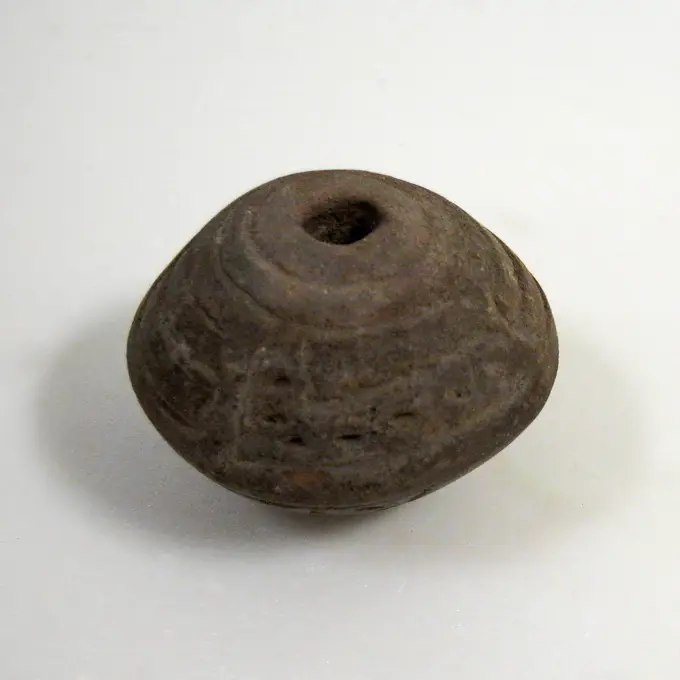
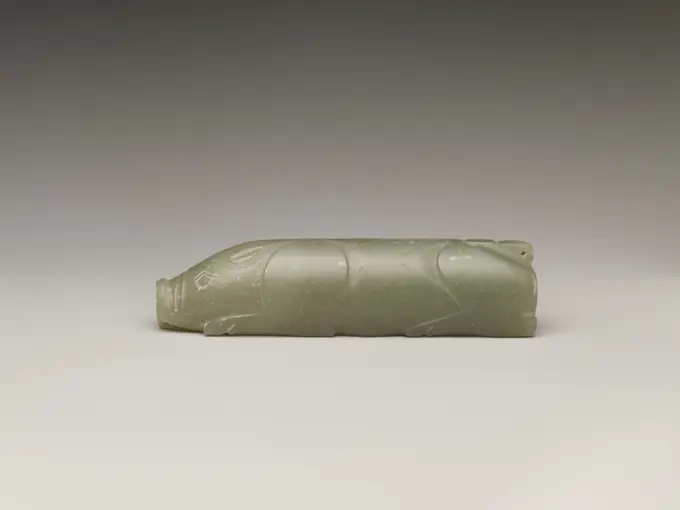
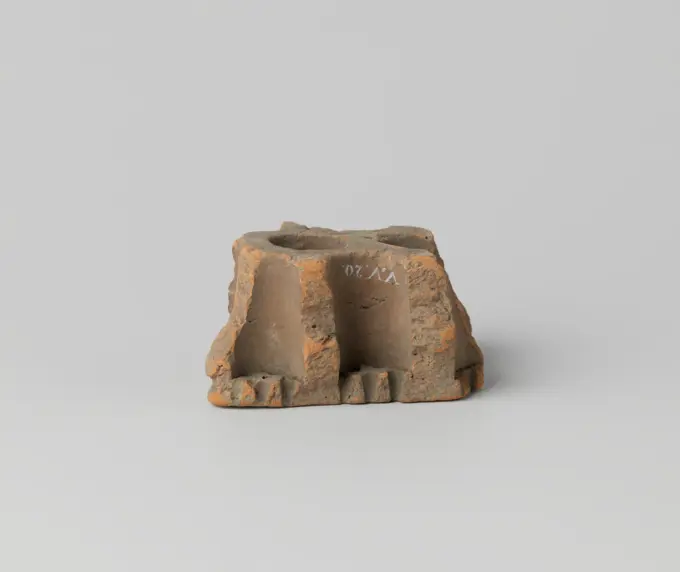
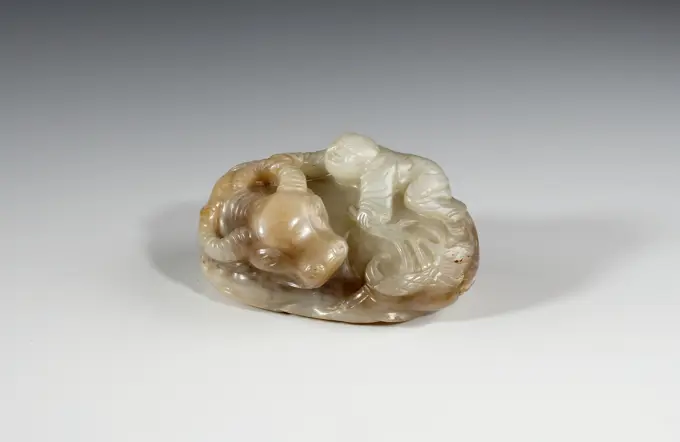
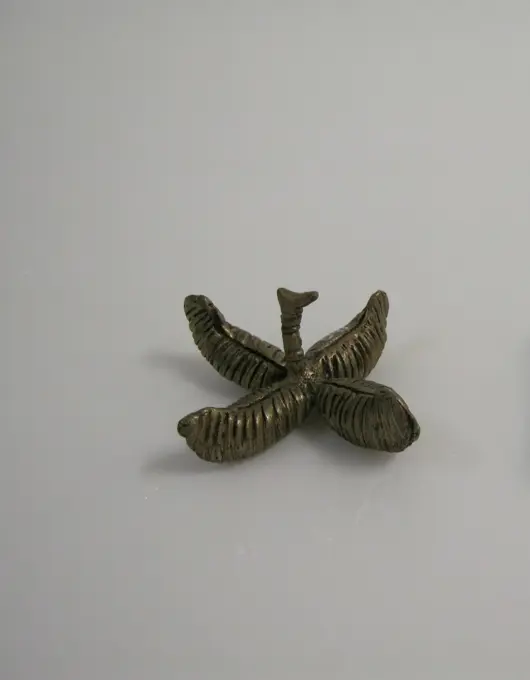
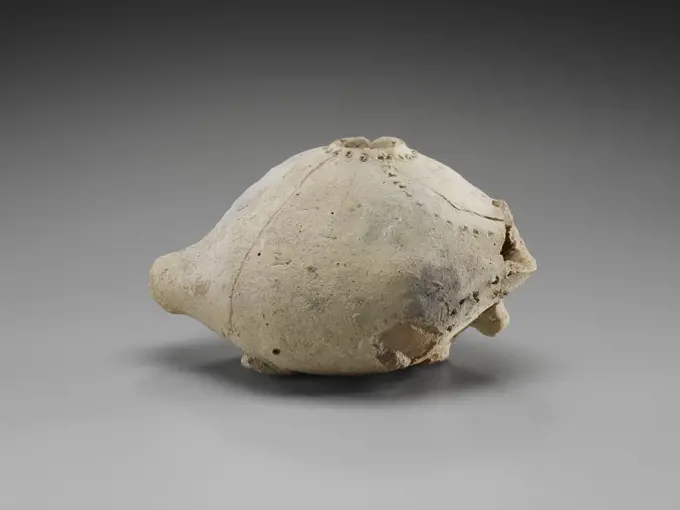
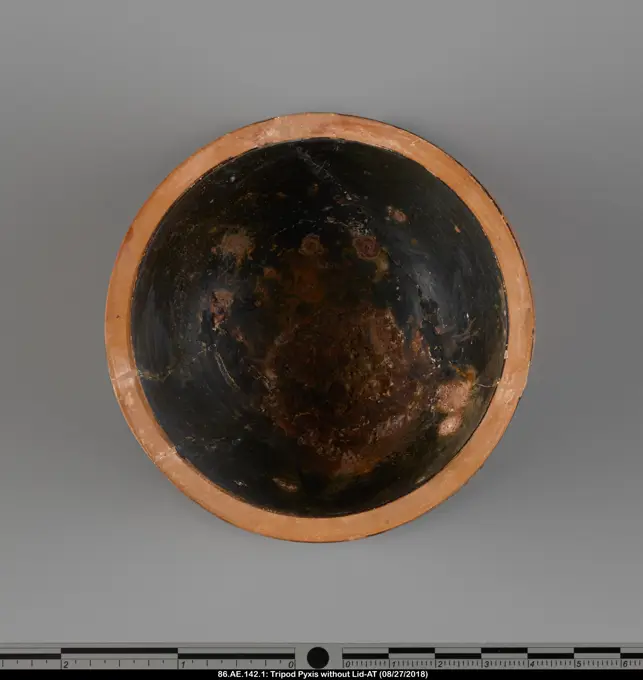
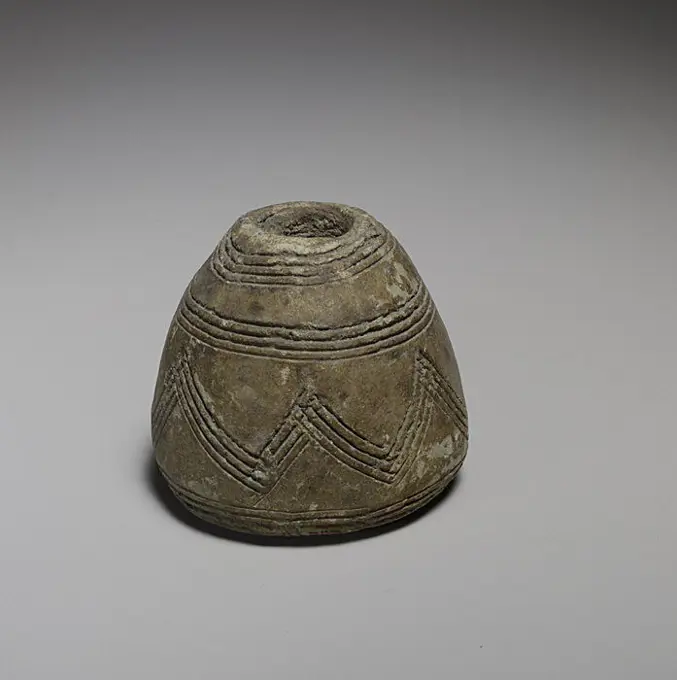
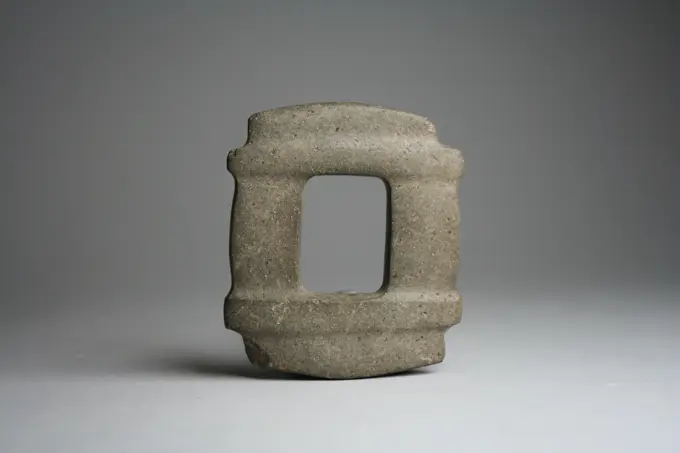
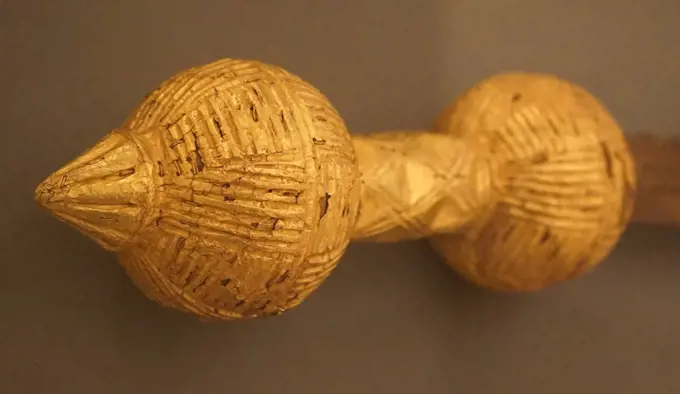
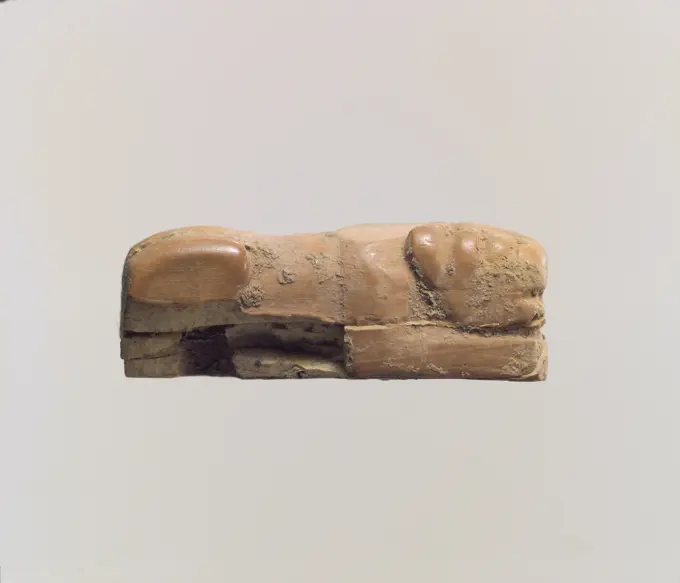
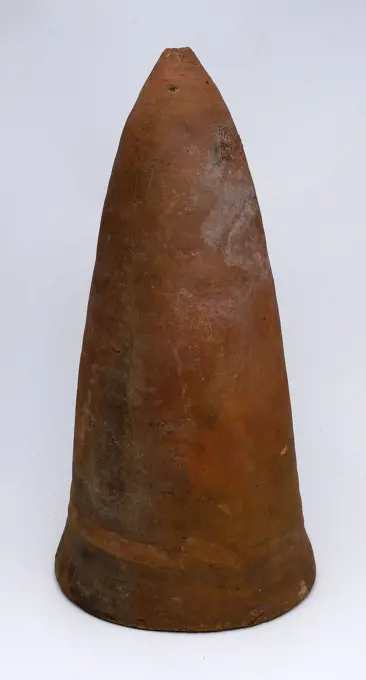
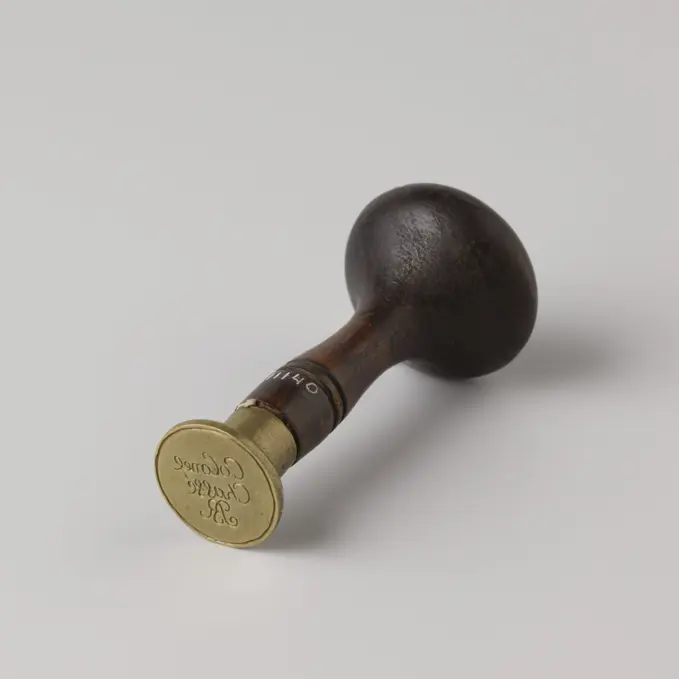
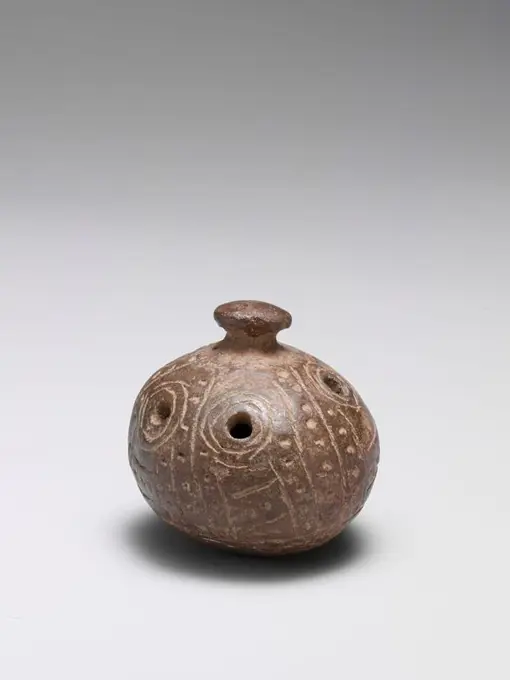
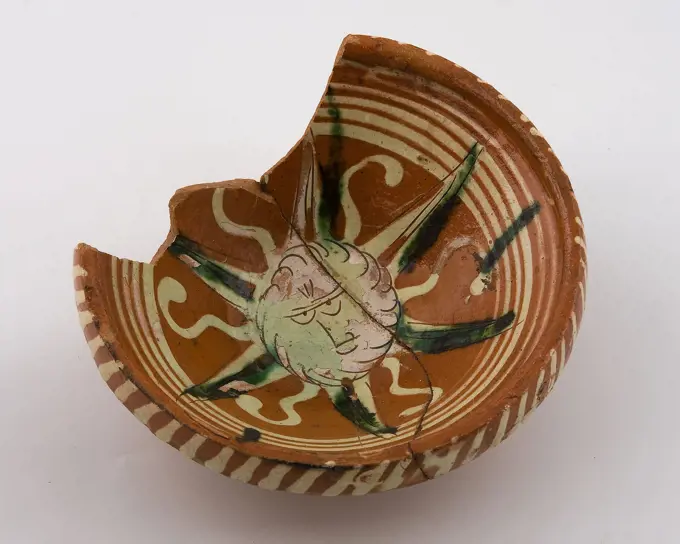
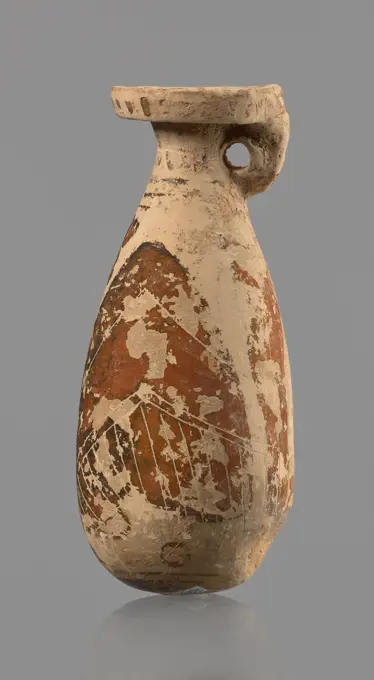
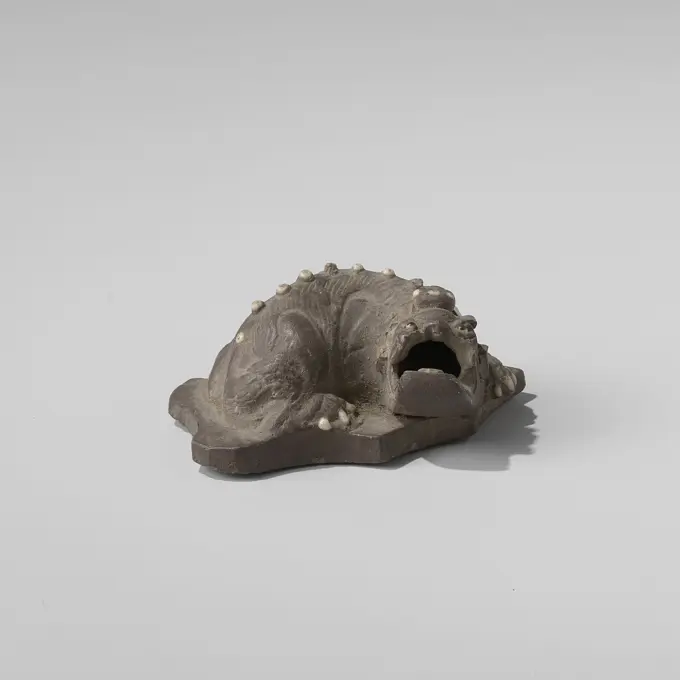
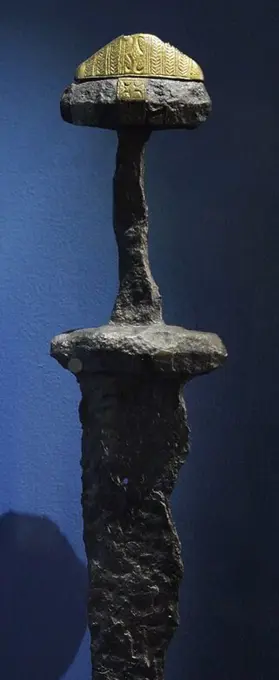
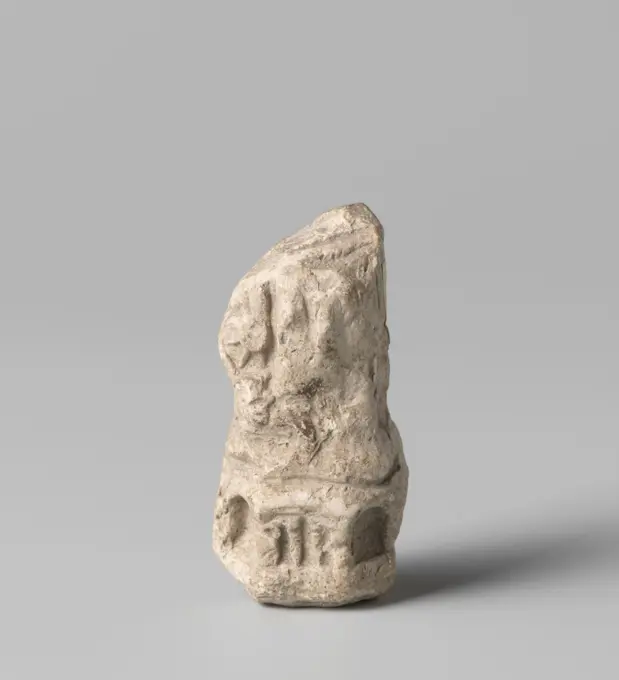
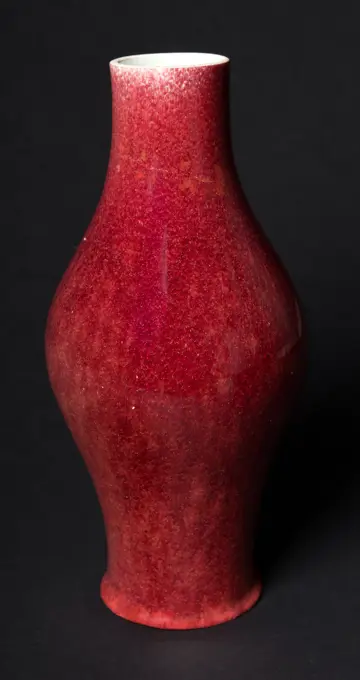
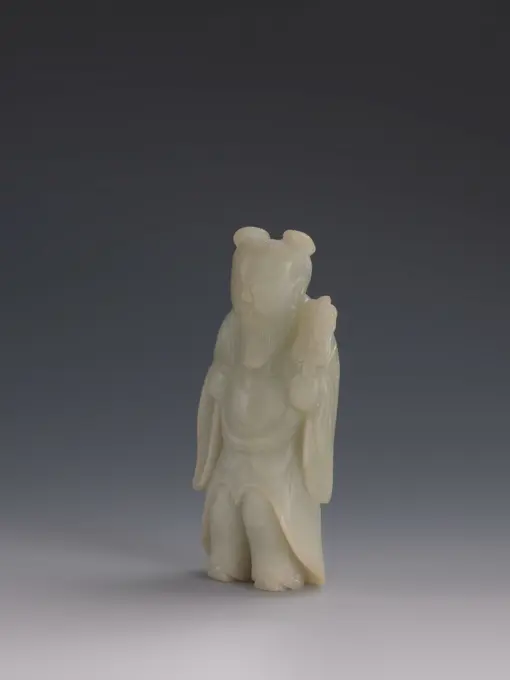
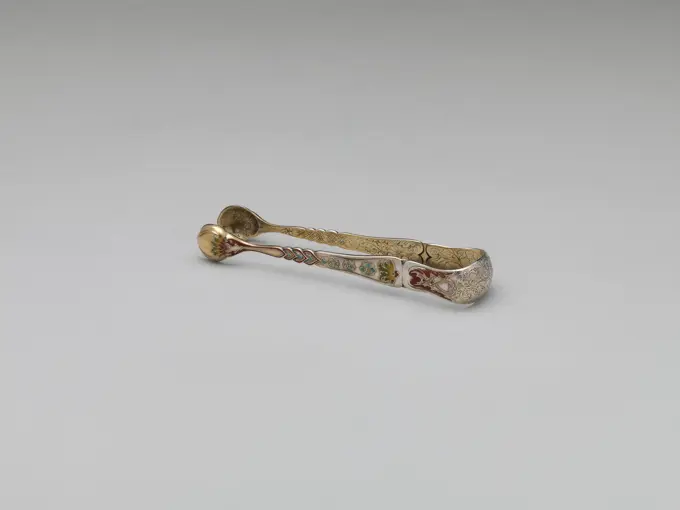
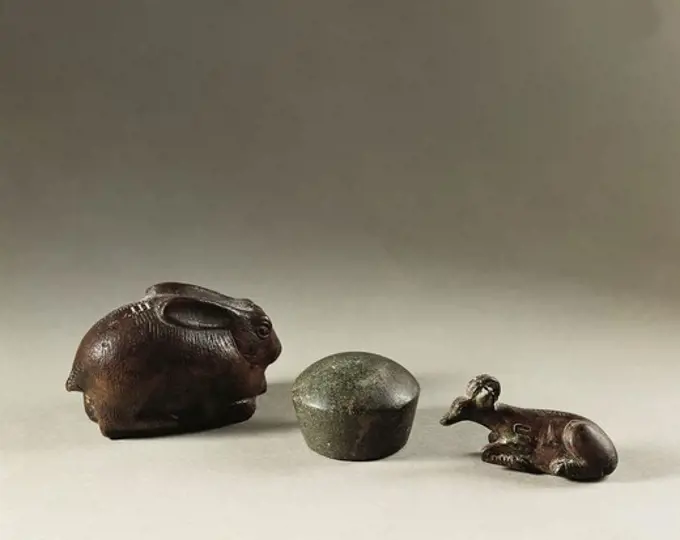
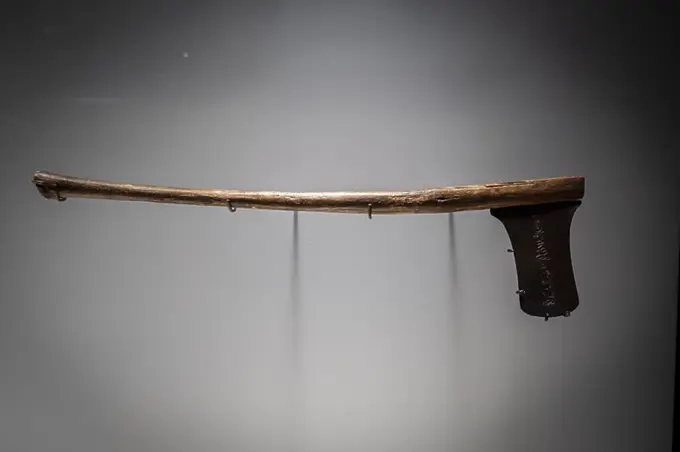
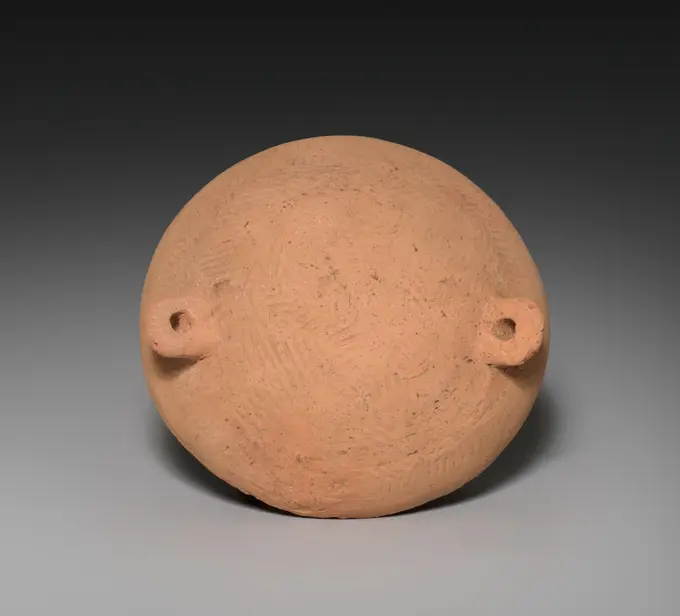
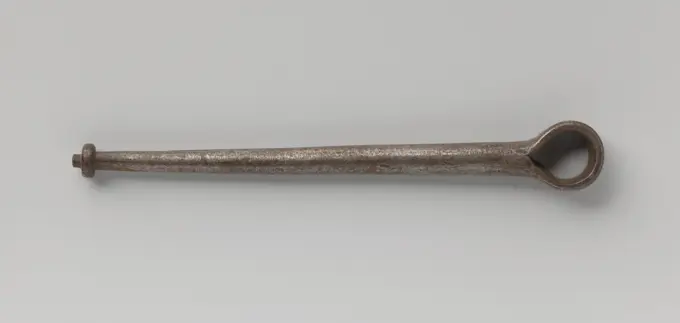
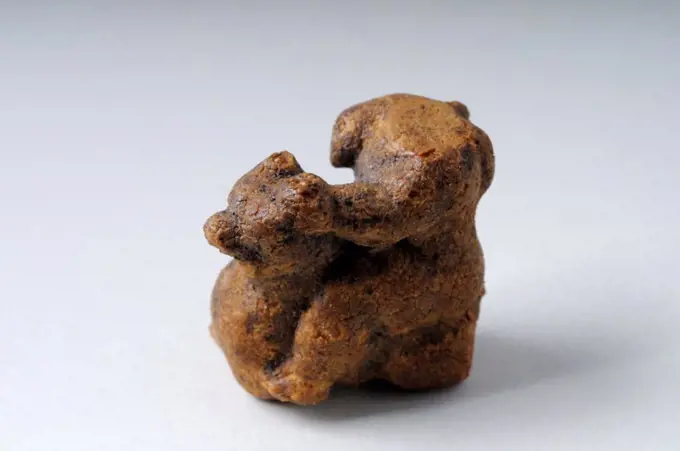
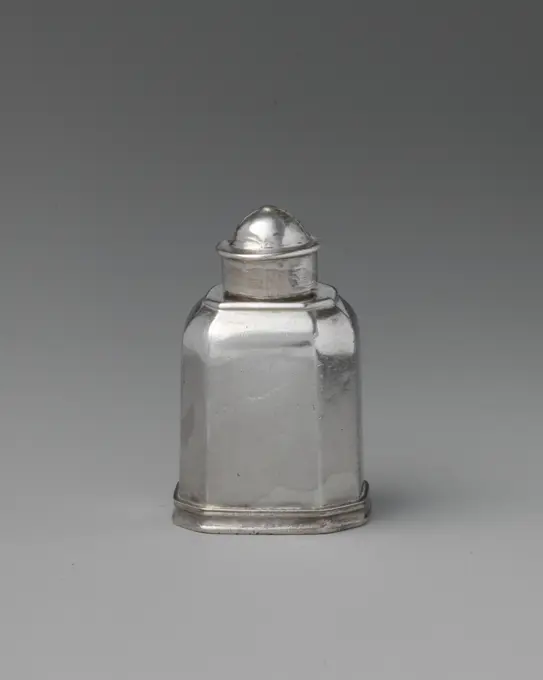
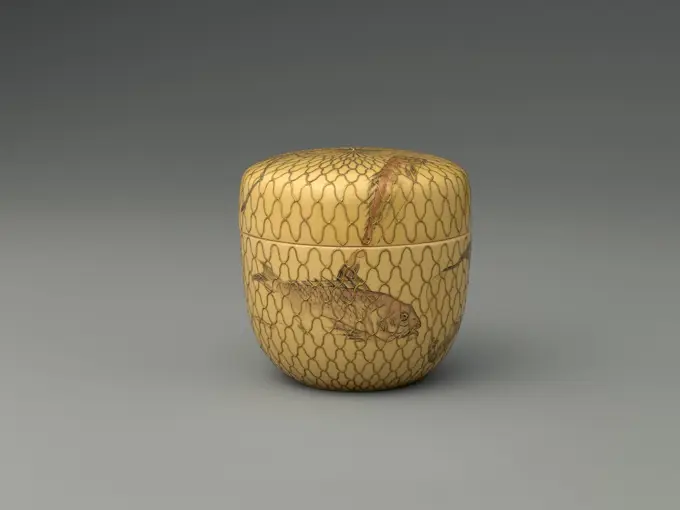
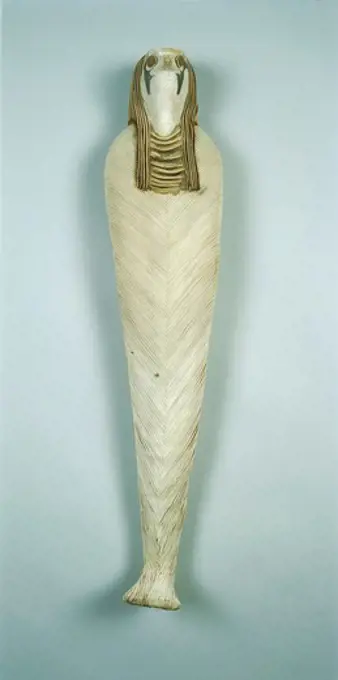
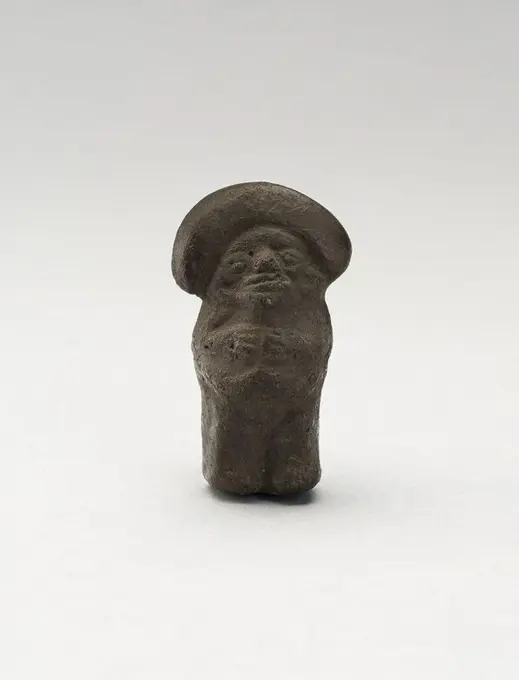
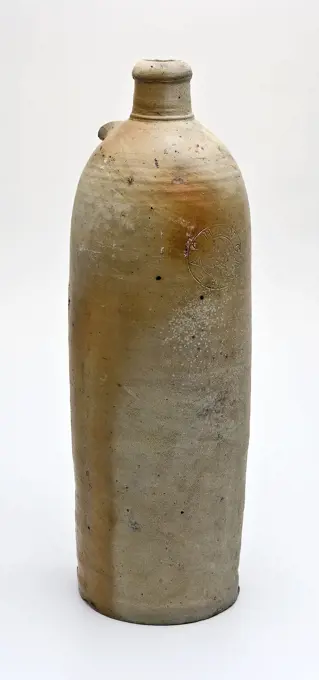
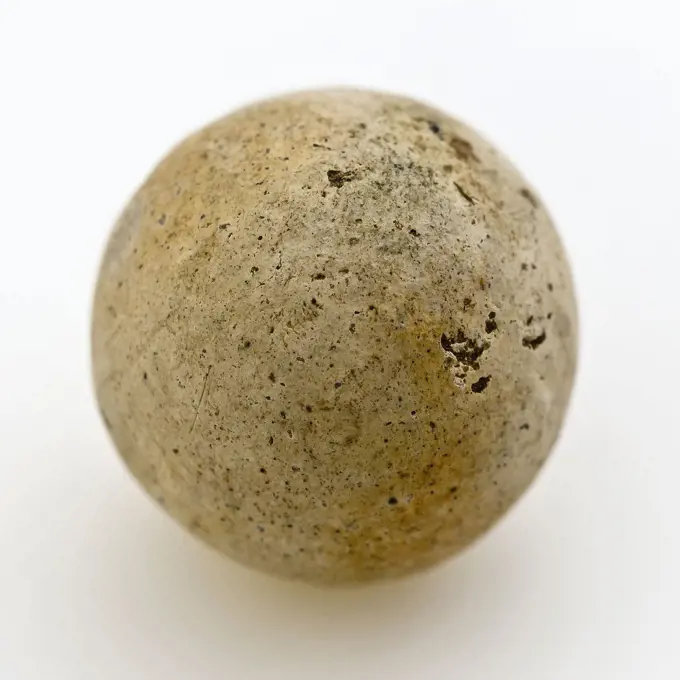
Ostracon New Kingdom, Ramesside, probably later ca. 1295-1070 B.C., probably later View more. Ostracon. ca. 1295-1070 B.C., probably later. Pottery, ink. New Kingdom, Ramesside, probably later. From Egypt, Upper Egypt, Thebes, Valley of the Kings, Davis excavations. Dynasty 19-20Arm and Hand Fragment 4th-7th century Coptic. Arm and Hand Fragment. Coptic. 4th-7th century. Marble. Made in Kharga Oasis, Byzantine Egypt. Sculpture-StoneScherf of a jug of the wreck of the East Indians Hollandia, Anonymous, 1700 - in or Before 1743  Stoneware, Rhenish, Frechen-ware, jug; fragm of shoulder with lower join of handle, broken, relieved spike-shaped. Cologne stoneware   SecondVessel Lid. Culture: Dogon or Tellem peoples (). Dimensions: Diameter: 5 in. (12.7 cm). Date: 13th century.The Tellem are believed to have arrived at the rocky Bandiagara Escarpment in present-day southern Mali sometime during the eleventh century A.D. By the fifteenth to sixteenth centuries, the Tellem population was devastated, possibly due to famine caused by drought or Songhai and Mossi slave raids. Their cultural legacy, however, profoundly influenced the Dogon, a people who succeeded them and continue to populate the Bandiagara to this day. Although the origins of the Dogon remain unclear, they are not direct descendents of the Tellem, who appear to have left no distinct ancestors. The name by which they are remembered, "Tellem," is a Dogon word signifying "We found them."Three- and four-footed pottery bowls like this one have been found in caves directly below Tellem burial caves in the Bandiagara cliffs. Stylistically distinct from other forms of Tellem pottery, this type of boLid of tin Flapkan or jug. Lid of tin Flapkan or jug. The lid is ducked together and torn. The piece that belongs to the ear of the jug is missing.Vessel 2494 BCE-2181 BCE Egypt. Calcite . Ancient EgyptianFemale head 3rd century B.C.() Cypriot The head is mold-made and solid. The back is mold-made. Most of the face is missing.. Female head 241080Anonymous Grand Bol (common name), 1275. White sandstone with ivory covered. Cernuschi Museum, Asia Museum of Asia in the city of Paris.ALABASTRON FENICIO DE TIPO EGIPCIO PROCEDENTE DE LA NECROPOLIS DE LAURITA DEL CERRO DE SAN CRISTOBAL, ALMUNECAR - SIGLO VII AC. Location: MUSEO ARQUEOLOGICO-CERAMICA FENICIA. GRANADA. SPAIN.Box. Culture: British, London. Dimensions: 2 5/8 × 3 3/4 in. (6.7 × 9.5 cm). Maker: Magdalen Feline (entered 1753). Date: 1771-72. Museum: Metropolitan Museum of Art, New York, USA.Fragment brick from the wreck of the East Indians Princesse Maria, Anonymous, 1682 - 1686 brick (clay product) Brick from the wreck of the East Industrial Princesse Mary. Netherlands brick (clay product)Couple of buildings, lilac. Couple of buildings, lilac. Nose of paper and nautical leather covered with a yellow silk hand; Made from layers of paper and pink corner leather and brown leather; Side with bottom.Bottle. unknown, craftsmanStamper from the wreck of the East Indians' t Vliegend Hart, Anonymous, 1700 - 1735  Copper pestle, massive sphere narrowing in a handle that has been broken down. Horizontal lines have been installed in the pestle. Middelburg copper (metal)Fragment of WhiteStonewareStone Temple Model 1st-8th century Mezcala. Stone Temple Model 317523Carnavalet museum, tokens collectionRaised relief fragment 664-610 B.C. Late Period, Saite see 23.3.468. Raised relief fragment. 664-610 B.C.. Limestone. Late Period, Saite. From Egypt, Upper Egypt, Thebes, Deir el-Bahri, Tomb of Nespekashuty (TT 312, MMA 509), 1st chamber W. wall; 2nd register, MMA excavations, 1922-23. Dynasty 26Small bottle. unknown, craftsmanSpindle Whorl, one of sixteen, 15th century, 1 3/16 x 1 5/8 in. (3.02 x 4.13 cm), Stone, Mexico, 15th centuryFish Pendant. China. Date: 1300 BC-900 BC. Dimensions: 2 5/8 × 5/8 × 1/8 in. Jade. Origin: China. Museum: The Chicago Art Institute, Chicago, USA.Can from the wreck of the East Indians Hollandia, Anonymous, 1700 - in or before 1743  Jug, fragm, squashed, handle and spout missing; conical, originally circular base, vertical rectangular indentation in rim where spout was fitted. Netherlands tin (metal)   SecondMedum bowl;  around 2686- 2181 BC ; Old PAPig in Recumbent Position 1st-2nd century China Small images of pigsa symbol of wealth in ancient Chinasculpted in jade or soapstone, were often placed in the hands of the deceased to express the wish for wealth in the afterlife.. Pig in Recumbent Position. China. 1st-2nd century. Jade (nephrite). Eastern Han dynasty (25-220). JadeHorse bit cheekpiece ca. 9th century B.C. Iran. Horse bit cheekpiece 325044Glass Fragment 4th-early 5th century Coptic. Glass Fragment 479109Figure of an Apple 1800-1830 British (American market). Figure of an Apple. British (American market). 1800-1830. Earthenware, lusterware. Made in Staffordshire, EnglandFragment of a tile, anonymous, c. 100 - c. 400 Fragment of a tile of earthenware. On the tile two coils -shaped rolls or tubes placed next to each other, the bottom of which is pierced with holes. Netherlands (possibly)Rome (possibly) earthenware Fragment of a tile of earthenware. On the tile two coils -shaped rolls or tubes placed next to each other, the bottom of which is pierced with holes. Netherlands (possibly)Rome (possibly) earthenwarePaper button in the shape of a bubble and shepherd;  18th century (1701-00-00-1722-00-00);Qing (era - 1644-1911), nephrit, buttons, Chinese art, purchase (provenance)Goldweight Cluster of Four Seed Pods, 19th-20th century, 1 x 2 1/16 x 1 15/16 in. (2.54 x 5.24 x 4.92 cm), Brass, Ghana, 19th-20th centuryCarnavalet museum, medal collectionanillo de bronce anillo de bronce, siglo IX, necrópolis de Momoitio, Garai, Arkeologi Museoa, museo aqueologico, Bilbao, Bizkaia, Pais Vasco, Spain Copyright: xZoonar.com/Tolox 21652248Nail. Nail 244247Dish;  New PANursing Bottle () in Shape of Animal, ca. 323 B.C.-A.D. 256, Terracotta, 9.5 × 8 × 15.6 cm (3 3/4 × 3 1/8 × 6 1/8 in.), Yale-French Excavations at Dura-Europos, Excavated in Dura-Europos, Syria, Syrian, Dura-Europos, Greco-Roman or Parthian, Containers - CeramicsPinhead Roman Amber scarab shaped pinhead with white opaque decoration.. Pinhead. Roman. Glass. GlassBrick from the wreck of the East Indians Hollandia, Anonymous, 1700 - in or before 1743 brick (clay product) Constructional elements, brick; sim. 80H2567, sim. 80H1208, sim. 80H1009. Netherlands brick (clay product)   SecondPhiale Mesomphalos. Unknownanthropomorphe Figur anthropomorphe Figur Copyright: xZoonar.com/TOLOxBALAGUERx 22682517. Metal lid of incense burner from stoneware. The openwork lid has an ingrangled flower branch.Brush washer. unknown, craftsmanConcave Terracotta Sculpture. Egypt, Ptolemaic Period - Roman Period (305 BCE - 337 CE). Sculpture. TerracottaVessel with a hieratic inscription;  around 2686- 2181 BC ; Old PADagger-Blade (ge). China. Date: 1200 BC-771 BC. Dimensions: 2 7/16 × 7/8 × 1/16 in. Jade. Origin: China. Museum: The Chicago Art Institute, Chicago, USA.Carnavalet museum, tokens collectionTurban from the Head of a Mummy of a Child 3rd-early 4th century Roman Period. Turban from the Head of a Mummy of a Child 548843Earring Cypriot. Earring. Cypriot. Terracotta. Gold and SilverFoedraal for a knife of wood and batter from Tin, Anonymous, 1562 Wooden parting for a knife, where the blade can be put in the sheath. The pewter batter is decorated with ornaments and has openings, making the wood visible. At the opening of the Foedraal are half -figures of a man at the front and a woman at the rear. On the image of the woman, a start to get a cord is placed. The underside of the fedal is decorated with dragon head. Germany tin (metal). wood (plant material) Wooden parting for a knife, where the blade can be put in the sheath. The pewter batter is decorated with ornaments and has openings, making the wood visible. At the opening of the Foedraal are half -figures of a man at the front and a woman at the rear. On the image of the woman, a start to get a cord is placed. The underside of the fedal is decorated with dragon head. Germany tin (metal). wood (plant material)Minimal rock podium and stage for product or cosmetics advertising. Object and abstract concept. 3D illustration renderingTripod Pyxis. UnknownPointed stone from the Taíno culture. Created by the Arawak people, the indigenous peoples of the Caribbean. Dated 16th CenturyTerracotta conical-hemispherical spindle-whorl with flat base ca. 2000-1725 B.C. Cypriot Spindle whorls aided in the making of cloth for garments and bedding. They were placed in tombs, perhaps so that the deceased could continue to spin wool in the afterlife.. Terracotta conical-hemispherical spindle-whorl with flat base 240496Yellow glazed floor tile .. yellow glazed floor tile. The tile belongs to three floor tiles (BK-NM-1388-1 to BK-NM-1388-4).Stone Temple Model 1st-8th century Mezcala. Stone Temple Model. Mezcala. 1st-8th century. Stone. Mexico, Mesoamerica, Guerrero, Balsas River region. Stone-SculptureReel ca. 1295-1070 B.C. New Kingdom, Ramesside. Reel. ca. 1295-1070 B.C.. Pottery. New Kingdom, Ramesside. From Egypt, Memphite Region, Lisht North, Cemetery, MMA excavations, 1913-14. Dynasty 19-20Sword handle of swords used by Akan society chiefsFigure of crouching lion ca. 8th-7th century B.C. Iran This is a small crouching ivory lion. The lion has large round eyes, triangular ears and an open mouth. Its shoulders and hindquarters are rounded. A large section of the right hindquarter is now missing, and the entire left side of the lion is quite worn. The lion rests on a flat base with two holes. Presumably it was originally attached to something, but it is impossible to say what at this point. Possibly it was the handle for an ivory container of some kind.This lion was excavated at Surkh Dum, a settlement site in Luristan in the Zagros Mountains of western Iran. It was part of a large hoard of objects buried beneath a doorjamb in a structure interpreted as a sanctuary; thus the objects were probably offerings made for a god.Lions were native to Iran until the 20th century A.D. As a result they appear frequently in ancient Iranian art, as symbols of strength, kingship or the raw power of the natural world. Given how little is Earthenware cone, unglazed, without foot, ending in point with hole, cone hopper pot holder soil find ceramic pottery, hand-turned baked Pottery pot cone-shaped red shard unglazed hole at the bottom of the cone. worn must be formed around the pot under the top edge by placing the pot in container or pot. Used in the sugar industry archeology indigenous pottery sugar productionSmall cylindrical bottle with round shoulder and slender, short neck, bottle holder soil find glass h 9.4 free blown Small cylindrical bottle with round shoulder and narrow neck in light green glass. Stuffed soul with pontilemark. Iridescent glass archeology Valckensteyn Poortugaal Albrandswaard packing transporting storage Valckensteyn Poortugaal.Bowl 9th centuryBaron van cachet ,, 1775 - 1825 stamp Copper stamp on wooden handle with thick, flat button. The stamp is very easy, surrounded by one line and apparently engraved by hand. Inscription; Stamping area: Colonel / Chassé. Netherlands (possibly) copper (metal). wood (plant material) engravingPico minero, procedente de las minas prehistóricas de Gavá-Can Tintorer. Museu d'Història de Catalunya.Ocarina. Culture: Tairona People; Gayraca style. Dimensions: Height: 1 7/16 in. (3.7 cm)Diameter (Approximate): 1 9/16 in. (4 cm). Date: 1300-1500. Museum: Metropolitan Museum of Art, New York, USA.Pijpenkop from the wreck of the East Indians Hollandia, Anonymous, 1700 - in Or Before 1743  Pipe, bowl, heelmark: mermaid; fragm, no hsm, eroded. Netherlands pipe clay   SecondWerra bowl, mirror decor with six-pointed star or cloud with incised face, bowl crockery holder soil find ceramic earthenware glaze, handdrawn decorated glazed baked Red earthenware with drawing in light yellow and green glaze. Small stand. Turning lips on the outside. In the mirror star or cloud with incised face. Circles under the bowl edge. Thickened light bowl bowl inwards Probably missing the ear archeology serving serving porridge porridgeExcerpt of a weapon board, 1665 - 1725  Fragment of a plate. Netherlands wood (plant material)Orientalized alabastron;  570-550 BC (-570-00-00--550-00-00);Vase Fragment Roman Part of female figure.. Vase Fragment 250295Figure of a reclining shishi, anonymous, c. 1750 - c. 1799 Image of dark stoneware, unglazed. The image is in the form of a horizontal shishi (lion dog) with an open mouth on a leaf; Some characteristics, such as eyes and nails, are inlaid with a white material. Japan (possibly) stoneware Image of dark stoneware, unglazed. The image is in the form of a horizontal shishi (lion dog) with an open mouth on a leaf; Some characteristics, such as eyes and nails, are inlaid with a white material. Japan (possibly) stonewareEarly Carolingian sword, detail. Orlic, Gradac Drniski. Croatia. Museum of Croatian Archaeological Monuments, Split, Croatia.Caliber for fires. So-called 'feeling size', with which you can measure play-measure consisting of 23 in size varying flat rods. The bars are on top of each other and are separately rotatable to an axis. The bars are at the top and bottom the inscription: karonades / 6, 8, 12, 18, 24, 30, 36, 42, 48, 64. Cannon / ½, 1, 2, 3, 4, 5, 6, 8, 12, 18, 24, 30, 36.Fragment of a sculpture, c. 1400 - c. 1950 Below part of a holy image standing on a lion, in addition a wheel.  pipe clay Below part of a holy image standing on a lion, in addition a wheel.  pipe clayFlint knife or blade, blade knife cutting tool earth discovery flint, knocked Late stone age archeology Maglemose culture Rotterdam Maasvlakte prehistory stone time late stone age cut Soil discovery Maasvlakte Maglemose culture.Tinn cup from V.O.C. ship De 'Witte Leeuw', Before 1613 cup Tinn cup from V.O.C. ship De 'Witte Leeuw'  tin (metal)   Sint-HelenaWase with dark red enamel Lang Yao unknownclose up quail egg with featherJednen z Ośmiu Nieśmiertelnych. unknown, authorAnonymous. "Fragment of shells (German, anti -aircraft)". Metal. 1944-1944. General Leclerc Museum of Hauteclocque and the Liberation of Paris, Jean Moulin Museum. 158828-27Figurine of an ActorNeck of jar ca. 1981-1640 B.C. Middle Kingdom. Neck of jar 556896Slate cosmeticpaletteCarnavalet Museum, Medals CollectionSealing ca. 7th century A.D. Sasanian. Sealing 323424Sugar Tongs ca. 1887 Tiffany & Co. An 1898 article in The Jewelers Circular lauds this service as “one of the most artistic silver sets ever produced by the hands of an American silversmith.” Tiffany factory records describe it as a “tête-à-tête” and as “Persian.” Near Eastern and Asian sources clearly inspired both the forms and the ornament, which is executed in sophisticated, subtly shaded enamels.. Sugar Tongs. American. ca. 1887. Silver. Made in New York, New York, United StatesWeights in shape of animals, Egyptian civilizationJar ca. 3100-2649 B.C. Early Dynastic Period. Jar. ca. 3100-2649 B.C.. Pottery. Early Dynastic Period. From Egypt, Northern Upper Egypt, Abydos, Osiris Temple precinct, Tomb M12, Egypt Exploration Fund excavations, 1902. Dynasty 1Schijf from V.O.C. ship De 'Witte Leeuw', Before 1613  Schijf from V.O.C. ship the 'Witte Leeuw'.  wood (plant material)   Sint-Helenaaxe, model of a foundation deposit tool, 18th dynasty reigning Hapshepsut, Deir el-Bahari, Thebes, Egypt, collection of the British Museum.Lidded Vessel with Loop Handles (lid), 300-1 BC. Korea, Iron Age (c. 300-57 BC). Earthenware, with impressed, paddled, and incised decoration and red slip; This small storage jar was hand built from coils of clay before it was finished on a potter's wheel. The thick, vertical ridges covering the surface were impressed into the wet clay using a carved wooden paddle. This network of raised lines was then intersected by four incised lines coursing around the bulbous form and separating the body into lower and upper areas with deft visual simplicity. Such direct, effective design solutions to ceramic decoration appear frequently in early Korean ceramics. The two perforations in the upper body were no doubt used to help secure the lid to the body with a cord.Pin of archive box of iron, c. 1700 - c. 1800   iron (metal) forging   iron (metal) forgingAmber figurine of erot ( Amoretti ) mounted on a feline, associated with the female private orbit. ( 3rd CE) - Roman period, from " the House of Griffins "- Archaeological site of Complutum in Alcalá de Henares (Madrid). SPAIN.Mirror And Case; shagreenMiniature tea caddy ca. 1720-30 David Clayton British Listen to experts illuminate this artwork's story Listen Play or pause #413. Retail Value. High and Low 00:00 / 01:50 Supported by Bloomberg Philanthropies We're sorry, the transcript for this audio track is not available at this time. We are working to make it available as soon as possible.. Miniature tea caddy. David Clayton (British, active 1689). British, London. ca. 1720-30. Silver. Metalwork-Silver-MiniatureTea Caddy (Natsume) 1800-1830 Japan. Tea Caddy (Natsume). Japan. 1800-1830. Pottery covered with glaze, painted designs (Izumo ware, Fujina type). Edo period (1615-1868). CeramicsFragment zijdeweefsel van een stoelbekleding..Fragment yellow silk tissue, from a seat cover. The pattern has pink palmets and arabesken on a yellow ground. The fragment belongs to thirteen fragments with Invnr. BK-1992-18-A T / M BK-1992-18-m.Mummy of a hawk, 1st-2nd century a.d.Mold-Made Blackware Pendant with Rounded Headdress. Possibly Moche; Possibly north coast, Peru. Date: 100 AD-600 AD. Dimensions: 4.5 x 2.5 cm (1 3/4 x 1 in.). Ceramic and pigment. Origin: Peru. Museum: The Chicago Art Institute, Chicago, USA.Small bottle. unknown, craftsmanStoneware mineral water pitcher, cylindrical with round shoulder, sausage ear and short neck, mineral water pitcher jar product packaging container soil find ceramic stoneware glaze salt glaze, hand turned glazed baked Stoneware mineral pitcher cylindrical with round shoulder short neck and sausage ear. Stand area with traces of deduction and soul. Glazed there is hardly any glaze formed on the surface of the jar elongated brown spot on side Marked under the ear and marked on the front with medallion. Mark under ear pottery brand: M NUM 157 archeology Rotterdam Kralingen-Crooswijk Struisenburg Oostmaaslaan Boslaan Buizengat advertising indigenous pottery import drinking water drinking medicine medicine packaging Soil discovery: Buizengat Oostmaaslaan Boslaan Rotterdam an old landfill of municipal waste.Clay picker, uneven round, light gray, marble toy relaxant soil find clay ceramic pottery, hand turned baked Clay Chick. Irregular in shape Made of gray clay archeology Rotterdam IJsselmonde marbles play child's child's play Soil discovery: IJsselmonde cesspool Rotterdam 1972.