Ancient Pottery Fragments

Artifacts highlighting fragments of ancient pottery and sculptures, showcasing unique shapes and historical significance. The collection represents various cultures and time periods.

Anonymous Grand Bol (common name), 1275. White sandstone with ivory covered. Cernuschi Museum, Asia Museum of Asia in the city of Paris.
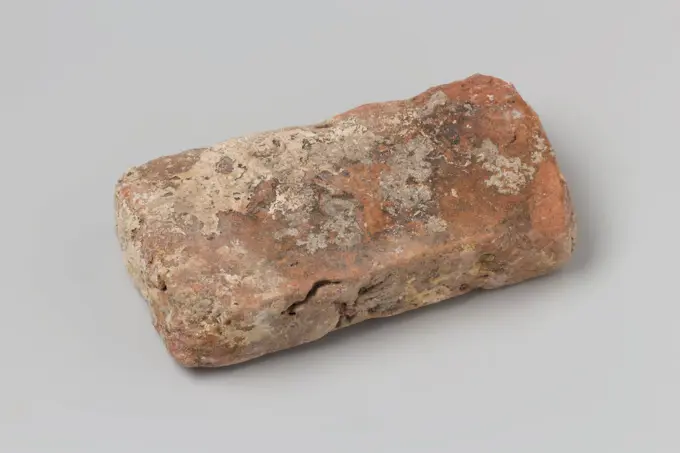
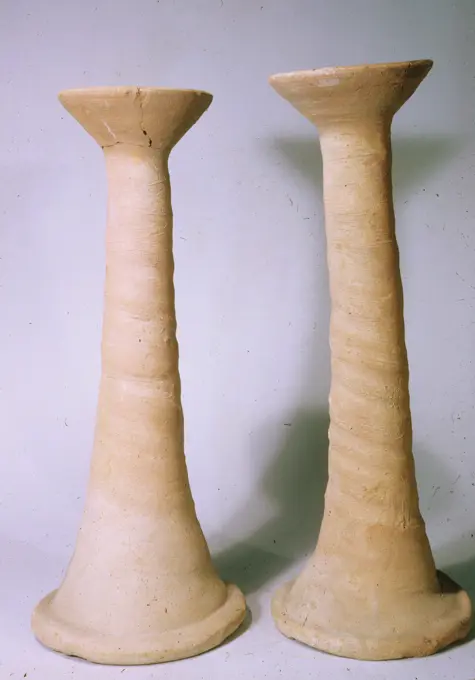
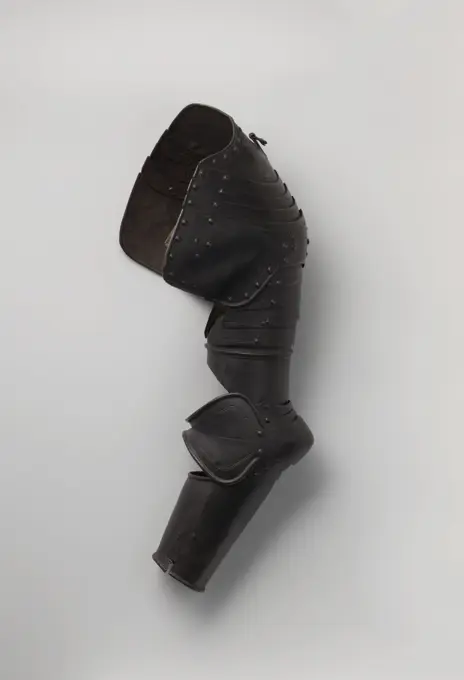
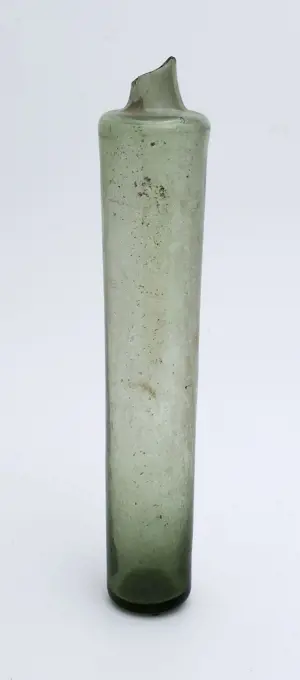
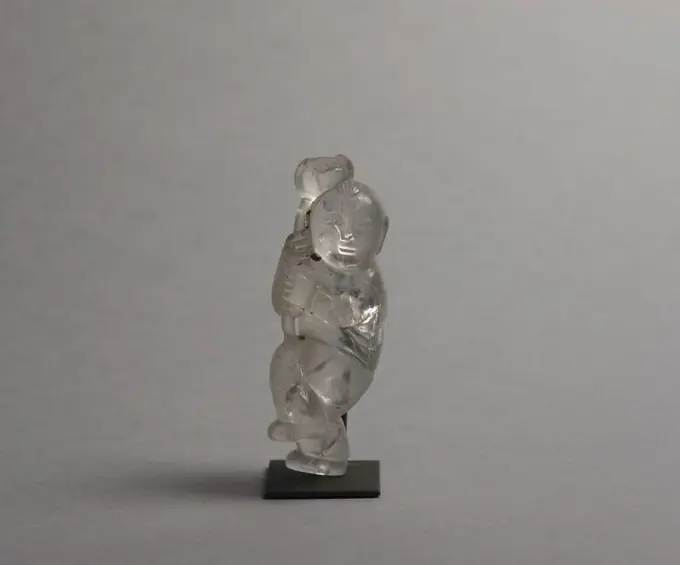
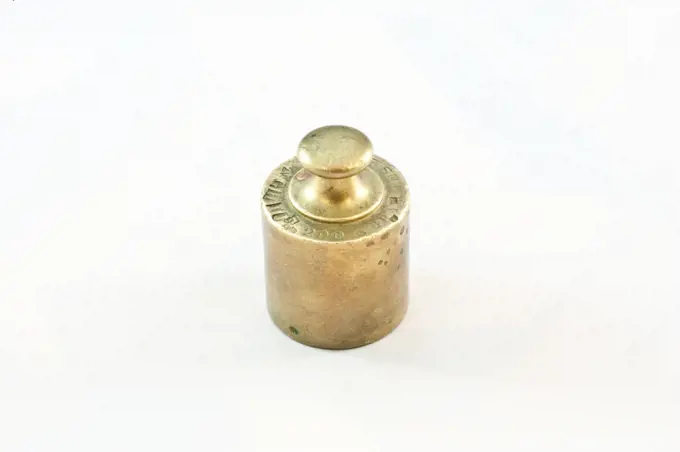
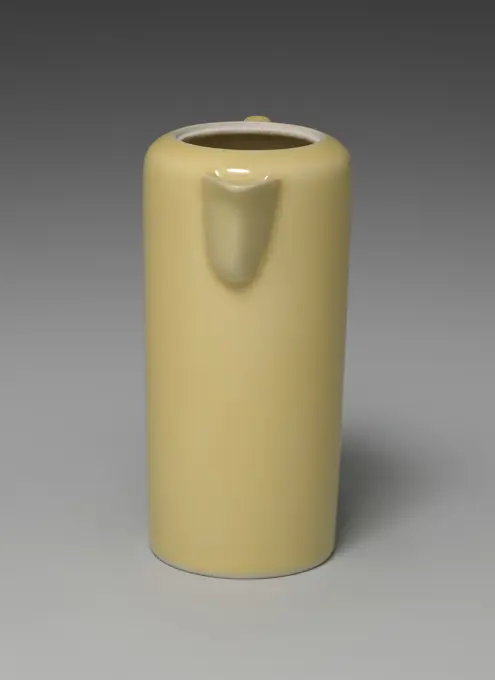
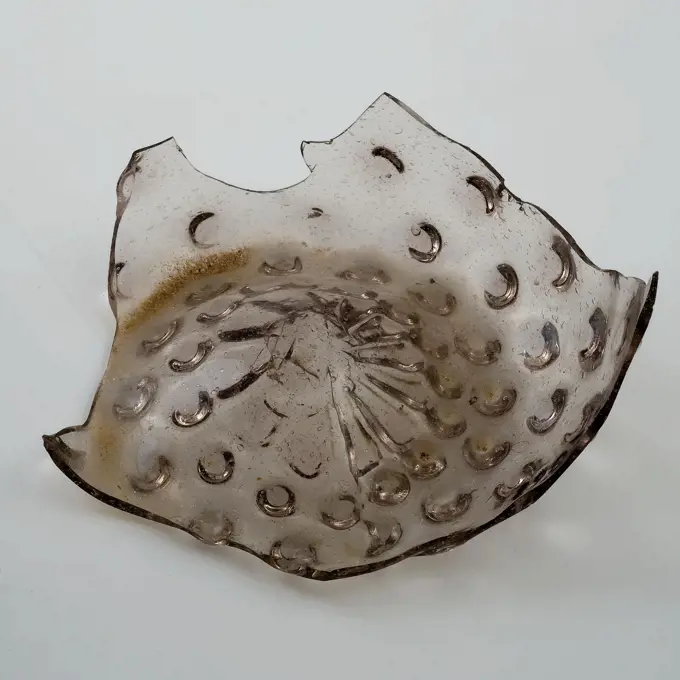
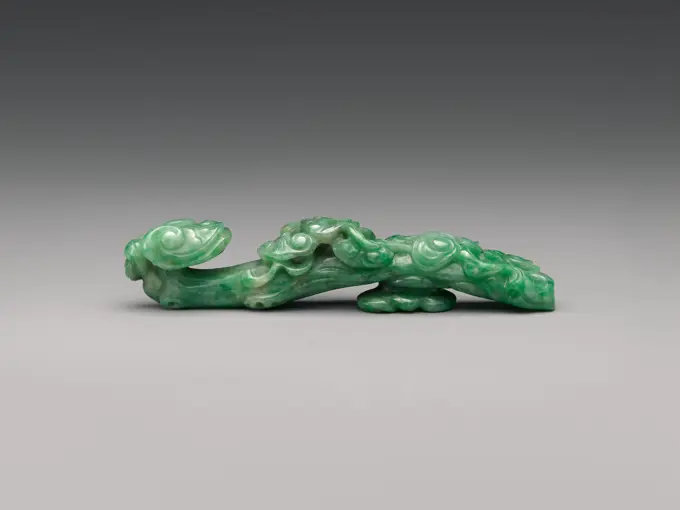
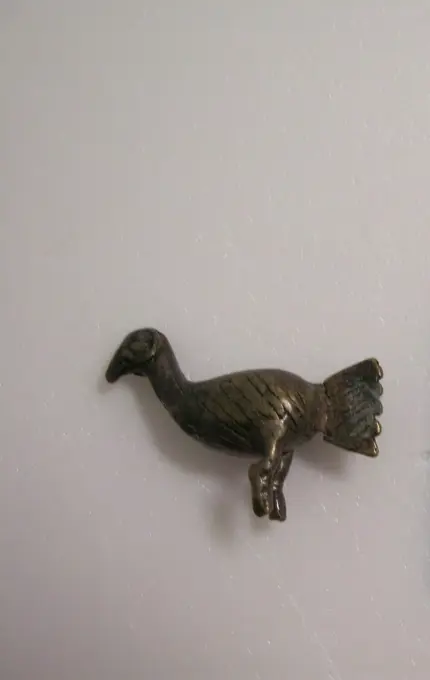
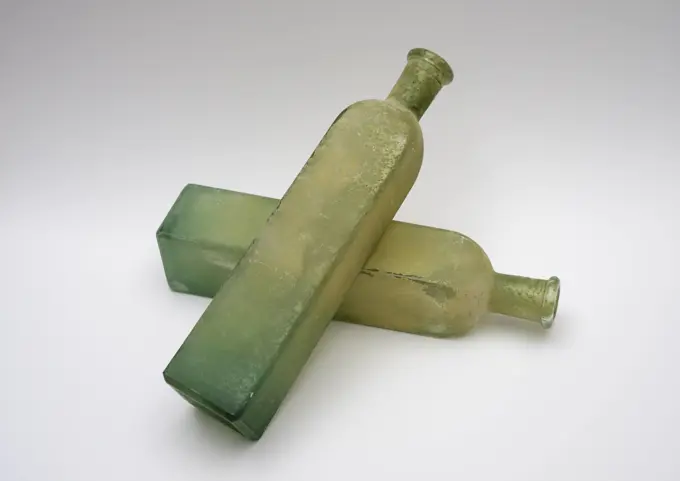
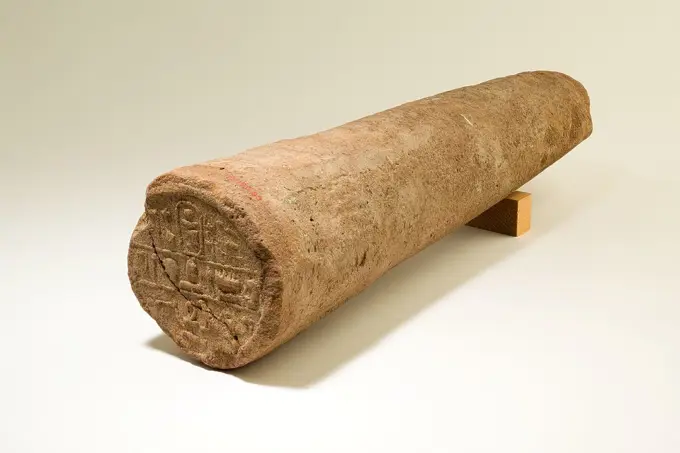
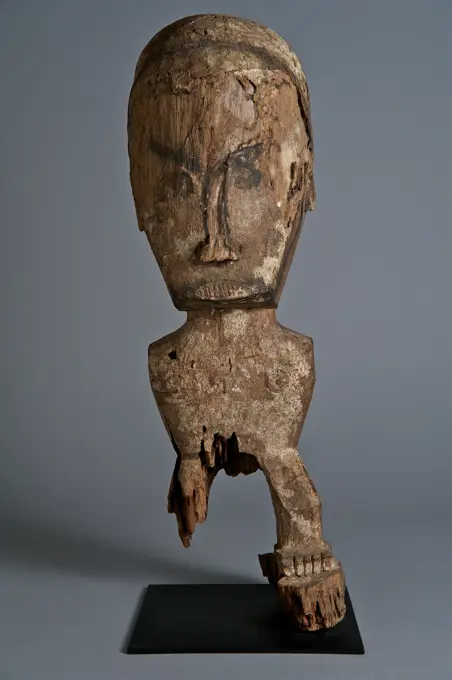
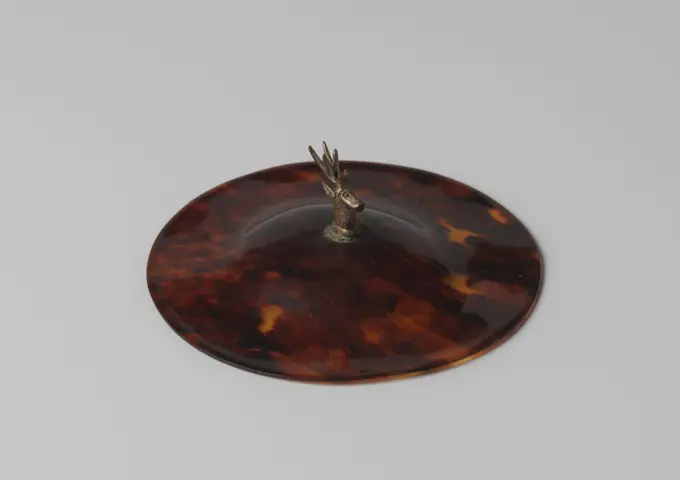
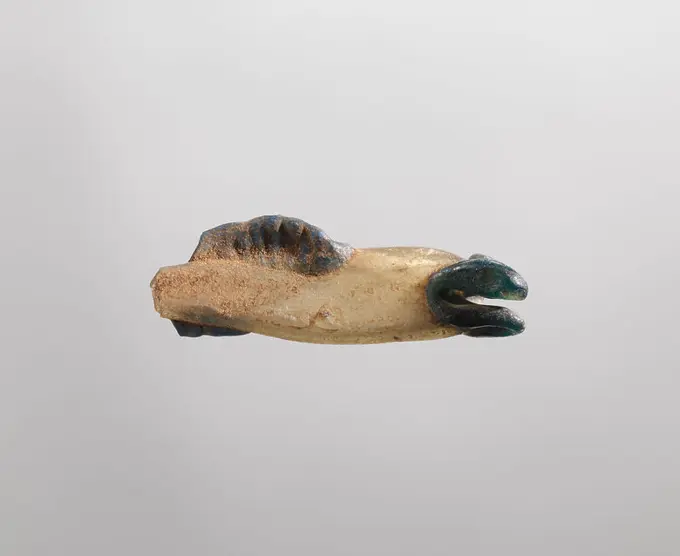
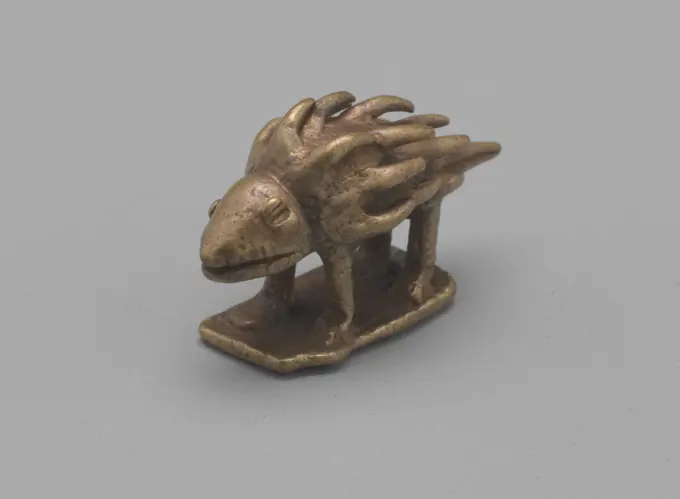
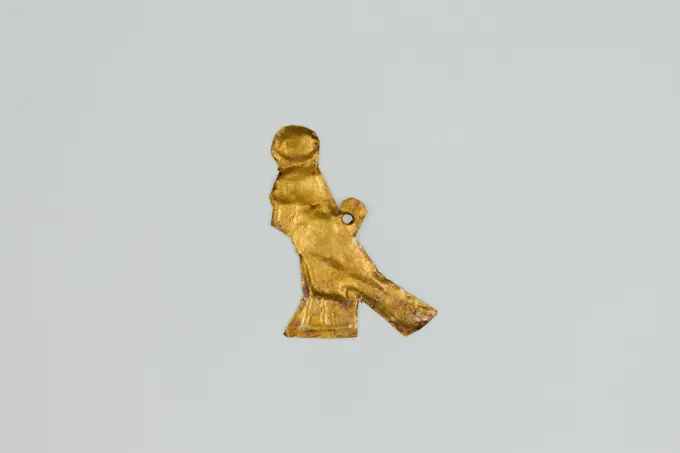
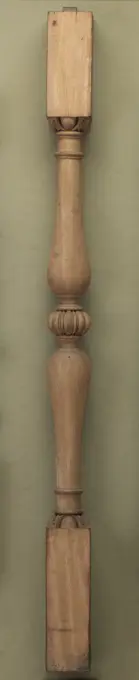
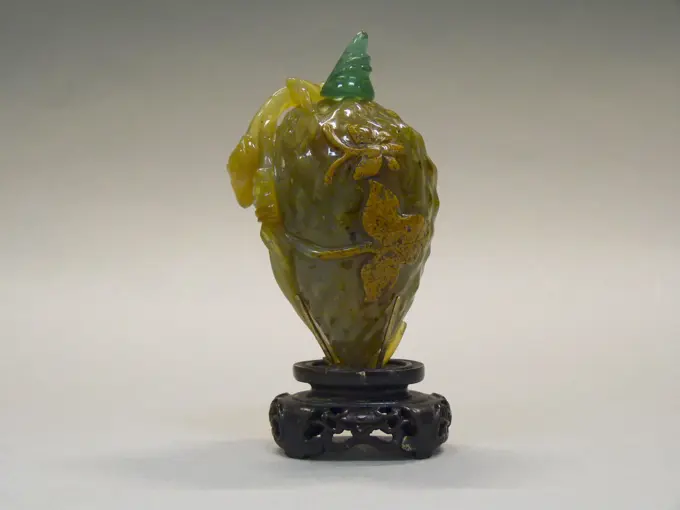
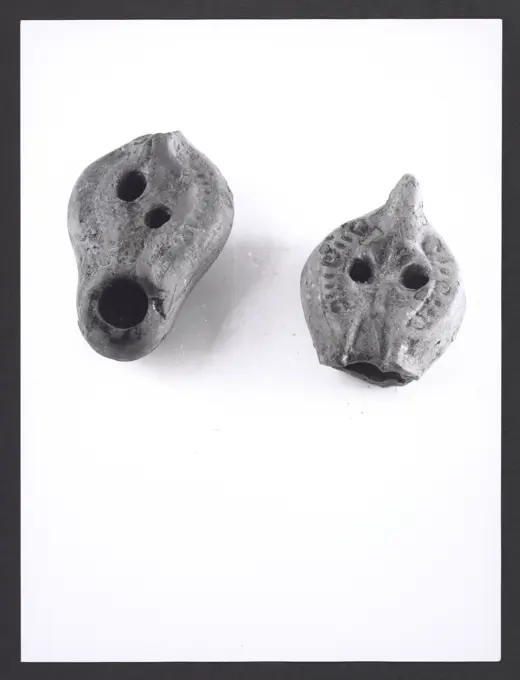
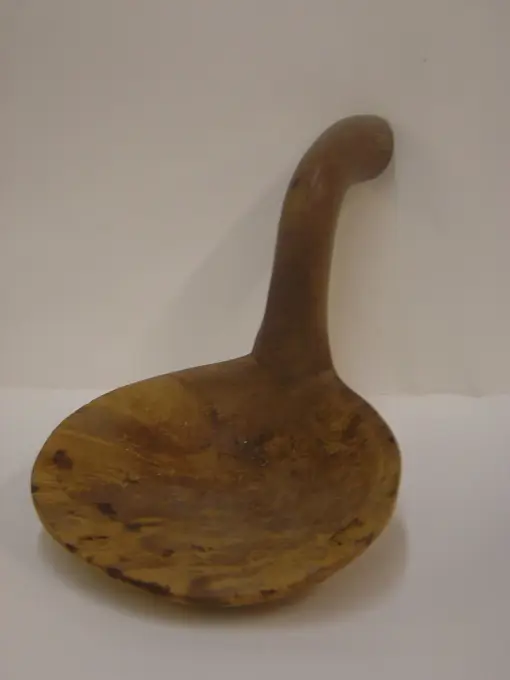
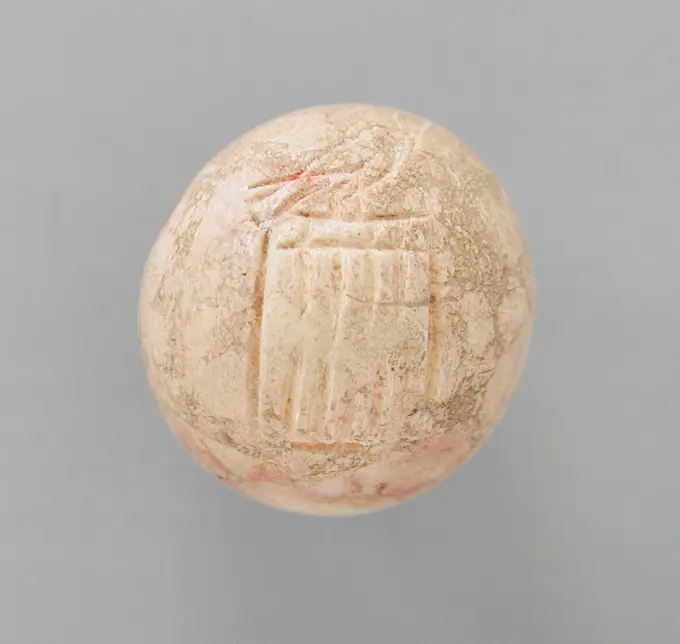
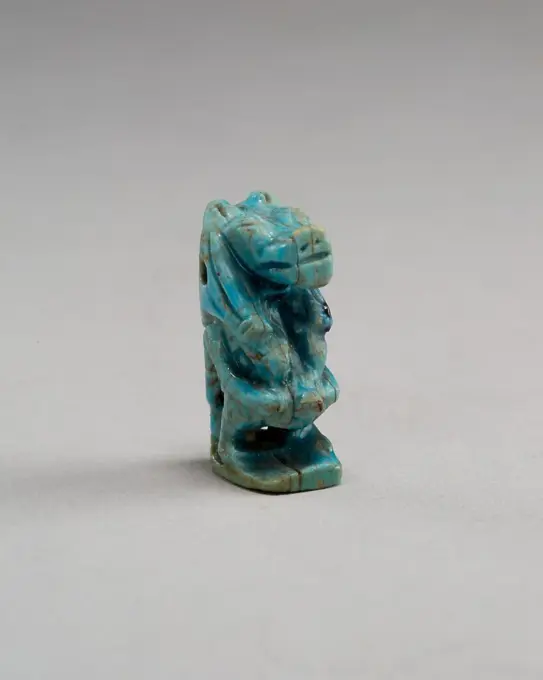
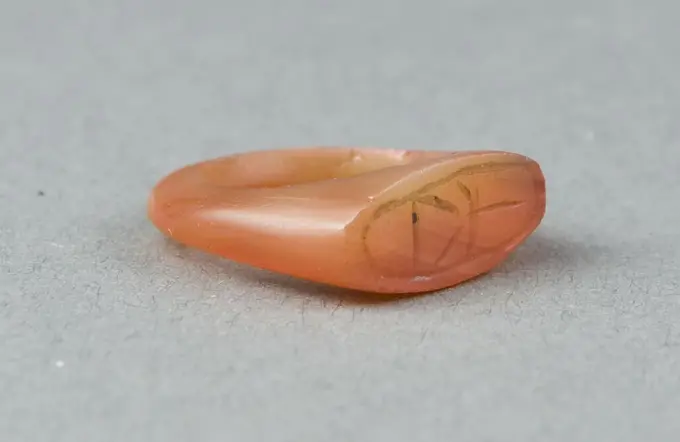
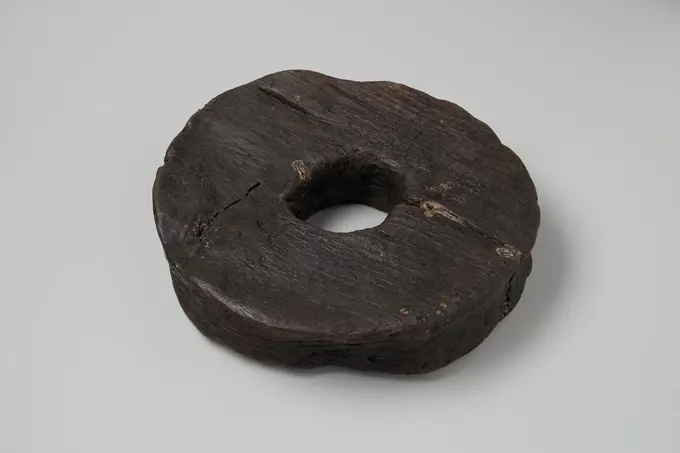
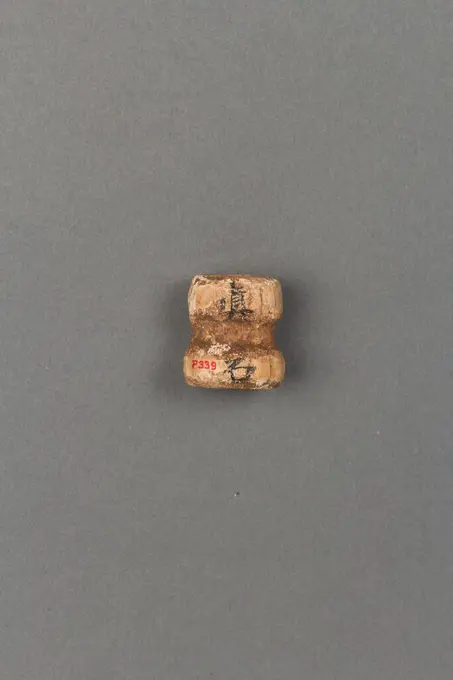
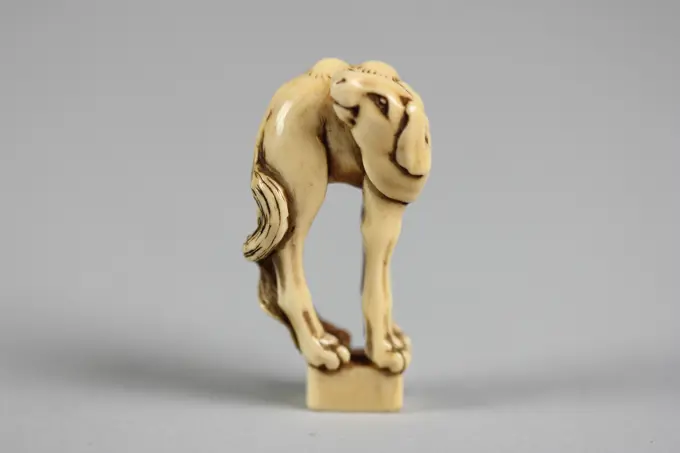
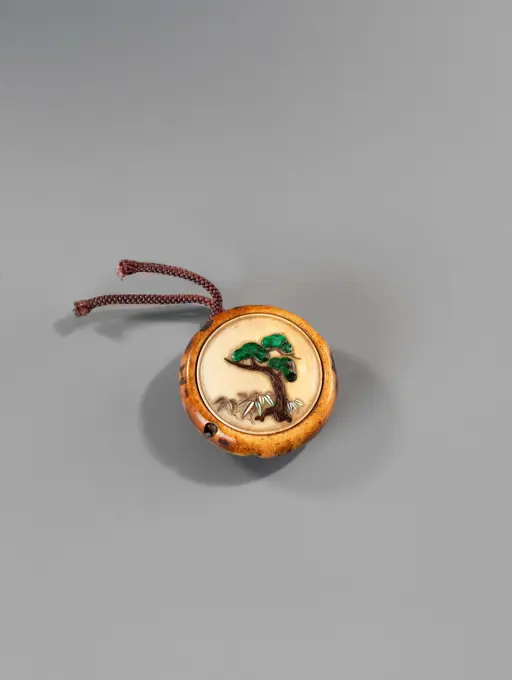
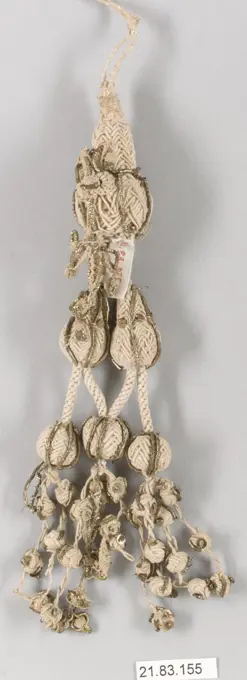
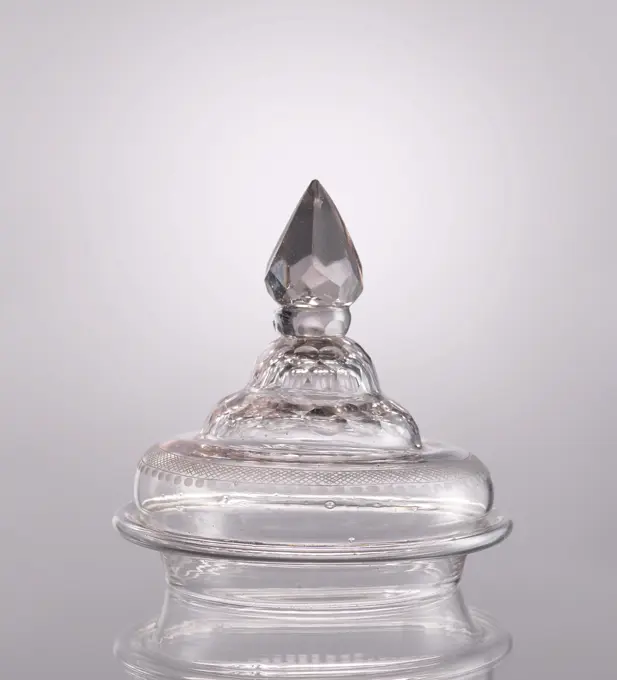
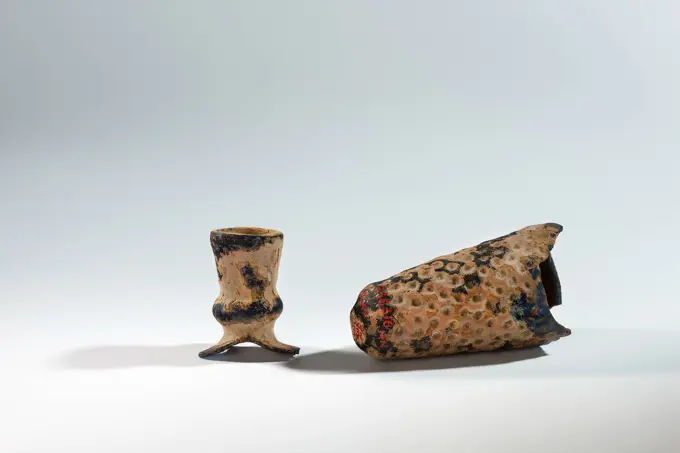
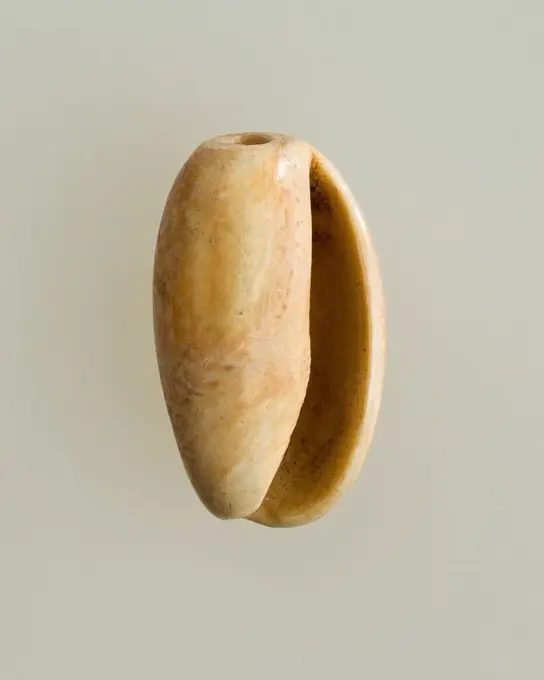
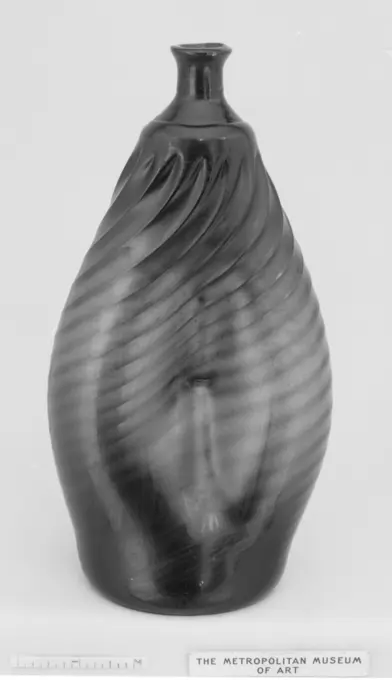
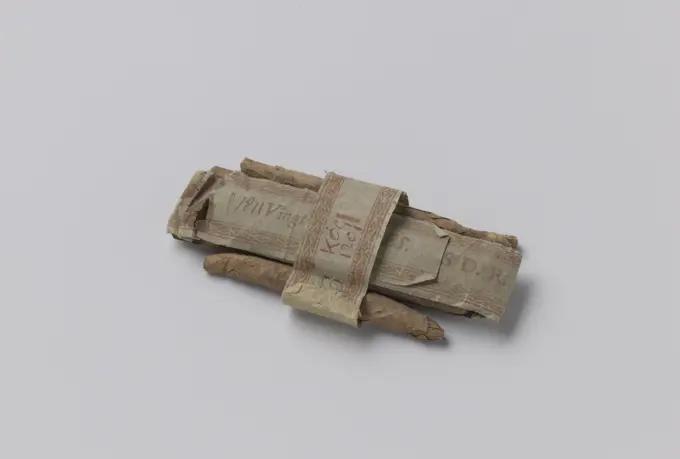
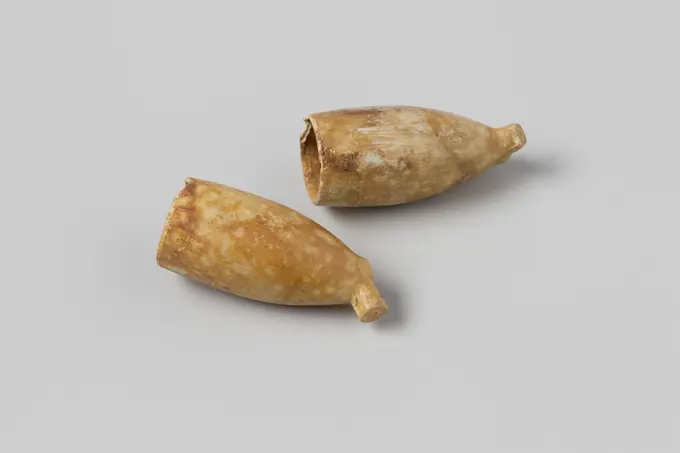
Carnavalet Museum, Footage CollectionPrehistory, Spain, Bronze Age. Bronze sword with golden hilt. From Guadalajara.Vase fragment Roman, Gaul Inscribed.. Vase fragment. Roman, Gaul. Terracotta. Vases. Incense box of stoneware in the shape of the Fuji mountain, covered with a light brown glaze and on the glaze white. Marked on the bottom with 'Kenzan'. Kyoyaki.Offering stand ca. 2124-1504 B.C. Middle Kingdom-Early New Kingdom. Offering stand. ca. 2124-1504 B.C.. Pottery. Middle Kingdom-Early New Kingdom. From Egypt, Upper Egypt, Thebes, Deir el-Bahri, Tomb TT 112, MMA excavations, 1926-27. Dynasty 11-18ArmBedekking right, 1599 - 1699  Arm covering right, black, iron, consists of a shoulder plate, upper arm pipe, elbow pipe and forearm pipe. The shoulder plate is articulated and has black rivets and a double decorative line parallel to the surrounding edges. An iron buckle above the strips. The upper arm pipe is articulated and has double decoration lines parallel on the edge. The elbow pipe has two oval plates in the flanks. The forearm pipe consists of two parts that are attached to each other by means of a hinge with which it can be opened. The inside is black and has three leather tires in the shoulder plate that are attached to the strips. The tires are not in good condition. Europe whole: Iron (metal). Tires: Leather forging / striking (metalworking)Oblong storage bottle, apothecary bottle perfume bottle bottle holder soil find glass, free blown and formed Oblong stock bottle also called eau-de-colognefles in clear light green glass. Pontil mark under slightly raised soil. Elongated body slightly dilated to straight shoulders and slightly rejuvenated neck chipped archeology health care packing pharmacyAmulet of a Hawk 1070 BCE-656 BCE Egypt. Faience . Ancient EgyptianBoy with Lotus. Culture: China. Dimensions: H. 3 11/16 in. (9.4 cm); W. 1 5/16 (3.3 cm); D. 7/8 in. (2.2 cm). Date: 11th-12th century. Museum: Metropolitan Museum of Art, New York, USA.Spoon crowned with Willem III and Mary, Anonymous (Falsification of), Before 1875 The wide, egg -shaped container is connected by means of a grooved needle, bent by the flat, and then straight stalk, which broadens to the end and that is crowned by the geot figure of King William III and Queen Mary with crowns and Kronen and Konen scepters. Amsterdam silver (metal) The wide, egg -shaped container is connected by means of a grooved needle, bent by the flat, and then straight stalk, which broadens to the end and that is crowned by the geot figure of King William III and Queen Mary with crowns and Kronen and Konen scepters. Amsterdam silver (metal)Lid or boss. Lid or boss 244538Fragment of the Knot of a Tunic 4th-7th century Coptic. Fragment of the Knot of a Tunic. Coptic. 4th-7th century. Marble. Made in Kharga Oasis, Byzantine Egypt. Sculpture-StoneFragment ca. 1150-ca. 1250 European or Middle Eastern. Fragment 695233Bowl with double fish, dancers, and animals 5th-6th century China (Xinjiang Autonomous Region, Central Asia) Paired fish are an auspicious emblem (mangala) that first appeared in conjunction with the earliest Buddhist and Jain images from India. The presence this motif suggests that this bowl likely had a ritual function. The animals and dancers relate to Central Asian art, while the palmette design is similar to Sogdian and earlier Gandharan production.. Bowl with double fish, dancers, and animals 49634Drawer Pull 1810-60. Drawer Pull 14230Lámpara de aceite. Museu Català de les Arts i Tradicions Populars.Pear wood candy form in the form of a nude child, Anonymous, 1800 - 1900 Pear wood candy form in the form of a nude child. Netherlands pear (wood) Pear wood candy form in the form of a nude child. Netherlands pear (wood)Scissors -An antique iron weight on white background, useful for conceptualSake Pourer, c. 1915-40. Seifū Yohei IV (Japanese, 1872-1951). Porcelain with yellow glaze;Baby's Cap (Italy); silk, silver threadBottom with nubs of white drinking cup, drinking cup drinking vessel holder soil find glass, archeology Rotterdam City Triangle Pakkenbrug New Haven archaeological find in the soil Nieuwe Haven 2nd cesspool (square) 22-08-1980 (belonging to houses on the south side of Nieuwe Haven).Card case - export product. unknown, craftsmanSculpture On Stand; carved nephrite, carved rosewoodHand Weapon (palau papanihomano). Hawaiian Islands, circa 1778. Arms and Armor; clubs. Wood, shark teeth, and fiberConch Shell. Culture: Monte Alban. Dimensions: H. 3 15/16 x W. 5 1/4 x D. 8 3/16 in. (10 x 13.3 x 20.8 cm). Date: 2nd century B.C.-A.D. 4th century. Museum: Metropolitan Museum of Art, New York, USA.Gravestone cippus;  II-III century (101-00-00-300-00-00);Garment hook 19th century China. Garment hook. China. 19th century. Jade (jadeite). Qing dynasty (1644-1911). JadeScherf of a jug of the wreck of the East Indians Hollandia, Anonymous, 1700 - in or Before 1743  Stoneware, Rhenish, Frechen-ware, jug; fragm of shoulder with star-shaped stamp. Cologne stoneware   SecondGoldweight Bird, 19th-20th century, 1 3/16 x 1/2 x 1 1/2 in. (3.02 x 1.27 x 3.81 cm), Brass, Ghana, 19th-20th centuryTwo rustic green glass bottles, which are arranged in a cross pattern on a simple white background, are two rustic green glass bottles, which are arranged in a cross pattern on a simple white background: xzoonar.com/mikhailxolykaynex 22622110Funerary Cone of High Priest of Amun Djehuty. Dimensions: Preserved L. 31.8 cm (12 1/2 in.); Diam. 8.2 cm (3 1/4 in.). Dynasty: Dynasty 18. Reign: reign of Ahmose I. Date: ca. 1550-1525 B.C.. Museum: Metropolitan Museum of Art, New York, USA.Roman Hispania. Mining. Equipment. Roman Hispania. Mining. Equipment. Picks. Iron. 1st-3rd century. Spain. National Archaeological Museum, Madrid. Spain.The first world wide trading currency were Spanish imperial silver coins, from Mexico and Bolivia, 1540-1620Ring with hunting dog, anonymous, c. 1770 - c. 1775 Smooth ring of gold. Marked on the outside with a Hondekop. Netherlands gold (metal) Smooth ring of gold. Marked on the outside with a Hondekop. Netherlands gold (metal)Grahal-Manzara. Carnavalet 2013-2016 collection sites. Numismatics.23-cm Steel Shell, Alderson (possibly), 1867 grenade (ammunition) Pointed 23 cm grenade. The grenade is 51.5 cm long and has a caliber of 226 mm. It is made up of two parts that are screwed together; This way the grenade could be provided with its spring load. The grenade has two rings of cams for a drawn run with six pulling fields, the bottom is bulb. At the nose three shallow holes for the ammunition tap. United Kingdom iron (metal). bronze (metal). brass (alloy)Red-brown brick from V.O.C. ship De 'Witte Leeuw', Anonymous, 1613 brick (clay product) Brick. With white attack and ranging princes.  brick (clay product)A ratchet in the shape of a wine;  VI-III century BC (-600-00-00--201-00-00);Egyptian ceramicsAncestorFigureLid of turtle with Hertekop of silver (series of 28 pieces A to BB), Anonymous, c. 1700 - c. 1799 Turtle cover (28 pieces: A to BB) with silver's deer head as a button. Indonesia silver (metal) Turtle cover (28 pieces: A to BB) with silver's deer head as a button. Indonesia silver (metal)Cuchara romana de metal. Can Serra Museu de Mataró.Fish appliqué. Dimensions: H. 1.5 × L. 4.5 × T. 1 cm (9/16 × 1 3/4 × 3/8 in.). Date: late 3rd to 4th Century A.D.. Museum: Metropolitan Museum of Art, New York, USA.Goldweight Seed Pod, 19th-20th century, 2 x 1/2 in. (5.08 x 1.27 cm), Brass, Ghana, 19th-20th centuryWeight for Measuring Gold (Mrammuo) Depicting aPorcupineSwords with the ten -headed Ravana and Sita, Anonymous, 1700 - 1800 Swords with the ivory cut out the figures of the ten-year-old Ravana and Sita. Bonel ivory Swords with the ivory cut out the figures of the ten-year-old Ravana and Sita. Bonel ivoryCaseBa-bird with sun disk amulet 664-380 B.C. Late Period. Ba-bird with sun disk amulet 561555Baluster first half 17th century British. Baluster. British. first half 17th century. Walnut. WoodworkSnuff Bottle China. Snuff Bottle 41434Lazio Roma Grottaferrata Museo23. Hutzel, Max 1960-1990 German-born photographer and scholar Max Hutzel (1911-1988) photographed in Italy from the early 1960s until his death. The result of this project, referred to by Hutzel as Foto Arte Minore, is thorough documentation of art historical development in Italy up to the 18th century, including objects of the Etruscans and the Romans, as well as early Medieval, Romanesque, Gothic, Renaissance and Baroque monuments. Images are organized by geographic region in Italy, then by province, city, site complex and monument.White jade recumbent cat box and cover, Chinese ArtBaluster late 17th-early 18th century British. Baluster. British. late 17th-early 18th century. Oak. WoodworkHead of Ivory, Anonymous, Before c. 1800 - Before c. 1900 Ivory head. One side a Christ head and the other side a skull.  ivory Ivory head. One side a Christ head and the other side a skull.  ivoryWoodenScoopGame Piece with Inscription. Egypt, 1st Dynasty (circa 3050 - 2850 BCE) (inscription likely modern). Tools and Equipment; marbles. MarbleTaweret amulet. Dimensions: H. 2.2 cm (7/8 in.); W. 1.3 cm ( 1/2 in.); D. 1.4 cm ( 9/16 in.). Dynasty: Dynasty 27-30. Date: 525-332 B.C.. Museum: Metropolitan Museum of Art, New York, USA.Earring (France); gold, steel wire; Overall: 2.8 x 2 x 1 cm (1 1/8 x 13/16 x 3/8 in.)Close up still life dark red Thai sapphire on gray backgroundRing with Ankh (Symbol for Life). Egyptian. Date: 1991 BC-1784 BC. Dimensions: W. 0.5 cm (3/16 in.); diam. 1.5 cm (5/8 in.). Carnelian. Origin: Egypt. Museum: The Chicago Art Institute, USA. Author: Ancient Egyptian.Laozi na podstawce. unknown, craftsmanDisc from v.o.c.-ship the 'white lion'. Disc from v.o.c.-ship the 'white lion'.CHOCOLATERA DE METAL.Arrowheads, needles, hooks and harpoons. Culture: Japan. Dimensions: W. 3/4 in. (1.9 cm); L. 7/8 in. (2.2 cm).These implements--an arrowhead, fishhooks, needle, and harpoon--were skillfully carved from bone, a material worked by Japanese artisans since Paleolithic times. They were found in the Obara Shell Mound at Ofunato Bay in Iwate Prefecture. According to information gleaned from shell mounds, or middens, the people of the Jomon period relied on a variety of strategies to obtain food. The large number of fishhooks, fashioned with and without barbs, together with the rich array of marine remains found in these rubbish heaps since very early times indicate that some fifty species of fish and shellfish constituted an essential dietary staple. Toggle-head harpoons, a later innovation, facilitated the hunting of sea mammals. Attaching a line to the toggle allowed the hunter to draw in his prey once the toggle had broken away from the harpoon shaft. Further evidence gathered from these Female Figurine. Anatolia, Syro-Hittite, 2500-800 B.C.. Sculpture. CeramicMusketball from the wreck of the East India. The flying heart. Lead spherical bullet that was fired from a musket. The bullet is dark gray in color. The bullet has been immersed in beeswax for conservation. Identical to NG-1984-1 to 3, 5. Musket Calibre.Fragment; tin-glazed earthenwareTassel, Medium: linen Technique: braided and knotted, White linen tassel with one circular base attached to attached to a slightly larger, pear-shaped base (hanging below). Cores are braided over with linen yarns worked in groups for a basket-weave effect. Around the bases hang tiny braided balls and from the bottom of the pear-shaped base hang a few longer clusters of the tiny braided balls., Italy, 17th century, trimmings, TasselNetsuke of a Camel 19th century Japan. Netsuke of a Camel. Japan. 19th century. Ivory. Edo (1615-1868) or Meiji period (1868-1912). NetsukeKagamibuta (a type of netsuke) decorated with the motif of pine tree and bamboo. unknown, sculptorFragment Facetted Steel of a flute glass from the wreck of the East Indians Hollandia, Anonymous, 1700 - in Or Before 1743 drinking glass Glass, stem glass, steel, faceted; fragment, sim. NG 1980-27H1495, eroded. Netherlands glass   SecondPair of tassels 17th century Italian. Pair of tassels 221326Blowers from the wreck of the East Indians Hollandia, Anonymous, 1700 - in Or Before 1743  Pipe, bowl, heelmark: tobacco's brazier; no hsm, 1hsm1. Netherlands pipe clay   SecondWisdom tooth on black background, close upClose up thin textured brown cleaning sponge floating midair against gray backgroundShak Shak late 19th century Native American (Guyanese). Shak Shak 502080Tłok pieczętny. unknown, craftsmanNakrywa. Urzecze (huta zwierciadlana ; 1737-1846), creator, Naliboki (huta szkła ; 1722-1862), creatorHead of a WomanBottle. unknown, craftsmanBox with long-tailed birds and peonies second half of the 16th century China On the side of the cover are abstract, rocklike forms. They provide a groundline, often seen in sixteenth-century lacquer works, for the auspicious peonies and long-tailed birds on the cover.. Box with long-tailed birds and peonies. China. second half of the 16th century. Carved red lacquer. Ming dynasty (1368-1644). LacquerBuckle possibly 4th-5th century possibly Roman. Buckle. possibly Roman. possibly 4th-5th century. Bronze, gilt. Miscellaneous-Buckles & OrnamentShell pendant or bead. Date: ca. 3850-2960 B.C.. Museum: Metropolitan Museum of Art, New York, USA.ScarabBottle probably 18th century Italian, possibly Venice (Murano). Bottle. Italian, possibly Venice (Murano). probably 18th century. Glass. GlassPack of Cigars from the French era, Imperial Tobacco Factory, 1811  Package with six thin cigars from the French era. Held together by two light blue with red -printed crotch tires, which are stuck around the cigars. Amsterdam paper printing / writing (processes)  Netherlandsobject on grey - Beer bottle on greyMiddle Kingdom, Egyptian Cosmetics containers, found in a tomb 2040-1640 BCCarnavalet museum, tokens collectionRod Finial Clip with Deity Surrounded By Sekti Motif. Culture: Indonesia (Java). Dimensions: 7/8 in. (2.2 cm). Date: Second half of the 9th-first quarter of the 10th century. Museum: Metropolitan Museum of Art, New York, USA.Tassel 17th century Italian. Tassel. Italian. 17th century. Linen. Textiles-TrimmingsAlabastron; Eastern Mediterranean; 6th - 4th century B.C; Glass; 10.6 cm (4 3,16 in.)COLLAGE. Author: EVA LOOTZ. Location: GALERIA JUANA DE AIZPURU. MADRID. SPAIN.Pipes from the wreck of the East Indieschief Hollandia. Pipe, Bowl, Healmar: Tobacco's Brazier; No HSM, 1HSM1.Bronze votive statuette of a standing human 8th century B.C. Etruscan Statuette of a standing human figure.. Bronze votive statuette of a standing human 255292Collective tomb of Udías, Neolithic, Las Cascaras, Canales, Museum of prehistory and archeology (MUPAC), Santander, Cantabria, Spain.Prehistory, Italy, Iron Age. Golasecca culture. Terracotta two-branched candelabrum. From the necropolis of Ca' Morta, surroundings of Como.Bronze handle in the form of Pan ca. 100 B.C.-A.D. 100 Greek or Roman Handle in the form of Pan bending backwards.. Bronze handle in the form of Pan 245504Netsuke and ojime. Culture: Japan. Dimensions: b) H. 1 in. (2.5 cm); Diam. 3/8 in. (1 cm)c) H. 1 3/4 in. (4.4 cm); Diam. 3/4 in. (1.9 cm). Date: 19th century. Museum: Metropolitan Museum of Art, New York, USA.writing scripture cuneiform writing clay tablet with seal of Hitite King Tudhaliya IV circa 1237 - 1209 BC Ugarit Palace Damascus National Museum,