Ancient Pottery Fragments

Artifacts highlighting fragments of ancient pottery and sculptures, showcasing unique shapes and historical significance. The collection represents various cultures and time periods.

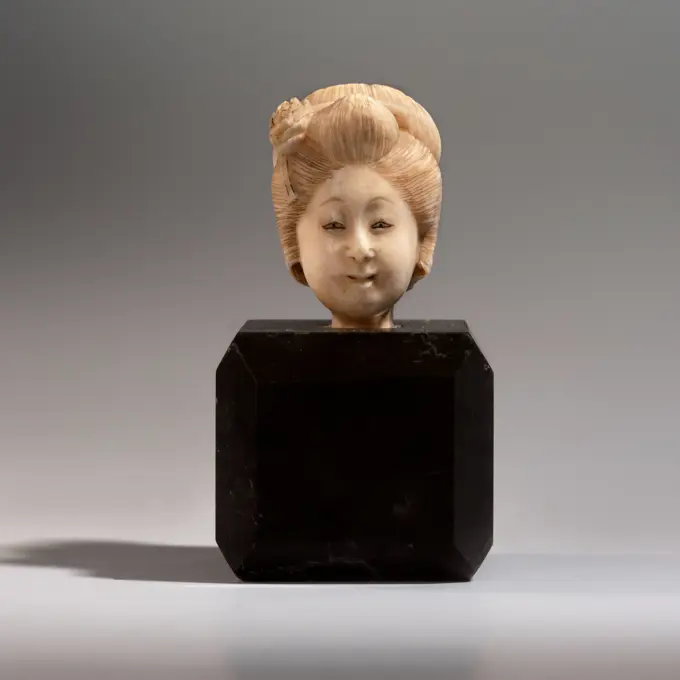
Anonymous Grand Bol (common name), 1275. White sandstone with ivory covered. Cernuschi Museum, Asia Museum of Asia in the city of Paris.
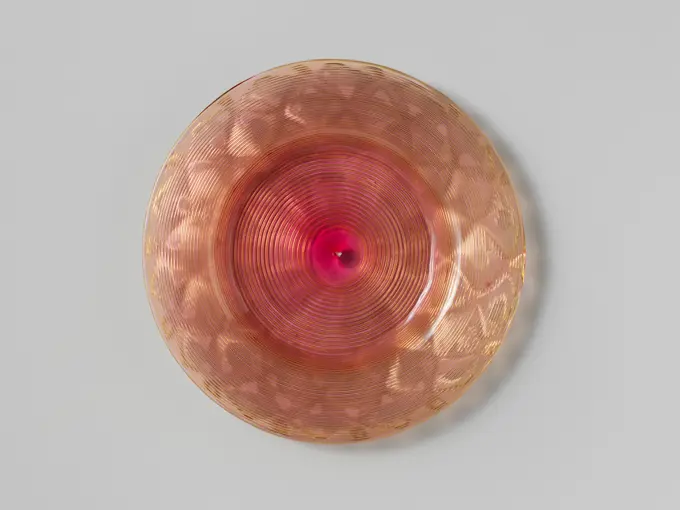
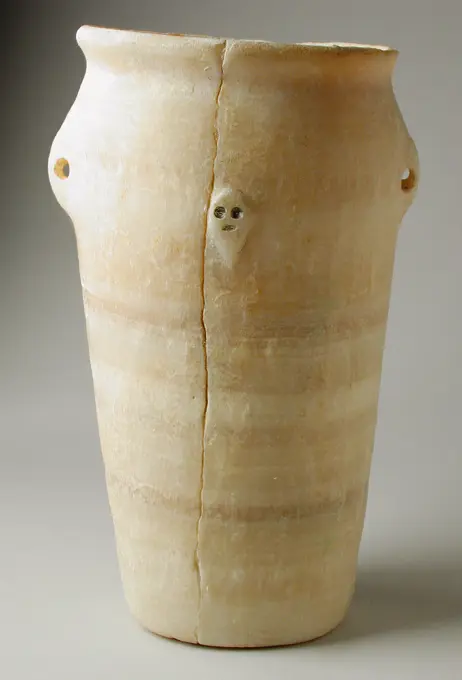
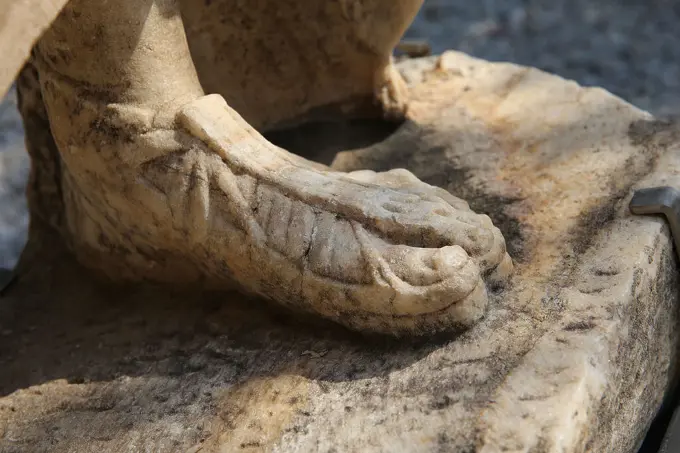
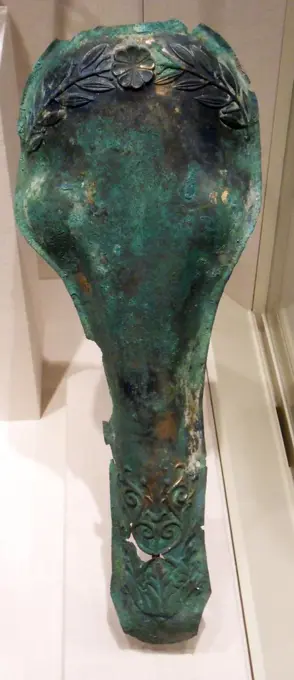
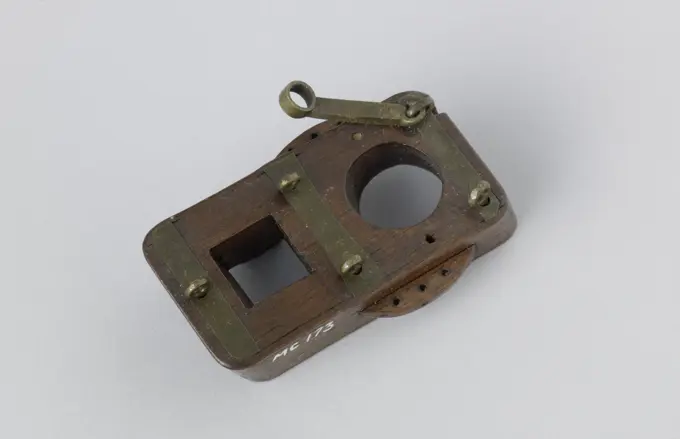
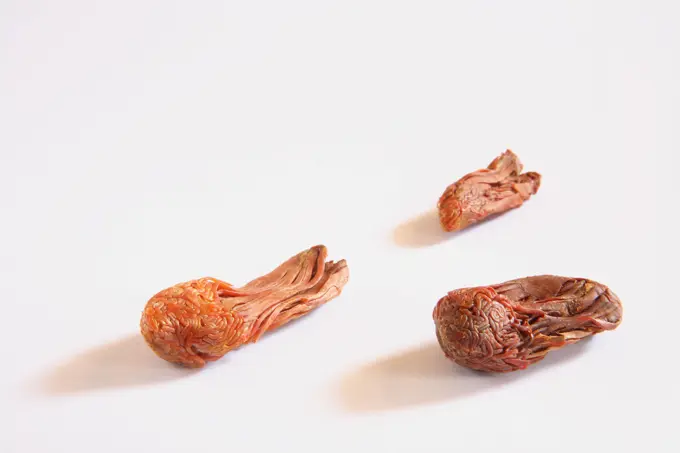
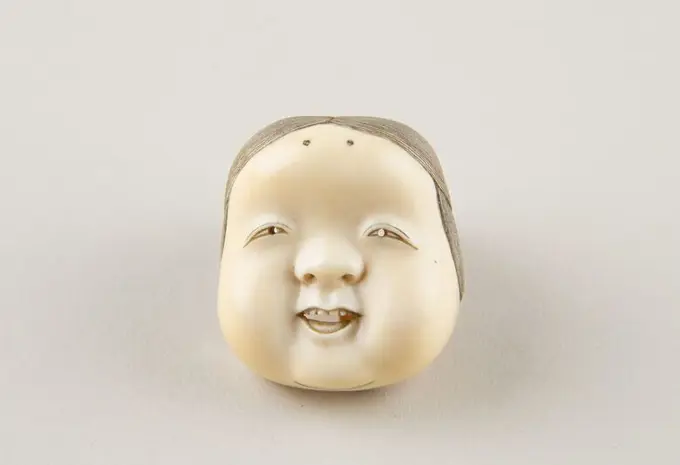
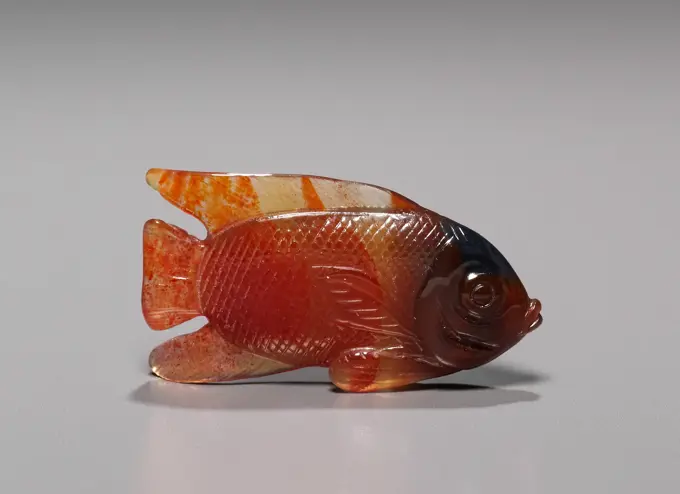
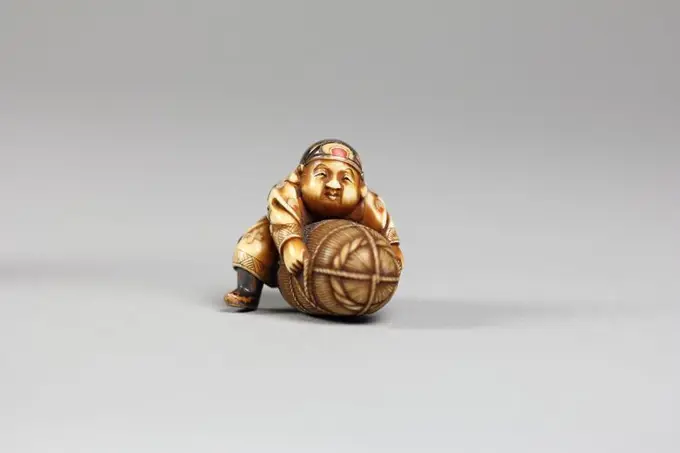
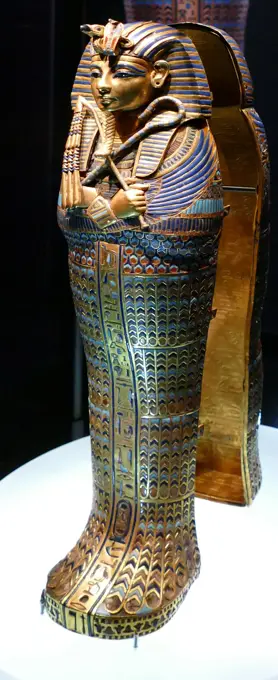
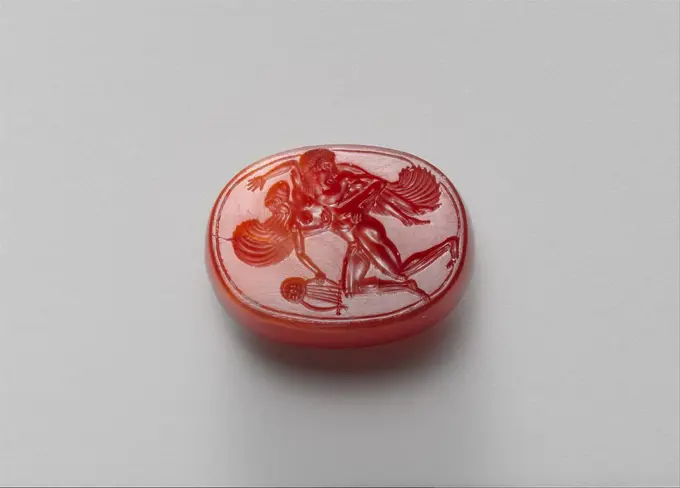
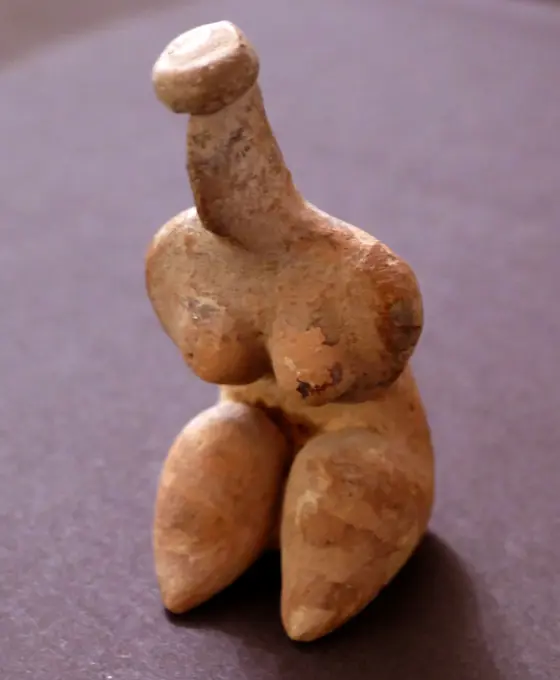
Frontlet of gold leaf. Frontlet of gold leaf 242980Muildje Van Faience. Muildje Van Faience. Multicolor.Golden Artifact From Medio Tribe In The Gold Museum In La Candelaria, The Old Town Of Bogota, ColombiaPlate 1880-88 Possibly Boston & Sandwich Glass Company. Plate 6437Vase. Egypt, Predynastic Period (5500 - 3100 BCE). Furnishings; Accessories. CalcitePileus 18th century American or European. Pileus 112628Fragment of a hammer head from the wreck of the East India Hollandia. Hammer, Hammerhead, Fragment; Fragm or end, eroded, broken; Rectangular in Section, With One Widened Flat End, Slightly Curved.Wedding boots 1854 probably French. Wedding boots 168512Statue of a governor from Stratonicea (Hadrianapolis). Sandal. Bodrum Museum of Underwater Archaeology. Turkey.Fresh skate wingRectangular Belt Plaque with a Figure China. Rectangular Belt Plaque with a Figure 75243Foot angel or crow's foot ,, 1600 - 1699 caltrop Iron foot angel or Kraaiepoot with four points. Scandinavia (Possible) iron (metal) forging / striking (metalworking)Brush washer withplumTwo Fish 19th century Japan. Two Fish 59175Set of bronze armor, Greek, South Italian, Apulian, ca. 330 B.C.One pear with a shadow on a beige backgroundPortrait of an Eurasian Curlew egg on a white backgroundMosaic glass fragment. The small glass fragment shows on dark red or violet background a grid of white lines reminiscent of bee honeycombs. In the fields, flowers are seen in millefiori technology. They consist of a yellow point with red and white contour to change the circular alternately red and white dots. In Roman times, they used colored, ornamented glass for vessels, mosaics, wall decorations, and furniture ornaments. For the production of different colored glasses to tubes and rods shaped. These were compressed and heated, causing a long bar. The glass sliced now had different amorphous or floral patterns.Model of a Bowsprit Cap, anonymous, c. 1780 - c. 1840 demonstration model Rectangular shield with brackets in front of the geus; At the back are eyes for the running days and other Stagen and a block applied. There are two ears with holes for the walking because of the tuber wood. Netherlands wood (plant material). brass (alloy)Old stuffed animal on a white wooden tableGold earring with head of a bull 4th-3rd century B.C. Greek. Gold earring with head of a bull 242867Indian spice, Mace Javitri Myristica fragrance on white background India Copyright: xNirmalaxMishra/DinodiaxPhotoxPair of Sword-Grip Ornaments (Menuki) 18th century Japanese Menuki are a pair of ornamental sword fittings attached to either side of a sword hilt.. Pair of Sword-Grip Ornaments (Menuki). Japanese. 18th century. Copper-gold alloy (shakud), gold. Sword Furniture-MenukiNetsuke of Kyogen Mask; Usume (or Okama or Ofuku). Culture: Japan. Dimensions: H. 1 3/8 in. (3.5 cm); W. 1 1/8 in. (2.9 cm); D. 5/8 in. (1.6 cm). Date: 19th century. Museum: Metropolitan Museum of Art, New York, USA.Kogut. unknown, sculptorFragment. Dimensions: L 11 cm x W 7 x H 4. Date: probably 8th-12th century. Museum: Metropolitan Museum of Art, New York, USA.Hat standard of pink painted wood, c. 1910 - c. 1930 stand (support object) Hat standard of pink painted wood. On the round foot there is a straight trunk on which a sphere rests support. Netherlands wood (plant material) paintingSticky favor with an eight foie springs and a handle of Hoorn, Anonymous, c. 1900 - c. 1925 Sticks with a leaf of eight goose springs and a handle of Hoorn. The springs are held together by means of a curved pin. Halfway through the handle is small red plane with Chinese characters Dutch East Indies, The sheet:. frame: Horn (Animal Material). Pin: Metal cutting Sticks with a leaf of eight goose springs and a handle of Hoorn. The springs are held together by means of a curved pin. Halfway through the handle is small red plane with Chinese characters Dutch East Indies, The sheet:. frame: Horn (Animal Material). Pin: Metal cuttingThaumasite. minerals. North America; USA; New Jersey; Passaic County; West PatersonThimble on woodSmoking pipe, necklace of beads, fighting club. Anuak people. East Africa (South Sudan, Ethiopia).Pear still bank, c. 1870, 4 1/2 x 3 x 3 in. (11.43 x 7.62 x 7.62 cm), Ceramic, pigment, United States, 19th centurySiderite. minerals. Europe; Romania; Oa; Satu Mare; Tur; Ghezuri mineMenilite fossil mineral stone. Geological crystalline fossil. Dark background close-up. Header banner mockup with copy space.. Menilite fossil mineral stone. Geological crystalline fossil. Dark background close-up.Fish, c. 1890. House of Fabergé (Russian, 1842-1918). Agate; overall: 3 cm (1 3/16 in.).maraca, jebumataru, , Warao culture, Amazonia, collected in 1985, wood, pumpkin bark and vegetable fiber, Anthropology National Museum, Madrid, Spain.Campania Caserta Capua Museo Campano91. Hutzel, Max 1960-1990 Medieval: Byzantine architectural fragments; parchment fragments with miniatures (12th century) from Montecassino; painted wooden crucifix (13th century); Carolingian crucifixes; Bishop's miter (11th century) of gold and silver damask; fresco (13th century). Post-medieval: Architecture (15th century). Formerly the Palazzo Antignano. Unusual Catalan/Moorish-style portal; Paintings on panel and canvas (15th-18th centuries); marble intarsia (16th century); marble sculpture: busts of Christ and Mary (17th century); sculpture of saints in marble and in wood (15th century); painted and gilded sculpture in wood; marble grave sculpture (16th century); sarcophagus with allegorical carvings; gold reliquary "Rosa d'Oro"; crucifix made of elephant tusk Specific Location: Pianterreno Antiquities: Italic sculpture (seated women holding babies); inscription. Photo campaign #1: 533 photos. Roman relief and sculpture; cinerary urns; Greek anNetsuke. Culture: Japan. Dimensions: H. 1 1/8 in. (2.9 cm); W. 1 1/2 in. (3.8 cm). Date: 19th century. Museum: Metropolitan Museum of Art, New York, USA.Powder Horn 1767 Peter Robinson This powder horn is engraved with a view of Havana.. Powder Horn 29383jug auf weißem hintergrund old jug on white background LicenseRF Copyright: xZoonar.com/MilanxVasicekx 1762899Celt before 16th century Costa Rica. Celt 317264Gold inlaid canopic coffinette dedicated to Isis and Imseti. Tomb of King Tutankhamun. 1326 BCCuff Button; stoneCarnelian scaraboid. Culture: Greek. Dimensions: 1/8 × 1/2 × 11/16 in. (0.3 × 1.3 × 1.7 cm). Date: early 5th century B.C..Winged youth abducting girl with lyre. Museum: Metropolitan Museum of Art, New York, USA.A game of flip -flops;  19th/20th century (1890-00-00-1910-00-00);gift (provenance), Japanese (culture), sculptures, Japanese artSea shell on the colorful salt background. Spa and body care concept. Dead Sea Salt. Aromatic spa treatment. Natural ingredients for homemade body salt scrub. Beauty and skin care concept. Sea shell on the colorful salt background. Spa and body care concept. Dead Sea Salt. Aromatic spa treatment. Natural ingredients for homemade body salt scrub. Beauty and skin care concept. Copyright: xZoonar.com/NataliexHaninx 19627519Top view of wooden scoop with pumpkin seeds against beige vinyl background.Terracotta fragment of a kylix (drinking cup) 500-480 B.C. Greek, Attic Left half of handle. Terracotta fragment of a kylix (drinking cup). Greek, Attic. 500-480 B.C.. Terracotta; red-figure. Archaic. VasesGame - Backgammon Draught - 1 of Set, in Original Cases, 1600-1700. Pinto Collection - Purchased from Edward H Pinto, 1965.. Made in Eger, Bohemia (Southern Germany). This backgammon games piece is one of a set of 28 games pieces which were made in the town of Eger in southern Germany in the 17th century. The turner has used sycamore, which has been stained black. Another specialized woodworker then built up the portrait of the Roman Emperor Augustus from pieces of wood which were glued together and then carved to make a relief marquetry known as Eger work.Figurine of either Jupiter or NeptuneA woman's bust3d rendering of a design glass vase isolated in white studio background 3d rendering of a design glass vase isolated in white studio background. Copyright: xZoonar.com/HugoxKurkx 13950086Hand guard, anonymous (possibly), 1600 - 1900 Oval tsuba with lobed edge; open work decoration of two tigers on either side of a flaming jewel; The edge is covered with gold insert (Nunome-Zogan). Hizenchina iron (metal). gold (metal) Oval tsuba with lobed edge; open work decoration of two tigers on either side of a flaming jewel; The edge is covered with gold insert (Nunome-Zogan). Hizenchina iron (metal). gold (metal)Hand holding a small traditional hut on a white backgroundTell Halaf, Clay Fertility Idol, circa 5,000 BC. Ancient Near East, Anatolia (central Turkey) and Northern Syria, Tell Halaf. The Halaf culture of Anatolia and ancient Syria came about in approximately 5000 BCE and created female figurines with particular fertility attributes that are displayed in this example. Note how the figure sits with upraised knees and legs extended, with both of her arms cradling and supporting her protruding breasts.Pair of Spider Earrings. Alexander Calder; American, 1898-1976. Date: 1934-1942. Dimensions: Ea. 7 × 7.3 cm (2 3/4 × 2 7/8 in.). Silver. Origin: United States. Museum: The Chicago Art Institute, Chicago, USA.Three shiitake mushrooms on a wooden boardSnuff bottle with stopper. Culture: China. Dimensions: H. 2 1/16 in. (5.3 cm); W. 1 1/2 in. (3.8 cm). Museum: Metropolitan Museum of Art, New York, USA.