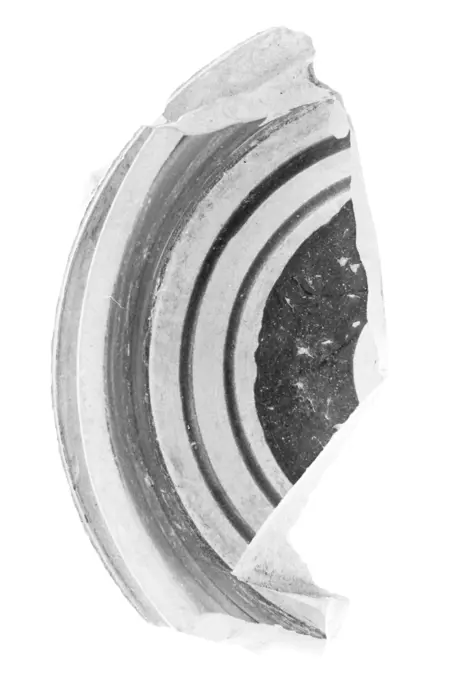
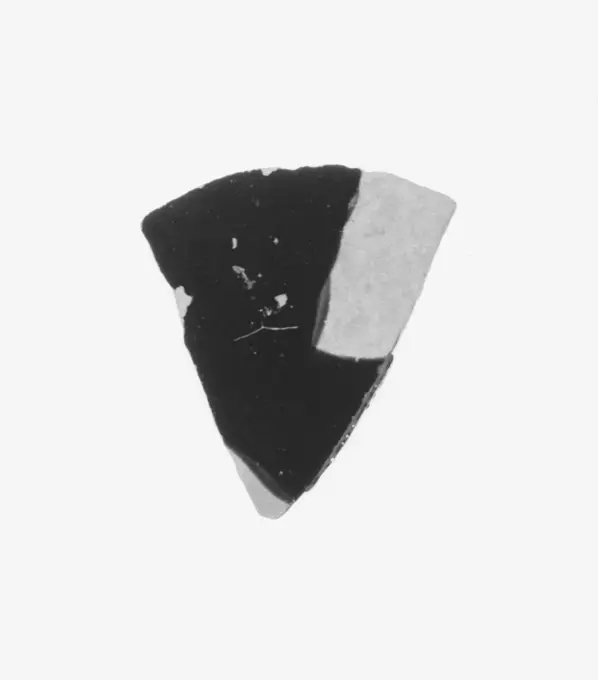
Ancient Pottery Fragments

Various fragments of ancient pottery, showcasing intricate designs and historical significance, in monochrome styling.
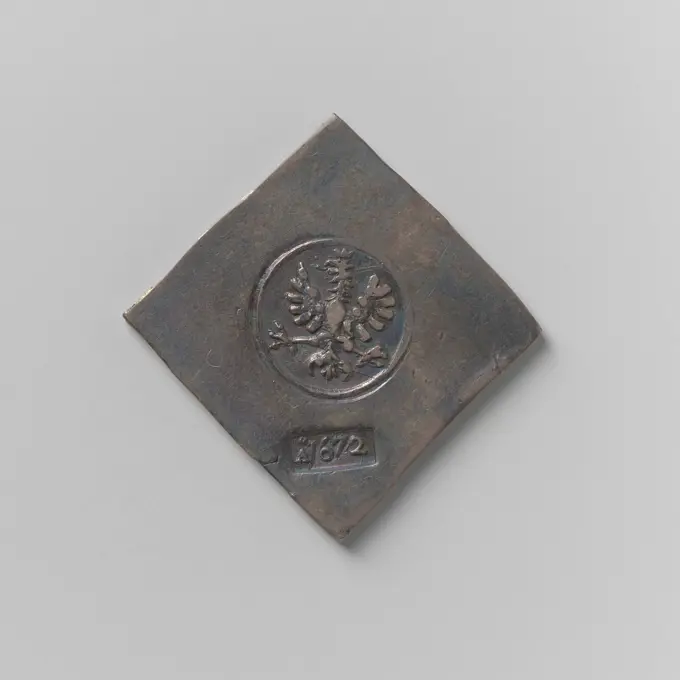
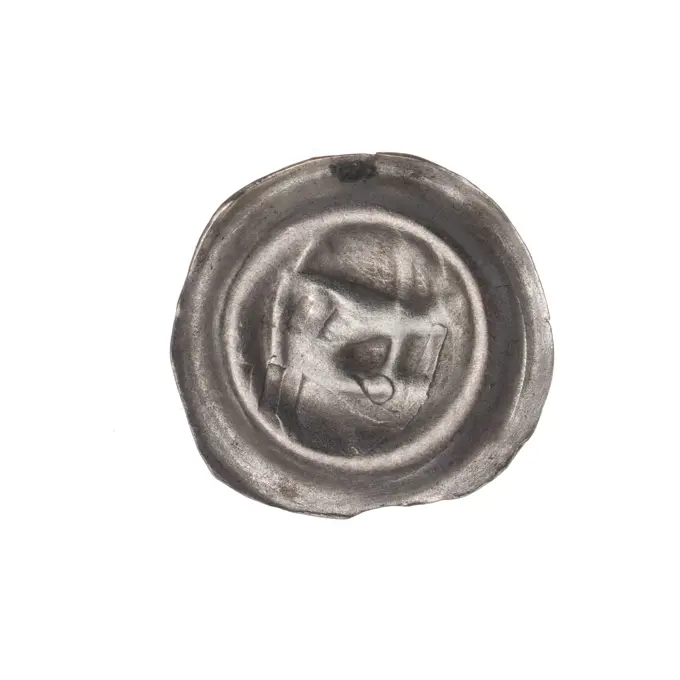
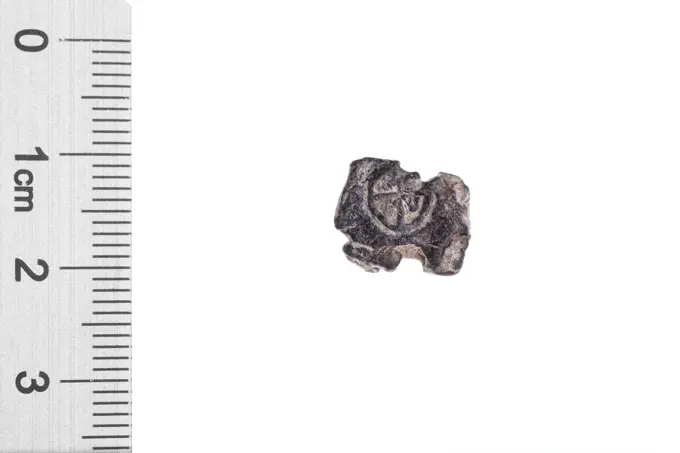
Emergency mint from half Daalder from Deventer's siege, emergency minted from the council silver to payment of the war costs. Unilateral, diamond-shaped emergency. Front: two stamps: large, round stamp: crowned eagle; Below: Rectangular stamp with year. Downside: blank
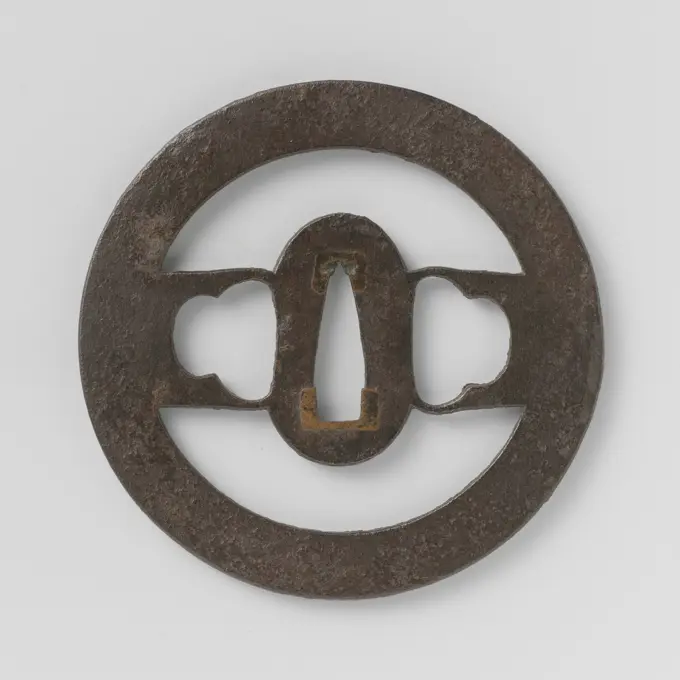
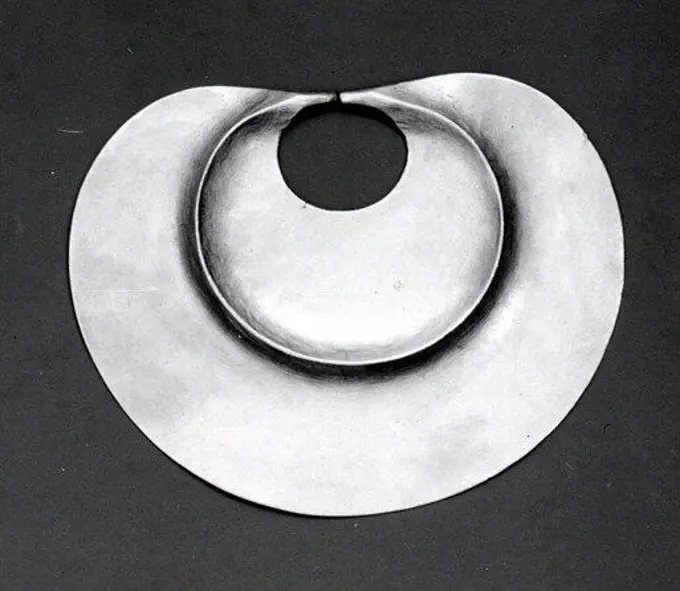
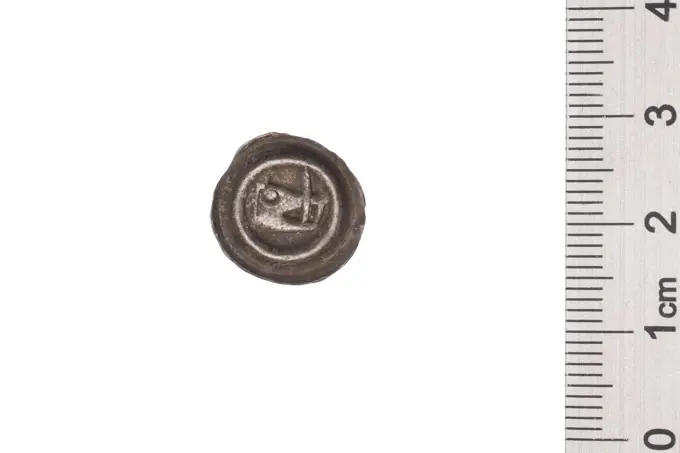
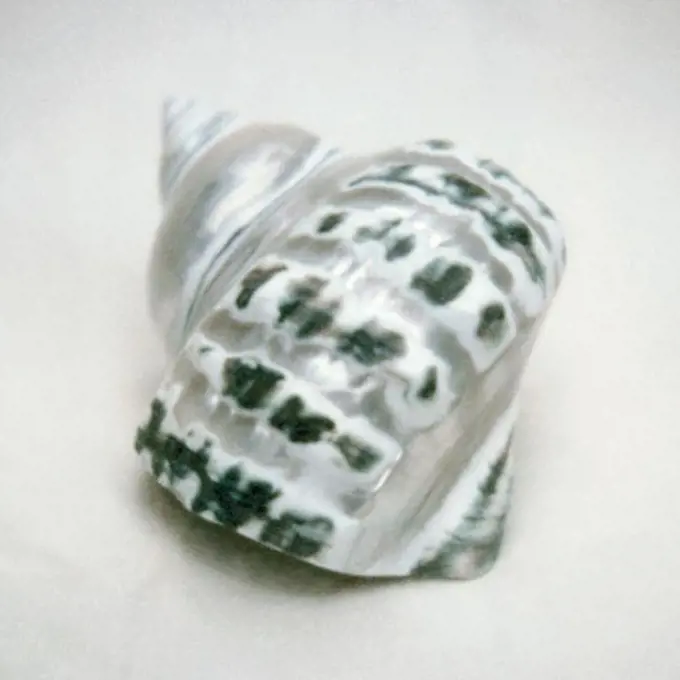
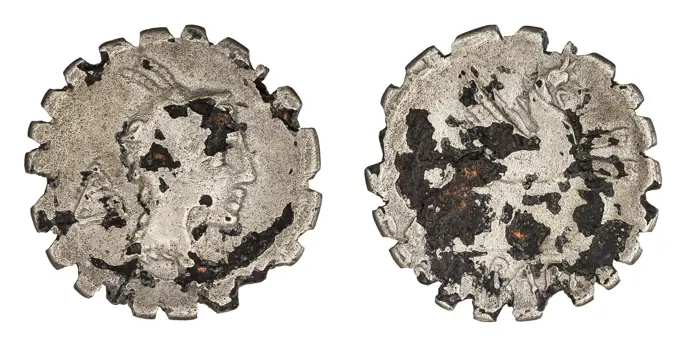
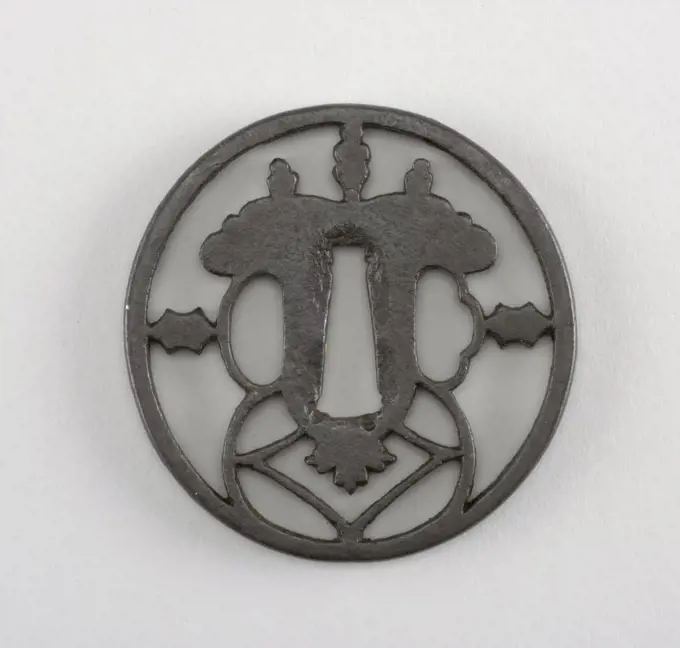
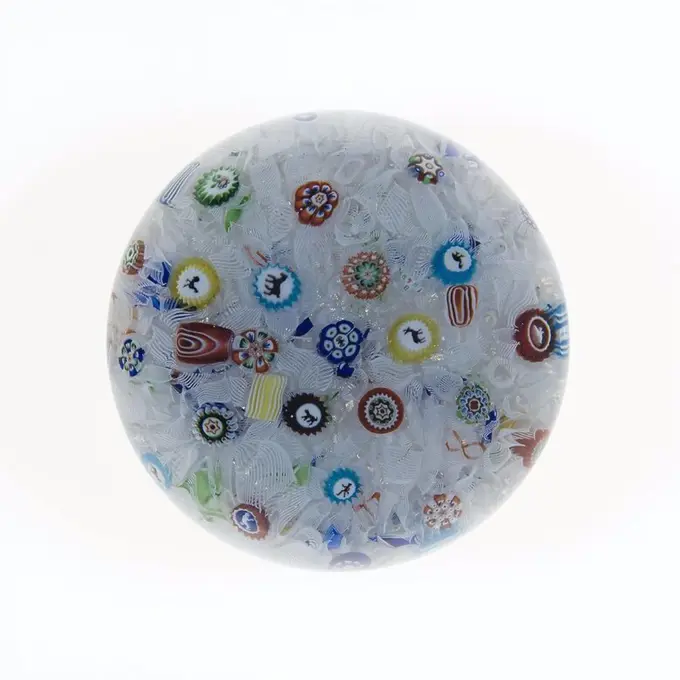
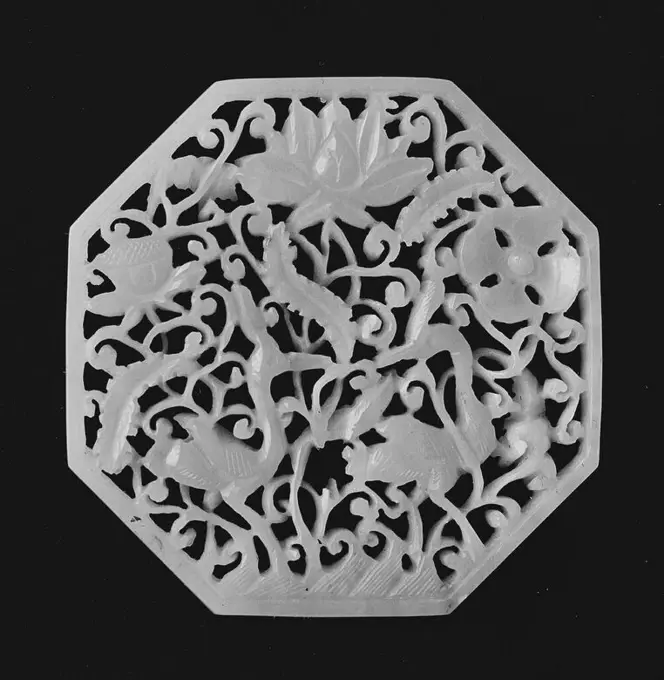
Fragmentary Attic Panathenaic Amphora. UnknownAttic Black-Figure Amphora Fragment. UnknownAttic Black-Figure Amphora Fragment. UnknownEtruscan Red-Figure Stemless Kylix Fragment. UnknownAttic Vase Fragment. UnknownBrakedate Halter; 15th century (1401-00-00-1500-00-00);Potocki, Andrzej (1861-1908), Dzik's head (iconogr.), Unilateral coins, city coinsDrohiczyn seal. unknown, managerRetro cartoon with texture. Isolated on White.Emergency mint from half Daalder from Deventer's siege, emergency minted from the council silver to payment of the war costs. Unilateral, diamond-shaped emergency. Front: two stamps: large, round stamp: crowned eagle; Below: Rectangular stamp with year. Downside: blankKey. UnknownEmilia-Romagna Ferrara Ferrara Museo Civico di Schifanoia24. Hutzel, Max 1960-1990 General Notes: INCOMPLETE RECORD--NEGATIVES PROCESSED, PRINTS FILED German-born photographer and scholar Max Hutzel (1911-1988) photographed in Italy from the early 1960s until his death. The result of this project, referred to by Hutzel as Foto Arte Minore, is thorough documentation of art historical development in Italy up to the 18th century, including objects of the Etruscans and the Romans, as well as early Medieval, Romanesque, Gothic, Renaissance and Baroque monuments. Images are organized by geographic region in Italy, then by province, city, site complex and monument.Unattributed Trebizond Coin. UnknownAnonymous. "Schulterklappen Ziffer (artillery)". Metal. 1933-1945. General Leclerc Museum of Hauteclocque and the Liberation of Paris, Jean Moulin Museum. 158826-21Planets-manager. Cornalet Collection Sites 2013-2016. Numismatic.Hand guard with sacred cord, Katsumi Kansai (possibly), c. 1800 - c. 1900 Rounded rectangular tsuba with slightly raised edge; At the front in insert with various colored metals (Iroe Takazogan) a Shimenawa (Holy Cord), on which two lucky notes, a Yuzuri leaf and two fern leaves are hung; Signed "Kansai Katsumi" (). Japan iron (metal). gold (metal). silver (metal) Rounded rectangular tsuba with slightly raised edge; At the front in insert with various colored metals (Iroe Takazogan) a Shimenawa (Holy Cord), on which two lucky notes, a Yuzuri leaf and two fern leaves are hung; Signed "Kansai Katsumi" (). Japan iron (metal). gold (metal). silver (metal)Minimal modern product display on textured beige background. Minimal product displayAttic Red-Figure Janiform Kantharos Fragment.Attic Red-Figure Janiform Kantharos Fragment.Hand guard, anonymous, 1550 - 1650 Almost round tsuba with a wide band and a wide crossbar. Japan iron (metal) Almost round tsuba with a wide band and a wide crossbar. Japan iron (metal)Attic Black-Figure Cup Fragment. UnknownAttic Red-Figure Cup Fragment. UnknownAnefo photo collection. Mr Smulders devices etc. 7 March 1950Attic Black-Figure Cup Fragment. UnknownSword Guard (Tsuba) ca. 1615-1868 Japanese A tsuba is a sword guard and part of a sword mounting. It is mounted between the swords blade and grip to protect the users hands.. Sword Guard (Tsuba) 34487Red-Figure Kylix Fragment. UnknownAttic Red-Figure Kylix Fragment. UnknownGolden way. An Arabian gold conveyor made from a rectangular piece of wood.pottery plate An image of a nice pottery plate Copyright: xZoonar.com/magannx 3233422Nose Ornament Caldashemiobol; Pantikapaion; 340-330 BC (340-00-00-330-00-00);Nadczarzyorze, satir (mitol.), Terlecki, Ignacy (1860-1916), Terlecki, Ignacy (1860-1916)-collection, lions, protom lion (iconogr.), Plants, purchase (provenance), grains, animalsSpherical knot of silver plated copper, on which two crossed guns are relieved; Part of a militia uniform. Signature as a peripheral: "P. Mansvelt & Z. 'S Hage". Salvaged in a box at a sash; Note in box: "W. Six 1859-1928 / 14 Knoops Schutterij Uniform / 1885".Spherical knot of silver plated copper, on which two crossed guns are relieved; Part of a militia uniform. Signature as a peripheral: "P. Mansvelt & Z. 'S Hage". Salvaged in a box at a sash; Note in box: "W. Six 1859-1928 / 14 Knoops Schutterij Uniform / 1885".Spherical button of silver -plated copper, on which two crossed guns in relief; Part of an artillery uniform, P. Mansvelt & Zn, 1885 Marked as a margin: "P. Mansvelt & z. 'S Hage". The Hague copper (metal) Marked as a margin: "P. Mansvelt & z. 'S Hage". The Hague copper (metal)Engraved Scaraboid. UnknownEmpty wooden cutting board on gray textured concrete background Empty wooden cutting board on gray textured concrete background. Cutlery, preparation for dinner Copyright: xZoonar.com/TetianaxChernykovax 21909308Plate and Nail. Culture: European. Dimensions: Overall: 4 1/8 x 3 1/2 in. (10.5 x 8.9 cm). Date: 15th-16th century. Museum: Metropolitan Museum of Art, New York, USA.Drohiczyn seal. unknown, managerModel or Main Top Mast Crosstrees. Model of grandbram salls. Model of a bram extortion, consisting of three transverse safes lying on two longitudinal seals, on which the calves between the front two transverse times; The longitudinal seals are completely connected from the front by a crossbar.metallische Ornamentbox als Würfel metallische Ornamentbox als Würfel Copyright: xZoonar.com/Dr.xNorbertxLangex 14185966Slit Ring (jue). China. Date: 4000 BC-2000 BC. Dimensions: Diam. 1 1/8 in.; 1/8 in. average thickness. Jade. Origin: China. Museum: The Chicago Art Institute, Chicago, USA.Attic Black-Figure Neck Amphora Fragment. UnknownAttic Vase Fragment. UnknownAttic Black-Figure Neck Amphora Fragment (comprised of 2 Joined Fragments). Attributed to the Swing Painter (Greek (Attic), active about 550 - 525 B.C.)Attic Red-figure Stamnos or Pelike Fragment. Unknownbracteate heller. Świdnica, issuerDrohiczyn seal. unknown, managerAttic Vase Fragment. UnknownAttic Red-Figure Kylix Fragment. Oltos (Greek (Attic), active about 525 - 500 B.C.)Old Wood cutting board isolated white background with clipping pathAttic Black-Figure Cup Fragment. UnknownAttic Black-Figure Cup Fragment. UnknownSword Guard (Tsuba) ca. 1615-1868 Japanese A tsuba is a sword guard and part of a sword mounting. It is mounted between the swords blade and grip to protect the users hands.. Sword Guard (Tsuba) 25772Drohiczyn seal. unknown, managerVase fragment. Culture: Greek, South Italian, Apulian. Dimensions: 1 13/16 × 15/16 in. (4.6 × 2.4 cm).Decorated with leaf in white. Museum: Metropolitan Museum of Art, New York, USA.Stone font Number 9 NINE 3D rendering illustration isolated on white background Stone font Number 9 NINE 3D rendering illustration isolated on white background Copyright: xZoonar.com/MilicxDjurovicx 21521909Loop.Shoe spur of iron, rectangular model with rounded metal corners and a black leather middle part, anonymous, c. 1800 - c. 1900 Shoe spur of iron, rectangular model with rounded metal corners and a black leather middle part. A concatenated shaded iron edge. The buckle consists of four teeth on a curved metal plate. On the bottom it says: 'Shoe Patent'. Great Britain (possibly) whole: Iron (metal). Upper: Leather forging Shoe spur of iron, rectangular model with rounded metal corners and a black leather middle part. A concatenated shaded iron edge. The buckle consists of four teeth on a curved metal plate. On the bottom it says: 'Shoe Patent'. Great Britain (possibly) whole: Iron (metal). Upper: Leather forgingCosmetic dish in the shape of a lotus flower and buds ca. 1295-1185 B.C. New Kingdom, Ramesside. Cosmetic dish in the shape of a lotus flower and buds. ca. 1295-1185 B.C.. Steatite. New Kingdom, Ramesside. From Egypt. Dynasty 19Men´s classic fedora isolated on white backgroundFrame 1830-70 American. Frame 5606Pendant (Chamaisa), one of a pair, 20th century, 3 1/2 x 2 3/4 in. (8.9 x 7 cm), Leather, metal, 20th centuryStamp seal 4th millennium B.C.. Stamp seal. 4th millennium B.C.. Chlorite. Prehistoric. Northern Syria or southeastern AnatoliaSword Guard (Tsuba) ca. 1615-1868 Japanese A tsuba is a sword guard and part of a sword mounting. It is mounted between the swords blade and grip to protect the users hands.. Sword Guard (Tsuba) 34474Drohiczyn seal. unknown, managerPommel or large bead 1st millennium B.C. Iran. Pommel or large bead 326681Inlay ca. 8th-7th century B.C. Assyrian. Inlay. Assyrian. ca. 8th-7th century B.C.. Glass. Neo-Assyrian. Mesopotamia, Nimrud (ancient Kalhu)Inlay ca. 8th-7th century B.C. Assyrian. Inlay 324789Handle/ear of teapot or wine can be from v.o.c.-ship De 'Witte Leeuw', Anonymous, Before 1613  Handle/ear of teapot or wine can be from V.O.C. ship the 'Witte Leeuw'. Broken in two. Jingdezhen bone china (material)   Sint-HelenaGreen shell by John Kuss, PhotographCollection of the Dutch Heidematschappij. Forest protection, branding, cleaved wood, beech. undatedEscutcheon Plate of Lock 15th century German The decoration of Gothic iron locks and keys was often elaborate and of the highest standard of workmanship. The motifs were frequently drawn from Gothic architecture, reproducing on a miniature scale complicated tracery patterns and even tiny statuettes. A number of these tiny locks were compound, with some of the mechanisms concealed from view, and required two or even three keys used in sequence to open them. It has been suggested that the greatly expanded use of locks on doors, or coffrets and other types of storage chests was a result of the increasing urbanization of life and the new emphasis on material wealth and private ownership which developed in the late Middle Ages.. Escutcheon Plate of Lock 468900denarius (serratus, subaeratus). Papius, L. (fl. 79 a.C.), monetary officer, Republika Rzymska, issuerTsuba, Iron, At the center is the nakago-ana, an opening through which the sword passes. Surrounding this is the seppadai, a flat oval area that is migaki (burnished). On either side are ryo-hitsu, openings for the kozuka (utility knife) and the kogai (skewer tool). At left is sashi ura, the side which faces the blade, whose opening takes the hangetsu-kei (half moon) shape. Opposite is sashi omote, the side which faces the sword hilt. Its tri-lobed opening is of the suhama type, and symbolically represents the coastline of Horai, the holy island of the Immortals, Japan, 17th century, metalwork, Decorative Arts, TsubaShoe Buckle 1770-1800 Paul Revere Jr. American. Shoe Buckle 7452Cylinder jar ca. 3100-2649 B.C. Early Dynastic Period. Cylinder jar 543940Glass Fragment. Culture: French or British. Dimensions: Overall: 4 7/8 x 4 1/4 inches (12.5 x 10.5 cm). Date: ca. 1300. Museum: Metropolitan Museum of Art, New York, USA.Drohiczyn seal. unknown, managerSlit Ring (jue) 800 BCE-600 BCE China. Jade .Glass Fragment. Culture: European. Dimensions: Overall: 5 1/2 x 6 1/4 in. (14 x 15.9 cm). Date: late 15th century. Museum: Metropolitan Museum of Art, New York, USA.Erinning for the shooters at the siege of Naarden, Hendrik de Heus, in or after c. 1814 - in or before c. 1819 medal Bronze medal with button and ring, small model.  bronze (metal)Trebizond Coin; about 13th century; Silver, Byzantine Coinage of the empire of TrebizondsOrnament 18th-19th century China. Ornament 43930Brooch -Opened lockToken Axes in the Shape of a Fask 500 B.C.-A.D. 300 Indonesia. Token Axes in the Shape of a Fask. Indonesia. 500 B.C.-A.D. 300. Bronze. Bronze and Iron Age period. MetalworkSeals Manufacture. Bouquetière cover. Small fire earthenware, polychrome enamels. 2nd half of the 18th century. Museum of Fine Arts of the City of Paris, Petit Palais. Bouquetiere, Faience, Vase, 18th 18th 18th 18th 18th 18th 18th centuryStamp seal 1st millennium B.C.. Stamp seal. 1st millennium B.C.. Gypsum alabaster. Central AsiaFibula ca. 7th century B.C. Iran. Fibula 324142Openwork Headband 12th-15th century Chancay. Openwork Headband 310719Baby imageRectangular and curved shoe buckle of black lacquered metal, with an engraved decoration consisting of a diamond pattern with dots. Rectangular and curved shoe buckle of black lacquered metal, with an engraved decoration consisting of a diamond pattern with dots.Paperweight. Baccarat; France, founded 1764. Date: 1848. Dimensions: Diam. 10.2 cm (4 in.). Glass. Origin: Lunéville. Museum: The Chicago Art Institute, Chicago, USA. Author: Baccarat Glassworks.Empty vintage tin sign on a white background Empty vintage tin sign on a white background Copyright: xZoonar.com/BorisxZerwannx 14687921Belt Plaque. Culture: China. Dimensions: H. 2 1/16 in. (5.3 cm); W. 2 1/16 in. (5.3 cm); D. 5/16 in. (0.8 cm). Date: 16th century. Museum: Metropolitan Museum of Art, New York, USA.Relief fragment, tomb of Meketre ca. 1981-1975 B.C. Middle Kingdom. Relief fragment, tomb of Meketre 562103Attic Red-Figure Pelike Fragment. UnknownWooden nameplate or sign board on wall background. Front view of name plateheller. Zygmunt Luksemburski (cesarz rzymsko-niemiecki ; 1419-1437), ruler, Wrocław, issuerStone wall number 1 One 3D stone wall number 1 One 3DAttic Vase Fragment. Unknown