Ancient Pottery Fragments

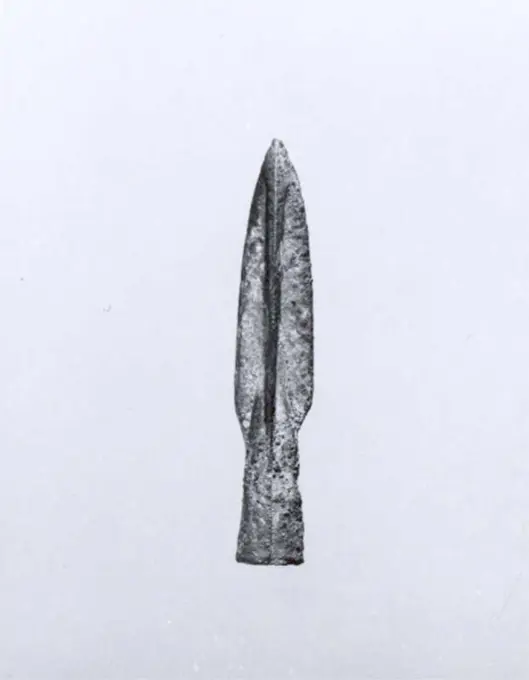
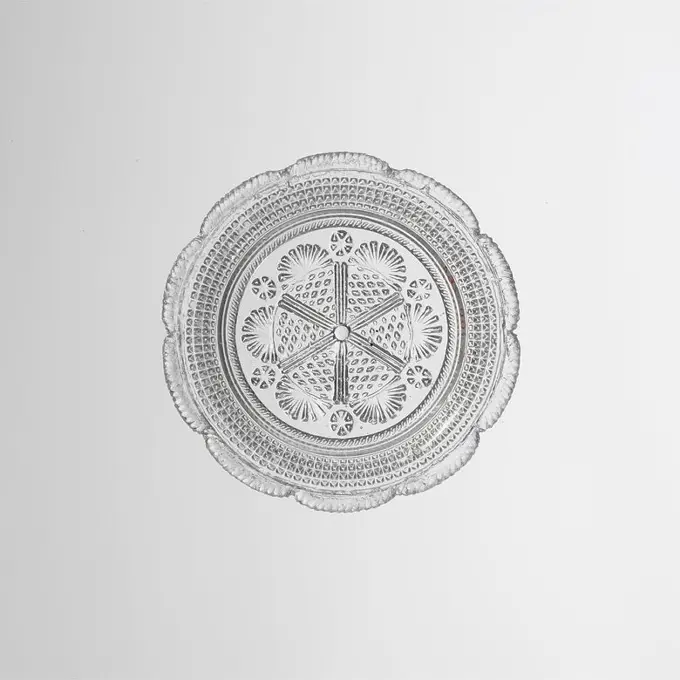
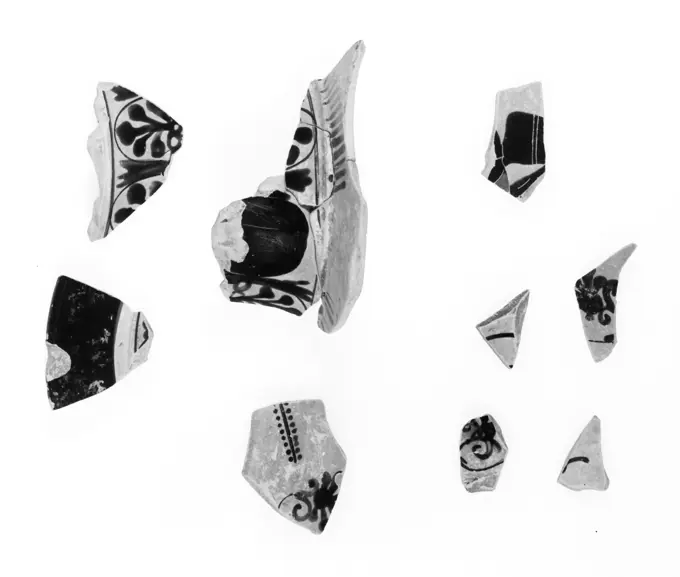
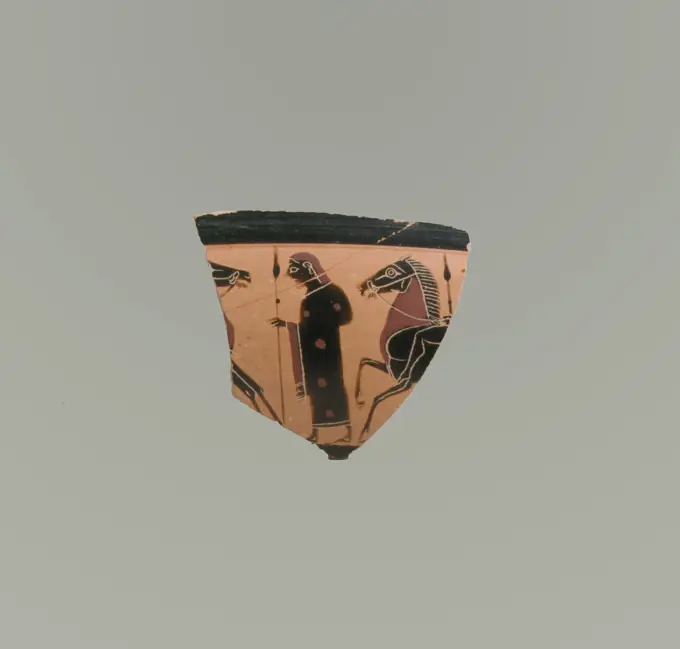
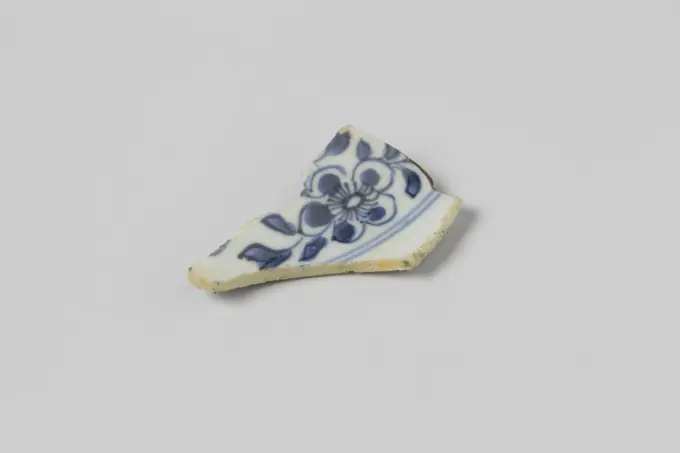
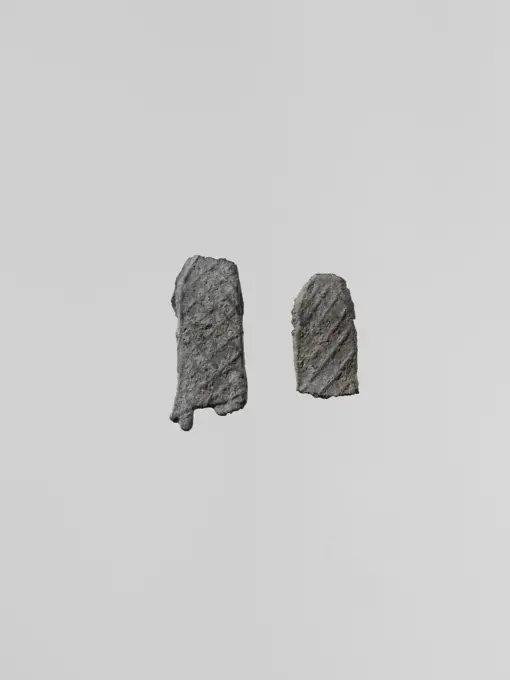
A range of archeological pottery shards, offering a glimpse into historical artifacts, displayed against plain backgrounds.

Two vanilla pods against a white background, 12/16/2013
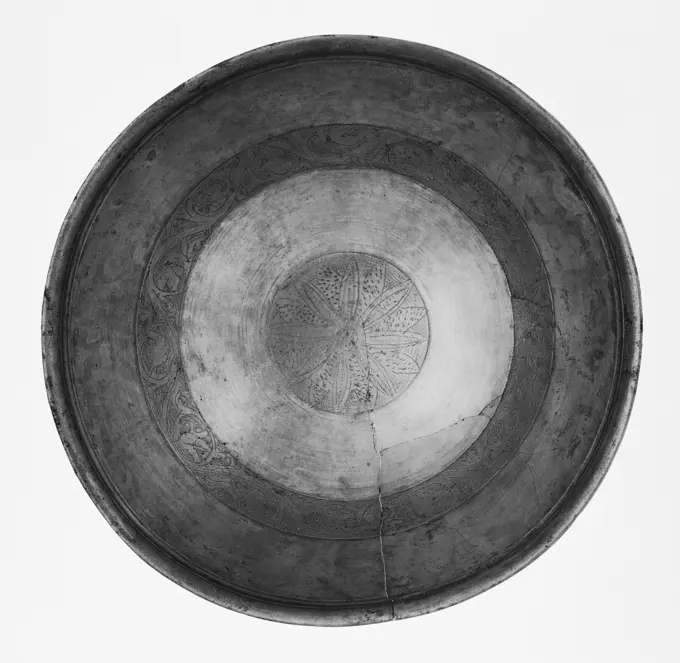
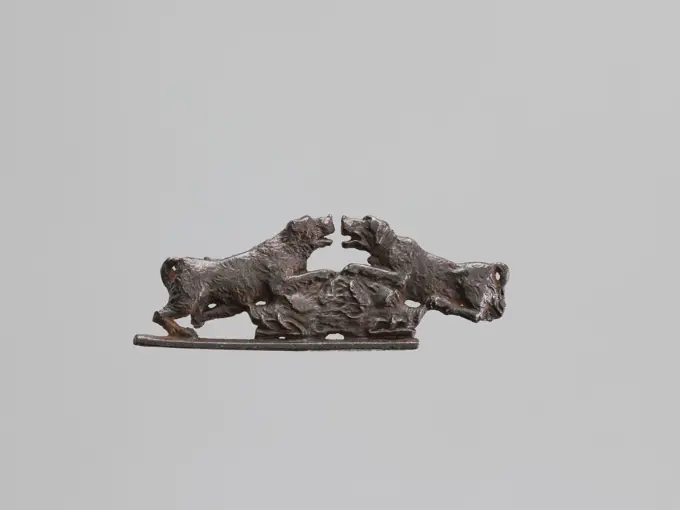
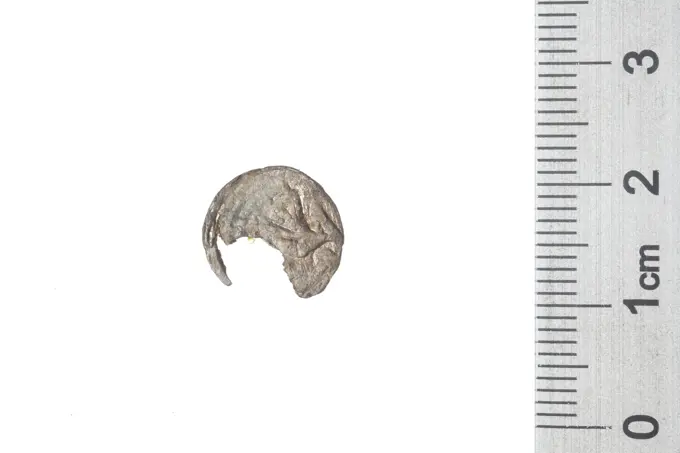
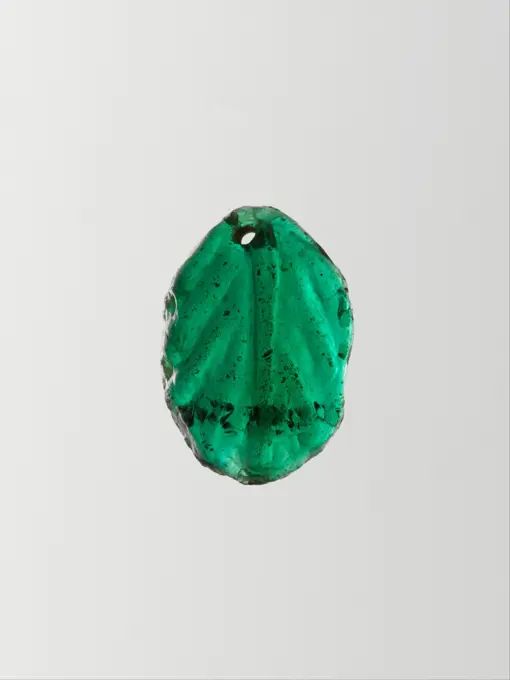
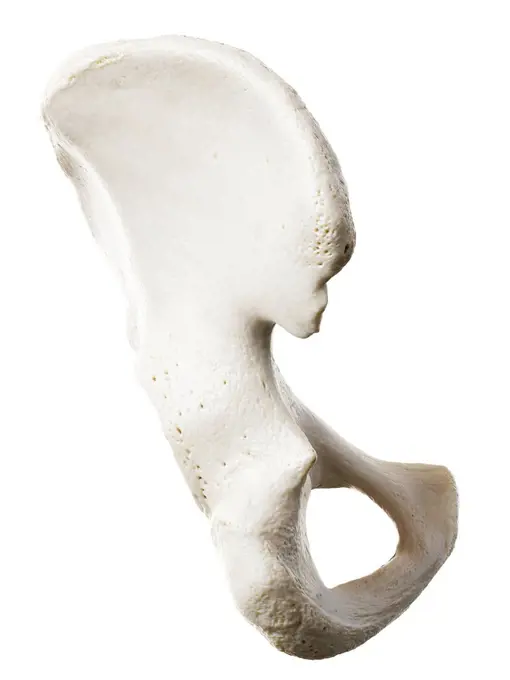
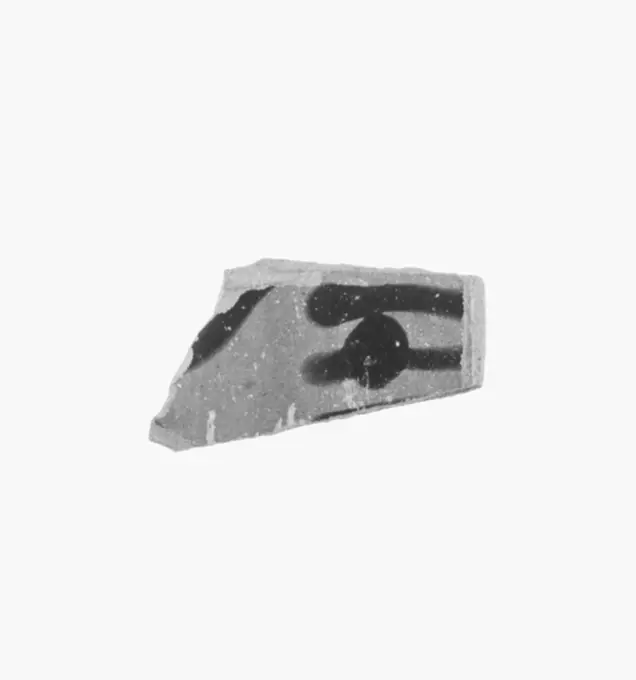
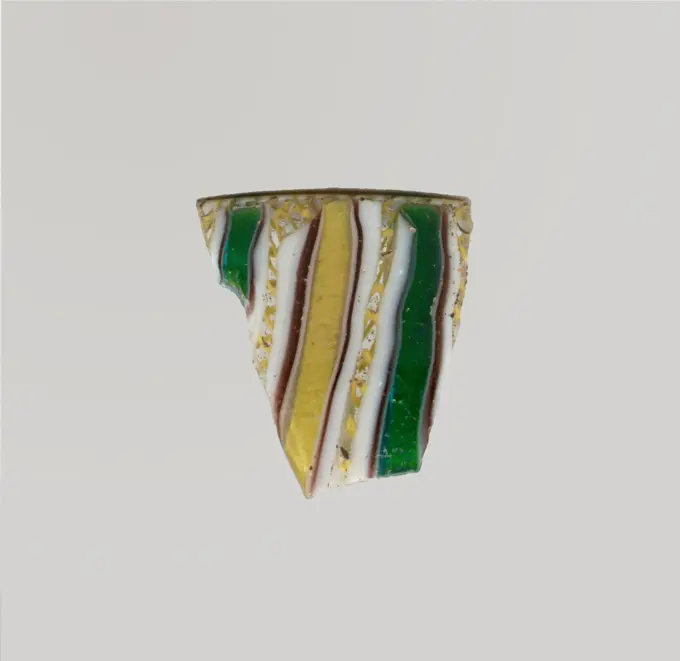
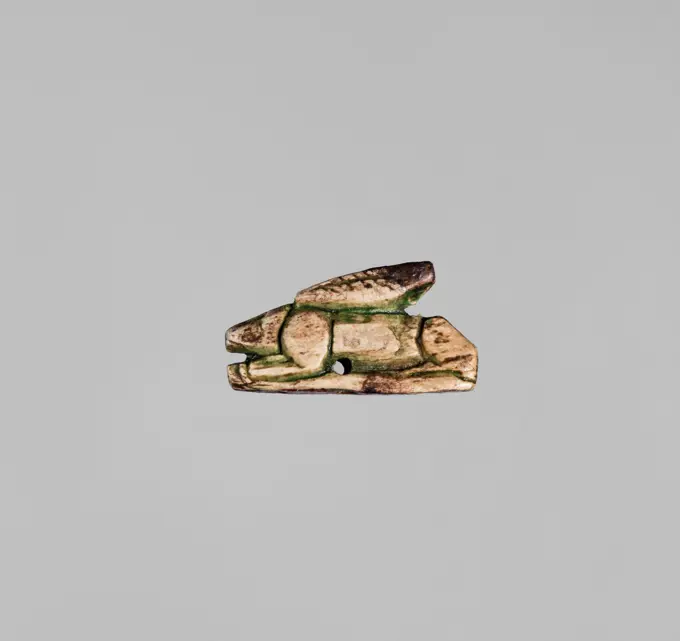
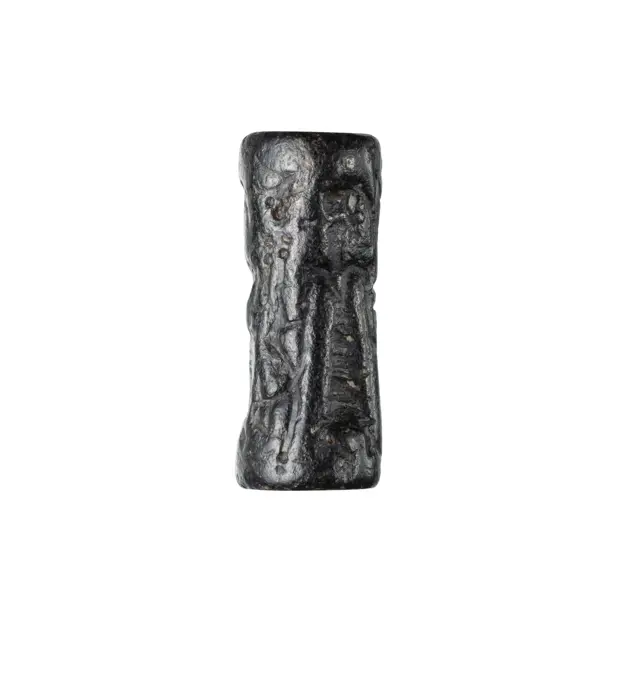
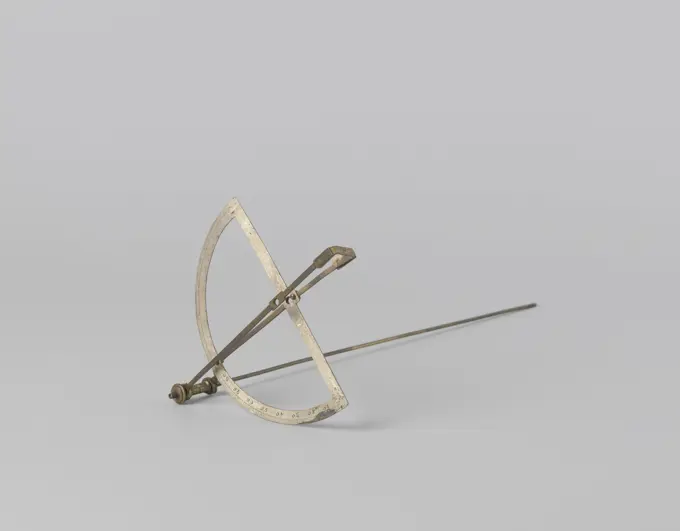
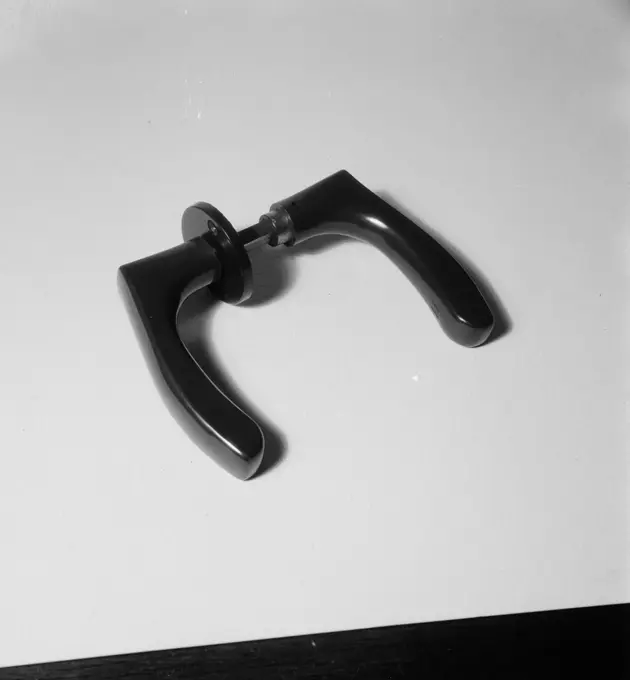
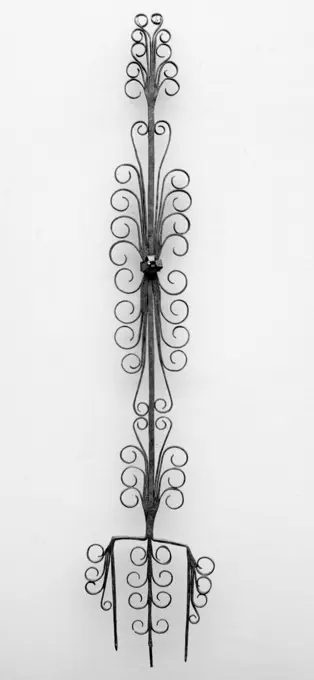
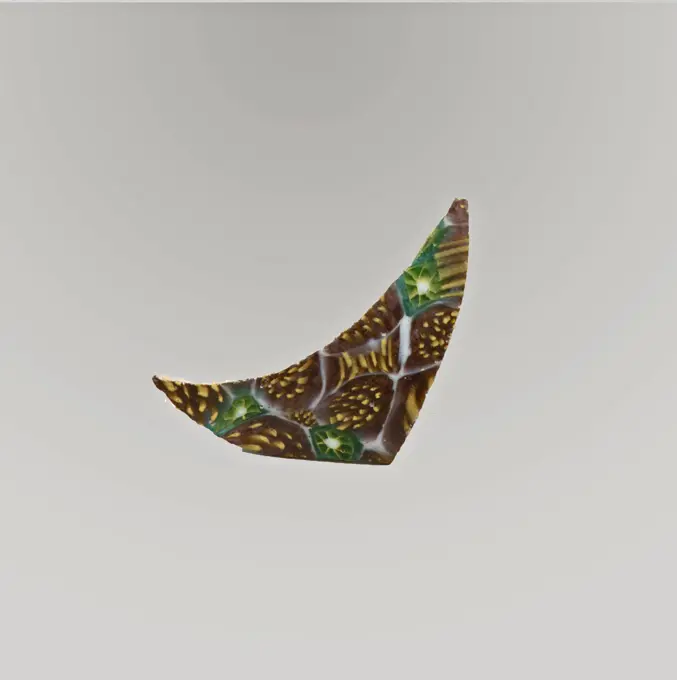
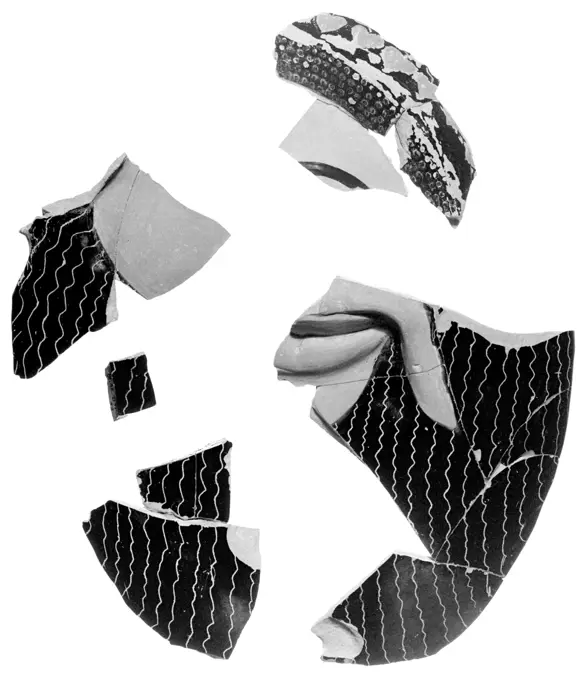
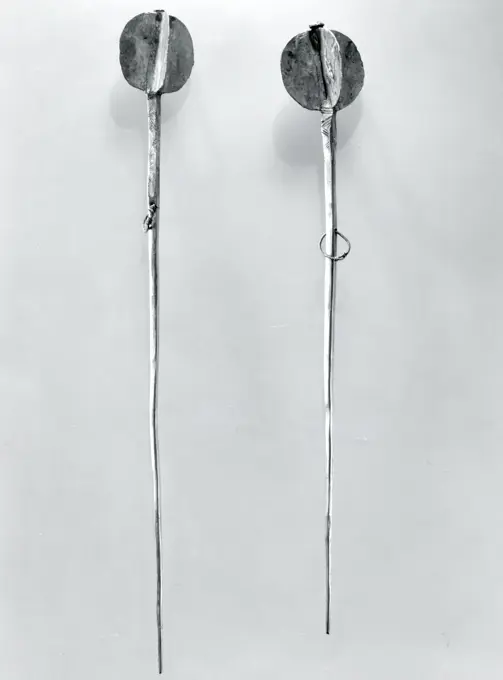
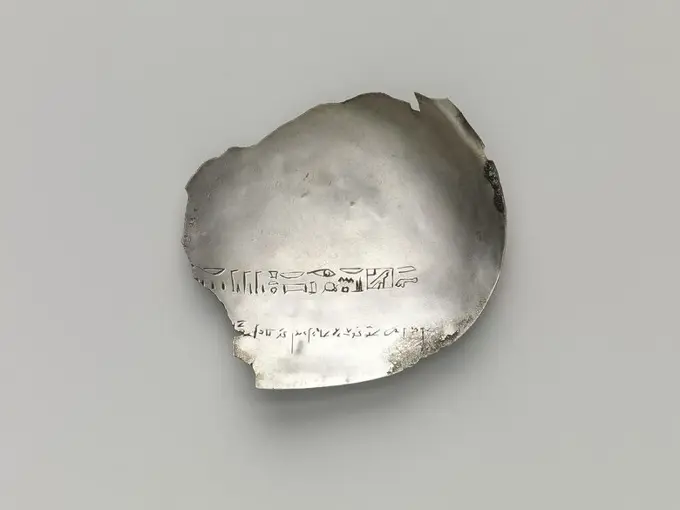
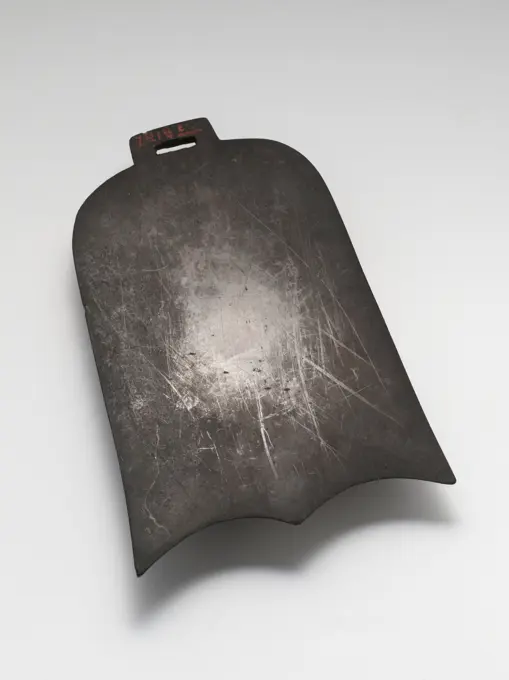
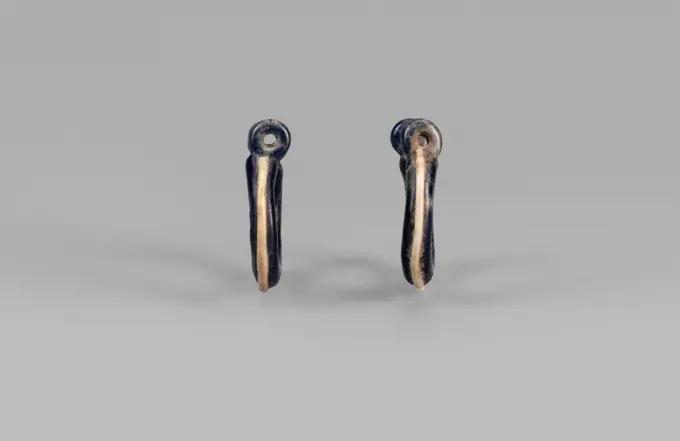
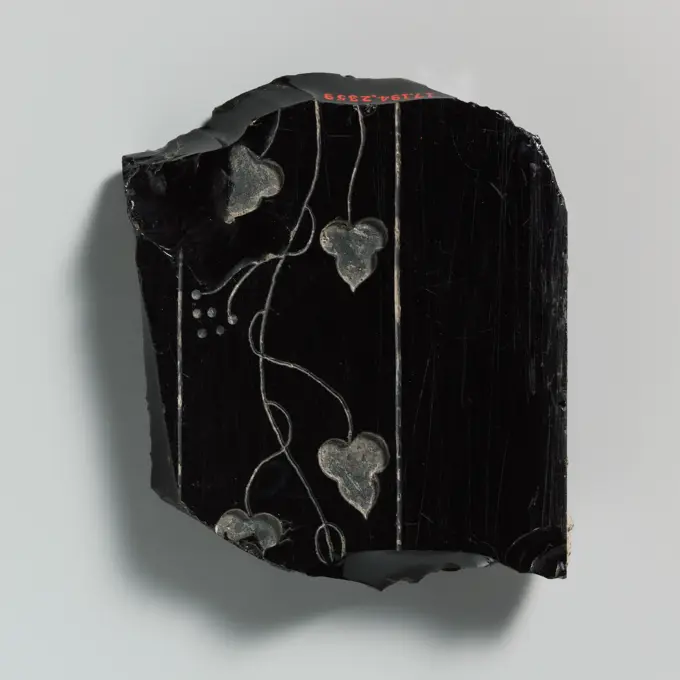
Attic Black-Figure Amphora Fragment. UnknownBowl with Leaf Calyx Medallion and Tendril Frieze. UnknownAttic Red-Figure Kylix Fragment. UnknownTwo vanilla pods against a white background, 12/16/2013Attic Red-Figure Cup Fragment. Makron (Greek (Attic), active about 490 - 480 B.C.)Sweden, Blekinge, Blekinge, Karlskrona, Karlskrona, external marina (depicted, town).Sweden, Blekinge, Blekinge, Karlskrona, Karlskrona, External War Gogs (depicted, City)Ring. UnknownAmulet - żaba. unknown, authorStill life of a roll of dollar bills.Attic Red-Figure Kylix Fragment. UnknownGlass pendant in the form of a bull's head. Culture: Greek, Eastern Mediterranean. Dimensions: H.: 13/16 in. (2.1 cm). Date: late 2nd-1st century B.C..Translucent cobalt blue.Solid, vertical pendant, with mold marks running up sides and top of head and up side of loop; on top of head, a small vertical suspension loop; flat back.Head of a bull, facing front, with projecting horns and ears, large eyes in relief, prominent nose and protruding nostrils; on forehead, a circular, rosette-like decoration.Intact; very little weathering. Museum: Metropolitan Museum of Art, New York, USA.Attic Panathenaic Amphora Fragment. UnknownFlint; Unknown, Berlin. Royal cast iron foundations; XIX W (1801-00-00-1900-00-00);Broiling or toasting fork 17th century possibly Spanish. Broiling or toasting fork. possibly Spanish. 17th century. Iron. Metalwork-IronPendant in the form of a lance Greek or Roman. Pendant in the form of a lance. Greek or Roman. Gold. Gold and SilverRed-Figure Skyphos Fragment (part of 93.AE.54). Attributed to Kleophrades Painter (Greek (Attic), active 505 - 475 B.C.) about 480-470 B.C. Exterior: drapery, perhaps of a woman raising her cloak in front of her. Interior: black. This fragment belongs to a partially reconstructed skyphos (93.AE.54) that depicts on side A: Peleus and Thetis, with their child Achilles, meeting Cheiron, in the company of Apollo, and on side B: a priest holding a temple key and a staff, a woman shaking hands with a seated figure, and two standing figuresperhaps the priest Chryses meeting Agamemnon to recover his daughter Chryseis (see Williams, 1997, who also notes other joining fragments in Leipzig). This fragment may belong to side B, giving part of Chryseis garment.Attic Black-Figure Siana Cup Fragment. UnknownAnonymous, American loop (title awarded), 1941, metal, Paris Liberation Museum - General Leclerc Museum - Jean Moulin Museum.Attic Red-Figure Cup Type C Fragment. Lyandros Painter (Greek (Attic))bracteate heller. Świdnica, issuerGlasses and its shadowdenarius. Bolesław III Krzywousty (książę Polski ; 1107-1138), rulerHanges. Triefs on three out bent legs. The center piece of the handle has been turned on both sides. The treaf is marked: Mt. = Foot 106 and a boar head.Attic Red-Figure Kylix Fragment. Attributed to Onesimos (Greek (Attic), active 500 - 480 B.C.)Statuette of a warrior-7. Culture: Greek, Laconian. Dimensions: Height: 1 1/8 in. (2.9 cm). Museum: Metropolitan Museum of Art, New York, USA.Glass pendant in the form of a leaf ca. 1st century A.D. Roman Translucent deep blue green.Solid elliptic block, flat on underside, convex on upper, pierced with small hole at top end; roughly chipped edge.On upper side, leaf design in relief with central vertical stem and three diagonal stems to each side.Intact; some pitting and faint weathering.. Glass pendant in the form of a leaf. Roman. ca. 1st century A.D.. Glass; molded or stamped. Imperial. GlassAttic Red-Figure Cup Fragment. UnknownSquare with butterfly. A stained glass diamond with the image of a butterfly in grisaille.Hip bone, illustrationKnoop, anonymous, c. 1590 - c. 1596 button Button, braid of black yarn. Netherlands yarn braiding  Nova Zembla. Saving HuysLazio Roma Rome SS. Giovanni e Paolo, Museum52. Hutzel, Max 1960-1990 Medieval: Ceramic fragments, sculptural fragments, fresco fragments, inscribed tomb markers. Houses one of the best collections of Malagan medieval ceramics for casting wall monuments, copies of which are housed in campanile. Specific Location: Museum Antiquities: Ceramic fragments, sculptural fragments, architectural fragments Object Notes: Basilica has separate record and is filed separately. German-born photographer and scholar Max Hutzel (1911-1988) photographed in Italy from the early 1960s until his death. The result of this project, referred to by Hutzel as Foto Arte Minore, is thorough documentation of art historical development in Italy up to the 18th century, including objects of the Etruscans and the Romans, as well as early Medieval, Romanesque, Gothic, Renaissance and Baroque monuments. Images are organized by geographic region in Italy, then by province, city, site complex and monument.Attic Black-Figure Amphora Fragment. UnknownWhite clay pipe, marked, stemmed with simple rings, clay pipe smoking equipment smoke floor pottery ceramics pottery, hand-formed baked White clay pipe marked stem decorated with simple rings made with wheelmark. heel mark: AP or AR under star archeology smoking tobaccoLead figure of a rooster 6th-5th century B.C. Greek, Laconian Small flat votive figurines of cast lead have been found in great quantities at the ancient sanctuaries of Laconia; over one hundred thousand, dating from the seventh century B.C. to the Classical period, were dedicated to the goddess Artemis Orthia in Sparta.. Lead figure of a rooster 251673 Greek, Laconian, Lead figure of a rooster, 6th5th century B.C., Lead, Height: 1 in. (2.6 cm). The Metropolitan Museum of Art, New York. Gift of A. J. B. Wace, 1924 (24.195.107)Harness or bridle fitting ca. 7th-6th century B.C. Scythian (). Harness or bridle fitting 325094Glass striped mosaic fragment late 1st century B.C.-early 1st century A.D. Roman Rim fragment.Translucent turquoise blue layered with yellow appearing green, purple, opaque white, yellow, with colorless glass.Applied coil rim with rounded, vertical lip; almost straight side, tapering slightly at bottom. Rim in colorless glass with single spiral yellow thread; body decorated with vertical bands slanting slightly from top right to bottom left, forming a regular pattern: colorless with double spiral yellow threads, white, purple, green, purple, white, colorless with double spiral yellow threads, white, purple, yellow, purple, and white.Some pinprick bubbles; exterior polished, with pitting of surface bubbles; dulling and faint weathering on interior and edges.. Glass striped mosaic fragment. Roman. late 1st century B.C.-early 1st century A.D.. Glass; cast. Early Imperial. GlassGold pendant in the form of a lion's head. Culture: Cypriot. Dimensions: Diam.: 5/8 in. (1.6 cm). Date: 2nd half of the 5th century B.C..Control bead in the shape of a lion's head. Museum: Metropolitan Museum of Art, New York, USA.Statuette of a warrior-11 Greek, Laconian. Statuette of a warrior-11 251641 Greek, Laconian, Statuette of a warrior-11, Lead, Height: 13/16 in. (2.1 cm). The Metropolitan Museum of Art, New York. Gift of A. J. B. Wace, 1924 (24.195.75)Fragment sign from V.O.C. ship De 'Witte Leeuw', Before 1613 plate (dishes) Fragment sign from V.O.C. ship the 'Witte Leeuw'. Jingdezhen porcelain   Sint-HelenaAmulet - zając. unknown, authorBoard belonging to the office of H.R. Smokmaker, Voterik and Co., H. Steynert, c. 1933 - c. 1957  Board belonging to the office of H.R. Smokmaker. Surabaya cardboard. textile materials   Dutch East Indies, ThePieczęć cylindryczna ze sceną mitologiczną. nieznany warsztat cypryjski, workshopVotive Ear fragment ca. 1479-1458 B.C. New Kingdom. Votive Ear fragment. ca. 1479-1458 B.C.. Blue faience. New Kingdom. From Egypt, Upper Egypt, Thebes, Deir el-Bahri, Temple of Hatshepsut, Hathor Chapel, Egypt Exploration Fund excavations. Dynasty 18Released sweeping water surface with waves and eddies on a black backgroundPlaque fragment ca. 9th century B.C. Iran. Plaque fragment 325743Degree arch. Brass degree arch to a long spindle. On a side edge bow displayed from 0-90, incomplete.Graadboogje, Anonymous, 1850 - 1900 measuring instrument Brass bow on a long pivot. On one silk degree arch shown of 0-90, incomplete. unknown brass (alloy)Anefo photo collection. Mr Smulders devices etc. 7 March 1950Attic Red-Figure Vase Fragment. Oltos (Greek (Attic), active about 525 - 500 B.C.)Dorè, Gustave (n.1832-01-06-D.1883-01-23), Moribond (title awarded), 1855. Bois. Balzac house.StampRoundel. UnknownBotanical monochrome circle frame line art decorative element for logo vector illustration. Minimalist round border ornate ring tree branch with leaves and berries contour hand drawn design for emblemAttic Red-Figure Kylix Fragment. UnknownFish Hook. UnknownStatuette of a warrior-11 Greek, Laconian. Statuette of a warrior-11 251643 Greek, Laconian, Statuette of a warrior-11, Lead, Height: 13/16 in. (2 cm). The Metropolitan Museum of Art, New York. Gift of A. J. B. Wace, 1924 (24.195.77)Retro cartoon with texture. Isolated on White.Pair of Sword-Grip Ornaments (Menuki) 18th century Japanese Menuki are a pair of ornamental sword fittings attached to either side of a sword hilt.. Pair of Sword-Grip Ornaments (Menuki). Japanese. 18th century. Silver, copper, gold, copper-gold alloy (shakud). Sword Furniture-MenukiBroaching or toasting fork 17th century possibly Spanish. Broaching or toasting fork 189204 possibly Spanish, Broaching or toasting fork, 17th century, Iron, Length: 40 1/2 in. (102.9 cm). The Metropolitan Museum of Art, New York. Rogers Fund, 1907 (07.52.8)Bottle () amulet. Dimensions: l. 0.6 cm (1/4 in.) × h. 1.3 cm (1/2 in.). Dynasty: Dynasty 26-29. Date: 664-380 B.C.. Museum: Metropolitan Museum of Art, New York, USA.Arrowhead ca. 7th century B.C.-2nd century A.D.. Arrowhead. ca. 7th century B.C.-2nd century A.D.. Bronze. Iron Age III-Parthian. Iran, said to be from ZiwiyeCreative pattern of vintage knife and forks on a gray background with space for text. Flat lay. Composition of old vintage forks and knife on a gray background with space for text. Flat layCup Plate. Dimensions: Dimensions unavailable. Date: 1825-60. Museum: Metropolitan Museum of Art, New York, USA.Attic Black-Figure Neck Amphora Fragment. UnknownFragment of a terracotta kylix: band-cup (drinking cup) ca. 550-540 B.C. Attributed to the Amasis Painter Youth between two horsemen.. Fragment of a terracotta kylix: band-cup (drinking cup). Greek, Attic. ca. 550-540 B.C.. Terracotta; black-figure. Archaic. VasesGlass mosaic bowl fragment late 1st century B.C.-early 1st century A.D. Roman Thin-walled body fragment of bowl.Translucent purple, light blue partly mixed with yellow appearing green, opaque white and yellow.Convex curving side.Mosaic pattern formed from sections of two canes: one in purple ground outlined in white with concentric circles of yellow dots, the other in blue ground with a central white dot and radiating yellow spokes.Polished exterior; pitting of surface bubbles on exterior; limy encrustation, weathering, and faint iridescence on interior and jagged edges.. Glass mosaic bowl fragment. Roman. late 1st century B.C.-early 1st century A.D.. Glass; cast. Early Imperial. GlassDrohiczyn seal. unknown, managerFragmentary Attic Red-Figure Janiform Kantharos with Relief Masks.Pin with four flanges ca. mid-3rd millennium B.C.. Pin with four flanges 327267Fragmentary dish with inscription for Hathor from Peteharsomtous. Dimensions: H. 8.3 × W. 9.4 (3 1/4 × 3 11/16 in.). Date: 332-30 B.C..This fragment of a small silver dish bears an inscription to Hathor of Dendera. The dedicator was one Peteharsomtus whose father's name is cut off at the break. The inscription is duplicated on a silver bottle.in the museum's collection. Museum: Metropolitan Museum of Art, New York, USA.Christmas tree-shaped cookie cutter for Christmas cookiesStatuette of a warrior-10 Greek, Laconian. Statuette of a warrior-10 251635 Greek, Laconian, Statuette of a warrior-10, Lead, Height: 15/16 in. (2.4 cm). The Metropolitan Museum of Art, New York. Gift of A. J. B. Wace, 1924 (24.195.69)Tsuba; Made by Isobe Isshu (Japanese); School of Ichijo school; shakudo (an alloy of copper and 3-6% gold), gold inlayDrohiczyn seal. unknown, managerPosthorn in E-flat ca. 1903 Gustav Eschenbach German. Posthorn in E-flat 503865Checked Pennantwhite plastic forks cup copy spacewhite lighter and abstract smoke on white backgroundAttic Black-Figure Band Cup Fragment. Elbows OutCall bell. Bronze. Paris, Cernuschi museum. BRONZE, Bell, CLOCHE APPELWhiskSharf of a sign from the wreck of the East Indians Hollandia, Anonymous, 1700 - in Or Before 1743 plate (dishes) Porcelain, plate, type 3; fragm of base, sim. NG 1980-27H3202c. Netherlands porcelain   SecondHair comb made of black -lacked wood with elongated rectangular ajour cut back, anonymous, c. 1880 - c. 1920 Hair comb made of black -lacked wood with elongated rectangular ajour cut back with three arrow shapes above which fine graceful curls. Four teeth. Amsterdam (possibly) wood (plant material). lacquer (coating) cutting / lacquering Hair comb made of black -lacked wood with elongated rectangular ajour cut back with three arrow shapes above which fine graceful curls. Four teeth. Amsterdam (possibly) wood (plant material). lacquer (coating) cutting / lacqueringLluis Ventós / "Ham", 2006, Sculpture, 24,6 x 22,8 x 8,6 cm.A pair of earrings in the shape of the wheels;  approx. 1400 1295 BC ; New PAM, 2 after 18 dynasty (-1405-00-00--1290-00-00);Minors - collection, minutes, Alexander von (1806-1887), minutes, Alexander von (1806-1887) - collections, minutes, collection, scenes.gal.eg.Necklace -Retro cartoon with texture. Isolated on White.Vase American 19th centuryMordant 15th-17th century European. Mordant. European. 15th-17th century. Bronze. Miscellaneous-Buckles & OrnamentInvention Horn Crook, Carl Gottlob Schüster, 1850 - 1950 Bracket of Invention horn. Marked: g.1  copper (metal) Bracket of Invention horn. Marked: g.1  copper (metal)Statuette of a woman votary, 5  ca. 700-500 B.C. Greek, Laconian. Statuette of a woman votary, 5  251598 Greek, Laconian, Statuette of a woman votary, 5 , ca. 700500 B.C., Lead, Height: 1 1/4 in. (3.2 cm). The Metropolitan Museum of Art, New York. Gift of A. J. B. Wace, 1924 (24.195.32)Engraved Gem. UnknownIce skating. Two skates with two holes in each for a belt. The skates are marked: mt. = Foot 106.Colorful geometric website sale tag button. Colorful geometric website sale tag button. Vector universal internet bannerKarte von Saskatchewan auf verwittertem Holz - Map of Saskatchewan on weathered wood Karte von Saskatchewan auf verwittertem Holz - Map of Saskatchewan on weathered wood Copyright: xZoonar.com/lantapixx 15071766Leek (allium porrum), Vegetable against White BackgroundAttic Red-Figure Vase Fragment. UnknownSmall flying paperboard airplaneObsidian revetment slab fragment 1st century A.D. Roman Obsidian, a natural volcanic glass, was used by the Romans for sculpture, vessels, andas heredecorative panels. The ivy and vine tendrils originally may have been filled with inlays in contrasting colors, as in the case of the obsidian cup with Egyptianizing ritual scenes found at Stabiae and now in the Archaeological Museum, Naples.. Obsidian revetment slab fragment. Roman. 1st century A.D.. Obsidian; cut. Early Imperial. GlassFeeler gauge.