Ancient Pottery Fragments

A range of archeological pottery shards, offering a glimpse into historical artifacts, displayed against plain backgrounds.

Two vanilla pods against a white background, 12/16/2013
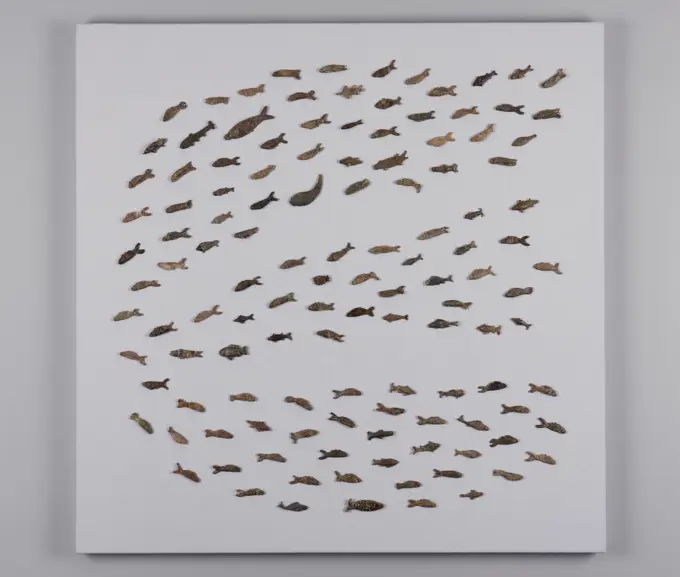
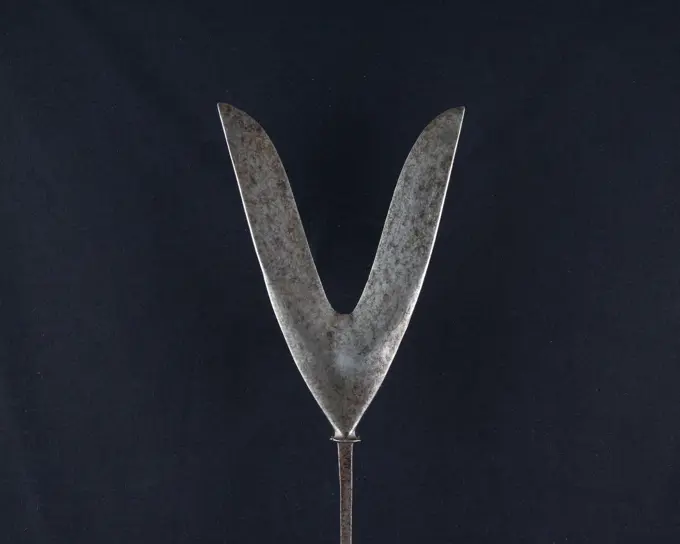
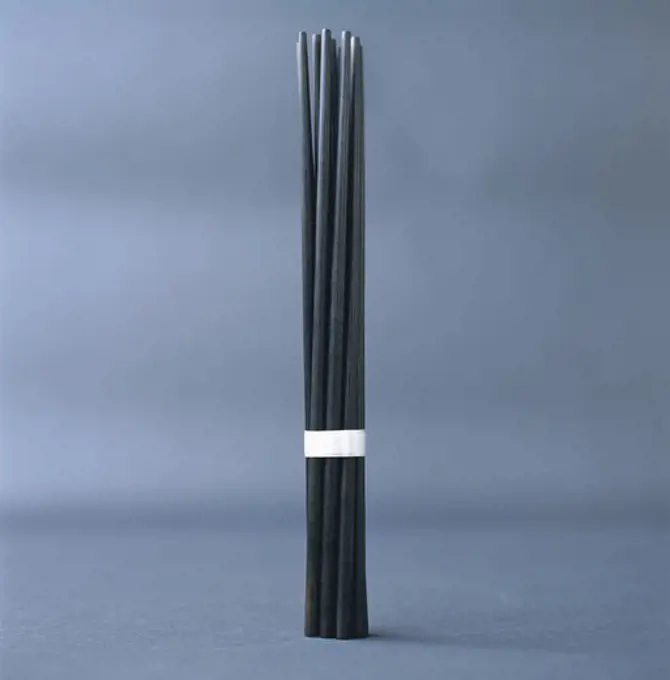
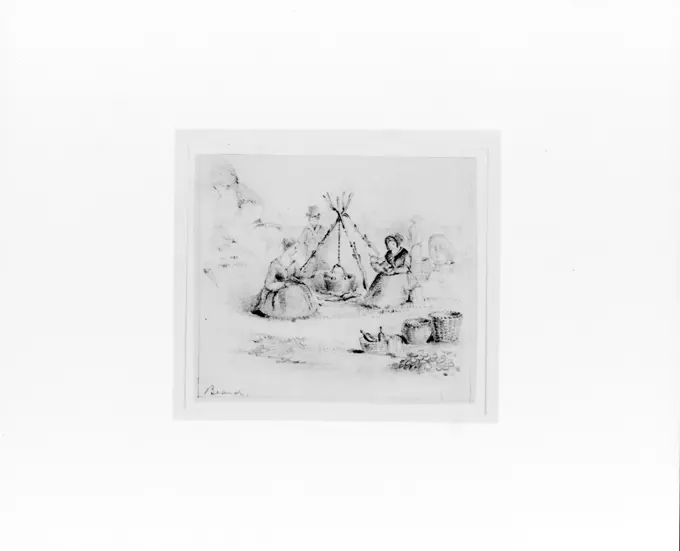
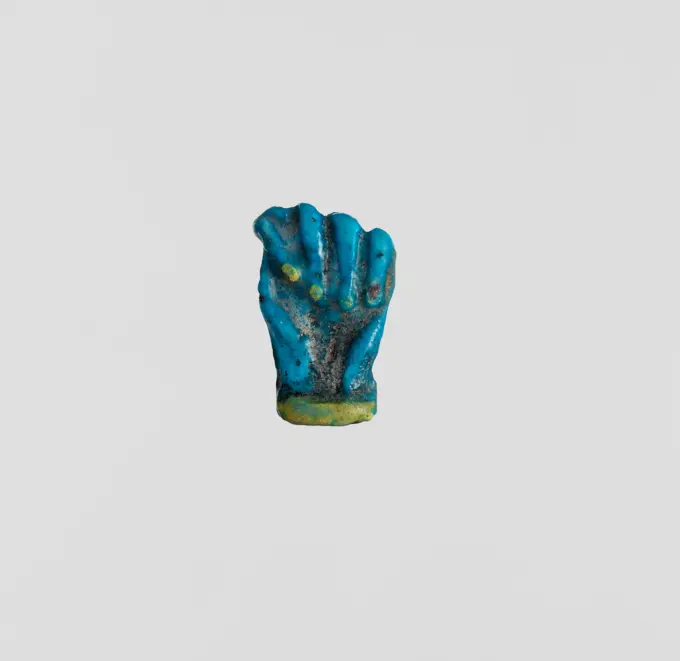
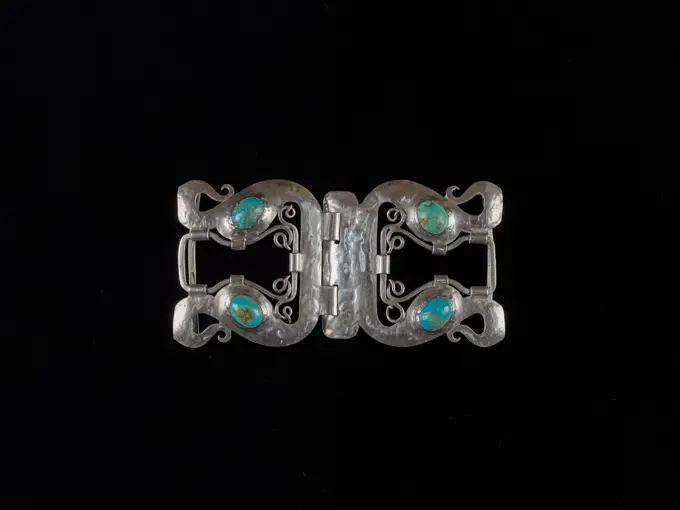
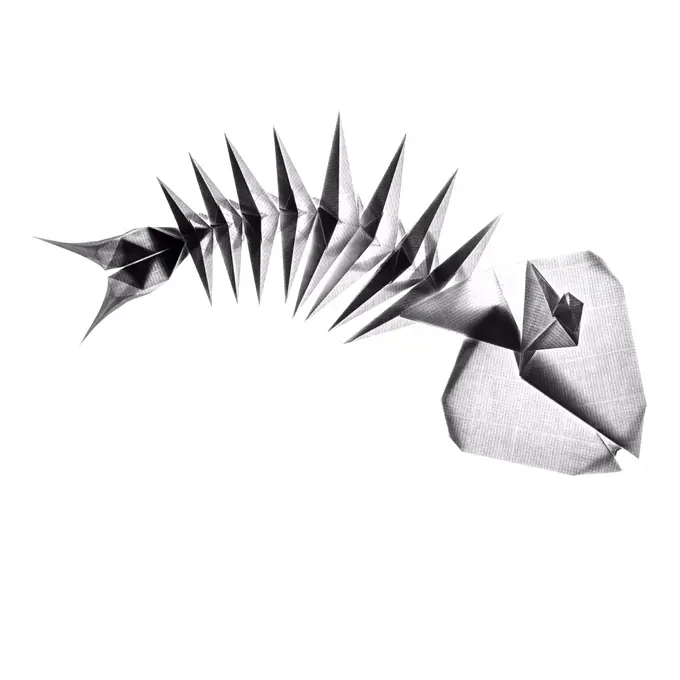
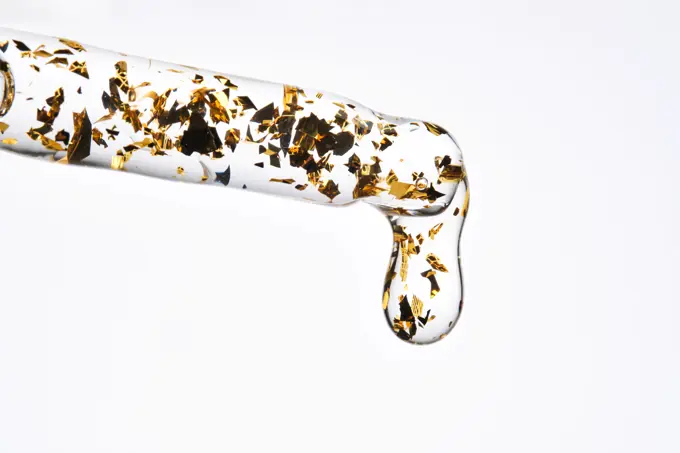
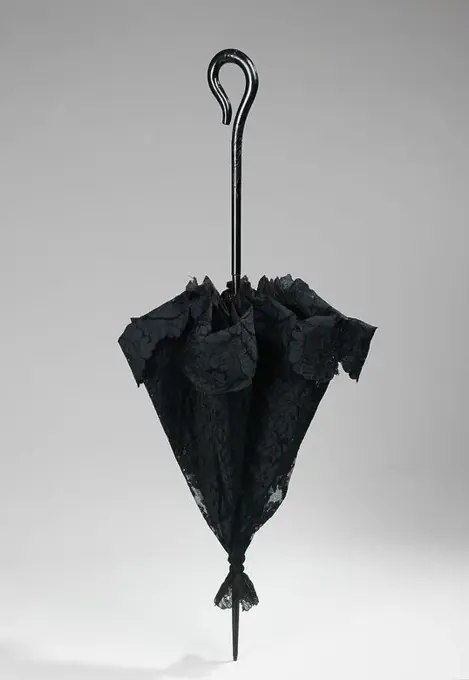
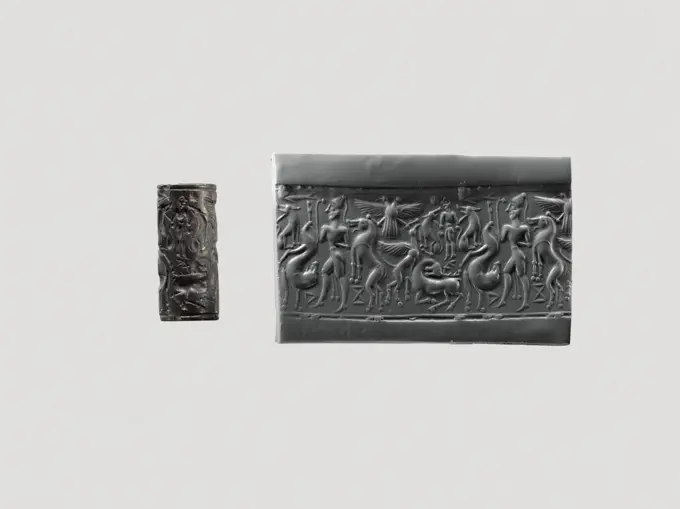
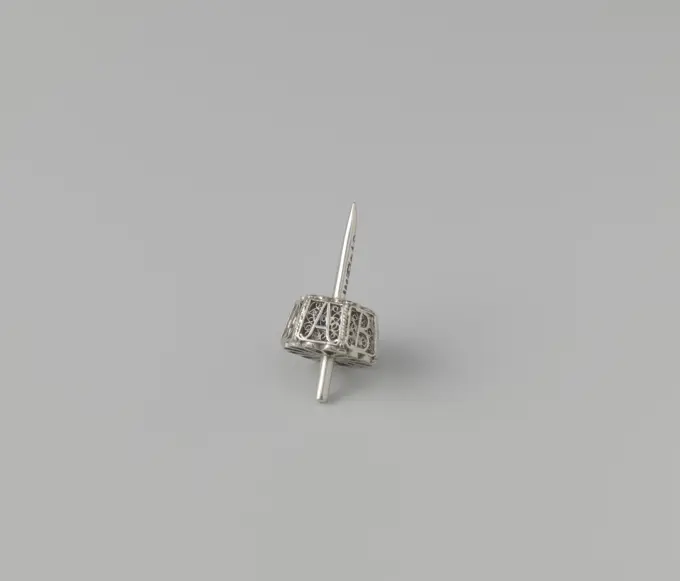
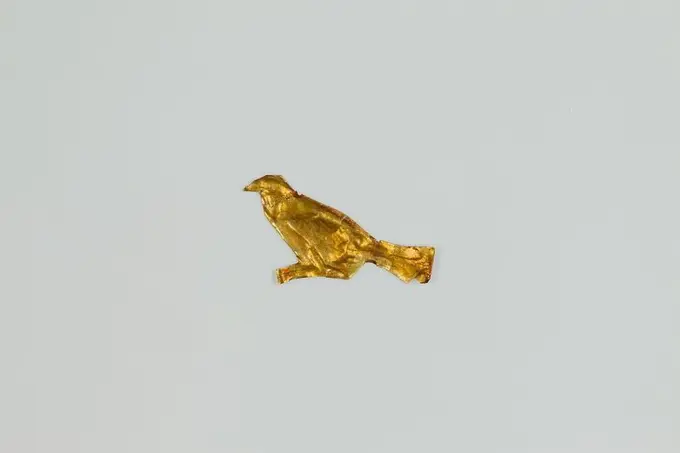
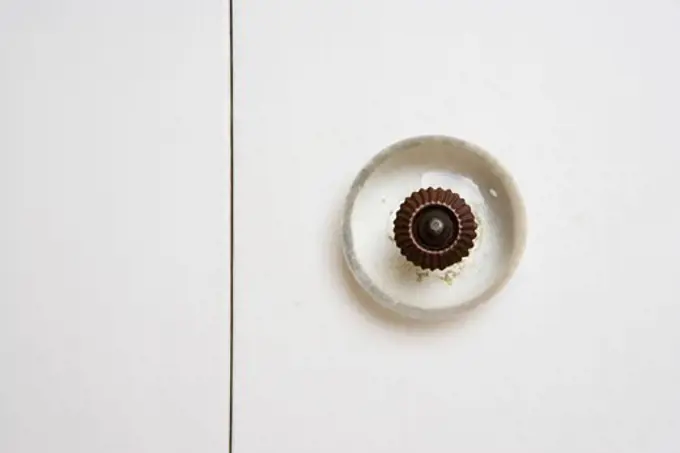
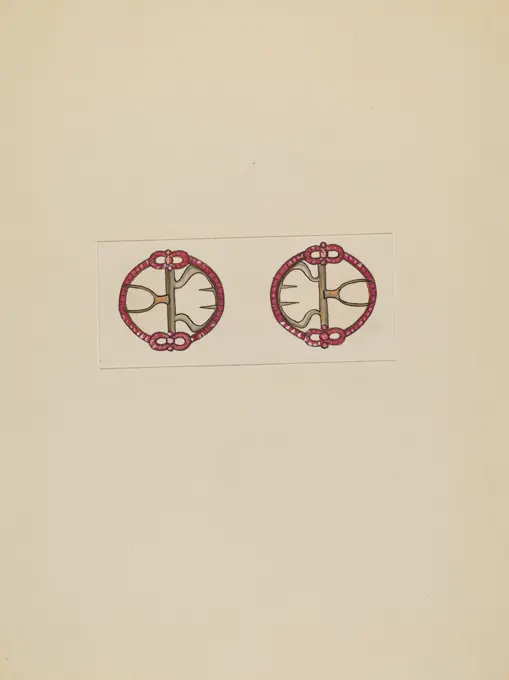
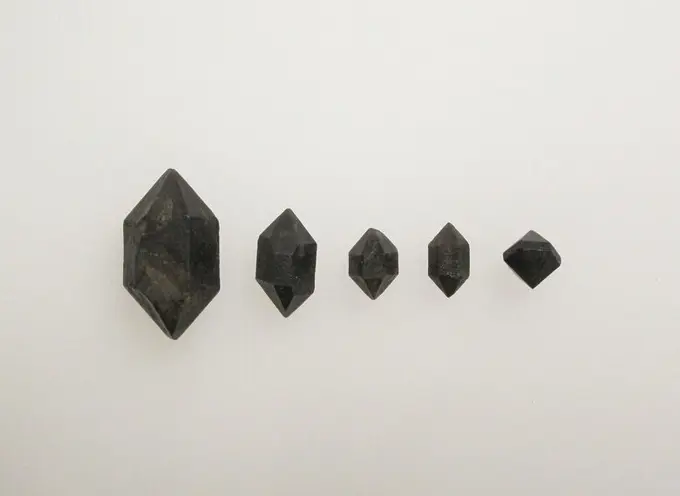
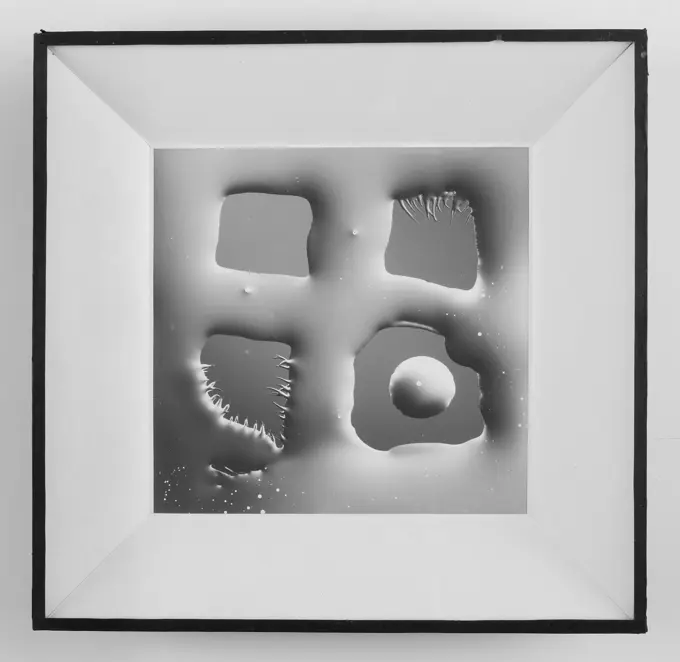
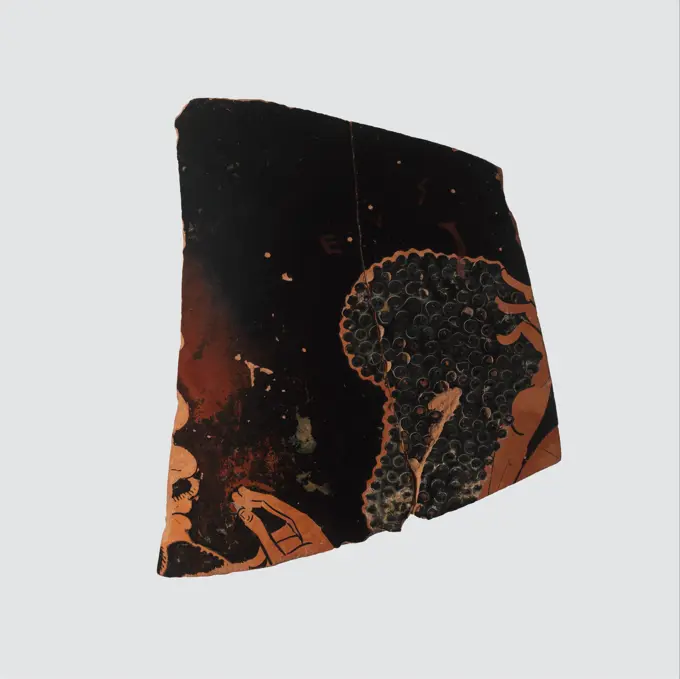
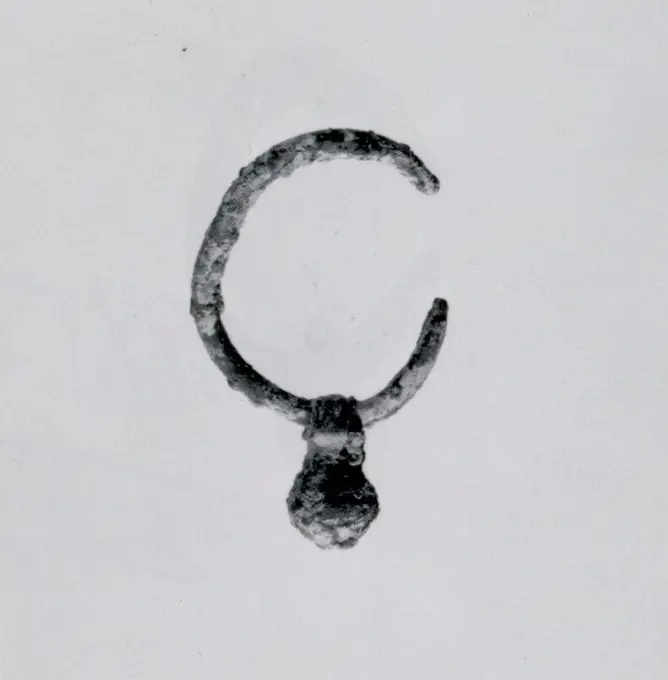
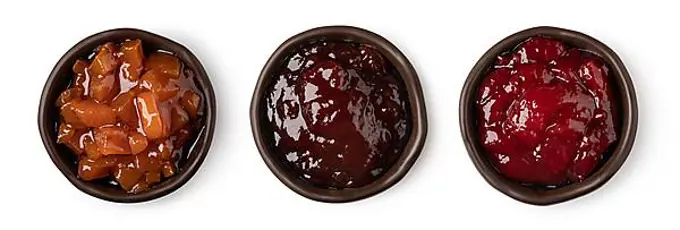
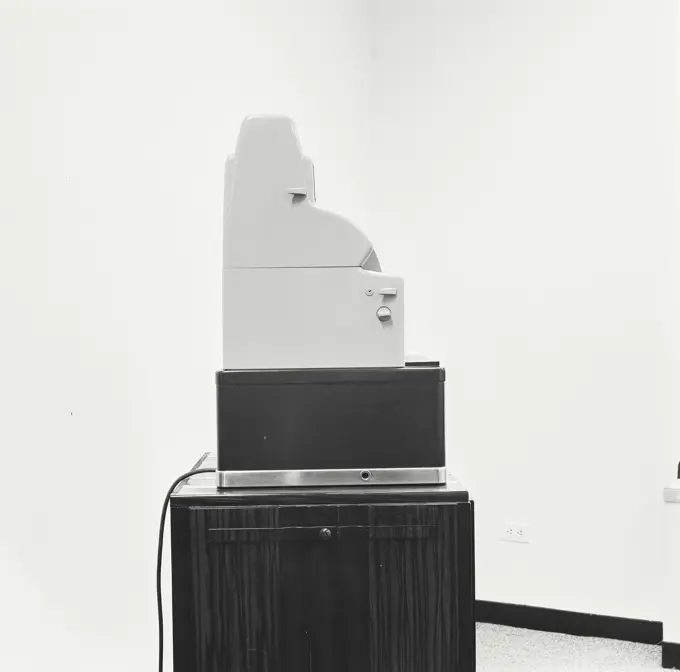
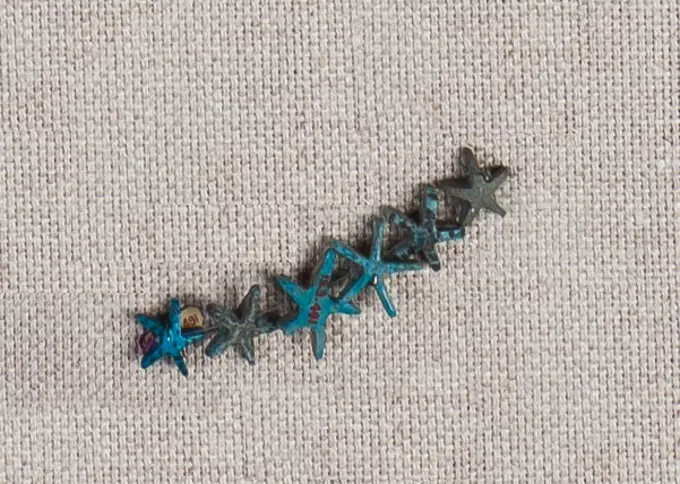
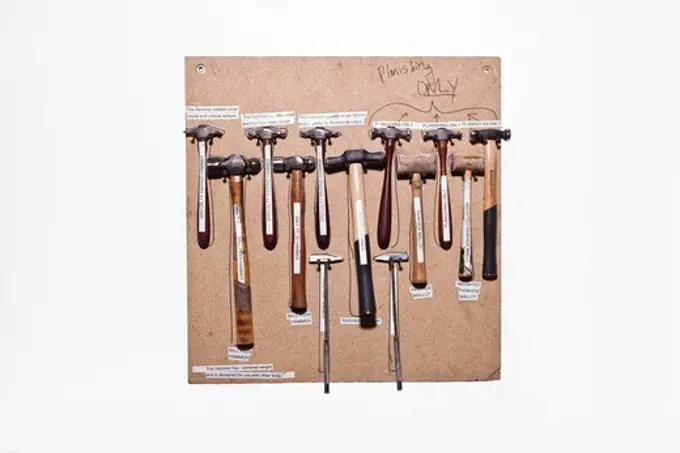
Diamond -shaped reversal of gold, c. 1930 - c. 1940 Diamond -shaped reversal pin of gold with spiders. A Zeeland button is placed in a window. The outside of the window is decorated with twelve gold balls. Netherlands gold (metal) Diamond -shaped reversal pin of gold with spiders. A Zeeland button is placed in a window. The outside of the window is decorated with twelve gold balls. Netherlands gold (metal)Border Made 1625-1650 Italy. Linen, needle lace with raised details .Votive Fish. UnknownVotive Fish. UnknownVotive Fish. UnknownVotive Fish. UnknownGroup of Forty-Eight Votive Fish. UnknownRabbit shaped cookie cutterSet of Alice in Wonderland pattern: rabbit, Cheshire cat, flamingo, cards, hat, keys cup mushrooms clock and roses. Alice in Wonderland pattern. rabbit, Cheshire cat, flamingo, cards, hat, keys, cup, mushrooms, clockSpiral Ring 300 B.C.-A.D. 300 Thailand. Spiral Ring. Thailand. 300 B.C.-A.D. 300. Bronze. Late period. JewelryArrow sign cut out of brown paper on canvasArrowhead (Yanone) 18th century Japanese Although today Japanese warriors are renowned most for their swordsmanship, archery, especially from horseback, has been an essential part of samurai warfare and culture for centuries. Arrows were fitted with heads of varying shape according to their intended use in war, the hunt, or target practice. Arrowheads made for use on the battlefield incorporated different designs intended for specialized purposes such as the piercing of armor or to cause maximum damage to horses and unarmored personnel.Large arrowheads, pierced and elaborately chiseled with landscapes, birds, flowers, dragons, and Buddhist divinities, were created to be admired for the beauty of their metalwork and design rather than for use in archery. Such highly elaborate examples may have been made for presentation or as a votive offerings to a shrine.. Arrowhead (Yanone). Japanese. 18th century. Steel. Archery Equipment-ArrowheadsBundle of black sticksClam Chowder Picnic (from McGuire Scrapbook) William Holbrook Beard. Clam Chowder Picnic (from McGuire Scrapbook). William Holbrook Beard (American, Painesville, Ohio 1824-1900 New York). American. Graphite on off-white wove paperGold Double-Headed Frog Ornament 11th-16th century Chiriqui. Gold Double-Headed Frog Ornament 310261Attic Black-Figure Band Cup Fragment. UnknownTape measureSweden, Blekinge, Blekinge, Karlskrona, Karlskrona, external marina (depicted, town).Sweden, Blekinge, Blekinge, Karlskrona, Karlskrona, External War Gogs (depicted, City)Cap (USA); cottonPrintable minimalistic wall art decorAmulet - dłoń w geście "figi". unknown, authorPendant: addorsed lotus blossoms/ thunderbolt. Culture: Italic. Dimensions: Other: 2 1/16 in. (5.2 cm). Date: 5th century B.C..Amber-working was a highly developed art in ancient Italy. The special qualities of the material must have been responsible for its popularity from the late eighth century B.C. into Roman times. Technical analysis has shown that amber originated in a limited area near the Baltic Sea and was traded down along the major rivers of Europe and over the Alps. The mystique of amber must have derived partly from the remoteness of its source as well as from the organic inclusions trapped within the resin and the fact that it is always warm to the touch. Its color and the fragrance produced when it is burned distinguish it further. These features are particularly appropriate to a thunderbolt, so potent and so thermodynamic. Museum: Metropolitan Museum of Art, New York, USA.Waist Clasp. Designer: Oliver Baker,. Manufacturer: W H Haseler Ltd. Retailer: Liberty & CoModel of A Pile Driver, Petrus van der Loo, 1855 demonstration model Model of a Heitofel for Cross -Beheiing, incomplete. It consists of a sled with a disk in the top, which is held with two legs at an angle of 45 °. The sledge is equipped with two brackets to keep the piles in place. Heiblok and hoist are missing. The Hague wood (plant material). brass (alloy). ropeVignette with the weapon of Haarlem, Elias Voet jr., 1878 - 1940 print   paper  pedestal of a piece of sculpture (perhaps in the form of a herm). coat of arms (as symbol of the state, etc.) (+ city; municipal)Christmas decorations light strings and baubles Christmas decorations light strings and baubles isolated on black. Copyright: xZoonar.com/ArtesiaWellsx 10080177white still life composition 4Swallow amulet 664-380 B.C. Late Period. Swallow amulet 561546Origami fish skeleton on white backgroundGesichtsserum aus 24 k Gold in einer Pipette auf weißem Hintergrund. 24 k gold facial serum in a pipette on a white background. High quality photo. Copyright: xZoonar.com/MAREVGENNAx 22823934Parasol. Culture: American. Manufacturer: Follmer, Clogg & Company. Date: 1880-89.Seen here is a very elegant example of the lace parasols prevalent in the 1880s. The lacy sheer canopy is very flirtatious and the unusual shape of the handle is charming. This parasol would have been a very eye-catching accessory to any ladies' ensemble. Museum: Metropolitan Museum of Art, New York, USA.Shadow of Street lamp and a steel pole on surface white concrete wall in building in vertical frame. Space for text, Selective focus.Cylinder seal and modern impression: hunter holding a lion; griffin attacking a stag; Master of Animals; double-headed eagle ca. 14th century B.C. Although engraved stones had been used as early as the seventh millennium B.C. to stamp impressions in clay, the invention in the fourth millennium B.C. of carved cylinders that could be rolled over clay allowed the development of more complex seal designs. These cylinder seals, first used in Mesopotamia, served as a mark of ownership or identification. Seals were either impressed on lumps of clay that were used to close jars, doors, and baskets, or they were rolled onto clay tablets that recorded information about commercial or legal transactions. The seals were often made of precious stones. Protective properties may have been ascribed to both the material itself and the carved designs. Seals are important to the study of ancient Near Eastern art because many examples survive from every period and can, therefore, help to define chronologicWooden frame Broken cd romBETWEEN SARO AND BROADWAY - 22x24x10 - 1999. Author: VICTORIA CIVERA REDONDO 1955/. Location: GALERIA SOLEDAD LORENZO. MADRID. SPAIN.Sweden, Blekinge, Blekinge, Karlskrona, Karlskrona, external marina (depicted, town).Sweden, Blekinge, Blekinge, Karlskrona, Karlskrona, External War Gogs (depicted, City)Fishing hook isolated on white background close upString of 15 disc beads. Dimensions: l. 3.8 cm (1 1/2 in.). Date: 1st Century B.C. to 5th Century A.D. or later. Museum: Metropolitan Museum of Art, New York, USA.Image of feather pen on white backgroundTol, anonymous, c. 1700 - c. 1800 Tol with six areas. The letters are on the six areas: A, B, T, N, D. de Tol has been processed with filigrein and is not marked. Friesland (possibly) silver (metal) filigree Tol with six areas. The letters are on the six areas: A, B, T, N, D. de Tol has been processed with filigrein and is not marked. Friesland (possibly) silver (metal) filigreePearl button carved with round bosses, 1775-1800. Manufacturer unknown, made in BirminghamSwallow amulet. Dimensions: l. 2 cm (13/16 in.) × h. 1.2 cm (1/2 in.). Dynasty: Dynasty 26-29. Date: 664-380 B.C.. Museum: Metropolitan Museum of Art, New York, USA.The story of a dory: cards depicting dories.. Mathews, F. Schuyler (Ferdinand Schuyler) (1854-1938). Proofs, Cards. 1865 - 1899. The Miriam and Ira D. Wallach Division of Art, Prints and Photographs: Print Collection. BoatsDetail of Knob on White CabinetTiger's Claw (Bagh Nakh) 18th-19th century Indian. Tiger's Claw (Bagh Nakh) 30160Top up view an antique water goblet isolatedMetallic basket of eggs shaped hen isolated on white backgroundScandinavian abstract wall art. Minimalistic art vector poster. Hand drawn minimalism design for interior. Printable bundle. Vector illustration.ndinavian wall art poster. Scandinavian wall art posterCharles Criswell, Woman's Buckle, c 1936 Woman's BuckleWhite Cabinets and HandlesCrystals, quartz, 5. Dimensions: .b: 11/16 × 7/16 × 5/16 in., 0.1oz. (1.8 × 1.1 × 0.9 cm, 2.3g).c: 1/2 × 1/4 × 1/4 in., 0.025oz. (1.3 × 0.6 × 0.7 cm, 0.7g).d: 1/2 × 5/16 × 5/16 in., 0.028 Troy Ounces (1.2 × 0.7 × 0.7 cm, 0.88g).e: 7/16 × 5/16 × 5/16 in., 0.03oz. (1.2 × 0.9 × 0.9 cm, 0.86g).a: 1 1/8 × 9/16 in., 0.3oz. (2.9 × 1.4 cm, 8.1g). Museum: Metropolitan Museum of Art, New York, USA.Window; Piasecki, Marek (1935-); 1959 (1959-00-00-1959-00-00);II group of Krakow, informelPrintable wall art vector poster. Hand drawn minimalism design for scandinavian interior.. Printable wall art vector posterFragment of a terracotta neck-amphora (jar) ca. 515 B.C. Attributed to Euphronios Head of a satyr holding a bunch of grapesAlthough little of the decoration is preserved, the satyr's mannerliness is suggested by his delicate fingers and impeccable beard and moustache. Euphronios' use of added clay for the grapes indicates his interest in special surface effects.. Fragment of a terracotta neck-amphora (jar). Greek, Attic. ca. 515 B.C.. Terracotta; red-figure. Archaic. VasesBorder Corner (England); block-printed paper, satin ground; 23 x 20.5 cm (9 1/16 x 8 1/16 in.)Glass Fragment late 13th century European. Glass Fragment. European. late 13th century. Pot metal glass. Glass-StainedBeer drop shadow black icons setRetro cartoon with texture. Isolated on White.Retro cartoon with texture. Isolated on White.Earring ca. 1st century B.C.-1st century A.D. Parthian This is a bronze loop earring with a pendant, now heavily corroded, suspended from it. It was excavated at Shahr-i Qumis in northern Iran, which has been identified as the ancient city of Hecatompylos, established by the Parthians as their capital by about 200 B.C. In Greek Hecatompylos means a hundred gates,’ suggesting that the city was quite large. Indeed, the modern archaeological site includes several mounds, only a few of which have been excavated, and a vast area covered with potsherds. It comes from Site XIII, a large building that was later deliberately filled with dirt, perhaps in order to create a funerary structure.The excavations at Shahr-i Qumis by the British Institute of Persian Studies in 1967 were co-sponsored by the Metropolitan Museum of Art. However, this earring was not discovered until 1971, and it was acquired from the British Institute as a result of the Met’s financial contributions to the Institute’s exctwo bamboo sticksGlass pendant shaped like a jug ca. 4th century A.D. Roman Translucent deep green, appearing black, with handle and base in same color; trail in opaque pale yellow.Body tapering downward; wide mouth; thick rounded rim and cylindrical neck; flat pad base applied to bottom; rod handle applied over trail to body, drawn up, then turned in, and attached to rim, with splayed ends.On neck, spiral ribbing; on body, irregular zigzag trail in relief.Intact except for chip in side of body; dulling, pitting, and slight iridescent weathering.Green vase pendant with one handle; yellow opaque glass thread.. Glass pendant shaped like a jug 249676set of glass bowl with jam isolated on white backgroundShilajit or mumijo organic mineral product. Black mineral on a gray background and logo.. Shilajit or mumijo organic mineral product.Vintage Photograph. A side view of a cash register.Vintage photograph. Fedora hat with spotlight shining down from aboveUSA, Washington State, Seabeck. Detail of feather.Seashell silhouette for logo hand drawn stamp effect vector illustration. Vintage grunge texture emblem for package and menu design or label decoration.Necklace of amulets ca. 1981-1295 B.C. Middle Kingdom-Early New Kingdom. Necklace of amulets. ca. 1981-1295 B.C.. Blue faience. Middle Kingdom-Early New Kingdom. From Egypt, Memphite Region, Lisht North, Cemetery, debris, MMA excavations. Dynasty 12-18Title page for: J. de la Fontaine, Fabelen, 1786..Golden brain floating against a blue background symbolizing creativity and innovationHammers Hanging on WallSmall national flag of the Hong Kong on a black background Small national flag of the Hong Kong on a black background. Copyright: xZoonar.com/AlekseyxButenkovx 19947534Set of gray granite stones of different shapes. Element of nature, mountains, rocks, caves. Minerals, boulder and cobble. Cartoon flat illustration. Set of gray granite stones of different shapes.Seal. Culture: Minoan. Dimensions: Other: 7/16 x 7/16 in. (1.2 x 1.1 cm). Museum: Metropolitan Museum of Art, New York, USA.