Ancient Pottery Fragments

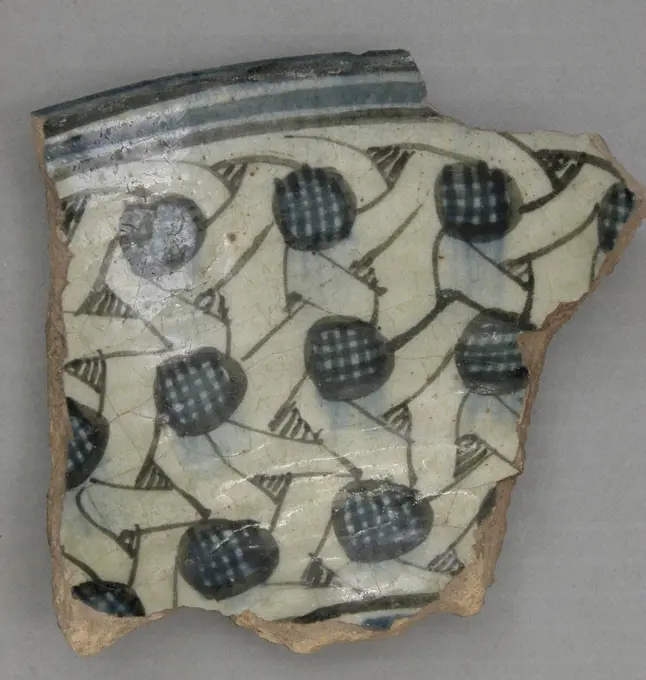
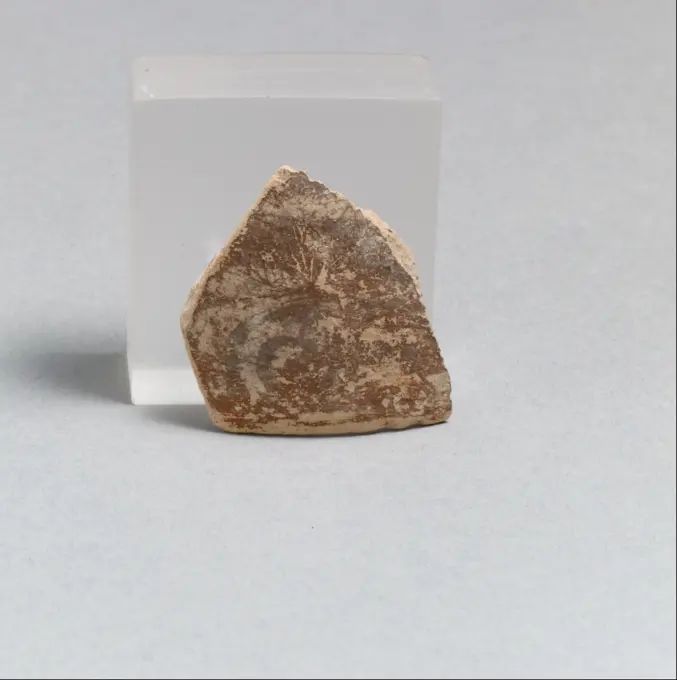
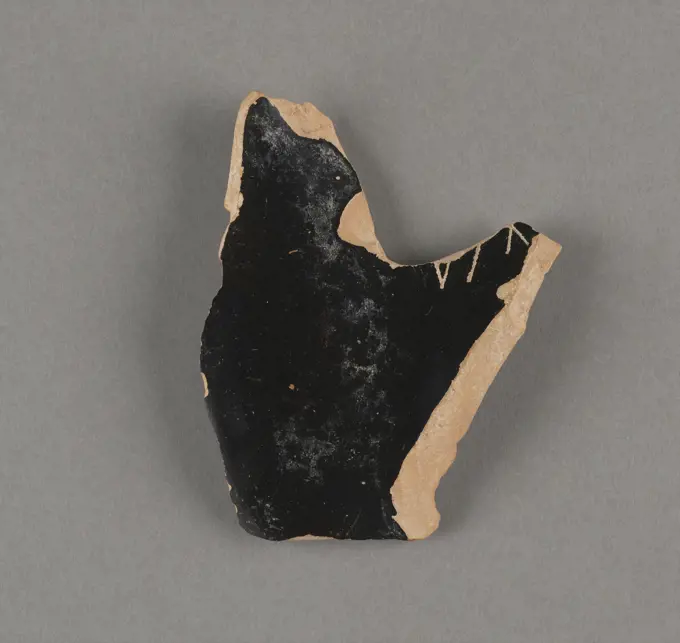
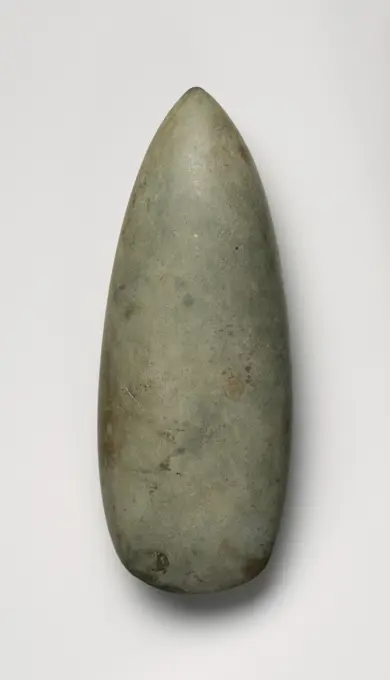
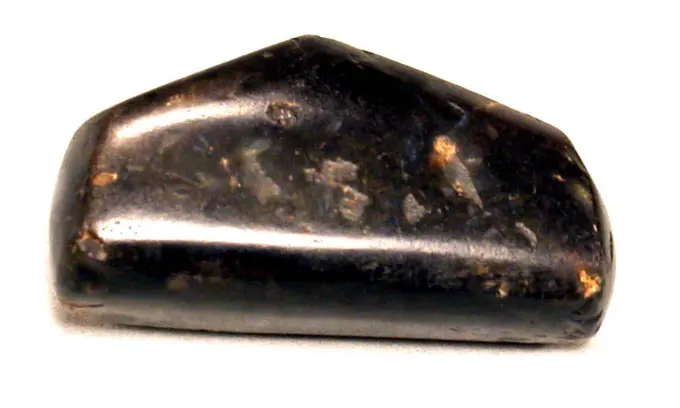
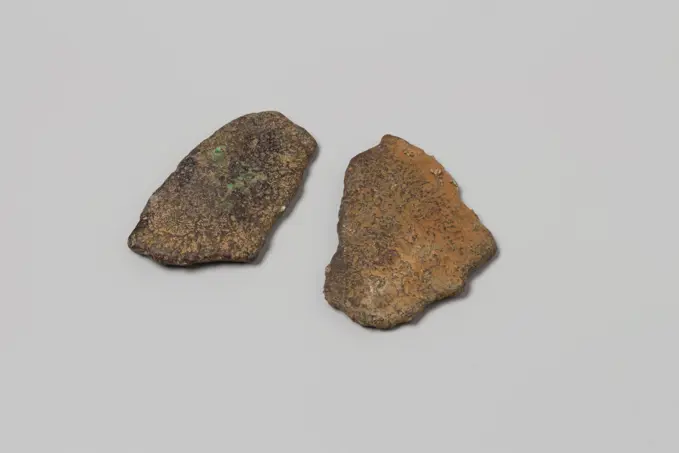
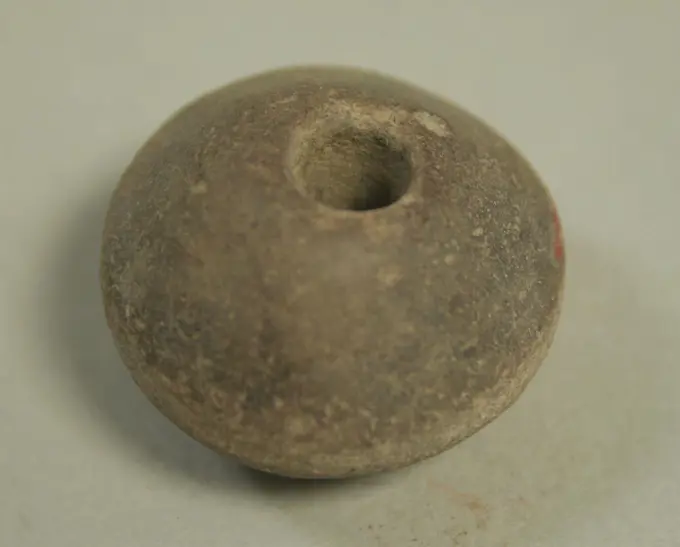
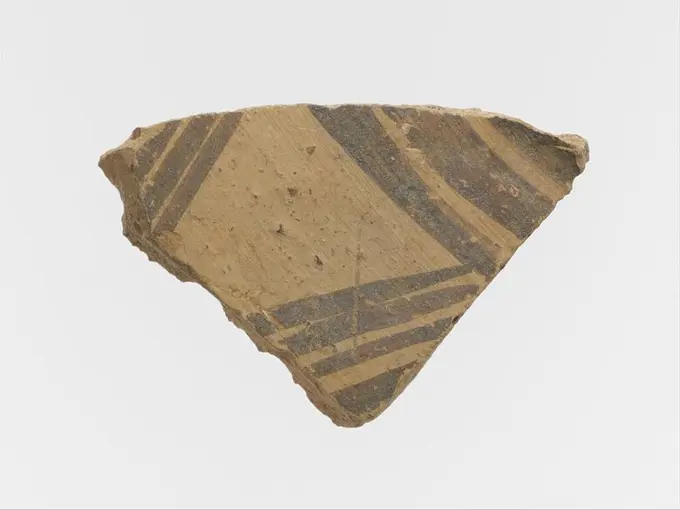
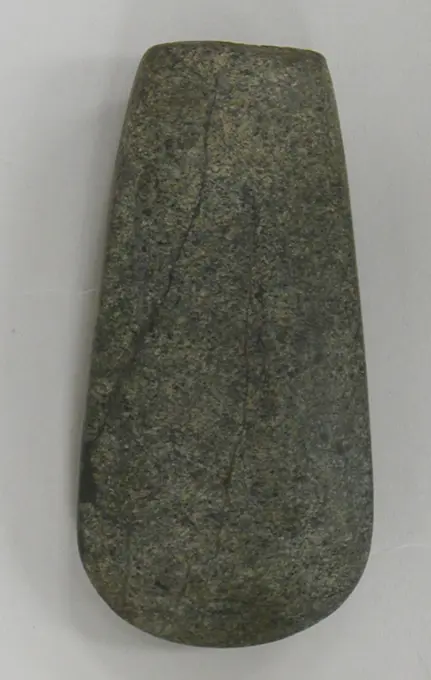
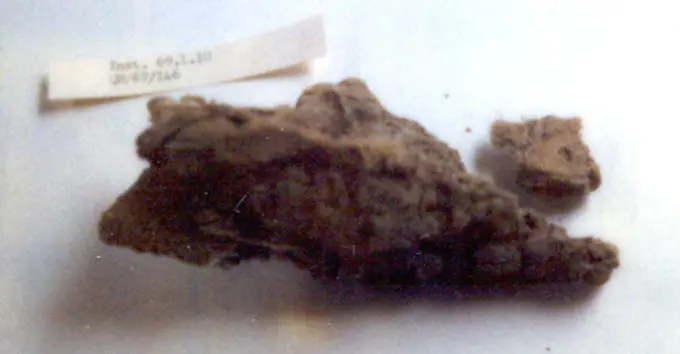
A set of archaeological pottery shards and stone artifacts from various historical contexts, showcasing ancient craftsmanship and cultural significance.
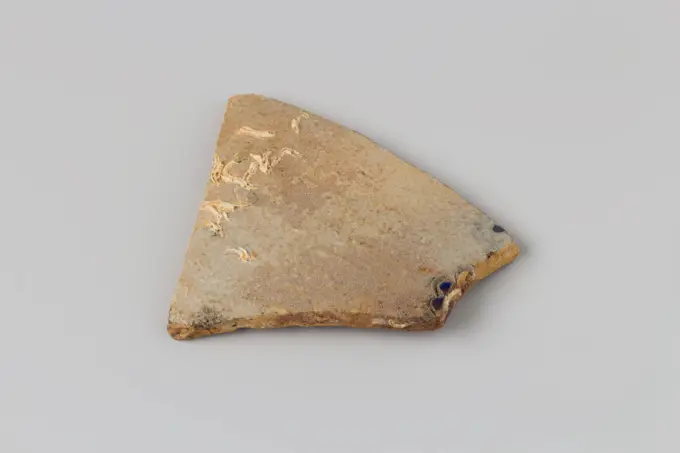
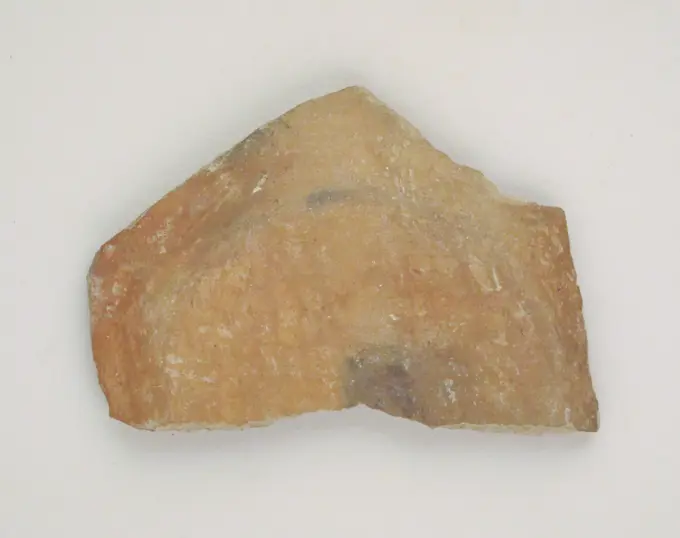
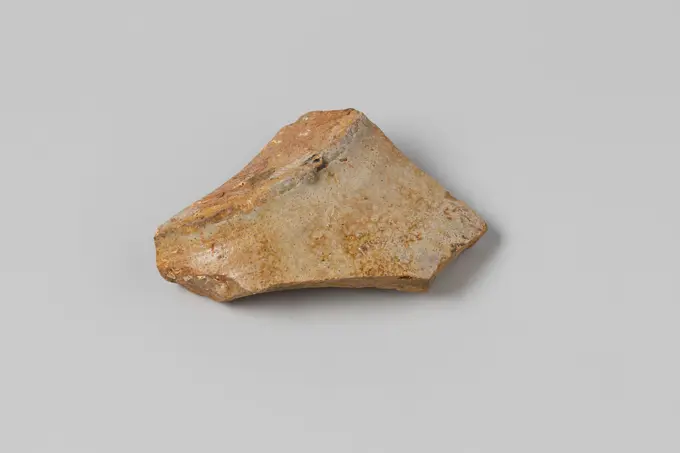
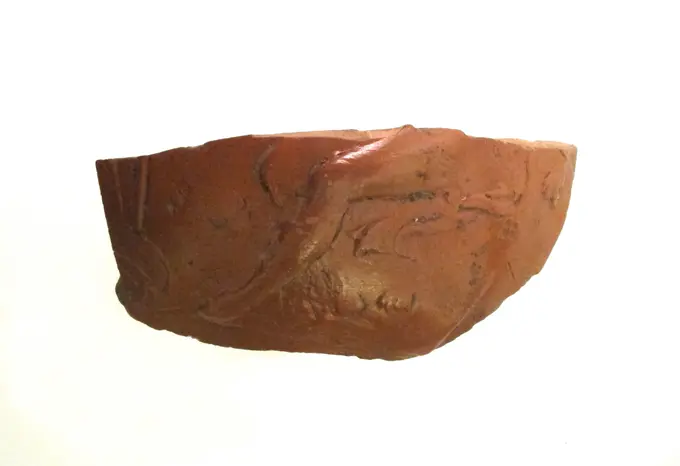
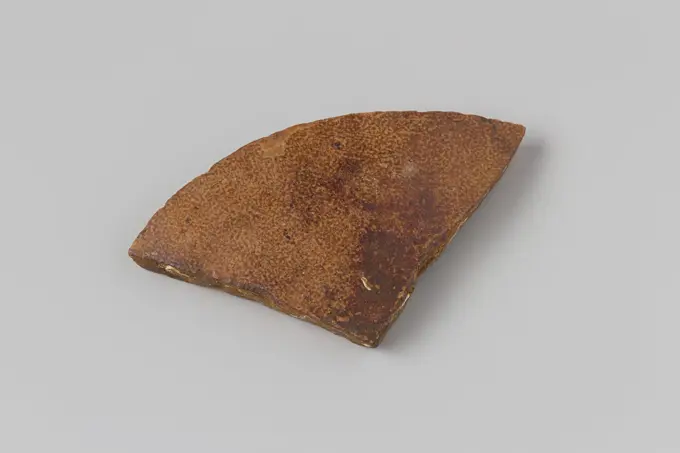
Scherf of a pot from the wreck of the East Indians Hollandia, Anonymous, 1700 - in Or Before 1743 pot Stoneware, Rhenish, Westerwald, pot; of body, sim. NG 1980-27H2624r. Westerwald stoneware   Second
Scherf of a pot from the wreck of the East Indians Hollandia, Anonymous, 1700 - in Or Before 1743 pot Stoneware, Rhenish, Westerwald, pot; of body, sim. NG 1980-27H2624r. Westerwald stoneware Second
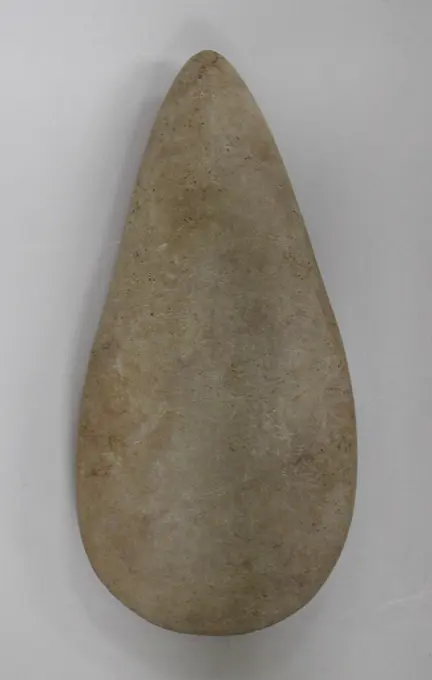
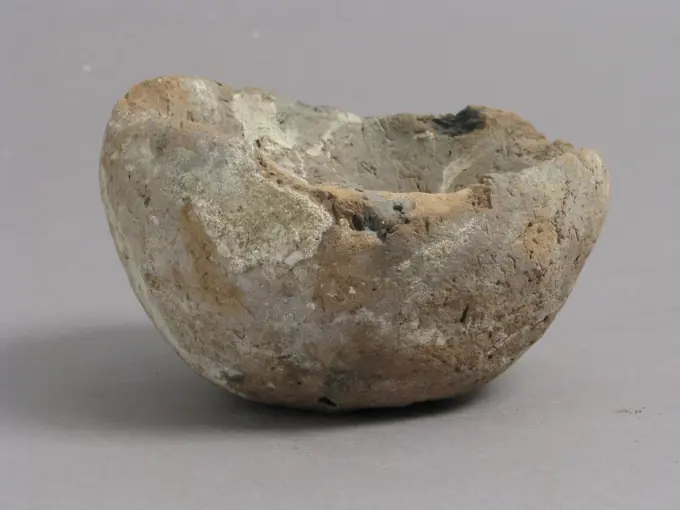
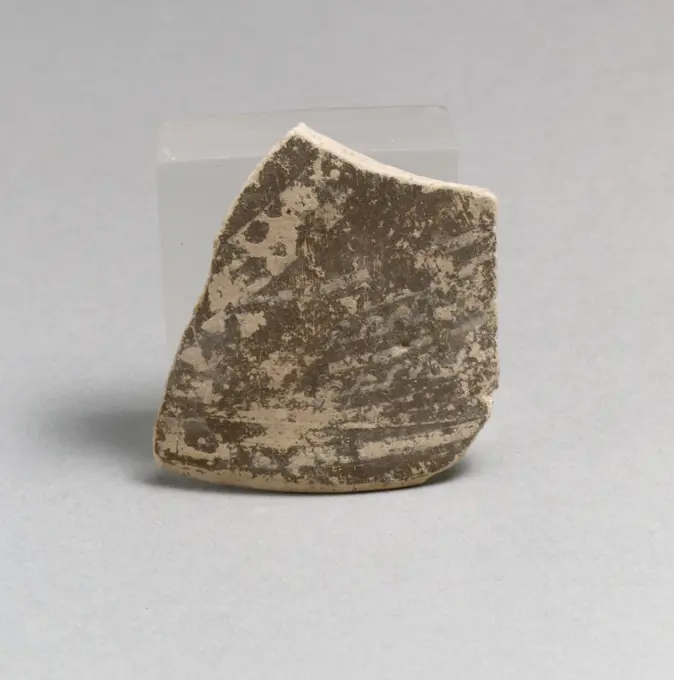
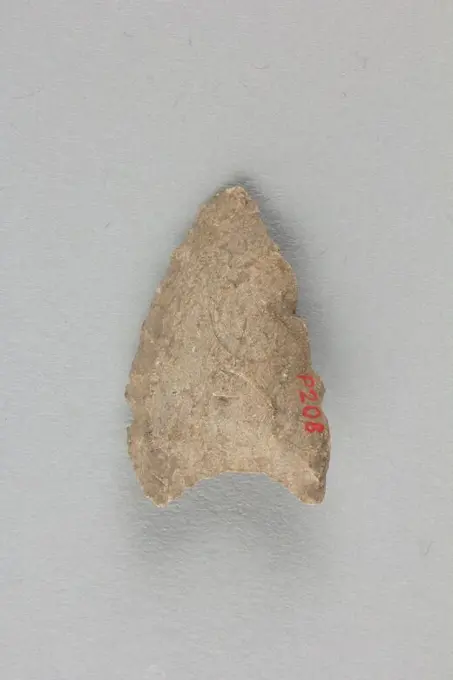
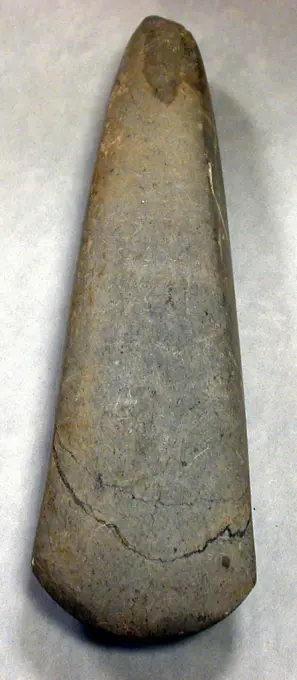
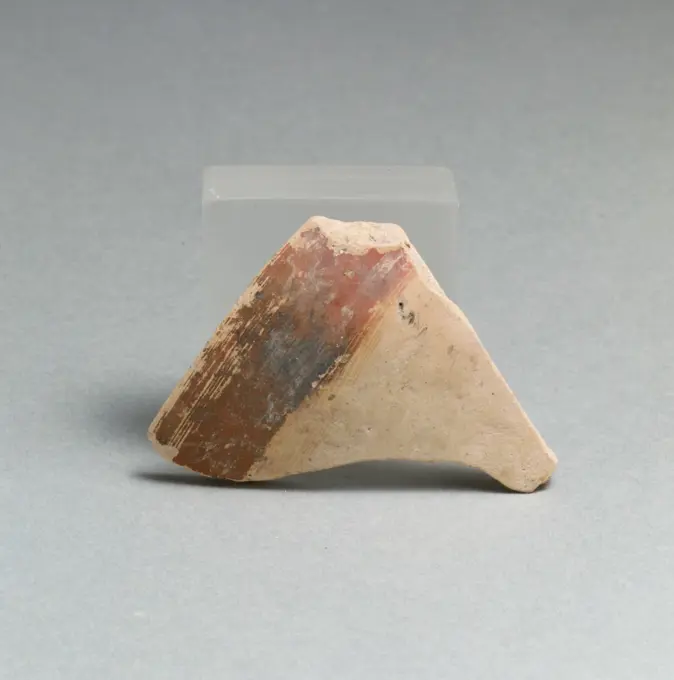
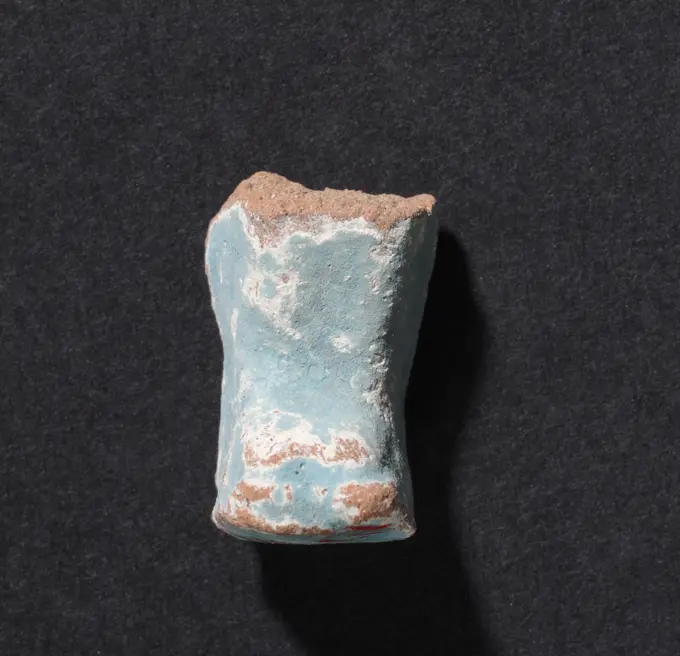
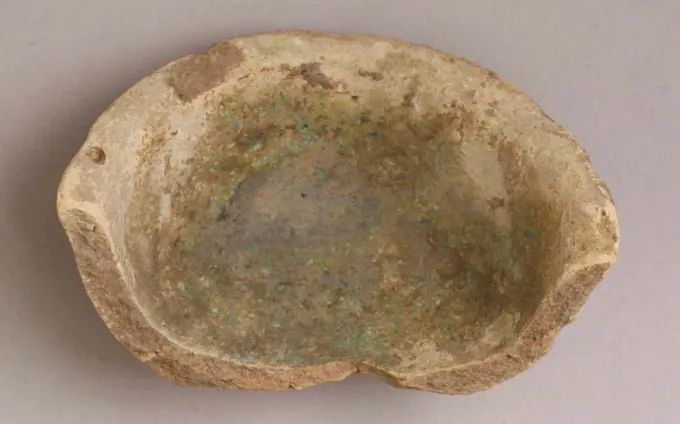
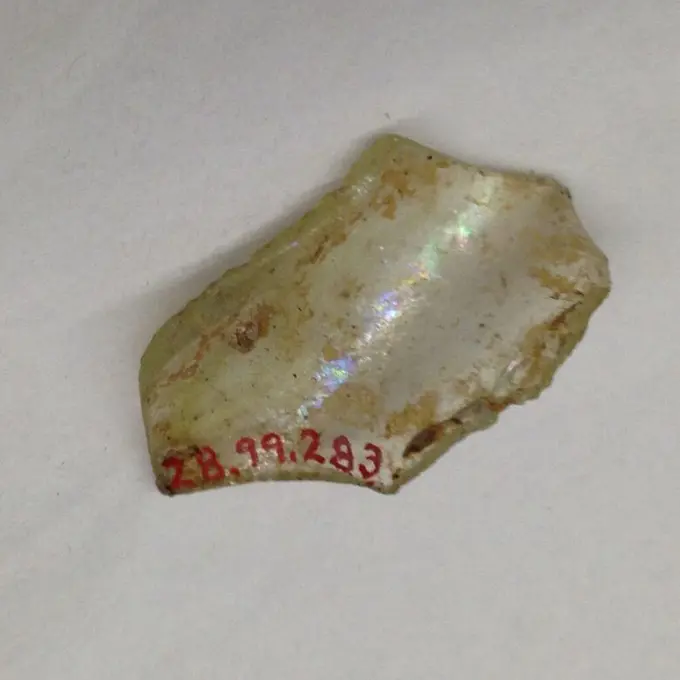
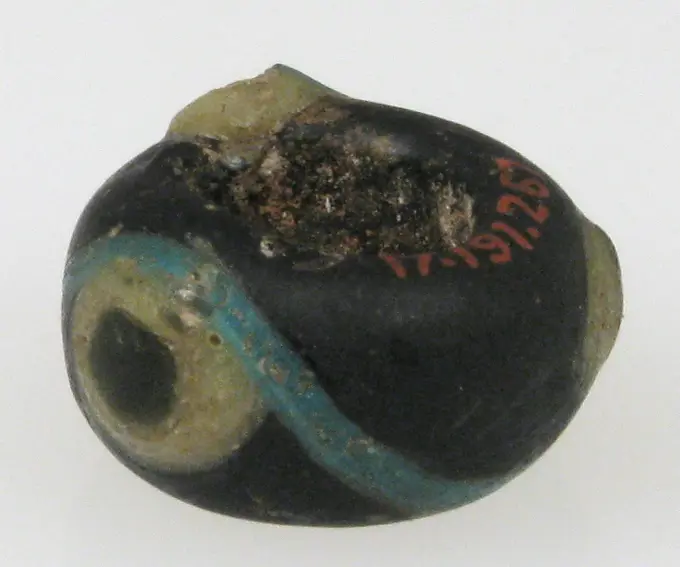
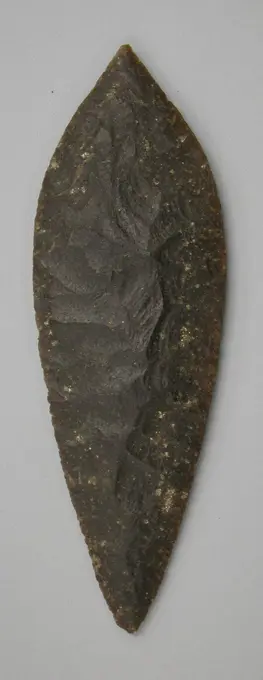
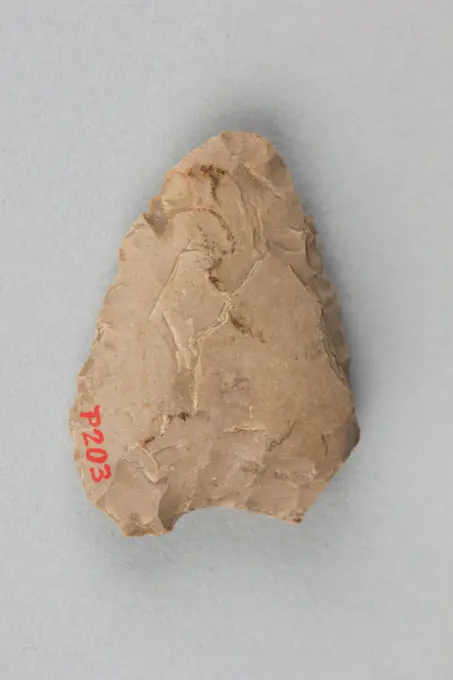
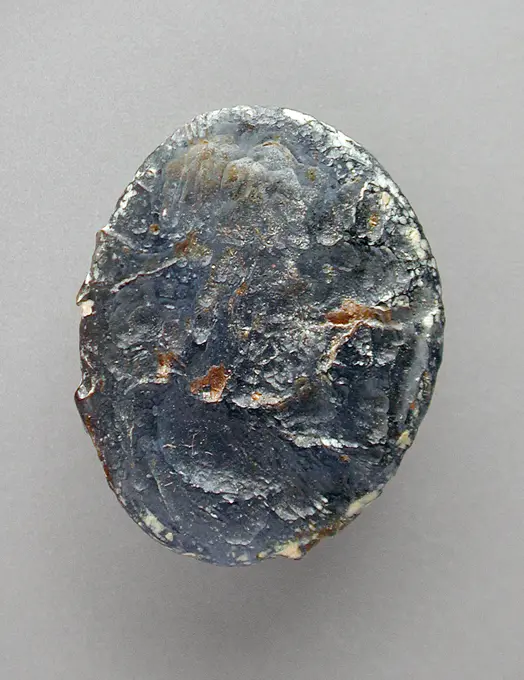
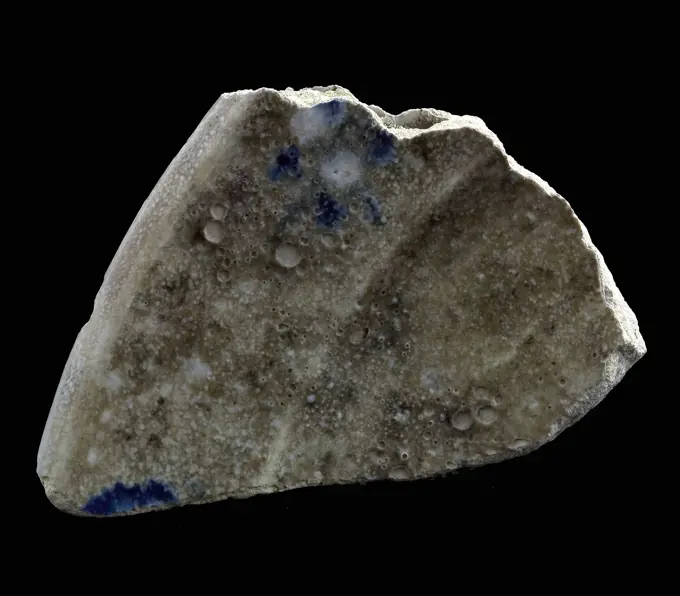
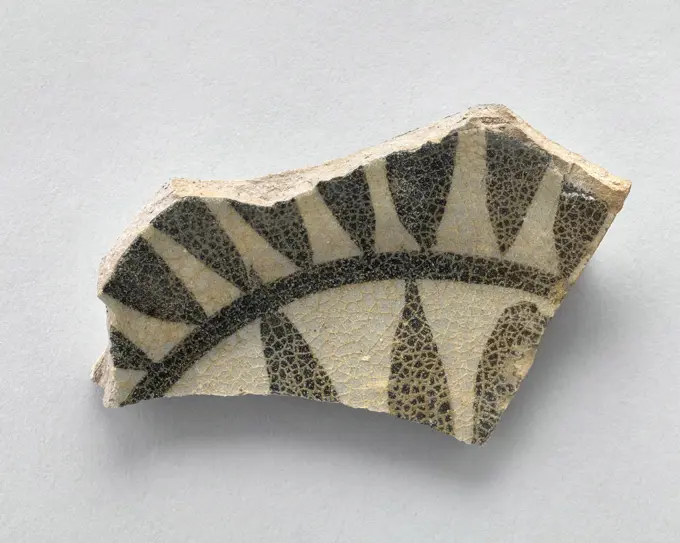
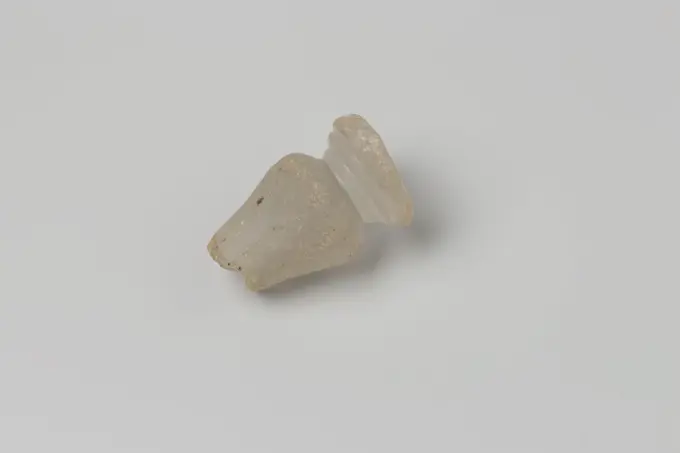
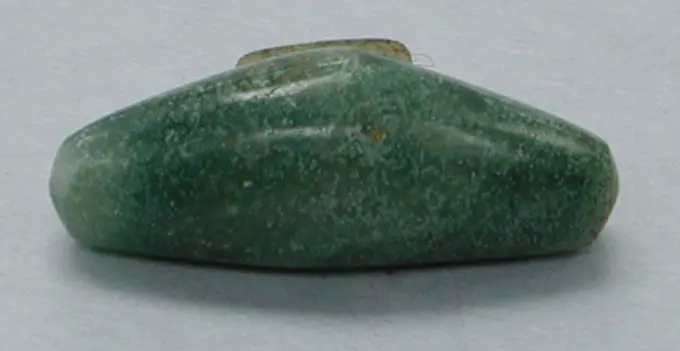
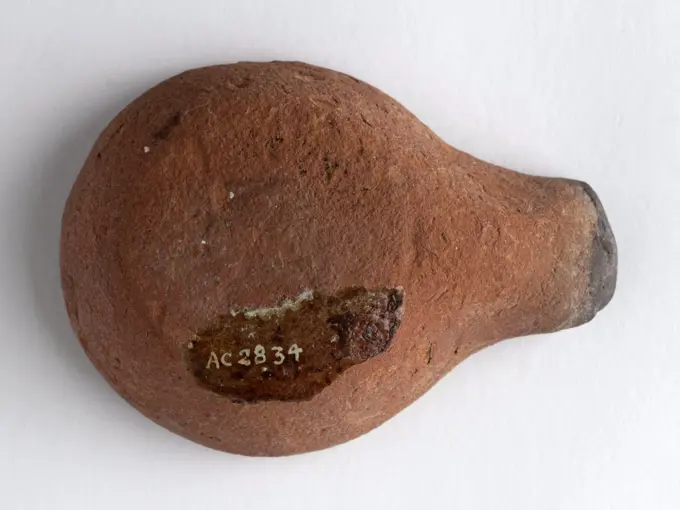
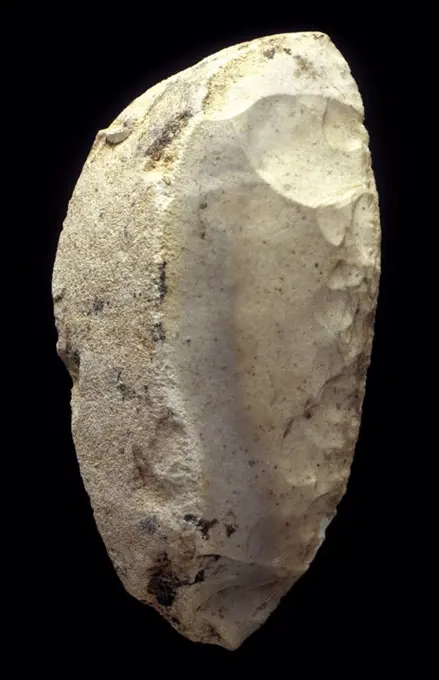
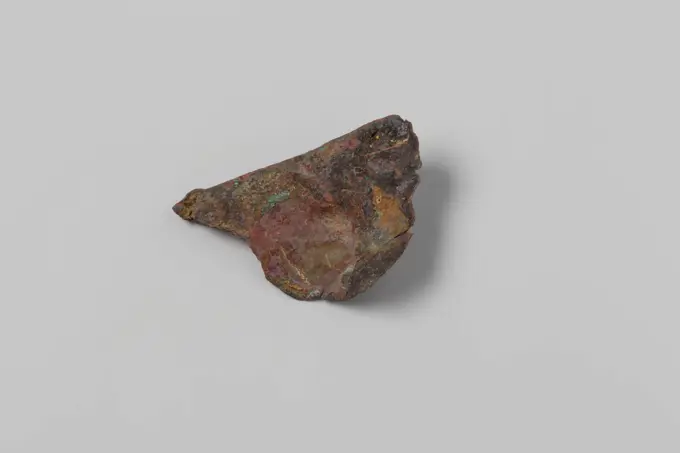
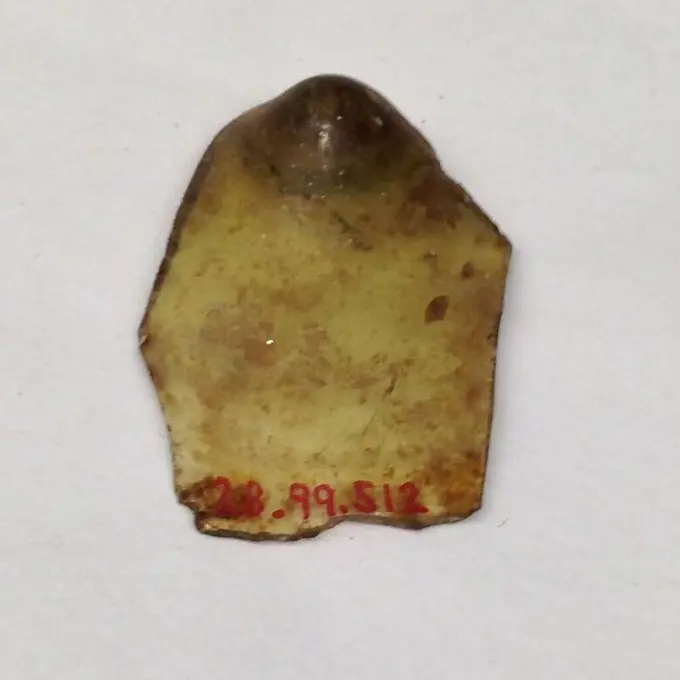
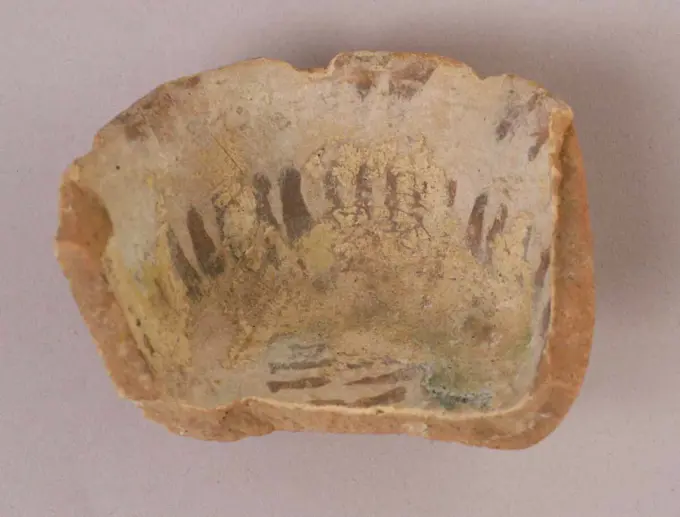
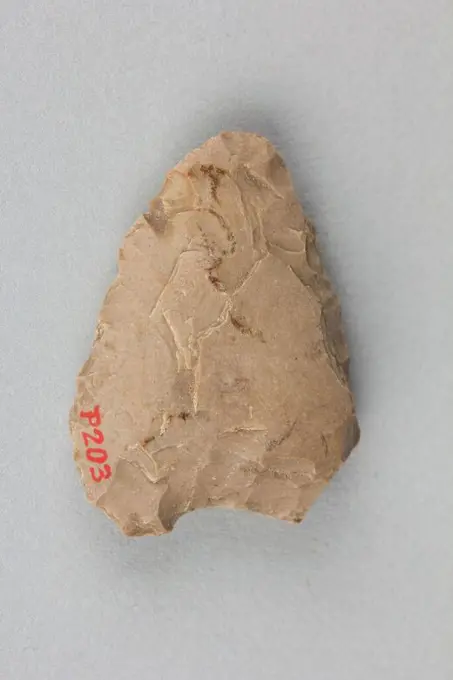
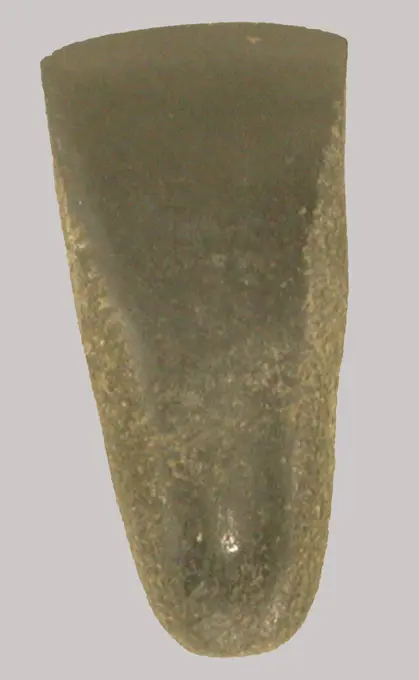
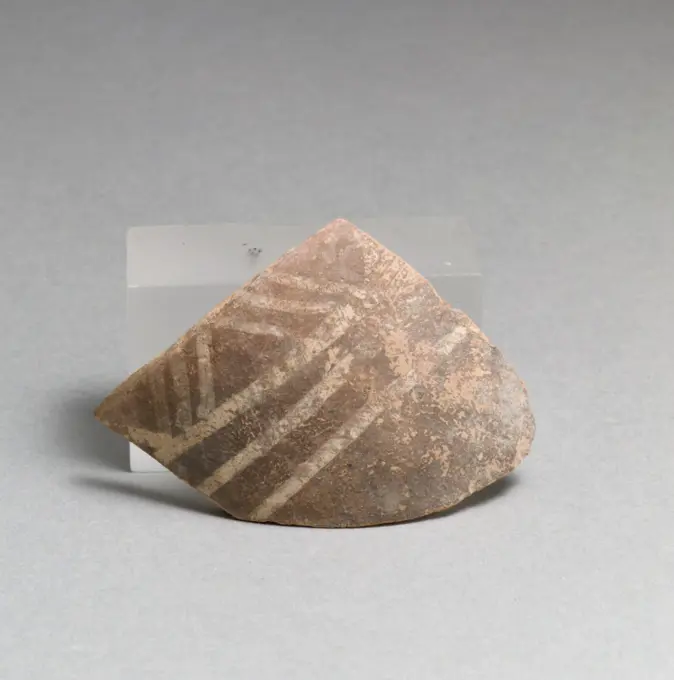
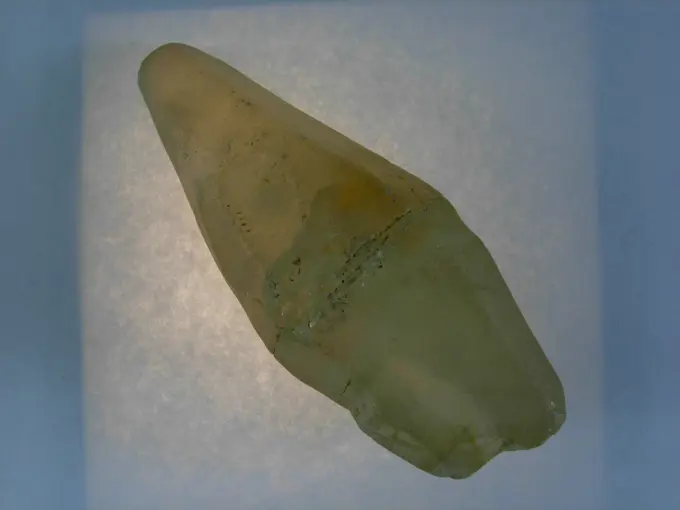
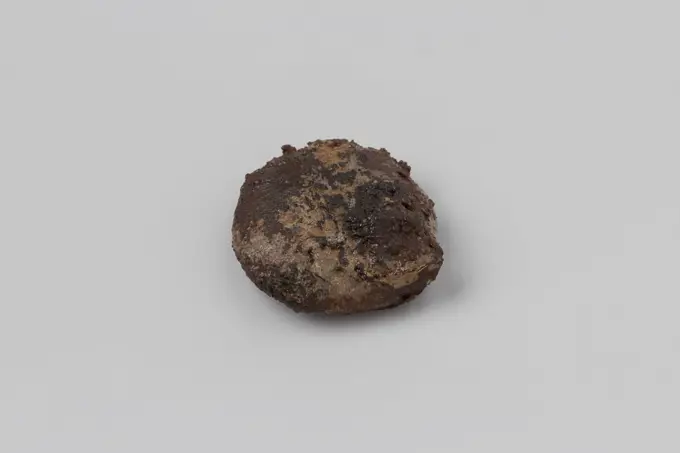
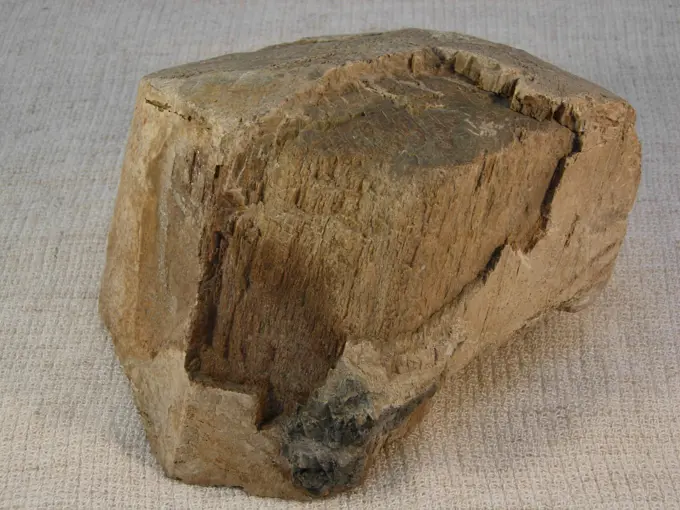
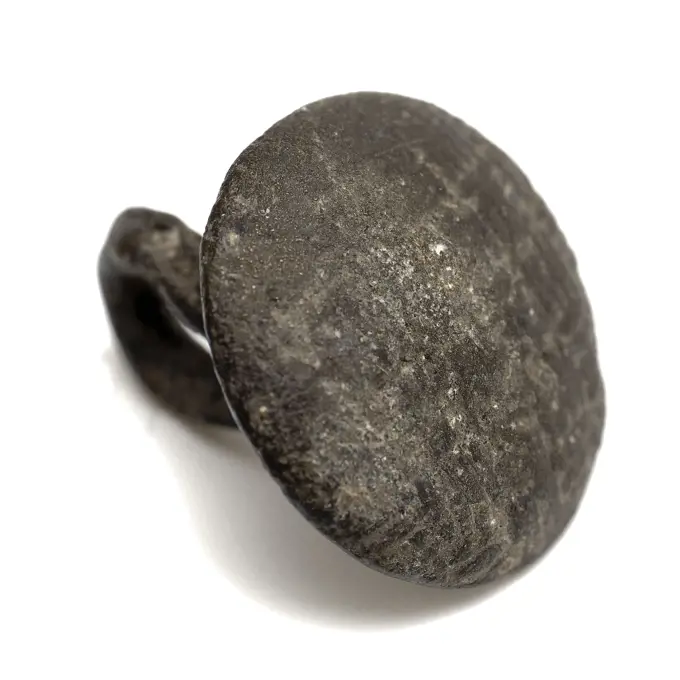
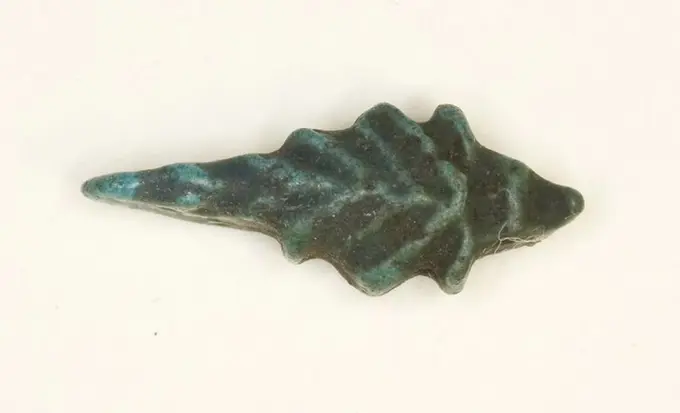
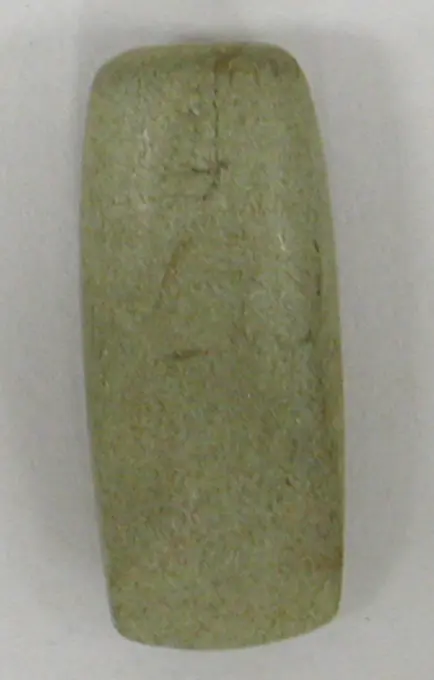
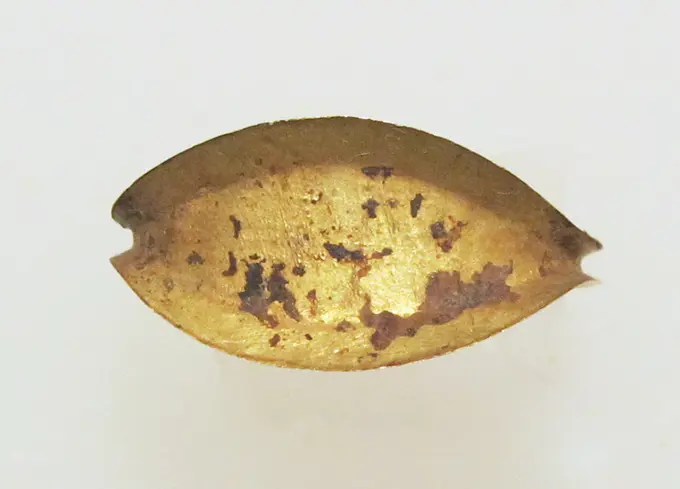
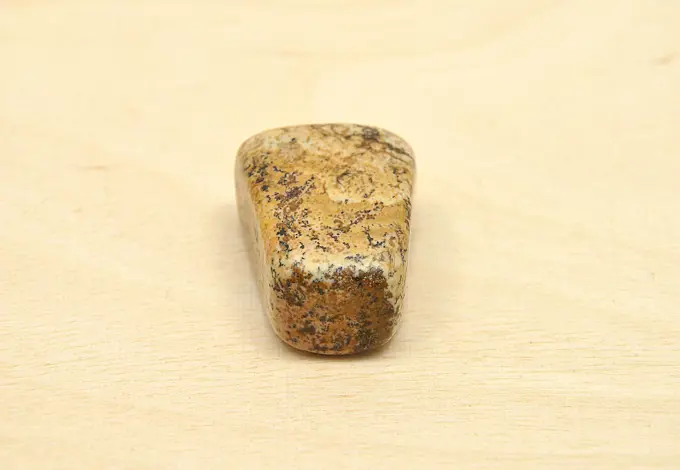
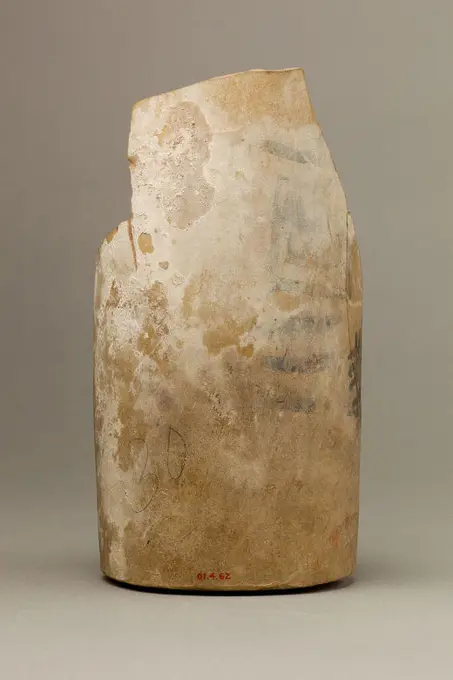
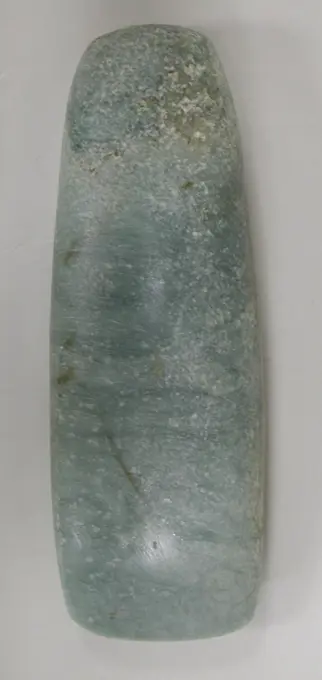
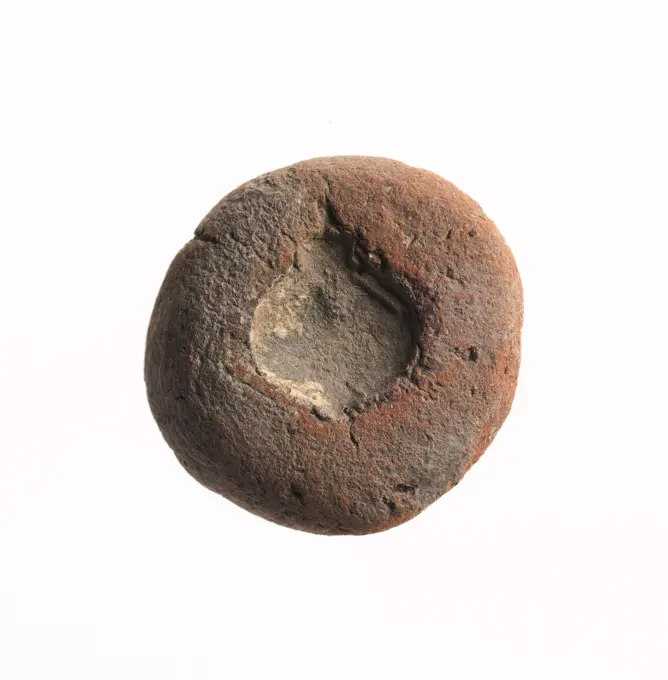
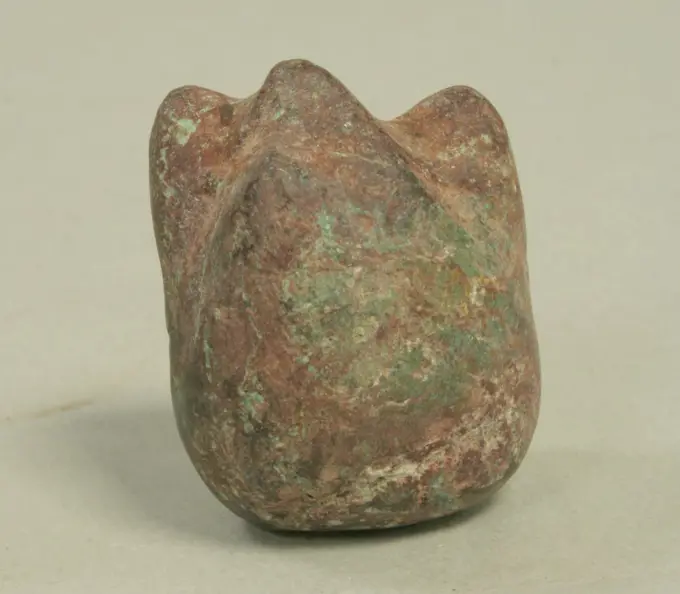
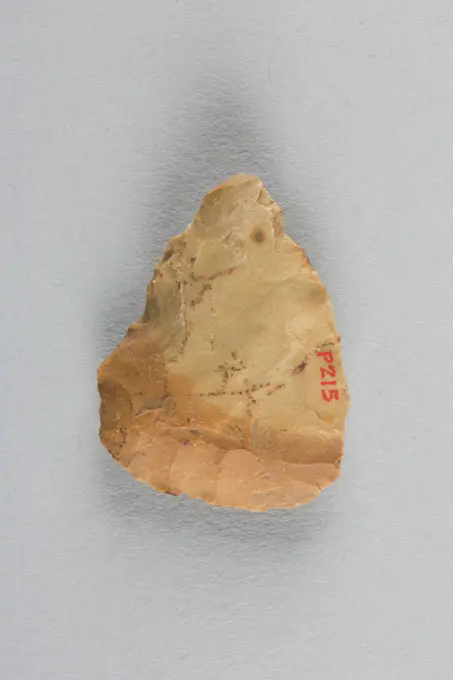
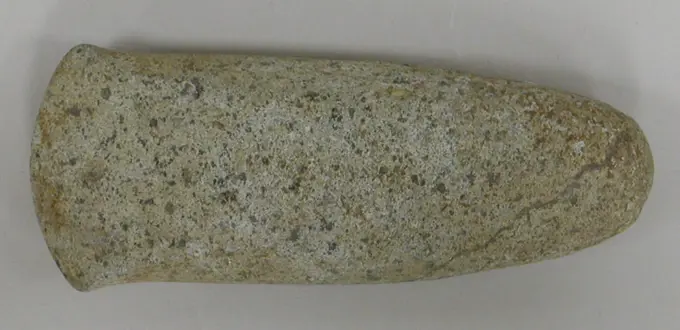
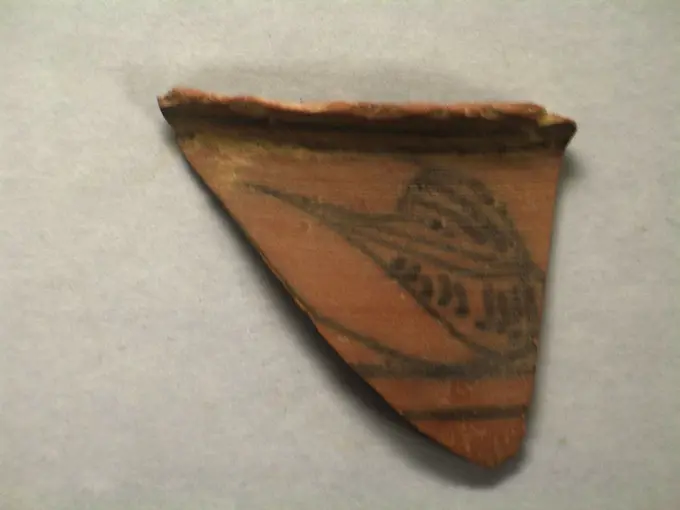
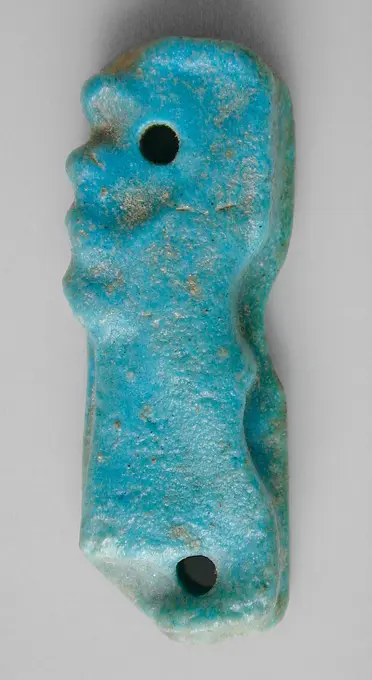
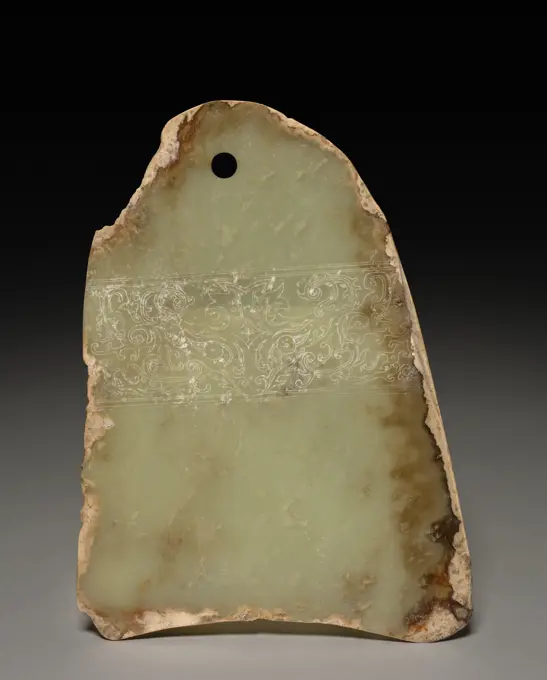
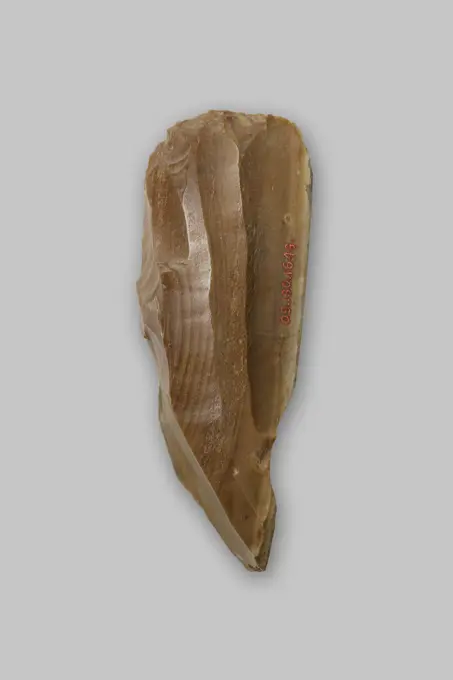
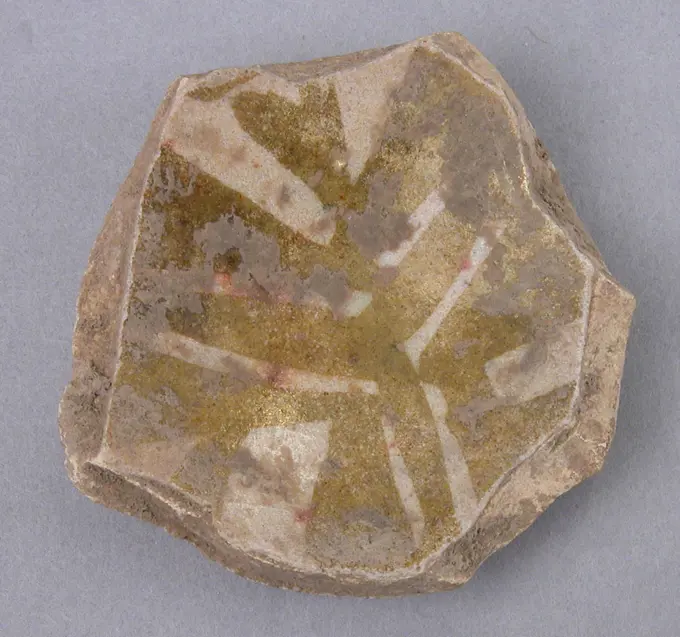
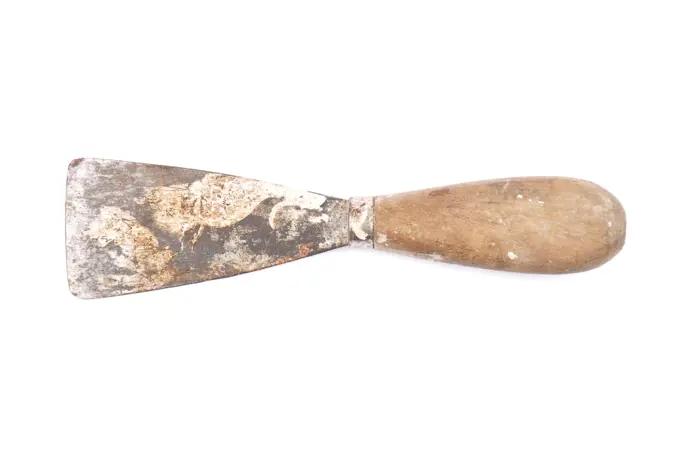
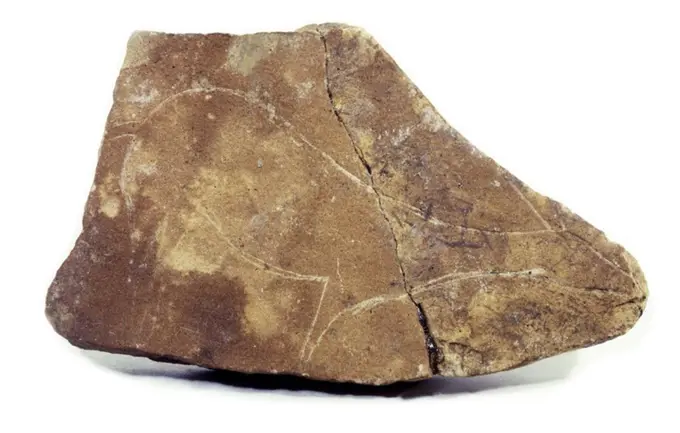
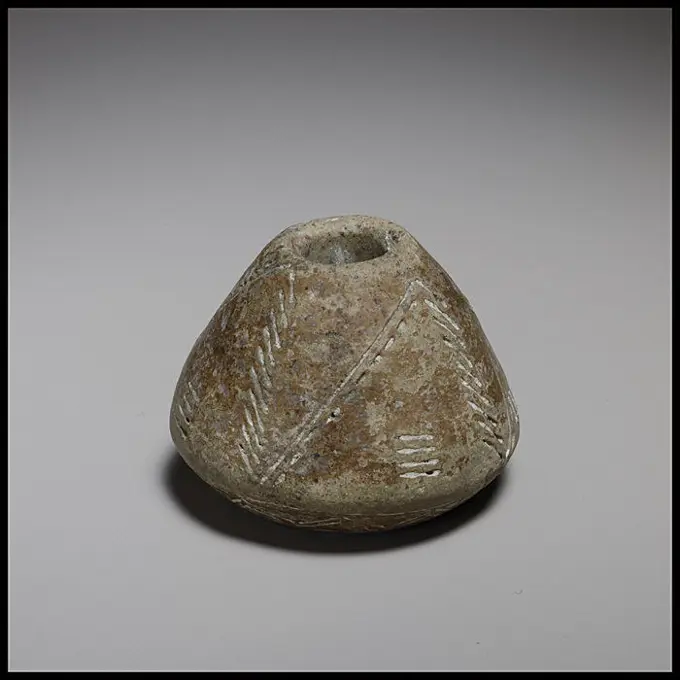
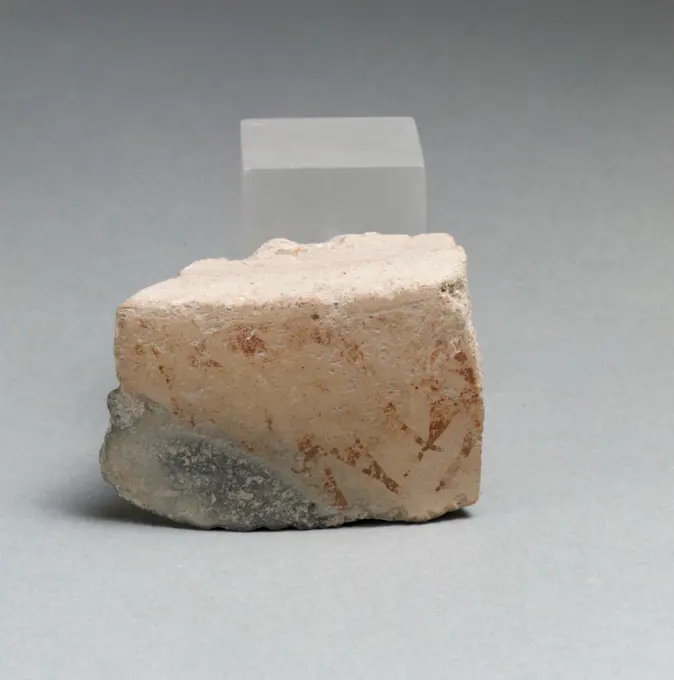
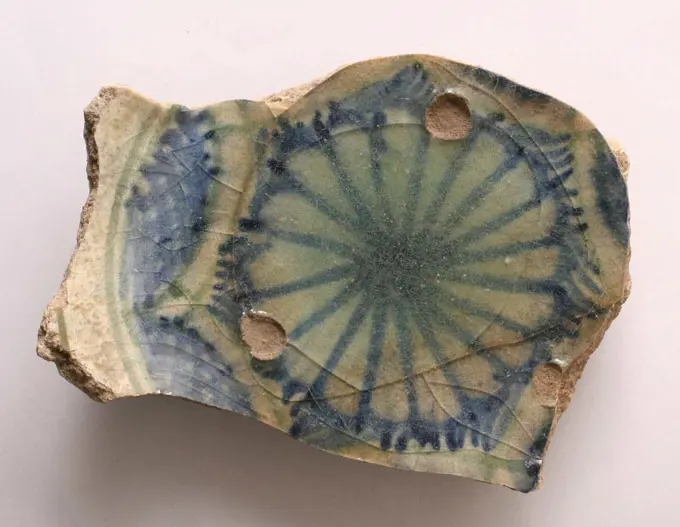
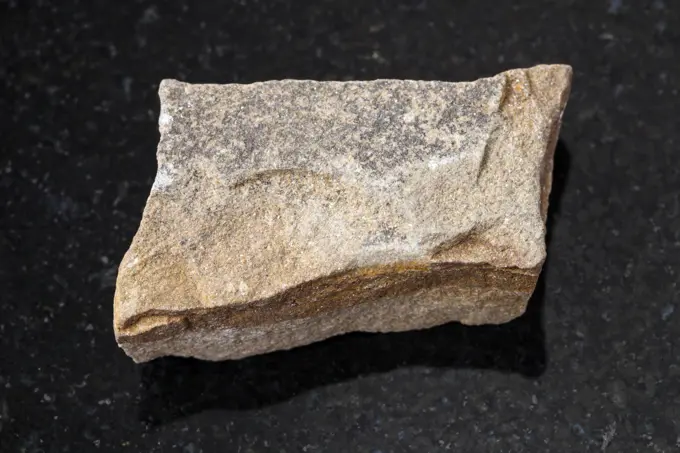
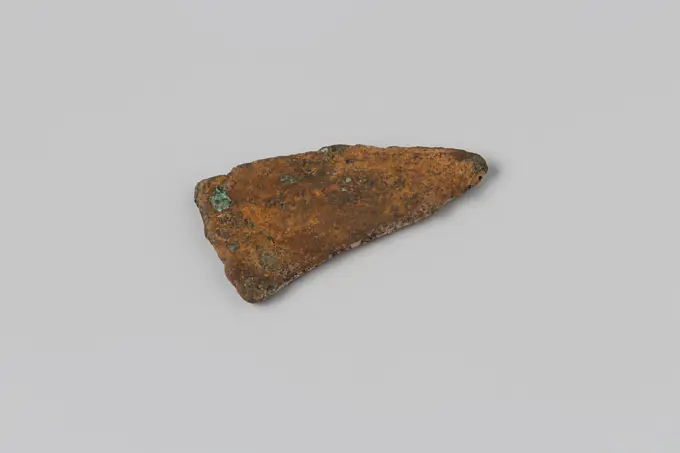
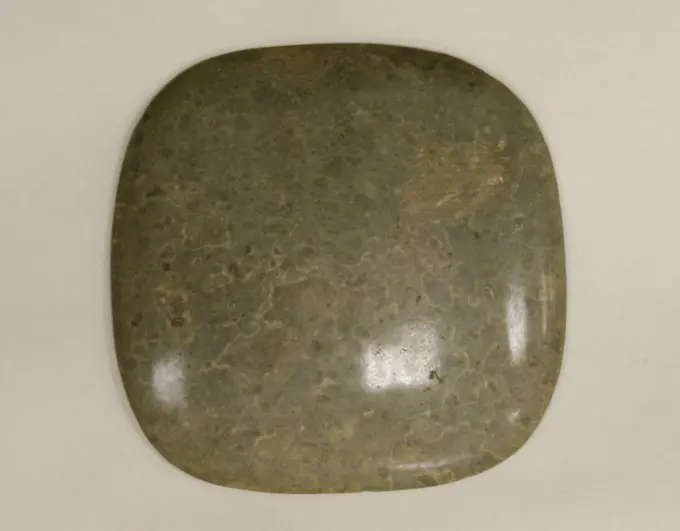
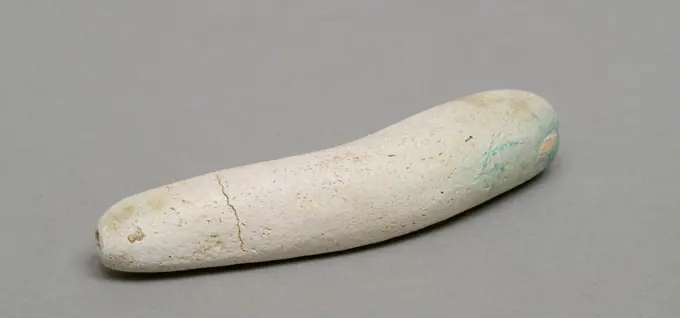
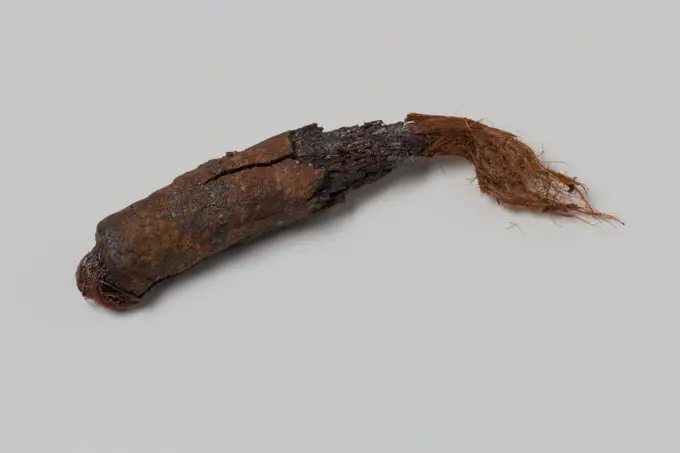
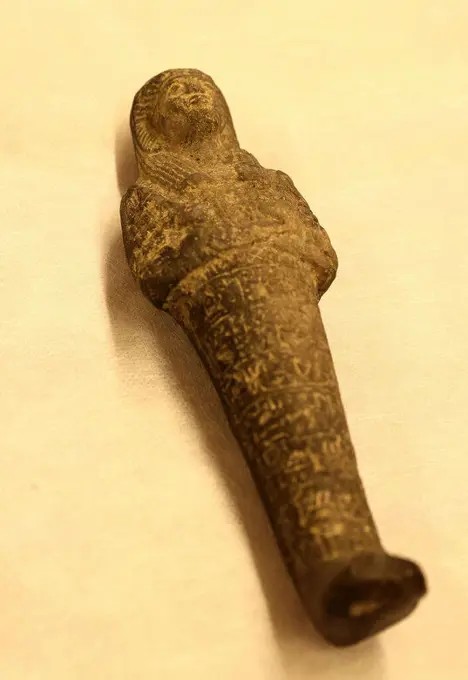
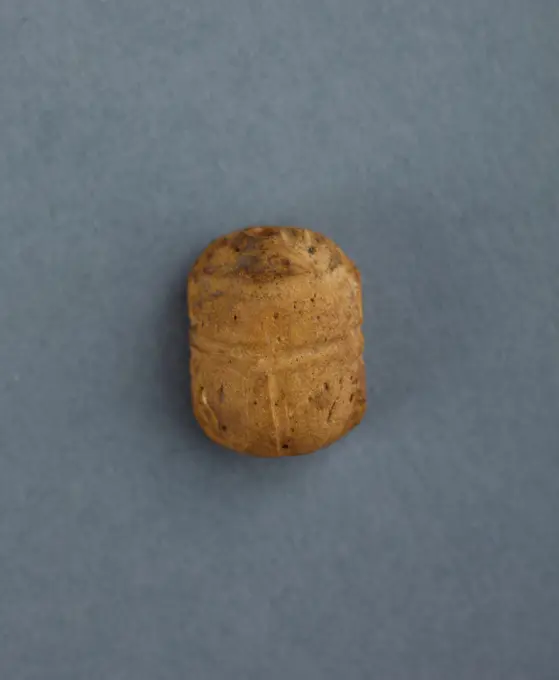
Vase fragment Aegean. Vase fragment. Aegean. Terracotta. Helladic. VasesScherf of a pot from the wreck of the East Indians Hollandia, Anonymous, 1700 - in Or Before 1743 pot Stoneware, Rhenish, Westerwald, pot; of body, sim. NG 1980-27H2624r. Westerwald stoneware   SecondShard from one can be from the wreck of the East Indiesman Hollandia. Stoneware, rhenish, frechen-ware, jug; Fragm or base.Stone Celt before 16th century Taíno The most numerous category of polished stone sculpture emerging from the Taíno world of the ancestral Caribbean islands are ceremonial axes and blades, which take many forms and may have been an important medium of exchange. Axes feature abstract zoomorphic forms in stone, or consisted of wooden handles with stone blades hafted to them. Stone axe handle-shaped figures may have been ceremonial scepters. Ceremonial blades made of different types of greenstone, both local and imported, have been recovered in large numbers. These axes, known as petaloid celts for their resemblance to flower petals, could have served as dedicatory offerings, which have a long history on the Caribbean mainland in Mesoamerica.. Stone Celt 317170Bowl 4th-7th century Coptic. Bowl 478864Fragment of a Jar 9th century. Fragment of a Jar 451122Vase fragment Minoan. Vase fragment 247821Arrowhead. Culture: Japan. Dimensions: W. 3/4 in. (1.9 cm); L. 1 1/8 in. (2.9 cm). Museum: Metropolitan Museum of Art, New York, USA.Celt before 16th century Taíno () The most numerous category of polished stone sculpture emerging from the Taíno world of the ancestral Caribbean islands are ceremonial axes and blades, which take many forms and may have been an important medium of exchange. Axes feature abstract zoomorphic forms in stone, or consisted of wooden handles with stone blades hafted to them. Stone axe handle-shaped figures may have been ceremonial scepters. Ceremonial blades made of different types of greenstone, both local and imported, have been recovered in large numbers. These axes, known as petaloid celts for their resemblance to flower petals, could have served as dedicatory offerings, which have a long history on the Caribbean mainland in Mesoamerica.. Celt 317257Vase fragment 1st century B.C.-1st century A.D. Roman Seated figure.. Vase fragment 250308Vase fragment Minoan. Vase fragment 247831Shawabty of Ditamenpaankh, 715-656 BC. Egypt, Late Period, Dynasty 25. Terracotta; overall: 1.8 x 1.2 x 1.2 cm (11/16 x 1/2 x 1/2 in.).Fragment 7th-10th century. Fragment 455175Sickle Blade, 1980-1801 BC. Egypt, Middle Kingdom, Dynasty 12. Flint; overall: 5 cm (1 15/16 in.).Fragment. Culture: European or Middle Eastern. Dimensions: L. 1 5/8 in. (4.1 cm). Date: ca. 1150-ca. 1250. Museum: Metropolitan Museum of Art, New York, USA.Bead 500-600 Frankish. Bead 464973 Frankish, Bead, 500600, Glass, Overall: 3/8 x 11/16 in. (0.9 x 1.7 cm). The Metropolitan Museum of Art, New York. Gift of J. Pierpont Morgan, 1917 (17.191.267)Flint Blade before 16th century Mexican. Flint Blade 317319Arrowhead Japan. Arrowhead 62388Plaque ca. 3rd-7th century A.D. Sasanian. Plaque 322668Arrowheads, needles, hooks and harpoons. Culture: Japan. Dimensions: W. 1 in. (2.5 cm); L. 1 in. (2.5 cm). Museum: Metropolitan Museum of Art, New York, USA.Intaglio. Eastern Mediterranean, Graeco-Roman or Gnostic, 332 B.C.E.-C.E.395. Tools and Equipment; seals. GlassSealing piston (talisman)Fragments of two majolica dishes fused together, blue on white, loose motifs on the rim, plate dish crockery holder earth discovery ceramics pottery glaze, majolica Cooked archeology City Triangle Rotterdam Town Hall Stadhuis indigenous pottery craft stewardry ground archaeological find in the soil Raadhuisterrein Rotterdam.Tesson (common name), 1400. Sandstone with brown under cover. Cernuschi Museum, Asia Museum of Asia in the city of Paris.Shard of one can be from the wreck of the East India Hollandia.Stoneware, Rhenish, Frechen-Ware, Jug; Fragm or body.Fragment of a reIIefFragment Facetted Steel of a flute glass from the wreck of the East Indians Hollandia, Anonymous, 1700 - in Or Before 1743 drinking glass Glass, stem glass, steel, faceted; fragment, id. NG 1980-27H711. Netherlands glass   SecondStone Pulidor before 16th century Mexican. Stone Pulidor 317085Fragment 9th century. Fragment 448739Oil lamp. Terracotta. High Empire. Paris, Carnavalet museum. 50034-1 High-Empire, oil lamp, terracottaPIEZA DE AJUAR PALEOLITICO: RAEDERA SIMPLE CONVEXA DE SILEX, DE LA CUEVA DE LA ERMITA, BURGOS (DEPOSITO: MUSEO ARQUEOLOGICO NACIONAL).Excerpt copper from the wreck of the East Indies Hollandia, 1700 - in or before 1743 fragment Parts of artefacts; eroded fragments: materials; copper. Netherlands copper (metal)   SecondFragment. Culture: European or Middle Eastern. Dimensions: L. 1 3/4 in. (4.5 cm). Date: ca. 1150-ca. 1250. Museum: Metropolitan Museum of Art, New York, USA.Fragment 8th-9th century. Fragment 448827Arrowhead. Culture: Japan. Dimensions: L. 1 1/8 in. (2.9 cm); W. 7/8 in. (2.2 cm). Museum: Metropolitan Museum of Art, New York, USA.Celt before 16th century Maya () Greenstone axe heads, commonly known as “celts,” were some of the most important works of art across ancient Mesoamerica and Central America. Created from jadeite mined from the Motagua River Valley of southern Guatemala, or using local green stones from highland Mexico, celts were first created by the Olmec peoples of the Gulf Coast after 1000 B.C. The Olmec conceived of green celts as sprouts of maize and thus “planted” celts in dedicatory offerings, activating ceremonial spaces and perpetuating agricultural fertility. For the later Maya peoples, celts also served as dedicatory materials, but more so as adornments for the royal bodies of kings and queens. Often the celts would be thinned into celt-shaped plaques, strung together in pairs and triads in order to create belt assemblages that would have clinked with the sound of jades striking one another. Tombs from the Classic Period (ca. AD 250-900) contain celts of jadeite and various greenstones froVase fragment Minoan. Vase fragment 247791Corundum. minerals. Asia; Sri LankaHandaxe, Palaeolithic Period. Quartzite hand-held axe. Found in Saltley, Birmingham, EnglandButton from the wreck of the East Indied Flying Heart. Button from wood.Enstatite. minerals. Europe; Norway; Telemark Province; BambleFour brass buttons with braid decor, knot clothing accessory clothing soil find brass metal largest, cast Four knots one with molded thread eye three without eye quarter sphere archeology Rotterdam rail tunnel fastening cloths Soil discovery: trajectory rail tunnel Rotterdam.Note tablet from a Sewing Box (Nécessaire), c. 1765. Austria, Vienna(), 18th century. Gold and mother-of-pearl;Vase fragment ca. 4000-3000 B.C. Neolithic, Gonia. Vase fragment 253268 Neolithic, Gonia, Vase fragment, ca. 40003000 B.C., Terracotta, length 1 5/16in. (3.3cm). The Metropolitan Museum of Art, New York. Anonymous Gift, 1930 (30.119.63)Amulet of a Crocodile. Egyptian. Date: 1550 BC-664 BC. Dimensions: 1.9 x 0.6 x 0.5 cm (3/4 x 1/4 x 3/16 in.). Faience. Origin: Egypt. Museum: The Chicago Art Institute, Chicago, USA. Author: Ancient Egyptian.Celt before 16th century Maya () Greenstone axe heads, commonly known as “celts,” were some of the most important works of art across ancient Mesoamerica and Central America. Created from jadeite mined from the Motagua River Valley of southern Guatemala, or using local green stones from highland Mexico, celts were first created by the Olmec peoples of the Gulf Coast after 1000 B.C. The Olmec conceived of green celts as sprouts of maize and thus “planted” celts in dedicatory offerings, activating ceremonial spaces and perpetuating agricultural fertility. For the later Maya peoples, celts also served as dedicatory materials, but more so as adornments for the royal bodies of kings and queens. Often the celts would be thinned into celt-shaped plaques, strung together in pairs and triads in order to create belt assemblages that would have clinked with the sound of jades striking one another. Tombs from the Classic Period (ca. AD 250-900) contain celts of jadeite and various greenstones froRing. Ring 243465Landschaftsjaspis Landschaftsjaspis Copyright: xZoonar.com/lantapixx 1104296Pottery vase with inscription labeling a royal estate. Dimensions: H: 19.5 cm (7 11/16 in.); diam: 10.1 cm (4 in.). Date: ca. 3100 B.C.. Museum: Metropolitan Museum of Art, New York, USA.Glass Fragment from a Vessel 4th-early 5th century Coptic. Glass Fragment from a Vessel 477139Celt 10th-4th century B.C. Olmec. Celt. Olmec. 10th-4th century B.C.. Stone. Mexico, Mesoamerica. Stone-ImplementsMold for a Persea Fruit Pendant ca. 1353-1336 B.C. New Kingdom, Amarna Period. Mold for a Persea Fruit Pendant. ca. 1353-1336 B.C.. Pottery. New Kingdom, Amarna Period. From Egypt, Middle Egypt, Amarna (Akhetaten), Town manufactories, Petrie/Carter excavations, 1891-92. Dynasty 18Ritual Object () 1st-mid-8th century Moche. Ritual Object () 309255Arrowhead Japan. Arrowhead 62400Fragment of a Dish 14th-15th century. Fragment of a Dish 446448Vase fragment Minoan. Vase fragment 247819Attic Red-Figure Astragalos Fragment; Attributed to Syriskos (Greek (Attic), active 480 - 460 B.C.); Athens, Greece; about 470 B.C; Terracotta; 8.4 cm (3 5,16 in.)Stone Celt before 16th century Taíno The most numerous category of polished stone sculpture emerging from the Taíno world of the ancestral Caribbean islands are ceremonial axes and blades, which take many forms and may have been an important medium of exchange. Axes feature abstract zoomorphic forms in stone, or consisted of wooden handles with stone blades hafted to them. Stone axe handle-shaped figures may have been ceremonial scepters. Ceremonial blades made of different types of greenstone, both local and imported, have been recovered in large numbers. These axes, known as petaloid celts for their resemblance to flower petals, could have served as dedicatory offerings, which have a long history on the Caribbean mainland in Mesoamerica.. Stone Celt. Taíno. before 16th century. Stone. Dominican Republic, Caribbean. Stone-ImplementsRazor-tweezer ca. 1550-1295 B.C. New Kingdom. Razor-tweezer. ca. 1550-1295 B.C.. Bronze or copper alloy. New Kingdom. From Egypt. Dynasty 18Stone Celt before 16th century Costa Rica. Stone Celt 317173Shard ca. 4th-5th century Pakistan. Shard 50858Imsety Bead from a Mummy Bead Net. Egypt, 25th - 26th Dynasty Late Period (755 - 525 BCE). Jewelry and Adornments; beads. Faience, blue glaze, executed in bas-reliefBrok from V.O.C. ship De 'Witte Leeuw', Before 1613  Brok from V.O.C. ship the 'Witte Leeuw', Lead White, Raw material for paint.  lead white   Sint-HelenaBlade Incised with Animal Masks, 960- 1279. China, Song dynasty (960-1279). Jade ; overall: 16 cm (6 5/16 in.).Acute-angled core for blades ca. 1981-1640 B.C. Middle Kingdom A core is a stone from which pieces have been detached so that those pieces can be made into tools. Ancient Egyptians detached long narrow blades from this core. The blades could have been used as is, or modified into specific tools, such as sickles inserts. The presence of cores and associated debris at a site usually indicates that production took place there.. Acute-angled core for blades. ca. 1981-1640 B.C.. Flint. Middle Kingdom. From Egypt, Memphite Region, Lisht North. Dynasty 12-13BreadFragment 8th-9th century. Fragment 448835Fragment of a Bowl 9th-10th century. Fragment of a Bowl 451503Fragment 8th-9th century. Fragment 448807Stone Pulidor before 16th century Mexican. Stone Pulidor 317140Fragments copper from the wreck of the East Indians Hollandia, 1700 - in or before 1743 fragment Parts of artefacts; eroded fragments: materials; copper. Netherlands copper (metal)   SecondSpindle Whorl 10th-16th century () Peruvian. Spindle Whorl 308373Terracotta vessel fragment with linear decoration. Culture: Helladic. Dimensions: Other: 1 9/16in. (3.9cm). Date: ca. 2000-1550 B.C..Matt-painted ware. Museum: Metropolitan Museum of Art, New York, USA.Vase fragment East Greek/Sardis, Lydian. Vase fragment 252831 East Greek/Sardis, Lydian, Vase fragment, Terracotta, Overall: 2 15/16 x 1 7/8in. (7.5 x 4.7cm). The Metropolitan Museum of Art, New York. Gift of The American Society for the Excavation of Sardis, 1926 (26.199.267)Putty knife on whiteFrame on shine (title awarded). Sandstone; direct size. Carnavalet museum, history of Paris.Eccentric Flint. Belize, Guatemala, Honduras, or Mexico, Maya, 600-900 CE. Stone. ChertPinhead. Northwestern Iran, circa 1350-800. Jewelry and Adornments; pins. Bronze, castARTE MUEBLE DEL PALEOLITICO SUPERIOR: PLACA O PLAQUETA DE PIEDRA CALIZA CON CIERVA GRABADA,DE LA CUEVA DE PARPALLO (DEPOSITO: MUSEO DE PREHISTORIA DE VALENCIA).Terracotta truncated-biconical spindle-whorl with angular base ca. 2000-1725 B.C. Cypriot Spindle whorls aided in the making of cloth for garments and bedding. They were placed in tombs, perhaps so that the deceased could continue to spin wool in the afterlife.. Terracotta truncated-biconical spindle-whorl with angular base 240500Fragment. Culture: European or Middle Eastern. Dimensions: L. 2 1/4 in. (5.7 cm). Date: ca. 1150-ca. 1250. Museum: Metropolitan Museum of Art, New York, USA.Fragment. Culture: European or Middle Eastern. Dimensions: L. 1 1/2 in. (3.8 cm). Date: ca. 1150-ca. 1250. Museum: Metropolitan Museum of Art, New York, USA.Fragment ca. 1150-ca. 1250 European or Middle Eastern. Fragment 694405Fragment of a Bowl with Double Molded Rim. Byzantine, western Greece. Date: 1201-1400. Dimensions: 0.6 × 9.2 × 5.1 cm (1/4 × 3 5/8 × 2 in.). Ceramic. Origin: Istanbul. Museum: The Chicago Art Institute, Chicago, USA.Fragment 14th-15th century. Fragment 445549Vase fragment Neolithic, Thessaly. Vase fragment 253210 Neolithic, Thessaly, Vase fragment, Terracotta, length 2 1/4in. (5.7cm). The Metropolitan Museum of Art, New York. Anonymous Gift, 1930 (30.119.5)Fragment of a Bowl 14th-15th century. Fragment of a Bowl 445486rough polymictic sandstone stone on dark macro shooting of natural mineral rock specimen - rough polymictic sandstone stone on dark granite background Copyright: xZoonar.com/ValeryxVoennyyx 11391906Fragment of buyer from the wreck of the East India Hollandia.parts or artifacts; eroded fragments: Materials; Copper.Plaque 11th century B.C. Olmec. Plaque 312159Model cucumber ca. 1850-1700 B.C. Middle Kingdom. Model cucumber. ca. 1850-1700 B.C.. Faience. Middle Kingdom. From Egypt, Memphite Region, Lisht North, south of Tomb of Nakht (493), south cemetery, Pit 453, MMA excavations, 1913-14. Dynasty 12, late-13 to 1700 B.C.Fragment of a rope from the wreck of the VOC East Indians' tvaarder, c. 1700 - c. 1735 rope The object is a piece of rope, partly surrounded by an iron concretion, possibly originally a metal roll or increase around it. The cross -section is round, the color is brown. Rope.  fiber. wood (plant material)Amulet. Eastern Anatolia, 4th-3rd millemium, B.C.. Jewelry and Adornments; amulets. StoneFragment ca. 1150-ca. 1250 European or Middle Eastern. Fragment 695246Beads 8th-13th century. Beads 457999Madrid, 03/24/2023. Report on fake works in the Archaeological Museum of Madrid. Photo: Ernesto Agudo. ARCHDC.ScarabEgg of a Skate, a cartilaginous fish belonging to the family Rajidae in the superorder Batoidea of rays. Dated 21st CenturyStone Celt before 16th century Mexican. Stone Celt 317245Textile fragment ca. 6th century A.D. Sasanian This wool textile fragment was excavated at Shahr-i Qumis in northern Iran, which has been identified as the ancient city of Hecatompylos, established by the Parthians as their capital by about 200 B.C. However, this fragment comes from Room 23 at Site VI, which was seemingly converted into a burial chamber during the 6th century A.D., a date indicated by a coin of the Sasanian king Hormizd IV (reigned A.D. 579-590). The human remains discovered there consist of disarticulated bones, which is in keeping with Zoroastrian burial practice. Yet the bones appear to have been wrapped in leather and wool, which would be unusual for Zoroastrians, as is the inclusion of a coin with the body. Thus it is possible that in the 6th century Zoroastrian burial practices were still under development or that there were regional variations that are not recorded in surviving texts.. Textile fragment. Sasanian. ca. 6th century A.D.. Wool. Sasanian. Iran, Shahr