Ancient Pottery Fragments

A set of archaeological pottery shards and stone artifacts from various historical contexts, showcasing ancient craftsmanship and cultural significance.
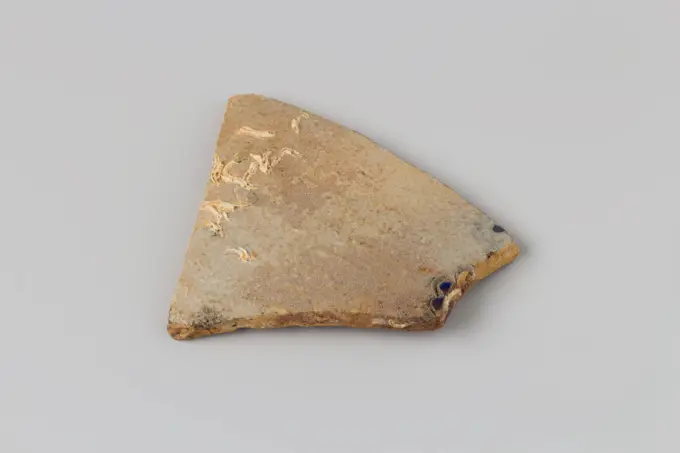
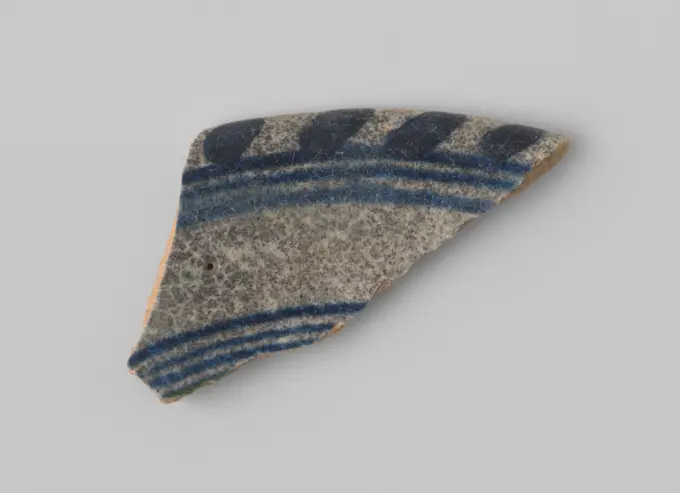
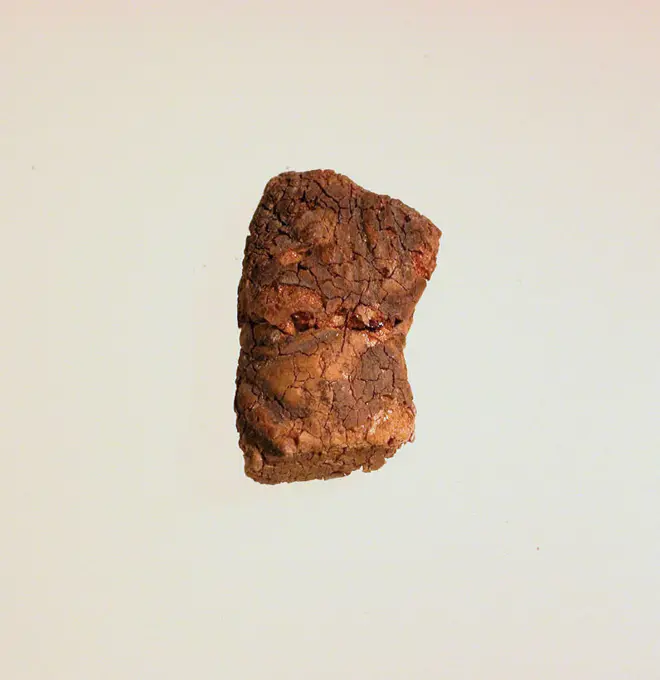
Scherf of a pot from the wreck of the East Indians Hollandia, Anonymous, 1700 - in Or Before 1743 pot Stoneware, Rhenish, Westerwald, pot; of body, sim. NG 1980-27H2624r. Westerwald stoneware   Second
Scherf of a pot from the wreck of the East Indians Hollandia, Anonymous, 1700 - in Or Before 1743 pot Stoneware, Rhenish, Westerwald, pot; of body, sim. NG 1980-27H2624r. Westerwald stoneware Second
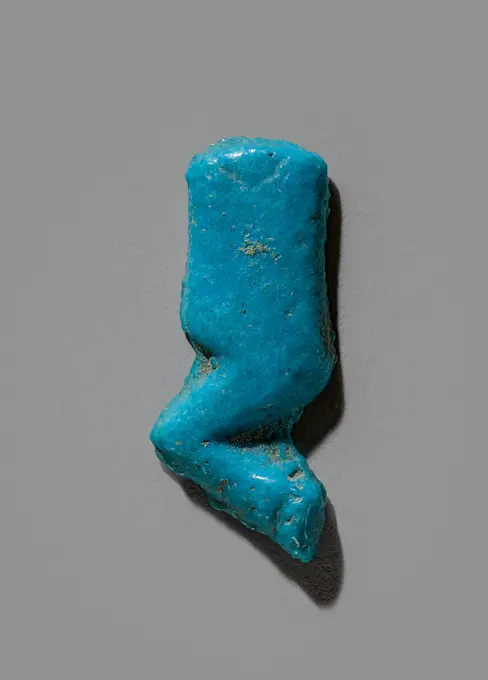
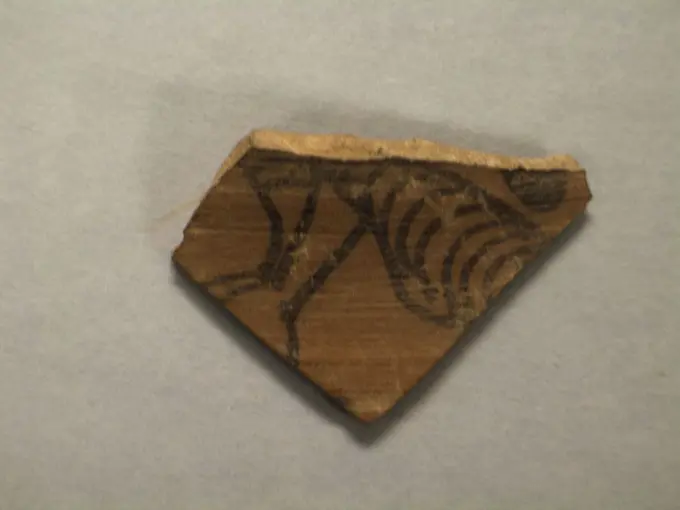
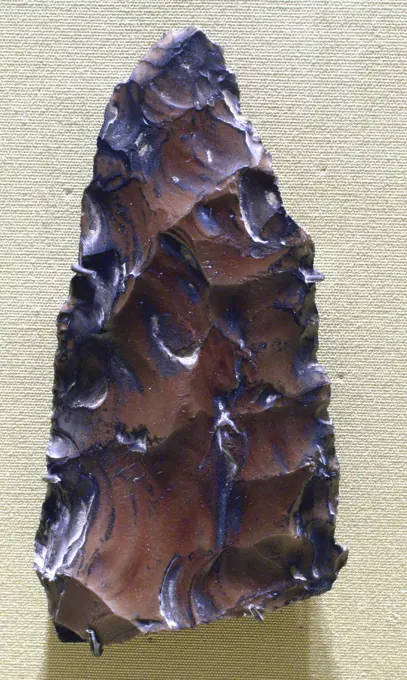
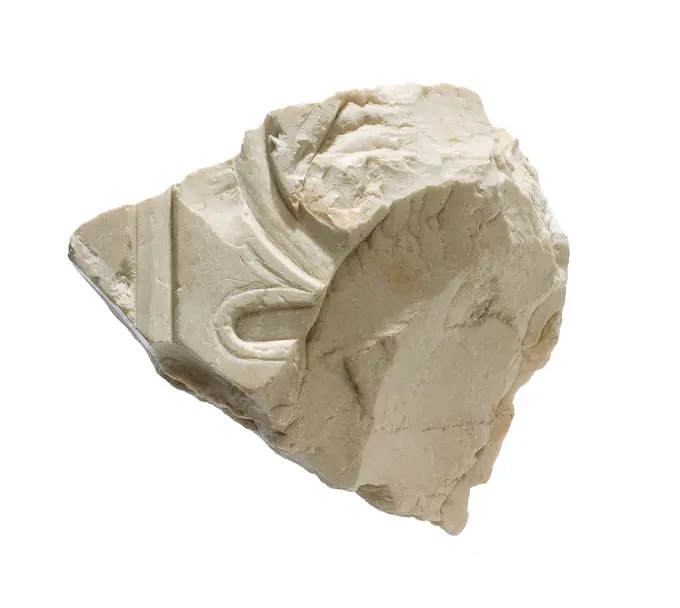
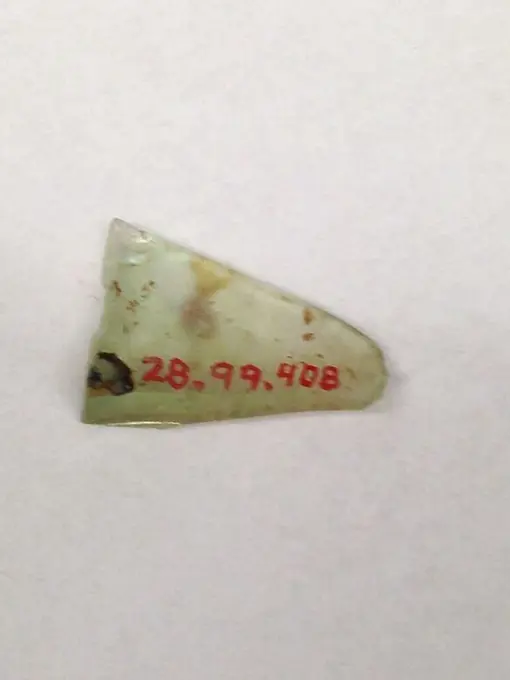
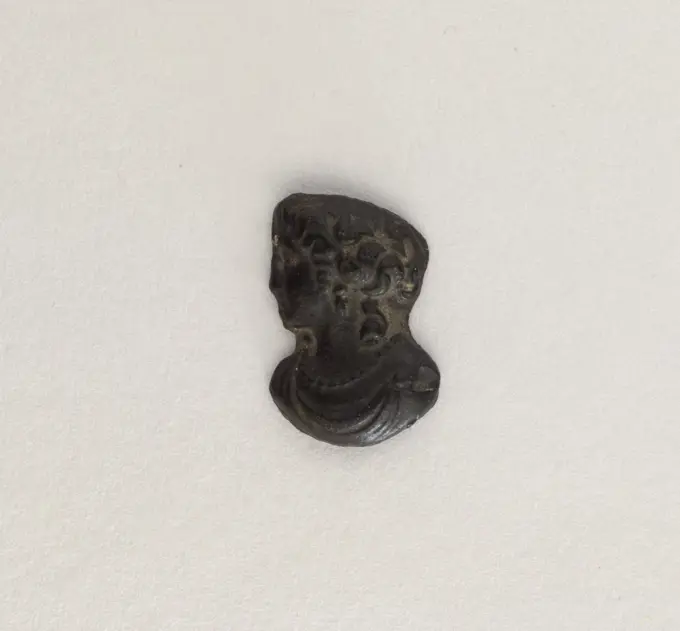
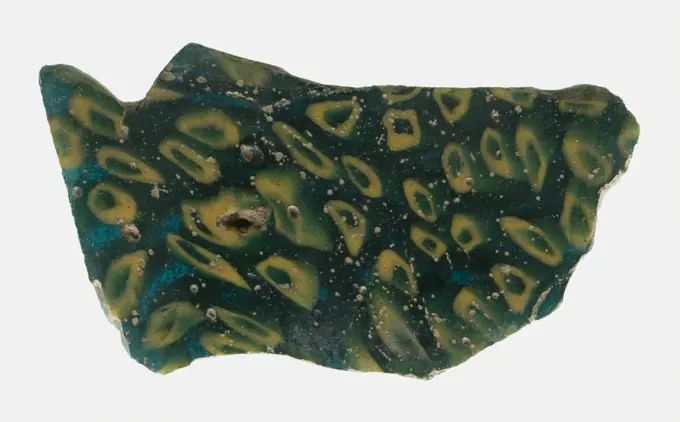
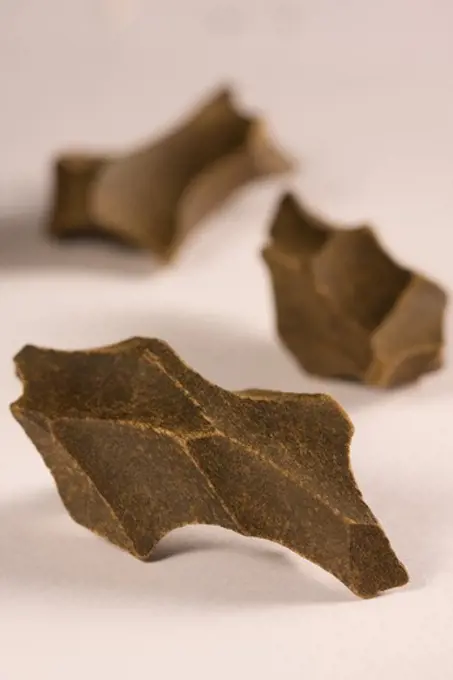
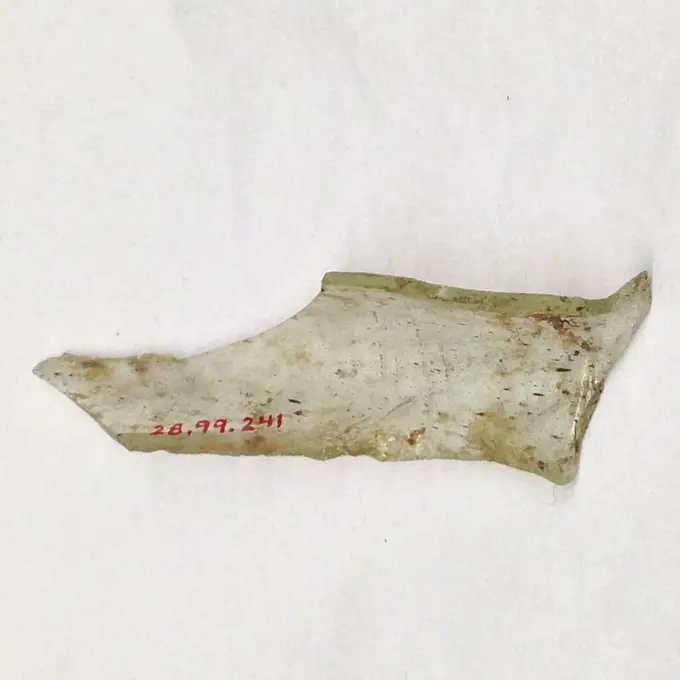
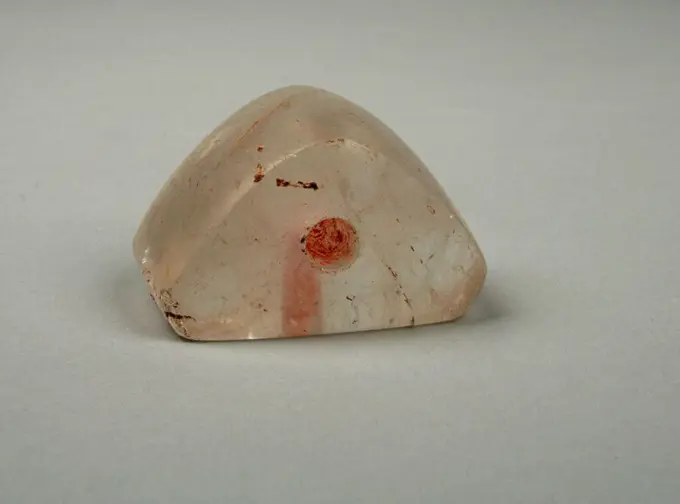
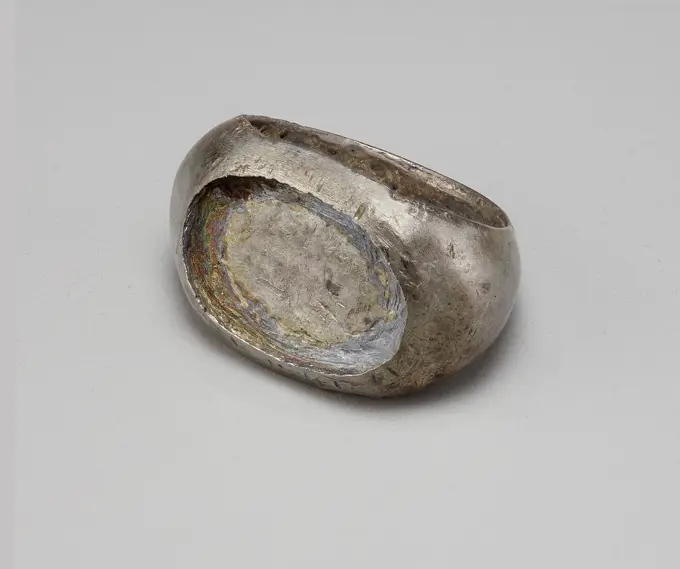
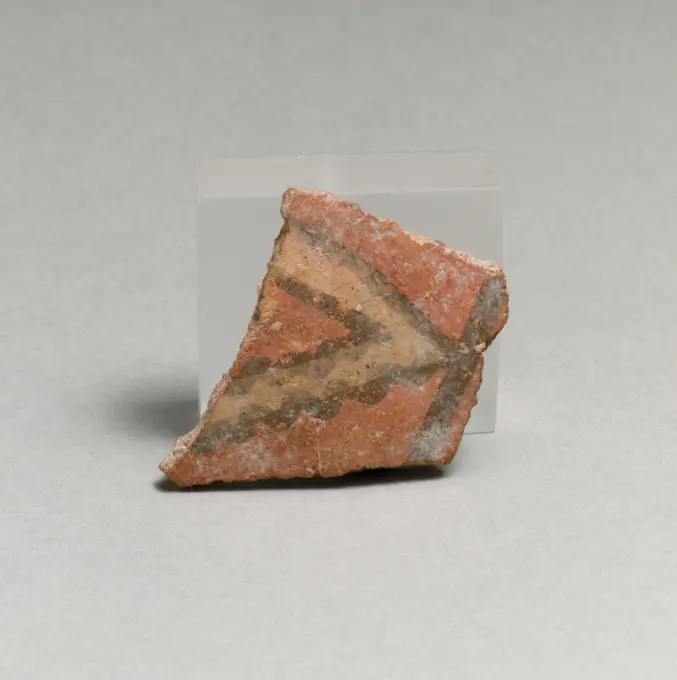
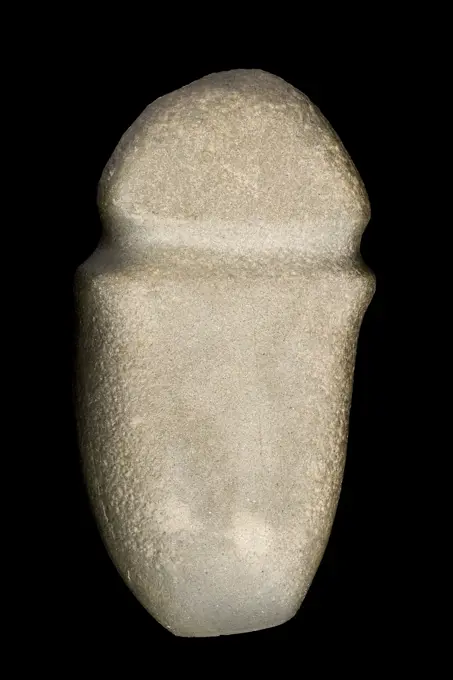
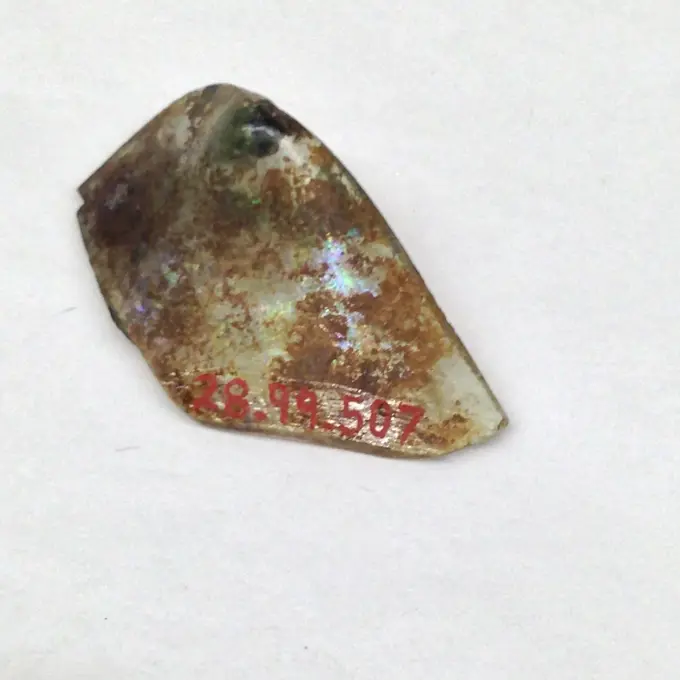
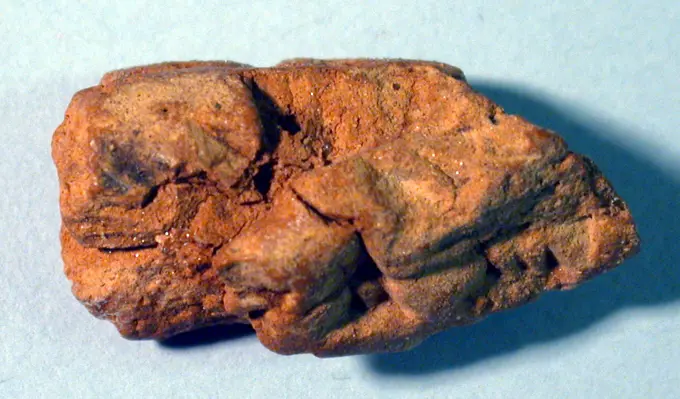
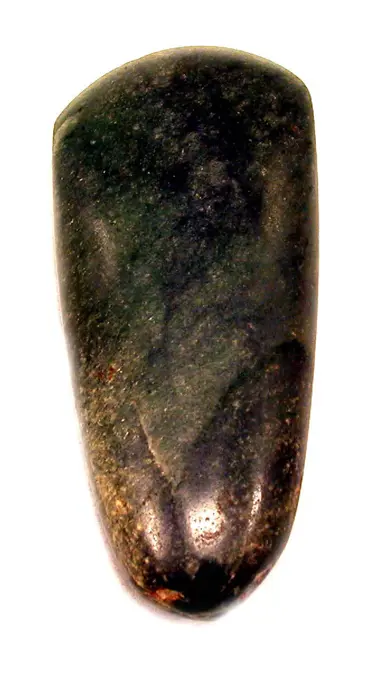
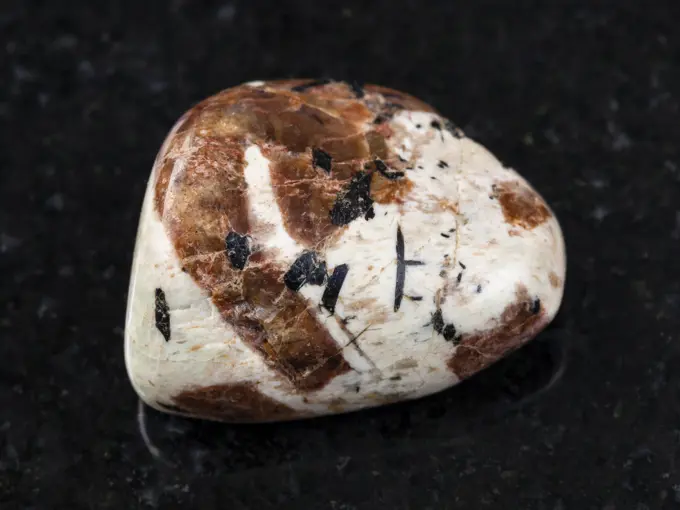
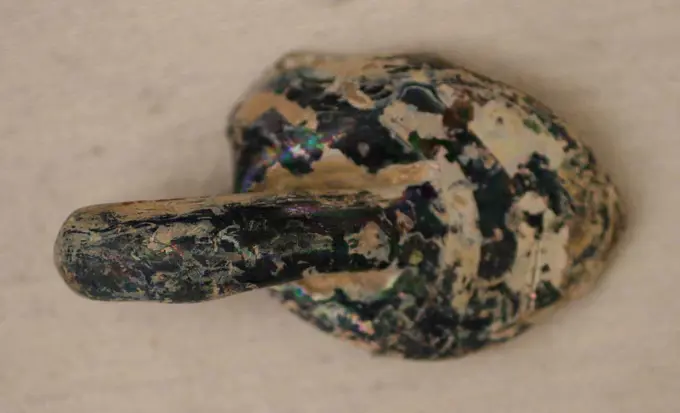
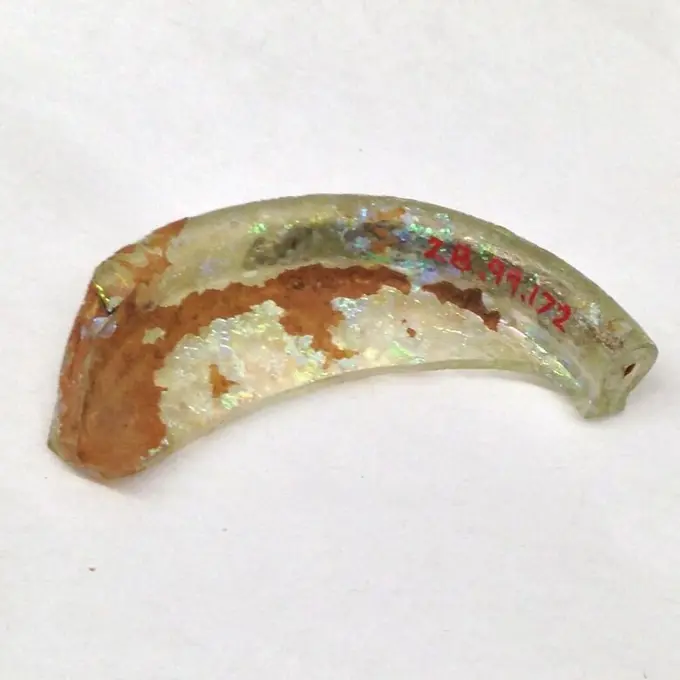
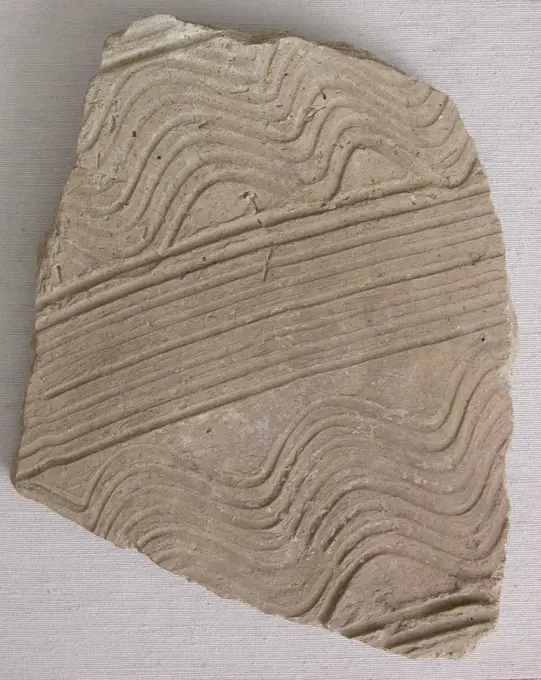
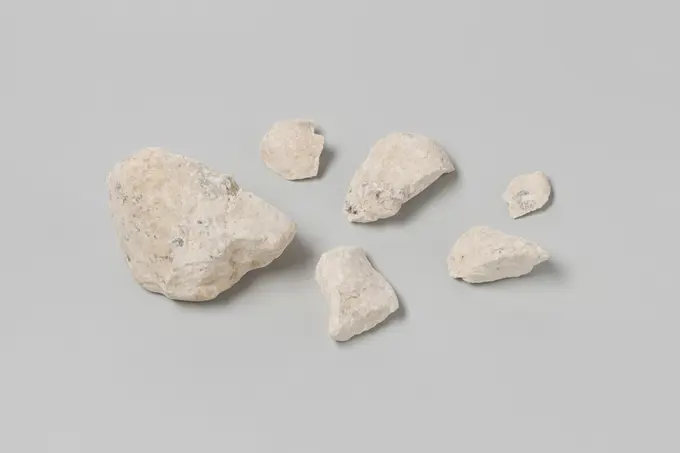
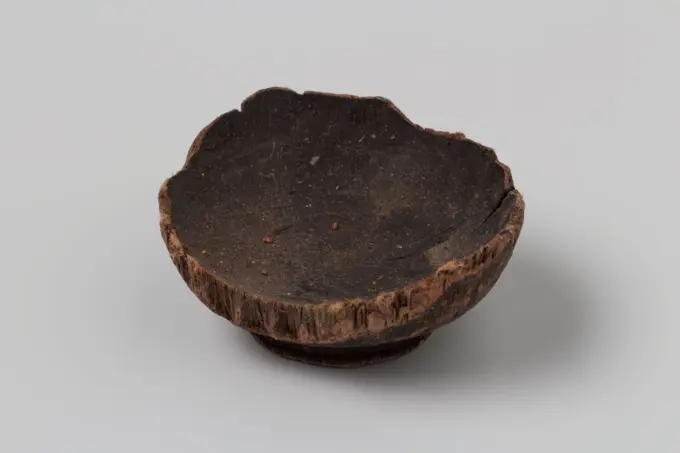
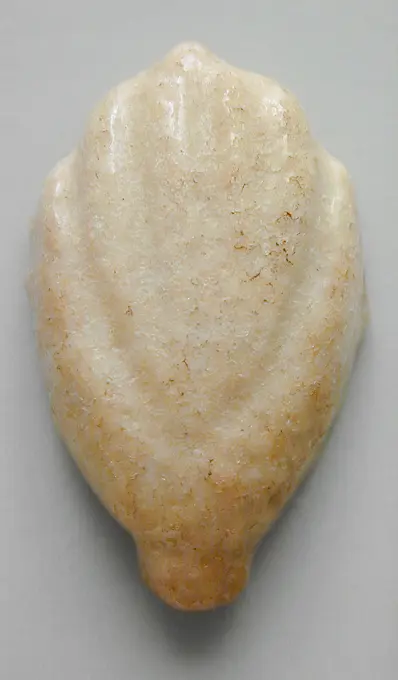
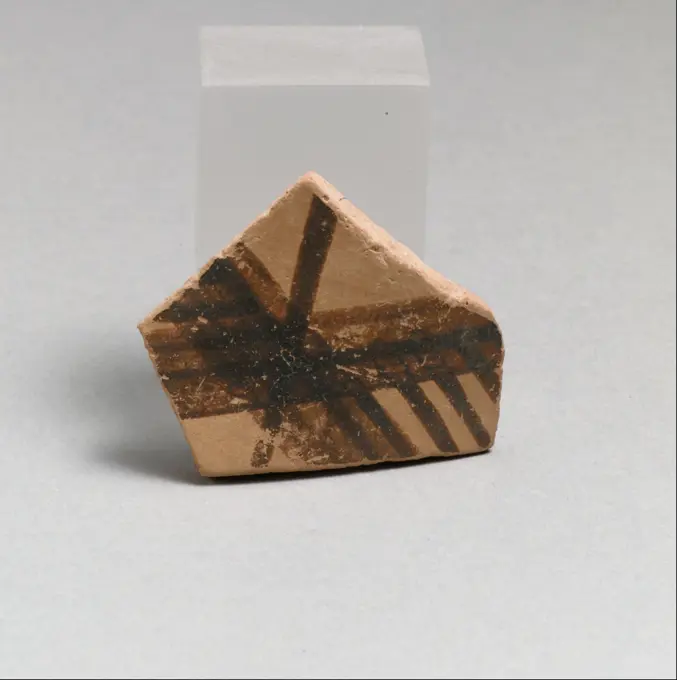
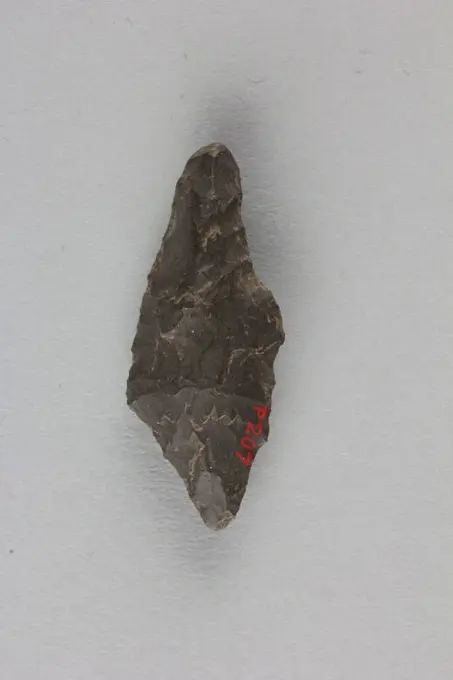
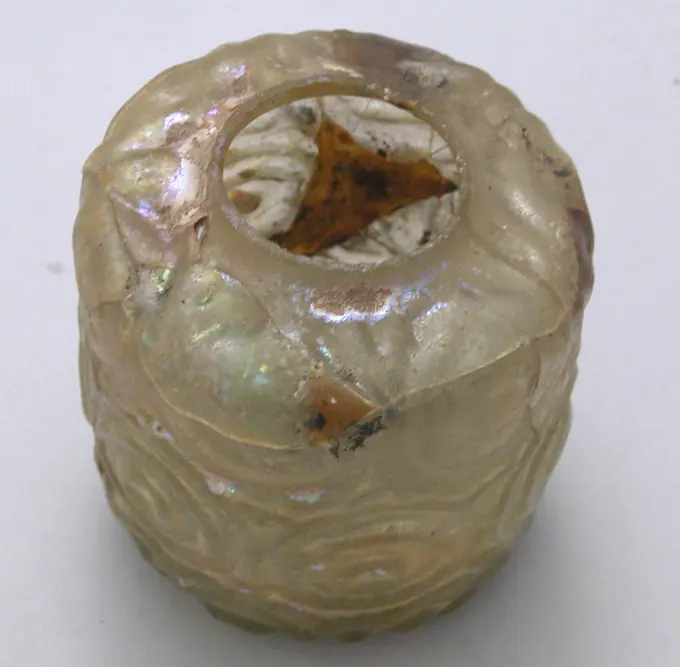
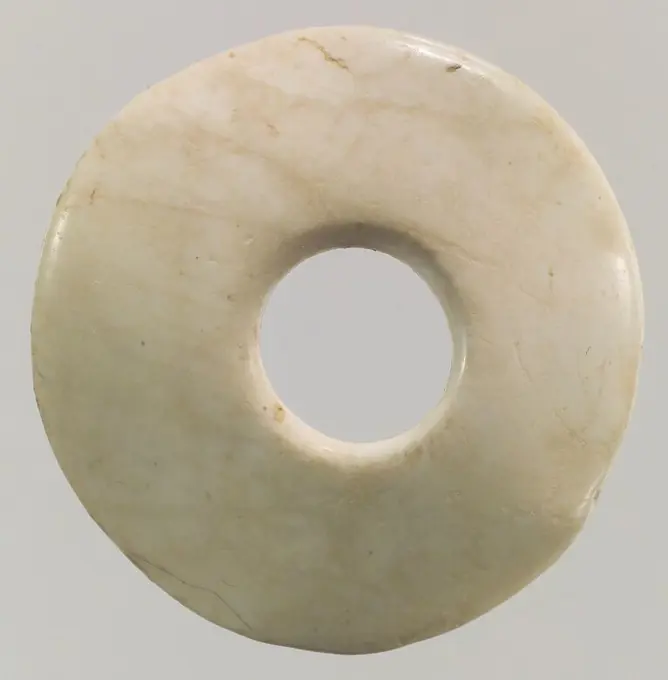
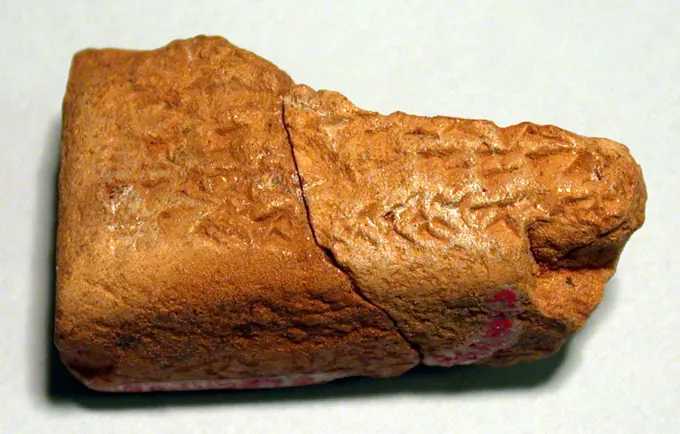
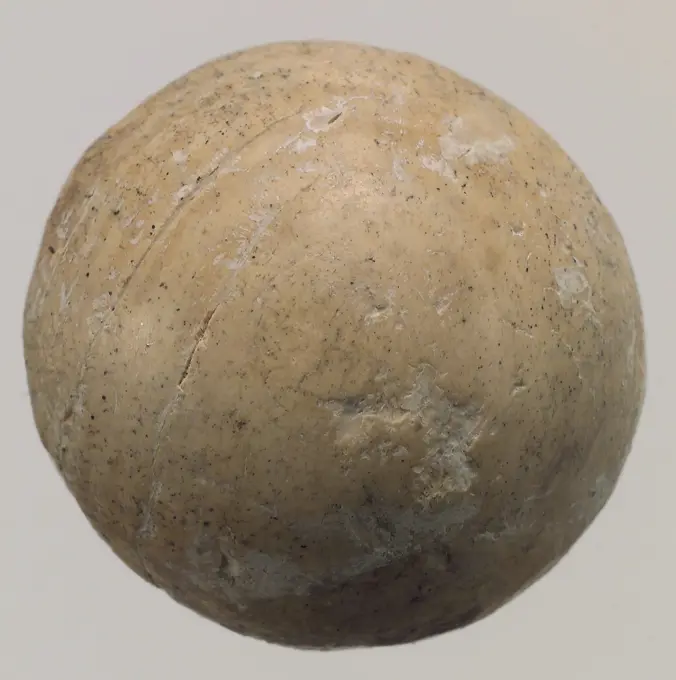
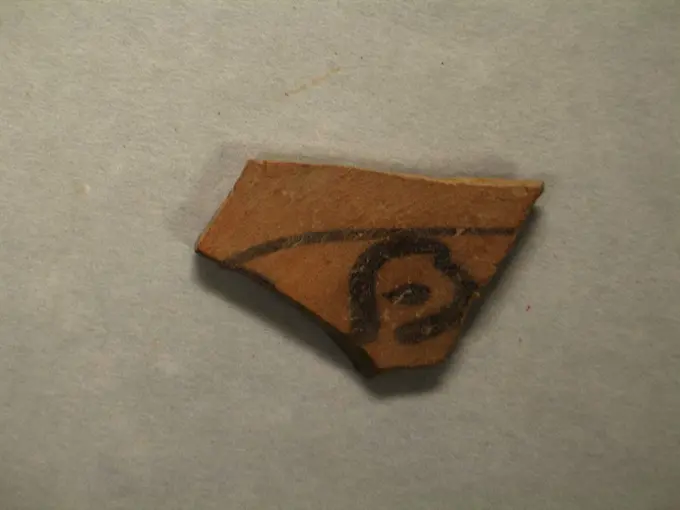
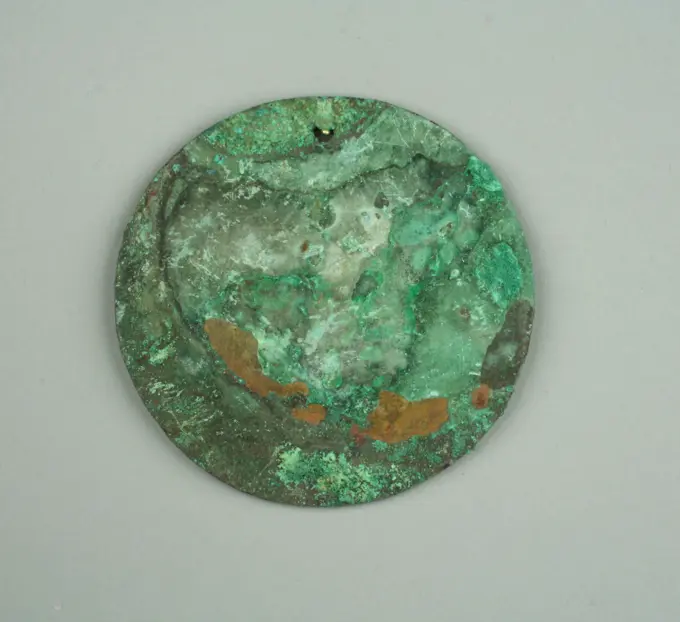
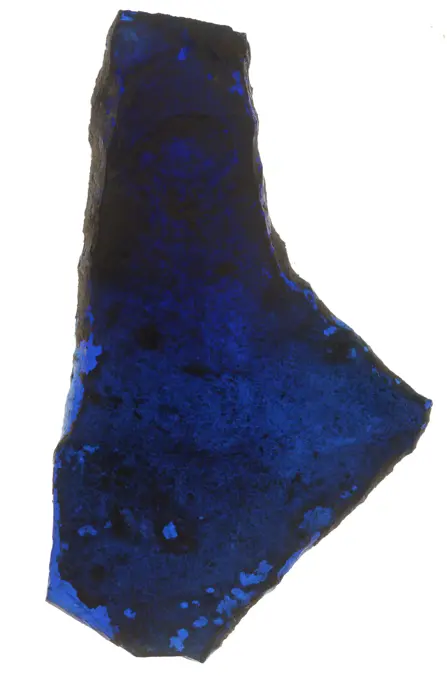
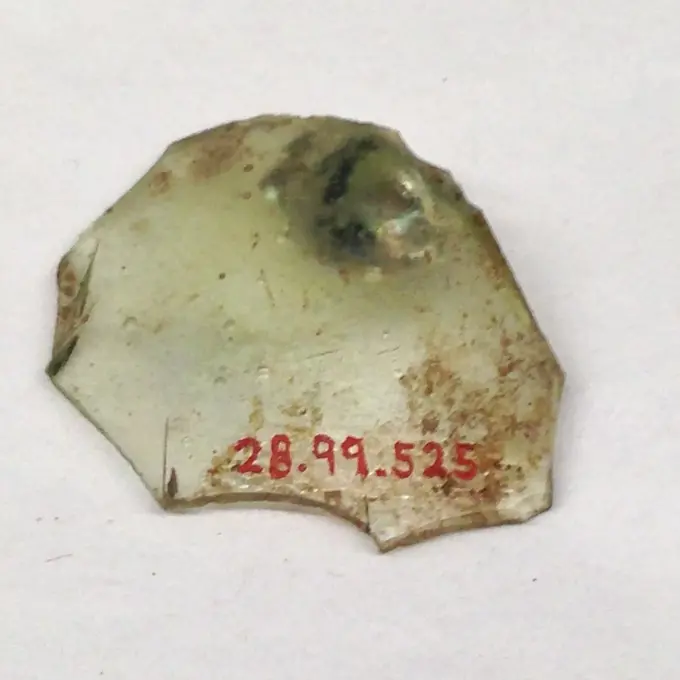
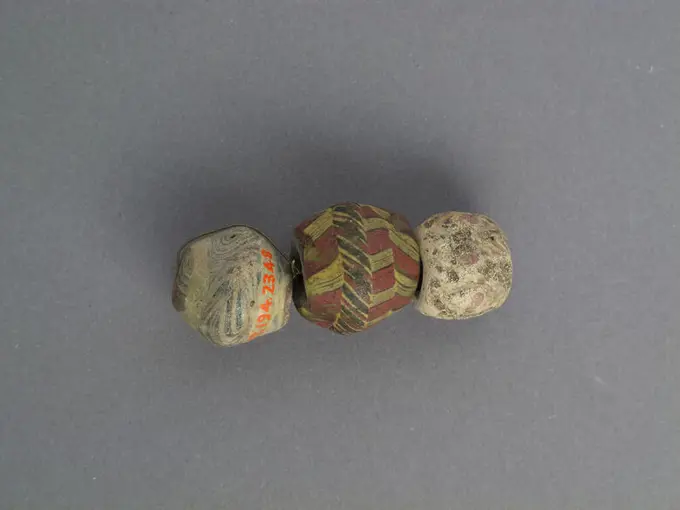
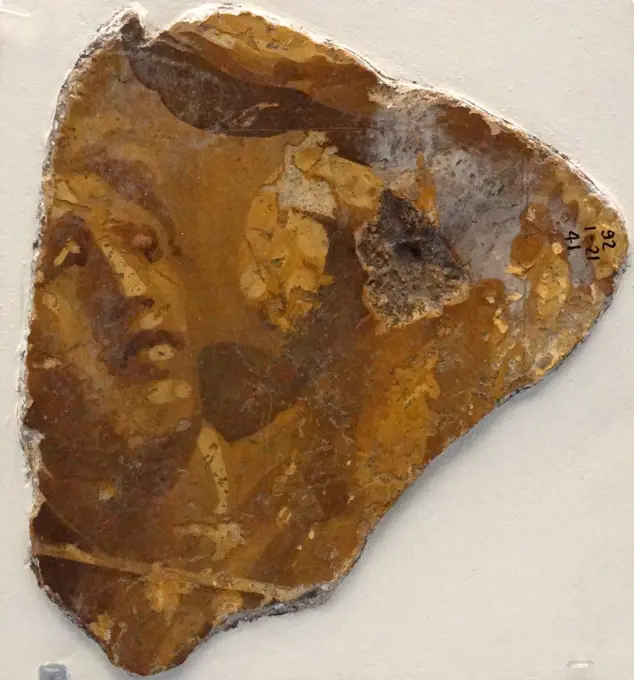
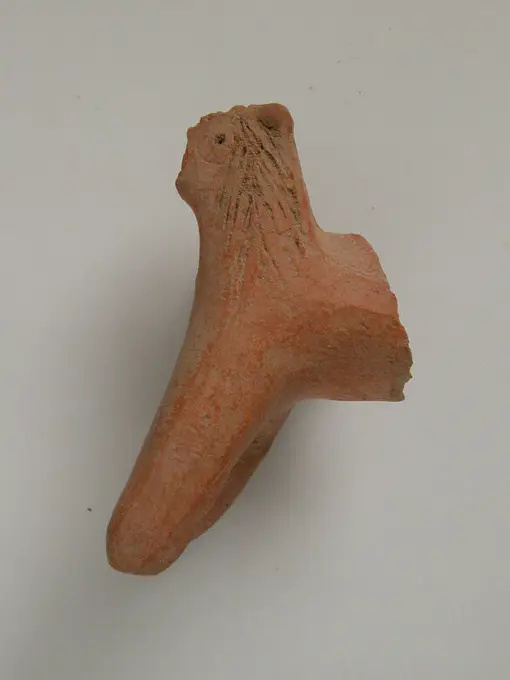
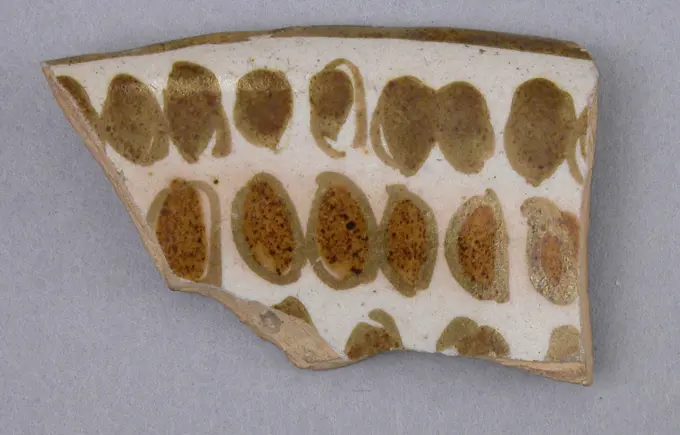
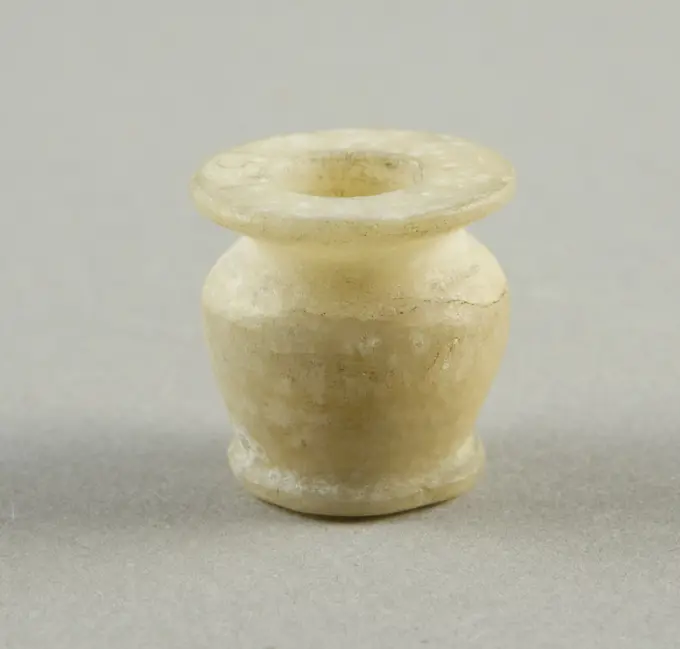
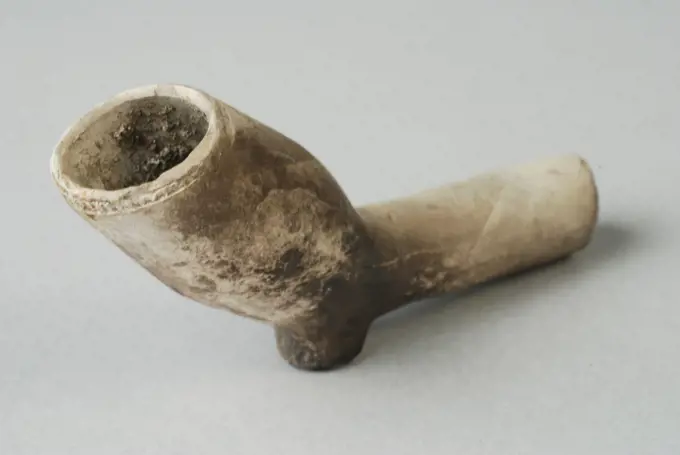
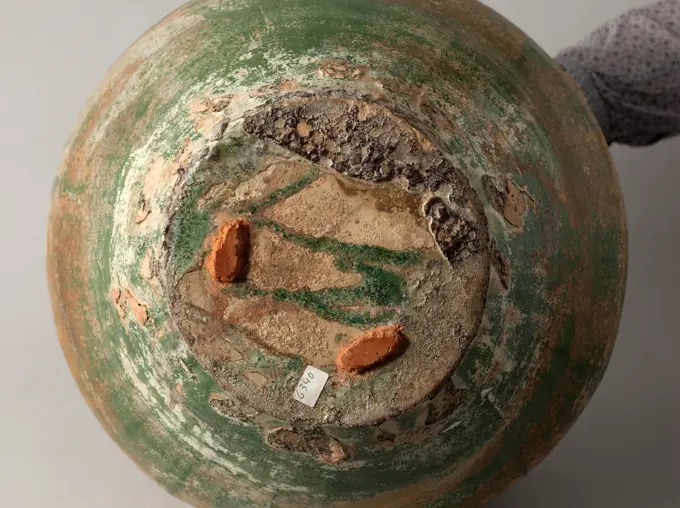
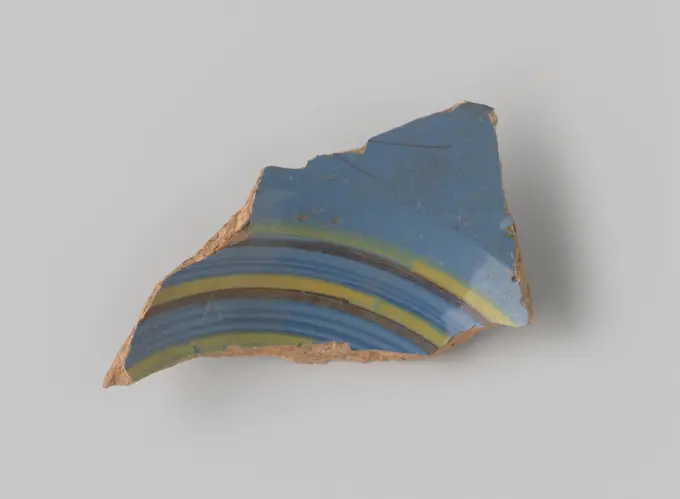
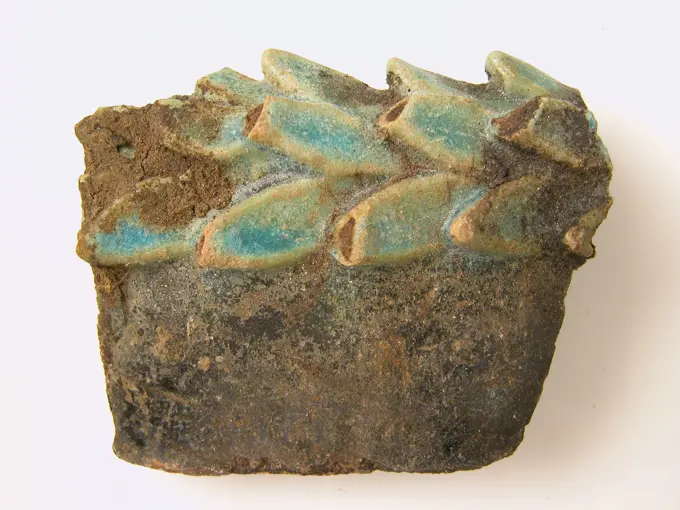
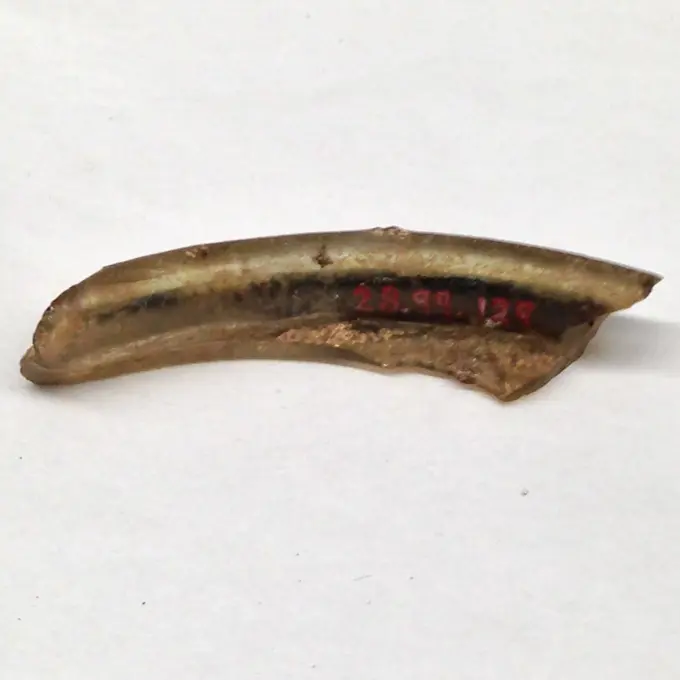
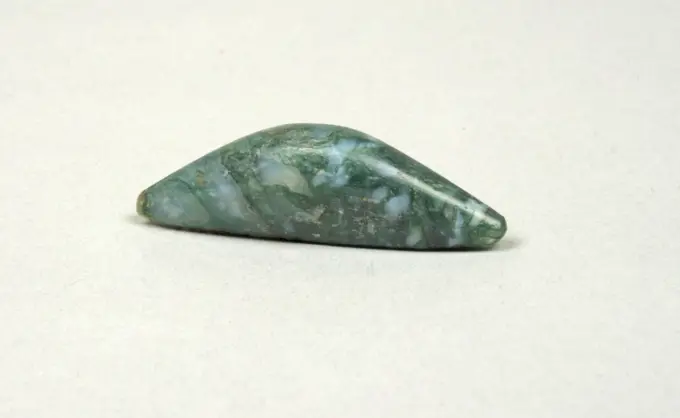
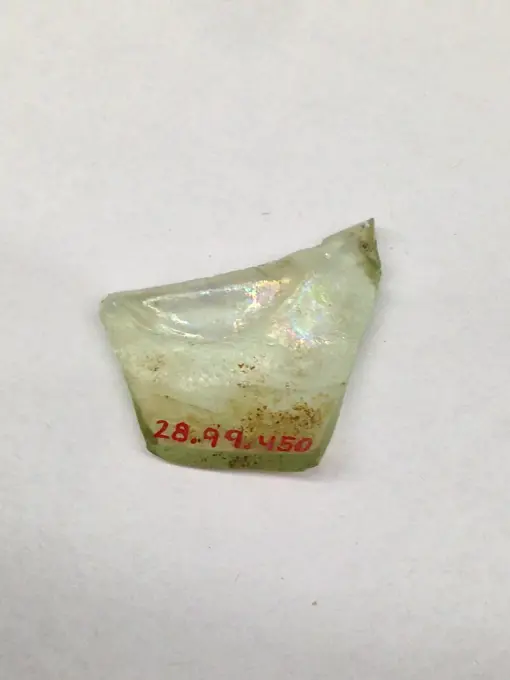
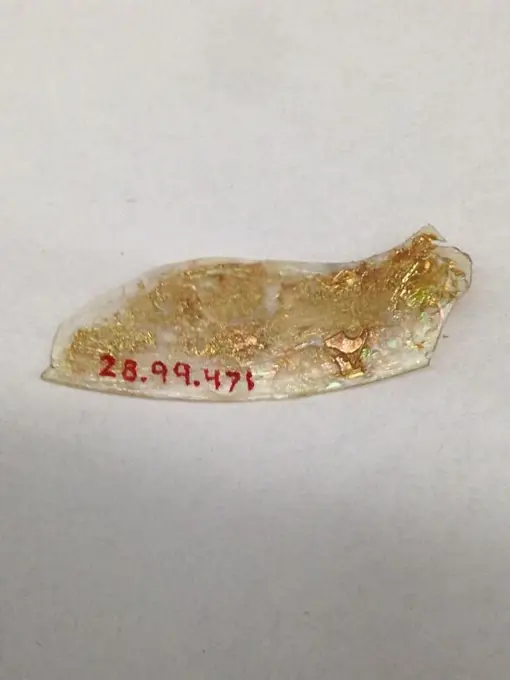
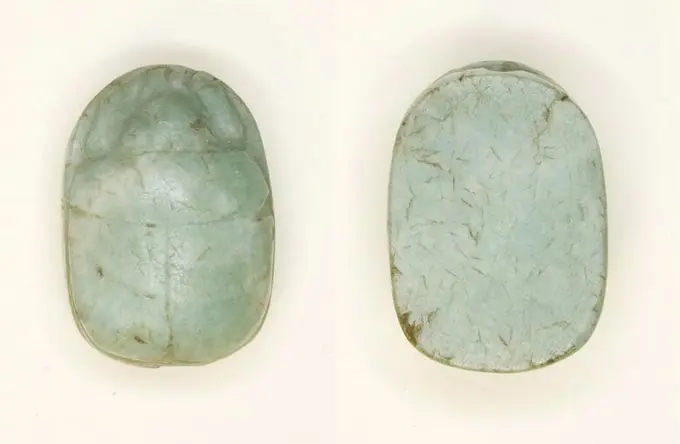
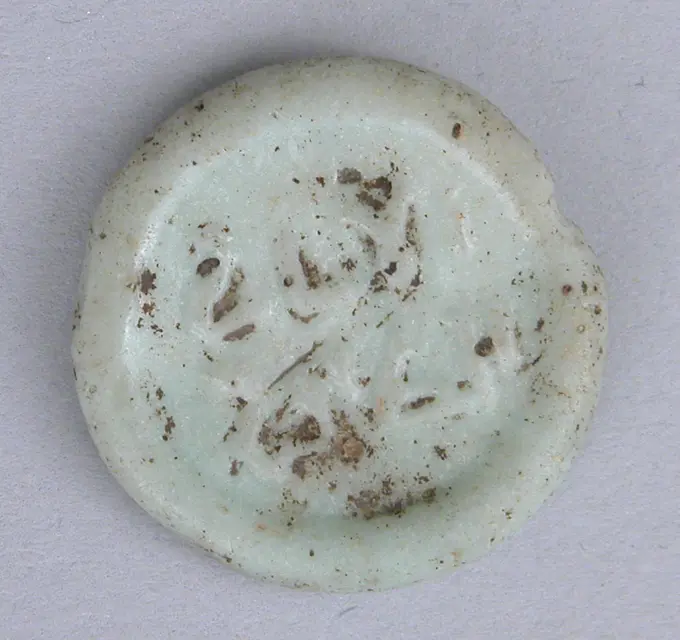
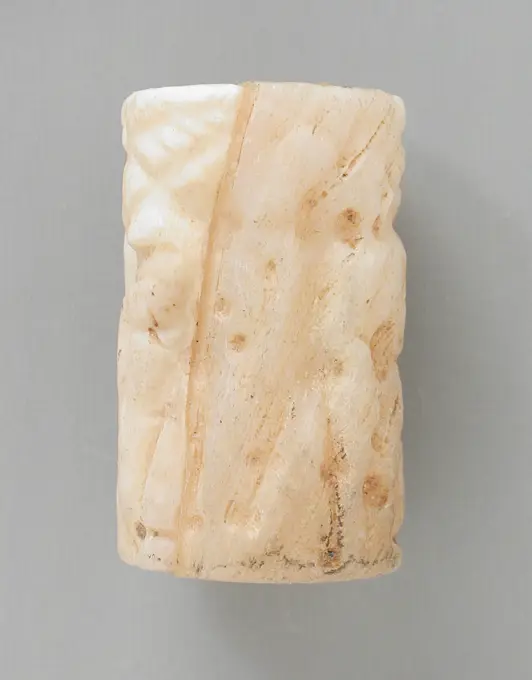
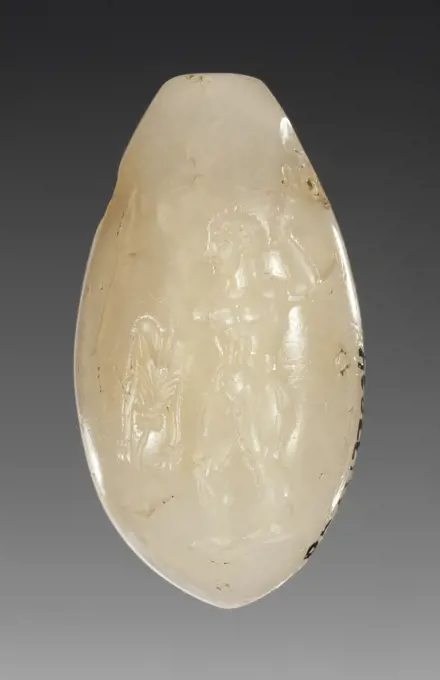
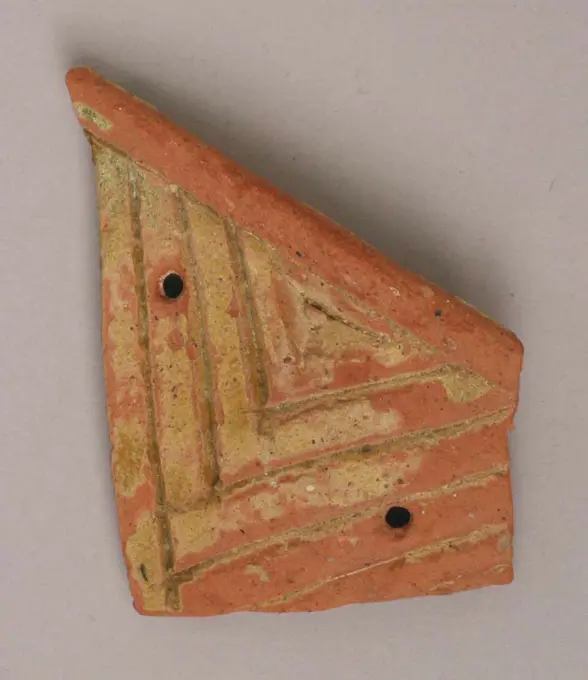
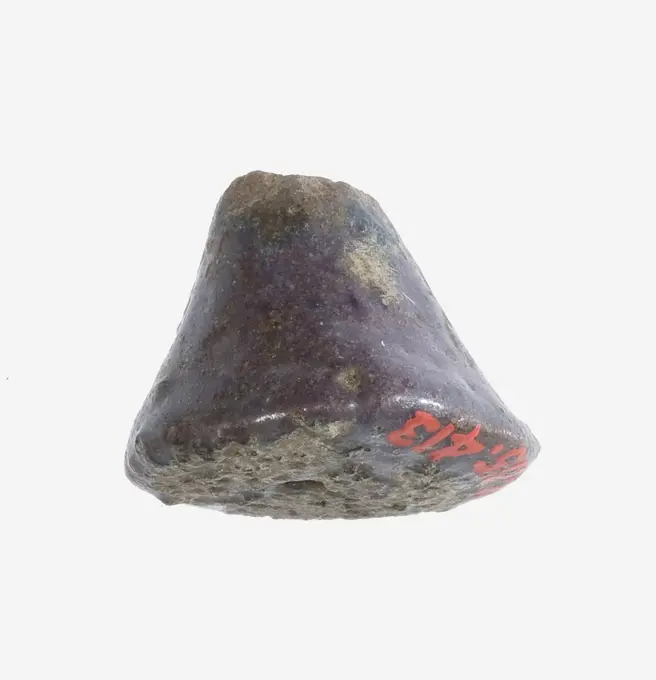
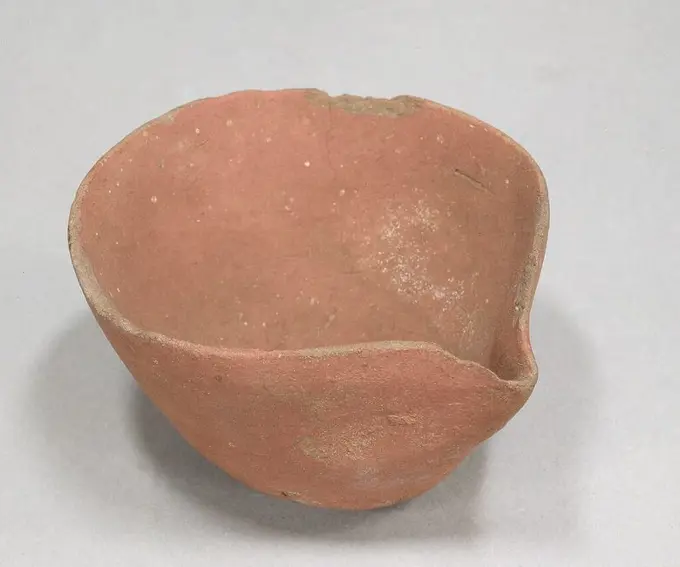
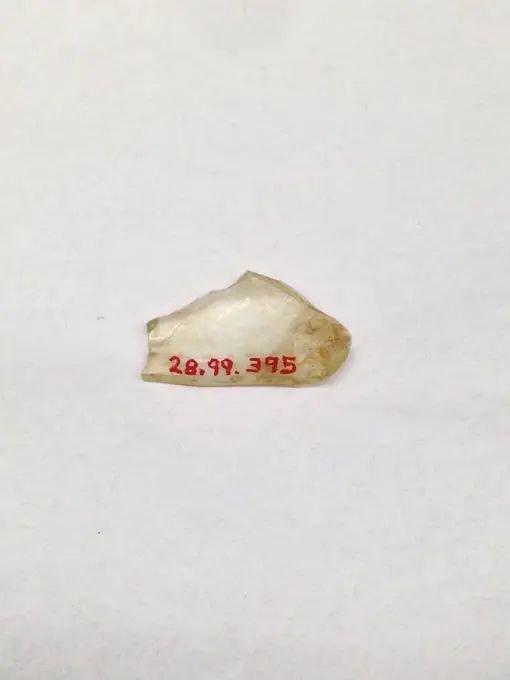
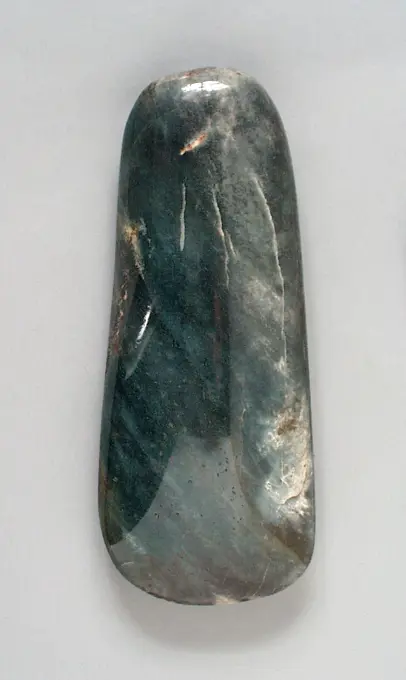
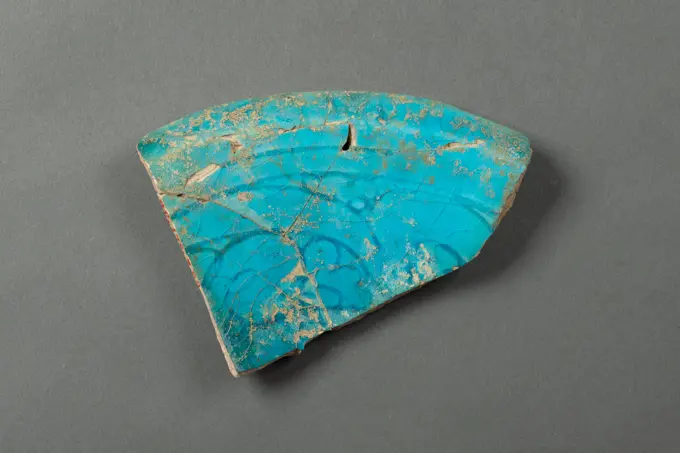
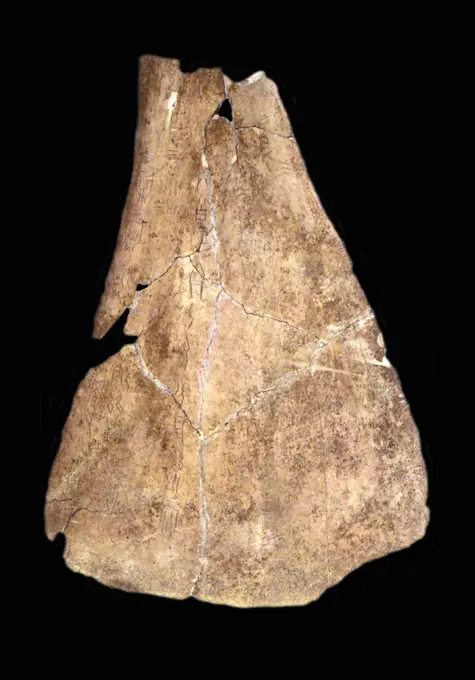
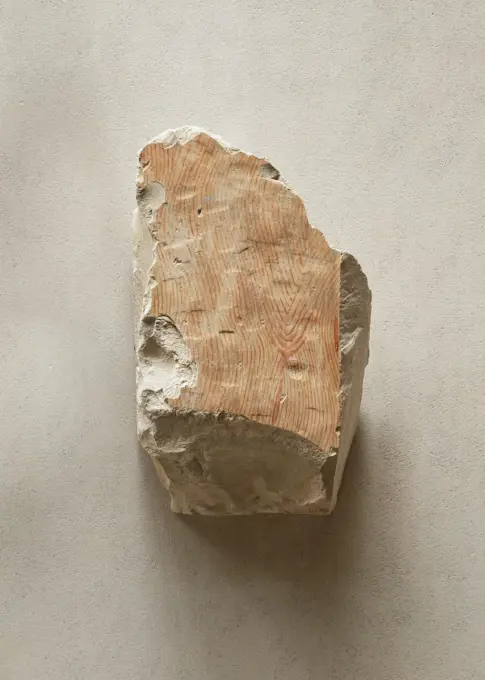
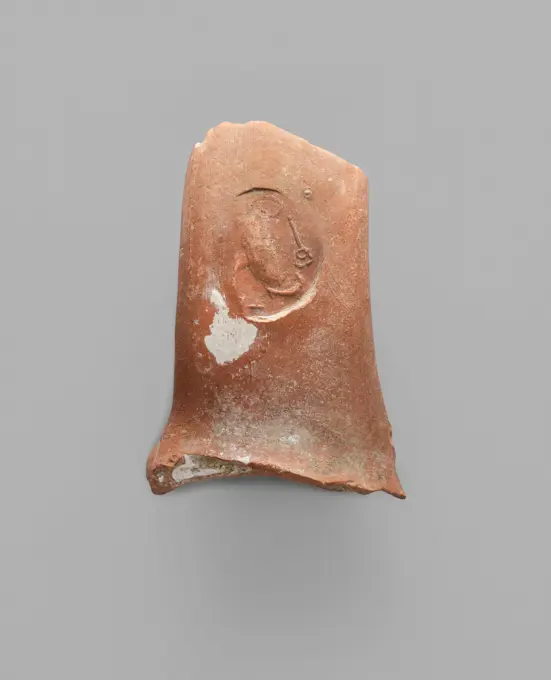
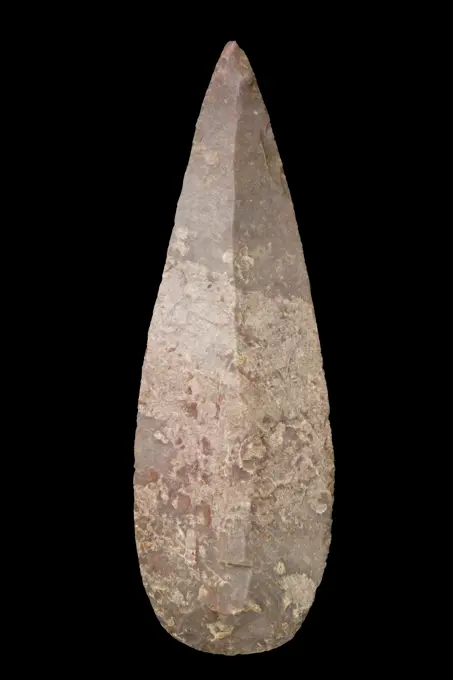
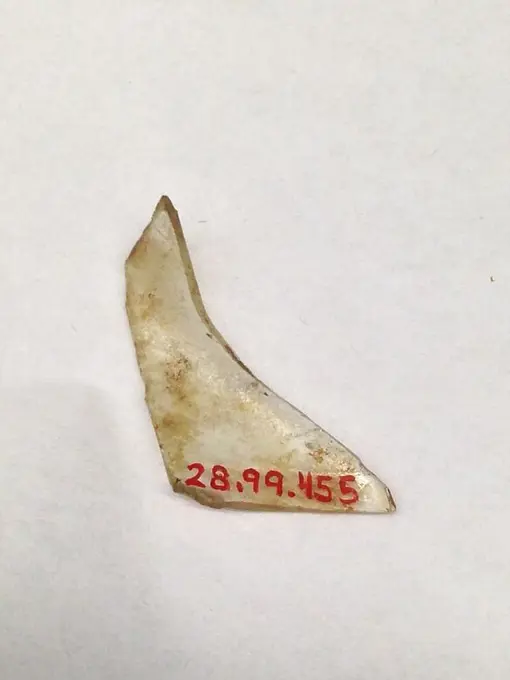
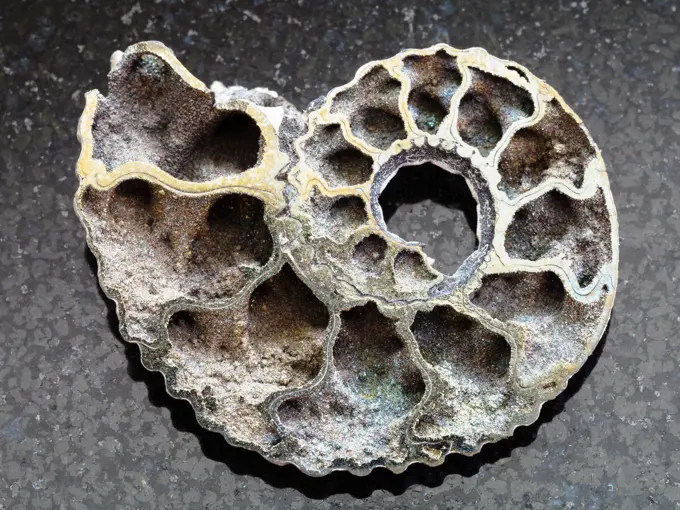
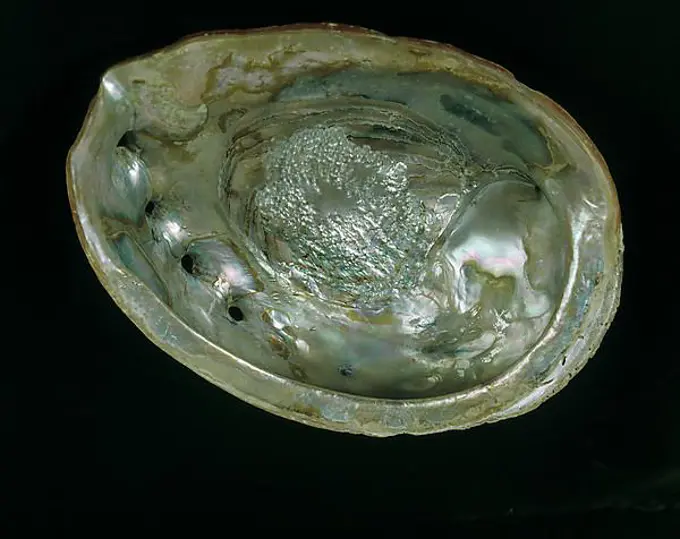
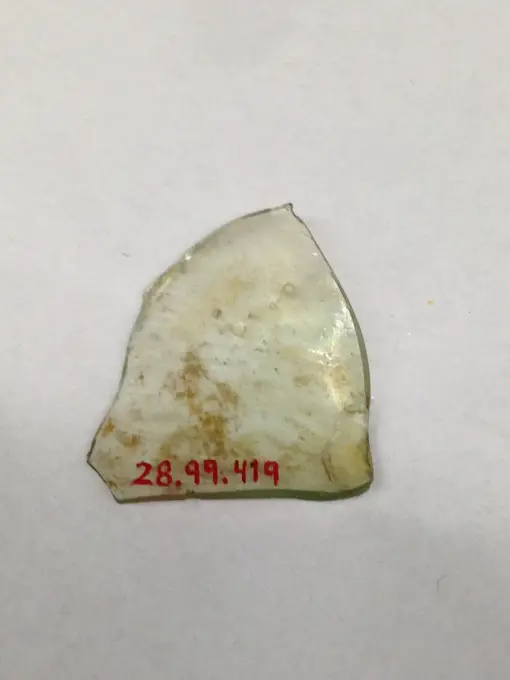
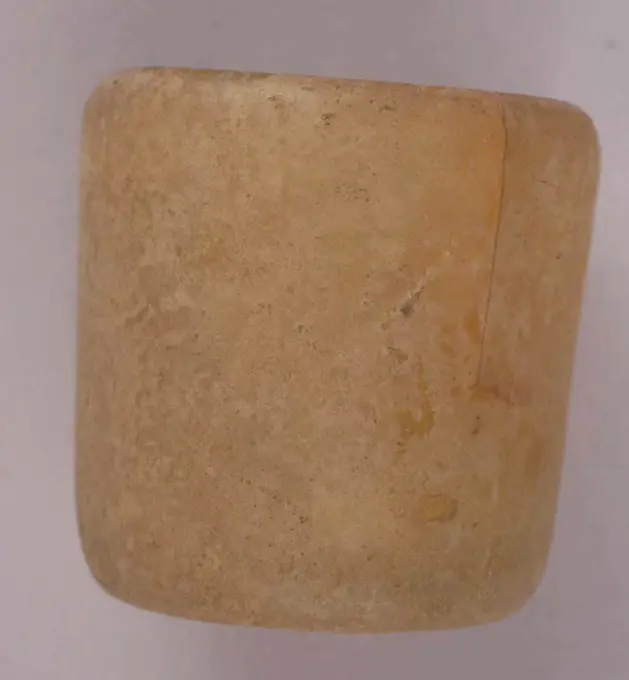
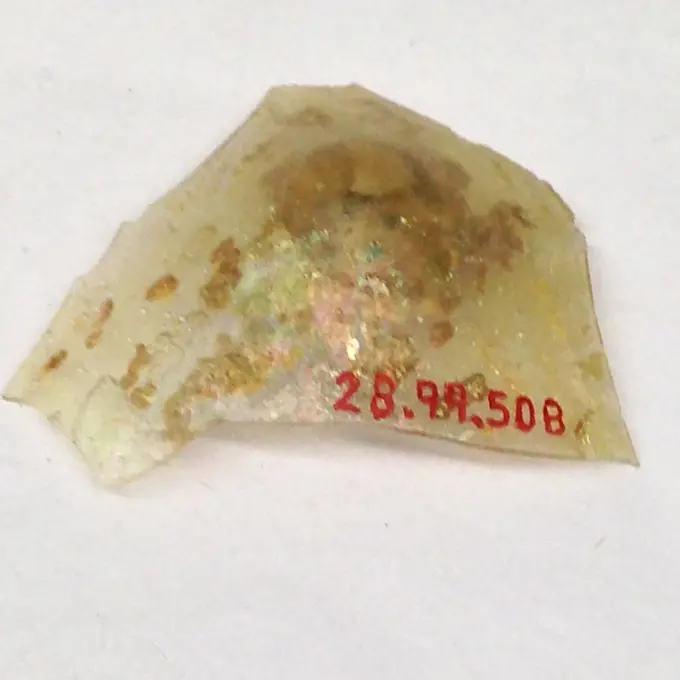
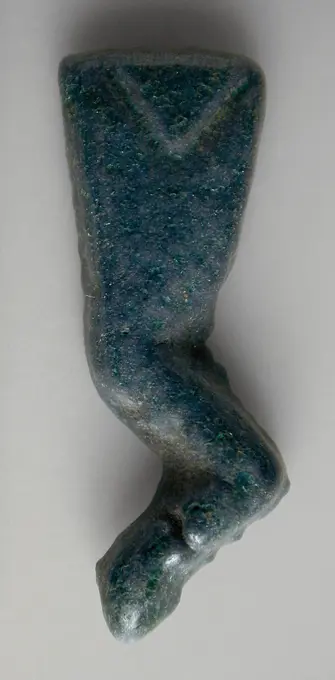
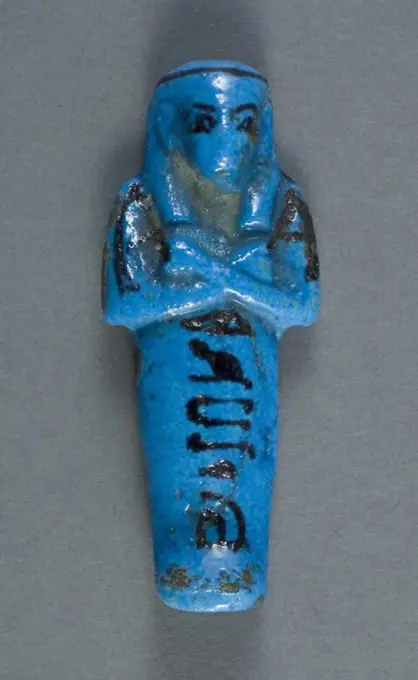
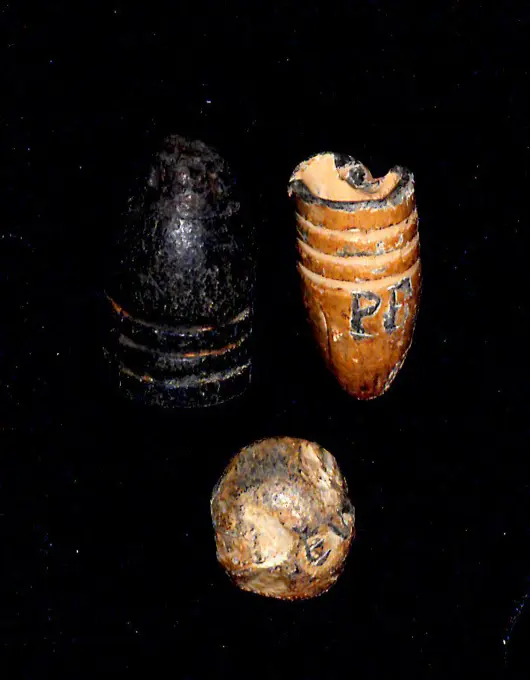
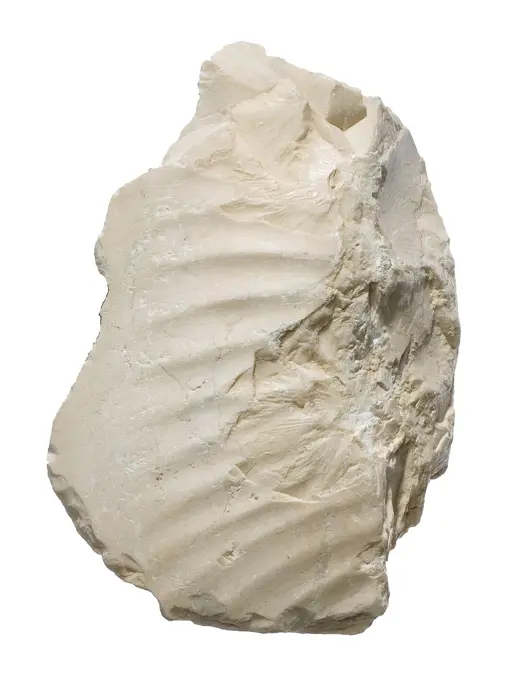
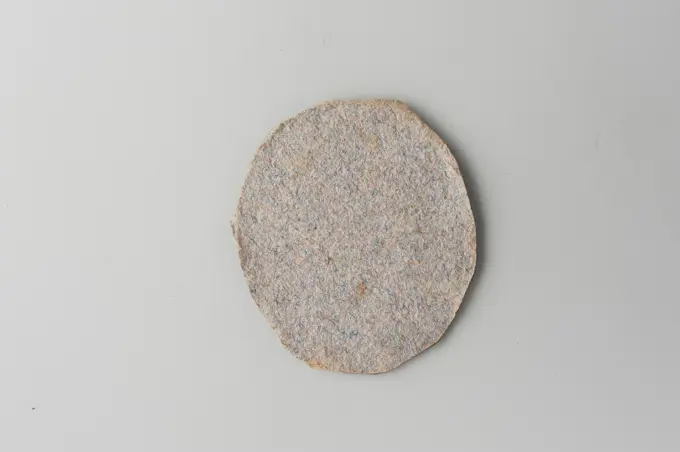
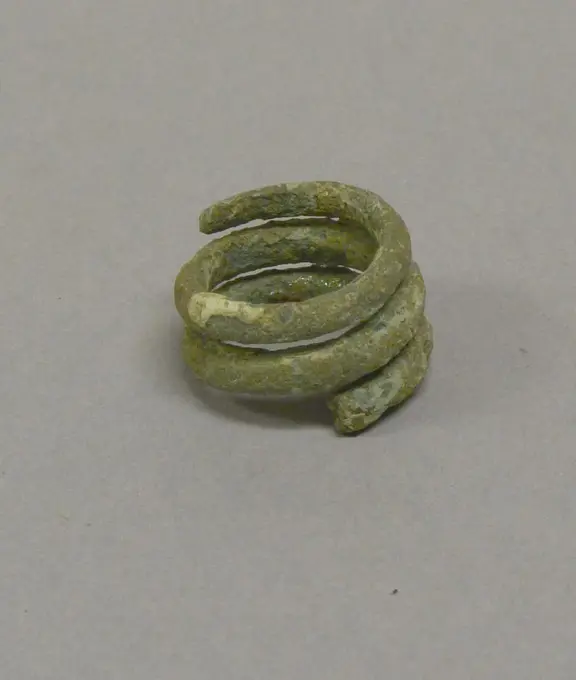
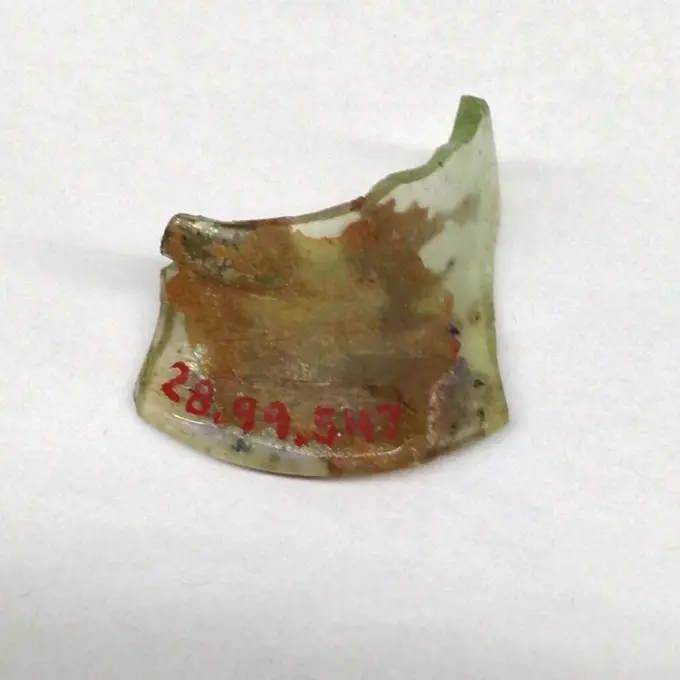
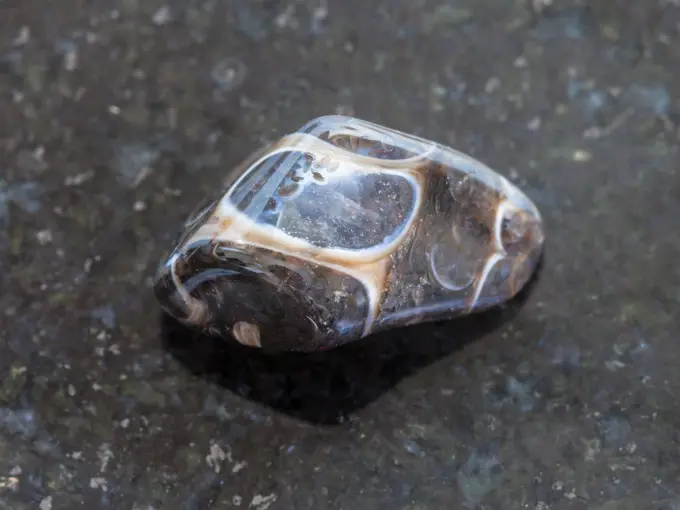
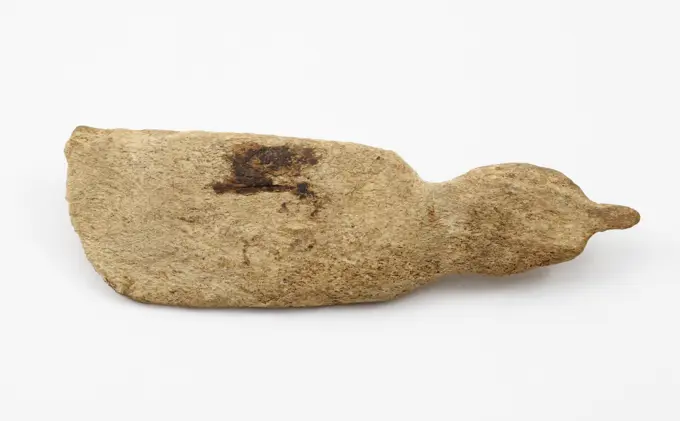
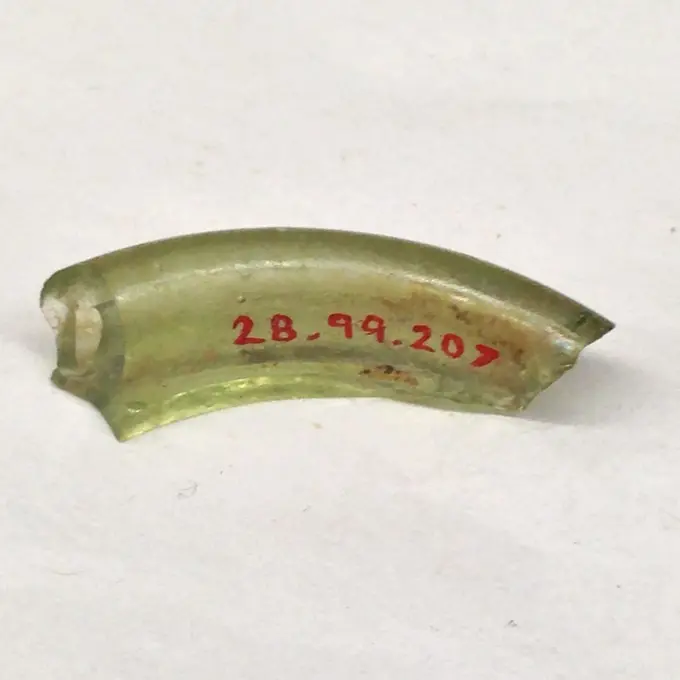
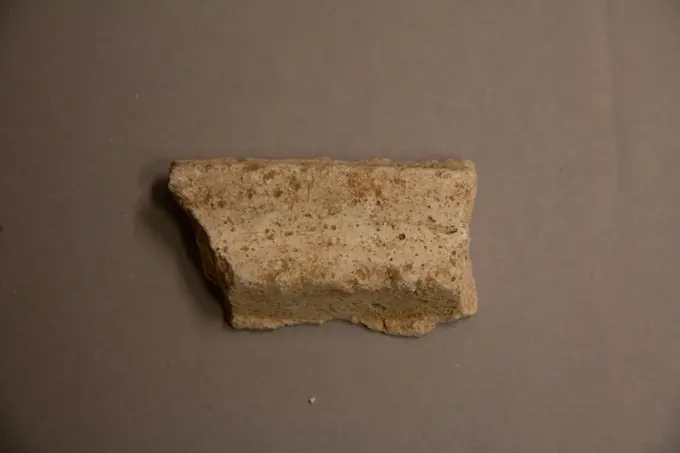
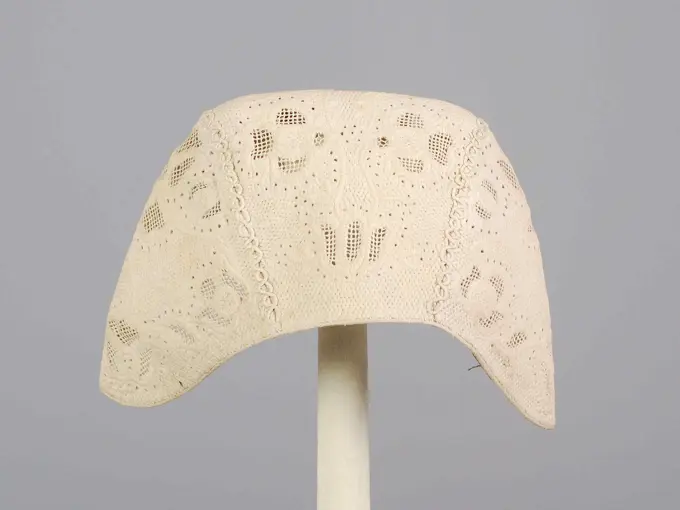
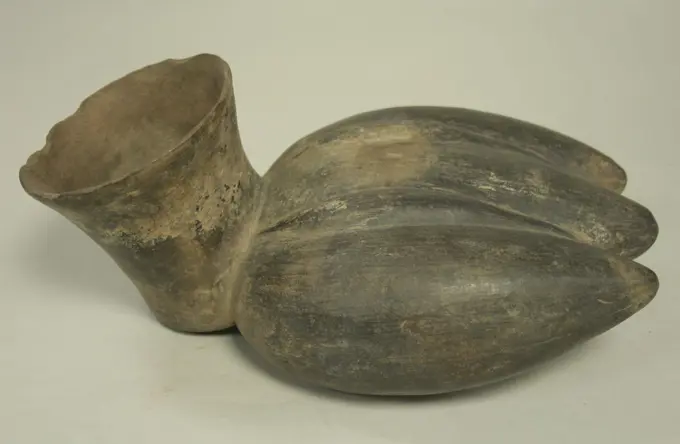
Vessel in the Form of Three Plantains 12th-15th century Chimú. Vessel in the Form of Three Plantains 310484Food Model Amulet: Haunch of Beef, 1295-1069 BC. Egypt, New Kingdom, Dynasties 19-20. Turquoise faience; overall: 4 cm (1 9/16 in.).Shard: Face of Offerer ca. 4th-5th century Pakistan. Shard: Face of Offerer 51277Left Hand PendantFragment. Culture: European or Middle Eastern. Dimensions: L. 1 3/8 in. (3.5 cm). Date: ca. 1150-ca. 1250. Museum: Metropolitan Museum of Art, New York, USA.Biface, commonly referred to as a hand ax ca. 35,000-5000 B.C. Upper Paleolithic Period. Biface, commonly referred to as a hand ax 552159Inscribed Element, possibly back pillar with Aten cartouche ca. 1353-1336 B.C. New Kingdom, Amarna Period. Inscribed Element, possibly back pillar with Aten cartouche 549627Fragment. Culture: European or Middle Eastern. Dimensions: L. 1 1/8 in. (2.9 cm). Date: ca. 1150-ca. 1250. Museum: Metropolitan Museum of Art, New York, USA.Glass portrait bust of a woman 1st-4th century A.D. Roman Translucent dark blue, appearing almost black.Appliqué shaped as a portrait bust in relief; flat back.Bust of a woman in profile to left; hair in fringe across forehead, and in wavy strands drawn to back of head, with one lock falling over nape of neck; arched brow, prominent cheek, and small mouth; pendant earring; beaded necklace around neck above folds of garment falling from shoulders; brooch fastener on proper left shoulder.Complete, except for tiny chip on edge of back; dulling and faint weathering.. Glass portrait bust of a woman. Roman. 1st-4th century A.D.. Glass; molded. ImperialFragment of a Revetment 100 BCE-100 CE Roman Empire. In ancient Rome, there was a high demand for colorful glass that could dazzle banquet guests alongside the expensive silver and gold serving wares meant to impress. Fragments like this one would have once been a part of larger mosaic dishes. The mosaic pattern was made by sagging molten glass into bowl-shaped molds, a technique used on many of these fragments is similar to millefiori, ìthousand flowersî in Italian, a modern glass-making method in which tiny rods of colored glass are bundled together, wrapped in a sheet of glass, fused, and then thinly sliced to reveal swirls of a flower-like patterns. They were arranged side by side, sometimes together with bits of colored glass, and fused together with heat.. Glass, mosaic glass technique . Ancient RomanFragment ca. 1150-ca. 1250 European or Middle Eastern. Fragment 694181IncenseBead 8th-13th century. Bead 855920Fragment. Culture: European or Middle Eastern. Dimensions: L. 3 3/8 in. (8.6 cm). Date: ca. 1150-ca. 1250. Museum: Metropolitan Museum of Art, New York, USA.Ritual Stone (pulidor). Culture: Olmec. Dimensions: H. 7/8 in. (2.2 cm). Date: 12th-8th century B.C..Small, rounded hard stones such as this example were mounted to a wooden handle and used to polish stone sculptures in ancient Mesoamerica. Museum: Metropolitan Museum of Art, New York, USA.Red car near on a rock on a white backgroundRingTerracotta vessel fragment ca. 4000-3000 B.C. Greek Neolithic From Gonia in the Peloponnese. Terracotta vessel fragment 253274 Greek Neolithic, Terracotta vessel fragment, ca. 40003000 B.C., Terracotta, Other: 1 1/8in. (2.9cm). The Metropolitan Museum of Art, New York. Anonymous Gift, 1930 (30.119.69)Basalt Throat Axe. Neolithic period. North Africa. 21.6cm.Fragment ca. 1150-ca. 1250 European or Middle Eastern. Fragment 696597Small stone axe 5th-3rd millennium B.C. Greek Neolithic Celt.. Small stone axe. Greek Neolithic. 5th-3rd millennium B.C.. Stone. Neolithic. Miscellaneous-StoneCuneiform tablet: fragment, Ebabbar archive ca. 7th-4th century B.C. Babylonian or Achaemenid. Cuneiform tablet: fragment, Ebabbar archive 322075Celt 10th-4th century B.C. Olmec. Celt 317294polished Spreustein with microcline stone on dark macro shooting of natural mineral rock specimen - polished Spreustein with microcline stone on dark granite background from Lovozero Massif, Kola peninsula, Russia Copyright: xZoonar.com/ValeryxVoennyyx 11392026Bead or Spindle Whorl 30 B.C.-A.D. 364. Bead or Spindle Whorl 444846Handle 9th century. Handle 447644Fragment. Culture: European or Middle Eastern. Dimensions: L. 2 1/4 in. (5.7 cm). Date: ca. 1150-ca. 1250. Museum: Metropolitan Museum of Art, New York, USA.Fragment 8th-9th century. Fragment 448853Shawabty of Ditamenpaankh, 715-656 BC. Egypt, Late Period, Dynasty 25. Terracotta; overall: 5.8 x 1.5 x 1.4 cm (2 5/16 x 9/16 x 9/16 in.).Fragments and grit from plaster from the wreck of the East Indiesman Hollandia. Parts or artifacts; eroded fragments: Materials; Plaster.Bakje or NAP from V.O.C. ship De 'Witte Leeuw', Before 1613  Wooden container or NAP with stand ring from V.O.C. ship the 'Witte Leeuw'.  wood (plant material)   Sint-HelenaPlaque. Egypt, Amarna, New Kingdom (circa 1569 - 1081 BCE). Sculpture. FaienceTerracotta vessel fragment ca. 4000-3000 B.C. Greek Neolithic From Hagiorgetika in the PeloponneseDark lines on light ground.. Terracotta vessel fragment 253285 Greek Neolithic, Terracotta vessel fragment, ca. 40003000 B.C., Terracotta, length 1 1/2 in. (3.8 cm). The Metropolitan Museum of Art, New York. Anonymous Gift, 1930 (30.119.80)Sharf of ross -baking earthenware, on the outside with a painting in blue on a gray surface, c. 1500 - c. 1899 fragment   earthenware. glazeArrowhead. Culture: Japan. Dimensions: W. 1/2 in. (1 1/4 in. (3.2 cm). Museum: Metropolitan Museum of Art, New York, USA.Bottle 11th-12th century. Bottle 448371Button. Culture: Sasanian. Dimensions: Diam. 3.7 cm x D.5 cm. Date: ca. 3rd-7th century A.D.. Museum: Metropolitan Museum of Art, New York, USA.Cuneiform tablet: fragment of an agreement concerning a dowry () ca. late 5th century B.C. Achaemenid (). Cuneiform tablet: fragment of an agreement concerning a dowry () 321837Knob ca. 8th century B.C. Assyrian This is one of a group of ivory knobs found in a storage room in the large building at Nimrud named Fort Shalmaneser by the excavators. Carved ivory was widely used in the production of elite furniture during the early first millennium B.C. Ivory plaques and strips were often inlaid into a wooden frame using joinery techniques and glue. Knobs such as these could have been used to mask dowel holes and nail heads in a finished piece of furniture. Built by the Assyrian king Ashurnasirpal II, the palaces and storerooms of Nimrud housed thousands of pieces of carved ivory. Most of the ivories served as furniture inlays or small precious objects such as boxes. While some of them were carved in the same style as the large Assyrian reliefs lining the walls of the Northwest Palace, the majority of the ivories display images and styles related to the arts of North Syria and the Phoenician city-states. Phoenician style ivories are distinguished by their use of iShard ca. 4th-5th century Pakistan. Shard. Pakistan. ca. 4th-5th century. Painted terracotta. CeramicsFragment of Lotus Collar Terminals ca. 1390-1353 B.C. New Kingdom. Fragment of Lotus Collar Terminals. ca. 1390-1353 B.C.. Faience. New Kingdom. From Egypt, Upper Egypt, Thebes, Malqata, Palace of Amenhotep III, MMA excavations, 1910-12. Dynasty 18Round Plaque 3rd century B.C.-A.D. 2nd century Vicús. Round Plaque 315518Fragment 13th century Crusader. Fragment 475355Fragment ca. 1150-ca. 1250 European or Middle Eastern. Fragment 696616Beads, 3. Dimensions: Diameter (largest bead): 13/16 in. (2 cm)Diameter (smallest bead): 5/8 in. (1.6 cm). Museum: Metropolitan Museum of Art, New York, USA.Fragment of a cameo glass cup Roman, about 15 BC - AD 25, by M. Perennius Tigranus, in Arezzo (Central Italy) Roman, about 25 BC - AD 15Fragment of an Animal. Culture: Coptic. Dimensions: Overall: 3 3/8 x 2 1/16 x 1 13/16 in. (8.6 x 5.3 x 4.6 cm). Date: 4th-7th century. Museum: Metropolitan Museum of Art, New York, USA.Fragment 9th century. Fragment 445344Kohl Jar 1550 BCE-1295 Egypt. Egyptian alabaster . Ancient EgyptianClay pipe with heel and heel mark, slim and double conical model, clay pipe smoking equipment smoke floor pottery ceramics pottery, pressed finished baked Pipe with heel. Approach around the boiler opening. Slim and double conical head Heel mark. heel mark: HC archeology Rotterdam rail tunnel indigenous earthenware smoking tobacco Soil discovery: rail tunnel Rotterdam.Fragment. Culture: European or Middle Eastern. Dimensions: L. 1 1/2 in. (3.8 cm). Date: ca. 1150-ca. 1250. Museum: Metropolitan Museum of Art, New York, USA.Jar. Terracotta with glaze. Paris, Cernuschi museum. Quadrilobed beaded medallions each containing a stylized flower Glacide, glazed, iridescent, iridescent, jar, jar, terracotta, terracottaSharf of red -baking earthenware, with blue glaze on the top with decoration of stripes in brown, yellow and green, anonymous, 1600 - 1650  Northern Netherlands earthenware. glaze majolica  Northern Netherlands earthenware. glaze majolicaHACHA NEOLITICA. Location: MUSEO ARQUEOLOGICO-COLECCION. CORDOBA. SPAIN.Pottery Fragment 4th-7th century Coptic. Pottery Fragment 479329Pendant: head of a satyr 5th century B.C. Italic. Pendant: head of a satyr. Italic. 5th century B.C.. Amber. Classical. Miscellaneous-AmberFragment ca. 1150-ca. 1250 European or Middle Eastern. Fragment 694232Ritual Stone (pulidor) 15th-early 16th century Aztec (). Ritual Stone (pulidor) 316291Fragment ca. 1150-ca. 1250 European or Middle Eastern. Fragment 695419Fragment. Culture: European or Middle Eastern. Dimensions: L. 1 3/4 in. (4.5 cm). Date: ca. 1150-ca. 1250. Museum: Metropolitan Museum of Art, New York, USA.Scarab: Uninscribed. Egyptian. Date: 2055 BC-1773 BC. Dimensions: 1.6 × 1.3 × 1 cm (5/8 × 1/2 × 3/8 in.). Amazonite. Origin: Egypt. Museum: The Chicago Art Institute, Chicago, USA. Author: Ancient Egyptian.Coin Weight 12th century. Coin Weight 453546Cylinder Seal. Mesopotamia, Early Dynastic Style of Mesopotamia, about 2750-2350 B.C.. Tools and Equipment; seals. Banded marblePendant; late 5th - 4th century B.C; White chalcedony; 3 × 1.6 × 1.2 cm (1 3,16 × 5,8 × 1,2 in.)Fragment probably 11th century. Fragment 451606Umbel Pendant ca. 1390-1353 B.C. New Kingdom. Umbel Pendant. ca. 1390-1353 B.C.. Faience. New Kingdom. From Egypt, Upper Egypt, Thebes, Malqata, Palace of Amenhotep III, MMA excavations, 1910-11. Dynasty 18Feeding cup for infant. Dimensions: h. 5 cm (1 15/16 in); diam. 7.8 cm (3 1/16 in). Dynasty: Dynasty 12, early-mid. Date: ca. 1950-1850 B.C.. Museum: Metropolitan Museum of Art, New York, USA.Fossil shell Glycemeris sp. on white backgroundFragment ca. 1150-ca. 1250 European or Middle Eastern. Fragment 695337CeltFragment of a Dish 11th-12th century This object was excavated at Nishapur.Nishapur was a vital city in the early and middle Islamic periods, located along one of the main trajectories that connected Iran and West Asia Islamic lands with Central Asia and China. These itineraries are often referred to by the term Silk routes but were in fact crucial to the movement of constellations of materials and objects, as well as people and ideas. The diverse population of Nishapur and its surroundings, from the better-researched elite groups of merchants, land-owning aristocracy, and literates, to the less-known artisans, farmers, miners, and servants, were instrumental in adapting global cultural trends to create their own distinctive visual languages. This is seen in the material remains of everyday life in medieval Nishapur - from pots and pans to lighting devices, inkwells, textiles and trimmings, jewelry, games and toys, talismanic devices, weapons, coins, and architectural fragments.NishapuChina: An ox scapula oracle bone divining future good or bad fortune. Xiaotun, Anyang County, Henan Province, c. 1300-1050 BCE.  Oracle bone inscriptions (Chinese: ; pinyin: jiagu) are the ancient Chinese characters carved on animal scapulas (shoulder blades) or turtle plastron (underside).  The oracle bone inscriptions were mainly used for divination and keeping records of events that happened in the late Shang Dynasty (c. 1300-1050 BCE).Relief depicting a wooden doorway - see 26.3.353-5 ca. 2051-2030 B.C. Middle Kingdom. Relief depicting a wooden doorway - see 26.3.353-5. ca. 2051-2030 B.C.. Limestone, paint. Middle Kingdom. From Egypt, Upper Egypt, Thebes, Deir el-Bahri, Tomb of Neferu (TT 319, MMA 31), MMA excavations, 1923-25, 1930-31. Dynasty 11Fragment imadła amfory za stemplem. unknown, authorPoint drill on blade. Mali, Neolithic. 12cm.Fragment. Culture: European or Middle Eastern. Dimensions: L. 1 1/2 in. (3.8 cm). Date: ca. 1150-ca. 1250. Museum: Metropolitan Museum of Art, New York, USA.polished Ammonite fossil on dark background macro shooting of natural mineral rock specimen - polished Ammonite fossil on dark granite background Copyright: xZoonar.com/ValeryxVoennyyx 11380341Ormer or Abalone orEar Shell, auris marisFragment ca. 1150-ca. 1250 European or Middle Eastern. Fragment 695364Green fragment of beaker, with burr in which green button, beaker glass bottomfound glass, archeology Rotterdam City center Stadsdriehoek New harbor Soil discovery Rotterdam Nieuwe Haven 1st round cesspitTool 5th-3rd millennium B.C. Iran This obsidian tool was excavated in 1937 at a prehistoric site in the vicinity of Nishapur in northeastern Iran. While Nishapur itself was founded by the Sasanian king Shapur I (reigned ca. A.D. 241-272), this tool shows that human habitation there goes back to the prehistoric period. Furthermore, the prehistoric pottery from Nishapur has close affinities with ceramic materials from Central Asia rather than with contemporary sites in Iran, meaning that in this period its inhabitants were likely culturally linked to their neighbors to the east. At the same time, Nishapurs location on what later became known as the Great Khorasan Road suggests that it was part of the trade network that facilitated the import of precious stones such as lapis lazuli, carnelian and turquoise from Central Asia to Mesopotamia.. Tool 323695Wreath palette from Henryk Siemiradzkis funeralPlain Onyx Vessel before 16th century Mexican. Plain Onyx Vessel 317564Miniature Tumbler late 8th-9th century. Miniature Tumbler 449752Fragment ca. 1150-ca. 1250 European or Middle Eastern. Fragment 696599Amulet. Egypt, Amarna, New Kingdom (circa 1569 - 1081 BCE). Jewelry and Adornments; amulets. FaienceShabti of Tchenetipet. Egyptian; Thebes, Deir el-Bahri. Date: 1069 BC-945 BC. Dimensions: 7.75 × 3 × 1.5 cm (3 × 1 3/16 × 1 3/16 in.). Faience. Origin: Egypt. Museum: The Chicago Art Institute, Chicago, USA. Author: Ancient Egyptian.Civil War bullets , Antietam, Battle of, Md., 1862, Charles F. Walcott Archaleogical CollectionGarment fragment with pleats, probably male ca. 1353-1336 B.C. New Kingdom, Amarna Period. Garment fragment with pleats, probably male 549771Grahal-Manzara. Carnavalet 2013-2016 collection sites. Numismatics.Ring 300 B.C.-A.D. 400 Thailand. Ring. Thailand. 300 B.C.-A.D. 400. Bronze. Late period. JewelryFragment. Culture: European or Middle Eastern. Dimensions: L. 1 1/2 in. (3.8 cm). Date: ca. 1150-ca. 1250. Museum: Metropolitan Museum of Art, New York, USA.polished Turritella Agate gemstone on dark macro shooting of natural mineral rock specimen - polished Turritella Agate gemstone on dark granite background from Wyoming, USA Copyright: xZoonar.com/ValeryxVoennyyx 11380617Italy, prehistory, lower paleolithic. Amygdale from Grotte di Torre Talao in Scalea, Cosenza.Awl  -Excerpt rib from a beef from the wreck of the East Indians Hollandia, 1700 - in or Before 1743  Faunal remains: bones; mammalian species; cattle bones; fragm of rib, eroded, split.  bone (material)   SecondFragment ca. 1150-ca. 1250 European or Middle Eastern. Fragment. European or Middle Eastern. ca. 1150-ca. 1250. Glass, ceramic. Glass-Vesselsaegirine crystals in microcline gemstone on white macro shooting of natural mineral rock specimen - black aegirine crystals in microcline gemstone on white marble background from Lovozero Massif, Kola peninsula, Russia Copyright: xZoonar.com/ValeryxVoennyyx 11951408Stucco Fragment probably 8th-12th century. Stucco Fragment. probably 8th-12th century. stucco; carved; painted. Excavated in Iran, Nishapur. StuccoCap 1830-50 Slovak. Cap 173313