Ancient Pottery Fragments

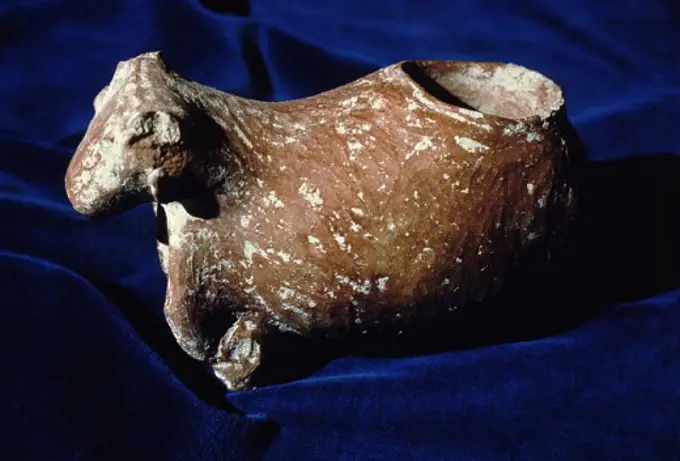
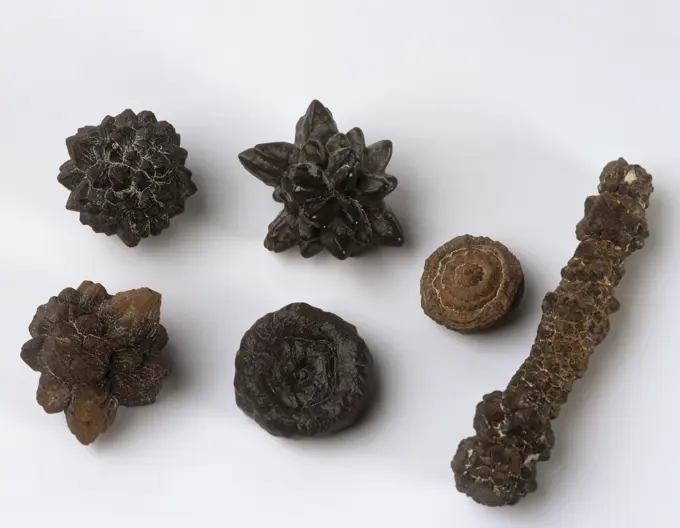
A set of archaeological pottery shards and stone artifacts from various historical contexts, showcasing ancient craftsmanship and cultural significance.
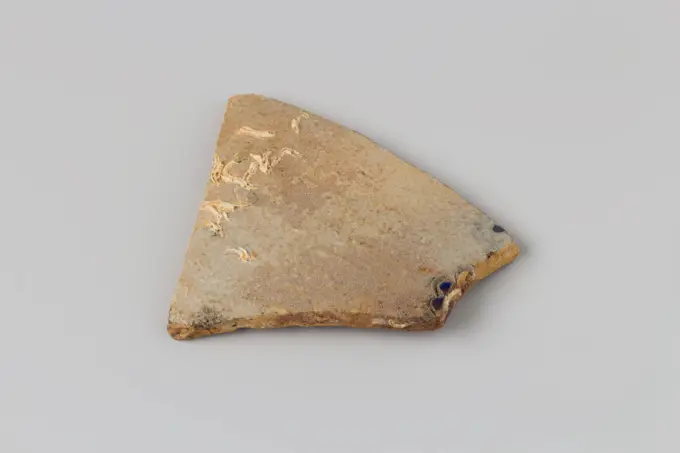
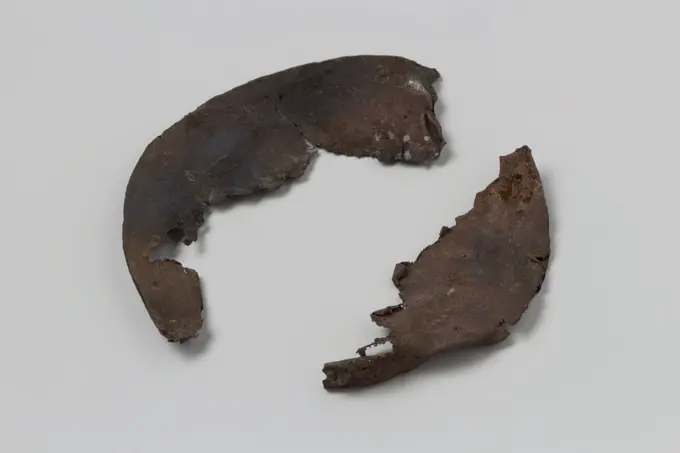
Scherf of a pot from the wreck of the East Indians Hollandia, Anonymous, 1700 - in Or Before 1743 pot Stoneware, Rhenish, Westerwald, pot; of body, sim. NG 1980-27H2624r. Westerwald stoneware   Second
Scherf of a pot from the wreck of the East Indians Hollandia, Anonymous, 1700 - in Or Before 1743 pot Stoneware, Rhenish, Westerwald, pot; of body, sim. NG 1980-27H2624r. Westerwald stoneware Second
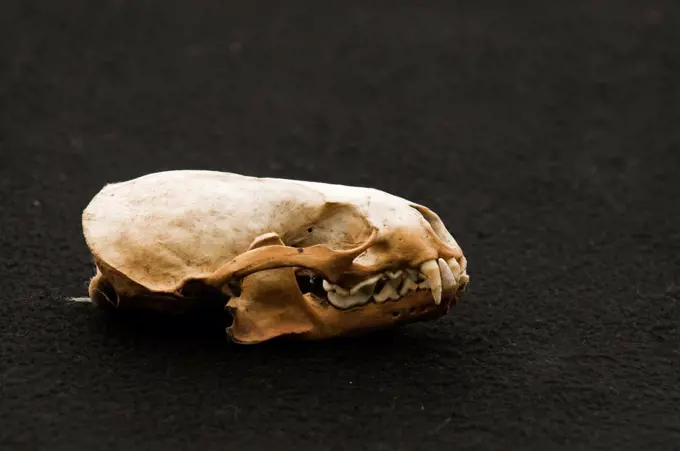
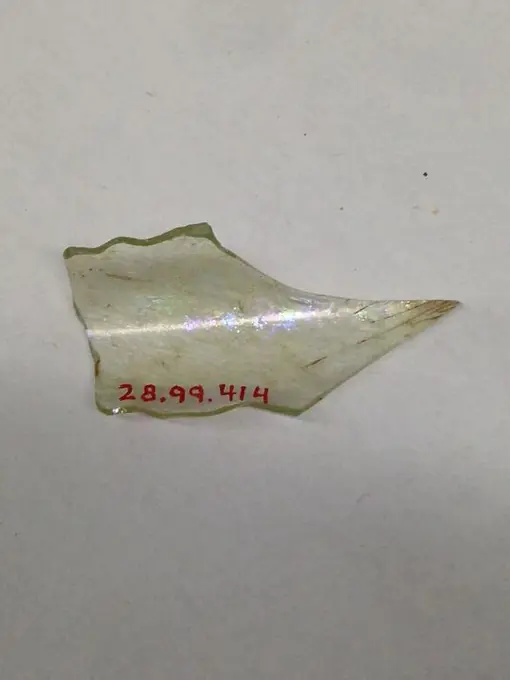
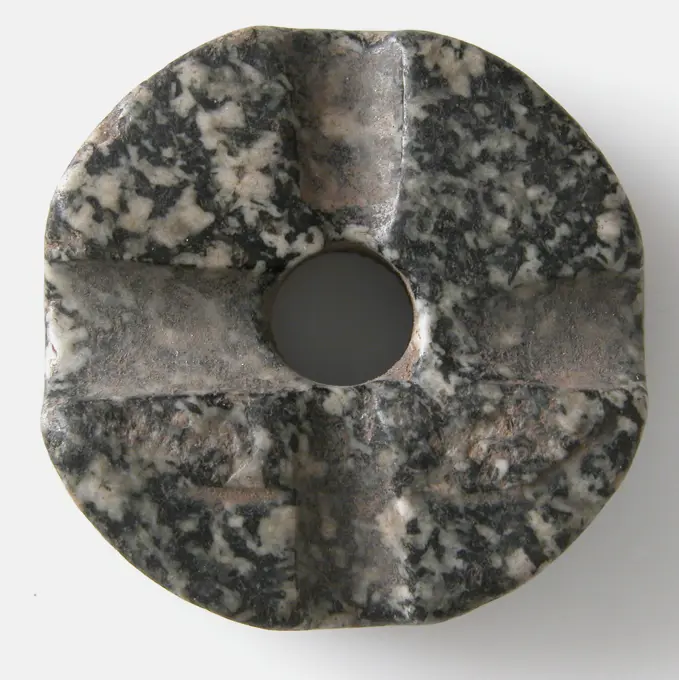
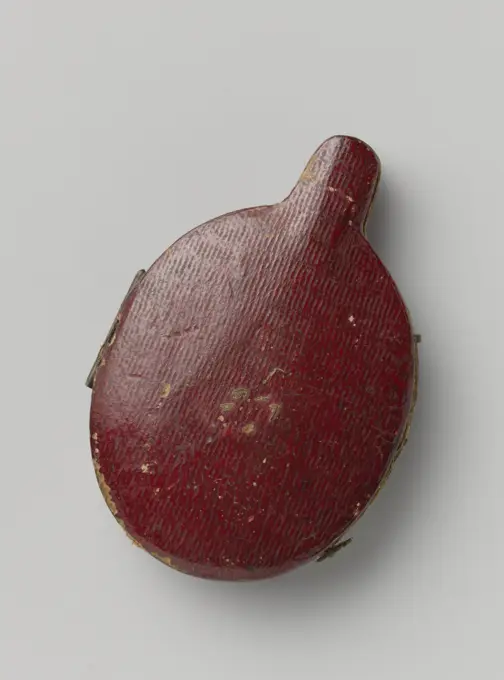
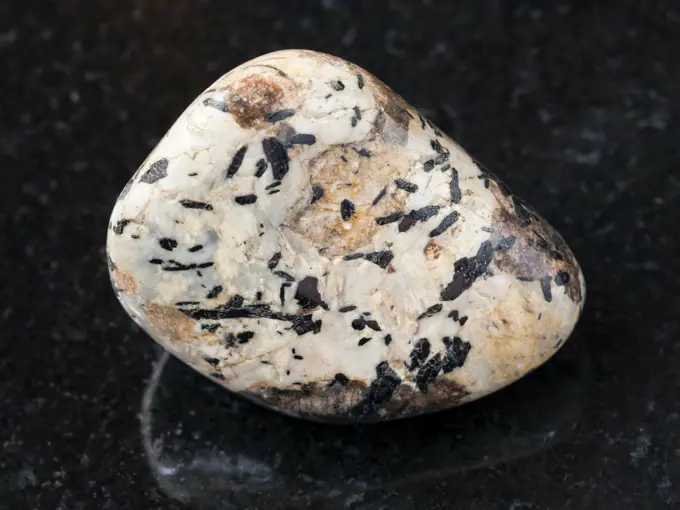
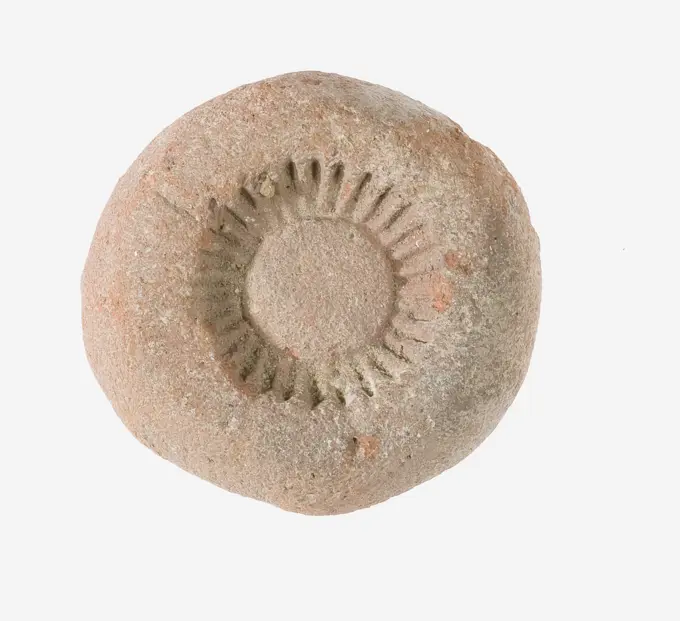
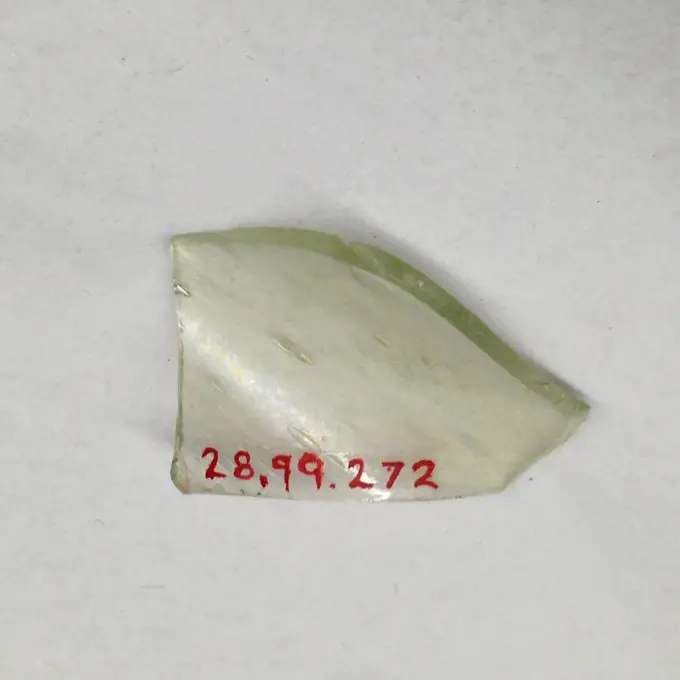
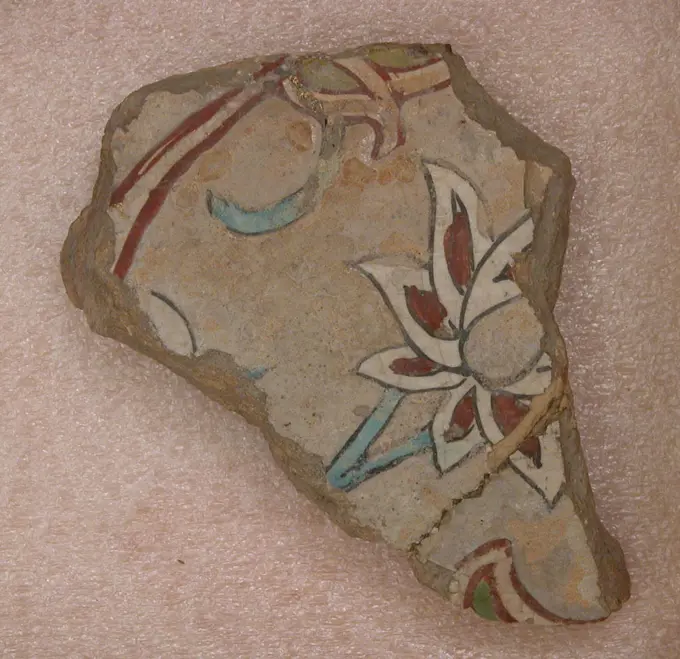
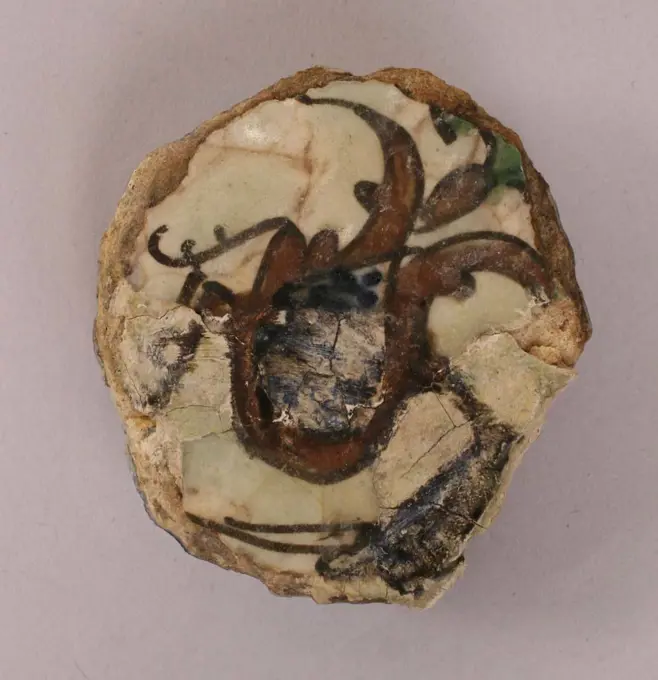
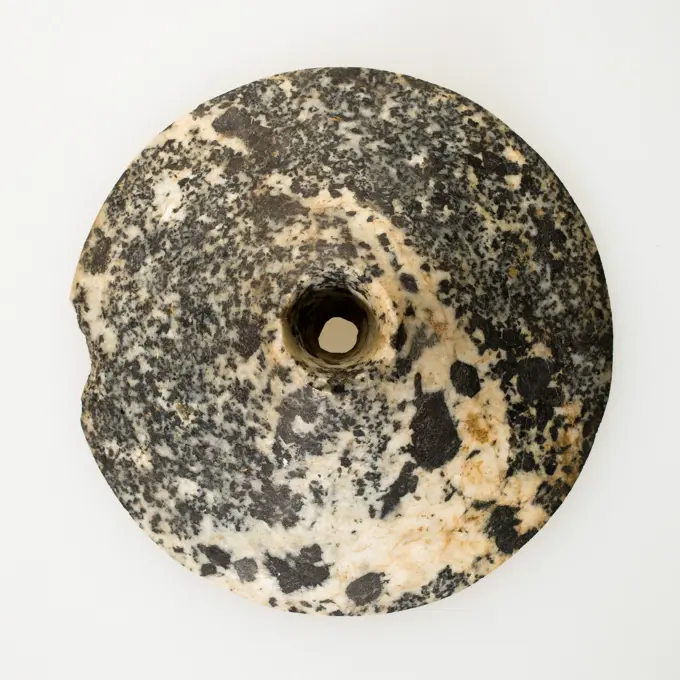
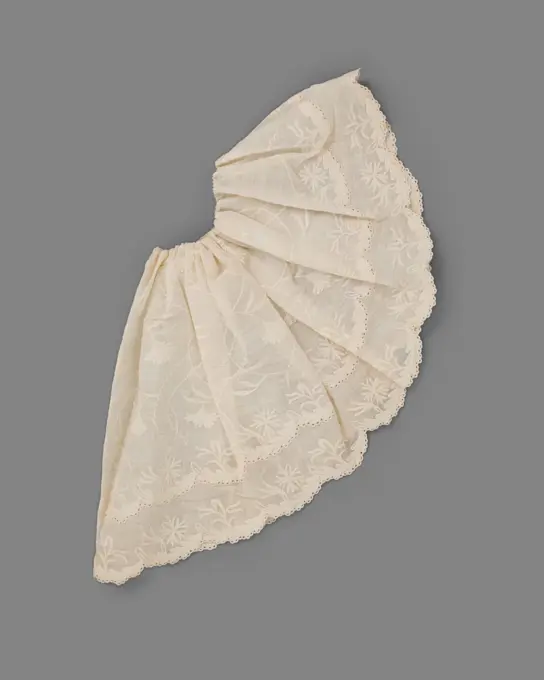
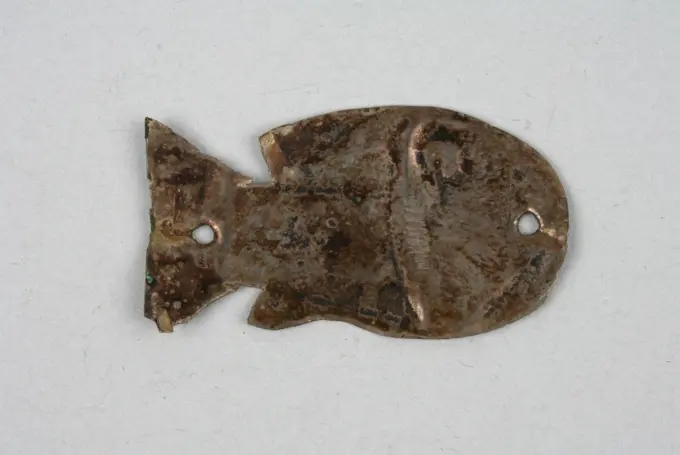
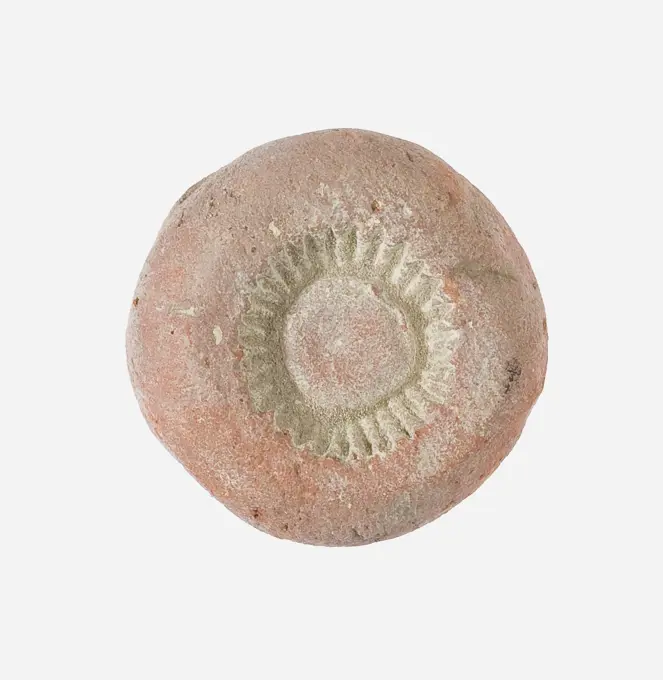
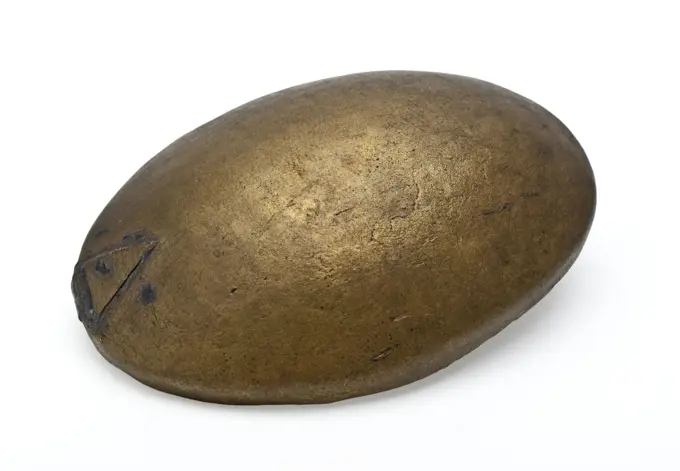
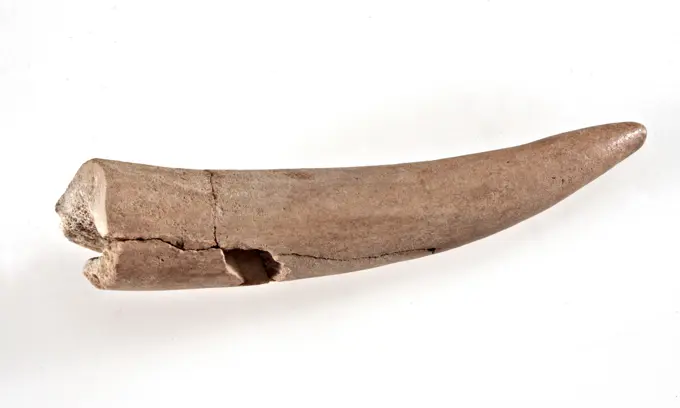
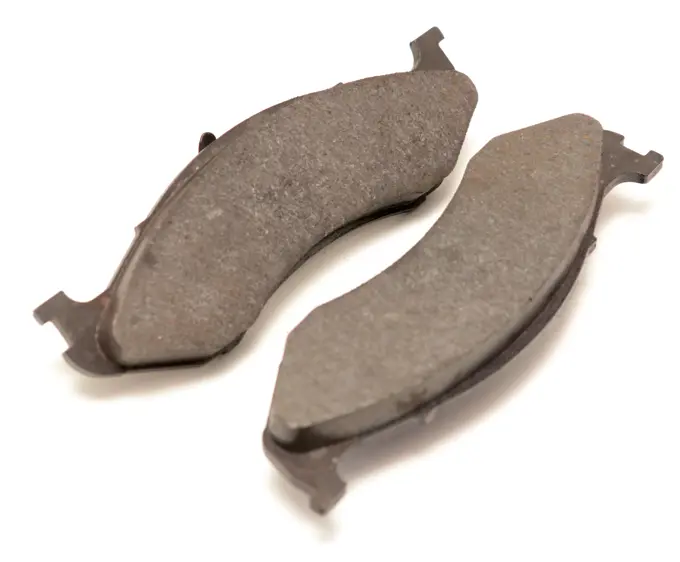
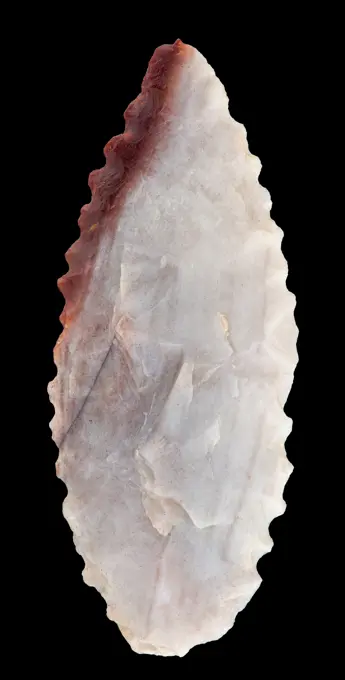
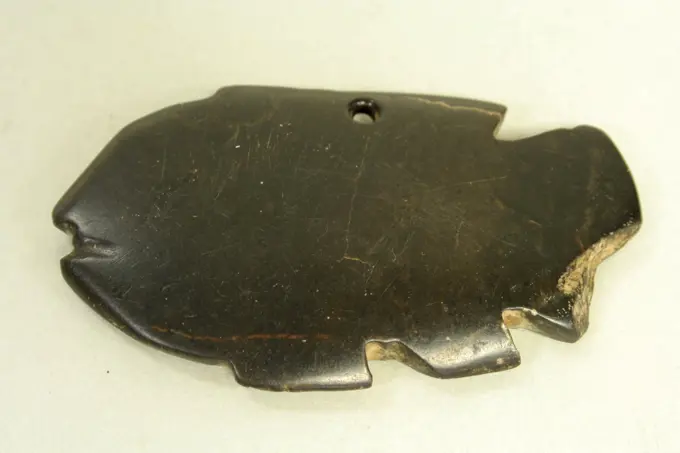
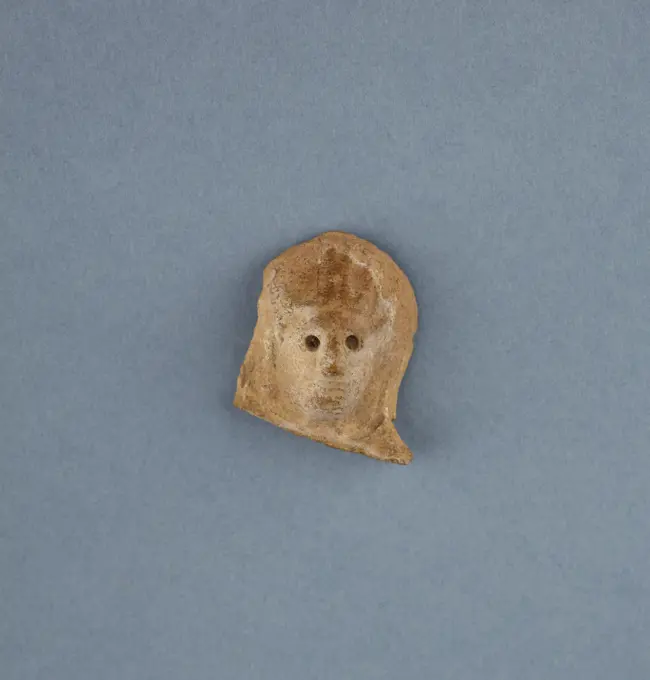
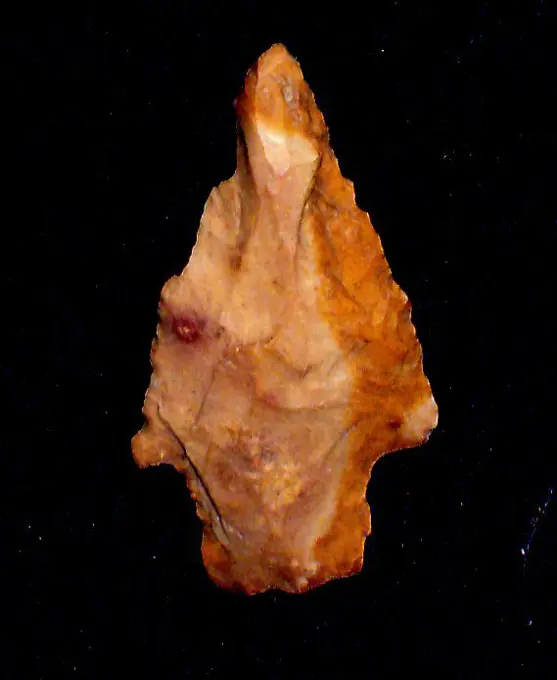
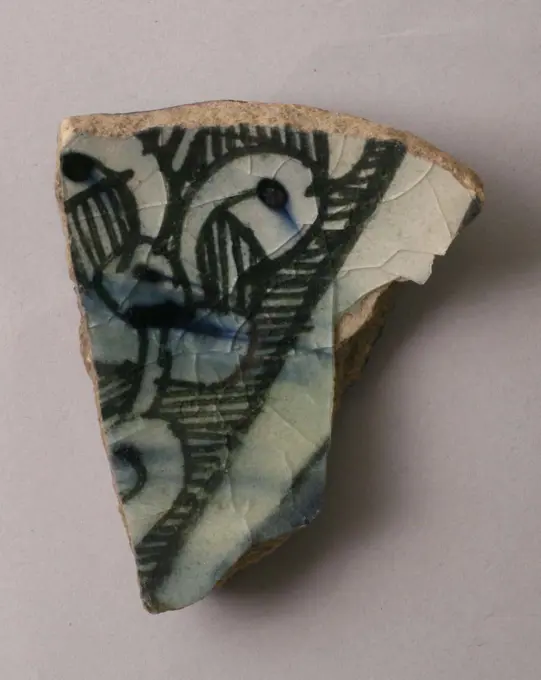
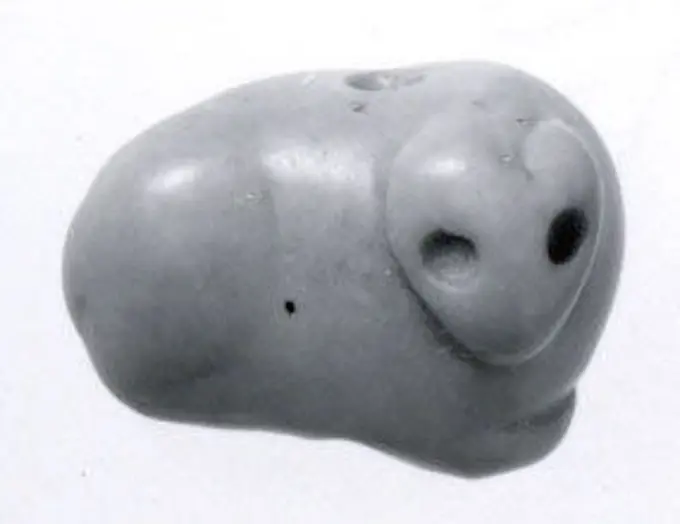
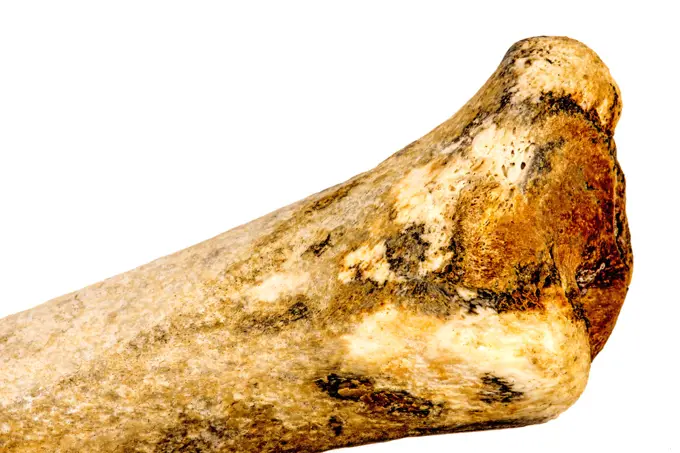
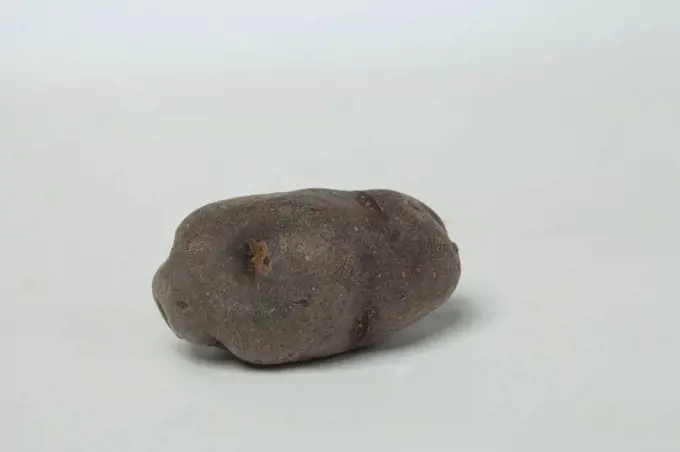
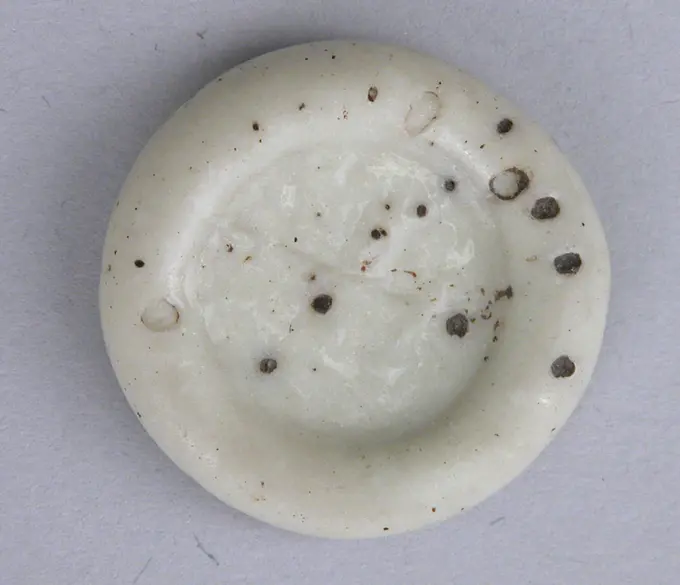
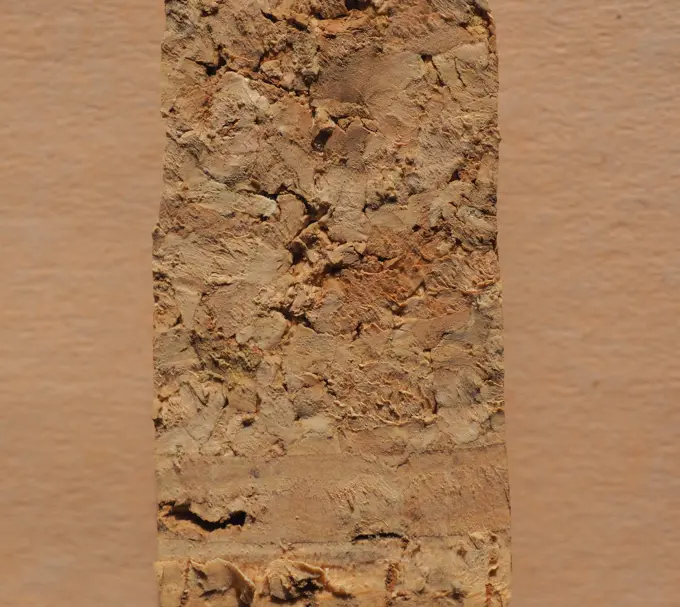
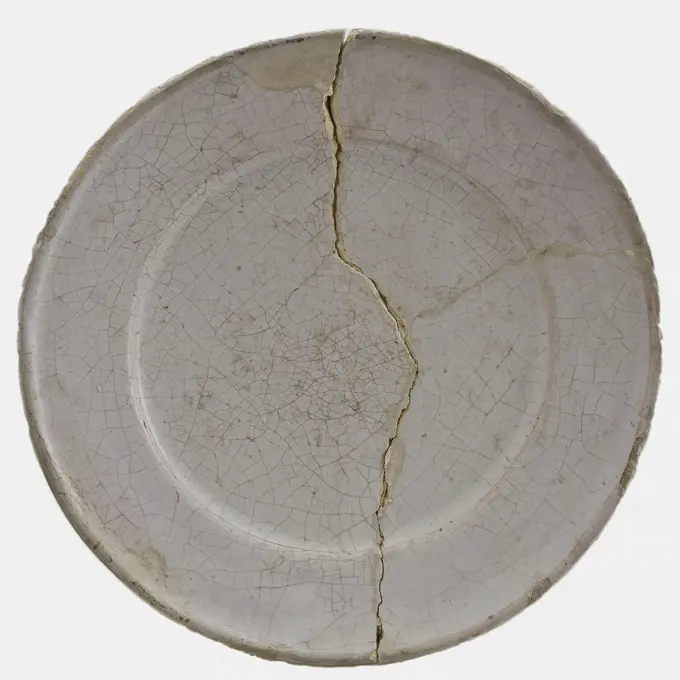
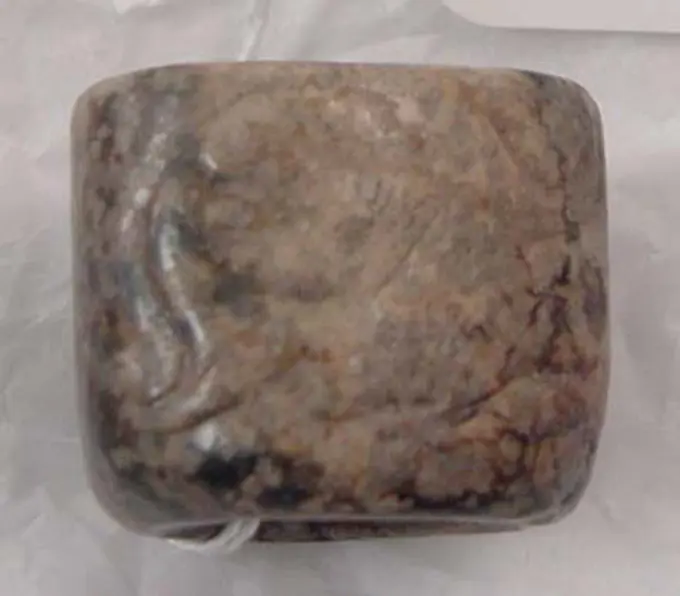
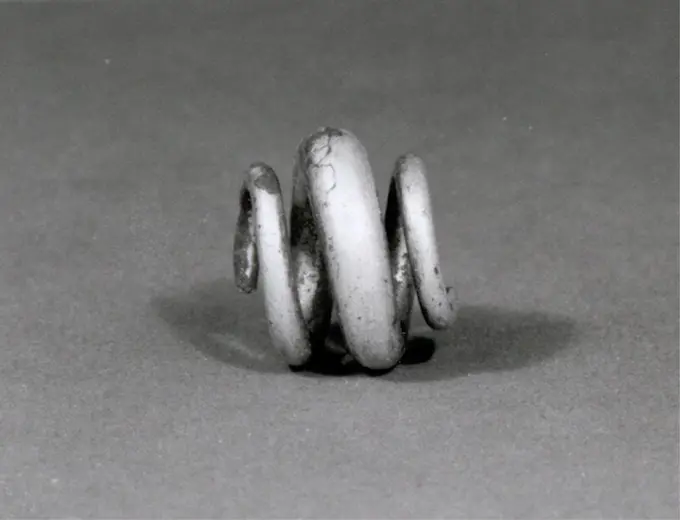
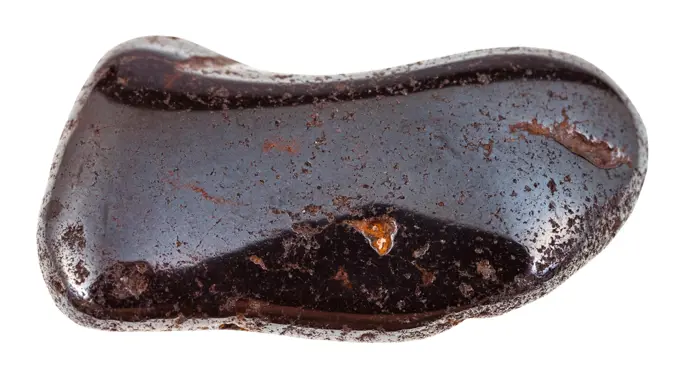
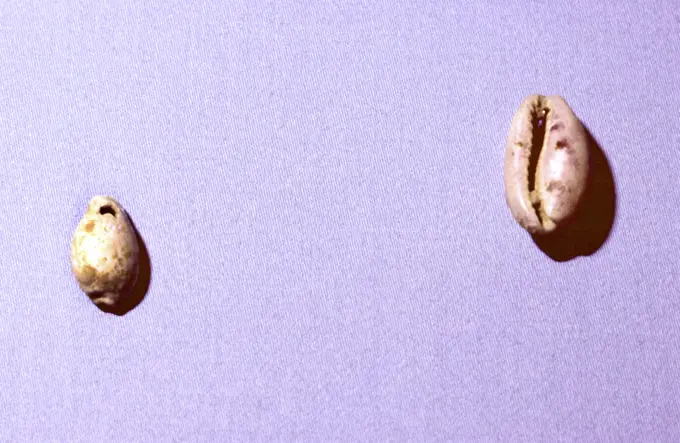
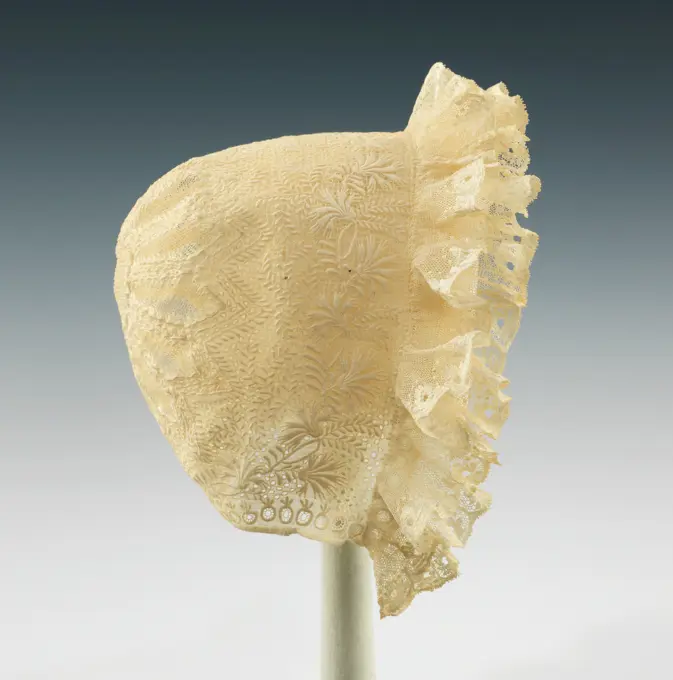
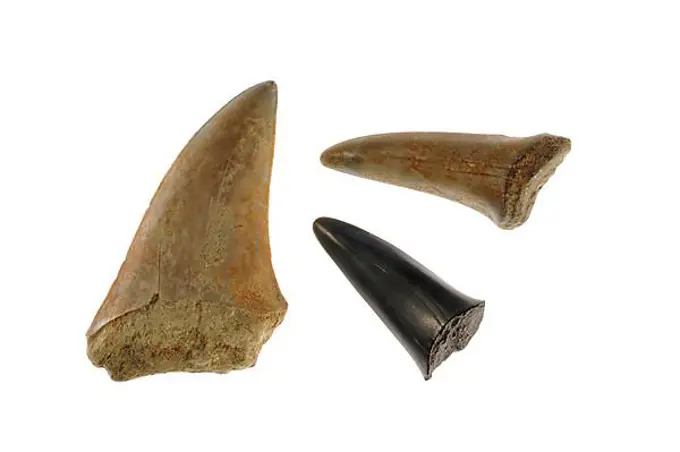
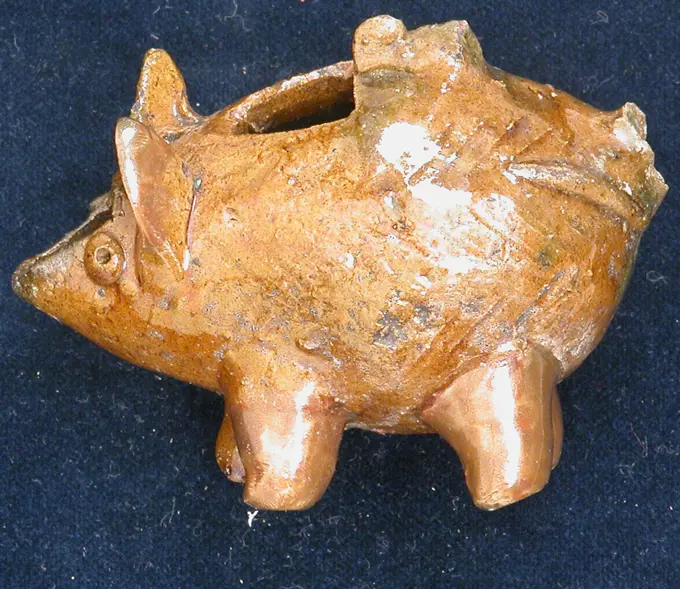
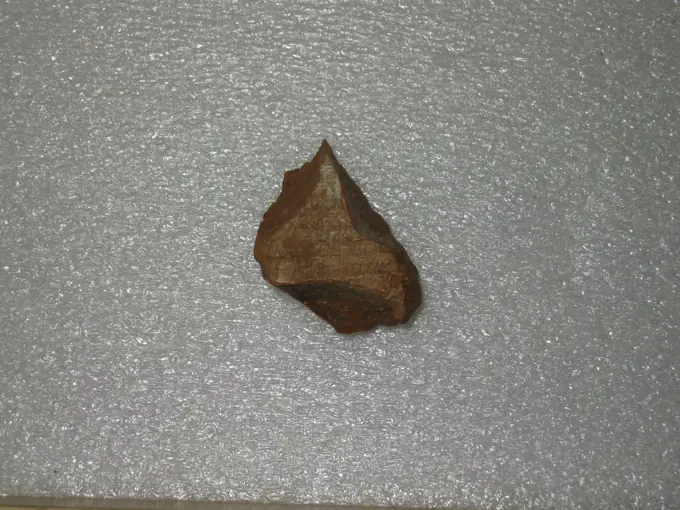
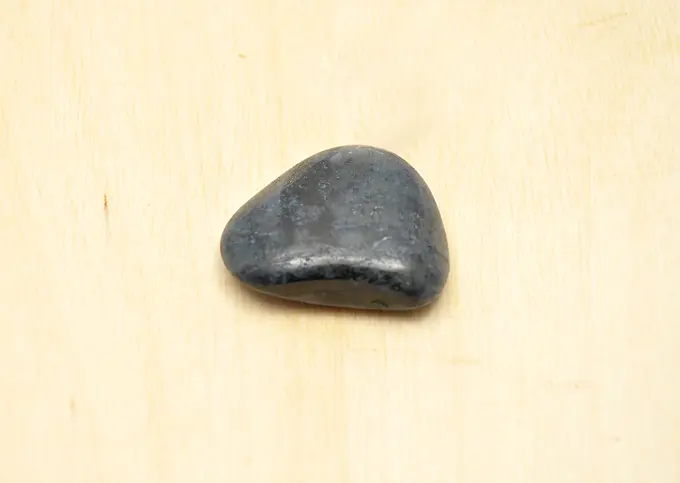
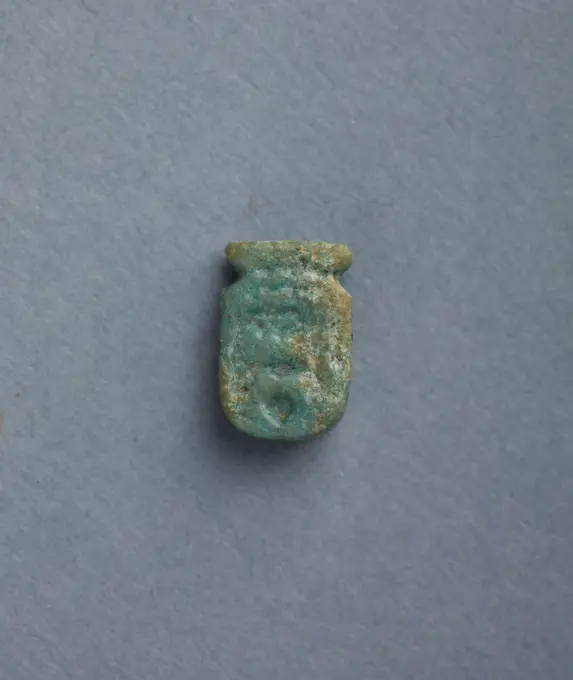
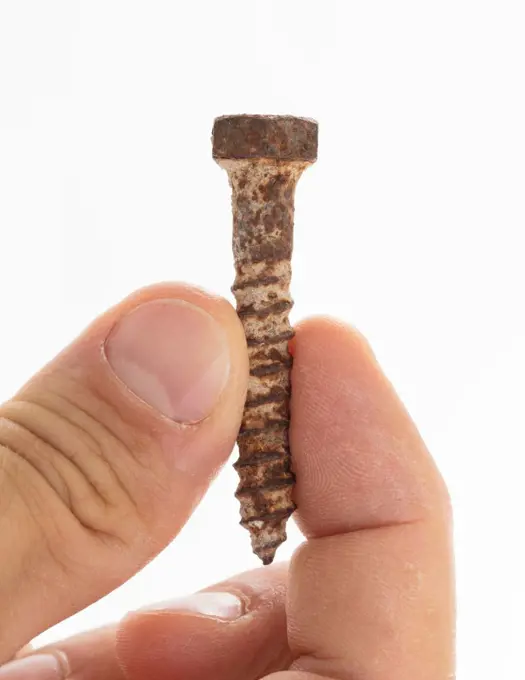
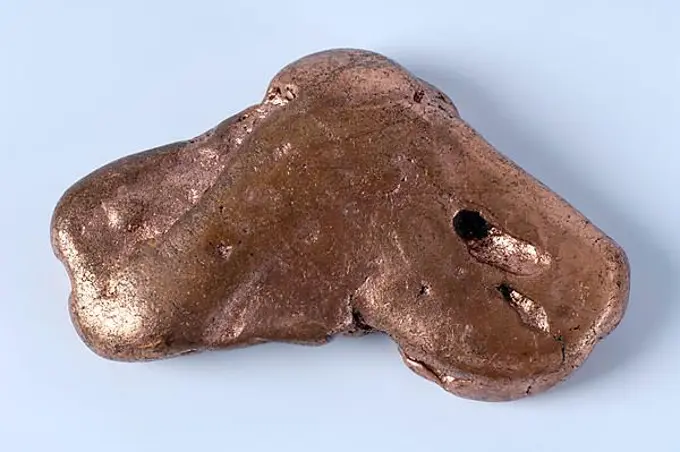
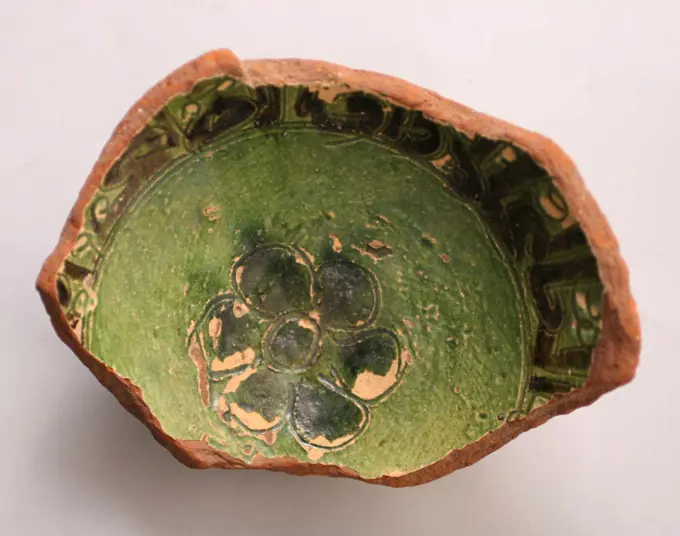
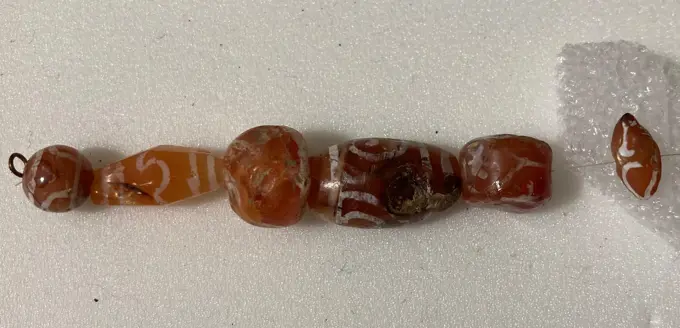
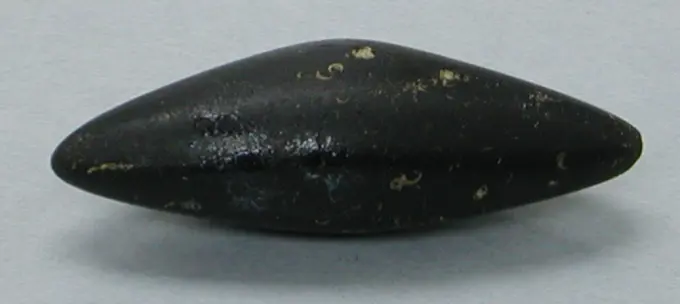
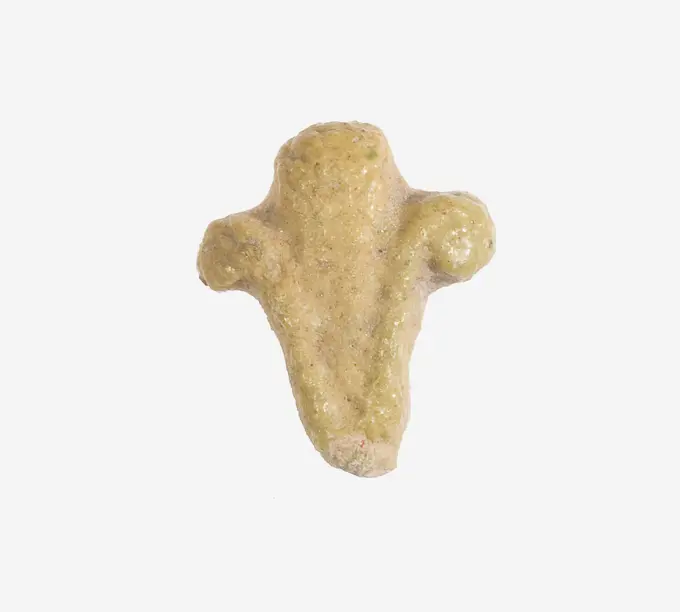
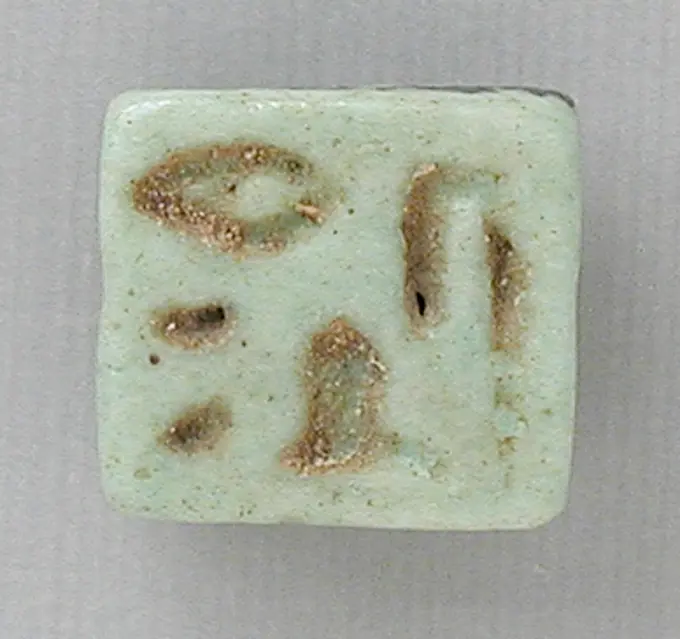
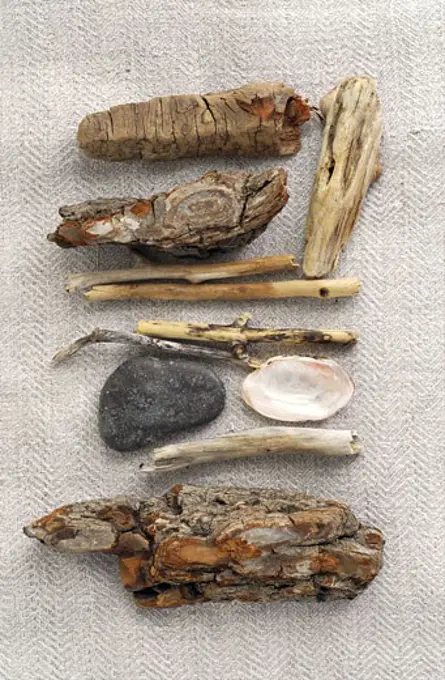
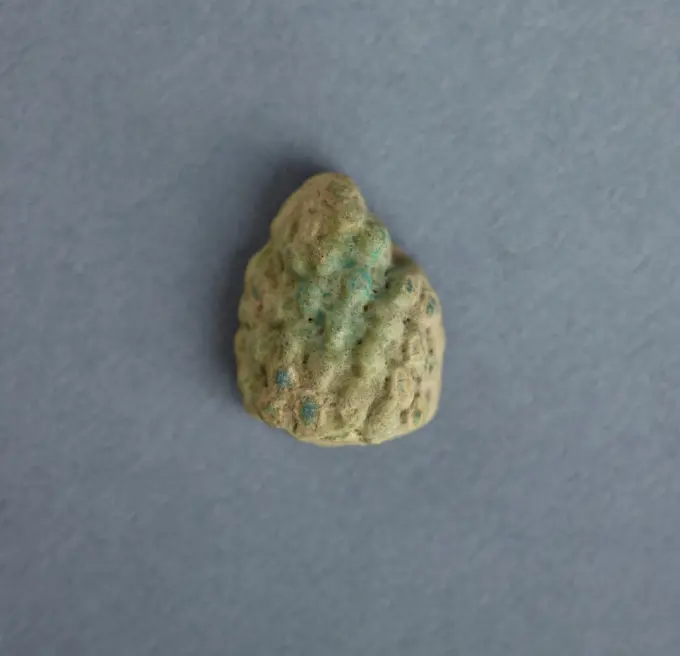
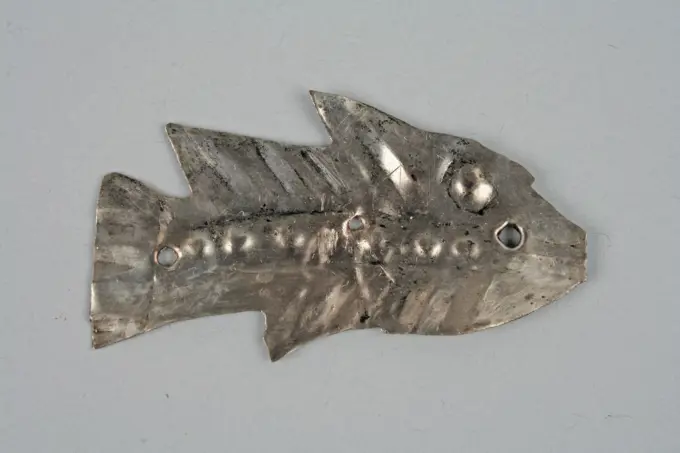
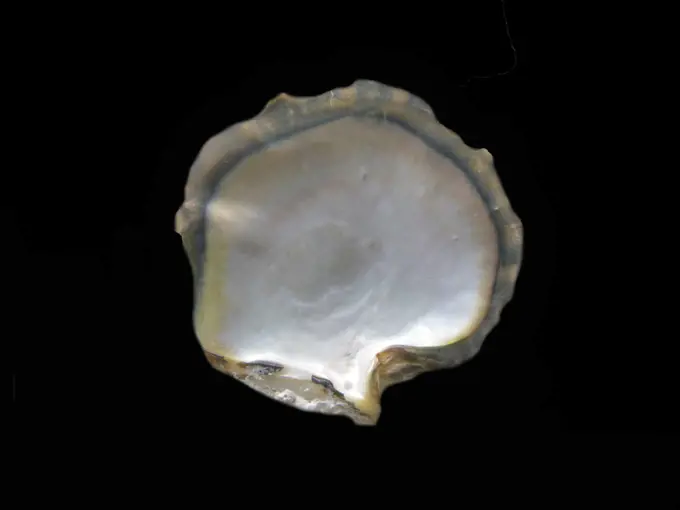
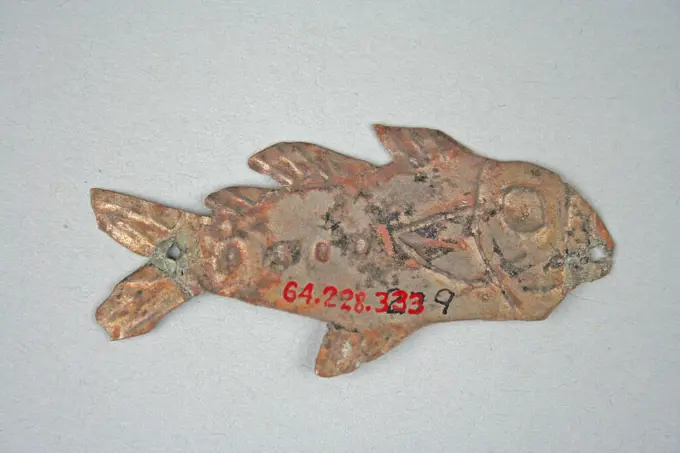
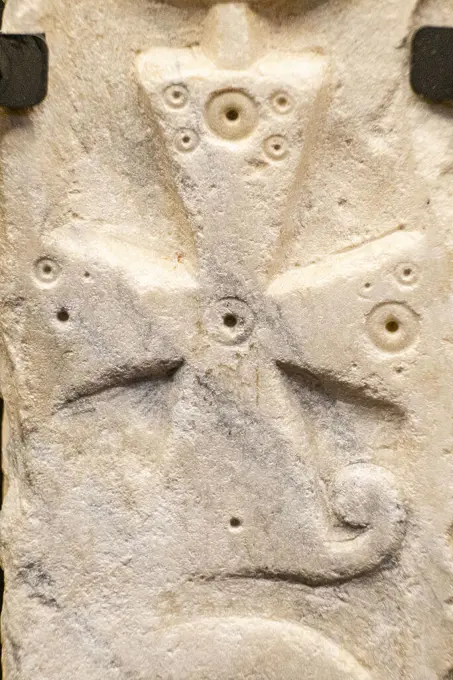
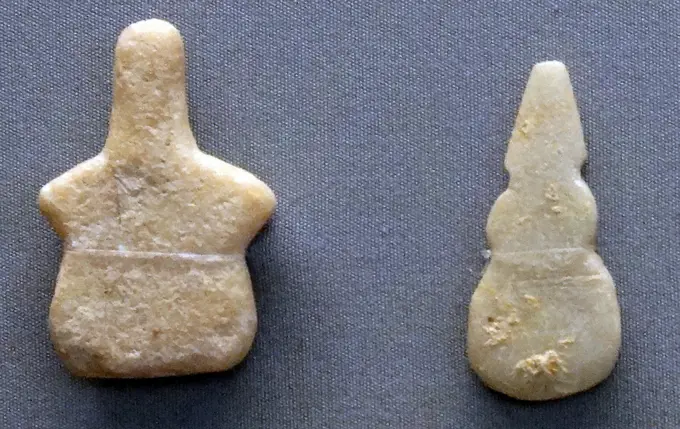
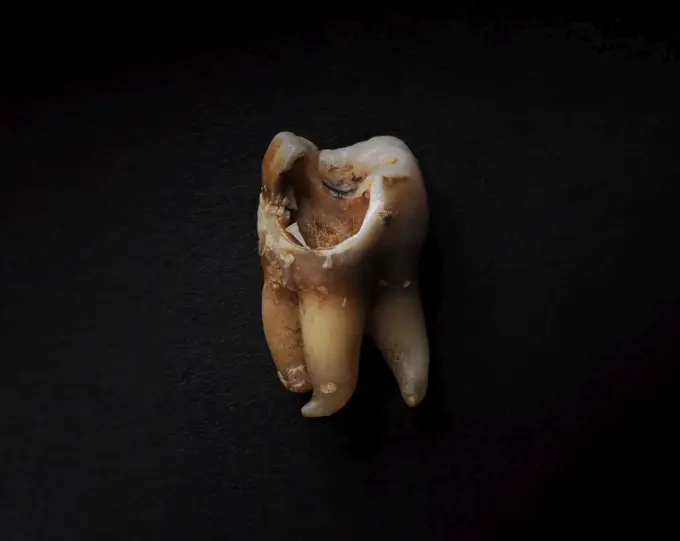
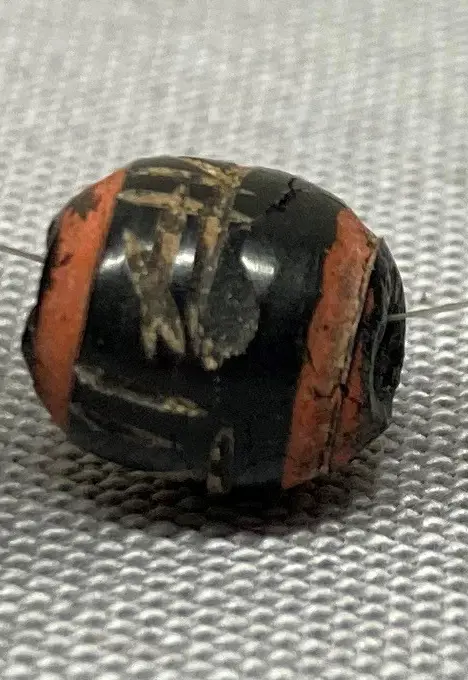
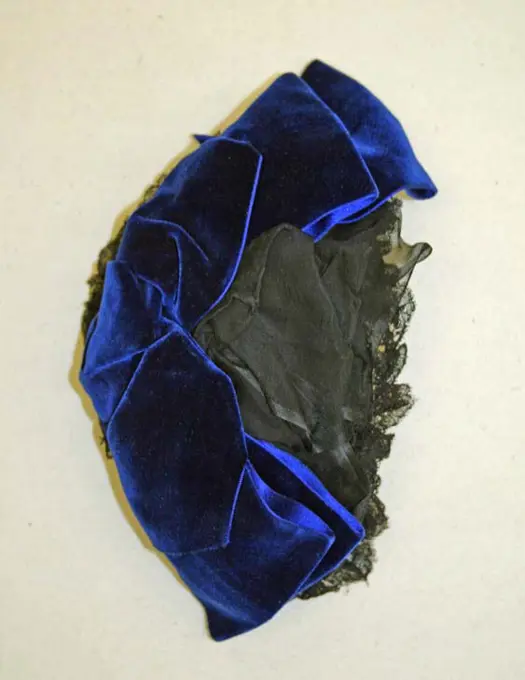
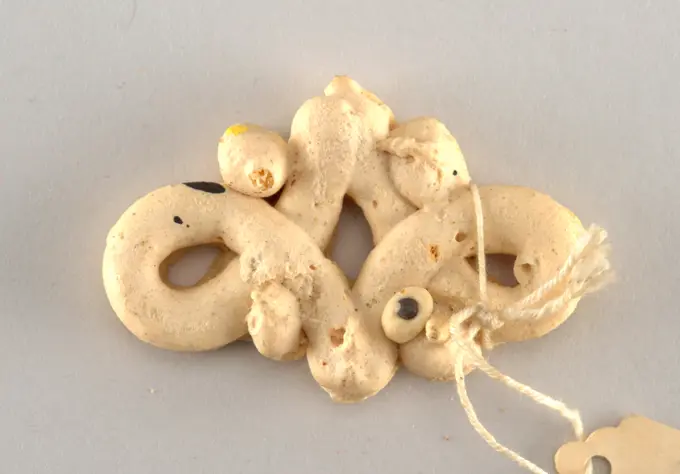
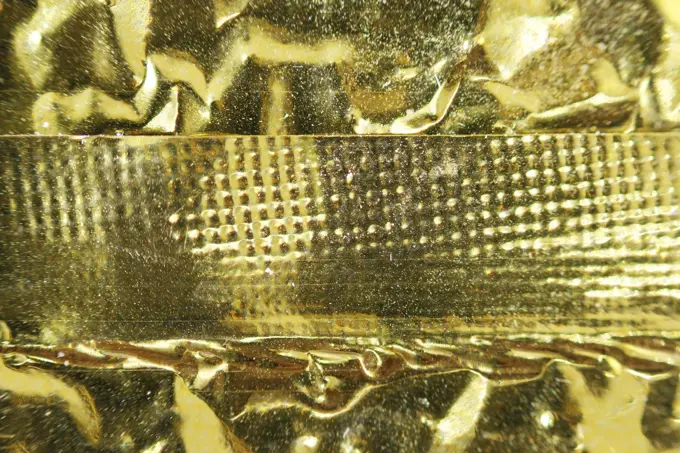
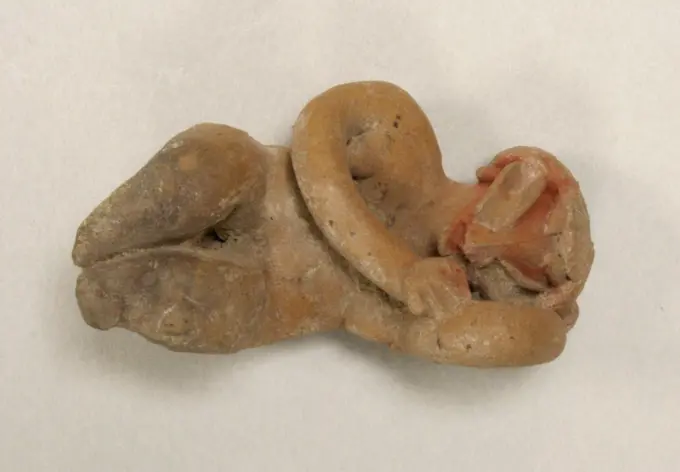
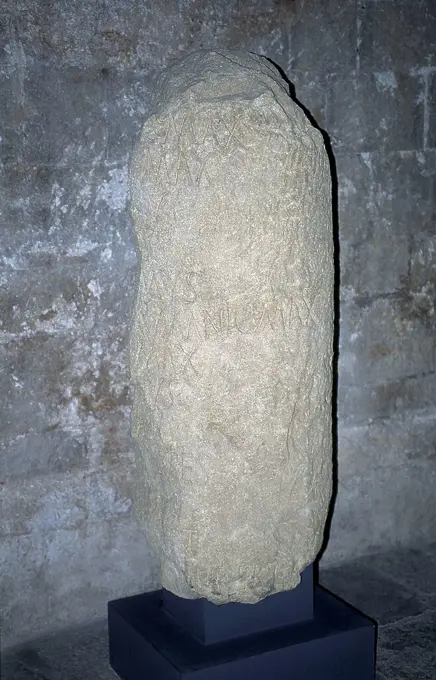
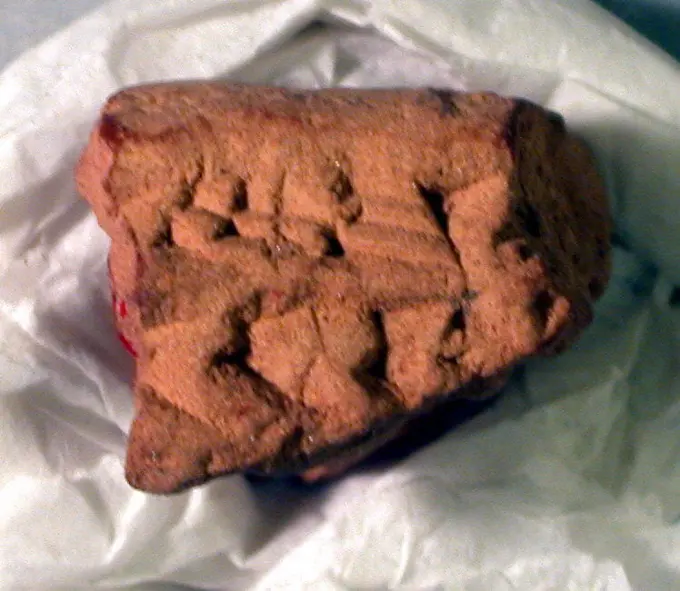
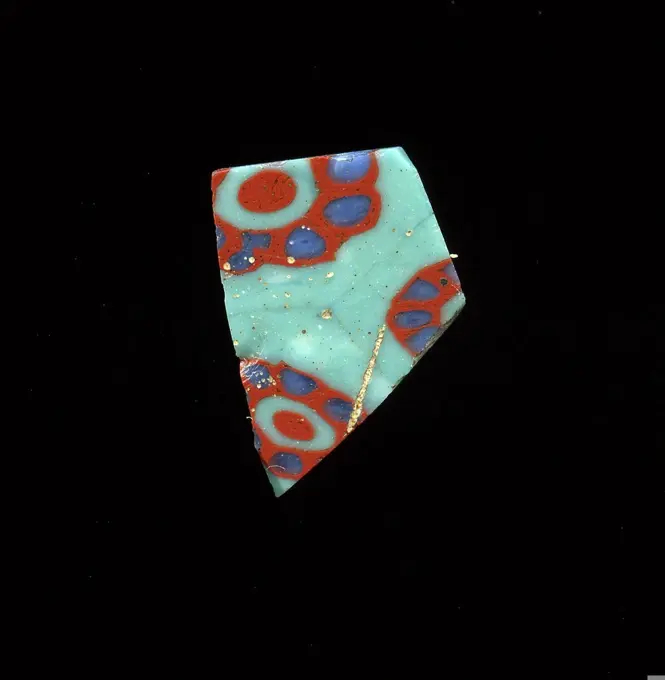
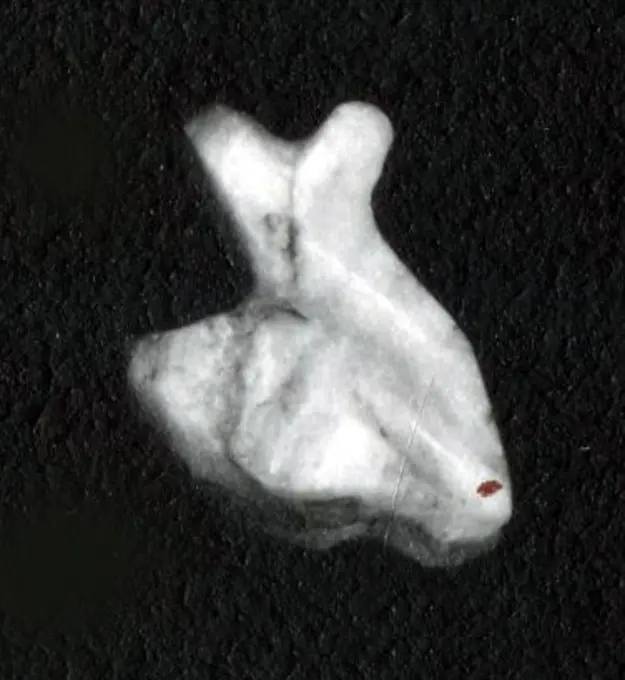
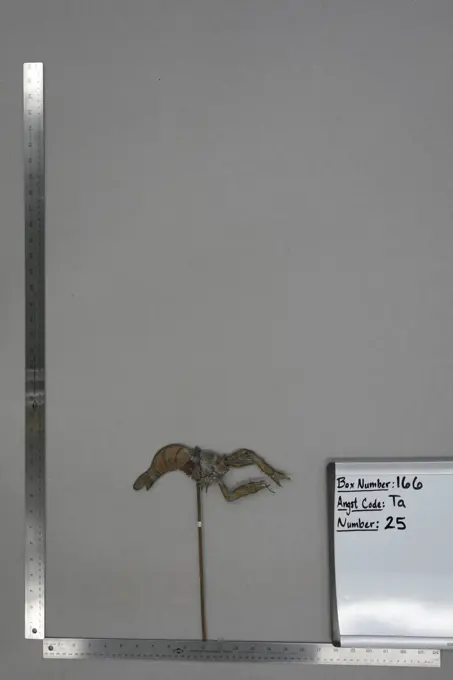
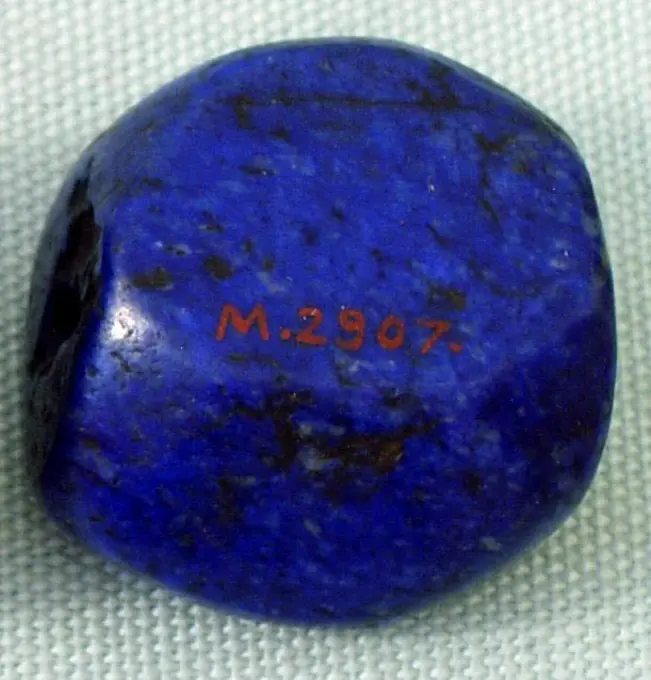
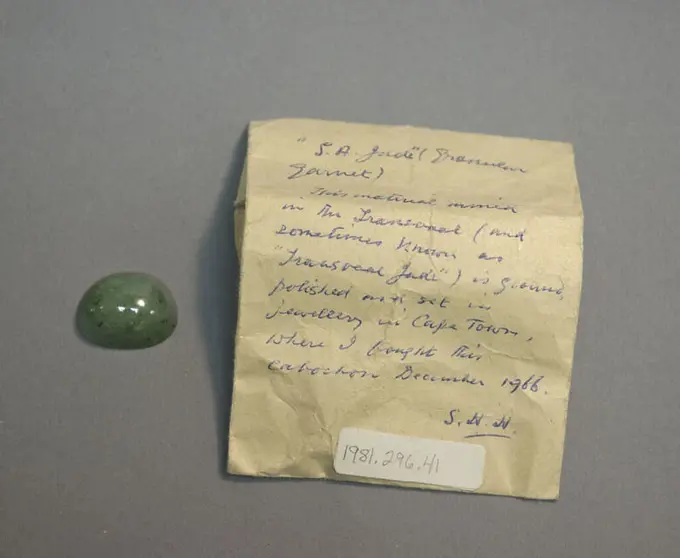
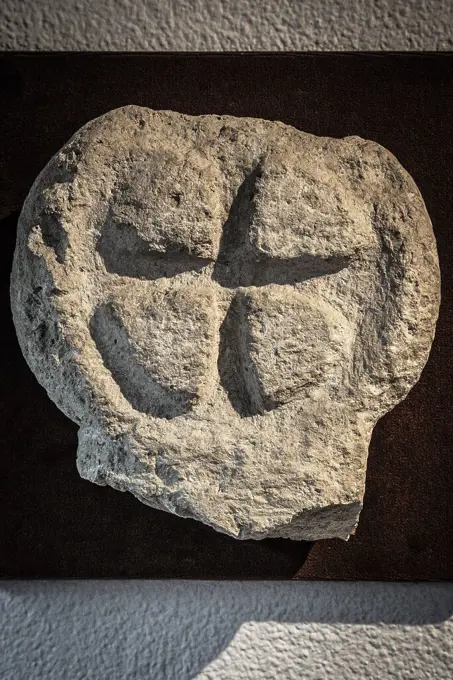
Fragment ca. 1150-ca. 1250 European or Middle Eastern. Fragment 696571European Otter (Lutra lutra) skull, Shetland Islands, ScotlandFragment. Culture: European or Middle Eastern. Dimensions: L. 1 3/4 in. (4.5 cm). Date: ca. 1150-ca. 1250. Museum: Metropolitan Museum of Art, New York, USA.Spindle Whorl Coptic. Spindle Whorl 475033Red wooden box, Anonymous, 1775 - 1825 box Red wooden box belonging to NG-2008-5-2. The inside of the box is filled with cotton wool. England wood (plant material). copper (metal) painting  Surinameblack aegirine in tumbled Sanidine and nepheline macro shooting of natural mineral rock specimen - black aegirine in tumbled Sanidine and nepheline stone on dark granite background from Lovozero Massif, Kola peninsula, Russia Copyright: xZoonar.com/ValeryxVoennyyx 11391966Mold for small ring ornaments ca. 1390-1353 B.C. New Kingdom. Mold for small ring ornaments. ca. 1390-1353 B.C.. Pottery. New Kingdom. From Egypt, Upper Egypt, Thebes, Malqata, Palace of Amenhotep III, MMA excavations, 1910-11. Dynasty 18Fragment ca. 1150-ca. 1250 European or Middle Eastern. Fragment 695166Tile Fragment 1334-1434. Tile Fragment 450560Bead 8th-10th century The dot-in-circle motif recalls designs presumed to be of magical significance, most likely an abstract eye to ward off the evil-eye, which serves an apotropaic function. Easily reproduced with a tool and visible in many cultures and times, this symbol may have lost its meaning, and become simply a decorative pattern, or may have one that we have not yet discovered.. Bead 450878Excerpt removable lid of a package from the wreck of the East Indians Hollandia, Anonymous, 1700 - in Or Before 1743 lid Container, lid, detachable; fragm, eroded, squashed; circular, flat, fold-over rim. Netherlands copper (metal)   SecondStonepaste; painted under transparent glaze 13th-16th century. Stonepaste; painted under transparent glaze. 13th-16th century. Stonepaste; painted under transparent glaze. Attributed to Egypt. CeramicsMace head ca. 4500-4000 B.C. () Predynastic Period. Mace head. ca. 4500-4000 B.C. (). Stone. Predynastic Period. From EgyptFragment ca. 1150-ca. 1250 European or Middle Eastern. Fragment 695318Engageante with floral tambooering, anonymous, c. 1750 - c. 1775 Engageante with floral tambooering work. The Engageante seems to consist of two layers due to a circumference twice. West-Europa whole: Linen (Material) embroidering Engageante with floral tambooering work. The Engageante seems to consist of two layers due to a circumference twice. West-Europa whole: Linen (Material) embroideringCostume Ornament 11th-12th century Central coast (). Costume Ornament. Central coast (). 11th-12th century. Silver. Peru. Metal-OrnamentsMussel Shell, Plated brass, In the shape of a mussel shell, narrower end flips open, hinged on underside. Striker on underside., late 19th century, containers, Decorative Arts, Matchsafe, MatchsafeMold for small ring ornaments ca. 1390-1353 B.C. New Kingdom. Mold for small ring ornaments. ca. 1390-1353 B.C.. Pottery. New Kingdom. From Egypt, Upper Egypt, Thebes, Malqata, Palace of Amenhotep III, MMA excavations, 1910-11. Dynasty 18Egg-shaped copper lid, lid closure holder soil find brass metal, hammered soldered Egg-shaped copper lid Short raised edge. Triangular hinge point archeology Rotterdam City Triangle Groenendaal underground pit store transport archaeological find in the soil Rotterdam underground pit Groenendaal 1977.Awl  -brake pads two brake pads on white Copyright: xZoonar.com/RuslanxNassyrovx 3543242Foliate and lacy point in cut stone. Neolithic period. North Africa. 4 cm.Stone Fish Pendant 8th-mid-16th century Peru; north coast (). Stone Fish Pendant 309256Small HeadIndian arrowhead from Georgia and North & South Carolina , Archaeological assemblages, Charles F. Walcott Archaleogical CollectionFragment 14th century. Fragment 445610Seal amulet in the form of a recumbent fox ca. 3500-2900 B.C.. Seal amulet in the form of a recumbent fox. ca. 3500-2900 B.C.. Marble, mustard color. Late Uruk-Jemdet Nasr. Mesopotamia or southwestern Iranpolished epidote gemstone on dark background macro shooting of natural mineral rock specimen - polished epidote gemstone on dark granite background from Segozero, Karelia in Russia Copyright: xZoonar.com/ValeryxVoennyyx 11380335petrified animal bone, closeup'Vitelotte' potatoeCoin Weight 12th century. Coin Weight. 12th century. Mold-pressed glass. Attributed to Egypt. GlassCork for wine stopper Cork for wine stoppers made from bark tissue of the Cork Oak Quercus suber Copyright: xZoonar.com/ClaudioxDiviziax 8923125Faience plate on stand surface, entirely white glazed, plate crockery holder soil find ceramic earthenware glaze tin glaze, hand turned fried glazed fried White faience plate on stand Just shoulder on the transition from mirror to flag at the top. Fully covered with tin glaze pink tinted Craquelé in glaze. Cooked in archeology Valckensteyn Poortugaal Albrandswaard native earthenware serving food Soil discovery of Poortugaal Castle Valckensteyn.Ring probably 19th century Chinese This collection of largely ethnographic jewelry includes examples from cultures in South America, North America, Europe, Asia, and Africa and dates from the Pre-Columbian period to the twentieth century. Owned by renowned art collector and fashion enthusiast Muriel Kallis Newman, the collection represents her knowledge and appreciation of a wide range of jewelry design and making traditions. Numerous items in her collection are composite artifacts made from various cultures and time periods reappropriated as modern jewelry creations by or for Muriel. It is important to note that Newman wore many of the pieces in the collection, interpreting them to suit and express her own singular, often avant-garde style.. Ring 141629Hair-ring 1st millennium B.C. () Iran. Hair-ring 325652macro shooting of natural mineral stone - polished Hydrogoethite gemstone from Crimea isolated on white backgroundCowrie Shell Money, Shang period tomb, 1500 BC. CHINA.Cap 1829 American Baby caps have traditionally been lavished with finely worked embroidery, laces and ribbons. They abound in museum collections, as they were kept by families for their exquisite workmanship and and obvious sentimental value. The embroidery on this cap is excepitonally fine and dense, the net insertions and double ruffle extra decorative touches. The pattern of the embroidery is created specifically to fit the shape of the cap, further testament to its exceptional design and workmanship.. Cap 157741Shark's teeth fossils on white backgroundFragment. Culture: European or Middle Eastern. Dimensions: L. 5/8 in. (1.6 cm). Date: ca. 1150-ca. 1250. Museum: Metropolitan Museum of Art, New York, USA.Lamp mid-14th century. Lamp. mid-14th century. Earthenware; applied, incised, cut, glazed. Attributed to Egypt. CeramicsCuneiform tablet: unidentified fragment ca. late 1st millennium B.C.. Cuneiform tablet: unidentified fragment 328926Dumortierit Dumortierit Copyright: xZoonar.com/lantapixx 1080500Cartouche TileRusted old screw isolated on white backgroundChocolate Easter eggs wrapped in shiny blue foil yellow background, flat lay top view, with copy space Happy Easter concept sweet candy snack. Chocolate Easter eggs wrapped in shiny blue foil yellow background, flat lay top view, with copy space Happy Easter conceptMosaic cone ca. 3500-3100 B.C.. Mosaic cone 325524Pure copper, clipping, objectFragment of a Bowl 14th-15th century. Fragment of a Bowl 446424Beads 9th-12th century. Beads. 9th-12th century. Carnelian; carved. Excavated in Iran, Nishapur. Jewelrywood cutting board isolated on white backgroundEye of Horus (Wedjat) Finger Ring 1325 BCE Egypt. Faience . Ancient EgyptianRoundel, disk. Roundel, disk. Bone Stone Pulidor before 16th century Mexican. Stone Pulidor 317129Lily Pendant ca. 1390-1353 B.C. New Kingdom. Lily Pendant. ca. 1390-1353 B.C.. Faience. New Kingdom. From Egypt, Upper Egypt, Thebes, Malqata, Palace of Amenhotep III, MMA excavations, 1910-11. Dynasty 18Small Amulet with Wdjat Eye of Health. Egypt, Third Intermediate Period - Ptolemaic Period (1080 - 30 BCE). Jewelry and Adornments; amulets. FaienceOrnament ca. late 3rd millennium B.C.. Ornament. ca. late 3rd millennium B.C.. Faience. Early Bronze Age. Mesopotamia, Tell TayaArrangement of beach treasures - twigs, seashells, pebbles - collected on sea shoreAmulet - Bunch of GrapesTextile Ornament 14th-15th century Chimú. Textile Ornament 308746Pearl oyster. This oyster, also known as the 'black lip', may grow to 20cm in diameter. It is widely distributed and is fished for the shell (mother of pearl) as well as for pearls, in northern Australia, the Persian Gulf, the Red Sea and the Pacific Ocean. This example is from the Seychelles.Fish Ornament. Culture: Peru; central coast (). Dimensions: L. 2 1/4 in. (5.7 cm). Date: 11th-12th century. Museum: Metropolitan Museum of Art, New York, USA.cross kick, Museum of the Councils and the Visigoth Culture, Church of San Román,Toledo, Castilla-La Mancha, Spain.Cycladic figurine, from Naxos, Greece, Early Cycladic culture evolved in three phases, between c. 3300 - 2000 BCE, when it was increasingly swamped in the rising influence of Minoan CreteTooth decay on black background. Macro shot of a decayed teeth till root after extraction of dentist. Real tooth anatomy due lack of care. Top view of caries teeth texture on black paper. Dental care.Stone Beads probably 8th-12th century. Stone Beads. probably 8th-12th century. Stone. Excavated in Iran, Nishapur. JewelryForms of a Pig Lantern Artist Unknown Alacahoyuk, TurkeyBonnet 1880-87 American or European. Bonnet 113304Ornament, Christmas Tree (USA); doughGoethit |Macro photo of gold foil from packaging of Chinese tea. Macro photo of crumpled gold foil with seam from packaging of Chinese tea Copyright: xZoonar.com/OvchinnikovaxOlgax 10878510Female Figure 3rd century B.C.-A.D. 4th century Chupicuaro. Female Figure 313175MILIARIO ROMANO. Location: MUSEO ARQUEOLOGICO Ver Monasterio S Pedro Galligan. GERONA. SPAIN.Cuneiform tablet: fragment, Ebabbar archive ca. 7th-4th century B.C. Babylonian or Achaemenid. Cuneiform tablet: fragment, Ebabbar archive 322100Mosaic glass fragment. The small glass fragment shows several flowers in millefiori technology on turquoise ground. To a red dot rows several red-rimmed blue dots. In Roman times, one used colored, ornamented glass for vessels, mosaics, wall decorations and furniture ornaments. For the production, different colored glasses were shaped to tubes and rods. These were compressed and heated, causing a long bar. The glass sliced now had a wide variety of amorphous or floral patterns.Frog Amulet ca. 2150-2100 B.C. Late Old Kingdom. Frog Amulet. ca. 2150-2100 B.C.. Green feldspar. Late Old Kingdom. From Egypt; Said to be from Southern Upper Egypt, Aswan (Syene)Shadow Puppet (Wayang Kulit) ofUdangBead 9th-19th century. Bead 457858Little gold color pebble in the handSample of "South African jade" in Paper Bag. Culture: China. Dimensions: H. 3/8 in. (1 cm); W. 5/8 in. (1.6 cm); L. 7/8 in. (2.2 cm). Date: 20th century. Museum: Metropolitan Museum of Art, New York, USA.12th century limestone discoid steleVisigoth - early medieval, Valladolid Museum , Castile and Leon, Spain.