Ancient Pottery Fragments

Historical ceramic fragments from different eras, showcasing unique textures and colors, highlighting archaeological finds from ancient Egypt and Europe.

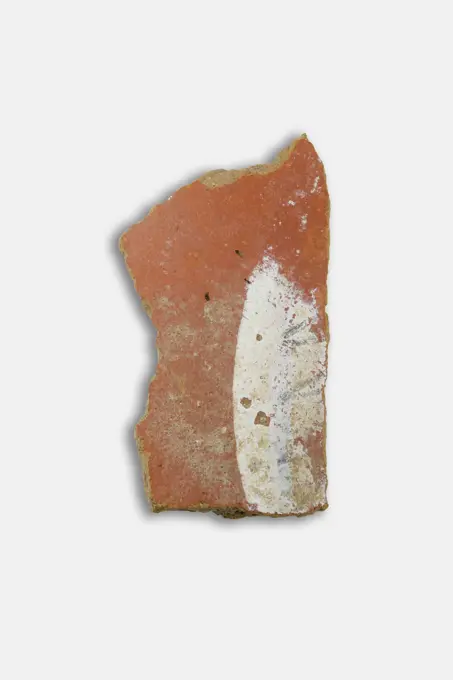
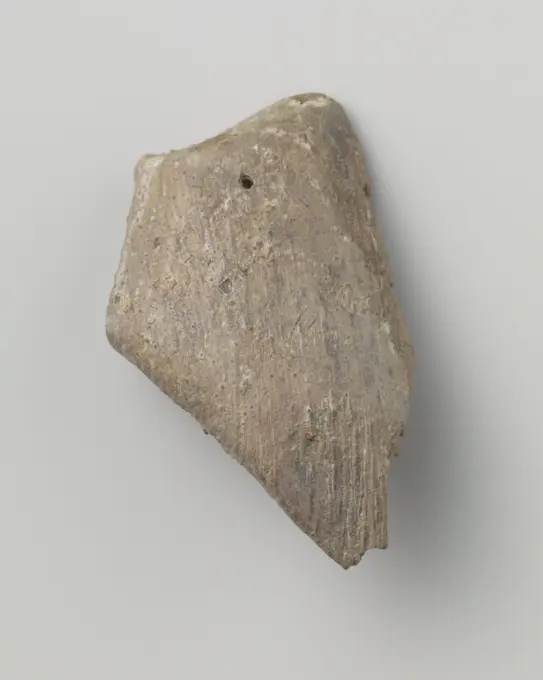
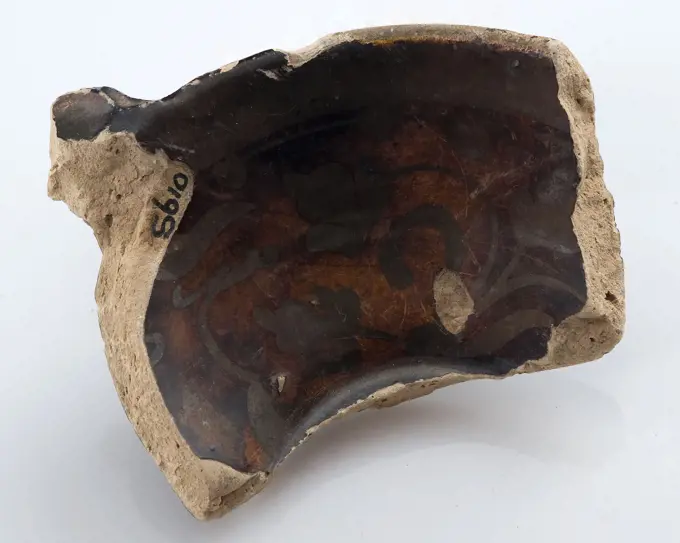
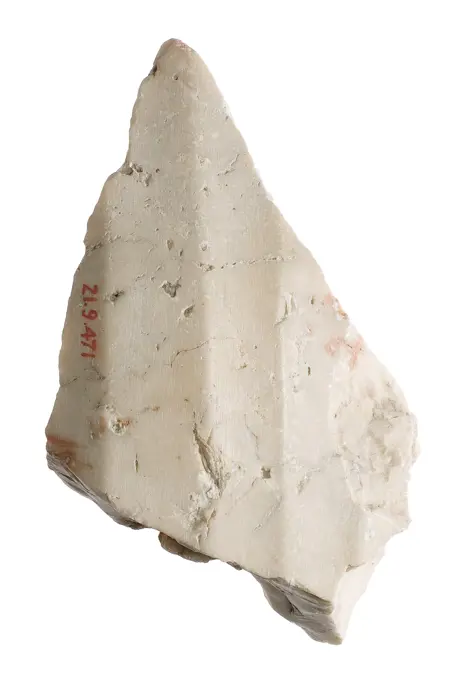
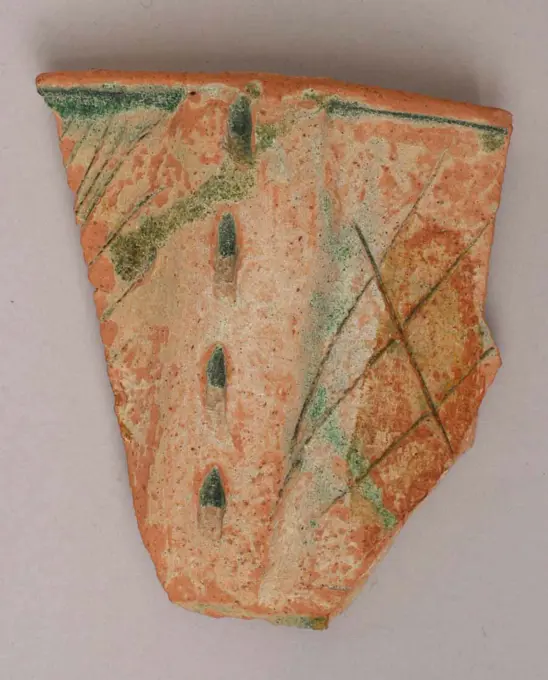
Fragment of prune, soil find ceramic earthenware glaze lead glaze, baked Triangular flat object with points on the three corners raised one corner missing glaze remains archeology Rotterdam Delfshaven plateel majolica Soil discovery waste package with biscuit tiles and plateel at 18th century houses next to VOC building Delfshaven.
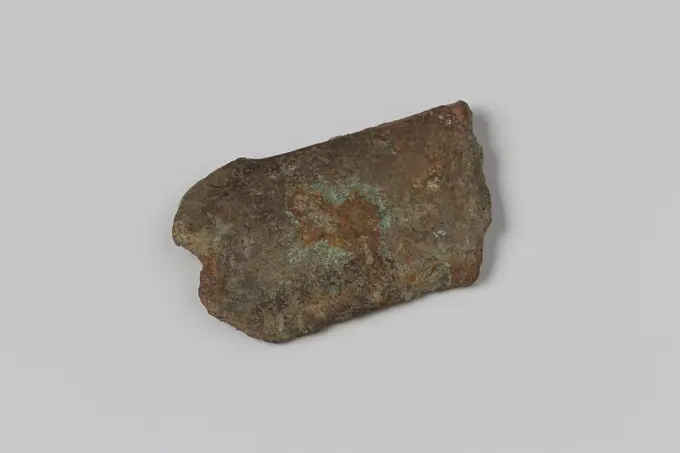
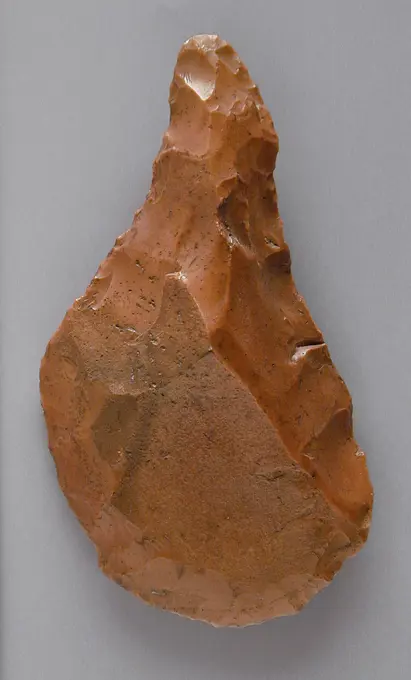
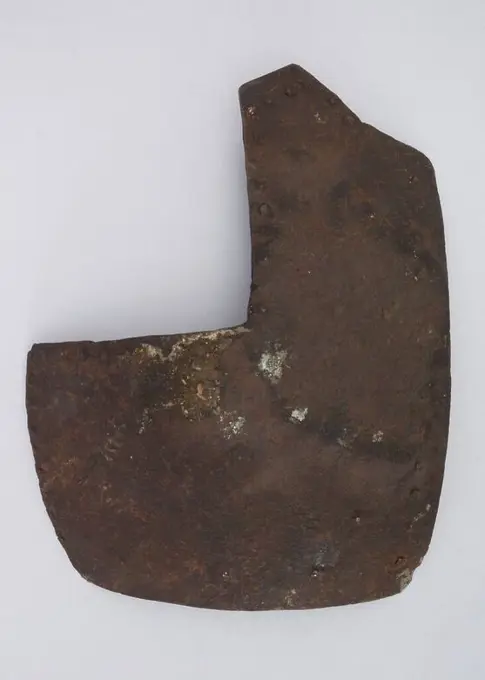
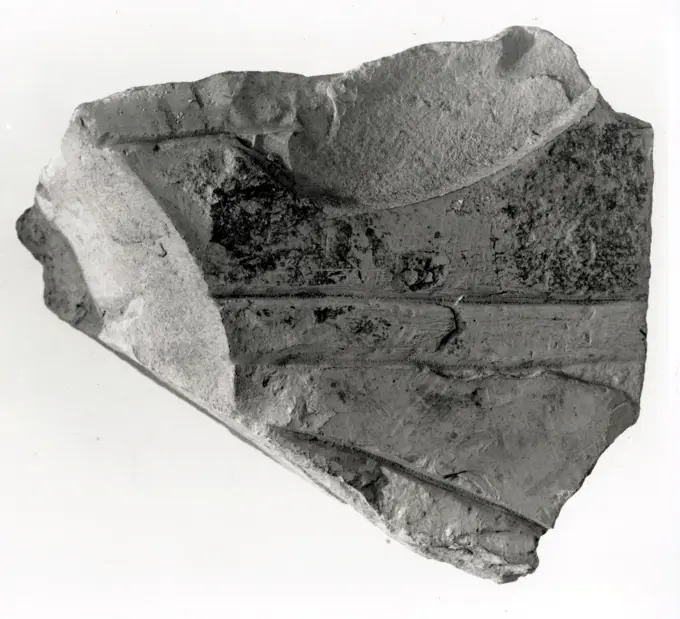
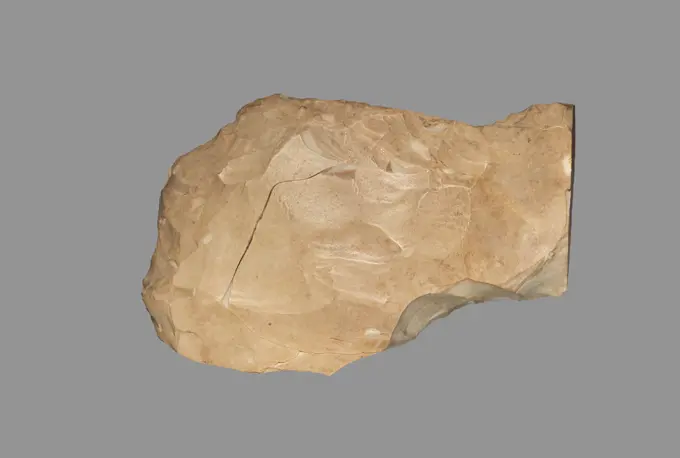
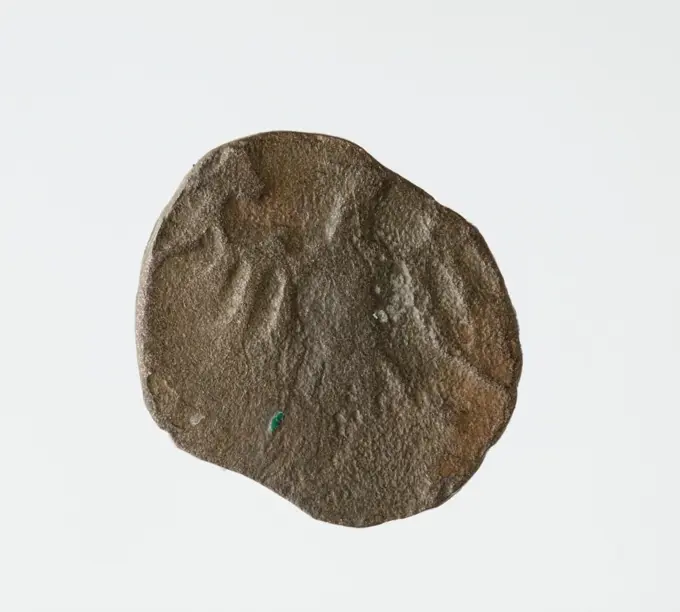
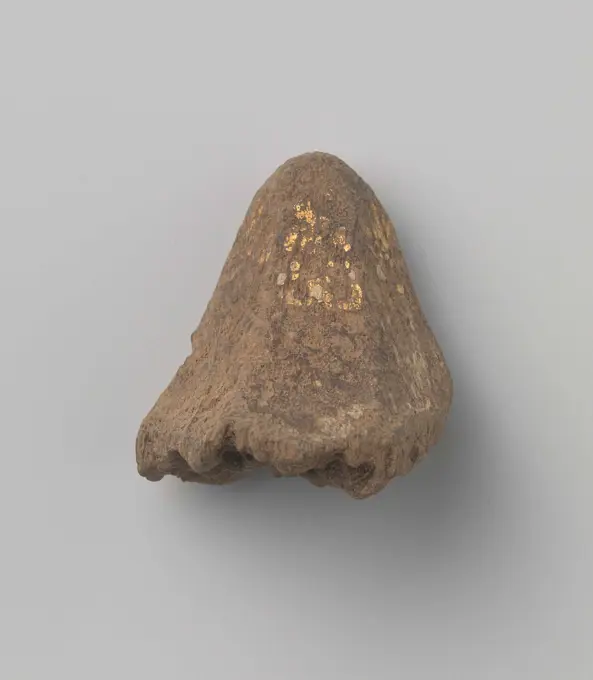
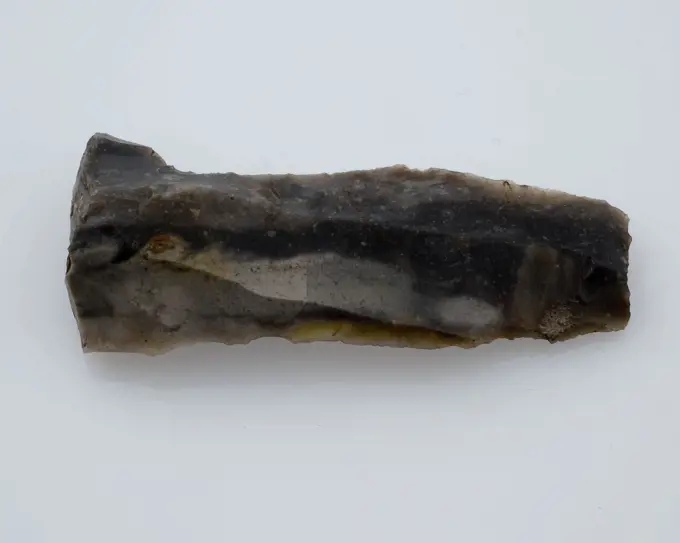
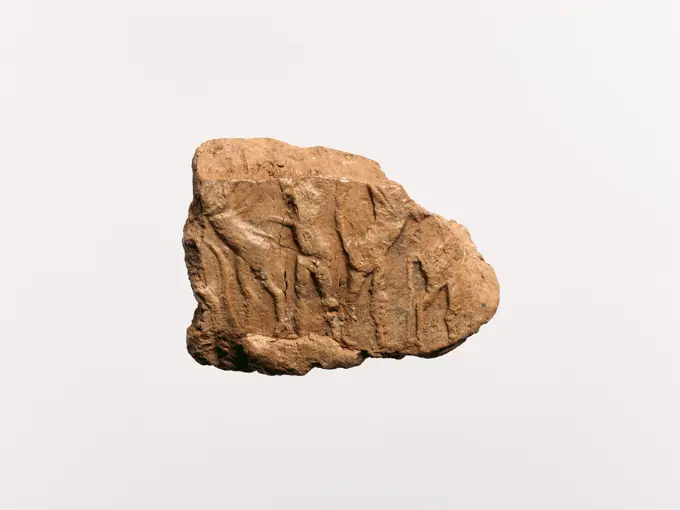
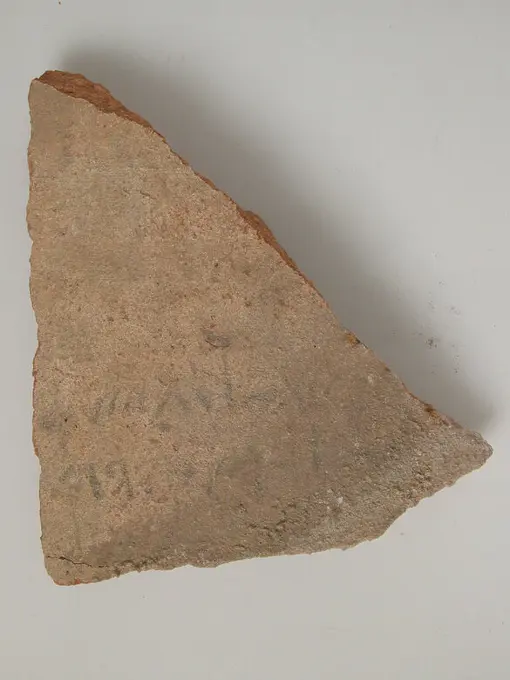
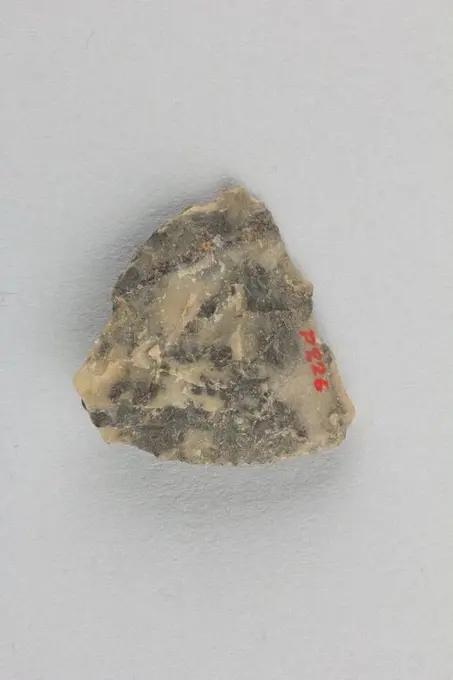
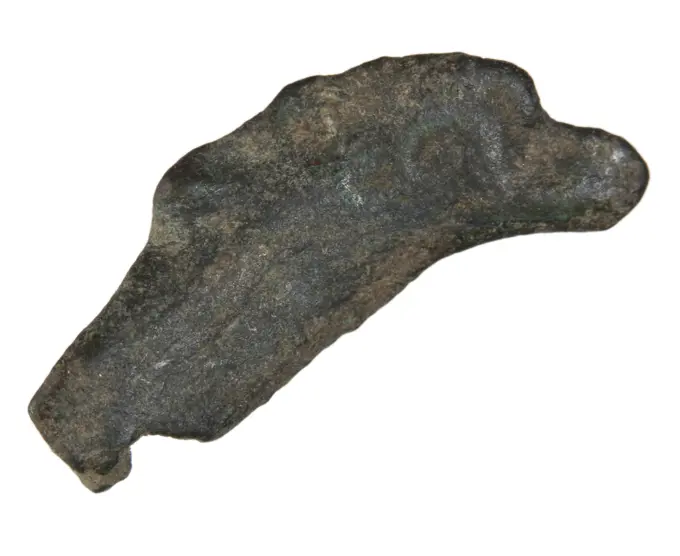
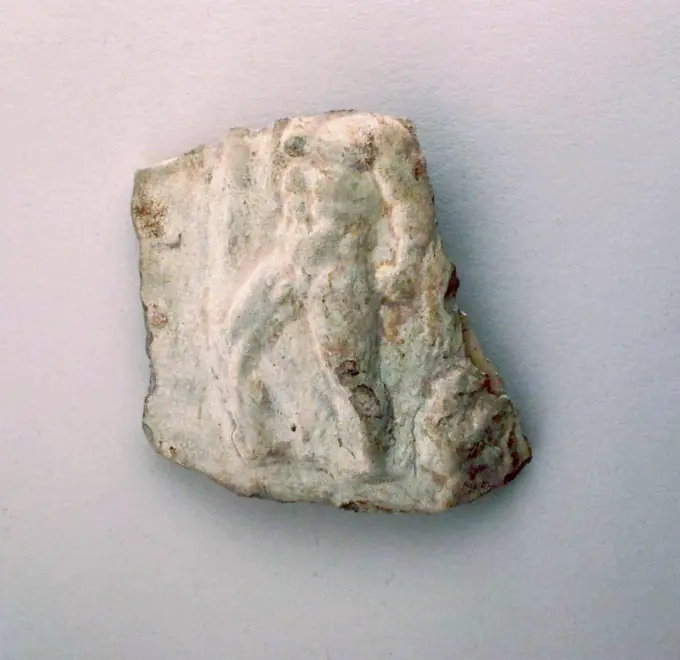
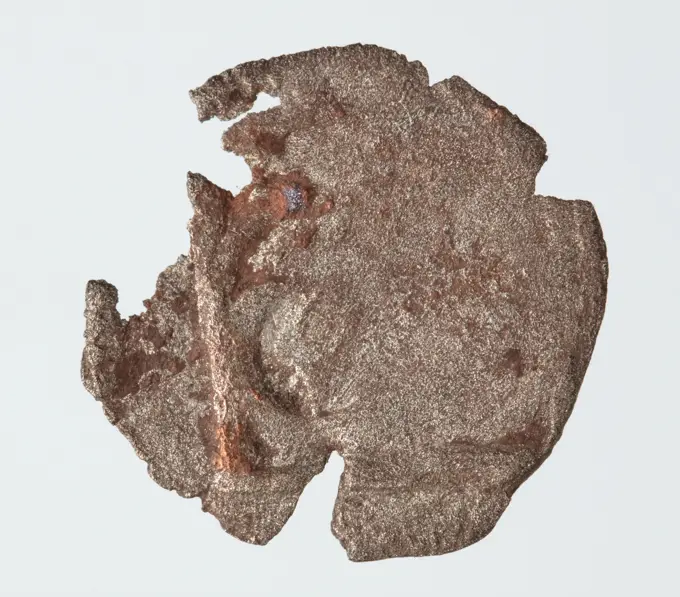
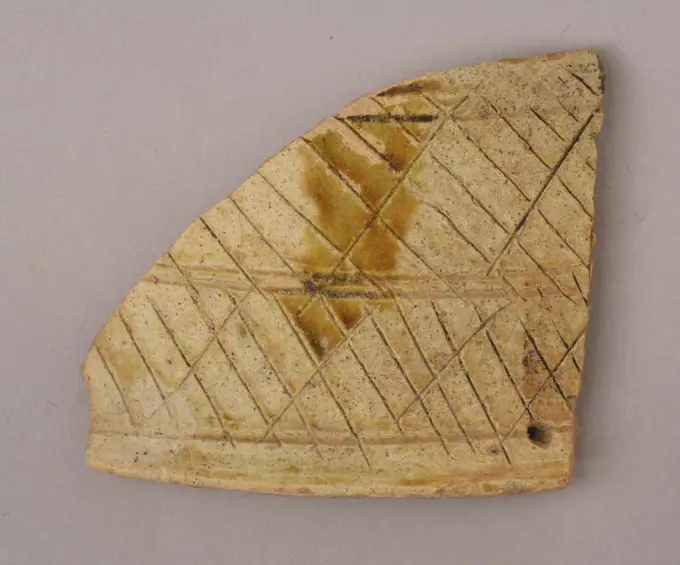
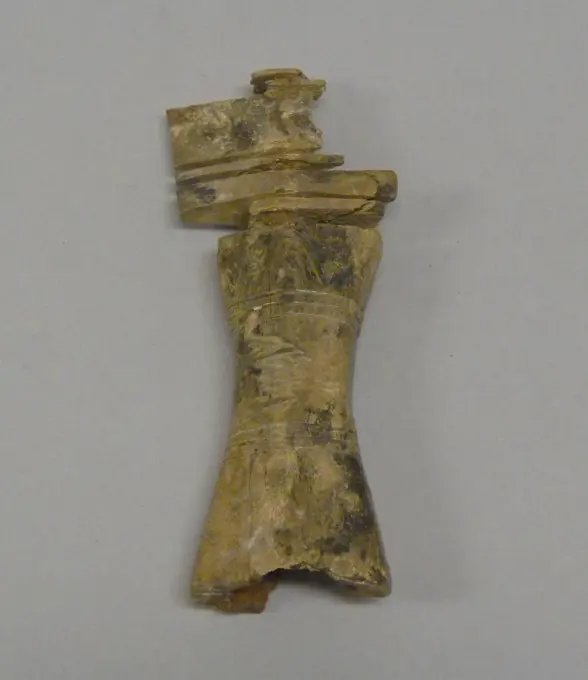
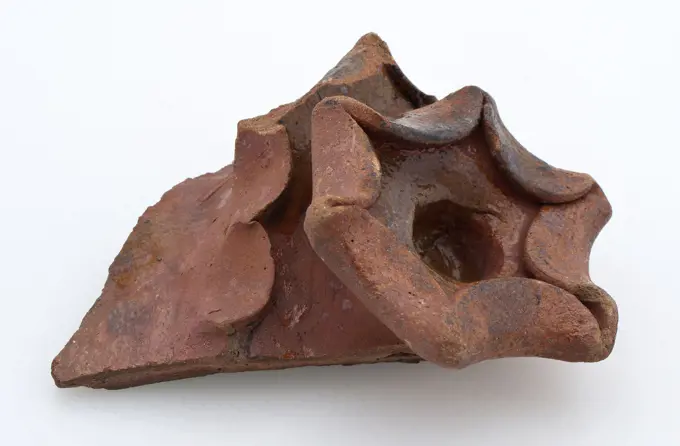
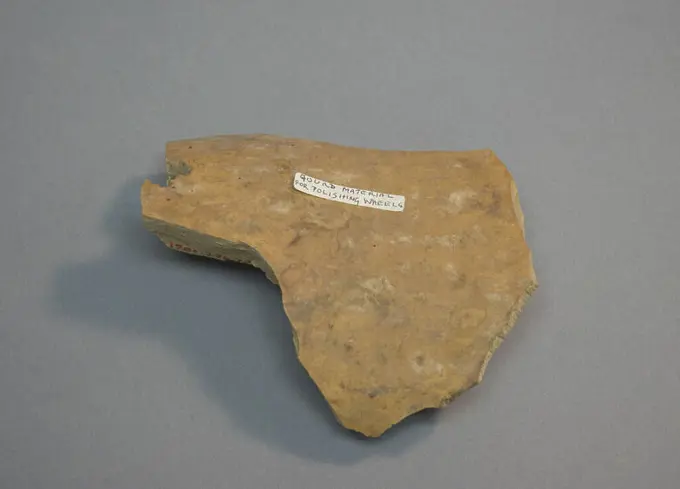
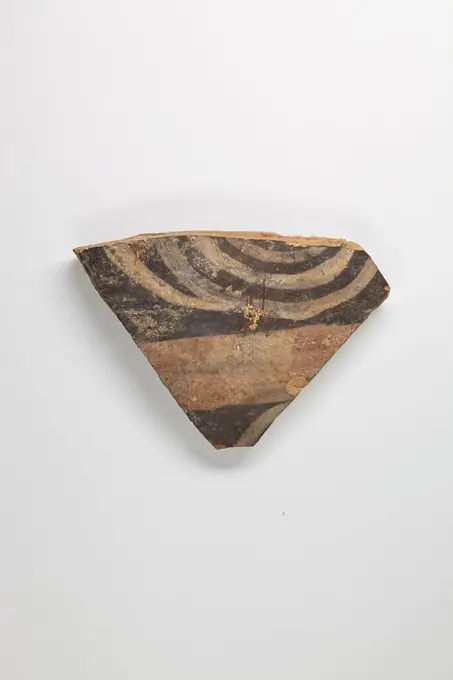
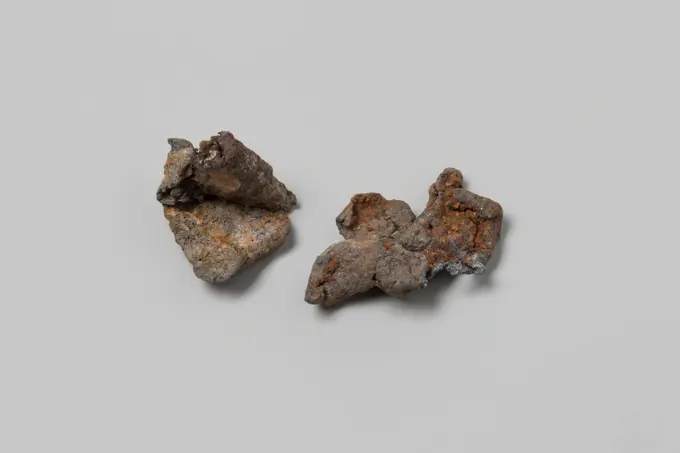
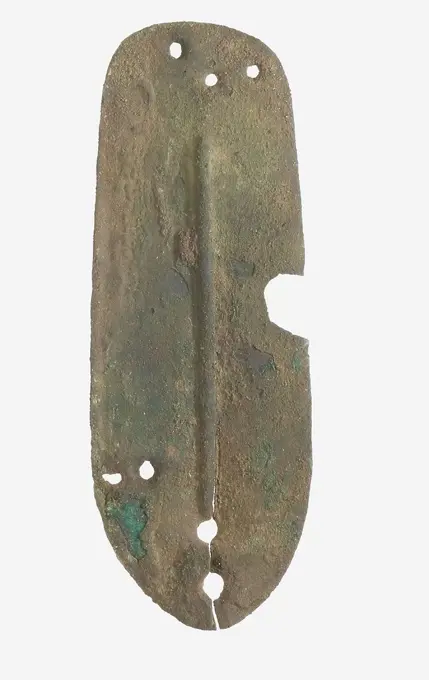
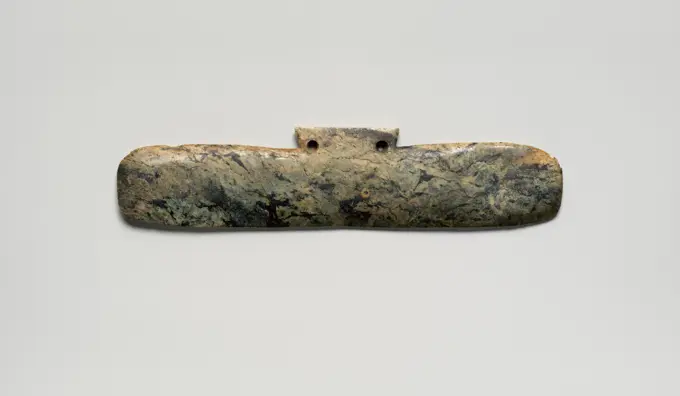
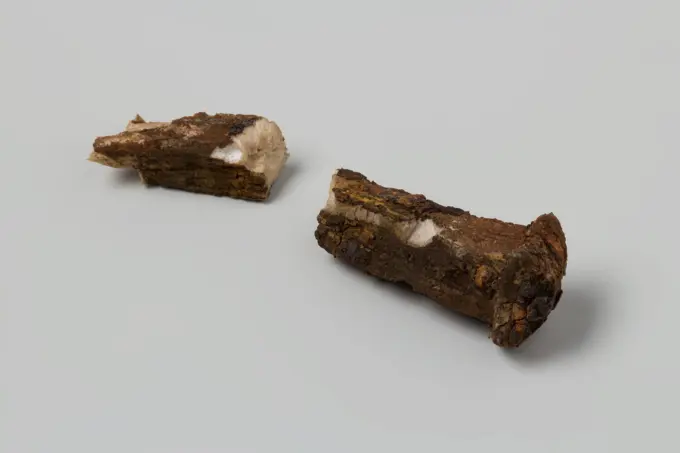
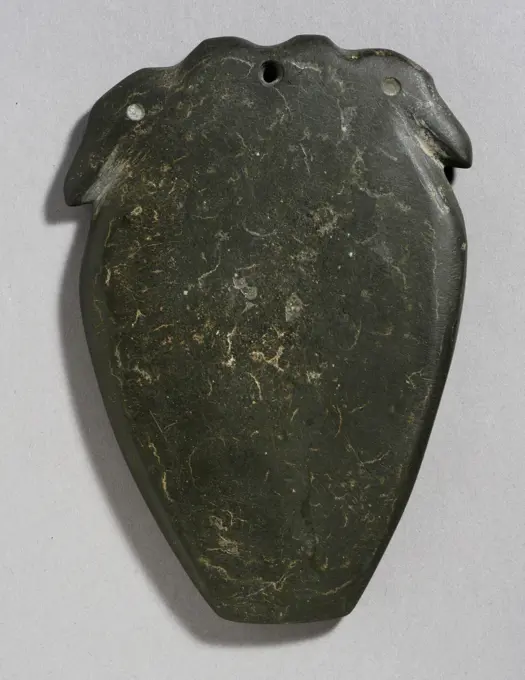
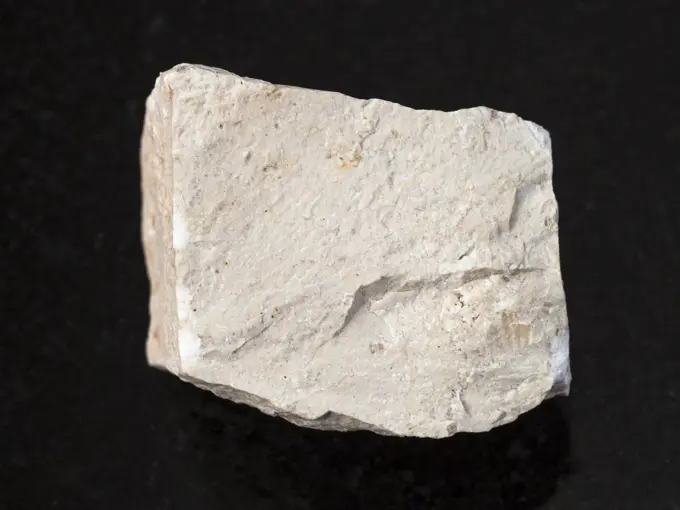
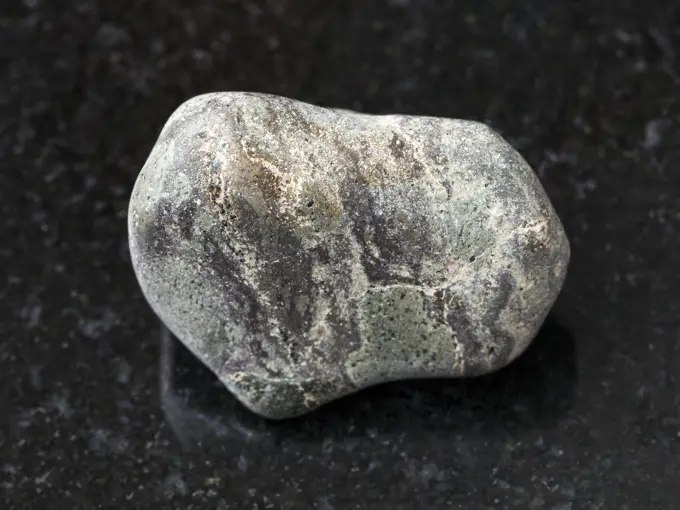
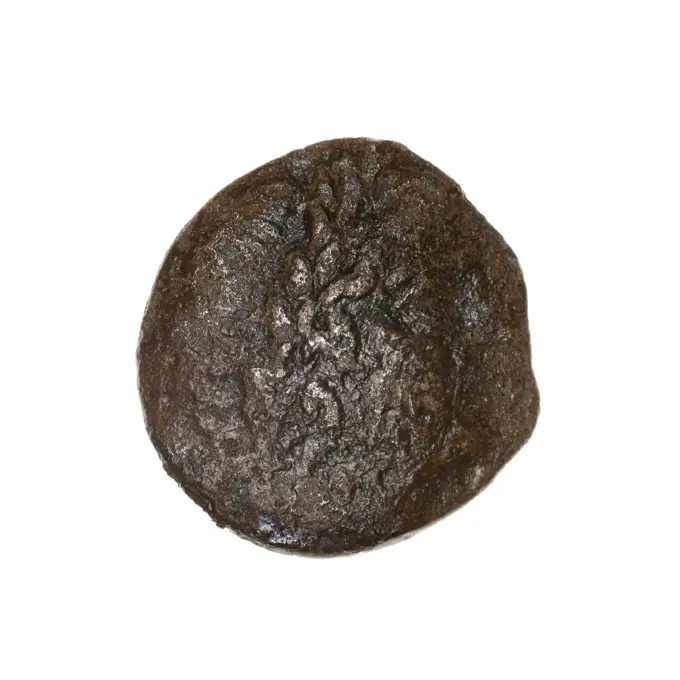
Decorated jar fragment ca. 1390-1352 B.C. New Kingdom. Decorated jar fragment. ca. 1390-1352 B.C.. Pottery and ink, paint. New Kingdom. From Egypt, Upper Egypt, Thebes, Malqata, Palace of Amenhotep III, MMA excavations. Dynasty 18Fragment; (possibly) belonging to the retable of Soest, c. 1475 - c. 1499   wood (plant material)   wood (plant material)Fragment of prune, soil find ceramic earthenware glaze lead glaze, baked Triangular flat object with points on the three corners raised one corner missing glaze remains archeology Rotterdam Delfshaven plateel majolica Soil discovery waste package with biscuit tiles and plateel at 18th century houses next to VOC building Delfshaven.Fragment of buyer from the wreck of the East India Hollandia.parts or artifacts; eroded fragments: Materials; Copper.Fragment; (possibly) belonging to the retable of Soest, c. 1475 - c. 1499   wood (plant material)   wood (plant material)Bifacial Stone Tool. Egypt, Neolithic Period (5500 - 3100 BCE). Tools and Equipment. FlintBrigandine Plate. Culture: Italian. Dimensions: H. 12 in. (30.5 cm); W. 9 1/2 in. (24.1 cm); Wt. 1 lb. 15.9 oz. (904.3 g). Date: 1400-1450. Museum: Metropolitan Museum of Art, New York, USA.Sunk relief fragment 664-610 B.C. Late Period, Saite see 23.3.468. Sunk relief fragment. 664-610 B.C.. Limestone. Late Period, Saite. From Egypt, Upper Egypt, Thebes, Deir el-Bahri, Tomb of Nespekashuty (TT 312, MMA 509), Lunette, 2nd chamber, MMA excavations, 1922-23. Dynasty 26Ax Head, 1886-1648 BC. Egypt, EL-Haraga, excavated in 1914, Middle Kingdom, Dynasty 12, reign of Sesostris III to early Dynasty 13. Flint; overall: 9 cm (3 9/16 in.).Two fragments of Spanish majolica dish, dark discolored, leaf motif, papkom bowl crockery holder earth discovery ceramics earthenware glaze , archeology Rotterdam City center Stadsdriehoek Haringvliet Newhaven indigenous pottery import Soil discovery New Haven Haringvliet 1941.Form of a nail into concretion from the wreck of the East India Flying Heart. The two fragments have probably been the head of a nail, now enclosed by concrete.Bliżej Kultury Mint of Kraków, Władysław Warneńczyk (King of Poland, 1434 1444)Fragment; (possibly) belonging to the Retable of Soest. .Flint blade of black gray flint, klij bottomfound flint, mined Blade of dark flint from the Stone Age or bronze Age Typical back with three turns of curved shape and ending in fragment of archeology on one side of Rotterdam Stone time prehistoric Hillegersberg Vlaardingen culture cut Soil discovery Rotterdam found in Hillegersberg on the eastern edge of the Kerkhof north of the entrance at the planting 1958-1959.Vessel Fragment 4th-7th century Coptic. Vessel Fragment 478743Soil clip of a storage bottle from the wreck of the East Indians Hollandia, Anonymous, 1700 - in or before 1743  Bottle, storage bottle; fragm of base, central part, shallow kick-up, hollow pontil mark. Netherlands .   SecondSealing with cylinder seal impression ca. 2900-2600 B.C. Sumerian. Sealing with cylinder seal impression. Sumerian. ca. 2900-2600 B.C.. Clay. Early Dynastic I-II. Mesopotamia, NippurFragment of a lead plate from the wreck of the East Indied Flying Heart. Two pieces of lead, corroded and buted, without holes. Sheet fragments.Relief fragment from the tomb of Meketre. Dimensions: H. 9.3 cm ( 3 11/16 in.); W. 13.5 cm ( 5 5/16 in.); D. 4.5 cm (1 3/4 in.). Dynasty: Dynasty 12. Reign: reign of Amenemhat I, early. Date: ca. 1981-1975 B.C.. Museum: Metropolitan Museum of Art, New York, USA.Ostracon. Dimensions: 11.7 x 10.4 x 1.3 cm (4 5/8 x 4 1/8 x 1/2 in.). Date: 400-30 B.C.. Museum: Metropolitan Museum of Art, New York, USA.Shards of Martavanen from V.O.C. ship De 'Witte Leeuw', Anonymous, Before 1613  Shards of Martavanen from V.O.C. ship De 'Witte Leeuw'. southeast Asia porcelain. stoneware   Sint-HelenaCounter Plate of a Belt Buckle 4th-7th century Frankish. Counter Plate of a Belt Buckle 469821Arrowhead. Culture: Japan. Dimensions: W. 1 in. (2.5 cm); L. 1 in. (2.5 cm). Museum: Metropolitan Museum of Art, New York, USA.Greece, Sarmacja, Olmia, V The beginning of the 4th century BC, Dolphin money, AE MintBliżej Kultury Mint of Kraków, Władysław Warneńczyk (King of Poland, 1434 1444)Wooden fragment of a sliding door from the east india riser 't flying heart. The sliding cover c.q. sliding door is made of oak. It is a flat piece of wood, an almost square fragment, with a notch on a short side with which one could shift the lid c.q. door, so open. The color is dark brown / black (see dimensions).Vase fragment Roman Fragment of greyish glazed vase; male figure.. Vase fragment. Roman. Terracotta. VasesFragment; (possibly) belonging to the retable of Soest, c. 1475 - c. 1499   wood (plant material)   wood (plant material)Bliżej Kultury Władysław Jagiełło (CA 1351 1434), Mint of KrakówFragment 8th-9th century. Fragment 448901Body (thigh ) with garment, pleated ca. 1353-1336 B.C. New Kingdom, Amarna Period. Body (thigh ) with garment, pleated 549949Vase fragment Minoan. Vase fragment 247846Household ring ca. 1295-1070 B.C. New Kingdom, Ramesside. Household ring. ca. 1295-1070 B.C.. Bronze. New Kingdom, Ramesside. From Egypt, Memphite Region, Lisht North, Cemetery, MMA excavations, 1913-14. Dynasty 19-20Pottery Fragment 4th-7th century Coptic. Pottery Fragment 479321Counter Plate of a Belt Buckle. Culture: Frankish. Dimensions: Overall: 2 13/16 x 2 3/16 x 1/4 in. (7.2 x 5.6 x 0.6 cm). Date: 4th-7th century. Museum: Metropolitan Museum of Art, New York, USA.Unidentified fragment ca. 1353-1336 B.C. New Kingdom, Amarna Period. Unidentified fragment 550024Three shards of a stoneware jug from V.O.C. ship De 'Witte Leeuw', Before 1613  Three shards of a stoneware jug, one consisting of seven glued fragments, from v.o.c.-ship the 'Witte Leeuw'  stoneware   Sint-HelenaGaming or Chess Piece 8th-11th century. Gaming or Chess Piece 452345Fragments from buyer from the wreck of the East India Hollandia.parts or artifacts; eroded fragments: Materials; Copper.Scherf of a jug of the wreck of the East Indians Hollandia, Anonymous, 1700 - in or Before 1743  Stoneware, Rhenish, Frechen-ware, jug; fragm of body. Cologne stoneware   SecondFragment of flint ax from the Stone Age, ax tool equipment earth find flint, minced sanded Half ax from the stone age. Closed ax without hole for handle Conical in shape with rounded sides. Flint discolored slightly brown by weathering. Rupture also weathered. Probably used around 3000 BC archeology stone time prehistoric Vlaardingen Vlaardingen culture mince miningFragment 13th century Crusader. Fragment 475340Raised relief fragment 664-610 B.C. Late Period, Saite see 23.3.468. Raised relief fragment 548033Floor plateBelt Buckle Attachment Plate Fragment 4th-7th century Frankish. Belt Buckle Attachment Plate Fragment 469812Bolesław Chrobry (992-1025), Denar; Wielkopolska, Kujawy or North Mazovia, After 1010 Bolesław Chrobry (992 1025)Vase fragment Minoan. Vase fragment 247806Fragment of the meeting of the three kings, added to the retable group in the 19th century with the meeting of the three kings of Adriaen van Wesel and removed during restoration in 1978., Anonymous, c. 1800 - c. 1900 Hand and a small indefinable fragment. Netherlands oak (wood) cutting  the Bosch Hand and a small indefinable fragment. Netherlands oak (wood) cutting  the BoschFragment chop of shoe sole from the wreck of the East Indians Hollandia, Anonymous, 1700 - in or before 1743  Shoe; fragm of heel with pins, dried, deformed. Netherlands leather. wood (plant material)   SecondFragments slate from the wreck of the East India Hollandia. Parts or artifacts; eroded fragments: Materials; Slate.Fragment 13th century Crusader. Fragment 475345Foot (toes) fragment East Greek/Sardis, Lydian. Foot (toes) fragment 252719 East Greek/Sardis, Lydian, Foot (toes) fragment, Bronze, H.: 1 7/8 x 3 x 1 1/4 in. (4.8 x 7.6 x 3.2 cm). The Metropolitan Museum of Art, New York. Gift of The American Society for the Excavation of Sardis, 1926 (26.199.151)Waster 10th century. Waster. 10th century. Earthenware; gritty yellowish body under blue glaze. Excavated in Iran, Nishapur. CeramicsFragments of the wreck of the East Indieschief Hollandia. Fittings, bands and bracing, flat; ID. NG 1980-27H3053, Squashed.Vase fragment East Greek/Sardis, LydianVolute-krater fragment ca. 330-310 B.C. Greek, South Italian, Apulian. Volute-krater fragment. Greek, South Italian, Apulian. ca. 330-310 B.C.. Terracotta; red-figure. Classical. Vasestumbled olivinite stone isolated on white macro shooting of natural mineral rock specimen - tumbled olivinite stone isolated on white background from Kovdor region, Kola Peninsula, Russia Copyright: xZoonar.com/ValeryxVoennyyx 11514837Fragment. Culture: Crusader. Dimensions: 2 13/16 × 2 3/16 × 1/4 in. (7.2 × 5.6 × 0.6 cm). Date: 13th century. Museum: Metropolitan Museum of Art, New York, USA.Wide blade of chopper with narrowed sting, cleaver knife cutting tool ground find iron metal, forged Large wide blade with narrowed angel Heavy archeology Rotterdam rail tunnel chop food preparation kitchen slaughter butcher butchery meat loaves Soil discovery: railway tunnel Rotterdam.Stones Man;  XIX-XX century (1890-00-00-1910-00-00);Czarka. nieznany warsztat północno mezopotamski (ca 2350-ca 2200 a.C.), workshopRaised relief fragment 664-610 B.C. Late Period, Saite see 23.3.468. Raised relief fragment. 664-610 B.C.. Limestone, varnish. Late Period, Saite. From Egypt, Upper Egypt, Thebes, Deir el-Bahri, Tomb of Nespekashuty (TT 312, MMA 509), 1st chamber W. wall, MMA excavations, 1922-23. Dynasty 26Small-sized ax with relatively high top of downside facing side, ax tool equipment earth discovery iron wood metal, archeology Rotterdam City Triangle Oudehaven tools wood cutting heating household kitchen ax Soil discovery: Oude Haven Rotterdam 1980.Pottery Fragment. Culture: Coptic. Dimensions: Overall: 2 5/8 x 1 7/8 x 1 5/16 in. (6.7 x 4.8 x 3.4 cm). Date: 4th-7th century. Museum: Metropolitan Museum of Art, New York, USA.Pottery Fragment 4th-7th century Coptic. Pottery Fragment 479327Bottle;  IX-XI century (801-00-00-1100-00-00);gift (provenance)Winged arrowhead in carved stone. Neolithic period. North Africa. 4,5 cm.Lamp 5th-7th century. Lamp 449207Fragment probably 11th century. Fragment. probably 11th century. Earthenware; incised. Found Saudi Arabia, Dhahran. CeramicsFragment of a Molding 10th century. Fragment of a Molding 450328Knife handle 500 B.C.-A.D. 300 Indonesia. Knife handle. Indonesia. 500 B.C.-A.D. 300. Ivory. Bronze and Iron Age period. IvoriesFragments lead from the wreck of the East Indiesman Hollandia. Parts or artifacts; eroded fragments: Materials; Lead.Fragment 13th century Crusader. Fragment 475311Fragment of earthenware fire dome with molded rosette, glazed, firecock fragment earth discovery ceramic earthenware glaze lead glaze, w 11.3 hand turned hand shaped baked Fragment of earthenware fire dome with beautifully patterned rosette as an ornament on the base of the attachment of the ear placed Red earthenware on the top glazed. Beroet at the bottom archeology Rotterdam Stadscentrum Stadsdriehoek Mariniersweg indigenous pottery heating fire prevention hearth ash Soil discovery Mariniersweg 1983.Sesterce de Trajan, 98-117 Anonymous. Trajan Sesterce, 98-117. Bronze.Small lead disk, disc soil found lead metal, gram poured Irregular circular and flat archeology Rotterdam rail tunnel Soil discovery: rail tunnel Rotterdam.Piece of Gourd Material for Polishing Wheel. Culture: China. Dimensions: H. 1 5/8 in. (4.1 cm); W. 3 3/8 in. (8.6 cm); L. 4 1/4 in. (10.8 cm). Date: 20th century. Museum: Metropolitan Museum of Art, New York, USA.Raised relief fragment 664-610 B.C. Late Period, Saite see 23.3.468. Raised relief fragment. 664-610 B.C.. Limestone. Late Period, Saite. From Egypt, Upper Egypt, Thebes, Deir el-Bahri, Tomb of Nespekashuty (TT 312, MMA 509), 1st chamber N. door; W. jamb, MMA excavations, 1922-23. Dynasty 26Minoan body sherd. Dimensions: h. 5.4 cm (2 1/8 in); w. 7.3 cm (2 7/8 in). Dynasty: Dynasty 12-13. Date: ca. 1981-1640 B.C.. Museum: Metropolitan Museum of Art, New York, USA.Twin cross of staurolite Coray Finistere FranceFragments Lead from the wreck of the East Indians Hollandia, 1700 - in Or Before 1743  Parts of artefacts; eroded fragments: materials; lead. Netherlands lead (metal)   SecondFragment 14th-15th century. Fragment 447271Scale from Armor. Dimensions: average l. ca. 11.5 cm (4 1/2 in). Dynasty: Dynasty 18. Reign: reign of Amenhotep III. Date: ca. 1390-1353 B.C..Although bronze and iron scales have been found in Egypt, body armor--a foreign import--was probably not commonly worn there. Two sets of armor appear in a presentation scene in the tomb of Kenamun at Thebes, and a cuirass of leather scales was found in the tomb of Tutankhamun. The ten scales (11.215.452a-j) were excavated from the palace of Amenhotep III, but their position, embedded in an enclosure wall, does not allow us to speculate as to who might have worn them. The scales would have been sewn to a linen or leather backing. Although they vary, they still might have constituted the same armor. Museum: Metropolitan Museum of Art, New York, USA.Winged Pendant 10th-16th century Tairona Stone objects of this general shape are known to have come from an area stretching from southern Mexico to Venezuela and the Antilles in South America and the Caribbean. Their greatest concentration, however, is in the Tairona region of northwestern Colombia. Large numbers of finely crafted stone objects were excavated at Tairona sites. Usually found in caches buried in vessels under house floors or those of ceremonial structures, they are often carved of attractive pieces of stone. The stone objects include beads; axes in hafted shape carved from a single piece of stone; scepters or staffs; and thin, bar-shaped pendants with two holes or a suspension tube at the center such as the objects illustrated here, which seem to be sets of ritual artifacts.The lateral extensions of these objects may represent stylized spread wings of bats. Among the present-day Kogi and Ica, direct descendants of the Tairona, similar objects are used by religious speciaFragment 8th-9th century. Fragment 448773Fragment 8th-9th century. Fragment 448873Iron Concretion in the form of a bijtel or a large nail from the wreck of the East Indies' t Vliegend Hart, 1700 - 1735, which was decorated in 1735 concretionary stone Fragments concretion of which two have been filled with silicone rubber for conservation, and of which the core has perished by corrosion. Two fragments showed no indications for a recognizable object and were thrown away. Concretion.  rubber (material)Excerpt rib from a beef from the wreck of the East Indians Hollandia, 1700 - in or Before 1743  Faunal remains: bones; mammalian species; cattle bones; fragm of rib, eroded, split.  bone (material)   SecondGrahal-Manzara. Carnavalet 2013-2016 collection sites. Numismatics.Fragment probably 11th century. Fragment 451602Tulle hat with Rijssel side; The ball of tulle -embroidered tulle is trimmed along the forehead with a pleated strip of Rijssel side, anonymous, c. 1800 - c. 1900 Tulle hat with Rijssel side. The ball of tulle -embroidered tulle is trimmed with a strip of Rijssel side. The side is folded along the forehead. maker: FrieslandLille whole: Linen (Material). embroidering / Lille lace Tulle hat with Rijssel side. The ball of tulle -embroidered tulle is trimmed with a strip of Rijssel side. The side is folded along the forehead. maker: FrieslandLille whole: Linen (Material). embroidering / Lille lacePalette. Egypt, Pre-Dynastic Period (circa 5500 - 3050 BCE). Tools and Equipment; palettes. Slaterough chemical limestone stone on dark macro shooting of natural mineral rock specimen - rough chemical limestone stone on dark granite background Copyright: xZoonar.com/ValeryxVoennyyx 11392035tumbled Suevite stone on dark background macro shooting of natural mineral rock specimen - tumbled Suevite stone on dark granite background from Karelia, Rissia Copyright: xZoonar.com/ValeryxVoennyyx 11392133Pendant: Female Head in Profile. UnknownCastro culture. Fragment of a decorated pottery. From Castro of Elvia (5th century BC-2nd century AD). La Corua (Galicia, Spain). Archaeological and History Museum (San Anton Castle). A Corua, Galicia, Spain.Cuneiform tablet: fragment ca. 568 B.C. Babylonian. Cuneiform tablet: fragment 321832Drachma; Pantikapaion; 1. PO. II century BC (-200-00-00--151-00-00);Apollo (mitol. (army), armament (iconogr.), Purchase (provenance), Arch in Sajdak (iconogr.), Łuki (army)Drohiczy seal;  XI-XIII century (1090-00-00-1110-00-00);guild seals, customs seals, touches, seals of customs chambers, official seals, seals with a cross