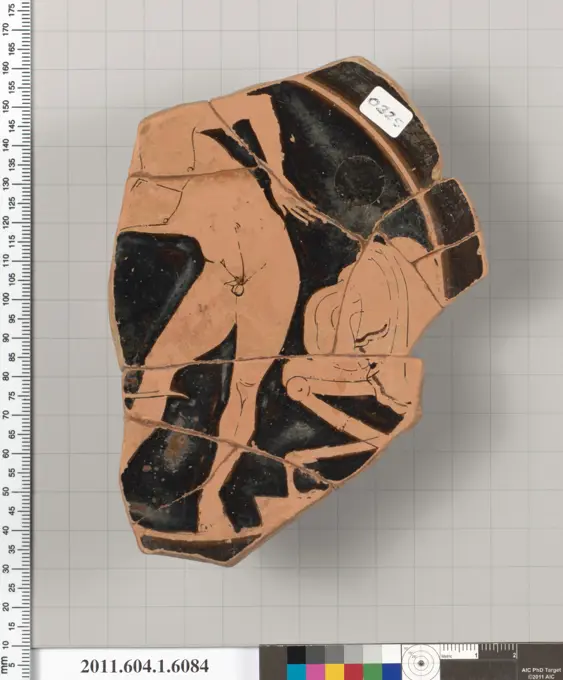
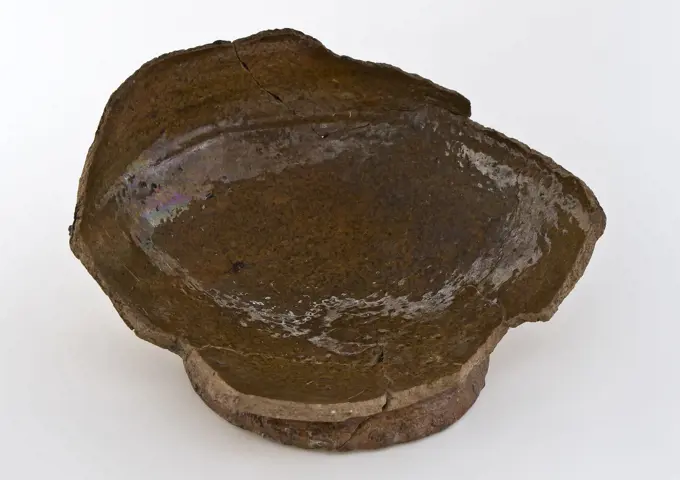
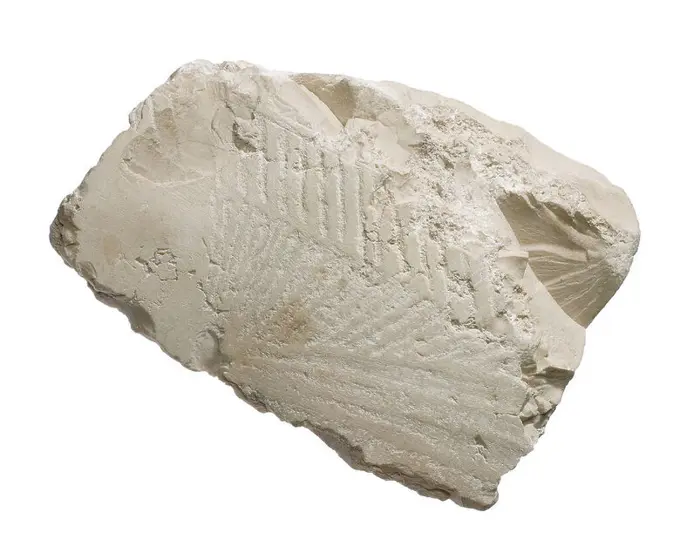
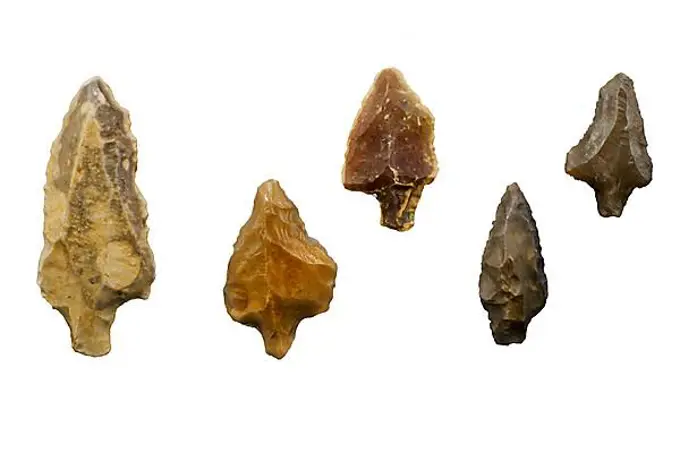
Ancient Pottery Fragments

Historical ceramic fragments from different eras, showcasing unique textures and colors, highlighting archaeological finds from ancient Egypt and Europe.

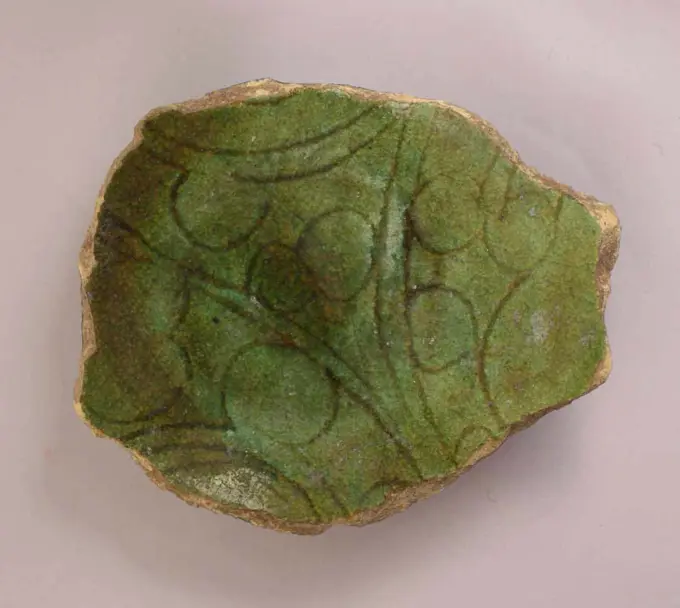
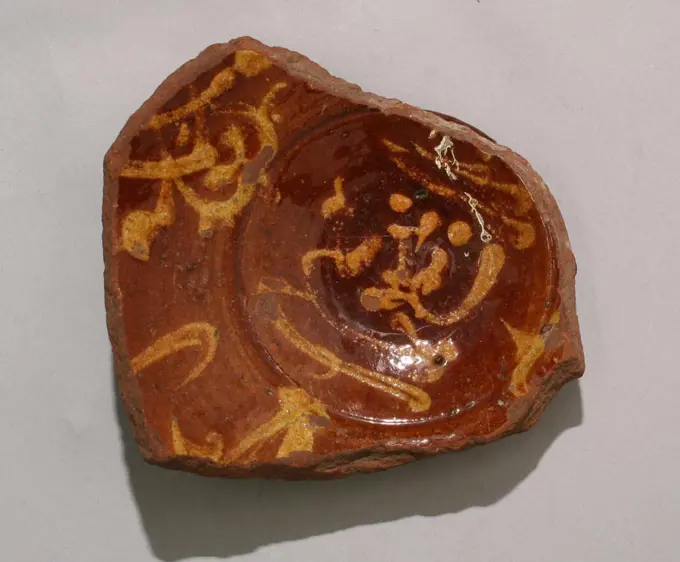
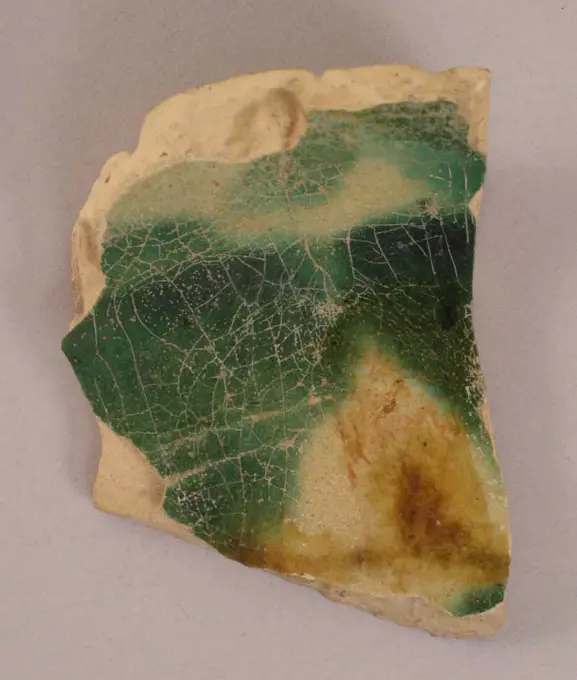
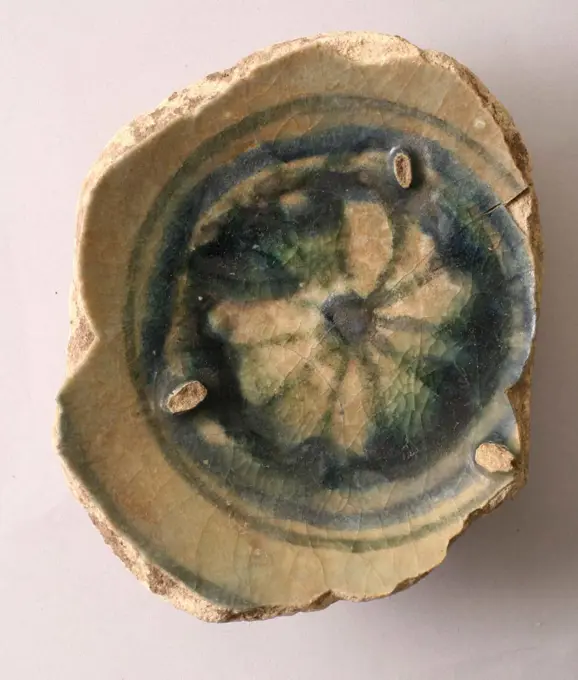
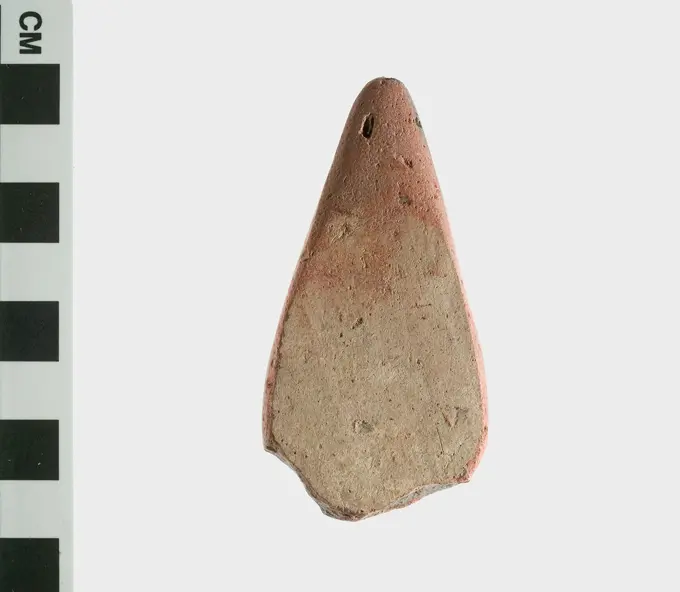
Fragment of prune, soil find ceramic earthenware glaze lead glaze, baked Triangular flat object with points on the three corners raised one corner missing glaze remains archeology Rotterdam Delfshaven plateel majolica Soil discovery waste package with biscuit tiles and plateel at 18th century houses next to VOC building Delfshaven.
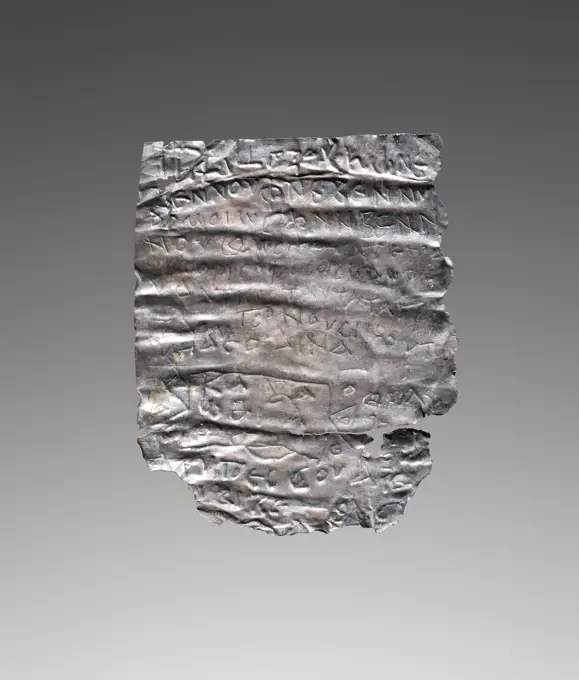
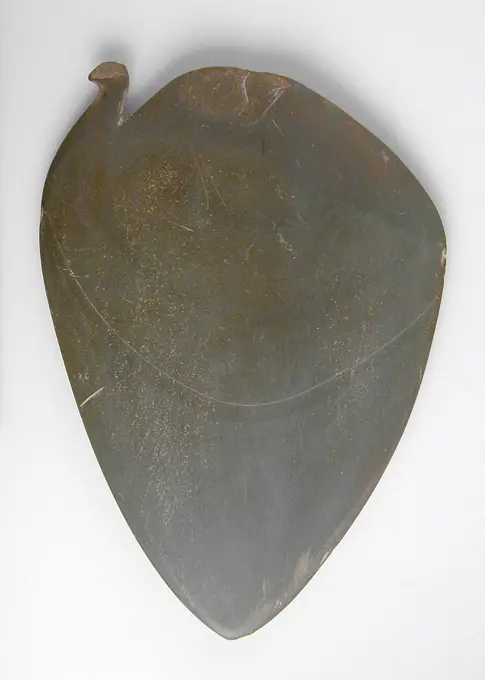
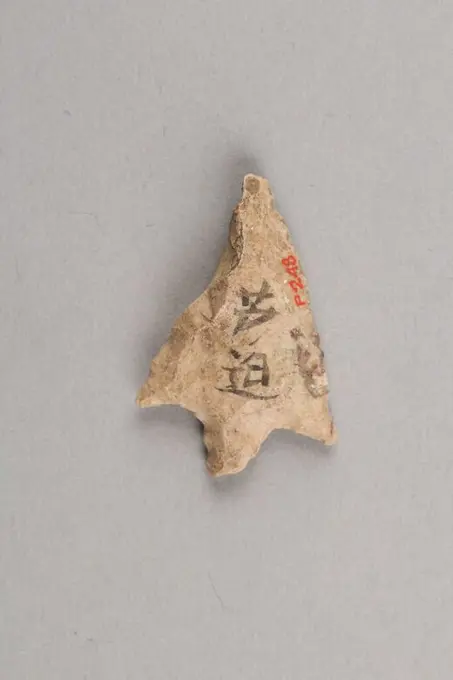
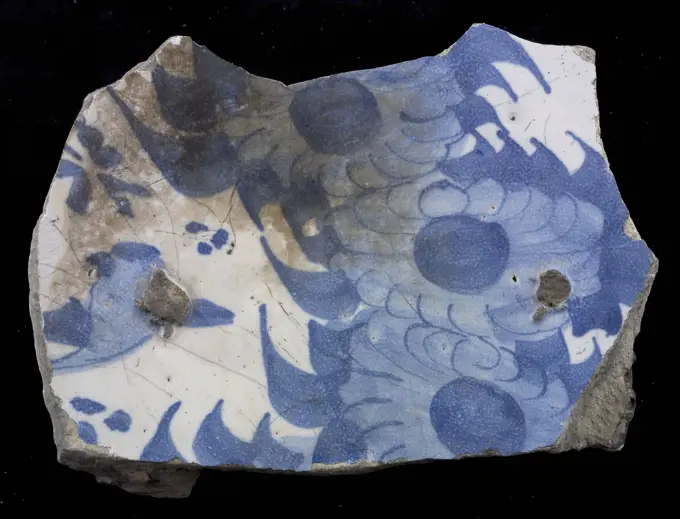
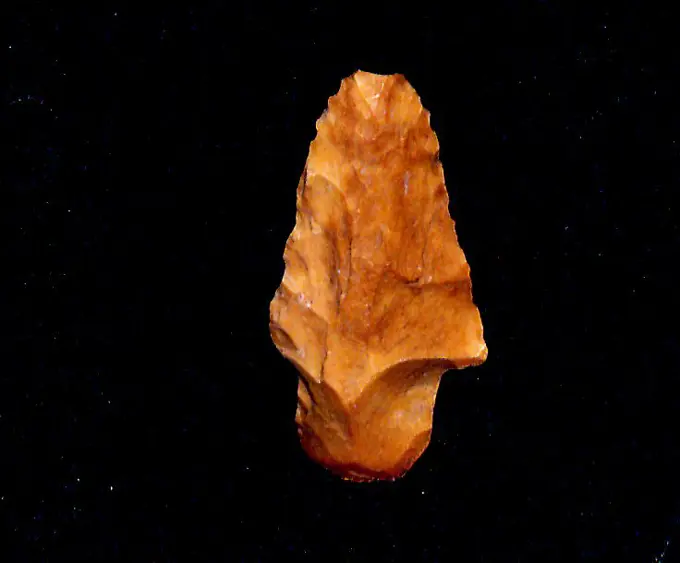
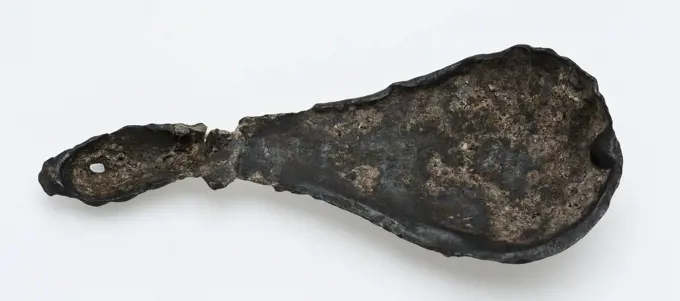
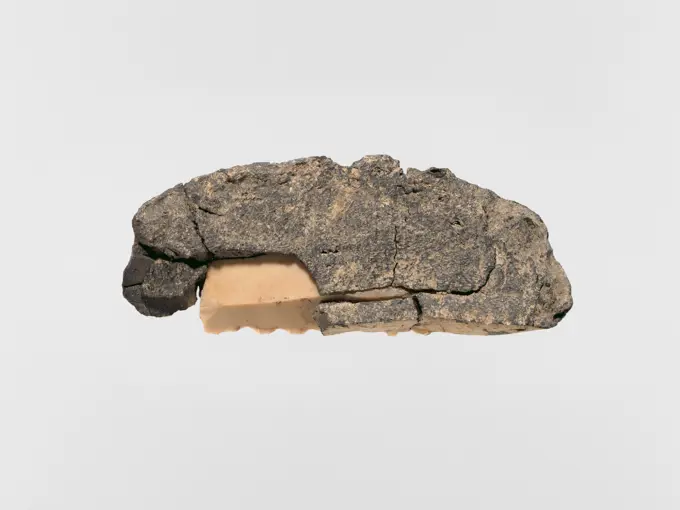
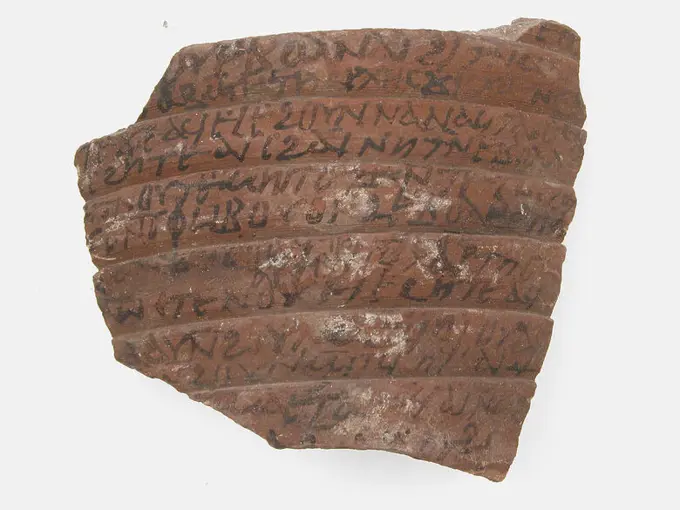
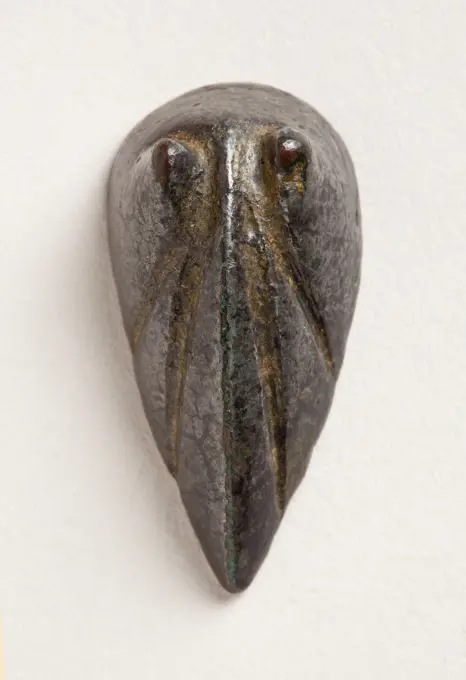
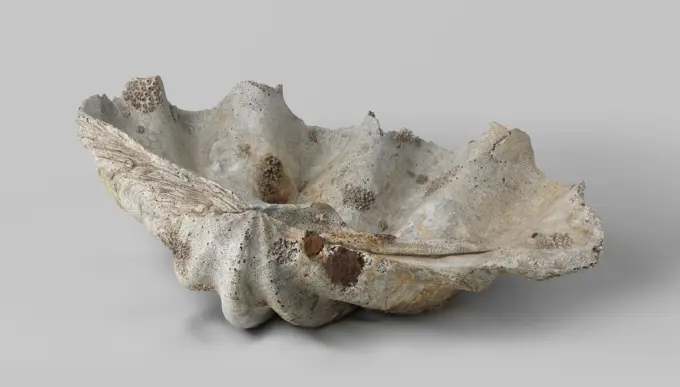
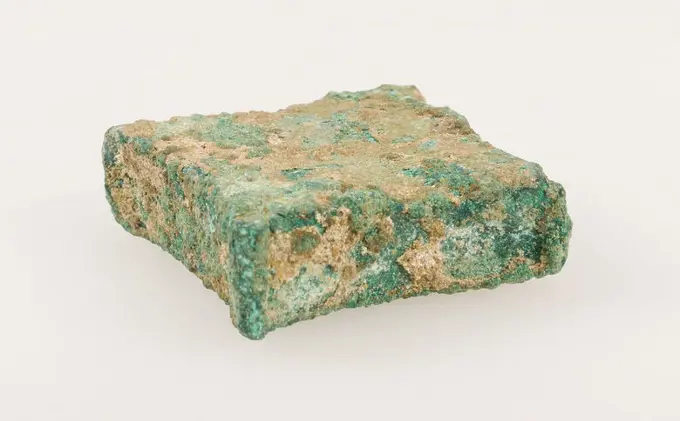
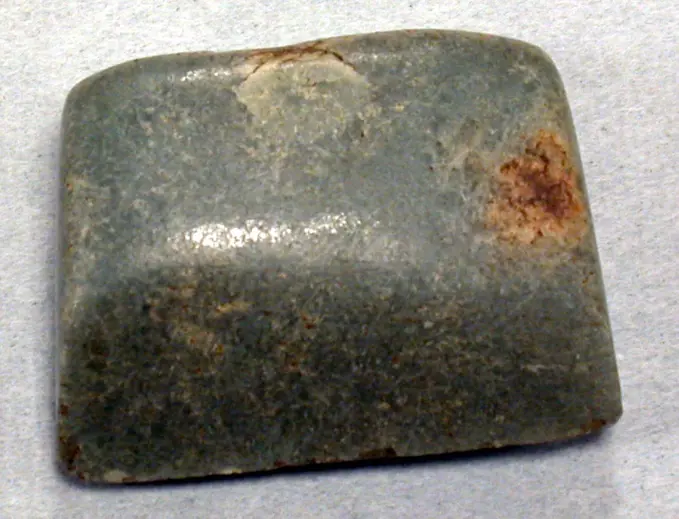
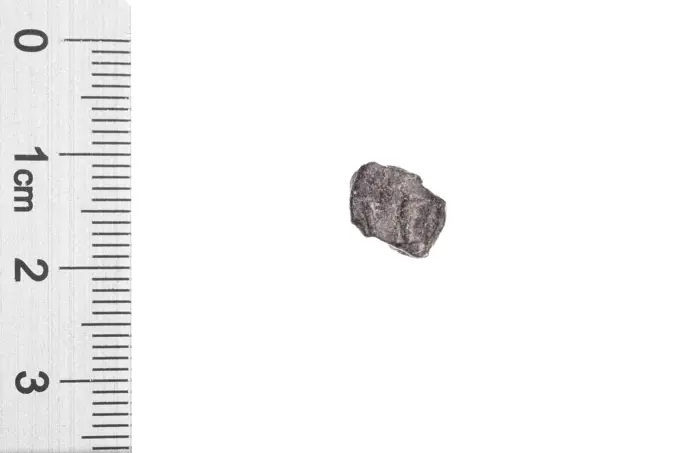
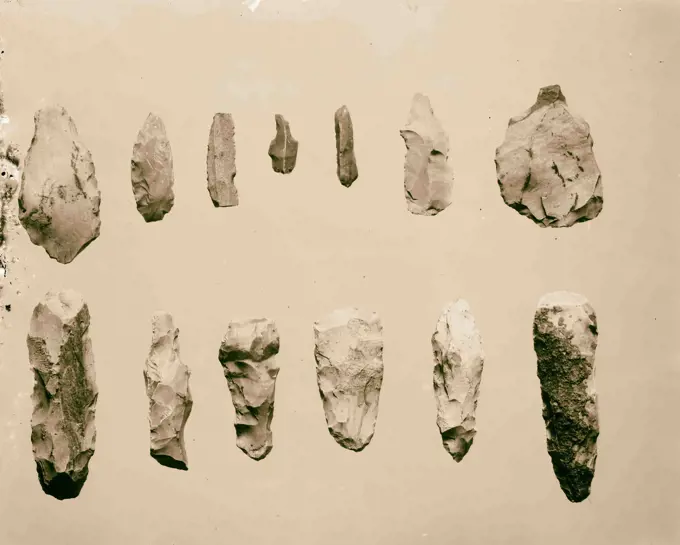
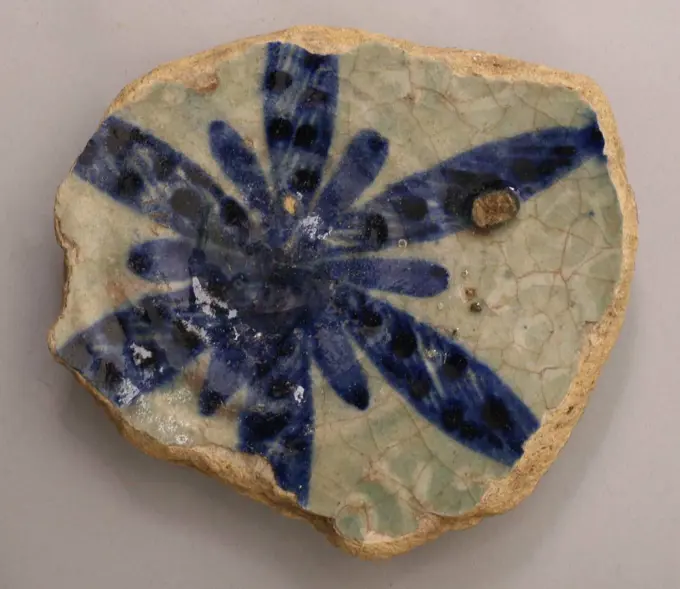
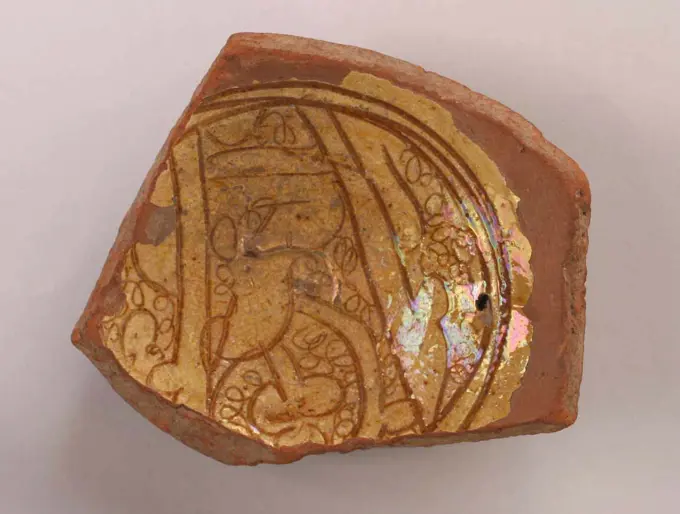
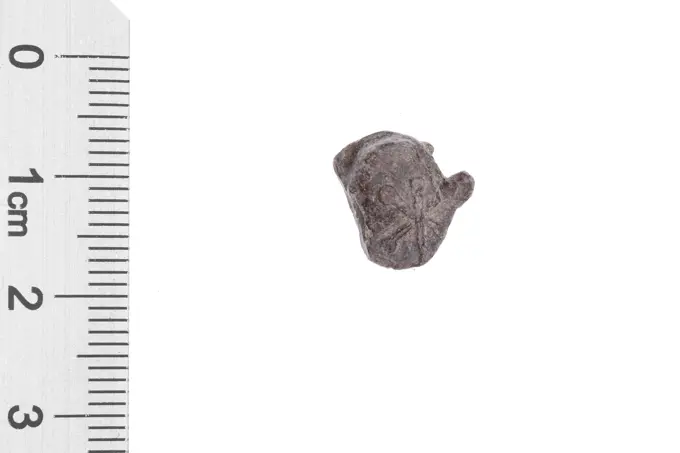
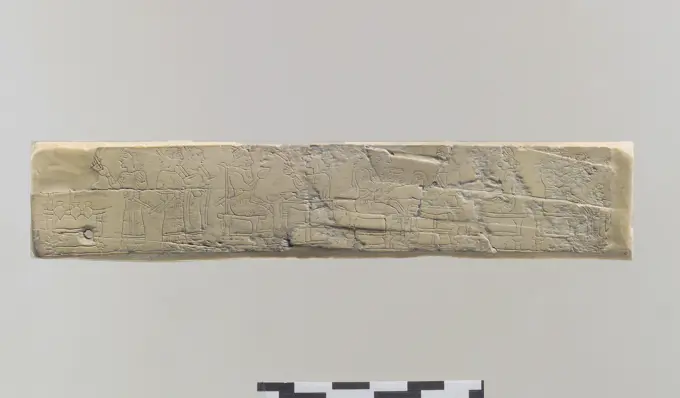
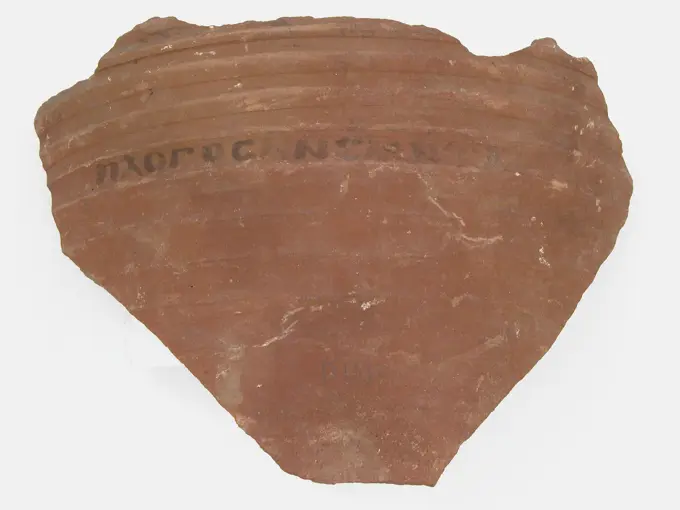
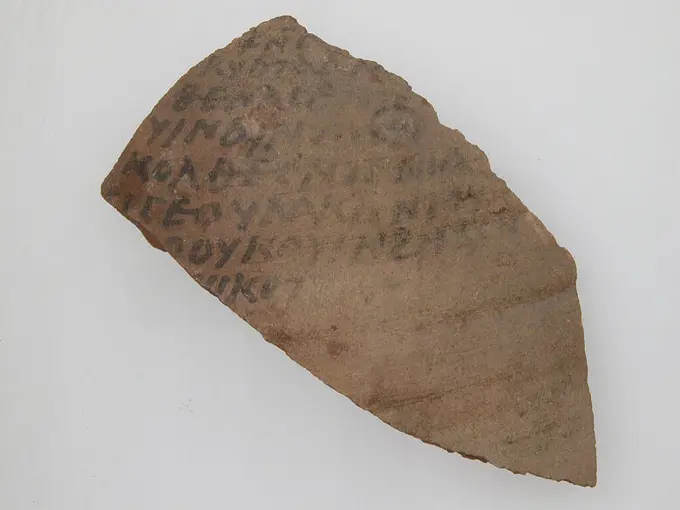
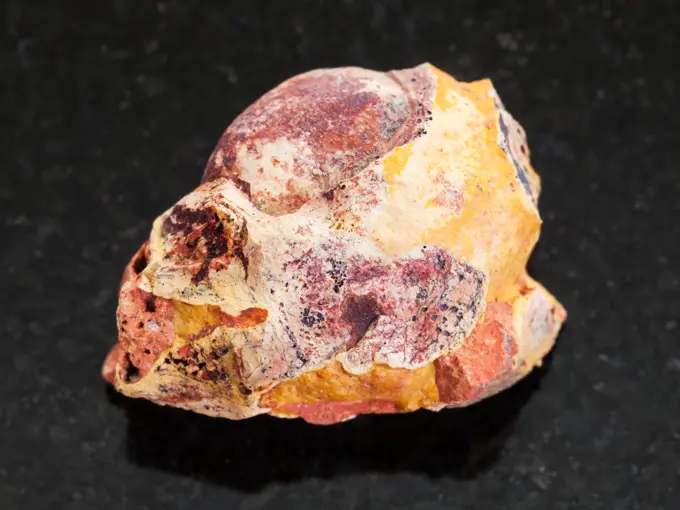
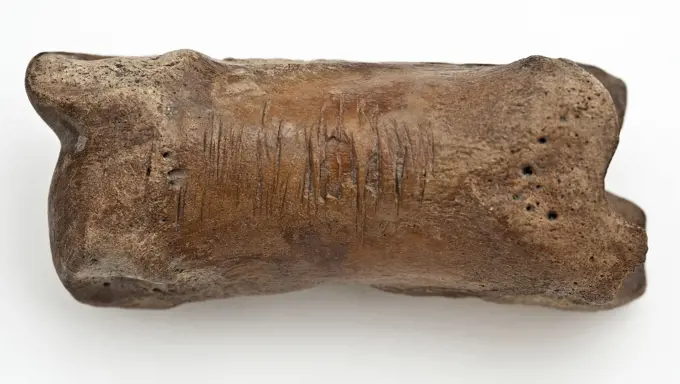
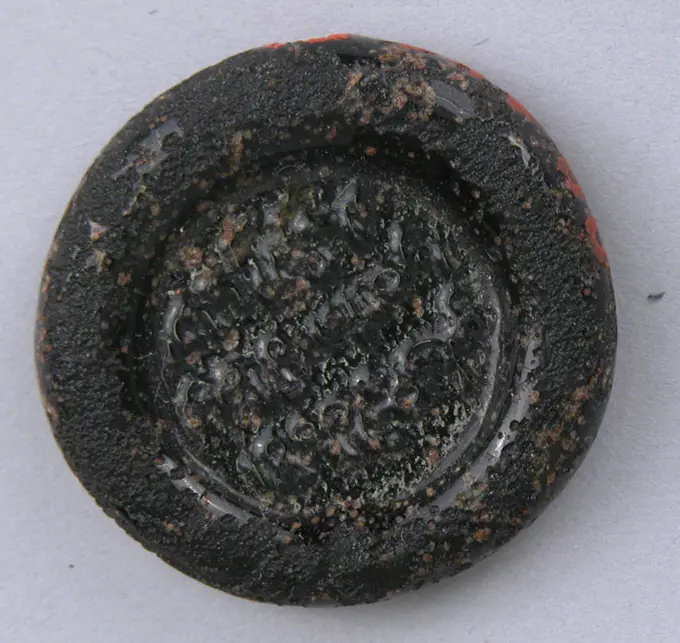
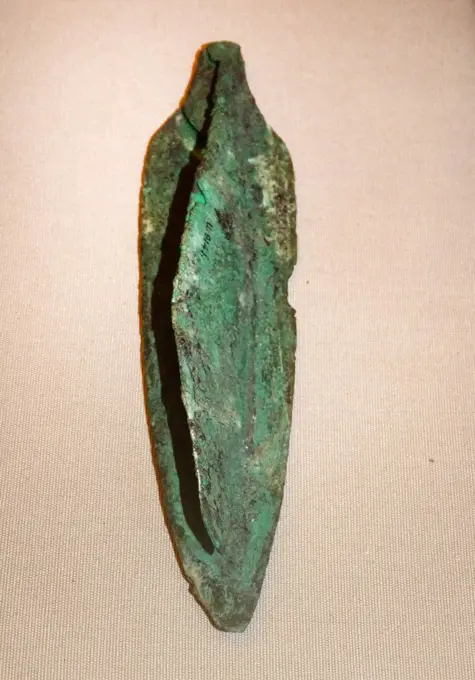
Two copper alloy spear heads corroded together. Found at Ur probably. Sumerian About 2600-2400 BCScraper. Neolithic art. Decorative Arts. SPAIN. CATALONIA. BARCELONA. Vic. Vic Episcopal Museum. Proc: SPAIN. ANDALUSIA. SEVILLA. Carmona.Shards of Martavanen from V.O.C. ship De 'Witte Leeuw', Anonymous, Before 1613  Shards of Martavanen from V.O.C. ship De 'Witte Leeuw'. southeast Asia porcelain. stoneware   Sint-HelenaFragment consisting of a lump of lead with a hole in the middle, anonymous, c. 1590 - c. 1596 fragment Fragment consisting of a lump of lead with a hole in the middle.  lead (metal) casting  Nova Zembla. Saving HuysCoin Weight 9th-10th century. Coin Weight 454678MINERALS. METEORITE PIECE.Conus vexillum shell from the wreck of the Dutch East India ship Witte Leeuw, before 1613  Shell from v.o.c. ship De 'Witte Leeuw'  .   Sint-HelenaKayak spear guard -Costume Ornament. Culture: Peru; central coast (). Dimensions: L. 2 3/4 in. (7 cm). Date: 11th-12th century. Museum: Metropolitan Museum of Art, New York, USA.Sickle Blade, 1980-1801 BC. Egypt, Middle Kingdom, Dynasty 12. Flint; overall: 5 cm (1 15/16 in.).Vessel Fragment 4th-7th century Coptic. Vessel Fragment 475426Tablet (Lamella) with an Incantation against Pain. UnknownTesson (common name), 1400. Sandstone with brown under cover. Cernuschi Museum, Asia Museum of Asia in the city of Paris.Vase fragments Minoan. Vase fragments 247757Hand casting incense () over an offering pile ca. 1353-1336 B.C. New Kingdom, Amarna Period. Hand casting incense () over an offering pile 553780Miniature Vessel 12th-16th century Middle Niger civilization. Miniature Vessel. Middle Niger civilization. 12th-16th century. Copper alloy. Mali, Inland Niger Delta region. Metal-ContainersFragment. Dimensions: L 10cm x W 9.5 x H 3. Date: probably 8th-12th century. Museum: Metropolitan Museum of Art, New York, USA.Roman Republic, quadrant, Rome; CA 275 270 B.C. Rome mintTool () ca. 300,000-90,000 B.C. Lower Paleolithic Period. Tool (). ca. 300,000-90,000 B.C.. Flint. Lower Paleolithic Period. From Egypt, Upper Egypt, Thebes, Libyan DesertFragment 13th-14th century. Fragment 446387Palette. Egypt, Pre-Dynastic Period (circa 5500 - 3050 BCE). Tools and Equipment; palettes. SlateOstrakon. Culture: Coptic. Dimensions: 3 5/8 x 4 3/4 in. (9.2 x 12.1 cm). Date: 7th century. Museum: Metropolitan Museum of Art, New York, USA.Arrowhead. Culture: Japan. Dimensions: W. 3/4 in. (1.9 cm); L. 1 1/8 in. (2.9 cm). Museum: Metropolitan Museum of Art, New York, USA.Akhenaten body with garment ca. 1353-1336 B.C. New Kingdom, Amarna Period. Akhenaten body with garment. ca. 1353-1336 B.C.. Indurated limestone. New Kingdom, Amarna Period. From Egypt, Middle Egypt, Amarna (Akhetaten), Great Temple of the Aten, pit outside southern wall, Petrie/Carter excavations, 1891-92. Dynasty 18Messenheft from V.O.C. ship De 'Witte Leeuw', Before 1613  Messenheft from V.O.C. ship the 'Witte Leeuw'.  bone (material)   Sint-HelenaHand holding a little gold color stone in handBelt Plate Fragment. Culture: Frankish. Dimensions: Overall: 3 3/4 x 2 1/4 x 1/4 in. (9.5 x 5.7 x 0.7 cm). Date: 4th-7th century. Museum: Metropolitan Museum of Art, New York, USA.Fragment majolica dish, blue on white, large flowers in Chinese style, dish plate tableware holder earth discovery ceramics pottery glaze, Op fried archeology food decorate serving ChinaBracelet 11th-16th century Middle Niger civilization. Bracelet. Middle Niger civilization. 11th-16th century. Copper alloy. Mali, Inland Niger Delta region. Metal-OrnamentsWeight 9th-10th century. Weight 449932Drohiczyn seal. unknown, managerGame Piece 4th-7th century Coptic. Game Piece 478567Fragment 3rd-8th century. Fragment 448818Shards of Martavanen from V.O.C. ship De 'Witte Leeuw', Anonymous, Before 1613  Shards of Martavanen from V.O.C. ship De 'Witte Leeuw'. Martaban (possibly) stoneware. porcelain   Sint-HelenaIndian arrowhead from Georgia and North & South Carolina , Archaeological assemblages, Charles F. Walcott Archaleogical CollectionAustria, Vienna, Naturhistorisches Museum, Flint scrapers from excavations at WillendorfFragment of a Bowl 14th-15th century. Fragment of a Bowl 445569Drohiczyn seal. unknown, managerFish Ornament 11th-12th century Peru; central coast (). Fish Ornament 308828Raised relief fragment 664-610 B.C. Late Period, Saite see 23.3.468. Raised relief fragment. 664-610 B.C.. Limestone. Late Period, Saite. From Egypt, Upper Egypt, Thebes, Deir el-Bahri, Tomb of Nespekashuty (TT 312, MMA 509), 1st chamber W. wall; 2nd register, MMA excavations, 1922-23. Dynasty 26Tile fragment, part of a wig from a figure of the king New Kingdom, Ramesside ca. 1279-1213 B.C. View more. Tile fragment, part of a wig from a figure of the king. ca. 1279-1213 B.C.. Faience. New Kingdom, Ramesside. From Egypt, Eastern Delta, Qantir (Piramesse), Palace of Ramesses II. Dynasty 19Vase fragment Roman, Gaul Figure wearing a cap, extending arms.. Vase fragment 250407Shard from one can be from the wreck of the East Indiesman Hollandia. Stoneware, rhenish, frechen-ware, jug; Fragm or body.Unakite, charmstoneFragment late 9th-10th century. Fragment 451507Fragment of a Female Figure. Culture: Coptic. Dimensions: Overall: 8 7/16 x 5 11/16 x 4 5/16 in. (21.5 x 14.5 x 11 cm). Date: 4th-7th century. Museum: Metropolitan Museum of Art, New York, USA.Axe ca. 1981-1975 B.C. Middle Kingdom. Axe. ca. 1981-1975 B.C.. Limestone, paint. Middle Kingdom. From Egypt, Upper Egypt, Thebes, Southern Asasif, Tomb of Meketre (TT 280, MMA 1101), MMA excavations, 1920. Dynasty 12Game piece ca. 1981-1640 B.C. Middle Kingdom. Game piece. ca. 1981-1640 B.C.. Black faience. Middle Kingdom. From Egypt, Memphite Region, Lisht North, Cemetery, MMA excavations, 1920-22. Dynasty 12-13Lazio Roma Subiaco Monastery of S. Scolastica Archaeological Museum48. Hutzel, Max 1960-1990 Antiquities: Views of antiquities in museum, including sarcophagi, plates, vases, coins. General Notes: Hutzel guide says we have negatives, but we cannot find them. German-born photographer and scholar Max Hutzel (1911-1988) photographed in Italy from the early 1960s until his death. The result of this project, referred to by Hutzel as Foto Arte Minore, is thorough documentation of art historical development in Italy up to the 18th century, including objects of the Etruscans and the Romans, as well as early Medieval, Romanesque, Gothic, Renaissance and Baroque monuments. Images are organized by geographic region in Italy, then by province, city, site complex and monument.Pewter pin or brooch, in the shape of lute , brooch ornamental pin ornament clothing accessory clothing soil find tin metal, cast Pewter pin in the shape of lute Hollow back only on the head decorated with six rings. Rear leftover of pin archeology Rotterdam City Triangle Spaarbankstraat Markt Wearing the inner rott Soil discovery Inner rotte between the former Spaarbank and Markthoek Spaarbankstraat.Sickle blade set in bitumen for attachment to a handle ca. 2900-2700 B.C. Sumerian. Sickle blade set in bitumen for attachment to a handle. Sumerian. ca. 2900-2700 B.C.. Flint, bitumen. Early Dynastic I. Mesopotamia, NippurTile Fragment 1334-1434. Tile Fragment 453489closeup of sample of natural mineral from geological collection - unpolished Turquoise rock isolated on white background. unpolished Turquoise rock isolated on whiteOstrakon with a Letter. Culture: Coptic. Dimensions: 4 7/16 x 4 in. (11.3 x 10.2 cm). Date: 600. Museum: Metropolitan Museum of Art, New York, USA.Button. China, Han dynasty, 206 B.C.-A.D. 220. Jewelry and Adornments; buttons. Bronze, castGiant Clam (Tridacna Gigas) from the wreck of the Dutch East Indiaman Witte Leeuw, not applicable, Before 1613  Baptismal shell Tridacna Gigas.  .   Sint-HelenaIngot. Culture: Coptic. Dimensions: 1 5/8 × 1 9/16 × 9/16 in. (4.2 × 3.9 × 1.4 cm). Date: 4th-7th century. Museum: Metropolitan Museum of Art, New York, USA.stamped votive foot from Iberian Culture, Valladolid Museum - Provincial Museum of Antiquities, Autonomous Community of Castile and Leon, Spain.Macro of a stone, against a blurred blue backgroundWall casing 664-610 B.C. Late Period, Saite see 23.3.468. Wall casing. 664-610 B.C.. Limestone. Late Period, Saite. From Egypt, Upper Egypt, Thebes, Deir el-Bahri, Tomb of Nespekashuty (TT 312, MMA 509), Undetermined, MMA excavations, 1922-23. Dynasty 26Weights pharmacy balance from the wreck of the East Indians Hollandia, Anonymous, 1700 - in Or Before 1743 weight Tools and instruments, medical, apothecaries' weight; id. NG 1980-27H2750 drachms, eroded. Netherlands copper (metal)   SecondMosaic glass fragment. The small glass fragment shows a marbled pattern of red and black. In Roman times, it used colored, ornamented glass for vessels, mosaics, wall decorations and furniture ornaments. For the production, different colored glasses were molded into tubes and rods. These were compressed and heated, causing a long bar. The glass sliced now had a wide variety of amorphous or floral patterns.Cuneiform tablet: fragment, content uncertain ca. 7th-4th century B.C. Babylonian or Achaemenid. Cuneiform tablet: fragment, content uncertain 321876Stone Chisel before 16th century Mexican. Stone Chisel 317230Drohiczyn seal. unknown, managerSeries of prehistoric flints 1898, Middle EastPendant: Winged Female Head. UnknownFragment of a Dish 15th century. Fragment of a Dish 446345Engraved Scaraboid; about 400 B.C; Mottled green and yellow jasper; 2.3 × 1.7 × 0.9 cm (15,16 × 11,16 × 5,16 in.)mortar and weights, Museum of Navarra, Pamplona, Navarra,Spain.Italic Vase Fragment. UnknownBrick from the wreck of the East Indians Hollandia, Anonymous, 1700 - in or before 1743 brick (clay product) Constructional elements, brick; sim. 80H2567, sim. 80H1208, sim. 80H1009. Netherlands brick (clay product)   SecondFragment 14th-15th century. Fragment 445568Bow-Drill Fragments 580-640 Coptic. Bow-Drill Fragments 474915LYS sown account token with potted cross Prince of blood, Stockings Middle Ages Anonymous. Lyly sown account token with chubby cross Prince of blood, Stock Middle Ages. Copper.Fragment of a Bowl 14th-15th century. Fragment of a Bowl 446350Fragment 14th-15th century. Fragment 445171body surface ca. 1353-1336 B.C. New Kingdom, Amarna Period. body surface 561685Drohiczyn seal. unknown, managerPlaque ca. 9th-8th century B.C. Assyrian This long, narrow strip of ivory is broken at both ends, but enough remains of the decoration to identify it as a scene depicting a royal banquet. At left, a beardless attendant gestures to a stand holding three pots, perhaps serving vessels for the meal; he may be waving a fan over the pots to keep insects away. Two similar figures stand to the right, armed with bows, and face the back of the seated king, who is identified by his distinctive hata fez-like cap topped by a small cone. The king is bearded and seated on a throne with a high back. He holds a bowl on the fingertips of his right hand and faces another beardless attendant, who holds a long-handled cup or dipper and waves a whisk toward the king. The attendant stands behind a three-legged table covered with a cloth. To the right is another group of banqueters, this time arranged in two seated pairs consisting of a bearded and a beardless figure, which face each other across another thrrough Gagate Jet stone on white macro shooting of natural mineral rock specimen - rough Gagate Jet stone on white marble background from Mataganskoe mine, Irkutsk region, Russia Copyright: xZoonar.com/ValeryxVoennyyx 11949806Ostrakon 7th century Coptic. Ostrakon 474545Polisher ca. 1295-1070 B.C. New Kingdom, Ramesside. Polisher. ca. 1295-1070 B.C.. Sandstone. New Kingdom, Ramesside. From Egypt, Memphite Region, Lisht North, Cemetery, MMA excavations, 1915-16. Dynasty 19-20Terracotta fragment of a kylix (drinking cup) 500-490 B.C. Attributed to Apollodoros Interior, youth cleaning himself off with a strigil; at the right, folding stool with drapery. Terracotta fragment of a kylix (drinking cup) 704297Fragment of room comfort on stand, completely glazed, pot holder sanitary earthenware ceramic earthenware glaze lead glaze, ring 10.9 hand-turned glazed baked Fragment of chamber pot on stand ring Thin-walled earthenware Bowl-shaped bottom and upright sidewall. Richel across the belly Red shard and fully glazed archeology Rotterdam IJsselmonde indigenous pottery draining night sleeping room hygiene Soil discovery: IJsselmonde castle well 1 Rotterdam 1972.Breast () garment fringe, pleating. Dimensions: H. 10.5 x W. 16 x Th. 4 cm (squared). Dynasty: Dynasty 18. Reign: reign of Akhenaten. Date: ca. 1353-1336 B.C.. Museum: Metropolitan Museum of Art, New York, USA.Collection of Paleolithic tanged points made of flint from the Pleistocene, Ice Age, Glacial Epoch found in Morocco against white backgroundOstrakon. Culture: Coptic. Dimensions: 3 3/8 x 3 1/8 in. (8.5 x 8 cm). Date: 7th century. Museum: Metropolitan Museum of Art, New York, USA.Arrowhead with peduncle in cut stone. Neolithic period. North Africa. 5 cm.Shards of wine bottles and clear glass from the wreck of the East Indians' t Vliegend Hart, Anonymous, 1700 - 1735  Two shards of onion -shaped wine bottles of green glass with red (port) wine and two shards of clear glass. Netherlands glassraw Bauxite stone on dark background macro shooting of natural mineral rock specimen - raw Bauxite stone on dark granite background Copyright: xZoonar.com/ValeryxVoennyyx 11383535Greece, Apulia, Arpi, ca. 325-275 BC, AE21 ARPI mintBig toe ca. 1353-1336 B.C. New Kingdom, Amarna Period. Big toe 550054Karte von Südafrika auf rostigem Metall - Map of South Africa on rusty metal Karte von Südafrika auf rostigem Metall - Map of South Africa on rusty metal Copyright: xZoonar.com/lantapixx 9926724Digit from cow's leg, part of throwing game: flocks, koot game piece relaxant soil find leg, Bone on long side underneath each other dashes incised possible mark archeology Rotterdam rail tunnel play kootkoot bikkelen Soil discovery: trajectory rail tunnel Rotterdam.Coin Weight 11th century. Coin Weight 453544Drohiczyn seal. unknown, managerExcerpt from a lead plate from the wreck of the East Indians' t Vliegend Hart ,, 1729 - 1735 sheet lead Elongated piece of lead. Sheet fragments. Middelburg lead (metal)Silver primrose rhizome (Cimicifugae rhizoma), Sheng Ma, cut out, objectStone drill , Archaeological assemblages, Charles F. Walcott Archaleogical Collection