Ancient Pottery Fragments

Historical ceramic fragments from different eras, showcasing unique textures and colors, highlighting archaeological finds from ancient Egypt and Europe.

Fragment of prune, soil find ceramic earthenware glaze lead glaze, baked Triangular flat object with points on the three corners raised one corner missing glaze remains archeology Rotterdam Delfshaven plateel majolica Soil discovery waste package with biscuit tiles and plateel at 18th century houses next to VOC building Delfshaven.
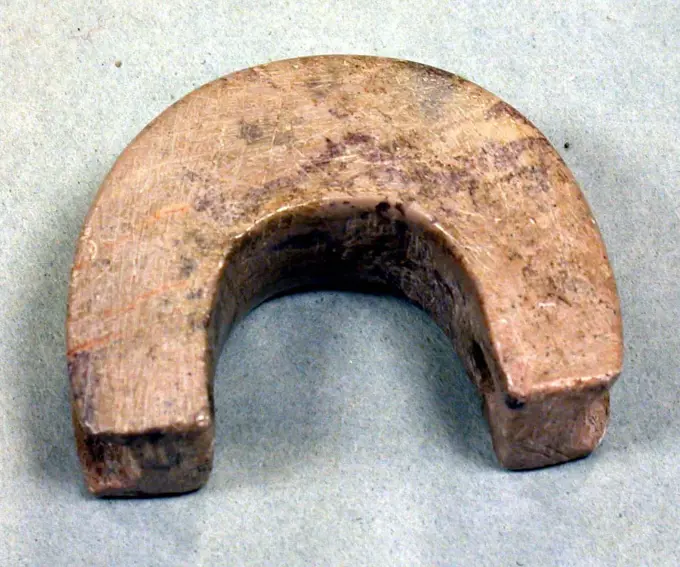
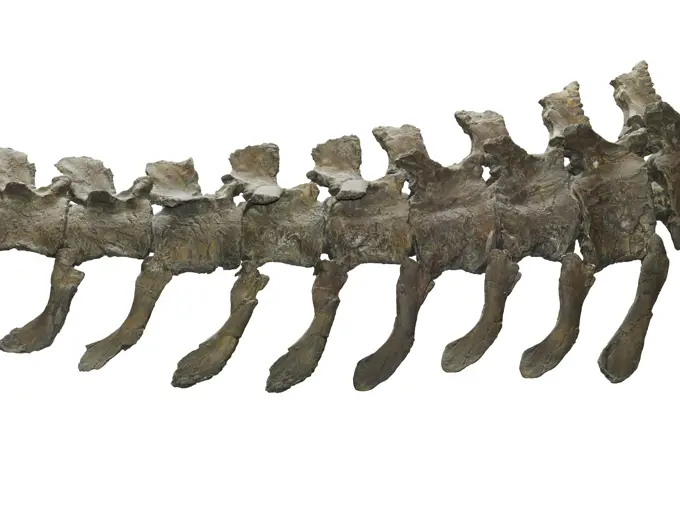
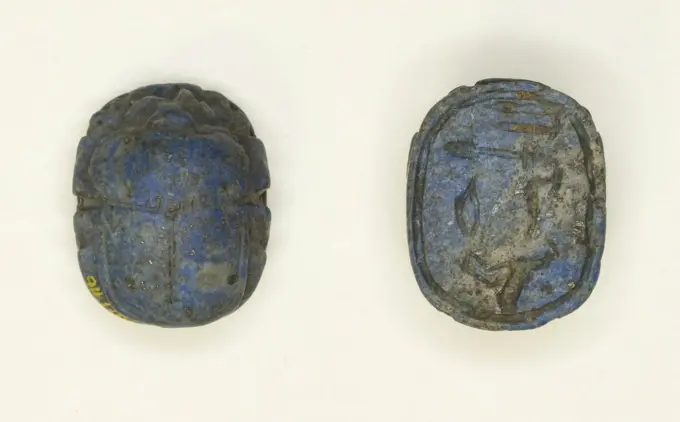
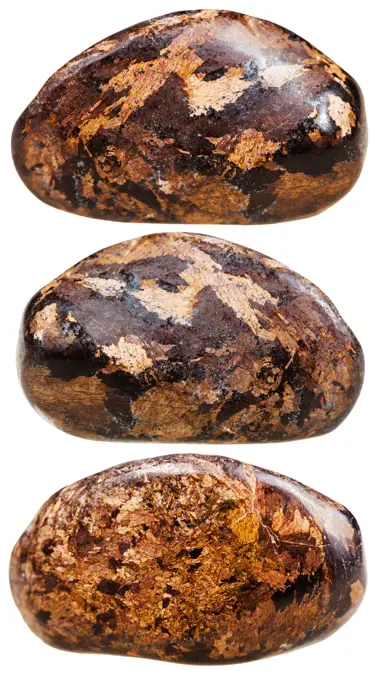
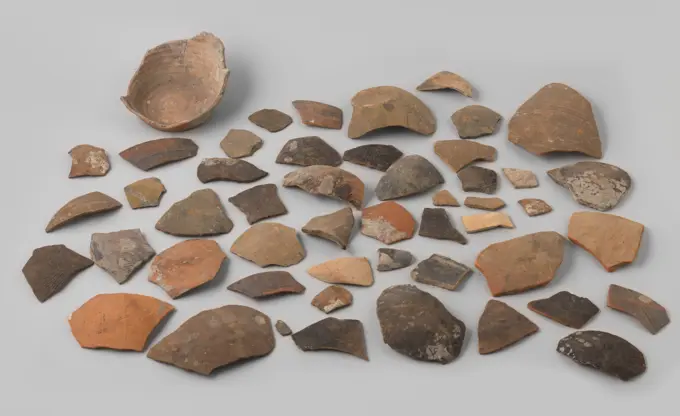
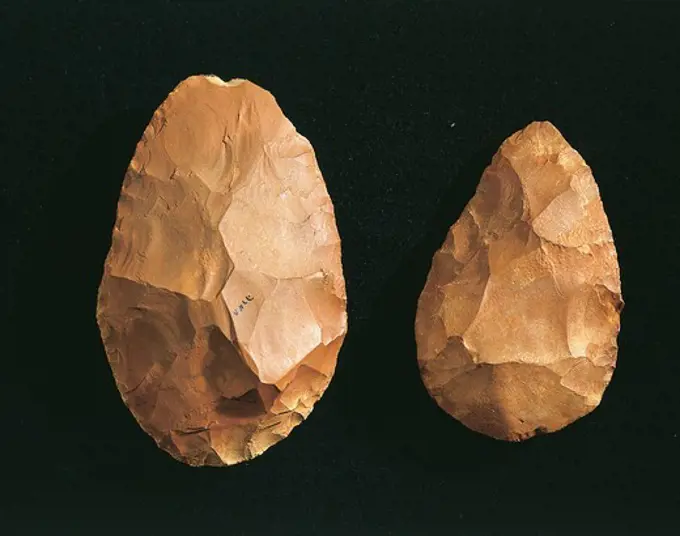
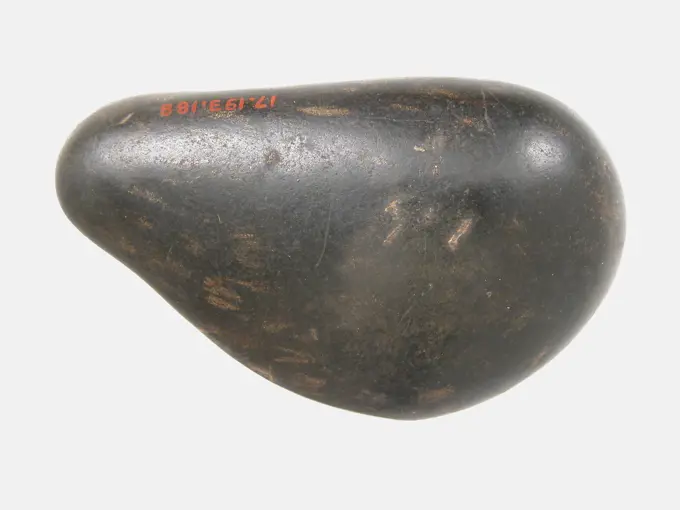
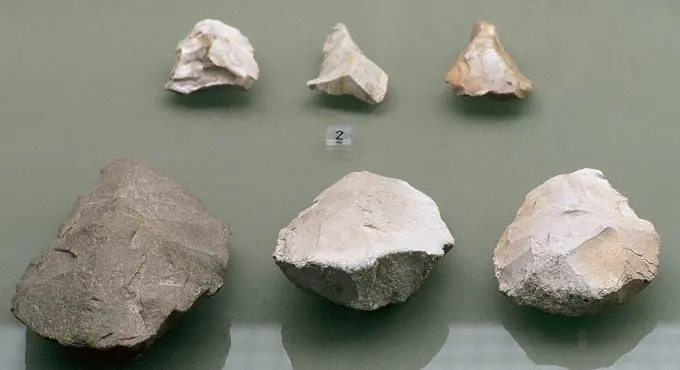
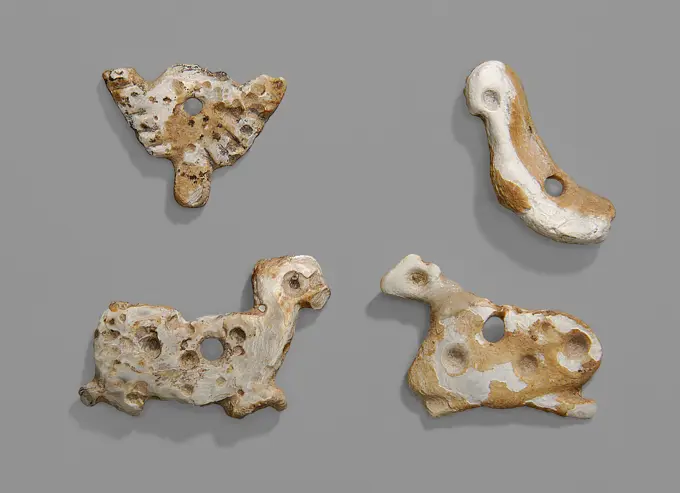
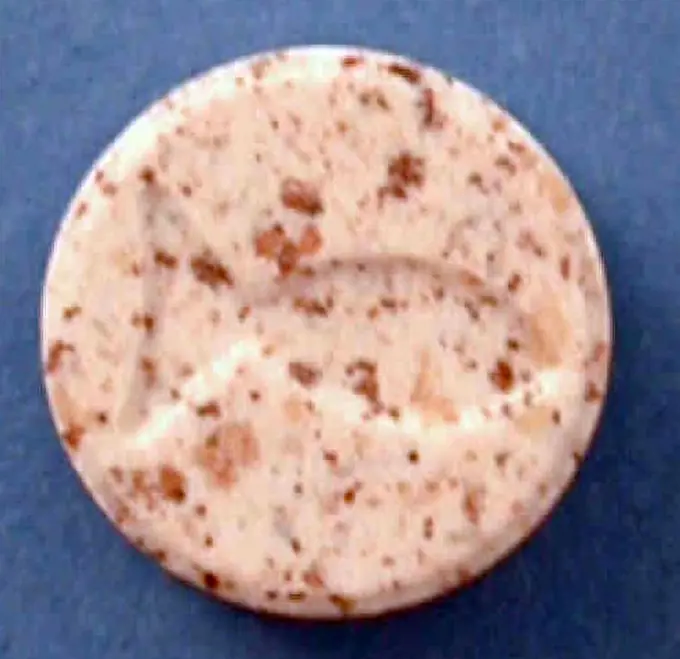
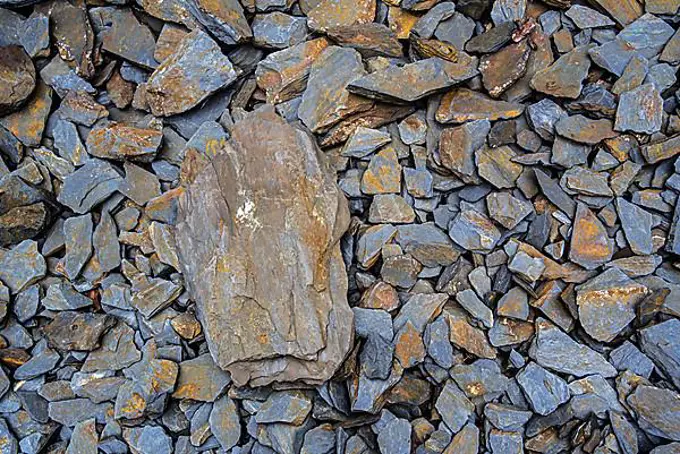
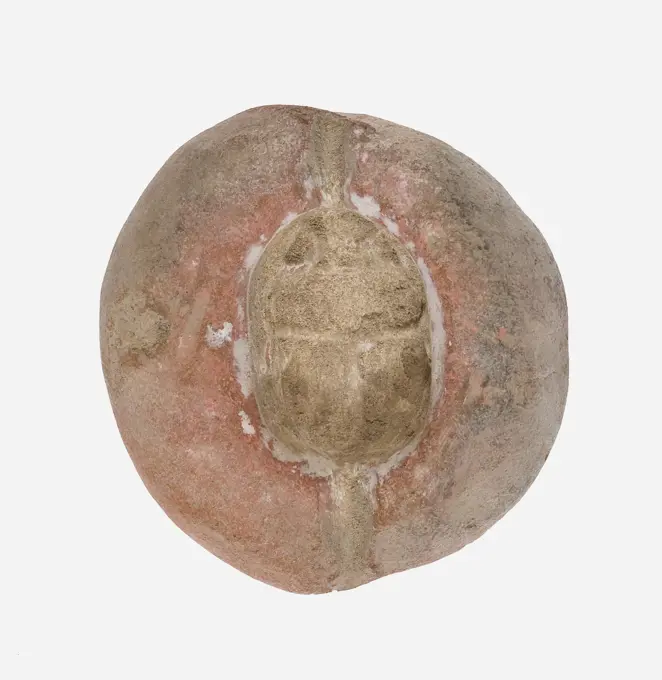
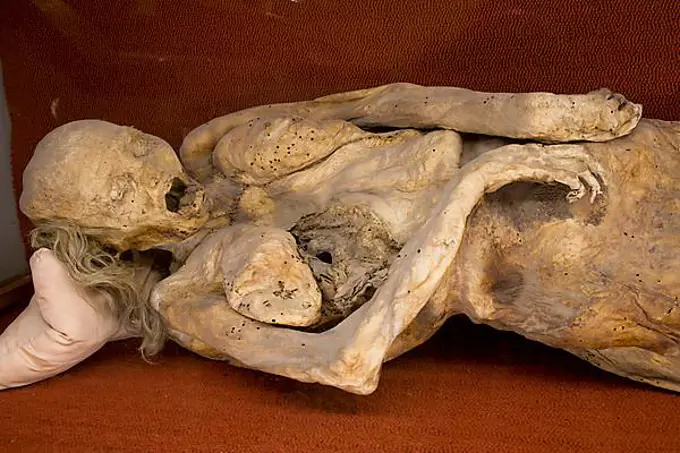
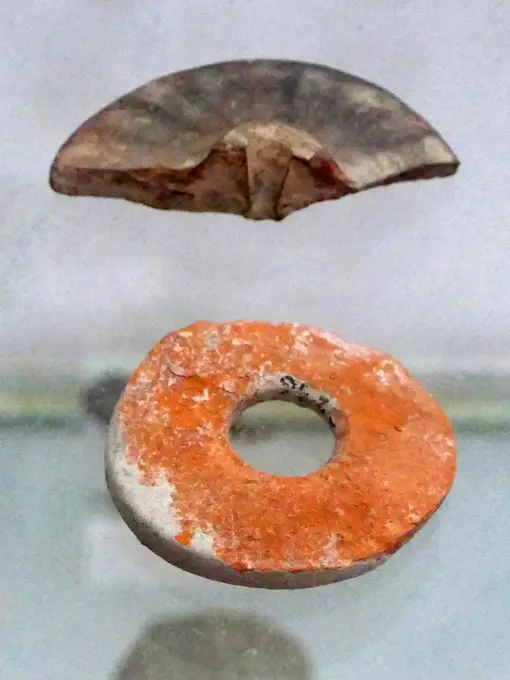
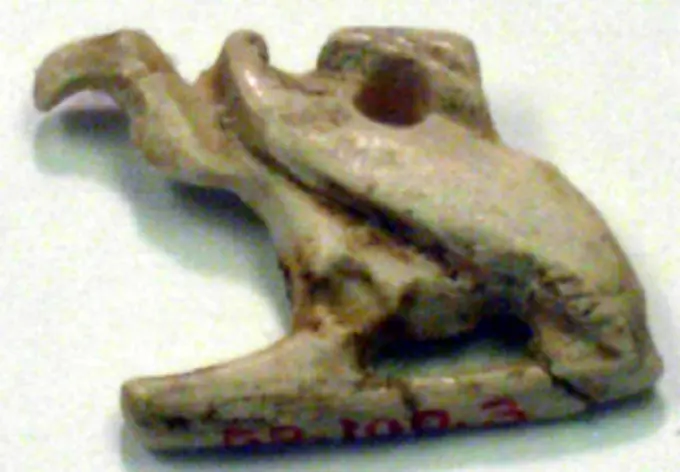
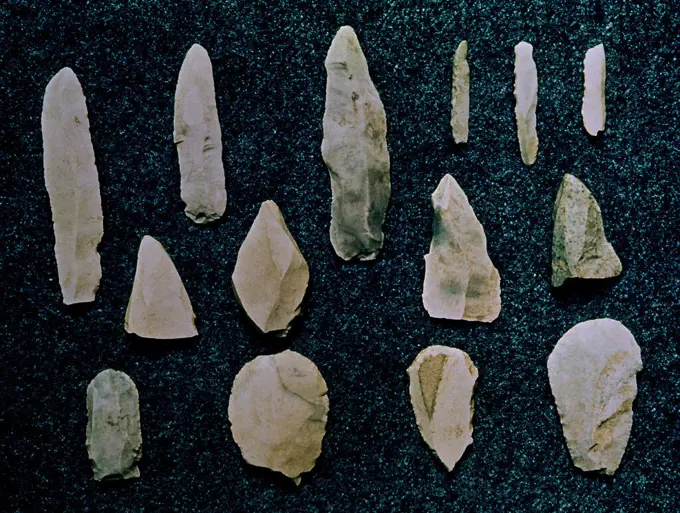
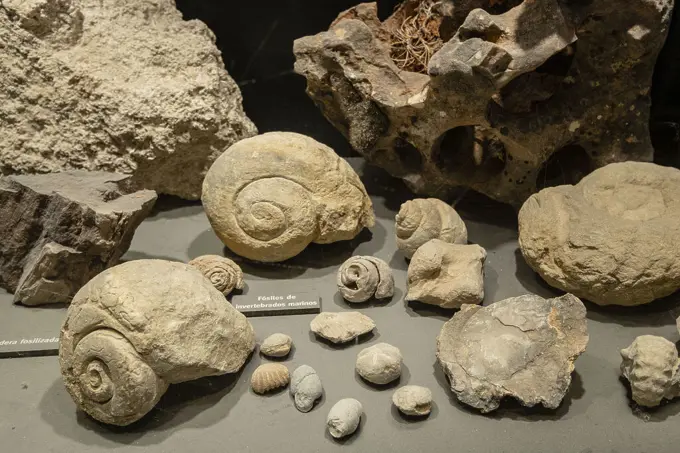
Blade. China, Shang dynasty, about 1500 B.C.. Arms and Armor; blades. Abraded jadeFinger Grip before 16th century Colima (). Finger Grip 317422Old wood sign on white wallHand raised in worship adjacent to Aten ray () ca. 1353-1336 B.C. New Kingdom, Amarna Period. Hand raised in worship adjacent to Aten ray () 561692Fragment of a Bowl 9th-10th century This ceramic fragment of a bowl was excavated a Qasr-i Abu Nasr, an archaeological site now attached to modern Shiraz in southern Iran. The small town and fortress were located at a strategic point at the intersection of protective mountains, water sources, and along roads entering the plain. The site was occupied, at least intermittently, from the Parthian period (3rd century B.C.-3rd century A.D.) to the Muzaffarid period (13th-14th century A.D.). The major occupation, including the extensive fortress, dates to the Late Sasanian period (6th-7th century A.D.). Qasr-i Abu Nasr was excavated by archaeologists from The Metropolitan Museum of Art for three seasons from 1932-1935, enticed by the presence of standing monumental doorways of the Achaemenid period (550-330 B.C.). Research was focused mostly on the sites pre-Islamic remains, even though the material evidence confirmed the continued occupation in the Islamic period. The excavation revealed thBrachiosaurus dinosaur caudal tail vertebrae isolated with clipping path on white background.Cap crown 18th century Southern German. Cap crown. Southern German. 18th century. Velvet and metal thread. Textiles-EmbroideredFragment of a vessel. A low curvature of the glass fragment allows the assignment to a vessel. The blue glass is dotted with several white dots that are warped. For the production, different colored glasses were shaped to tubes and rods. These were compressed and heated, causing a long bar. The glass sliced now had different amorphous or floral patterns. Thereafter, several of these platelets were folded, heated again and pressed into a vascular shape. Burry for the elaborate manufacturing process and its fragility was one of the luxury articles of antiquity.Scarab with Hieroglyphs 1069 BCE-525 BCE Egypt. Lapis lazuli . Ancient EgyptianPrehistory, Italy, Paleolithic. Large polished axes. From Marche Region.Lead weight, rough conical in shape, weight soil finding lead metal, cast Coarse formed lead weight. Conical in shape without stamped markings or caliwating archeology roadsDrohiczyn seal. unknown, managerthree tumbled Bronzite gemstones isolated macro shooting of natural mineral stone - three tumbled Bronzite gemstones isolated on white background Copyright: xZoonar.com/ValeryxVoennyyx 87003723 tile fragments ca. 1981-1640 B.C. Middle Kingdom. 3 tile fragments. ca. 1981-1640 B.C.. Faience. Middle Kingdom. From Egypt, Memphite Region, Lisht North, MMA excavations. Dynasty 12-13Bronze military diploma fragment A.D. 248 Roman The diploma was issued on January 7, A.D. 248 to a Praetorian named Victor at the end of his term of service as one of the Imperial Guard. It was issued in the names of the emperor Philippus (Philip the Arab, r. A.D. 244-249) and his son (Philip the Younger, r. A.D. 247-249), granting Victor the right of marriage.. Bronze military diploma fragment 251397 Roman, Fragmentary bronze inscription, 1st2nd century A.D., Bronze, Overall: 2 15/16 x 2 7/16 in. (7.5 x 6.2 cm). The Metropolitan Museum of Art, New York. Rogers Fund, 1923 (23.160.53)Foliate and lacy point in cut stone. Neolithic period. North Africa. 5 cm.Karte der Schweiz- Map of Switzerland Land mit verschiedenen Hintergruenden - Land with various backgrounds Copyright: xZoonar.com/lantapix,x 9672041Karte von Bolivien auf rostigem Metall - Map of Bolivia on rusty metal Karte von Bolivien auf rostigem Metall - Map of Bolivia on rusty metal Copyright: xZoonar.com/lantapixx 10606758Bag with shards of earthenware from V.O.C. ship De 'Witte Leeuw', Anonymous, Before 1613  Bag with shards of red-baking, white-baking and gray-baking earthenware from V.O.C. ship the 'Witte Leeuw'.  earthenware   Sint-HelenaCase for a Goose. Dimensions: L. 42 (16 9/16 in.); W. 21 (8 1/4 in.); D. 6 (2 3/8 in.); Th. 2.5 cm (1 in.). Dynasty: early Dynasty 18. Date: ca. 1550-1479 B.C.. Museum: Metropolitan Museum of Art, New York, USA.Bifaces, Kenya, paleolithic, prehistoryNeolithic Amulet 2500 B.C-A.D. 700 Neolithic. Neolithic Amulet 465504 Neolithic, Neolithic Amulet, 2500 B.CA.D. 700, Stone, Overall: 2 1/8 x 1 1/4 x 9/16 in. (5.4 x 3.2 x 1.4 cm). The Metropolitan Museum of Art, New York. Gift of J. Pierpont Morgan, 1917 (17.193.188)Tile, brown glazed with yellow shield with mark, tiling floor tile tile footage soil find ceramic earthenware glaze lead glaze, in shape made glazed fired petite Estrik square tile Red shard scratched middle coat of arms, house brand of the creator or the client archeology Rotterdam City center Stadsdriehoek Schielandshuis Soil discovery: Schielandshuis during restoration 1982.Glass Fragments 4th-early 5th century Coptic. Glass Fragments 477114Prehistory. Middle Paleolithic or Mousterian (90,000 to 35,000 BC). Quartzite cleaver and bifaces of Aranzaduya (Urbasa). Museum of Navarre. Pamplona. Spain.Beads with female head Cypriot. Beads with female head 242712Big golden Christmas ball decoration isolated on white background.Pendant, fragment of the pendants; Unknown Night -Tamanian workshop; 1. PO. 3 thousand BC ; Early period D Azira III (-3000-00-00--2501-00-00), 1. PO. 3 thousand BC ; Early period D Azira III (-3000-00-00--2501-00-00);Al-Jazezira (geographical land in northern Mesopotamia), amulets, children's graves, early period Dżazira III (approx. 2600-ok. 2350 BC), Early Envamentian period III (approx. 2600-Oko 2350 BC) , transmission (provenance), excavations of the Mediterranean Archeology Center of the University of Warsaw, TrumpsHammered Silver Petal Ornament 8th-mid-16th century Peru; north coast (). Hammered Silver Petal Ornament 309081Karte von Namibia auf rostigem Metall - Map of Namibia on rusty metal Karte von Namibia auf rostigem Metall - Map of Namibia on rusty metal Copyright: xZoonar.com/lantapixx 11300219MDMA (contracted from 3,4-methylenedioxy-methamphetamine) is a psychoactive drug of the substituted methylenedioxyphenethylamine and substituted amphetamine classes of drugs that is consumed primarily for its euphoric and empathogenic effectsRock debris in the Ballachulish slate quarry in Lochaber, Highland, Scotland, UKMold for a Scarab ca. 1390-1353 B.C. New Kingdom. Mold for a Scarab. ca. 1390-1353 B.C.. Pottery. New Kingdom. From Egypt, Upper Egypt, Thebes, Malqata, No exact location recorded, MMA excavations, 1910-11. Dynasty 18Driftwood fragment, weathered wood, natural wooden texture driftwood fragment, weathered wood, natural wooden textureEngageante with floral tambooering, anonymous, c. 1750 - c. 1775 Engageante with floral tambooering work. The Engageante seems to consist of two layers due to a circumference twice. West-Europa whole: Linen (Material) embroidering Engageante with floral tambooering work. The Engageante seems to consist of two layers due to a circumference twice. West-Europa whole: Linen (Material) embroideringShards from V.O.C. ship De 'Witte Leeuw', Before 1613  Shards from V.O.C. ship the 'Witte Leeuw'. southeast Asia stoneware. porcelain   Sint-HelenaEgyptian broad collar made of strings of gold pendants in a variety of shapes, some of them originally inlaid. Made in Egypt 1400-1300 BC Found in Tomb in Cyprus.Spear pointMummy in the Mummies' Museum, Guanajuato, Mexico, Central AmericaLunaria annua, HonestyBronze seals from the Indus Valley Civilisation at Mohenjo-Daro, Pakistan. The Indus Valley Civilisation was a Bronze Age culture, (33001300 BCE; mature period 26001900 BCE) mainly in the north-western regions of South Asia, extending from what today is northeast Afghanistan to Pakistan and northwest IndiaVulture amulet ca. 2150-1950 B.C. Late Old Kingdom-Early Middle Kingdom. Vulture amulet 555592BURILES LAMINAS Y RASPADORES - MESOLITICO - EDAD DE PIEDRA. Location: CUEVA DE URTIAGA. DONOSTI-SAN SEBASTIAN. Guipuzcoa. SPAIN.fosiles, Casa del Parque de la Fuentona - Sabinar de Calatañazor, Muriel de la Fuente, Soria, Comunidad Autónoma de Castilla, Spain, Europe.