Ancient Pottery Fragments

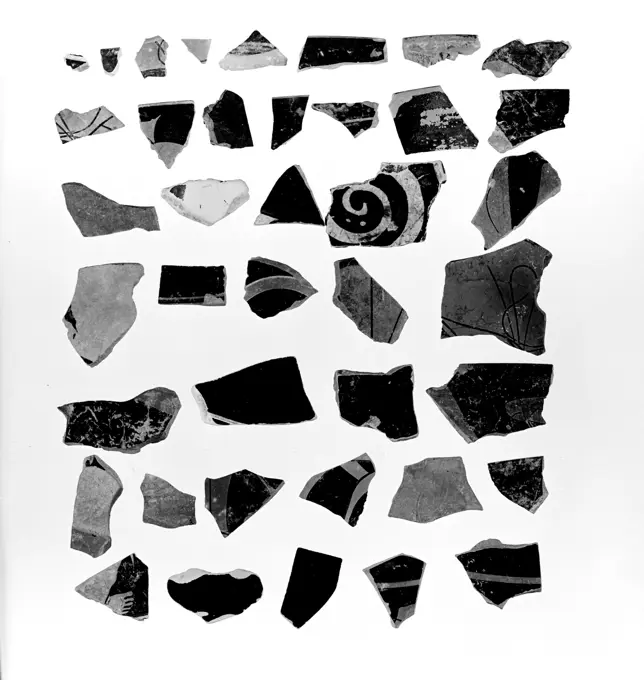
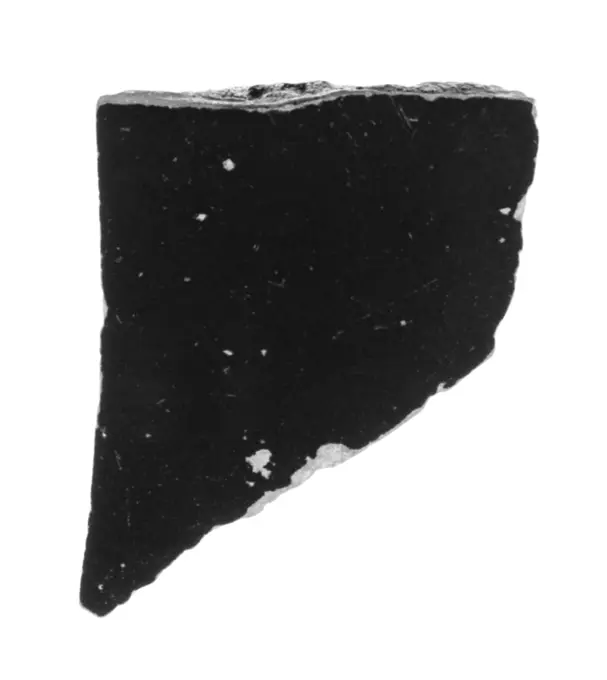
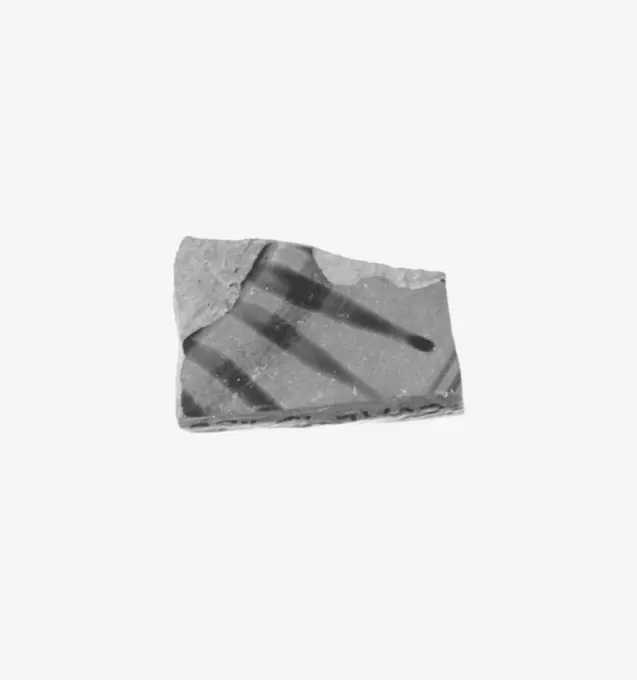
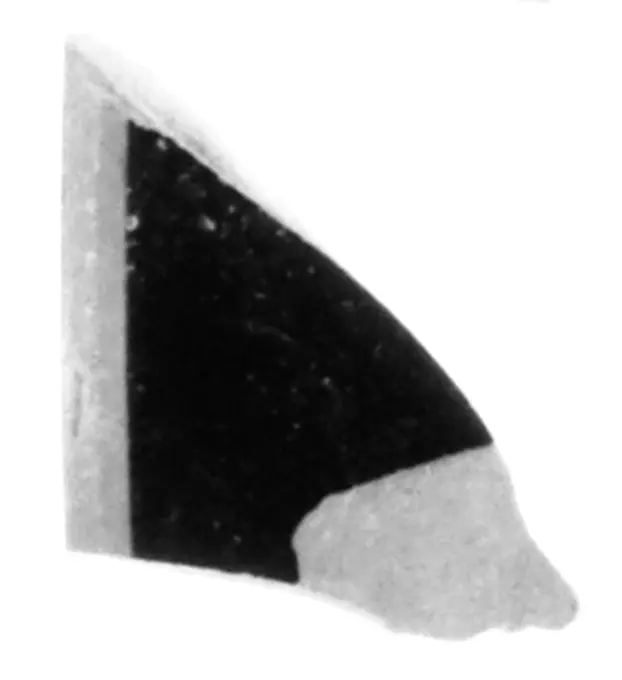
Fragments of ancient pottery featuring red- and black-figure designs, showcasing historical craftsmanship and artistry in ceramics.

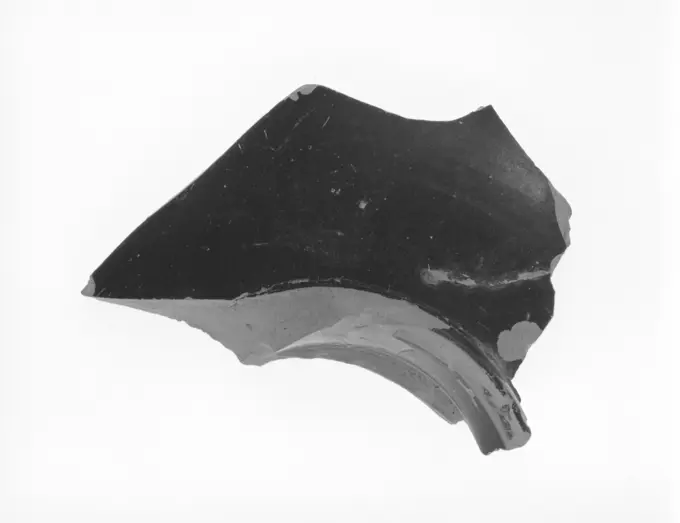
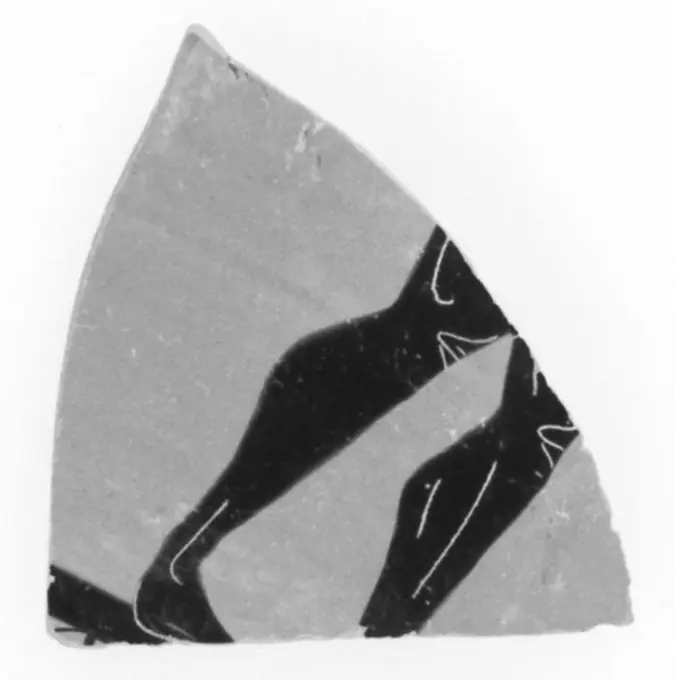
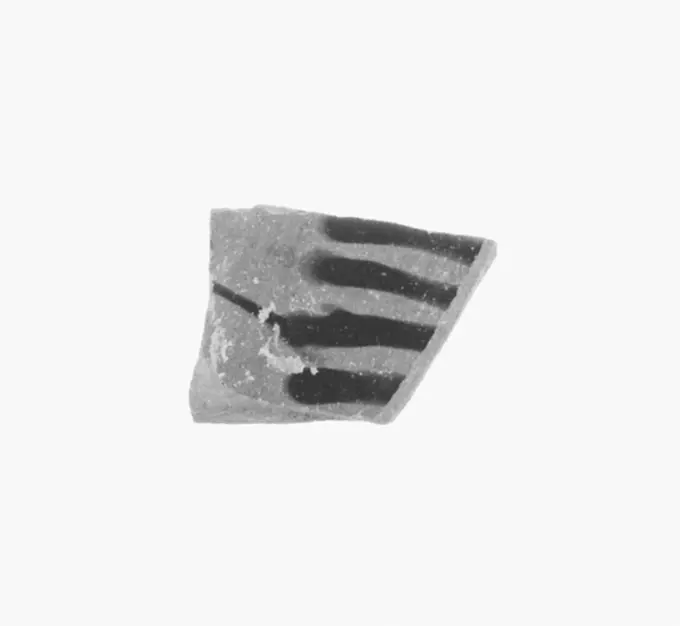
Attic Panathenaic Amphora Fragment. Attributed to the Euphiletos Painter (active about 530 - 510 B.C.)
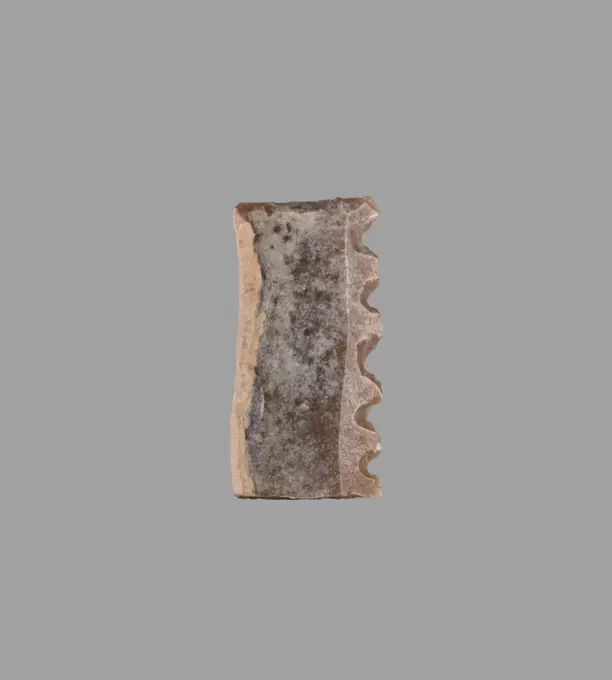
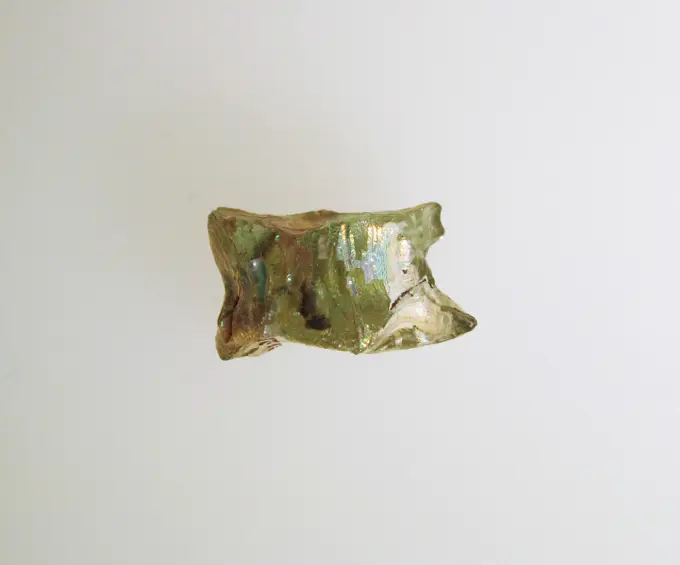
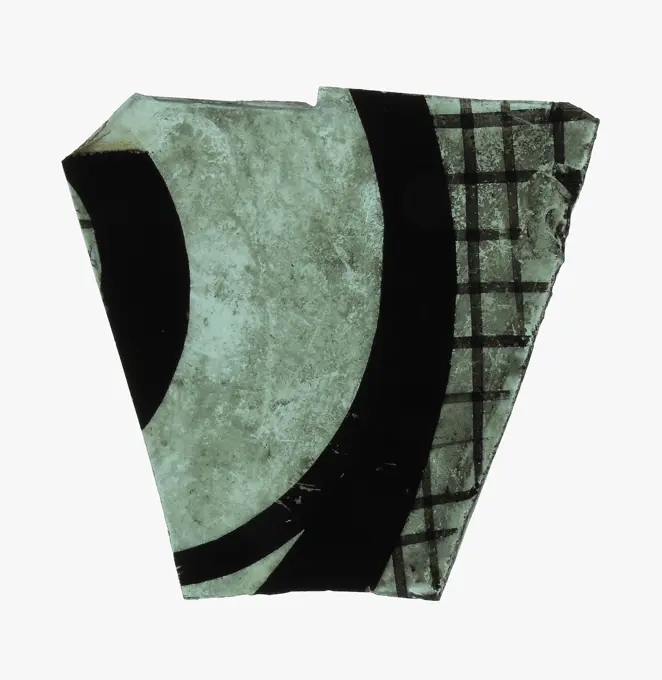
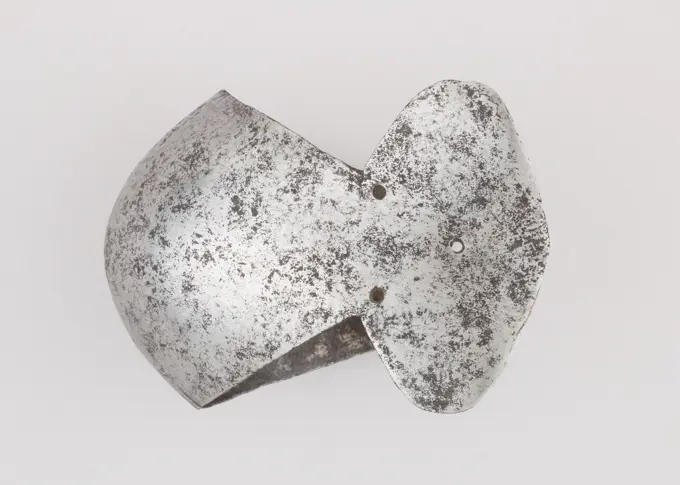
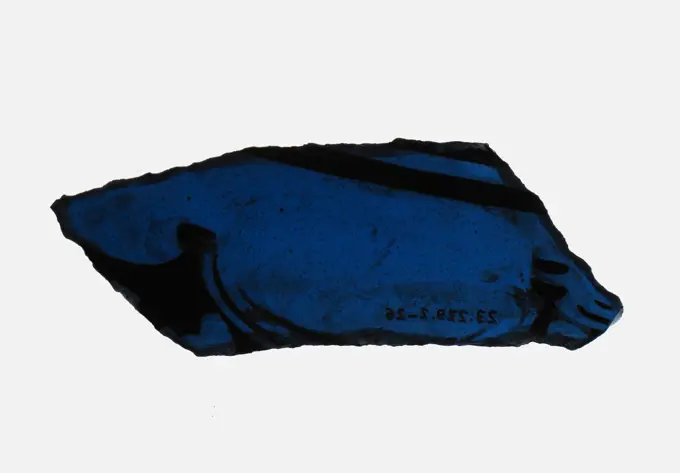
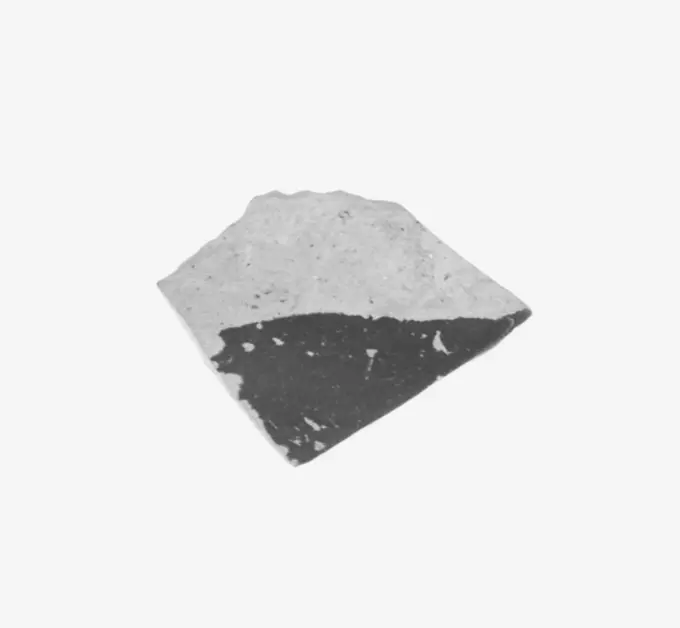
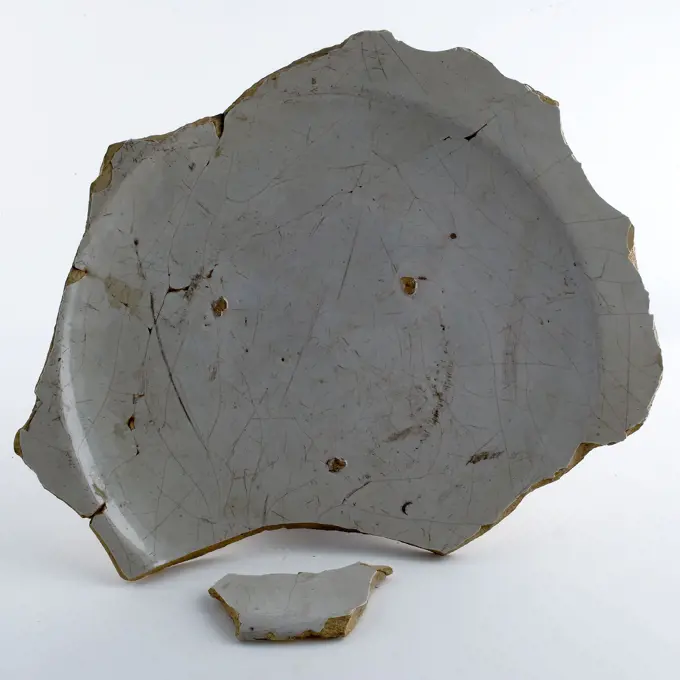
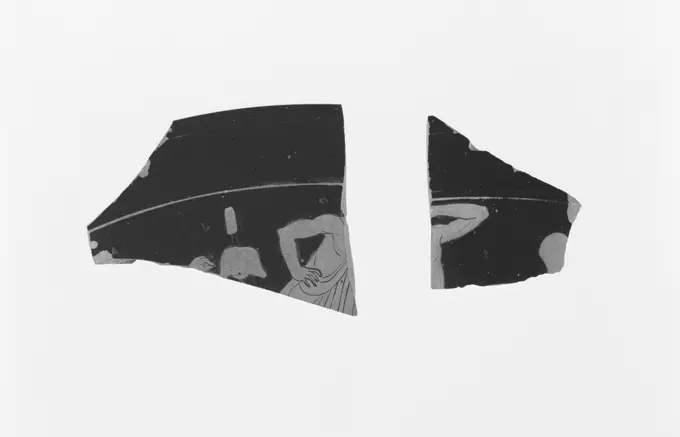
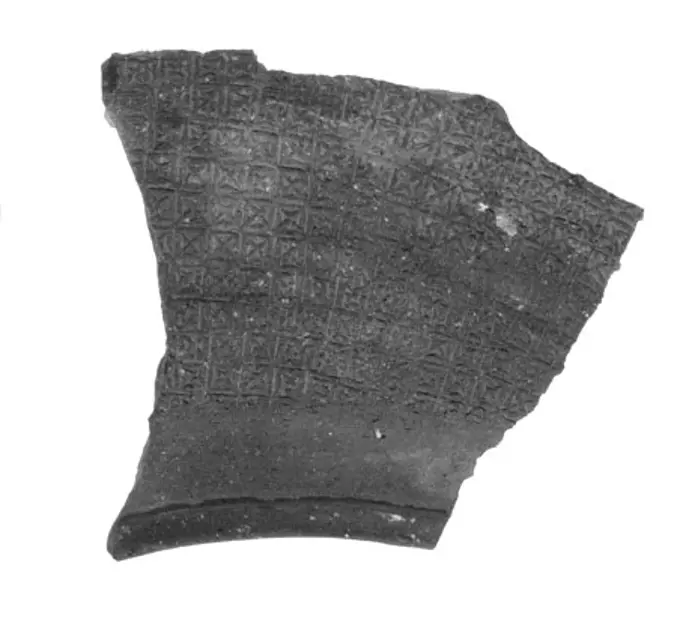
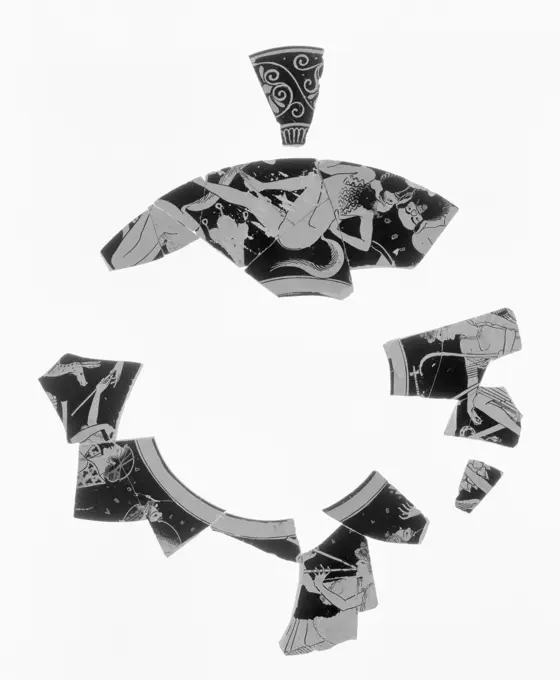
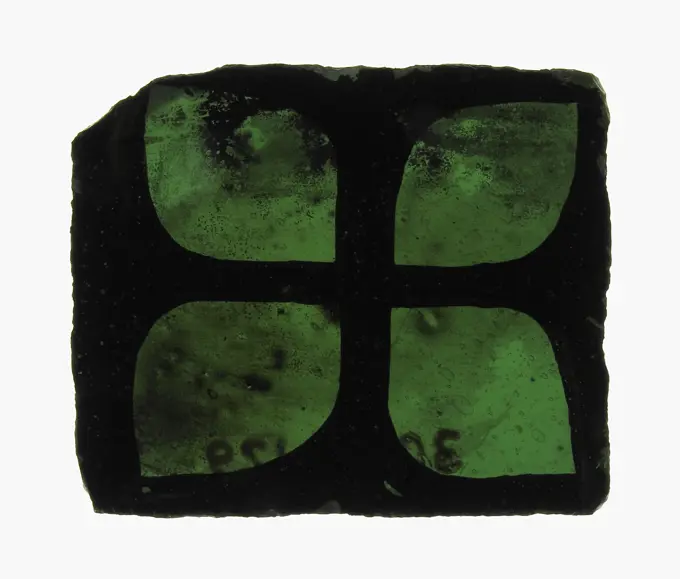
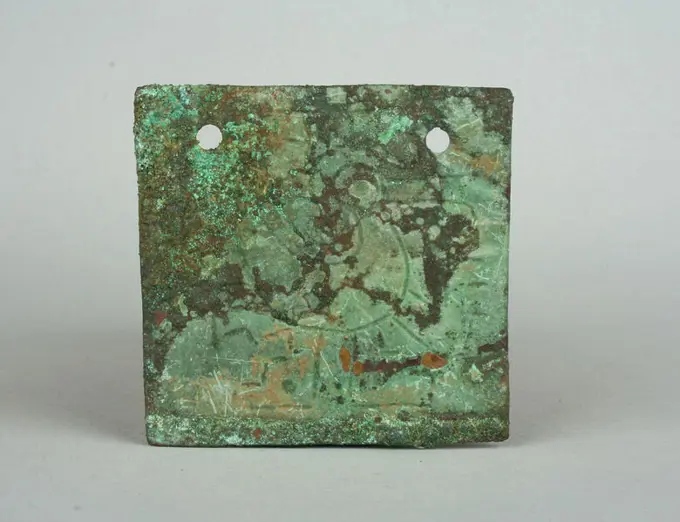
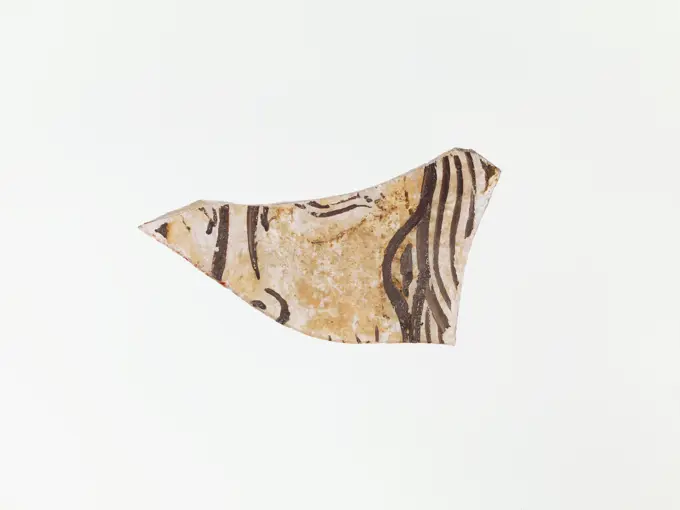
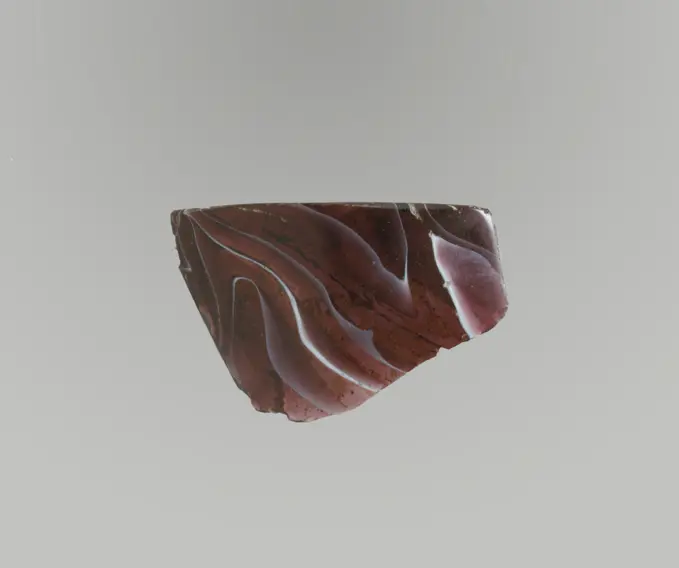
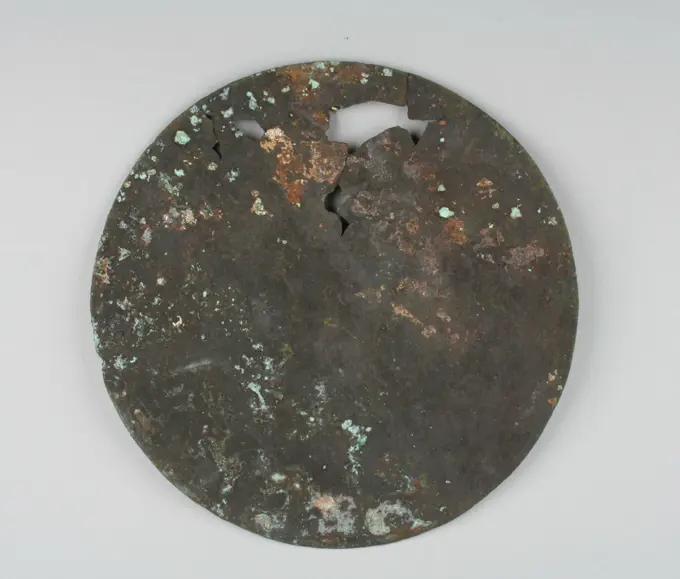
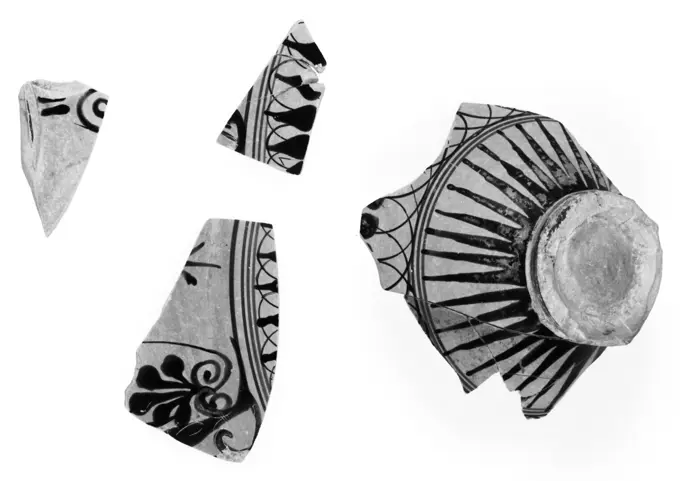
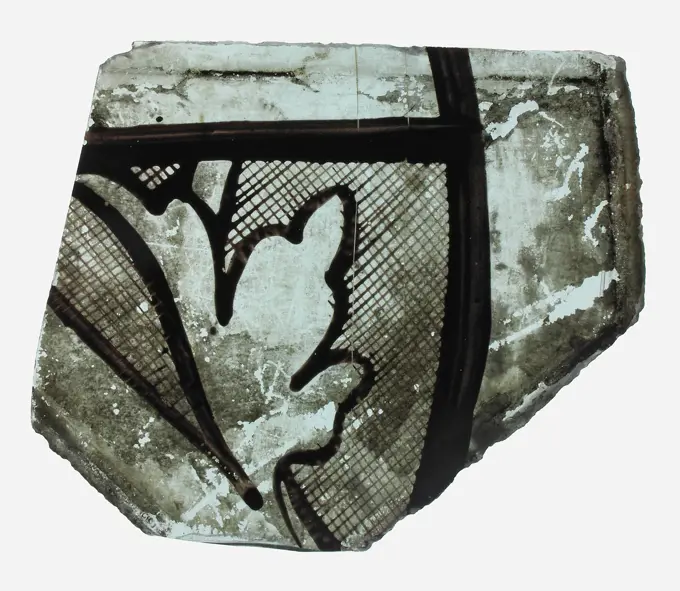
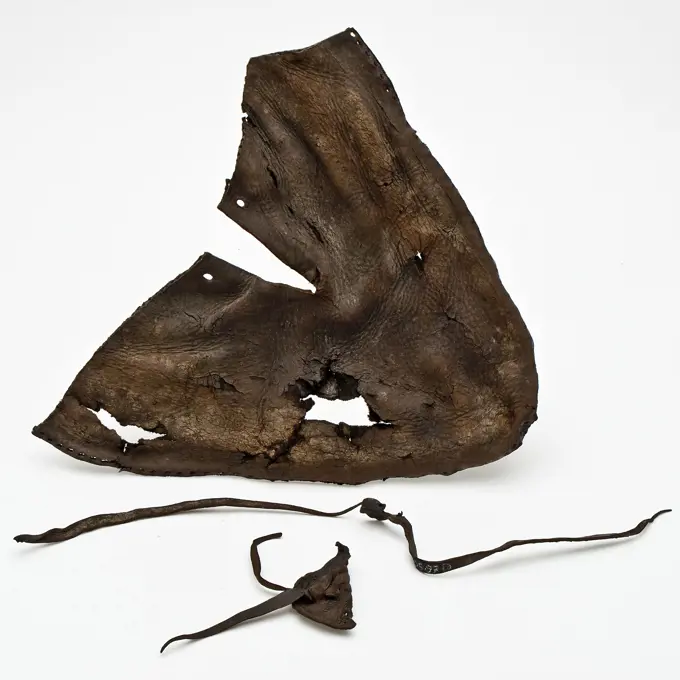
Attic Red-Figure Duck Askos Fragment (comprised of 4 joined fragments). UnknownEtruscan Red-Figure Stemless Kylix Fragment. UnknownAttic Black-Figure Neck Amphora Fragment. UnknownAttic Vase Fragment. UnknownAttic Red-Figure Cup Fragment. UnknownAttic Panathenaic Amphora Fragment. Attributed to the Euphiletos Painter (active about 530 - 510 B.C.)Attic Red-Figure Kylix Fragment. UnknownAttic Red-Figure Kylix Fragment. UnknownAttic Red-Figure Kylix Fragment. UnknownAttic Red-Figure Kylix Fragment. UnknownOstrze - wkładka do sierpa. unknown, authorIvory Fragment. UnknownCulture Uruk (approAttic Red-Figure Amphora or Kalpis Fragment. UnknownGlass mosaic shallow bowl fragment. Culture: Roman. Dimensions: 1 1/16 × 7/8 × 1/16 in. (2.6 × 2.2 × 0.2 cm). Date: late 1st century B.C.-early 1st century A.D..Translucent blue and purple, opaque white and yellow, and colorless.Thin-walled, concave curving body fragment.Mosaic pattern formed from polygonal sections of canes: one in a blue ground outlined in white with a circle of white rods around a central yellow rod, all tinged with purple, and another in a yellow ground, layered with colorless; at one corner, the trace of a third cane in purple outlined in white.Polished exterior; slight pitting of surface bubbles on exterior; some bubbles; slight dulling, pitting, and iridescence on interior; weathering on all jagged edges. Museum: Metropolitan Museum of Art, New York, USA.Glass astragal (knucklebone) 3rd-2nd century B.C. Greek Translucent pale blue green.Shaped like the knucklebone of a sheep or goat. Solid with mold seam along sides and one end.Part of one end broken and missing; pitting, dulling, and iridescent weathering.In antiquity, one of the most popular games of chance was played with astragaloi, knucklebones of sheep and goats. They could be used like dice or like jacks, thrown in the air and caught on the back of the hand. Knucklebones have been found in tombs where they must have been intended to help the deceased while away endless time.. Glass astragal (knucklebone). Greek. 3rd-2nd century B.C.. Glass; cast in a two-part mold. Hellenistic. GlassGlass Fragment 13th century French. Glass Fragment. French. 13th century. Colorless glass. Made in Bourges, France. Glass-StainedAttic Black-Figure Olpe Fragment. UnknownKnee Defense (Poleyn) ca. 1430-40 Italian This is part of a large find of medieval armor discovered in 1840 in the ruins of the fortress of Chalcis, on the Greek island of Euboea (then a Venetian colony called Negroponte). The fortress had been captured and destroyed by the Turks in 1470. Now divided largely between the Ethnological Museum, Athens, and The Metropolitan Museum of Art, the Chalcis hoard contains many rare and unusual elements of fourteenth- and fifteenth-century armor. Of particular importance are the variety of headpieces and the many fragments of brigandines (armor for the torso constructed of small plates riveted to layers of fabric), some of which retain portions of their original velvet covering. The Chalcis armor provides a unique picture of the armament used in the Aegean, one of the easternmost military outposts of the Venetian empire.. Knee Defense (Poleyn) 23175Attic Red-Figure Oinochoe Fragment. UnknownAttic Black-Figure Amphora Fragment. UnknownDrohiczyn seal. unknown, manager. Shard of a plate of blue painted faience, painted with a landscape.Fragment, Medium: silk Technique: supplementary warp loops in plainweave foundation (velvet)., Confronted geese () in diamond framework with knots forming the corners all in black., Italy or Spain, 14th-15th century, woven textiles, FragmentAttic Black-Figure Oinochoe Fragment. UnknownRod. Medal matrix. Queen Marie-Amélie. Metal, steel. Nineteenth century. Museum of Fine Arts of the City of Paris, Petit Palais. 58767-14 Steel, Matrix, Medal, Metal, Number inventory, Numismatics, reverse, 19th centurySharf of yellowish earthenware, with blue glaze on the front, with a painting of brown dots and yellow stripes on the edge, anonymous, 1600 - 1650  Northern Netherlands earthenware. glaze majolica  Northern Netherlands earthenware. glaze majolicaAttic Red-Figure Stamnoid Fragment. Attributed to the Brygos Painter (Greek (Attic), active about 490 - 470 B.C.)Bearded Head Fragment (Silenos ). UnknownAttic Red-Figure Amphora Fragments. UnknownStrip needle side with bows. Strip natural needle side: Venetian relief side. L-shaped model. On a very open bars soil there are irregular voluntaries with leaf volutes and multi-part flowers.Attic Vase Fragment. UnknownAttic Black-Figure Siana Cup Fragment. UnknownAttic Black-Figure Band Cup Fragment. UnknownAfrican Red SlipsherdFragment 14th century. Fragment 445190Fragment of a vessel. A low curvature of the glass fragment as well as the resulting soil allow the assignment to a vessel. On green to light green ground are different yellow, green and blue strokes, spirals and shapes. For the production, different colored glasses were molded into tubes and rods. These were compressed and heated, causing a long bar. The glass sliced now had different amorphous or floral patterns. Thereafter, several of these platelets were folded, heated again and pressed into a vascular shape. Burry for the elaborate manufacturing process and its fragility was one of the luxury articles of antiquity.Attic Black-Figure Amphora Fragment. UnknownRed-Figure Cup Fragment. UnknownGlass Fragment 13th century French. Glass Fragment. French. 13th century. Pot metal glass. Made in Chartres (), France. Glass-StainedFragment of a cartouche, anonymous, 1659  Fragment of cartouche made of cut and gilded lindenhout with a shield, hellaard, a flag, a cannon, a gun, a drum and a arrow sleeve. Belongs to SK-L-4558 or SK-L-4660. Netherlands linden gildingAttic Black-Figure Cup Fragment. Unknownnatural mineral Muscovite mica pieces isolated natural mineral Muscovite mica pieces isolated on white background Copyright: xZoonar.com/ValeryxVoennyyx 8547993Attic Black-Figure Cup Fragment. UnknownAttic Red-Figure Astragalos Fragment. Attributed to Syriskos (Greek (Attic), active 480 - 460 B.C.)Fragments of earthenware dish, shallow model on stand, white glazed, plate dish crockery holder soil find ceramic earthenware glaze tin glaze lead glaze ), hand turned fried glazed fried Mirror fragment of shallow dish White glazed Wide stand ring obliquely pierced for hanging hole. Yellow shard soft earthenware imprints Coarse wanched crackle Bottom glaze Delftware archeology underground pit Rotterdam City center Stadsdriehoek Groenendaal indigenous pottery serve table serve food room Soil discovery underground pit Groenendaal (from canal dredger) 1976-08-23.Strip of black lace, sculpted on both sides with floral pattern, on cardboard, Gustav Schnitzler, c. 1925 Strip black lace, sculpted on both sides with a floral pattern, on cardboard. Nijmegen cardboard Strip black lace, sculpted on both sides with a floral pattern, on cardboard. Nijmegen cardboardAttic Red-Figure Cup Type C Fragment. Lyandros Painter (Greek (Attic))Fragment of a Jar (Study Collection) China. Fragment of a Jar (Study Collection). China. Unglazed gray ware with impressed decoration. late Zhou dynasty (1046-256 BC). CeramicsOzdoba szaty. nieznany warsztat północno mezopotamski, workshopEmpty wooden cutting board for preparing ingredients for preparing a delicious dish Empty wooden cutting board for preparing ingredients for preparing a delicious dish. Kitchen utensils Copyright: xZoonar.com/TetianaxChernykovax 21728339Terracotta fragments of a kylix (drinking cup) 520-500 B.C. Greek, Attic Interior, head of warrior with helmet, leg, and part of shield in profile; Exterior, part of greaved warrior with shield to right; collapsing warrior with helmet, scabbard and shield, foot of a third warrior, part of four warriors, and other fragments. Terracotta fragments of a kylix (drinking cup) 671232Tall glass of cold sparkling water isolated on white backgroundAttic Black-Figure Pyxis or Kalathos Fragment. UnknownAttic Black-Figure Siana Cup Fragment. UnknownBannerstone 3000-2000 B.C. Archaic. Bannerstone 313322Attic Red-Figure Cup Fragment. UnknownCeremonial dagger-ax (Ge) 13th-11th century B.C. China. Ceremonial dagger-ax (Ge). China. 13th-11th century B.C.. Jade (nephrite). Shang dynasty (ca. 1600-1046 B.C.). JadeAttic Red-Figure Lidded Jar Fragment. Onesimos (Greek (Attic), active 500 - 480 B.C.)Sharf of ross -baking earthenware, with blue glaze at the top, decorated with a painting of a window, stylized flower shapes and part of a circle in yellow, brown, orange and white, anonymous, 1600 - 1650  Northern Netherlands earthenware. glaze majolica  Northern Netherlands earthenware. glaze majolicaAttic Red-Figure Duck Askos Fragment. UnknownRelief fragments from the tomb of Meketre ca. 1981-1975 B.C. Middle Kingdom. Relief fragments from the tomb of Meketre 668934Glass Fragment 13th-15th century European. Glass Fragment. European. 13th-15th century. Pot metal glass. Glass-StainedPapyrus Fragments Inscribed in Hieratic and Demotic Papyrus Fragments Inscribed in Hieratic and Demotic, 664-30 B.C.E. Papyrus, ink, Glass: 6 1/8 x 8 1/4 in. (15.5 x 21 cm).   Egyptian, Classical, Ancient Near Eastern Art 664-30 B.C.E.burnt paper old burnt paper over white background ,model released, Symbolfoto Copyright: xZoonar.com/RuslanxNassyrovx 2020250 ,model released, Symbolfoto ,property releasedVase fragment ca. 4000-3000 B.C. Neolithic, Thessaly. Vase fragment 253223 Neolithic, Thessaly, Vase fragment, ca. 40003000 B.C., Terracotta, length 2 3/16in. (5.6cm). The Metropolitan Museum of Art, New York. Anonymous Gift, 1930 (30.119.18)Bird Plaque Ornament. Culture: Vicús. Dimensions: H. 2 x W. 2 in. (5 x 5 cm). Date: 3rd century B.C.-A.D. 2nd century. Museum: Metropolitan Museum of Art, New York, USA.Grahal-Manzara. Carnavalet 2013-2016 collection sites. Numismatics.Jasper on whitePommel Plate ca. 1550 Attributed to Jörg Sorg the Younger German The large mask of a lion with a fiery mane and the crescent pattern of the border decoration, just discernible at the edges of the plate, identify this pommel as part of a complex group of armors or armor garnitures made in Augsburg about 1550. More than forty individual pieces from this group in The Metropolitan Museum of Art represent the remains of two or perhaps three different but closely related armors. The ornamentation that unites the group is attributed to the Augsburg etcher Jörg Sorg the Younger (ca. 1522-1603) on the basis of an illustrated album, known as the Stuttgarter Harnisch-Musterbuch, which depicts armors decorated by Sorg for various clients (Württembergisches Landesmuseum, Stuttgart). Of the three armors in the album decorated in this manner, two are listed as having been made for Spanish noblemen in 1551 and 1553. While there is no direct link between the armors in the Sorg album and the elements inSpherical knot of silver plated copper, on which two crossed guns are relieved; Part of a militia uniform. Signature as a peripheral: "P. Mansvelt & Z. 'S Hage". Salvaged in a box at a sash; Note in box: "W. Six 1859-1928 / 14 Knoops Schutterij Uniform / 1885".rough sharp Obsidian volcanic glass rock isolated closeup of sample of natural mineral from geological collection - rough sharp Obsidian volcanic glass rock isolated on white background Copyright: xZoonar.com/ValeryxVoennyyx 14990284Roundel. UnknownGrisaille Fragment with Face 1220-72 Crusader Painted in grisaille (shades of grey) in a style associated with the mid-1200s in France, these fragments are among numerous remnants of the elaborate glass windows that once decorated Castle Montfort/Starkenberg. One shows the nose and eye of a human face; the others display portions of vines with fleur-de-lis terminals.. Grisaille Fragment with Face 475367Sealing ca. 2030-1640 B.C. Middle Kingdom. Sealing. ca. 2030-1640 B.C.. Clay (unfired). Middle Kingdom. From Egypt, Memphite Region, Lisht South, Pyramid complex of Senwosret I, north temple gateway, MMA excavations, 1913-14. Dynasty 12-13Glass Fragments 4th-early 5th century Coptic. Glass Fragments 477079Empty wooden cutting board for preparing ingredients for preparing a delicious dish. Kitchen utensilsIron door bolt, anonymous, c. 1700 - c. 1800  An iron door bolt, consisting of a flat long horizontally placed key, behind which there is a quadrangular openwork and driven plate. This plate that is divided into two equal halves by a key is decorated above and below by four Acanthus volutes. The button of the Grendel consists of a bending steel that ends in a flower bud. Marked. Germany iron (metal)  acanthus ~ ornamentShards of signs from V.O.C. ship De 'Witte Leeuw', Anonymous, Before 1613 plate (dishes) Shards of signs from V.O.C. ship the 'Witte Leeuw' of Kraakporcelain. Jingdezhen bone china (material)   Sint-HelenaShards of Kommen from V.O.C. ship De 'Witte Leeuw', Before 1613 bowl Shards of Kommen from V.O.C. ship De 'Witte Leeuw'.  porcelain   Sint-HelenaUnattributed Trebizond Coin. Unknownburnt paper old burnt paper over white background Copyright: xZoonar.com/RuslanxNassyrovx 1986421Lead grille 6th-5th century B.C. Greek, Laconian Small flat votive figurines of cast lead have been found in great quantities at the ancient sanctuaries of Laconia; over one hundred thousand, dating from the seventh century B.C. to the Classical period, were dedicated to the goddess Artemis Orthia in Sparta.. Lead grille 251690 Greek, Laconian, Lead grille, 6th5th century B.C., Lead, Height: 1 1/2 in. (3.8 cm). The Metropolitan Museum of Art, New York. Gift of A. J. B. Wace, 1924 (24.195.124)Brush Washer 17th-18th century China. Brush Washer. China. 17th-18th century. Porcelain with peach-bloom glaze. Qing dynasty (1644-1911), Kangxi mark and period (1662-1722). CeramicsGlass mosaic beaker fragment late 1st century B.C.-early 1st century A.D. Roman Thin-walled rim fragment.Translucent purple and opaque white.Vertical, rounded rim; straight side, tapering downward.Mosaic pattern formed from lengths of a single cane in a purple ground with white threads and swirls.Polished exterior; some pitting on exterior; dulling and iridescent weathering on interior.. Glass mosaic beaker fragment. Roman. late 1st century B.C.-early 1st century A.D.. Glass; cast. Early Imperial. GlassRound Plaque 3rd century B.C.-A.D. 2nd century Vicús. Round Plaque 315593Bird Plaque Ornament 3rd century B.C.-A.D. 2nd century Vicús. Bird Plaque Ornament 315461Attic Black-Figure Amphora Fragment. UnknownAttic Black-Figure Amphora Fragment. UnknownRetro cartoon with texture. Isolated on White.Bird Plaque Ornament 3rd century B.C.-A.D. 2nd century Vicús. Bird Plaque Ornament 315406Attic Black-Figure Hydria Fragment (comprised of 3 Joined Fragments). UnknownAttic Black-Figure Neck Amphora Fragment. UnknownFragment Kraaikop from V.O.C. ship De 'Witte Leeuw', Anonymous, Before 1613 bowl Fragment Kraaikop from V.O.C. ship the 'Witte Leeuw'. Jingdezhen bone china (material)   Sint-HelenaCopper pressed thimble, thimble sewing machine ground find copper metal, pressed Copper pressed thimble with right-turning pits and groove on board and possibly mark archeology Rotterdam railway tunnel seamstress tailor sewing textile processing clothing needle and thread repair Soil discovery: route rail tunnel Rotterdam.Glass Fragment late 13th century French or British. Glass Fragment. French or British. late 13th century. Colorless glass. Glass-Stained. Suzuribako in advertised the representation of a plaice.Front sheet of leather shoe, with notch in the middle of the sheet and along the edges sewing seams and with lip and decorative grease parts, shoe footwear clothing soil finding leather ), archeology Rotterdam City Triangle Groenendaal underground pit Soil discovery Rotterdam underground pit Groenendaal from 15th century cesspool.Attic Black-Figure Amphora Fragment. UnknownAttic Red-Figure Stamnoid Fragment (comprised of 5 Joined Fragments). Attributed to the Brygos Painter (Greek (Attic), active about 490 - 470 B.C.)