Ancient Pottery Fragments

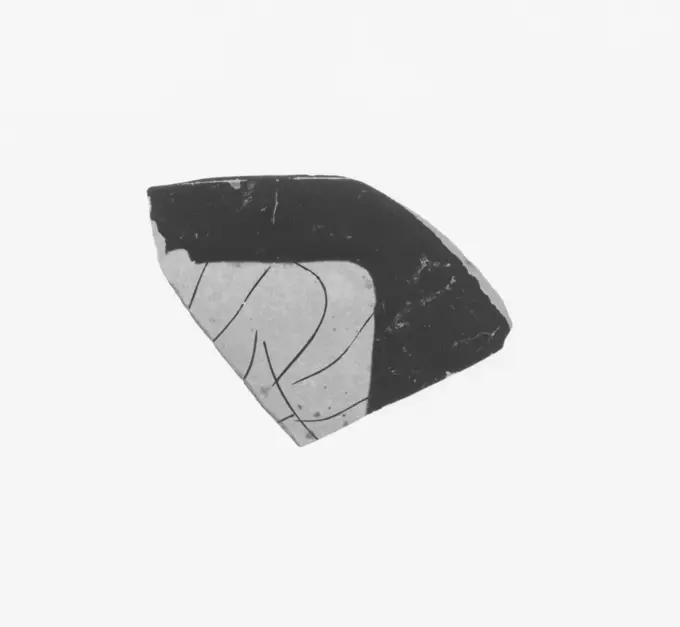
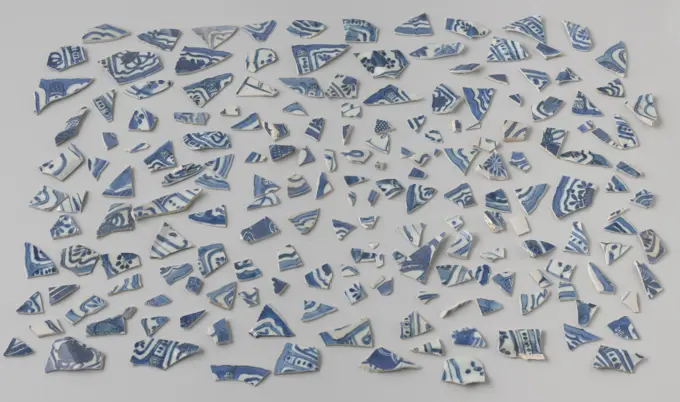
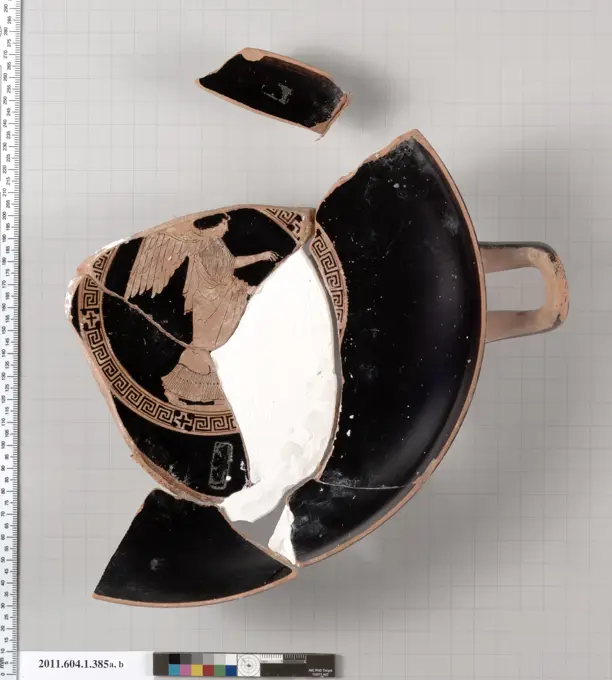
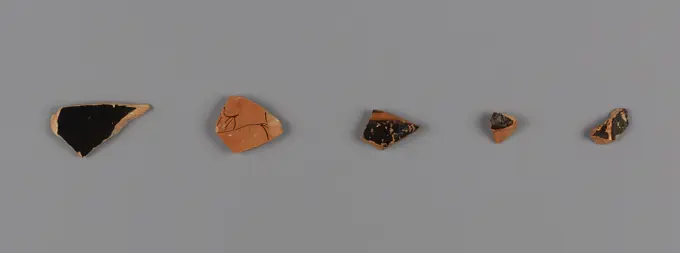
Fragments of ancient pottery featuring red- and black-figure designs, showcasing historical craftsmanship and artistry in ceramics.

Attic Panathenaic Amphora Fragment. Attributed to the Euphiletos Painter (active about 530 - 510 B.C.)
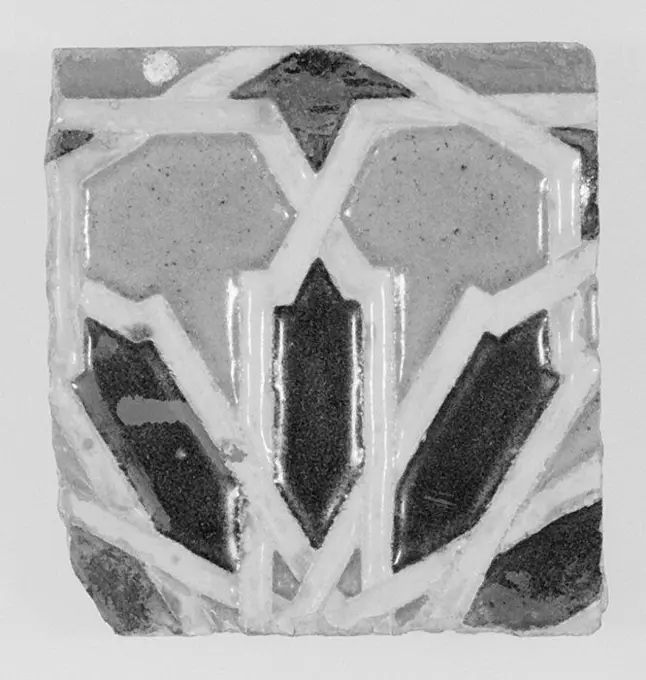
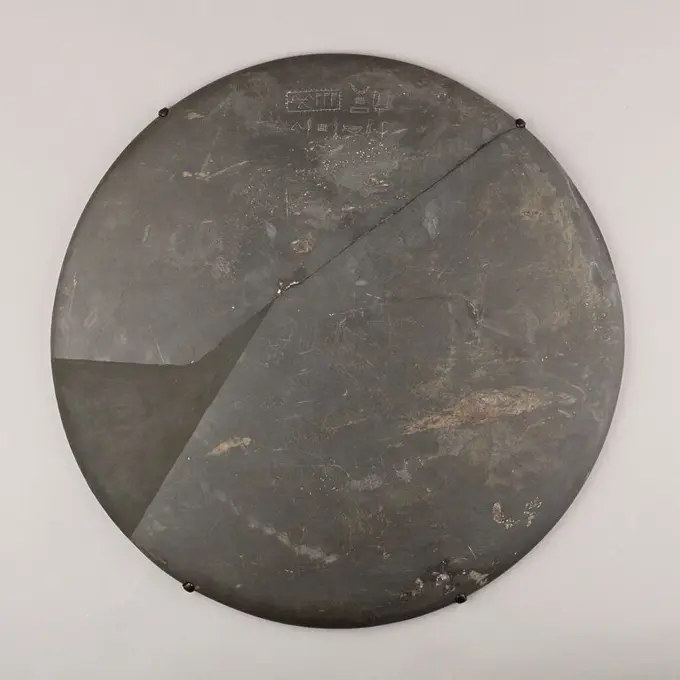
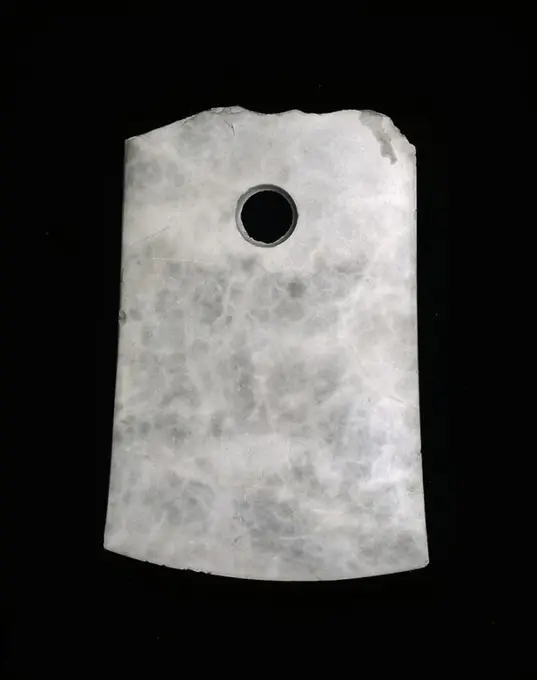
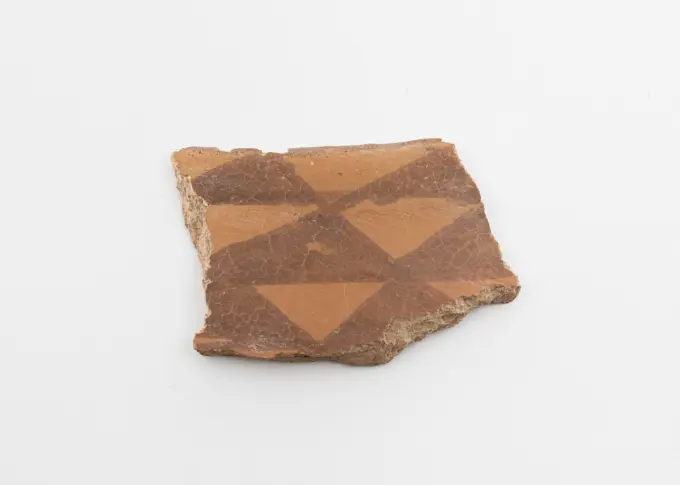
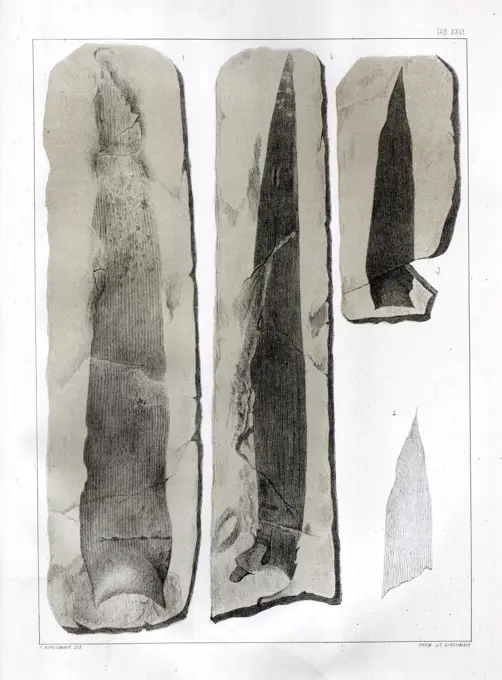
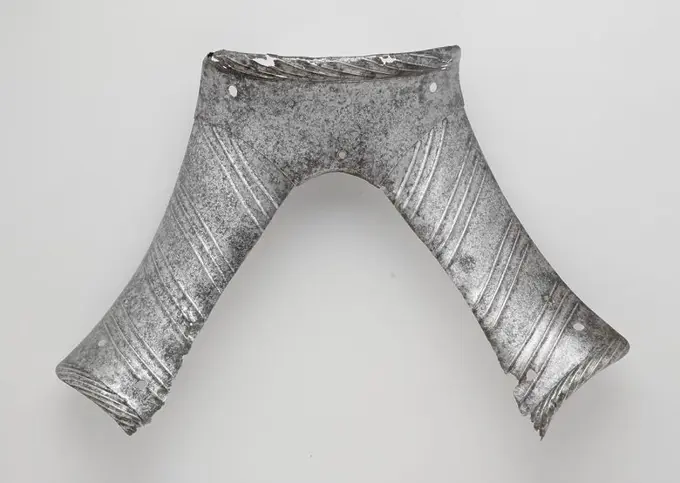
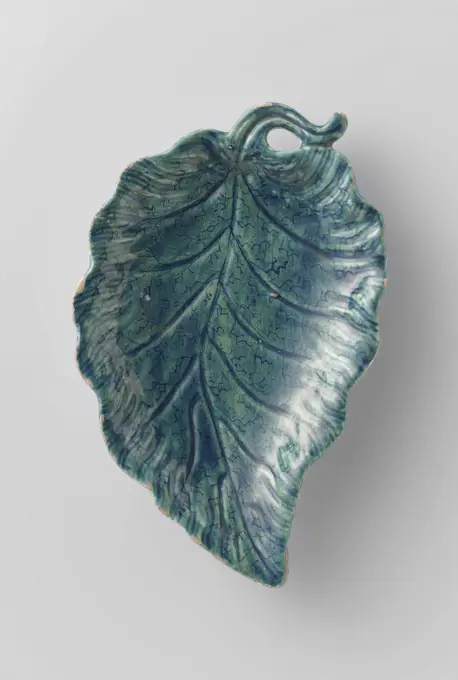
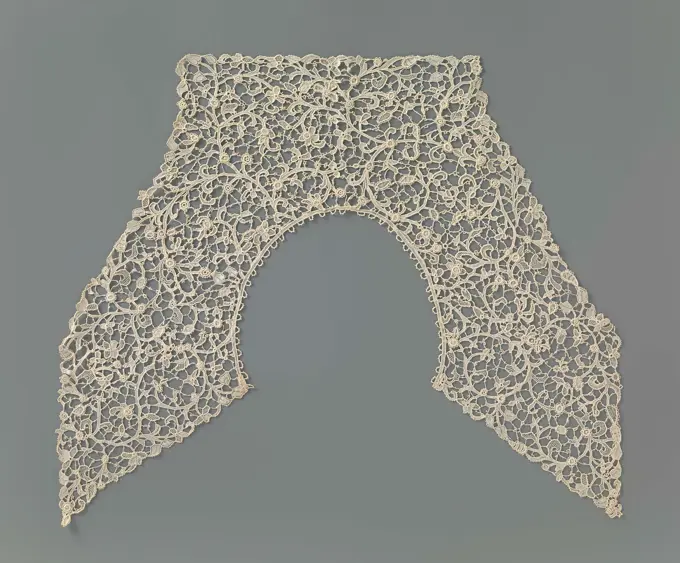
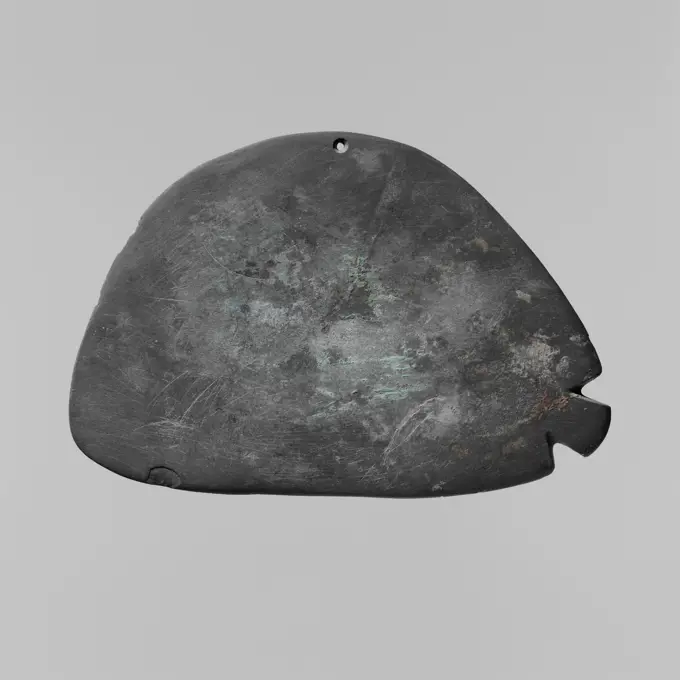
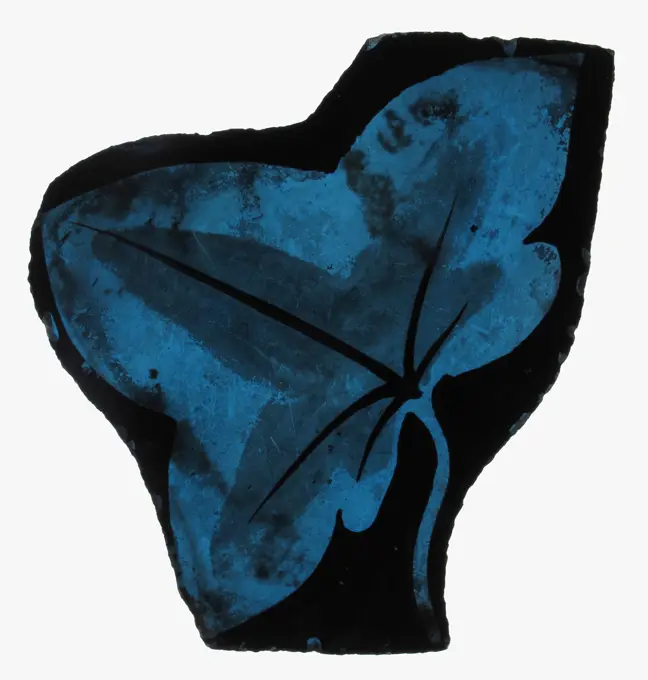
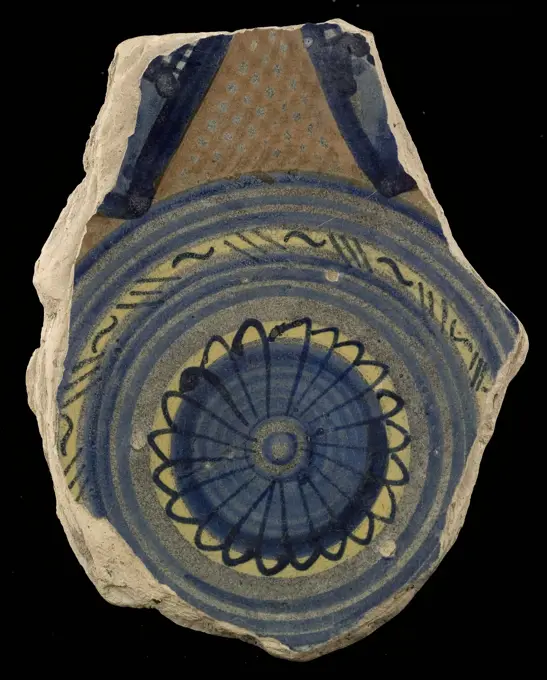
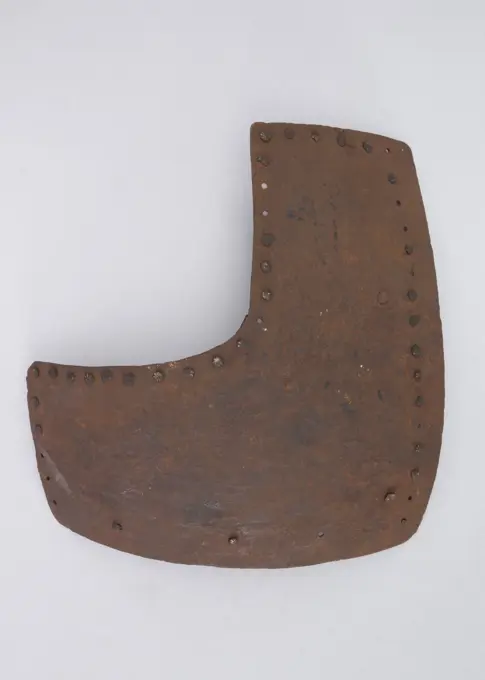
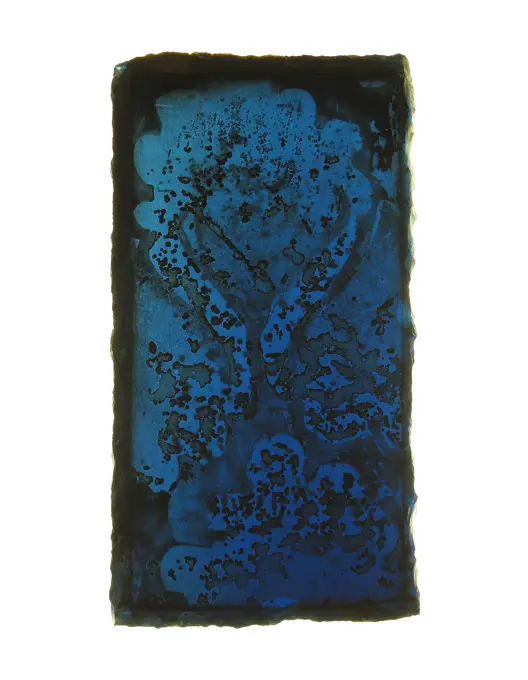
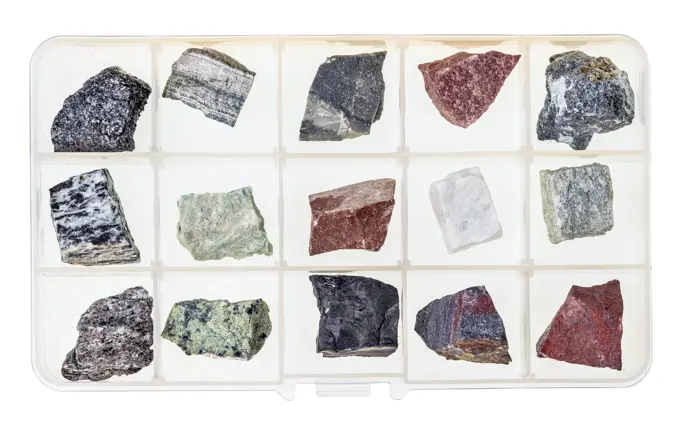
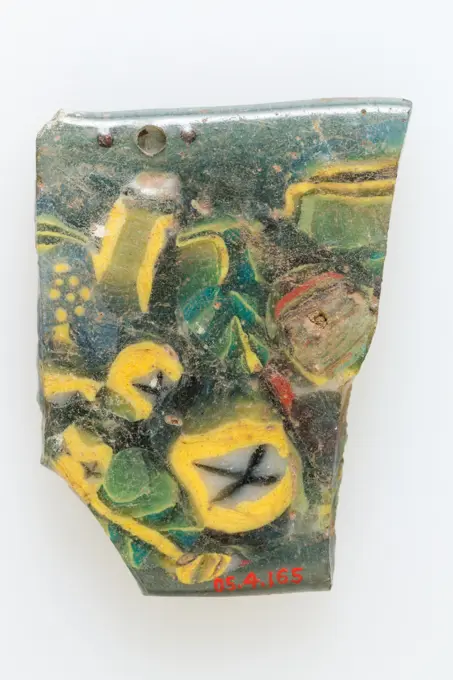
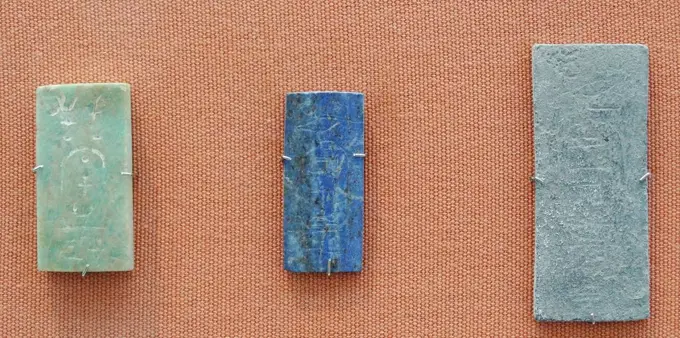
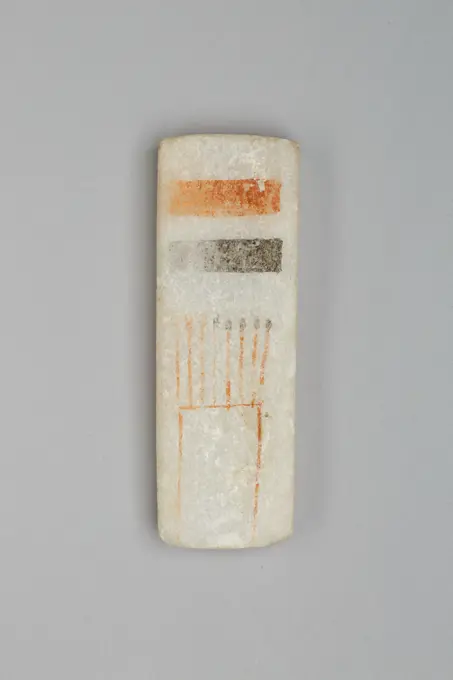
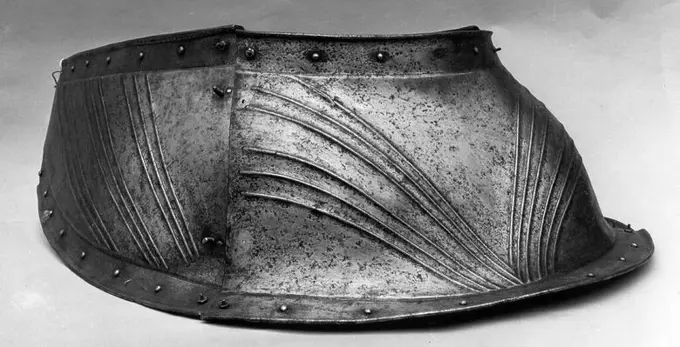
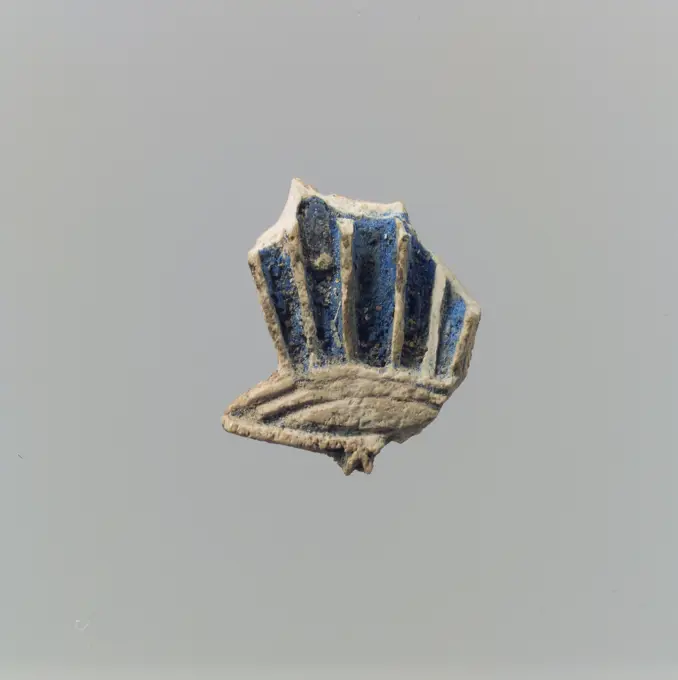
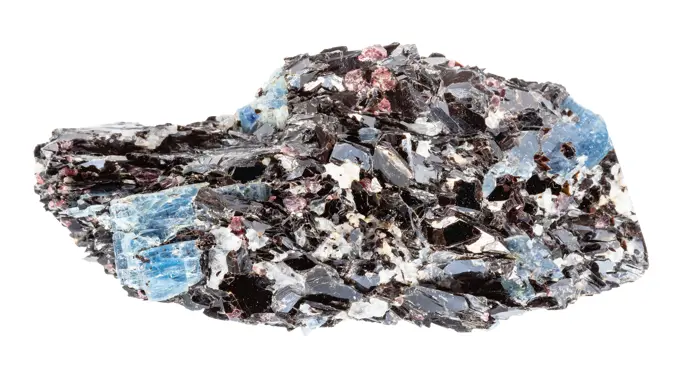
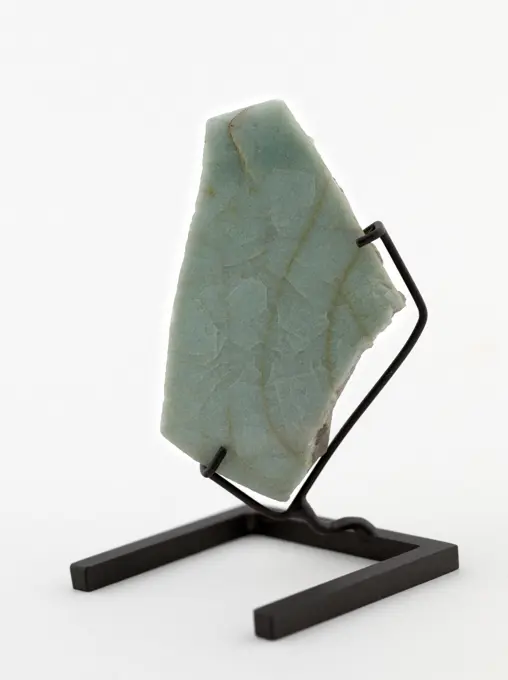
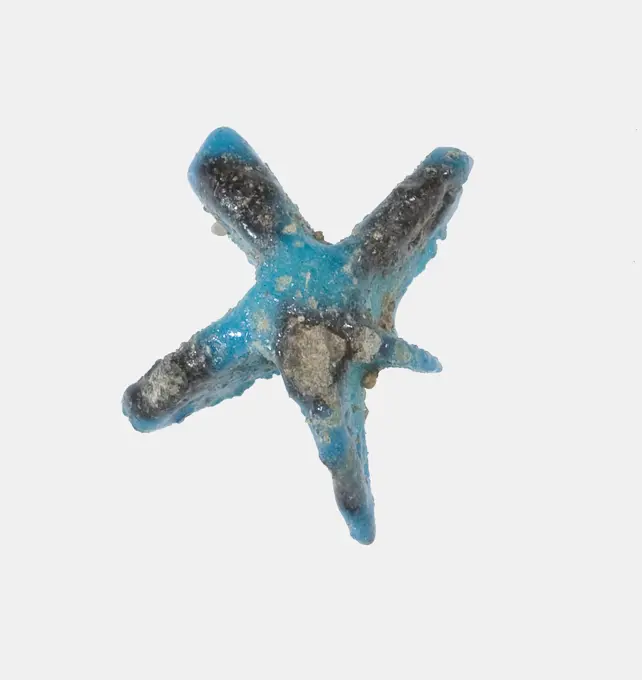
Ring. China. Date: 400 BC-200 BC. Dimensions: Diam. 3 1/2 in.; 7/8 in. flesh; 1/4 in. average thickness. Jade. Origin: China. Museum: The Chicago Art Institute, Chicago, USA.Panel fragment 16th century Spanish, Seville Polychrome tiles had long been made in Spain in the cuerda seca (dry cord) technique, dating to the Muslim Almohad dynasty, in which colors were kept from running together during firing by a line of grease drawn between them. This method was not always successful, however, as the blurred outlines in some of these tiles indicate.. Panel fragment 187892 Spanish (Seville) (Andalusian), Panel fragment, 16th century, Tin-glazed earthenware, 4-13/16 x 4-7/16 in. (12.2 x 11.3 cm). The Metropolitan Museum of Art, New York. Gift of Henry G. Marquand, 1894 (94.4.402)burnt paper burnt paper over white background ,model released, Symbolfoto Copyright: xZoonar.com/RuslanxNassyrovx 2017220 ,model released, Symbolfoto ,property releasedVase fragment. Dimensions: H. 3.1 cm (1 1/4 in). Dynasty: Dynasty 12-13. Date: ca. 1981-1640 B.C.. Museum: Metropolitan Museum of Art, New York, USA.Stylish panties isolated on white background.Fragment of a Mosaic Glass Vessel. Unknown 1st century A.D.polished cabochon from natural adularia gemstone close up of sample of natural stone from geological collection - polished cabochon from natural adularia gemstone isolated on white background from Sri Lanka Copyright: xZoonar.com/ValeryxVoennyyx 21467444Fragment 12th-17th century () European. Fragment. European. 12th-17th century (). Pot-metal glass and vitreous paint. Glass-StainedRing. UnknownDish with an inscription recording a ritual event. Dimensions: Diam. 39 cm (15 3/8 in.). Date: ca. 3100-2650 B.C.. Museum: Metropolitan Museum of Art, New York, USA.Axe. China. Date: 3000 BC-2000 BC. Dimensions: 13.4 × 9.5 × .5 cm (5.3 × 3.7 × 0.2 in.). Jade. Origin: China. Museum: The Chicago Art Institute, Chicago, USA.Sherd ca. 1500-1000 B.C. Iran This sherd is made of a red clay, with brown painted decoration. It is typical of Yaz I ceramics from Turkmenistan, dating to ca. 1500-1000 B.C. It was excavated in 1937 at a prehistoric site in the vicinity of Nishapur in northeastern Iran. While Nishapur itself was founded by the Sasanian king Shapur I (reigned ca. A.D. 241-272), this sherd shows that human habitation there goes back to the prehistoric period. Furthermore, the prehistoric pottery from Nishapur has close affinities with ceramic materials from Central Asia rather than with contemporary sites in Iran, meaning that in this period its inhabitants were likely culturally linked to their neighbors to the east. At the same time, Nishapurs location on what later became known as the Great Khorasan Road suggests that it was part of the trade network that facilitated the import of precious stones such as lapis lazuli, carnelian and turquoise from Central Asia to Mesopotamia.. Sherd. Iran. ca. 1500-1Ornamental Fish 6th-7th century Moche (Loma Negra). Ornamental Fish. Moche (Loma Negra). 6th-7th century. Silvered copper. Peru. Metal-OrnamentsTile fragment ca. 1850-1700 B.C. Late Middle Kingdom. Tile fragment. ca. 1850-1700 B.C.. Faded blue faience. Late Middle Kingdom. From Egypt, Memphite Region, Lisht North, cemetery south of pyramid below House A1:2, Pit 884, MMA excavations, 1920-21. Dynasty 12, late - 13 up to 1700Flora, Fossilis, Formationis, Oolithicae, Padova, Tip, del, Seminario, 1856/1868-1873/1885, Jurassic, Paleobotany, This illustration features three ancient tools or weapons, each displayed in a distinct orientation. The first item on the left appears to be a long, slender blade with intricate markings along its surface, possibly indicating craftsmanship or usage. The second item in the center is a broader, more robust tool that suggests a functional design for cutting or piercing, showcasing signs of wear and age. The third item on the right is a smaller, sharply pointed piece, perhaps used for precision tasks or as a component of a larger tool. Additionally, an irregular fragment is depicted at the bottom, hinting at the remnants of a larger object or a piece that could not be fully reconstructed. The overall presentation emphasizes the historical significance and craftsmanshipShoe or muzzle, with wooden soles that are hinged in the bending of the foot, chair and heel with leather, heel strap and buckles of copper, c. 1800 - c. 1900 Shoe or muzzle with wooden soles that hinge in the bending of the foot. President and chop with leather, covered, square nose. Heel band and buckles of copper. Marked: 72. Children's model Netherlands schoen: leather. zool: wood (plant material). copper (metal) Shoe or muzzle with wooden soles that hinge in the bending of the foot. President and chop with leather, covered, square nose. Heel band and buckles of copper. Marked: 72. Children's model Netherlands schoen: leather. zool: wood (plant material). copper (metal)Three Pommel Plates of a Saddle. Culture: German. Dimensions: Center: 13¾ x 6¾ in. (34.9 x 17.1 cm); Right: 16 x 6½ in. (40.6 x 16.5 cm); Left: 16 x 6¾ in. (40.6 x 17.1 cm); W. 2 lb. 15 oz. (1329 g). Assembled: H. 7 in. (17.8 cm); W. 28 in. (71.1 cm).. Date: ca. 1510-20. Museum: Metropolitan Museum of Art, New York, USA.Two shards of one or two bowls, found at V.O.C. Witte Leeuw, possibly from Zeelelie, 1725 - 1800 bowl Two shards of one or two bowls, one of which is glued together from three fragments made for export to Anglo-Saxische countries. This object is 18th century and cannot therefore be from the freight of the Witte Leeuw. It is unclear whether the object will come from the site or whether it was mixed later, possibly with material from the Zeelelie. Jingdezhen porcelain   Sint-HelenaHeaddress Fragment 6th-7th century Moche (Loma Negra). Headdress Fragment 315149Vase Fragments, joined. Culture: Roman. Dimensions: H. 3 15/16 in. (10 cm). Date: 1st century B.C.-1st century A.D..Kalathiskos dancer. Museum: Metropolitan Museum of Art, New York, USA.Empty wooden cutting board for preparing ingredients for preparing a delicious dish Empty wooden cutting board for preparing ingredients for preparing a delicious dish. Kitchen utensils Copyright: xZoonar.com/TetianaxChernykovax 21728430Subdated of multi-colored painted faience. Subdated in the form of a leaf. Horse with a terrine of earthenware in the shape of a grape trim.Collar of needle side with spindular tendrils. Collar of natural needle side: Venetian rosary. The collar has a semicircular neckline, is square on the back and shows pointed ends. Very open barfond with wide wavy, spindling, branched tenders, which are decorated with florets, among other things. The contour is formed by the flowers and leaves of the middle pattern.Grahal-Manzara. Carnavalet 2013-2016 collection sites. Numismatics.Collar late 19th century Belgian. Collar. Belgian. late 19th century. no medium availableFish-shaped palette ca. 3650-3300 B.C. Predynastic, Naqada II. Fish-shaped palette 547384Terracotta vessel fragment with marine motif ca. 1450-1400 B.C. Minoan From Phylakopi, MelosFragment with seaweed () design.. Terracotta vessel fragment with marine motif 248563Cuneiform tablet: promissory oath, Egibi archive ca. 552 BC Achaemenid. Cuneiform tablet: promissory oath, Egibi archive 321548Attic Black-Figure Calyx Krater Fragments (comprised of 3 joined fragments). UnknownGlass Fragment 14th century French. Glass Fragment. French. 14th century. Pot metal glass. Glass-StainedFragment majolica dish, polychrome, rosette in the middle, plate crockery holder soil find ceramic earthenware enamel, baked underside covered with lead glaze. Italian Dutch decor Polychrome Layered earthenware archeology Italy Schie adorn serving food Soil discovery: the Schie at the time of the construction of Shell. 1957.Terracotta fragment of a kylix (drinking cup) 5th century B.C. Greek, Attic Handle with part of handle patch and wall of cup preserved. Terracotta fragment of a kylix (drinking cup) 687005Costume Ornament 11th-12th century Peru; central coast (). Costume Ornament 308672Shards of signs from V.O.C. ship De 'Witte Leeuw', Before 1613 plate (dishes) Band shards of signs from V.O.C. ship De 'Witte Leeuw'. Jingdezhen bone china (material)   Sint-HelenaVier leere Vintage-Blechschilder auf weißem Hintergrund Four empty vintage tin signs on a white background Copyright: xZoonar.com/BorisxZerwannx 16271670Anonymous. Plate. Earthenware. Paris, Carnavalet museum. 72088-1 Decoration, Faience, Revalleaireaire, French Revolution, PlateLake Como, May 3, 1869 (verso, from sketchbook). Artist: Jervis McEntee (American, Rondout, New York 1828-1891 Rondout, New York). Dimensions: 4 1/2 x 9 in. (11.4 x 22.9 cm). Date: 1869.McEntee studied landscape painting with Frederic Edwin Church (1826-1900) and had close ties with many of the artists of the Hudson River School. In 1868-69, he traveled to England, France, Italy, and Belgium. This small, portable sketchbook contains drawings made in the Roman Campagna and the Italian Lake District. As in this drawing of Lake Como, McEntee often spread his compositions across both sheets of his open sketchbook to record broad panoramic vistas. Museum: Metropolitan Museum of Art, New York, USA.Stole 1850-99 Belgian. Stole 123082Collar 18th century Italian. Collar 217723Attic Red-Figure Cup Fragment.Collar 17th century Italian. Collar 119062Trebizond Coin; about 13th century; Silver, Byzantine Coinage of the empire of TrebizondsBracelet ca. 1981-1640 B.C. Middle Kingdom. Bracelet. ca. 1981-1640 B.C.. Faience. Middle Kingdom. From Egypt, Memphite Region, Lisht North, Tomb 954, Burial 954J, MMA excavations, 1921-22. Dynasty 12-13Trebizond Coin; about 13th century; Silver, Byzantine Coinage of the empire of TrebizondsFragment of a Ship Flag. Fragment of the underside of the legs of a blue ship flag; Originally with a white rectangle with a red cross (missing) with a white rectangle in the upper neck. This is a blue ship flag of the period 1630-1707.Vintage mapSquare collar of mixed side with reserves with a rose, anonymous, c. 1900 - c. 1919 Collar of natural -colored mixed side - bobbin in combination with needle side - Brussels Duchesse. Square model. A narrow strip with four corners and a neck opening is placed on the corners and in the middle of the sides by small medallions (needle side) with fine mesh network, on which a rose is standing. The entire soil is of wide -spread braids, on which clover leaves stand, large and small rosettes and chalice; The twigs have the shape of a C motif. Netherlands (possibly) linen (material) mixed lace / mixed Brussels Collar of natural -colored mixed side - bobbin in combination with needle side - Brussels Duchesse. Square model. A narrow strip with four corners and a neck opening is placed on the corners and in the middle of the sides by small medallions (needle side) with fine mesh network, on which a rose is standing. The entire soil is of wide -spread braids, on which clover leaves stand, large aFragment of a vessel. A low curvature of the glass fragment allows the assignment to a vessel, possibly a shell. The green shard shows several flowers in millefiori technology. Around a white point with red contour, a violet band is placed with white dots as petals. For the production, different colored glasses into tubes and rods were formed. These were compressed and heated, causing a long bar. The glass sliced now had different amorphous or floral patterns. Thereafter, several of these platelets were folded, heated again and pressed into a vascular shape. Burry for the elaborate manufacturing process and its fragility was one of the luxury articles of antiquity.Foundation Deposit Plaque in the Form of a Trussed Duck ca. 1188-1186 B.C. New Kingdom, Ramesside. Foundation Deposit Plaque in the Form of a Trussed Duck. ca. 1188-1186 B.C.. Faience. New Kingdom, Ramesside. From Egypt, Upper Egypt, Thebes, Ramesseum Area, Temple of Tawosret, foundation deposit, Petrie excavations, 1896. Dynasty 19Porcelain Shards from V.O.C. ship De 'Witte Leeuw', Anonymous, Before 1613 bowl. plate (dishes) Shards of plates or bowls of Kraakporcelain from V.O.C. ship De 'Witte Leeuw'. Jingdezhen bone china (material)   Sint-Helenaretro cartoon cardboard box monsterRound Applique. UnknownCardboard pieces in a wooden crateInscribed corner element, Aten cartouche ca. 1353-1336 B.C. New Kingdom, Amarna Period. Inscribed corner element, Aten cartouche. ca. 1353-1336 B.C.. Indurated limestone. New Kingdom, Amarna Period. From Egypt, Middle Egypt, Amarna (Akhetaten), Great Temple of the Aten, pit outside southern wall, Petrie/Carter excavations, 1891-92. Dynasty 18Shards of Kommen from V.O.C. ship De 'Witte Leeuw', Before 1613 bowl Shards of bowls, two of which belong together, from V.O.C. ship the 'Witte Leeuw'.  porcelain   Sint-HelenaChalcocite. minerals. North America; USA; Connecticut; Hartford County; BristolBronzed Iron Medal of Wolhymia Battalion 62ndInfantry. Artist: UnknownKnife, fork and cutting board, salt, pepper and other ingredients Knife, fork and cutting board, salt, pepper and other ingredients located on a textured concrete background Copyright: xZoonar.com/TetianaxChernykovax 21413728Paul Kruger wih Hat and Pipe, South African Coin defaced by Anglo-Boer War POW'sbrake pad brake pads isolated on white Copyright: xZoonar.com/RuslanxNassyrovx 3563643Brigandine Plate 1400-1450 Italian This is part of a large find of medieval armor discovered in 1840 in the ruins of the fortress of Chalcis, on the Greek island of Euboea (then a Venetian colony called Negroponte). The fortress had been captured and destroyed by the Turks in 1470. Now divided largely between the Ethnological Museum, Athens, and The Metropolitan Museum of Art, the Chalcis hoard contains many rare and unusual elements of fourteenth- and fifteenth-century armor. Of particular importance are the variety of headpieces and the many fragments of brigandines (armor for the torso constructed of small plates riveted to layers of fabric), some of which retain portions of their original velvet covering. The Chalcis armor provides a unique picture of the armament used in the Aegean, one of the easternmost military outposts of the Venetian empire.. Brigandine Plate 27682Glass Fragment. Culture: French. Dimensions: Leads are too fragile to be measured.. Date: 14th century. Museum: Metropolitan Museum of Art, New York, USA.Glass Fragment 15th century French. Glass Fragment. French. 15th century. Pot metal glass. Glass-Stainedraw rocks for geological collection in open box top view on natural raw rocks for geological collection in open plastic box with cells isolated on white background Copyright: xZoonar.com/ValeryxVoennyyx 21467432Fragment of floral plaque 100 BC-100 AD Ptolemaic Period-Roman Period This fragment was part of a glass floral plaque for wall or furniture inlay like 26.7.1249.. Fragment of floral plaque. 100 BC-100 AD. Glass. Ptolemaic Period-Roman Period. From Egypt, Middle Egypt, Oxyrhynchus (Bahnasa), EEF excavations 1904-05(Fish ornament, one of a pair), c. 1800, Unknown Japanese, 1/2 x 1 5/8 in. (1.27 x 4.13 cm), Gilt bronze, Japan, 18th-19th centuryDemi-Shaffron Made 1590-1620 Italy. Steel .Foundation deposit of King Malenaqen, Napatan Period, about 555-542 BC From Nuri, pyramid Nu 5, Egypt. faience cartouche-plaque and tablets made of limestone, lapis lazuli and faience.Plaque painted with names of Ramesses IV on one side and as a scribal palette on the other ca. 1153-1147 B.C. New Kingdom, Ramesside Whether all ancient Egyptian kings were literate or not, only rarely did they show themselves writing. The oblong plaque is inscribed on one side with Ramesses IVs cartouches, and on the other, it is decorated to resemble a scribal palette, with areas of red and black ink and a slot to which the reed pens were placed (see, for example, 16.10.298). Mostly, kings emphasized the monumental texts they had inscribed on stelae and temple walls. A few kings, however—especially of the New Kingdom—highlighted papyri and ink. Scenes of royal literacy also appear in this period on temple walls, on which the king writes alongside Thoth, the divine scribe, especially when inscribing his own name on the leaves of a sacred tree (the Ished tree). Through its text and decoration, this plaque might be evoking these various notions of writing,. Plaque painted with names ofFrontlet of gold leaf. Dimensions: Other: 2 5/16 × 3 15/16 in. (5.9 × 9.9 cm). Museum: Metropolitan Museum of Art, New York, USA.Shards of signs from V.O.C. ship De 'Witte Leeuw', Anonymous, Before 1613 plate (dishes) Shards of signs from V.O.C. ship De 'Witte Leeuw'. Jingdezhen porcelain. bone china (material)   Sint-HelenaPromenade parasol 1860-80 American. Promenade parasol 122471Half Daalder plate money in the name of Adolf Frederik, King of Sweden, Anonymous, 1759 coin Not entirely rectangular, curved plate. Front: Five stamp prints. In each corner the front of half a fall with ribbed edge, in which 4 x a f rs below crown and inscription above 2 crossed arrows: from half a fall: Silfmunt; In the middle print on the side of half a fall: inscription. Road side: large number of vague and partial prints of stamps. Flatmynt, Half Daalder. Karlberg Palace copper (metal) striking (metalworking)  SwedenPeytral. Culture: German, Nuremberg. Dimensions: 11 x 26 1/2 in. (27.9 x 67.3 cm). Date: 1510-30. Museum: Metropolitan Museum of Art, New York, USA.Terracotta fragments of a kylix (drinking cup) second quarter 5th century B.C. Greek, Attic Interior, Nike with chiton and himation with hands holding fillet (fillet is missing); Obverse, handle palmette, lower drapery and feet of youth with striped scepter, bearded man with himation, sitting on a chair and holding a staff in his left hand, bearded man with himation; petasos on back, handle palmettes, handle; Reverse, drapery and foot of figure; bearded man with chiton and himation holding striped scepter in right hand. Terracotta fragments of a kylix (drinking cup) 668571Empty wooden cutting board for preparing ingredients for preparing a delicious dish. Kitchen utensilsPart of a collar of crocheted side imitation coarse Venetian needle side, anonymous, c. 1890 - c. 1909 Part of a collar with three pointed points made of natural Irish crocheted side, imitation coarse Venetian needle side. Finishing on all sides with three -part arches with picots. Ireland cotton (textile) Part of a collar with three pointed points made of natural Irish crocheted side, imitation coarse Venetian needle side. Finishing on all sides with three -part arches with picots. Ireland cotton (textile)Plaque fragment ca. 8th-7th century B.C. Assyrian This small broken piece of ivory was originally part of a plaque. Carved ivory plaques were widely used in the production of elite furniture during the early first millennium B.C. They were often inlaid into a wooden frame using joinery techniques and glue, and could be overlaid with gold foil or inlaid with colored glass or stone pieces to create a dazzling effect of gleaming surfaces and bright colors. This fragment is made up of thin-walled carved cells, called cloisons, that were filled with colored inlays, although the traces of blue color that remain are left by the material that fixed the inlays in place rather than by the inlays themselves. When the royal buildings at Nimrud were sacked during the fall of Assyria in 614 and 612 B.C., looters stripped the gold inlay from the ivory furniture and left the broken pieces behind. This piece may have been part of a feathered wing belonging to a creature such as a sphinx or griffin, botVintage Photograph. Relief Globe on white background.Shards from V.O.C. ship De 'Witte Leeuw', Anonymous, Before 1613  Shards from V.O.C. ship the 'Witte Leeuw' from Kraakporcelain. Jingdezhen bone china (material)   Sint-Helenaraw blue kyanite in biotite rock isolated on white close up of sample of natural stone from geological collection - raw blue kyanite in biotite rock isolated on white background from Karelia, Khit Island Copyright: xZoonar.com/ValeryxVoennyyx 21467171Tesson. ". Cédady. China, Dynastie Dry. Paris Museum Cernalius. 74781-4 Celadon, Chinese Ceramic, Song dynasty, TessonAttic Black Figure Belly Amphora. UnknownFragment of a vessel. A low curvature of the glass fragment allows the assignment to a vessel. The purple glass is decorated with multiple flowers in millefiori technology. They consist of a transparent circle with white contour, which is framed by transparent petals with white contour, or a variant with yellow contours. For the production, different colored glasses were molded into tubes and rods. These were compressed and heated, causing a long bar. The glass sliced now had different amorphous or floral patterns. Thereafter, several of these platelets were folded together, heated again and pressed into the vascular shape. Burry for the elaborate manufacturing process and its fragility was one of the luxury articles of antiquity.Attic Red-Figure Column Krater Fragment. UnknownShards of Kraaikoppen from V.O.C. ship De 'Witte Leeuw', Anonymous, Before 1613 bowl Shards of Kraaikoppen from V.O.C. ship the 'Witte Leeuw'. Jingdezhen bone china (material)   Sint-HelenaFloor tile decorated with a French lily (yellow).Team four shielding beads; Unknown Night -Tamanian workshop; approx. 2600 2350 BC ; Early period D Azira III (-2600-00-00--2350-00-00);Photo of Sorted Garbage in the Plastic Biodegradable Bag. Black Trash Bag onthe Floor. Recycle to Save the Planet from Waste and Pollution. Black Garbage BagStar Amulet ca. 1802-1450 B.C. Late Middle Kingdom-Early New Kingdom. Star Amulet. ca. 1802-1450 B.C.. Faience. Late Middle Kingdom-Early New Kingdom. From Egypt, Memphite Region, Lisht North, Cemetery south of pyramid, House A1, so-called "faience factory", MMA excavations, 1920-22. Dynasty 13-18, earlyA buckle from Napoleonic times unknown labelStone font Number 0 ZERO 3D Stone font Number 0 ZERO 3D rendering illustration isolated on white background Copyright: xZoonar.com/MilicxDjurovicx 21522066Votive Fish. UnknownVotive Fish. UnknownVotive Fish. UnknownVotive Fish. UnknownVotive Fish. UnknownScherf of a sign from V.O.C. ship De 'Witte Leeuw', Anonymous, Before 1613 plate (dishes) Sharf of a sign from V.O.C. ship the 'Witte Leeuw'. Jingdezhen bone china (material)   Sint-HelenaKarte von Namibia auf rostigem Metall - Map of Namibia on rusty metal Karte von Namibia auf rostigem Metall - Map of Namibia on rusty metal Copyright: xZoonar.com/lantapixx 9894188Papyrus Fragments Inscribed in Hieratic Papyrus Fragments Inscribed in Hieratic, ca. 1938-1630 B.C.E. Papyrus, ink, a: Largest fragment: 2 5/16 x 1 1/4 in. (5.8 x 3.2 cm).   Egyptian, Classical, Ancient Near Eastern Art ca. 1938-1630 B.C.E.