Ancient Pottery Fragments

Fragments of ancient pottery featuring red- and black-figure designs, showcasing historical craftsmanship and artistry in ceramics.

Attic Panathenaic Amphora Fragment. Attributed to the Euphiletos Painter (active about 530 - 510 B.C.)
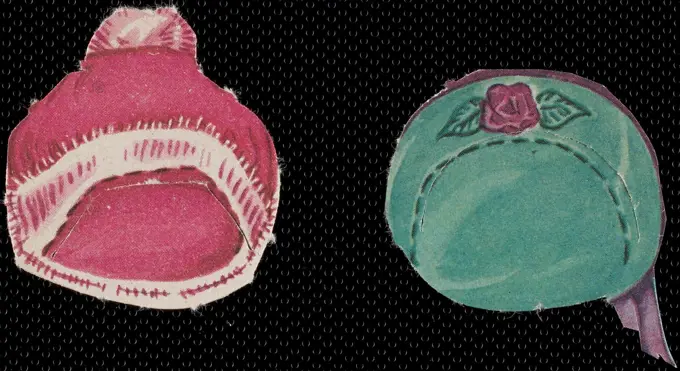
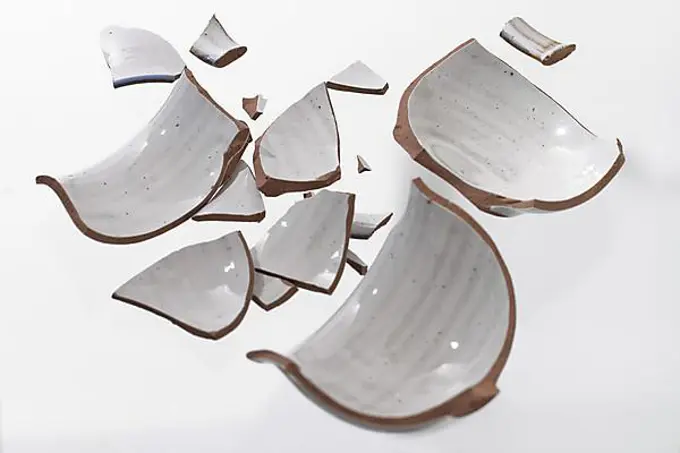
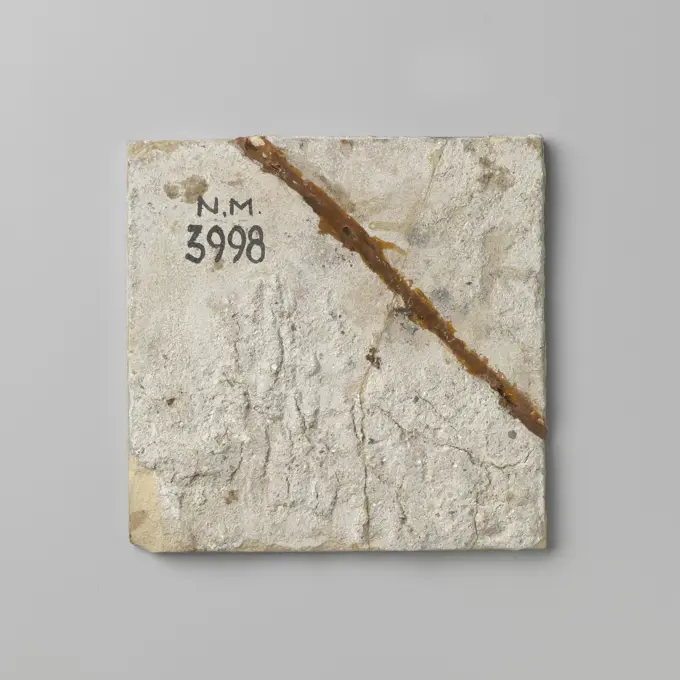
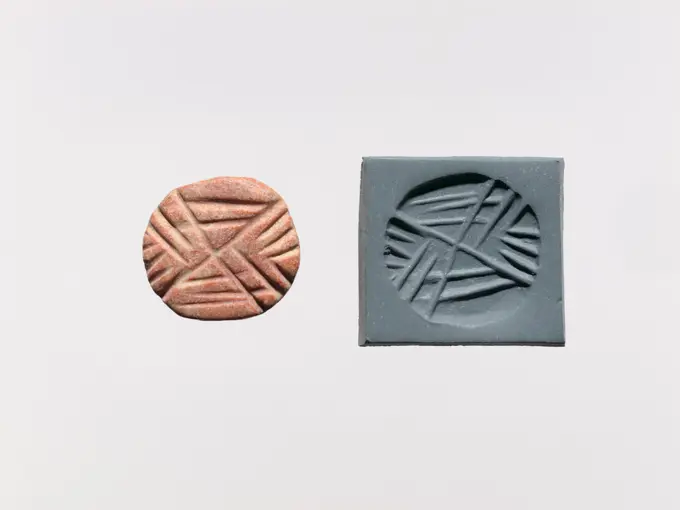
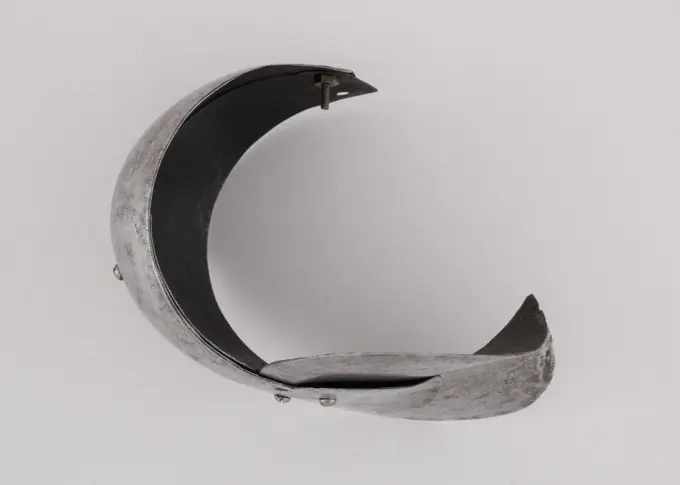
Red, orange and yellow petrified wood abstract, Blue Mesa, Petrified Forest National Park, ArizonaShoe spur of black leather embroidered with gitten, anonymous, c. 1915 - c. 1920 Shoe spur of black leather embroidered with gitten. Rectangular closed model of black leather on a reinforced surface. The embroidery consists of an oval leaf, flanked by two round flowers on a stem. France (possibly) Leather. Beads: Jet (Coal) Shoe spur of black leather embroidered with gitten. Rectangular closed model of black leather on a reinforced surface. The embroidery consists of an oval leaf, flanked by two round flowers on a stem. France (possibly) Leather. Beads: Jet (Coal)Barbara paper doll accessories , Hats. Phyllis Tyler Paper Doll CollectionGlass Fragment 15th century () European. Glass Fragment. European. 15th century (). Colorless glass. Glass-StainedBroken cupTile, Anonymous, 1720 - 1760 Tile with the multicolored (red, yellow and blue) crowned weapon of Overijssel. In the spell band, the inscription: Concordia Res Parva Crescunt. Netherlands earthenware. tin glaze majolica Tile with the multicolored (red, yellow and blue) crowned weapon of Overijssel. In the spell band, the inscription: Concordia Res Parva Crescunt. Netherlands earthenware. tin glaze majolicaLentoid seal ca. 4500-3600 B.C.. Lentoid seal. ca. 4500-3600 B.C.. Stone, pink-red. Ubaid-Early Gawra. Mesopotamia, NippurShards of Kraaikoppen from V.O.C. ship De 'Witte Leeuw', Before 1613 bowl Shards of Kraaikoppen from V.O.C. ship the 'Witte Leeuw'. Jingdezhen bone china (material)   Sint-HelenaElbow Defense (Couter) ca. 1430-40 Italian This is part of a large find of medieval armor discovered in 1840 in the ruins of the fortress of Chalcis, on the Greek island of Euboea (then a Venetian colony called Negroponte). The fortress had been captured and destroyed by the Turks in 1470. Now divided largely between the Ethnological Museum, Athens, and The Metropolitan Museum of Art, the Chalcis hoard contains many rare and unusual elements of fourteenth- and fifteenth-century armor. Of particular importance are the variety of headpieces and the many fragments of brigandines (armor for the torso constructed of small plates riveted to layers of fabric), some of which retain portions of their original velvet covering. The Chalcis armor provides a unique picture of the armament used in the Aegean, one of the easternmost military outposts of the Venetian empire.. Elbow Defense (Couter). Italian. ca. 1430-40. Steel. Armor Parts-Elbow PlatesChalky ukrainian flag painted with color chalk on old blackboardBrick with broken glass, violence concept, flag of Kazakhstan