Ancient Pottery Fragments

Historical pottery pieces, including oil lamps and dish fragments, exhibiting intricate designs from different ancient cultures.

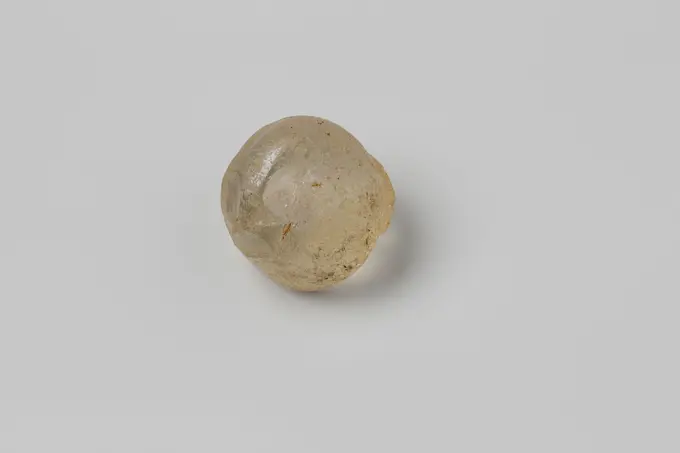
Stamp Seal. Assyria or Mesopotamia, Neo-Assyrian or neo-Babylonian (style), late 7th-6th century B.C.. Tools and Equipment; seals. Colorless chalcedony
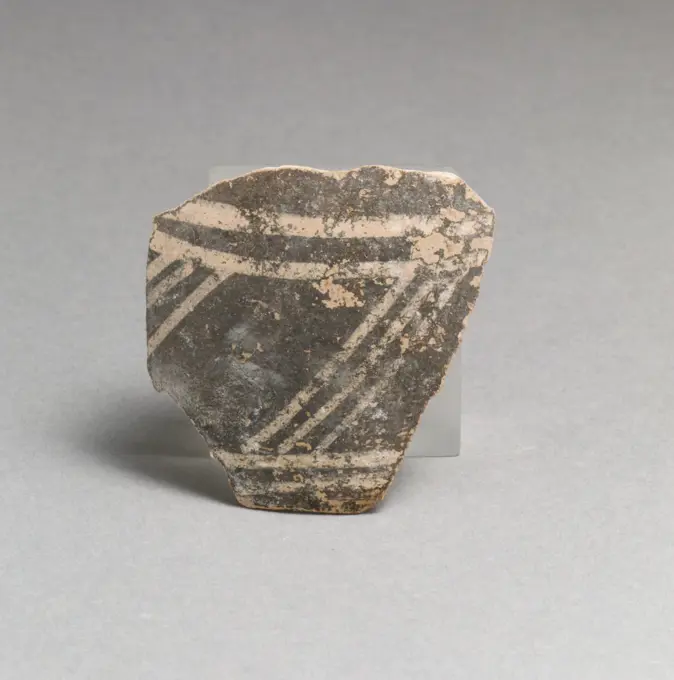
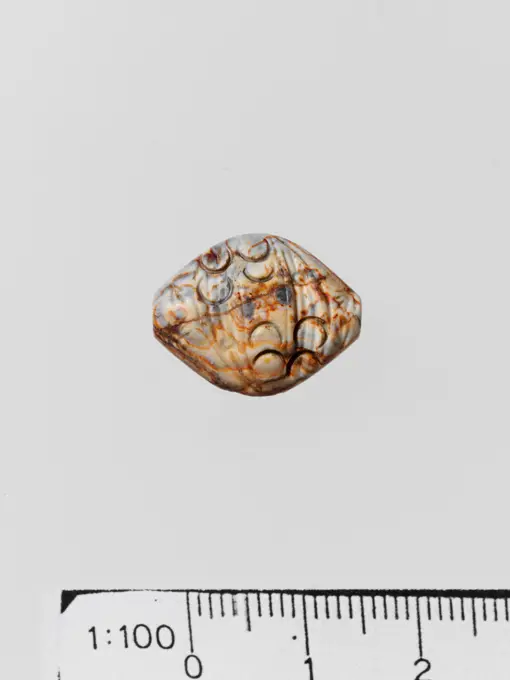
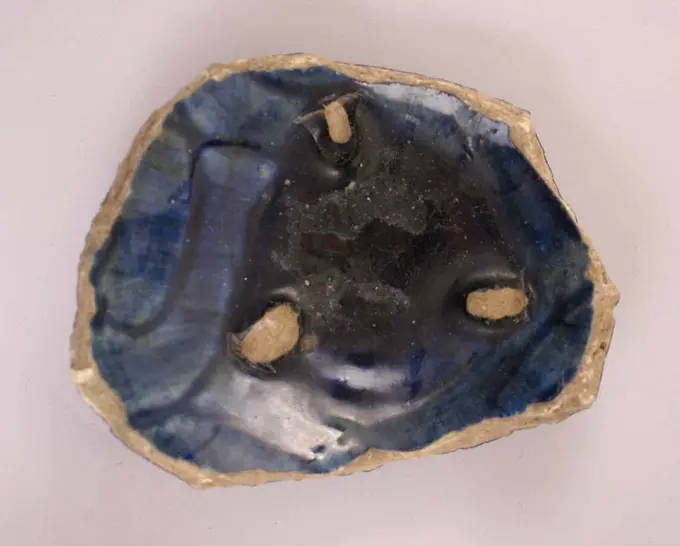
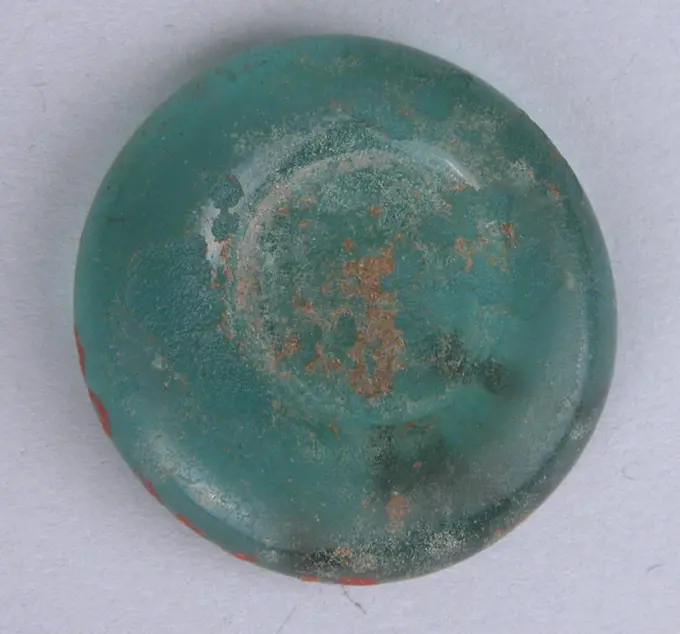
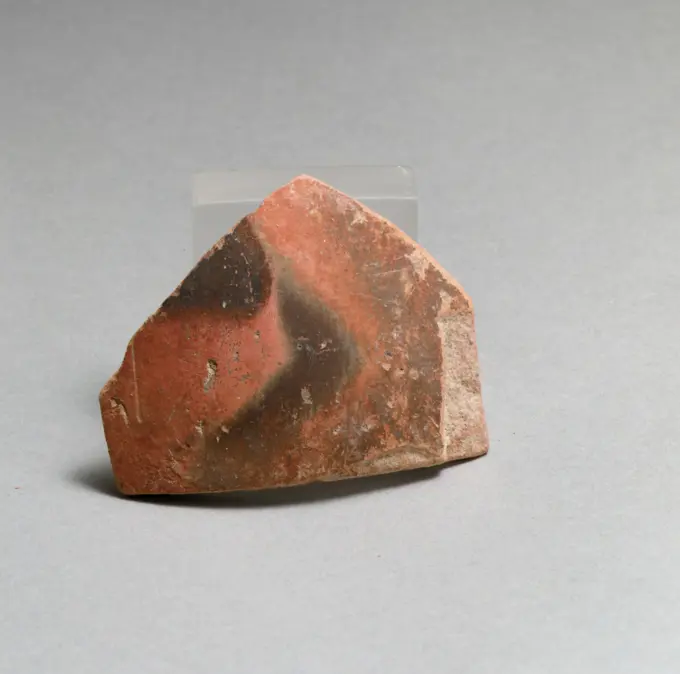
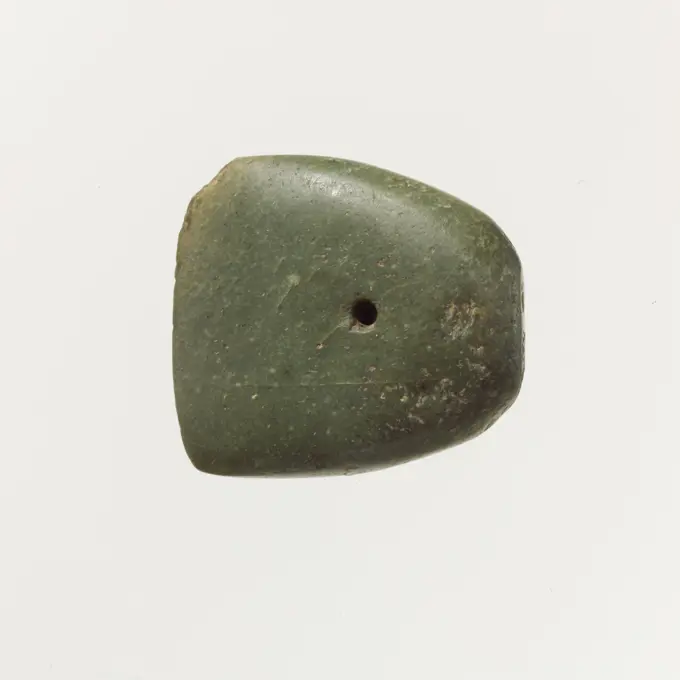
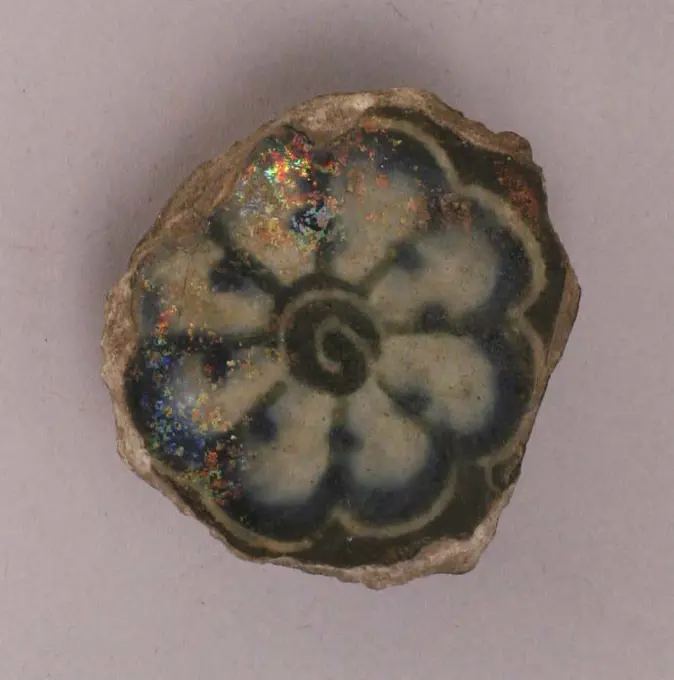
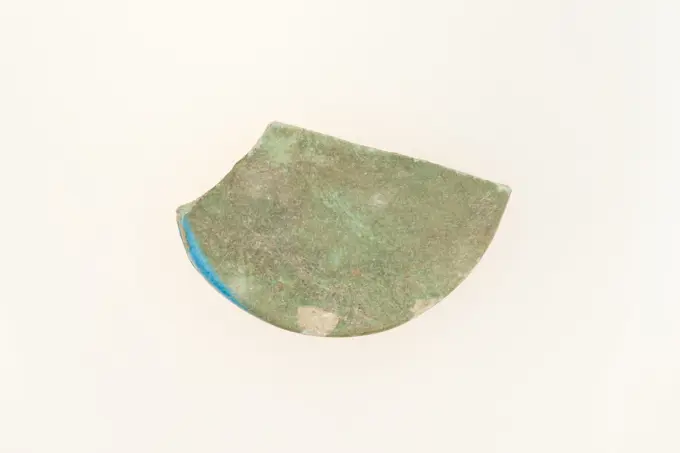
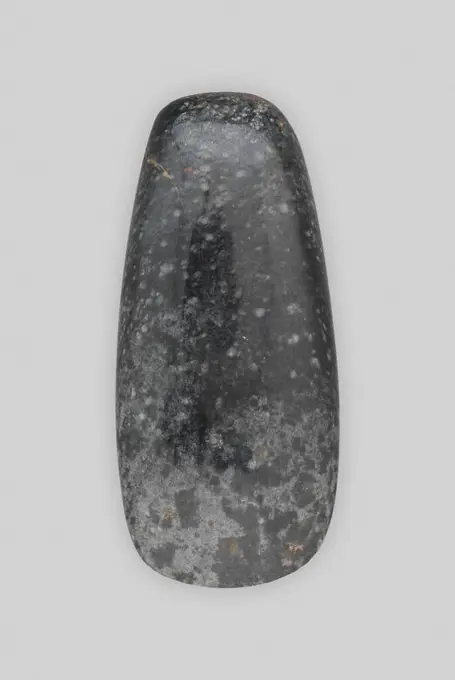
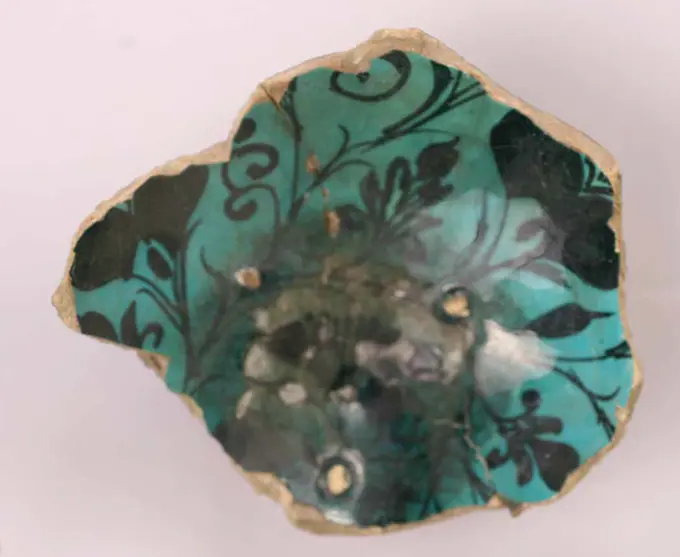
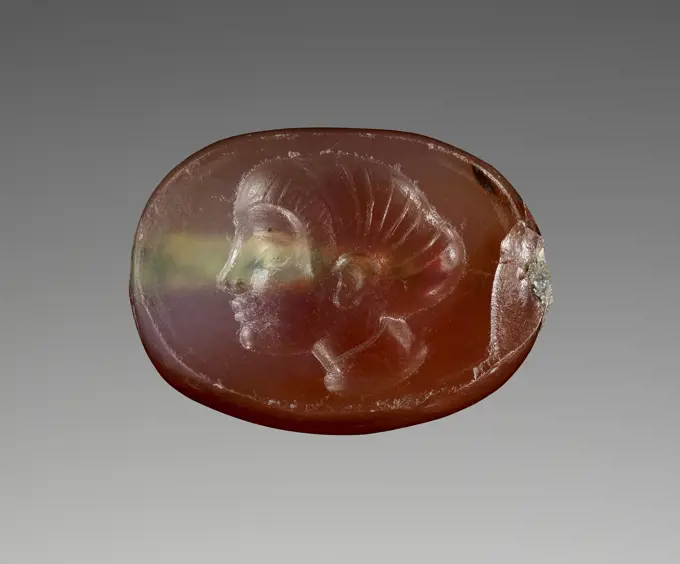
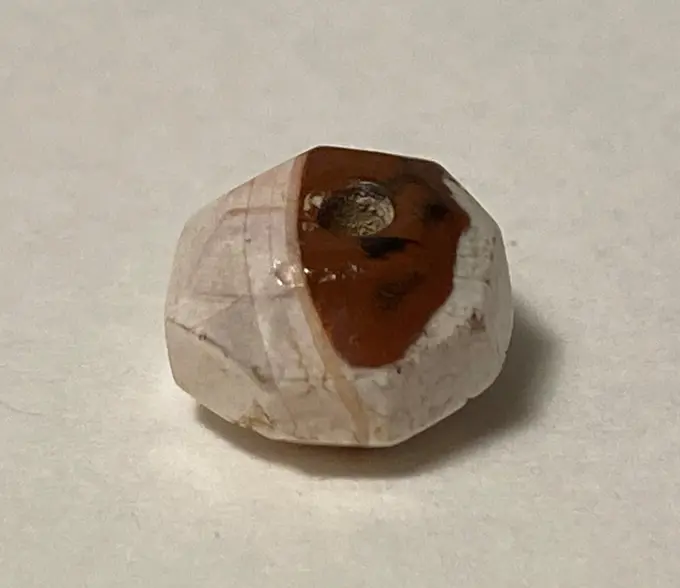
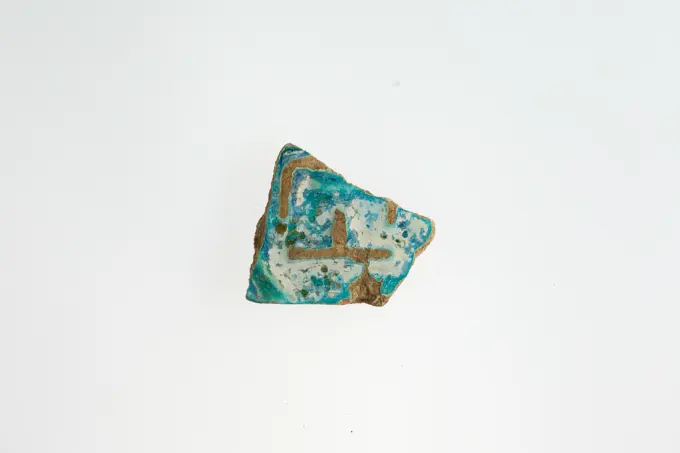
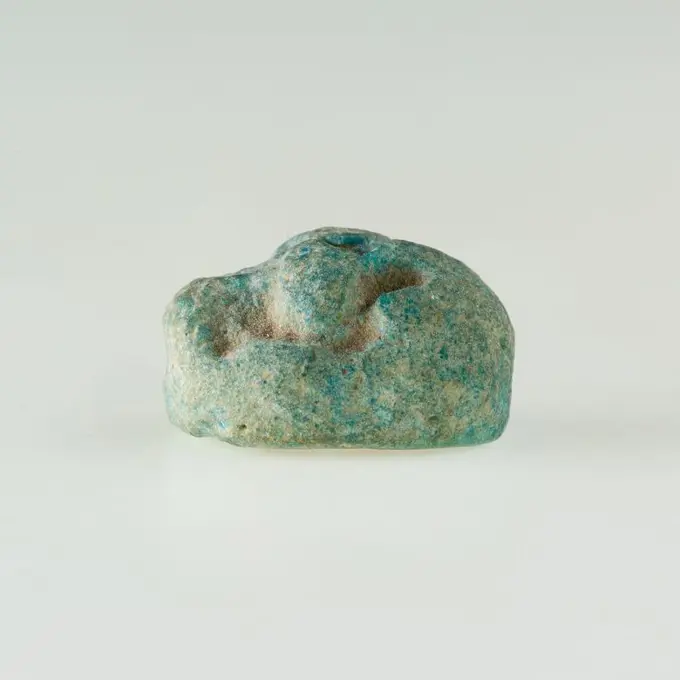
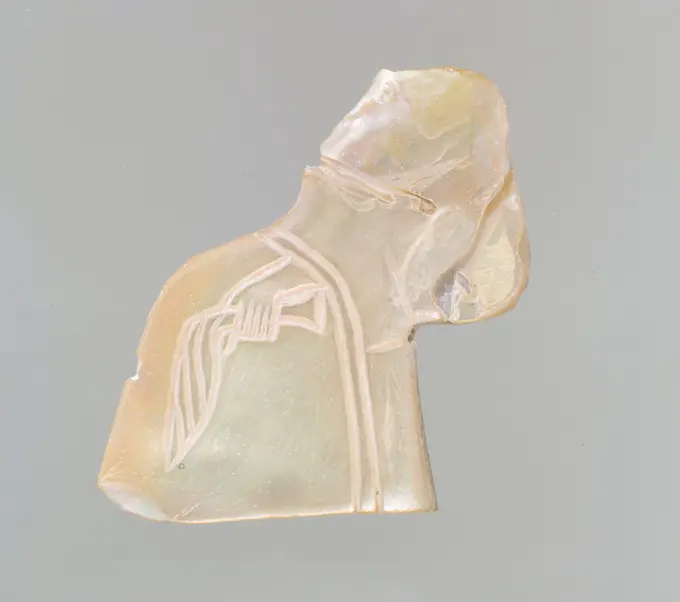
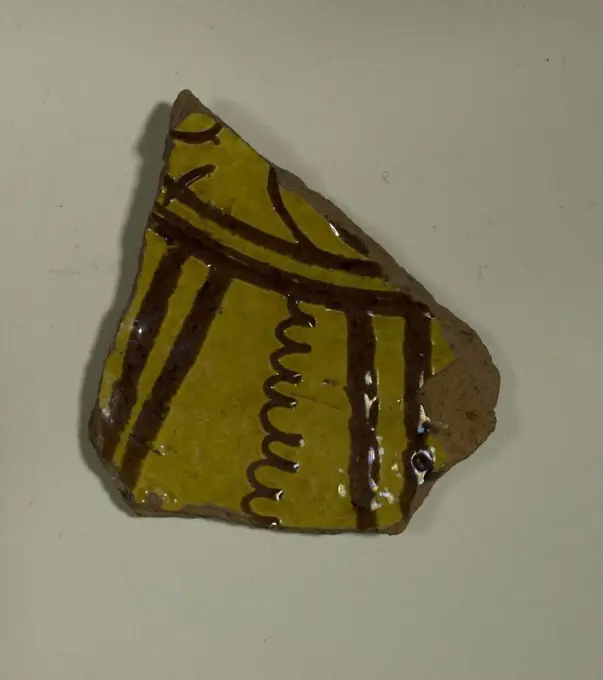
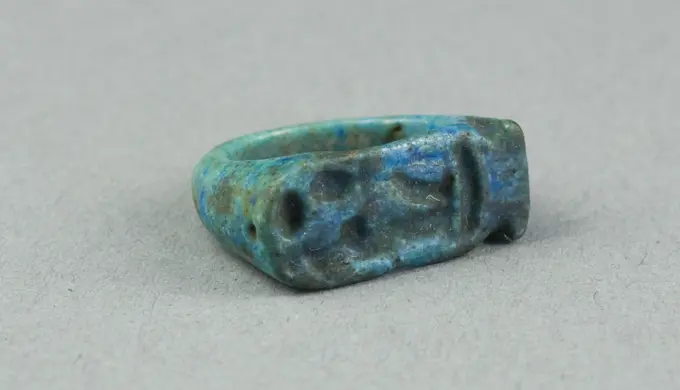
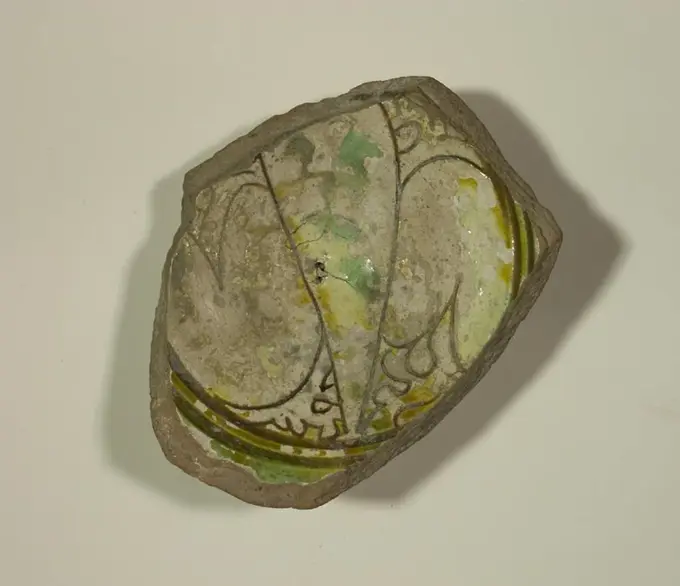
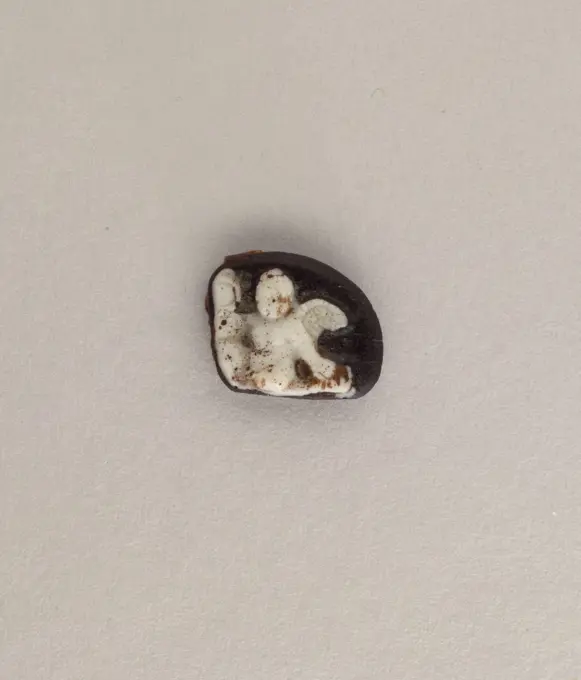
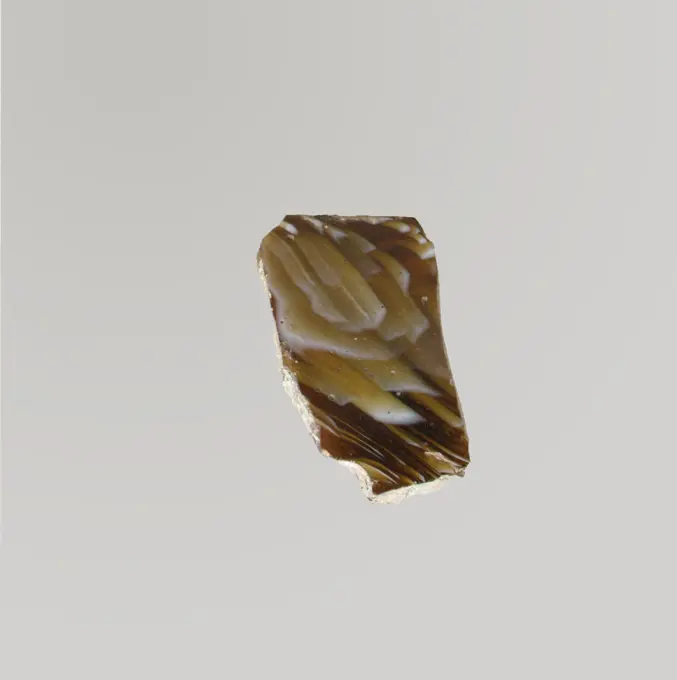
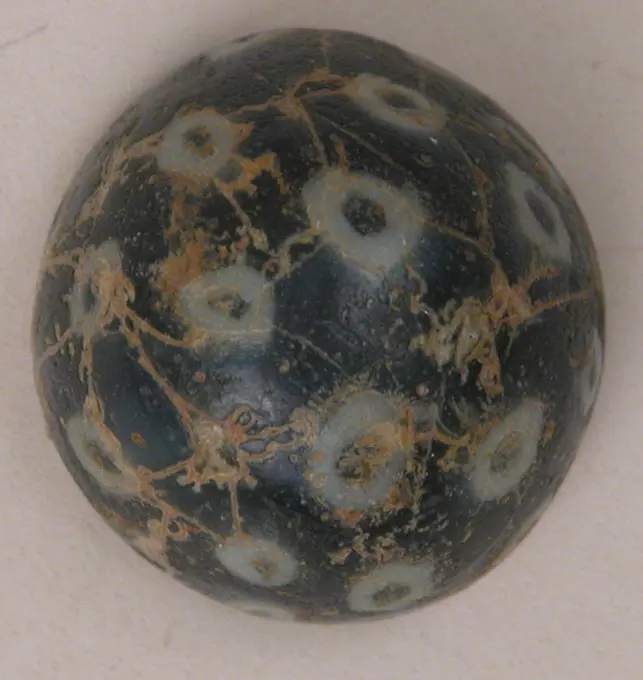
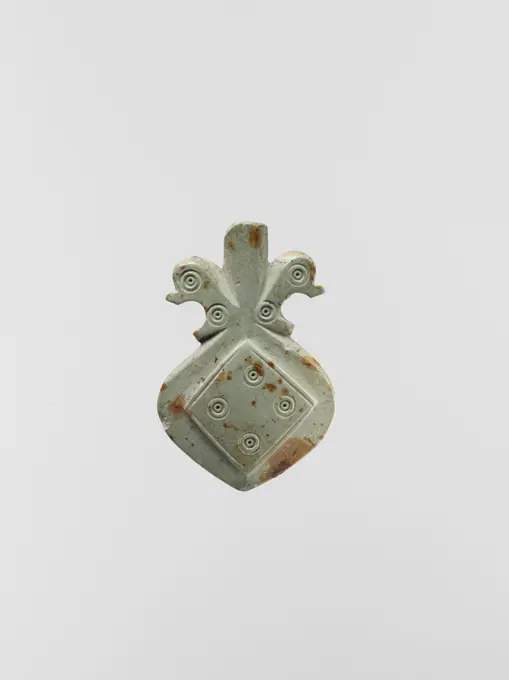
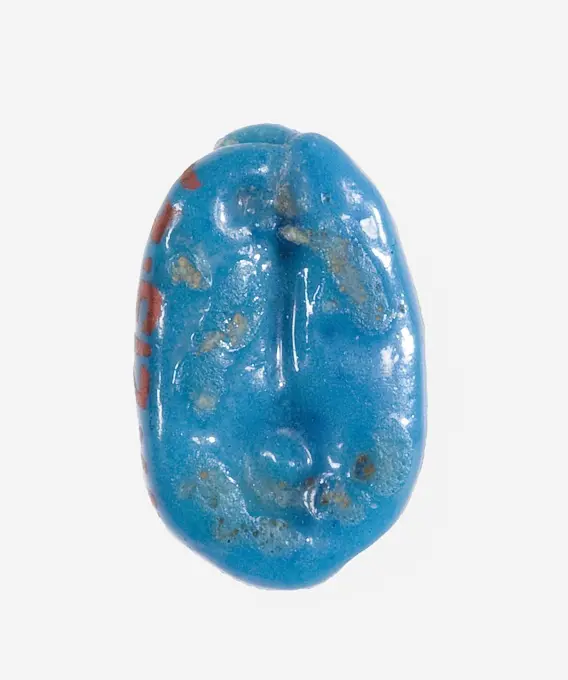
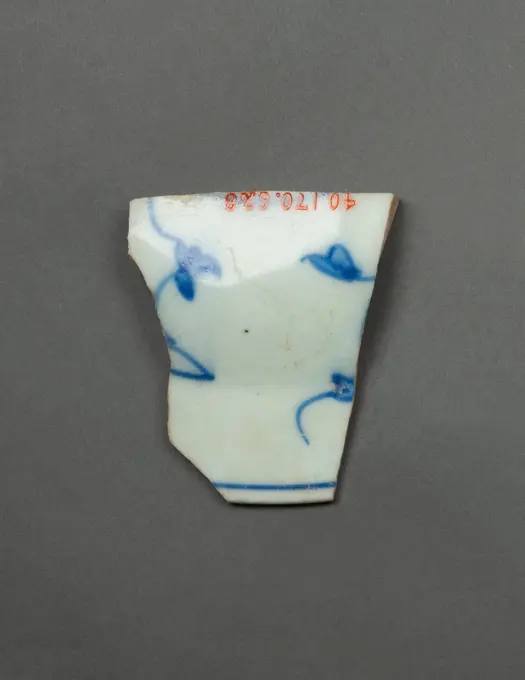
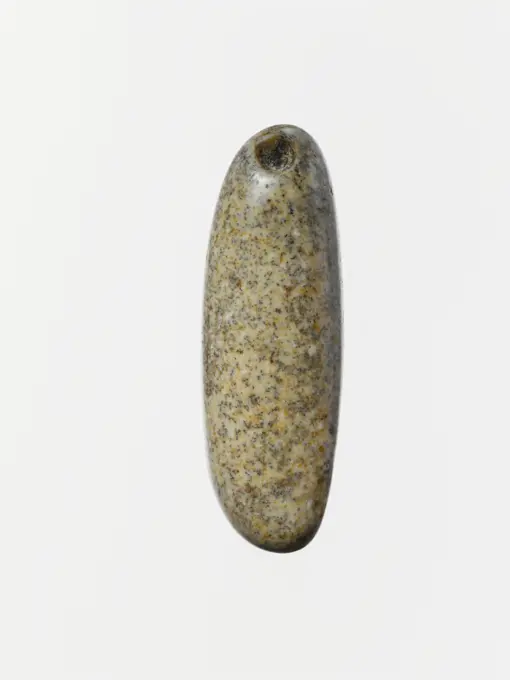
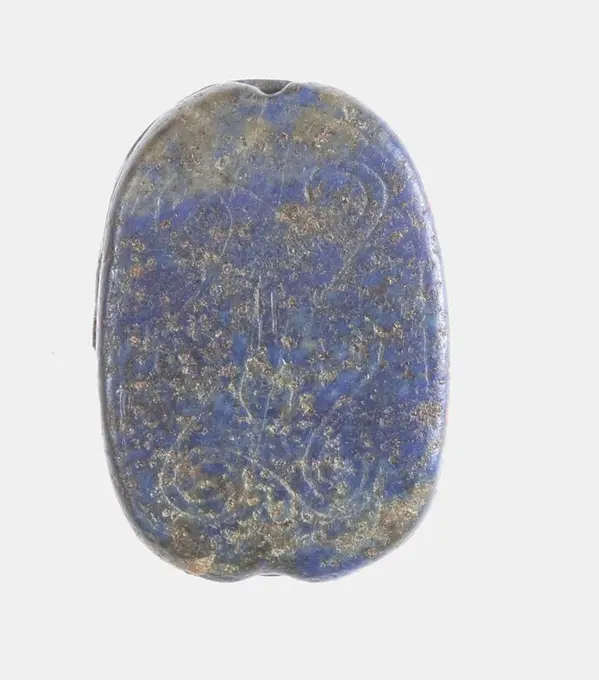
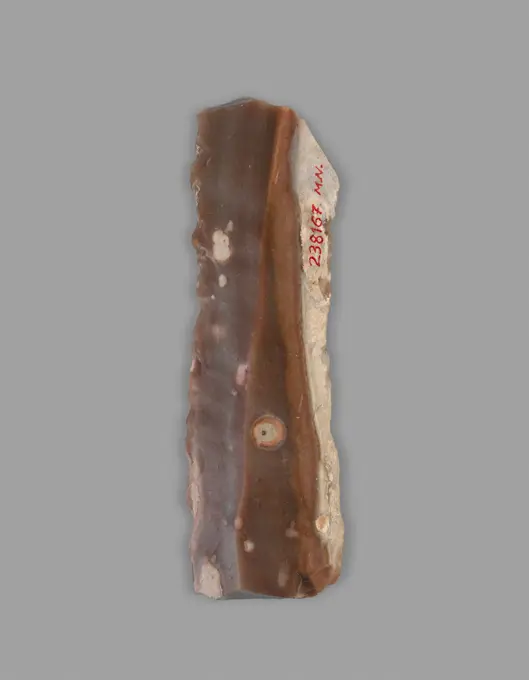
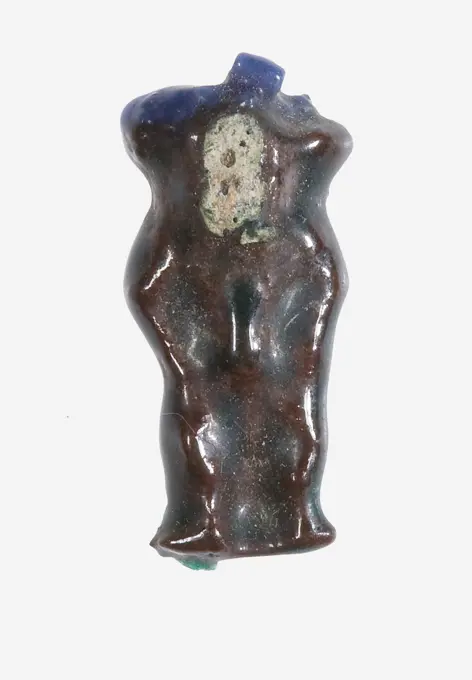
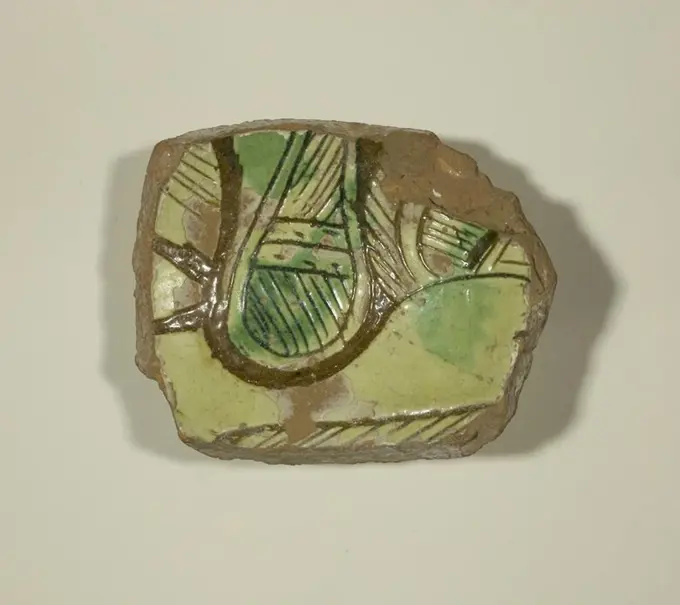
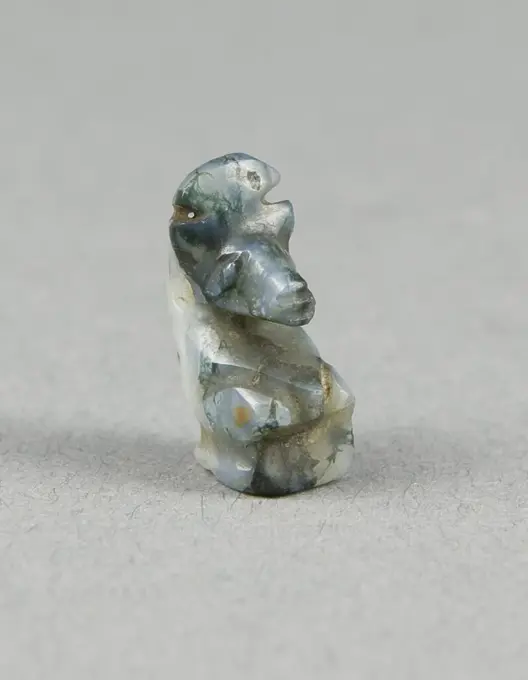
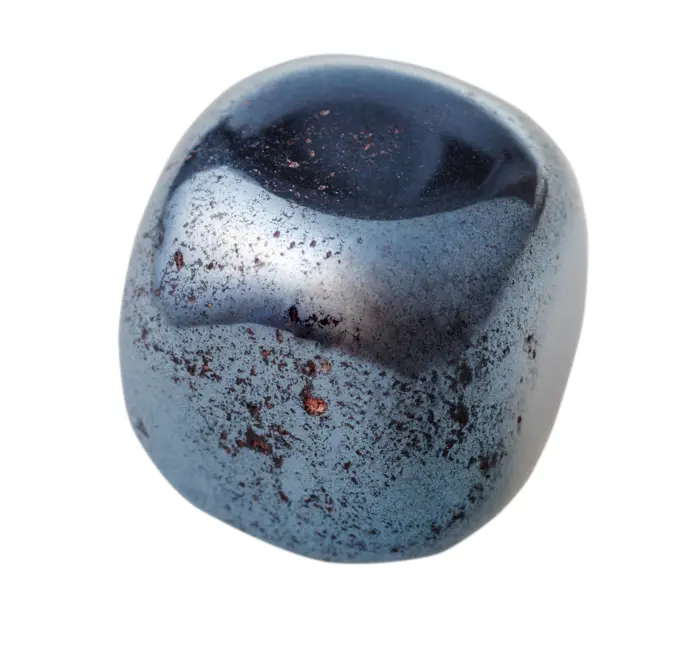
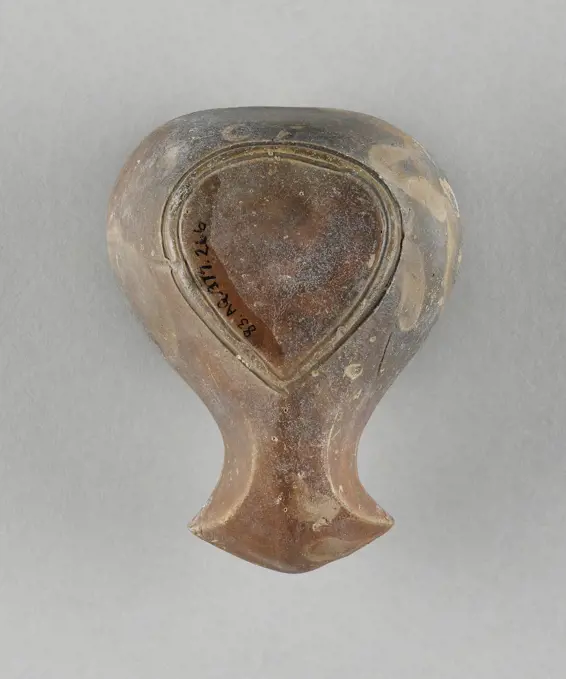
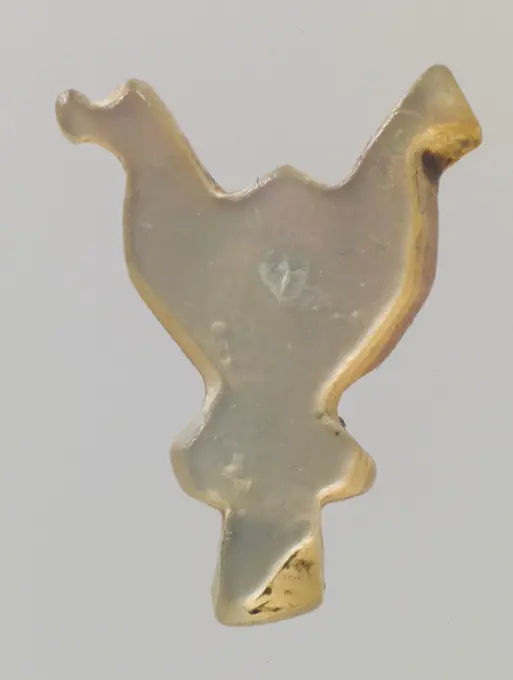
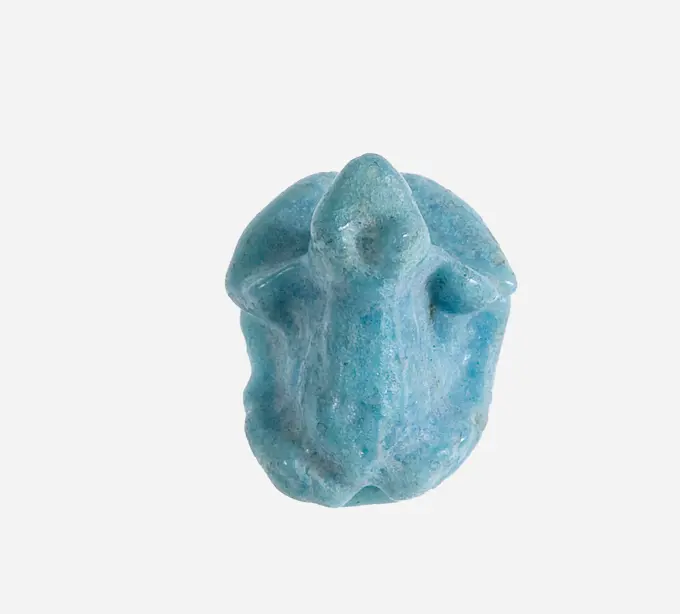
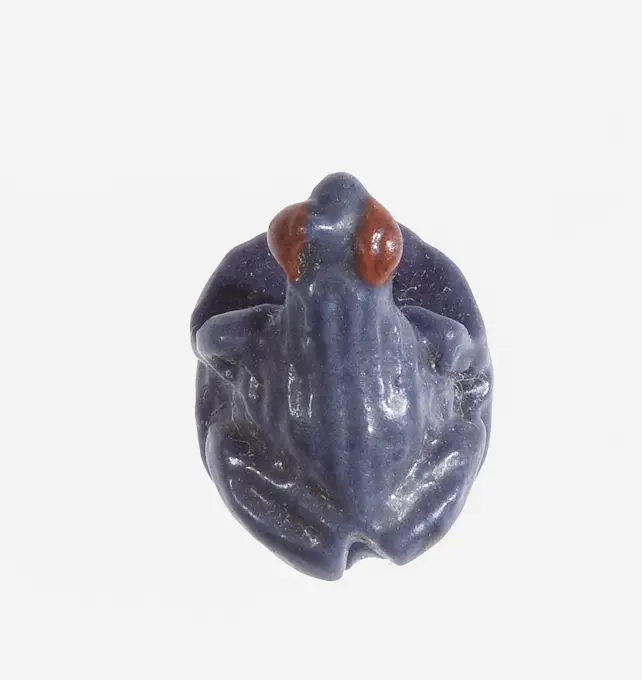
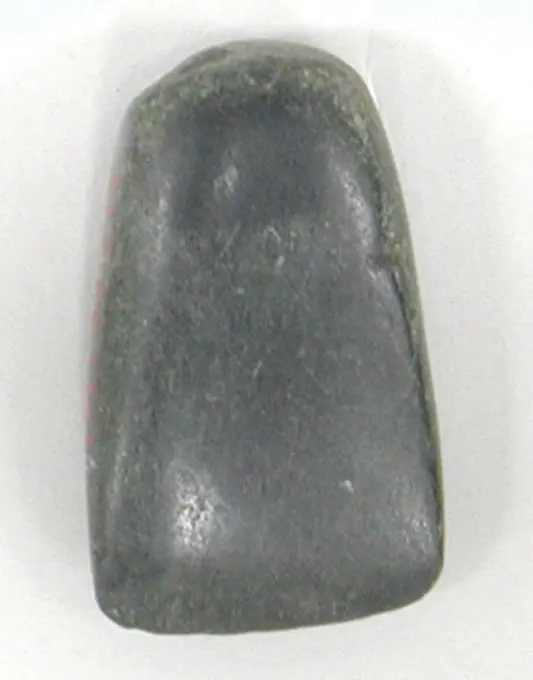
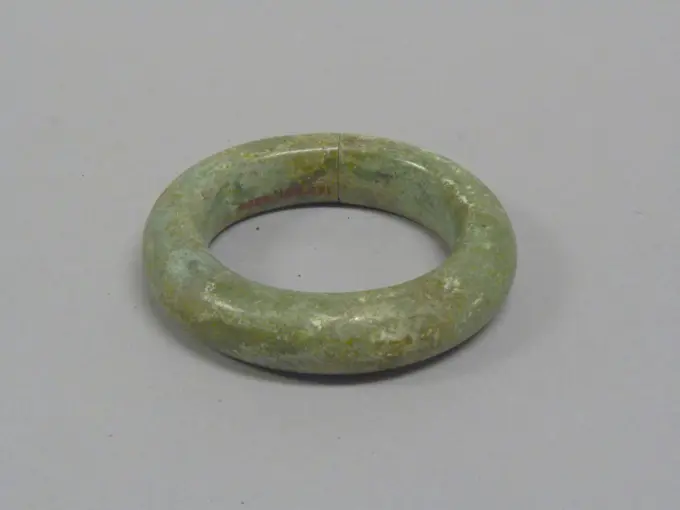
Oil Lamp 4th-7th century Coptic. Oil Lamp 478700Fragment of a Dish 13th-14th century. Fragment of a Dish 446351Glass mosaic vessel fragment. Culture: Roman. Dimensions: 3/4 × 1 5/16 × 1/8 in. (1.9 × 3.3 × 0.4 cm). Date: late 1st century B.C.-early 1st century A.D..Opaque yellow and colorless.Convex curving side, fairly thick-walled.Mosaic pattern formed from sections of a single cane in a colorless ground with numerous hollow yellow circles.Polished exterior; pitting of surface bubbles on exterior; dulling, pitting, and iridescent weathering on interior. One straight ground edge; others left uneven and jagged. Museum: Metropolitan Museum of Art, New York, USA.Bead Roman. Bead. Roman. Glass. GlassTerracotta rim fragment with triglyph and metope motif ca. 2300-2100 B.C. Minoan From Gournia, CreteRim fragment with "metopes".. Terracotta rim fragment with triglyph and metope motif 247805Tiger`eye on cottonVase fragment ca. 425-350 B.C. Greek, Laconian. Vase fragment 251779 Greek, Laconian, Vase fragment, ca. 425350 B.C., Terracotta, 1 5/8  2 1/8  1/4 in. (4.1  5.5  0.7 cm). The Metropolitan Museum of Art, New York. Gift of A. J. B. Wace, 1924 (24.195.213)Stamp Seal. Assyria or Mesopotamia, Neo-Assyrian or neo-Babylonian (style), late 7th-6th century B.C.. Tools and Equipment; seals. Colorless chalcedonyAgate amygdaloid seal ca. 1700-1450 B.C. Minoan Antithetical fish among patterns.. Agate amygdaloid seal. Minoan. ca. 1700-1450 B.C.. Agate. Middle Minoan III-Late Minoan I. GemsFragment. Culture: European or Middle Eastern. Dimensions: L. 2 1/2 in. (6.4 cm). Date: ca. 1150-ca. 1250. Museum: Metropolitan Museum of Art, New York, USA.Fragment 14th century. Fragment 446355Fragment of a Floral Inlay 100 BCE-1 BCE Egypt. In ancient Rome, there was a high demand for colorful glass that could dazzle banquet guests alongside the expensive silver and gold serving wares meant to impress. Fragments like this one would have once been a part of larger mosaic dishes. The mosaic pattern was made by sagging molten glass into bowl-shaped molds, a technique used on many of these fragments is similar to millefiori, ìthousand flowersî in Italian, a modern glass-making method in which tiny rods of colored glass are bundled together, wrapped in a sheet of glass, fused, and then thinly sliced to reveal swirls of a flower-like patterns. They were arranged side by side, sometimes together with bits of colored glass, and fused together with heat.. Glass, mosaic technique . Ancient EgyptianCoin Weight 10th-11th century. Coin Weight 453518Bol ". Ceramics. China, Dynasty of Song. Paris, Cernuschi Museum. 72685-41 Chinese art, bowl, ceramic, Song dynastyVase fragment Minoan. Vase fragment 247769Fragment of a shoulder and neck with roundels, anonymous, c. 1400 - c. 1499 Fragment of the neck and shoulder of a piece of vascular work quartens fritry with a greenish glaze. Ornament of flower rosettes in black signing, filled with dark blue. Egypt earthenware. glaze. cobalt (mineral) painting / vitrification Fragment of the neck and shoulder of a piece of vascular work quartens fritry with a greenish glaze. Ornament of flower rosettes in black signing, filled with dark blue. Egypt earthenware. glaze. cobalt (mineral) painting / vitrificationStone Pulidor before 16th century Mexican. Stone Pulidor 317204Carved Intaglio Gemstone with the Head of anEagleSmall jadeitite axe 5th-4th millennium B.C. Cretan The circular hole is a later, possibly Bronze Age or ancient Greek, addition. This axe may have served as a votive after its initial utilitarian use in the Stone Age. Such axes were known as thunderstones in ancient Greek times and were believed to be physical manifestations left by the lightning bolts of Zeus, the thunder god.. Small jadeitite axe 252421 Cretan, Small jadeitite axe, 5th4th millennium B.C., Steatite, green, L. 1 3/8 in. (3.49 cm); W. 1 1/4 in. (3.17 cm). The Metropolitan Museum of Art, New York. Bequest of Richard B. Seager, 1926 (26.31.501)tumbled jaspilite jasper gemstone on white marble macro shooting of natural mineral rock specimen - tumbled jaspilite jasper gemstone on white marble background Copyright: xZoonar.com/ValeryxVoennyyx 11947709tumbled rhyolite rainforest jasper gemstone macro shooting of natural mineral rock specimen - tumbled rhyolite rainforest jasper gemstone on white marble background Copyright: xZoonar.com/ValeryxVoennyyx 11947315Fragment of a Bowl or Cup 13th-16th century. Fragment of a Bowl or Cup 452454Vase fragment Minoan. Vase fragment 247700Two carved shells. Bellekin transformed nature into art, producing objects perfectly in keeping with the 17th-century concept of a collection of rarities. VOC ships brought back oyster shells from the Indian Ocean, which Bellekin carved with scenes from Greek mythology in low relief: Perseus on his winged horse rescuing Andromeda, and the nymph Scylla reaching out to the sea god Glaucus.Terracotta vessel fragment with scale pattern ca. 1450-1400 B.C. Minoan From Phylakopi, MelosFragment with scale pattern.. Terracotta vessel fragment with scale pattern. Minoan. ca. 1450-1400 B.C.. Terracotta; Dark-on-light ware. Late Minoan II. VasesMenat fragment ca. 1479-1458 B.C. New Kingdom. Menat fragment. ca. 1479-1458 B.C.. Faience. New Kingdom. From Egypt, Upper Egypt, Thebes, Deir el-Bahri, Hatshepsut Hole, MMA excavations, 1922-23. Dynasty 18Celt. Culture: Olmec. Dimensions: H. 4 3/8 in. (11.1 cm). Date: 10th-4th century B.C.. Museum: Metropolitan Museum of Art, New York, USA.Vase fragment East Greek/Sardis, Lydian. Vase fragment 252788 East Greek/Sardis, Lydian, Vase fragment, Terracotta, Overall: 1 x 3/4in. (2.5 x 1.9cm). The Metropolitan Museum of Art, New York. Gift of The American Society for the Excavation of Sardis, 1926 (26.199.221)Fragment of Bowl 14th century. Fragment of Bowl 445473Fragment. Culture: European or Middle Eastern. Dimensions: L. 1 3/4 in. (4.5 cm). Date: ca. 1150-ca. 1250. Museum: Metropolitan Museum of Art, New York, USA.Engraved Scaraboid; 480 - 470 B.C; Carnelian with clear patches; 0.4 × 1 × 0.7 cm (3,16 × 3,8 × 1,4 in.)Fragment ca. 1150-ca. 1250 European or Middle Eastern. Fragment 695249Bead 8th-13th century This object was excavated at Nishapur.Nishapur was a vital city in the early and middle Islamic periods, located along one of the main trajectories that connected Iran and West Asia Islamic lands with Central Asia and China. These itineraries are often referred to by the term Silk routes’ but were in fact crucial to the movement of constellations of materials and objects, as well as people and ideas. The diverse population of Nishapur and its surroundings, from the better-researched elite groups of merchants, land-owning aristocracy, and literates, to the less-known artisans, farmers, miners, and servants, were instrumental in adapting global cultural trends to create their own distinctive visual languages. This is seen in the material remains of everyday life in medieval Nishapur - from pots and pans to lighting devices, inkwells, textiles and trimmings, jewelry, games and toys, talismanic devices, weapons, coins, and architectural fragments.Nishapur lost its poFragment Baluster-shaped handle from a flute glass from the wreck of the East India Hollandia. Glass, voice glass, stem, baluster-shaped; Fragment, Spherical button, with tear, Both ends broken off.Tile fragment ca. 1981-1640 B.C. Middle Kingdom. Tile fragment. ca. 1981-1640 B.C.. Blue faience. Middle Kingdom. From Egypt, Memphite Region, Lisht North, Cemetery, MMA excavations, 1920-22. Dynasty 12-13Fragment Facetted Steel of a flute glass from the wreck of the East Indians Hollandia, Anonymous, 1700 - in Or Before 1743 drinking glass Glass, stem glass, steel, faceted; fragment of knop, flattened, octogonal faceted, both ends broken off. Netherlands glass   SecondAnimal amulet. Dimensions: l. 1.2 cm (1/2 in). Dynasty: Dynasty 12-18. Date: ca. 1981-1550 B.C.. Museum: Metropolitan Museum of Art, New York, USA.Bottle;  X-XI century (901-00-00-1100-00-00);gift (provenance)Vase fragment 570-550 B.C. Etruscan Two human heads in relief to left.. Vase fragment. Etruscan. 570-550 B.C.. Terracotta; bucchero pesante. Archaic. VasesFragment. Culture: European or Middle Eastern. Dimensions: L. 1 in. (2.5 cm). Date: ca. 1150-ca. 1250. Museum: Metropolitan Museum of Art, New York, USA.Fragment ca. 1150-ca. 1250 European or Middle Eastern. Fragment 695245BacchusInlay: banquet scene with a seated figure holding a palm frond ca. 2600-2500 B.C. Sumerian This plaque is cut from a piece of pearly shell in the shape of a seated figure facing to the left, missing the head, feet and right arm. The figures gender cannot be determined by any surviving features or by the garment. The body is fully covered except for the left hand, which holds a branch-like object, either a palm frond, date spathe, or an implement such as a whip or fly whisk. A decorative border marked by two incised lines runs from the lap to the hem. The plaque was probably set in bitumen (a tar-like substance used as an adhesive) with pieces of shell and stone to create a composition in contrasting colors, a characteristic technique of the late Early Dynastic period exemplified by the well-known Standard of Ur, now in the British Museum. Nippur, the great holy city of southern Mesopotamia, was the home of the chief deity Enlil and housed temples to Enlil and many other gods. ExcavatiScarab ca. 1640-1550 B.C. Second Intermediate Period. Scarab. ca. 1640-1550 B.C.. Blue glazed steatite. Second Intermediate Period. From Egypt, Upper Egypt, Thebes, Asasif, Tomb CC 62, Facade Corridor, lower stratum rubbish, Carnarvon excavations, 1913. Dynasty 15-16Fragment of a Plate. Byzantine; Asia Minor, Constantinople or Greece, Thessaloniki. Date: 1201-1400. Dimensions: 0.6 × 5.4 × 3.8 cm (1/4 × 2 1/8 × 1 1/2 in.). Ceramic. Origin: Istanbul. Museum: The Chicago Art Institute, Chicago, USA.Rust;  4-3 thousand BC (-4000-00-00--2001-00-00);The collection of the ancient EastBead ca. 9th century B.C. Iran. Bead 325022Stone Pulidor before 16th century Mexican. Stone Pulidor 317076Ring Nebmaatre (Amenhotep III) 1390 BCE-1352 BCE Egypt. Faience . Ancient EgyptianFragment of a Bowl. Byzantine; Greece, Serres or Cyprus. Date: 1201-1400. Dimensions: 13.3 × 10.7 × 5 cm (5 1/4 × 4 1/4 × 2 in.). Ceramic, sgraffito design. Origin: Salonika. Museum: The Chicago Art Institute, Chicago, USA.Glass cameo with cupid (Eros) 1st century A.D. Roman Translucent purple and opaque white, with colorless backing.Fragmentary oval medallion in two layers, comprising a purple ground and white overlay with relief decoration. Chubby winged cupid, sitting frontally with proper left arm outstretched downward, and right arm around object or figure to his right.Broken to left and below; pitting, dulling, and some weathering. The colorless backing appears modern, attached with adhesive; all edges ground smooth.. Glass cameo with cupid (Eros). Roman. 1st century A.D.. Glass; cast and cut. Early ImperialFragment. Culture: European or Middle Eastern. Dimensions: L. 1 3/4 in. (4.5 cm). Date: ca. 1150-ca. 1250. Museum: Metropolitan Museum of Art, New York, USA.Button or Bead or Spindle Whorl 8th-10th century. Button or Bead or Spindle Whorl. 8th-10th century. Stone; incised. Excavated in Iran, Nishapur. StoneFish Ornament. Culture: Peru; central coast (). Dimensions: L. 1 1/2 in. (3.8 cm). Date: 11th-12th century. Museum: Metropolitan Museum of Art, New York, USA.Glass mosaic ribbed bowl fragment late 1st century B.C.-early 1st century A.D. Roman Rim fragment.Translucent honey brown and opaque white.Rounded vertical rim with slight outward lip; side tapering downward.Marbled mosaic pattern formed from sections of a single cane in brown ground with irregular white threads and streaks; on exterior, shallow horizontal ridge below rim and broad vertical rib with tooling indents across top.Polished interior; pitting of surface bubbles on interior; pitting and brilliant iridescent weathering on exterior, rim, and broken edges.. Glass mosaic ribbed bowl fragment. Roman. late 1st century B.C.-early 1st century A.D.. Glass; cast and tooled. Early Imperial. GlassGaming Piece probably 8th-12th century The dot-in-circle motif recalls designs presumed to be of magical significance, most likely an abstract eye to ward off the evil-eye, which serves an apotropaic function. Easily reproduced with a tool and visible in many cultures and times, this symbol may have lost its meaning, and become simply a decorative pattern, or may have one that we have not yet discovered.. Gaming Piece 452323Kohl Flask probably 10th-12th century This charming object was designed to hold kohl, a black cosmetic powder applied around the eyes. In the past, kohl was widely used by men and children as well as women. It was thought not only to accentuate the beauty of the eyes, but also to guard against the glaring sun, ward off evil, and discourage eye disease. The narrow drill hole at the top of this flask would have accommodated a slender stick to collect the cosmetic.. Kohl Flask. probably 10th-12th century. Serpentine; carved, incised. Made in Iran or Central Asia. StoneStamp Seal, Scaraboid. Assyria or Mesopotamia, late 8th-7th century B.C.. Tools and Equipment; seals. Yellow chalcedonyblack obsidian gemstone on white macro shooting of natural mineral rock specimen - black obsidian gemstone on white marble background from Mexico Copyright: xZoonar.com/ValeryxVoennyyx 11951513Vase fragment ca. 4000 B.C. Neolithic, Nemea. Vase fragment 253262 Neolithic, Nemea, Vase fragment, ca. 4000 B.C., Terracotta, length 2 1/4in. (5.7cm). The Metropolitan Museum of Art, New York. Anonymous Gift, 1930 (30.119.57)Calcite Fantom Stone against White BackgroundFragment. Culture: European or Middle Eastern. Dimensions: L. 1 3/8 in. (3.5 cm). Date: ca. 1150-ca. 1250. Museum: Metropolitan Museum of Art, New York, USA.Beads 9th-12th century This object was excavated at Nishapur.Nishapur was a vital city in the early and middle Islamic periods, located along one of the main trajectories that connected Iran and West Asia Islamic lands with Central Asia and China. These itineraries are often referred to by the term Silk routes’ but were in fact crucial to the movement of constellations of materials and objects, as well as people and ideas. The diverse population of Nishapur and its surroundings, from the better-researched elite groups of merchants, land-owning aristocracy, and literates, to the less-known artisans, farmers, miners, and servants, were instrumental in adapting global cultural trends to create their own distinctive visual languages. This is seen in the material remains of everyday life in medieval Nishapur - from pots and pans to lighting devices, inkwells, textiles and trimmings, jewelry, games and toys, talismanic devices, weapons, coins, and architectural fragments.Nishapur lost its pFragment ca. 1150-ca. 1250 European or Middle Eastern. Fragment 694230Engraved Gem. UnknownScarab With a Nefer Hieroglyph ca. 1390-1353 B.C. New Kingdom. Scarab With a Nefer Hieroglyph. ca. 1390-1353 B.C.. Faience, Blue. New Kingdom. From Egypt, Upper Egypt, Thebes, Malqata, No exact location recorded, MMA excavations, 1910-11. Dynasty 18Fragmentary Gem; Roman Empire; 3rd century; Carnelian; 2.5 cm (1 in.)Mirror. Mexico, Valley of Mexico, Aztec, 1325-1521. Stone. ObsidianCollection of the semi precious stonesCoin Weight 12th-13th century. Coin Weight. 12th-13th century. Glass. Attributed to Egypt. GlassArrowhead. Culture: Japan. Dimensions: W. 3/4 in. (1.9 cm); L. 1 in. (2.5 cm). Museum: Metropolitan Museum of Art, New York, USA.Fragment ca. 1150-ca. 1250 European or Middle Eastern. Fragment 694194Dish in the Form of a Shell, 1540-1296 BC. Egypt, New Kingdom, Dynasty 18, 1540-1296 BC. Travertine; overall: 2.4 x 9.1 cm (15/16 x 3 9/16 in.).Fragment 16th century View more. Fragment. 16th century. Earthenware; blue decoration under glaze. Excavated in Iran, Nishapur. CeramicsJapanese-style pottery dish, top view angle on a white wooden table.Limestone whetstone or polisher Cypriot There is a hole at the top that does not pierce the object entirely.. Limestone whetstone or polisher 243913Fragment. Culture: European or Middle Eastern. Dimensions: L. 1 1/8 in. (2.9 cm). Date: ca. 1150-ca. 1250. Museum: Metropolitan Museum of Art, New York, USA.Pinhead Roman. Pinhead. Roman. Glass. GlassSello romano. Can Serra Museu de Mataró.Scarab from mummy of Satsobek. Dimensions: L. 2.3 cm (7/8 in). Dynasty: Dynasty 12, early. Date: ca. 1950-1900 B.C.. Museum: Metropolitan Museum of Art, New York, USA.Nóż. nieznany warsztat północno mezopotamski, workshopGaming Piece or Stone Object 8th-13th century. Gaming Piece or Stone Object 855884Sharf of soft gray -white earth with glaze over black translucent signature, anonymous, c. 1300 - c. 1400 Sharp of soft gray -white earth with glaze over black translucent signing. On a dark gray stock, in relief, white three -pointed leaves all rise with a black dot and an oval. Egypt.  earthenware. glaze Sharp of soft gray -white earth with glaze over black translucent signing. On a dark gray stock, in relief, white three -pointed leaves all rise with a black dot and an oval. Egypt.  earthenware. glazeBes Amulet ca. 1390-1353 B.C. New Kingdom. Bes Amulet. ca. 1390-1353 B.C.. Faience, deep brown. New Kingdom. From Egypt, Upper Egypt, Thebes, Malqata, Palace of Amenhotep III, MMA excavations, 1910-11. Dynasty 18Fragment of a Bowl. Byzantine; Greece, Serres or Cyprus. Date: 1201-1400. Dimensions: 11.9 × 9.4 × 4.5 cm (4 11/16 × 3 5/8 × 1 3/4 in.). Ceramic. Origin: Salonika. Museum: The Chicago Art Institute, Chicago, USA.tumbled Olivenite stone on dark background macro shooting of natural mineral rock specimen - tumbled olivinite stone on dark granite background from Kovdor region, Kola Peninsula, Russia Copyright: xZoonar.com/ValeryxVoennyyx 11392044Amulet of the God Thoth, Seated with Lunar Disk. Egyptian. Date: 2160 BC-2055 BC. Dimensions: 1.4 × 0.8 × 0.5 cm (9/16 × 5/16 × 3/16 in.). Stone (mottled). Origin: Egypt. Museum: The Chicago Art Institute, USA. Author: Ancient Egyptian.Hematite haematite gemstone isolated on white natural mineral gem stone - Hematite haematite gemstone isolated on white background close up Copyright: xZoonar.com/ValeryxVoennyyx 8555286Lamp, Asia Minor; 1st - 4th century; Terracotta; 3 x 6.5 x 8.6 cm (1 3,16 x 2 9,16 x 3 3,8 in.)Inlay ca. 7th-8th century A.D. Sasanian or Islamic. Inlay 322928Stone Weight or Bead 1st-8th century Mezcala. Stone Weight or Bead 317345Bird Plaque Ornament 3rd century B.C.-A.D. 2nd century Vicús. Bird Plaque Ornament 315414Tile Fragment 1334-1434. Tile Fragment 450553Fragment ca. 1150-ca. 1250 European or Middle Eastern. Fragment 695348Fragment of an Inlay 100 BCE-100 CE Italy. In ancient Rome, there was a high demand for colorful glass that could dazzle banquet guests alongside the expensive silver and gold serving wares meant to impress. Fragments like this one would have once been a part of larger mosaic dishes. The mosaic pattern was made by sagging molten glass into bowl-shaped molds, a technique used on many of these fragments is similar to millefiori, ìthousand flowersî in Italian, a modern glass-making method in which tiny rods of colored glass are bundled together, wrapped in a sheet of glass, fused, and then thinly sliced to reveal swirls of a flower-like patterns. They were arranged side by side, sometimes together with bits of colored glass, and fused together with heat.. Glass, mosaic glass technique . Ancient RomanFrog Seal Amulet with the Throne Name of Amenhotep III on the Base ca. 1390-1353 B.C. New Kingdom. Frog Seal Amulet with the Throne Name of Amenhotep III on the Base. ca. 1390-1353 B.C.. Faience. New Kingdom. From Egypt, Upper Egypt, Thebes, Malqata, Palace of Amenhotep III, MMA excavations, 1910-11. Dynasty 18Frog Seal Amulet with a Sa Hieroglyph on the Base ca. 1390-1353 B.C. New Kingdom. Frog Seal Amulet with a Sa Hieroglyph on the Base. ca. 1390-1353 B.C.. Faience. New Kingdom. From Egypt, Upper Egypt, Thebes, Malqata, Palace of Amenhotep III, MMA excavations, 1910-11. Dynasty 18Lid of turtle with Hertekop of silver (series of 28 pieces A to BB), Anonymous, c. 1700 - c. 1799 Turtle cover (28 pieces: A to BB) with silver's deer head as a button. Indonesia silver (metal) Turtle cover (28 pieces: A to BB) with silver's deer head as a button. Indonesia silver (metal)Celt before 16th century Maya () Greenstone axe heads, commonly known as “celts,” were some of the most important works of art across ancient Mesoamerica and Central America. Created from jadeite mined from the Motagua River Valley of southern Guatemala, or using local green stones from highland Mexico, celts were first created by the Olmec peoples of the Gulf Coast after 1000 B.C. The Olmec conceived of green celts as sprouts of maize and thus “planted” celts in dedicatory offerings, activating ceremonial spaces and perpetuating agricultural fertility. For the later Maya peoples, celts also served as dedicatory materials, but more so as adornments for the royal bodies of kings and queens. Often the celts would be thinned into celt-shaped plaques, strung together in pairs and triads in order to create belt assemblages that would have clinked with the sound of jades striking one another. Tombs from the Classic Period (ca. AD 250-900) contain celts of jadeite and various greenstones froSolid Bangle 4000 B.C.-A.D. 400 Thailand. Solid Bangle 53354