Ancient Pottery Fragments

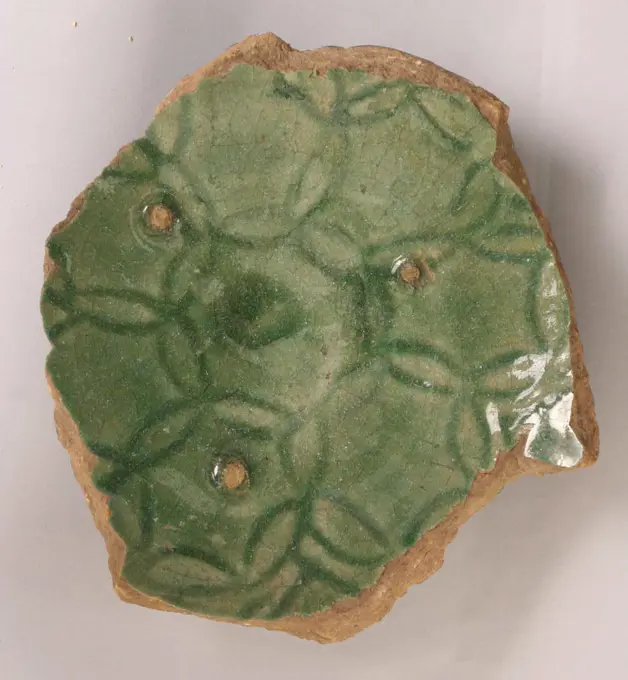
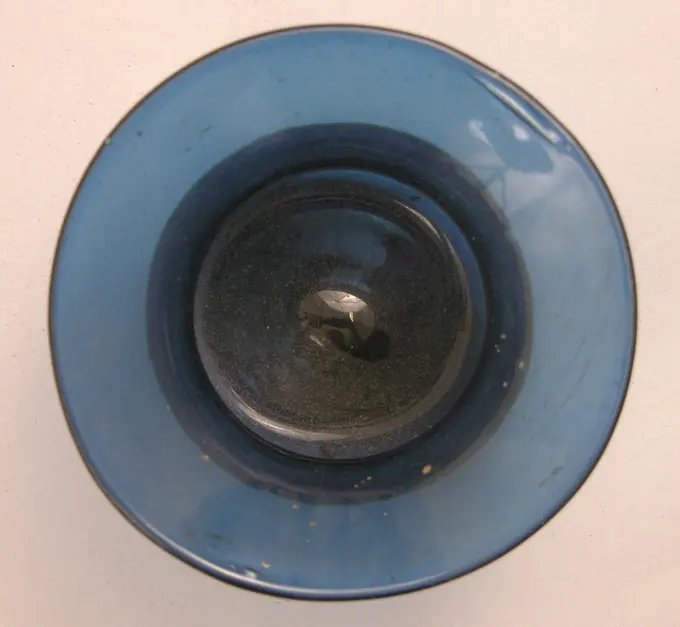
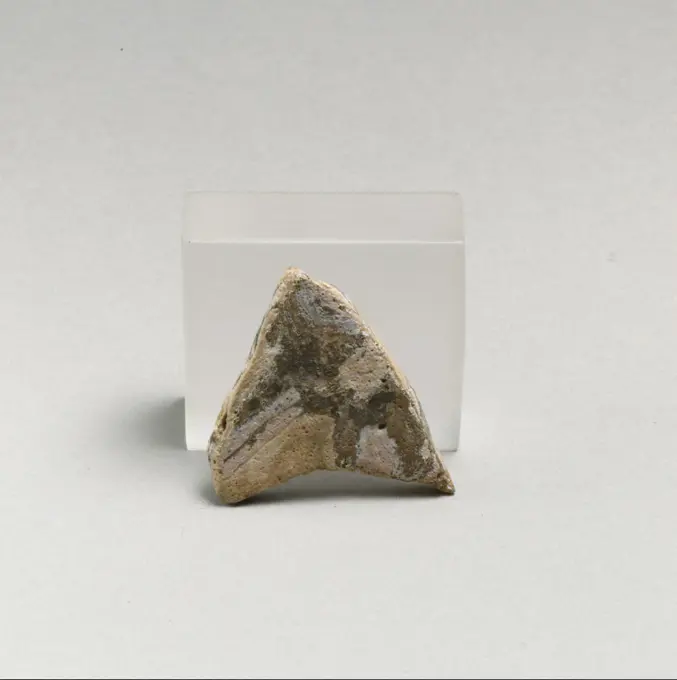
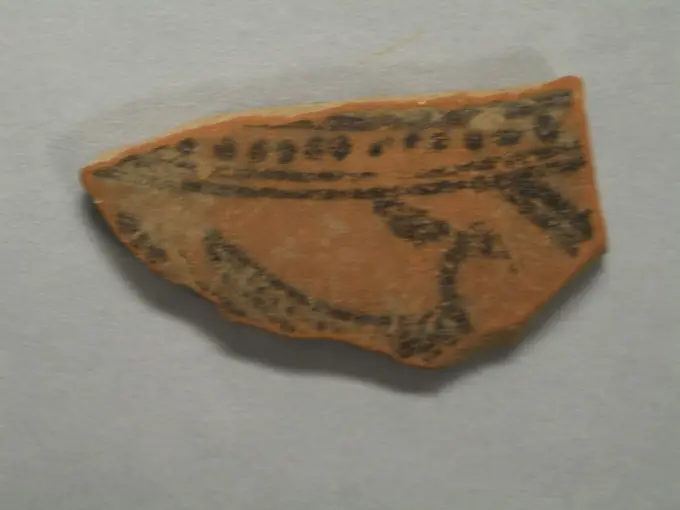
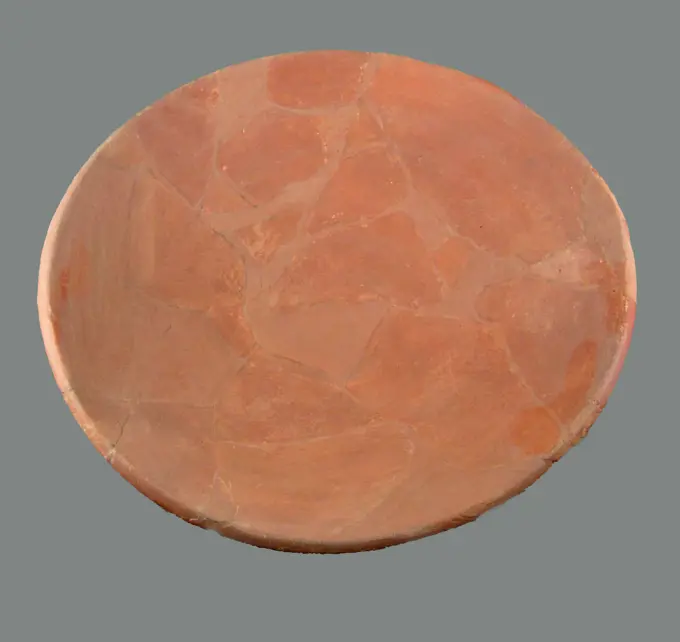
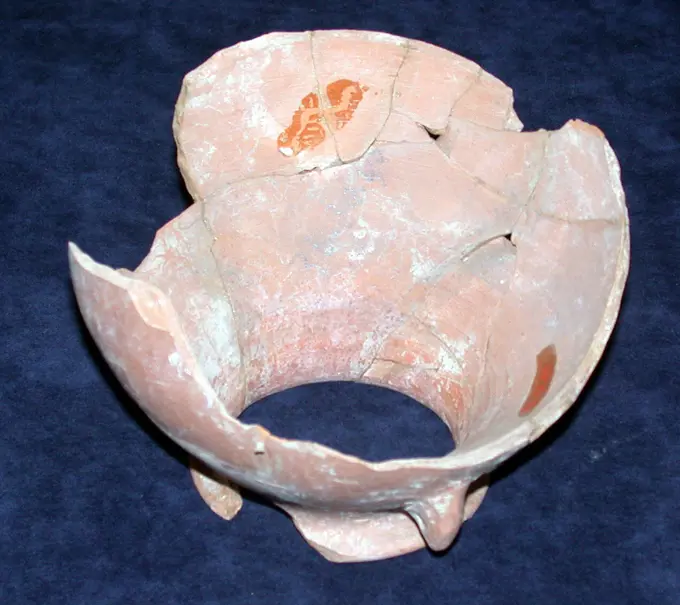
Historical pottery pieces, including oil lamps and dish fragments, exhibiting intricate designs from different ancient cultures.

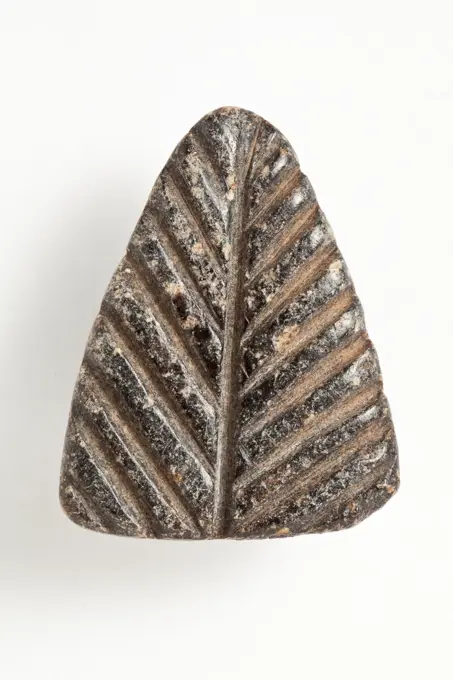
Stamp Seal. Assyria or Mesopotamia, Neo-Assyrian or neo-Babylonian (style), late 7th-6th century B.C.. Tools and Equipment; seals. Colorless chalcedony
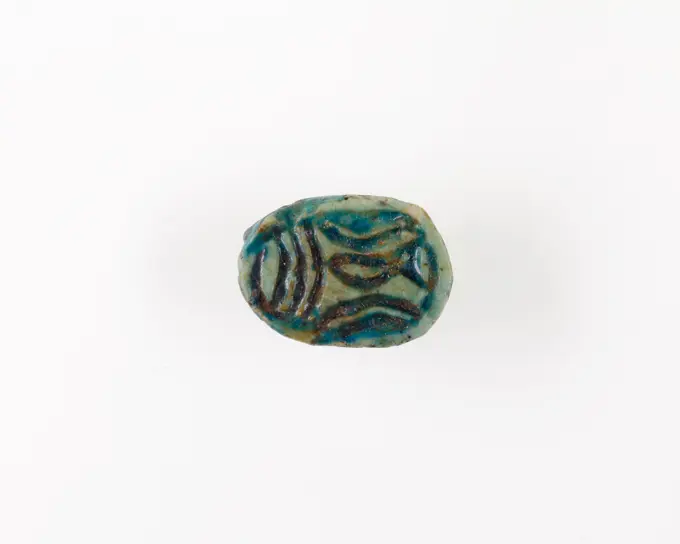
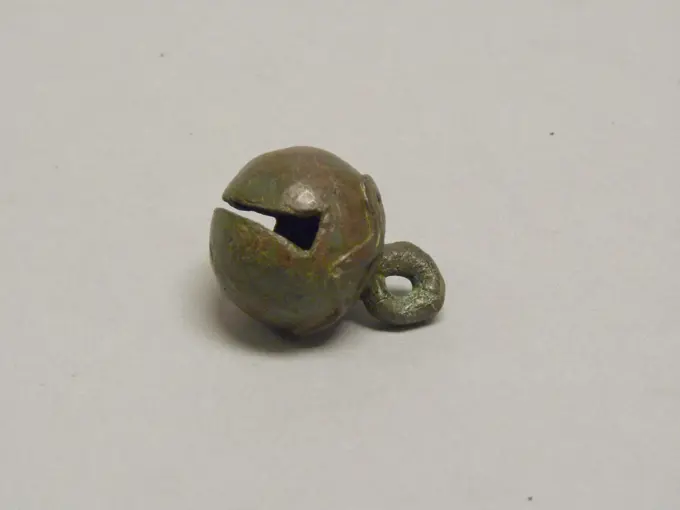
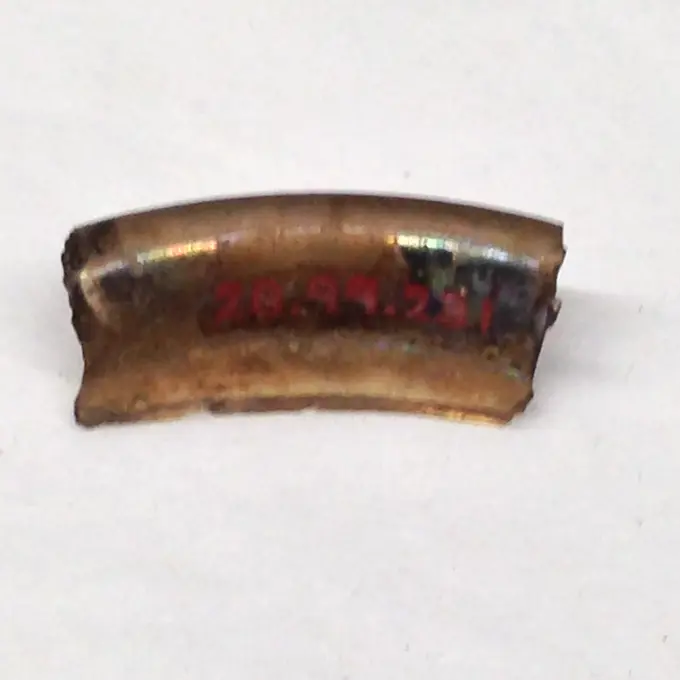
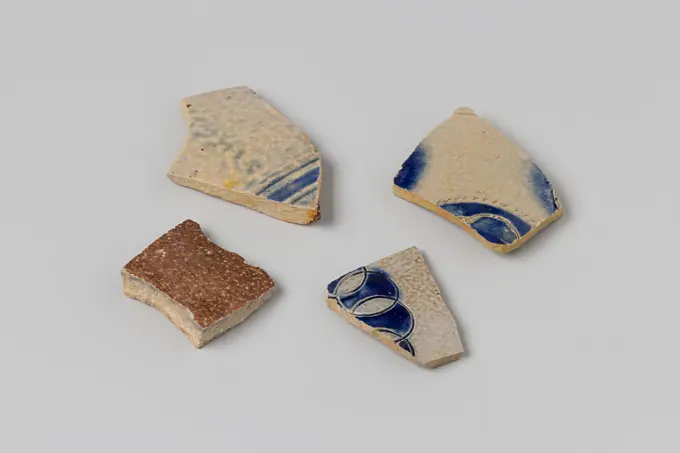
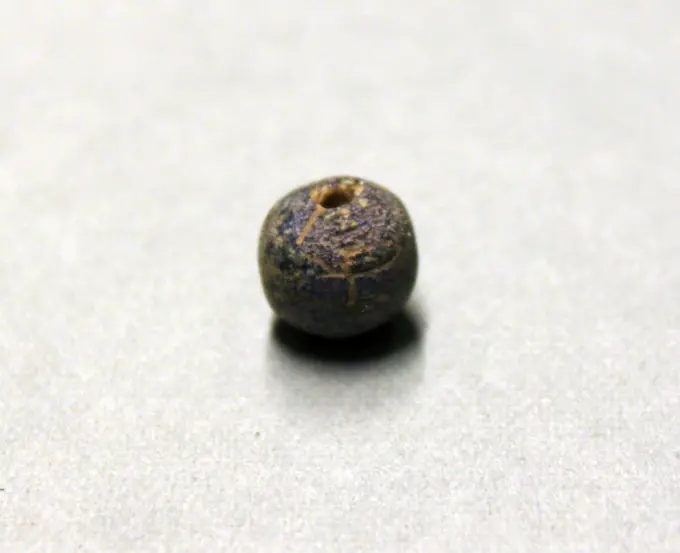
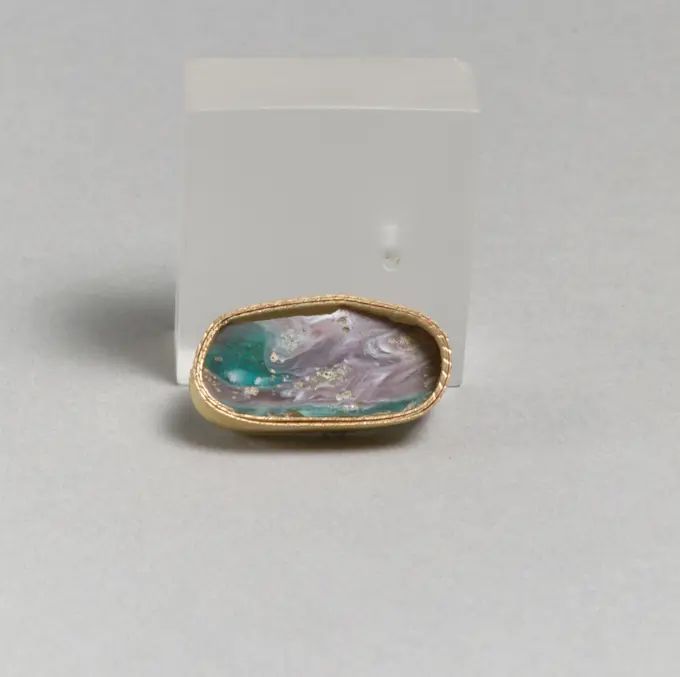
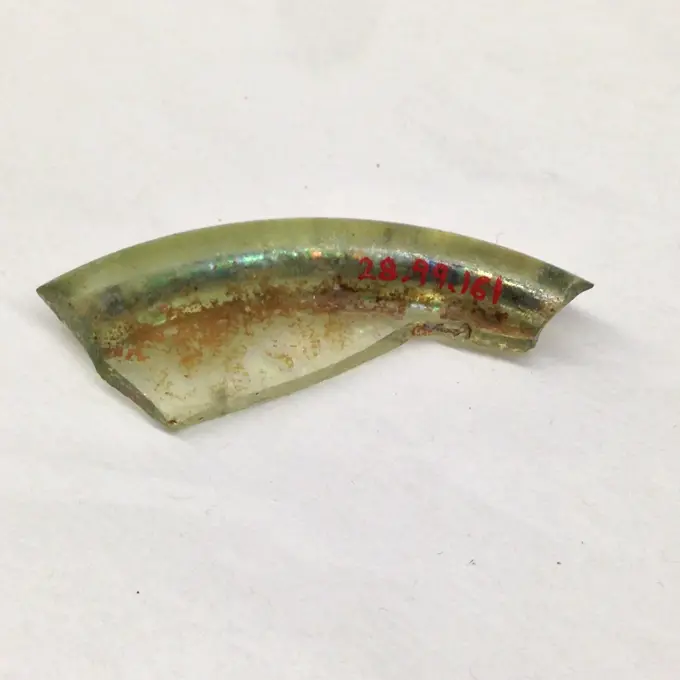
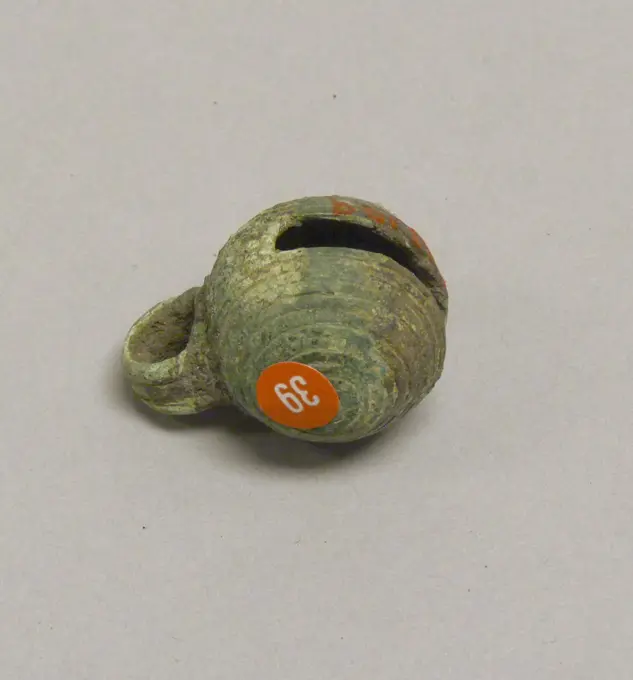
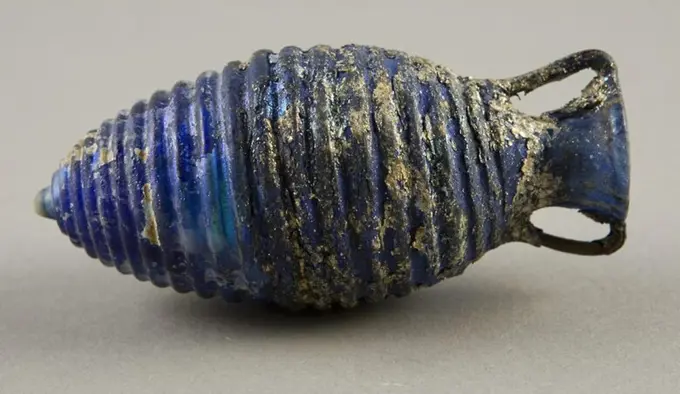
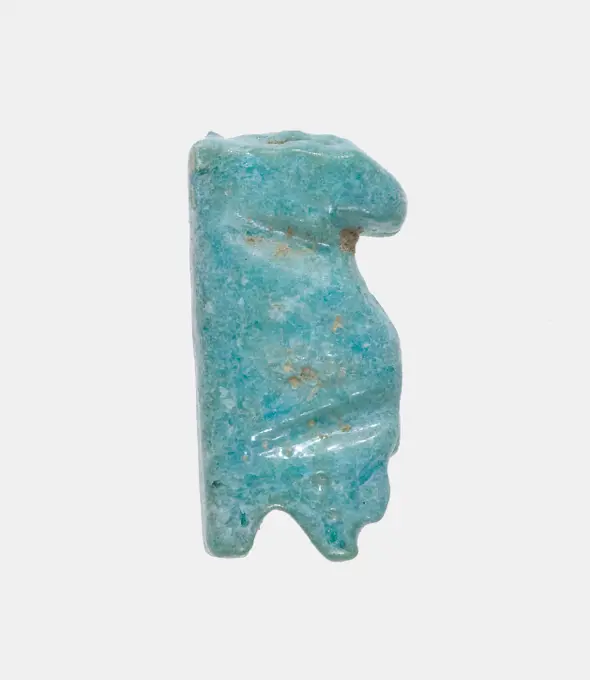
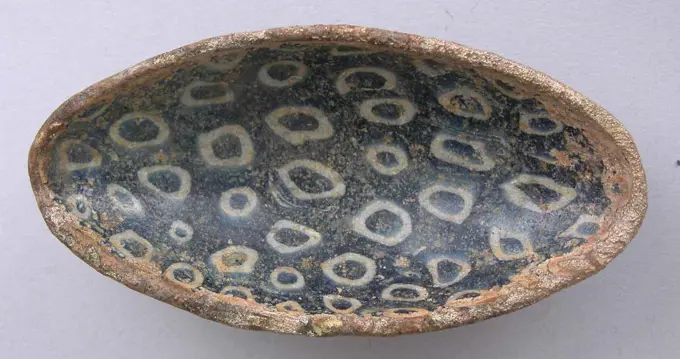
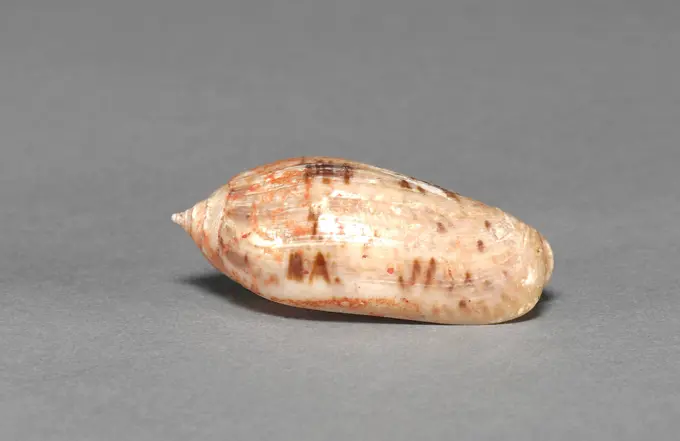
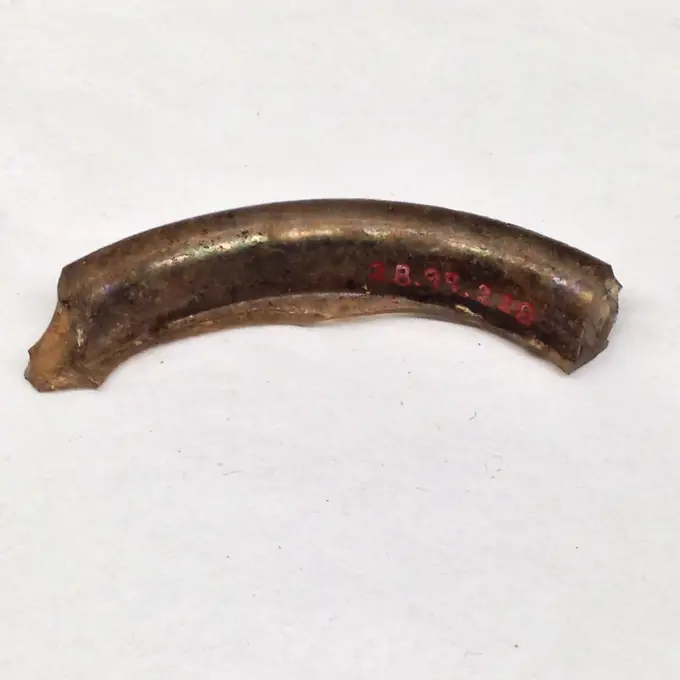
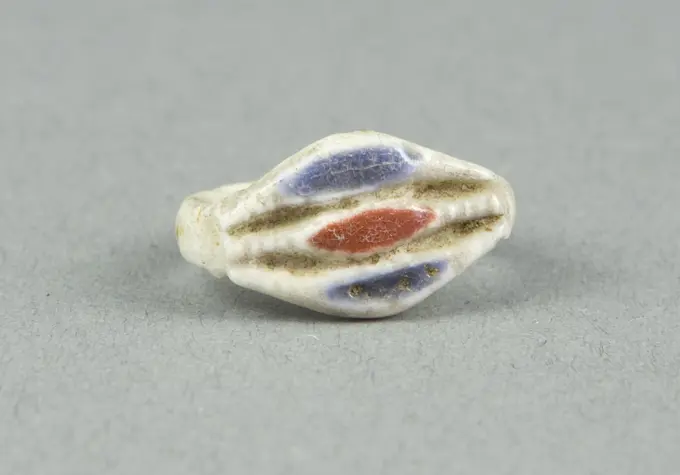
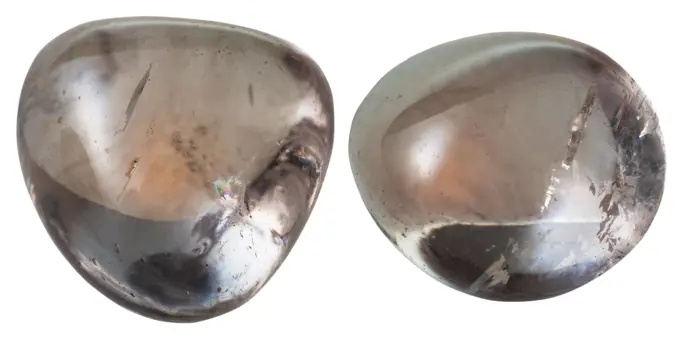
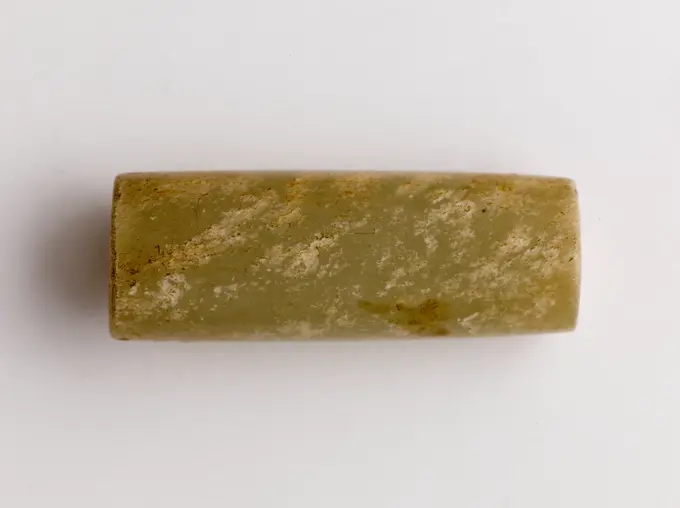
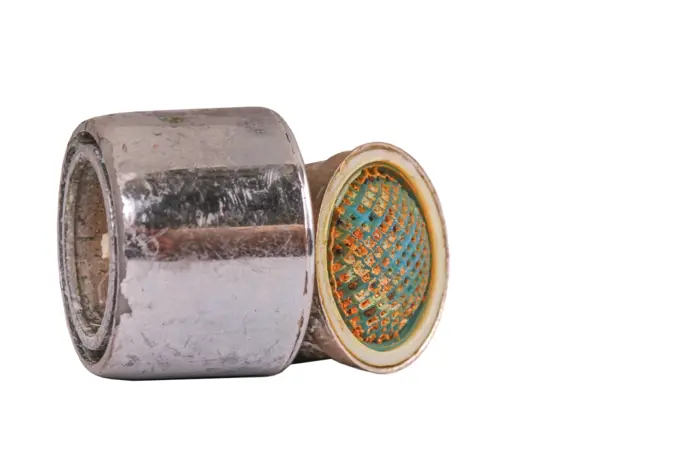
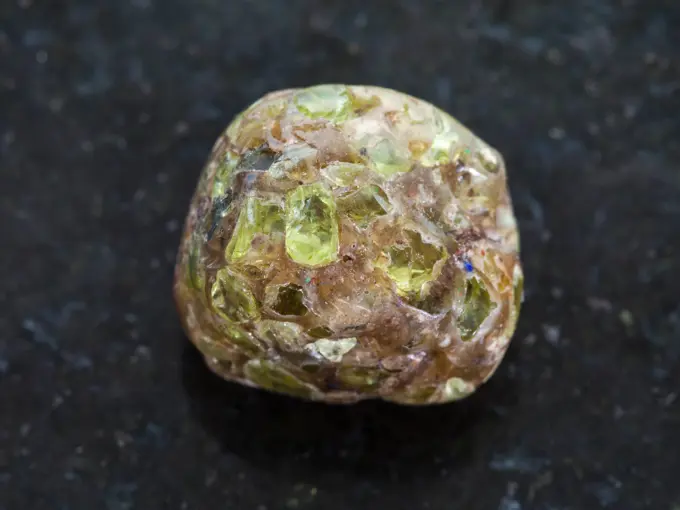
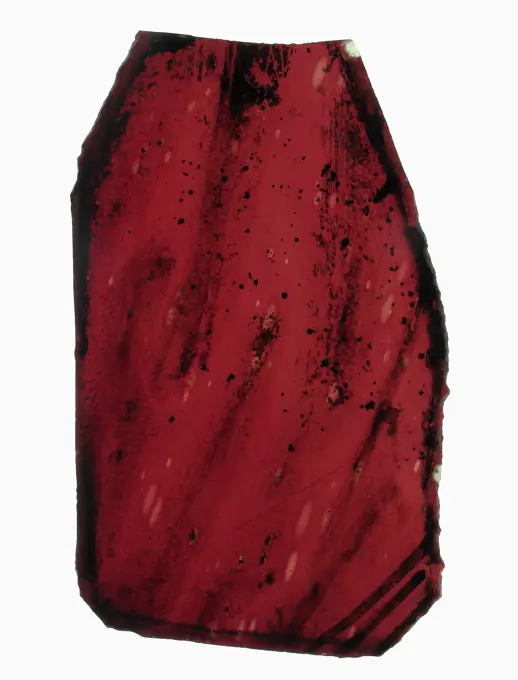
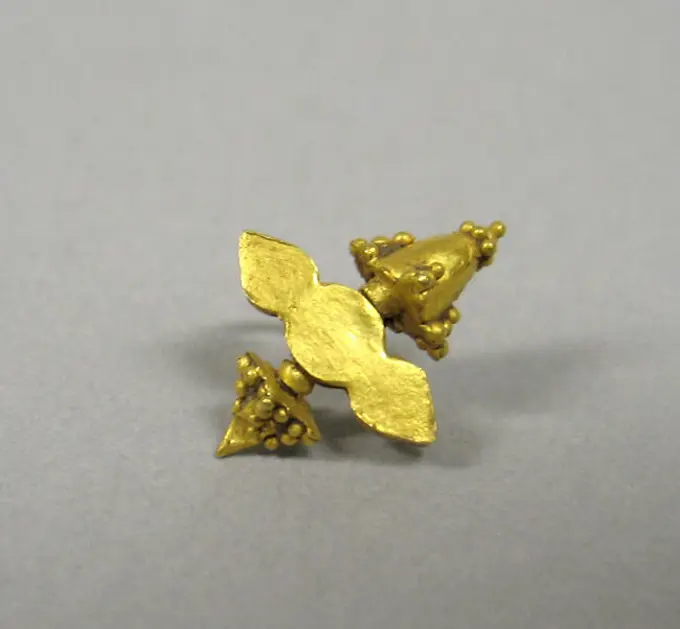
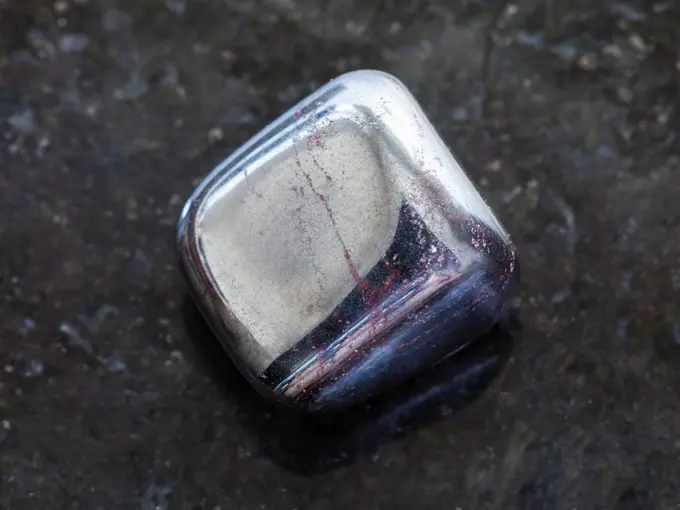
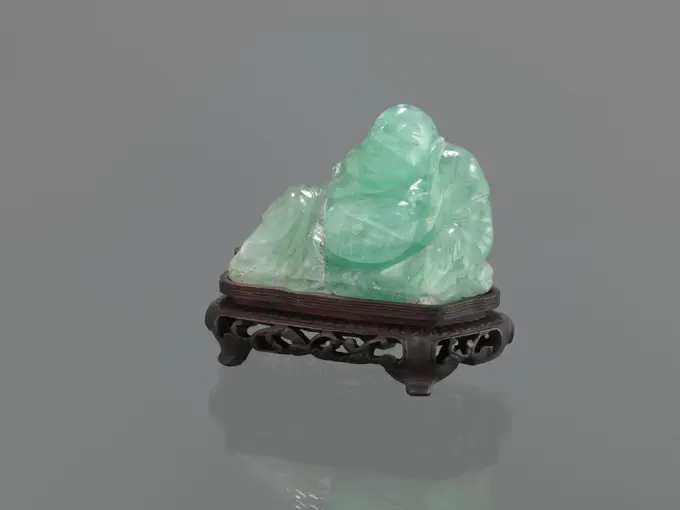
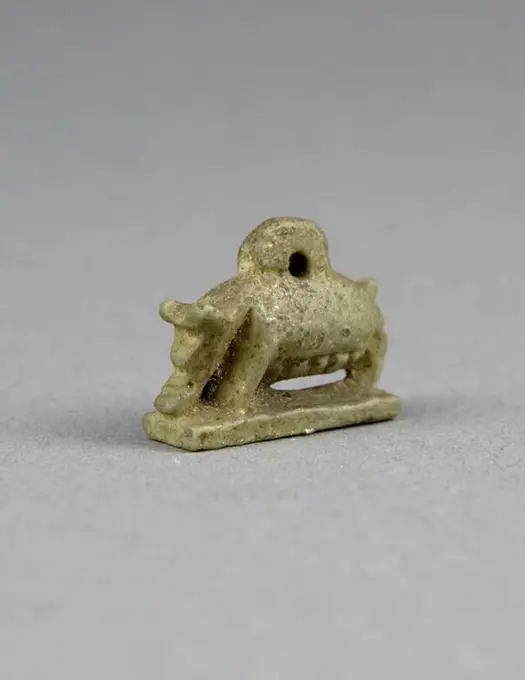
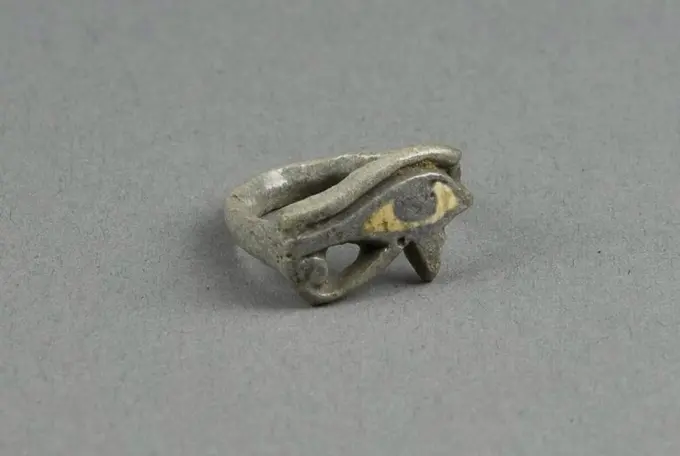
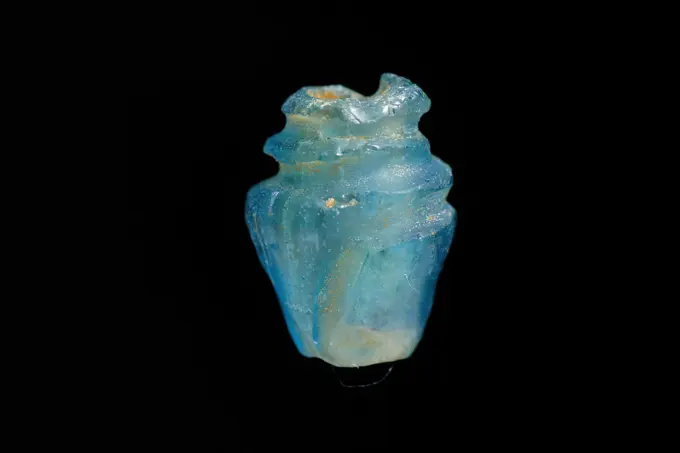
Bead in the Shape of a Conch Shell, c. 6th-8th century, 5/16 x 7/16 x 5/16 in. (0.8 x 1.1 x 0.8 cm), Stone, Myanmar (Burma), 5th-9th centurySard ring stone. Culture: Post-Classical. Dimensions: Other: 5/8 x 1/2 x 1/8 in. (1.6 x 1.3 x 0.3 cm). Museum: Metropolitan Museum of Art, New York, USA.Floral plaque. Dimensions: H. 3.5 × W. 2.9 cm (1 3/8 × 1 1/8 in.). Date: 100 BC-100 AD.This fragment was part of a glass floral plaque for wall or furniture inlay like 26.7.1249. Museum: Metropolitan Museum of Art, New York, USA.Grahal-Manzara. Carnavalet 2013-2016 collection sites. Numismatics.Scarab with Protective Sign ca. 1640-1500 B.C. (Middle Bronze Age IIB-IIC) Second Intermediate Period Many Middle Kingdom and Second Intermediate Period scarabs show a hieroglyph in the shape of a long and narrow loop. It is a stylized version of the sign for protection (sa) and is often mistaken for another hieroglyph, the loop or ring (shen) that is used to form words that refer to encircling, enclosing. The protective loop, whether represented once or multiple times, with or without other positive signs and symbols, thus bestows protection upon the owner of the amulet.. Scarab with Protective Sign 557106Fire Altar Intaglio, c. AD 400. Sasanian, Iran, reign of Hormizd II, early 5th Century. Chalcedony; overall: 2.4 x 2 x 1.7 cm (15/16 x 13/16 x 11/16 in.).Fragment Pijpenkop from the wreck of the East Indians Hollandia, Anonymous, 1700 - in Or Before 1743  Pipe, bowl, heelmark: coat of arms of the province of Gelderland; fragm, 1hsm6. Netherlands pipe clay   SecondEngraved Gem; Roman Empire; 2nd - 4th century; Blue Chalcedony; 1.6 x 1 cm (5,8 x 3,8 in.)Circular Bell 500 B.C.-A.D. 300 Thailand. Circular Bell 56452Spindle Whorl 10th-16th century () Peruvian. Spindle Whorl 308364Fragment. Culture: European or Middle Eastern. Dimensions: L. 1 13/16 in. (4.6 cm). Date: ca. 1150-ca. 1250. Museum: Metropolitan Museum of Art, New York, USA.Fragment ca. 1150-ca. 1250 European or Middle Eastern. Fragment 695327Fragment ca. 1150-ca. 1250 European or Middle Eastern. Fragment 694389Shards of pots from the wreck of the East India Hollandia.Stoneware, Rhenish, Westerwald, Pot; Fragm or body, sim. NG 1980-27H2624R.Bird Plaque Ornament. Culture: Vicús. Dimensions: H. 2 x W. 2 in. (5 x 5 cm). Date: 3rd century B.C.-A.D. 2nd century. Museum: Metropolitan Museum of Art, New York, USA.Foot of drinking glass with pontil brand in the soul, drinking glass drinkware tableware holder fragment soil find glass, free blown Foot of drinking glass In the soul pontilemark. Clear and colorless glass. Oily discolored by irradiation archeology Valckensteyn Poortugaal Albrandswaard drink wine serve serving Soil discovery: castle Valckensteyn in Poortugaal now Albrandswaard 1961-1962.Scarab. UnknownOrnament, Christmas tree, Sugar, Yellow and red pear., USA, 1850-99, Decorative Arts, Ornament, Christmas treeFragment of a Dish 13th-14th century. Fragment of a Dish 446394Fragments 14th-15th century. Fragments 446479Celt Mexican before 16th centuryBeads 8th-13th century. Beads. 8th-13th century. Glass; drilled. Excavated in Iran, Nishapur. GlassGlass mosaic fragment late 1st century B.C.-early 1st century A.D. Roman Thin-walled base fragment.Translucent purple, turquoise blue, and opaque white.Edge beveled outward; slightly convex curving side, slanting inward.Mosaic pattern formed from polygonal sections of two canes: one in a blue ground with white rods, and the other in a purple ground with many white splashes. Both canes very distorted.Polished exterior; pitting and weathering of surface bubbles on exterior; dulling, pitting, and creamy brown weathering on interior, edge of base, and jagged edges.. Glass mosaic fragment 257204Shards of pots from the wreck of the East Indians Hollandia, Anonymous, 1700 - in Or Before 1743 pot Stoneware, Rhenish, Westerwald, pot: fragm of rim; fragm of body, sim. NG 1980-27H2624r. Westerwald stoneware   SecondSteps ornament. Jade, China, Han dynasty (206 BC AP.J.-C.). Paris, Cernuschi museum. Asian art, Chinese art, weapon, Han, Epee, Jade, ornament, Pommeau d'EpeePulidor (polishing stone) before 16th century Mexican. Pulidor (polishing stone) 317629Ojime 19th century Japan. Ojime. Japan. 19th century. Edo period (1615-1868). OjimeFragment ca. 1150-ca. 1250 European or Middle Eastern. Fragment 694315Decorative door boss and nail, Steel-plated iron, Rhomboid mount with repoussé boss in each corner. Surrounding center hole, a faceted 8-pointed star. A round nail head with a square shank., Spain, ca. 1550-1700, metalwork, Decorative Arts, Decorative door boss and nailpolished pink rhodonite gem stone on dark macro shooting of natural mineral rock specimen - polished pink rhodonite gem stone on dark granite background from Ural mountains in Russia Copyright: xZoonar.com/ValeryxVoennyyx 11391865Spittoon probably 18th-19th century. Spittoon 443139Printing Block For Embroidery (USA); wood, copper, brass; 1941-87-1-pCircular Bell 500 B.C.-A.D. 300 Thailand. Circular Bell. Thailand. 500 B.C.-A.D. 300. Bronze. Bronze and Iron Age period. MetalworkGlass mosaic inlay fragment late 1st century B.C.-early 1st century A.D. Roman Uncertain colors, including blue appearing green, opaque yellow and red.Flat on one side, slightly convex on other.Mosaic pattern of large polygonal canes, including one in a blue ground with a central red rod.All surfaces and jagged edges covered with a thick, creamy weathering and iridescence.. Glass mosaic inlay fragment 257346Vase. Roman; Levant or Syria. Date: 101 AD-200 AD. Dimensions: 7.7 × 3.5 × 3.5 cm (3 × 1 3/8 × 1 3/8 in.). Glass, mold-blown technique. Origin: Syria. Museum: The Chicago Art Institute, Chicago, USA. Author: Ancient Levantine.Engraved Scaraboid with Centaur Battling a Snake-Legged Giant. UnknownStamp Seal. Northern Syria or Southeast Anatolia, circa 6th-4th millennium B.C.. Tools and Equipment; seals. Black serpentineWeight ca. 1981-1640 B.C. Middle Kingdom. Weight. ca. 1981-1640 B.C.. Hematite. Middle Kingdom. From Egypt, Memphite Region, Lisht North, Cemetery, MMA excavations, 1920-22. Dynasty 12-13Taweret () Amulet ca. 1802-1450 B.C. Late Middle Kingdom-Early New Kingdom. Taweret () Amulet 587638Fragment ca. 1150-ca. 1250 European or Middle Eastern. Fragment 694361Scarab ca. 1802-1575 B.C. Middle Kingdom-Second Intermediate Period. Scarab 558619Small Millefiori Bowl 9th century The millefiori technique was rediscovered in the eighth or ninth century in Mesopotamia and was probably used in the production of objects for the Abbasid caliphs in Baghdad or Samarra. A number of surviving bowls and tiles suggest that it was used both for domestic furnishings and interior decoration. The small size of this bowl suggests that this shallow object was meant to be embossed in a plaster wall.. Small Millefiori Bowl 453319Fragment 14th-15th century. Fragment 445497Turbo Sarmaticus Shell on black background Turbo Sarmaticus Shell on black background Copyright: xZoonar.com/SerhiixZarevx 22956463Offering Group: Small Shell, c. 800-1200(). Mexico, Guerrero(), San Jerónimo de Juárez, Xochicalco style. Shell, red pigment; overall: 4.7 cm (1 7/8 in.).Fragment ca. 1150-ca. 1250 European or Middle Eastern. Fragment 694385Bead in the Shape of a Conch Shell, c. 6th-8th century, 1/4 x 3/8 x 1/4 in. (0.6 x 1 x 0.6 cm), Stone, Myanmar (Burma), 5th-9th centuryBead China. Bead 42997Fragment ca. 1150-ca. 1250 European or Middle Eastern. Fragment 695357Scarab Inscribed with the Name Amenhotep ca. 1525-1504 B.C. New Kingdom. Scarab Inscribed with the Name Amenhotep. ca. 1525-1504 B.C.. Carnelian. New Kingdom. From Egypt, Upper Egypt, Thebes. Dynasty 18Ring with Inlaid Openwork Bezel 1350 BCE Egypt. Faience . Ancient EgyptianStamp Seal. Assyria or Mesopotamia, Neo-Assyrian (style), late 8th-7th century B.C.. Tools and Equipment; seals. Lapis lazulipolished mahogany obsidian gemstone on dark macro shooting of natural mineral rock specimen - polished mahogany obsidian gemstone on dark granite background Copyright: xZoonar.com/ValeryxVoennyyx 11380730Umbel Pendant ca. 1390-1353 B.C. New Kingdom. Umbel Pendant. ca. 1390-1353 B.C.. Faience. New Kingdom. From Egypt, Upper Egypt, Thebes, Malqata, Palace of Amenhotep III, MMA excavations, 1910-11. Dynasty 18two Smoky quartz smoky topaz gemstones natural mineral gem stone - two Smoky quartz smoky topaz gemstones isolated on white background close up Copyright: xZoonar.com/ValeryxVoennyyx 8554439polished yellow calcite gemstone on dark macro shooting of natural mineral rock specimen - polished yellow calcite gemstone on dark granite background Copyright: xZoonar.com/ValeryxVoennyyx 11383793Fragment. Jade, China, Han dynasty (206 BC AP.J.-C.). Paris, Cernuschi museum. Asian art, Chinese art, han dynasty, jadeRing ca. 1390-1353 B.C. New Kingdom. Ring. ca. 1390-1353 B.C.. Faience, blue. New Kingdom. From Egypt, Upper Egypt, Thebes, Malqata, Palace of Amenhotep III, MMA excavations, 1910-11. Dynasty 18Fragment ca. 1150-ca. 1250 European or Middle Eastern. Fragment 694403Close-up of black, white elongated shell    polished flint stone on dark background macro shooting of natural mineral rock specimen - polished flint stone on dark granite background Copyright: xZoonar.com/ValeryxVoennyyx 11380400Fragment of a Bowl 14th-15th century. Fragment of a Bowl 446354Engraved stamp or signet. UnknownMarriage Document Aramaic. Marriage Document, July 3, 449 B.C.E. Papyrus, ink, mud, linen, Object: 10 7/8 x 12 5/8 in. (27.6 x 32.1 cm).   Egyptian, Classical, Ancient Near Eastern Art July 3, 449 B.C.E.Honey dripping from a wooden honey Honey dripping from a wooden honey with gradient background Copyright: xZoonar.com/DAVIDxIZQUIERDOxROGERx 8486496Knob 4th century Coptic. Knob 477764Amulet of a Frog 1550 BCE-664 BCE Egypt. Stone (mottled brown white) . Ancient EgyptianBead in the Shape of a Tortoise, c. 6th-8th century, H.7/16 x W.3/4 x D.5/8 in., stone, Myanmar (Burma), 5th-9th centuryMusketkogel from the wreck of the East Indians' t Vliegend Hart ,, 1700 - 1735  Lead spherical bullet that was fired from a musket. The bullet is dull -gray in color with a few corrosion places. The bullet is immersed for conservation in beeswax. Musket Caliber. Middelburg lead (metal)Fragment. Culture: European or Middle Eastern. Dimensions: L. 1 5/8 in. (4.1 cm). Date: ca. 1150-ca. 1250. Museum: Metropolitan Museum of Art, New York, USA.closeup of sample of natural mineral from geological collection - Tiger-eye gem stone isolated on white background. Tiger-eye gem stone isolated on whiteBelt Buckle, 1800s-1900s. China, 19th-20th century. Jade; overall: 9.6 cm (3 3/4 in.).This is a very old stopcock. Everytime unhealthy. And this composition like city life indicator.Snuff box, square, engrossed quartz and amethyst in a cut-away golden frame. On the lid a mophound with diamond collar. Square box of graduated quartz and amethyst in a cut-away golden frame. On the lid a mophound with diamond collar.Glas shards of a basement bottle from the wreck of the East Indies' t Vliegend Hart, which was decayed in 1735 ,, 1700 - 1735  Arrangered glass shard from a basement bottle.  .Square Plaque. Culture: Vicús. Dimensions: Height 3-3/16 in. (8.1 cm). Date: 3rd century B.C.-A.D. 2nd century. Museum: Metropolitan Museum of Art, New York, USA.tumbled Peridot gemstone on dark background macro shooting of natural mineral rock specimen - tumbled Peridot gemstone on dark granite background Copyright: xZoonar.com/ValeryxVoennyyx 11380547Shard: Bird ca. 4th-5th century Pakistan. Shard: Bird 51274Bord, anonymous, c. 1730 - c. 1760 Smooth round plate on a stand ring. The board is marked with a letter Z (JRL) And an unknown brand. The board is equal to the board with invnr. BK-1977-64-A. Netherlands silver (metal) Smooth round plate on a stand ring. The board is marked with a letter Z (JRL) And an unknown brand. The board is equal to the board with invnr. BK-1977-64-A. Netherlands silver (metal)Tubular Bead, before 1519. Mesoamerica, Pre-Columbian. Polished green jade; diameter: 1.4 cm (9/16 in.); overall: 7.3 cm (2 7/8 in.).Speelhuisensning from Thailand, 1760-1871 ,, 1760 - 1871 coin Round porcelain playing house pencil, which is also used as a mint. Front: image of a crab or lobster. Rail side: two Chinese characters.  porcelainFragment of a Bowl 14th-15th centuryFragment 14th century. Fragment 452489It's lying. Jade vert. Provenance: Vietnam. Par musée musée malée. 78815-16 Ring, jade, archeological object, hard stone, fine stone, precious stoneGlass Fragment 16th century or later European. Glass Fragment. European. 16th century or later. Pot metal glass. Glass-StainedAnonymous. "Intailles appearing a Silene from the front". Gem, Corneline. 2nd century. Museum of Fine Arts of the City of Paris, Petit Palais. 99936-16 Antiquity, Corneline, Gem, IIeme Iie II 2nd 2nd 2nd century, ancientPair of Ear Clips with Leaf-Shaped Bezel Second half of the 8th-second half of the 10th century Indonesia (Java). Pair of Ear Clips with Leaf-Shaped Bezel 50053Vase fragment mid-2nd century A.D. Roman, Gaul Red gloss sigillata.. Vase fragment. Roman, Gaul. mid-2nd century A.D.. Terracotta. Vasestumbled hematite stone on dark background macro shooting of natural mineral rock specimen - tumbled hematite stone on dark granite background Copyright: xZoonar.com/ValeryxVoennyyx 11380428Fragment ca. 1150-ca. 1250 European or Middle Eastern. Fragment 695150Bliżej KulturyCoin fromLarissa.  Mint: Larissa Artist: UnknownFragments of a Dish ca. 1336-1327 B.C. New Kingdom. Fragments of a Dish. ca. 1336-1327 B.C.. Pottery, hematite wash. New Kingdom. From Egypt, Upper Egypt, Thebes, Valley of the Kings, Embalming Cache of Tutankhamun (KV 54), Davis/Ayrton excavations, 1907-08. Dynasty 18Budai monk (a Buddha) on the base;  20th century (1901-00-00-2000-00-00);Colorful decorative objects in the shape of a heartRed Jasper Stone Against Black BackgroundAmulet of a Sow. Egyptian. Date: 1070 BC-656 BC. Dimensions: 1.1 × 1.9 × .6 cm (7/16 × 3/4 × 1/4 in.). Ceramic. Origin: Egypt. Museum: The Chicago Art Institute, Chicago, USA. Author: Ancient Egyptian.Jar ca. A.D 2nd-3rd century Parthian. Jar 323231Ring: Udjat Eye. Egyptian. Date: 1350 BC. Dimensions: H.1.5 cm (9/16 in.); diam. 1.25 cm (1/2 in.). Multi-colored faience. Origin: Egypt. Museum: The Chicago Art Institute, Chicago, USA. Author: Ancient Egyptian.Hermit Crab in a screw shell on tropical sea