Ancient Pottery Fragments

Historical pottery pieces, including oil lamps and dish fragments, exhibiting intricate designs from different ancient cultures.

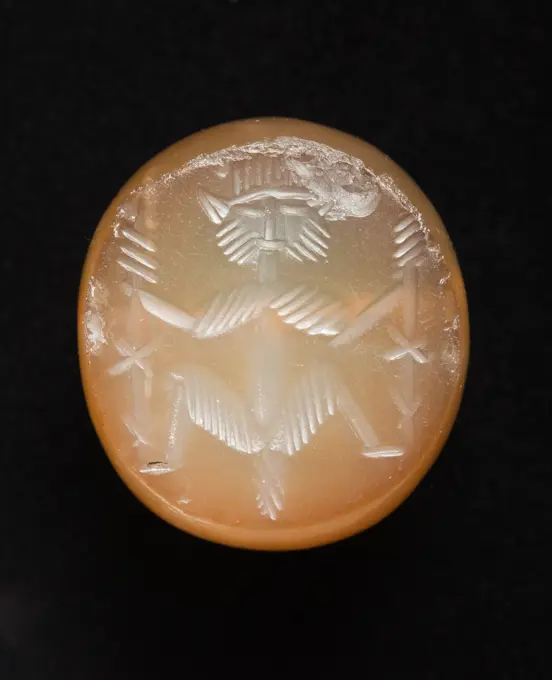
Stamp Seal. Assyria or Mesopotamia, Neo-Assyrian or neo-Babylonian (style), late 7th-6th century B.C.. Tools and Equipment; seals. Colorless chalcedony
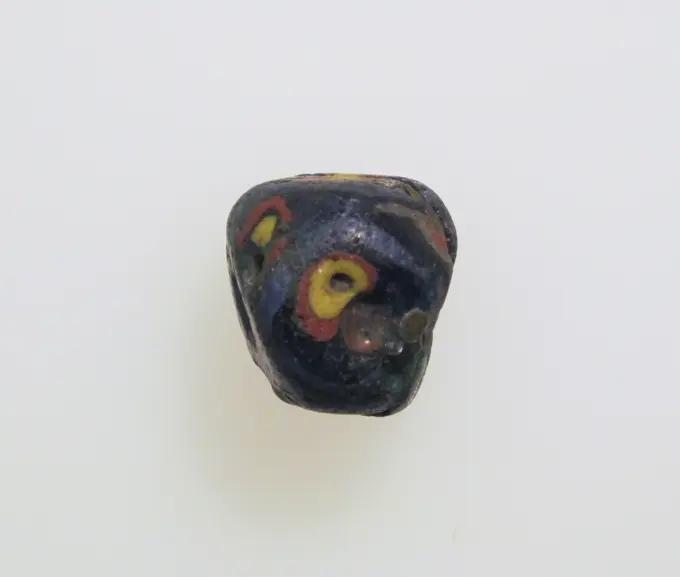
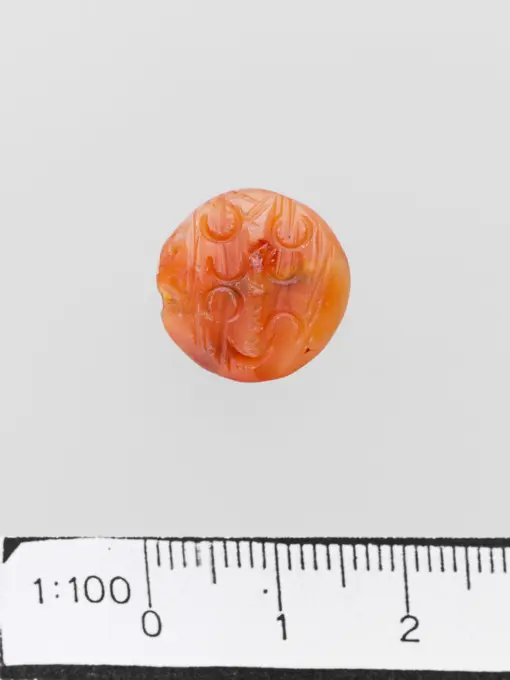
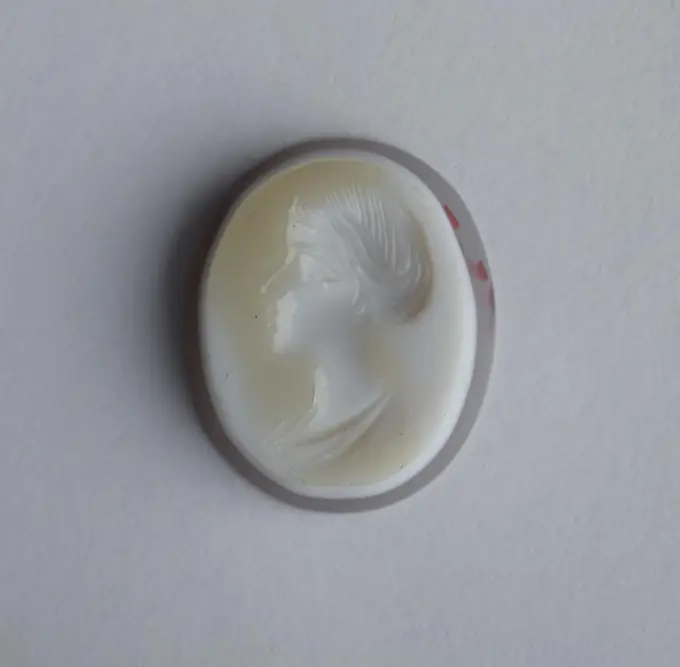
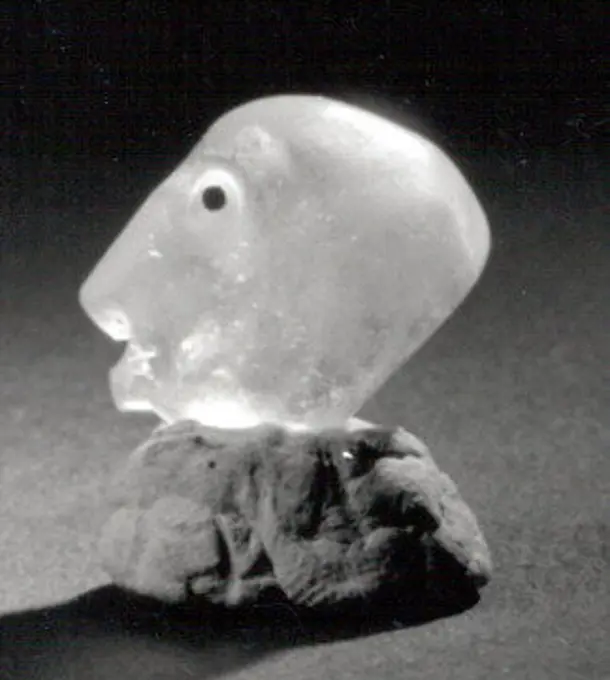
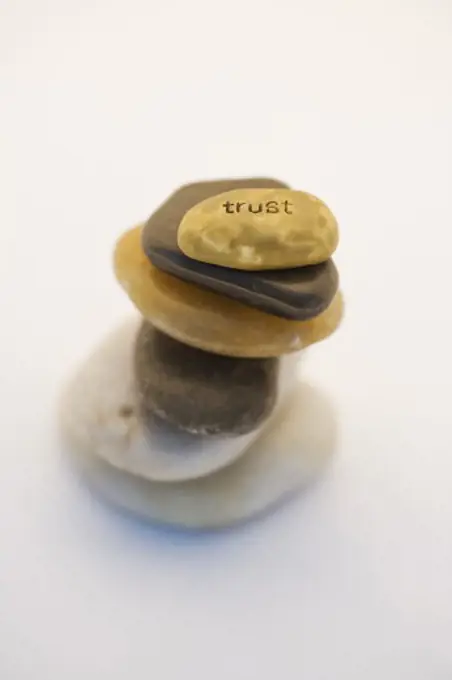
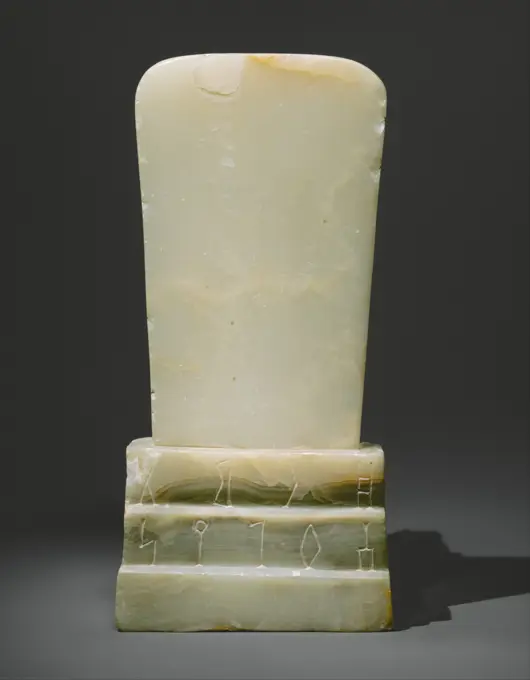
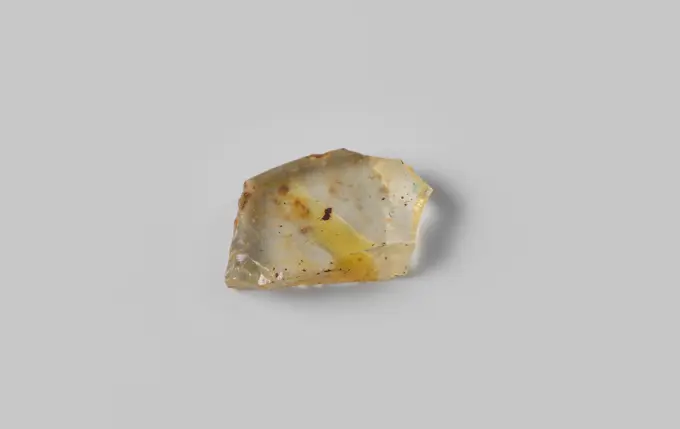
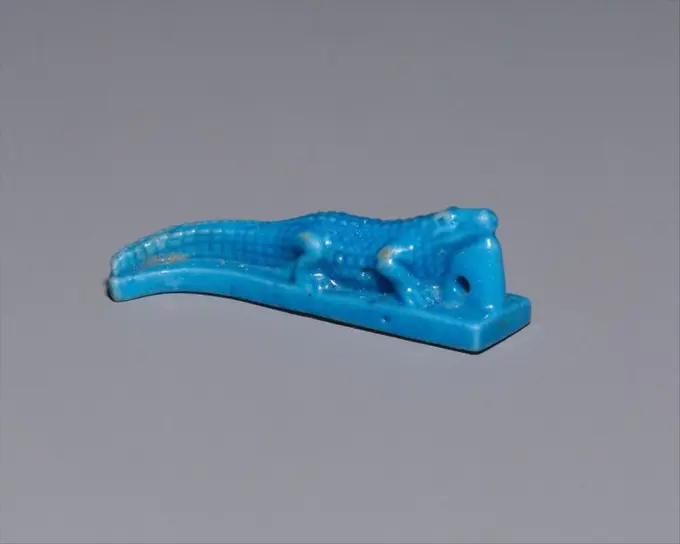
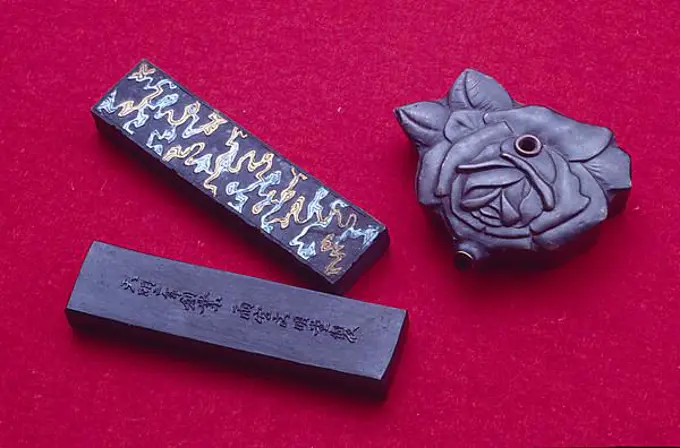
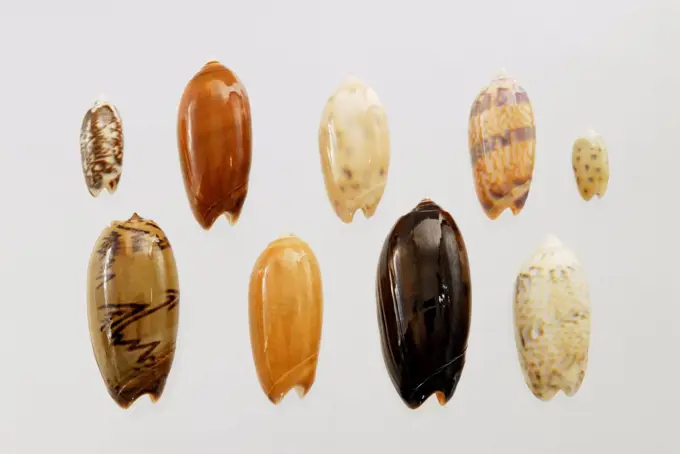
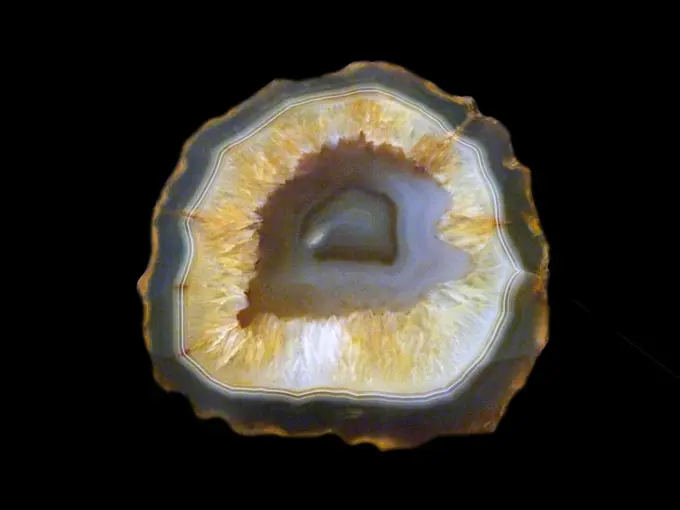
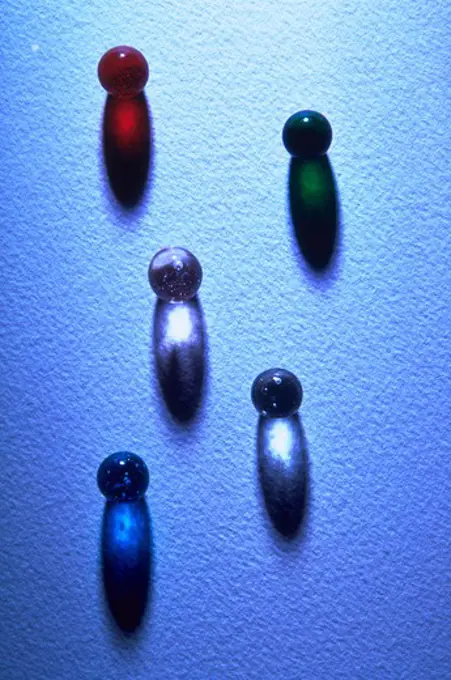
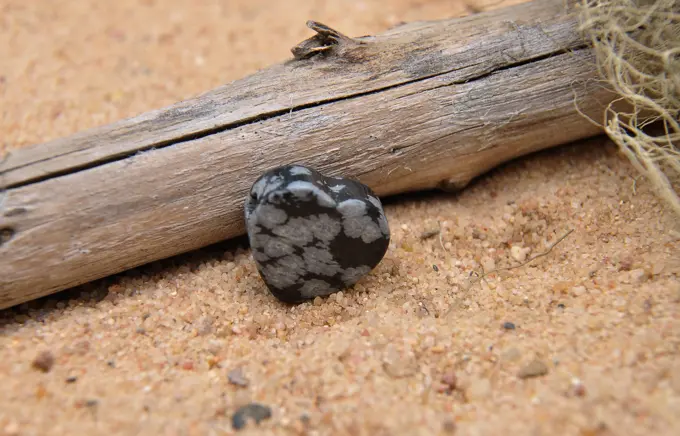
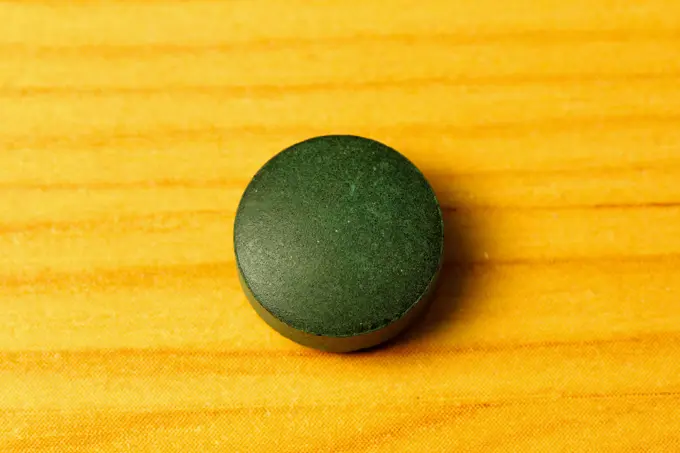
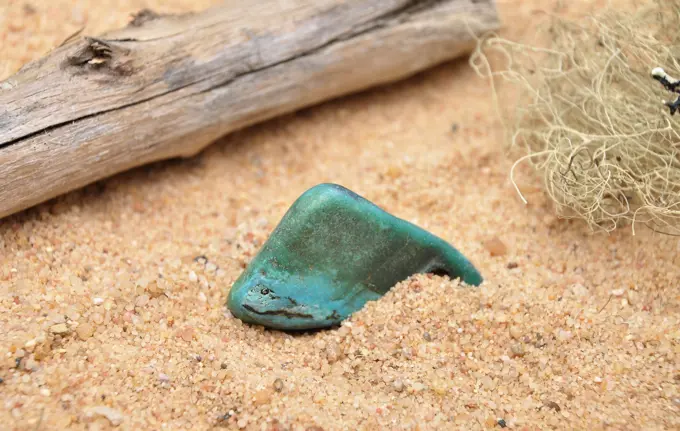
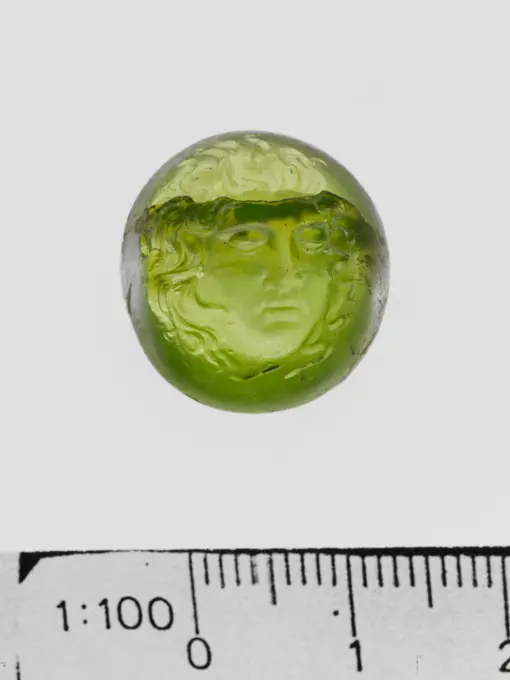
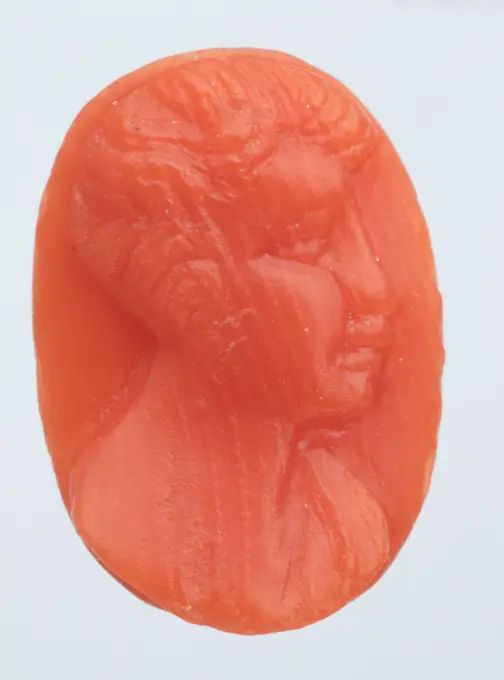
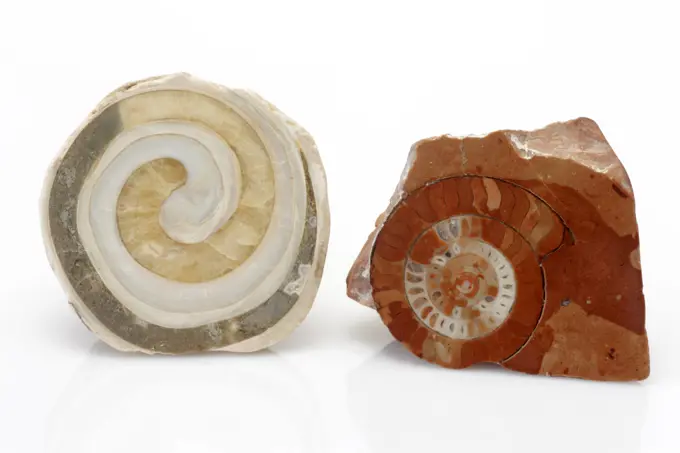
Fossil fossils - released on white background copyright: xzoonar.com/heikexbrauerx 1025868Fragment of a vessel. A low curvature of the glass fragment allows the assignment to a vessel, possibly a shell. On the green shard, several flowers can be seen in millefiori technology. To a blue dot with yellow contour, yellow-edged red dots are attached as petals. They are surrounded by yellow points on circular lines. For the production, different colored glasses into tubes and rods were formed. These were compressed and heated, causing a long bar. The glass sliced now had different amorphous or floral patterns. Thereafter, several of these platelets were folded together, heated again and in a vascular shape, a model, pressed. Burry for the elaborate manufacturing process and its fragility was one of the luxury articles of antiquity.Spindle Whorl Spindle Whorl, 1000-1532. Ceramic   Arts of the Americas 1000-1532Glass bead Roman. Glass bead. Roman. Glass; rod-formed and tooled. GlassChalcedony lentoid seal ca. 1450-1400 B.C. Minoan Two vegetal fronds.. Chalcedony lentoid seal. Minoan. ca. 1450-1400 B.C.. Chalcedony. Late Minoan II. GemsA woman's bustGroup of Beads, 2nd Century AD. Egypt, Roman Empire. Glass; diameter: 1.5 cm (9/16 in.); overall: 14.2 cm (5 9/16 in.).Head amulet () 7th-6th millennium B.C.. Head amulet () 327143Scaraboid Bead with a device referring to Ptah 664-332 B.C. Late Period. Scaraboid Bead with a device referring to Ptah 550950Stamp seal ca. 3rd-7th century A.D. Sasanian. Stamp seal. Sasanian. ca. 3rd-7th century A.D.. Quartz, milky. Sasanian. IranStack of stonesVotive or funerary stele ca. late 1st millennium B.C. This highly polished alabaster stele is made of two pieces. A smooth undecorated slab sits in a socket carved into a stepped base. Inscribed in Sabaic letters in two rows on the base is DRMT SFLYN.” This name, "Dhurmat (of the clan) Safalin” identifies the person, perhaps a woman, who dedicated the monument. The shapes of the letters allows us to date this object to the late first millennium B.C.. Votive or funerary stele 326694Stamp Seal. Iran, 224-651. Tools and Equipment; seals. ChalcedonyShards of a bowl from V.O.C. ship De 'Witte Leeuw', Anonymous, Before 1613 bowl Shards of a bowl from V.O.C. ship the 'Witte Leeuw'. Shatou porcelain   Sint-HelenaFragment window from the wreck of the East Indians Hollandia, Anonymous, 1700 - in or Before 1743  Varied parts or fragments, window glass; fragm, broken, flat. Netherlands glass   SecondAmulet of a Left Eye Made 1550 BCE-332 BCE Egypt. Glass . Ancient EgyptianTransparent Globe seen in the desert.prehistoric vegetal mat, Moro de Alins Cave, Azanui, Huesca museum, Aragon community, Spain.Bead in the Form of a Bunch of Grapes ca. 1390-1352 B.C. New Kingdom. Bead in the Form of a Bunch of Grapes. ca. 1390-1352 B.C.. Faience. New Kingdom. From Egypt, Upper Egypt, Thebes, Malqata, Palace of Amenhotep III, MMA excavations, 1910-11. Dynasty 18Crocodile amulet. Dimensions: H. 1.1 cm (7/16 in.); W. 1.5 cm (9/16 in.); L. 3.9 cm (1 9/16 in.). Date: 304-247 B.C..Crocodiles were dangerous animals, but Sobek, probably the divinity depicted in this amulet, was a benevolent water deity. The Nile issuing from his sweat made the valley productive, and as a fertility god he was linked to the myth surrounding rebirth in the afterlife. The fine quality of this piece suggests it was a temple offering. Museum: Metropolitan Museum of Art, New York, USA.Chinese and Japanese calligraphy, inkstones and water vessel, water vessel, freestanding, objectRag fragment from the wreck of the East Indians Hollandia, Anonymous, 1700 - in Or Before 1743 lid Parts, various, lid; circular, domed with baluster-shaped finial, overhanging rim, vertical rim underneath, cf. lid pot NG 1979-233H853. Netherlands bone (material)   SecondOne of twenty-one seals, 800 BCE - 400 CE, various, Various semi-precious stones, Mesopotamia, 8th century BCE - 5th century CEOlive Shells of different species in studioTextile Ornament 14th-15th century Chimú. Textile Ornament 308745Beads 8th-13th century. Beads. 8th-13th century. Glass; drilled. Excavated in Iran, Nishapur. GlassAgate rock. A microcrystalline variety of silica, chiefly chalcedony, characterised by its fineness of grain and brightness of color. Although agates may be found in various kinds of rock, associated with volcanic rocks and can be common in certain metamorphic rocksThree-Frog Bead Amulet, 1540-1069 BC. Egypt, New Kingdom. Deep turquoise faience; overall: 1.2 x 5 cm (1/2 x 1 15/16 in.).broken keyColourless quartz is called rock crystal.Beads, string of seven 18th century or later African, made in Europe. Beads, string of seven 320992Bliżej KulturyEarring, 1540-1296 BC. Egypt, New Kingdom, Dynasty 18, 1540-1296 BC. Travertine;Necklace probably 19th century Russian This collection of largely ethnographic jewelry includes examples from cultures in South America, North America, Europe, Asia, and Africa and dates from the Pre-Columbian period to the twentieth century. Owned by renowned art collector and fashion enthusiast Muriel Kallis Newman, the collection represents her knowledge and appreciation of a wide range of jewelry design and making traditions. Numerous items in her collection are composite artifacts made from various cultures and time periods reappropriated as modern jewelry creations by or for Muriel. It is important to note that Newman wore many of the pieces in the collection, interpreting them to suit and express her own singular, often avant-garde style.. Necklace 141697Five marbles cast shadows on a white surface. One marble is blue, two are clear, one is red and one is green.Schneeflockenobsidian am Strand - Snowflake obsidian on beach Schneeflockenobsidian am Strand - Snowflake obsidian on beach Copyright: xZoonar.com/lantapixx 7291923Netsuke 19th century Japan. Netsuke. Japan. 19th century. Wood. Edo (1615-1868) or Meiji period (1868-1912). NetsukeAlgae pill One natural organic green Hawaiian Algae pill Copyright: xZoonar.com/Baloncicix 7297948Mosaic glass fragment. The small black glass fragment shows several stylized flowers. They consist of a mint green point in the middle to distribute the eight yellow points and which in turn are surrounded by a white amorphous line. This technique is called millefiori. In Roman times, it used colored, ornamented glass for vessels, mosaics, wall decorations and furniture ornaments. For the production, different colored glasses were molded into tubes and rods. These were compressed and heated, causing a long bar. The glass sliced now had a wide variety of amorphous or floral patterns.Ornament Frontal 6th-7th century Moche (Loma Negra). Ornament Frontal. Moche (Loma Negra). 6th-7th century. Gold, stone. Peru. Metal-OrnamentsBliżej KulturyTuerkis am Strand - Turquoise on beach Tuerkis am Strand - Turquoise on beach Copyright: xZoonar.com/lantapixx 7220609Peridot ring stone ca. 1st century B.C.-3rd century A.D. Roman Head of the sleeping Medusa.. Peridot ring stone. Roman. ca. 1st century B.C.-3rd century A.D.. Peridot. Late Republican or Imperial. GemsBliżej KulturyMetal mug, from the shipwreck of the Austrian steamship "Durnstein", Odessa, Black Sea, Ukraine, Eastern Europe, Europe