Ancient Pottery Jugs

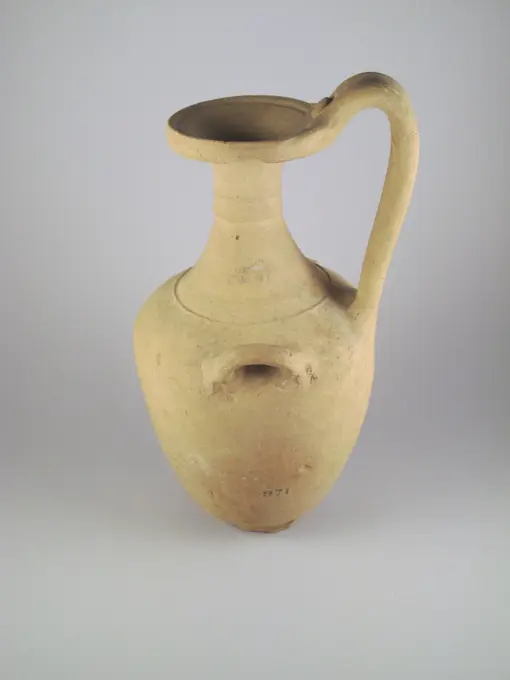
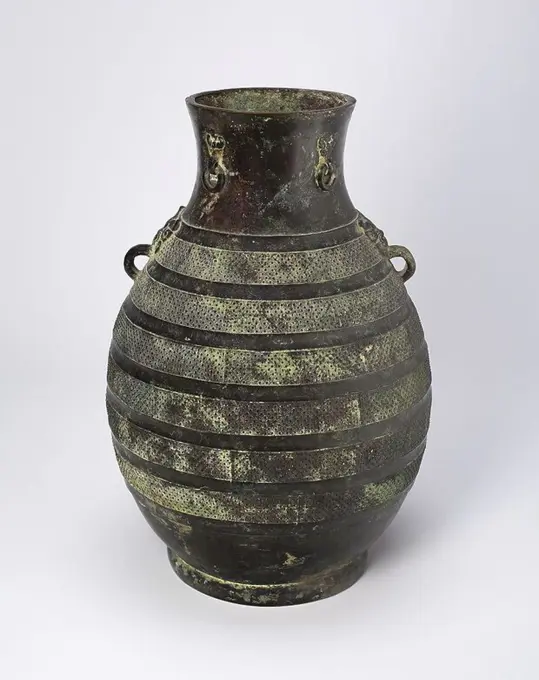
Collection of historical pottery jugs and jars with unique shapes and features. Examples of ancient craftsmanship and design from different cultures.

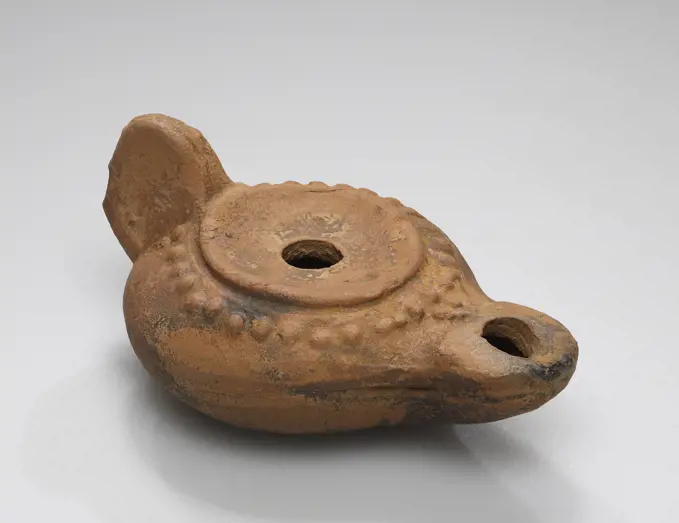
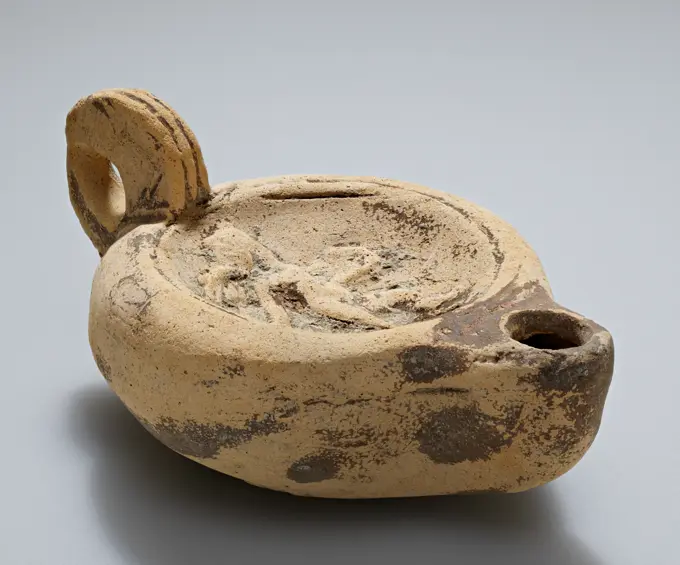
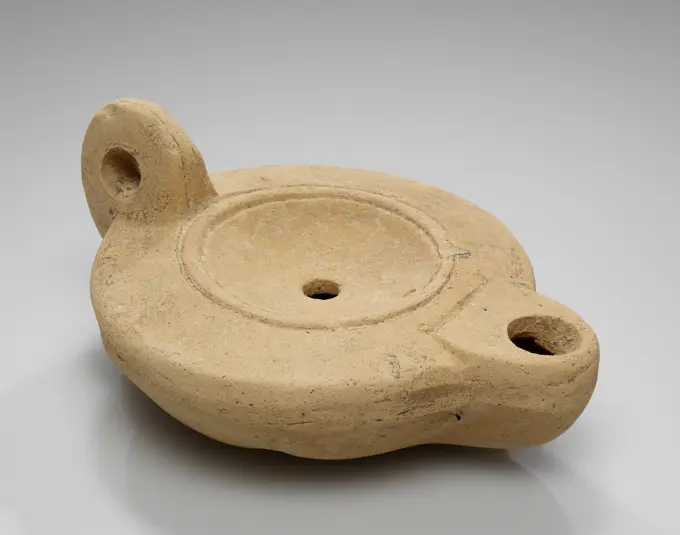
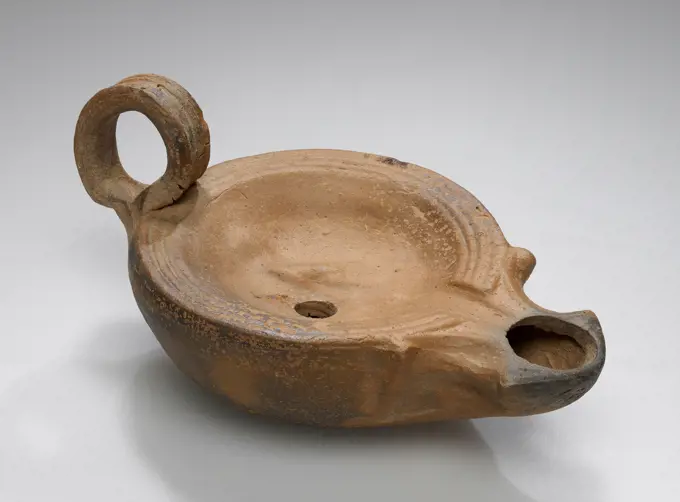
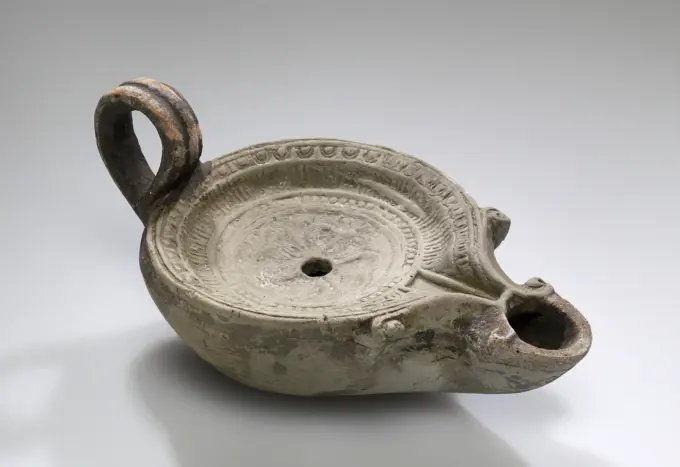
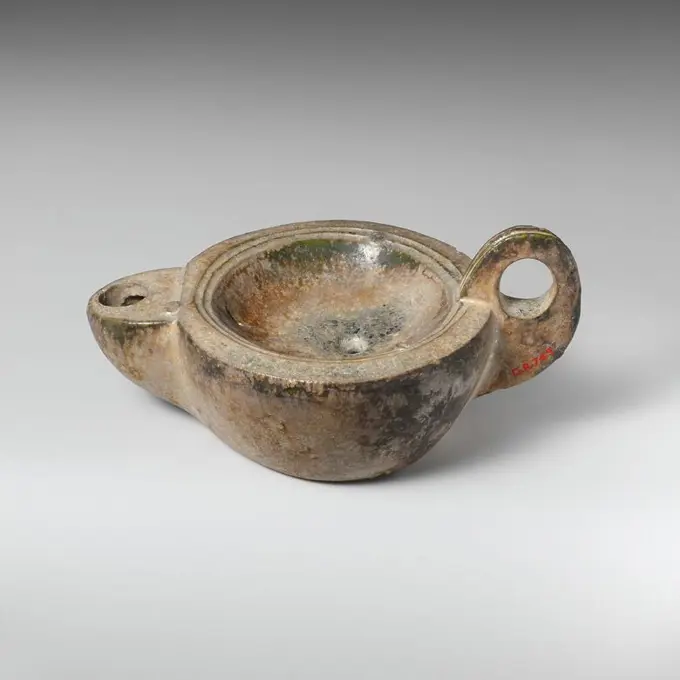
Lamp, South Anatolia, Anatolia; 2nd century B.C.; Terracotta; 3.3 × 6.1 × 9 cm (1 5,16 × 2 3,8 × 3 9,16 in.)
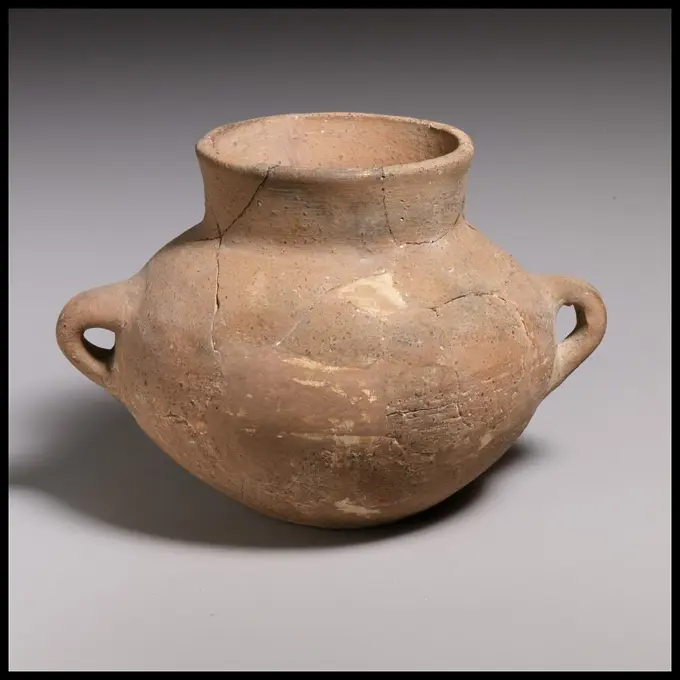
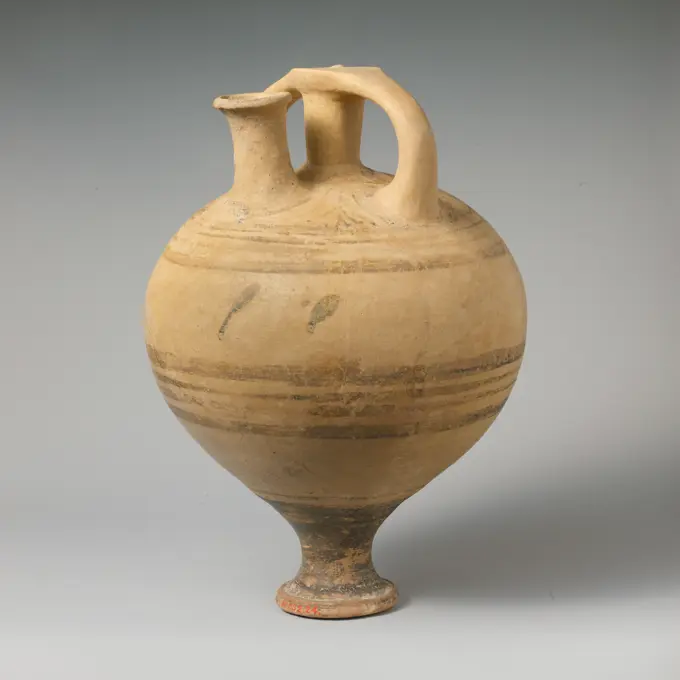
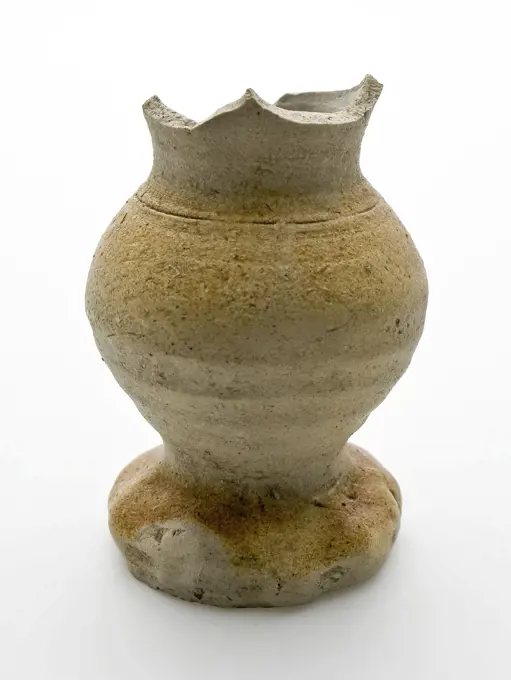
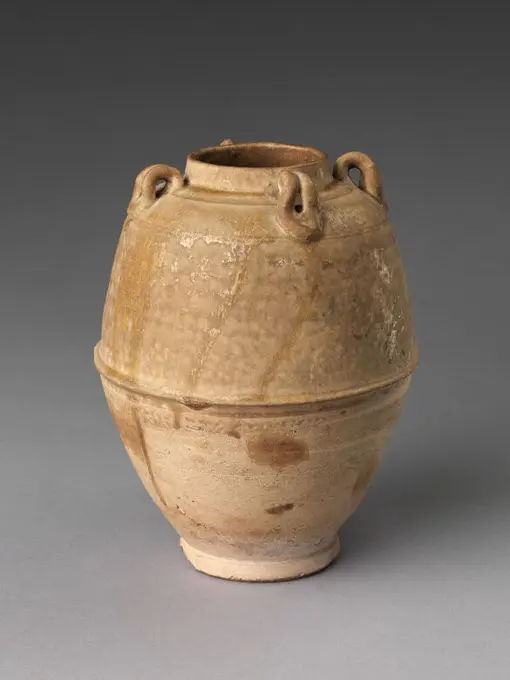
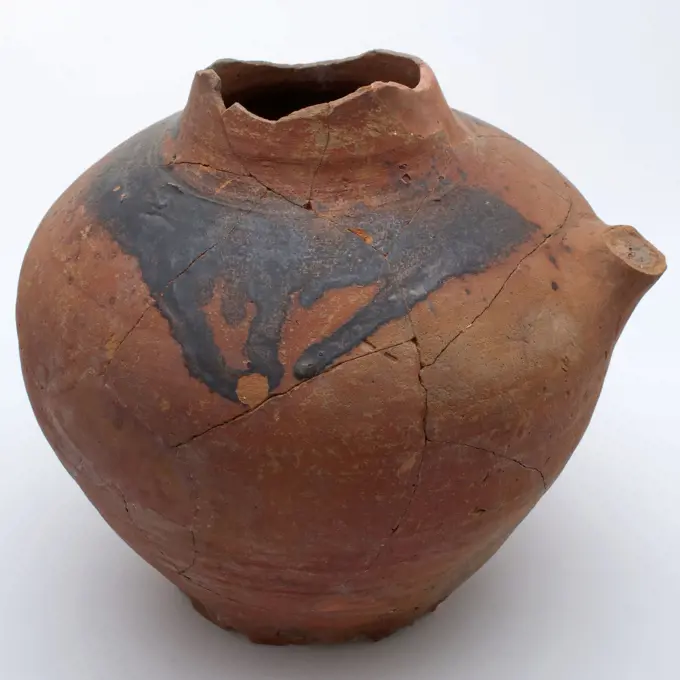
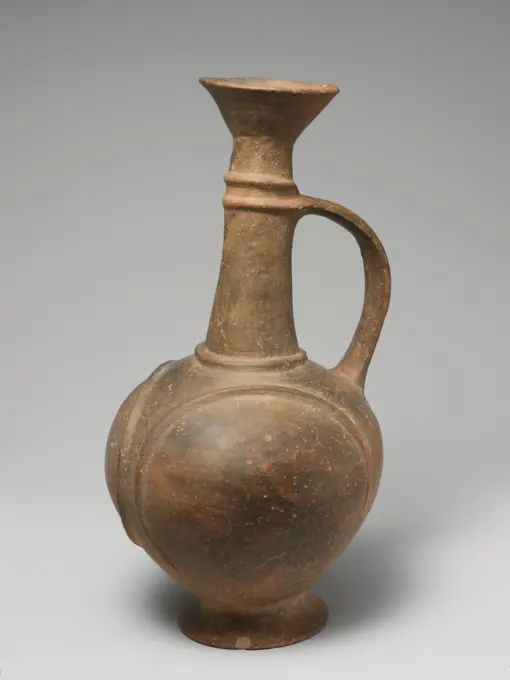
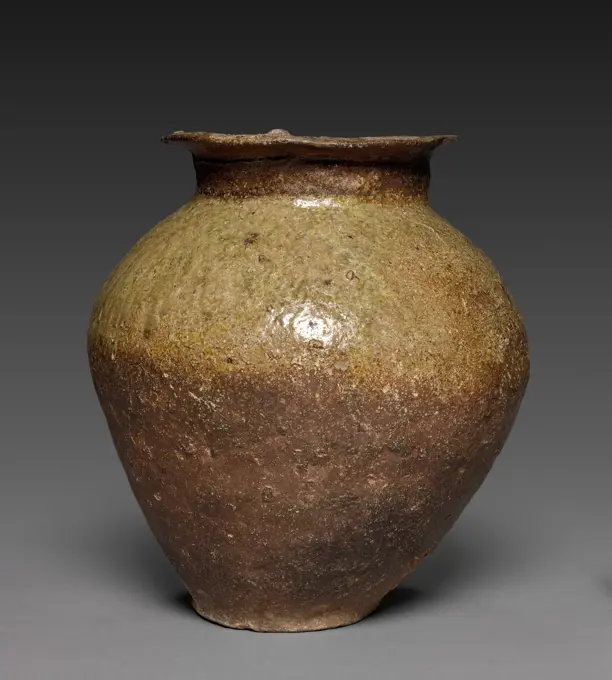
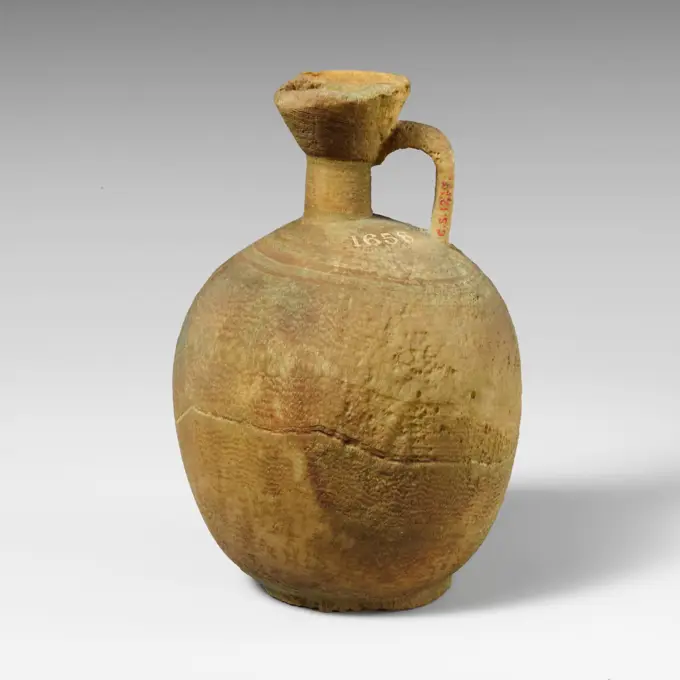
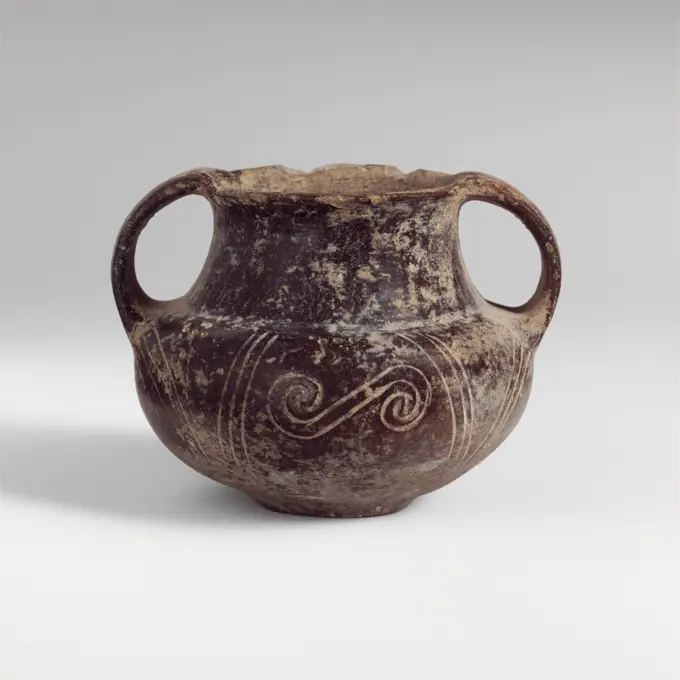
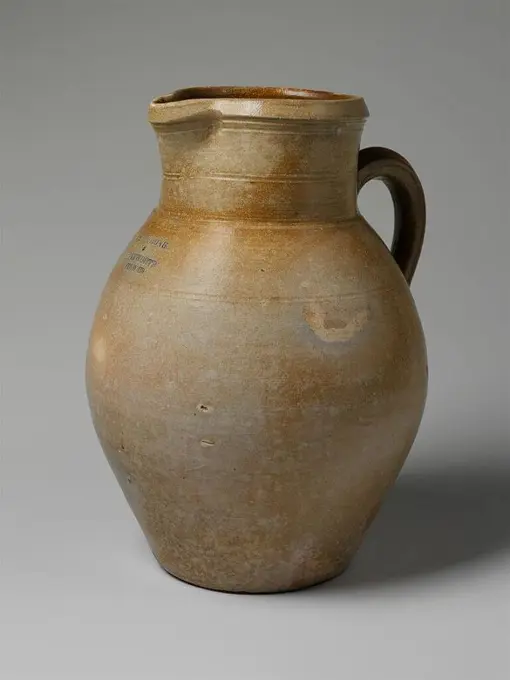
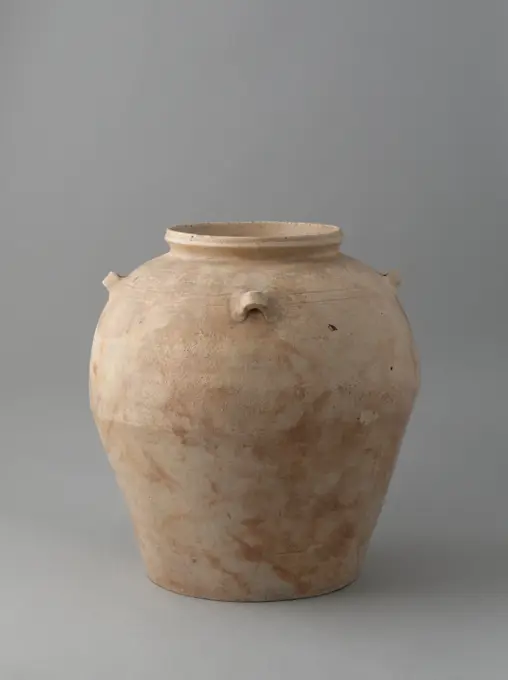
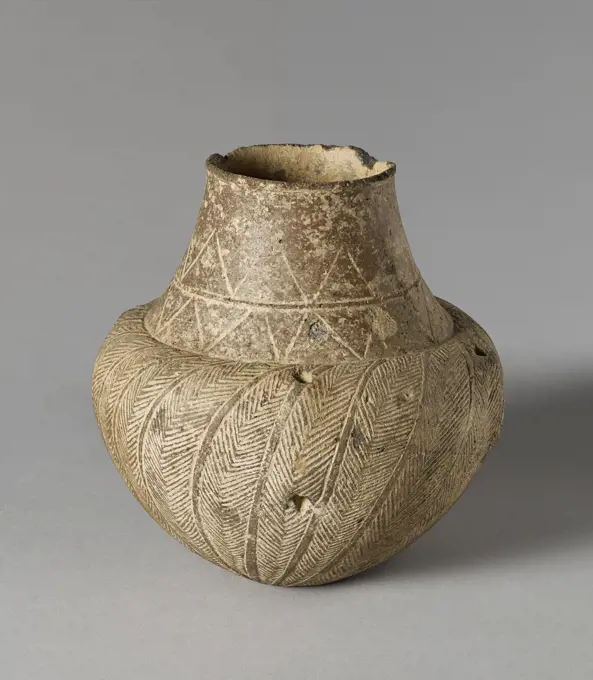
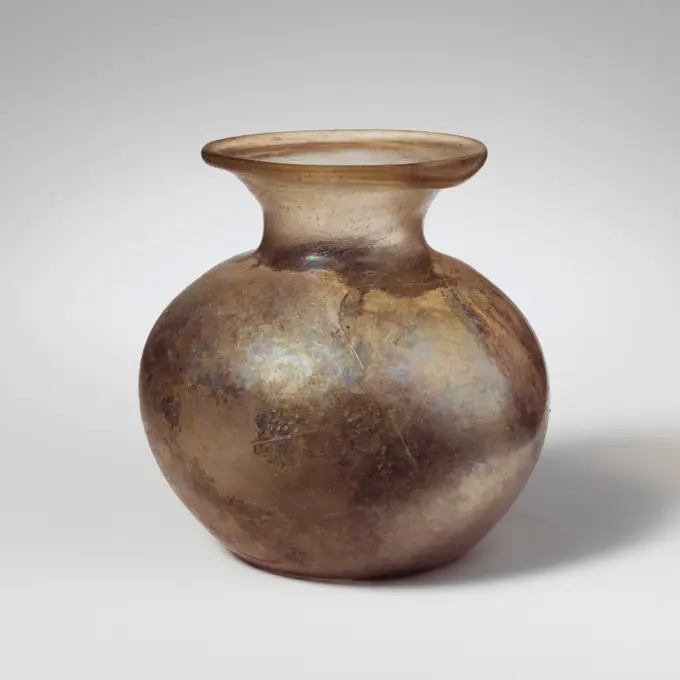
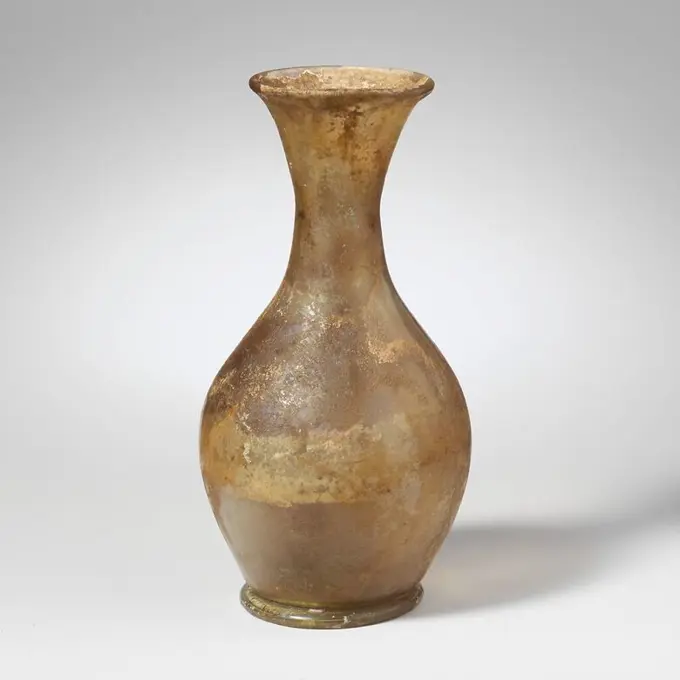
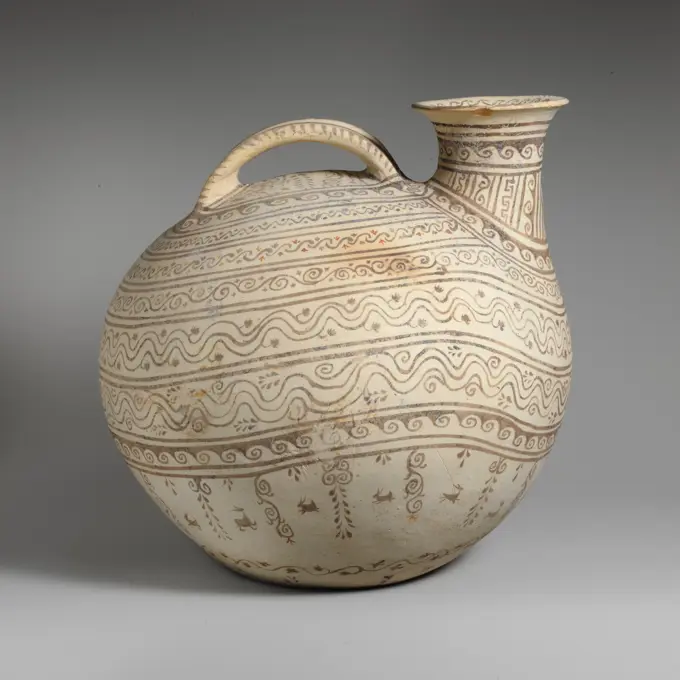
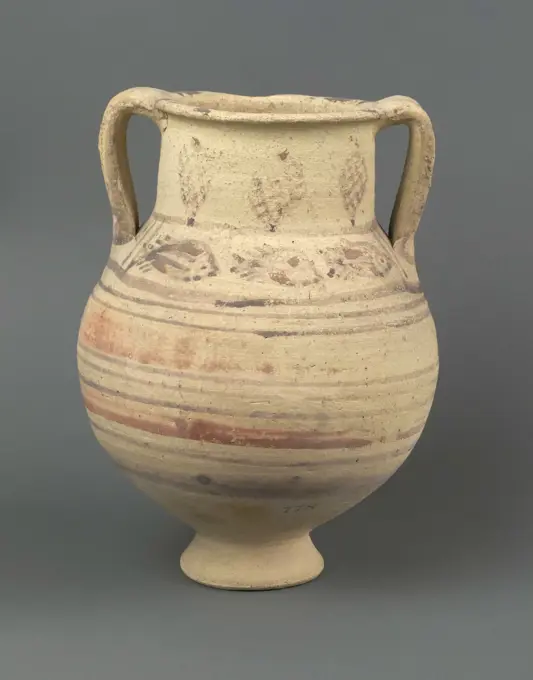
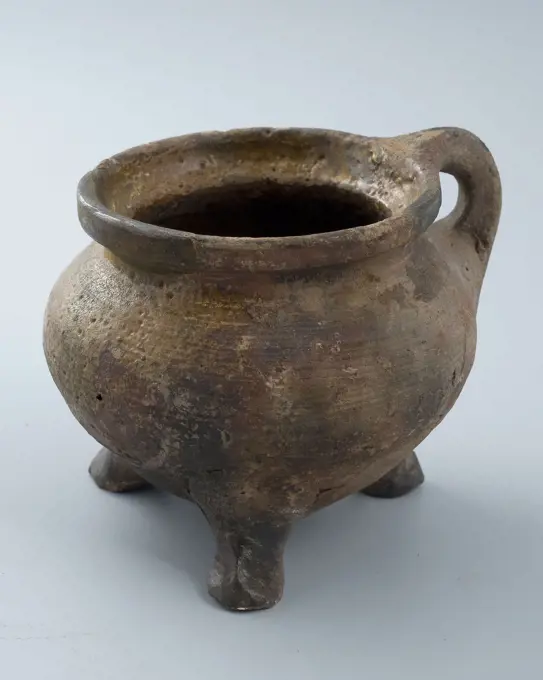
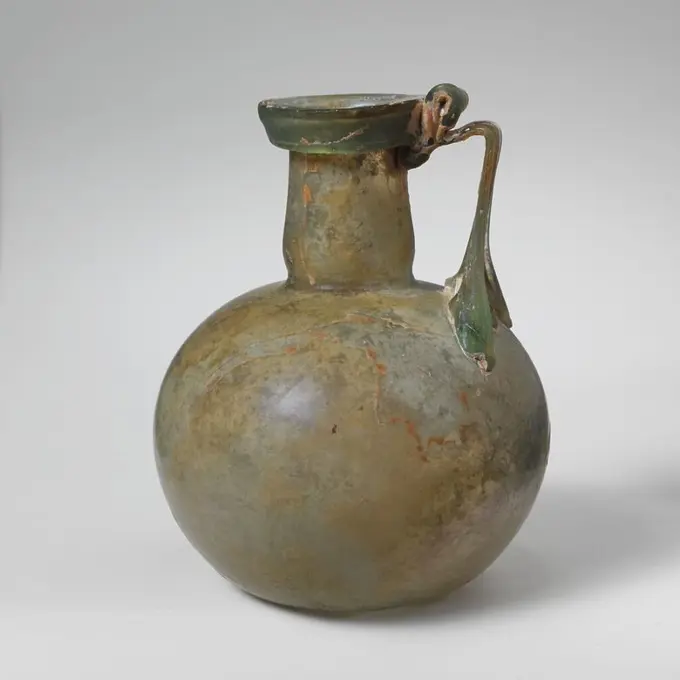
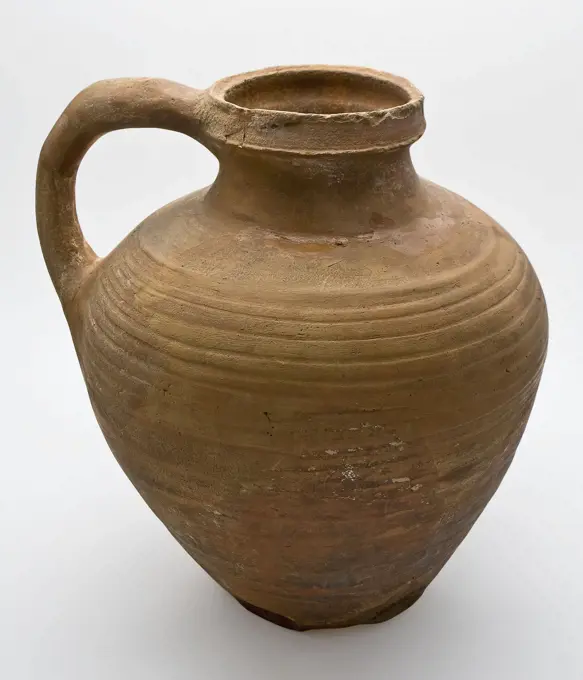
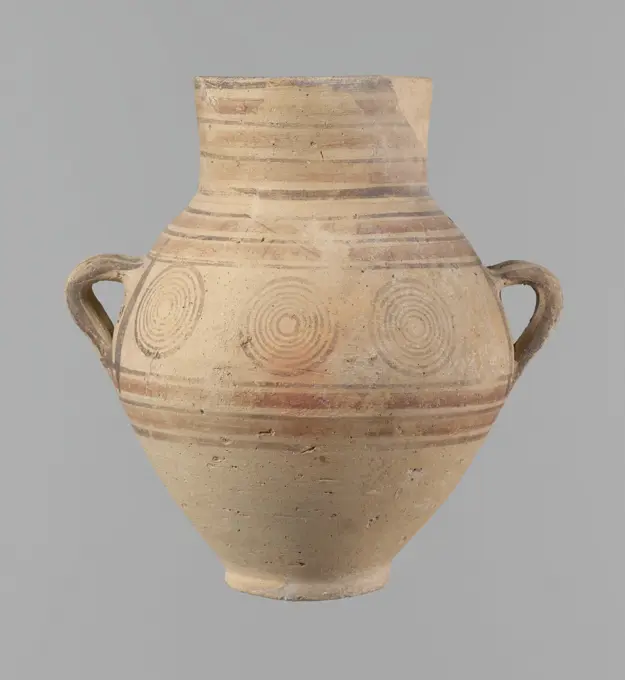
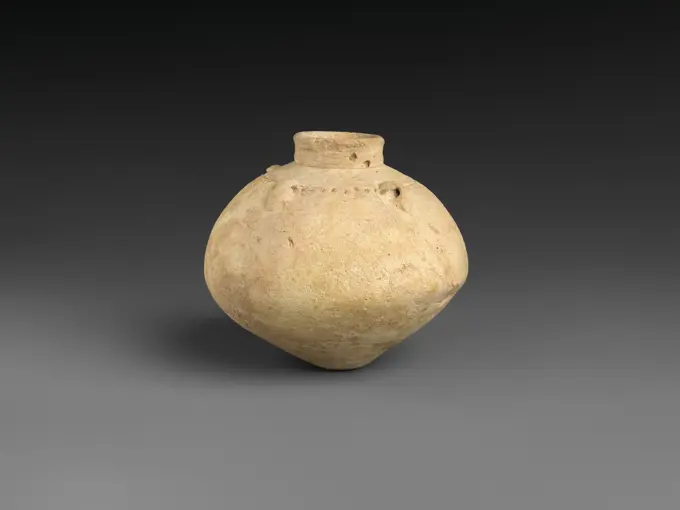
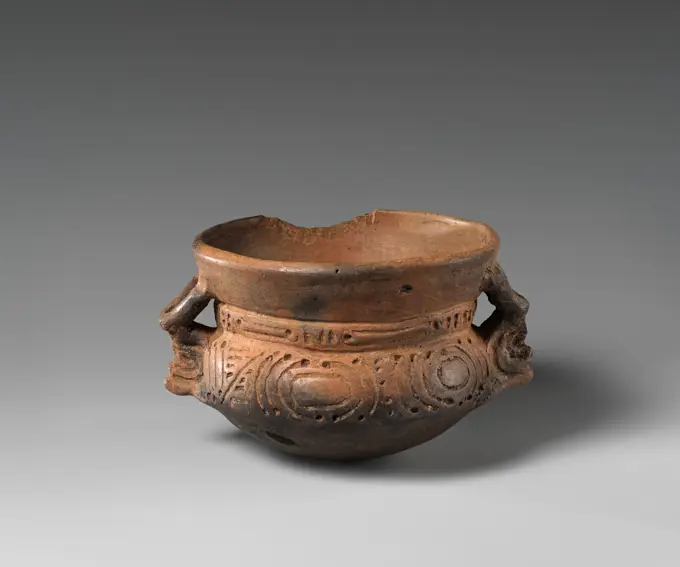
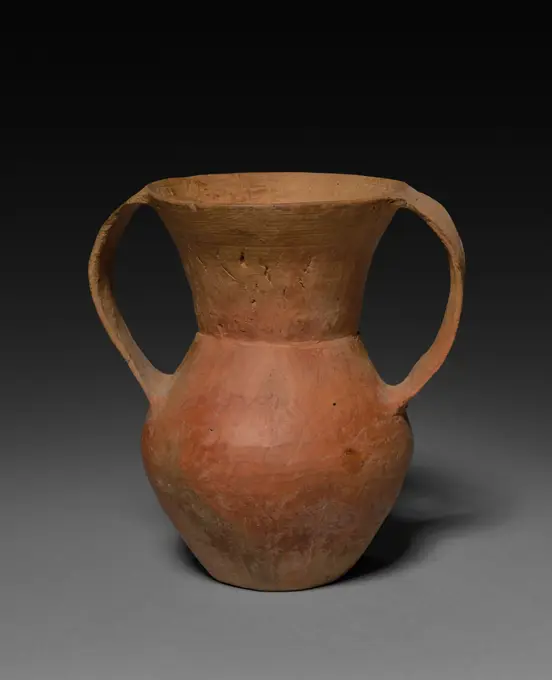
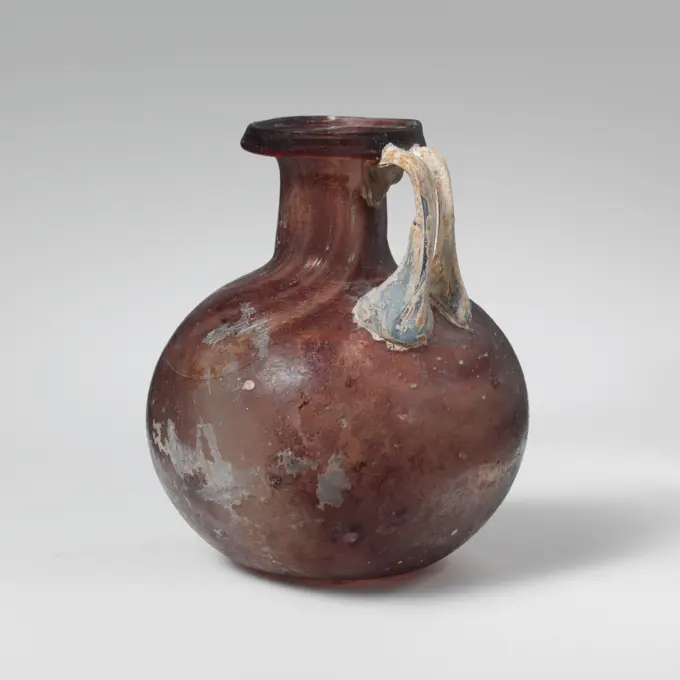
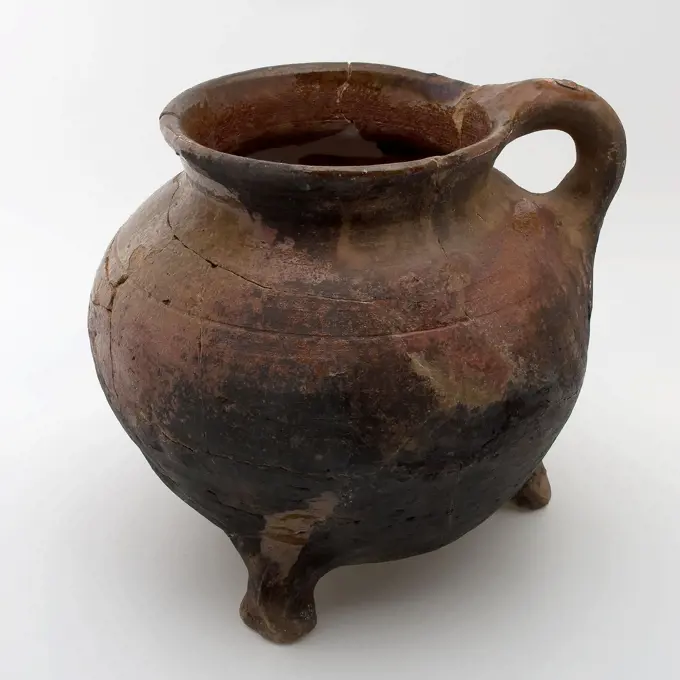
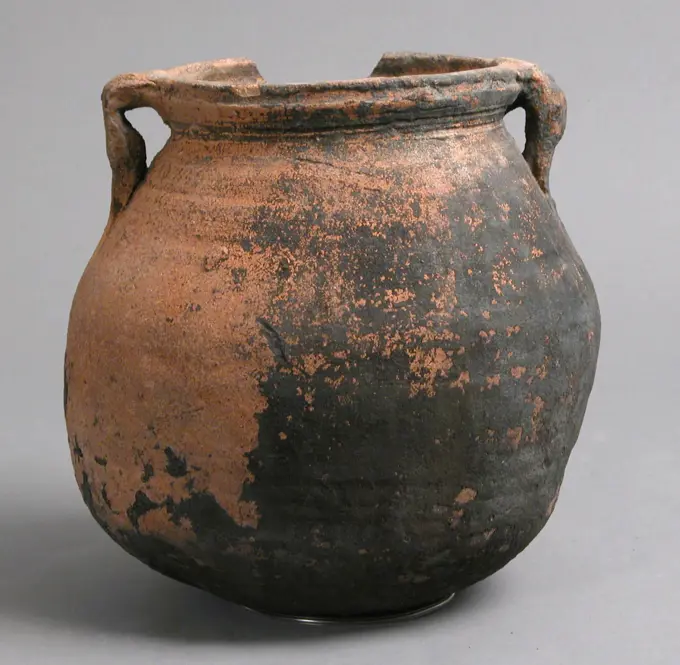
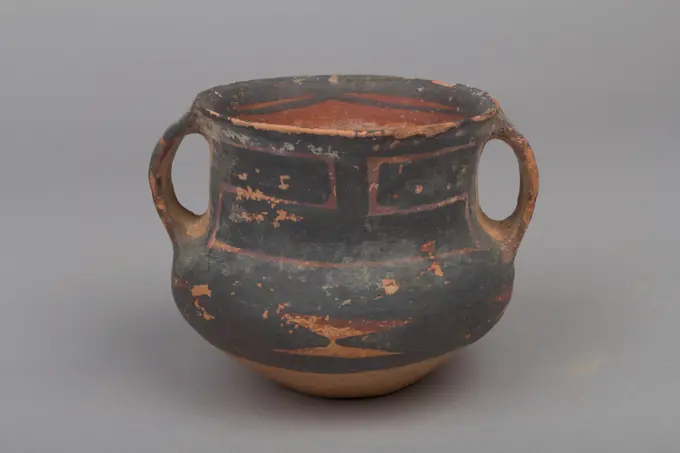
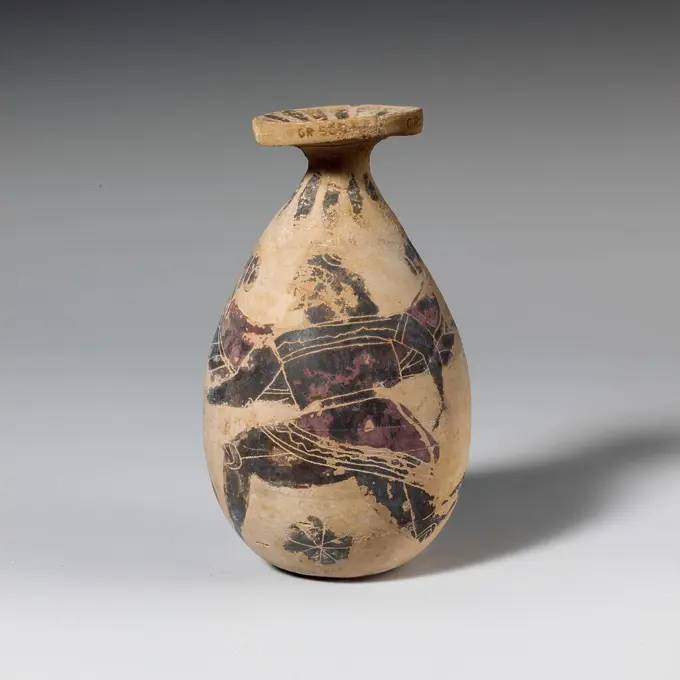
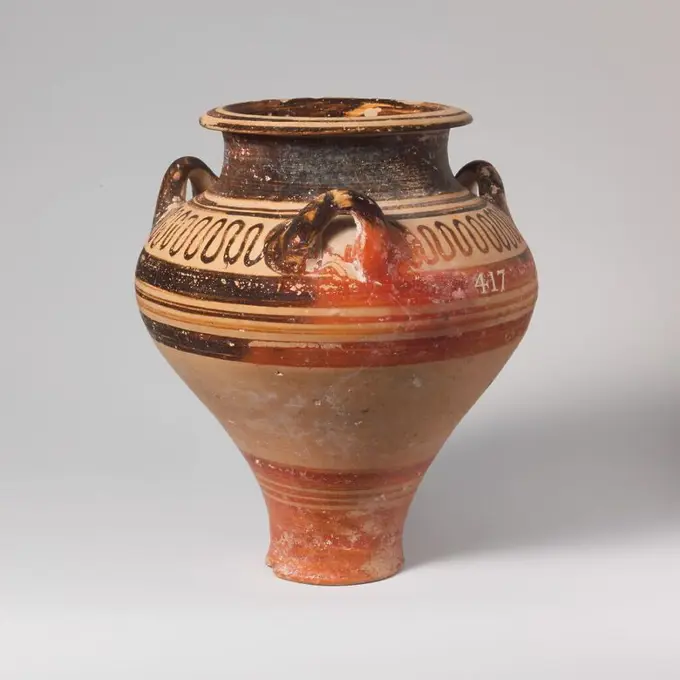
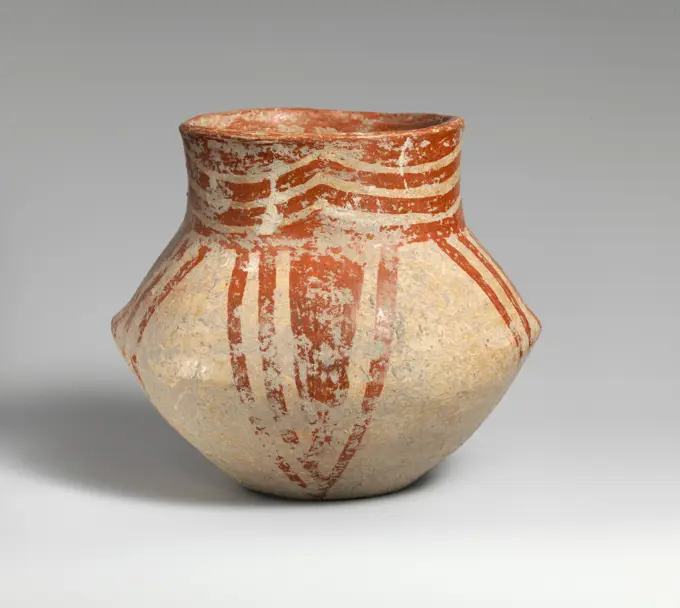
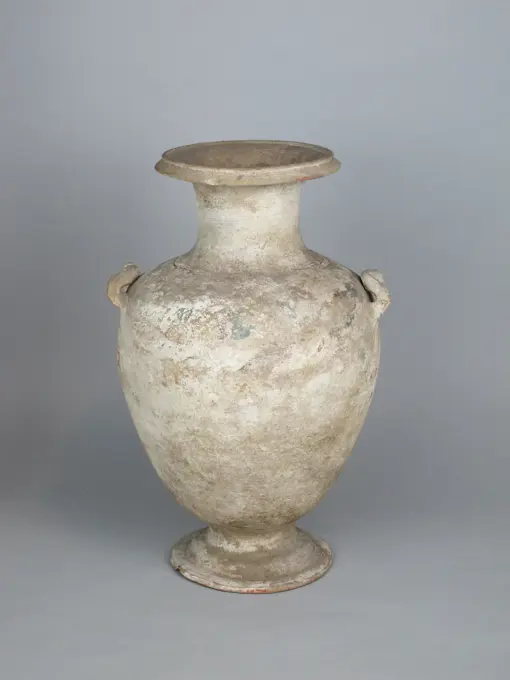
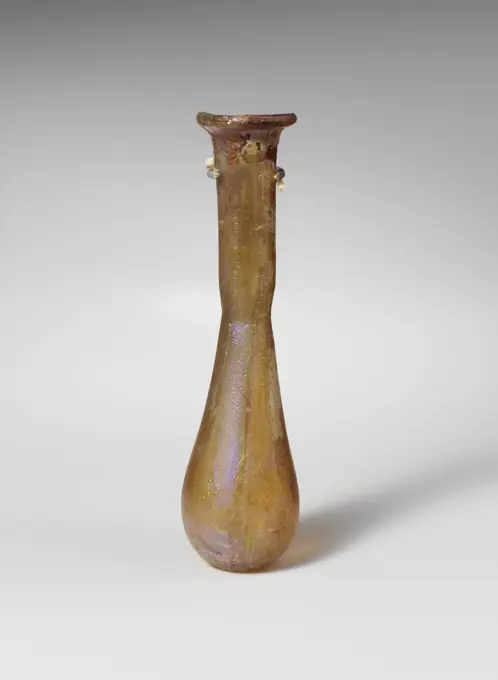
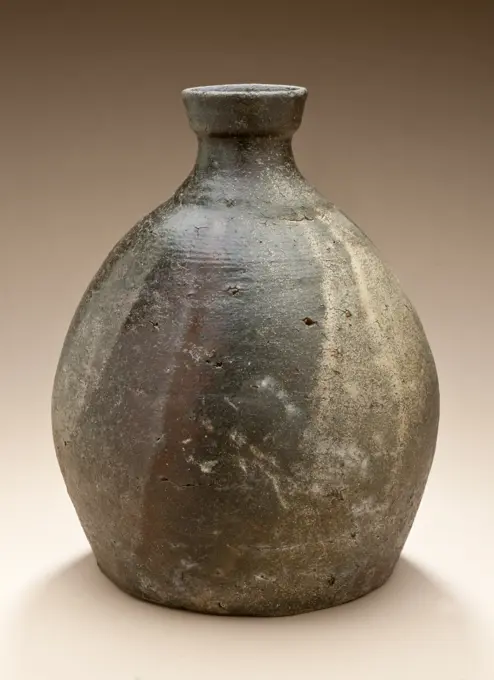
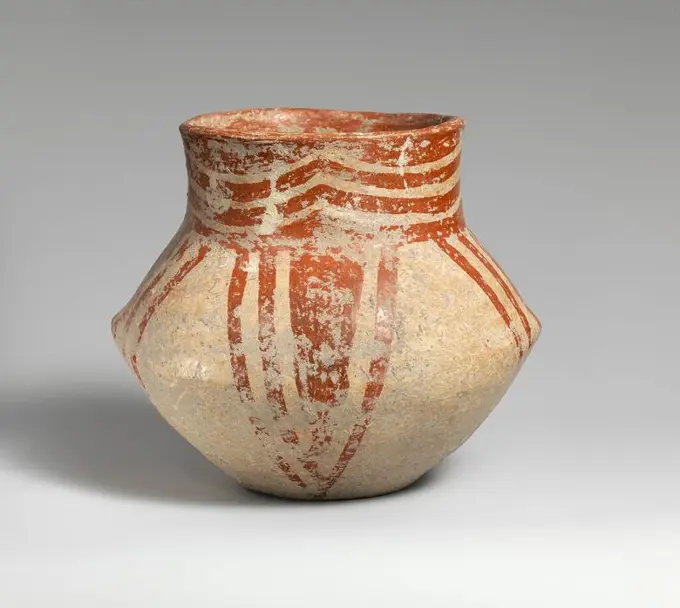
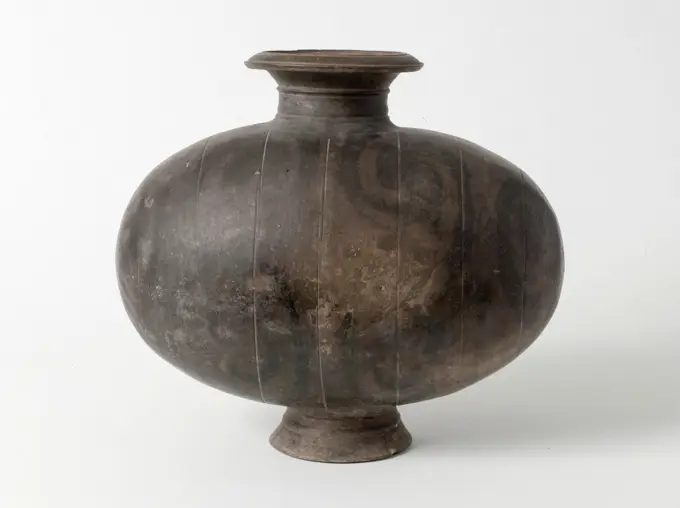
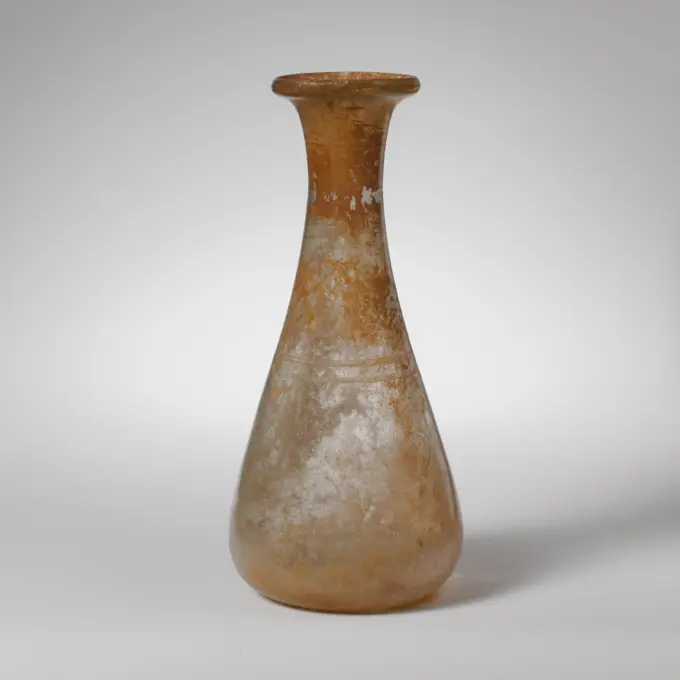
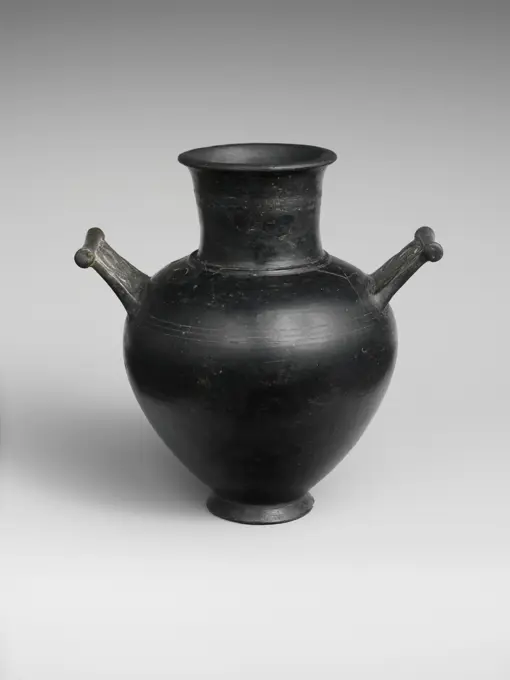
Pottery cooking jug, grape-model, red shard with sparing lead glaze, sausage ear, on three legs, cooking jug be found in the earthenware ceramic earthenware glaze lead glaze, hand-turned baked glazed earthenware cooking jug grape-model red shard with sparing lead glaze three-legged sausage traces top edge is light out of model misbaksel archeology Rotterdam indigenous pottery food prepare cooking food kitchen fire Soil discovery: brand Rotterdam.Terracotta collar-necked jar with two handles. Culture: Helladic. Dimensions: H. 5 in. (12.60 cm.)Diameter 5 13/16 in. (14.6 cm.). Date: ca. 2650-2150 B.C..Course ware jar with two handles. Museum: Metropolitan Museum of Art, New York, USA.Vase bottle (usual name), 1400. Gray cover sandstones. Cernuschi Museum, Asia Museum of Asia in the city of Paris.Terracotta stirrup jar ca. 1400-1200 B.C. Minoan Spouted, bands and on shoulder cross-hatching, dark on light ware.. Terracotta stirrup jar 247641Oil Lamp 4th-7th century Coptic. Oil Lamp 478695Fragment of stoneware funnel beaker with pinched foot, funnel beaker cup drinking utensils tableware holder soil find ceramic stoneware, surface 5.2 hand-turned baked Fragment stoneware funnel neck gray shard local reddish-brown flamed unglazed rotations around lower half of the belly pinched foot archeology import pottery drink serve wine beerJar. Culture: China. Dimensions: H. 8 in. (20.3 cm); Diam. 6 1/2 in. (16.5 cm); Diam. of rim 2 7/8 in. (7.3 cm); Diam. of foot 3 1/4 in. (8.3 cm). Museum: Metropolitan Museum of Art, New York, USA.Pottery water jug on ring of carved toes, glaze on shoulder, red shard, water jug jar holder kitchen utensils earthenware ceramics earthenware glaze lead glaze, hand turned glazed baked Pottery water jug on circle of pinched toes. Red shard Only glazed on the shoulder very dark glaze possible due to overheating or discolouration in the soil Egg-shaped jug with conical neck and large standing ear of which the bottom onset is still present archeology House in Woude Slikkerveer Ridderkerk indigenous pottery water washing food preparation Soil discovery: House in Woude Slikkerveer 1969.Verser ". Terracotta. Vietnam-Xe-Xive s. Paris, Cernuschi museum. 72185-41 Vietnamese object, terracotta, pourseLamp, South Anatolia, Anatolia; 2nd century B.C.; Terracotta; 3.3 × 6.1 × 9 cm (1 5,16 × 2 3,8 × 3 9,16 in.)Amphoriskos. Culture: Cypriot. Dimensions: 5 3/16in. (13.2cm). Date: 850-700 B.C..Wide-mouthed amphora with grooved body; red bucchero. Museum: Metropolitan Museum of Art, New York, USA.Terracotta jug ca. 1600-1450 B.C. Cypriot Narrow-necked jug with funnel-shaped mouth, handle and curved bands in relief.. Terracotta jug. Cypriot. ca. 1600-1450 B.C.. Terracotta; Base-Ring Ware. Late Cypriot I. VasesStorage Vessel: Tokoname Ware, 1100s. Japan, Heian period (794-1185). Stoneware with natural ash glaze; diameter: 32.2 cm (12 11/16 in.); overall: 35.5 cm (14 in.); diameter of rim: 21.6 cm (8 1/2 in.).Ovoid Ewer with Flaring, Beak Shaped Spout, and Handle with Human Head 700 CE-799 CE China. Stoneware with yellowish-white glaze .Alabaster squat lekythos 5th-3rd century B.C. Cypriot The globular body has a short, narrow neck.. Alabaster squat lekythos 243996Terracotta two-handled jar early 7th-mid 7th century BC Italic, Villanovan Reddish-brown, two-handled, with incised curvilinear decoration.. Terracotta two-handled jar 246595Pitcher. Culture: American. Dimensions: H. 11 1/2 in. (29.2 cm). Maker: Peleg Armstrong and Erastus Wentworth (active 1814-28). Date: 1814-28. Museum: Metropolitan Museum of Art, New York, USA.Prehistory, Poland, Bronze Age. Lusatian culture. Ceramic vase.Lamp. UnknownTrumpet-Mouthed Bottle with Abstract Floral Designs 907 CE-960 CE China. Yue ware; stoneware with underglaze incised decoration .Pot 4th-7th century Coptic. Pot 476283Jar. White sandstone with covered. Janse, Lach Truong, burial 1. Epoque by Giao Chi (1st century BC - Xth century AD). Paris, Cernuschi museum. 59234-16 Vietnamese art, ceramic, covered, Giao chi, white, Janse, jar, lach Truong, Sepulture 1, dishesCollared Jar with Spiral Designs; Cyclades, Greece; 3000 - 2800 B.C; Terracotta; 14.9 × 14.6 cm (5 7,8 × 5 3,4 in.)Glass jar 2nd-3rd century A.D. Roman Colorless with pale purple tinge and purple streaks.Rounded, thickened rim with bulge in one side; broad, flaring mouth; short, concave neck; sloping shoulder; bulbous body; pushed-in bottom with kick and pontil scar.Intact, except for large crack from shoulder, down side and across bottom; some pinprick bubbles; dulling and faint iridescence on exterior; patches of encrusted, enamel-like weathering on interior.. Glass jar 239675Vase. Bronze. Chine. Par musée musée malée. 70004-3 Asian art, bronze, vaseTerracotta lydion (perfume jar). Culture: Lydian. Dimensions: H.: 4 3/8 in. (11.1 cm). Date: 6th century B.C..Because large numbers of such perfume jars have been found in Lydia, modern scholars have called the shape a lydion. It was locally made in other regions of the ancient Mediterranean, notably Athens. The significant aspect of these vases was certainly the contents. Museum: Metropolitan Museum of Art, New York, USA.Italy, Ravenna, Russi, Two-handled vase from Roman villaLamp, Asia Minor; 1st - 4th century; Terracotta; 2.1 x 5.1 x 8 cm (13,16 x 2 x 3 1,8 in.)Prehistory, Italy, Eneolithic. Rinaldone culture. Flask-shaped vase.Dzban bezimadłowy. nieznany warsztat północno mezopotamski (ca 2600-ca 2350 a.C.), workshopGlass flask. Culture: Roman. Dimensions: 5 3/4 in. (14.6 cm)Other: 2 15/16 in. (7.4 cm)Diam. of rim: 1 7/8 in. (4.8 cm)Diam. of foot: 2 in. (5.1 cm). Date: 3rd century A.D..Colorless with pale green tinge, with same color trail.Plain, rounded rim; broad, flaring mouth; concave neck, expanding downward to join bulbous body; integral, tubular base ring; pushed-in bottom with central kick surrounded by prominent pontil scar.Fine, single trail around neck.Intact, except for large part of trail; many pinprick bubbles; dulling and pitting; patches of brown, enamel-like weathering and iridescence. Museum: Metropolitan Museum of Art, New York, USA.Terracotta askos (flask with a spout and handle over the top) ca. 330-300 B.C. Native Italic, Daunian, Canosan This distinctive ware was produced in the larger area of Canosa from roughly the mid-fourth through the mid-third century B.C. The ample, assertive shape is embellished with finely executed bands of ornament, often vegetal, as well as human and animal figures at the bottom. Motifs framed by pendant tendrils have parallels in Gnathian pottery.. Terracotta askos (flask with a spout and handle over the top) 255066 Native Italic, Daunian, Canosan, Terracotta askos (flask with a spout and handle over the top), ca. 330300 B.C., Terracotta, H. 13 1/8 in. (33.4 cm). The Metropolitan Museum of Art, New York. Rogers Fund, 1960 (60.11.8)Amphora 600-480 B.C. Cypriot Wide-mouthed amphora with frieze of fish on shoulder.. Amphora. Cypriot. 600-480 B.C.. Terracotta. Cypro-Archaic II. VasesCooker on three legs, with one ear and minimal silt decoration, cooking jug kitchenware earth discovery ceramics earthenware glaze lead glaze, opening 9.3 hand-turned glazed baked loin cord Red brown small grape with one ear short neck with narrow edge Thin rings on shoulder and belly in which sparing lead glaze. Some remnants of silt decoration on the shoulder Internally sparing lead glaze and encrusted remains. Red shard Restoration is color-repainted archeology underground pit Rotterdam City center Stadsdriehoek Groenendaal indigenous pottery food preparation cooking kitchen Soil discovery: underground pit Groenendaal cesspool Found 1975-09-11.OinochoeGlass jug. Culture: Roman. Dimensions: 4 5/16 in. (10.9 cm)Other: 3 5/16 in. (8.4 cm)Diam. of rim: 1 1/2 in. (3.9 cm). Date: mid-1st-2nd century A.D..Translucent blue green; handle in same color.Collar rim folded out, down, and up, with rounded outer vertical lip; slightly funnel-shaped cylindrical neck, with tooling marks at base; globular body; concave bottom; strap handle applied in four claw pads to shoulder, drawn up and turned in horizontally, with a vertical fold as thumb rest above rim, and then trailed on to outer edge of rim and top of neck.Intact; few bubbles in body but many elongated bubbles in handle; dulling, weathering, and iridescence, with areas of pitting. Museum: Metropolitan Museum of Art, New York, USA.Pottery water jug with ear, on five fins, rings around the belly, water jug crockery holder soil find ceramic earthenware, hand-turned glazed fried jug of red pottery cuff-shaped top edge around which five rings of pinched rings of which three in plaster glaze on the shoulder. Egg-shaped model archeology Valckensteyn Poortugaal Albrandswaard indigenous pottery stock packaging kitchen water washing food preparation Soil discovery: convenience in wal wall castle Valckensteyn in Poortugaal now Albrandswaard 1962.Pottery pot on stand, baluster shape, was used in the sugar industry, sugar pot pot holder soil find ceramic earthenware glaze lead glaze, hand-turned glazed earthenware pot on stand. Baluster shape with round shoulder and narrow neck opening. Thick bulging edge of the neck. Fuzzy spindles on the entire height. Red shard of internal glazed large glaze stain on the shoulder. Here sugar cones were made archeology indigenous earthenware sugar confectionery sugar industryGlass jug. Culture: Roman. Dimensions: 2 3/4 in. (7 cm)Other: 2 1/8 in. (5.5 cm)Diam. of rim: 1 1/8 in. (2.8 cm). Date: 2nd-3rd century A.D..Colorless with green tinge; handle in same color.Uneven rim folded out, over, and in; slightly concave, cylindrical neck; squat, bulbous body; thick, slightly concave bottom; strap handle applied in two large claw pads to top of body, drawn up and slightly outward, curved in, and trailed on to top of neck, with fold above projecting out under rim.Intact; some bubbles; creamy weathering on rim and neck; dulling, pitting, and iridescence on body. Museum: Metropolitan Museum of Art, New York, USA.Terracotta lydion (perfume jar). Culture: Lydian. Dimensions: H. 4 3/8 in. (11.1 cm). Date: 6th century B.C..Decorated with horizontal black bands; high, partly hollow foot. Museum: Metropolitan Museum of Art, New York, USA.Prehistory, Italy, 8th century b.C. Terracotta painted vase. From Campi Bisenzio, province of Florence.Pottery cooking pot, grape-model, red shard, glazed, two vertical sausages, on three legs, cooking pot crockery holder kitchenware earthenware ceramics earthenware glaze lead glaze, hand-turned glazed baked Pottery cooking pot grape-model red shard covered with lead glaze with greenish spots two at the top pinched sausages three legs bottom unglazed and black blackened. Rotating wings around the shoulder archeology indigenous pottery food prepare cooking food cuisinePottery Retort, a container used for distilling liquids.. Found at Weoley Castle, Birmingham, a Birmingham Museums Trust heritage site .Amphora Cypriot Vase with four knobs like rivets on neck, of unpainted clay.. Amphora. Cypriot. Terracotta. VasesLamp. UnknownJar, mid 7th Century. China, Tang dynasty (618-907). Glazed stoneware; diameter: 12.1 cm (4 3/4 in.); overall: 27.6 cm (10 7/8 in.).Pear-shaped jug with decorationsJar with Loop-Handles 800 CE-999 CE China. Yue ware; celadon-glazed stoneware .Amphora;  850-600 BC (-850-00-00--600-00-00);Terracotta collared jar with four lug handles ca. 2700 B.C. Cycladic Collared jar with a narrow foot and four lug handles.. Terracotta collared jar with four lug handles 257670Early Haripunchi Jar, 10th century, 8 x 6 3/4 x 6 3/4 in. (20.32 x 17.15 x 17.15 cm) (diameter at widest part), Earthenware, Thailand, 10th centuryLamp. UnknownMEDIDA PARA VINO CON VIDRIADO TIPO BABERO (CON MINIO DE PLOMO). Location: ALFARERIA. TIEDRA. Valladolid. SPAIN.Can with over. Short wide can with over.Jar 4th millennium B.C.. Jar. 4th millennium B.C.. Ceramic. Uruk. Mesopotamia, NippurBowl 13th-15th century Taíno Most containers that survive from the Taíno civilizations of the ancestral Caribbean islands are ceramic vessels. While some feature whole or partial depictions of anthropomorphic and zoomorphic characters, many show the Taíno artists abilities to distill figural imagery into abstract and geometric motifs. Hands, eyes, gaping or grimacing mouths, and stylized linear passages appear in the modeled ceramic bottles and bowls.. Bowl. Taíno. 13th-15th century. Ceramic. Dominican Republic, Caribbean. Ceramics-ContainersJug. Bushy brown jug with ear. Decorated with a medallion portrait, worn by two winged men's figures.Bottle, Faces on Neck. Culture: Mississippian. Dimensions: Height 9-1/8 in.. Date: 11th-14th century. Museum: Metropolitan Museum of Art, New York, USA.Lamp. UnknownDouble-Handled Beaker, c. 2000-1500 BC. China, type-site at Qijiaping, Gansu province, Neolithic period, Qijia Culture. Burnished earthenware;Glass jug mid-1st-2nd century A.D. Roman Small one-handled jugTranslucent streaky purple, with opaque pale blue handle.Rim folded out, down, and up, with beveled slanting outer lip; flaring mouth; cylindrical neck; slightly squat, globular body; small, slightly concave bottom; strap handle applied to top of body with two claw pads, drawn up, turned in horizontally, and trailed on to underside of rim and top of neck.Large hole in top of body on side opposite handle; center of strap of handle very thin and partially weathered away; pinprick bubbles and blowing striations; dulling, pitting, and iridescence, with patches of creamy weathering.. Glass jug 239730Lamp. UnknownGlass flask. Culture: Roman. Dimensions: H. 3 1/2 in. (8.9 cm). Date: 3rd-4th century A.D..Translucent pale blue green.Everted tubular rim, folded over and in; funnel-shaped mouth; concave cylindrical neck; globular body; thick bottom with small central kick and pontil scar.Intact; some pinprick and larger bubbles, blowing striations; pitting, dulling, whitish weathering, and iridescence. Museum: Metropolitan Museum of Art, New York, USA.Jug ca. 1050-900 B.C. Cypriot. Jug. Cypriot. ca. 1050-900 B.C.. Terracotta. Iron Age. VasesLamp. UnknownJuglet. Egypt, probably from Cyprus, New Kingdom (1550 - 1070 BCE). Furnishings; Serviceware. CeramicJar 9th-10th century. Jar 449636Pottery cooker on three legs, grape-model with sausage ear and groove over the shoulder, grape cooking pot tableware holder kitchenware earthenware ceramics earthenware glaze lead glaze, hand-turned glazed baked Pottery cooking jug on three legs Grape-model. Ball-shaped shape slightly stretched downwards flattened bottom. One groove over the shoulder. Outstanding funnel-shaped top edge. Standing sausage ear. Red shard sparingly glazed Lightly beating at the bottom archeology Geervliet Bernisse indigenous pottery cooking kitchen nutrition food preparation Soil discovery: Geervliet pit 1 underlayer demolition Trouw.Pot 4th-7th century Coptic. Pot 476291Lamp, Asia Minor; 1st - 4th century; Terracotta; 3 x 7.5 x 11.5 cm (1 3,16 x 2 15,16 x 4 1,2 in.)Small Jar (Guan) 2300-2000 B.C. China. Small Jar (Guan). China. 2300-2000 B.C.. Earthenware with pigment. Neolithic period, Majiayao culture, Machang type. CeramicsGlass cup. Culture: Roman. Dimensions: Overall: 2 3/4in. (6.9cm)Diam.: 3 11/16 x 3 1/8 in. (9.4 x 7.9 cm). Date: 2nd-3rd century A.D..Colorless with blue green tinge.Knocked-off, uneven rim; slightly bulging collar below rim; sides expanding downward, then angled in to join bottom with pushed-in center.Band of faint wheel-abraded horizontal lines on body above angle.Intact; many pinprick bubbles; dulling, deep pitting, and brilliant iridescent weathering on exterior; only faint weathering on interior. Museum: Metropolitan Museum of Art, New York, USA.Pot, 6th-7th century A.D., Terracotta, 4 1/2 in. (11.4 cm), The Yale-British School Excavations atGerasa, Excavated in Gerasa, Jordan, Gerasa(Jordan), Byzantine, Containers -CeramicsEwer 13th century. Ewer 444479Jug 400-310 B.C. Cypriot Oinochoe with knob-like rivet where handle joins neck, of unpainted clay.. Jug. Cypriot. 400-310 B.C.. Terracotta. Cypro-Classical II. VasesWine Jar (Hu). China. Date: 499 BC-400 BC. Dimensions: H. 36.5 cm (4 3/8 in.) 24.7 cm. Bronze. Origin: China. Museum: The Chicago Art Institute, Chicago, USA.Deep Vessel with Handles Japan. Deep Vessel with Handles 49260Lamp. UnknownConical ointmentTerracotta alabastron (perfume vase). Culture: Greek, Corinthian. Dimensions: H. 3 13/16 in. (9.7 cm). Date: ca. 630-615 B.C..Winged male figure. Museum: Metropolitan Museum of Art, New York, USA.Lamp. UnknownTerracotta pithoid jar. Culture: Mycenaean. Dimensions: H. 6 5/16 in. (16 cm.). Date: ca. 1400-1050 B.C..Pear-shaped vase with three handles and loop pattern on shoulder. Museum: Metropolitan Museum of Art, New York, USA.Jar ca. 5600-5400 B.C. Hacilar In western Asia, people discovered how to make pottery during the period known as the "Pottery Neolithic," beginning about 6900 B.C. For several millennia, pottery was made by hand, since the potter's wheel was invented only in the fourth millennium B.C. The colors, shapes, and decorations of pottery vary from culture to culture and often small pieces of distinctive broken pottery (sherds) help archaeologists identify the dates and cultural affiliations of archaeological sites.The site from which this ceramic vessel comes has not been identified. However, the geometric decorative pattern in red paint on cream slip (a thin coating of special clay) is characteristic of the site of Hacilar in Turkey in the Chalcolithic period. In the previous Neolithic period, the pottery at Hacilar was brown- or red-slipped and then polished with a piece of stone or bone before being placed in the kiln; in the Chalcolithic, lively painted decoration was introduced.The potteTerracotta Hadra hydria (water jar) 3rd century B.C. Greek, Egypt, Alexandria-Hadra On body, colored fillets (blue and red).. Terracotta Hadra hydria (water jar). Greek, Egypt, Alexandria-Hadra. 3rd century B.C.. Terracotta; white-ground. Hellenistic. VasesTerracotta oil lamp. Culture: Roman. Dimensions: 2 1/2 x 5 1/8 in. (6.4 x 13.0 cm). Date: 1st century A.D..Lead-glazed lamp with handle. Museum: Metropolitan Museum of Art, New York, USA.Glass perfume bottle 1st-2nd century A.D. Roman Colorless with very pale blue green tinge and purple streaks.Uneven rim, folded out, over, and in, flattened on upper surface; flaring mouth; cylindrical neck, tapering slightly downwards, with deep tooled indent around base; elongated ovoid body; small, flattened but uneven bottom.Complete except for about half of rim and part of upper neck; many pinprick bubbles and blowing striations; dulling, slight pitting, and brilliant iridescent weathering.. Glass perfume bottle 244688BOTIJO DE VERANO SIN VIDRIAR - SIGLO XX. Location: ALFARERIA. Nación.Sake Bottle with Wide Base. Japan, Edo period, 1615-1868, 18th century. Ceramics. Yoki no gama ware; stoneware with naturally occurring ash glazeJar. Culture: Hacilar. Dimensions: 6.1 in. (15.49 cm). Date: ca. 5600-5400 B.C..In western Asia, people discovered how to make pottery during the period known as the "Pottery Neolithic," beginning about 6900 B.C. For several millennia, pottery was made by hand, since the potter's wheel was invented only in the fourth millennium B.C. The colors, shapes, and decorations of pottery vary from culture to culture and often small pieces of distinctive broken pottery (sherds) help archaeologists identify the dates and cultural affiliations of archaeological sites.The site from which this ceramic vessel comes has not been identified. However, the geometric decorative pattern in red paint on cream slip (a thin coating of special clay) is characteristic of the site of Hacilar in Turkey in the Chalcolithic period. In the previous Neolithic period, the pottery at Hacilar was brown- or red-slipped and then polished with a piece of stone or bone before being placed in the kiln; in the Chalcolithic,CERAMICA PINTADA DE LORA DEL RIO. Location: MUSEO ARQUEOLOGICO-COLECCION. Sevilla. Seville. SPAIN.Terracotta jug with horse's head in relief. Culture: Cypriot. Dimensions: H.: 13 in. (33 cm). Date: 480-350 B.C..Jug with horse's head, horizontal bands, and concentric circles. Museum: Metropolitan Museum of Art, New York, USA.Cocoon vase ". Black terracotta, traces of red. China, Han dynasty (206 BC-220 AD). Paris, Cernuschi museum. Chinese art, Chinese ceramic, container, han dynasty, han time, oval form, container, terracotta, cocoon vaseTerracotta pyxis (cosmetic box). Culture: East Greek. Dimensions: H.: 4 1/2 in. (11.4 cm). Date: 1st half of 5th century B.C..The pyxis is inscribed in the Doric dialect of Greek, used in south-west Asia Minor and the neighboring island of Rhodes. Although there are difficulties in interpreting the metrical text, it may be taken to say "Brasia is the most beautiful on earth--so it seems to me," followed by the names of four Greek gods, Zeus, Hermes, Artemis, and Athena. Brasia may be the name of a well-known hetaira (courtesan). Museum: Metropolitan Museum of Art, New York, USA.Jug late 1300s or early 1400s German Stoneware, a specialty of medieval German potters, is a hard, nonporous ceramic. As it is both strong and impervious to liquids, it was ideally suited for domestic purposes.. Jug. German. late 1300s or early 1400s. Partially salt-glazed stoneware. Made in Siegburg, Lower Rhineland, Germany. Ceramics-PotteryCANTARO CON DOS ASAS Y DECORADO CON RAYAS ANCHAS HECHAS CON PINCEL-ARTE POPULA. Location: ALFARERIA. TERUEL. SPAIN.Stirrup Spout Bottle with Serpent 1st century B.C.-A.D. 7th century Moche. Stirrup Spout Bottle with Serpent 310363Glass flask 2nd-3rd century A.D. Roman Colorless.Flaring, solid rim with rounded ridge on outer edge; concave neck joining imperceptibly with sloping sides of body; concave bottom.Wheel-abraded decoration in three groups of horizontal bands; two parallel lines 1.95 and 2.1 cm below rim, two broader parallel lines 8.4 and 9.0 cm below rim, and two narrowm parallel lines 0.9 and 0.85 above bottom.Intact; few bubbles, but one or two gritty inclusions; patches of iridescence and enamel-like weathering.. Glass flask 239609Terracotta amphora with lid ca. 650-600 B.C. Etruscan On each handle is a human profile head between wings.. Terracotta amphora with lid 246156Vase fragment East Greek/Sardis, Lydian. Vase fragment 252636 East Greek/Sardis, Lydian, Vase fragment, Terracotta, H. as restored 5 1/4 in. (13.3 cm) diameter 5 9/16 in. (14.2 cm). The Metropolitan Museum of Art, New York. Gift of The American Society for the Excavation of Sardis, 1926 (26.199.66)Vase with c-shaped handles and horizontally fluted body. Egg-shaped vase of stoneware with a spreading neck and flat edge, partly covered with a green glaze. On the abdomen horizontal ribs; The shoulder with two C-shaped ears with a modeled S-shaped decoration on the top. An accumulation, decorative band on the neck. A crack in the edge. Celdaon (yue).