Ancient Pottery Jugs

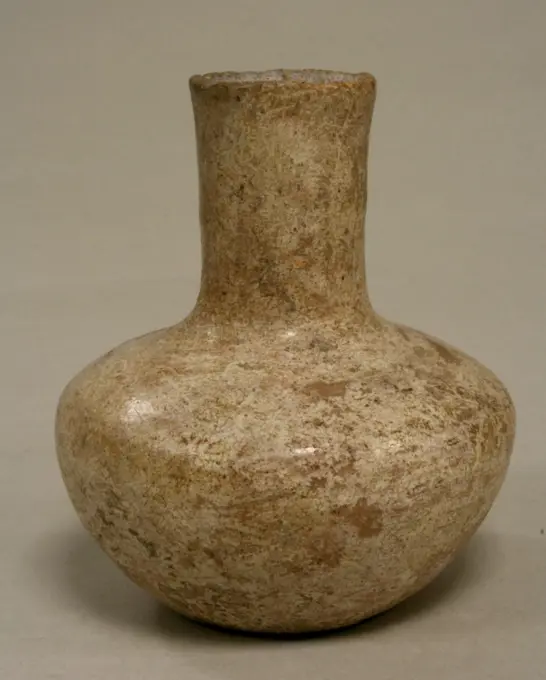
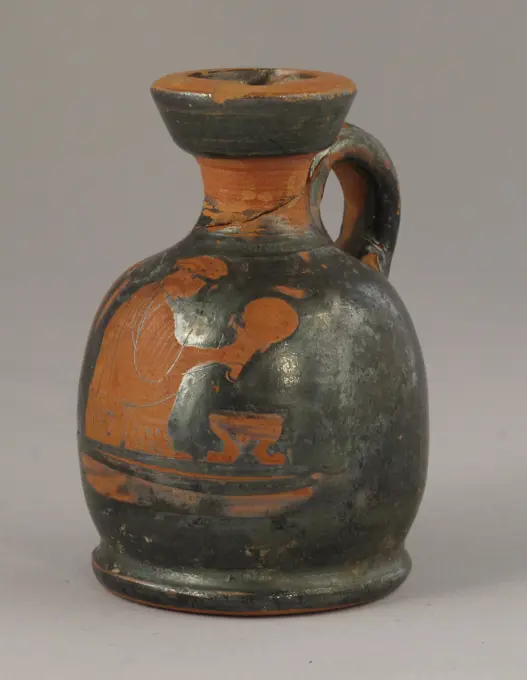
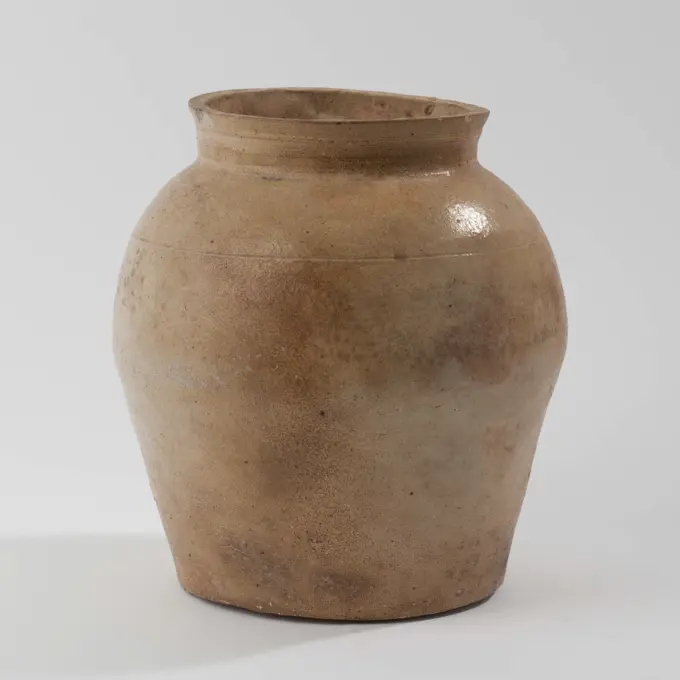
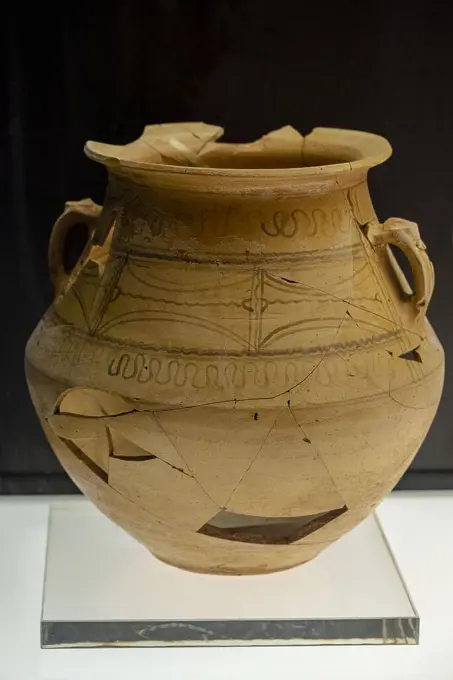
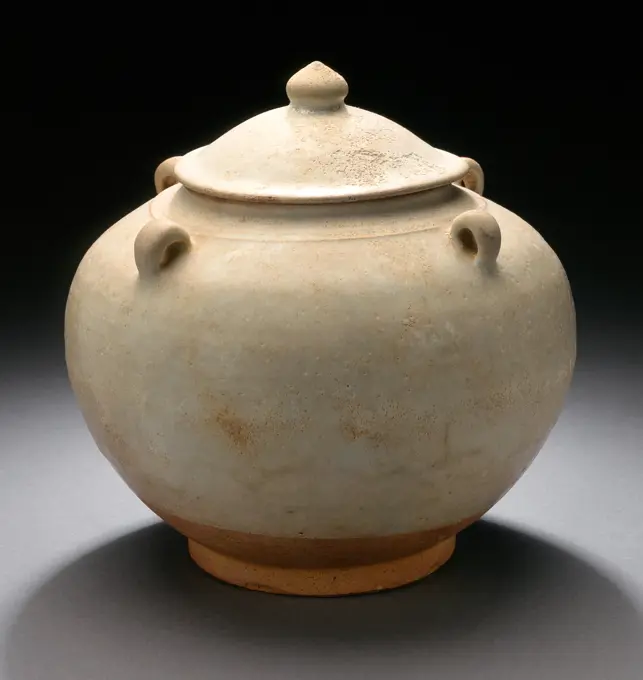
Collection of historical pottery jugs and jars with unique shapes and features. Examples of ancient craftsmanship and design from different cultures.

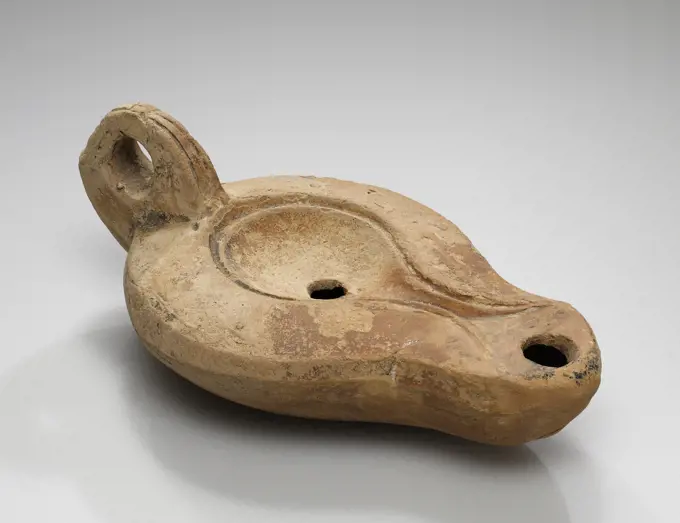
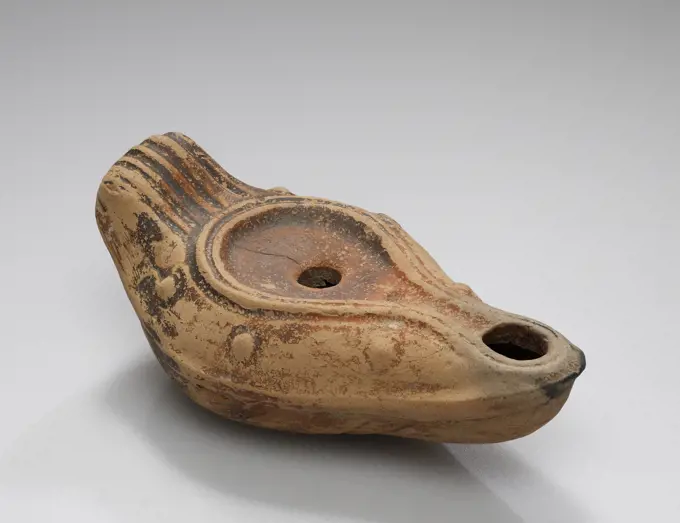
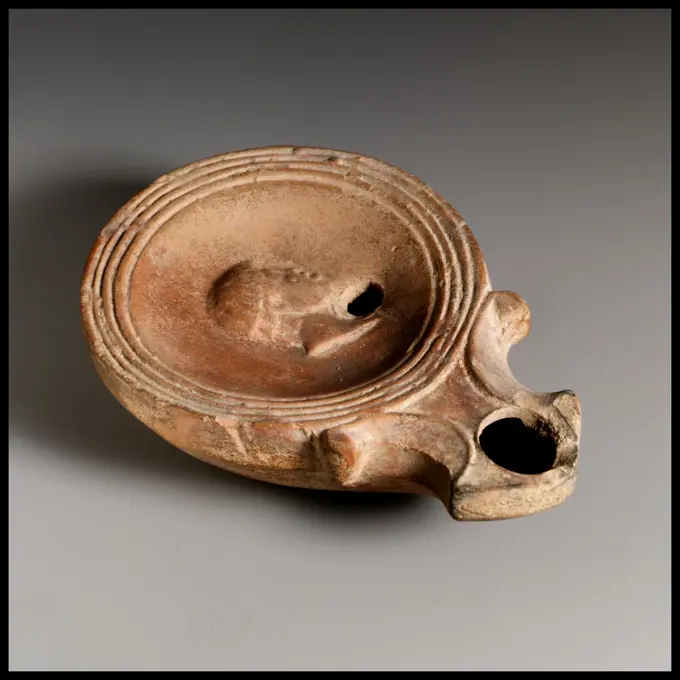
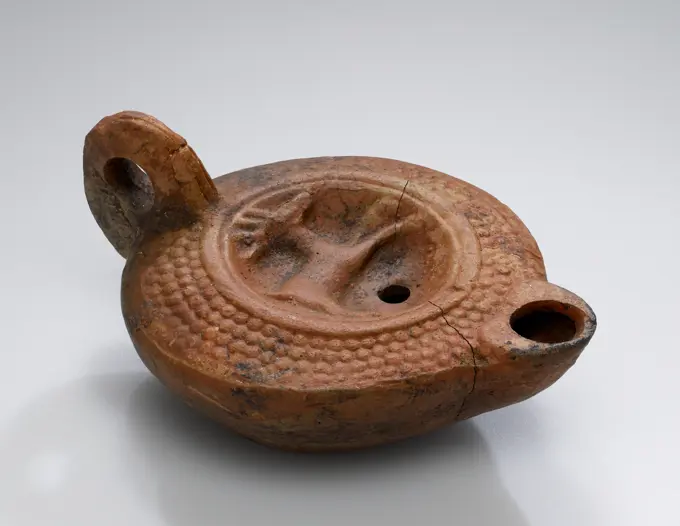
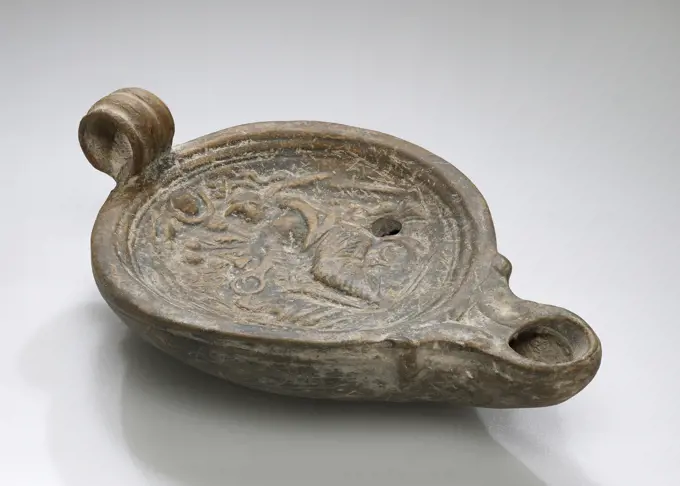
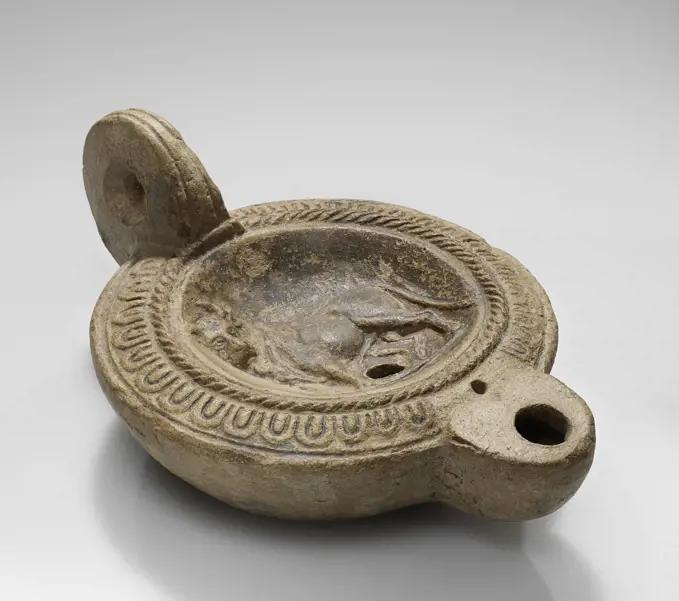
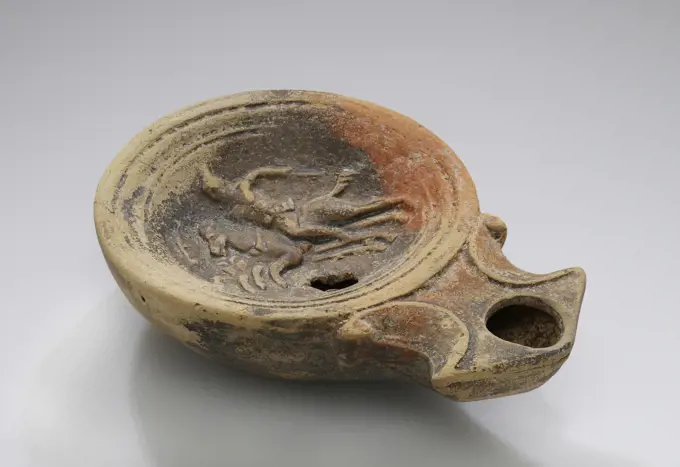
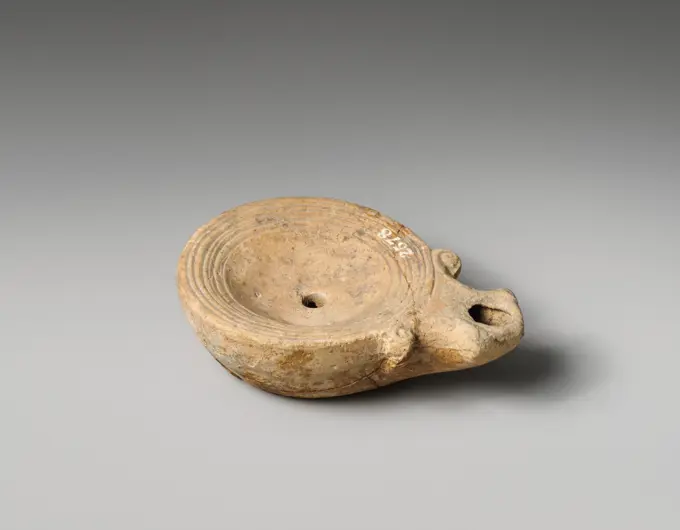
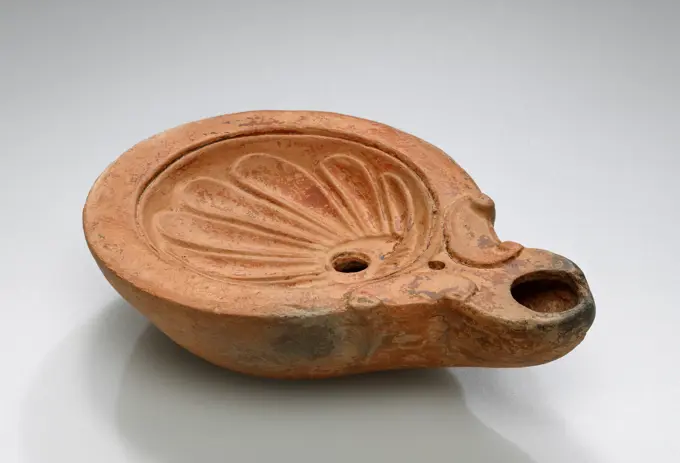
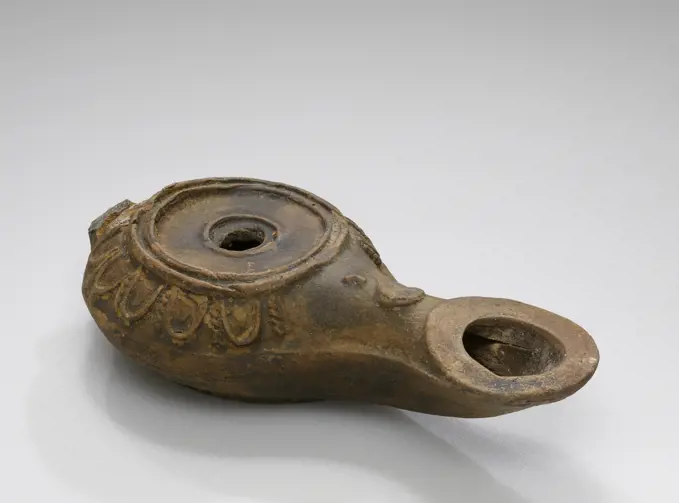
Lamp, South Anatolia, Anatolia; 2nd century B.C.; Terracotta; 3.3 × 6.1 × 9 cm (1 5,16 × 2 3,8 × 3 9,16 in.)
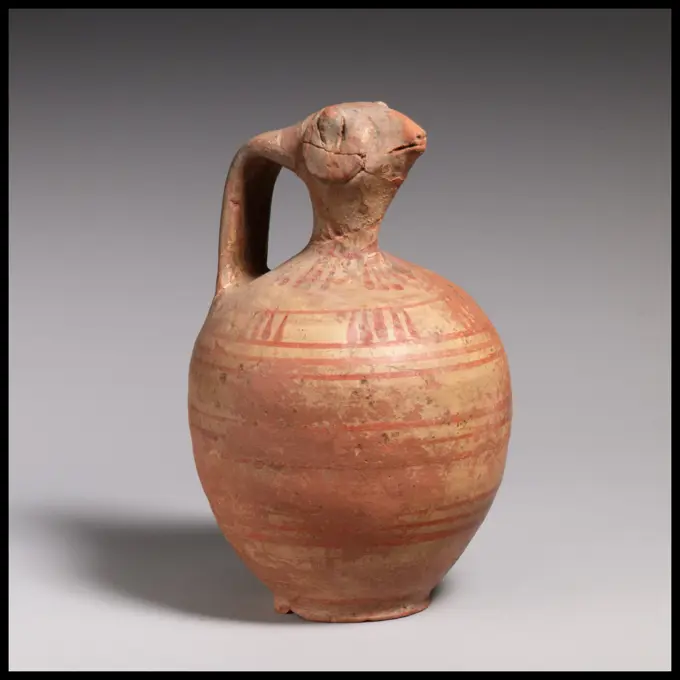
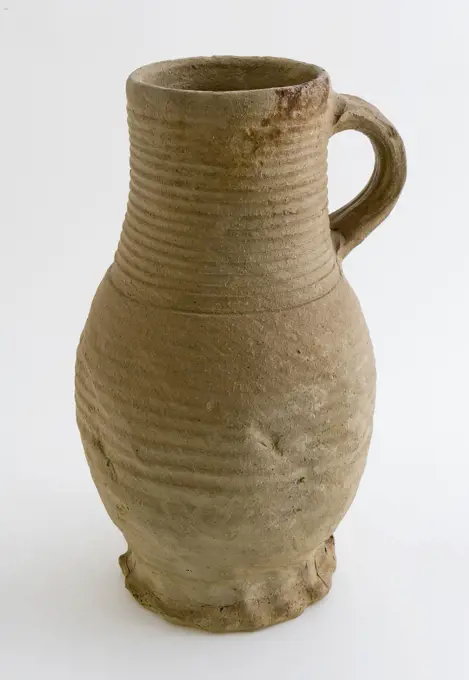
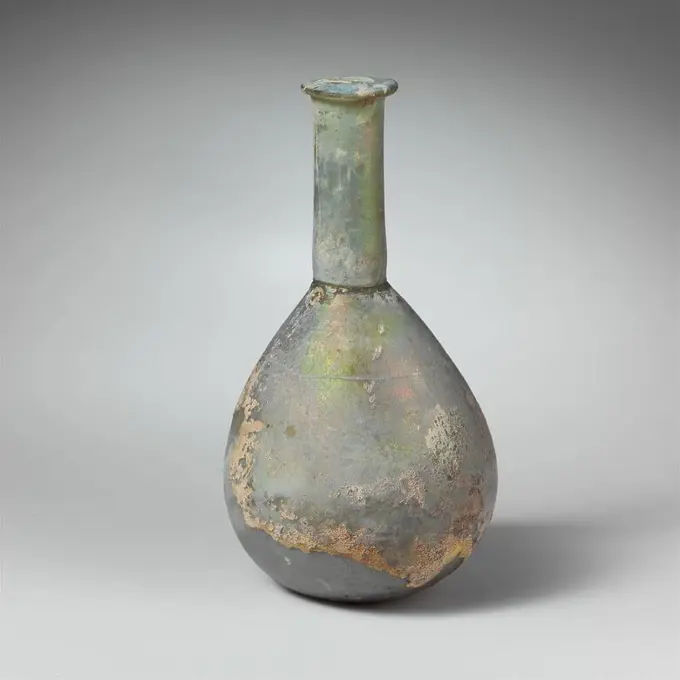
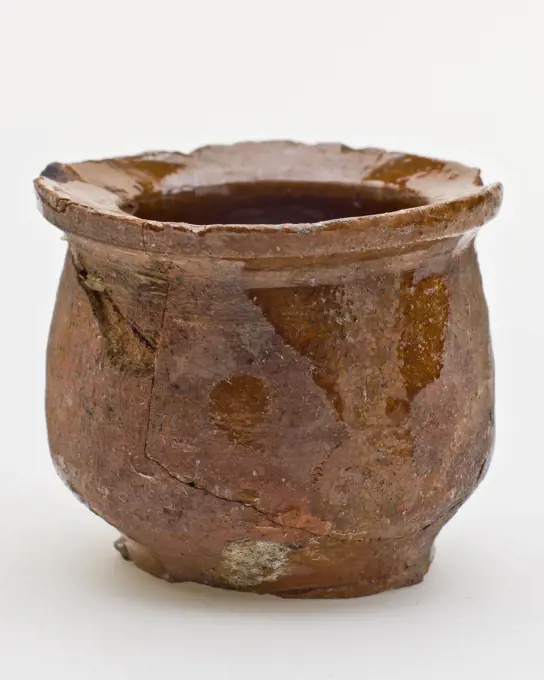
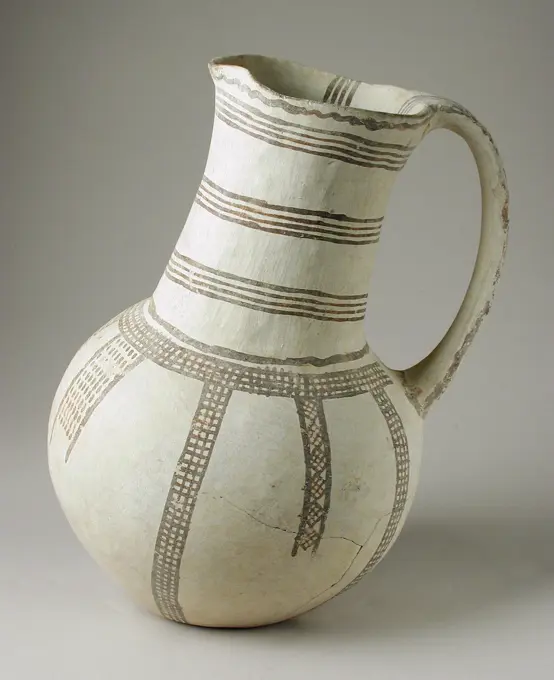
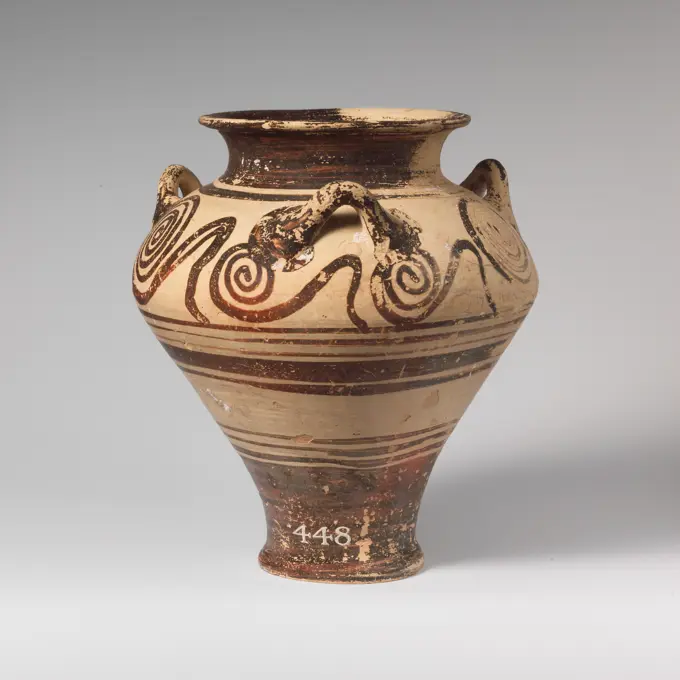
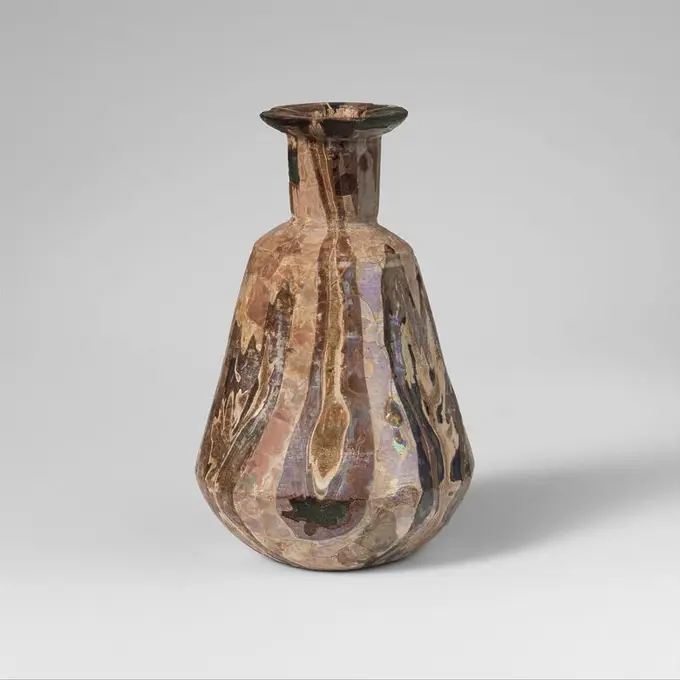
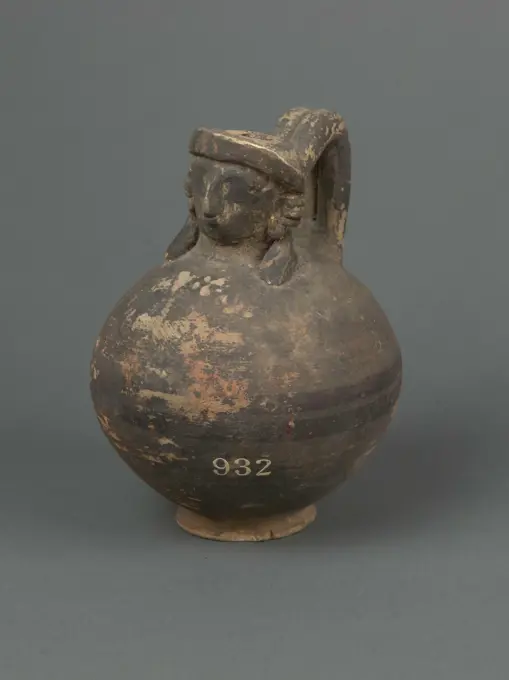
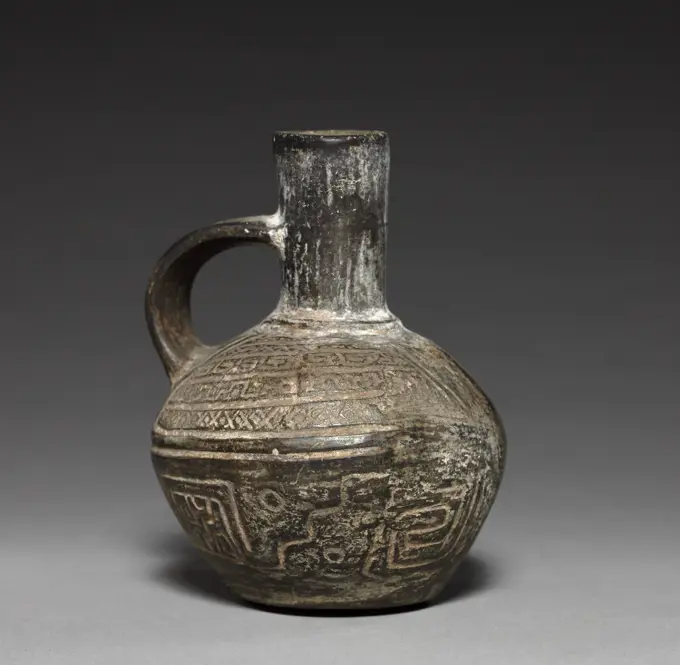
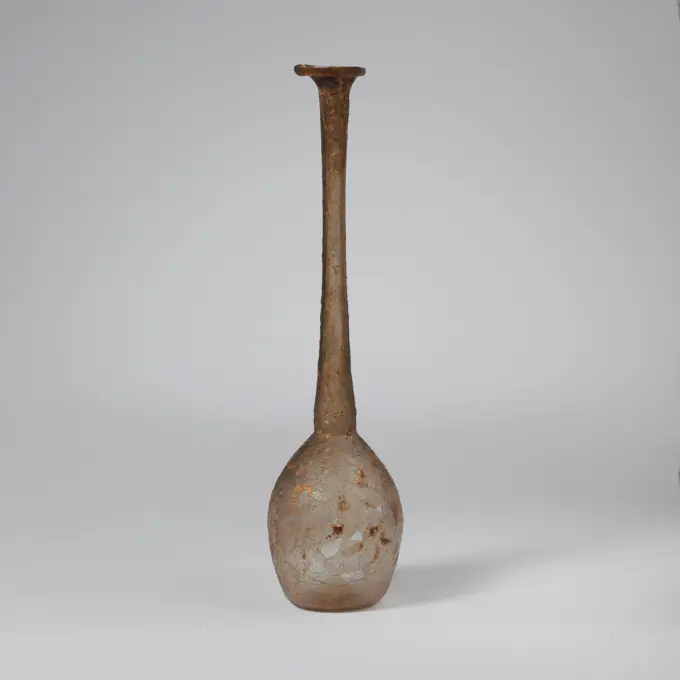
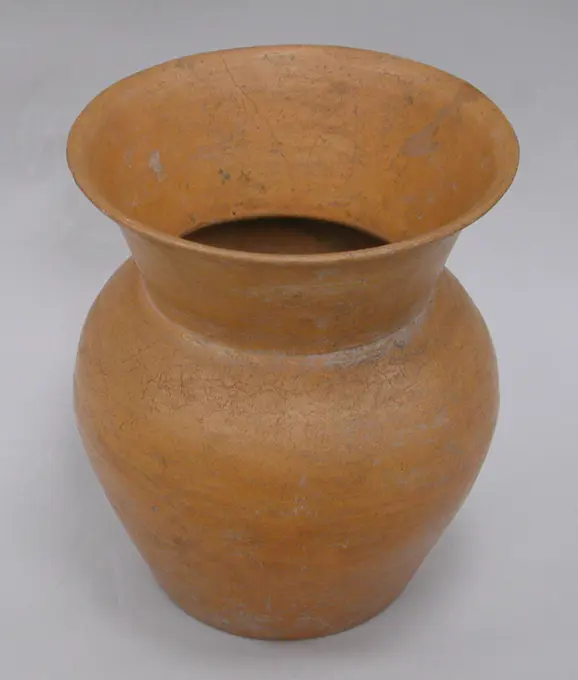
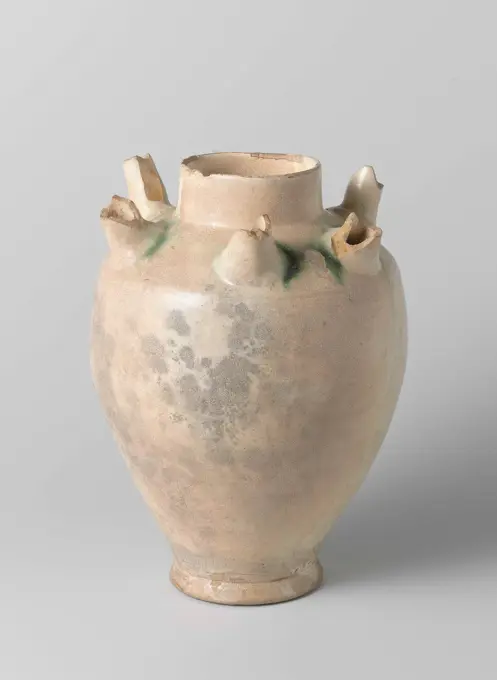
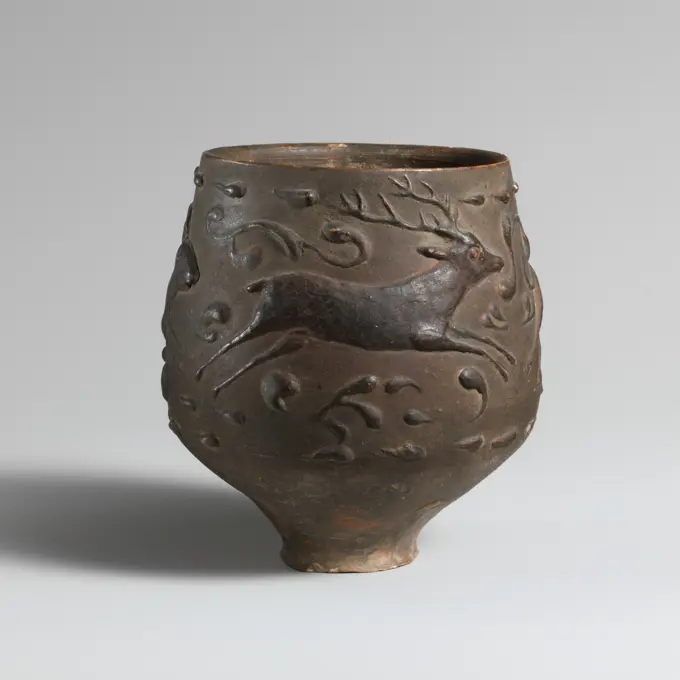
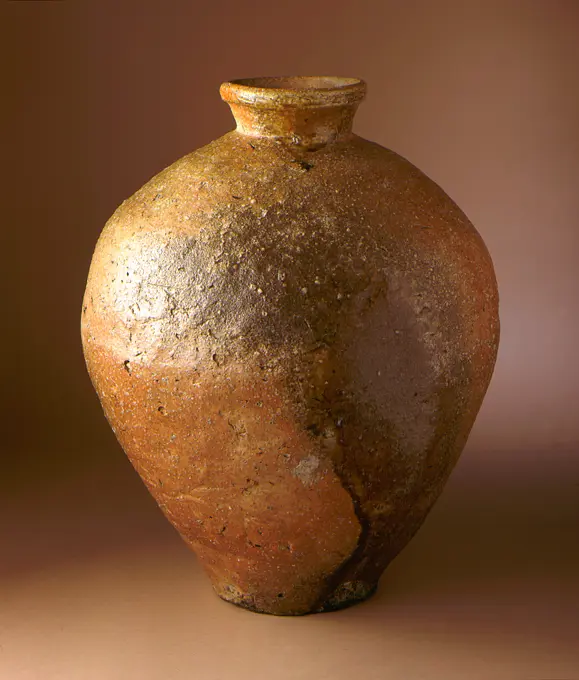
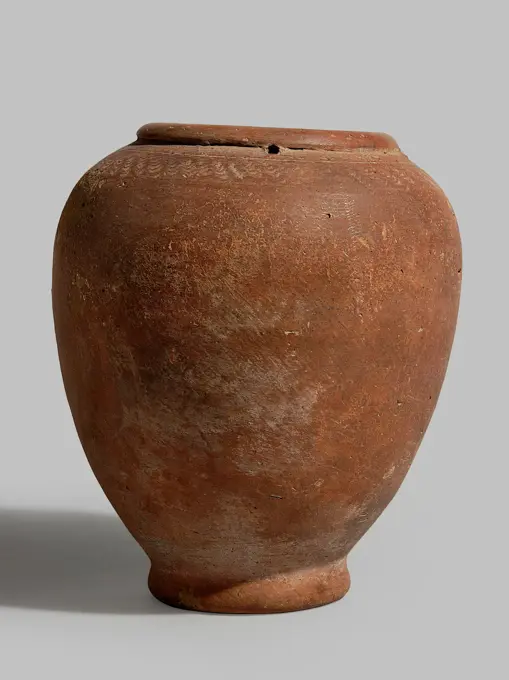
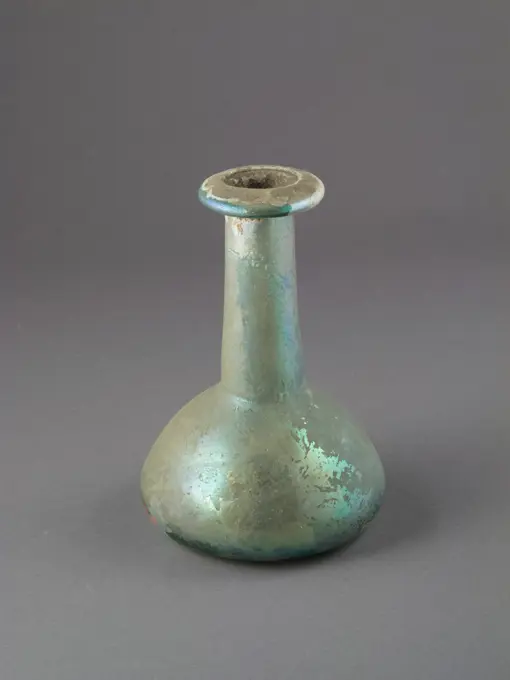
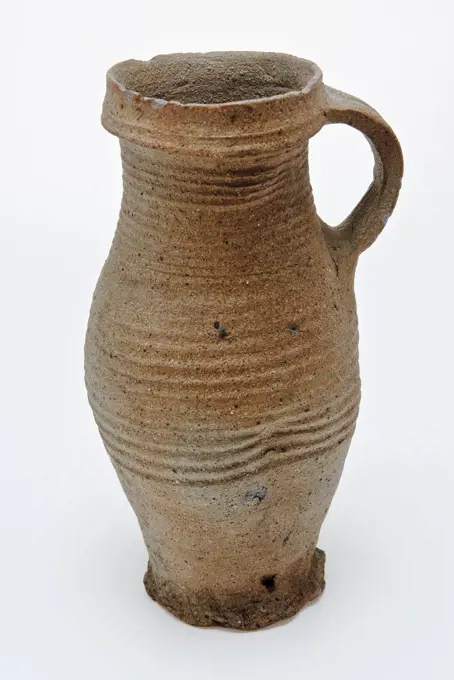
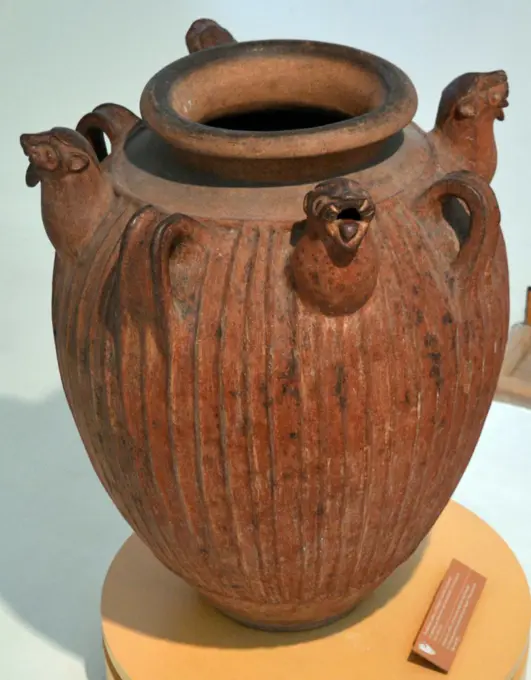
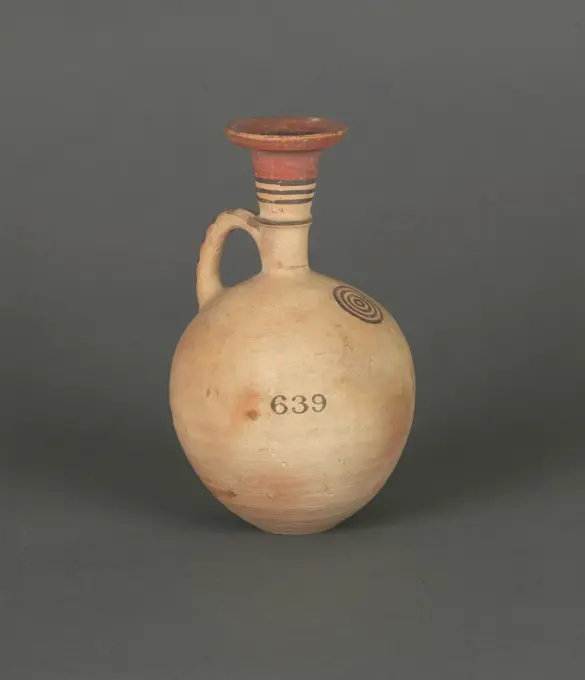
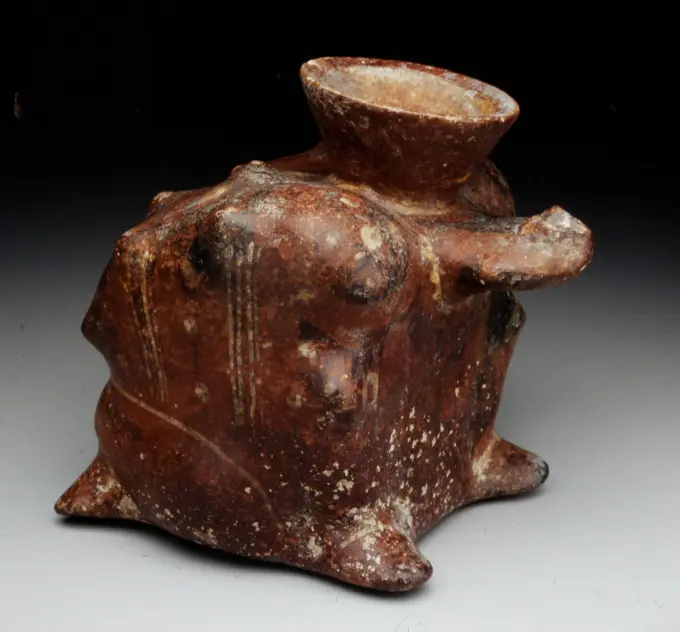
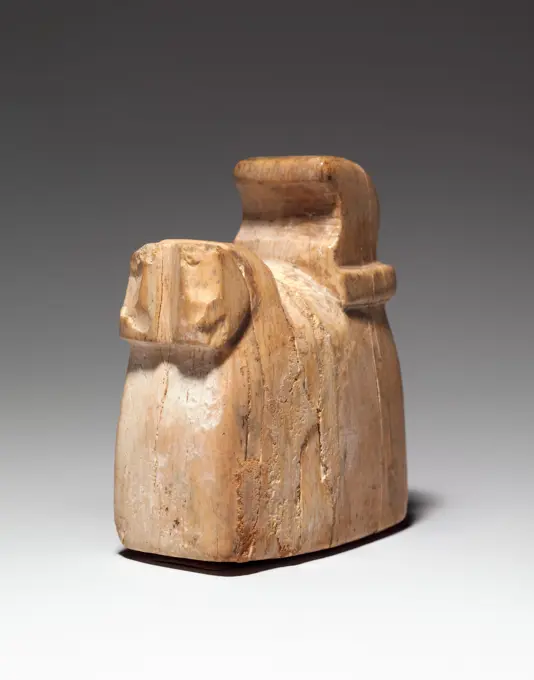
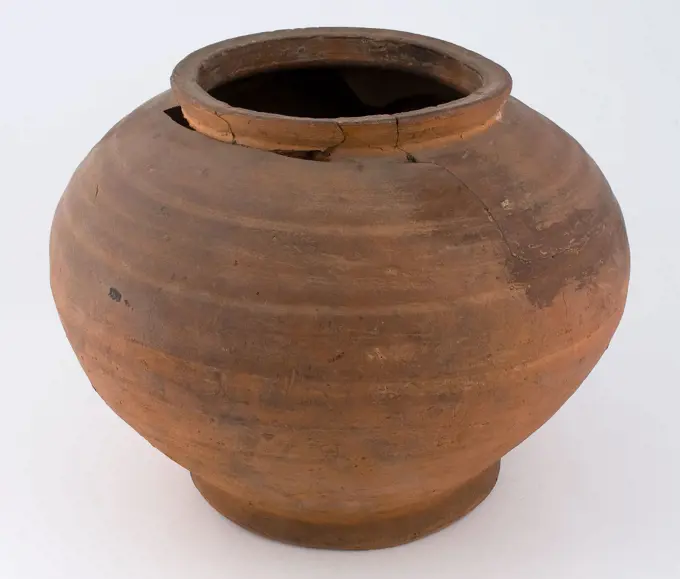
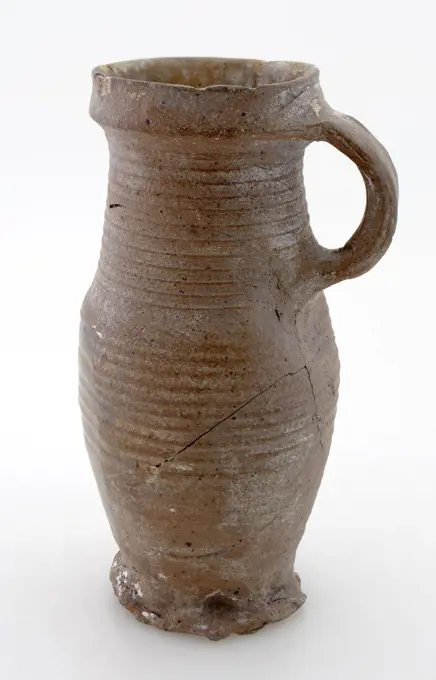
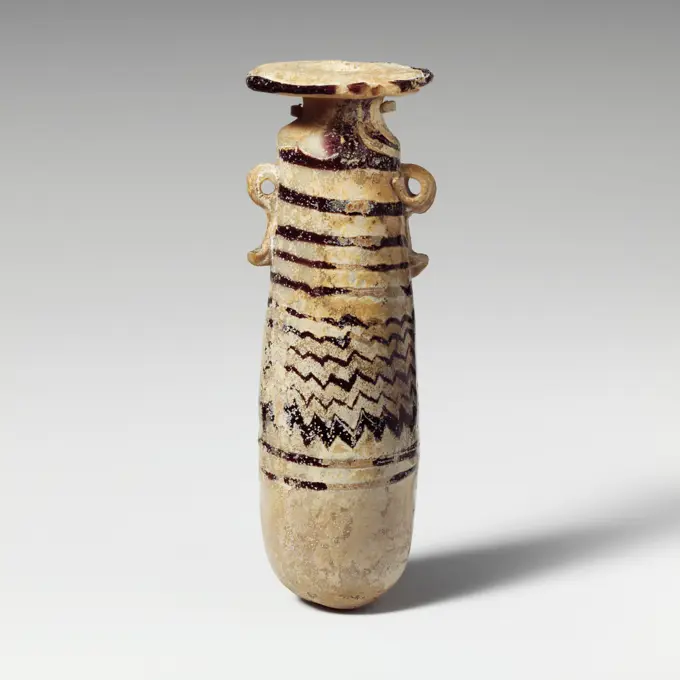
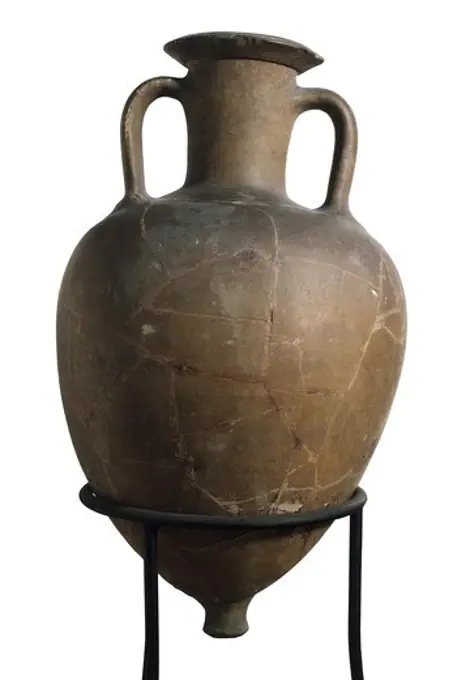
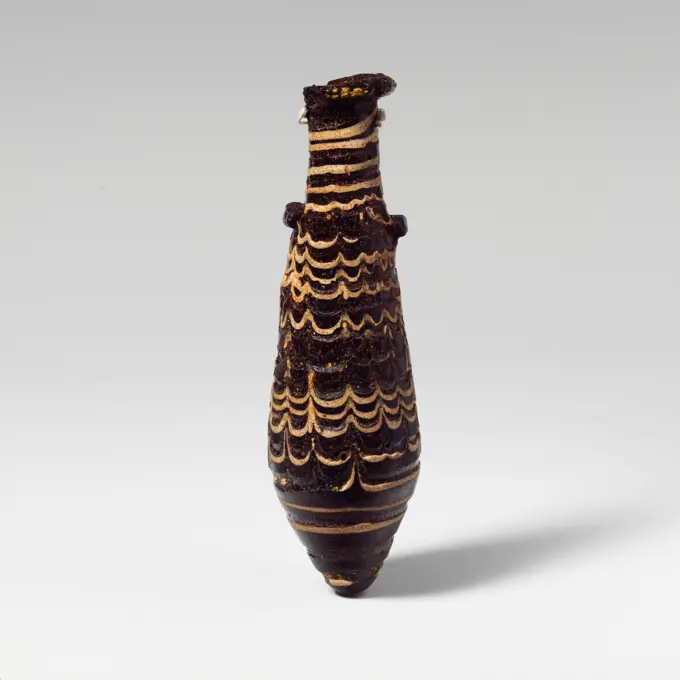
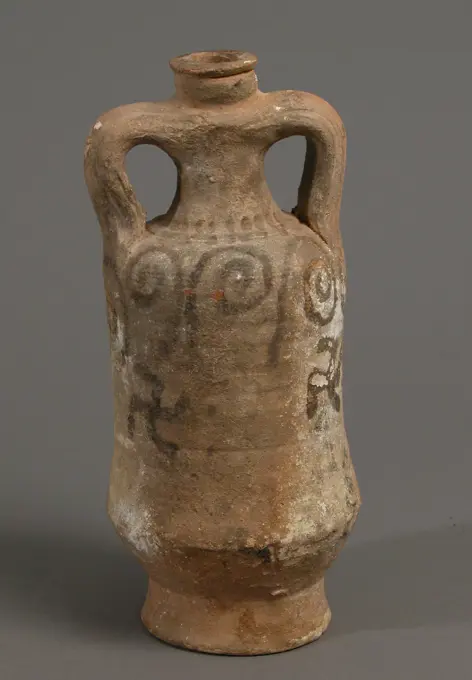
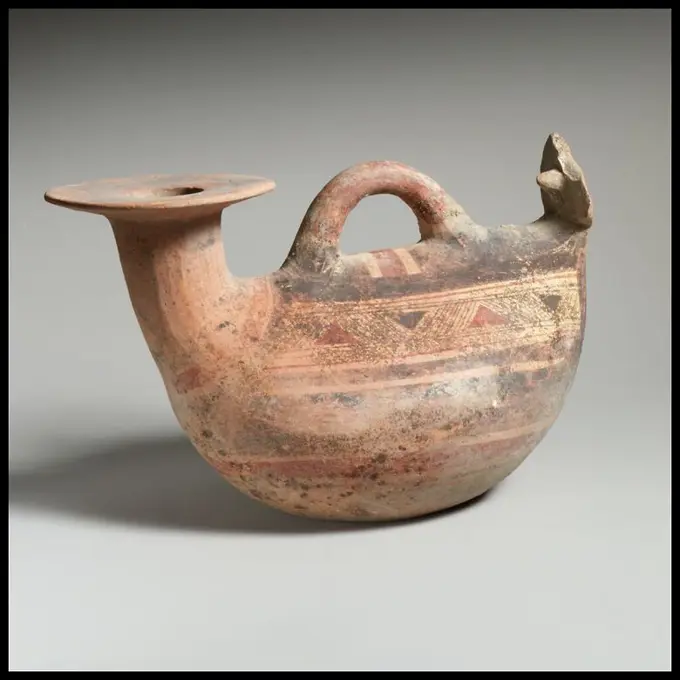
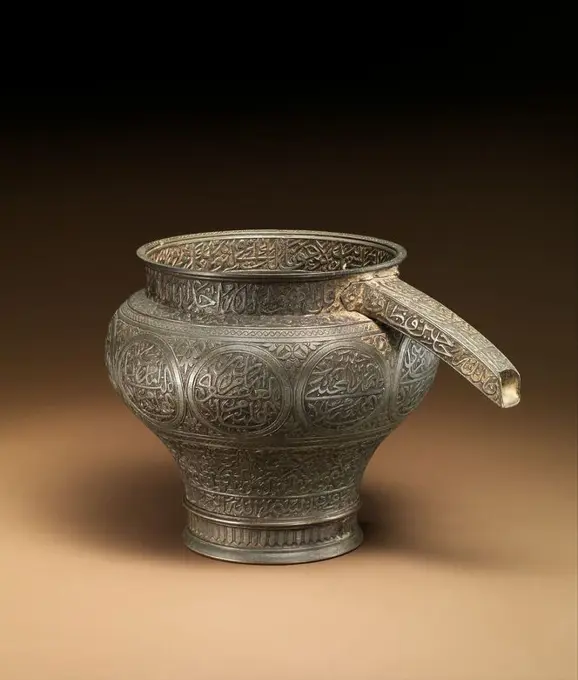
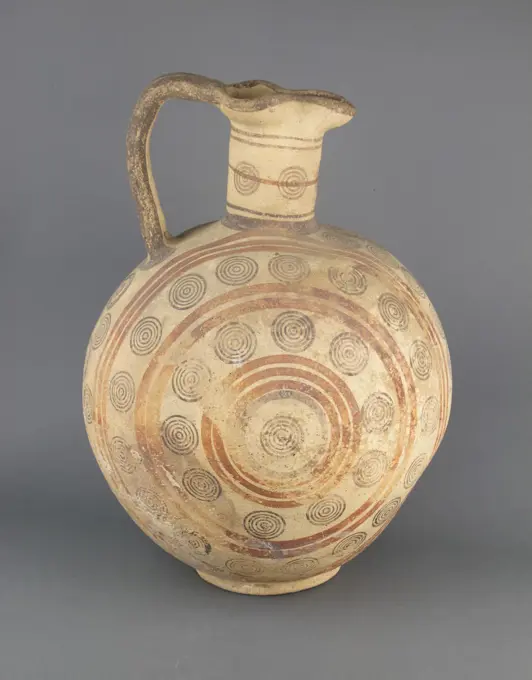
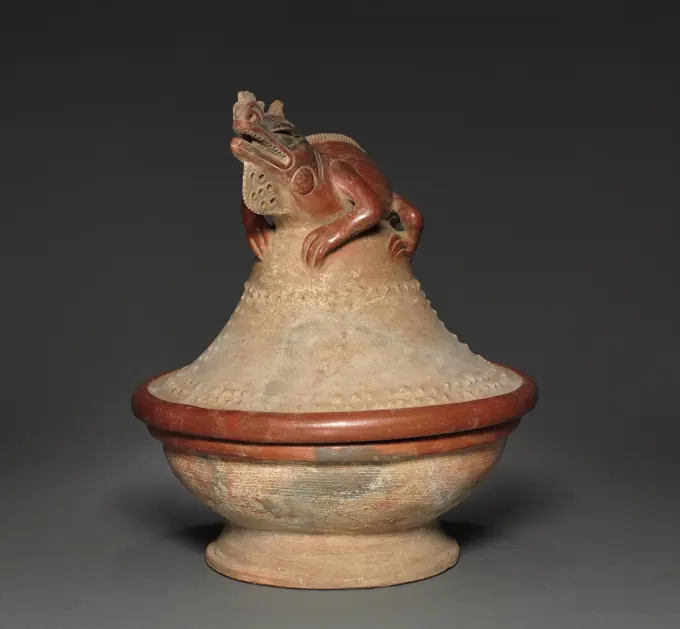
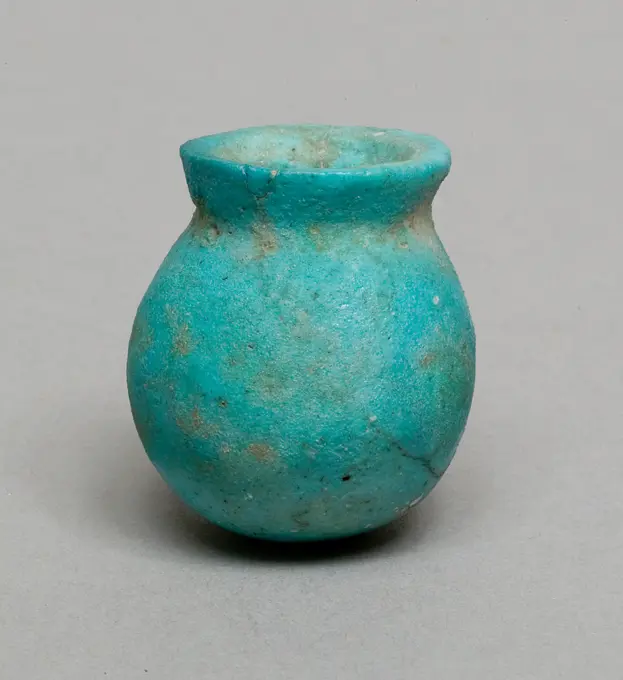
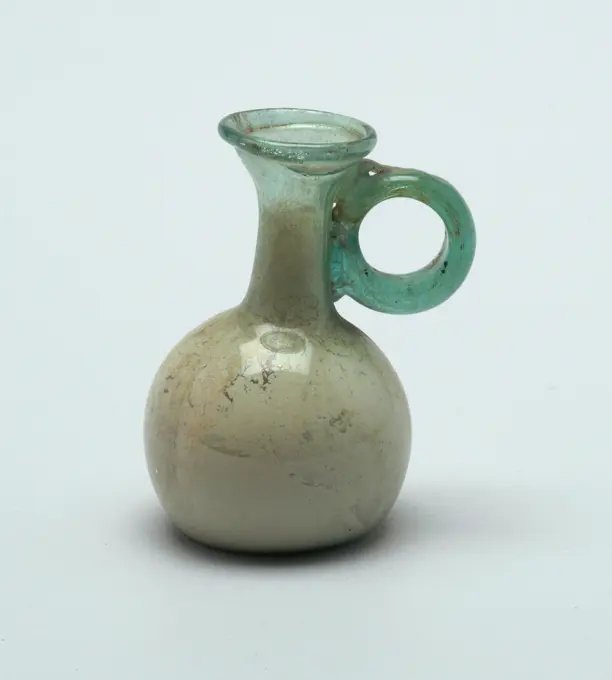
Terracotta Harappa ceramic vase from the Indus Valley Civilisation at Mohenjo-Daro, Pakistan. The Indus Valley Civilisation was a Bronze Age culture, (33001300 BCE; mature period 26001900 BCE) mainly in the north-western regions of South Asia, extending from what today is northeast Afghanistan to Pakistan and northwest IndiaJar 9th-10th century. Jar 449072Vessel. Culture: Visigothic. Dimensions: Overall: 3 5/8 x 2 15/16 x 2 5/8 in. (9.2 x 7.5 x 6.7 cm). Date: 6th-7th century. Museum: Metropolitan Museum of Art, New York, USA.Ceramic Whistling Vessel. Culture: Carchi. Dimensions: H. 7 x W. 4 in. (17.8 x 10.2 cm). Date: 11th-16th century. Museum: Metropolitan Museum of Art, New York, USA.Bottle 12th-9th century B.C. Tlatilco. Bottle 314628Lamp. UnknownTerracotta siphon 6th century B.C. Lydian The siphon is in the shape of a jug with the mouth in the form of a ram's head. The underside of the vase is punctured by small holes. When the vase was filled, the contents stayed in as long as the user covered the small hole on the top of the ram's head with his thumb. When the thumb was withdrawn, the liquid flowed out through the base.. Terracotta siphon 248843Lamp, North Africa; 1st - 4th century; Terracotta; 2.3 x 6.7 x 11.5 cm (7,8 x 2 5,8 x 4 1,2 in.)Stoneware jug be on pinched base with cylindrical neck, rough earthenware, almost stoneware, jug crockery holder soil find ceramic stoneware, hand turned baked Gray-brown unglazed stoneware jug with ear. Wide neck with parallel turns to the shoulder. Slightly bulging belly with twists that run down to the pinched foot. Small crack on the outside and long crack on the inside. Material: almost stoneware archeology indigenous pottery import donate serving craft pottery Rotterdam education Academy of Fine Arts and Technical Sciences Cool Coolvest Dijkzigt G.J. de Jonghweg City Triangle Blaak Academy of Fine Arts and Technical Sciences Rotterdam.Pottery cooking jug, grape-model, red shard with lead glaze, vertical band-ear, on three legs, cooking jug be found in the earthenware ceramics earthenware glaze lead glaze, hand-turned glazed baked Pottery cooking jug grape-model red shard with lead glaze topped wrinkled three legs bottom unglazed archeology indigenous pottery food preparation cooking food kitchenGlass perfume bottle. Culture: Roman. Dimensions: Overall: 4 1/4in. (10.8cm)Diam.: 2 1/4 x 13/16 in. (5.7 x 2.1 cm). Date: 1st-2nd century A.D..Translucent pale blue green.Rim folded out, over, and in, flattened on top and forming slight constriction to mouth; cylindrical neck with tooled line around base; ovoid body; small, flat bottom.Irregular tooled line around upper part of body.Broken and repaired, with vertical crack in neck; pinprick bubbles; dulling, pitting, and iridescent weathering, with some soil encrustation on interior. Museum: Metropolitan Museum of Art, New York, USA.Pottery ointment jar on narrowed stand, slanted top edge, red shard, ointment jar holder soil find ceramic earthenware glaze lead glaze, hand-turned glazed baked Pottery ointment jar on stand surface Cut off stand area Red shard and internally glazed. Turning locks on the inside Belly in shape with constriction above the standing surface. Oblique top edge with pretty wide edge archeology City center Rotterdam indigenous pottery ointment care medication medicine pharmacy packaging Soil discovery Rotterdam found in clearing the rubble in the city center after the bombardment.Brown jug with ear and shaving, jug crockery holder soil find ceramic stoneware clay engobe, hand-turned baked Stoneware jug gray shard brown engobe bandoor outward mouth rim with schenklip rotations around whole body archeology Rotterdam Old Plantage import of pottery serving before the foundations of the soil: Waterbassin Oude Plantage in Rotterdam 1956Lamp, Asia Minor; 1st - 4th century; Terracotta; 2.4 x 4.4 x 8.3 cm (15,16 x 1 3,4 x 3 1,4 in.)Pitcher. Cyprus, 2400-1350 B.C.. Furnishings; Serviceware. CeramicTerracotta carinated bridge-spouted jug. Culture: Minoan. Dimensions: H. 4 7/8 in. (12.4 cm.)Diameter at mouth 3 9/16 in. (9 cm.). Date: ca. 1900-1750 B.C..The spout is missing. Museum: Metropolitan Museum of Art, New York, USA.Terracotta pithoid jar ca. 1375-1325 B.C. Mycenaean Pear-shaped jar with three handles and a band of spirals on the shoulder. This type of vase is among the earliest to be imported to Cyprus from Mycenaean Greece.. Terracotta pithoid jar 240349Bottle with a yellow glaze, anonymous, c. 907 - c. 1125 Bottle of stoneware, covered with a white sludge and partly with an ocher yellow enamel. The raised, cylindrical spout is placed on the side of the body. A light modeled ear has been formed from the other side of the body, which is attached to the spout at the top. The foot is unglazed. China stoneware. glaze vitrification Bottle of stoneware, covered with a white sludge and partly with an ocher yellow enamel. The raised, cylindrical spout is placed on the side of the body. A light modeled ear has been formed from the other side of the body, which is attached to the spout at the top. The foot is unglazed. China stoneware. glaze vitrificationTripod Vessel (Gui). Culture: China. Dimensions: H. 12 1/8 in. (30.8 cm); W. 6 in. (15.2 cm); D. 6 in. (15.2 cm). Date: ca. 2500 B.C.. Museum: Metropolitan Museum of Art, New York, USA.Glass hexagonal bottle. Culture: Roman. Dimensions: H.: 4 1/8 x 2 1/2 x 1 x 1 1/2 in. (10.5 x 6.4 x 2.5 x 3.8 cm). Date: 1st half of 1st century A.D..Translucent blue green.Thick rim, folded out, round, and in; tall cylindrical neck; sloping, slightly convex shoulder; squat body with hexagonal sides; low base with flat bottom.Decoration in relief in three registers: on shoulder, six arches, each containing an unidentified domed object; on body, six square panels, divided by columns with capitals and bases, each containing an object: 1, a footed bowl; 2, a pine cone; 3, a footed jar with rounded objects (fruit ) emerging from its rim; 4, (missing); 5, another pine cone; 6, a handled vase with conical lid; below, continuous band of twenty-two radiating upturned tongues; on bottom, raised broad circle around edge and dot at center.Broken and repaired, with several large holes in shoulder and body; pinprick bubbles; slight dulling and faint iridescence, with patches of encrusted thickGlass gold-band mosaic bottle. Culture: Roman. Dimensions: H.: 3 3/16 in. (8.1 cm). Date: 1st half of 1st century A.D..Translucent cobalt blue, honey brown, and bluish green, colorless encasing gold leaf, and opaque white ().Everted, horizontal rim with rounded outer lip; cylindrical neck; sloping shoulder; carinated body with straight side above carination and convex curving side below; slightly concave bottom.Gold-band mosaic pattern formed from a single serpentine length of layered canes formed in the following order: blue, colorless with gold leaf, green, and thin stripes of white; the length is wound three times round body, being fused together across bottom.A single fine horizontal line incised on upper surface of rim near outer edge; a band of two grooves flanking a raised line at junction of shoulder and side; and another band of two grooves flanking a raised line at junction of side and bottom.Intact, except for one weathered chip in rim and two deep weathered chips in sEwer with makara spout with lotus-form cover Vietnam, Hong River region 13th century This finely formed glazed ewer with strap handle and truncated spout in the form of a mythical dragon makara was intended for serving wine. Its robust bulbous body is decorated with incised floral scrolling, and its lid of lotus leaf form. It has a low foot largely concealed beneath the swelling body of the ewer. Such glazed stoneware ewers were produced in the ceramic industry that prospered in the Hong (Red) River delta region of northern Vietnam in the thirteenth and fourteenth centuries. Although this ceramic industry emerges as a major producer of glazed stoneware ceramics for the Southeast Asian markets, such ewers are rarely found in an export context and appears to have been largely for domestic consumption. View more. Ewer with makara spout with lotus-form cover. Vietnam, Hong River region. 13th century. Stoneware with incised floral décor and green glaze. CeramicsTerracotta oil lamp early 1st century A.D. Roman Loeschcke Type 1A. Mold-made. Discus: head of African in high relief, facing right; single filing hole to lower right. Shoulder: continuous band of four lines and grooves. Volutes flanking angular nozzle with large wick hole. Raised base ring, outlined by two grooves; uneven, concave base inscribed across center: I·A·G ().Intact. Mottled brown slip. Traces of sooting on edge of nozzle.. Terracotta oil lamp. Roman. early 1st century A.D.. Terracotta; mold-made. Early Imperial, Augustan. TerracottasLamp. UnknownLamp, Roman Empire; 1st century B.C. - 4th century A.D; Terracotta; 4 x 7.5 x 11.6 cm (1 9,16 x 2 15,16 x 4 9,16 in.)Lamp, North Africa, Africa; 1st century B.C. - 4th century A.D; Terracotta; 3.5 x 10.2 x 14.5 cm (1 3,8 x 4 x 5 11,16 in.)Oinochoe. UnknownPottery Jar. Eastern Mediterranean, no date. Furnishings; Serviceware. CeramicJuglet 750-600 B.C. Cypriot Jug with neck in form of modeled female head.. Juglet. Cypriot. 750-600 B.C.. Terracotta. Cypro-Archaic I. VasesLimestone votive krater (mixing bowl) ca. 3rd-1st century B.C. Cypriot Large stone vases are characteristic of sanctuary sites on Cyprus. They may have served simply as votives that were set up prominently near the temple but they may also have been used during rituals associated with the cult.. Limestone votive krater (mixing bowl) 242364Copa con decoración geométrica. Cerámica pintada. Transición Período V-VI (500-1500 d. C.). Región de Nicoya, Costa Rica. Museo de América. Madrid. España.Bottle Vase, 1200-1400. Peru, Chimú, 13th-14th century. Black ware; overall: 12.3 x 9.5 cm (4 13/16 x 3 3/4 in.).Terracotta oil lamp. Culture: Roman. Dimensions: Overall: 1 3/8 x 3 1/2 in. (3.5 x 8.9 cm). Date: 2nd century A.D..Loeschcke Type 8; ring handle. Mold-made. Discus: to right, standing male figure and, to left, female standing figure with veil over her head, holding hands. Impressed dot pattern on shoulder. Relief volutes flanking nozzle. Pseudo-base-ring. Buff clay. Crack running along right side from handle and across front of nozzle. Museum: Metropolitan Museum of Art, New York, USA.Glass perfume bottle 2nd-3rd century A.D. Roman Colorless with greenish tinge.Rim folded out, over, and in, and smoothed into flaring, lop-sided mouth; slender, concave neck, tooled in around base; ovoid body; pushed-in bottom.Broken around body and repaired, with areas missing; dulling, deep pitting, and iridescent weathering.. Glass perfume bottle. Roman. 2nd-3rd century A.D.. Glass; blown. Mid or Late Imperial. GlassLamp. UnknownJar 3rd-8th century Teotihuacan. Jar 316875Amphora 4th-7th century Coptic. Amphora 476258Glass alabastron (perfume bottle). Culture: Greek, Eastern Mediterranean. Dimensions: H.: 3 7/8 in. (9.9 cm). Date: late 6th-5th century B.C..Opaque white, with handles in same color; trails in translucent purple.Broad, flat rim-disk; short cylindrical neck; narrow rounded shoulder; straight-sided body with upward taper; convex bottom; below shoulder, two vertical ring handles with knobbed tails applied over trail decoration.One trail unevenly attached at edge of rim-disk; another thick trail applied in a pad at top of body and wound down in spiral three times, then tooled into a close-set zigzag pattern around middle of body; below this, a third fine trail wound twice horizontally around body.Intact; dulling, deep pitting of surface bubbles, and iridescent weathering. Museum: Metropolitan Museum of Art, New York, USA.. Egg-shaped vase of stoneware, covered with a gray-green, slightly cracked glaze. Six broken sparks from the shoulder. Some chips in the edge and in the foot.Terracotta cup with barbotine decoration 2nd-early 3rd century A.D. Roman This cup is representative of the sort of pottery that was produced in Roman Britain, influenced by wares made in eastern Gaul and the Rhineland. The shape of the vessel and the style of the hunting scene are typical of the northwestern provinces, but barbotine decoration itselfthe application of a thick clay slip to the vessel surfaceis found on many different types of pottery across the Roman Empire.. Terracotta cup with barbotine decoration. Roman. 2nd-early 3rd century A.D.. Terracotta. Imperial. VasesBottleJar. Anonymous. Japan, Muromachi period, early 15th century. Ceramics. Shigaraki ware; stoneware with natural brown and yellow glazeDish;  around 1985-m 1650 BC ; Pahu, 12-13 dynasty (0-00-00-0-00-00);Deposit of the University of Warsaw from 1937-1939, scenes.gal.eg., Egyptian ceramics, imprinted decorations, Polish-French excavations in Edfu (Egypt)Glass perfume bottle 2nd century A.D. Roman Translucent light blue-green.Tubular rim folded out, down, round and in, and flattened on beveled top edge; tall cylindrical neck, expanding downward, with horizontal tooling marks around base; low conical body with convex-curving side; broad, flat bottom.Intact; many pinprick bubbles and some blowing striations; some pitting and dulling, iridescence, with small patches of thick weathering around rim on exterior, some soil encrustation and weathering on interior.. Glass perfume bottle. Roman. 2nd century A.D.. Glass; blown. Mid Imperial. GlassStoneware jug be on pinched foot, proto stoneware, jug crockery holder soil find ceramic stoneware, hand-turned baked Stoneware jug pinched. Spinning yarns on the entire height Triangular neck edge Standing ear Proto stoneware archeology Rotterdam Noord Agniesebuurt castle Weena indigenous pottery import drinking serve wine beer Soil discovery Rotterdam House in Weena 1940 1942Bird-shaped jar from the Middle Presynaptic, EgyptToy 1800-1830 American. Toy 4490Bottle, Falcon. Culture: Paracas. Dimensions: Overall: 5 3/4 in. (14.68 cm)Other: 5 1/2 in. (13.97 cm). Date: 4th-3rd century B.C.. Museum: Metropolitan Museum of Art, New York, USA.Anonymous / 'Case for gondola or galley with three winged serpents'. 1570 - 1600. Leather, Wood, Metal, Velvet. Museum: Museo del Prado, Madrid, España.Squat lekythos 5th century B.C. Greek, Attic. Squat lekythos. Greek, Attic. 5th century B.C.. Terracotta; red-figure. Classical. VasesKandila. Attributed to Kandila Sculptor B (Cycladic, active about 3000 - 2800 B.C.)Vase. Terre Civa. Vietnam. Paris, Muse Cernuschi. Vase Asian art, art of extreme orient, art of Vietnam, Vietnamese art, terracotta, dishesKohl jar and lid ca. 1981-1640 B.C. Middle Kingdom. Kohl jar and lid. ca. 1981-1640 B.C.. Travertine (Egyptian alabaster). Middle Kingdom. From Egypt, Memphite Region, Lisht North, Cemetery, MMA excavations, 1920-22. Dynasty 12-13vasija pintada para guardar alimentos, Necrópolis de Carratiermes, siglo I d.C. museo del Yacimiento arqueológico de Tiermes, Soria, comunidad autónoma de Castilla y León, Spain, Europe.Lamp, Asia Minor; 1st century B.C. - 4th century A.D; Terracotta with green glaze; 3.2 × 8.9 × 12.2 cm (1 1,4 × 3 1,2 × 4 13,16 in.)Covered Globular Jar with Four Shoulder Lugs. Thailand, Sawankhalok, 16th century. Furnishings; Serviceware. Wheel-thrown stoneware with applied decoration and cream glazeBowl 4th-7th century Coptic. Bowl 478857Pear-shaped Jar, 1662-1722. China, Qing dynasty (1644-1911), Kangxi reign (1661-1722). Porcelain; overall: 30 cm (11 13/16 in.).Prehistory, Italy, Neolithic. Lagozza culture. Vase decorated with bulges.JarEtruscan Storage jar or Pithos. Terracotta from Cerveteri, 500-400BCStirrup Spout Vessel with Raised Appliques Covering the Surface Made 1000 BCE-200 BCE North Coast. Ceramic . CupisniqueJar. Roman; Levant or Syria. Date: 201 AD-500 AD. Dimensions: H. 6.4 cm (2 1/2 in.); diam. 7.6 cm (3 in.). Glass, blown technique. Origin: Syria. Museum: The Chicago Art Institute, Chicago, USA. Author: ANCIENT ROMAN.Jug 750-600 B.C. Cypriot. Jug. Cypriot. 750-600 B.C.. Terracotta. Cypro-Archaic I. VasesHorned toad bowl, 100 BCE - 250 CE, 5 1/2 in. (14 cm), Earthenware, Mexico, 1st century BCE - 3rd century CELamp, North Africa; 1st - 4th century; Terracotta; 2.7 x 7.5 x 10.3 cm (1 1,16 x 2 15,16 x 4 1,16 in.)Ewer 9th-early 10th century. Ewer 449435Chess Piece, Rook 7th-8th century. Chess Piece, Rook 451771Earthenware storage jar on stand, egg-shaped, short upright neck, storage jar pot holder soil found ceramic earthenware, hand-turned baked Pottery storage jar on stand. Egg-shaped pot with rotating braces over the shoulder Upright neck edge with slightly profiled top. Red shard archeology Rotterdam City center Stadsdriehoek Hoogstraat indigenous pottery store save make cellar nutrition sustainable old woman house archaeological find in the soil Rotterdam Oude Vrouwenhuis Hoogstraat 83.Terracotta oil lamp 1st century B.C.-1st century A.D. Roman Loeschcke Type 1A. Mold-made. Discus: a plain, concave disk; a single filling hole at center, with a broad band of lines and grooves at edge. Volutes flanking angular nozzle, with large wick hole. Raised base ring, and flat base.Badly broken and mended, with one hole in left side of body.. Terracotta oil lamp. Roman. 1st century B.C.-1st century A.D.. Terracotta. Early Imperial. TerracottasLamp. UnknownLamp. UnknownStoneware jug, brown and unglazed, with wide band, on pinch, jug crockery holder soil find ceramic stoneware clay engobe, hand-turned baked Stoneware jug brown and unglazed with wide band ear on squeeze foot Widening of the top edge of the swivel spindles over the entire height Color-coated with thin engobe and then baked Restoration is repainted on the outside archeology Rotterdam Spangen castle indigenous pottery import drinking room table Soil discovery: Spangen Spanisch Spaanse Polder Rotterdam.Glass alabastron (perfume bottle) late 6th-5th century B.C. Greek, Eastern Mediterranean Opaque white, with handles in same color; trails in translucent purple.Broad rim-disk, with radiating tools marks on upper surface and small mouth; short cylindrical neck; narrow sloping shoulder; straight-sided body with upward taper; convex bottom; below shoulder, two vertical ring handles with knobbed tails applied over trail decoration.One trail attached at edge of rim-disk; another applied as an irregular loop over neck and top of body and wound down in spiral six times, then tooled into a close-set zigzag pattern around middle of body; below this, a third fine trail wound twice horizontally around body.Intact, apart from minor chips in trail on rim-disk; slight dulling and pitting, and most of body covered with creamy iridescent weathering.. Glass alabastron (perfume bottle) 245463Lamp. UnknownOil amphora. Greek art. Ceramics. SPAIN. CATALONIA. BARCELONA. Barcelona. Archaeology Museum of Catalonia. Proc: SPAIN. CATALONIA. GERONA. L'Escala. Empœries.Lamp. UnknownTerracotta side-spouted jug. Culture: Minoan. Dimensions: H. 5 1/2 in. (14 cm.). Date: ca. 2600-2400 B.C..This shape, sometimes referred to as a teapot with an exaggerated spout, was one of the most characteristic of the Early Minoan II period on Crete. Museum: Metropolitan Museum of Art, New York, USA.Terracotta pyxis (cylindrical box) ca. 1400-1100 B.C. Minoan While the painted decoration on pottery of Postpalatial Crete is not as fine as the earlier works produced in the palace workshops, the quality of potting and the pyrotechnology reached a high point. This piece is a good example of the fine quality that was achieved by potters on Crete at the end of the Late Bronze Age. It is a less common variation pf the pyxis type, a characteristic Minoan shape, which usually has a taller cylindrical body.. Terracotta pyxis (cylindrical box) 257428Glass alabastron (perfume bottle) 2nd-mid 1st century B.C. Greek, Eastern Mediterranean Translucent deep purple, with lighter, reddish streaks; handles in translucent dark blue; trails in opaque white and another in now indeterminate color.Thick, almost horizontal rim-disk; cylindrical neck; straight-sided fusiform body expanding downward, then tapering in to pointed bottom; two horizontal lug handles applied over trail at top of body, one slightly higher than the other.Trails attached at bottom, drawn up in a spiral to point of carination, tooled into a festoon pattern with thirteen upward strokes, wound round again in spiral to top of body, with white trail ending in a backward loop.Broken around top of neck with almost half of rim-disk missing, and one trail completely weathered, leaving only indentation in body; dulling, severe pitting and weathering, and faint iridescence.. Glass alabastron (perfume bottle) 249819Terracotta oil lamp 2nd century A.D. Roman Vessberg Type 14. Mold-made, with ring handle. Discus: head of Pan, facing right, with vertical horns; a single filling hole at upper right; narrow band around edge. Plain, horizontal shoulder. Undefined, pushed-in base.Intact, but one small chip in back edge of handle.. Terracotta oil lamp. Roman. 2nd century A.D.. Terracotta. Mid Imperial. TerracottasTerracotta miniature vase with two handles. Culture: Greek, Laconian. Dimensions: H. 1 1/8 in. (2.8 cm). Date: 7th-6th century B.C..Two handles, traces of white paint. Museum: Metropolitan Museum of Art, New York, USA.Cinerary vase from a tomb of Loebanr, Pakistan. Pakistani Civilisation.Jug with Cruces Gammatae 4th-7th century Coptic. Jug with Cruces Gammatae 477269Blown Glass jug Yellow. Barcelona. Spain 2013Terracotta askos (flask with a spout and handle over the top). Culture: Native Italic, Daunian. Dimensions: H. 6 in. (15.3 cm)length 9 3/8 in. (23.8 cm). Date: 4th century B.C..Geometric patterns. Museum: Metropolitan Museum of Art, New York, USA.Painted jar with stripes 1st-6th century Nasca (). Painted jar with stripes 308348Spouted Vessel with Qur'anic Verses and the Names of the Shi'a Imams. Dimensions: H.: 5.1 inches (13 cm) x Diam.: 4.5 inches (11.5 cm). Date: 17th century.This object is one of only two known spouted vessels of broad baluster shape. The inscriptions in the roundels on the body provide the names of Shi'ite imams. Other inscriptions quote the Qur'an, while the spout declares the Shi'ite credo of the Nadi 'Aliyan ("call to 'Ali"). Museum: Metropolitan Museum of Art, New York, USA.Burnt-Parfum (common name). Sandstone, Céladon. Cernuschi Museum, Asia Museum of Asia in the city of Paris.Jug 750-600 B.C. Cypriot Vertical and concentric circles and conventional ornament at front.. Jug. Cypriot. 750-600 B.C.. Terracotta. Cypro-Archaic I. VasesBottle. Dimensions: H. 10 in. (25.4 cm)Diam. 4 3/4 in. (12.1 cm). Date: 11th-13th century. Museum: Metropolitan Museum of Art, New York, USA.Terracotta-colored baluster-shaped storage jar on stand, with short neck, storage jar pot holder soil find ceramic earthenware glaze lead glaze, archeologyLidded Bowl with Iguana, c. 600-1100 (Thermoluminescence date, 995-1395). Costa Rica, Southern Nicoya region, 7th-12th century. Ceramic, slip; base: 15.1 x 35 cm (5 15/16 x 13 3/4 in.); lid: 29.9 x 38 cm (11 3/4 x 14 15/16 in.).Terracotta oil lamp. Culture: Greek. Dimensions: Overall: 1 1/2 x 3 1/4 in. (3.8 x 8.3 cm).Wheel-made body, with applied long nozzle. Large central filling hole, surrounded by an inward-sloping narrow shoulder and a deep, incised circle; convex-curving side to cylindrical body and a single projecting knob at top edge of left side. Raised base ring and concave base. Red slip.Intact. Part of base ring pushed in before firing. Heavy, thick base. Museum: Metropolitan Museum of Art, New York, USA.Jar -Jar. Western Iran, circa 2500-2000 B.C.. Furnishings; Serviceware. Buff wareLamp, Anatolia; 1st century B.C; Terracotta; 3.3 × 5.6 × 11 cm (1 5,16 × 2 3,16 × 4 5,16 in.)Bottle, Face 7th-4th century B.C. Paracas. Bottle, Face 308425Toilet vase ca. 1850-1775 B.C. Middle Kingdom This miniature vessel imitates the shape of the large Middle Kingdom storage vessels of marl clay. It was found with other small vessels and the figure of a woman (11.151.745) in a basket (called "toilet basket I" by the excavators) west of the pyramid of Amenemhat I at Lisht North where the basket - like another one ("toilet basket II;" see 44.4.4 and 07.228.19) - was deposited by itself and without a body. The group is dated by the shape of 44.4.3 which can be compared with larger ointment jars found at Dahshur.. Toilet vase. ca. 1850-1775 B.C.. Faience. Middle Kingdom. From Egypt, Memphite Region, Lisht North, cemetery west of pyramid of Amenemhat I, so-called "toilet basket I," not with burial. Dynasty 12, late-early 13Flask Flask Flask; glass