Ancient Pottery Jugs

Collection of historical pottery jugs and jars with unique shapes and features. Examples of ancient craftsmanship and design from different cultures.

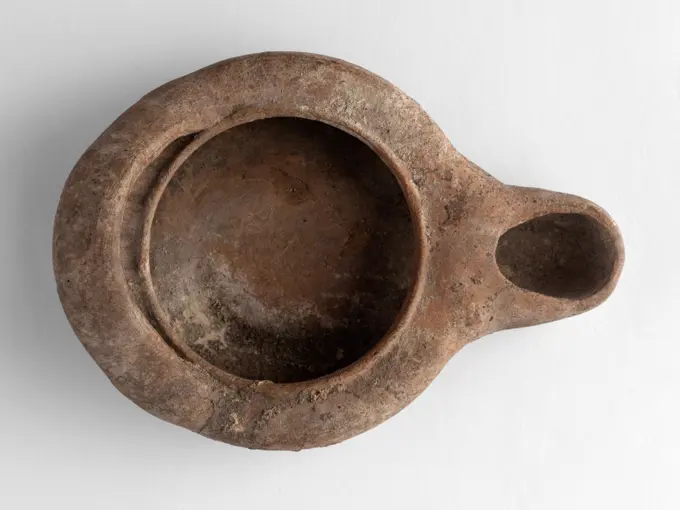
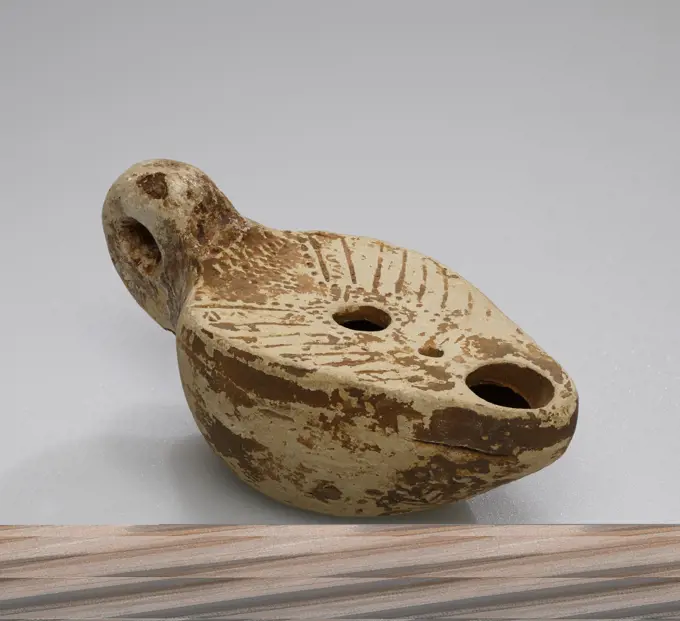
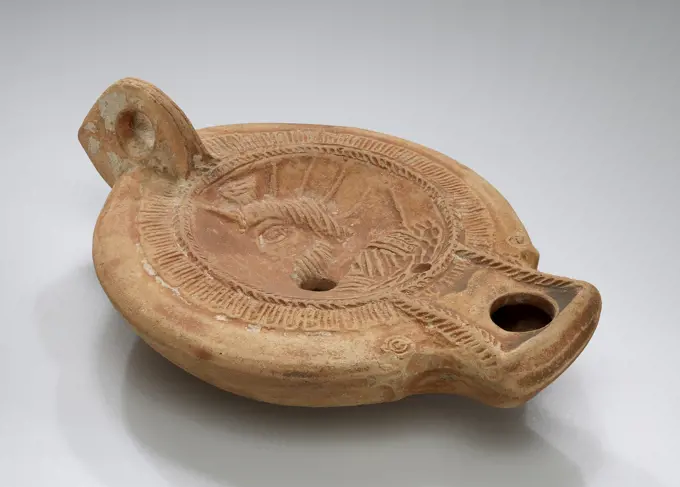
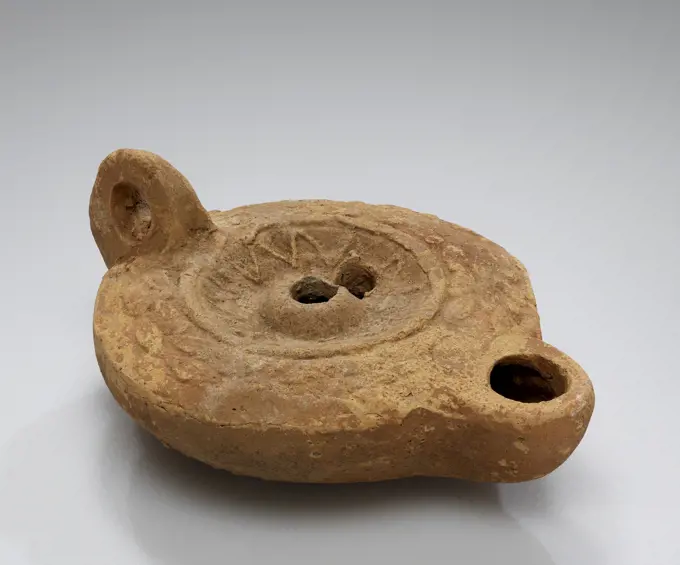
Lamp, South Anatolia, Anatolia; 2nd century B.C.; Terracotta; 3.3 × 6.1 × 9 cm (1 5,16 × 2 3,8 × 3 9,16 in.)
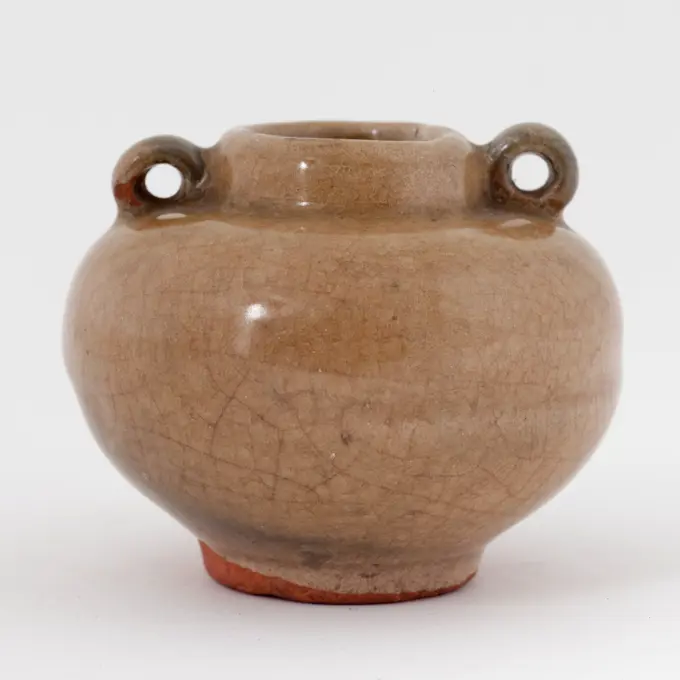
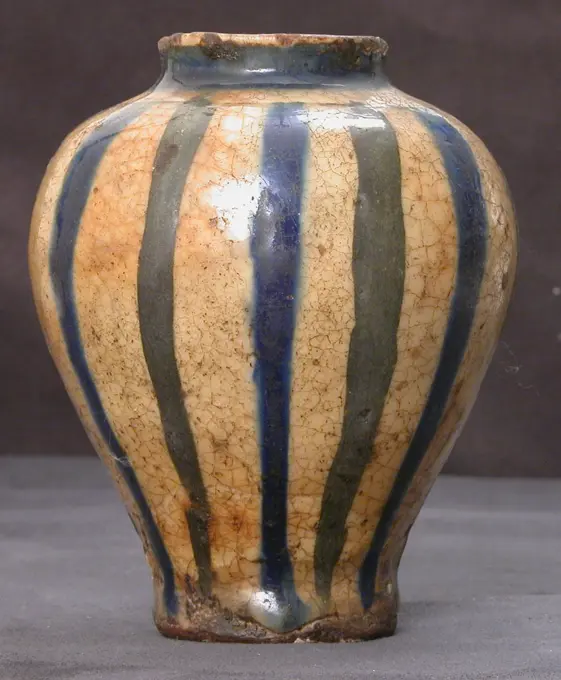
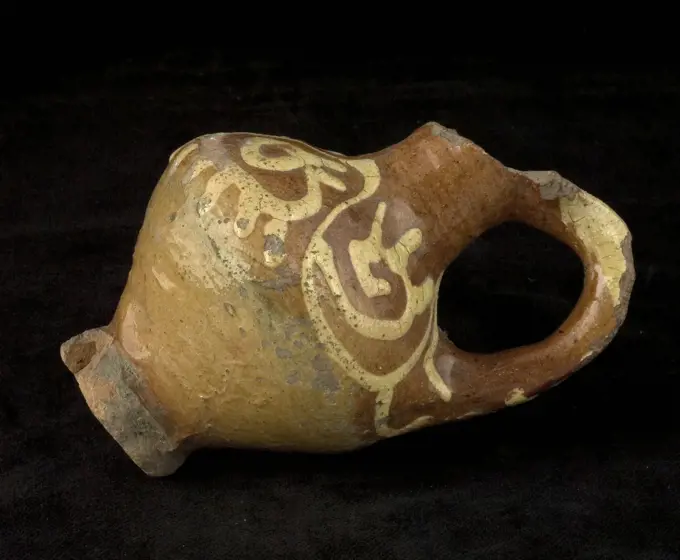
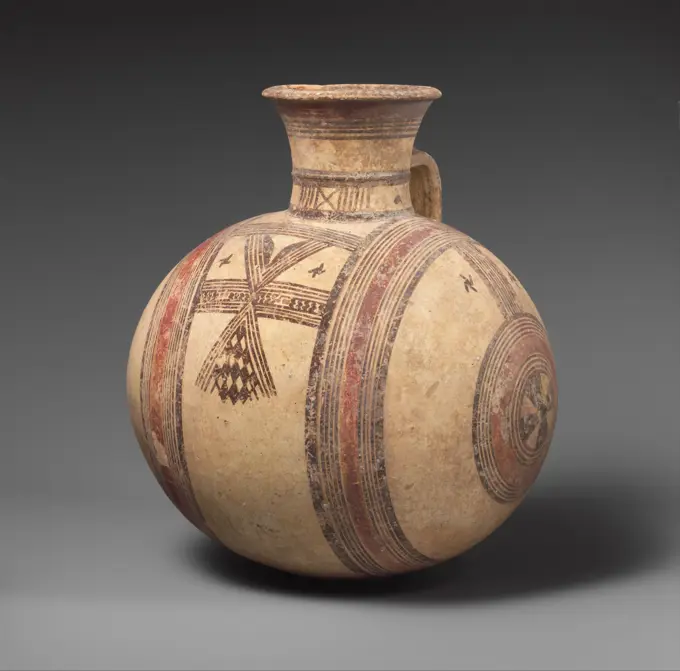
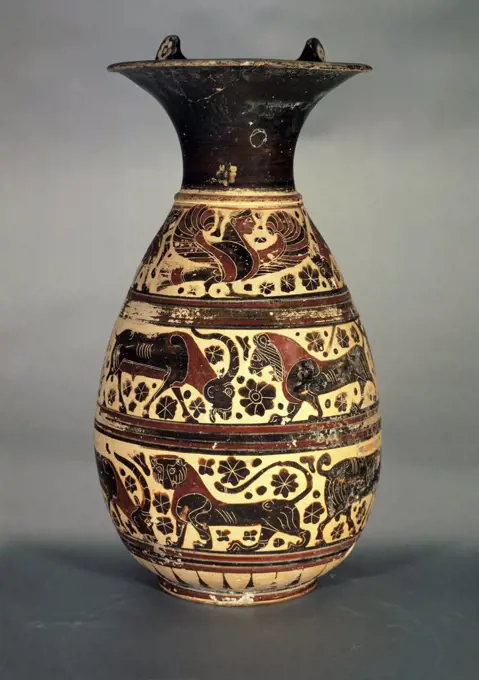
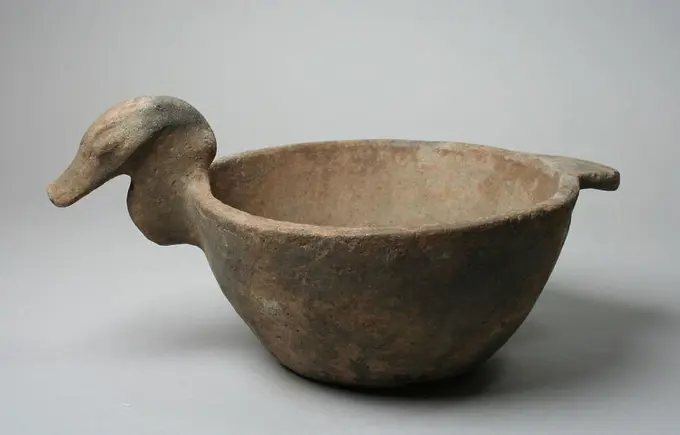
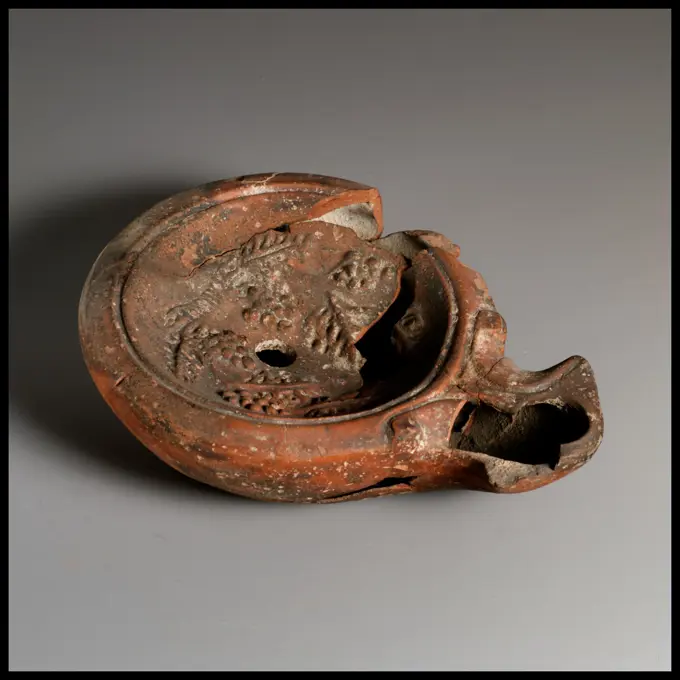
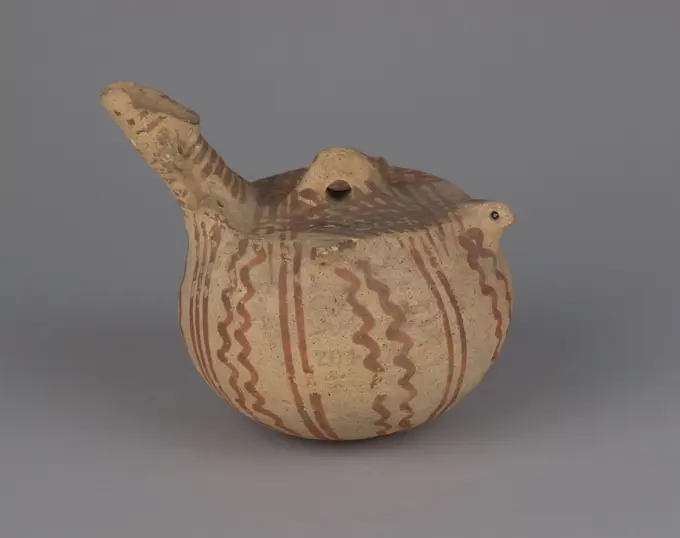
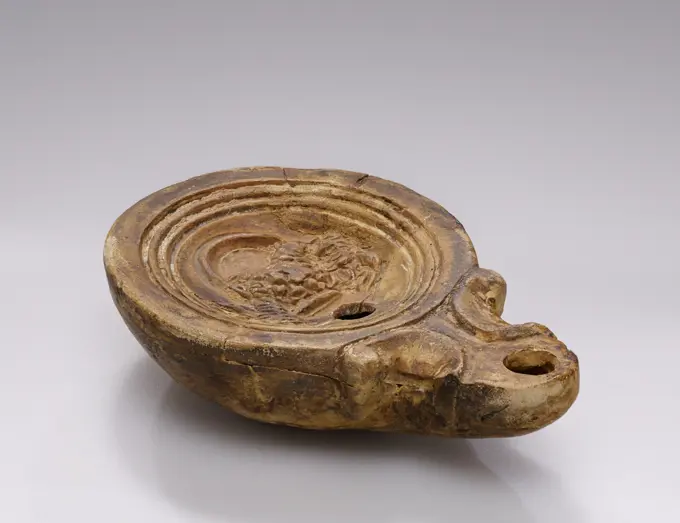
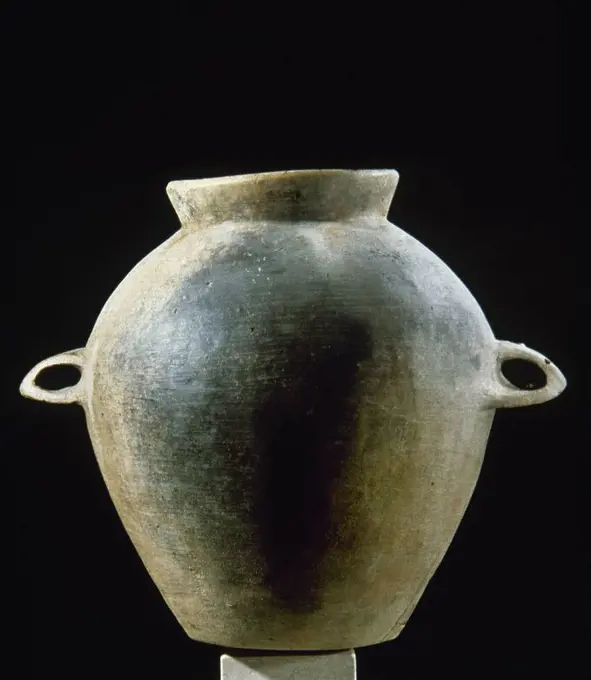
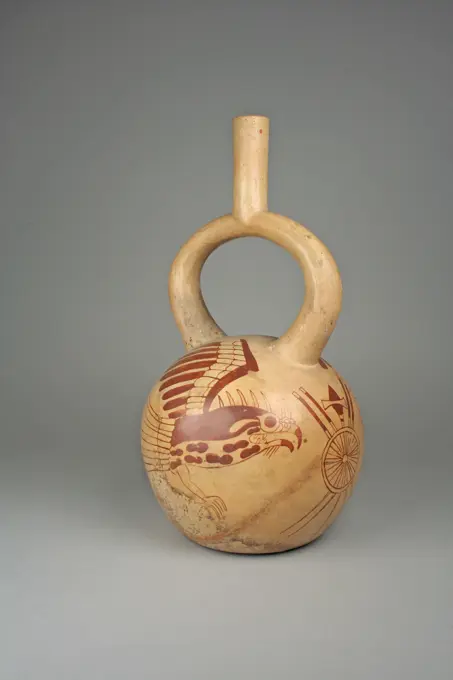
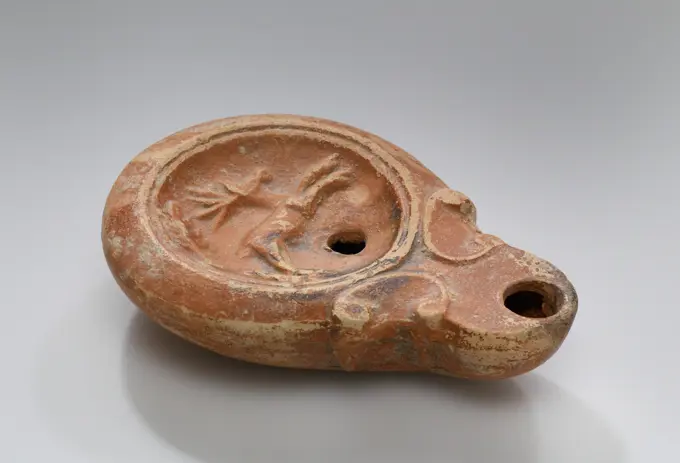
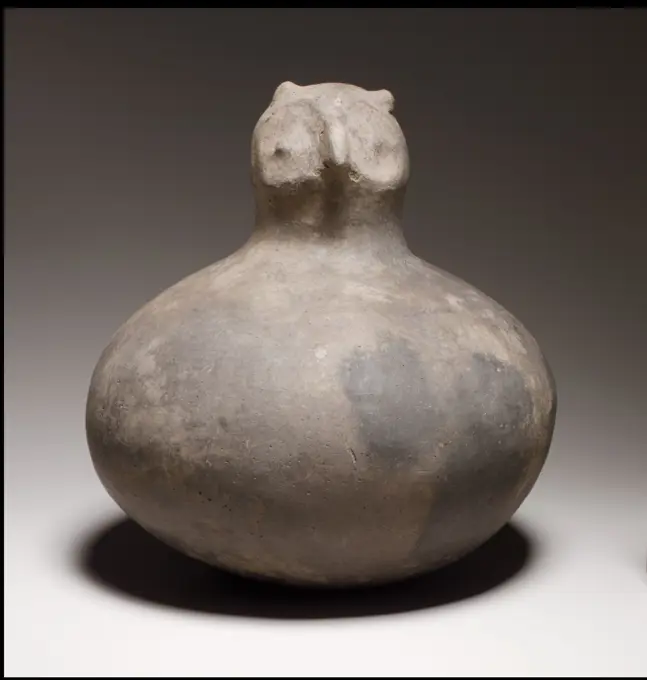
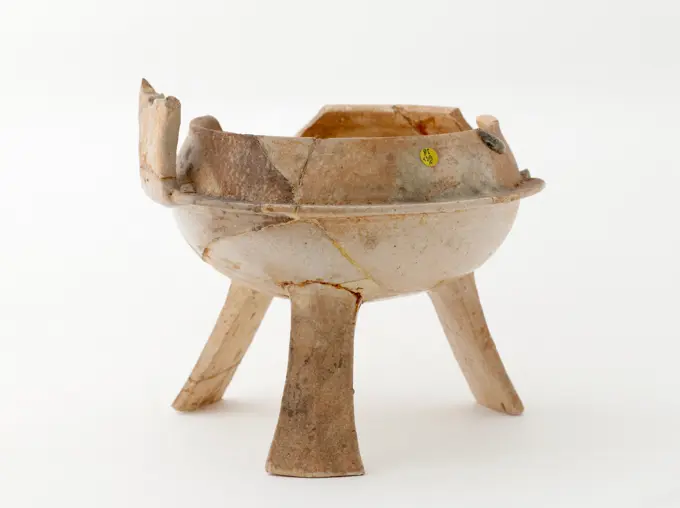
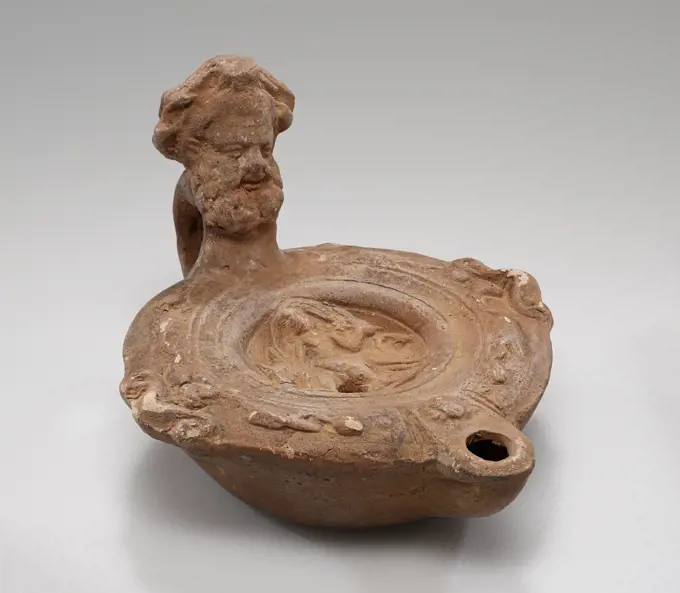
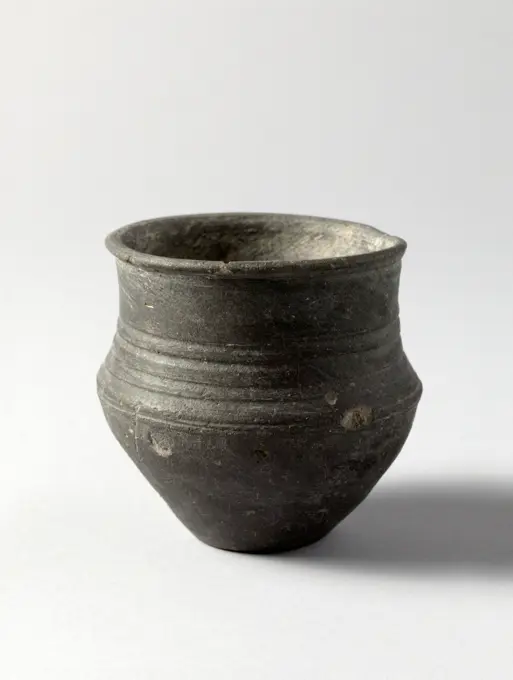
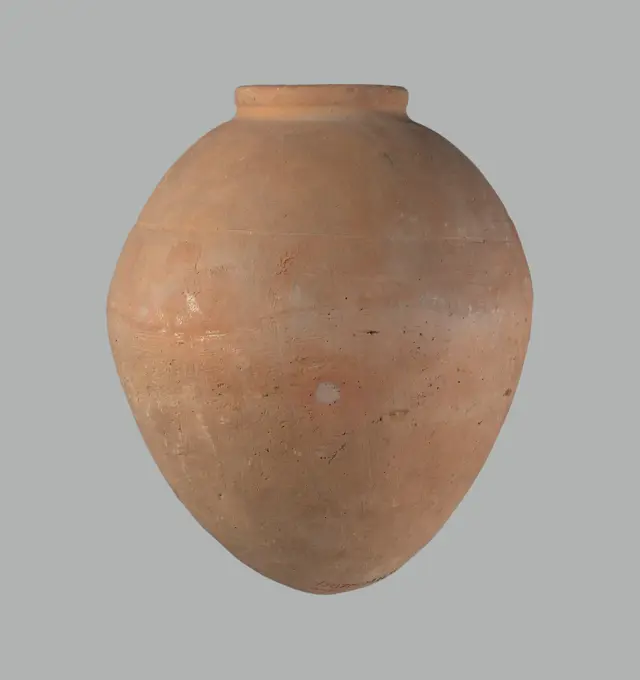
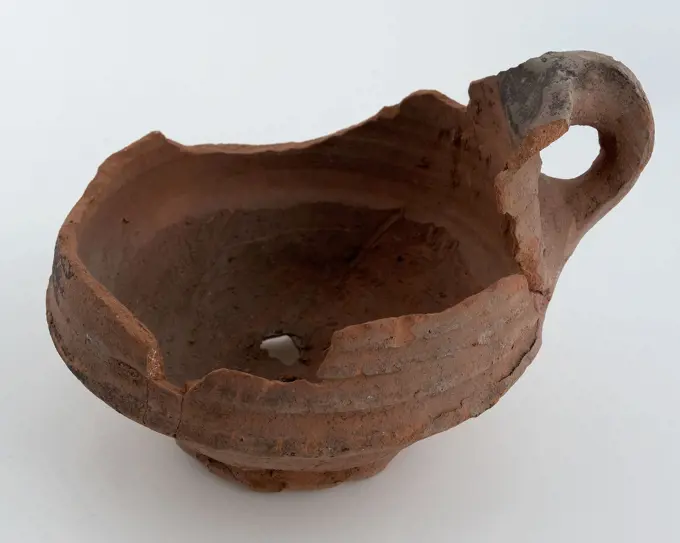
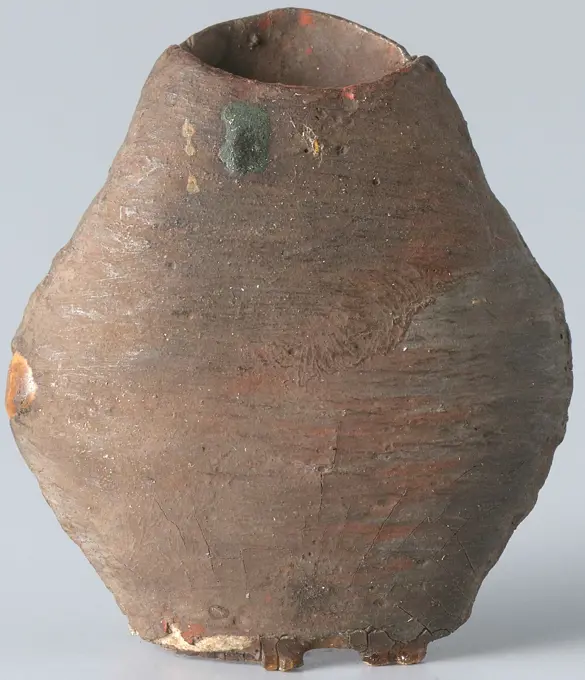
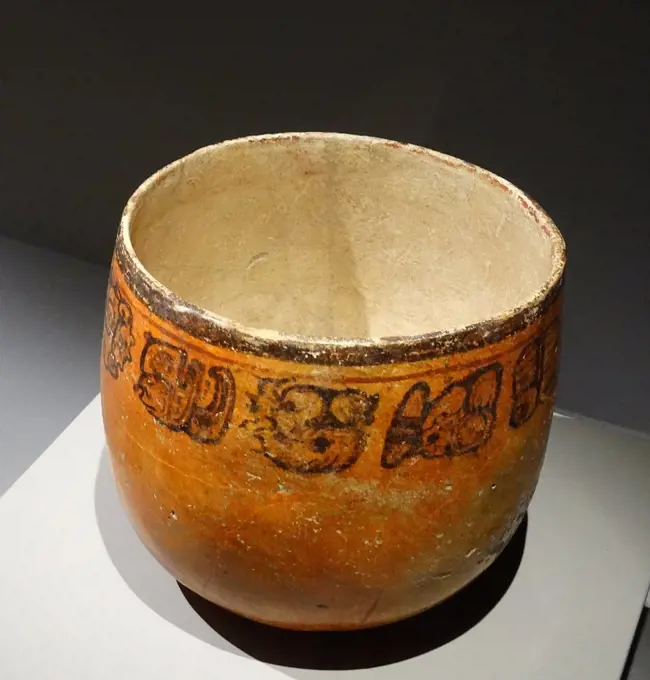
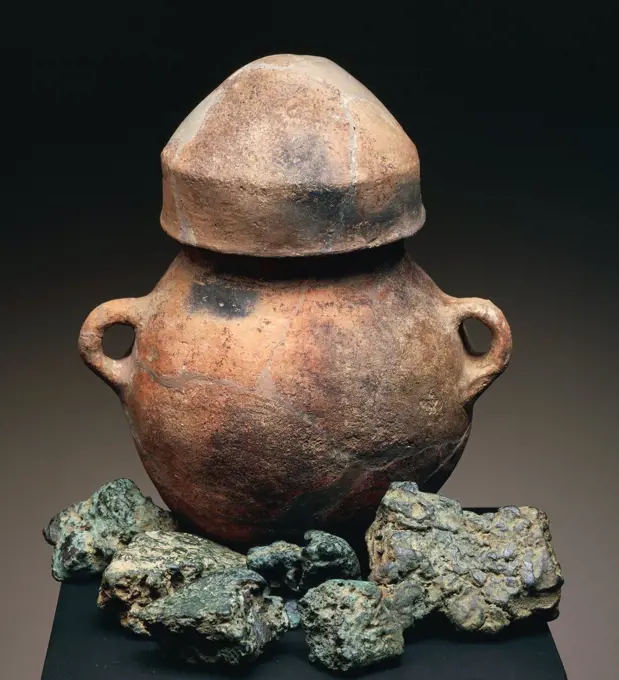
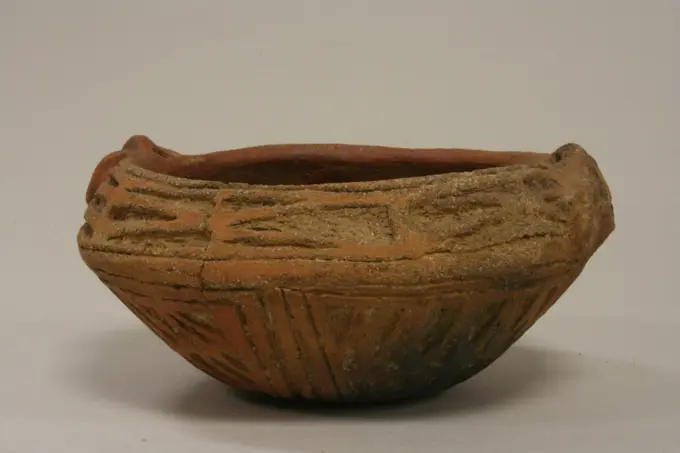
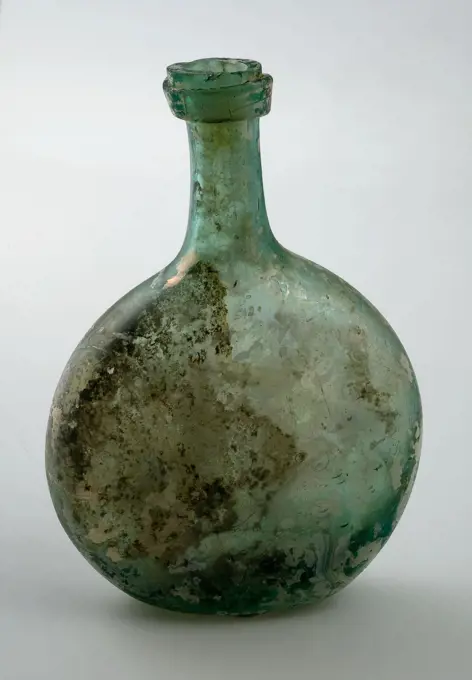
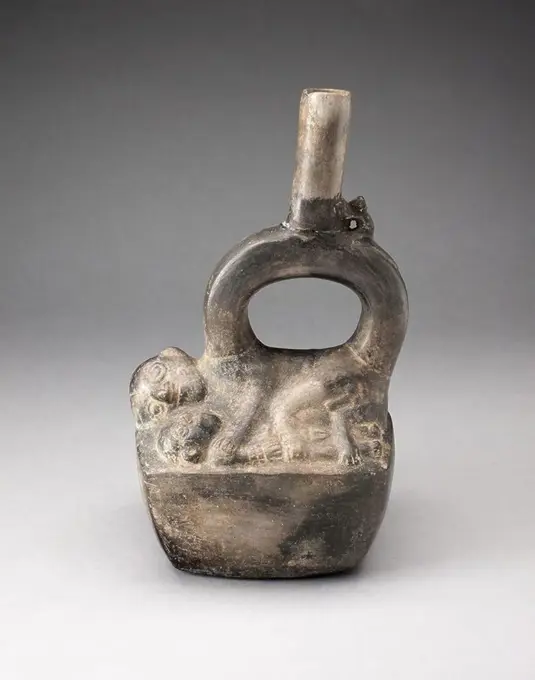
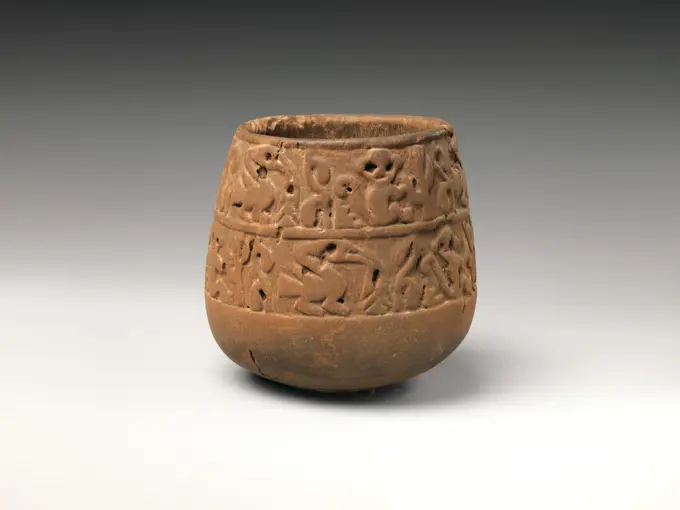
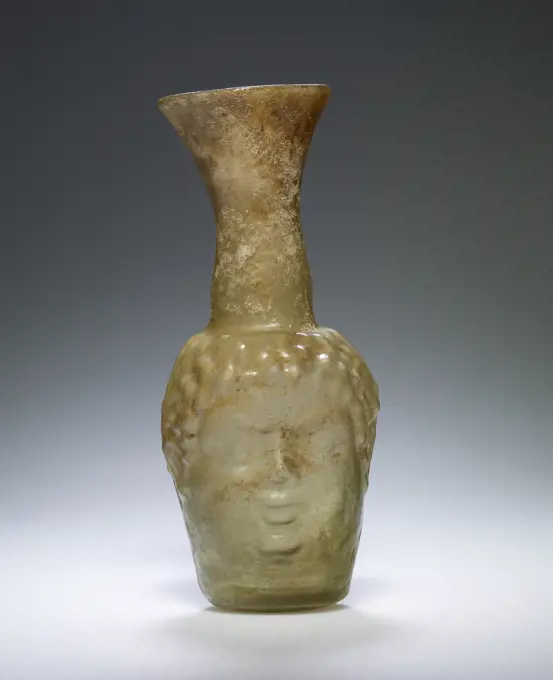
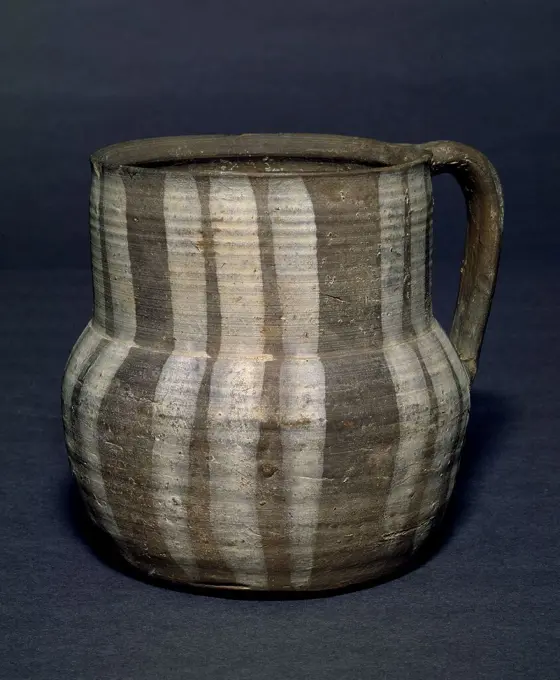
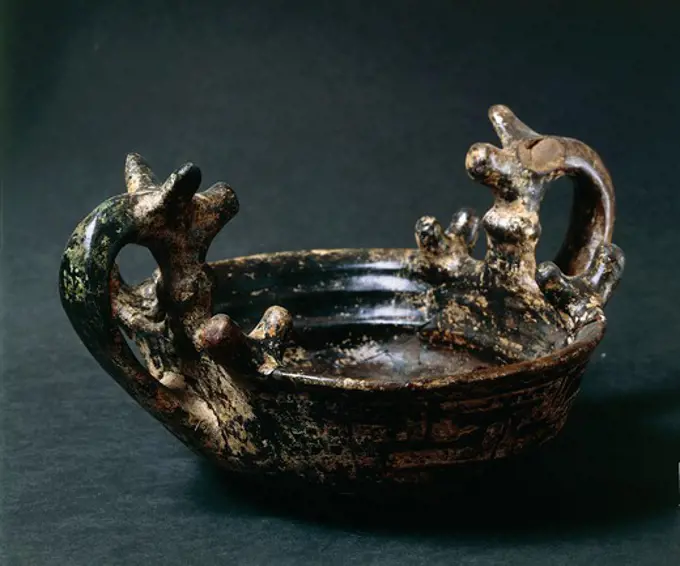
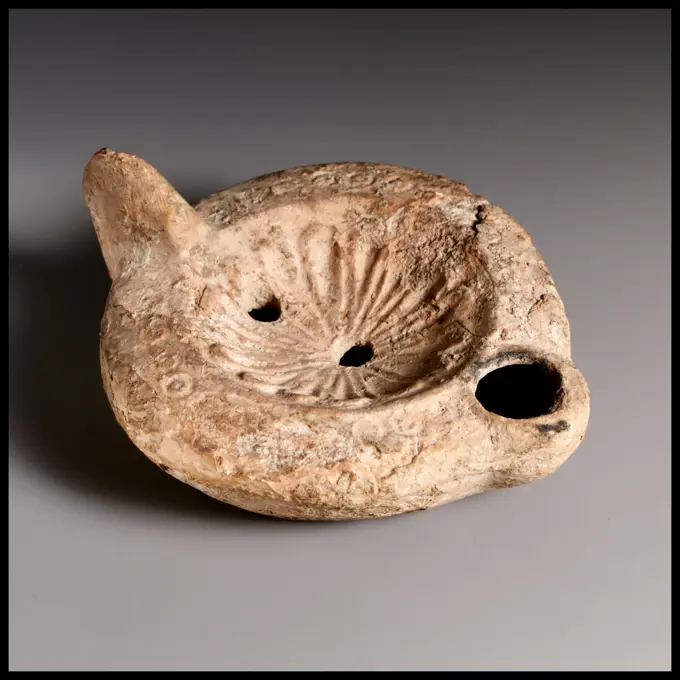
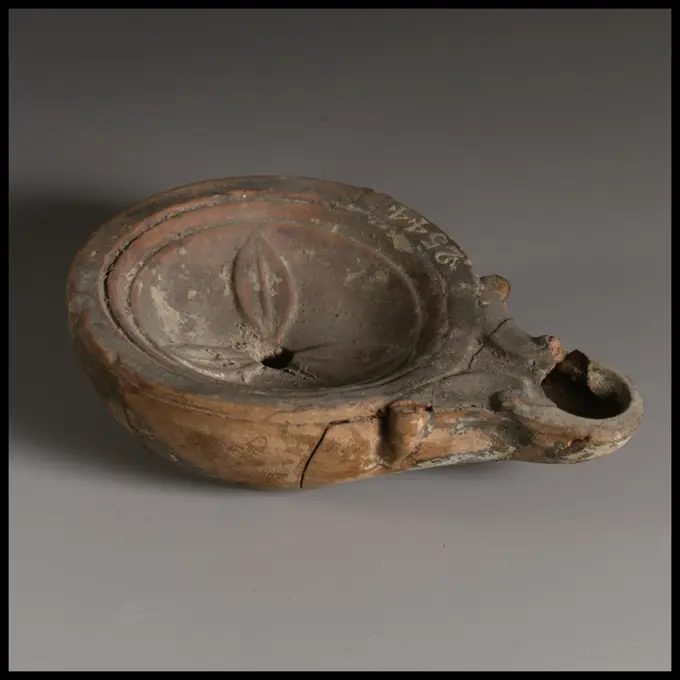
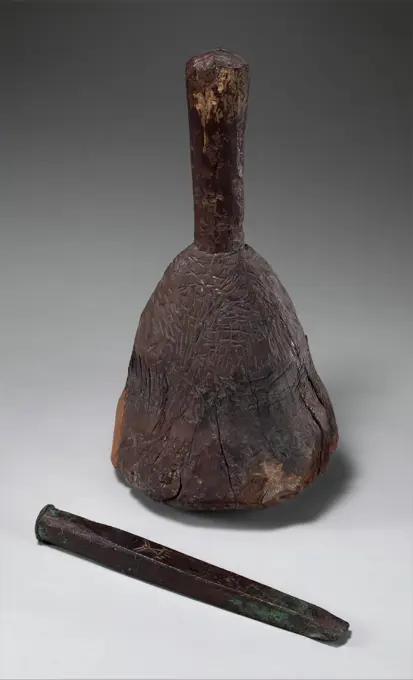
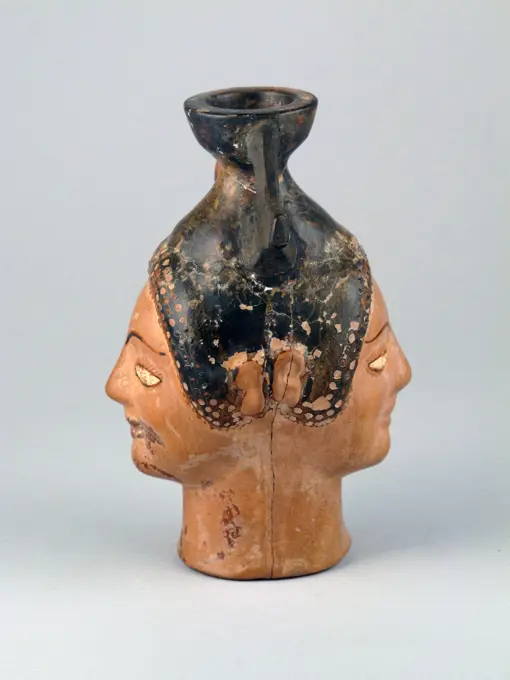
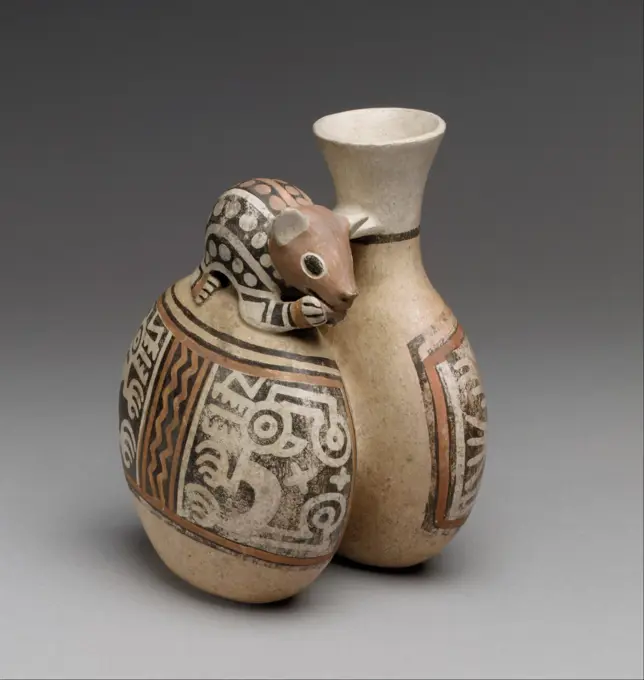
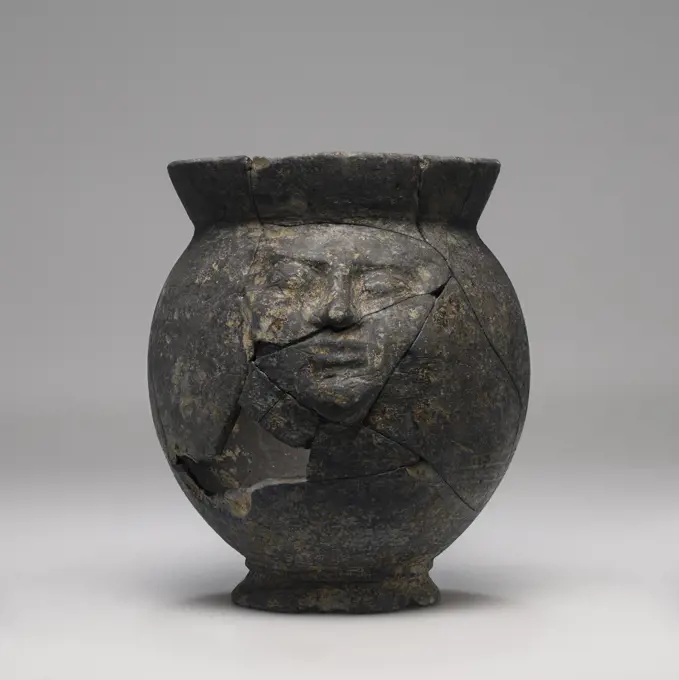
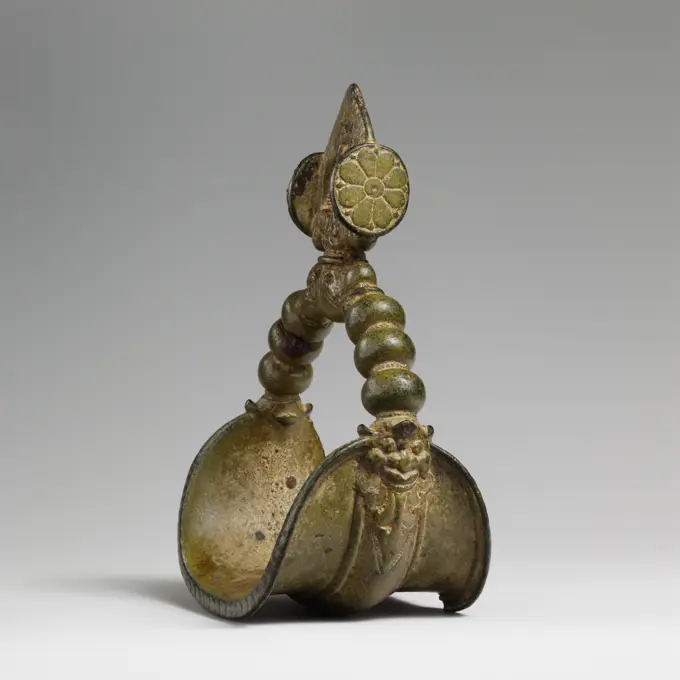
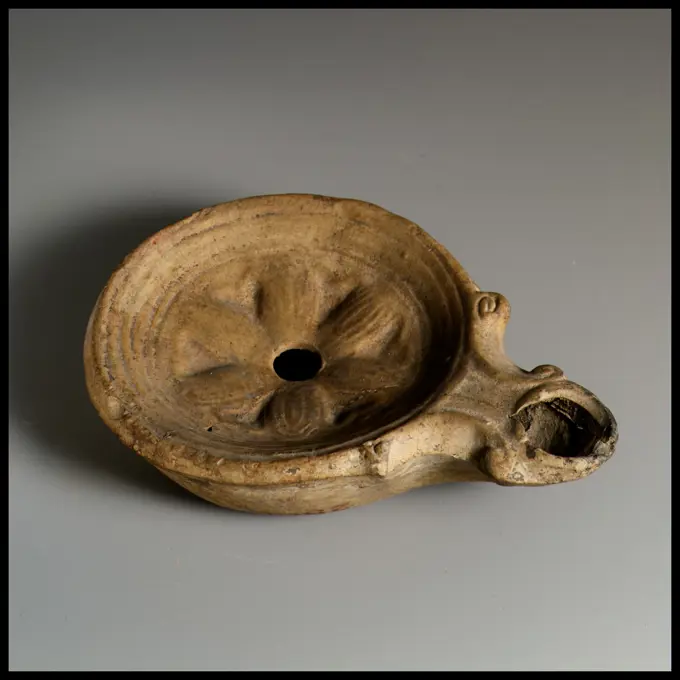
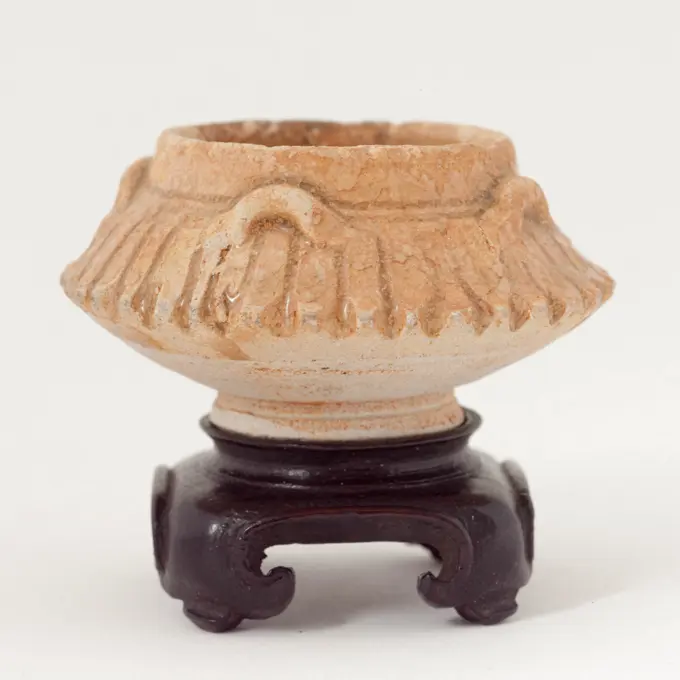
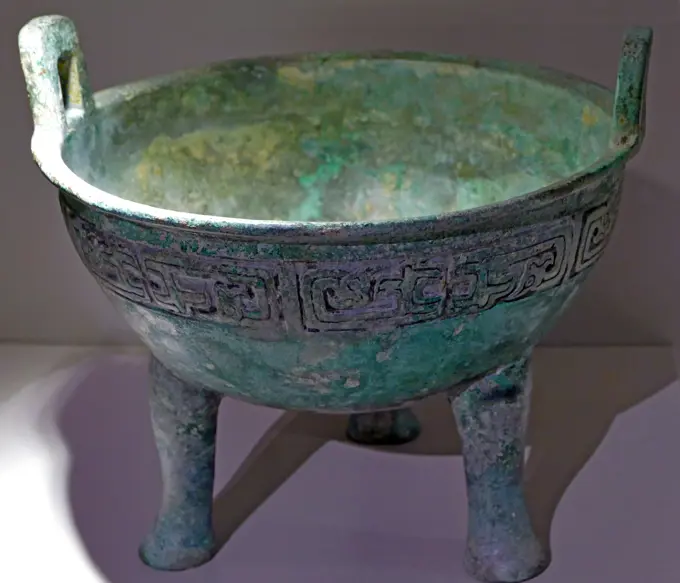
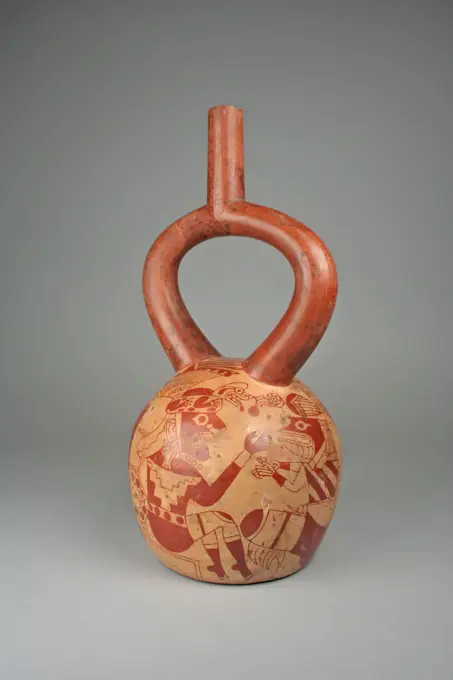
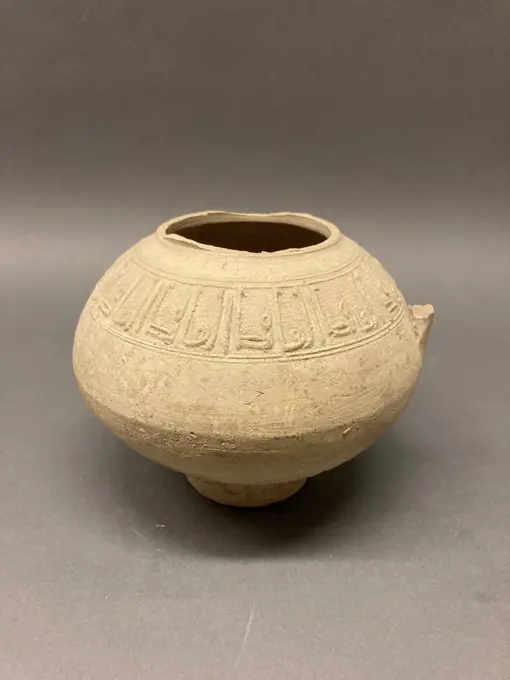
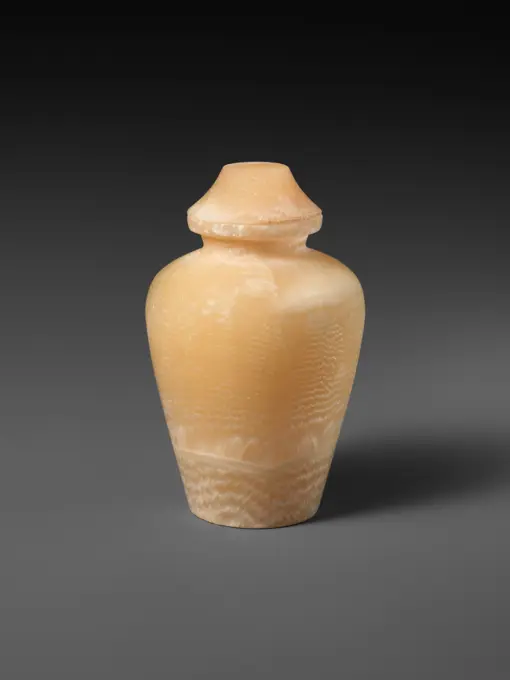
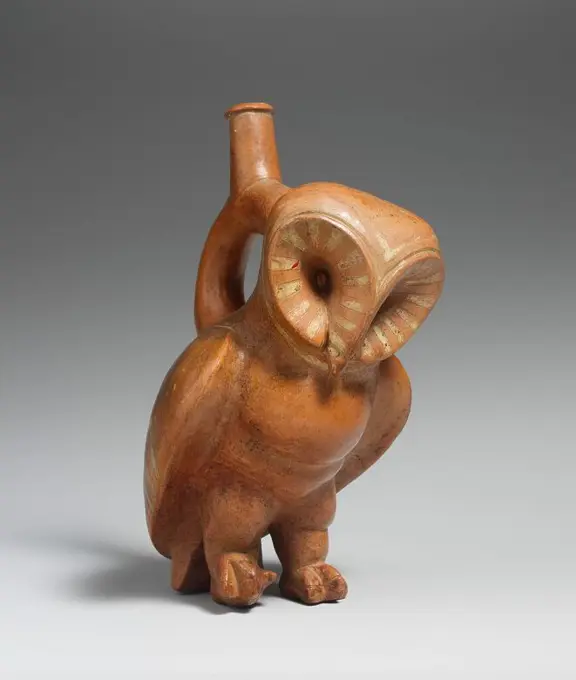
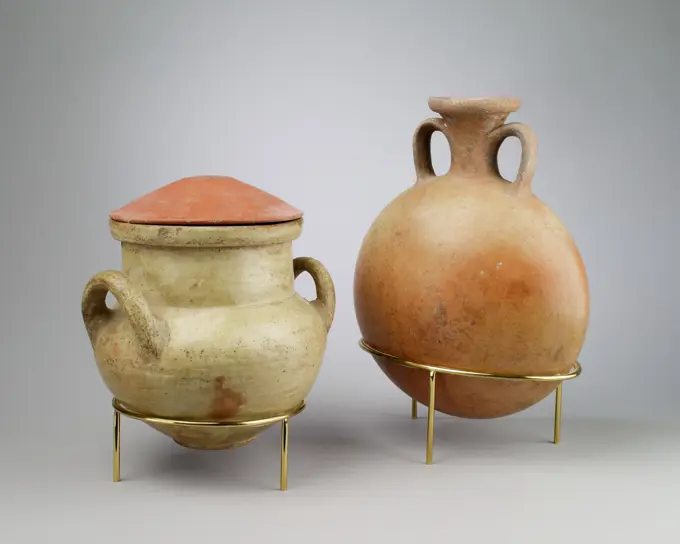
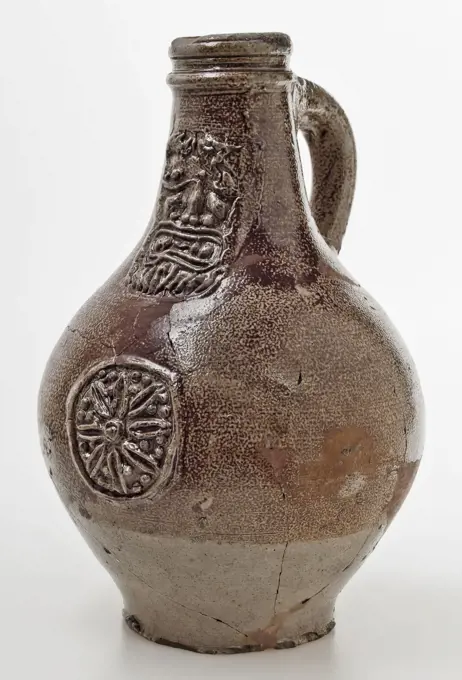
Brown Bartmann jug, also called Bellarmine jug, jug, stoneware, with beard and oval cartouche with rosette, Bartmann juggeruik tableware holder basal findings ceramic stoneware glaze salt glaze, hand rolled glazed pan stoneware stoneware jug gray shard brown glazed partially brindled short pointy tail two ridges under mouth edge deductors underside archeology Valckensteyn Poortugaal Albrandswaard indigenous pottery import drink beverage packaging transport store donate Soil discovery: castle Valckensteyn in Poortugaal now Albrandswaard 1961-1962.Miniature jar ". Orange terracotta, Céladon covered. China, Tang dynasty (618-907). Paris, Cernuschi museum. Anse, Chinese art, container, tang dynasty, round shape, miniature jar, Chinese porcelain, container, terracottaOil lamp. Terracotta. High Empire. A suspensive handle. 15, rue de Cluny (1891). Magne collection. Paris, Carnavalet museum. Suspensive handle, MAGNE collection, High-Empire, oil lamp, terracottaBOTIJO DE TRAMPA CON DECORACION INCISA - ARTE POPULAR S XX. Author: NICOLAS GUERRA GOMEZ (s XX) ALFARERO. Location: ALFARERIA. CAMPO REAL. MADRID. SPAIN.Vase 18th century. Vase. 18th century. Stonepaste; painted and glazed. Attributed to Iran. CeramicsBottle. Celadon coverage sandstone. Cernuschi Museum, Asia Museum of Asia in the city of Paris.Pottery jug be used on stand foot, double conical with high band ear, sludge decoration on shoulder, ear and neck, oil jug crockery holder toy relaxant soil find ceramics pottery glaze lead glaze clay, foot 3.2 hand turned glazed fired ring small pottery jug cover red shard covered with lead glaze inside glazed top pinched bandstand stand. Yellow silt trim around the neck ear and shoulder. Decoration consists of wavy line connected with fantasy figures wreath of stripes around the belly Double conical shape on stand foot slender neck archeology indigenous pottery serve serve oil toy child child play toySnuff Bottle, 1644-1911. China, Qing dynasty (1644-1911). Glass; overall: 8.6 cm (3 3/8 in.).Terracotta barrel-shaped jug 850-750 B.C. Cypriot Maltese cross on each end, chequers and swastikas.. Terracotta barrel-shaped jug 240085Vase:  Winged Sphynx, Lion and Ibex  Greek Art  Musee du Louvre, Paris Bowl, Bird Head on Rim. Culture: Mississippian. Dimensions: Height 4-3/4 in.. Date: 11th-14th century. Museum: Metropolitan Museum of Art, New York, USA.Carved Stone Vessel, 700-1000. Northwest Honduras, Ulúa Valley, 8th-10th century. Marble; overall: 27 x 30.3 x 17.4 cm (10 5/8 x 11 15/16 x 6 7/8 in.).Spheroconical Vessel 9th-10th century. Spheroconical Vessel 449919Pottery ointment jar with curved side wall and round top edge, ointment jar pot holder soil find ceramic earthenware glaze lead glaze, hand-turned glazed baked Ointment jar of yellow orange earthenware internal and underside glazed thickened edge rotations inside wall and bottom archeology Valckensteyn Poortugaal Albrandswaard health care indigenous pottery ointment care medicine medicine pharmacy packaging packaging Soil discovery: castle Valckensteyn in Poortugaal now Albrandswaard.Pot ca. 6th-8th century A.D. Sasanian or Islamic. Pot 322992ARTE PREHISTORICO-EDAD METALES. ESPAÑA. URNAS FUNERARIAS decoradas con pintura roja. Procedentes de Olmedilla de Alarcón. EDAD DEL HIERRO II. Museo Arqueológico de Cuenca. Castilla-La Mancha.Terracotta oil lamp early 1st century A.D. Roman, Cnidian Loeschcke Type 1. Mold-made. Discus: vine wreath with bunches of grapes, arranged around a central filling hole, tied with taenia at top, with a single groove towards edge. Volutes flanking nozzle. Within incised base ring, a slightly concave base, with incised letters across center: ROMASIS.Broken and repaired, with numerous losses to discus, nozzle, and body.. Terracotta oil lamp. Roman, Cnidian. early 1st century A.D.. Terracotta. Early Imperial. TerracottasAskos in the form of a bird 1900-1600 B.C. Cypriot. Askos in the form of a bird. Cypriot. 1900-1600 B.C.. Terracotta. Middle Cypriot. VasesLamp. UnknownOvoid jar ". Terracotta. Vietnam-Xe-Xive s. Paris, Cernuschi museum. 72185-14 Jarre Ovow, Vietnamese object, terracottaItaly. Sardinia. Nuragic civilization. Amphora. 8th century BC. Archeological Museum of Cagliari.Raptorial Bird Bottle 4th-7th century Moche This painted stirrup-spout bottle, depicting two raptorial birds, was produced by Moche artists of Perus North Coast. This type of ceramic is called “fineline,” so named for the detailed figures and scenes delicately painted in red slip (a suspension of clay and/or other colorants in water) on a white background. On this vessel the artist illustrated two almost identical raptorial birds, perhaps hawks, falcons, or ospreys, separated by war bundles consisting of a shield, a mace, and spears or darts. Both shields are decorated with sunburst-like designs reminiscent of those seen on actual gilded copper shield frontals (see, for example, one in the Mets collection, accession number 1987.394.129). Raptorial birds are fierce predators capable of snatching animals both in open regions and in forested terrain. As such, these creatures would be suitable symbols of a warriors might. The stirrup-spout vessel—the shape of the spout recalls the stirrBridge-spouted Painted Vase. Central Iran, Tepe Sialk, circa 800-600 B.C.. Furnishings; Accessories. Buff ware, creamslip, reddish-orange painted decorationGlass hexagonal jug with Jewish symbols. Culture: Roman, Palestinian. Dimensions: Height 5 11/16in. (14.4cm); diameter 2 3/8in. (6.1cm). Date: late 6th-early 7th century A.D..Translucent light green; handle in same color.Mouth and neck free blown. Rounded, partially tubular rim, folded out and down; broad trefoil mouth with narrowed spout; cylindrical neck with bulge at top, then expanding downwards; concave shoulder with rounded outer edge; hexagonal body with concave sides; pushed-in bottom with small central kick and circular pontil scar; broad strap handle applied in uneven pad to top of body and edge of shoulder, drawn up and outwards in a straight line, then curved in and trailed off on rim opposite spout with slight upward trail folded back on top of handle.On the body, six rectangular panels with impressed decoration, each of a different design bordered by lines of recessed dots. They comprise a five-branched menorah on a tripod base, a double lozenge with diamond-shaped cenBarrel with lid, hollow. A barrel twisted maple wood, cave with groove and profile rim, and with a loose lid.Architectural Fragment, 1400-1450. France, 15th century. Stone; overall: 29.9 x 31.1 x 15.3 cm (11 3/4 x 12 1/4 x 6 in.).Phial; unknown eastern workshop; III century (201-00-00-300-00-00);Lamp, North Africa; 1st - 4th century; Terracotta; 2.5 x 7 x 10 cm (1 x 2 3,4 x 3 15,16 in.)Lamp. UnknownBottle, Owl Head on Neck 11th-14th century Mississippian. Bottle, Owl Head on Neck 318596Tripod with two vertical handles and its lid ". Terracotta. Vietnam-Xe-Xive s. Paris, Cernuschi museum. 72361-19 Vertical handle, lid, Vietnamese object, terracotta, tripodAryballos (Container for Oil). Eastern Mediterranean, possibly from Rhodes. Date: 550 BC-450 BC. Dimensions: 6 × 4.9 × 4.9 cm (2 3/8 × 1 7/8 × 1 7/8 in.). Glass, core-formed technique. Origin: Eastern Mediterranean Region. Museum: The Chicago Art Institute, Chicago, USA. Author: Ancient Eastern Mediterranean.Lamp, Asia Minor; 1st - 4th century; Terracotta; 2.6 x 9.6 x 11.9 cm (1 x 3 3,4 x 4 11,16 in.)Lamp. Culture: Roman. Dimensions: Length: 3 9/16 in. (9.1 cm)Height: 1 in. (2.5 cm). Date: 1st century B.C.-1st century A.D.. Museum: Metropolitan Museum of Art, New York, USA.Terracotta oil lamp. Culture: Roman. Dimensions: Overall: 1 3/4 x 4 1/8 in. (4.4 x 10.5 cm). Date: 1st century B.C.-1st century A.D..Loeschcke Type 4. Mold-made, with ring handle. Plain, shallow concave discus; a single filling hole at center and with a thick raised circle at edge of discus, joining back of volutes and forming a narrow channel along top of nozzle. On sloping shoulder, a pattern of impressed ovules around inner edge. Volutes flanking nozzle. Impressed ring base, and a slightly concave base.Intact. Museum: Metropolitan Museum of Art, New York, USA.Anonymous. Vase in Carène, decor of furrows. Gray terracotta. End 6th century 6th century. Paris, Carnavalet museum. Decor, groove, terracotta, dishes, career vase, archeological vestigeLamp, Cologne, Germany; 1st - 4th century; Terracotta; 2.2 x 3.5 x 7 cm (7,8 x 1 3,8 x 2 3,4 in.)Vessel 1550 BCE-1069 BCE Egypt. Ceramic . Ancient EgyptianDish;  around 2686- 2181 BC ; Old PALamp. UnknownVASIJA DE CERAMICA - SIGLO XX - ARTE POPULAR. Location: ALFARERIA. TENERIFE. TENERIFFA. SPAIN.Earthenware flowerpot on stand, with squeezed band ear, holes in the bottom, unglazed, pot holder pottery earthenware ceramic pottery, hand-turned baked Pottery flowerpot with four holes in the bottom. Unglazed. Taper of shape on small foot with stand ring. Pinched bandoor After kink straight sidewall with revolving armor archeology Rotterdam City Triangle Nieuwehaven indigenous pottery plant flower plant growing garden Soil discovery: Nieuwe Haven 2nd cesspool (square) 22-08-1980A jug. A separate object from a Diorama from Gerrit Schouten, representing a jug or pot.Mayan ceramic polychrome drinking bowl, decorated with a band of glyphs. From Chiapas, Mexico 600-900 ADNuragic civilization. Small ceramic olla with bronze fragments. From Sardinia Region.Lamp, North Africa; 1st - 4th century; Terracotta; 2.3 x 8.2 x 11.6 cm (7,8 x 3 1,4 x 4 9,16 in.)Bowl with Stippled Designs 9th-14th century Quimbaya. Bowl with Stippled Designs 318578Small green bottle with oval body and long neck, glass thread under the neck, bottle holder soil find glass, free blown Small bottle with long neck and oval flat body in clear green glass. Flattened bottom with pontilemark Flat surrounding going glass wire under the neck opening Irisation archeology packaging transporting storageStirrup Spout Vessel Depicting Reclining Figures. Chimú; North coast, Peru. Date: 1100-1470. Dimensions: 25.7 x 14.8 cm (10 1/8 x 5 13/16 in.). Ceramic. Origin: North Coast. Museum: The Chicago Art Institute, Chicago, USA.Bowl 12th-15th century Chimú. Bowl. Chimú. 12th-15th century. Wood. Peru. Wood-ContainersDzban. warsztat attycki, workshopHead Flask; Eastern Mediterranean; about 2nd - 3rd century; Glass; 15.5 cm (6 1,8 in.)JARRO CALIFAL BIZCOCHADO Y PINTADO CON DEDO - PERIODO OMEYA - SIGLO X. Location: MUSEO ARQUEOLOGICO-COLECCION. CORDOBA. SPAIN.Ampułka św. Menasa. nieznany warsztat egipski, workshopConical-hemispherical spindle-whorl with slightly rounded base. Culture: Cypriot. Dimensions: H. 1 11/16 in. (4.3 cm). Date: ca. 2000-1725 B.C..Spindle whorls aided in the making of cloth for garments and bedding. They were placed in tombs, perhaps so that the deceased could continue to spin wool in the afterlife. Museum: Metropolitan Museum of Art, New York, USA.Terracotta skyphos (deep drinking cup) 1st half of 8th century B.C. Cypriot This skyphos is probably a Cypriot imitation of an Attic prototype.. Terracotta skyphos (deep drinking cup) 240177Model Pitcher. Egypt, 6th - 8th Dynasties (2374 - 2165 BCE). Furnishings; Serviceware. CopperPainted Bowl with Faunal and Floral Design 401 CE-500 CE Gandhara. Terracotta with black pigment .Pot from the wreck of the East Indies Hollandia, Anonymous, 1700 - in Or Before 1743 pot Pot; egg-shaped, narrow flat circular base, straight upper rim, engraved linear decoration, rim recessed to fit metal band, mounting missing. Netherlands wood (plant material)   SecondItalic civilizations, Piceni, 6th century b.C. Ceramic vessel with zoomorphic handles. From Grottazzolina, province of Fermo.Lamp probably 12th-13th century. Lamp. probably 12th-13th century. Earthenware; glazed. Attributed to Syria, Raqqa. CeramicsSmall Pot, 15th century, 2 1/4 x 2 1/2 in. (5.7 x 6.35 cm), Pottery, Mexico, 15th centuryTerracotta oil lamp late 3rd century A.D. Roman Loeschcke Type 8. Unpierced handle. Mold-made. Discus; rosette with hollow, radiating petals around central filling hole; a second filling hole towards edge in front of handle. On shoulder: a row of impressed circles and dots. Across uneven, concave base within base ring inscribed in Greek letters: OMO, with lines above and below. Severe accretion and pitting of surfaces.. Terracotta oil lamp. Roman. late 3rd century A.D.. Terracotta. Late Imperial. TerracottasStirrup Spout Bottle. Culture: Moche. Dimensions: Height 6-7/8 in.. Date: 2nd-5th century. Museum: Metropolitan Museum of Art, New York, USA.Lamp. Culture: Roman. Dimensions: Length: 3 11/16 in. (9.4 cm)Height: 1 in. (2.5 cm). Date: 1st century B.C.-1st century A.D.. Museum: Metropolitan Museum of Art, New York, USA.Terracotta oil lamp ca. A.D. 40-100 Roman Loeschcke Type 4. Mold-made. Deep concave discus: rosette of three pointed petals with central rib; a single filling hole at center; band of two grooves towards edge. Volutes flanking nozzle, with large wick hole. Incised base ring, and raised, flat base; a short impressed line near center.Broken and repaired, with some cracks, holes, and one chip missing on right side of nozzle.. Terracotta oil lamp 241459Mallet ca. 1961-1917 B.C. Middle Kingdom Most of the stone and wood objects displayed in this exhibition were created with simple tools such as this mallet and chisel. Middle Kingdom artists relied on copper or bronze, as they did not possess the technology to manufacture harder metals. Other tools used by ancient Egyptian stoneworkers included metal saws, stone drills, and hard-stone pounders.. Mallet. ca. 1961-1917 B.C.. Wood. Middle Kingdom. From Egypt, Memphite Region, Lisht South, Pyramid Temple of Senwosret I, MMA excavations. Dynasty 12Vase in the Shape of a Ram. UnknownTerracotta oil lamp. Culture: Roman, Cypriot. Dimensions: Overall: 1 x 3 3/4 in. (2.5 x 9.5 cm).Loeschcke Type 4. Mold-made. Discus: indistinct wreath around central filling hole, with small taenia opposite nozzle. Plain shoulder. Volutes flanking nozzle. On left side of body: raised, molded letters in retrograde: ZW. Slightly raised base ring and flat base. Museum: Metropolitan Museum of Art, New York, USA.Anonymous (France). Oil lamp. Terracotta, Carolingian. Paris, Carnavalet museum. 58449-14 Carolingian, Carolingian period, oil lamp, terracotta, archeological vestigeAryballos in the form of two women's heads conjoined ca. 460 B.C. Greek, Attic. Aryballos in the form of two women's heads conjoined. Greek, Attic. ca. 460 B.C.. Terracotta. Classical. VasesCanopic Jar Body. Inscribed for Ta-nefert-irty, daughter of the general Psamtek-neb-pehty, born of the lady Ta-Kesh.small Iberian pot small Iberian pot, V-II BC, Ategua, Cordoba, Iberian Museum of Jaén, Andalusia, Spain Copyright: xZoonar.com/BartomeuxBalaguerxRotgerx 21704923Keramikbehälter ceramics containers, Son Fornes Archaeological Museum, post-alayotic period room, Montuiri, Es Pla region, Mallorca, Spain Copyright: xZoonar.com/BartomeuxBalaguerxRotgerx 22896914Terracotta oil lamp 2nd century A.D. Roman Vessberg Type 13. Mold-made. Discus: rosette of twelve slender round petals interspersed with four pointed, slender leaves; a single, small filling hole at center; raised ridge around edge of discus. Sloping shoulder: small ovules around inner edge. Round nozzle; a pair of impressed circles as stylized volutes at each side of back of nozzle. Raised base ring, and broad, flat base; small impressed circle at center.Intact.. Terracotta oil lamp 241456Jar 8th-9th century. Jar 448975Bottle, Starfish 4th-7th century Moche. Bottle, Starfish 308405Lamp. UnknownOil Lamp Alexandrian workshopBottle with Mouse 4th-7th century Recuay Contemporary with the Moche peoples on the coast, those of Recuay were in the highlands around the Callejón de Huaylas in the north-central Andes. They flourished from about 1200 B.C. to 800 A.D., producing distinctive ceramics and stone sculptures decorated with images of rulers and supernatural creatures apparently related to Recuay cosmology. One of the best known of these images is the so-called moon animal or moon monster, a foxlike or feline animal with a long, toothy snout and head crest. The creature is frequently depicted on fine Recuay ceramics. Often made of white kaolin-like clay and decorated by resist, or negative, patterns, as is this example, Recuay ceramics exhibit quite engaging imagery. The moon animal appears twice on each chamber depicted in profile, with big round eyes, large clawed paws, and a curled tail. From the top of its head extends a curved appendage. One of the chambers has a flared spout, the other is topped by a Handleless Oil LampOne-Handled Mug with Relief Human Mask; Etruria; 575-550 B.C; Terracotta; 10.5 x 9 cm (4 1,8 x 3 9,16 in.)Bowls and lamps (2400-2000 BC) from Tiwal esh-Sharqi in the central Jordan Valley. The lamp of this period has four spouts. From analyses it has been possible to identify the fuel used as fish oil.Stirrup Spout Vessel with Fineline Bird Motifs Made 100 BCE-500 CE North Coast. Ceramic and pigment . MocheStirrup 12th-14th century Probably Burmese This rare bronze stirrup is very appealing for its beautiful form and sculptural qualities. However, no closely comparable stirrups have been identified, making it very difficult to place or date this example. The beaded arms and bearded masks that feature prominently on each side are unique three dimensional interpretations of an iconic design comprising masks linked by garlands of pearls. This design was used to decorate architecture, sculpture, and ritual objects in Buddhist cultures throughout much of Asia.. Stirrup 34186Fragment pot or vase from V.O.C. ship De 'Witte Leeuw', Anonymous, Before 1613 can. DISH Fragment pot or vase from V.O.C. ship the 'Witte Leeuw', 75 present. With loose shard. Shatou porcelain   Sint-HelenaLamp, North Africa; 1st - 4th century; Terracotta; 2.6 x 7.7 x 10.5 cm (1 x 3 1,16 x 4 1,8 in.)Terracotta oil lamp early 1st century A.D. Roman, Cypriot Loeschcke Type 1A. Mold-made. Discus: six large flower buds (or petals) in relief, radiating from a central filling hole, with a broad band of lines and grooves at edge. Volutes flanking nozzle. Within narrow, incised base ring, flat base, with impressed letters across center: FAVSTI, and below: Y.Intact.Fingerprints visible on base.. Terracotta oil lamp. Roman, Cypriot. early 1st century A.D.. Terracotta. Early Imperial. TerracottasHandle Spout Vessel in the Form of a Seated Royal Figure Made 100 BCE-500 CE North Coast. Ceramic and pigment . MochePrehistory, Poland, Bronze Age. Gorki culture. Polychrome ceramic vase.Miniature jar ". Terracotta covered yellow green. China, Tang dynasty (618-907). Paris, Cernuschi museum. Chinese art, Chinese ceramic, container, tang dynasty, miniature jar, container, base, terracottaJar decorated with dragons 17th century Korea The dragons circling this bulbous jar are represented only by sinuous, scaly bodies. This abstraction, along with the speed of the brush, imbues the piece with vigor and a modern aesthetic.. Jar decorated with dragons 73217Vaccean funerary urn, necropolis of the Ruedas, Padilla de Duero, Valladolid Museum - Provincial Museum of Antiquities, Autonomous Community of Castile and Leon, Spain.Vessel with a lid ca. mid-1st millennium B.C. This beehive-shaped alabaster vessel is small and squat with a flat bottom and two pierced lug handles at the shoulder. Its lid has a pierced handle on top. This type of vessel was probably intended as a container that could be sealed by tying the handle on the lid to the lug handles on the vessel. Due to the weight of the stone and the skilled workmanship involved, it has been suggested that these vessels were made to hold a valuable commodity, perhaps a semi-solid ointment. They are found in southwestern Arabia in the last half of the first millennium B.C.. Vessel with a lid 327499Chinese ritual food vessel, ding. Bronze, Western Zhou dynasty (c.1 050-771 BC)Confronting Figures Bottle 4th-7th century Moche Each side of this Moche stirrup spout bottle shows a prominent subject of Moche iconography, Wrinkle Face and Iguana facing each other. On the left side of each pair, Wrinkle Face, a fanged anthropomorphic figure with wrinkles, snake earspools, a feline headdress, and a snake-headed belt, sits on a throne. On the right side, Iguana, the anthropomorphized lizard, wears a bird headdress. While Wrinkle Face raises a hand with a pointed index finger, Iguana joins both hands in an attitude of veneration. Throughout Moche history, the two companions were portrayed in a wide range of complex scenes, such as burial ceremonies, "bean and stick" ceremonies interpreted as games or rituals surrounding agricultural activities, and combats with supernatural creatures.. Confronting Figures Bottle 310522Ewer 11th century This object was found and purchased in Nishapur.Nishapur was a vital city in the early and middle Islamic periods, located along one of the main trajectories that connected Iran and West Asia Islamic lands with Central Asia and China. These itineraries are often referred to by the term Silk routes but were in fact crucial to the movement of constellations of materials and objects, as well as people and ideas. The diverse population of Nishapur and its surroundings, from the better-researched elite groups of merchants, land-owning aristocracy, and literates, to the less-known artisans, farmers, miners, and servants, were instrumental in adapting global cultural trends to create their own distinctive visual languages. This is seen in the material remains of everyday life in medieval Nishapur - from pots and pans to lighting devices, inkwells, textiles and trimmings, jewelry, games and toys, talismanic devices, weapons, coins, and architectural fragments.Nishapur lost itLibation jar with with lid ca. 1887-1750 BC Middle Kingdom This small jar currently has no known parallel, although its form is reminiscent of the large magical water jar from Sithathoryunet's tomb (see 21.2.62a,b).Link to a blog postJewelry from the Haraga Treasure, United at the Met. Libation jar with with lid. ca. 1887-1750 BC. Travertine (Egyptian alabaster). Middle Kingdom. From Egypt, Fayum Entrance Area, Haraga, Cemetery A, Tomb 124Owl Stirrup Spout Bottle. Culture: Moche. Dimensions: H. 9 1/2 x W. 4 5/8in. (24.1 x 11.7cm). Date: 2nd-3rd century.Moche ceramists rendered naturalistic details of humans, animals, and plants with great anatomical precision. Exact species and even historical individuals can be recognized in sculptural images depicted with a high degree of realism. In Moche religion and iconography, birds of prey include falcons, eagles, condors, vultures, and owls. Naturalistic or anthropomorphized birds of prey perform a variety of ritual activities related to their natural behavior such as battles, hunts, and sacrifices. Perhaps because they are nocturnal, owls seem to be closely related to the funerary domain. Anthropomorphized owls prepare bodies and offerings for burials and also carry deceased warriors to the world of the dead. Many species of owls living in the desert environment of the Peruvian north coast are represented by Moche ceramists. This vessel probably shows a Tyto alba, recoVessel with a strap handle and Lid and Lentoid Bottle (Pilgrim Flask) ca. 1353-1336 B.C. New Kingdom, Amarna Period These are marl-clay pots excavated in the North Suburb at Amarna. The lentoid flask (29.7.1) is a type that originates outside Amarna itself. It probably came with particular trade contents: many such lentoid flasks from Amarna show a pitting on the interior that suggests their special contents was somewhat corrosive. The two-handled jar (29.7.2) is lidded with a small upside down silt-clay dish. It had a brown contents when excavated. The jar was found in a house with many others, some sunk into the floor for storage, and plentiful remains of pigments in the house suggested to the excavators that it belonged to a painter.. Vessel with a strap handle and Lid and Lentoid Bottle (Pilgrim Flask) 689624