Ancient Pottery Jugs

Collection of historical pottery jugs and jars with unique shapes and features. Examples of ancient craftsmanship and design from different cultures.

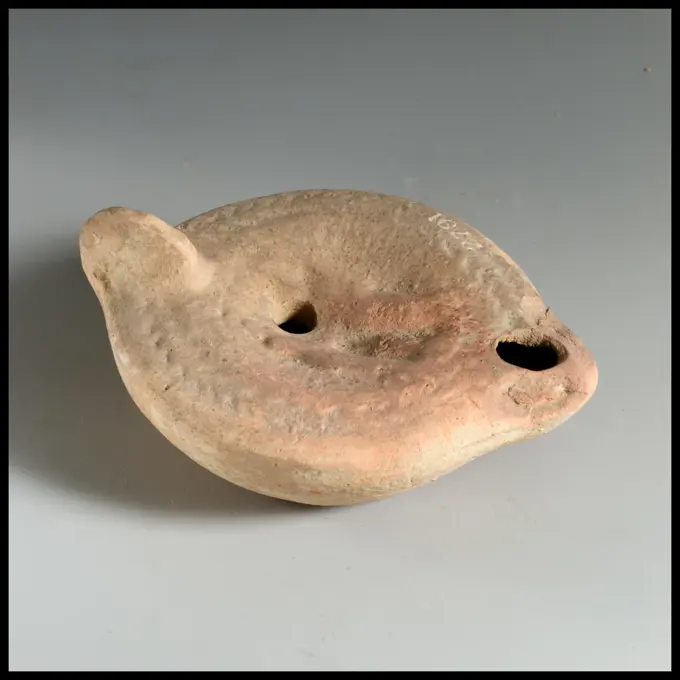
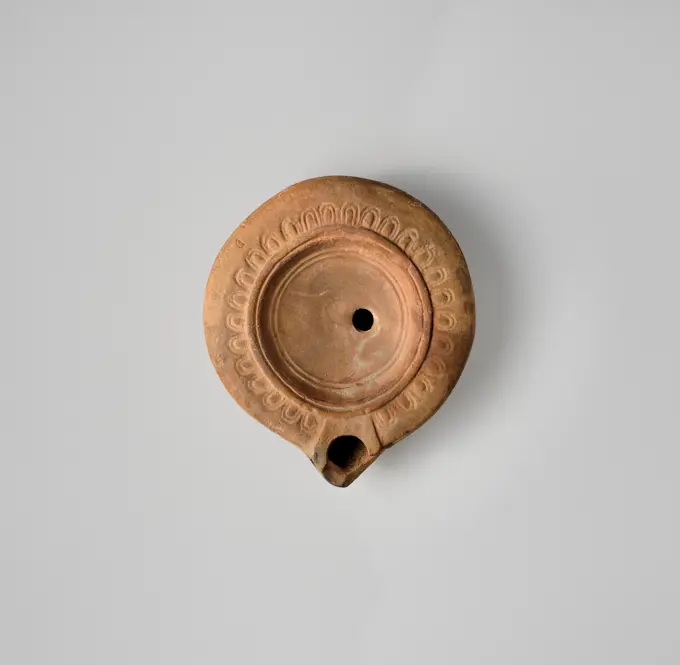
Lamp, South Anatolia, Anatolia; 2nd century B.C.; Terracotta; 3.3 × 6.1 × 9 cm (1 5,16 × 2 3,8 × 3 9,16 in.)
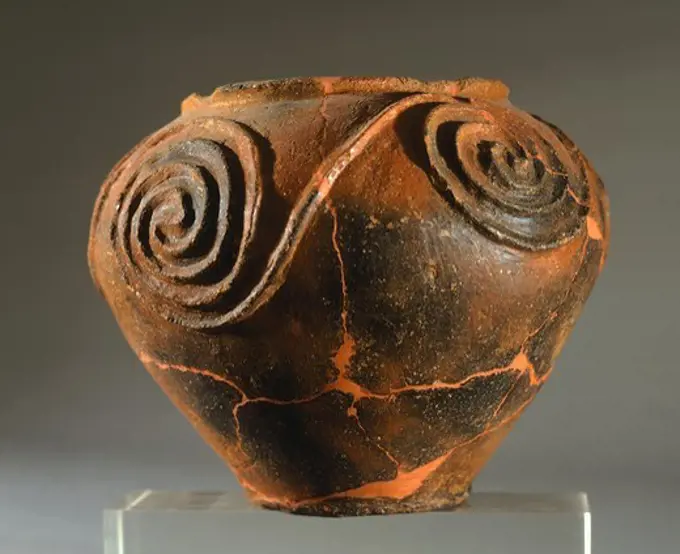
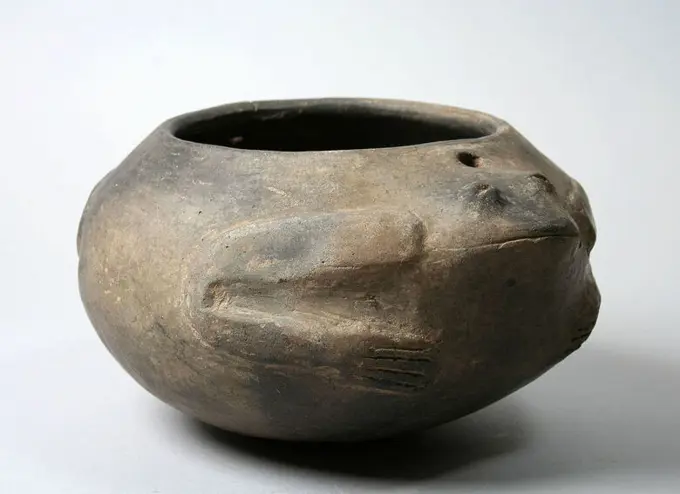
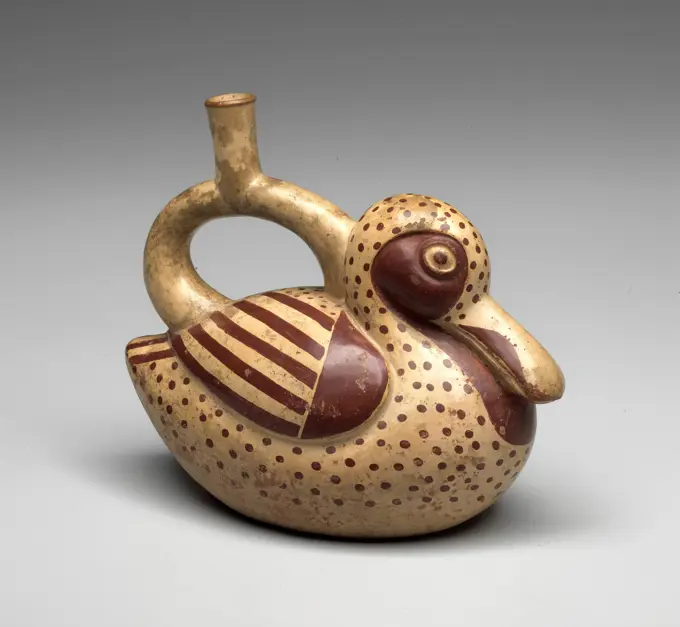
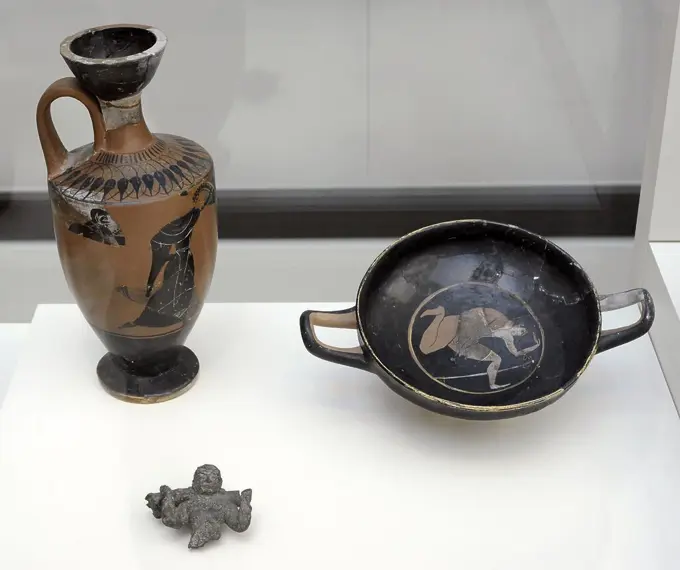
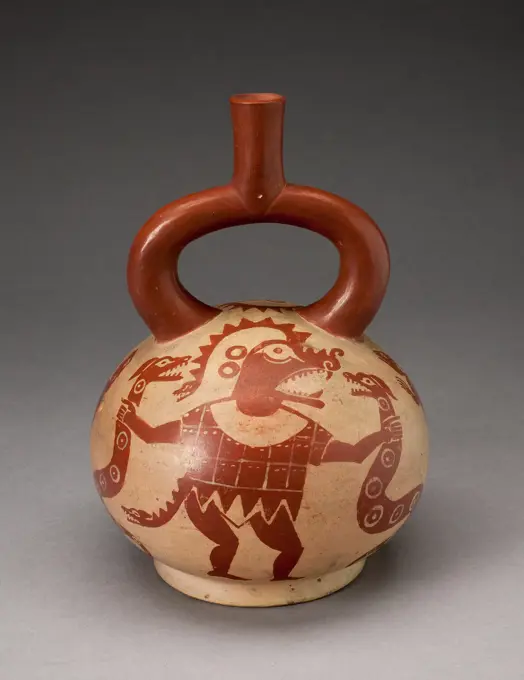
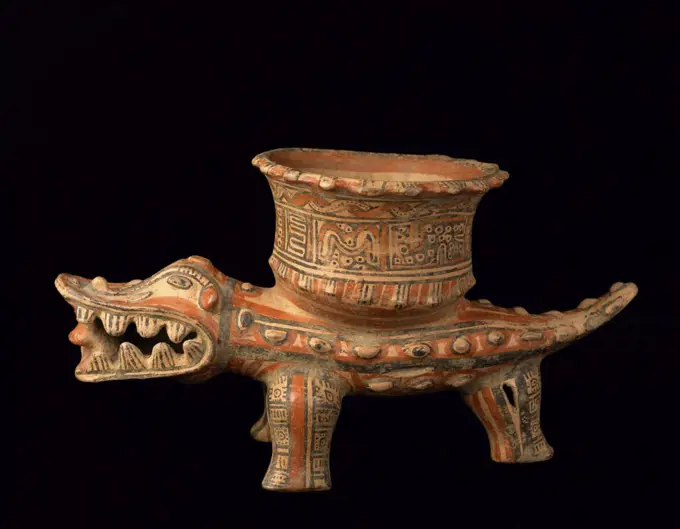
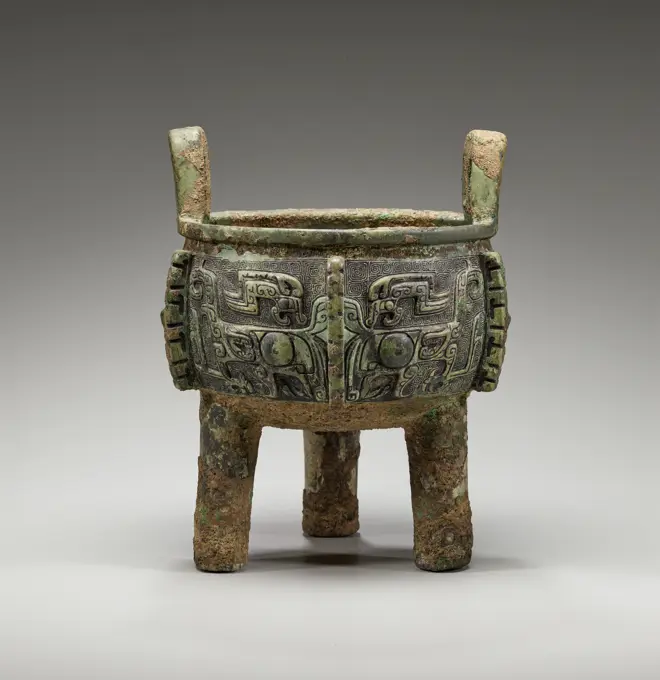
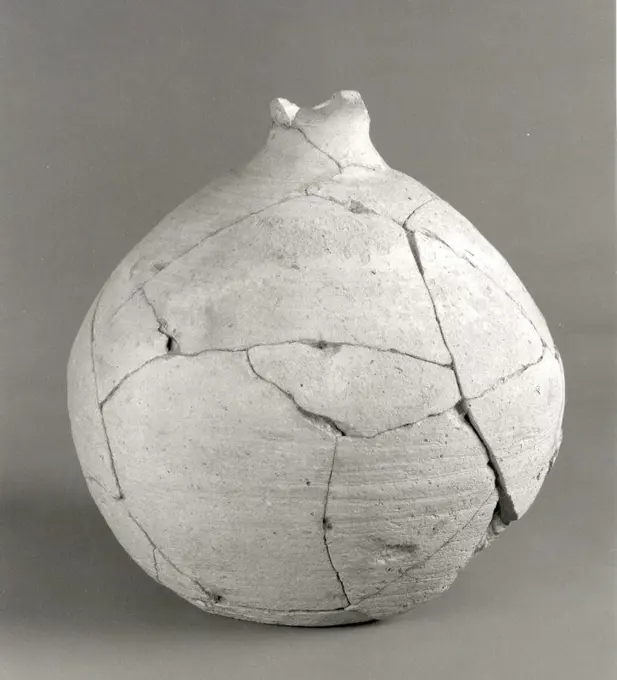
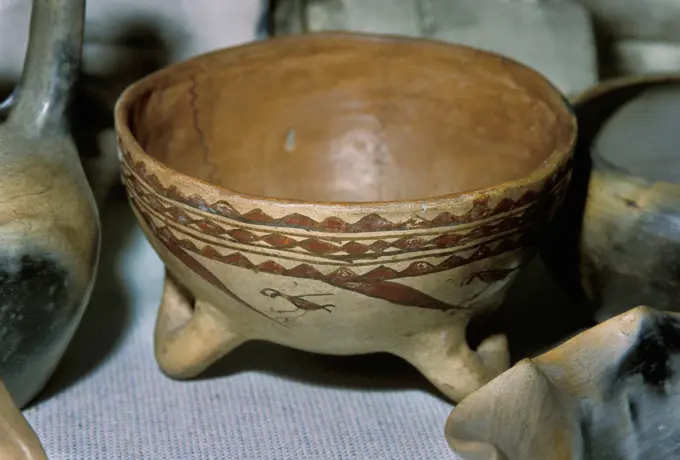
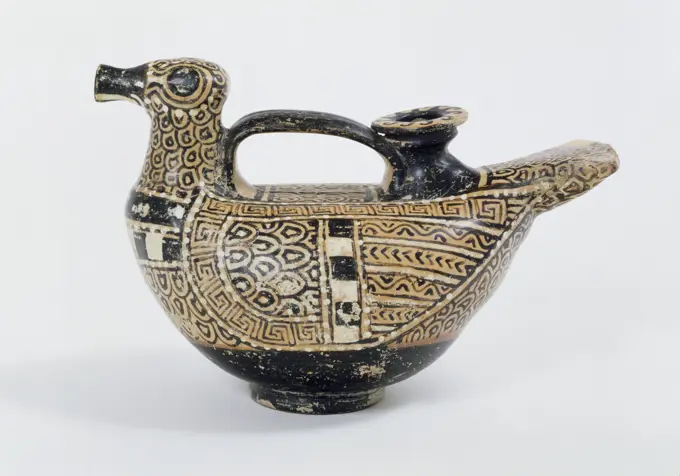
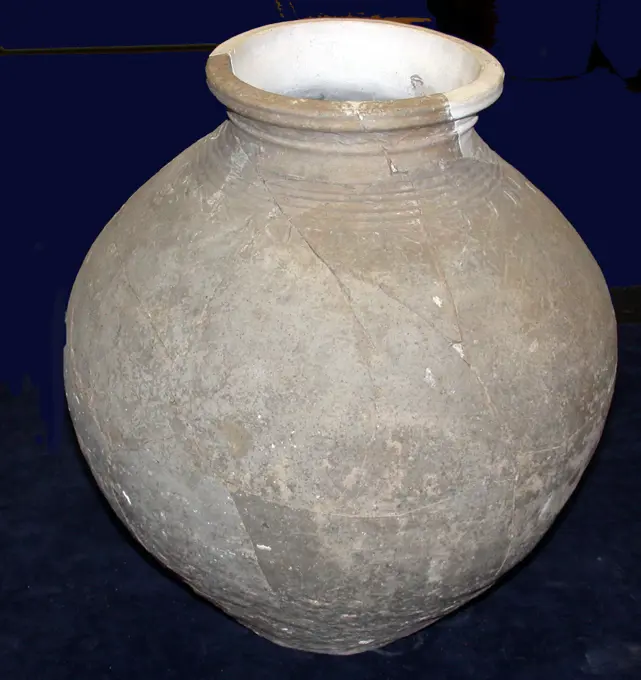
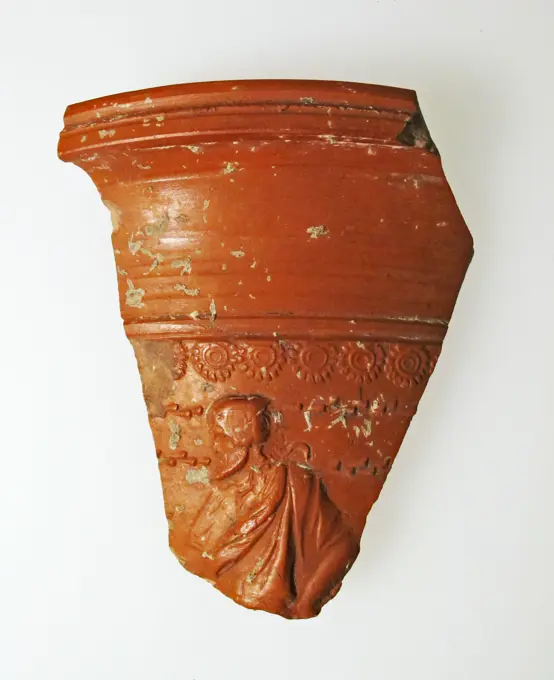
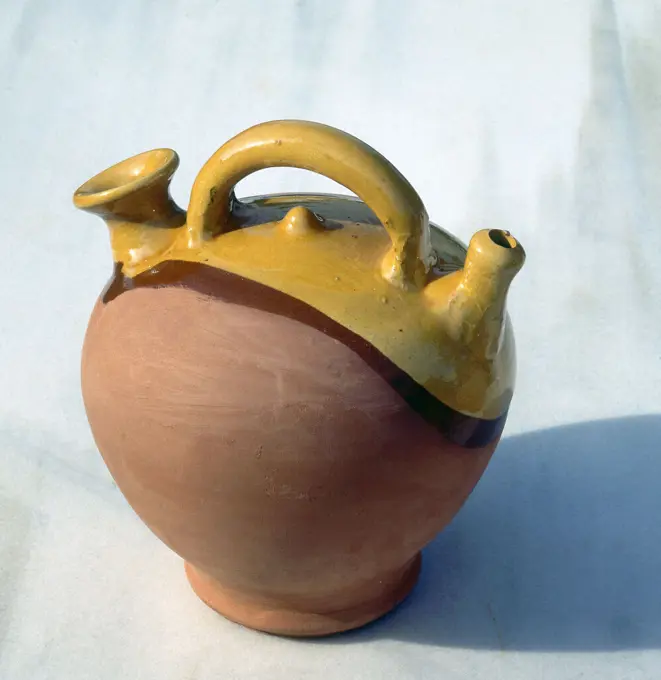
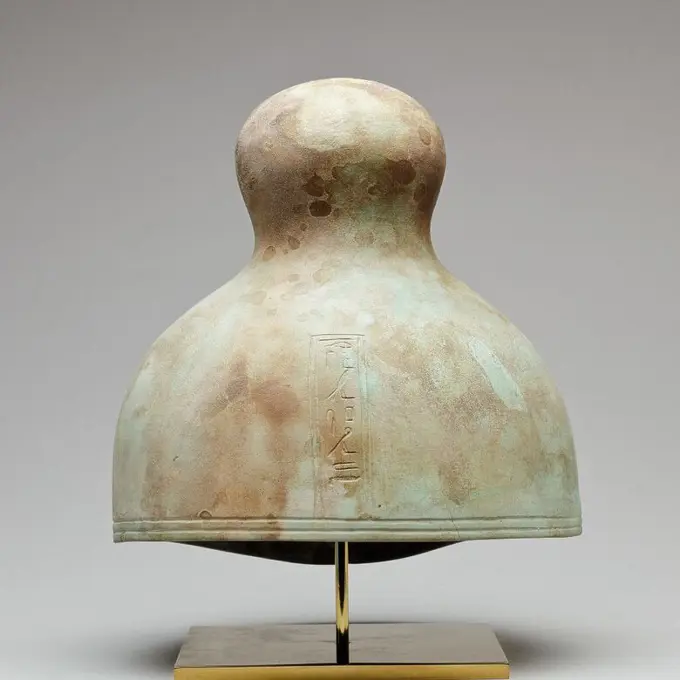
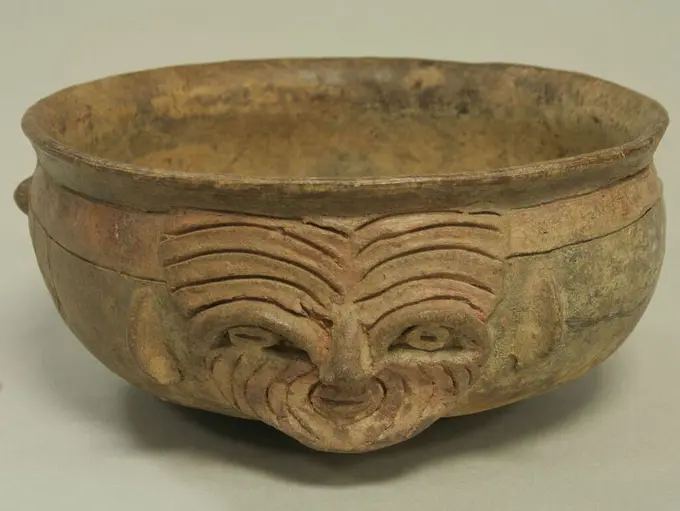
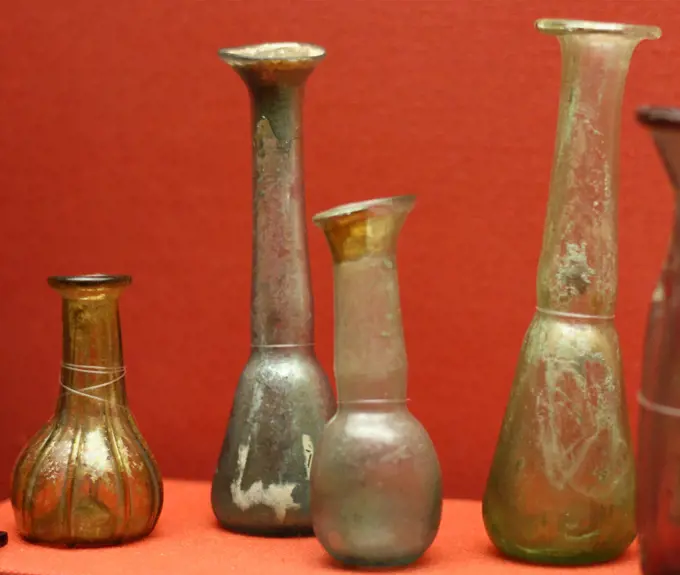
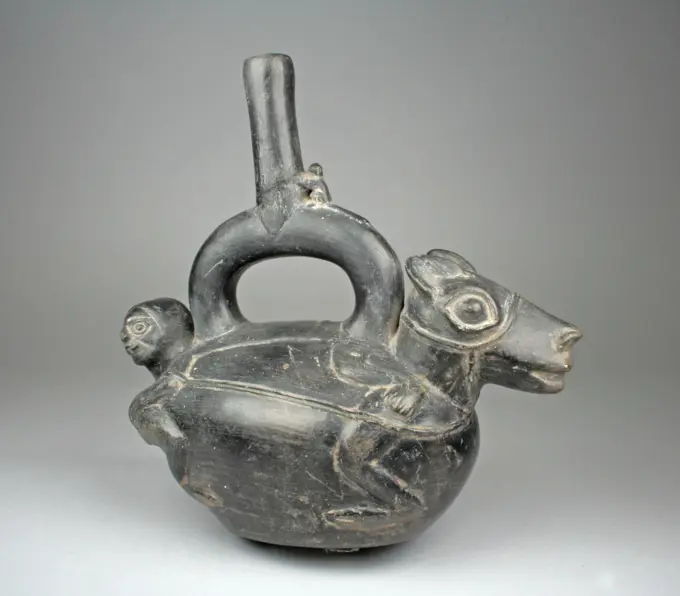
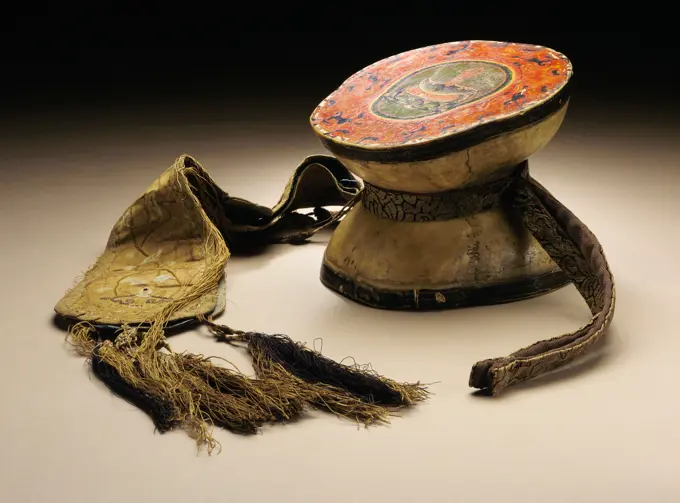
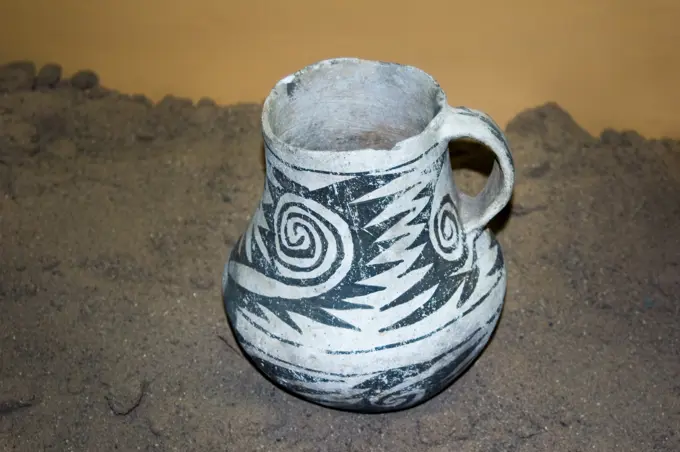
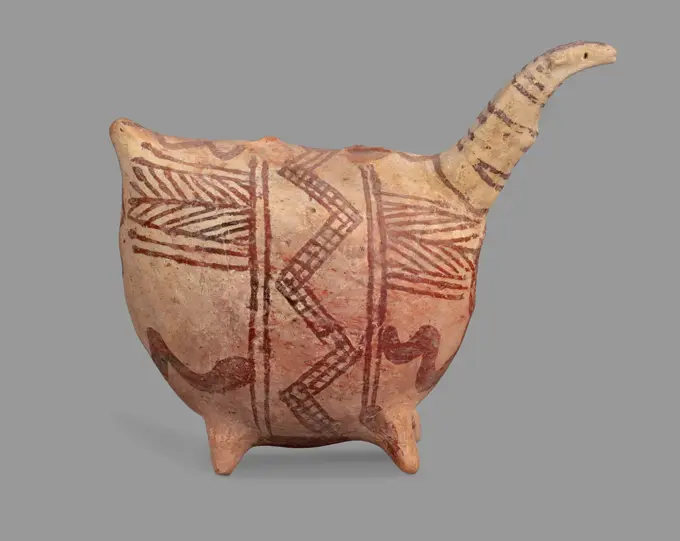
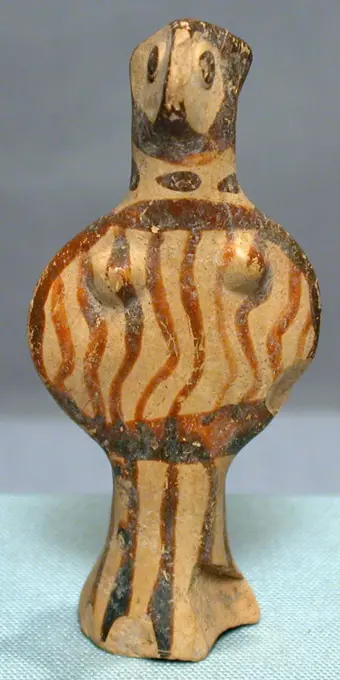
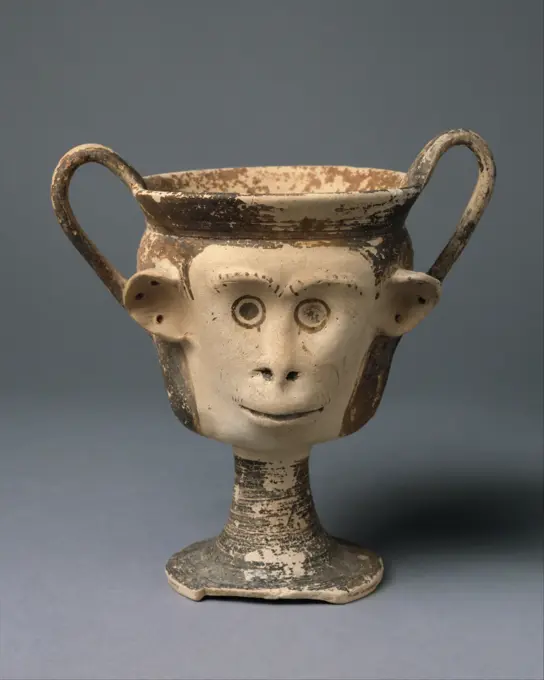
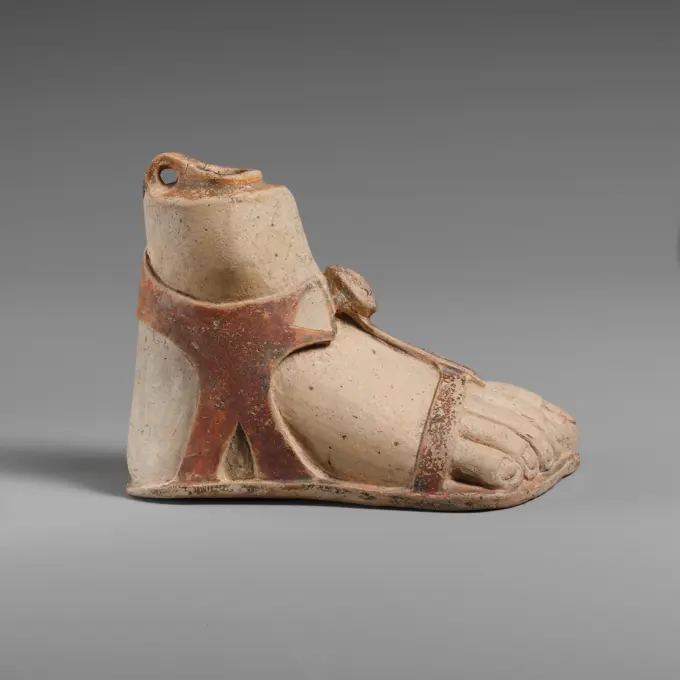
Cylinder; Egyptian workshop; VI century (501-00-00-600-00-00);Vase 4th-7th century Coptic. Vase. Coptic. 4th-7th century. Earthenware. Made in Kharga Oasis, Byzantine Egypt. CeramicsFrog-Shaped Jarlet 265 CE-316 CE China. Yue ware; stoneware with underglaze molded decoration .Glass perfume bottle 2nd-3rd century A.D. Roman, Cypriot Candlestick unguentarium.Colorless with greenish tinge.Partially tubular rim, unevenly folded out in broad, horizontal lip, turned in, and pressed into top of mouth; cylindrical neck, expanding downward and tooled in around base; convex sloping sides to body; pushed-in bottom.Intact; few bubbles; iridescent weathering.. Glass perfume bottle 239600Horned Head. Western Iran. Sculpture. Bronze, castCylindrical barrel. Terracotta. Vietnam. Paris, Muse Cernuschi. Cylindrical barrel Asian art, art of extreme orient, art of Vietnam, Vietnamese art, terracotta, dishesUrn vase with spiral decoration applied, from Pizzughi, Croatia. Italic Civilization, 8th Century BC.Tripod Bird Bowl 3rd-4th century Maya A favored vessel type of the Maya lowlands was one made in the shape of a tropical bird, perhaps a cormorant, in the act of catching a fish in its beak. The bird's forehead is marked with a disk, probably depicting a mirror. Details of the bird are rendered on the lid, where its head forms the knob and its wings spread out onto the expanse of the lid. The fish is rendered three-dimensionally, carefully held in the wide bird beak. The bowl beneath the lid forms the body of the bird. In monochrome versions of the theme, as seen here, details are incised; in polychrome examples, they are multicolored. The symbolic meaning of the theme is not clear, even though it remains constant on the lids of a number of different bird-bowl types, from those without feet to four-footed examples. As these bowls have been found in some burials, the theme may relate to death and/or the afterlife, or, more simply, to the presumed contents of the vessel.. Tripod Bird BowCoveredDing, 8th-3rd century B.C., Stoneware, tinfoil, 10 1/4 × 8 1/4 in. (26 × 21cm), China, Chinese, Eastern Zhou dynasty (770-221 B.C.E.), Containers -CeramicsBowl, Frog. Culture: Mississippian. Dimensions: H. 4 x Diam. 8 1/4 in. (10.2 x 21 cm). Date: 11th-14th century. Museum: Metropolitan Museum of Art, New York, USA.Italic civilization, Vessels from funerary objects of cremation tomb, From Campania Region, ItalyVessel in the form of a Duck, 1st-8th century, 7 1/8 x 8 3/8 x 4 3/8 in. (18.1 x 21.27 x 11.11 cm), Ceramic, pigment, Peru, 1st-8th century, In the high desert of Peru water is very scarce. These ceramics, although made of porous earthenware, are slip coated and highly burnished to reduce loss of water due to evaporation. The spouts on the stirrup handles would also have been stoppered.Iberian culture. Grave goods. Attic lekythos of black figures depicting two satyrs running after a woman, perhaps a nymph; Attic cup (kylix) of red figures, attributed to the painter of Pithos, depicting a naked young man jumping or dancing before a staff and a bronze handle with a young man holding the tail of a lion. 500-490 BC. Manufactured in Greece. Found in the Necropolis of Pozo Moro. Chinchilla de Monte-Aragon (province of Albacete, Castile-La Mancha, Spain). National Archaeological Museum. Madrid. Spain.Ritual Vessel Depicting a Masked Deity with Serpents 100 BCE-500 CE North Coast. Ceramic and pigment . MocheVessel. Iraq, first half of 8th century. Ceramics. Earthenware, applied, stamped, and incised decorationCANTARO DE BOCA ESTRECHA Y CORTA CON UNA SOLA ASA- ARTE POPULAR- S XX. Location: ALFARERIA. Guadalajara. SPAIN.SIGILLATA ARETINA. ROMANO. (DEPOSITO: MUSEO ARQUEOLOGICO NACIONAL).Canopic Jar Lid. Jackal headed god Anubis. 1969W3790. Canopic Jar Body. Inscribed for Ta-nefert-irty, daughter of the general Psamtek-neb-pehty, born of the lady Ta-Kesh. .Tubulis for the construction of vaults ( 3rd - 4th CE ) Roman period, from the " House of Hyppolytus " - Archaeological site of Complutum in Alcalá de Henares ( Madrid ). SPAIN.Ladle, 20th century, 10 1/8 x 5 5/16 in. (25.7 x 13.5 cm), Wood, United States, 20th century, This elegant ladle was carved in the shape of a bird. The handle reflects the gentle flow of a bird's neck, and the shape of the bowl is reminiscent of the body.Terracotta oil lamp 3rd-mid-4th century A.D. Roman Late Loeschcke Type 8. Mold-made, with unpierced handle. Discus: two standing, draped figures with altar between; a single filling at center top; indistinct pattern around edge. Shoulder: wreath. Undefined, flat base.Intact, but chipped surface around front edge of nozzle.. Terracotta oil lamp. Roman. 3rd-mid-4th century A.D.. Terracotta. Late Imperial. TerracottasAlligator Effigy Vessel c. 800-1525 A.D. Chorotega, Costa Rica Ceramic Pre-Columbian Collection of The Museum of Contemporary Art, Jacksonville, FloridaRitual Food Vessel(Ding)Terracotta sherd from the mouth of a vase with neck ridge. Culture: Minoan. Dimensions: Other: 2 9/16 x 3 3/8 in. (6.5 x 8.6 cm). Date: ca. 1600-1450 B.C.. Museum: Metropolitan Museum of Art, New York, USA.Butter Crock. Dated: 1936. Dimensions: overall: 27.8 x 22.9 cm (10 15/16 x 9 in.) Original IAD Object: 14 1/2" High 6 1/4" Dia. (top) 7 1/2" Dia. (base). Medium: watercolor, gouache, graphite, and heightening on paper. Museum: National Gallery of Art, Washington DC. Author: Jerome Hoxie.Jar ca. 1st century B.C.-1st century A.D. Parthian This vessel, which has been reconstructed from several sherds, has a globular body and a narrow neck. It is made of a pale gray clay, using a potters wheel. It was excavated at Shahr-i Qumis in northern Iran, which has been identified as the ancient city of Hecatompylos established by the Parthians as their capital by about 200 B.C. In Greek Hecatompylos means ‘a hundred gates, suggesting that the city was quite large. Indeed, the modern archaeological site includes several mounds, only a few of which have been excavated, and a vast area covered with potsherds. This vessel was found in a well at Site IV. The well appears to be have been filled deliberately, but it is difficult to say whether this vessel was placed in the well for a specific reason or if it was simply discarded. The large building at Site IV was completely filled with dirt sometime in the late 1st century B.C. or early 1st century A.D., perhaps when the Parthian capitTerracotta oil lamp Roman, Cypriot Plain concave discus with off-center filling hole, surrounded by a band of lines and grooves. Broad, slightly sloping shoulder with ovules around the inner edge. Base ring and concave base inscribed: M.. Front right side o nozzle broken and missing.. Terracotta oil lamp. Roman, Cypriot. Terracotta. TerracottasEarly pottery vessels including storage vessels, jars, cooking pots, bowls, chalices, spoons and other miniature vessels. From Munhata, Tel Teo, Tel Kiri and Herzlia from the Yarmukian culture from over 8,000 years ago. Made from pottery and pigments.Moravian Indian pottery on display at the Gnadenhutten massacre site where the killing on March 8, 1782, by American militia from Pennsylvania during the American Revolutionary War. OhioFragment of a Column Capital from the Chapterhouse of the Cistercian Monastery in Jędrzejów unknownJar ca. 1550-1458 B.C. New Kingdom. Jar. ca. 1550-1458 B.C.. Pottery (buff), paint. New Kingdom. From Egypt, Upper Egypt, Thebes, Asasif, Courtyard CC 41, Tomb R 7, Radim, MMA excavations, 1915-16. Dynasty 18, earlyBronze wine vessel exhibit at the Shanghai Museum, Shanghai, China.Stirrup spout bottle with hawk 6th-7th century Moche. Stirrup spout bottle with hawk 308384Askos Etruscan Art Museo Guarnacci, Volterra, ItalyWell and grain silo, glazed terracotta model from a funerary collection, China. Chinese Civilisation, Eastern Han Dynasty, 1st-3rd century."LICORERA" - S XX ARTE POPULAR. Location: ALFARERIA. LUGO. SPAIN.Jar ca. 9th-10th century A.D. Islamic. Jar 323003Vase Fragment 1st century B.C.-1st century A.D. Roman Head of a bearded man looking left.. Vase Fragment. Roman. 1st century B.C.-1st century A.D.. Terracotta. VasesBOTIJO PROCEDENTE DEL PIRINEO CATALAN-VIDRIADO PARCIAL-S XX ARTE POPULAR. Location: ALFARERIA. PROVINCIA. GERONA. SPAIN.Ceremonial helmet inscribed for the Osiris Hor-Psamtik. Dimensions: H. 21.5 × W. 19 × D, 19.5 × Circ. 61 cm (8 7/16 × 7 1/2 × 7 11/16 × 24 in.). Dynasty: Dynasty 26. Date: 664-525 B.C..This helmet, created in relatively fragile faience, is unlikely to be intended for actual battle. The purpose must be ceremonial and / or funerary, although nothing similar is known, nor is the practice of supplying life-size faience funerary accessories known. However, the helmet was represented to its collector in the late 1800s as having been found on a mummy, and conservation and technical examination supports this representation. This determination reveals an unknown practice.The helmet bears an unusual name - Hor-Psamtik, or Psamtik is Horus - that points to the owner having lived during the reign of one of the three Psamtik's of the 26th dynasty. Museum: Metropolitan Museum of Art, New York, USA.Pre-Hispanic ceramics in the museum of the excavation site of the Pyramid of Cholula, San Pedro Cholula, Puebla, Mexico, Latin America, North America, Central AmericaVessel in the form of an Elephant with Rider 14th-mid-16th century Thailand. Vessel in the form of an Elephant with Rider 37499Bowl with three legs and the handle in the shape of a dragons head, anonymous, c. 900 - c. 999 Come from stoneware, covered with a gray -white/green, craqueled glaze. The bowl plays upwards and stands on three feet in the form of pet legs with a hoof; The handle is modeled in the form of a dragon head. Celadon (YUE). China stoneware. glaze vitrification Come from stoneware, covered with a gray -white/green, craqueled glaze. The bowl plays upwards and stands on three feet in the form of pet legs with a hoof; The handle is modeled in the form of a dragon head. Celadon (YUE). China stoneware. glaze vitrificationVasijas punicas.Museo arqueologico.Eivissa.Ibiza.Islas Pitiusas.Baleares.EspanaBowl with Face. Culture: Chavin (). Dimensions: H x W x D: 3 x 6 1/2 x 6 5/8 in. (7.6 x 16.5 x 16.8 cm). Date: 5th-4th century B.C.. Museum: Metropolitan Museum of Art, New York, USA.glass perfume bottles or jars, Greco-Egyptian 1st century ADLlama Bottle 12th-15th century Chimú. Llama Bottle 309483Cylindrical Pyxis Cover of the Grotta-Pelos Group. UnknownHandle Spout Vessel with Relief Depicting a Standing Figure, Holding Farming Tools Made 100 BCE-500 CE Peruvian North Coast. Ceramic and pigment . MocheRitual Pellet Drum. Tibet, late 19th-20th century. Tools and Equipment; musical instruments. Human skulls, animal skin with mineral pigments; embroidered cloth fittingsHopi ancestors, known to scientists as the Anasazi, made pottery such as this black on white designs on this clay pitcher. Walnut Canyon National Monument museum, ArizonaStone Temple Model 1st-8th century Mezcala. Stone Temple Model 317485BowlRooster, 618-906, Dia.4-1/2 in., Terra cotta, China, 7th-10th centurySETTLE DECREADY THER. Bronze. Par musée musée malée. 60084-16 BRONZE, SITULE, TYPE THOBean Pot. Dated: 1937. Dimensions: overall: 22.8 x 29.1 cm (9 x 11 7/16 in.) Original IAD Object: 3/4 High(incorrect) 7 1/2 Dia(base) 6 Dia(top). Medium: watercolor, colored pencil, and graphite on paperboard. Museum: National Gallery of Art, Washington DC. Author: Margaret Knapp and John Fisk.VASO ROMANO DE CERAMICA ROJA - SIGLATA HISPANICA (MALLEN). Location: MUSEUM OF FINE ARTS. SARAGOSSA. Saragossa Zaragoza. SPAIN.Animal dish; Unknown Cypriot workshop; 1900-1600 BC (-1900-00-00--1600-00-00);CyprusTerracotta female figure ca. 1400-1300 B.C. Helladic, Mycenaean Mycenaean terracotta "phi" figurines are named for their resemblance to shape of the Greek letter "phi." Produced in great numbers, such female figurines have frequently been found in shrines, graves and even houses. Their symbolism was complex, and their use probably varied according to the circumstances. In general, they are thought to represent goddesses associated with fertility.. Terracotta female figure. Helladic, Mycenaean. ca. 1400-1300 B.C.. Terracotta, painted. Late Helladic IIIA. TerracottasLima, Peru. Pre-Columbian artifacts and art in the Larco Museum, Lima, Peru.Terracotta kantharos (drinking cup with high vertical handles) mid-6th century B.C. East Greek or Cypriot The origin of this unique vase has been difficult to pinpoint. In the eastern Aegean area, including Samos and Rhodes, vases in the shape of figures enjoyed considerable popularity during the Archaic period. The grainy quality of the clay and the matte glaze suggest that the kantharos is a Cypriot work inspired by eastern Greek models.. Terracotta kantharos (drinking cup with high vertical handles). East Greek or Cypriot. mid-6th century B.C.. Terracotta. Archaic. VasesTerracotta aryballos (perfume vase) in the form of a sandaled right foot mid-6th century B.C. Rhodian Vase in the form of a sandaled right foot.. Terracotta aryballos (perfume vase) in the form of a sandaled right foot. Rhodian. mid-6th century B.C.. Terracotta. Archaic. Vases