Ancient Pottery Shards

Fragments of ancient pottery and tiles, featuring historic designs, textures, and materials from various archaeological contexts.

Five round copper objects, bowls, feet or bins, artifact Soil discovery copper metal largest, Five round (bent) thin copper plates with raised edge Three with one or more holes in the upright edge and two with holes in the middle. Possible basic images of candlesticks or basins of balance scales archeology Rotterdam rail tunnel lighting illumination evening night Soil discovery: trajectory Rotterdam rail tunnel.
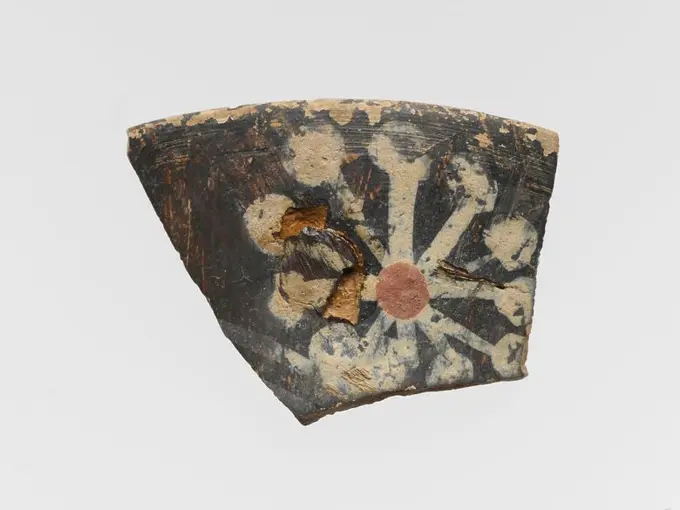
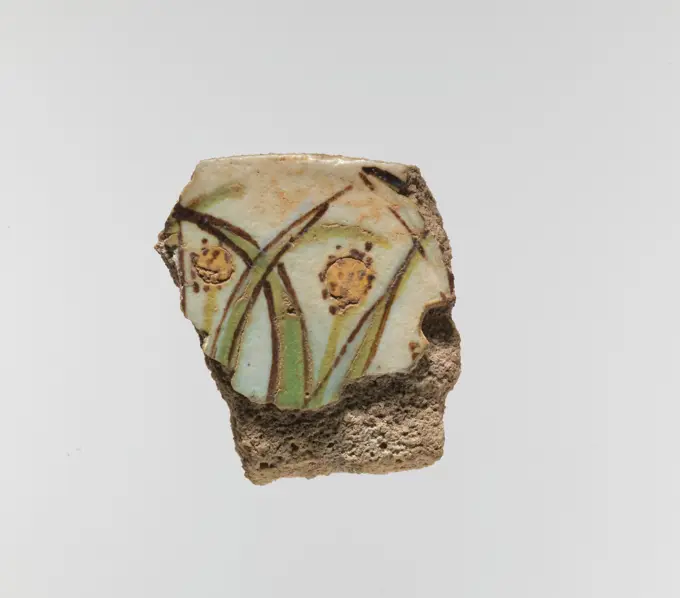
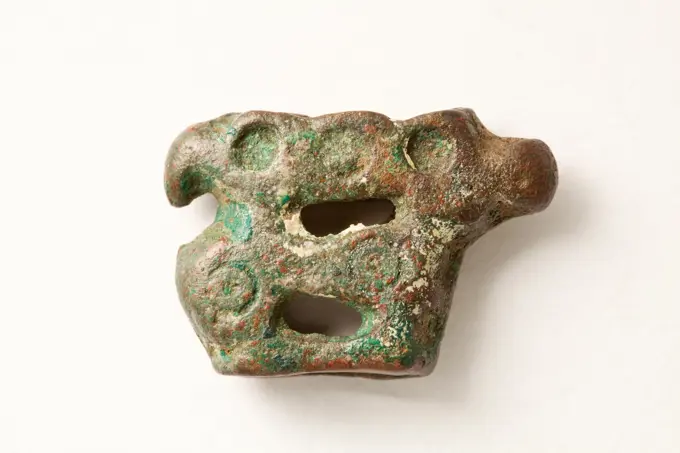
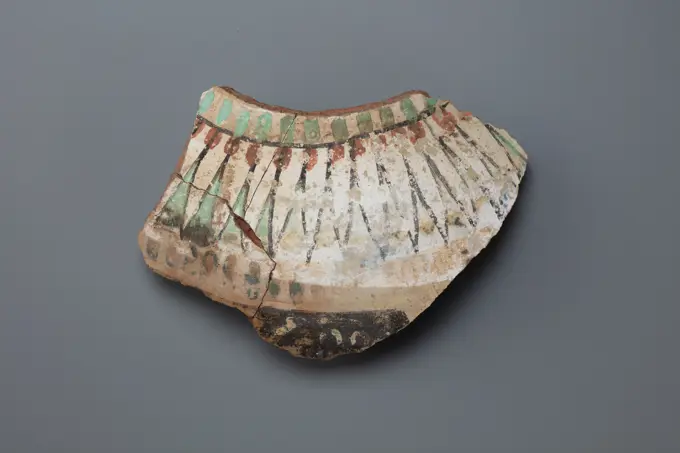
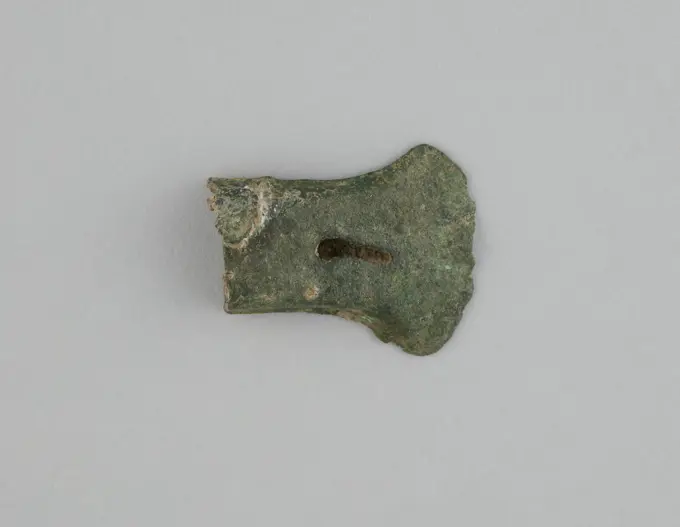
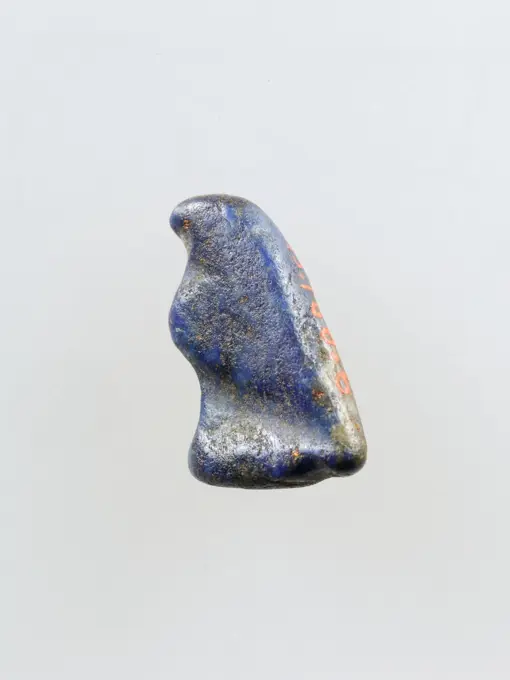
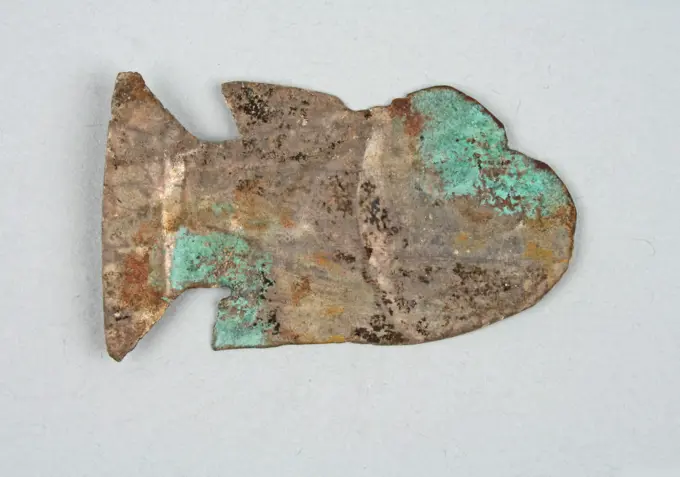
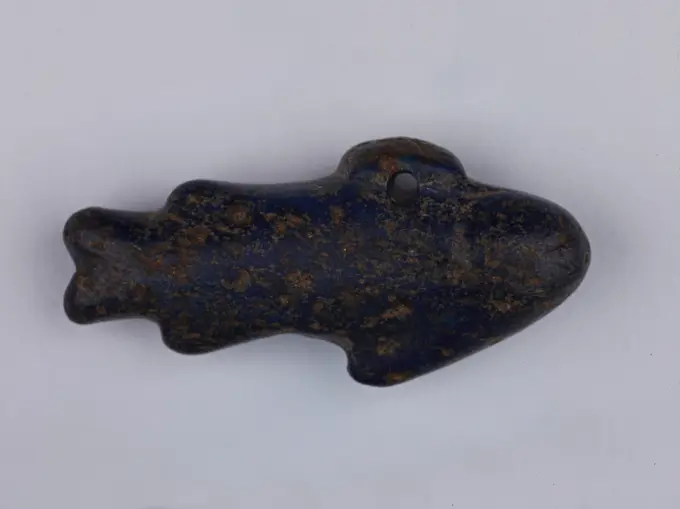
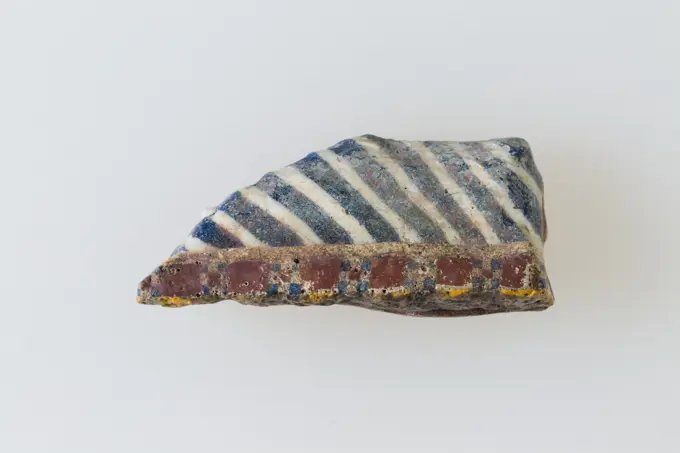
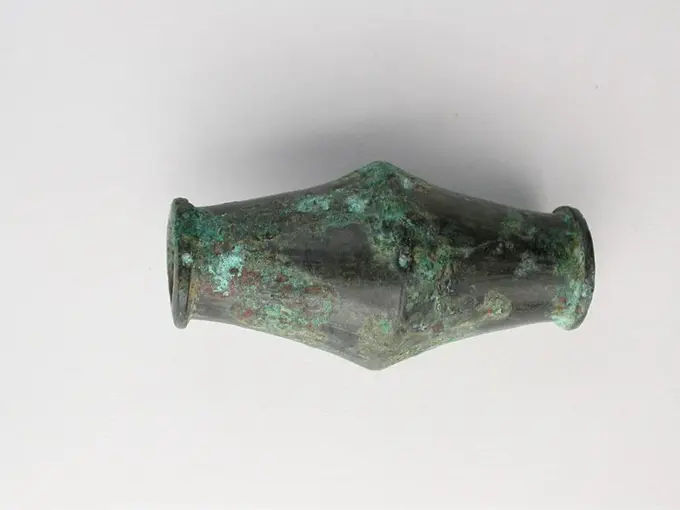
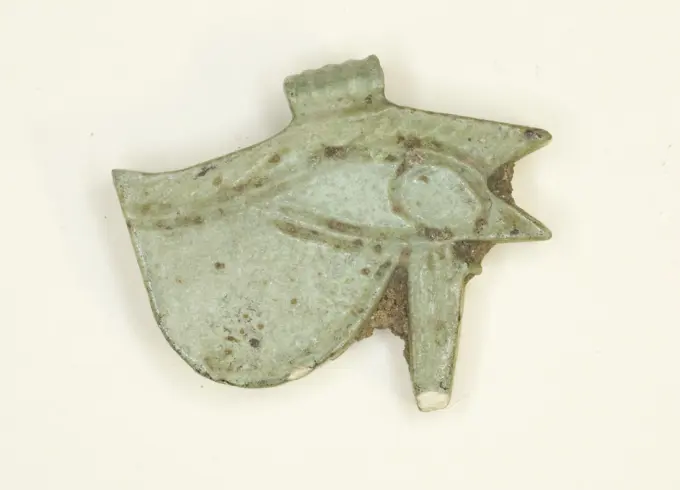
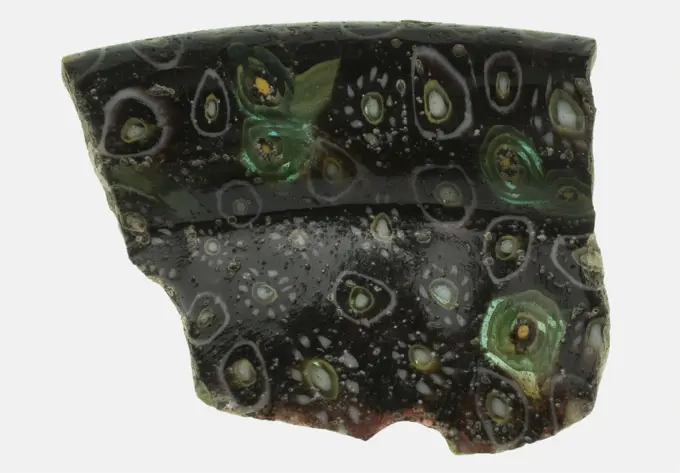
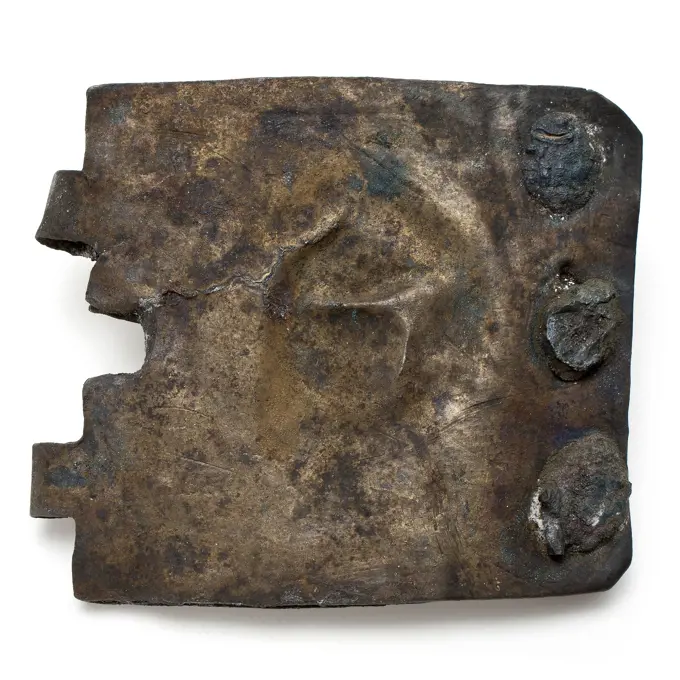
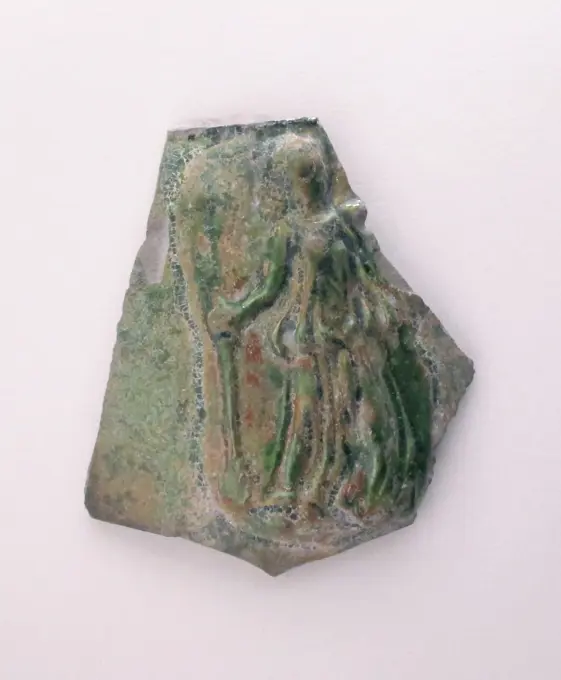
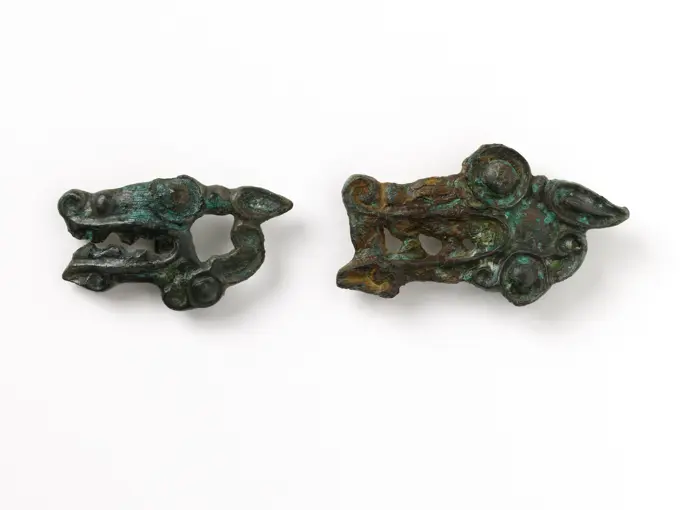
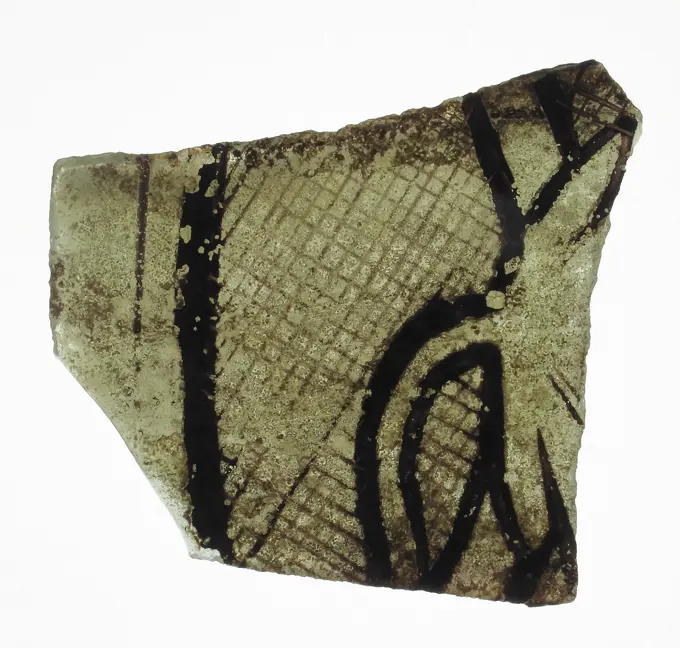
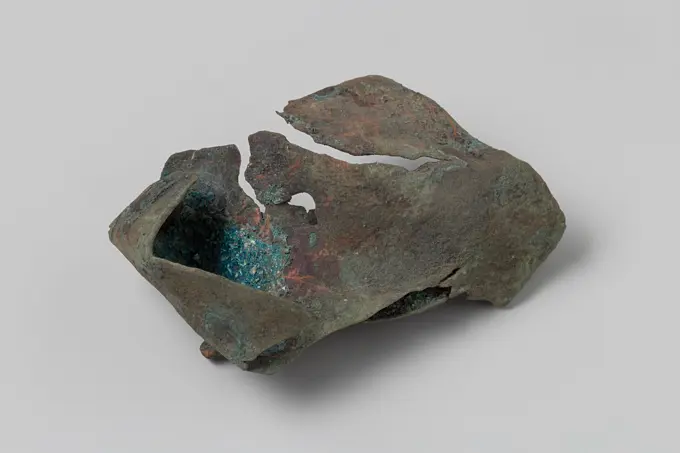
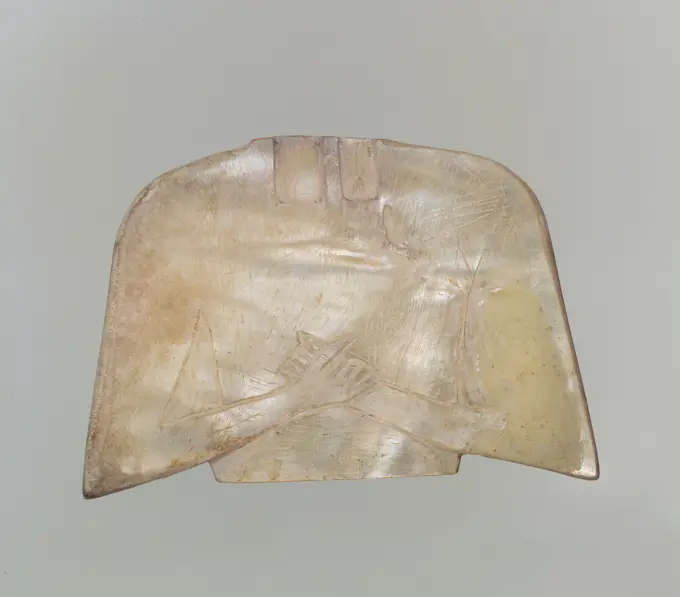
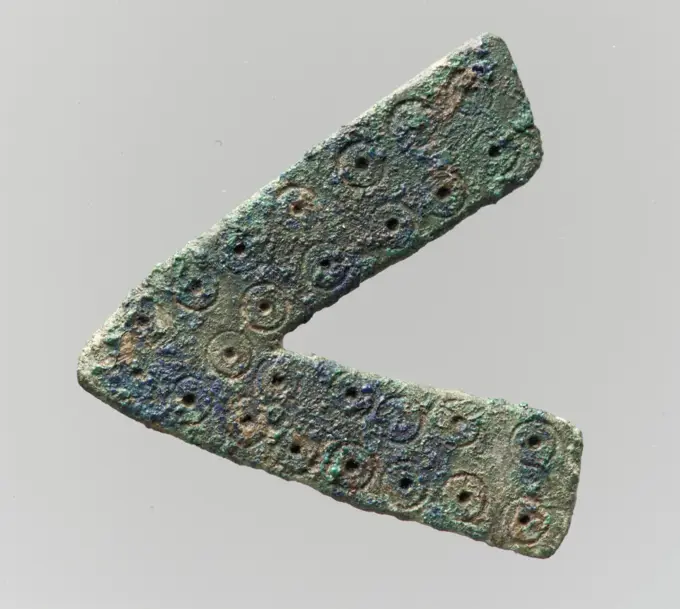
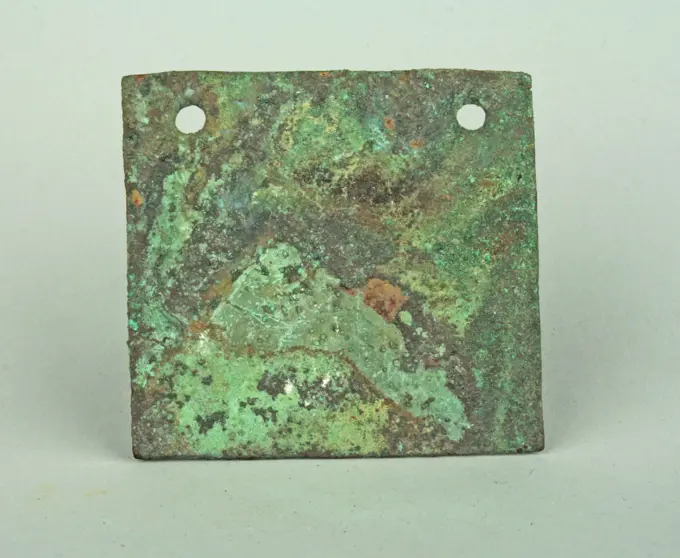
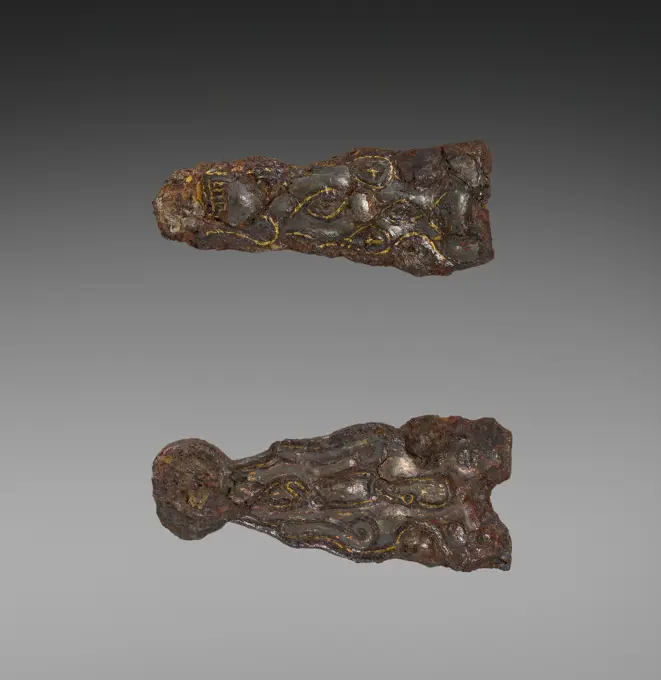
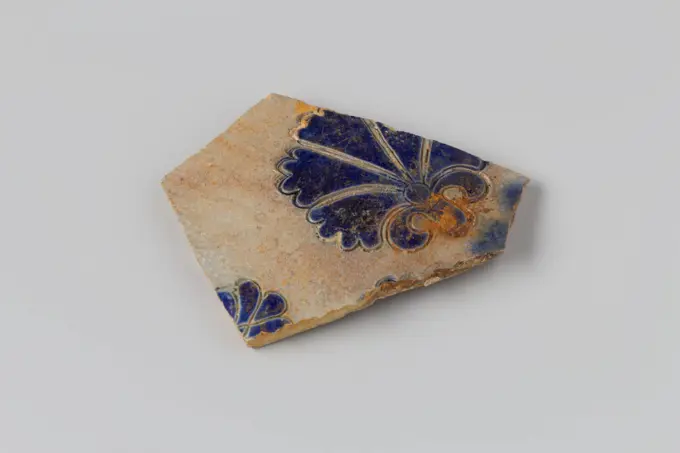
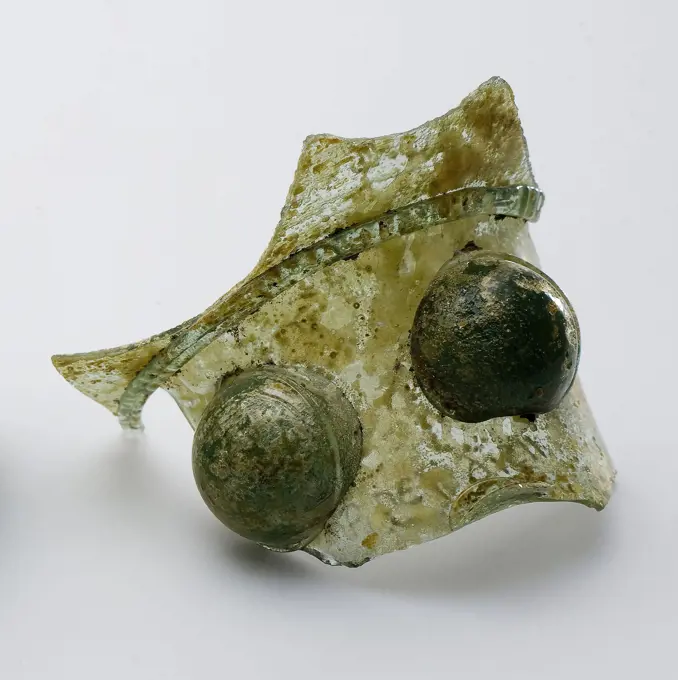
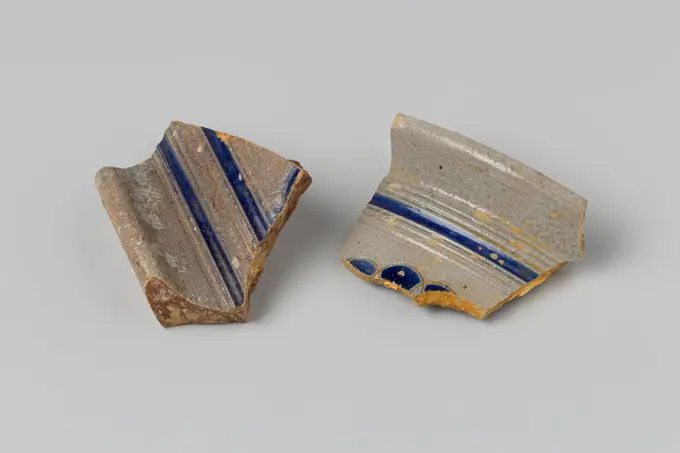
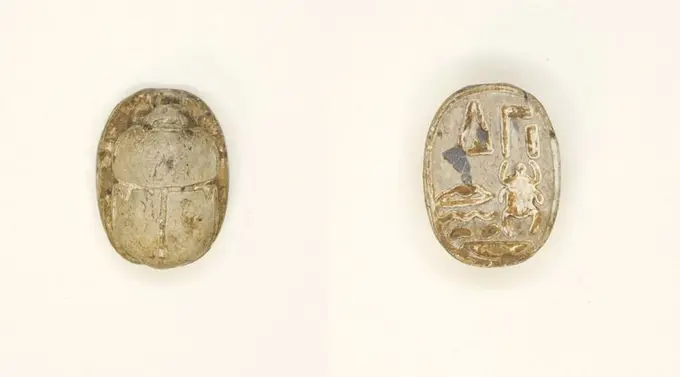
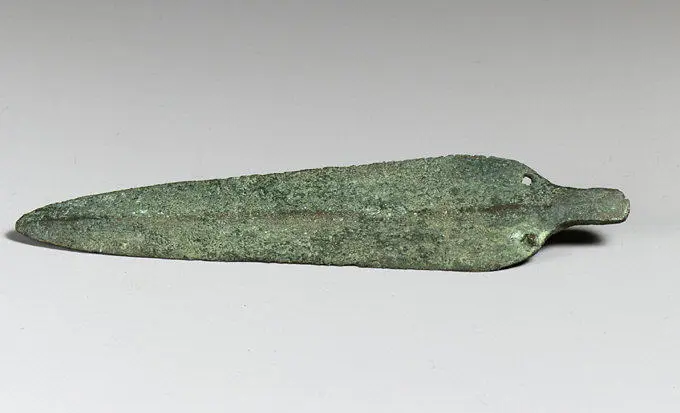
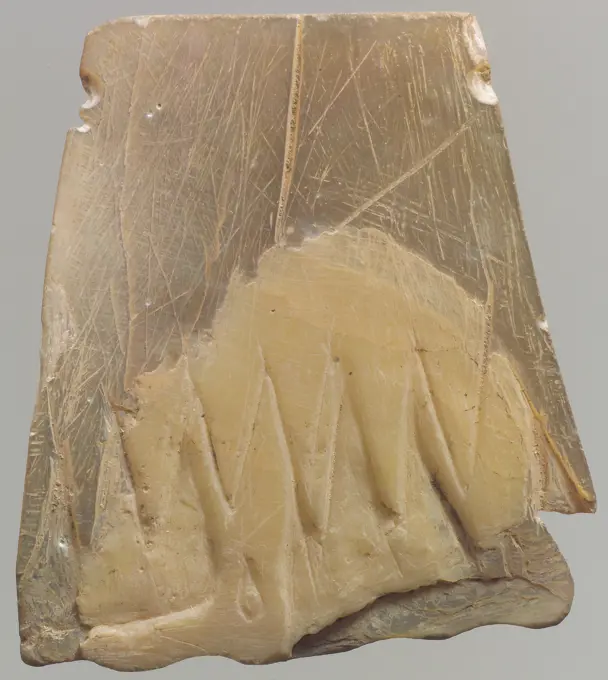
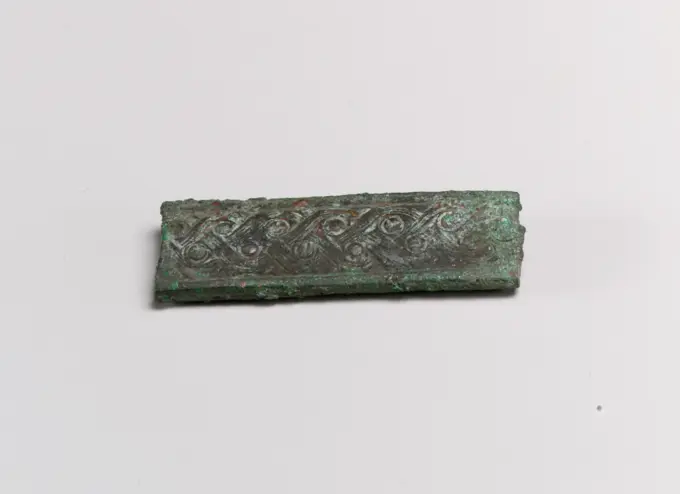
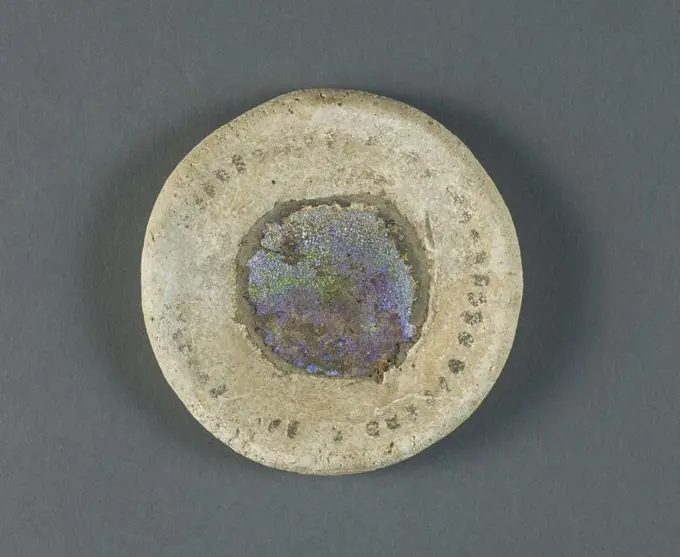
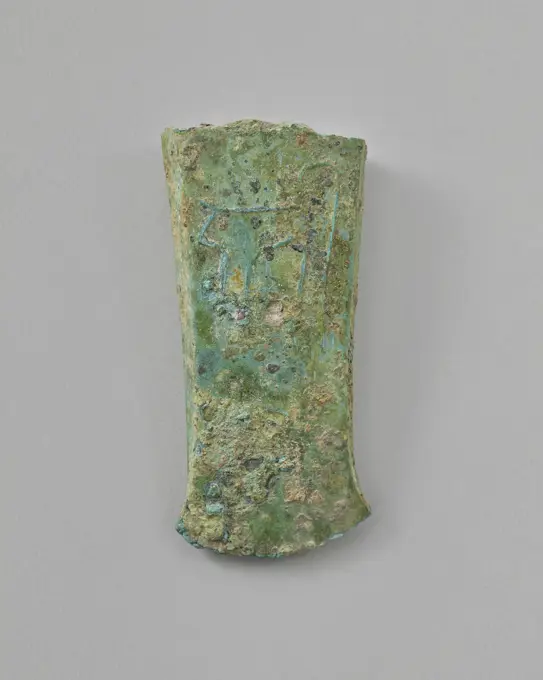
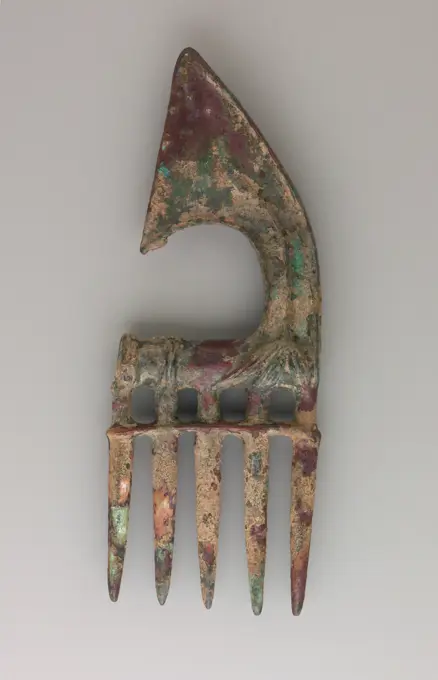
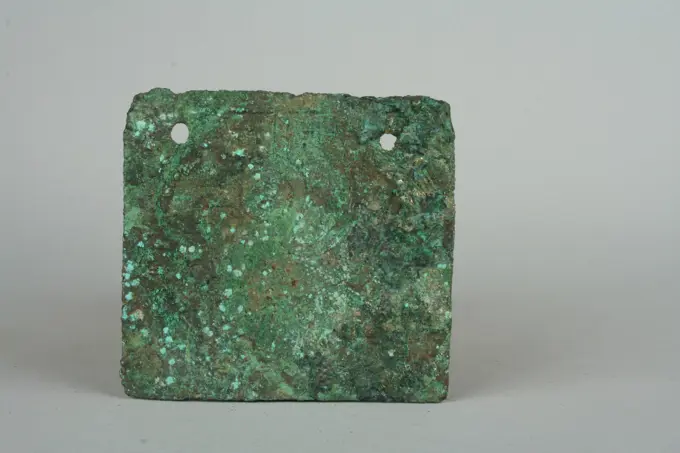
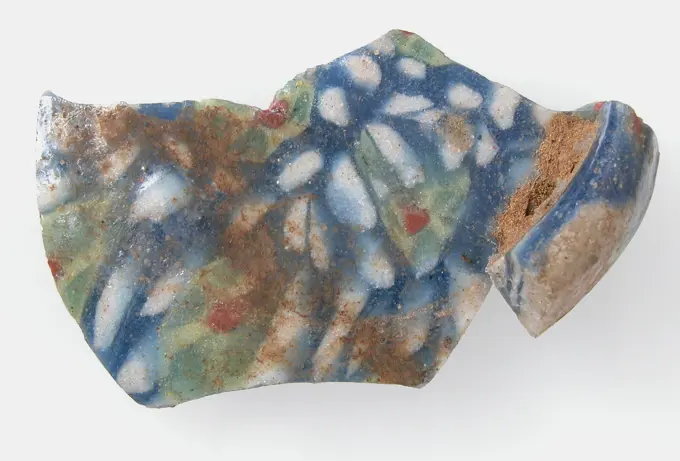
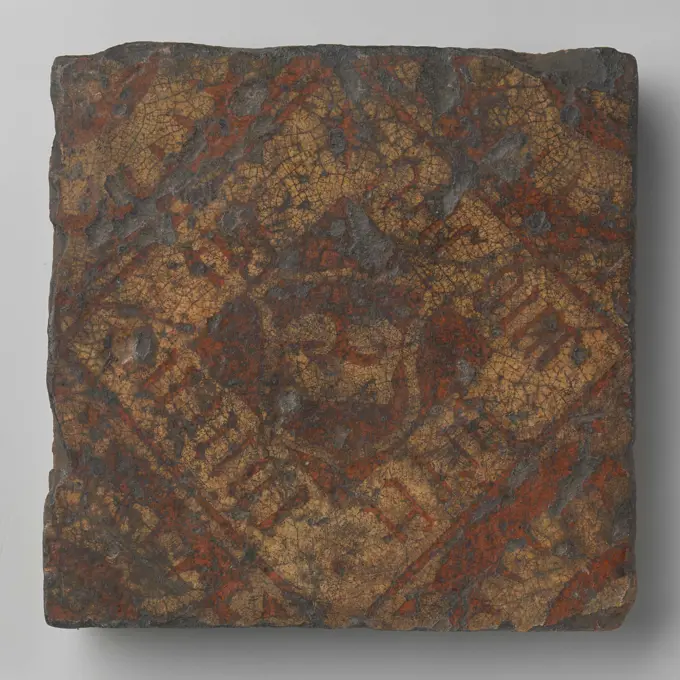
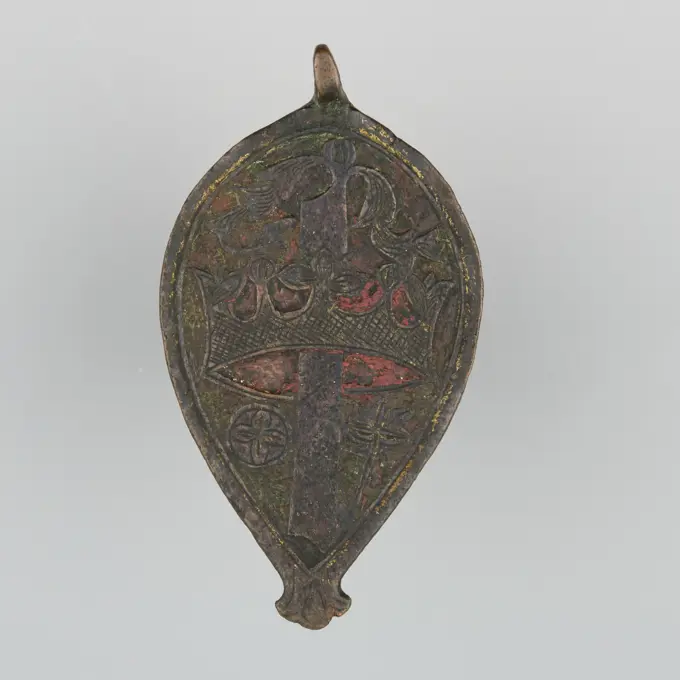
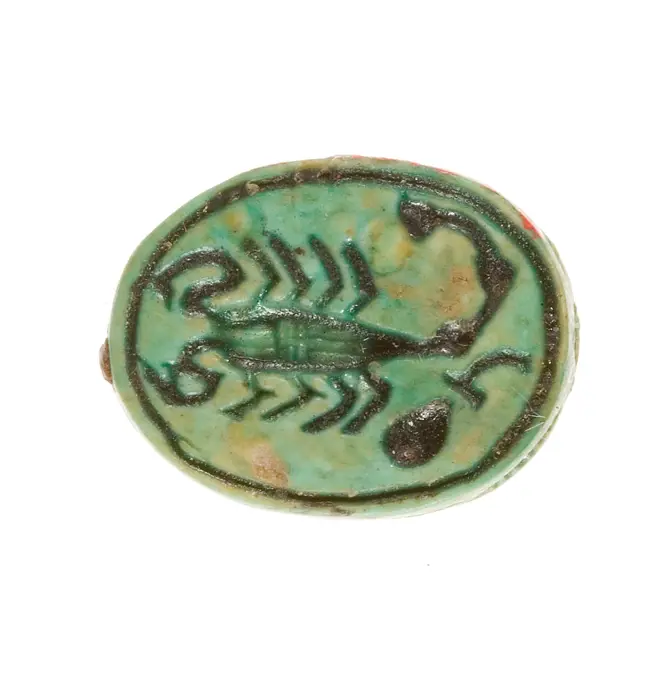
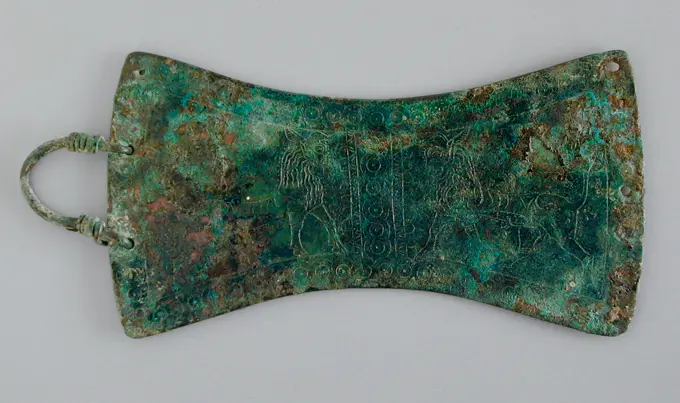
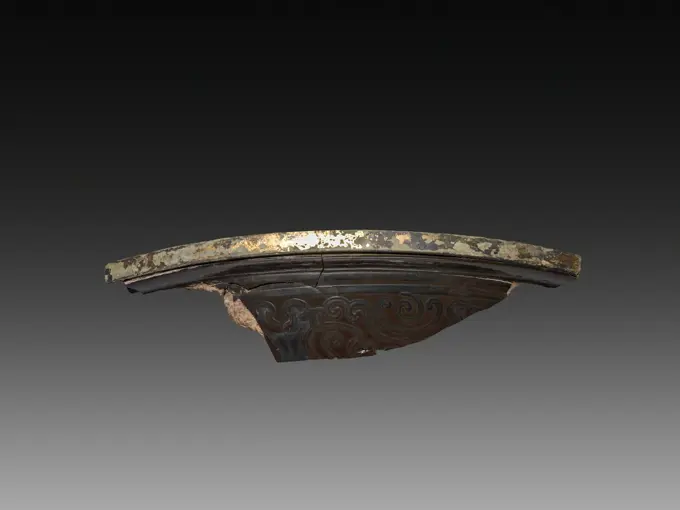
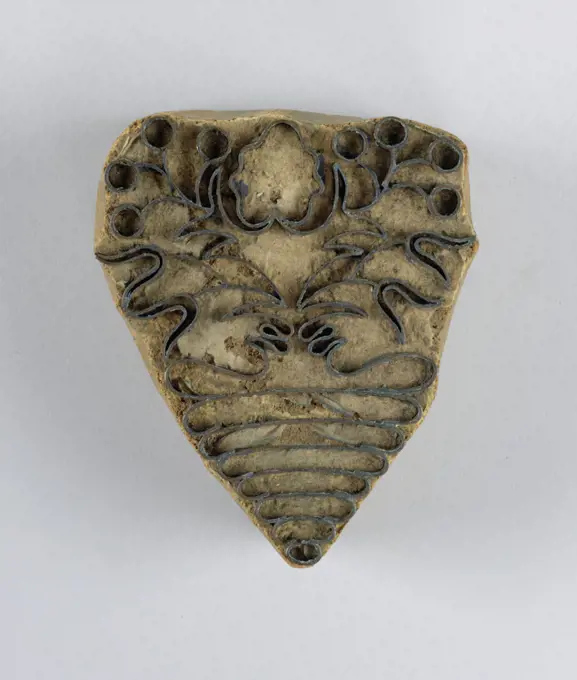
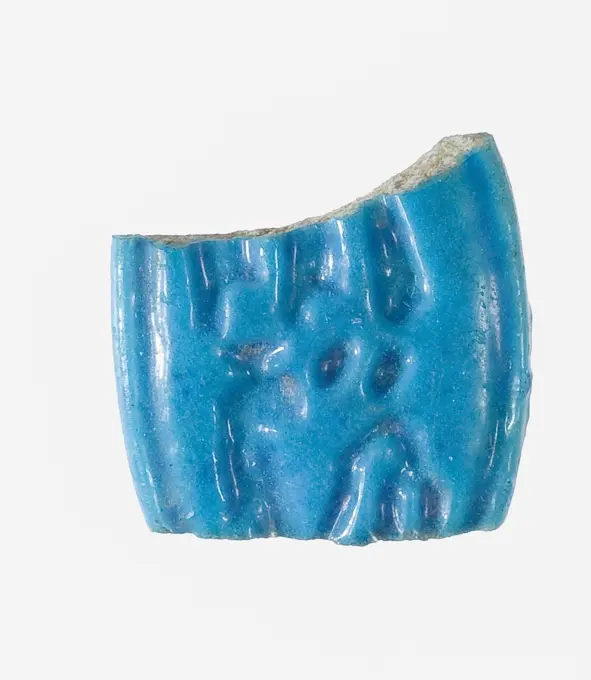
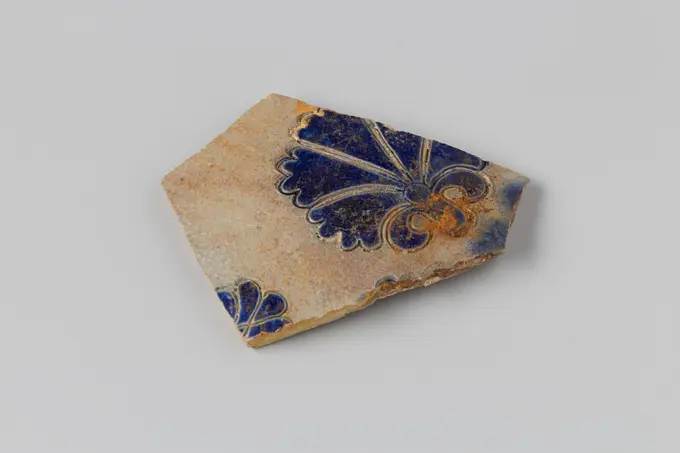
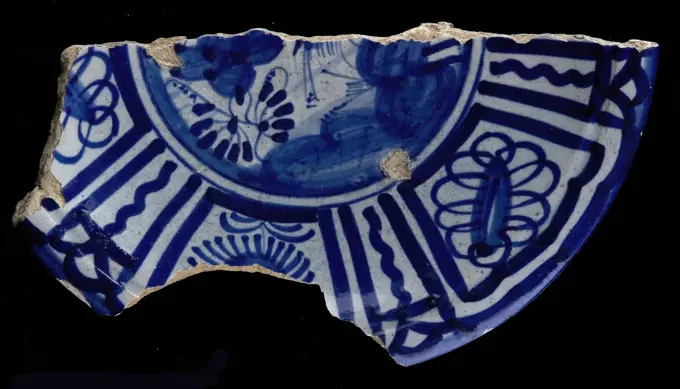
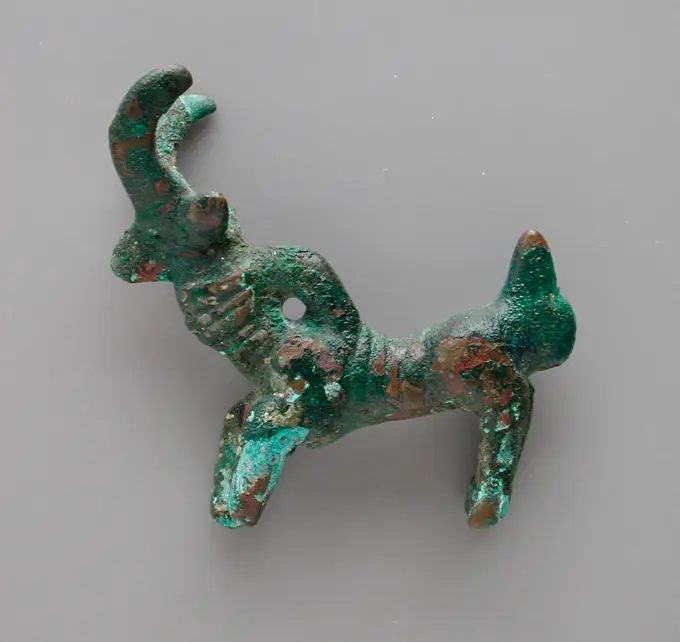
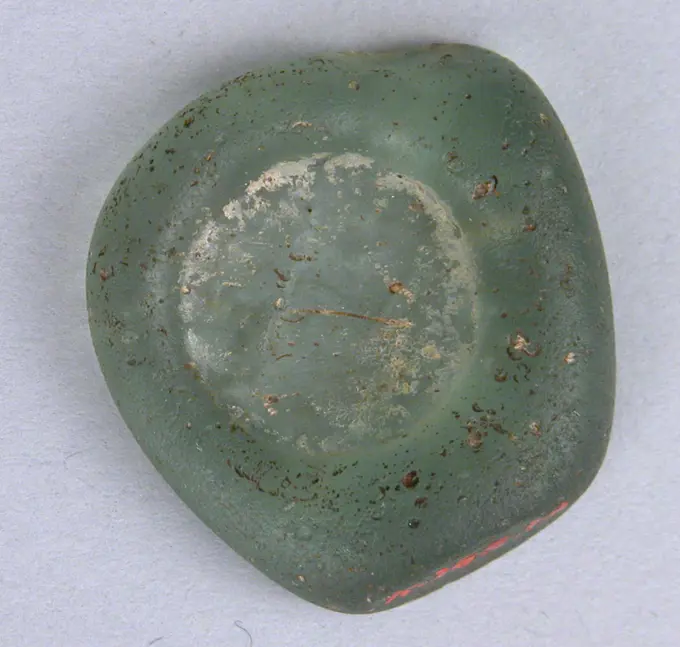
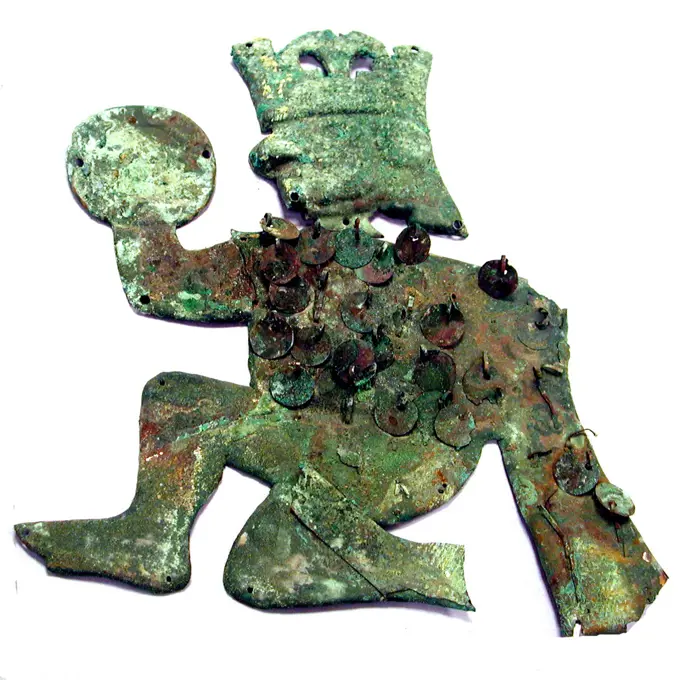
Shard of a pot from the wreck of the East India Hollandia.Stoneware, Rhenish, Westerwald, Pot; or body, sim. NG 1980-27H2624R.Terracotta rim of a cup with rosette. Culture: Minoan. Dimensions: Overall: 1 3/8 x 1 5/8in. (3.5 x 4.1cm). Date: ca. 1800-1700 B.C..From Knossos, CretePart of rim, polychrome, white rosette on dark ground. Museum: Metropolitan Museum of Art, New York, USA.Miniature drum. Bronze. Cernuschi Museum, Asia Museum of Asia in the city of Paris.Tile from marsh scene ca. 1353-1336 B.C. New Kingdom, Amarna Period. Tile from marsh scene. ca. 1353-1336 B.C.. Polychrome faience. New Kingdom, Amarna Period. From Egypt, Middle Egypt, Amarna (Akhetaten), Royal Palace of Akhenaten, Petrie excavations, 1891-92. Dynasty 18Excerpt of copper from the wreck of the East Indians Hollandia, 1700 - in or before 1743  Parts of artefacts; eroded fragments: materials; copper. Netherlands copper (metal)   SecondHorse Accoutrement. Southern Siberia, Tagar, 1st century B.C.. Tools and Equipment; horse trappings. Bronze, castFive round copper objects, bowls, feet or bins, artifact Soil discovery copper metal largest, Five round (bent) thin copper plates with raised edge Three with one or more holes in the upright edge and two with holes in the middle. Possible basic images of candlesticks or basins of balance scales archeology Rotterdam rail tunnel lighting illumination evening night Soil discovery: trajectory Rotterdam rail tunnel.Vase fragment East Greek/Sardis, Lydian. Vase fragment 252805 East Greek/Sardis, Lydian, Vase fragment, Terracotta, Overall: 4 1/4 x 3 1/4in. (10.8 x 8.3cm). The Metropolitan Museum of Art, New York. Gift of The American Society for the Excavation of Sardis, 1926 (26.199.238)Decorated jar fragment with inscription ca. 1390-1352 B.C. New Kingdom. Decorated jar fragment with inscription. ca. 1390-1352 B.C.. Pottery and ink, paint. New Kingdom. From Egypt, Upper Egypt, Thebes, Malqata, Palace of Amenhotep III, MMA excavations. Dynasty 18Ax fragment. Bronze. Cernuschi Museum, Asia Museum of Asia in the city of Paris.Falcon Amulet ca. 1850-1700 B.C. Late Middle Kingdom This amulet was found in the plundered chamber reached by a shaft in the portico of a rock-cut tomb in the Asasif section of the Theban necropolis. Among the finds were parts of a rectangular wooden coffin with green hieroglyphs on a yellow background as well as a few remains of one or more model wooden boat(s), three scarabs (13.180.8- .10), two anhydrite toilet vessels (13.180.19a- .c, .20) and the group of jewelry items (13.180.1- .18a- .l) striking for the extensive use of silver. Dates that can be ascertained by stylistic comparisons to some of the objects range from the late Middle Kingdom (ca. 1850-1700 B. C.) to the late Second Intermediate Period (ca. 1580-1550 B. C.). A number of clay pots (28.3.239- .241 now in the Oriental Institute Museum, Chicago) from the area of the tomb but not with certainty identified as found inside the shaft and chamber from which the jewelry was obtained date to the late Second Intermediate PeriCostume Ornament 11th-12th century Peru; central coast (). Costume Ornament. Peru; central coast (). 11th-12th century. Silver. Peru. Metal-OrnamentsCutlery Case; paper; 1988-2-1-a,bFragment of a dish, anonymous, c. 1590 - c. 1620 Fragment of a dish of lead glaze pottery. The fragment is decorated with tendrils on the edge and stripes along the dish edge. Wanfried earthenware. lead glaze Fragment of a dish of lead glaze pottery. The fragment is decorated with tendrils on the edge and stripes along the dish edge. Wanfried earthenware. lead glazeAmulet - FishInlay with stripes 200 BC-100 AD Ptolemaic Period-Roman Period A mosaic glass technique allowed multiples of an image to be created: a figural or design composition was made by bundling colored glass canes, which were then drawn out into a long bar. The bar was then sectioned at right angles, probably by striking the bar with appropriate tools, to produce small inlay tiles. The tile would then be smoothed and polished on the face intended to appear outwards.. Inlay with stripes. 200 BC-100 AD. Glass. Ptolemaic Period-Roman Period. From EgyptRectangular Plaque middle of the 6th century Frankish. Rectangular Plaque 465539 Frankish, Rectangular Plaque, middle of the 6th century, Copper alloy, Overall: 15/16 x 5/8 x 3/16 in. (2.4 x 1.6 x 0.5 cm). The Metropolitan Museum of Art, New York. Gift of J. Pierpont Morgan, 1917 (17.193.219)Vase fragment Minoan. Vase fragment 247761Fragment of a Bowl 12th century View more. Fragment of a Bowl. 12th century. Earthenware; white gritty body, molded decoration under dark blue glaze. Excavated in Iran, Nishapur. CeramicsBiconical Bead. Greek; Thessaly. Date: 800 BC-600 BC. Dimensions: 3.5 × 6.0 × 3.5 cm (1 3/8 × 2 3/8 × 1 3/8 in.). Bronze. Origin: Greece. Museum: The Chicago Art Institute, Chicago, USA. Author: ANCIENT GREEK.Eye of Horus (Wedjat) Amulet 1069 BCE-664 BCE Egypt. Faience . Ancient EgyptianFragment 11th-12th century. Fragment 445588Fragment of a Cup 100 BCE-100 CE Roman Empire. In ancient Rome, there was a high demand for colorful glass that could dazzle banquet guests alongside the expensive silver and gold serving wares meant to impress. Fragments like this one would have once been a part of larger mosaic dishes. The mosaic pattern was made by sagging molten glass into bowl-shaped molds, a technique used on many of these fragments is similar to millefiori, ìthousand flowersî in Italian, a modern glass-making method in which tiny rods of colored glass are bundled together, wrapped in a sheet of glass, fused, and then thinly sliced to reveal swirls of a flower-like patterns. They were arranged side by side, sometimes together with bits of colored glass, and fused together with heat.. Glass, mosaic technique . Ancient RomanFragment 9th-10th century. Fragment 451531Chalice fragment showing a file of nude females in a marshy landscape, inscribed, associated with 2013.635 ca. 945-712 BC Third Intermediate Period. Chalice fragment showing a file of nude females in a marshy landscape, inscribed, associated with 2013.635 553648Double punched hinge plate with leather and three heavy iron rivets, batter Soil discovery copper brass iron leather metal, cut riveted Double hinged plate between which remains of leather. Three heavy iron rivets archeology Rotterdam City Triangle Schielandshuis Short High Street confirmation Soil discovery: Gallery garden Schielandshuis 1985.Bronze fibula in the form of ten-pointed star with inner circle.Diameter 2, 6 cm thickness 0, 15 cm.Vase fragment Roman Fragment of green glazed vase with applique relief; draped woman.. Vase fragment. Roman. Terracotta. VasesExcerpt of copper from the wreck of the East Indians Hollandia, 1700 - in or before 1743  Parts of artefacts; eroded fragments: materials; copper. Netherlands copper (metal)   SecondScabbard for Knife (Kukri), c. 1750-1800. Nepal. Steel with etched surface and wooden handle, leather covered scabbard with brass mounts; overall: 40 cm (15 3/4 in.); blade: 31.8 cm (12 1/2 in.).Fibula (leech type) 800 BCE-700 BCE Thessaly. This precious bronze object is a votive, or devotional gift, made as an offering to the gods. They come in many forms, such as animals, beads and brooches. Many seem once to have been attached to something else. Votives were hung from sacred trees or placed in sanctuaries around Greece. Once a shrine was full, the votives were ceremonially buried to make room for more offerings.. Bronze . Ancient GreekTwo wolf heads. Caucasus. 4th century BC. Paris, Cernuschi museum. 35173-11 Bronze, wolf, headStone Blade before 16th century Tairona. Stone Blade 317287Menat fragment ca. 1479-1458 B.C. New Kingdom. Menat fragment. ca. 1479-1458 B.C.. Faience. New Kingdom. From Egypt, Upper Egypt, Thebes, Deir el-Bahri, Hatshepsut Hole, MMA excavations, 1922-23. Dynasty 18Fragment 9th-10th century This object was excavated at Nishapur.Nishapur was a vital city in the early and middle Islamic periods, located along one of the main trajectories that connected Iran and West Asia Islamic lands with Central Asia and China. These itineraries are often referred to by the term Silk routes but were in fact crucial to the movement of constellations of materials and objects, as well as people and ideas. The diverse population of Nishapur and its surroundings, from the better-researched elite groups of merchants, land-owning aristocracy, and literates, to the less-known artisans, farmers, miners, and servants, were instrumental in adapting global cultural trends to create their own distinctive visual languages. This is seen in the material remains of everyday life in medieval Nishapur - from pots and pans to lighting devices, inkwells, textiles and trimmings, jewelry, games and toys, talismanic devices, weapons, coins, and architectural fragments.Nishapur lost its Key Handle 2nd-3rd century Roman. Key Handle 462959Archer's Bracer 15th-17th century Tibetan or Mongolian. Archer's Bracer. Tibetan or Mongolian. 15th-17th century. Leather, shellac, gold, pigment. Archery EquipmentGlass Fragment early 14th century French or British. Glass Fragment. French or British. early 14th century. Colorless glass. Glass-StainedFragment of buyer from the wreck of the East India Hollandia.parts or artifacts; eroded fragments: Materials; Copper.Shawabty of Ditamenpaankh, 715-656 BC. Egypt, Late Period, Dynasty 25. Terracotta; overall: 1.9 x 1.1 x 1.2 cm (3/4 x 7/16 x 1/2 in.).Inlay: male torso ca. 2600-2500 B.C. Sumerian This plaque is cut from a piece of pearly shell in the shape of a mans upper torso and arms. He clasps his hands to his chest, bending his arms deeply; his elbows are sharp points. His head is now missing, but two rounded rectangular depressions carved into the top of the plaque likely represented the lower extent of the figures beard. The plaque was probably set in bitumen (a tar-like substance used as an adhesive) with pieces of shell and stone to create a composition in contrasting colors, a characteristic technique of the late Early Dynastic period exemplified by the well-known Standard of Ur, now in the British Museum. Nippur, the great holy city of southern Mesopotamia, was the home of the chief deity Enlil and housed temples to Enlil and many other gods. Excavations in the temple of the goddess Inanna have revealed that the sanctuary was first built in the Early Dynastic I period and continually rebuilt on the same site until the PMirror with Dionysos 4th century B.C. Etruscan. Mirror with Dionysos 253035 Etruscan, Mirror with Dionysos, 4th century B.C., Bronze, Diameter (.b): 5 13/16 in. (14.8 cm) Diameter (a): 4 3/4 in. (12.1 cm). The Metropolitan Museum of Art, New York. Anonymous Gift, 1929 (29.141a, b)Vase fragment Minoan. Vase fragment 247834Fragment of a Bowl 13th-14th century. Fragment of a Bowl 446450Belt Fitting middle of 6th century Frankish. Belt Fitting. Frankish. middle of 6th century. Copper alloy. Made in Niederbreisig, Germany. Metalwork-Copper alloyFragment of a Bowl 14th-15th century. Fragment of a Bowl 445571Square Plaque 3rd century B.C.-A.D. 2nd century Vicús. Square Plaque 314883Fragment of a Floral Inlay 100 BCE-1 BCE Egypt. In ancient Rome, there was a high demand for colorful glass that could dazzle banquet guests alongside the expensive silver and gold serving wares meant to impress. Fragments like this one would have once been a part of larger mosaic dishes. The mosaic pattern was made by sagging molten glass into bowl-shaped molds, a technique used on many of these fragments is similar to millefiori, ìthousand flowersî in Italian, a modern glass-making method in which tiny rods of colored glass are bundled together, wrapped in a sheet of glass, fused, and then thinly sliced to reveal swirls of a flower-like patterns. They were arranged side by side, sometimes together with bits of colored glass, and fused together with heat.. Glass, mosaic technique . Ancient EgyptianFragment 9th century. Fragment 451517Buckles, 600s. Merovingian, Burgundian, Migration period, 7th century. Iron with silver overlay; part 1: 6.4 cm (2 1/2 in.).Scherf of a pot from the wreck of the East Indians Hollandia, Anonymous, 1700 - in Or Before 1743 pot Stoneware, Rhenish, Westerwald, pot; of body, sim. NG 1980-27H2624r. Westerwald stoneware   SecondFragment of stem and calyx part of roemer with smooth buds, roemer wine glass drinking glass drinking utensils tableware holder soil find glass forest glass, hand-blown glass application Fragment of part of stem and calyx of roemer in clear light green glass (forest glass) At the stem at least two rows of convex smooth nubs (as marbles) of which two are complete and the onset of third in lower row. Between stem and chalice circular Serrated glass wire archeology Rotterdam rail tunnel drink Soil discovery: rail tunnel Rotterdam.Shawabty of Ditamenpaankh, 715-656 BC. Egypt, Late Period, Dynasty 25. Terracotta; overall: 5.2 x 1.8 x 1.1 cm (2 1/16 x 11/16 x 7/16 in.).Pijpenkop with piece of stem from the wreck of the East Indieschief Hollandia. Pipe, Bowl, Healmar: Tobacco's Brazier; No HSM.Rim fragments of pots from the wreck of the East India Hollandia.Stoneware, Rhenish, Westerwald, Pot; Fragm or Rims, SIM. NG 1980-27H2624R.Fragment of a green glazed oven tile, anonymous, c. 1500 - c. 1600 Fragment of a green glazed tile, which has been part of an oven. Germany earthenware Fragment of a green glazed tile, which has been part of an oven. Germany earthenwareScarab: Wish Formula (). Egyptian. Date: 1295 BC-525 BC. Dimensions: 1.3 × 1 × 0.6 cm (1/2 × 3/8 × 1/4 in.). Steatite. Origin: Egypt. Museum: The Chicago Art Institute, Chicago, USA. Author: Ancient Egyptian.Fragment of a Bowl. Byzantine; Asia Minor, Constantinople. Date: 1201-1400. Dimensions: 1.3 × 7.6 × 4.1 cm (1/2 × 3 × 1 5/8 in.). Ceramic. Origin: Istanbul. Museum: The Chicago Art Institute, Chicago, USA.Copper alloy dagger blade ca. 2000 B.C. Cypriot Leaf-shaped blade with tang; two rivet-holes in the base of blade. The rivet in one hole is preserved.. Copper alloy dagger blade 244174Fragment 14th-15th century. Fragment 445617Plaque. Inner Mongolia and northern China, 5th-3rd century B.C.. Sculpture; plaques. Bronze, castPottery Fragment 4th-7th century Coptic. Pottery Fragment 479320Inlay ca. 2900-2350 B.C. Sumerian. Inlay 324882106 Fragments of predominantly Northern Netherlands Majolica and other earthenware, Anonymous, 1600 - 1650 Party fragments. 79 numbered and four unnumbered shards of dishes and bowls, predominantly Northern Dutch Majolica. One excerpt from an Antwerp Majolica Albarello. One fragment Italian slender work. 21 Shards Delftse and Haarlem Faience from before 1660. One Grès Kruik. One pot has been administered separately under inventory number BK-BR-126-A. Northern Netherlands earthenware majolica Party fragments. 79 numbered and four unnumbered shards of dishes and bowls, predominantly Northern Dutch Majolica. One excerpt from an Antwerp Majolica Albarello. One fragment Italian slender work. 21 Shards Delftse and Haarlem Faience from before 1660. One Grès Kruik. One pot has been administered separately under inventory number BK-BR-126-A. Northern Netherlands earthenware majolicaFurniture, leg elements. Furniture, leg elements 248073Costume Ornament. Culture: Peru; central coast (). Dimensions: L. 1 3/8 in. (3.5 cm). Date: 11th-12th century. Museum: Metropolitan Museum of Art, New York, USA.Crescent Ornament 6th-7th century Moche (Loma Negra). Crescent Ornament. Moche (Loma Negra). 6th-7th century. Gilded copper. Peru. Metal-OrnamentsFragment 14th century. Fragment 445335Two fragment of image. Two fragments of imageFish Ornament. Culture: Peru; central coast (). Dimensions: L. 1 7/8 in. (4.8 cm). Date: 11th-12th century. Museum: Metropolitan Museum of Art, New York, USA.Fragment of a Bowl 9th-10th century. Fragment of a Bowl 450248Mirror Decoration. Egyptian. Date: 301 AD-700 AD. Dimensions: 7.5 × 7.5 × 1 cm (3 × 3 × 3/8 in.). Glass. Origin: Egypt. Museum: The Chicago Art Institute, Chicago, USA. Author: Ancient Egyptian.Ax blade. Bronze. Cernuschi Museum, Asia Museum of Asia in the city of Paris.AxeheadBird Plaque Ornament 3rd century B.C.-A.D. 2nd century Vicús. Bird Plaque Ornament 314732Mosaic Glass Fragment 4th-early 5th century Coptic. Mosaic Glass Fragment 479141Floor tile: all Dinc has-tears. Floor tile decorated with a square with a coat of arms around which the inscription: all Dinc has-bees-ties. In the corners, a quarter of rosette.Cosmetic Container and Applicator 301 CE-400 CE Italy. Glass and bronze . Ancient RomanBadge or Harness Pendant 14th century Spanish Heraldry, or coat-of-arms, were vitally important in Europe throughout the Middle Ages and the Renaissance. Heraldic emblems were used to identify noble families, cities, regions, and even countries. In addition to being displayed on shields and flags, heraldry was incorporated into architectural decoration on the interior and the exterior of buildings, on furniture, works of art, clothing, and horse equipment. Harness pendants, like this example, would have been attached to a headstall, bridle, or other straps making up the tack of a horse ridden by a nobleman or noblewoman, or a member of their household. Many harness pendants also have decoration that is simply ornamental, or have symbols that are not specifically heraldic in nature.. Badge or Harness Pendant. Spanish. 14th century. Copper, gold, enamel. Miscellaneous-BadgesScarab Inscribed with a Hieroglyphic Motif ca. 1479-1458 B.C. New Kingdom. Scarab Inscribed with a Hieroglyphic Motif. ca. 1479-1458 B.C.. Steatite (glazed). New Kingdom. From Egypt, Upper Egypt, Thebes, Deir el-Bahri, Temple of Hatshepsut, Foundation Deposit 9 (I), MMA excavations, 1926-27. Dynasty 18, earlyBird Plaque Ornament 3rd century B.C.-A.D. 2nd century Vicús. Bird Plaque Ornament 315418Buckle The tongue, which is fastened to the rim by a sliding loop, is decorated with a small, incised plate.. Buckle 246779Plaque fragment with an incised ostrich ca. 9th century B.C. Iran. Plaque fragment with an incised ostrich 325762'Kizil Kuh' Plaque. Western Iran, Luristan bronzes, circa 1000-800 B.C.. Tools and Equipment. Bronze, hammeredFragment of buyer from the wreck of the East India Hollandia.parts or artifacts; eroded fragments: Materials; Copper.Kohl Container, 1295-1186 BC. Egypt, New Kingdom, Dynasty 19. Turquoise faience with black painted decoration; overall: 8.4 x 4.3 x 1.5 cm (3 5/16 x 1 11/16 x 9/16 in.).Fragment of a Lacquer Tray, 9-24. China, excavated at Lolang, Xin dynasty (9-23). Lacquer; overall: 3.8 x 14.3 cm (1 1/2 x 5 5/8 in.).Green casserole lid with curved flat ear in the center of the lid, lid closure part soil find ceramic earthenware glaze lead glaze, edge d 1.0 hand-formed fried glazed Green casserole lid with curved flat ear in the center of the lid. Convex top with rotations and slightly rising edge. Yellow shard Green glazed. Restoration is repainted in color archeology Rotterdam City triangle indigenous pottery food preparation cooking kitchen Schielandshuis Soil discovery: Schielandshuis during restoration 1982.Carved Intaglio Gemstone with standing figure ofFortunaFragment of a Bowl 14th-15th century. Fragment of a Bowl 446408Printing block, Medium: wood, copper, brass, One of twenty-one wood blocks showing a different floral motif formed by metal strips set in wood., USA, 1825-50, appliances & tools, Printing blockSharf of white -baking earthenware, with a painting of stripes in blue, brown and orange on a yellowish surface, c. 1500 - c. 1899 fragment   earthenware. glazeRing fragment with part of name Tiy ca. 1390-1353 B.C. New Kingdom. Ring fragment with part of name Tiy. ca. 1390-1353 B.C.. Faience, blue. New Kingdom. From Egypt, Upper Egypt, Thebes, Malqata, Palace of Amenhotep III, MMA excavations, 1910-11. Dynasty 18Bottom fragment Werra plate, mirror decor with seven-pointed star with sgraffito face, pale yellow and green glaze, plate crockery holder earth discovery ceramic earthenware glaze, Red earthenware with drawing in pale yellow and green glaze archeology Rotterdam Overschie Schieveen Verlaatsloot Soil discovery Verlaatsloot Rotterdam 1941.Shard of a pot from the wreck of the East India Hollandia.Stoneware, Rhenish, Westerwald, Pot; or body, sim. NG 1980-27H2624R.Ceramic Fragment. Unknown 1st century B.C. Dark blue glaze with light blue glaze bands.Fragment majolica dish, blue on white, Chinese garden and border in Wanli style, dish tableware holder earth discovery ceramics pottery glaze, Op baked archeology serving serve adorn ChinaPendant. Iran, Luristan, circa 1000-650 B.C.. Jewelry and Adornments; pendants. Bronze, castCoin Weight 11th-13th century. Coin Weight 442887Profile Warrior Ornament 6th-7th century Moche (Loma Negra). Profile Warrior Ornament 315126